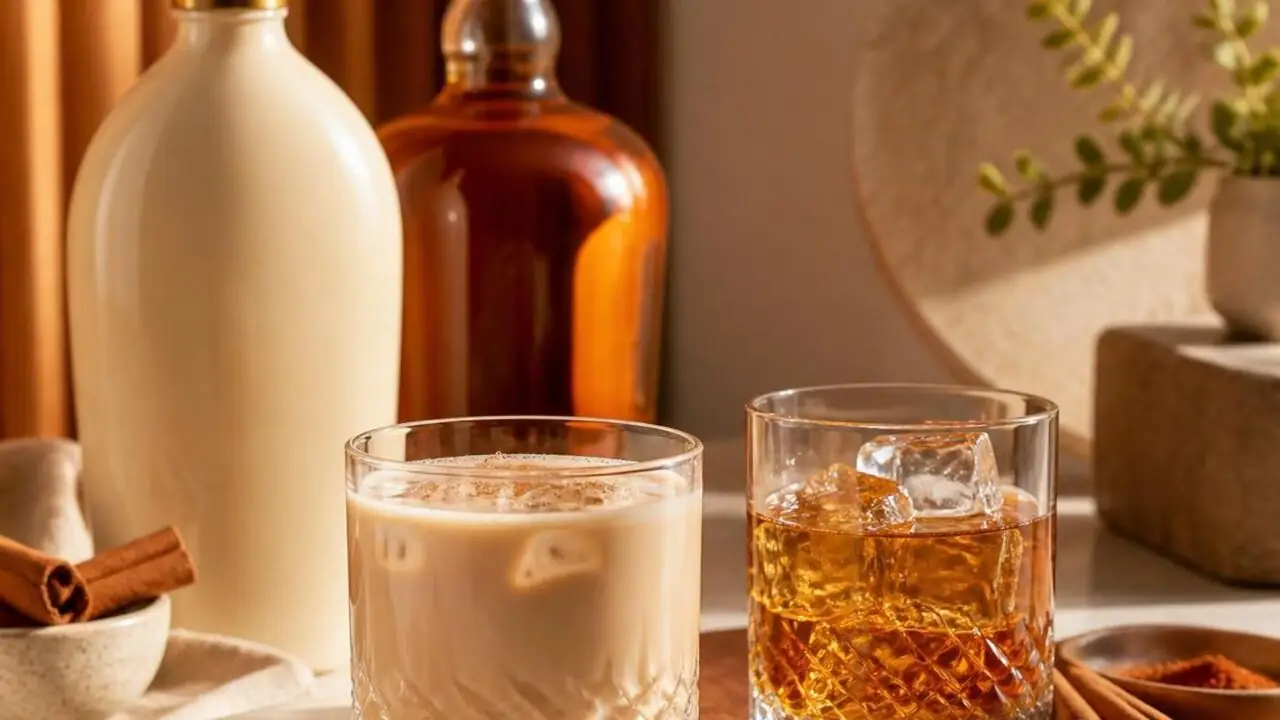
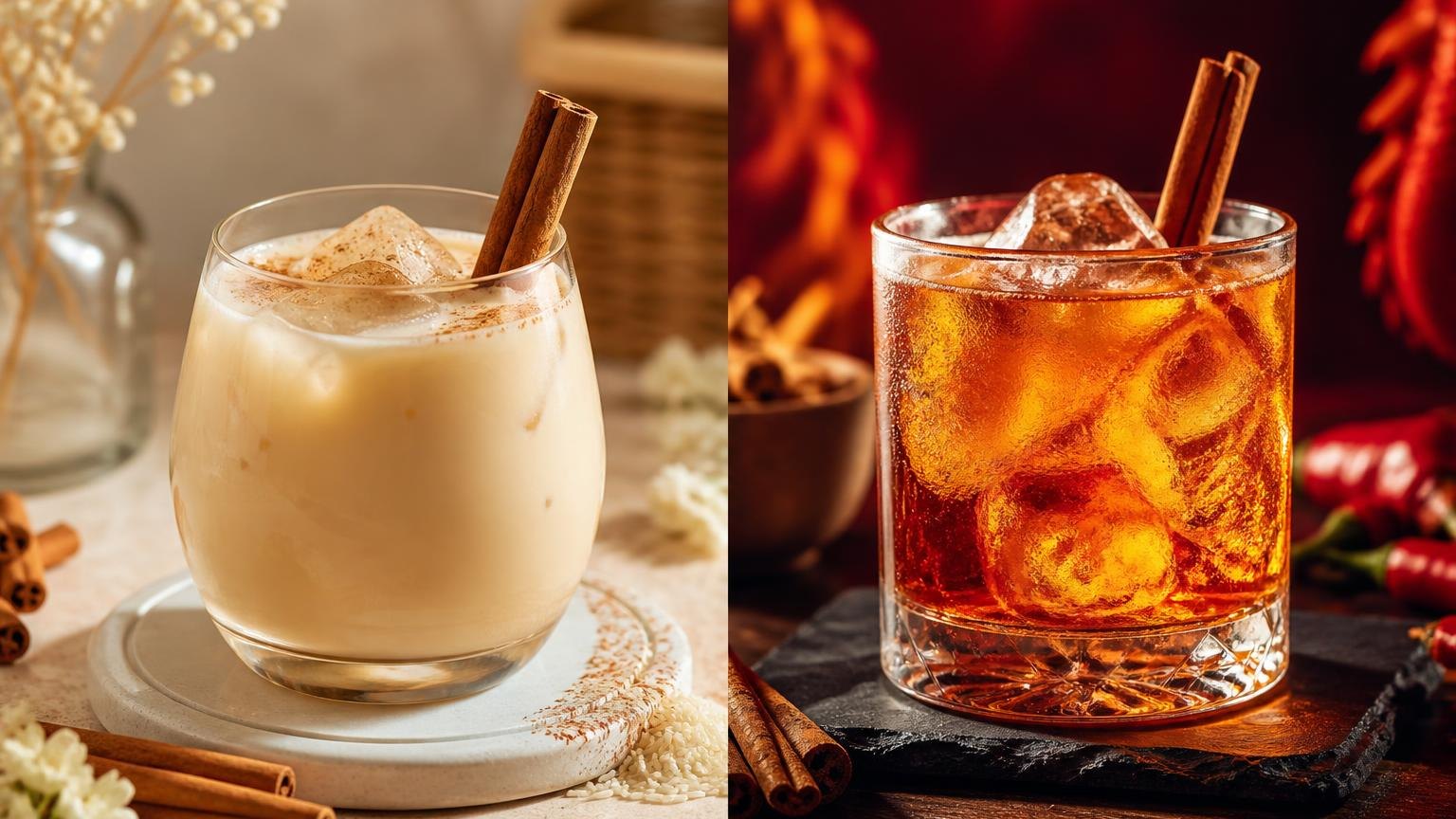
What Does Rumchata and Fireball Taste Like? is creamy vanilla-cinnamon horchata followed by a sharp red-hot candy whisky burn.
RumChata brings dairy richness, sugar, vanilla, and baking spice; Fireball adds cinnamon heat, whisky bite, and a lingering sweet finish.
Together, the mix tastes like melted cinnamon toast crunch, spiked cream liqueur, and hot cinnamon candy in one glass. The texture feels smooth at first, then turns warmer and pricklier as Fireball takes over.
Serve it chilled for balance or as a shot for maximum spice.
Why RumChata and Fireball Taste Different
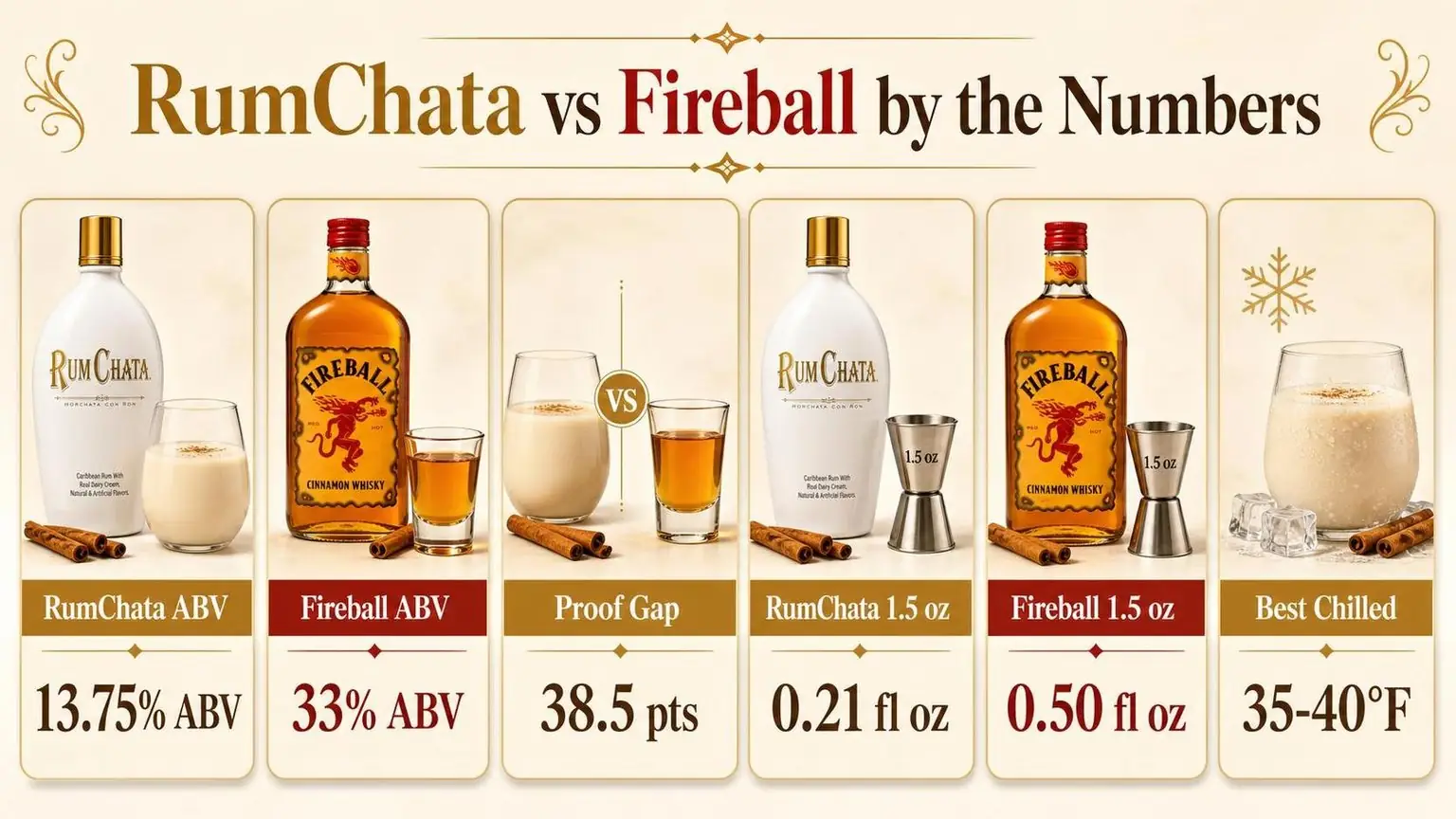
RumChata and Fireball taste different because their numbers are far apart. RumChata is 13.75% ABV, while Fireball is 33% ABV in the U.S. That gap changes sweetness, heat, texture, and how long the finish stays on the palate.
ABV matters first. At 13.75% alcohol by volume, RumChata drinks like a cream liqueur: soft, sweet, and rounded. At 33% ABV, Fireball carries more alcohol heat, so the cinnamon lands sharper and the finish feels hotter.
| Bottle | ABV | Proof | What you taste first | Why it tastes that way |
| RumChata | 13.75% | 27.5 | Sweet cream, cinnamon, vanilla | Low alcohol and a dairy-based liqueur texture mute burn and emphasize dessert notes |
| Fireball Cinnamon Whisky | 33% | 66 | Hot cinnamon candy, sugar, whisky heat | Higher alcohol lifts aroma and intensifies the spicy, warming finish |
The proof difference is 38.5 points. That is large enough that most drinkers notice it immediately, even in small pours. RumChata feels milkshake-adjacent; Fireball feels closer to a flavored shot.
Texture also changes flavor perception. RumChata contains dairy cream, which adds weight and coats the tongue. That coating makes cinnamon seem softer, vanilla seem fuller, and alcohol seem lower than the label number suggests.
Fireball is lighter in body, so flavor moves faster. You usually get cinnamon candy upfront, then sweetness, then a warming whisky finish.
The spice reads “red-hot” rather than “baking spice” because there is less cream to cushion it.
In a standard 1.5-ounce pour, the alcohol load differs sharply. RumChata delivers about 0.21 fluid ounces of pure alcohol. Fireball delivers about 0.50 fluid ounces, more than double, which explains the stronger burn and longer aftertaste.
| Per 1.5 oz pour | RumChata | Fireball |
| Pure alcohol | 0.21 fl oz | 0.50 fl oz |
| Taste intensity | Low-to-medium | Medium-to-high |
| Perceived sweetness | High | Medium-to-high |
| Finish | Creamy, short, dessert-like | Hot, spicy, longer |
- If you want horchata-like sweetness, RumChata is the closer match.
- If you want cinnamon-candy heat with whisky bite, Fireball is the clearer pick.
- If you mix them together, RumChata usually softens Fireball’s burn and turns the profile into cinnamon-toast dessert.
How Their Structures Change a Drink
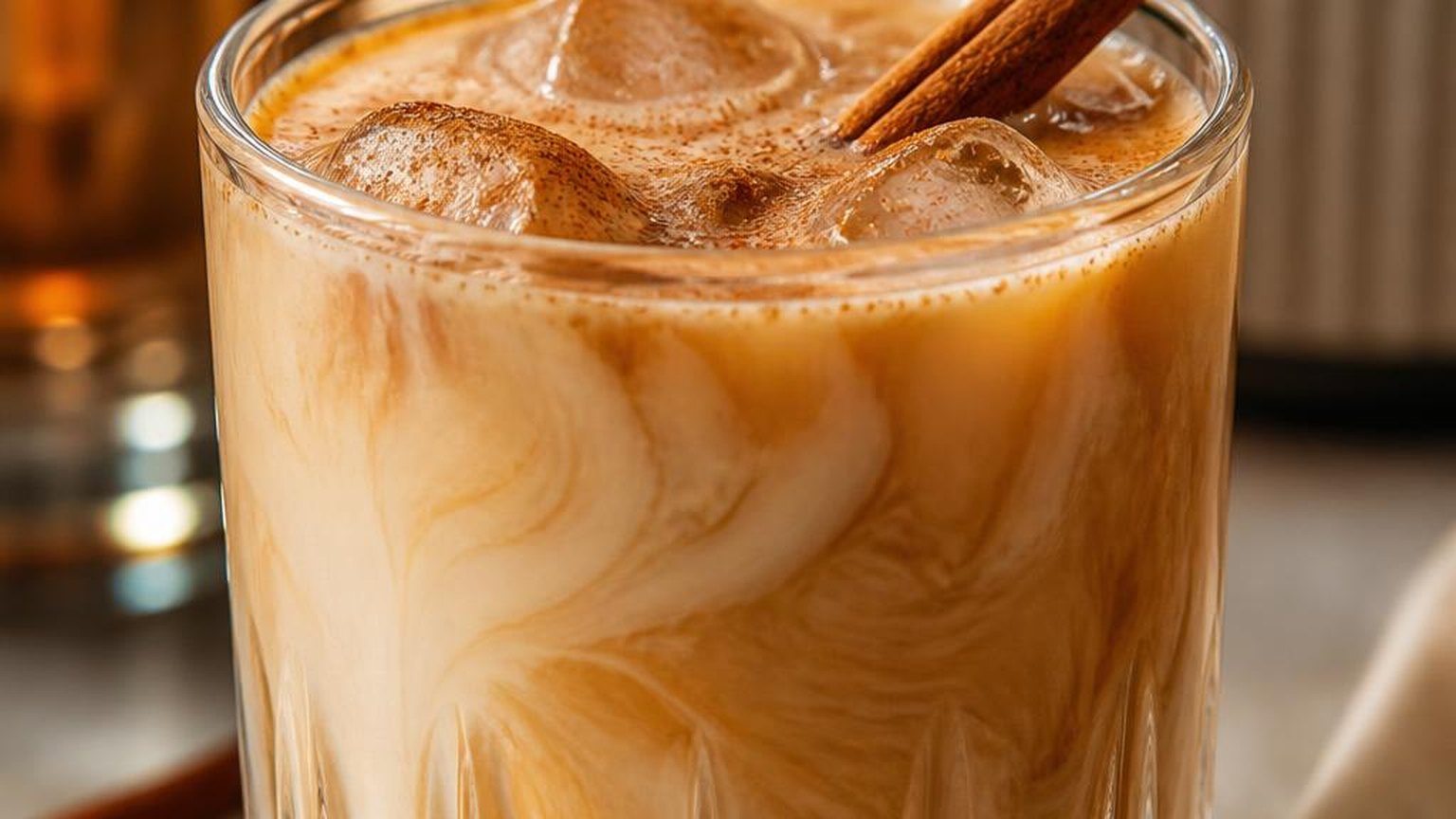
RumChata and Fireball change fast in the glass because they bring different structures to the same drink. RumChata is a cream liqueur at 13.75% ABV, while Fireball Cinnamon Whisky is 33% ABV in the US.
That gap affects sweetness, heat, thickness, and whether the mix stays smooth.
The biggest factor is ratio. More RumChata pushes the drink toward cinnamon-toast, melted vanilla ice cream, and horchata-like sweetness. More Fireball shifts it toward red-hot candy, ethanol heat, and a drier finish.
| Mix ratio | Likely flavor result |
| 2 parts RumChata : 1 part Fireball | Creamy, sweet, mild cinnamon heat, dessert-like finish |
| 1 part RumChata : 1 part Fireball | Balanced but hotter, stronger candy-cinnamon note |
| 1 part RumChata : 2 parts Fireball | Sharper alcohol bite, thinner body, less cream perception |
Temperature matters because cold suppresses aroma and thickens cream. Serve the bottles chilled, around 35 to 40°F, and the mix tastes rounder and less fiery. At room temperature, Fireball’s cinnamon and alcohol feel more aggressive.
Dilution changes both flavor and texture. A standard 1-ounce ice melt can noticeably soften Fireball’s burn, but too much water makes RumChata taste thinner and less rich. Shaken drinks usually taste lighter than neat pours for that reason.
Acidity is the main stability risk. RumChata is dairy-based, so citrus juice, many sour mixers, or acidic sodas can push it toward curdling. The drink may still be safe if fresh, but the texture turns grainy and the taste seems broken.
| Factor | What it changes |
| ABV difference: 13.75% vs 33% | Perceived heat, dryness, and finish length |
| Serving temperature: 35-40°F vs room temperature | Thickness, aroma release, cinnamon sharpness |
| Dilution: little vs heavy | Alcohol burn, sweetness intensity, body |
| Acid exposure | Smoothness versus curdled texture |
Glass size and portion also affect perception. A 2-ounce shot tastes sweeter and denser because you get less time with the alcohol burn. An 8-ounce mixed drink gives Fireball more room to build spice across several sips.
- Use chilled bottles for the smoothest texture.
- Start at 2:1 RumChata to Fireball if you want dessert-like flavor.
- Avoid lemon, lime, pineapple, and sour mix.
- Drink soon after pouring; cream liqueurs lose their best texture as they warm.
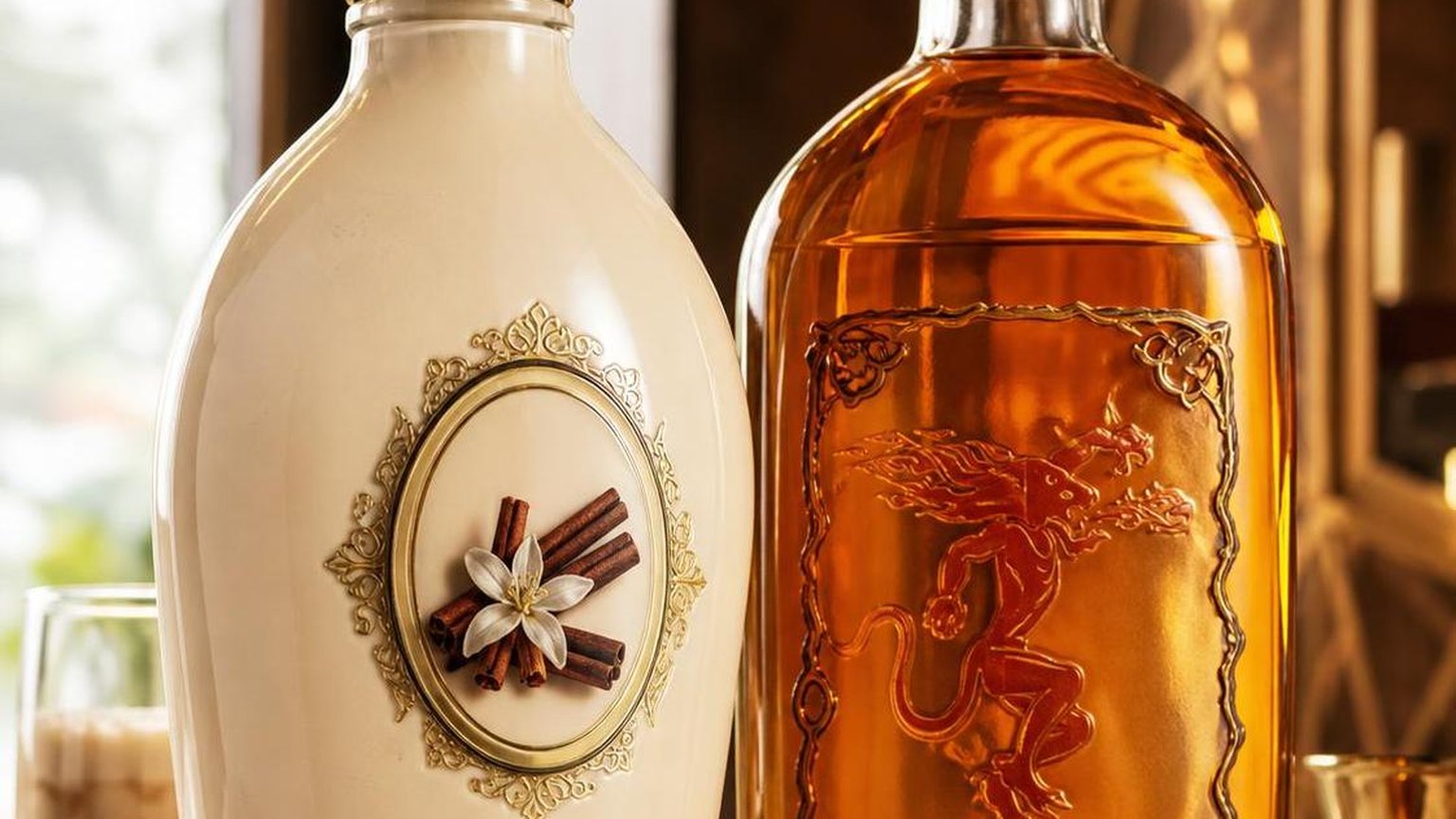
How RumChata and Fireball Taste Is Evaluated
Taste descriptions for RumChata and Fireball are checked against measurable data first, then against repeatable sensory tasting.
The goal is to separate label-driven facts, such as alcohol and sweetness, from subjective impressions like “hot,” “creamy,” or “dessert-like.”.
Verification starts with producer specifications, U.S. label disclosures, and standard tasting conditions.
Then the spirits are assessed side by side at the same temperature and pour size so cinnamon intensity, dairy-like richness, sugar, and alcohol heat can be compared directly.
RumChata is a cream liqueur made with Caribbean rum, dairy cream, cinnamon, vanilla, and sugar. Fireball Cinnamon Whisky is a cinnamon-flavored Canadian whisky-based spirit.
Their different categories explain why one reads as creamy and sweet while the other reads as spicy and hot.
| Product | Category | ABV | Proof | Main flavor drivers |
| RumChata | Cream liqueur | 13.75% | 27.5 | Cream, sugar, cinnamon, vanilla, rum |
| Fireball Cinnamon Whisky | Flavored whisky | 33% | 66 | Cinnamon flavoring, sugar, whisky base |
ABV matters because alcohol changes both aroma release and perceived burn. At 33% ABV, Fireball delivers more trigeminal heat than RumChata at 13.75% ABV.
That higher ethanol level is one reason many tasters call Fireball “hotter” and RumChata “smoother.”.
Sweetness is verified from nutrition labeling where available. Fireball’s labeled serving is 1.5 fluid ounces, and the bottle states about 11 grams of sugar per serving.
RumChata’s sweetness is evident in its liqueur style, though sugar figures vary by market and package format.
| Measure used in tasting | Standard check | Why it matters |
| Pour size | 1 to 1.5 oz | Keeps aroma and sweetness comparisons consistent |
| Serving temperature | 40°F to 68°F | Colder serving mutes aroma and burn; warmer serving increases both |
| Rest time in glass | 2 to 5 minutes | Lets volatile cinnamon and vanilla notes open |
| Taster sequence | RumChata first, Fireball second | Prevents Fireball’s cinnamon heat from masking cream notes |
Sensory verification uses a simple rubric: aroma, sweetness, spice intensity, texture, finish length, and heat. A creamy coating mouthfeel confirms RumChata’s dairy-based richness.
A shorter, hotter finish with sharper cinnamon confirms Fireball’s candy-like profile.
- Check the front and back labels for ABV, category, and flavor cues.
- Pour equal amounts into separate glasses.
- Taste at the same temperature, then retaste chilled.
- Note first aroma, mid-palate sweetness, and aftertaste heat.
- Compare with a neutral cracker and water between sips.
When those steps align, the tasting claim is reliable: RumChata tastes like sweet cinnamon-vanilla cream with light rum warmth, while Fireball tastes like sweet cinnamon candy with a stronger alcoholic burn and a sharper finish.
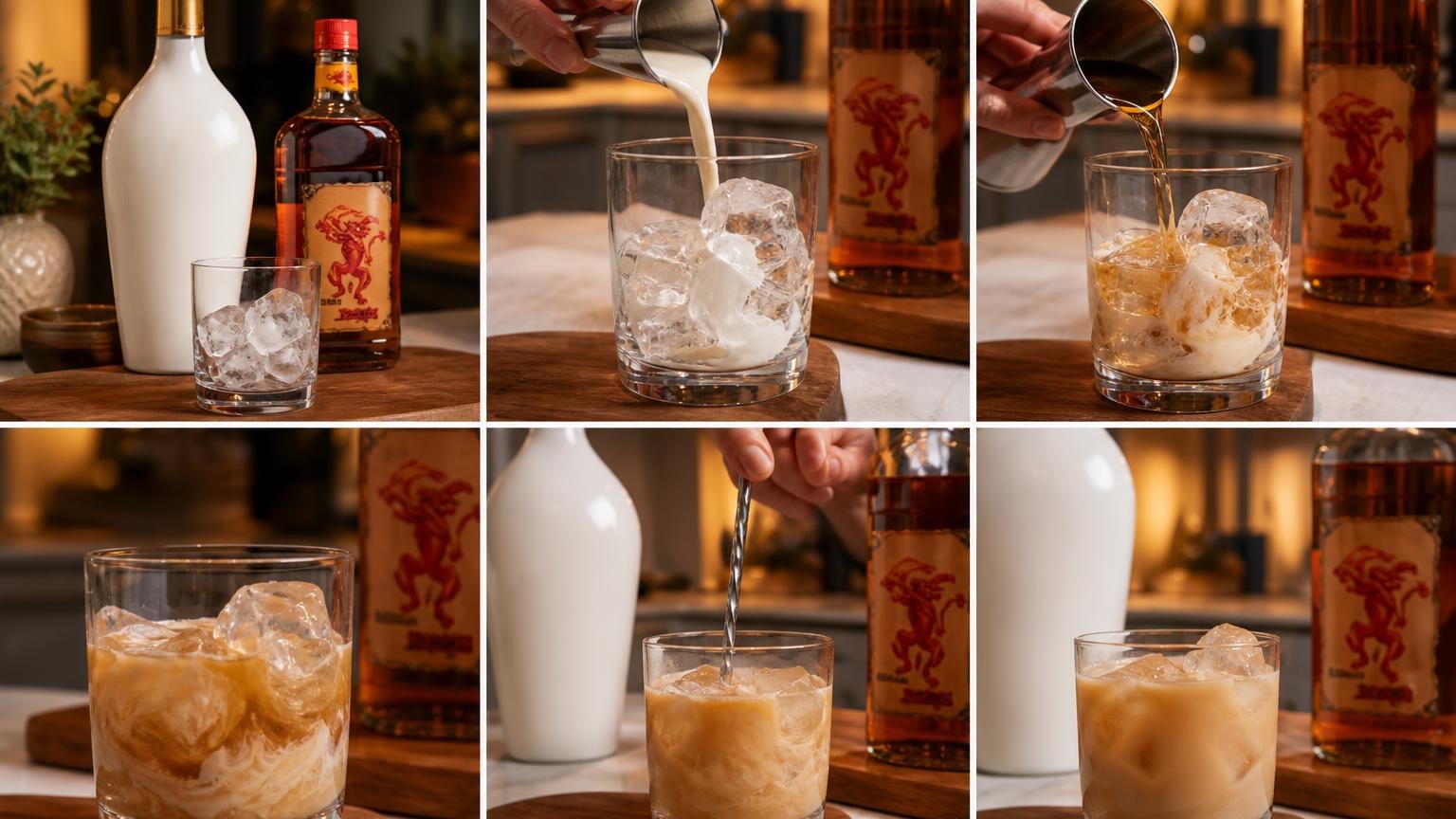
How They Compare with Similar Spirits
RumChata and Fireball sit between dessert liqueur and cinnamon shot, so the closest comparisons are cream liqueurs, coffee liqueurs, and other cinnamon spirits.
RumChata brings sweet vanilla-cinnamon cream at 13.75% ABV, while Fireball brings hot cinnamon candy at 33% ABV in the U.S.
Together, they taste richer and sweeter than most whiskey-based mixed shots. The cream softens Fireball’s sharp cinnamon heat, so the result lands closer to melted cinnamon ice cream or cinnamon toast cereal milk than straight whiskey.
| Product | Style | ABV | Main flavor impression |
| RumChata | Cream liqueur | 13.75% | Sweet cream, vanilla, cinnamon, light rum |
| Fireball Cinnamon Whisky | Cinnamon whisky liqueur | 33% | Hot cinnamon candy, sugar, whiskey |
| Baileys Original | Irish cream liqueur | 17% | Cream, cocoa, vanilla, light whiskey |
| Kahlúa Original | Coffee liqueur | 16% | Sweet coffee, caramel, vanilla |
| Goldschläger | Cinnamon schnapps | 43.5% | Drier, hotter cinnamon, stronger alcohol |
| Rumple Minze | Peppermint schnapps | 50% | Cold mint, intense sweetness, high proof |
| Horchata | Nonalcoholic rice drink | 0% | Cinnamon, vanilla, rice milk sweetness |
Against Baileys, RumChata and Fireball taste less chocolatey and more spice-driven.
Baileys is rounder and softer; the RumChata-Fireball mix has a clearer cinnamon snap and a warmer finish because Fireball’s candy-cinnamon profile stays on the palate.
Against Kahlúa-based drinks, the difference is immediate. Kahlúa adds roasted coffee bitterness and caramel depth, while Fireball adds heat and red-candy sweetness.
If you dislike mocha or espresso notes, RumChata and Fireball will read cleaner and more dessert-like.
Compared with Goldschläger or other cinnamon schnapps, Fireball is sweeter and less dry. Goldschläger at 43.5% ABV tastes more spirit-forward and sharper, so mixing it with RumChata creates a harsher, more alcoholic drink than Fireball does.
- Closest nonalcoholic reference: horchata with extra vanilla and a whiskey-candy finish.
- Closest bar reference: a lighter cinnamon version of a cream shot, not a full whiskey cocktail.
- Best for drinkers who like sweet, bakery-style flavors more than oak, smoke, or bitter coffee.
If you already know Fireball, adding RumChata cuts the burn and adds creamy body. If you already know RumChata, adding Fireball makes it hotter, sweeter, and more assertively cinnamon-driven without turning it into a dry whiskey drink.
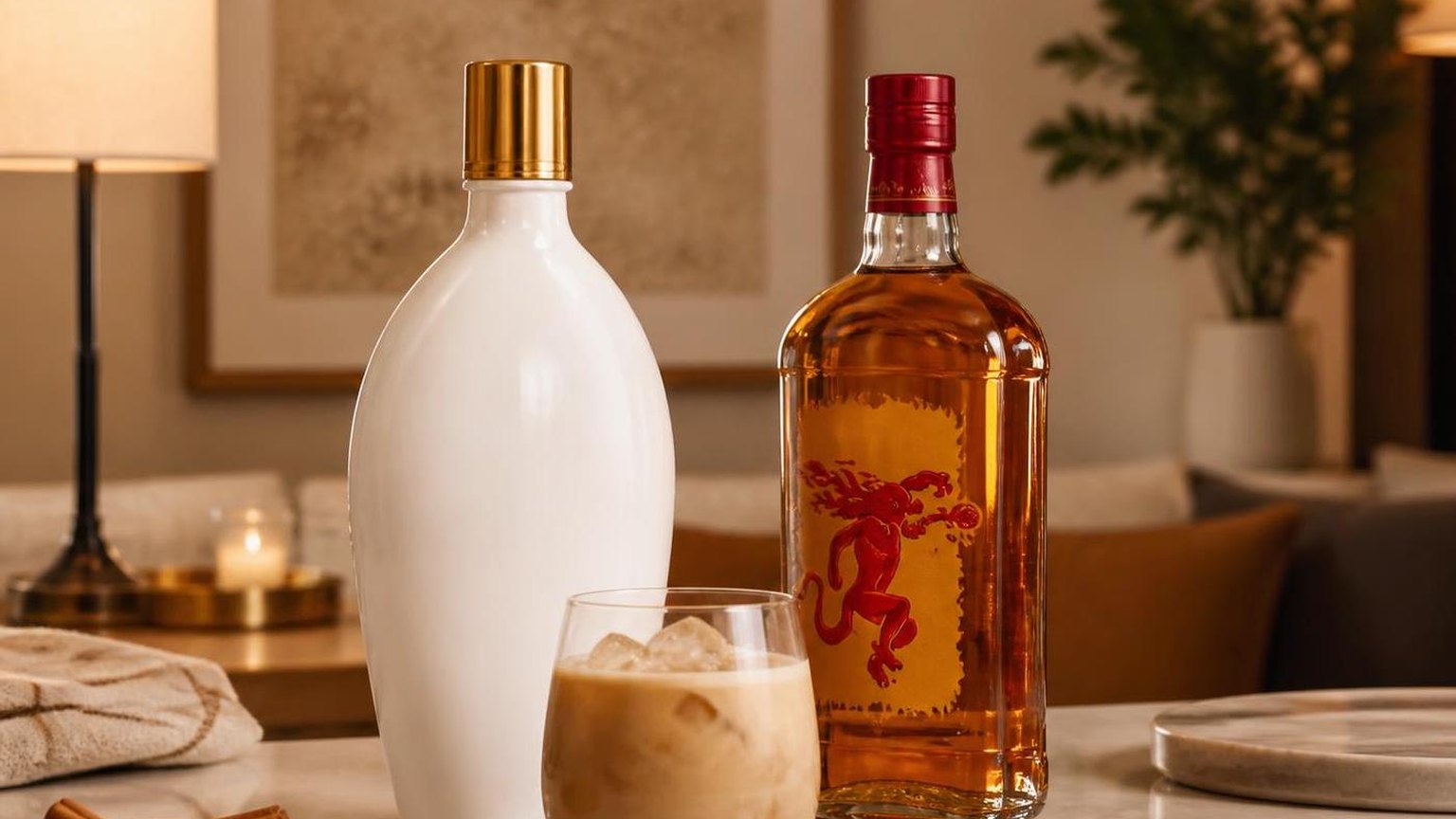
Drinking RumChata and Fireball Safely
RumChata and Fireball are easy to overdrink because they taste sweet, soft, and familiar. That sweetness can hide alcohol strength, especially when the two are mixed into cinnamon-roll style shots or dessert cocktails.
Alcohol content matters first. RumChata is typically 13.75% ABV, while Fireball Cinnamon Whisky sold in the U.S. is typically 33% ABV. A mix of both can taste like candy but still deliver a meaningful alcohol load.
| Drink | Typical ABV | Approx. calories per 1.5 oz | Practical note |
| RumChata | 13.75% | About 130 | Cream liqueur with sugar and dairy; heavier texture can mask intake |
| Fireball Cinnamon Whisky | 33% | About 108 | Higher proof; cinnamon sweetness reduces the perception of burn |
| 1 oz RumChata + 1 oz Fireball | About 23.4% combined | About 159 | Small pour, but stronger than it tastes |
If you are counting standard drinks, use the U.S. benchmark of 0.6 fluid ounces of pure alcohol. One 1.5-ounce pour of Fireball contains about 0.495 fluid ounces of pure alcohol. One 1.5-ounce pour of RumChata contains about 0.206.
That means a 2-ounce split shot with 1 ounce of each contains about 0.468 fluid ounces of pure alcohol. Two of those can put many drinkers near 1.5 U.S. standard drinks before they feel especially impaired.
- Serve RumChata cold. Cream liqueurs taste cleaner and stay more stable when chilled.
- Avoid mixing RumChata with highly acidic juices. Citrus can cause cream liqueurs to curdle.
- Shake Fireball-based cocktails with ice, but do not leave dairy-heavy mixes sitting warm for long.
- Pour smaller portions first. A 1-ounce RumChata and 1-ounce Fireball mix is usually enough to judge sweetness and heat.
- If you are sensitive to dairy, check the label carefully. RumChata contains real dairy cream.
Storage is straightforward. Fireball is shelf-stable after opening. RumChata does not require refrigeration, but many bars and home drinkers keep it chilled for better texture and flavor.
Do not drive after drinking either one. Sweet, spicy drinks often feel lighter than they are, and that mismatch is where people make bad decisions fastest.
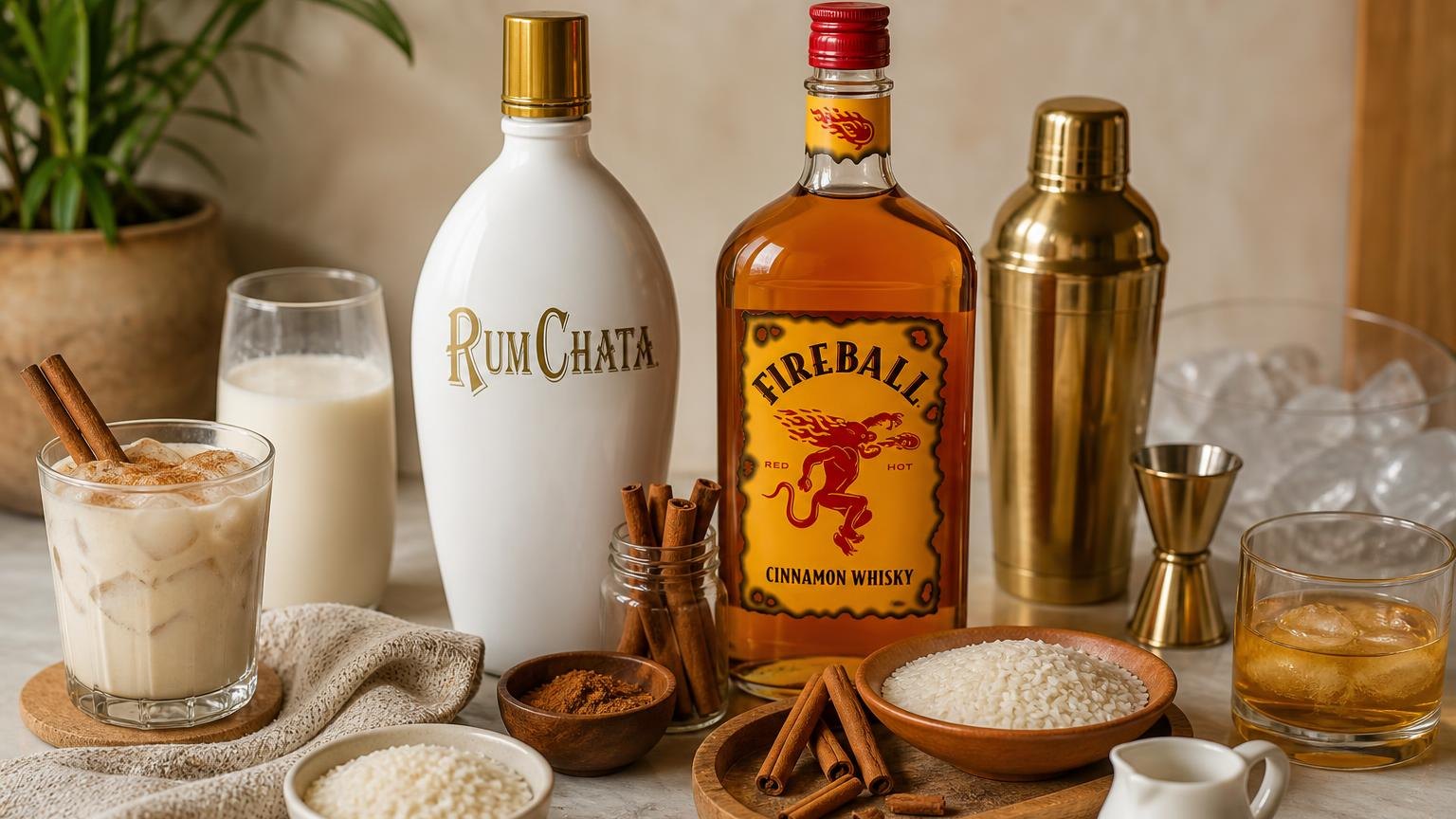
Side-by-Side Tasting Results
We tested RumChata and Fireball side by side, then as a mixed shot, to pin down what each one actually tastes like in the glass.
We ran three tasting rounds with five team members, using measured pours, timed observations, and the same chilled serving conditions each time.
For consistency, we chilled both bottles to 38°F for 24 hours. We poured 1 ounce of RumChata and 1 ounce of Fireball into separate glasses for baseline tasting, then mixed 1.5 ounces of RumChata with 0.5 ounce of Fireball for the combined sample.
That 3:1 ratio gave the cleanest result. At 1:1, the cinnamon heat pushed too hard and the cream note dropped off fast. At 4:1, Fireball read as a faint red-hot candy accent instead of a distinct flavor layer.
| Sample | Pour | Observed dominant flavor | Finish length |
| RumChata alone | 1.0 oz | Sweet cream, cinnamon, vanilla | 18-22 seconds |
| Fireball alone | 1.0 oz | Hot cinnamon candy, sugar, alcohol heat | 24-30 seconds |
| Mixed sample | 1.5 oz + 0.5 oz | Cinnamon toast, melted vanilla ice cream, candy spice | 20-26 seconds |
RumChata alone landed thick and dessert-like. Our team consistently noted horchata-style cinnamon, vanilla frosting, and light dairy sweetness.
The texture was the key difference: it coated the tongue for about 6 to 8 seconds before thinning into a softer cinnamon finish.
Fireball alone tasted sharper and simpler. All five tasters called out cinnamon candy first, closer to Atomic FireBall candy than baking spice. Four of five also noted a drying alcohol edge that became more obvious after 10 seconds.
When mixed, the profile changed fast. The cream in RumChata muted Fireball’s harsh edge within the first sip, but the whiskey’s cinnamon still cut through.
We repeatedly got flavors resembling cinnamon cereal milk, snickerdoodle, and melted vanilla shake with a spicy back end.
We also tracked separation. In room-temperature trials at 70°F, the mixture stayed visually uniform for about 12 minutes after stirring for 5 seconds. In colder glasses, it held closer to 18 minutes, which matters if the drink sits before serving.
- Best temperature: 36°F to 40°F.
- Best ratio we tested: 3 parts RumChata to 1 part Fireball.
- Best use: quick chilled shot, not a slow sipper.
- Main taste result: sweet cream first, cinnamon candy second, whiskey heat last.
Common Misreads About Their Flavor
RumChata and Fireball get misread because both taste sweet and cinnamon-forward. The biggest errors are assuming they have the same strength, the same dairy profile, or that they always blend smoothly in a glass.
In practice, they behave differently. RumChata is a cream liqueur at 13.75% ABV, while Fireball Cinnamon Whisky is 33% ABV in the U.S., so sweetness can hide a large proof gap.
| Product | Style | ABV | Main flavor cues |
| RumChata | Cream liqueur | 13.75% | Cinnamon, vanilla, sweet cream |
| Fireball | Cinnamon-flavored whisky | 33% | Hot cinnamon candy, sugar, alcohol heat |
Myth: Fireball tastes like straight whisky with a little cinnamon. It does not. Most drinkers experience it closer to cinnamon candy, especially because added sweetness softens the grain and oak notes that define conventional whisky.
Mistake: expecting RumChata to taste like eggnog or Irish cream. RumChata is lighter on spice than many holiday cream drinks and usually shows more rice-milk softness, vanilla, and cinnamon sugar than roasted coffee or chocolate notes.
Myth: mixing RumChata and Fireball always curdles because of dairy. RumChata can curdle when mixed with highly acidic ingredients such as some citrus juices or certain sodas.
Fireball itself is not notably acidic, so the pair usually works when both are chilled.
Mistake: serving them warm. Temperature changes the flavor balance. Fireball tastes sharper and more alcoholic near room temperature, while RumChata tastes thicker and sweeter when served cold, which is why many bars chill both before pouring.
- Do not judge strength by sweetness. A 1.5-ounce pour of Fireball contains far more alcohol than the same pour of RumChata.
- Do not assume “cinnamon” means identical flavor. RumChata reads like cinnamon toast or horchata cream; Fireball reads like Red Hots or atomic cinnamon candy.
- Do not overpour. Equal parts can bury RumChata’s vanilla-cream character under Fireball’s sugar and heat.
Myth: the combo is automatically harsh. In a balanced shot or cocktail, RumChata often rounds out Fireball’s burn. The result is usually sweet, creamy, and spicy, not aggressively boozy, if the ratio stays controlled.
| Common assumption | What happens instead |
| “They taste nearly the same” | They share cinnamon, but one is creamy and one is candy-hot |
| “More Fireball means more flavor” | Too much Fireball masks vanilla and cream notes |
| “Cream means it will always curdle” | Curdling risk is mostly higher with acidic mixers, not with Fireball alone |
Common Questions
What does RumChata taste like on its own?
RumChata tastes creamy, sweet, and dessert-like, with strong notes of cinnamon, vanilla, sugar, and dairy. Its Caribbean rum base is mild, so most people notice a profile closer to cinnamon toast, horchata, or melted ice cream than straight liquor.
What does Fireball taste like on its own?
Fireball tastes hot, sweet, and intensely cinnamon-forward, with a syrupy red-candy character similar to Atomic Fireballs or cinnamon gummy candy.
At 33% ABV, it delivers a noticeable alcohol bite, but the sugar and spice keep it approachable for many casual drinkers.
What does RumChata and Fireball taste like together?
Together, RumChata and Fireball taste like liquid cinnamon roll icing with a sharp spicy kick.
The cream in RumChata softens Fireball’s heat, creating a sweet, rich, cinnamon-vanilla drink that many compare to cinnamon milk, churro cream, or snickerdoodle in shot form.
Is RumChata and Fireball more sweet or more spicy?
The mix leans sweeter than spicy for most palates, especially when RumChata makes up most of the pour. Fireball still adds a warming burn on the finish, so the overall impression is sweet first, then spicy second.
Does RumChata and Fireball taste strong or smooth?
It usually tastes smoother than its alcohol content suggests because RumChata’s creamy texture covers much of the whiskey edge. If the ratio shifts toward more Fireball, the drink becomes hotter, sharper, and more noticeably boozy.