Why Some People Dislike Alcohol Taste
Disliking alcohol can mean disliking bitterness, mouth or throat burn, fermented aromas, or several sensations together. These reactions involve different sensory systems, so a drink that tastes smooth to one person can seem harsh to another.
Taste and Irritation Are Different Signals
The five basic tastes are sweet, sour, salty, bitter, and umami. Alcoholic drinks combine these signals with smell and chemical irritation.
Beer’s hop bitterness, wine’s acidity, and ethanol’s burning sensation are distinct reasons someone might reject a drink.
Ethanol can activate and sensitize TRPV1, a receptor involved in detecting painful heat and capsaicin, the pungent compound in chili peppers. That helps explain why alcohol can feel hot even when served cold.
This mechanism was demonstrated by Trevisani and colleagues: https://doi.org/10.1038/nn852.
Alcohol Concentration Changes the Experience
Higher ethanol concentrations generally produce stronger irritation, although temperature and other ingredients influence perception.
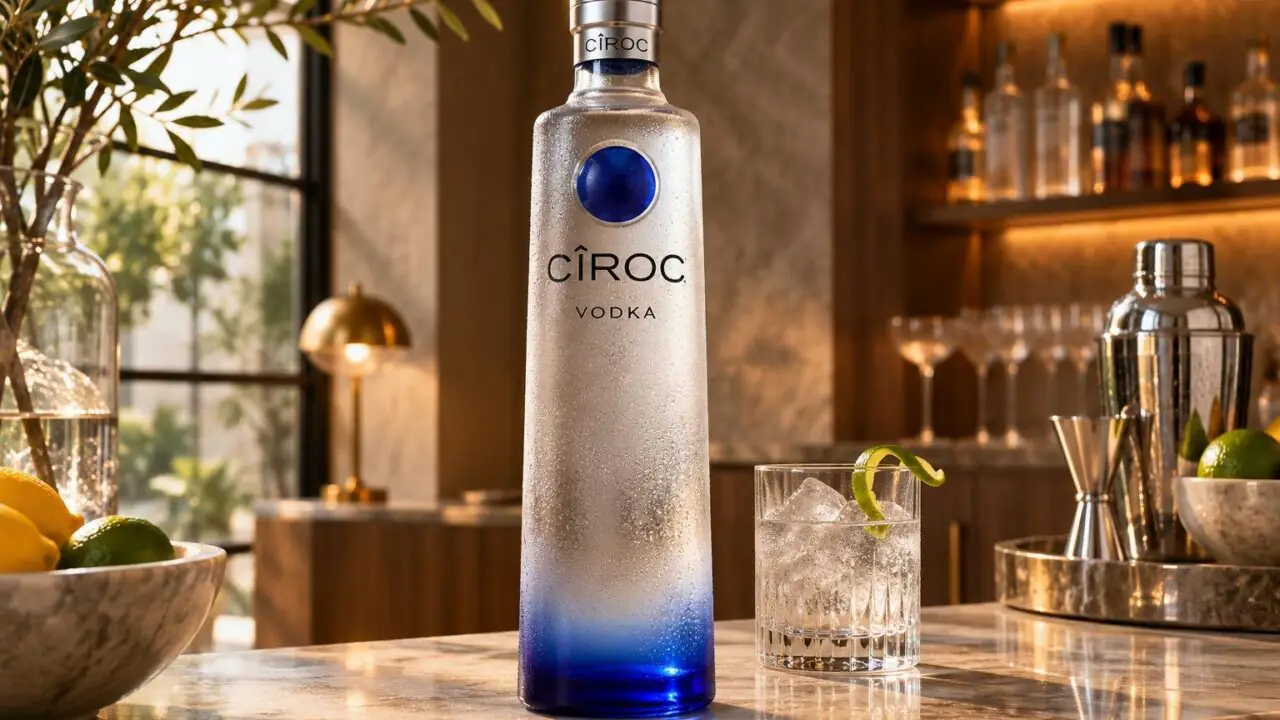
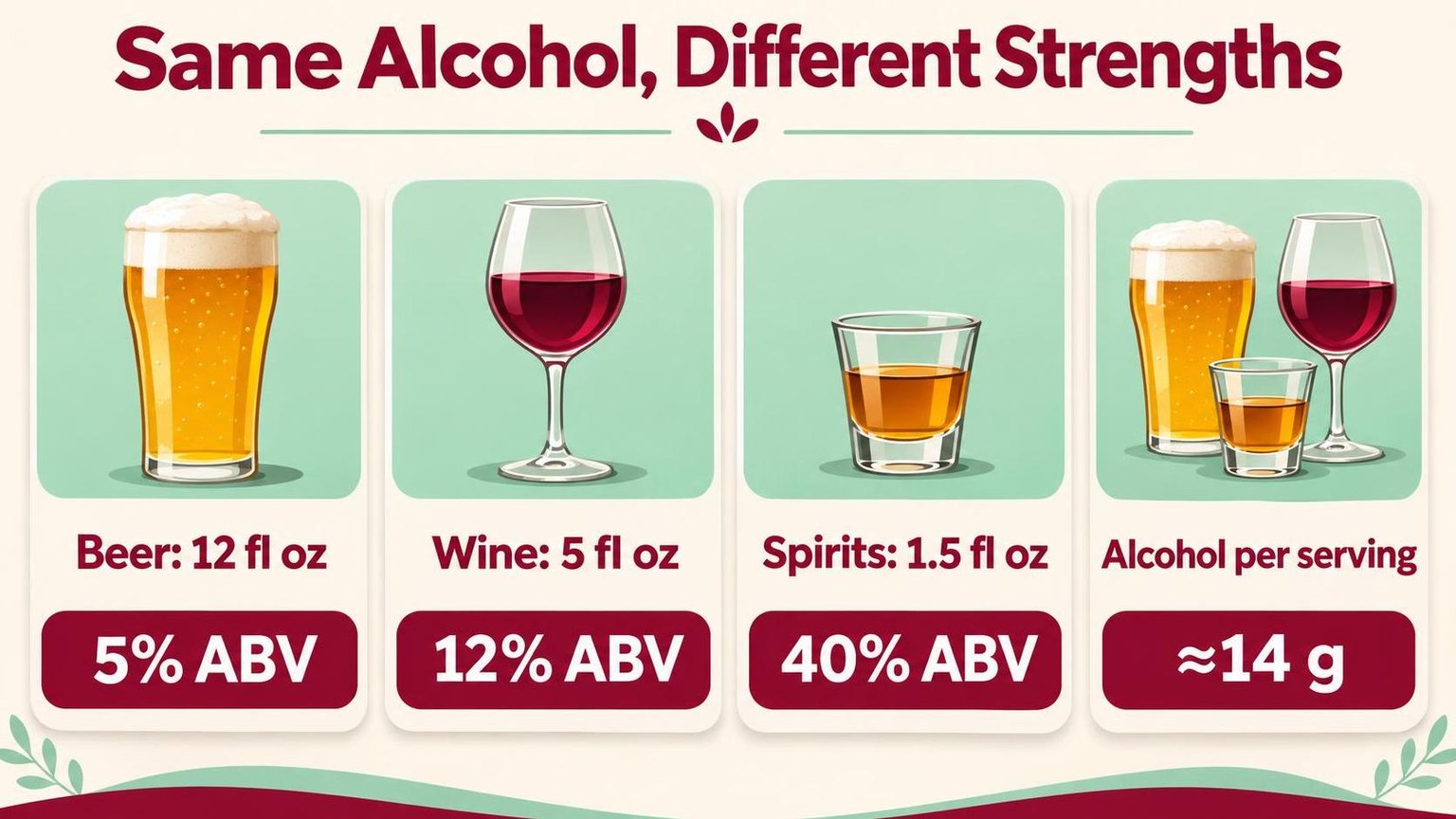
These U.S. standard-drink examples contain the same amount of pure alcohol, but deliver it at different concentrations.
| Drink example | Serving | Alcohol by volume |
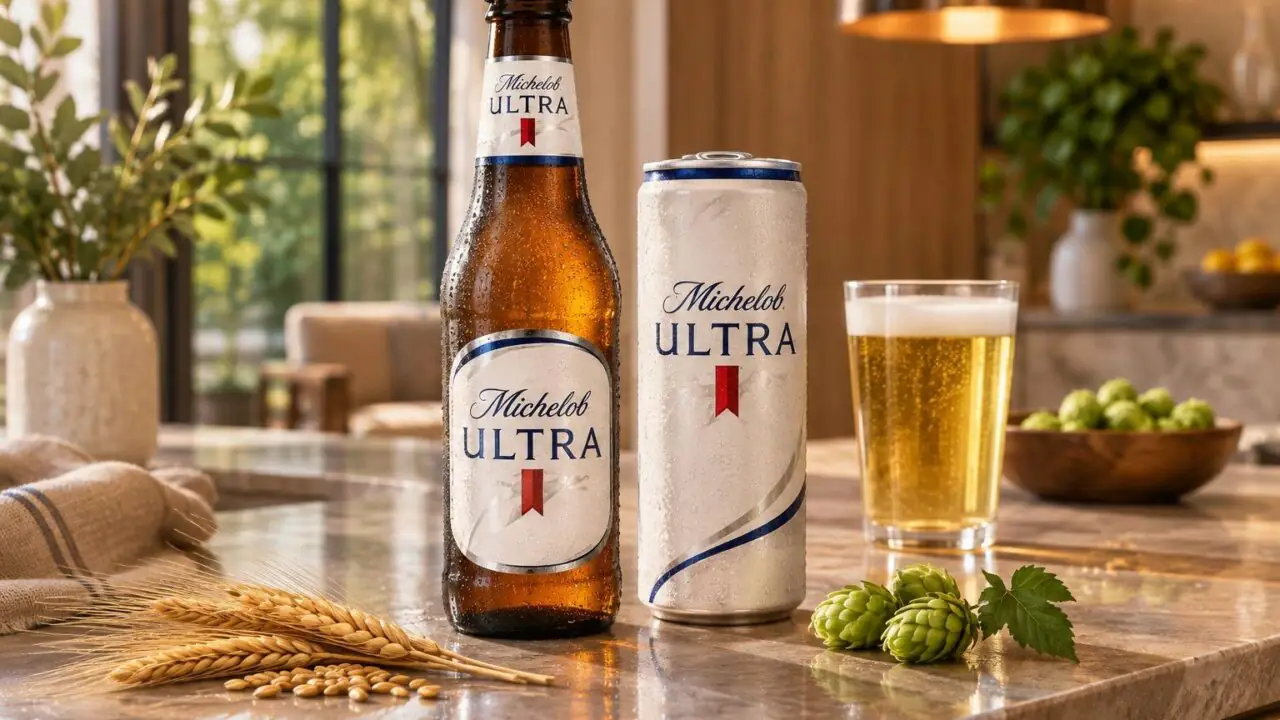
| Regular beer | 12 fl oz | 5% |
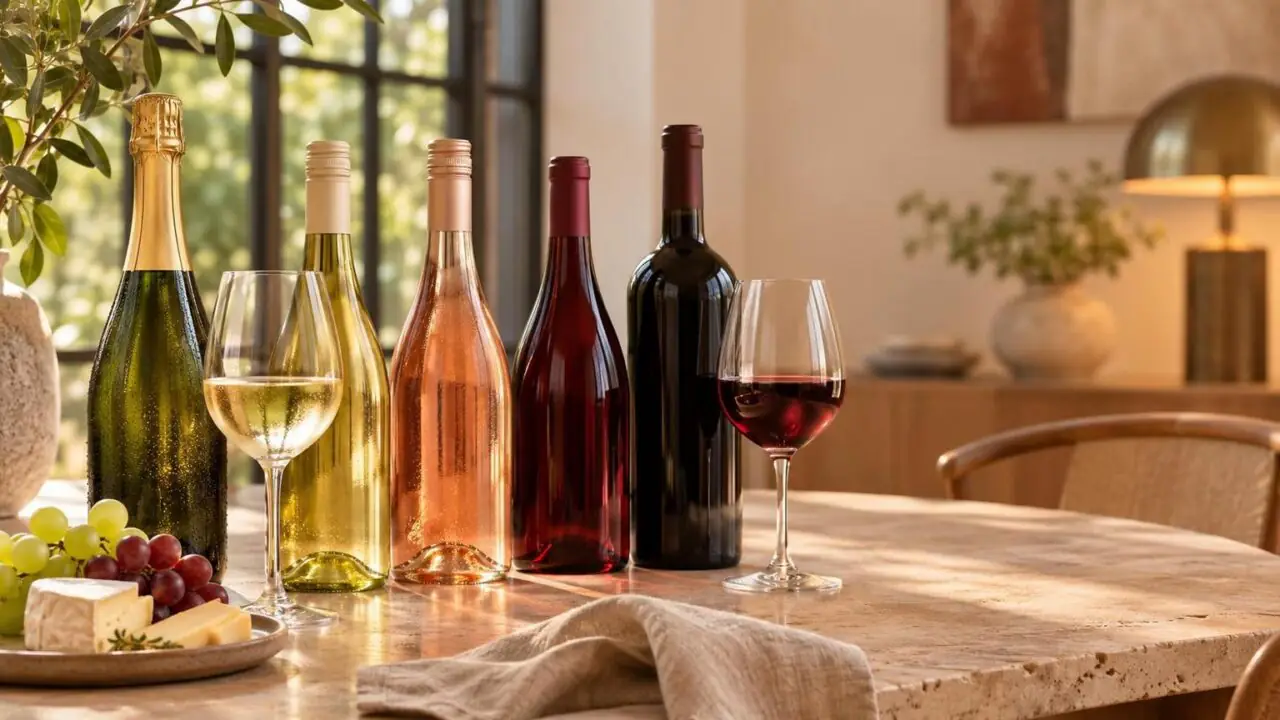
| Wine | 5 fl oz | 12% |
| Distilled spirits | 1.5 fl oz | 40% |
Each example contains approximately 14 grams of pure alcohol. These are reference servings, not universal beverage strengths.
Source: National Institute on Alcohol Abuse and Alcoholism, https://www.niaaa.nih.gov/alcohols-effects-health/overview-alcohol-consumption/what-standard-drink.
Smell, Sensitivity, and Experience Matter
Much of what people call taste is actually aroma reaching the nose during drinking. Fermentation-derived aromas can seem fruity or floral to some people and unpleasant to others.
The National Institute on Deafness and Other Communication Disorders explains this taste–smell connection: https://www.nidcd.nih.gov/health/taste-disorders.
- Sensory sensitivity varies. Genetic differences can influence bitter perception, but no single “alcohol dislike” gene explains everyone’s preferences.
- Dryness adds another sensation. Wine tannins cause astringency: a drying, puckering mouthfeel rather than a basic taste.
- Experience shapes preference. Familiar aromas may become more acceptable with exposure, while a previous episode of nausea can create aversion.
Identify whether bitterness, aroma, acidity, or burn bothers you before choosing a drink. Sweet mixers may mask unpleasant sensations; they do not remove ethanol. Alcohol-free drinks avoid the need to acquire a taste for it.
Best Zero-Proof Alternatives to Cocktails
The best drinks for people who don’t like alcohol emphasize fruit, freshness, or creaminess rather than imitating spirits.
Start with flavors you already enjoy; a convincing whiskey substitute offers little benefit if whiskey’s burn and woody character are what you dislike.
Choose by Flavor, Not Cocktail Name
These single-serving starting recipes use supermarket ingredients and require no alcohol substitutes. Combine over ice, adding carbonated ingredients last and stirring gently.
Adjust sweetness after tasting, since juice acidity and ginger-beer sweetness vary by brand.
| Drink | Starting recipe | Best fit |
| Cranberry-orange spritz | 2 fl oz orange juice, 1 fl oz cranberry juice cocktail, 3 fl oz sparkling water | Fruit-forward refreshment without spirit-like flavors; cranberry juice cocktail is sweetened, unlike unsweetened cranberry juice. |
| Mint-lime cooler | ¾ fl oz lime juice, ½ fl oz simple syrup, 4 fl oz soda water, 6 mint leaves | A bright, adjustable alternative to a mojito. Press mint gently rather than pulverizing it. |
| Ginger-lime fizz | 4 fl oz alcohol-free ginger beer, ½ fl oz lime juice, 2 fl oz soda water | A spicy option for people who dislike alcohol’s flavor but enjoy ginger heat. |
| Pineapple-coconut cooler | 3 fl oz pineapple juice, 2 fl oz unsweetened coconut milk, ½ fl oz lime juice | A creamy, tropical alternative. Shake before serving; coconut milk can separate. |
Check Labels When Avoiding Alcohol Completely
“Mocktail” describes a drink style, not a verified alcohol content. Ask whether the recipe contains conventional cocktail bitters, fermented ingredients, or dealcoholized wine.
Small additions still matter when your requirement is complete avoidance rather than simply avoiding intoxication.
| U.S. malt-beverage label | Federal labeling rule |
| Non-alcoholic | Less than 0.5% alcohol by volume; not necessarily alcohol-free. |
| Alcohol free | Must contain no alcohol. |
Source: federal malt-beverage labeling regulations, https://www.ecfr.gov/current/title-27/chapter-I/subchapter-A/part-7/subpart-E/section-7.65.
These definitions apply specifically to malt beverages; do not assume every cocktail alternative follows identical labeling rules.
- Dislike bitterness? Choose sparkling water over tonic, which contains bitter quinine.
- Dislike burning sensations? Skip concentrated ginger, chili, and pepper-heavy spirit alternatives.
- Want less sweetness? Replace some juice with sparkling water before adding more citrus.
Low-Alcohol Drinks for Sensitive Palates
Low-alcohol drinks can reduce the warming sensation that makes spirits unpleasant, but sweetness, bitterness, and acidity matter too. Choose a genuinely lower-strength base, then use soda or lemonade to soften its flavor without adding more alcohol.
Choose a Starting Point
These examples use stated starting strengths, not category-wide guarantees. Check the bottle label: beer, cider, and wine vary considerably. Calculated strengths assume alcohol-free mixers, additive liquid volumes, and no melting ice.
| Drink | Pour | Approximate final ABV | Flavor |
| Light wine spritzer | 2 fl oz wine at 12% ABV + 6 fl oz soda water | 3% | Diluted wine flavor; sweetness depends on the wine |
| Beer shandy | 4 fl oz beer at 5% ABV + 4 fl oz lemonade | 2.5% | Citrusy and sweet; some beer bitterness remains |
| Cider spritzer | 4 fl oz cider at 5% ABV + 4 fl oz soda water | 2.5% | Apple-forward; drier if the cider is dry |
| Sweet sparkling wine | 4 fl oz Moscato d’Asti labeled 5.5% ABV, unmixed | 5.5% | Sweet, floral, and gently sparkling |
Match the Drink to Your Sensitivity
- For alcohol burn: Try the diluted wine or cider option. Serve chilled, but remember that cold temperature does not remove alcohol.
- For bitterness: Choose cider or Moscato d’Asti before a shandy. Lemonade can soften perceived bitterness, but a heavily hopped beer may still taste unpleasant.
- For sharp acidity: Skip extra lemon or lime. Start with a sweeter base; sweetness can balance sourness without eliminating the acid.
- For carbonation sensitivity: Replace soda water with still water. The dilution stays the same, although the drink loses its fizz.
Keep Strength Separate From Sweetness
Adding mixer lowers alcohol concentration, not the amount of alcohol already in the glass. Finish the entire spritzer and you still consume all the alcohol in its original wine pour.
NIAAA defines a U.S. standard drink as 14 grams of pure alcohol. Smooth flavor is not a measure of alcohol content or safety. If alcohol causes flushing, nausea, or headaches, choose an alcohol-free drink rather than masking the taste.
Source: National Institute on Alcohol Abuse and Alcoholism, “What Is a Standard Drink?” https://www.niaaa.nih.gov/alcohols-effects-health/overview-alcohol-consumption/what-standard-drink.
How to Build Flavor Without Spirits
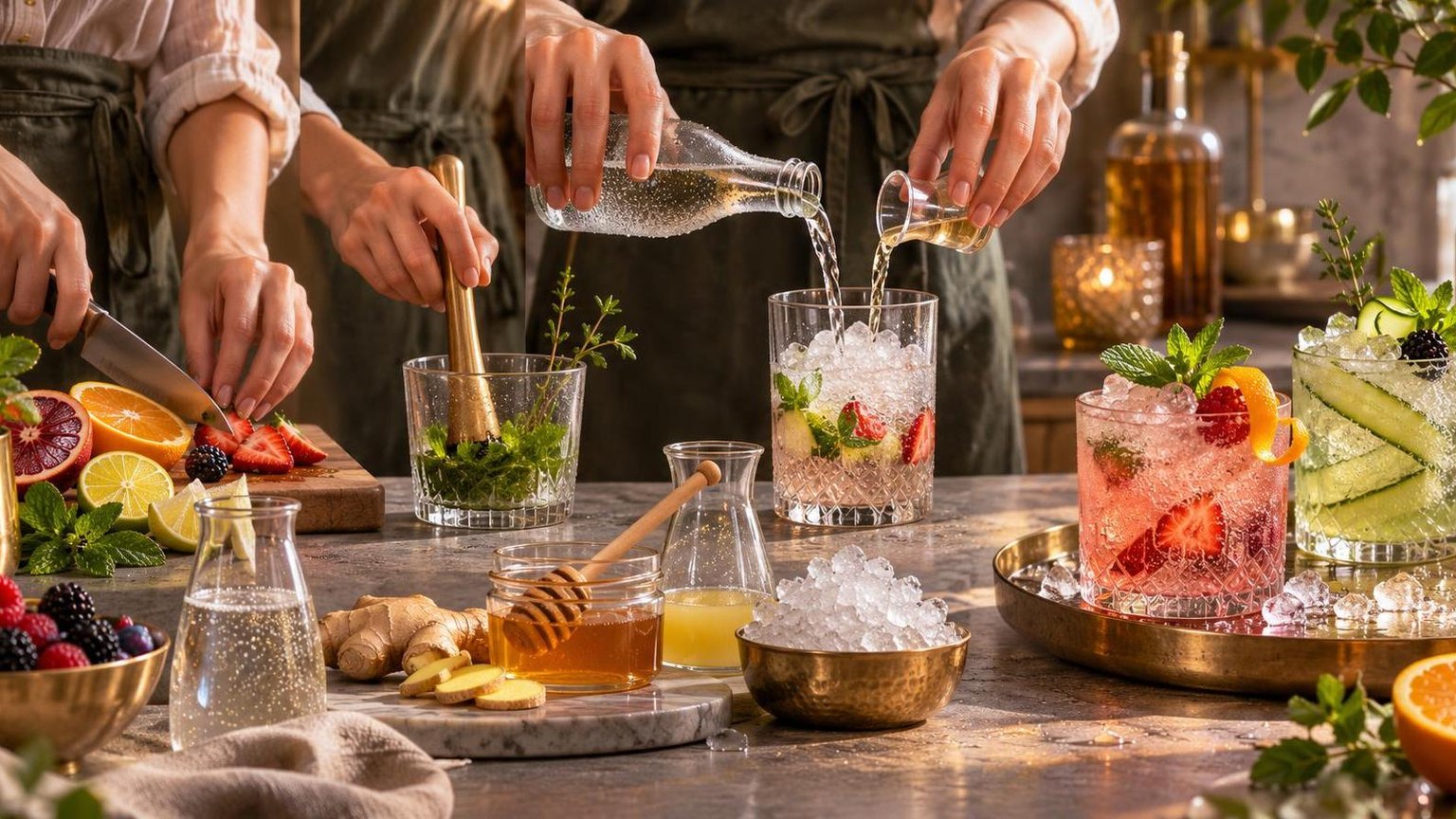
Build around tea, fruit, herbs, and carbonation rather than trying to imitate liquor.
For people who dislike alcohol’s burn or bitterness, a satisfying drink needs a flavorful base, controlled acidity, enough sweetness, and an aroma that arrives before the first sip.
Give Each Ingredient a Job
- Base: Brewed rooibos supplies a woody, rounded flavor without caffeine. Black tea adds astringency: that drying sensation can provide structure, but strong tea may overwhelm someone who dislikes harsh drinks.
- Acidity: Lemon, lime, and tart fruit sharpen flavor. Add them gradually; a drink that tastes painfully sour needs less acid, not automatically more sugar.
- Sweetness and body: Juice and syrup soften sharp edges. Peach or mango purée also adds thickness, which helps a drink feel substantial without cream.
- Aroma: Mint, basil, citrus peel, and fresh ginger provide distinct top notes. Clap herbs lightly or twist citrus peel over the glass; aggressive muddling can introduce unwanted vegetal flavors.
- Finish: Sparkling water supplies lift, but carbonation can feel prickly. Use still water when that sensation resembles the alcohol burn the drinker wants to avoid.
Start With an Apple–Rooibos Cooler
This single-serving formula uses familiar flavors rather than spirit substitutes. Brew the rooibos according to its package directions, then cool it before mixing so it does not rapidly melt the ice.
| Ingredient | Amount | Purpose |
| Cooled rooibos tea | 4 fl oz | Flavorful base |
| Apple juice | 1 fl oz | Fruit and sweetness |
| Lemon juice | ½ fl oz | Acidity |
| Simple syrup | ½ fl oz | Balance |
| Sparkling water | 2 fl oz | Lift and dilution |
Stir everything except sparkling water over ice. Taste, adjust, then add the bubbles and a lemon twist. For a softer drink, replace the sparkling water with still water and reduce the lemon juice to taste.
Adjust One Variable at a Time
If the drink tastes thin, strengthen the base before adding sweetener. If it tastes cloying, try additional unsweetened tea. Keep notes: juice sweetness and citrus acidity vary between products and individual fruits.
Food-science reference: Harold McGee’s On Food and Cooking explains tea’s astringency and the aromatic oils in citrus peel—the principles behind using tea for structure and peel for fragrance.
Mocktail Ingredients That Mimic Complexity
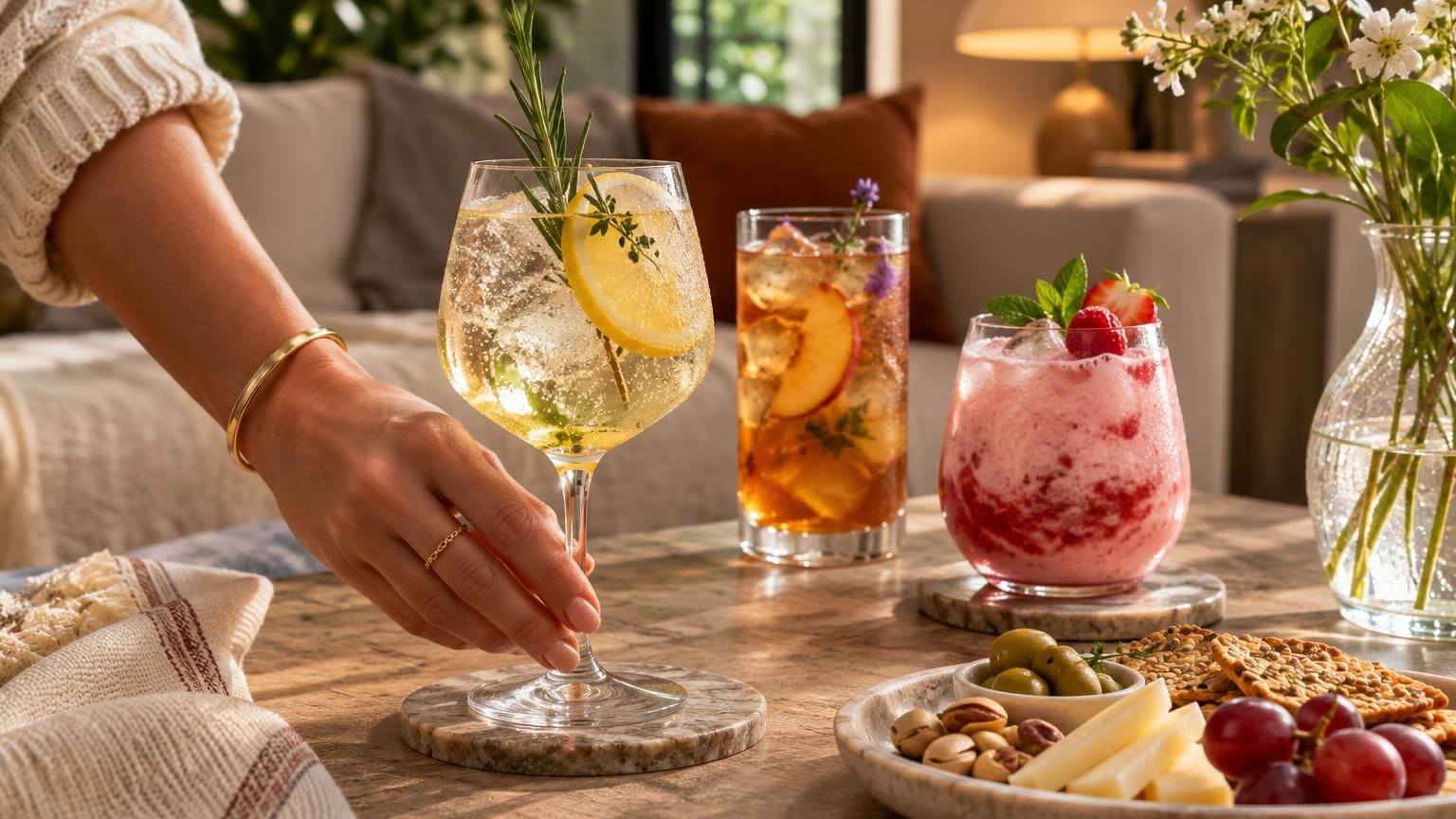
A satisfying mocktail needs contrast, not an imitation of alcohol’s burn. Acidity, bitterness, astringency, aroma, and texture can give a drink structure without making it taste like liquor.
For people who dislike alcohol, start with familiar fruit or tea flavors and add complexity gradually.
Build Structure With Tea, Citrus, and Herbs
- Tea adds a drying finish. Black and green tea contain polyphenols that interact with salivary proteins, producing astringency. This is a tactile sensation, distinct from bitterness. Harold McGee explains the mechanism in On Food and Cooking. Choose decaffeinated tea if caffeine is a concern.
- Citrus supplies acidity and aroma. Lemon or lime juice counters perceived sweetness; peel contributes aromatic oils. Squeeze a strip of peel over the finished drink. Avoid aggressively crushing the white pith, which can add unwanted bitterness.
- Ginger adds pungency. Fresh ginger provides a warming sensation without ethanol. Start with a thin slice, muddle gently, then strain. More ginger can overwhelm delicate fruit flavors rather than create balance.
- Herbs add a savory dimension. Lightly bruise mint, basil, or rosemary before adding it. Their aromas can make a simple citrus-and-soda drink feel more layered without additional sugar.
Try a Measured Tea-and-Lime Base
Use these starting proportions for one drink. Brew the tea according to its package directions, then cool it; deliberately oversteeping can introduce harsh bitterness. These are recipe measurements, not laboratory-tested optimum ratios.
| Ingredient | Amount | Purpose |
| Cooled black tea | 90 mL | Astringency and aroma |
| Plain sparkling water | 60 mL | Effervescence |
| Fresh lime juice | 15 mL | Acidity |
| Simple syrup | 10 mL | Sweetness |
Stir the tea, juice, and syrup over ice, then add sparkling water. Taste before adjusting: add syrup if the drink feels sharply sour, or more sparkling water if the flavor is too concentrated.
Check Ingredients When Avoiding Alcohol Entirely
Conventional cocktail bitters and many flavor extracts contain alcohol. Fermented ingredients need scrutiny: the U.S.
Alcohol and Tobacco Tax and Trade Bureau states that kombucha reaching 0.5% alcohol by volume during production or afterward falls under federal alcohol regulation.
Check product-specific information rather than assuming “mocktail” means alcohol-free.
Non-Alcoholic Options for Social Occasions
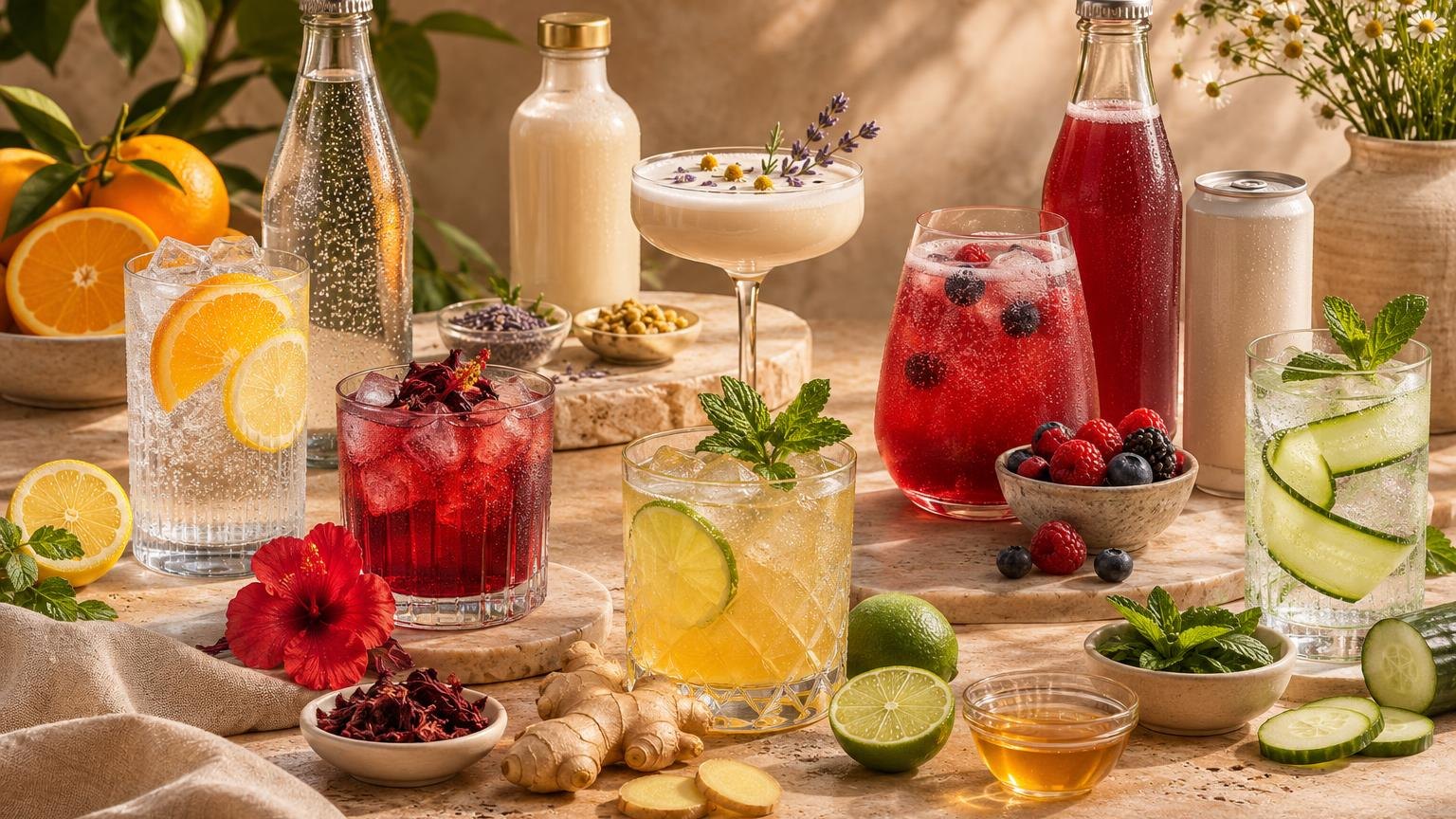
If you dislike alcohol’s burn, bitterness, or aroma, start with drinks built around fruit, tea, and carbonation rather than spirit substitutes.
At parties and restaurants, a well-chosen alcohol-free drink can deliver acidity, texture, and an appealing presentation without trying to taste like liquor.
Choose by Flavor, Not by Cocktail Name
- For crisp, lightly sweet flavors: Order sparkling water with cranberry juice and lime. Ask for a splash of juice rather than a juice-heavy pour so you can adjust the sweetness.
- For a sharp, refreshing drink: Choose lemonade topped with soda water and fresh mint. Soda water dilutes sweetness; mint adds aroma without introducing spirit-like flavors.
- For a drier food pairing: Try unsweetened iced black tea with lemon. Tea’s tannins create a drying sensation, making it useful alongside rich dishes without adding alcohol.
- For something celebratory: Choose sparkling apple cider or sparkling grape juice. Both suit a toast, but check the label if you prefer less sugar; “sparkling” describes carbonation, not sweetness.
Understand What the Label Promises
For U.S. malt beverages, the Alcohol and Tobacco Tax and Trade Bureau distinguishes “non-alcoholic” from “alcohol-free.” These terms are not interchangeable, and the distinction matters when avoiding alcohol entirely.
| Malt-beverage label | Alcohol content under TTB rules |
| Non-alcoholic | Less than 0.5% alcohol by volume; residual alcohol may remain. |
| Alcohol-free | No alcohol. |
Alcohol-removed wine and non-alcoholic beer can retain fermented aromas, bitterness, or acidity. They may disappoint someone who dislikes alcoholic drinks’ flavor, even when the alcohol content is low.
Fruit-and-soda combinations offer a more direct alternative.
Make the Order Explicit
Say, “I’d like something without alcohol, including bitters or alcoholic mixers.” Traditional cocktail bitters commonly contain alcohol, and “mocktail” is a menu description, not a standardized ingredient list.
Ask what goes into house-made syrups and fermented mixers.
During pregnancy, choose drinks without alcohol. The CDC states that there is no known safe amount of alcohol use during pregnancy.
Sources: Alcohol and Tobacco Tax and Trade Bureau, malt-beverage labeling guidance; CDC, “About Alcohol Use During Pregnancy.”.
Where to Find Quality Alcohol-Free Drinks
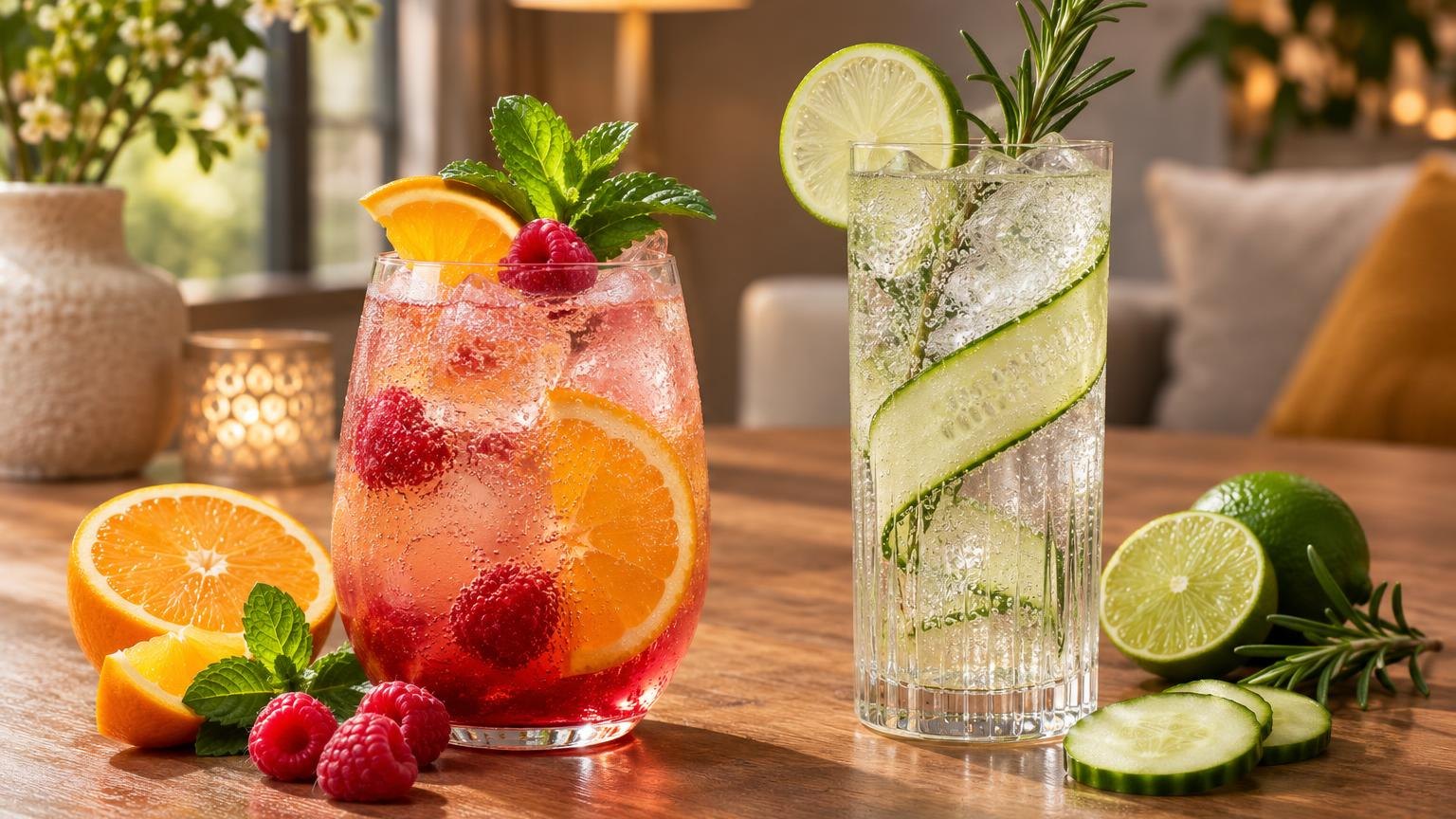
Shop by flavor rather than by how closely a drink imitates alcohol.
Grocery stores, specialist retailers, and producers’ websites offer different advantages; if you dislike alcohol’s bitterness or burn, fruit-forward sparkling drinks may suit you better than spirit substitutes.
Start at Grocery Stores and Beverage Retailers
Check sparkling-water, refrigerated-juice, and cocktail-mixer aisles alongside the alcohol-free beer shelf. Total Wine & More also lists nonalcoholic beer, wine, and spirits online, although availability depends on location.
Search your local store’s inventory before traveling.
- For sweet, familiar flavors: Look for sparkling apple cider, lemonade, or fruit-based spritzers. Compare ingredient lists and added-sugar information.
- For refreshing, less-sweet options: Choose unsweetened flavored seltzer or sparkling tea. Check tea-based products for caffeine.
- For beer alternatives: Buy individual cans when available. Hop bitterness remains in many alcohol-removed and nonalcoholic beers.
Use Producers’ Websites for Flavor Details
Direct shopping makes it easier to check ingredients, serving instructions, and package sizes. Seedlip describes Garden 108 with peas, rosemary, and thyme; Ghia describes its Original Apéritif as bitter.
Those producer descriptions help distinguish herbal or bitter drinks from sweeter choices.
Check whether the product is ready to drink or intended for mixing. A concentrated aperitif may need sparkling water, while canned mocktails usually require no preparation. Include shipping and any mixer purchases when judging value.
Read Alcohol Labels Before Buying
“Nonalcoholic” does not always mean no alcohol. For malt beverages, the U.S. Alcohol and Tobacco Tax and Trade Bureau distinguishes these labeling terms:
| Label term | TTB requirement for malt beverages |
| Non-alcoholic | Contains less than 0.5% alcohol by volume; the label must disclose that limit. |
| Alcohol free | Contains no alcohol. |
Source: TTB, Beverage Alcohol Manual, malt beverage alcohol-content labeling guidance. These requirements are category-specific, not a universal labeling rule for every botanical drink or fermented beverage.
Ask Bars and Restaurants About Ingredients
Request the flavor you want: citrusy, fruity, creamy, or not bitter. Ask whether mocktails contain alcoholic bitters or other alcohol-containing ingredients.
For strict avoidance, request an ingredient check rather than relying on “mocktail” or “zero-proof” menu wording.
Frequently Asked Questions
What are the best drinks for people who don’t like alcohol?
Try a virgin mojito, sparkling lemonade, or cucumber-lime soda if you dislike alcohol’s burning sensation. For a simple citrus option, combine 1 ounce lime juice, ½ ounce simple syrup, and 4 ounces club soda over ice; adjust the syrup to taste.
What sweet, creamy drinks can I order without alcohol?
Order a virgin piña colada, mango lassi, or vanilla milkshake. For a homemade piña colada, blend 3 ounces pineapple juice, 1 ounce cream of coconut, and 1 cup ice; use sweetened cream of coconut rather than unsweetened coconut cream.
What can I drink if I dislike both alcohol and bitter flavors?
Choose peach iced tea, watermelon agua fresca, or apple juice topped with sparkling water. Skip tonic water, which contains bitter quinine, and ask whether mocktails contain bitter aperitif substitutes or grapefruit.
What can replace wine with dinner if I don’t enjoy wine’s taste?
Try sparkling apple cider with roast pork, unsweetened hibiscus tea with rich dishes, or cucumber sparkling water with delicate fish.
Dealcoholized wine may disappoint if you dislike wine’s acidity or tannins, because removing ethanol does not necessarily remove those characteristics.
Do nonalcoholic beer and mocktails always contain zero alcohol?
No: under U.S. Alcohol and Tobacco Tax and Trade Bureau rules, malt beverages labeled “non-alcoholic” can contain less than 0.5% alcohol by volume, while “alcohol free” means no alcohol.
Mocktails can also contain alcohol from conventional cocktail bitters, so ask about ingredients when complete avoidance matters.
What alcoholic drink tastes milder if I still want some alcohol?
A spritzer made with 2 ounces of 12% ABV wine and 4 ounces of club soda has approximately 4% ABV before ice dilution, although it still tastes like wine.
That serving contains about 0.4 U.S. standard drinks, using the National Institute on Alcohol Abuse and Alcoholism’s definition of 0.6 fluid ounces of pure alcohol per standard drink.
Dilution softens the flavor but does not remove the alcohol poured into the glass.
Related Reading
- Top 15 Substitution for Shaoxing Wine (Ranked 2026)
- Can You Become A Bartender At 18?
- How Many Fluid Ounces In 2 Liters?
- How To Drink Whiskey Without Burn?
- Who Makes Casamigos Tequila?
- What Is the Alcohol Percentage of Blue Moon?
- How Many 20 Oz in a 2 Liter?
- What Does Elderflower Taste Like? How to Use It?
- What Is the Legal Drinking Age in Romania?
- All Blog Guides
- USDA and HHS, Dietary Guidelines for Americans, 2020–2025 (2020)
- U.S. Surgeon General, Alcohol and Cancer Risk Advisory (2025)
- PubMed / The Lancet, Alcohol Use and Burden for 195 Countries and Territories, 1990–2016 (2018)
- World Health Organization, No Level of Alcohol Consumption Is Safe for Our Health (2023)
- World Health Organization, Guideline: Sugars Intake for Adults and Children (2015)
- European Food Safety Authority, Scientific Opinion on the Safety of Caffeine (2015)
- The BMJ, Coffee Consumption and Health: Umbrella Review of Meta-analyses of Multiple Health Outcomes (2017)
- The BMJ, Beverage Consumption and Mortality Among Adults with Type 2 Diabetes (2023)
- National Academies, Dietary Reference Intakes for Water, Potassium, Sodium, Chloride, and Sulfate (2005)