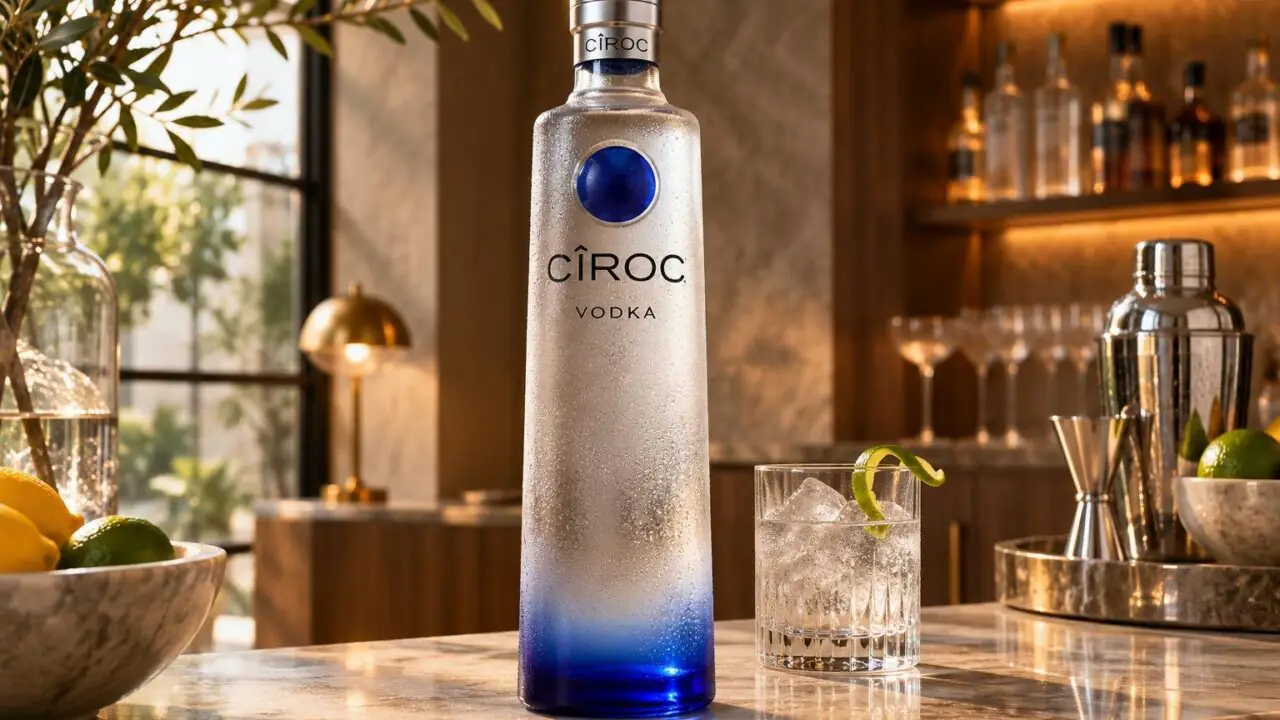
Ciroc ABV Across Every Flavor
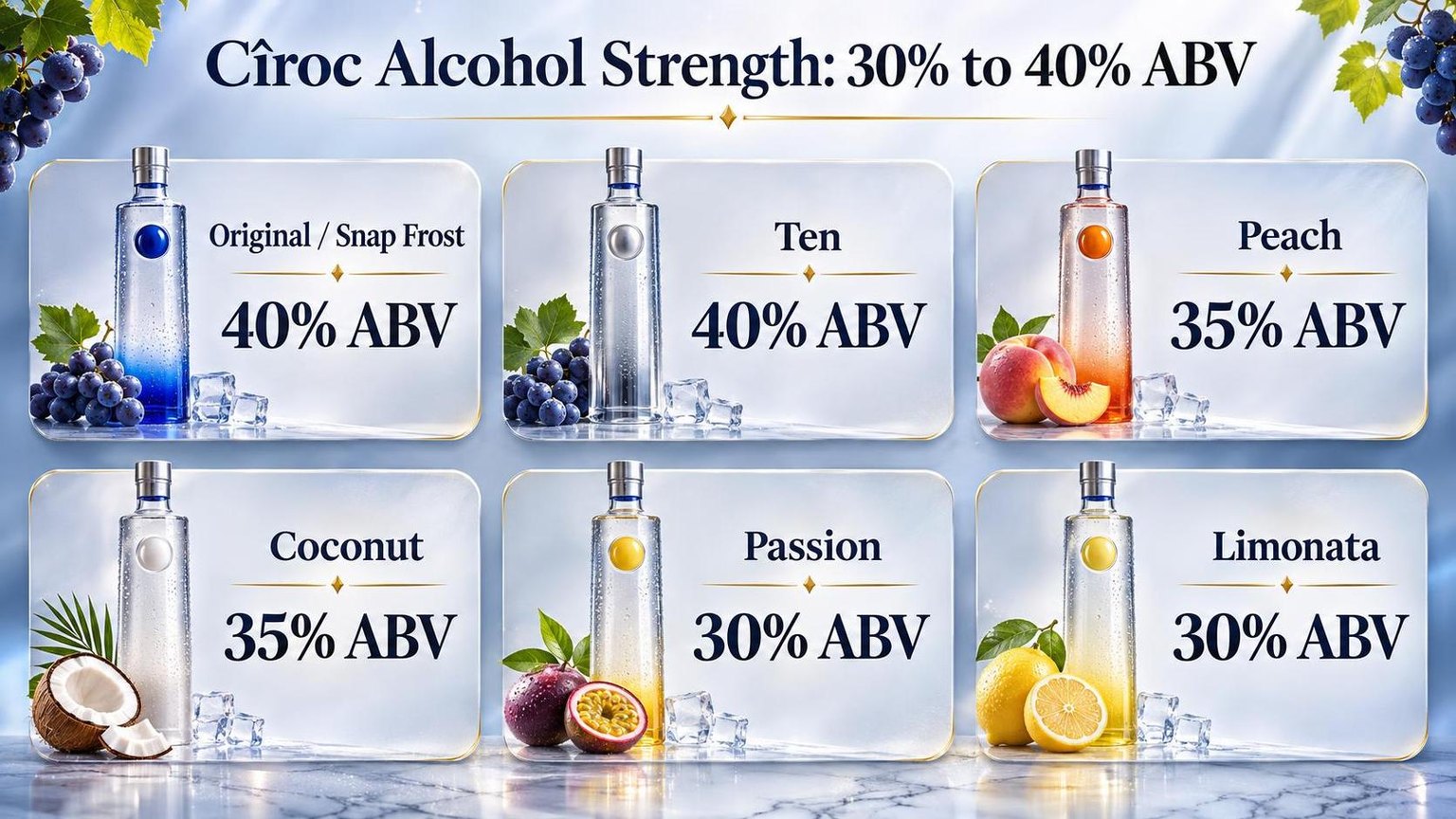
Cîroc does not use one alcohol strength across its entire vodka range. The table covers original vodka, flavored releases, and legacy editions sold in the United States; availability varies, and the label on your bottle remains the final reference.
| Cîroc vodka or flavor | ABV | US proof |
| Original / Snap Frost | 40% | 80 |
| Ten | 40% | 80 |
| Red Berry | 35% | 70 |
| Coconut | 35% | 70 |
| Peach | 35% | 70 |
| Pineapple | 35% | 70 |
| Apple | 35% | 70 |
| Mango | 35% | 70 |
| Amaretto | 35% | 70 |
| French Vanilla | 35% | 70 |
| Summer Colada | 35% | 70 |
| Summer Watermelon | 35% | 70 |
| Summer Citrus | 35% | 70 |
| Honey Melon | 35% | 70 |
| White Grape | 35% | 70 |
| Black Raspberry | 35% | 70 |
| Pomegranate | 35% | 70 |
| Passion | 30% | 60 |
| Limonata | 30% | 60 |
The Exceptions That Matter
Passion and Limonata break the usual flavored-Cîroc pattern. Do not assign them the standard strength of Pineapple, Peach, or Coconut when calculating alcohol intake. Passion features tropical-fruit flavors; Limonata centers on lemon and elderflower.
Original Cîroc and Cîroc Ten are unflavored vodkas, included here as reference points rather than flavors. Ten is a distinct premium release, not a higher-proof version of the original. Its name does not indicate its alcohol percentage.
Check the Bottle, Not the Flavor Name
Seasonal names do not reliably indicate whether a bottle remains in production. Amaretto, French Vanilla, and other older releases can appear in retailer listings after their main promotional run.
Remaining inventory does not establish nationwide availability or a current place in the core range.
- Find “alc/vol” or “ABV.” This states the proportion of alcohol by volume in the bottled liquid.
- Confirm the market. Use the actual US bottle label rather than an overseas listing or an undated product photograph.
- Separate vodka from cocktails. Cîroc-branded canned drinks are different products; their strength should not be inferred from this vodka table.
Fruit flavor and sweetness do not measure strength. Likewise, adding juice or soda dilutes the finished drink but does not remove alcohol from the vodka poured into it. Measure the pour before calculating a cocktail’s alcohol content.
Verification sources: Consult Cîroc’s official product information at https://www.ciroc.com/ for marketed expressions.
For legacy US releases, search the Alcohol and Tobacco Tax and Trade Bureau’s public label registry at https://www.ttbonline.gov/colasonline/publicSearchColasBasic.do. Match the exact expression and label, not merely the brand name.
How Ciroc Compares to Other Vodkas
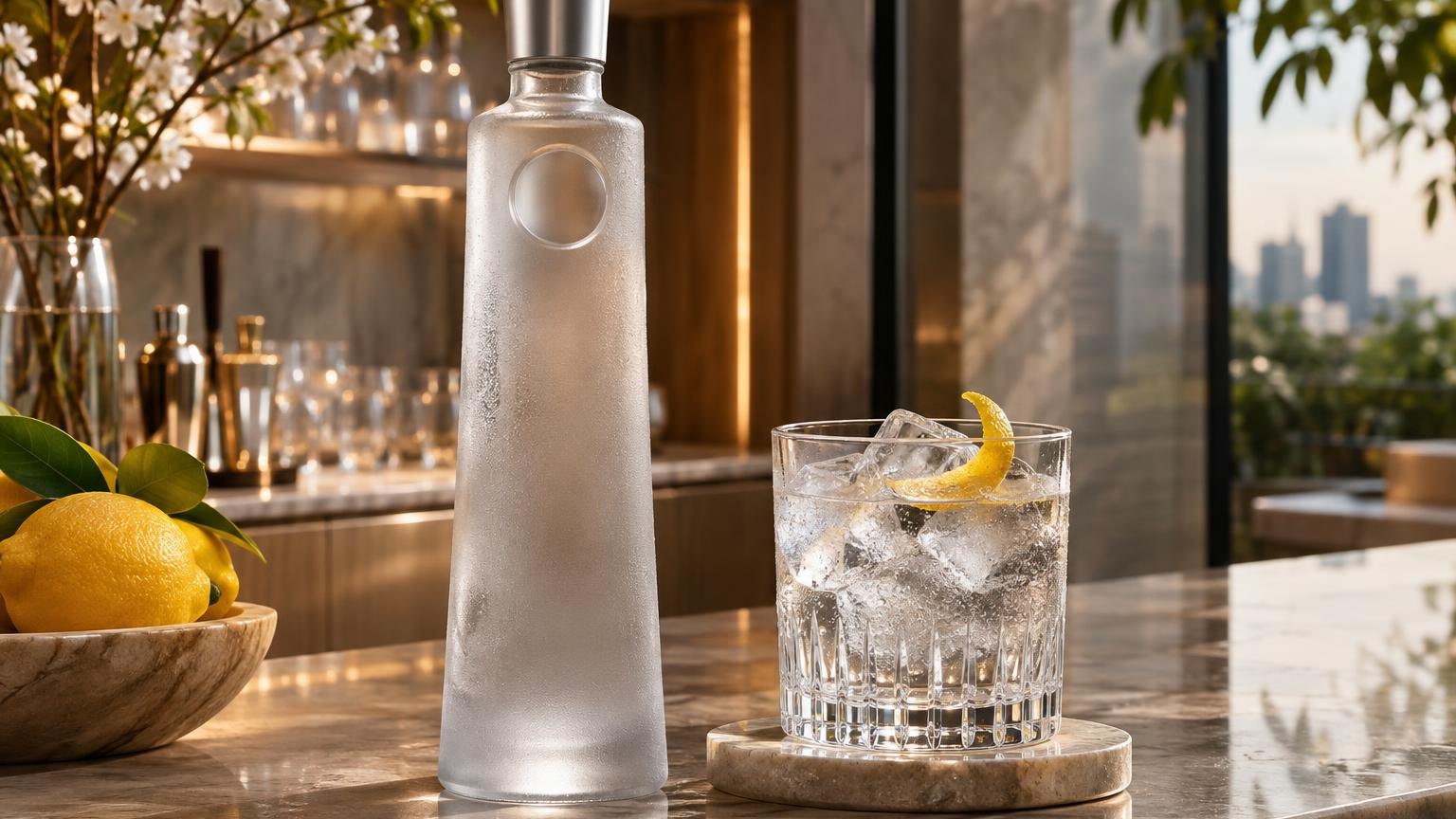
Cîroc’s original vodka has the same alcohol strength as many mainstream and premium vodkas sold in the United States. Its grape base distinguishes it from grain- and corn-based competitors, but the ingredient does not make it stronger.
Alcohol Strength, Proof, and Ingredients
| Vodka, U.S. bottling | ABV | U.S. proof | Base ingredient |
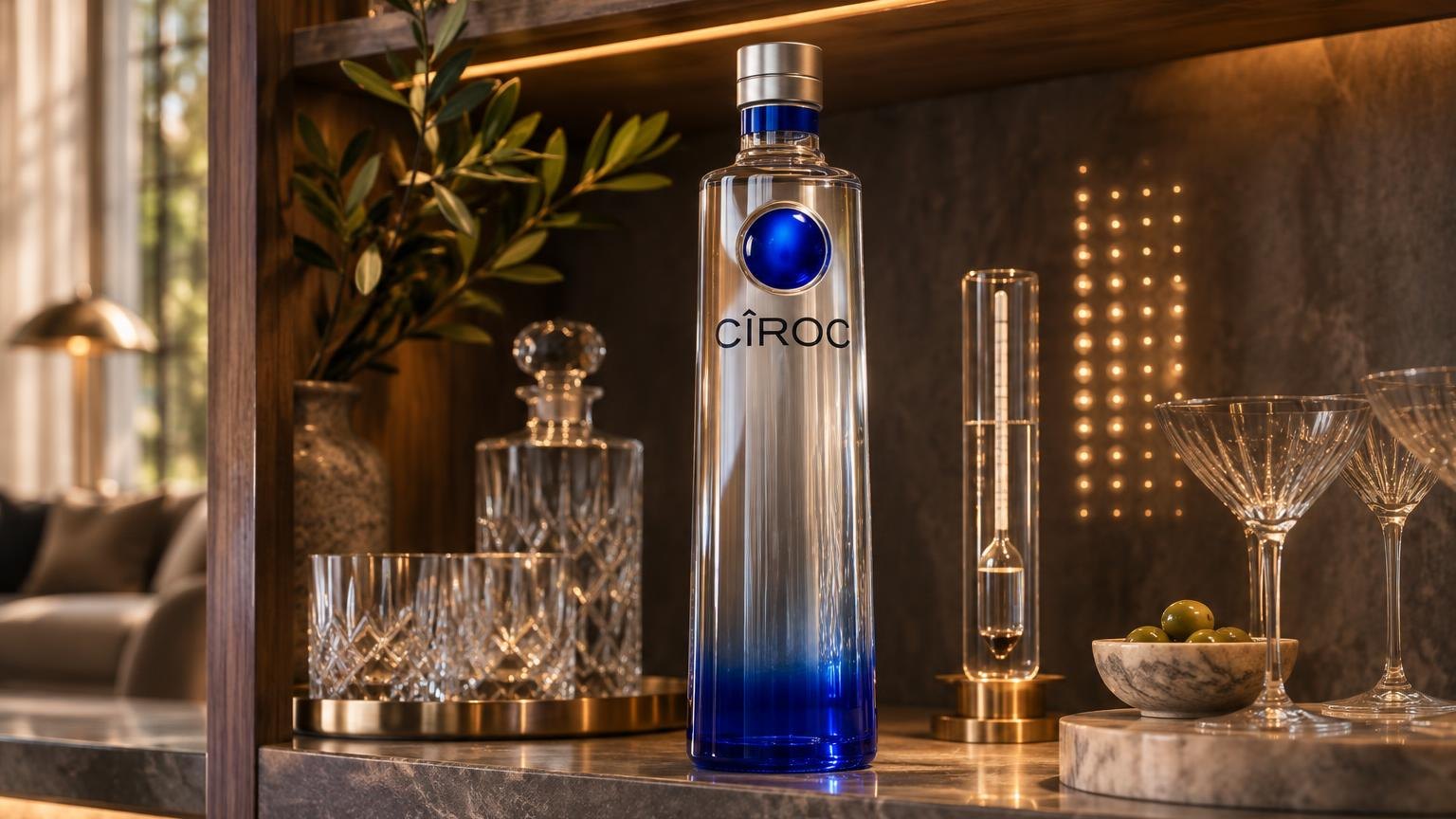
| Cîroc Ultra-Premium Vodka | 40% | 80 | French grapes |
| Grey Goose Original | 40% | 80 | French wheat |
| Tito’s Handmade Vodka | 40% | 80 | Corn |
| Ketel One Vodka | 40% | 80 | Wheat |
| Smirnoff No. 21 | 40% | 80 | Corn |
| Cîroc Peach | 35% | 70 | Grape-based vodka with flavorings |
| Smirnoff 100 Proof | 50% | 100 | Corn |
Sources: manufacturer product information at https://www.ciroc.com/, https://www.greygoose.com/, https://www.titosvodka.com/, https://www.ketelone.com/, and https://www.smirnoff.com/.
These figures refer to the named U.S. products, not every expression sold under each brand.
Compare the exact bottle, not the brand name. Cîroc Peach is less concentrated than Cîroc Original, while Smirnoff’s higher-proof expression is more concentrated.
Flavored vodkas and specialty bottlings can differ from a brand’s flagship product, so check the alcohol statement before pouring.
What an Equal Pour Contains
Alcohol by volume measures the share of liquid that is ethanol. For equal-sized pours, matching ABV means matching alcohol content, regardless of price, raw material, distillation claims, or how smooth the vodka tastes.
| Vodka | Pour, U.S. fl oz | Pure alcohol, U.S. fl oz | U.S. standard drinks |
| Cîroc Original | 1.5 | 0.600 | 1.00 |
| Cîroc Peach | 1.5 | 0.525 | 0.875 |
| Smirnoff 100 Proof | 1.5 | 0.750 | 1.25 |
Calculations use pour volume multiplied by ABV.
The standard-drink equivalents follow the National Institute on Alcohol Abuse and Alcoholism’s U.S. definition: https://www.niaaa.nih.gov/alcohols-effects-health/overview-alcohol-consumption/what-standard-drink.
What Matters When Choosing
- For cocktail substitutions: Cîroc Original and the other flagship vodkas above deliver equal alcohol in equal measures. Flavor and texture may change; ethanol quantity does not.
- For flavored drinks: A lower-ABV vodka reduces alcohol only when the pour stays equal. A larger measure or added liqueur can erase that difference.
- For serving decisions: Use the label and a measured pour. Sweetness, chilling, and mixers can soften alcohol’s sensory impact without removing ethanol.
Cîroc’s premium positioning concerns its ingredients, production, and branding—not extra alcoholic strength. Choose by flavor and budget, then control alcohol intake through the bottle’s stated ABV and the amount actually served.
Why Ciroc Uses Five Distillations
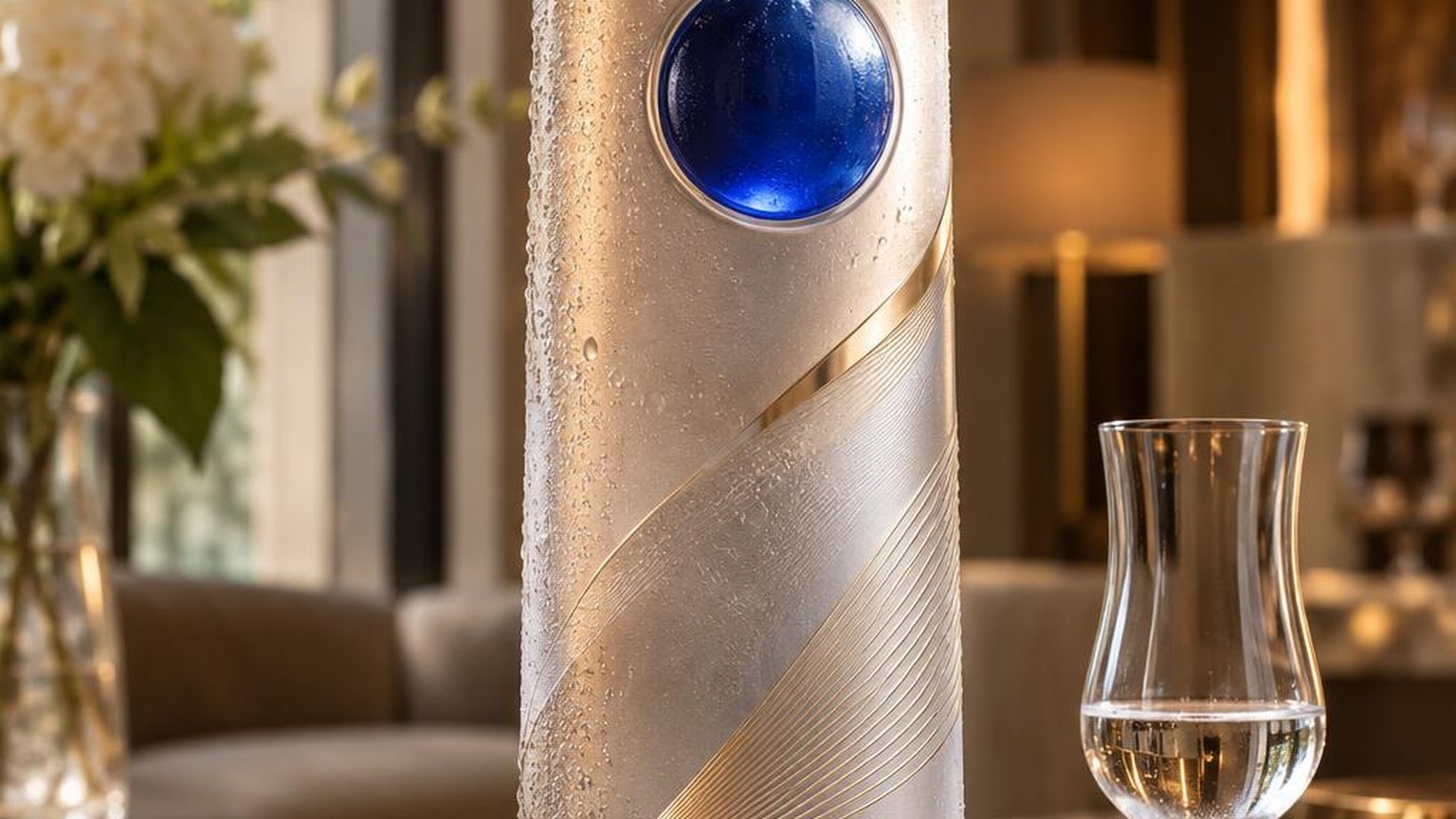
Cîroc uses five distillations to refine its grape-based spirit before dilution and bottling.
The process helps separate ethanol from unwanted fermentation compounds, but the number of distillations does not determine the alcohol percentage printed on the bottle.
What the Distillations Accomplish
Distillation separates substances through differences in volatility. Heating fermented grape liquid produces vapor enriched in alcohol; condensing that vapor concentrates the spirit.
Still design, operating conditions, and the distiller’s selection of fractions influence which aroma and flavor compounds remain.
According to Cîroc’s official brand information, its vodka is distilled five times, with the final distillation taking place in a custom copper pot still at the Distillerie de Chevanceaux in southwestern France.
The brand identifies French grapes as its starting material.
Copper can react with certain sulfur-containing compounds that produce undesirable aromas.
However, using copper does not automatically guarantee a particular flavor: the fermented material, equipment condition, and management of the distillation all matter.
Why Five Distillations Do Not Mean Higher Bottled Strength
Distillation strength and bottling strength are different measurements. Producers dilute concentrated spirit with water to reach the intended alcohol by volume, or ABV.
Repeating distillation therefore does not mean the vodka reaches consumers at the strength it leaves the still.
| Product and market | Bottled ABV | US proof |
| Cîroc Ultra-Premium Vodka, standard unflavored US bottling | 40% | 80 |
Under US labeling rules, proof equals twice the ABV. The figures above describe the finished vodka, not an intermediate distillate.
Check the actual bottle when buying flavored Cîroc products or other expressions; the standard unflavored bottling does not establish every product’s strength.
What “Five Times Distilled” Actually Tells You
- It describes Cîroc’s stated production process, not a universal quality grade.
- It does not establish that Cîroc contains more alcohol than another vodka with the same labeled ABV.
- It cannot independently prove greater smoothness. Dilution, serving temperature, aroma, and individual perception also affect that impression.
There is no standardized sensory score attached to a distillation count. A continuously operating column and a batch pot still also work differently, so counting distillations alone cannot reliably rank competing vodkas.
Sources: Cîroc’s official production and product information, https://www.ciroc.com/; US distilled-spirits standards, 27 CFR § 5.142; US alcohol-content labeling requirements, 27 CFR § 5.65.
Does Chilling Change Ciroc Alcohol Content
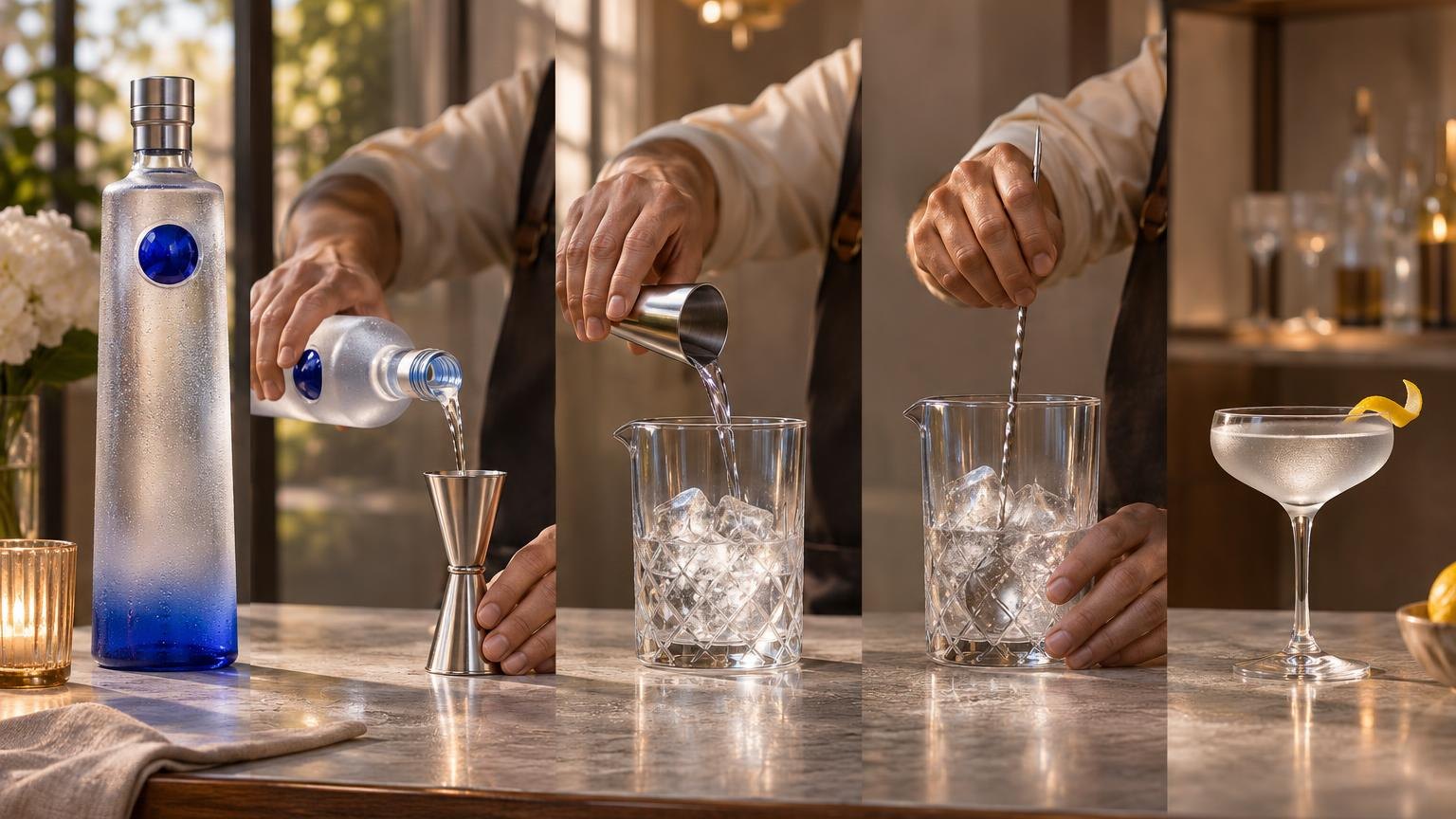
Chilling Cîroc does not meaningfully change its alcohol content or remove ethanol.
Unflavored Cîroc Vodka is labeled 40% alcohol by volume (ABV), or 80 proof, whether you serve it at room temperature, refrigerated, or straight from a typical household freezer.
Temperature Changes Texture, Not Alcohol Strength
Cold vodka can feel thicker and taste less aromatic, making its alcohol bite seem softer. That sensory change does not mean the drink contains less alcohol.
A chilled serving delivers the same ethanol dose as an equivalent serving measured at the same reference temperature.
Alcohol and water expand and contract with temperature, so precise laboratory measurements require temperature correction. U.S. regulations define alcohol content by volume at 60°F.
The bottle’s labeled ABV is therefore a standardized measurement, not a number that needs recalculating whenever you refrigerate it.
| Storage condition | Example temperature | Effect on labeled strength |
| Room temperature | 68°F / 20°C | Remains 40% ABV |
| Refrigerator | 39°F / 4°C | Remains 40% ABV |
| Household freezer | 0°F / −18°C | Remains 40% ABV |
These examples apply to unflavored Cîroc Vodka, not every product carrying the Cîroc name. Check the individual bottle before calculating alcohol intake, particularly for flavored spirits or ready-to-drink products.
Melting Ice Changes the Concentration
Ice lowers ABV only when it melts and adds water. Refrigerating a sealed bottle adds nothing, while shaking, stirring, or serving vodka over ice introduces dilution.
The amount depends on ice temperature, surface area, mixing time, and the starting temperature of the drink.
| Example | Vodka volume | Final drink volume | Calculated ABV |
| Undiluted vodka | 100 mL at 40% ABV | 100 mL | 40% |
| Diluted with water | 100 mL at 40% ABV | 125 mL | 32% |
The dilution example uses measured final volumes at the same reference temperature. Both drinks contain the same quantity of ethanol; added water reduces concentration, not the alcohol dose.
Drinking the entire diluted serving still means consuming all the original alcohol.
Serve Cold Without Underestimating the Pour
- Measure the vodka before adding ice or mixers.
- Do not use smoothness or reduced burning as a strength indicator.
- Keep the bottle closed to prevent spills and limit evaporation.
Sources: Cîroc’s official product information, https://www.ciroc.com/; U.S. alcohol measurement definitions, 27 CFR § 30.11, https://www.ecfr.gov/current/title-27/section-30.11.
Reading Ciroc Bottle Labels Correctly
The alcohol percentage in Cîroc appears on the bottle as alcohol by volume, usually abbreviated “ABV” or written “alc./vol.” Read that statement on your specific bottle: the original vodka, flavored vodkas.
And ready-to-drink products do not necessarily have the same strength.
Find the Alcohol Statement, Not the Bottle Size
Look for the percentage sign beside “alcohol by volume” or “alc./vol.” That figure describes how much of the liquid’s volume is alcohol.
The volume printed in milliliters or liters tells you how much liquid the bottle holds, not its alcoholic strength.
For common U.S. Cîroc bottlings, these label figures provide a useful reference. Check the physical bottle before applying them to an imported product, a different flavor, or a newly released expression.
| U.S. Cîroc product | Alcohol by volume | U.S. proof equivalent |
| Cîroc Ultra-Premium Vodka, original | 40% | 80 proof |
| Cîroc Coconut | 35% | 70 proof |
| Cîroc Peach | 35% | 70 proof |
| Cîroc Pineapple | 35% | 70 proof |
Interpret Proof and Product Names Correctly
On U.S. spirits labels, proof equals twice the ABV. It is another way to express alcohol concentration, not a separate ingredient or a measure of quality. If both figures appear, they should describe the same strength.
- Identify the full product name. “Cîroc” names the brand; the flavor or product description identifies the expression. Do not transfer the original vodka’s percentage to every bottle carrying that brand.
- Separate vodka from prepared drinks. A ready-to-drink cocktail is a formulated beverage. Its own alcohol statement applies; the strength of the vodka used to make it does not determine the finished drink’s percentage.
- Ignore visual shortcuts. Bottle color, decorative sleeves, and packaging shape are not reliable strength indicators. Use the printed alcohol statement rather than recognizing a familiar design.
Resolve Conflicting Label Information
If a retailer’s listing disagrees with your bottle, use the bottle’s alcohol statement and verify the exact expression with the producer. Online descriptions can refer to another market, package, or product version.
A photograph must show the same product to establish its strength.
Sources: Cîroc’s official product information at https://www.ciroc.com/ supports the listed U.S. strengths.
U.S. labeling requirements appear in 27 CFR § 5.65: distilled spirits must declare alcohol content as a percentage by volume; a proof statement may also appear.
Standard Drinks and Pours at 40 Percent
Cîroc’s original vodka is 40% alcohol by volume (ABV), or 80 proof in the United States. At that strength, a measured 1.5-US-fluid-ounce pour contains one US standard drink; a generously filled glass can contain more than one.
What Counts as One Standard Drink?
The National Institute on Alcohol Abuse and Alcoholism (NIAAA) defines a US standard drink as approximately 14 grams of pure alcohol. For 40% vodka, that corresponds to 0.6 US fluid ounces of ethanol in a 1.5-fluid-ounce serving.
Use the table to count alcohol from the amount poured, not the number of glasses served. All volumes below are US fluid ounces, and standard-drink totals are rounded.
| Cîroc pour at 40% ABV | Pure alcohol | US standard drinks |
| 1 fl oz | 0.4 fl oz | 0.67 |
| 1.5 fl oz | 0.6 fl oz | 1.00 |
| 2 fl oz | 0.8 fl oz | 1.33 |
| 3 fl oz | 1.2 fl oz | 2.00 |
Calculation: Multiply the vodka volume by 0.40 to find its pure-alcohol volume, then divide by 0.6 to calculate US standard drinks. This works only when both volumes use US fluid ounces and the vodka is actually 40% ABV.
Measure the Pour, Then Count the Cocktail
- Use a marked jigger. Shot glasses do not have a universal capacity, and free-pouring makes the serving difficult to verify. Measure the vodka before adding it to the glass.
- Count every alcoholic ingredient. Liqueurs, vermouth, sparkling wine, and additional spirits contribute alcohol beyond the vodka. A single cocktail is not automatically a single standard drink.
- Do not subtract for mixers. Juice, soda, and melting ice dilute the finished beverage but do not remove ethanol. Drinking the entire cocktail means consuming all the alcohol originally added.
- Check the bottle label. These calculations apply to Cîroc labeled 40% ABV. Do not assume every flavored expression or ready-to-drink product has the original vodka’s strength.
A bar’s “single” or “double” describes its serving practice, not a nationally fixed alcohol quantity. Ask how much vodka the drink contains when the menu does not specify the pour.
Standard drinks measure alcohol intake; they do not predict blood alcohol concentration or establish whether driving is safe. Food, drinking speed, medications, and individual physiology affect alcohol’s effects.
Source: NIAAA, “What Is a Standard Drink?” https://www.niaaa.nih.gov/alcohols-effects-health/overview-alcohol-consumption/what-standard-drink.
Questions People Ask Most
What is the alcohol percentage in Cîroc vodka?
Cîroc’s original, unflavored vodka contains 40% alcohol by volume (ABV), or 80 proof, according to its U.S. product labeling. That means 40% of the liquid’s volume is pure alcohol.
Do flavored Cîroc vodkas have the same alcohol percentage?
No. U.S. bottlings of Cîroc Apple, Pineapple, and Red Berry contain 35% ABV, or 70 proof, according to their product labels. Check your specific bottle because alcohol content can differ by expression and market.
How much alcohol is in canned Cîroc Vodka Spritz?
Diageo’s U.S. launch information lists Cîroc Vodka Spritz at 7% ABV in 250-milliliter cans.
This ready-to-drink cocktail is substantially less concentrated than bottled Cîroc vodka, although serving size still determines how much alcohol you consume.
Does one shot of Cîroc count as one standard drink?
A 1.5-fluid-ounce shot of 40% ABV Cîroc contains approximately 14 grams of pure alcohol, meeting the National Institute on Alcohol Abuse and Alcoholism’s definition of one U.S. standard drink.
A larger pour contains more alcohol; a 2-ounce pour at that strength equals approximately 1.33 standard drinks.
What is the alcohol percentage of Cîroc mixed with juice?
Mixing 1.5 ounces of 40% ABV Cîroc with 4.5 ounces of alcohol-free juice produces a drink at approximately 10% ABV before ice melts.
The calculation is 1.5 × 0.40 ÷ 6 × 100; dilution lowers the concentration but does not remove alcohol from the serving.
Related Reading
- How Long Does Vodka Last Opened?
- 11 Surprising Facts About How Many Times Is Grey Goose Distilled (Expert 2026 Guide)
- Can You Smell Vodka On Your Breath?
- What To Mix With Raspberry Vodka?
- What To Mix With Peach Ciroc?
- Best Vodka For No Hangover – Which Is The Best?
- What Is Absolut Vodka Made From?
- What To Mix With Peach Schnapps?
- All Alcohol Guides
- CÎROC Official Website (n.d.)
- Diageo — CÎROC Brand Profile (n.d.)
- NIAAA — What Is a Standard Drink? (n.d.)
- Electronic Code of Federal Regulations — Alcohol Content, 27 CFR § 5.65 (n.d.)
- Electronic Code of Federal Regulations — Vodka, 27 CFR § 5.142 (n.d.)
- CDC — About Alcohol Use (n.d.)
- MedlinePlus — Alcohol (n.d.)
- Encyclopaedia Britannica — Vodka (n.d.)