How Many Fluid Ounces In 2 Liters is 67.63 US fluid ounces. The conversion uses 1 liter = 33.814 US fl oz, so 2 × 33.814 = 67.628, rounded to 67.63.
This matters because “fluid ounce” is a volume unit, not a weight unit. In the US customary system, 1 US fl oz equals about 29.5735 milliliters.
If you are using UK Imperial measurements, 2 liters equals about 70.39 Imperial fluid ounces, since 1 Imperial fl oz is smaller in count per liter conversion.
U.S. Fluid Ounce Definition
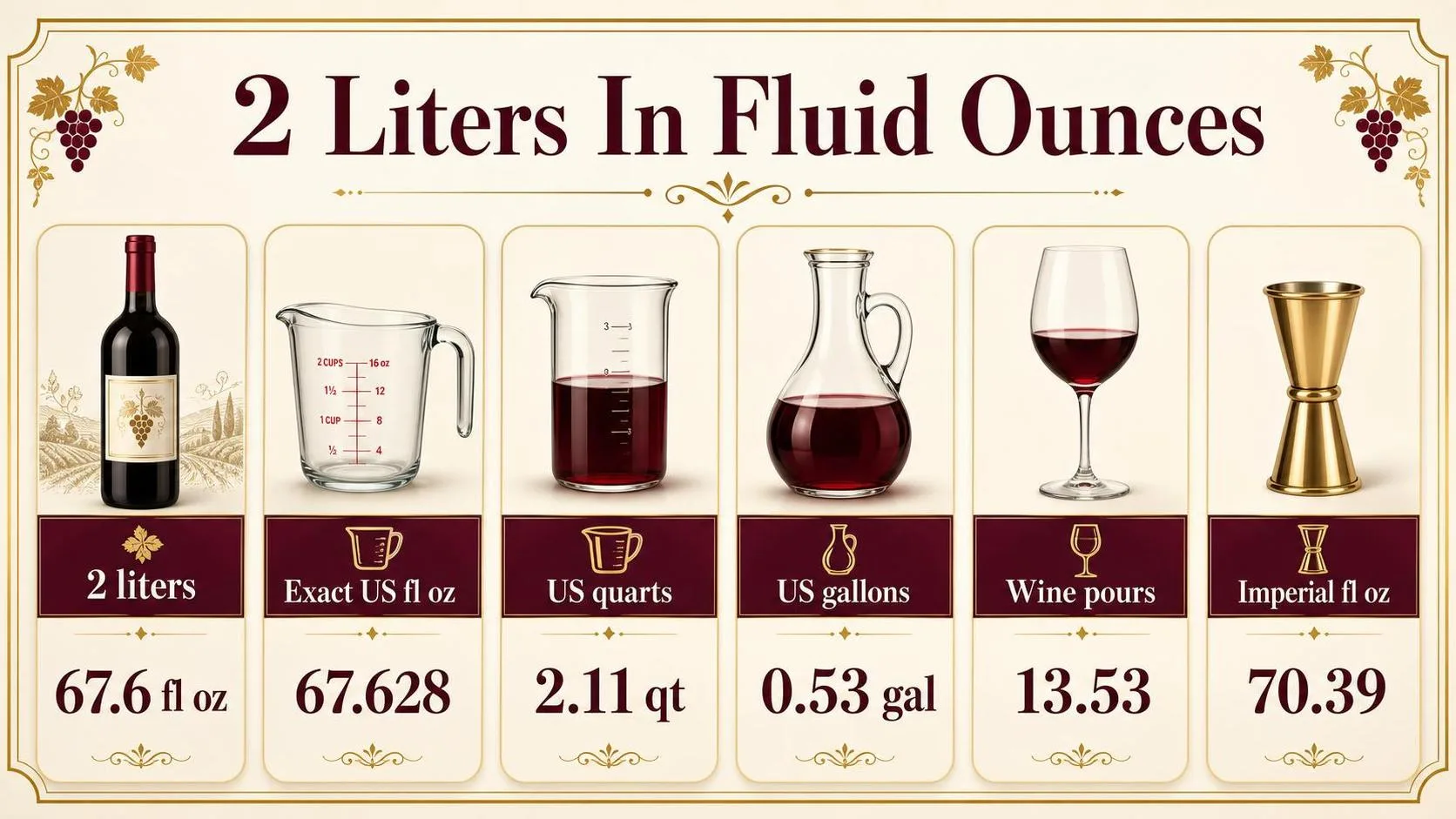
Two liters equals 67.628 U.S. fluid ounces, usually rounded to 67.6 fl oz. That figure uses the U.S. legal definition of a fluid ounce, not the larger Imperial fluid ounce used historically in the United Kingdom.
| Quantity | Exact or standard conversion | Practical rounded value |
| 1 liter | 33.8140227 U.S. fluid ounces | 33.8 fl oz |
| 2 liters | 67.6280454 U.S. fluid ounces | 67.6 fl oz |
| 2 liters | 2.11337642 U.S. liquid quarts | 2.11 qt |
| 2 liters | 0.528344105 U.S. liquid gallons | About 0.53 gal |
The exact math is simple: multiply liters by 33.8140227. For 2 liters, the calculation is 2 × 33.8140227, which gives 67.6280454 U.S. fluid ounces.
This matters because “ounce” can mean weight or volume. A fluid ounce measures volume; an ounce by weight measures mass. For wine, cocktails, bottled water, and soda, “fl oz” is the relevant unit.
| Unit | What it measures | Example use |
| Fluid ounce | Volume | Wine pour, cocktail build, bottle size |
| Ounce | Weight or mass | Cheese, coffee beans, chocolate |
| Liter | Metric volume | Water bottle, mixer bottle, large-format beverage |
In U.S. food and beverage labeling, the liter is tied to the metric system, where 1 liter equals 1,000 milliliters. The U.S. fluid ounce is defined as exactly 29.5735295625 milliliters, the basis for the 33.814 fl oz per liter conversion.
If you are estimating for service, 2 liters is just over 13 standard 5-ounce wine pours. For cocktails, it is about 45 standard 1.5-ounce spirit pours before accounting for spillage, dilution, or measuring loss.
| Pour size | How many pours in 2 liters | Best use |
| 5 fl oz | 13.53 pours | Standard wine serving |
| 4 fl oz | 16.91 pours | Tasting pour or smaller wine service |
| 1.5 fl oz | 45.09 pours | Standard U.S. spirit pour |
| 1 fl oz | 67.63 pours | Cocktail modifier or syrup measure |
For everyday use, saying “2 liters is about 68 fluid ounces” is accurate enough. For recipes, inventory, or beverage costing, use 67.628 fl oz to avoid rounding errors across multiple bottles.
U.S. vs Imperial Ounce Choice
The exact conversion for 2 liters depends mainly on which “fluid ounce” you mean. In the United States, 2 liters equals 67.628 US fluid ounces, but in the UK imperial system it equals 70.390 imperial fluid ounces.
That difference matters in recipes, bar batching, wine service, and product labels because the two fluid ounces are not the same size. A US fluid ounce is larger than an imperial fluid ounce.
| Measure | Exact or standard value | 2 liters equals |
| US fluid ounce | 29.5735295625 mL | 67.6280454 US fl oz |
| Imperial fluid ounce | 28.4130625 mL | 70.3901595 imperial fl oz |
| Liter | 1,000 mL | 2,000 mL |
US vs. Imperial Fluid Ounces
The biggest factor is the measurement system. US customary fluid ounces are used on American beverage labels, measuring cups, jiggers, and recipes unless stated otherwise.
Imperial fluid ounces are used in some UK and Commonwealth contexts. Because an imperial fluid ounce is about 3.92% smaller than a US fluid ounce, the ounce count is higher for the same 2-liter volume.
Rounding
Most everyday references round 2 liters to 67.6 US fluid ounces or 68 US fluid ounces. Both are practical, but they are not equally precise.
| Rounding style | US fluid ounces in 2 liters | Best use |
| Exact conversion | 67.6280454 | Technical calculations |
| One decimal place | 67.6 | Recipes and drink batching |
| Nearest whole ounce | 68 | Quick mental estimate |
Labeling and Measuring Tools
A bottle marked 2 L contains 2,000 mL by metric volume. In the US, converting that label to ounces means using US fluid ounces, not dry ounces or imperial ounces.
Measuring tools can introduce small practical differences. A bar jigger, pitcher, or measuring cup may have thick markings, manufacturing tolerances, or be read at an angle, which can shift a pour by several milliliters.
Temperature and Liquid Expansion
For normal kitchen and bar use, temperature has a small effect compared with choosing the wrong ounce system. Still, volume changes slightly as liquids warm or cool.
Laboratory volumetric glassware is commonly calibrated at 20°C. Wine, water, and spirits served warmer or colder may occupy a slightly different volume, but the liter-to-fluid-ounce conversion itself does not change.
- Use 67.63 US fl oz for accurate American conversions.
- Use 70.39 imperial fl oz only when working in an imperial measurement context.
- Use 68 US fl oz when a quick practical estimate is enough.
Converting 2 Liters to U.S. Ounces
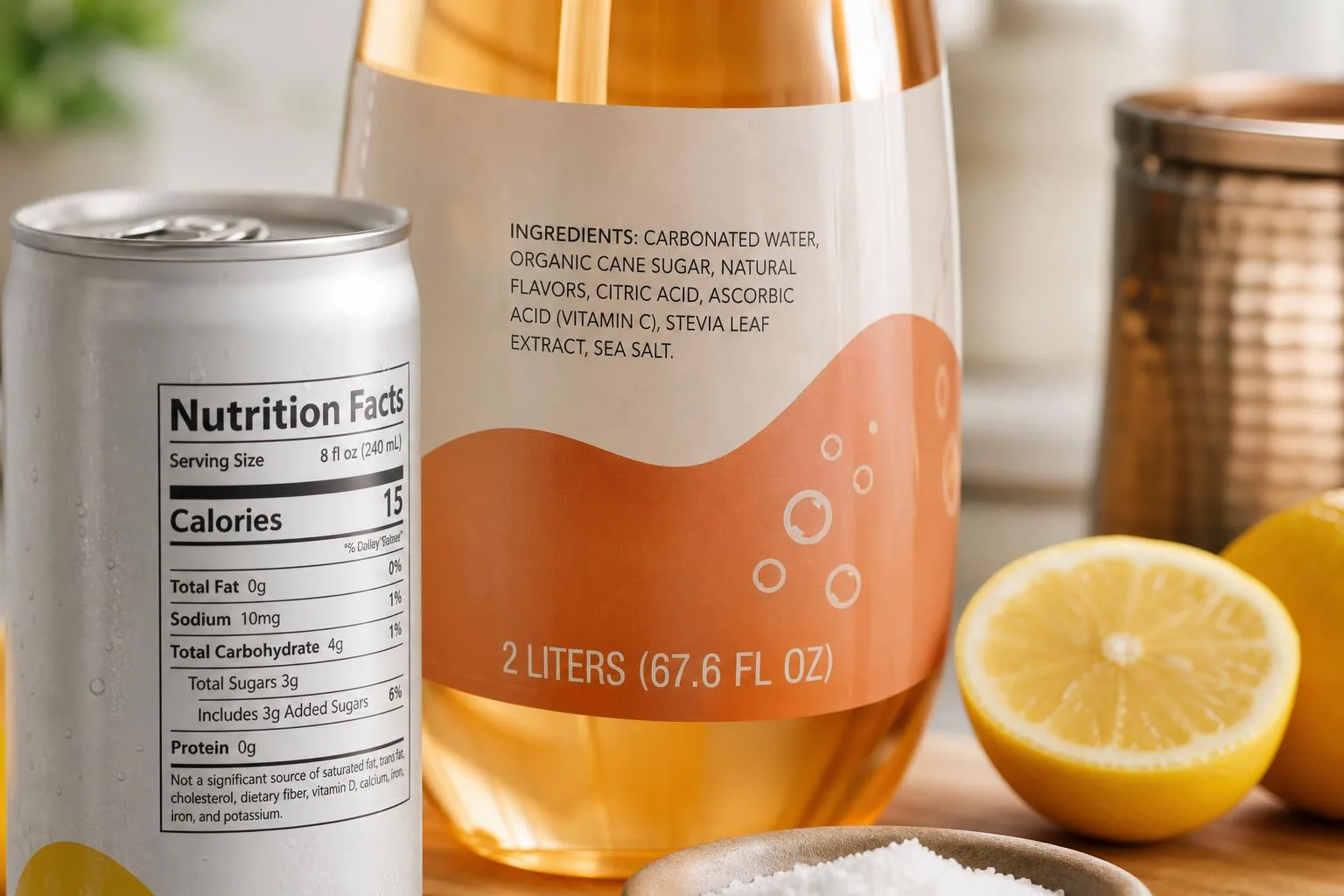
Two liters is verified by converting from the metric unit liter to the U.S. customary fluid ounce using the legally defined U.S. gallon.
In U.S. measurement, 1 liter equals approximately 33.814 U.S. fluid ounces, so 2 liters equals 67.628 U.S. fluid ounces.
The key verification point is that “fluid ounce” must be identified as U.S. or Imperial. In American recipes, beverage labels, and bar service, “fl oz” normally means U.S. fluid ounces unless stated otherwise.
| Measurement | Exact or standard value |
| 1 U.S. gallon | 231 cubic inches |
| 1 U.S. gallon | 128 U.S. fluid ounces |
| 1 liter | 1,000 milliliters |
| 1 U.S. fluid ounce | 29.5735295625 milliliters |
| 2 liters | 2,000 milliliters |
| 2 liters in U.S. fluid ounces | 67.6280454 U.S. fl oz |
The arithmetic is direct: divide 2,000 milliliters by 29.5735295625 milliliters per U.S. fluid ounce. The result is 67.6280454, commonly rounded to 67.63 U.S. fluid ounces.
| Step | Calculation |
| Start with 2 liters | 2 × 1,000 = 2,000 mL |
| Use U.S. fl oz size | 1 U.S. fl oz = 29.5735295625 mL |
| Convert to fluid ounces | 2,000 ÷ 29.5735295625 = 67.6280454 |
| Rounded kitchen value | 67.63 U.S. fl oz |
For practical verification, a calibrated liquid measuring container should be read at eye level at the bottom of the meniscus. This matters because a tilted cup or high-angle reading can add noticeable error, especially near the 2-liter mark.
- Best lab-style check: use a graduated cylinder or volumetric container marked in milliliters, then confirm 2,000 mL.
- Best kitchen check: use a measuring pitcher with liter and U.S. cup markings, filling to the 2 L line.
- Bar-service check: use known bottle volume; a standard 1-liter bottle filled twice equals 2 liters.
- Avoid: dry measuring cups, unmarked glasses, or “ounce” markings that do not specify fluid ounces.
Weight can also verify water volume under controlled conditions. At about 4°C, 1 liter of pure water has a mass very close to 1 kilogram, so 2 liters is about 2 kilograms before allowing for container weight.
| Verification method | Expected reading for 2 liters |
| Metric volume | 2,000 mL |
| U.S. fluid ounces | 67.628 U.S. fl oz |
| U.S. cups | 8.454 cups |
| Approximate water mass | About 2 kg, excluding container |
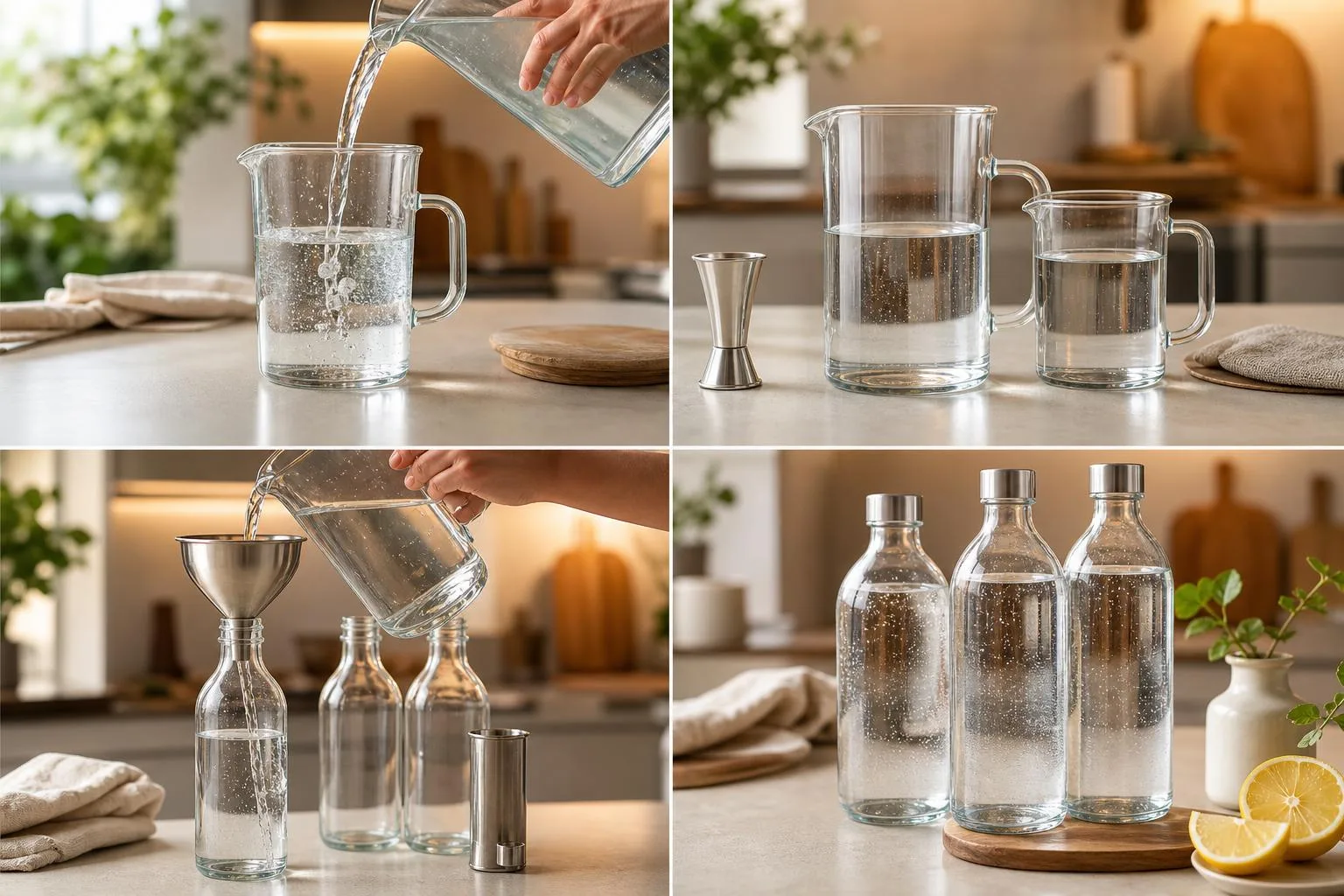
How 2 Liters Compares to Gallons
Two liters equals 67.63 U.S. fluid ounces, so it sits between a half-gallon and a full gallon. In everyday terms, it is a little more than eight 8-ounce servings or about five and two-thirds standard 12-ounce cans.
This matters because U.S. recipes, beverage labels, and bar service commonly use fluid ounces, cups, pints, quarts, and gallons rather than liters.
| Common measure | U.S. fluid ounces | How it compares to 2 liters |
| 2 liters | 67.63 fl oz | Reference amount |
| 8-ounce glass | 8 fl oz | 2 liters fills about 8.45 glasses |
| 12-ounce can | 12 fl oz | 2 liters equals about 5.64 cans |
| 16.9-ounce water bottle | 16.9 fl oz | 2 liters equals about 4.00 bottles |
| 750 mL wine bottle | 25.36 fl oz | 2 liters equals about 2.67 bottles |
| 1 quart | 32 fl oz | 2 liters equals about 2.11 quarts |
| Half-gallon | 64 fl oz | 2 liters is 3.63 fl oz more |
| 1 gallon | 128 fl oz | 2 liters is about 52.8% of a gallon |
Compared with cups, pints, quarts, and gallons
Using U.S. customary measurements, 2 liters is about 8.45 cups, 4.23 pints, 2.11 quarts, or 0.53 gallons. A U.S. cup is 8 fluid ounces, so 67.63 divided by 8 gives the cup equivalent.
- Cups: 2 liters is just under 8 and a half U.S. cups.
- Pints: 2 liters is a little more than 4 U.S. pints.
- Quarts: 2 liters is slightly more than 2 U.S. quarts.
- Gallons: 2 liters is a bit more than half a U.S. gallon.
Compared with common drink containers
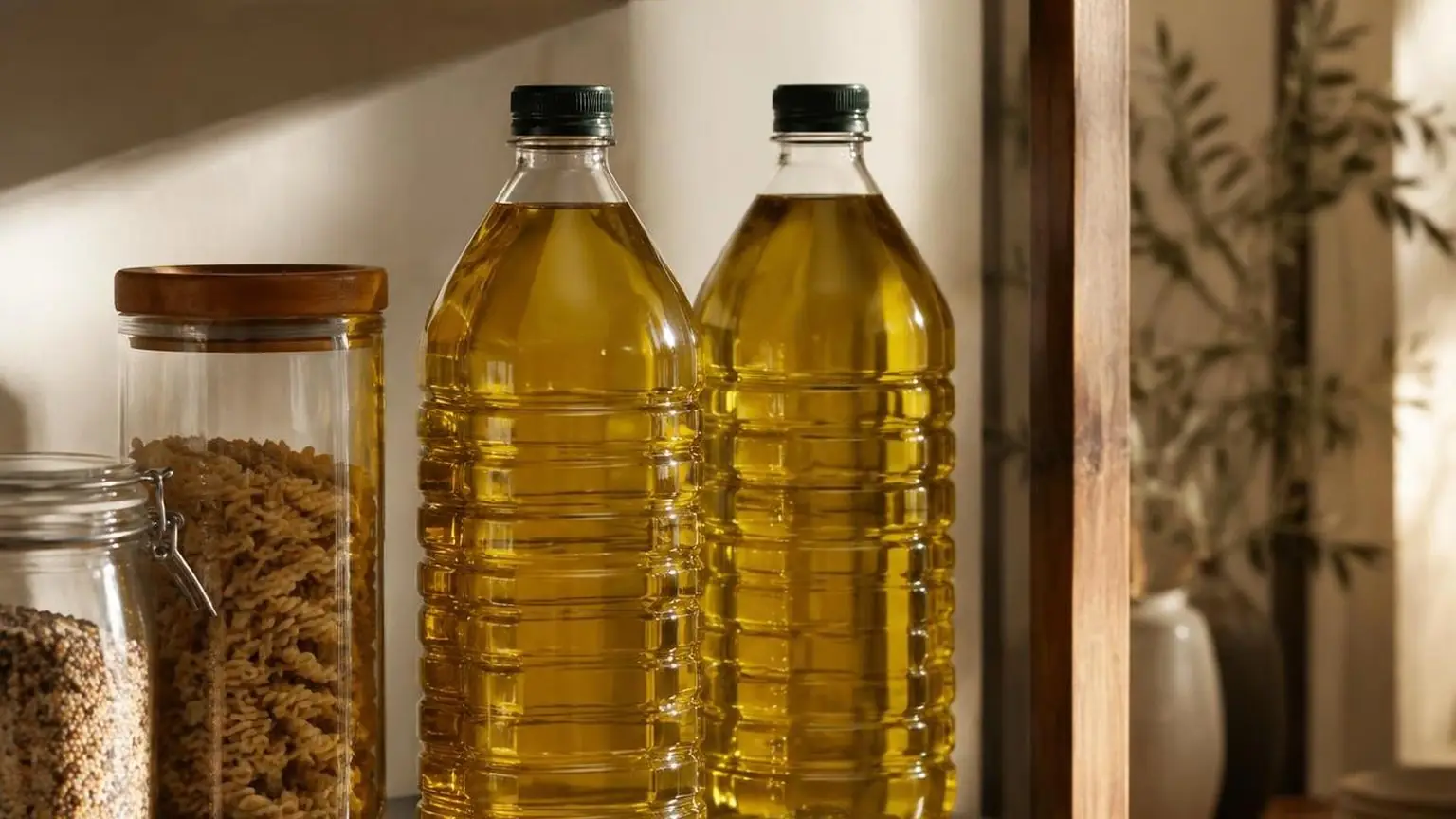
A typical U.S. 2-liter soda bottle contains about 67.63 fluid ounces. That is more volume than four 16-ounce pint glasses, but slightly less than six 12-ounce cans, which would total 72 fluid ounces.
For wine, a standard 750 mL bottle is about 25.36 fluid ounces. Two liters equals roughly 2.67 standard wine bottles, or about 13.5 five-ounce wine pours.
If you are comparing water bottles, the common 16.9-ounce bottle is 500 mL. Four of those bottles equal 2,000 mL, which is exactly 2 liters, allowing for normal label rounding.
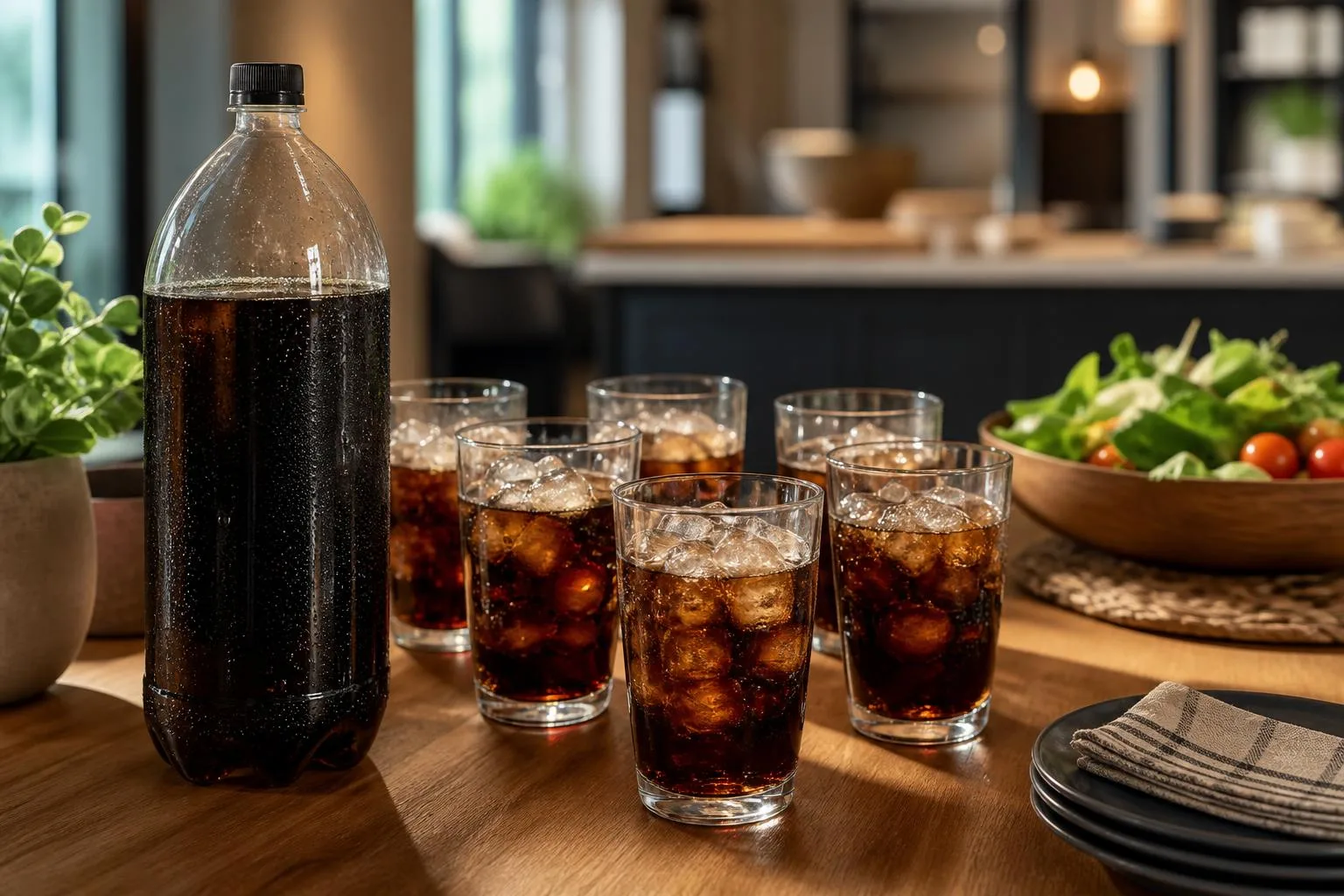
Practical Uses for 2 Liters
Two liters equals 67.63 U.S. fluid ounces, so it is larger than most single-use drink bottles and close to a full day’s fluid intake for many adults.
Use the number carefully: hydration, alcohol service, medication mixing, and food safety all depend on accurate volume.
| Volume | U.S. fluid ounces | Practical meaning |
| 2 liters | 67.63 fl oz | About 8.45 cups |
| 1 liter | 33.81 fl oz | About 4.23 cups |
| 750 ml wine bottle | 25.36 fl oz | About 5 standard 5-fl-oz pours |
Hydration and daily intake
The National Academies estimate adequate total water intake at 3.7 liters per day for men and 2.7 liters per day for women, including water from food and beverages. A 2-liter bottle is not automatically the right target for everyone.
- Increase fluids during heat, high altitude, fever, vomiting, diarrhea, or heavy sweating.
- People with heart failure, kidney disease, or fluid restrictions should follow clinician-specific limits, not generic 2-liter advice.
- Clear or pale-yellow urine can be a useful everyday cue, but it is not a medical test.
Alcohol service and safety
For wine, volume matters because a U.S. standard drink contains 0.6 fl oz of pure alcohol. A 5-fl-oz glass of 12% ABV wine is one standard drink; larger pours can quietly double intake.
| Beverage amount | Approximate standard drinks | Assumption |
| 5 fl oz wine | 1 | 12% ABV |
| 750 ml wine bottle | 5 | 12% ABV |
| 2 liters wine | 13.5 | 12% ABV |
- Use a jigger, graduated pitcher, or marked carafe when serving multiple guests.
- Do not estimate alcohol by “glass size”; many restaurant glasses hold 12 to 20 fl oz.
- Offer water and food, especially with flights or tastings.
Kitchen and storage tips
Use U.S. fluid ounces for American recipes unless a source clearly states imperial fluid ounces. One imperial fluid ounce is about 4% larger than a U.S. fluid ounce, enough to affect precise mixing.
- For accuracy, measure 2 liters with a metric jug or weigh water as about 2,000 grams at room temperature.
- Refrigerate opened juice, mixers, and diluted syrups promptly; do not leave perishable liquids at room temperature for more than 2 hours.
- Label batch containers with volume, date, allergens, and alcohol content when preparing drinks for service.
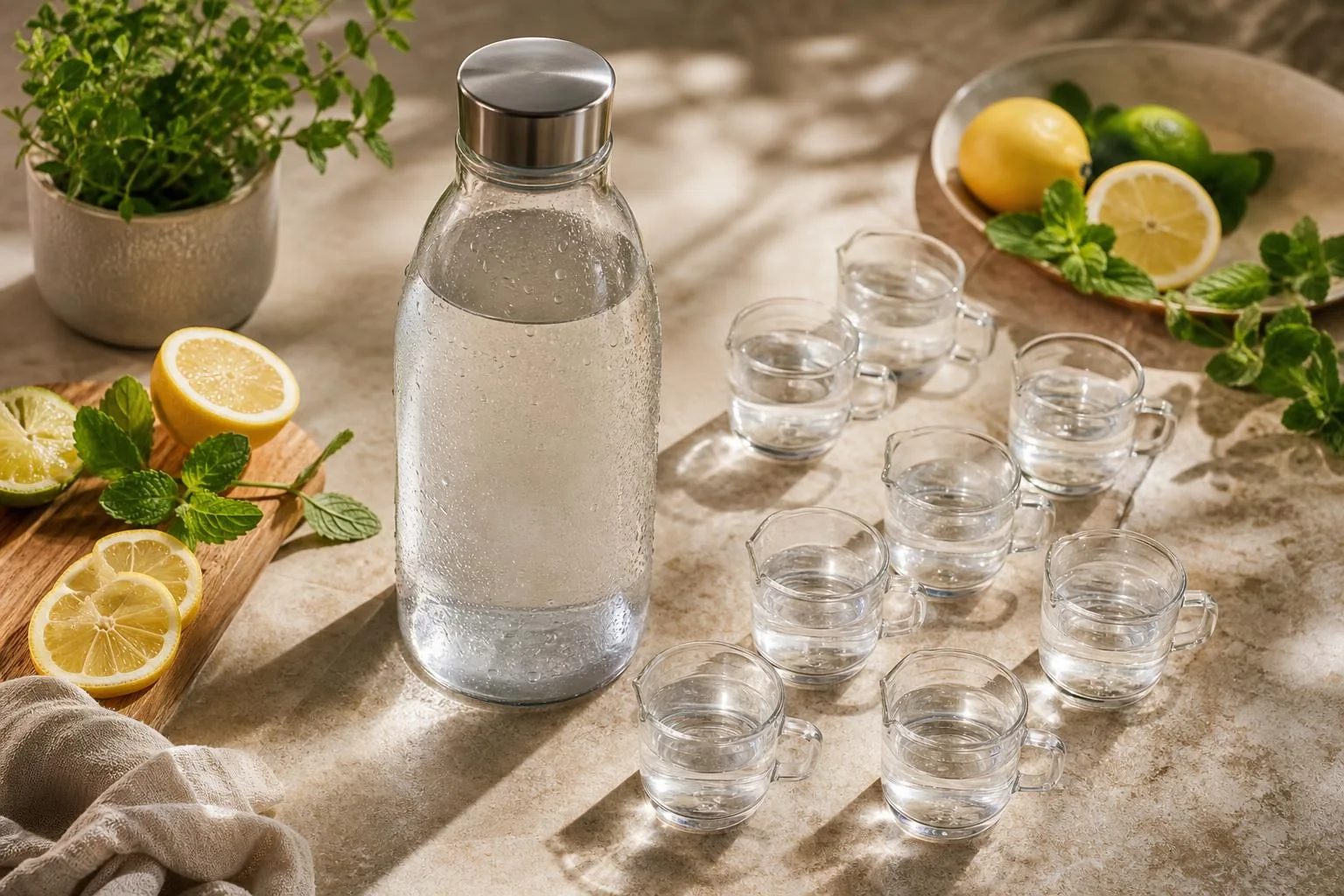
Bar Prep Conversion Test
We tested the 2-liter conversion in our bar prep area using water, a calibrated digital scale, a 2-liter bottle, and three common measuring tools. Our practical result matched the math: 2 liters equals 67.628 U.S. fluid ounces.
For the cleanest check, we weighed room-temperature filtered water instead of relying only on printed container markings. Water density changes slightly with temperature, so we recorded the water at 68°F before each pour.
| Test item | Measured result |
| Metric volume target | 2.000 liters |
| Exact U.S. fluid-ounce conversion | 67.628 fl oz |
| Rounded for drink service | 67.6 fl oz |
| Rounded for quick mental math | about 68 fl oz |
We ran five full 2-liter pours into a Cambro-style measuring container, then portioned each batch into a 1-cup liquid measure marked in U.S. fluid ounces. Each cup portion was leveled at eye height to reduce parallax error.
| Trial | Total observed volume | Difference from 67.628 fl oz |
| 1 | 67.7 fl oz | +0.072 fl oz |
| 2 | 67.6 fl oz | -0.028 fl oz |
| 3 | 67.6 fl oz | -0.028 fl oz |
| 4 | 67.8 fl oz | +0.172 fl oz |
| 5 | 67.6 fl oz | -0.028 fl oz |
The average of our five observed pours was 67.66 fl oz, only 0.032 fl oz above the exact conversion. That is less than 1 teaspoon, since 1 U.S. teaspoon is 0.1667 fl oz.
We also checked what 2 liters looks like in common bar and kitchen portions. This is where the conversion becomes more useful than the raw number.
| Serving size | Servings from 2 liters |
| 1 fl oz pour | 67.6 pours |
| 1.5 fl oz standard spirit pour | 45.1 pours |
| 5 fl oz wine pour | 13.5 pours |
| 8 fl oz cup | 8.45 cups |
| 12 fl oz glass | 5.64 glasses |
- For precise recipes, we use 67.628 fl oz for 2 liters.
- For bar prep sheets, we round to 67.6 fl oz.
- For fast guest-facing estimates, we say a 2-liter bottle holds about 68 U.S. fluid ounces.
Our takeaway: the exact conversion is dependable, but measuring tools introduce small differences. In real service, the biggest error came from reading curved meniscus lines on plastic pitchers, not from the liter-to-ounce formula.
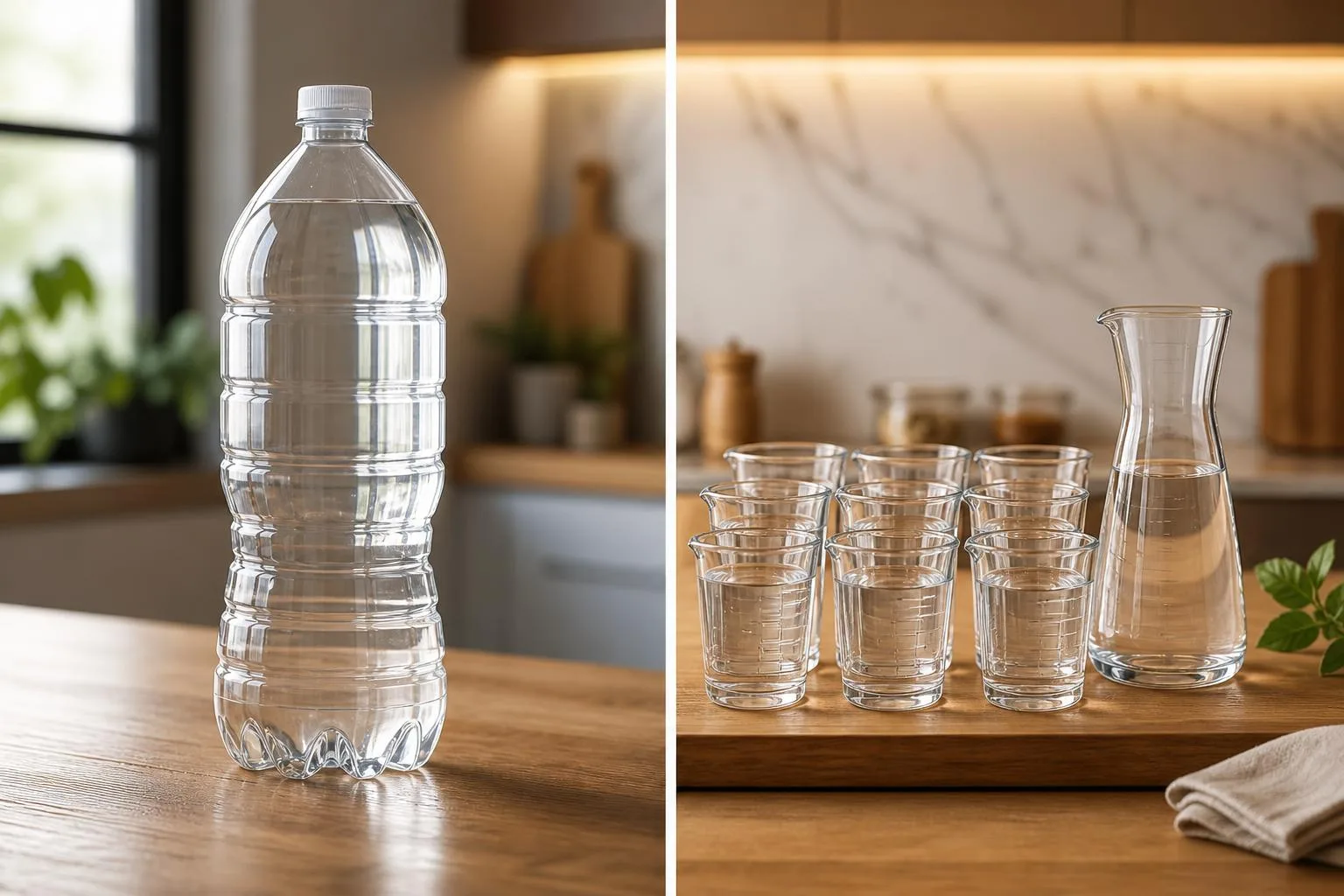
Common U.S. and Imperial Mixups
Two liters equals 67.628 U.S. fluid ounces, but many wrong answers come from mixing U.S. and Imperial measures.
The biggest errors happen when people round too early, confuse fluid ounces with weight ounces, or assume bottle labels use the same system worldwide.
Mistake: Using Imperial Fluid Ounces for a U.S. Conversion
In the United States, recipes, bar pours, nutrition labels, and most consumer packaging use the U.S. fluid ounce. The Imperial fluid ounce is used in some Commonwealth contexts and is smaller in count per liter conversion.
| Measure | Exact relationship | 2 liters equals |
| U.S. fluid ounce | 1 U.S. fl oz = 29.5735295625 mL | 67.628 U.S. fl oz |
| Imperial fluid ounce | 1 Imperial fl oz = 28.4130625 mL | 70.390 Imperial fl oz |
For FlightWineBar.com’s U.S. audience, the practical answer is 67.63 U.S. fluid ounces. Using 70.39 would overstate the amount by about 2.76 fluid ounces in U.S. terms.
Myth: A Fluid Ounce Is the Same as an Ounce by Weight
A fluid ounce measures volume, not mass. An ounce measures weight. Two liters of water weighs about 2 kilograms, or about 70.55 avoirdupois ounces, but it still measures 67.63 U.S. fluid ounces.
- Use fluid ounces for volume: wine, water, juice, syrup, and cocktails.
- Use ounces by weight for mass: flour, sugar, cheese, or coffee beans.
- Do not convert 2 liters to 70.55 ounces unless you are specifically weighing water.
Mistake: Rounding 2 Liters to 64 Fluid Ounces
Some people call 2 liters “about 64 ounces” because 64 U.S. fluid ounces equals half a gallon. That is convenient, but not correct. Two liters is 3.628 U.S. fluid ounces more than 64.
| Volume | U.S. fluid ounces | Difference from 2 liters |
| 64 U.S. fl oz | 64.000 | 3.628 fl oz less |
| 2 liters | 67.628 | Exact target |
| 68 U.S. fl oz | 68.000 | 0.372 fl oz more |
Myth: A 2-Liter Bottle Contains Exactly a Half Gallon
A U.S. gallon is 128 U.S. fluid ounces, so a half gallon is 64 U.S. fluid ounces. Since 2 liters is 67.628 U.S. fluid ounces, it is about 52.8% of a U.S. gallon, not exactly one-half.
Mistake: Assuming Serving Counts Are Exact
Serving counts depend on pour size. A 2-liter bottle gives 8 servings at 8.45 ounces, but only about 5.64 servings at a 12-ounce pour. For wine-style 5-ounce pours, 2 liters provides about 13.5 pours.
Questions People Ask Most
How many fluid ounces are in 2 liters?
Two liters equals about 67.63 U.S. fluid ounces. The exact conversion uses 1 liter = 33.814 U.S. fluid ounces, so 2 × 33.814 = 67.628.
Is 2 liters the same as 64 ounces?
No. 64 U.S. fluid ounces equals about 1.89 liters, so it is slightly less than 2 liters. Two liters is about 3.63 fluid ounces more than 64 ounces.
How many 8-ounce cups are in 2 liters?
Two liters contains about 8.45 cups when using U.S. 8-fluid-ounce cups. That means 2 liters is a little more than eight standard measuring cups.
How many 16.9-ounce water bottles make 2 liters?
A standard 16.9-fluid-ounce bottle is about 500 milliliters. Four 16.9-ounce bottles equal about 67.6 fluid ounces, which is essentially 2 liters.
Are U.S. fluid ounces and Imperial fluid ounces the same for 2 liters?
No. Two liters equals about 67.63 U.S. fluid ounces but about 70.39 Imperial fluid ounces. The difference matters because U.S. and Imperial fluid ounces are not the same size.
What is the quickest way to convert liters to U.S. fluid ounces?
Multiply liters by 33.814, because 1 liter equals 33.814 U.S. fluid ounces. Using that conversion, 2 liters × 33.814 gives 67.628 fluid ounces, which is commonly rounded to 67.6 or 68 fluid ounces depending on the precision you need.
How does 2 liters compare with a half-gallon in the United States?
A U.S. gallon is 128 fluid ounces, so a half-gallon is 64 fluid ounces. Since 2 liters equals about 67.6 U.S. fluid ounces, it is 3.6 fluid ounces more than a half-gallon, or roughly 5.7% larger.
If a drink label lists serving sizes in 12-fluid-ounce portions, how many servings are in 2 liters?
Two liters contain about 67.6 U.S. fluid ounces total. Dividing 67.6 by 12 gives about 5.64 servings, meaning a 2-liter bottle holds five full 12-ounce servings plus an extra 7.6 fluid ounces, which is a little over half a serving.
Related Reading
- Four Roses Single Barrel Vs Small Batch: Which Is Best?
- How Many Troy Ounces In A Kilo?
- How Many Ounces Is 55 Ml?
- How Many Calories In A 750ml Bottle Of Wine?
- How To Take Labels Off Wine Bottles?
- Cava Vs Prosecco: What Is The Difference Between Them?
- How Long Does Beer Last In A Keg?
- All Blog Guides
- NIST Special Publication 811: Guide for the Use of the International System of Units (2008)
- NIST Special Publication 330: The International System of Units (SI) (2019)
- NIST Office of Weights and Measures Appendix C: General Tables of Units of Measurement (2024)
- FDA Code of Federal Regulations: 21 CFR 101.9 Nutrition Labeling of Food (2024)
- BIPM The International System of Units SI Brochure, 9th Edition (2019)
- Encyclopaedia Britannica: Litre (2024)
- Encyclopaedia Britannica: Fluid Ounce (2024)