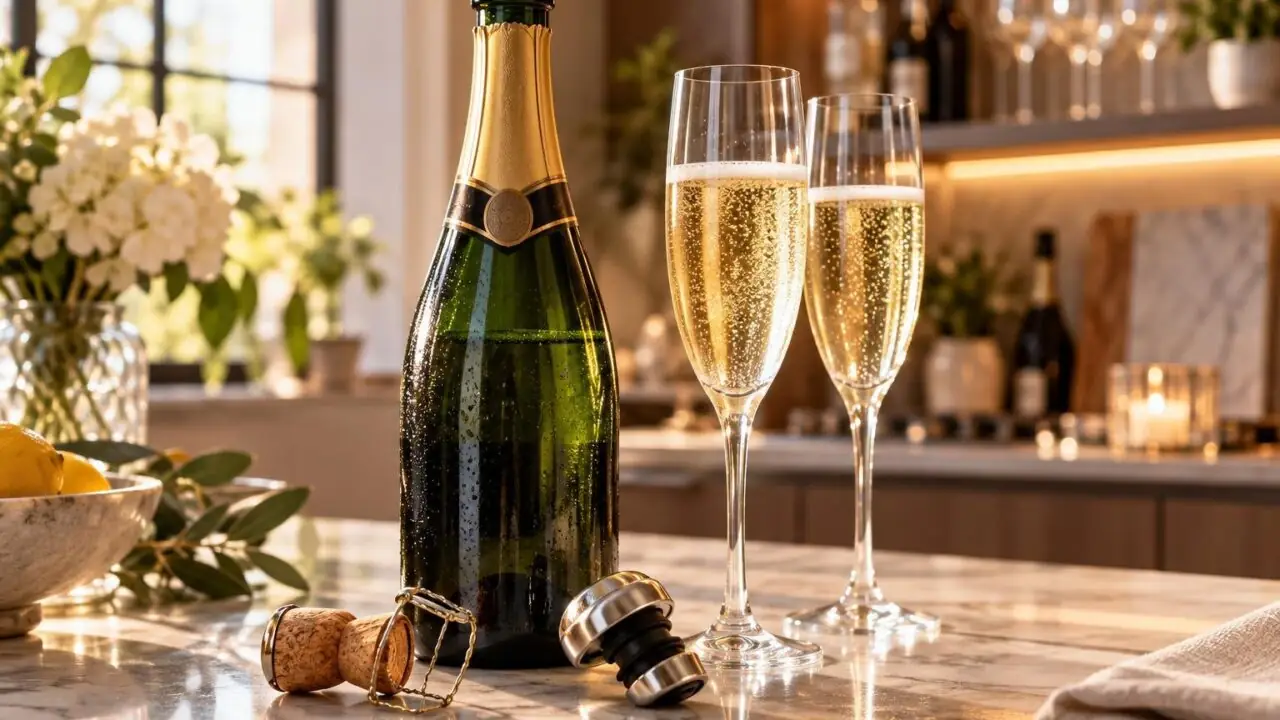

cheap sweet wines for beginners are approachable bottles with noticeable fruit flavor and enough residual sugar to soften acidity and tannin.
Moscato, Riesling, Lambrusco, and late-harvest wines offer clear entry points, often costing less than $15. Moscato tastes of peach and orange blossom, while Riesling can range from lightly sweet to dessert-sweet.
Choose a bottle labeled “sweet,” “semi-sweet,” “dolce,” or “late harvest,” because sweetness terms vary by producer and region.
- Start with a chilled wine between 40°F and 50°F, then serve a small 3-ounce pour with spicy food, salty snacks, or fresh fruit. Compare two styles rather than buying the sweetest bottle available: one sparkling wine and one still wine show how bubbles, acidity, and alcohol change perceived sweetness. Check the alcohol percentage, since lower-alcohol wines often taste lighter and more refreshing. The guide below explains reliable labels, affordable varieties, serving temperatures, and beginner
- Best Cheap Sweet Wines to Start
- Starting with sweet wines costs far less than most beginners expect. Dozens of quality bottles fall between $5 and $15, offering residual sugar levels from 35 to 200+ grams per liter — enough sweetness to ease new palates into wine.
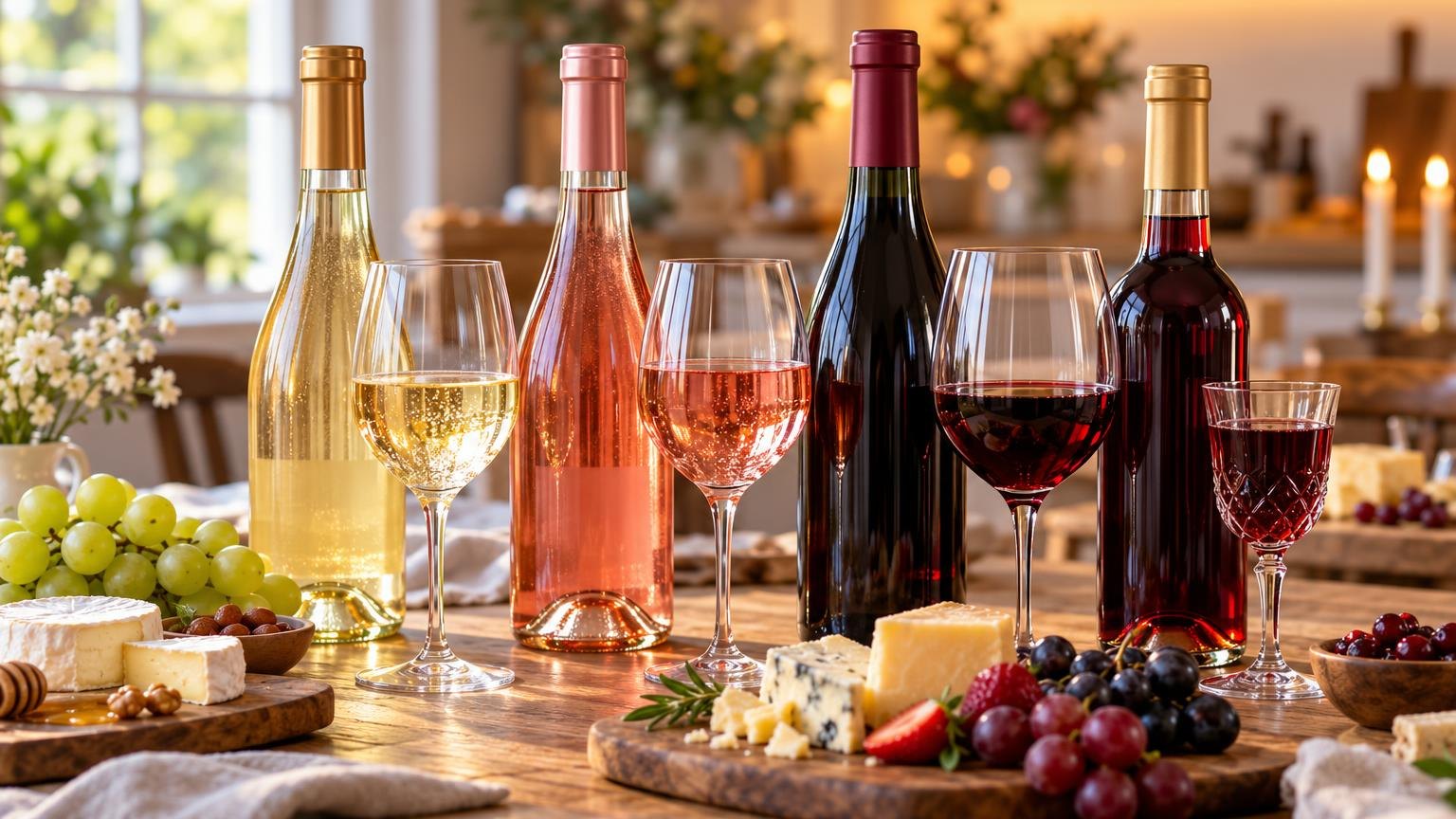
The following wines consistently deliver approachable sweetness at beginner-friendly prices across major US retailers.
| Wine | Style | Typical Price (US) | Residual Sugar | ABV |
| Barefoot Moscato | Still white | $5–$7 | ~64 g/L | 8.5% |
| Stella Rosa Rosso | Semi-sparkling red | $10–$13 | ~70 g/L | 5.5% |
| Sutter Home White Zinfandel | Rosé (off-dry) | $4–$6 | ~35 g/L | 9.5% |
| Roscato Rosso Dolce | Semi-sparkling red | $9–$12 | ~80 g/L | 7% |
| Relax Riesling | Still white | $8–$11 | ~45 g/L | 9.5% |
| Apothic Red | Red blend | $8–$10 | ~16 g/L | 13.5% |
Moscato: The Gateway Sweet Wine
Moscato outsells every other sweet wine in the US beginner segment. Barefoot Moscato ships roughly 10 million cases annually. Its low alcohol (8–9% ABV) and pronounced peach-apricot notes make it universally approachable.
Italian Moscato d’Asti from Piedmont offers a step up in quality. Bottles from producers like Vietti or Saracco run $12–$16 and carry only 5–5.5% ABV with a gentle fizz.
Semi-Sparkling Reds
Stella Rosa and Roscato dominate this niche. Both feature light carbonation, berry-forward flavors, and sugar levels above 70 g/L. Their low alcohol — typically 5.5–7% — reduces harshness that beginners often dislike in dry reds.
White Zinfandel and Riesling
Sutter Home White Zinfandel remains one of America’s best-selling wines at under $6. It offers mild strawberry sweetness without overwhelming sugar, sitting around 35 g/L residual sugar.
German Riesling labeled Kabinett or Spätlese provides a more complex sweet option. Dr. Loosen Blue Slate Riesling Kabinett retails for $12–$15 and balances 45–60 g/L sugar with bright acidity.
What to Look For on the Label
- ABV below 11% — lower alcohol often signals higher residual sugar
- Terms like “dolce,” “doux,” or “sweet” — legally regulated sweetness indicators in Italy, France, and the US respectively
- Residual sugar (RS) above 35 g/L — the threshold where most tasters perceive obvious sweetness
- “Late harvest” — grapes picked later, concentrating natural sugars, typically $10–$18 per bottle
Serve all these wines chilled between 42–50°F (6–10°C). Cold temperatures balance sweetness and keep flavors crisp. Warm sweet wine tastes cloying — a common beginner mistake easily avoided with 30 minutes in the refrigerator.
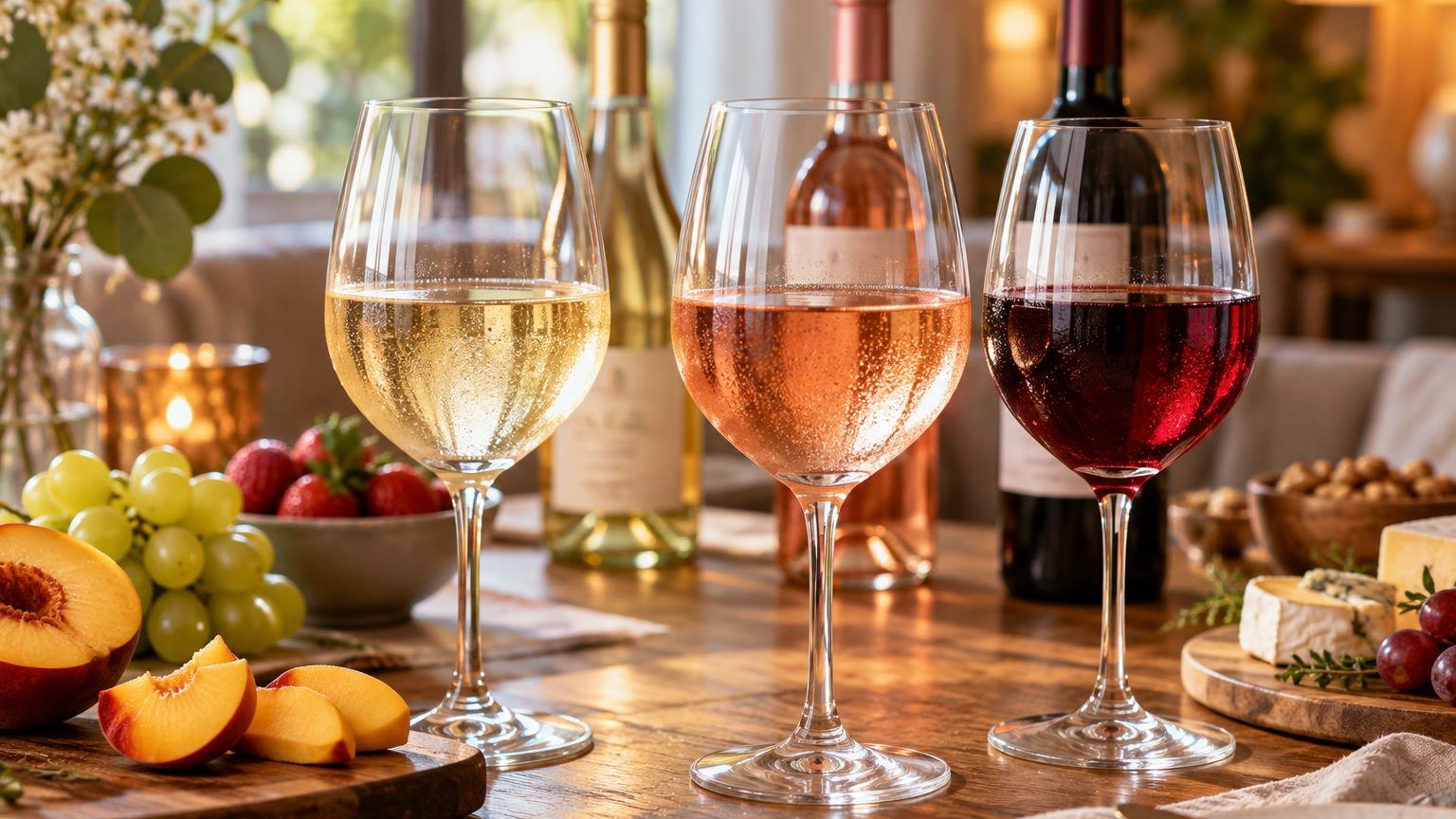
Sweet Wine Styles Under $15
Several well-established sweet wine categories consistently retail below $15, making them accessible entry points. Understanding the sugar levels and flavor profiles of each style helps beginners choose bottles they’ll genuinely enjoy.
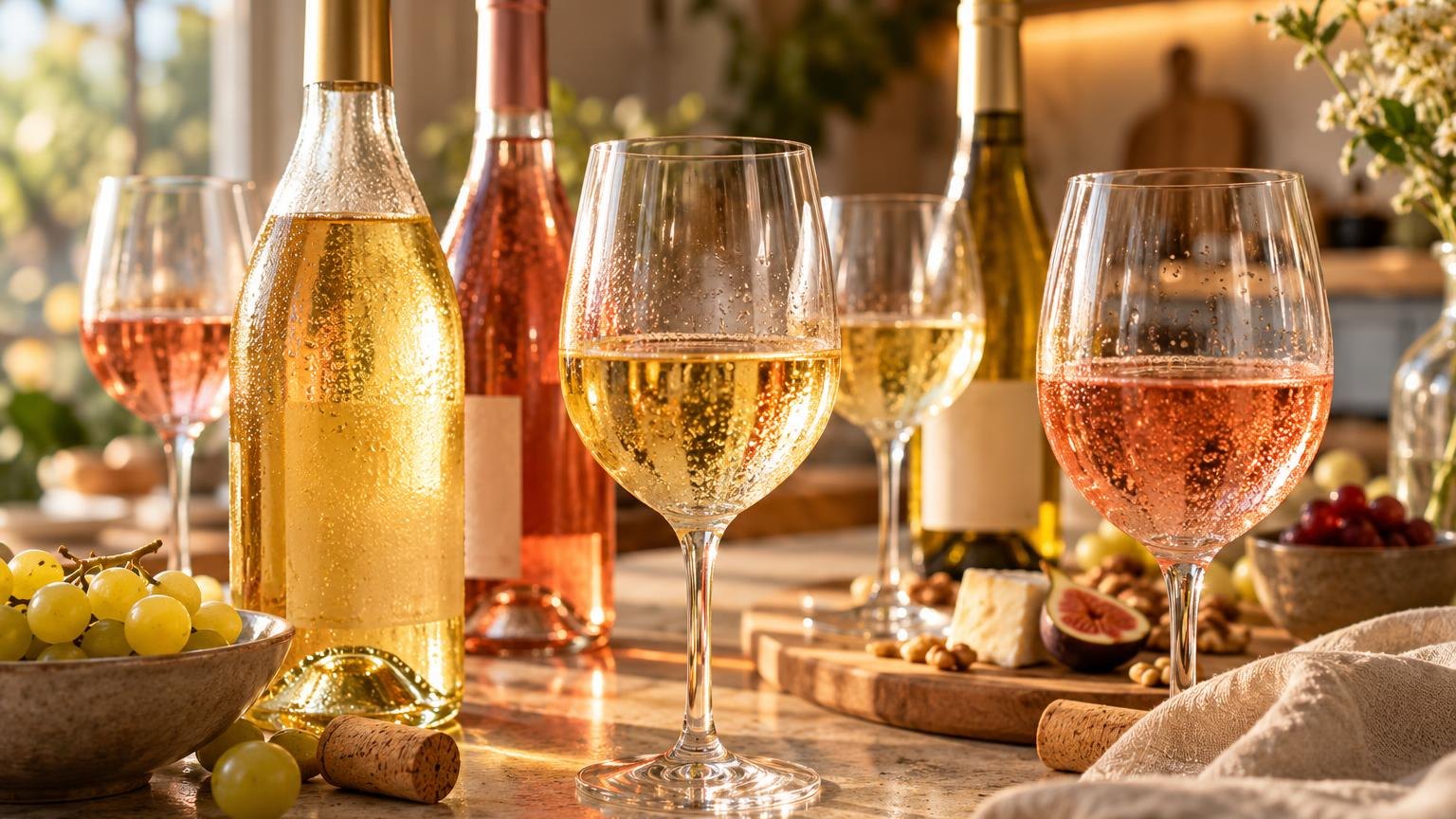
Moscato d’Asti
Moscato d’Asti from Piedmont, Italy, contains 90–130 g/L residual sugar and only 5–6.5% ABV.
Its gentle fizz (frizzante, not fully sparkling) and aromas of white peach, orange blossom, and honey make it one of the most approachable sweet wines produced anywhere.
Reliable bottles under $15 include Vietti Cascinetta, Saracco, and Michele Chiarlo Nivole. Most retail between $10 and $14 for a 750 mL bottle.
Riesling (Off-Dry to Sweet)
German Riesling labeled Kabinett or Spätlese typically carries 45–80 g/L residual sugar balanced by crisp acidity. Alcohol ranges from 7.5–10% ABV. These wines taste lighter and less cloying than their sugar content suggests.
Brands like Dr. Loosen Blue Slate Riesling Kabinett and Clean Slate Riesling retail for $9–$13. Washington State and Finger Lakes Rieslings also deliver reliable sweetness in this price range.
White Zinfandel & Pink Moscato
Barefoot Pink Moscato and Sutter Home White Zinfandel dominate the under-$8 segment. These wines carry roughly 40–60 g/L residual sugar and 8–10.5% ABV. They’re the highest-volume sweet wines sold in American grocery stores.
Comparison by Style
| Style | Residual Sugar (g/L) | ABV Range | Typical Retail |
| Moscato d’Asti | 90–130 | 5–6.5% | $10–$14 |
| German Riesling Kabinett | 45–80 | 7.5–10% | $9–$13 |
| German Riesling Spätlese | 60–90 | 7–9% | $11–$15 |
| White Zinfandel | 40–60 | 9–10.5% | $5–$8 |
| Pink Moscato | 50–70 | 8–10% | $5–$9 |
| Lambrusco (Dolce) | 50–90 | 7.5–9% | $8–$13 |
Other Styles Worth Trying
- Lambrusco Dolce — Sweet sparkling red from Emilia-Romagna. Riunite and Cantine Riunite bottles run $7–$10. Berry-forward with low tannin.
- Brachetto d’Acqui — Slightly sparkling sweet red from Piedmont, around 6% ABV. Banfi Rosa Regale retails near $15.
- Late Harvest Gewürztraminer — Pacific Northwest producers like Chateau Ste. Michelle offer late harvest bottles at $8–$12 with lychee and rose petal aromatics.
Choosing by Sweetness Threshold
Beginners who find dry wine too bitter should start at 60+ g/L residual sugar — Moscato d’Asti or Spätlese Riesling. Those transitioning from soft drinks may prefer the 90–130 g/L range found in Moscato d’Asti specifically.
Serving these wines chilled to 42–48°F (6–9°C) amplifies freshness and keeps sweetness from tasting heavy. Lower temperatures suppress the perception of sugar by roughly 15–20%, creating better balance.
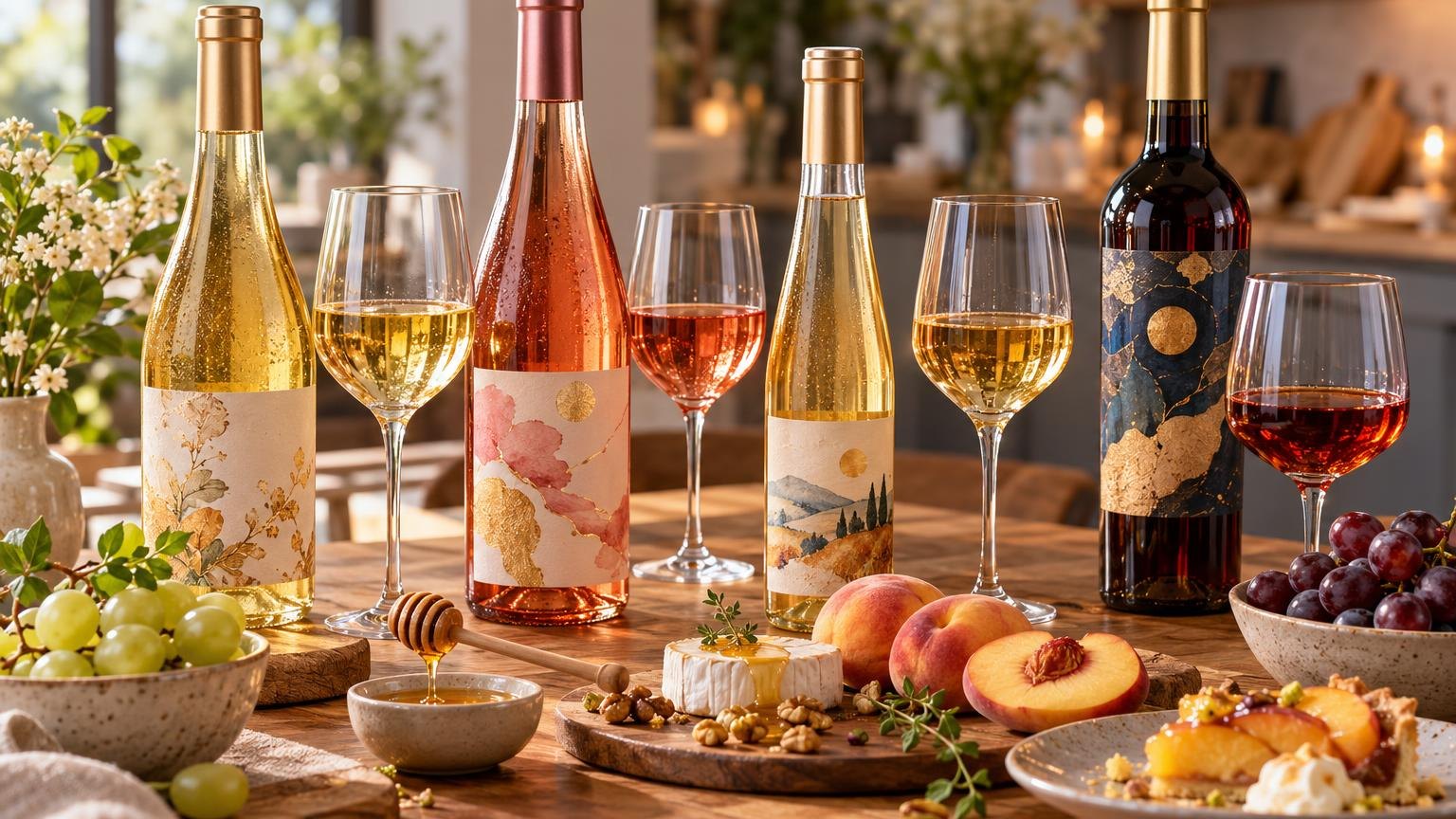
How to Choose Your First Bottle
Choosing a first sweet wine comes down to three measurable factors: residual sugar level, alcohol percentage, and price point. These numbers appear on labels or tech sheets and give you concrete guidance before you ever pull the cork.
Understanding Residual Sugar (RS)
Residual sugar measures grams of unfermented sugar per liter. Wines above 35 g/L taste noticeably sweet. Beginners generally prefer wines in the 45–120 g/L range, which balances sweetness without becoming syrupy.
| Wine Style | Typical RS (g/L) | Avg. Price (750 mL) | ABV |
| Moscato d’Asti DOCG | 100–130 | $10–$16 | 5–5.5% |
| German Riesling Spätlese | 30–80 | $12–$20 | 7.5–9% |
| Sauternes (entry-level) | 120–180 | $18–$30 (375 mL) | 13–14% |
| Brachetto d’Acqui DOCG | 70–100 | $11–$17 | 5.5–6.5% |
| Late Harvest Gewürztraminer | 50–100 | $10–$18 | 10–12% |
Alcohol Level Matters
Lower-alcohol sweet wines like Moscato d’Asti (5–5.5% ABV) feel lighter and more refreshing. Higher-alcohol options like late harvest whites (10–12% ABV) carry more body.
Start lower if you’re sensitive to alcohol’s warmth.
Read the Label for Clues
German wines use a legally defined sweetness scale: Kabinett, Spätlese, Auslese, Beerenauslese, and Trockenbeerenauslese, in ascending sweetness. Italian labels stating “dolce” mean sweet.
French “moelleux” indicates medium-sweet, while “liquoreux” signals richly sweet.
Set a Realistic Budget
Excellent beginner sweet wines exist between $8 and $18 per bottle. Brands like Barefoot Moscato ($6–$8) and Château Ste. Michelle Harvest Select Riesling ($8–$10) offer widely available entry points at grocery-store prices.
Spending $12–$16 unlocks significantly better quality. Italian Moscato d’Asti from producers like Vietti or Saracco delivers authentic Piedmontese winemaking with fine, persistent bubbles and genuine peach and apricot aromatics.
Serving Temperature and Glassware
Serve sweet wines cold—between 43°F and 50°F (6–10°C). This temperature range tightens the acidity and prevents the wine from tasting cloying. A standard white wine glass works perfectly for still versions.
- Sparkling sweet wines (Moscato d’Asti, Brachetto): serve at 40–45°F in a tulip-shaped glass to preserve bubbles
- Still sweet whites (Riesling Spätlese, late harvest): serve at 45–50°F in a small-bowled white wine glass
- Dessert wines (Sauternes): serve at 46–50°F in a dedicated dessert wine glass holding 2–3 oz pours
One Practical Rule
Buy two different bottles under $15 in your first purchase. Compare them side by side. This direct comparison teaches you more about your palate in one sitting than reading a dozen reviews ever could.
Beginner-Friendly Grapes and Regions
Certain grape varieties produce naturally sweeter wines because they retain higher residual sugar after fermentation.
Pairing these grapes with the right growing region keeps prices low while delivering approachable, fruit-forward flavors that new wine drinkers consistently prefer.
Top Grape Varieties for Sweet Wine Beginners
Moscato (Muscat Blanc à Petits Grains) dominates the entry-level sweet wine category. Its naturally high sugar content and intense floral aromatics make it the most popular first wine for non-wine-drinkers in the US market.
Riesling ranks second for beginners, offering a broader sweetness spectrum. German Rieslings labeled “Kabinett” or “Spätlese” typically contain 45–75 g/L residual sugar and alcohol between 7.5% and 9.5% ABV.
Gewürztraminer delivers lychee and rose petal notes with moderate sweetness. Alsatian bottlings labeled “Vendange Tardive” skew sweeter but pricier; California and Washington versions stay under $15.
| Grape | Typical Residual Sugar | Typical ABV | Avg. Retail Price (US) |
| Moscato d’Asti | 100–130 g/L | 5.0–6.5% | $10–$16 |
| Riesling (Kabinett) | 45–75 g/L | 7.5–9.5% | $10–$18 |
| Gewürztraminer (off-dry) | 20–40 g/L | 12–14% | $10–$15 |
| White Zinfandel | 25–35 g/L | 9–11% | $5–$9 |
| Lambrusco (dolce) | 50–90 g/L | 7–8.5% | $8–$14 |
Regions That Deliver Value
The Piedmont region of Italy produces Moscato d’Asti under DOCG regulations. Over 9,700 hectares are planted to Moscato grapes here, ensuring high volume and competitive pricing at $10–$16 per bottle.
Germany’s Mosel valley grows Riesling on steep slate slopes at elevations of 100–350 meters. Cool temperatures slow ripening, preserving natural acidity that balances residual sugar. Entry-level Kabinett bottles retail for $10–$18.
California’s Central Valley produces roughly 80% of all White Zinfandel sold in the United States. Brands like Barefoot and Sutter Home price bottles between $5 and $9, making this the cheapest sweet wine category available nationally.
Emilia-Romagna in northern Italy is home to Lambrusco, a lightly sparkling red wine. The “dolce” (sweet) style pairs well with pizza and charcuterie, and bottles from producers like Riunite or Cantine Ceci cost $8–$14.
What to Look for on the Label
- Moscato d’Asti DOCG — guarantees semi-sweet, low-alcohol Italian Moscato
- Prädikatswein Kabinett or Spätlese — indicates German Riesling sweetness tier
- “Off-dry” or “semi-sweet” — US labeling terms signaling 10–50 g/L residual sugar
- “Dolce” or “Amabile” — Italian terms for sweet and semi-sweet, respectively
- Alcohol below 11% ABV — generally correlates with higher residual sugar, since less sugar converted to alcohol
Start with Moscato d’Asti or a Mosel Kabinett Riesling. Both offer high sweetness, low alcohol, and retail prices under $18 — the ideal combination for anyone exploring sweet wine for the first time.
Serving Cheap Sweet Wine Well
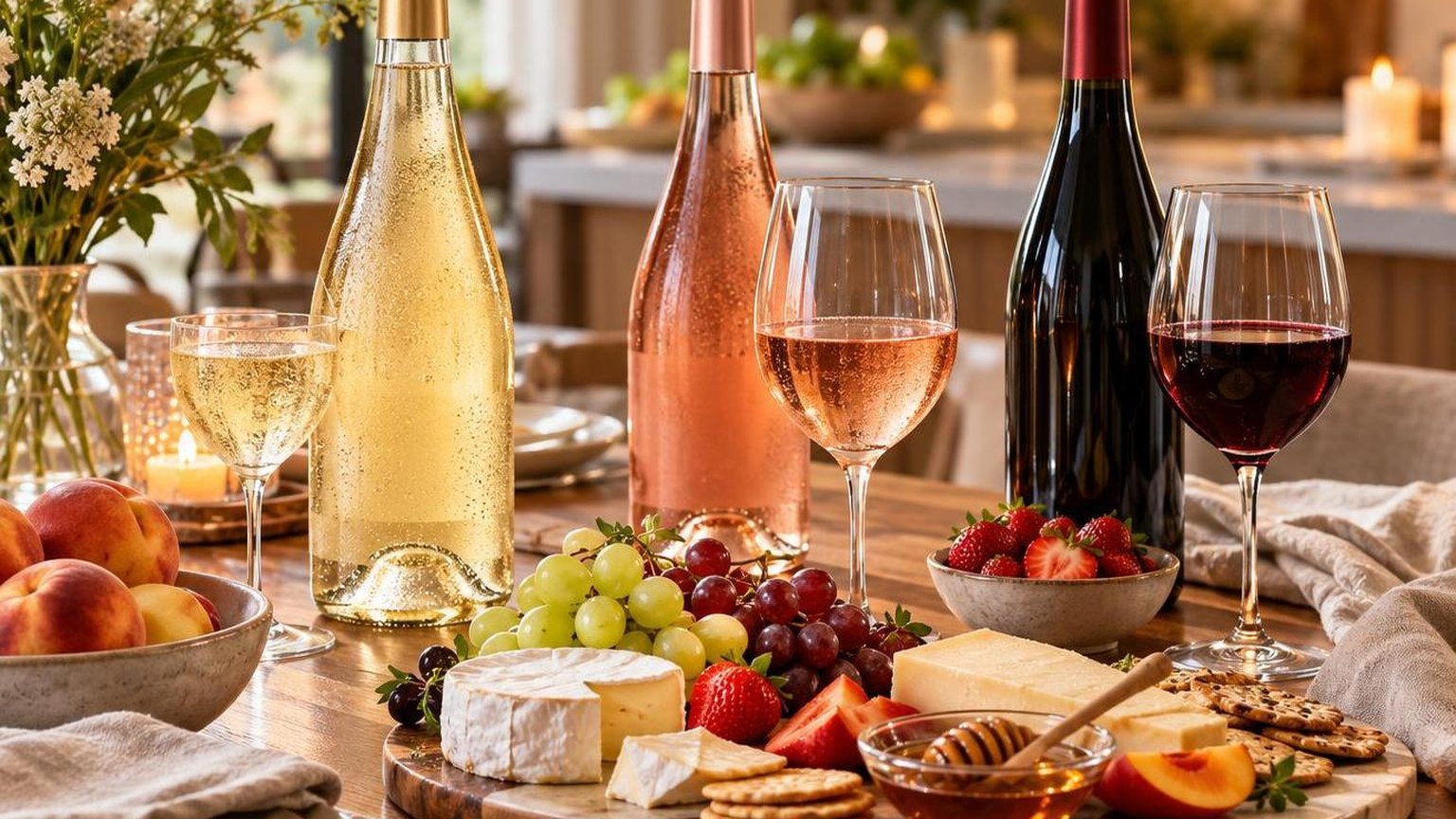
Proper serving temperature transforms a $7 Moscato from cloying to crisp. Budget sweet wines benefit more from correct technique than expensive bottles because chilling and glassware control how aggressively sweetness hits the palate.
Temperature Guidelines by Style
Serving temperature is the single biggest factor in perceived sweetness. Warmer wine tastes sweeter and flabbier. Cold temperatures sharpen acidity and restrain sugar.
| Wine Style | Ideal Temp (°F) | Ideal Temp (°C) | Fridge Time from Room Temp |
| Moscato d’Asti | 40–45 | 4–7 | 2–2.5 hours |
| Riesling Spätlese | 43–47 | 6–8 | 1.5–2 hours |
| White Zinfandel / Rosé | 45–50 | 7–10 | 1.5 hours |
| Lambrusco (sparkling red) | 46–50 | 8–10 | 1.5 hours |
| Ruby Port / Cream Sherry | 57–62 | 14–17 | 30 minutes |
An ice-water bath chills a bottle roughly three times faster than a refrigerator — about 15–20 minutes for whites to reach 45°F.
Glassware That Actually Matters
A smaller glass with a narrower rim concentrates aromatics while directing wine to the tip of the tongue. Standard 8–12 oz white wine glasses outperform wide-bowled red glasses for sweet wines.
- Use a tulip-shaped glass for Moscato and Riesling to preserve bubbles and floral aromatics.
- Pour 3–4 oz per serving — roughly one-third of the glass — to keep the wine cold longer.
- Avoid oversized 20+ oz Bordeaux glasses; they accelerate warming and dissipate delicate aromas.
Pour Size and Calorie Awareness
Sweet wines carry more calories per ounce than dry wines. A standard 5 oz pour of Moscato contains approximately 120–130 calories versus 120 for dry Sauvignon Blanc.
| Wine | Residual Sugar (g/L) | Calories per 5 oz | ABV |
| Barefoot Moscato | ~64 | 127 | 9.0% |
| Sutter Home White Zinfandel | ~35 | 120 | 9.5% |
| Yellow Tail Riesling | ~45 | 118 | 8.5% |
| Dry Sauvignon Blanc (reference) | ~2 | 119 | 12.5% |
The lower alcohol in most budget sweet wines partially offsets the sugar calories. Pouring a modest 3–4 oz serving keeps total intake around 75–100 calories.
Keeping It Fresh After Opening
Reseal with a stopper and refrigerate immediately. Still sweet wines hold 3–5 days. Sparkling varieties like Moscato d’Asti lose carbonation within 1–2 days even with a sparkling wine stopper.
- Vacuum pumps extend still sweet wine freshness to roughly 5–7 days.
- Never store opened sweet wine at room temperature — warmth accelerates oxidation and microbial activity in high-sugar environments.
- Half-bottles (375 mL) solve the freshness problem entirely and typically cost $4–$6 for budget labels.
Common Questions
What is the cheapest sweet wine a beginner should try first?
Barefoot Moscato retails for $5–7 per bottle and consistently ranks as the top-selling sweet wine in the United States. It delivers 9% ABV with around 64 g/L residual sugar, making it approachable without being overwhelming.
Moscato’s peach-and-apricot profile is the single easiest gateway into wine for palates accustomed to soft drinks or juice.
How much residual sugar makes a wine taste noticeably sweet?
Wines with more than 35 g/L residual sugar are classified as sweet by most international standards, including the EU labeling regulation.
For reference, a Coca-Cola contains roughly 108 g/L of sugar, so even a dessert-level Sauternes at 120–150 g/L is in a comparable range.
Beginners who find dry wines too tart should look for bottles listing at least 45 g/L residual sugar on the tech sheet.
Is Riesling a good budget sweet wine for beginners?
German Riesling Kabinett from regions like Mosel costs $10–15 and offers 7–9% ABV with bright acidity that balances the sweetness, preventing it from tasting cloying.
Look for bottles labeled “Halbtrocken” (off-dry, 12–18 g/L RS) or “Lieblich” (semi-sweet, 18–45 g/L RS) depending on how much sweetness you want. Brands like Dr.
Loosen, Schmitt Söhne, and Clean Slate are widely available in U.S. grocery stores under $13.
What cheap sweet red wines exist for beginners who dislike white wine?
Apothic Red ($8–10) blends Zinfandel, Merlot, Syrah, and Cabernet Sauvignon with approximately 16 g/L residual sugar—not dessert-sweet, but distinctly softer than a dry Cabernet.
Stella Rosa Rosso ($10–12) is sweeter still, at roughly 70 g/L RS and just 5% ABV, tasting closer to a sparkling grape soda. Both ship over 5 million cases annually in the U.S., so availability is never an issue.
Should beginners refrigerate sweet wines?
Serving sweet wines chilled to 6–10 °C (43–50 °F) tightens the perception of sweetness and lifts aromatics, which is why winemakers universally recommend it.
At room temperature, residual sugar can taste flabby and one-dimensional, masking the fruit and acid structure underneath. Place the bottle in the refrigerator for at least 90 minutes before serving, or in an ice bucket for 20 minutes.
How long does an opened bottle of cheap sweet wine last?
Re-corked and refrigerated, most sweet wines with under 12% ABV stay drinkable for 5–7 days because sugar acts as a natural preservative against rapid oxidation.
Higher-alcohol sweet wines like port-style blends can last 2–3 weeks after opening. A vacuum pump stopper ($8–12) extends these windows by roughly 2 additional days by removing headspace oxygen from the bottle.
Are sweet wines higher in calories than dry wines?
A standard 5 oz (148 mL) pour of sweet Moscato at 9% ABV contains approximately 127 calories.
While the same pour of dry Sauvignon Blanc at 13% ABV runs about 121 calories—closer than most people expect because alcohol contributes 7 calories per gram versus sugar’s 4 calories per gram.
Very sweet dessert wines like Sauternes hit 160–180 calories per 5 oz pour due to having both high sugar and moderate alcohol.
Beginners watching calorie intake should note that lower-ABV sweet wines often end up comparable to high-ABV dry wines on a per-glass basis.
Further Reading
- Old Forester 1910 Vs 1920: The Easiest Way to Distinguish
- What Is Reposado Tequila?
- Drink Alcohol While Sick
- How Many Grams Is 2 Ounces?
- Drinks That Don't Taste Like Alcohol but Get You Drunk
- All Blog Guides
- TTB – Wine Labeling: Certificate of Label Approval (2023)
- USDA FoodData Central – Wine, table, white, sweet (2024)
- National Institute on Alcohol Abuse and Alcoholism – What Is a Standard Drink? (2023)
- UC Davis Department of Viticulture & Enology – Residual Sugar in Wine (2022)
- PubMed – Sweetness Perception and Consumer Preference in Wine (Rodrigues et al., 2020)
- Wine Folly – Sweetness in Wine (Chart) (2023)
- Wine Spectator – A Beginner's Guide to Sweet Wine (2022)
- GuildSomm – Understanding Residual Sugar (2021)
- Decanter – Best Sweet Wines for Beginners (2023)