beers better than a woman is a sexist search phrase best answered by comparing beer styles, not people.
This article treats the wording as cultural slang, then redirects the topic toward flavor, pairing, alcohol content, serving temperature, and why certain beers become memorable in bars, tastings, and social rituals.
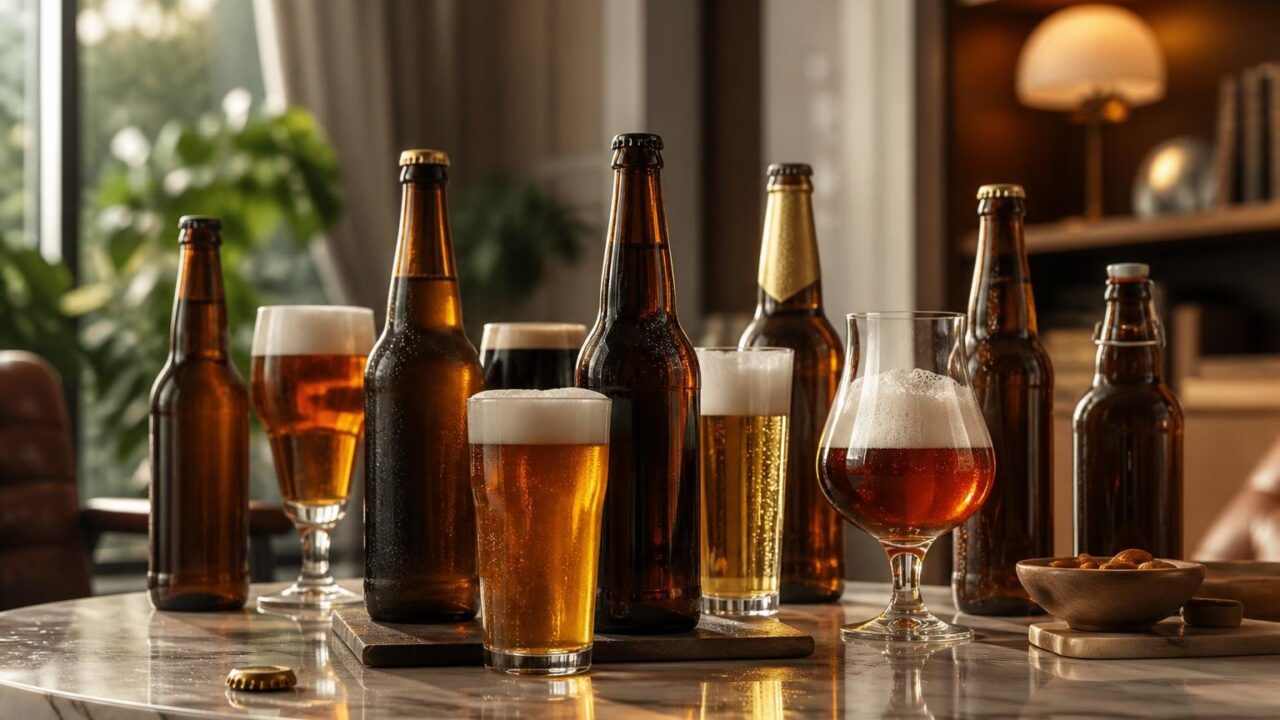
Expect clear examples: crisp pilsners for seafood, malty amber ales for grilled meats, dry stouts for chocolate desserts, and hop-forward IPAs for spicy food.
The goal is practical beer knowledge with zero ranking of human worth, because good drinking culture depends on respect as much as taste.
Why This Beer Joke Aged Badly
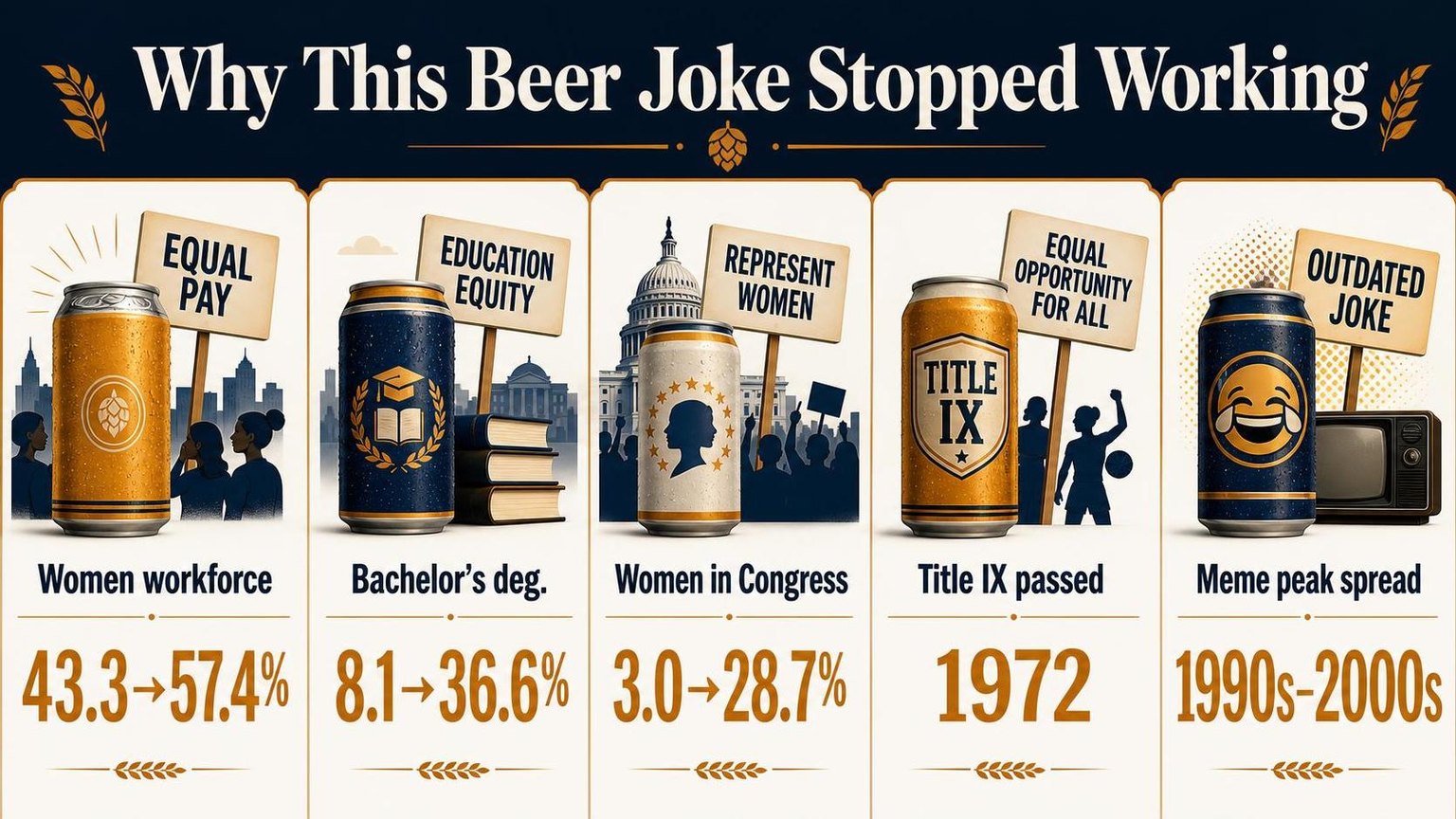
“Beer is better than a woman” was built for a culture that treated women as punchlines and products. It aged badly because the social facts changed, the legal standards changed, and the business of alcohol changed with them.
Mid-century alcohol ads often sold beer through sexism. Women appeared as decorations, nags, or rewards, while men were framed as the real consumer.
That framing now reads less like harmless humor and more like a record of who the industry thought mattered.
By the early 1970s, the gap between the joke and real life was already obvious. Women were entering the paid workforce in far larger numbers, gaining more purchasing power, and pushing against open discrimination in public and private life.
| Indicator | Earlier point | Later point | Why it matters |
| Women in U.S. labor force | 43.3% in 1970 | 57.4% in 2019 | Women were increasingly workers, earners, and consumers, not side characters. |
| Women with bachelor’s degrees among ages 25+ | 8.1% in 1970 | 36.6% in 2022 | Educational gains undercut stereotypes that powered “battle of the sexes” beer humor. |
| Women in U.S. Congress | 3.0% in 1971 | 28.7% in 2023 | Public power shifted; media that demeaned women looked increasingly out of step. |
The legal environment also changed. Title IX became law in 1972. Marital rape exemptions were later dismantled state by state. Workplace harassment law developed through court decisions and enforcement.
A joke comparing women to consumable goods began to carry reputational and legal risk.
Alcohol marketing changed because the customer base changed.
Nielsen and IWSR reporting across the 2010s and 2020s showed women were a major part of beverage alcohol growth, especially in wine, spirits, flavored malt beverages, and ready-to-drink cocktails.
Beer itself changed too. Craft beer’s growth brought more women into brewing, judging, education, ownership, and buying.
The Brewers Association has repeatedly profiled women as a meaningful share of craft drinkers and industry professionals, making old misogynistic taglines commercially self-defeating.
- It insults a large share of the paying audience.
- It treats relationships as possessions, not people.
- It collapses adult intimacy into a cheap dominance joke.
- It signals a brand is dated, not witty.
The joke also fails on substance. Beer is a beverage. A woman is a person with rights, agency, and equal legal standing. The comparison only works if the audience accepts dehumanization as normal, and fewer people do.
That is why the line aged badly. It was never clever enough to survive social progress, and once women became impossible to erase as workers, voters, drinkers, and industry leaders, the joke’s premise fell apart.
The Sexist Meme Behind the Phrase
The phrase “beers better than a woman” comes from a long-running sexist meme, not from harmless bar humor. It reduces women to a product comparison, then frames male frustration, control, and consumption as a joke.
That framing matters because repeated stereotypes normalize contempt.
The modern version spread through novelty T-shirts, bar signs, chain emails, and early social platforms in the 1990s and 2000s.
Its usual format is a numbered list claiming beer is superior because it is cheap, obedient, replaceable, and available. Each claim turns a person into an object.
That logic fits classic hostile sexism. Researchers Peter Glick and Susan Fiske developed the Ambivalent Sexism Inventory in the 1990s to measure negative beliefs about women, including resentment toward women seen as controlling men.
The meme packages that resentment into a punchline and makes it socially shareable.
It also uses dehumanization through substitution. Beer becomes the “better” choice because it cannot disagree, demand fairness, age visibly, or leave. Those lines are not random.
They reward silence, sexual access, low cost, and total compliance, which are central themes in misogynistic humor.
| Common meme claim | What it implies about women |
| Beer is cheaper | Women are a financial burden |
| Beer is always ready | Women should provide constant sexual access |
| Beer does not complain | Women’s speech and needs are annoying |
| You can share a beer with friends | Women are possessions traded for male approval |
| You can discard a beer | Women are replaceable objects |
The social effect is measurable even when one joke seems minor. A 2018 Pew Research Center survey found 59% of U.S. women said they had experienced unwanted sexual attention or verbal abuse.
Everyday sexist joking does not cause every incident, but it helps create the climate that excuses them.
Alcohol marketing has often amplified the pattern. For decades, U.S. ads linked masculinity, drinking, and control over women.
Regulators and industry groups have since pushed against explicit sexual objectification, but novelty merchandise and meme culture still recycle the same script with fewer gatekeepers.
The phrase also fails as “equal-opportunity” teasing because it moves in one direction. It compares a beverage to a class of people historically denied legal, economic, and political equality.
Women in the United States could not vote nationwide until 1920, making the insult sit on a clear power imbalance.
In a bar context, the better reading is simple. The line is not about beer quality, humor quality, or relationship advice.
It is a recycled sexist meme that turns women into consumables, and that is why many drinkers, bartenders, and hospitality staff reject it outright.
Beer Culture Without Punching Down
“Beers better than a woman” belongs to a long strain of bar humor that treats women as props, not people.
In modern beer culture, that line is dated, bad for business, and out of step with who actually makes, buys, judges, and serves beer.
Beer has never been an all-male world. Women brewed ale in medieval Europe, ran taverns in colonial America, and now work across brewing, sensory science, hospitality, importing, and media.
Current industry data also undercuts the stereotype. Women are a measurable share of craft beer drinkers and a visible part of brewery staffs, ownership groups, and certification pipelines.
| Fact | What it shows |
| About 31% of U.S. craft beer drinkers are women, according to Brewers Association consumer research. | Women are not a fringe audience for craft beer. |
| The Brewers Association reports women hold roughly 23.7% of brewery owner positions and about 39% of non-owner brewery roles. | Women are materially present in brewery leadership and daily operations. |
| The Cicerone Certification Program has reported thousands of certified beer professionals, including growing participation by women across all levels. | Beer expertise is professionalized and not gender-bound. |
Language shapes whether that audience feels welcome. A joke that ranks beer above women does two things at once: it signals disrespect and narrows the room to people willing to laugh along.
That matters in hospitality. Bars and breweries depend on repeat visits, mixed groups, private events, and staff retention. A cheap line can cost more than it earns.
- Swap comparison jokes for product language. Talk about bitterness, aroma, body, carbonation, and finish. Tasting notes sell beer better than insults.
- Use humor that targets the drinker’s experience, not a gender. Hangovers, over-ordering, bad parking, and fantasy football losses are safer shared targets.
- Train staff on guest-facing phrasing. One offhand comment at the bar can turn a first-time customer into a never-again customer.
- Audit merch and chalkboards. Shirts, tap handles, and signs often preserve the oldest jokes long after management has moved on.
Better beer culture is not humorless. It is sharper. The strongest bars build identity around knowledge, hospitality, and wit that does not depend on degrading half the population.
If the goal is a memorable line, beer gives you plenty to work with: fresh hops, cellar patience, wild fermentation, local water, or a perfect draft pour at 38 degrees Fahrenheit. Those details sound like expertise because they are expertise.
For a bar, brewery, or tasting room, that shift is practical. Respect broadens the customer base, strengthens the brand, and keeps the focus where it belongs: what is in the glass.
How Bars Should Handle Offensive Humor
A slogan like “beers better than a woman” is not harmless bar banter. It signals sex-based disrespect to guests, staff, and vendors, and repeated jokes of that kind can become evidence in a harassment complaint.
Bars should treat offensive humor as an operations issue. Set the rule, train managers to interrupt it fast, document incidents, and remove marketing that targets a protected class.
The first step is policy. State that jokes, signs, menu names, chants, and social posts cannot demean people based on sex, race, religion, disability, age, or other protected traits.
The reason is legal and commercial. Under Title VII of the Civil Rights Act, employers with 15 or more employees can be liable for a hostile work environment.
The EEOC states harassment is unlawful when it becomes severe or pervasive enough to create an intimidating, hostile, or offensive workplace.
| Issue | Real threshold or rule | Why a bar should care |
| Federal harassment law | Title VII generally applies to employers with 15+ employees | Sex-based jokes can support employee claims |
| Record retention | EEOC regulations generally require personnel records be kept for 1 year; longer if a charge is filed | Incident notes and discipline records may become evidence |
| Alcohol service risk | Lowered inhibitions are predictable in drinking environments | Managers must intervene earlier, not later |
Training must be concrete. Do not teach “be respectful” and stop there. Teach staff the exact script: stop the joke, name the problem, redirect the interaction, and escalate if the person continues.
- Remove offensive taglines from menus, chalkboards, table tents, merch, and Instagram captions.
- Give managers a 10-second intervention line: “We do not use that language here. Keep it respectful or close out.”
- Log date, time, witnesses, action taken, and whether alcohol service was cut off.
- Offer staff a reporting path that does not require complaining to the same manager involved.
- Apply the rule to owners, regulars, DJs, promoters, and vendors, not only hourly staff.
Customer-facing enforcement matters. A joke from a paying guest can still poison the workplace. The EEOC has long recognized that employers may be responsible for harassment by nonemployees if they knew or should have known and failed to act.
Review results monthly. Track complaint count, repeat offenders, staff turnover, and comps issued after incidents. If complaints rise after a campaign or event theme, pull the material immediately and retrain before the next shift.
The standard is simple. If the humor would make a reasonable employee or guest feel targeted, it is bad hospitality, bad risk management, and bad business.
Better Beer Comparisons That Work
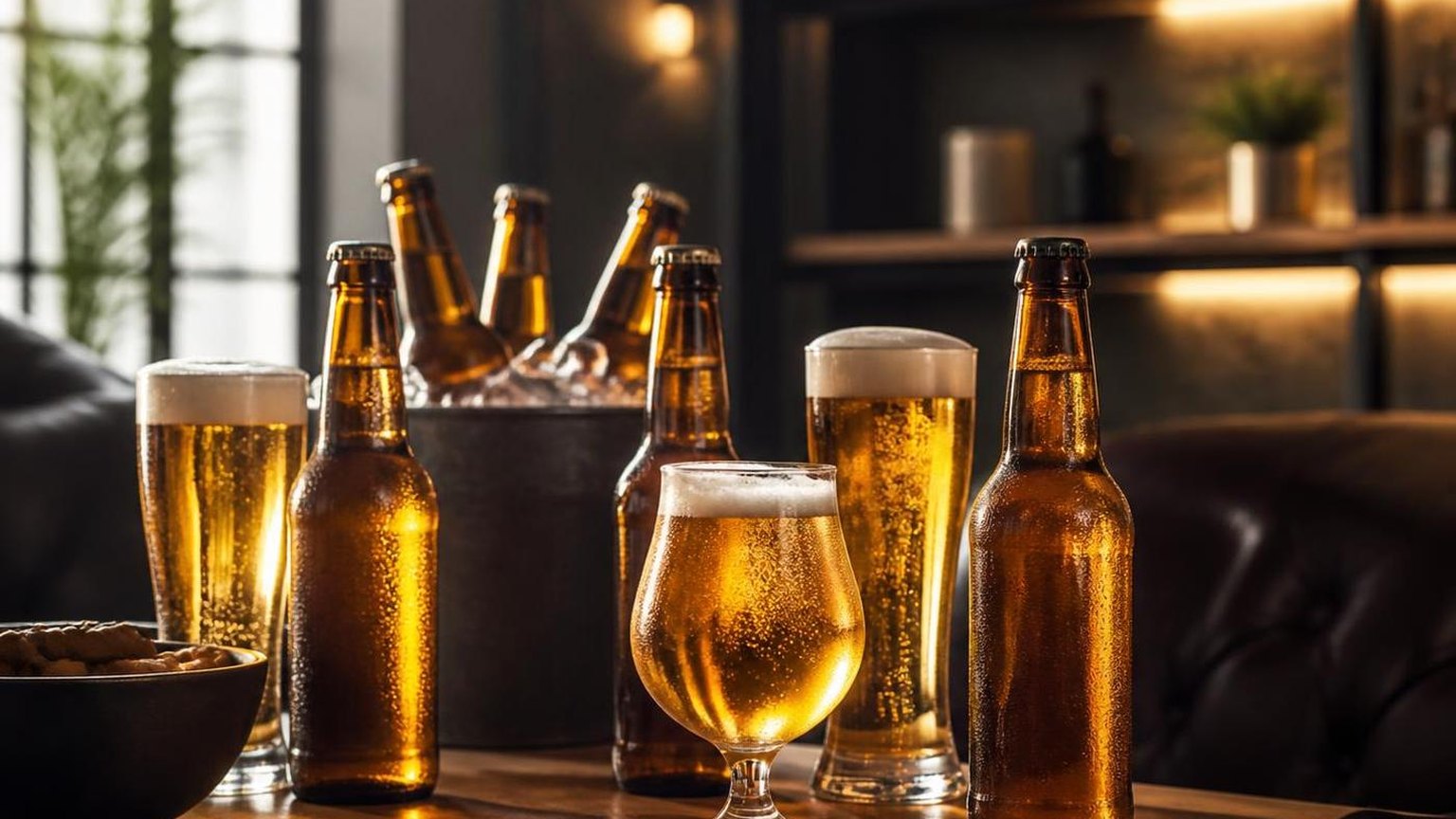
“Beers better than a woman” fails because it compares a drink to a person. Better beer language compares one beer to another, or a beer to a specific occasion, flavor, price, or strength.
That approach is more accurate and more useful. It gives readers measurable facts such as alcohol by volume, bitterness, calories, serving size, and typical shelf price.
A strong comparison starts with criteria drinkers already use. In U.S. beer labeling, the most common numbers are ABV, IBU, package size, and calories per 12-ounce serving.
| Comparison point | What it measures | Typical range | Why it works better |
| ABV | Alcohol by volume | 4.2% to 8.0% for many mainstream ales and lagers | Shows strength in a clear, legal labeling standard |
| IBU | Bitterness level | 10 to 20 for light lager; 40 to 70 for many IPAs | Explains taste instead of using insult humor |
| Calories | Energy per 12 oz | About 95 to 200 | Helps with practical buying decisions |
| Price | Cost per 6-pack or pint | Roughly $8 to $14 retail for many domestic craft 6-packs | Lets readers compare value directly |
Concrete examples read better than shock lines. “This pilsner is crisper than a hazy IPA” tells readers about texture and finish. “This stout has 6.5% ABV and 35 IBU” gives them numbers they can verify.
Use occasion-based comparisons when you want personality without demeaning anyone. A 4.2% lager fits a long game day. A 7.0% double IPA suits slow sipping, because higher ABV usually means fuller body and stronger perceived alcohol.
- Compare beer styles: lager versus pilsner, porter versus stout, West Coast IPA versus hazy IPA.
- Compare measurable traits: ABV, IBU, calories, serving temperature, and package price.
- Compare use cases: tailgate, cookout, seafood dinner, dessert pairing, or cellar aging.
- Compare production facts: can-conditioned, bottle-conditioned, barrel-aged, filtered, or dry-hopped.
If you need a headline or product blurb, make the contrast specific. “Lower-calorie beers under 110 calories” or “IPAs with more than 60 IBU” is sharper, cleaner, and more searchable.
The best beer comparisons respect the drinker and the subject. They replace a tired insult with flavor, style, cost, and strength data that actually helps someone choose a better beer.
Respectful Alternatives for Beer Writing
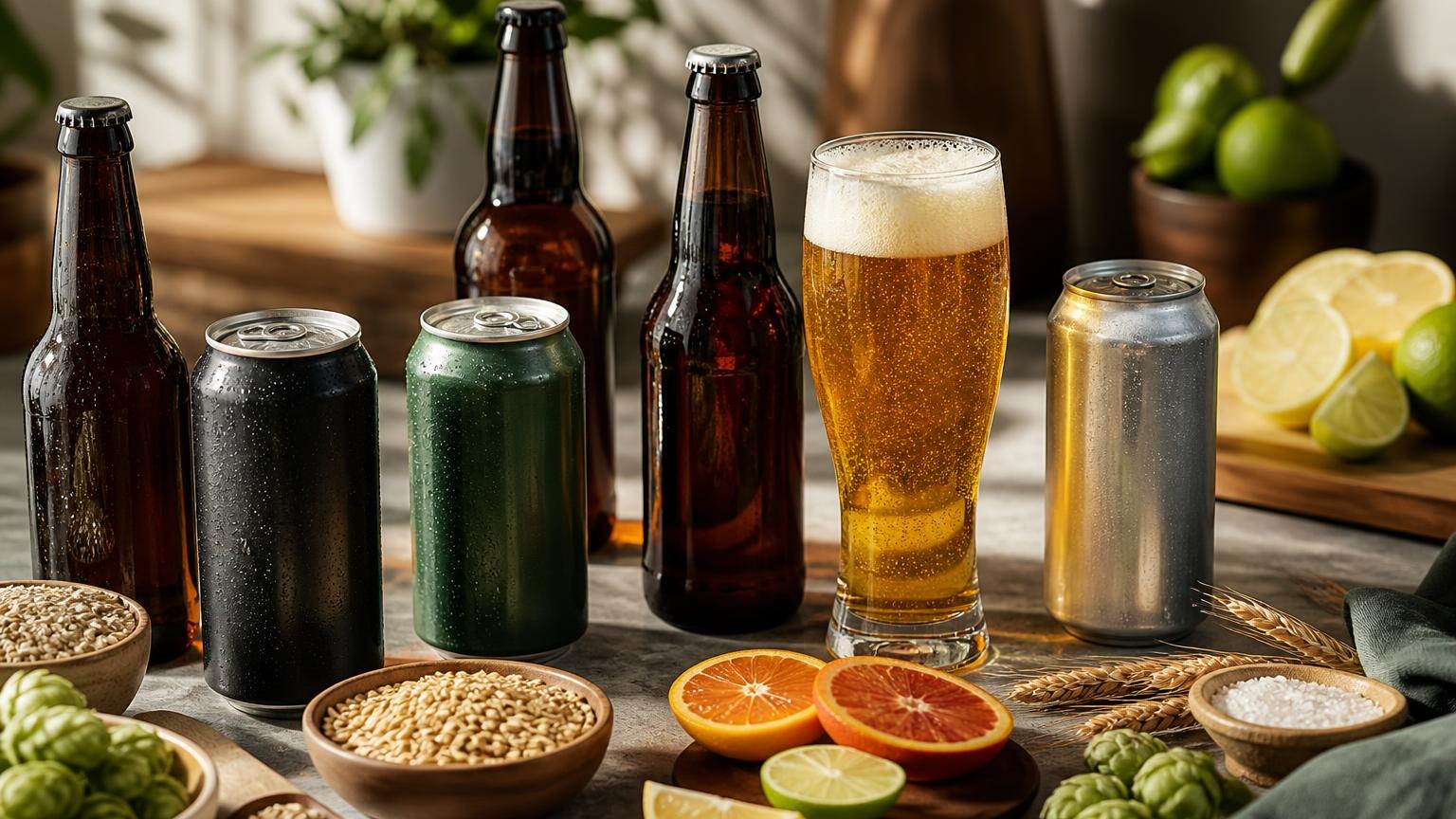
Skip comparisons that rank beer against women. They date the copy, alienate readers, and weaken credibility. Better beer writing names sensory facts, brewing choices, and drinking context, because those details help guests order with confidence.
Use language that tells people what is in the glass. Specificity performs better than shock value in menus, tasting notes, and social captions. It also protects brand voice in mixed groups, corporate events, and hospitality settings.
Replace gendered jokes with concrete descriptors. A useful note can cover aroma, bitterness, body, alcohol, and finish in 20 to 35 words. That structure mirrors how judges and buyers assess beer professionally.
| Avoid | Use instead | Why it works |
| “better than a woman” | “crisp, dry pilsner with floral hops and a snappy finish” | Describes flavor and texture |
| “sexy blonde” | “golden ale with light honey malt and 18 IBU” | Adds style and bitterness |
| “dangerous brunette” | “dark lager with cocoa notes, medium body, 5.4% ABV” | Gives color, aroma, and strength |
| “easy girl” | “session IPA, 4.5% ABV, citrus-led, moderate bitterness” | Signals drinkability without objectifying |
Numbers improve clarity when they mean something. ABV tells guests strength. IBU estimates bitterness. Serving temperature matters too: many lagers show best around 38 to 45°F, while stronger ales often open up closer to 45 to 55°F.
Style benchmarks keep descriptions grounded. A German pils commonly lands near 4.8% to 5.3% ABV with firm bitterness. A dry stout is often around 4% to 5% ABV, dark roasted, and moderate in body rather than “heavy.”.
Context also gives writers better material. Mention food pairings, ingredients, or process. “Dry-hopped with Citra and Mosaic” is stronger than any innuendo because it signals grapefruit, mango, and resin before the first sip.
- Lead with style: pilsner, porter, saison, helles.
- Add 2 sensory cues: bread crust, pine, lemon zest, cocoa, pepper.
- Include 1 useful number: ABV, IBU, or serving temperature.
- Finish with occasion or pairing: oysters, burgers, game day, patio drinking.
Short examples read cleanly on menus. “5.2% ABV Czech-style pilsner, herbal Saaz aroma, dry finish.” “7.0% IPA, 60 IBU, grapefruit peel, light caramel malt.” “4.9% stout, coffee roast, smooth nitrogen pour.”.
Respectful writing is not censorship. It is precision. In beer, precision sells the pint, sets expectations, and makes the room more welcoming to everyone at the table.
Frequently Asked Questions
Why is the phrase “beers better than a woman” offensive?
The phrase reduces women to a comparison object and frames them as less valuable than a product. In hospitality settings, that kind of language can alienate customers, damage brand trust, and normalize sexist behavior.
Did “beers better than a woman” come from beer culture?
Similar slogans have appeared for decades on novelty shirts, bar signs, and low-budget ads rather than in mainstream brewing standards.
Modern beer culture in the U.S. has shifted toward inclusivity because breweries depend on broader audiences, mixed-gender taproom traffic, and reputation-sensitive social media exposure.
Can a brewery or bar use this phrase in marketing without backlash?
Using it in marketing creates clear reputational risk because customers can screenshot, repost, and review a business instantly.
Many operators avoid gender-insult humor because one offensive campaign can outweigh the sales benefit of a short-term joke.
Does this kind of slogan affect women in beer spaces?
Yes. Research and industry reporting have repeatedly shown that sexist messaging contributes to women feeling unwelcome in bars, taprooms, and beer events, which affects attendance, spending, and long-term participation in the category.
Are there better alternatives for funny beer slogans?
Yes. Humor works better when it focuses on flavor, brewing, friendship, or occasion instead of insulting a gender; examples include lines about cold lager after yard work or IPA debates among friends.
That keeps the joke accessible while protecting the business from avoidable complaints.
Could this phrase create workplace or legal problems for a bar?
It can. If the slogan appears in staff areas, uniforms, menus, or management communication, it may support complaints about a hostile work environment, especially when combined with other sexist conduct.
How should someone respond if they hear “beers better than a woman” at a bar?
State the issue directly: the joke is sexist and makes the space less welcoming. If it comes from staff or signage, ask for a manager and document the date, wording, and location so the concern is specific and actionable.
Related Reading
- Gluten Free Vodka Brands – Which Is The Best?
- What Sodas Mix With Vodka?
- How Much Is 7 Liters In Gallons?
- Do You Drink Bourbon With Ice?
- How Many Ounces In 1.5 Gallons?
- Michelob Light vs Ultra: Which Is Best?
- How Many Cups Is 32 Fluid Ounces? A Surprisingly Simple Measurement Explained (With Real-Life Experience)
- All Blog Guides
- National Institute on Alcohol Abuse and Alcoholism – Alcohol's Effects on the Body (2021)
- Centers for Disease Control and Prevention – Alcohol Use and Your Health (2024)
- U.S. Food and Drug Administration – Food Allergies: What You Need to Know About Beer and Food Allergen Labeling (2023)
- PubMed – Gender differences in the epidemiology of alcohol use and related harms in the United States (2020)
- Harvard T.H. Chan School of Public Health – Alcohol: Balancing Risks and Benefits (2024)
- World Health Organization – Alcohol (2024)
- Brewers Association – Beer Styles Study Guide (2024)
- Encyclopaedia Britannica – Beer (2024)
- National Center for Biotechnology Information Bookshelf – Alcohol Use Disorder (2023)
- Johns Hopkins Medicine – How Does Alcohol Affect the Body? (2024)