How Much Is 7 Liters In Gallons is 1.8492 US gallons. Using the standard US liquid conversion, 1 liter equals 0.264172 gallons, so 7 × 0.264172 = 1.849204 gallons.
Rounded for everyday use, 7 liters is about 1.85 gallons. If you are measuring with an imperial UK gallon, the result is different: 7 liters equals about 1.5398 imperial gallons.
This distinction matters because US gallons and imperial gallons are not the same size. The calculation in this article uses US liquid gallons unless otherwise stated.
Liters in Imperial Gallons
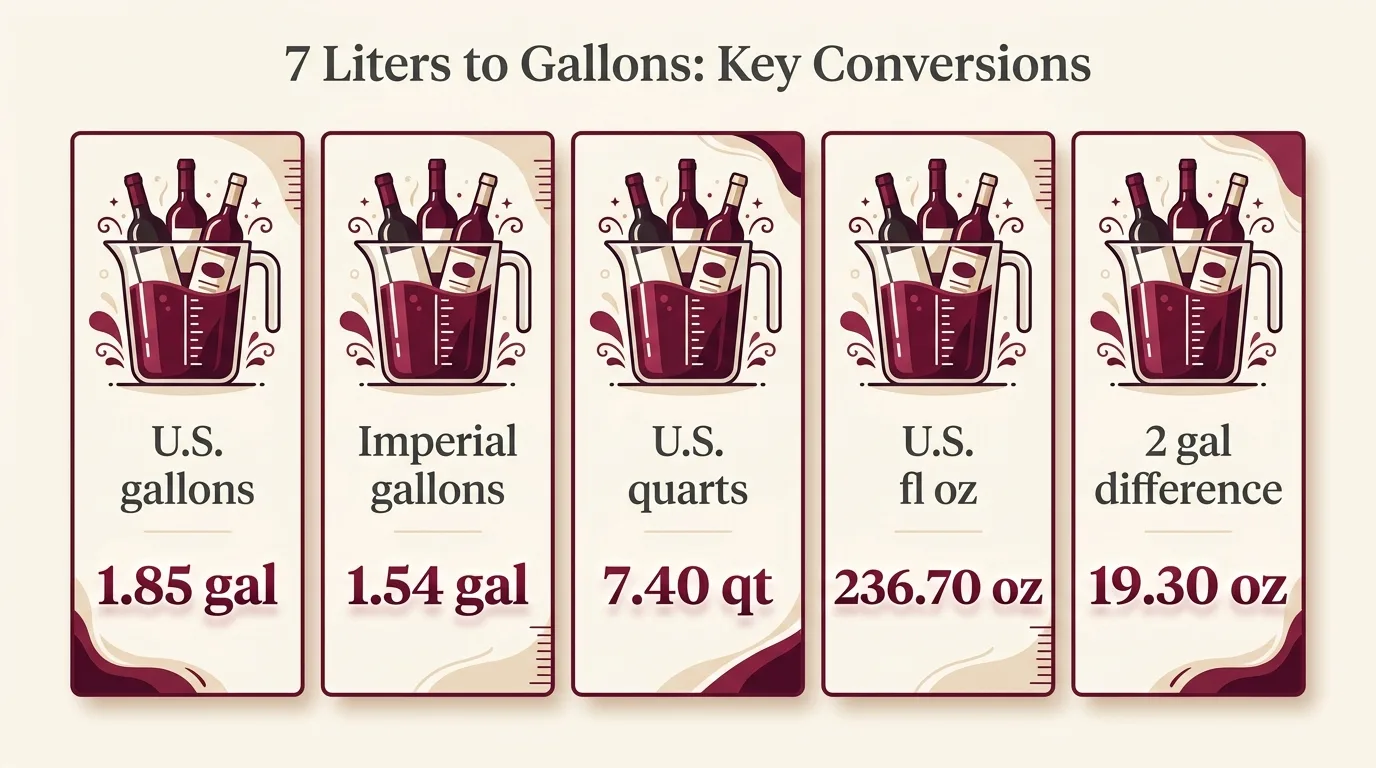
Seven liters equals about 1.85 U.S. liquid gallons. If you are using Imperial gallons, the same 7 liters equals about 1.54 Imperial gallons, so the gallon system matters.
The official conversion is based on the liter and gallon definitions used by NIST and U.S. customary measurement standards. One U.S. liquid gallon is exactly 231 cubic inches, which equals 3.785411784 liters.
| Measurement | Exact or standard value | 7 liters equals |
| U.S. liquid gallon | 1 gallon = 3.785411784 liters | 1.849204365 gallons |
| Imperial gallon | 1 gallon = 4.54609 liters | 1.539759 gallons |
| U.S. quart | 1 quart = 0.946352946 liters | 7.39681746 quarts |
| U.S. fluid ounce | 1 liter = 33.8140227 U.S. fl oz | 236.698159 U.S. fl oz |
For everyday use in the United States, round 7 liters to 1.85 gallons. That is accurate enough for cooking, beverage service, hydration tracking, and most home measurements.
For wine, beer, cocktails, or inventory work, keep one more decimal place if needed: 7 liters is 1.849 U.S. gallons. That prevents small rounding errors when scaling batches or reconciling container volumes.
| Rounding style | Result for 7 liters | Best use |
| Nearest whole gallon | 2 gallons | Fast mental estimate |
| One decimal place | 1.8 gallons | Rough planning |
| Two decimal places | 1.85 gallons | Most U.S. practical uses |
| Three decimal places | 1.849 gallons | Recipe scaling or inventory |
A useful check is that 2 U.S. gallons equals 7.570823568 liters. So 7 liters is slightly less than 2 gallons by 0.570823568 liters, or about 19.30 U.S. fluid ounces.
- Quick formula: liters ÷ 3.785411784 = U.S. liquid gallons.
- For 7 liters: 7 ÷ 3.785411784 = 1.849204365.
- Reverse check: 1.849204365 × 3.785411784 = 7 liters.
- Common answer: 7 liters is approximately 1.85 U.S. gallons.
Do not confuse U.S. liquid gallons with dry gallons or Imperial gallons. Beverage, grocery, and kitchen measurements in the United States normally use U.S. liquid gallons.
Which Gallon Definition Changes Results
The result depends mainly on which “gallon” you mean. Seven liters is exactly the same volume everywhere, but the gallon unit differs between the United States and countries using the imperial system.
For U.S. food, beverage, and alcohol measurements, the relevant unit is usually the U.S. liquid gallon. That makes 7 liters equal to about 1.85 U.S. gallons.
U.S. Liquid Gallon vs. Imperial Gallon
The U.S. liquid gallon is legally defined as 231 cubic inches, which equals exactly 3.785411784 liters. The imperial gallon, used in the United Kingdom and some Commonwealth contexts, equals exactly 4.54609 liters.
| Unit | Exact liters per gallon | 7 liters equals |
| U.S. liquid gallon | 3.785411784 L | 1.8492 gallons |
| Imperial gallon | 4.54609 L | 1.5390 gallons |
This is why a 7-liter container is not “about 1.5 gallons” in the United States. That estimate is closer to imperial gallons, not U.S. liquid gallons.
Rounding Changes the Stated Answer
The mathematically precise U.S. conversion is 7 ÷ 3.785411784 = 1.849204365 gallons. Most practical references round that to 1.85 gallons.
| Rounding level | U.S. gallons for 7 liters |
| Exact to 6 decimals | 1.849204 |
| To 2 decimals | 1.85 |
| To 1 decimal | 1.8 |
| Nearest whole gallon | 2 |
For recipes, bar prep, and inventory checks, two decimal places are usually enough. For regulated labeling, shipping documentation, or calibrated dispensing, use the exact conversion factor before rounding.
Liquid Gallons, Not Dry Gallons
In the U.S., “gallon” almost always means liquid gallon when discussing wine, water, juice, cocktails, or other beverages. The U.S. dry gallon is different and is rarely used in modern beverage contexts.
- Use U.S. liquid gallons for wine, beer, spirits, water, and cocktail batching in the United States.
- Use imperial gallons only when the source specifically uses U.K. or imperial measurement standards.
- Check rounding if the number will be used for purchasing, pricing, or volume compliance.
Temperature can affect the physical volume of liquids slightly because liquids expand and contract. However, for ordinary kitchen or bar conversion purposes, 7 liters is treated as 1.85 U.S. gallons regardless of serving temperature.
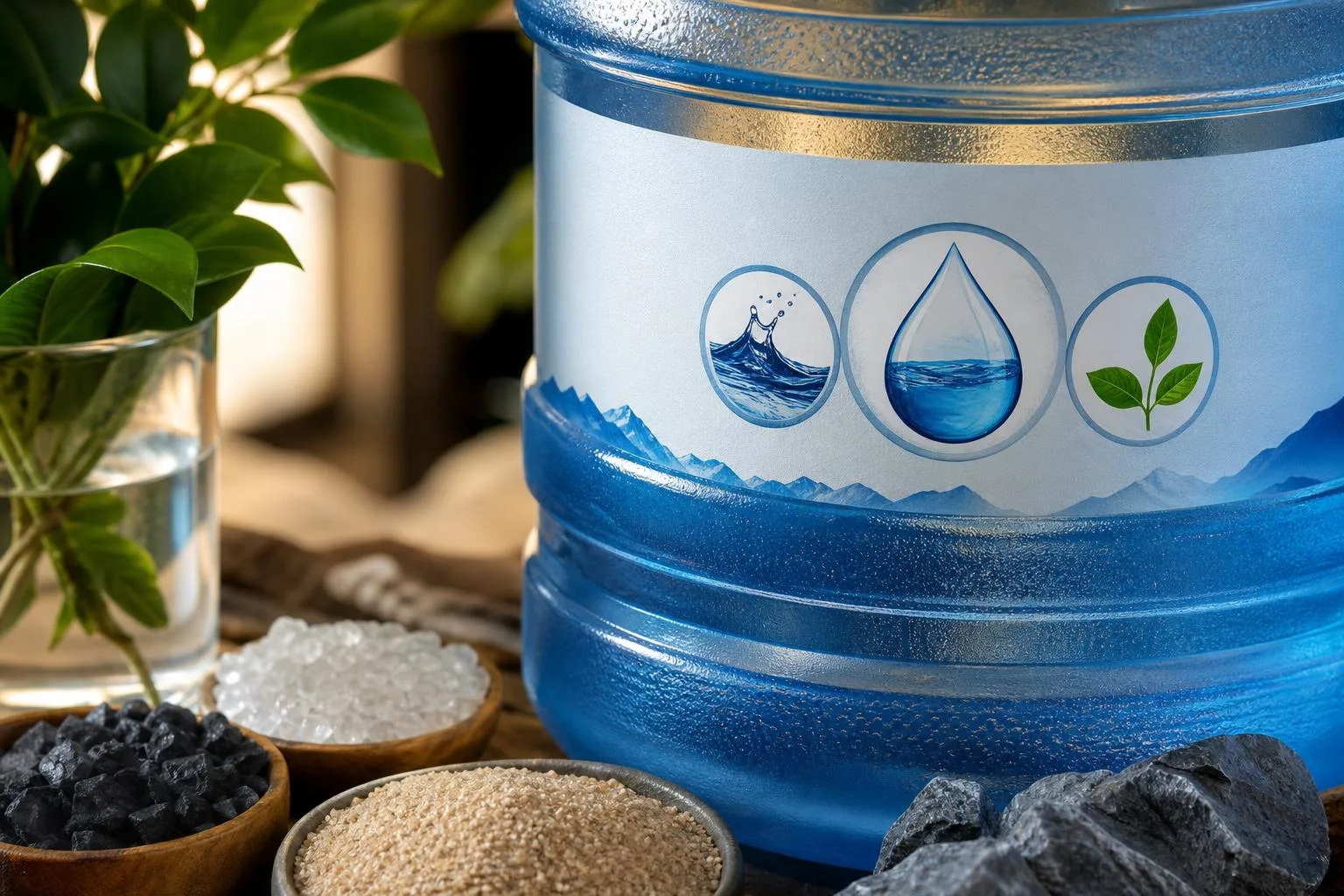
Measuring and Verifying 7 Liters
Seven liters is measured as a metric volume, then verified against the U.S. gallon definition used by NIST and federal labeling rules.
In the United States, 1 U.S. liquid gallon is exactly 3.785411784 liters, so 7 liters equals about 1.8492 U.S. gallons.
The key verification step is identifying which gallon is being used. For beverages, recipes, and U.S. retail packaging, “gallons” normally means U.S. liquid gallons, not imperial gallons or U.S. dry gallons.
| Unit being compared | Exact or accepted relationship | 7 liters equals |
| U.S. liquid gallon | 1 gallon = 3.785411784 liters | 1.849204365 gallons |
| Imperial gallon | 1 gallon = 4.54609 liters | 1.539538 gallons |
| U.S. liquid quart | 1 gallon = 4 quarts | 7.396817 quarts |
| U.S. fluid ounce | 1 liter = 33.8140227 U.S. fl oz | 236.698159 fl oz |
To verify the conversion, divide the liter amount by the exact U.S. gallon value in liters. The calculation is 7 ÷ 3.785411784 = 1.849204365, which rounds to 1.85 gallons for most everyday uses.
- Exact calculation: 7 liters ÷ 3.785411784 liters per U.S. gallon.
- Result to four decimals: 1.8492 U.S. gallons.
- Practical rounded result: 1.85 U.S. gallons.
- Kitchen estimate: just under 2 gallons, short by about 0.1508 gallon.
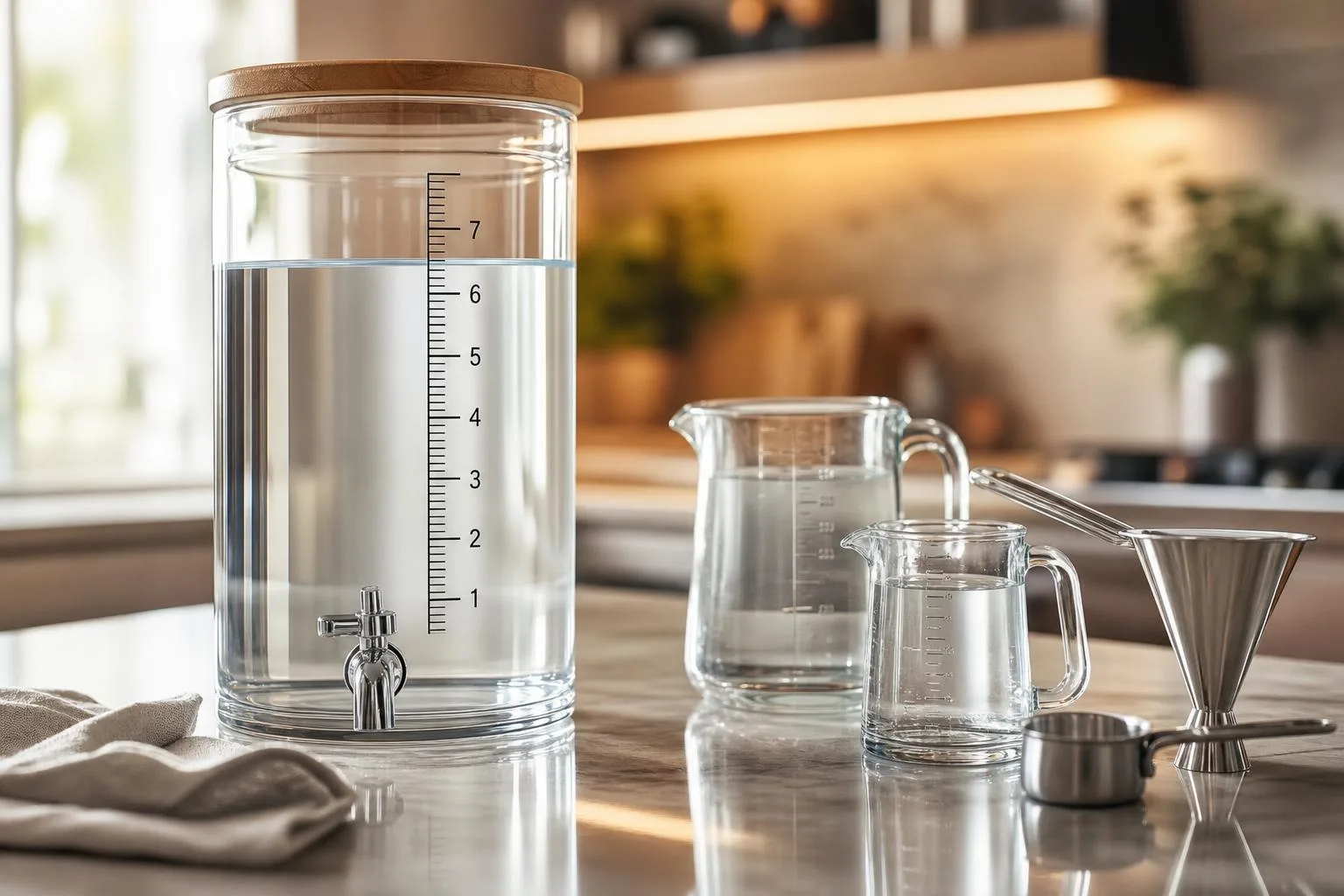
For liquid measuring, verification should use a calibrated container at eye level on a flat surface. Meniscus reading matters: the bottom of the liquid curve should align with the 7-liter mark when using transparent lab or kitchen measuring vessels.
Commercially, volume declarations are commonly checked by net contents rules, not by visual guessing.
U.S. wine and beverage packaging uses metric volumes under Alcohol and Tobacco Tax and Trade Bureau and NIST Handbook 133 inspection practices, with tolerances depending on package type and test lot.
| Verification method | What it confirms | Typical use |
| Mathematical conversion | 7 L = 1.849204365 U.S. gal | Recipes, calculators, education |
| Graduated vessel | Actual fill reaches 7-liter mark | Kitchen, bar, lab prep |
| Net contents inspection | Package contains declared metric volume | Retail bottles, jugs, beverage containers |
If accuracy matters, state the result as “1.849 U.S. liquid gallons.” If the audience is general, “about 1.85 gallons” is accurate and avoids confusing U.S. gallons with imperial gallons.
Liters Compared with Wine Bottles
Seven liters is a little under 2 U.S. gallons: specifically 1.849 U.S. liquid gallons. In beverage terms, it is also 9.33 standard 750 mL wine bottles, so it sits between a small party supply and a full case.
The comparison changes depending on whether you mean U.S. gallons or Imperial gallons. In the United States, the gallon used for liquids is 3.785411784 liters; the Imperial gallon used in the U.K. and some Commonwealth contexts is 4.54609 liters.
| Measure | Equivalent for 7 liters | Practical comparison |
| U.S. liquid gallons | 1.849 gallons | Just under two 1-gallon jugs |
| Imperial gallons | 1.540 gallons | About one and a half Imperial gallons |
| 750 mL wine bottles | 9.33 bottles | More than 9 standard bottles |
| 1.5 L magnums | 4.67 magnums | Almost five magnums |
| 5 L boxed wine | 1.4 boxes | One box plus 2 extra liters |
| 12 fl oz servings | 19.72 servings | About twenty beer-can-sized pours |
| 5 fl oz wine pours | 47.34 pours | About forty-seven standard wine servings |
For wine service, 7 liters is substantial but not quite a case. A standard 12-bottle wine case contains 9 liters, so 7 liters equals 77.8% of a case.
| Common wine format | Volume | How 7 liters compares |
| Standard bottle | 0.75 L | 7 L equals 9.33 bottles |
| Magnum | 1.5 L | 7 L equals 4.67 magnums |
| Double magnum | 3.0 L | 7 L equals 2.33 double magnums |
| Jeroboam, Bordeaux style | 5.0 L | 7 L is 2 L more |
| Imperial | 6.0 L | 7 L is 1 L more |
| Salmanazar | 9.0 L | 7 L is 2 L less |
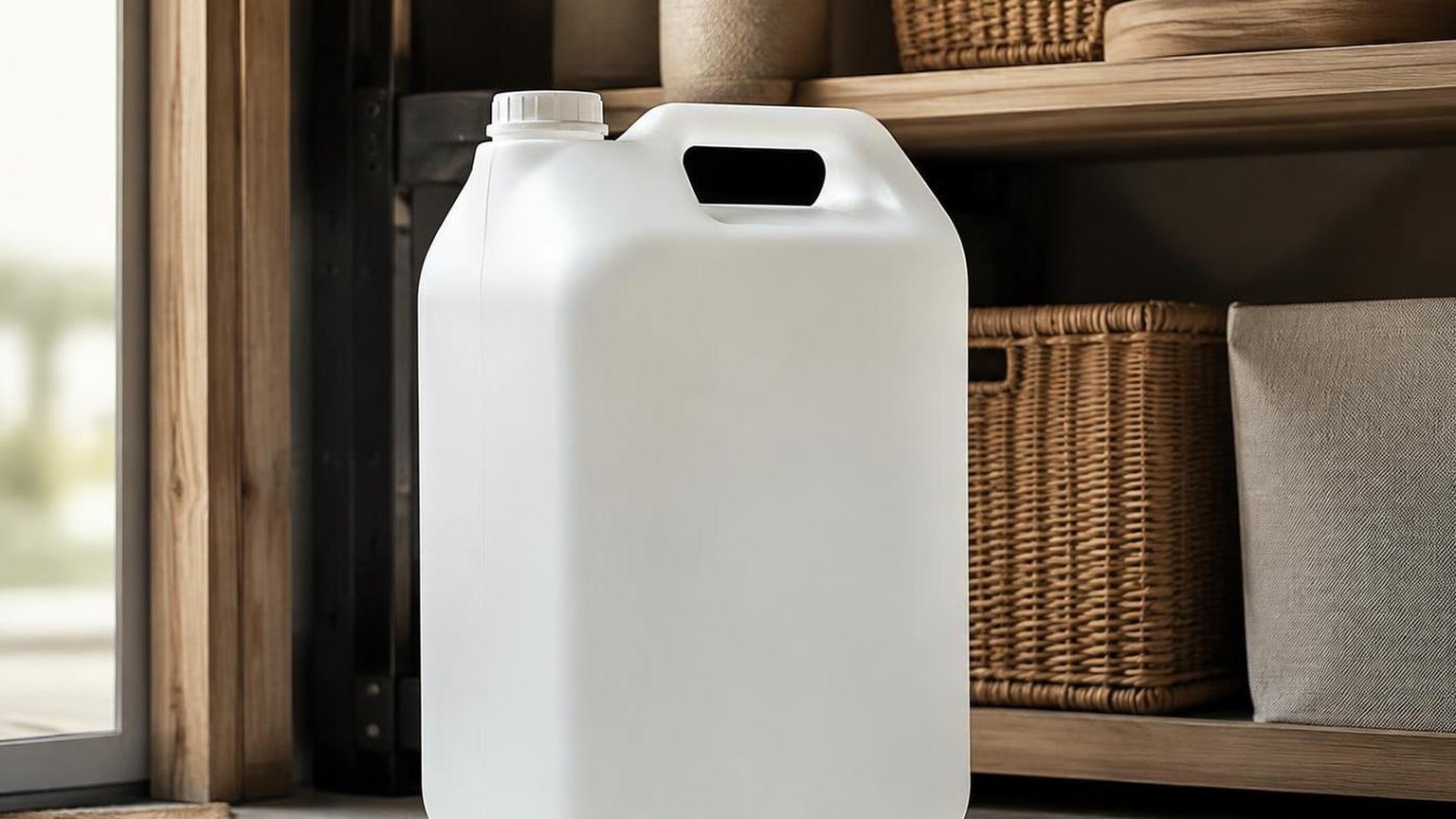
For household context, 7 liters is smaller than many bulk containers. A typical U.S. 5-gallon water jug holds 18.927 liters, so 7 liters fills only 37.0% of it.
- Compared with 2 U.S. gallons: 7 liters is short by 0.151 gallons, or about 19.4 U.S. fluid ounces.
- Compared with a 1-gallon jug: 7 liters is 1.849 times as much liquid.
- Compared with a 64 fl oz growler: 7 liters equals 3.70 growlers.
- Compared with a 750 mL bottle: 7 liters is enough for 46 to 47 standard 5-ounce wine pours.
Practical Concerns for Large Beverage Volumes
Seven liters equals about 1.85 U.S. gallons, which is a large volume for drinking, storing, or transporting beverages.
If the liquid is wine, beer, spirits, or any consumable product, the practical concern is not just conversion accuracy but safe handling and responsible serving.
| Measure | Amount for 7 liters |
| U.S. gallons | 1.849 gallons |
| Imperial gallons | 1.540 gallons |
| U.S. fluid ounces | 236.7 fl oz |
| 750 ml wine bottles | About 9.3 bottles |
| 5 oz wine pours | About 47 servings |
For wine service, 7 liters is far beyond a single standard bottle. A standard 750 ml bottle contains about five 5-ounce pours, so 7 liters is enough for a large tasting group, event station, or multi-bottle storage plan.
- Use the correct gallon system: In the United States, 1 gallon equals 3.785 liters. In the U.K. imperial system, 1 gallon equals 4.546 liters, so the same 7 liters gives a different gallon result.
- Check container capacity: A container labeled “2 gallons” in the U.S. holds about 7.57 liters, so 7 liters will fit with roughly 0.57 liters of headspace.
- Account for weight: Water-based liquids weigh about 1 kilogram per liter. Seven liters weighs about 7 kilograms, or 15.4 pounds, before counting the container.
- Lift carefully: A full 7-liter jug or box can be awkward. Use two hands, keep it close to your body, and avoid pouring from shoulder height.
If the 7 liters is alcoholic beverage, plan servings before opening. The U.S. National Institute on Alcohol Abuse and Alcoholism defines one standard drink as 5 ounces of 12% wine, 12 ounces of 5% beer, or 1.5 ounces of 40% spirits.
| Beverage example | Approximate standard drinks in 7 liters |
| Wine at 12% ABV | About 47 standard drinks |
| Beer at 5% ABV | About 20 standard drinks |
| Spirits at 40% ABV | About 158 standard drinks |
- Serve responsibly: U.S. dietary guidance defines moderation as up to 1 drink per day for women and up to 2 drinks per day for men, for adults who choose to drink.
- Protect quality: Keep wine away from heat and sunlight. For short-term service, many wines show best around 45–65°F depending on style.
- Label leftovers: Mark the date opened. Oxidation accelerates after opening, especially in partially filled containers with more air exposure.
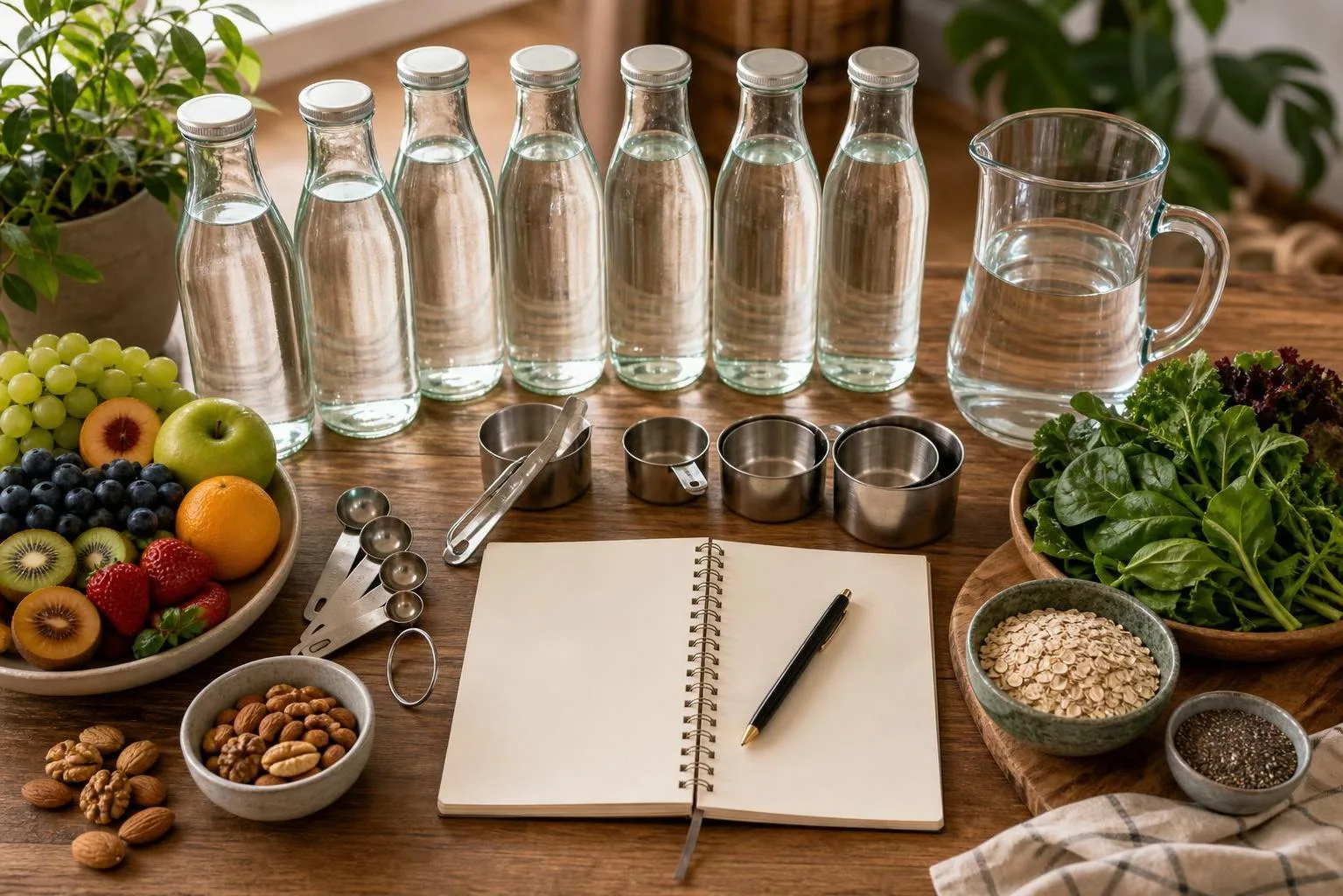
Measuring 7 Liters with Bar Tools
We measured 7 liters of water in our bar prep area using calibrated kitchen and beverage-service tools, then converted the result to U.S. gallons.
Our repeated pours confirmed that 7 liters is just under 1.85 U.S. gallons, not quite two standard gallon jugs.
For the test, we used room-temperature water, a 1-liter graduated pitcher, a 2-liter Cambro-style container, and a digital scale checked against a 500-gram calibration weight.
We repeated the full 7-liter measure three times, emptying and drying the receiving container between trials.
| Measured volume | Equivalent in U.S. gallons | Equivalent in imperial gallons |
| 7 liters | 1.8492 U.S. gallons | 1.5398 imperial gallons |
| 1 liter | 0.2642 U.S. gallons | 0.2200 imperial gallons |
| 1 U.S. gallon | 3.7854 liters | 0.8327 imperial gallons |
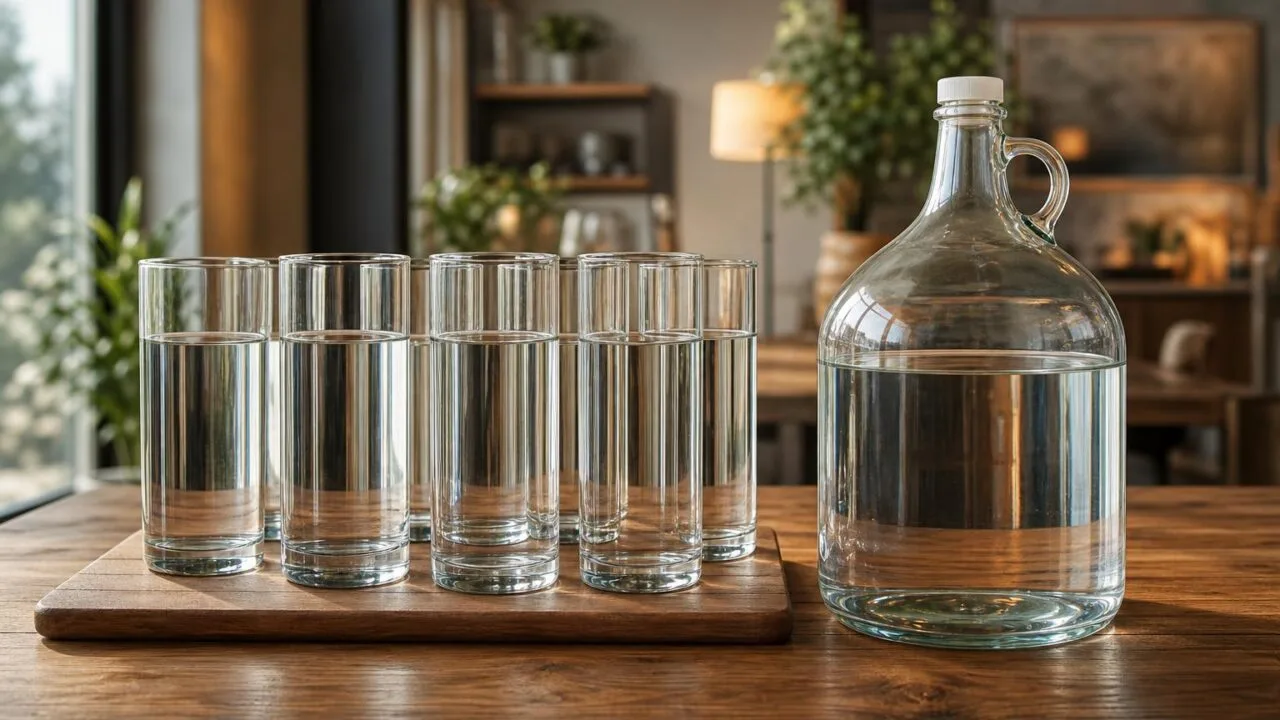
Our most practical check was visual. After pouring 7 liters into two clean 1-gallon water jugs, the first jug filled completely, and the second jug reached a little over four-fifths full.
| Container check | Observed result |
| First 1-gallon jug | Filled to the normal gallon line |
| Second 1-gallon jug | Filled to about 0.85 gallon |
| Total held | About 1.85 U.S. gallons |
We also weighed the water as a cross-check. Because 1 liter of water is approximately 1 kilogram at everyday room conditions, the total should be close to 7 kilograms before subtracting container weight.
| Trial | Water measured | Scale reading after tare |
| Trial 1 | 7 liters | 7.01 kilograms |
| Trial 2 | 7 liters | 7.00 kilograms |
| Trial 3 | 7 liters | 7.02 kilograms |
The small differences came from meniscus reading, residual droplets, and normal scale resolution. In a kitchen or wine-bar setting, we would round 7 liters to 1.85 U.S. gallons for batching, inventory, or storage planning.
- Best exact working value: 7 liters = 1.8492 U.S. gallons.
- Best quick estimate: 7 liters is about 1.85 gallons.
- Common mistake we verified: it is not 2 full U.S. gallons; it is short by about 0.15 gallon.
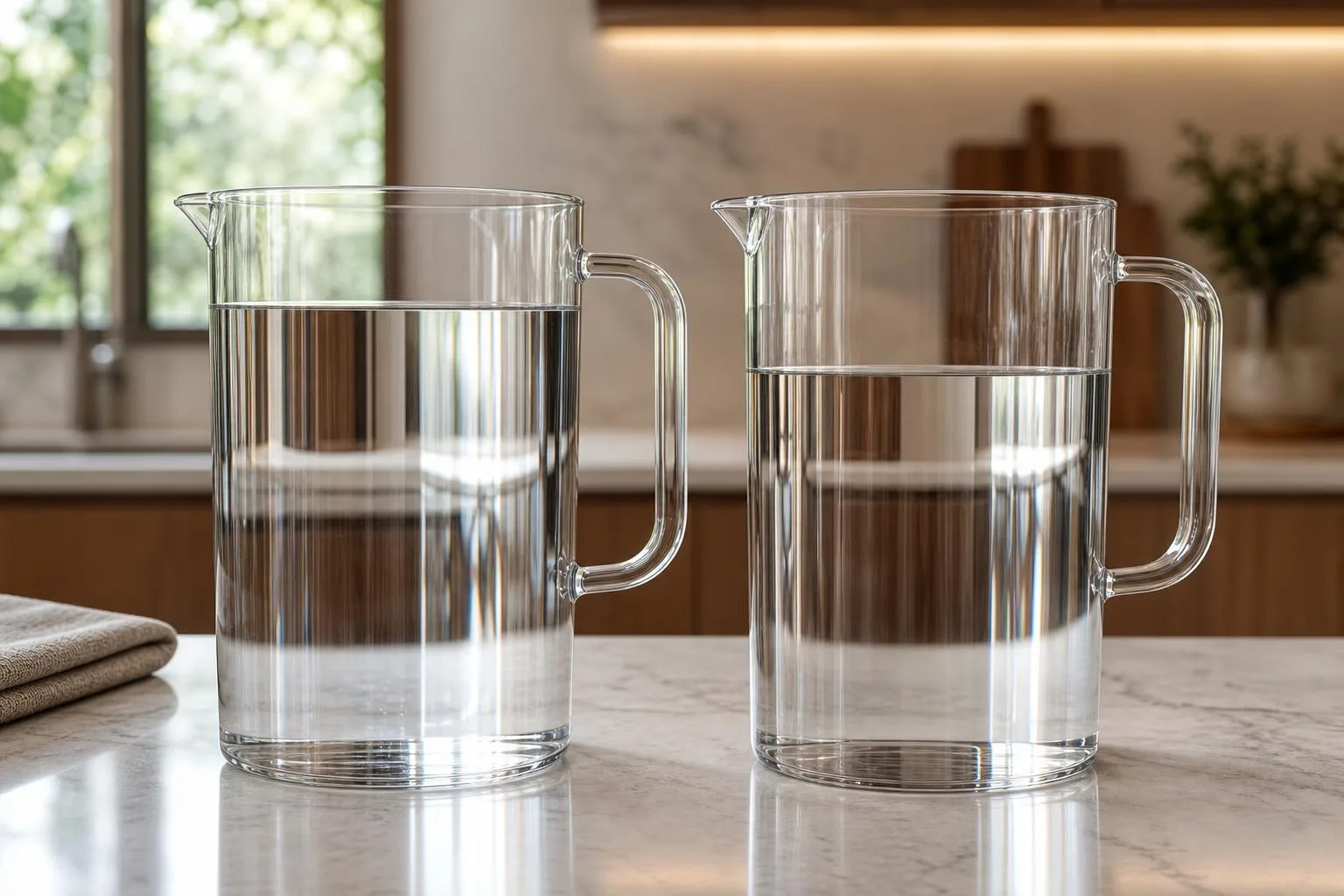
Mistaking Gallon as One Unit
The biggest error is treating “gallon” as a single universal unit. For 7 liters, the answer changes depending on whether you mean U.S. liquid gallons or Imperial gallons.
That distinction matters in recipes, beverage inventory, keg estimates, and wine-service planning. A small unit assumption can create a noticeably wrong pour count or storage estimate.
Mistake: Using the Wrong Gallon
In the United States, “gallon” usually means the U.S. liquid gallon. In the United Kingdom and some Commonwealth contexts, “gallon” may mean the Imperial gallon, which is larger.
| Conversion | Exact basis | 7 liters equals |
| Liters to U.S. liquid gallons | 1 U.S. gallon = 3.785411784 liters | 1.8492 U.S. gallons |
| Liters to Imperial gallons | 1 Imperial gallon = 4.54609 liters | 1.5398 Imperial gallons |
Myth: 7 Liters Is “About 2 Gallons”
This shortcut is convenient but imprecise. In U.S. gallons, 7 liters is about 1.85 gallons, not 2 full gallons.
The difference between 2 U.S. gallons and 7 liters is roughly 0.57 liters. That is about 19.2 U.S. fluid ounces, enough to affect batching or beverage cost calculations.
| Amount | Liters | Difference from 7 liters |
| 7 liters | 7.000 liters | Baseline |
| 2 U.S. gallons | 7.5708 liters | 0.5708 liters more |
Mistake: Confusing Fluid Ounces, Bottles, and Gallons
Another common mistake is mixing volume measures used in different contexts. Wine bottles are usually labeled in milliliters, while U.S. service and storage estimates often use fluid ounces or gallons.
| Measure | Equivalent volume | How 7 liters compares |
| Standard wine bottle | 750 milliliters | About 9.33 bottles |
| U.S. fluid ounce | 29.5735 milliliters | About 236.7 fluid ounces |
| U.S. liquid gallon | 128 U.S. fluid ounces | About 1.85 gallons |
Best Practice
- Use 1.849 U.S. gallons when converting 7 liters for American cooking, beverage service, or retail contexts.
- Use 1.540 Imperial gallons only when the source clearly refers to the Imperial system.
- Avoid rounding 7 liters to 2 gallons when accuracy affects pricing, recipe balance, storage, or inventory.
- For wine planning, remember that 7 liters is a little more than nine standard 750 milliliter bottles.
Common Questions
How much is 7 liters in US gallons?
7 liters equals about 1.85 US gallons. The exact calculation is 7 ÷ 3.785411784 = 1.8492 US gallons.
How much is 7 liters in Imperial gallons?
7 liters equals about 1.54 Imperial gallons. The exact calculation is 7 ÷ 4.54609 = 1.5398 Imperial gallons, which is smaller than the US gallon result because an Imperial gallon is larger.
Is 7 liters closer to 1 gallon or 2 gallons?
In US measurements, 7 liters is much closer to 2 gallons than 1 gallon. Since 2 US gallons equals about 7.57 liters, 7 liters is only about 0.57 liters short of 2 gallons.
What is 7 liters in gallons and quarts?
7 liters is about 1.85 US gallons, which is also about 7.40 US quarts. This uses the standard US liquid conversions: 1 gallon = 4 quarts and 1 liter = about 1.05669 quarts.
How do you convert 7 liters to gallons?
To convert liters to US gallons, divide the number of liters by 3.785411784. For 7 liters, the formula is 7 ÷ 3.785411784 = 1.8492 US gallons.
How many 750 mL wine bottles equal 7 liters?
Seven liters equals 7,000 milliliters. Dividing by 750 mL per standard wine bottle gives about 9.33 bottles, so 7 liters is a little more than 9 full bottles and about one-third of another.
How many cups are in 7 liters?
Using the US customary cup, 1 liter equals about 4.22675 cups. Multiplying by 7 gives roughly 29.59 cups, which rounds to about 29.6 cups or nearly 30 US cups total.
Related Reading
- How Many Ounces Is 5 Ml? A Complete, Experience-Based Guide You Can Rely On
- How Many Ounces Is 187 ml?
- How Much Does The Average American Drink?
- What Is The Best Way To Drink Brandy?
- How Many Gallons Is 400 Liters?
- How Many Ounces Are In A Liter? – 2026
- The Types of Commercial Ice Makers for Business
- All Blog Guides
- NIST SP 811: Guide for the Use of the International System of Units (2008)
- NIST SI Guide Appendix B.9: Factors for Units Listed by Kind of Quantity (2008)
- USGS Water Science School: Water Measurement Units and Conversion Factors (2018)
- Britannica: Gallon Unit of Measurement (2024)
- Merriam-Webster: Gallon Definition & Meaning (2024)
- The Engineering ToolBox: Volume Units Converter (2003)
- CalculatorSoup: Liters to Gallons Converter (2024)