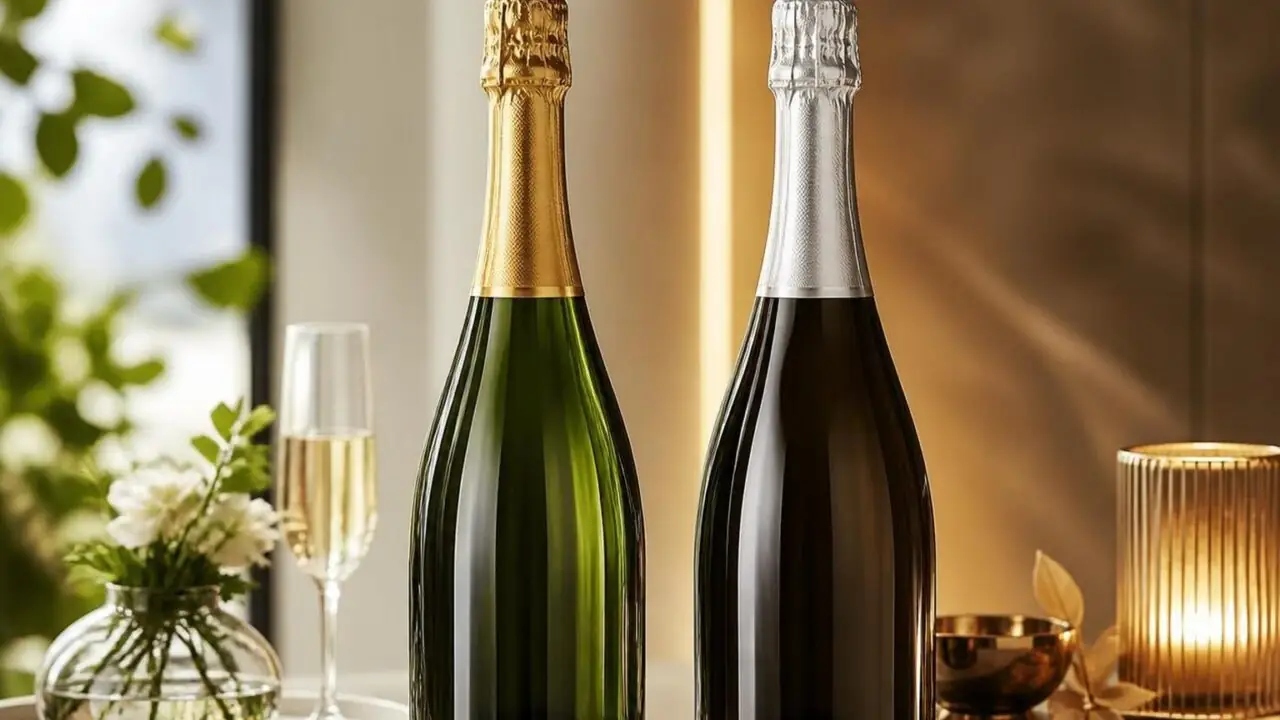
Difference between brut and extra dry champagne is sweetness: brut is drier, while extra dry tastes softer and slightly sweeter. Brut typically has 0–12 g/L residual sugar; extra dry has 12–17 g/L, despite the name sounding drier.
That small sugar shift changes balance more than richness. Brut suits oysters, fried foods, and sharper cheeses because acidity feels crisp.
Extra dry works better with salty snacks, fruit, and mildly spicy dishes because the touch of sweetness rounds the finish.
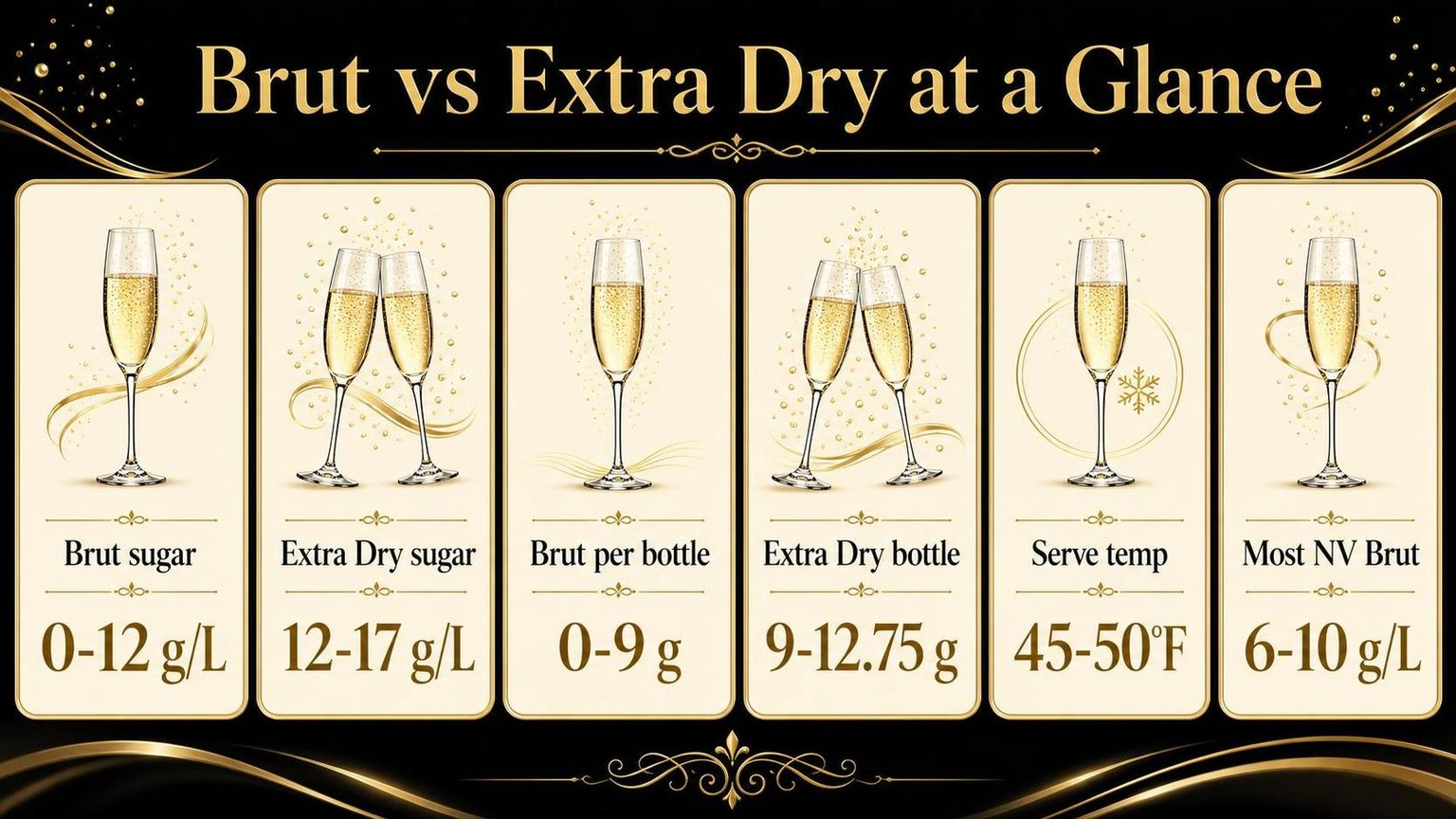
Brut Versus Extra Dry Sugar Levels
Brut and Extra Dry are sweetness terms based on dosage, the small amount of sugar added after disgorgement.
In Champagne and other traditional-method sparkling wines, the names can mislead: Brut tastes drier than Extra Dry because it contains less residual sugar.
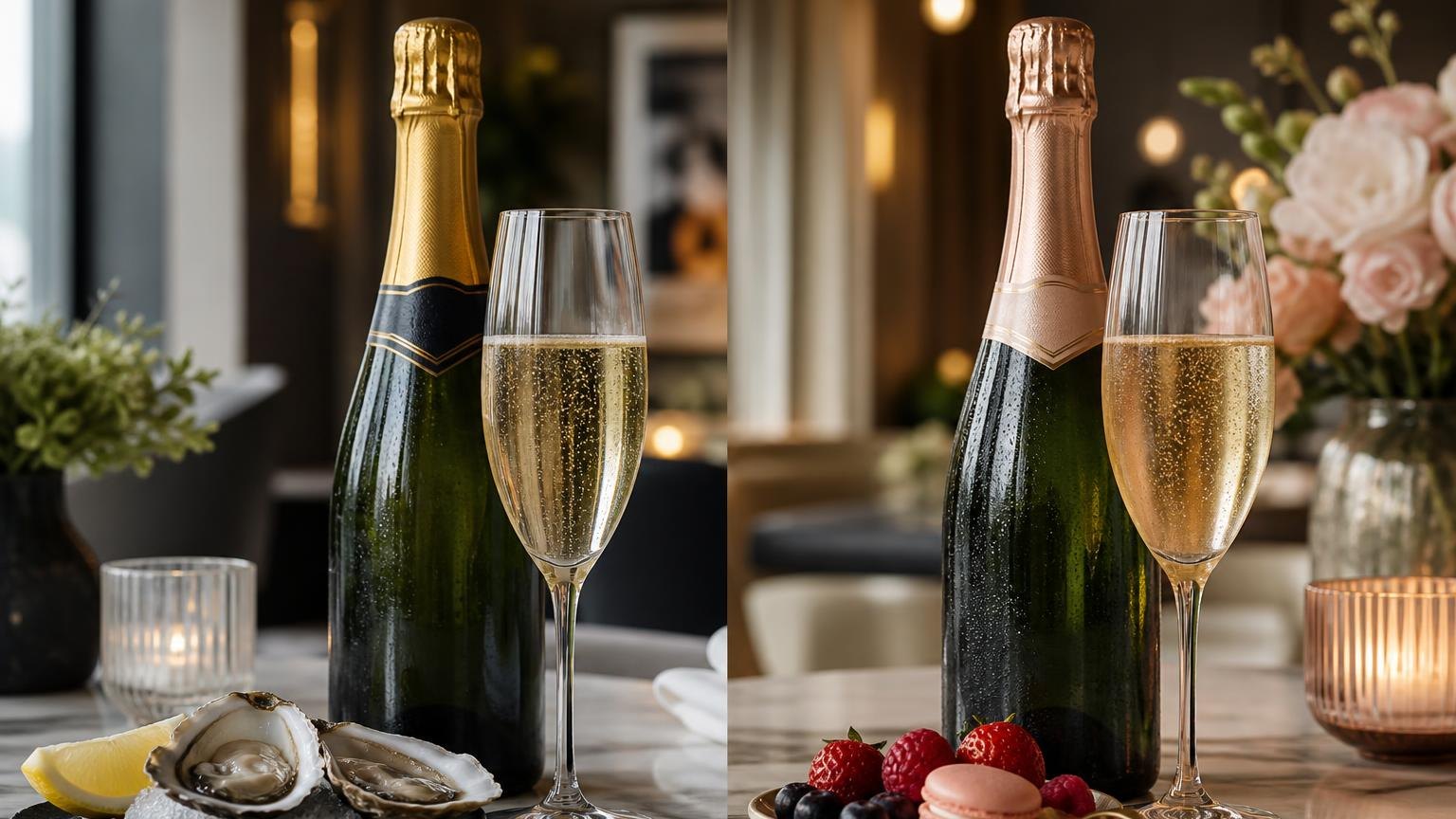
The legal ranges come from sparkling wine labeling rules used in the EU and followed in Champagne. Brut allows up to 12 grams of sugar per liter, while Extra Dry sits above it at 12 to 17 grams per liter.
| Style | Residual sugar | Approximate sugar in a 750 mL bottle | Taste impression |
| Brut | 0-12 g/L | 0-9 g | Dry, crisp, less overt sweetness |
| Extra Dry | 12-17 g/L | 9-12.75 g | Slightly softer, faintly sweet |
That difference looks small on paper, but it changes perception in the glass. A Brut at 6 g/L can taste taut and citrus-driven, while an Extra Dry at 15 g/L often shows rounder fruit and a softer finish.
Sugar level does not act alone. High acidity, which is standard in Champagne, can make both styles taste drier than their numbers suggest, especially when served cold at about 45 to 50 degrees Fahrenheit.
Why “Extra Dry” Is Sweeter Than Brut
The naming is historical, not intuitive. Sparkling wine sweetness terms move from driest to sweetest roughly as Brut Nature, Extra Brut, Brut, Extra Dry, Dry, Demi-Sec, and Doux.
| Common sparkling wine term | Residual sugar range |
| Brut Nature | 0-3 g/L |
| Extra Brut | 0-6 g/L |
| Brut | 0-12 g/L |
| Extra Dry | 12-17 g/L |
| Dry | 17-32 g/L |
| Demi-Sec | 32-50 g/L |
| Doux | More than 50 g/L |
Because the categories overlap at 12 g/L in practice, producers choose the term that best matches the final style and house profile. Most non-vintage Champagne today is labeled Brut, often landing around 6 to 10 g/L.
What the Sugar Difference Means at the Table
Brut is the safer all-purpose choice with oysters, sushi, fried foods, and salty cheeses. Lower sugar keeps the finish cleaner and sharper, which helps it refresh the palate between bites.
Extra Dry works better when food has a touch of sweetness or spice. It can handle glazed ham, fruit-based canapes, lightly spiced Asian dishes, and brunch foods better than a leaner Brut.
- Choose Brut if you want a classic dry aperitif style.
- Choose Extra Dry if you want softer texture without moving into obviously sweet sparkling wine.
- Check the producer if possible, because 6 g/L and 12 g/L Brut can taste noticeably different.
In short, Brut means drier and Extra Dry means slightly sweeter. The practical gap is usually 3 to 8 grams of sugar per liter, enough to shift Champagne from crisp and brisk to rounder and more fruit-forward.
Why Extra Dry Tastes Sweeter
Extra Dry tastes sweeter because it contains more residual sugar than Brut. In Champagne and other traditional-method sparkling wines, that difference is not a guess or a marketing phrase; it is defined by law in grams of sugar per liter.
Under European and Champagne labeling rules, Brut contains 0 to 12 grams per liter of residual sugar, while Extra Dry contains 12 to 17 grams per liter.
That higher dosage shifts the wine’s balance, softening sharp acidity and making the fruit seem rounder and sweeter on the palate.
| Style | Residual sugar | Typical taste impression |
| Brut Nature | 0 to 3 g/L | Very dry, brisk, linear |
| Extra Brut | 0 to 6 g/L | Severe to very dry |
| Brut | 0 to 12 g/L | Dry, crisp, balanced |
| Extra Dry | 12 to 17 g/L | Noticeably softer, slightly sweet |
| Sec | 17 to 32 g/L | Medium-sweet |
The key number is the overlap point at 12 g/L. A Brut at 6 g/L and an Extra Dry at 15 g/L can taste meaningfully different, even though both are sparkling wines with high acidity and similar alcohol, often around 12% ABV.
That sweetness usually comes from the dosage added after disgorgement. Producers top up the bottle with a liqueur d’expédition, often a mix of wine and sugar, to fine-tune the final balance before the cork goes in.
In practice, the jump from Brut to Extra Dry is small on paper but obvious in the glass. An extra 3 to 5 grams of sugar per liter can reduce the perception of tartness, making flavors like apple, pear, peach, and brioche seem fuller.
Acidity explains why Extra Dry does not taste sugary like dessert wine. Champagne is naturally high in acid, commonly around pH 2.9 to 3.2, so even 15 g/L of sugar is buffered by freshness, bubbles, and low serving temperature.
Temperature matters. Served at 45 to 48 degrees Fahrenheit, Extra Dry can seem only gently off-dry. Warm it into the low 50s, and the fruit and sweetness become more obvious because cold suppresses sweetness perception.
Bubbles also affect sweetness perception. Carbonation adds carbonic bite and lifts aromas, which can keep Extra Dry from feeling heavy. That is why many drinkers describe it as “smooth” or “easy” rather than overtly sweet.
| Factor | Effect on taste |
| Higher residual sugar | Increases sweetness and softens acidity |
| High acidity | Keeps the wine fresh, not syrupy |
| Cold serving temperature | Mutes sweetness and highlights crispness |
| Carbonation | Adds bite and reduces heaviness |
The name causes confusion because “Extra Dry” sounds drier than “Brut.” Historically, it is not.
On the sweetness scale, Extra Dry sits one step sweeter than Brut, which is why it often works better with spicy appetizers, salty cheeses, and mildly sweet brunch dishes.
Label Rules for Champagne Sweetness
Champagne sweetness terms are legal categories, not marketing adjectives. A bottle labeled Brut or Extra Dry must fall within defined residual sugar ranges measured in grams per liter, and those ranges explain why Extra Dry tastes sweeter than Brut.
For Champagne sold in the US, the producer still follows the labeling framework set for Champagne in France and the European Union. The key number is residual sugar left in the finished wine after disgorgement and dosage.
After the lees are removed, most Champagne receives a dosage: a small addition of wine and, often, dissolved sugar. That final step sets the sweetness category printed on the label, so the term reflects chemistry as much as style.
| Sweetness term | Residual sugar | What the rule means |
| Brut Nature | 0-3 g/L | No perceptible sweetness; no sugar added in dosage |
| Extra Brut | 0-6 g/L | Very dry; minimal dosage allowed |
| Brut | Less than 12 g/L | Dry category used for most nonvintage Champagne |
| Extra Dry | 12-17 g/L | Noticeably sweeter than Brut despite the name |
| Sec | 17-32 g/L | Medium-dry to off-dry |
| Demi-Sec | 32-50 g/L | Sweet; common with dessert pairings |
| Doux | More than 50 g/L | Sweetest legal category |
The important comparison is narrow but decisive. Brut stays under 12 g/L, while Extra Dry starts at 12 g/L and can reach 17 g/L, so Extra Dry always carries more sugar than Brut.
That naming confuses buyers because “dry” sounds drier. In sparkling-wine terminology, Extra Dry is a historical term for a lightly sweet style, not a sensory claim that it is drier than Brut.
These categories come from EU wine-label rules used by Champagne houses and growers. They are not optional style suggestions. If a producer prints Extra Dry, the wine must analytically fit the 12-17 g/L band.
Brut Nature has an additional rule beyond the number. It must sit between 0 and 3 g/L residual sugar, and that sugar cannot come from a sweetened dosage after the second fermentation.
In practice, many Brut Champagnes land around 6-10 g/L, though houses vary by base wine ripeness, acidity, and reserve-wine style. Extra Dry often feels rounder and softer because even a few extra grams per liter can noticeably change texture.
- Brut is the standard aperitif style because high acidity and low sugar keep the finish crisp.
- Extra Dry often suits saltier canapés, mild spice, or fruit-based dishes because its added sugar cushions acidity.
- Vintage variation matters. A warm year may taste riper at the same legal sugar level than a cooler year.
Label rules set the legal sweetness bracket, not the full flavor experience. Acidity, dosage wine, bottle age, and pressure all affect perception, but the label still gives a reliable starting point: Brut is drier, Extra Dry is sweeter.
Food Pairings for Each Style
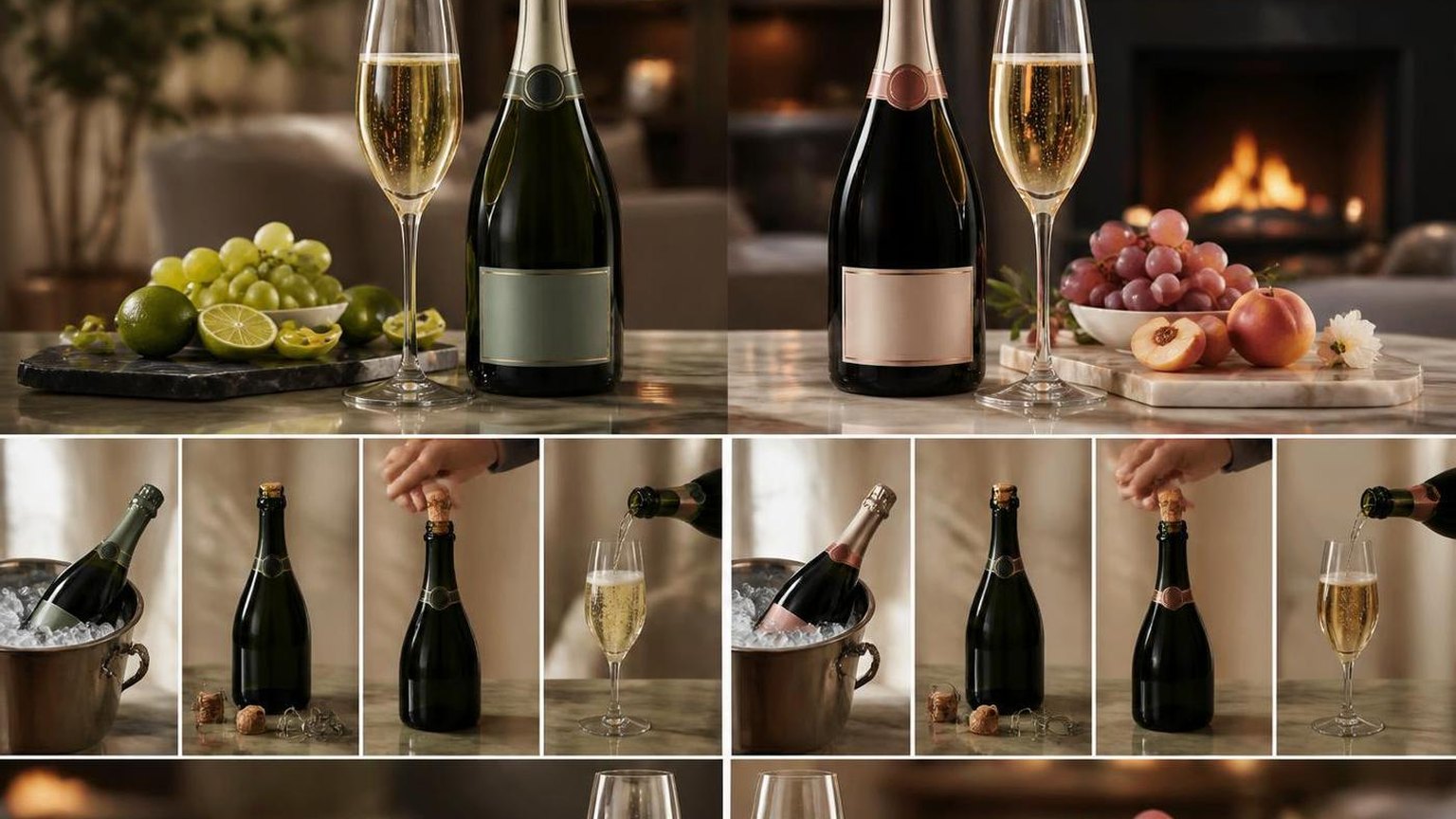
Brut and Extra Dry Champagne pair differently because dosage changes how the wine handles salt, fat, spice, and sweetness.
Brut usually carries 0 to 12 grams of sugar per liter, while Extra Dry typically sits at 12 to 17 grams per liter, enough to soften acidity and broaden food options.
Use Brut when you want higher tension, cleaner cut, and less risk of the wine tasting sweet beside savory food. Use Extra Dry when a dish has mild heat, fruit glaze, or a touch of sweetness that would make a drier Champagne seem sharp.
| Style | Typical dosage | Best food effect | Watch out for |
| Brut | 0-12 g/L | Cuts fat, highlights salinity, refreshes palate | Can taste austere with sweet sauces |
| Extra Dry | 12-17 g/L | Handles spice, glaze, and sweet-salty dishes | Can seem soft with very briny raw seafood |
Brut is the stronger match for raw bar service.
Oysters, littleneck clams, shrimp cocktail, and chilled crab all benefit from Brut’s acid line and bubbles, which scrub the palate after each bite and emphasize iodine, citrus, and mineral flavors.
Fried foods also favor Brut. Tempura shrimp, calamari, fries, and fried chicken work because carbonation lifts oil and the wine’s low sugar avoids a cloying finish. This is why Brut is a standard aperitif style in restaurants.
- Best Brut pairings: oysters, caviar, sashimi, lobster rolls, potato chips, gougères, fried chicken, tempura vegetables.
- Good Brut cheese matches: triple-cream Brie, aged Comté, Parmigiano-Reggiano, and young goat cheese.
Extra Dry performs better with dishes that include a sweet element. Think honey-glazed ham, prosciutto with melon, sweet-and-sour shrimp, or roast pork with apple compote.
The added dosage prevents the wine from tasting hard or sour beside those flavors.
It is also more forgiving with mild spice.
Thai shrimp with chili-sweet sauce, spicy tuna rolls, and glazed chicken skewers often overwhelm Brut’s lean profile, but Extra Dry’s modest sweetness cushions heat and keeps the fruit notes visible.
- Best Extra Dry pairings: glazed ham, sushi with eel sauce, coconut shrimp, duck with orange sauce, pork tenderloin with fruit chutney, and popcorn with kettle-style seasoning.
- Good Extra Dry cheese matches: young Gouda, Havarti, fontina, and washed-rind cheeses with mild sweetness.
| Dish type | Better style | Why it works |
| Raw oysters | Brut | Lower sugar preserves briny freshness |
| Fried chicken | Brut | Acid and mousse cut fat |
| Ham with glaze | Extra Dry | Dosage matches sweet-salty finish |
| Spicy sushi roll | Extra Dry | Slight sweetness softens heat |
| Soft-ripened cheese board | Brut | Freshness balances cream |
| Fruit-driven canapés | Extra Dry | Fruit and dosage stay in balance |
For dessert, neither style is ideal with very sweet finales because the wine will taste dry and thin. If the dessert is only lightly sweet, such as fresh strawberries or almond cake, Extra Dry can work better than Brut.
In service, keep both around 46 to 50 degrees Fahrenheit. At that range, Brut stays crisp and precise, while Extra Dry shows enough fruit to support sweet-savory pairings without turning soft.
Which Style to Choose First
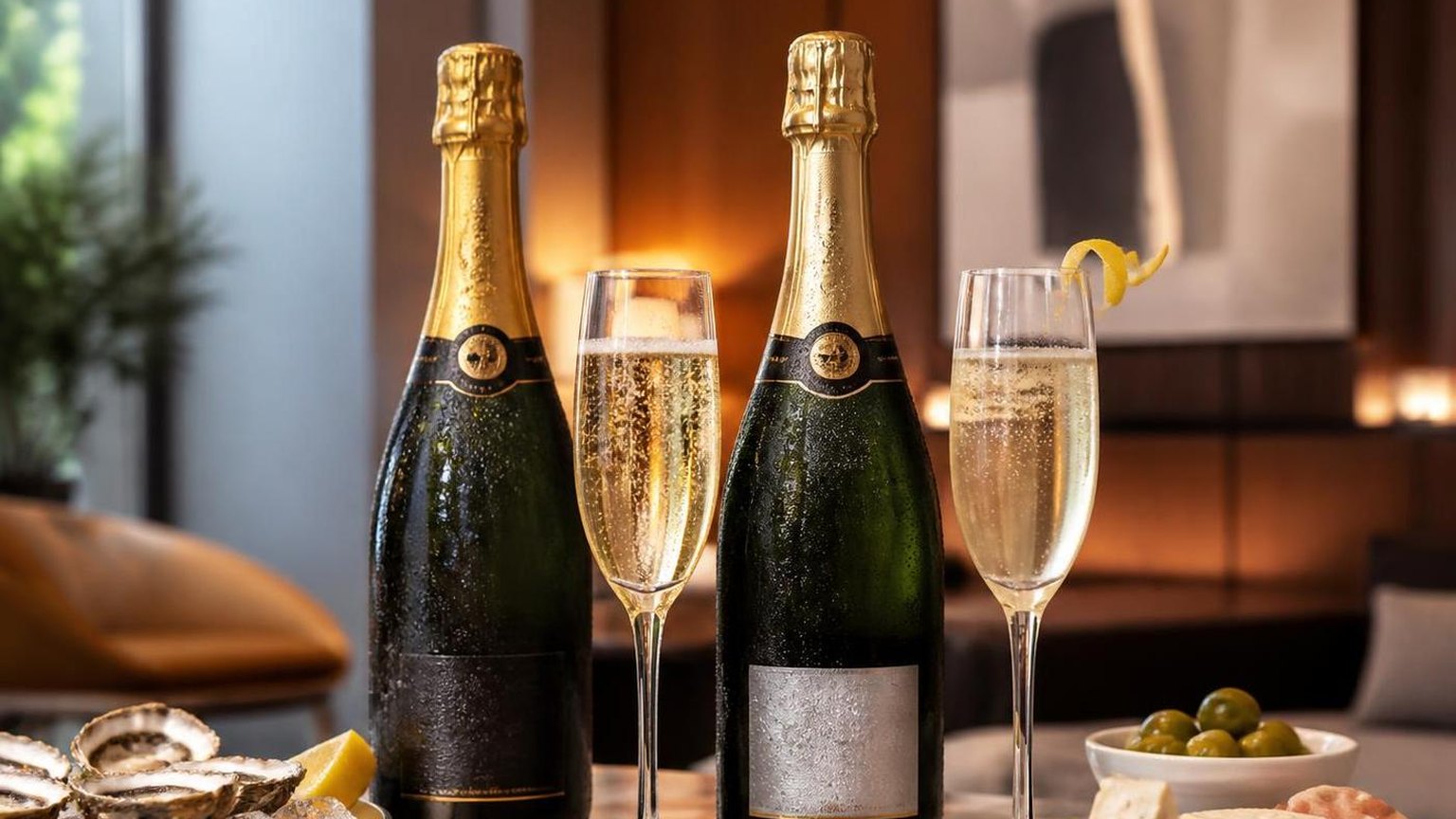
Choose Brut first if you want the clearer read on Champagne itself. Its lower dosage shows acidity, chalky minerality, and autolytic notes more directly, while Extra Dry’s added sugar softens those edges and makes the wine feel rounder.
For most first-time buyers, Brut is the safer benchmark because it is the dominant style in Champagne and the one most producers use to show house character.
Extra Dry makes sense when you want a gentler entry point or a better match for mildly sweet food.
| Style | Residual sugar | What you taste first | Best first use |
| Brut | 0-12 grams per liter | Higher apparent dryness, brighter acid, stronger mineral and bread-dough notes | Learning classic Champagne profile, aperitif service, savory pairings |
| Extra Dry | 12-17 grams per liter | Softer attack, slightly rounder fruit, less sharp finish | Welcoming new drinkers, brunch, mildly sweet or spicy dishes |
Start with Brut if you drink dry white wines already. Anyone comfortable with Sauvignon Blanc, Chablis, or dry Cava usually adjusts quickly to Brut Champagne, especially when it is served cold at about 43-48°F.
Brut also works better if your goal is comparison. Because the dosage ceiling is lower, differences in grape blend, aging, and producer style show more clearly.
You are more likely to notice whether a bottle leans citrusy, apple-driven, toasty, or chalky.
Choose Extra Dry first if standard Brut has tasted too sharp to you in the past. A difference of 5 grams per liter can be noticeable in sparkling wine because high acidity amplifies the impression of dryness.
Extra Dry is often misunderstood because the name sounds drier than Brut. In Champagne labeling, it is actually sweeter. That sweetness is still moderate, not dessert-wine level, but enough to make the palate feel broader and less austere.
Food should decide the first bottle as much as personal taste. Brut is better with oysters, fried foods, aged cheese, roast chicken, and salty snacks.
Extra Dry handles fruit salad, glazed ham, coconut shrimp, and lightly spicy appetizers more comfortably.
| If this sounds like you | Choose first | Reason |
| You want the classic restaurant-by-the-glass style | Brut | It is the standard house style and the most common benchmark |
| You think sparkling wine often tastes too tart | Extra Dry | 12-17 g/L dosage cushions acidity |
| You plan to pair with shellfish or salty canapés | Brut | Drier finish keeps the pairing clean |
| You plan brunch or slightly sweet dishes | Extra Dry | A touch more sugar prevents the wine from tasting harsh |
If you can try both, taste Brut first and Extra Dry second. Moving from drier to sweeter preserves contrast. In a side-by-side pour, Brut usually finishes straighter and firmer, while Extra Dry leaves a softer, faintly fruitier impression.
One practical rule works well: buy Brut for learning, buy Extra Dry for comfort. That order lets you understand the baseline Champagne profile first, then decide whether you prefer precision or a little more generosity in the glass.
Frequently Asked Questions
What is the main difference between Brut and Extra Dry Champagne?
The difference is residual sugar after disgorgement. Brut Champagne usually contains 0 to 12 grams of sugar per liter, while Extra Dry contains 12 to 17 grams per liter, so Extra Dry tastes slightly sweeter despite its name.
Why does Extra Dry Champagne taste sweeter than Brut if it sounds drier?
Champagne labeling follows a traditional sweetness scale, not plain-language wording. On that scale, Brut is drier than Extra Dry, and both are still much less sweet than Sec or Demi-Sec styles.
Which style pairs better with food: Brut or Extra Dry?
Brut is usually more versatile at the table because its lower sugar keeps the finish crisp with oysters, fried foods, hard cheeses, and roast chicken.
Extra Dry works better when a dish has slight sweetness or spice, such as glazed ham, sushi with sweet sauces, or fruit-based appetizers.
How can you tell Brut and Extra Dry apart in the glass?
Brut often shows a leaner profile with sharper citrus, green apple, chalk, and toast, especially in non-vintage bottlings.
Extra Dry tends to feel softer and rounder, with more obvious pear, ripe apple, honey, or floral notes because a few extra grams of sugar can noticeably change texture and finish.
Is Brut or Extra Dry more common in Champagne and sparkling wine?
Brut is the dominant style in Champagne today and is the standard bottling for many major houses because it appeals to a broad range of drinkers and food pairings.
Extra Dry is less common in Champagne but appears more often in other sparkling categories, including some Prosecco labels, where consumers often prefer a slightly softer taste.
Related Reading
- How To Book Champagne Bar Eiffel Tower? – 12 Proven Tips for a Perfect Parisian Experience
- How To Bring Champagne On A Cruise?
- How To Bottle Champagne Cork? – A Practical, Step-by-Step Guide From Real Experience
- 9 Must-Know Facts About How Many Glasses Of Champagne To A Bottle (2026 Expert Serving Guide)
- Brut Vs Extra Dry Champagne: The Easiest Way to Distinguish
- Dom Perignon Vs Cristal: The Easiest Way to Distinguish
- How Much Champagne To Get Drunk – 11 Essential Factors You MUST Know Before Drinking Champagne
- 11 Essential Facts About How Much Alcohol Is In Champagne (2026 ABV Guide, Serving Strength, Effects & Real Tasting Experience)
- All Alcohol Guides