
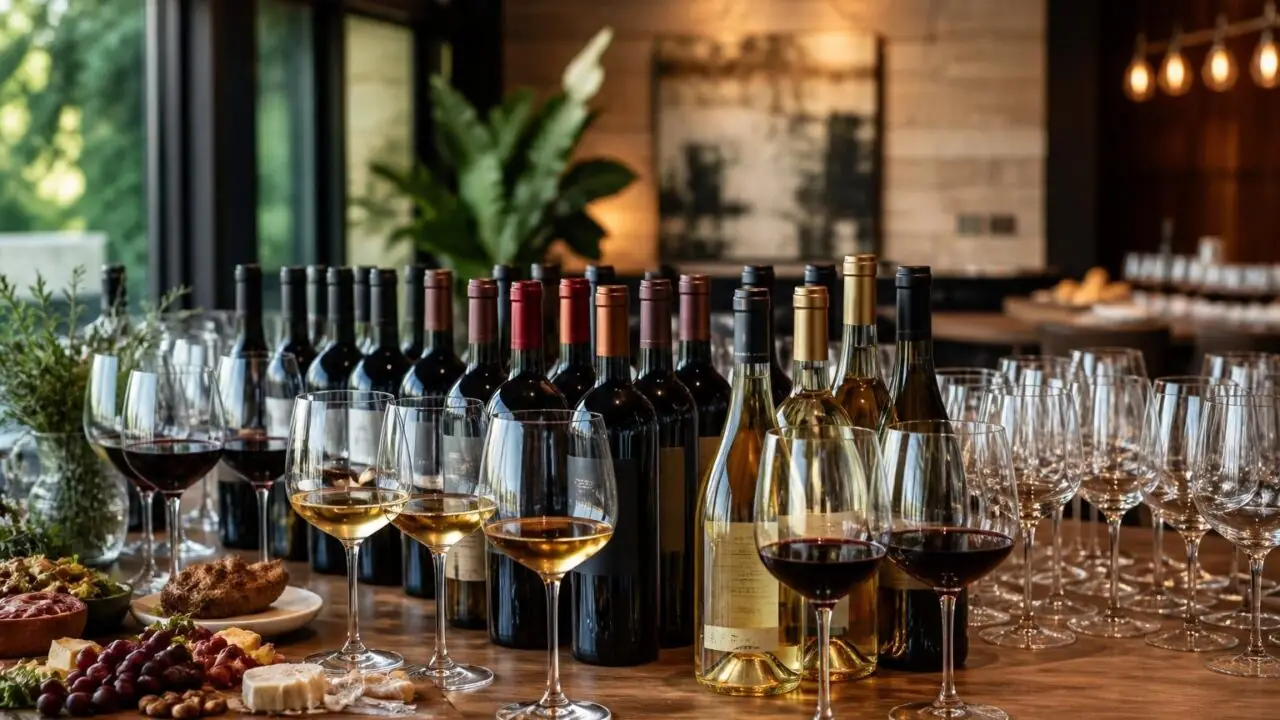
How Many Bottles of Wine for 30 People? is 15 bottles for a two-hour gathering with moderate drinking. That assumes one 750 ml bottle pours five 5-ounce glasses, and each guest averages about two and a half glasses across the event.
Buy 18 bottles if the group drinks generously, dinner runs longer, or wine is the main alcohol. Split the case by style: roughly 8 reds, 7 whites, and 3 sparkling or rosé for a balanced table.
Bottle Counts for 30 Guests
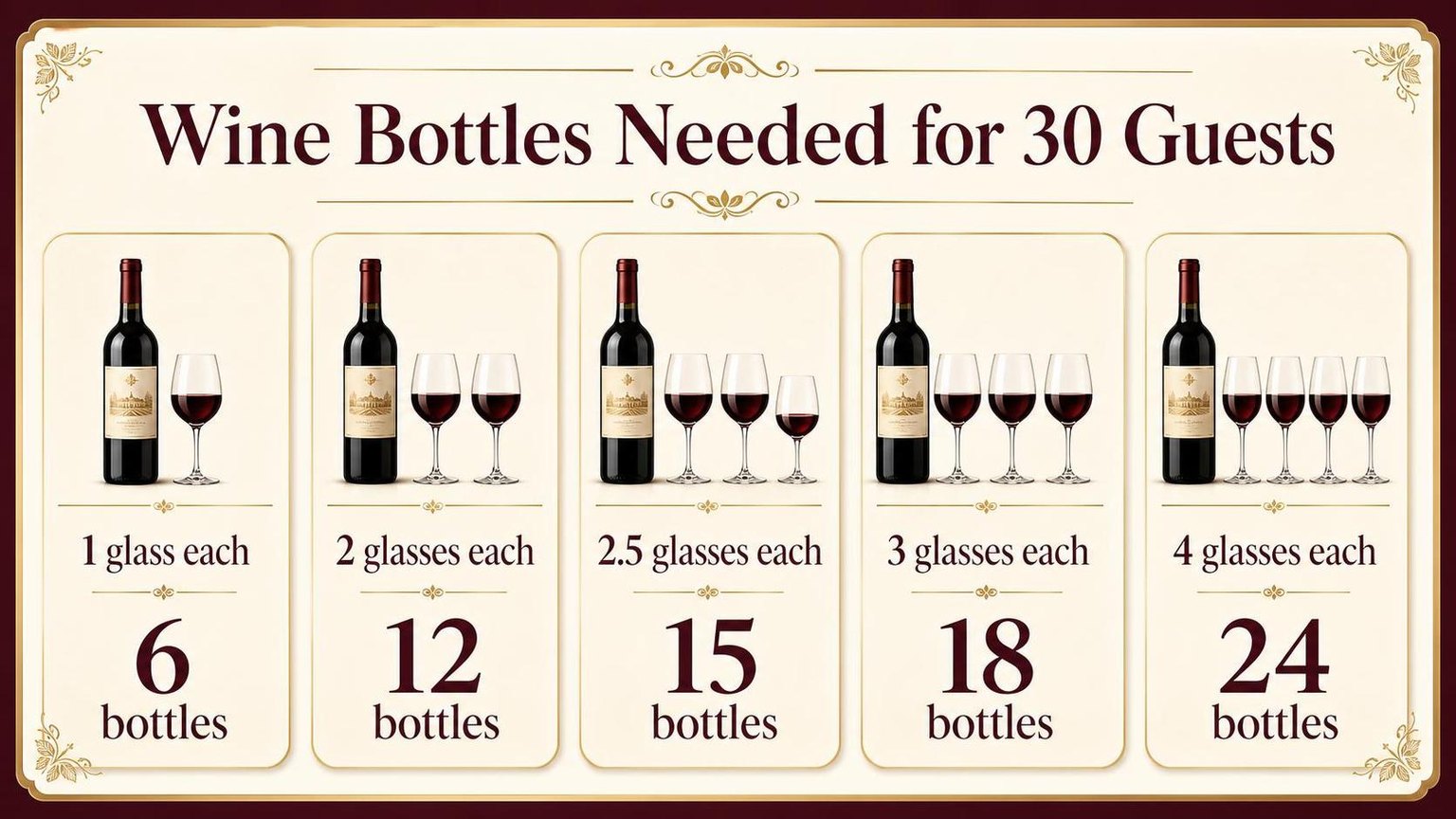
For 30 guests, bottle count depends on pour size, event length, and whether wine is the only alcohol. A standard 750 mL bottle pours about five 5-ounce glasses, which is the basis most caterers and venues use for planning.
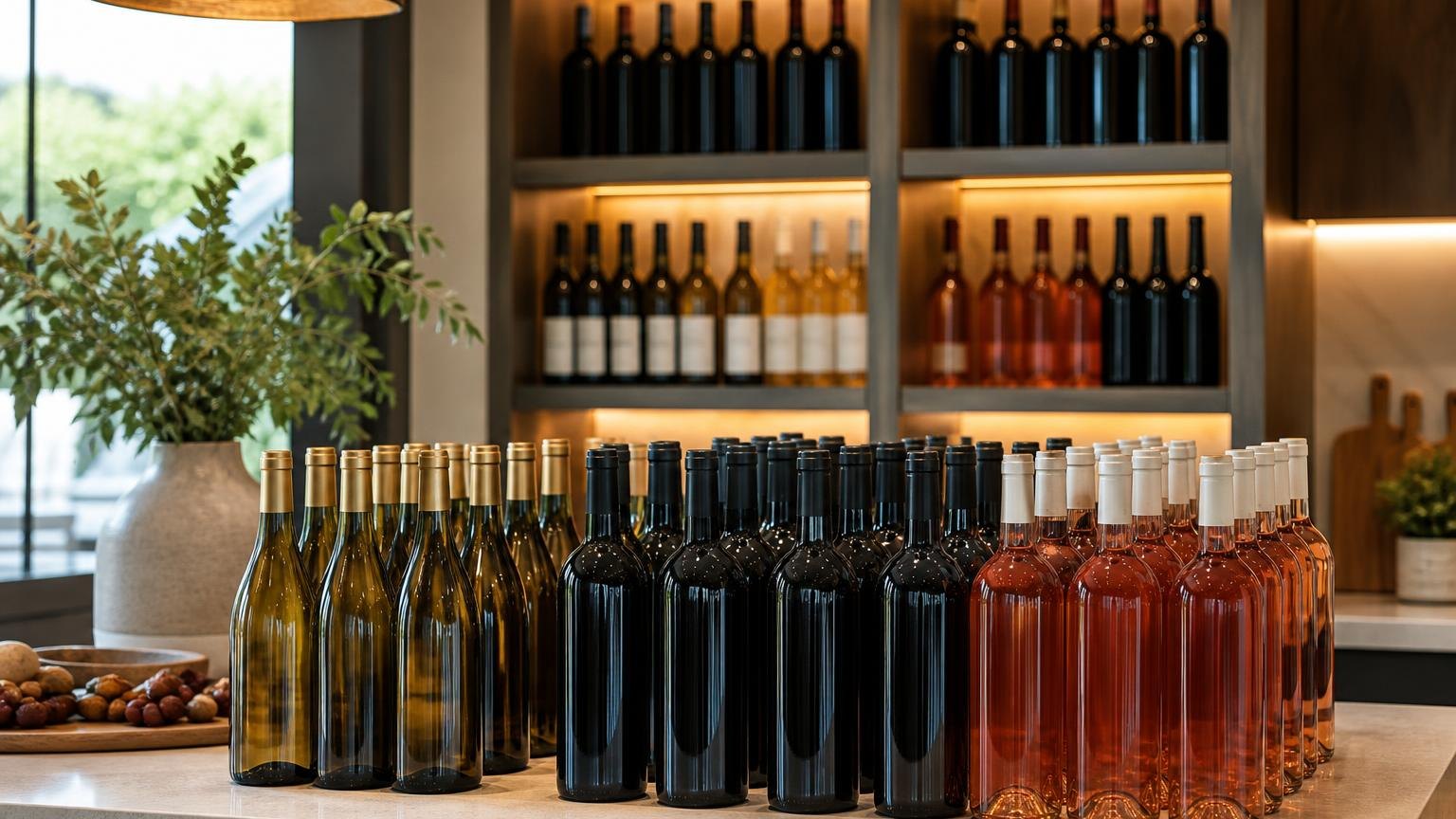
If wine is the main drink, plan from glasses per person first, then convert to bottles. For mixed-drink events with beer, cocktails, or nonalcoholic options, you can usually stay at the low end of the range.
| Glasses per guest | Total 5-oz glasses needed | 750 mL bottles needed |
| 1 glass | 30 | 6 bottles |
| 2 glasses | 60 | 12 bottles |
| 3 glasses | 90 | 18 bottles |
| 4 glasses | 120 | 24 bottles |
Those numbers are clean planning math: 30 guests multiplied by expected glasses, divided by five glasses per bottle. In practice, add a small buffer because pours vary, sediment can reduce yield, and one broken cork or overpour can cost a bottle.
| Event type | Recommended bottles for 30 guests | Why |
| Short dinner, wine with meal only | 12 bottles | About 2 glasses per person |
| Dinner party, wine is primary drink | 18 bottles | About 3 glasses per person |
| Long party, wine-heavy crowd | 24 bottles | Up to 4 glasses per person |
| Mixed bar with beer and cocktails | 9-12 bottles | Wine demand is lower |
For most 30-person gatherings, 12 to 18 bottles is the practical sweet spot. That covers a seated meal, moderate drinking, and normal variation without leaving you dramatically short.
If you are serving both red and white, split the order to match the menu and weather. A common starting point is 50/50, but warm-weather events often move closer to 60 percent white and rosé, while cold-weather dinners often lean red.
- Buy 1-2 extra bottles beyond your math for insurance.
- Use 12 bottles if wine is secondary.
- Use 18 bottles if wine is the main alcoholic beverage.
- Use 24 bottles only for longer, wine-focused events.
The safest answer for 30 guests is usually 15 to 18 bottles. That gives most groups enough wine for a full event without excessive leftovers.
Standard Wine Pour Math
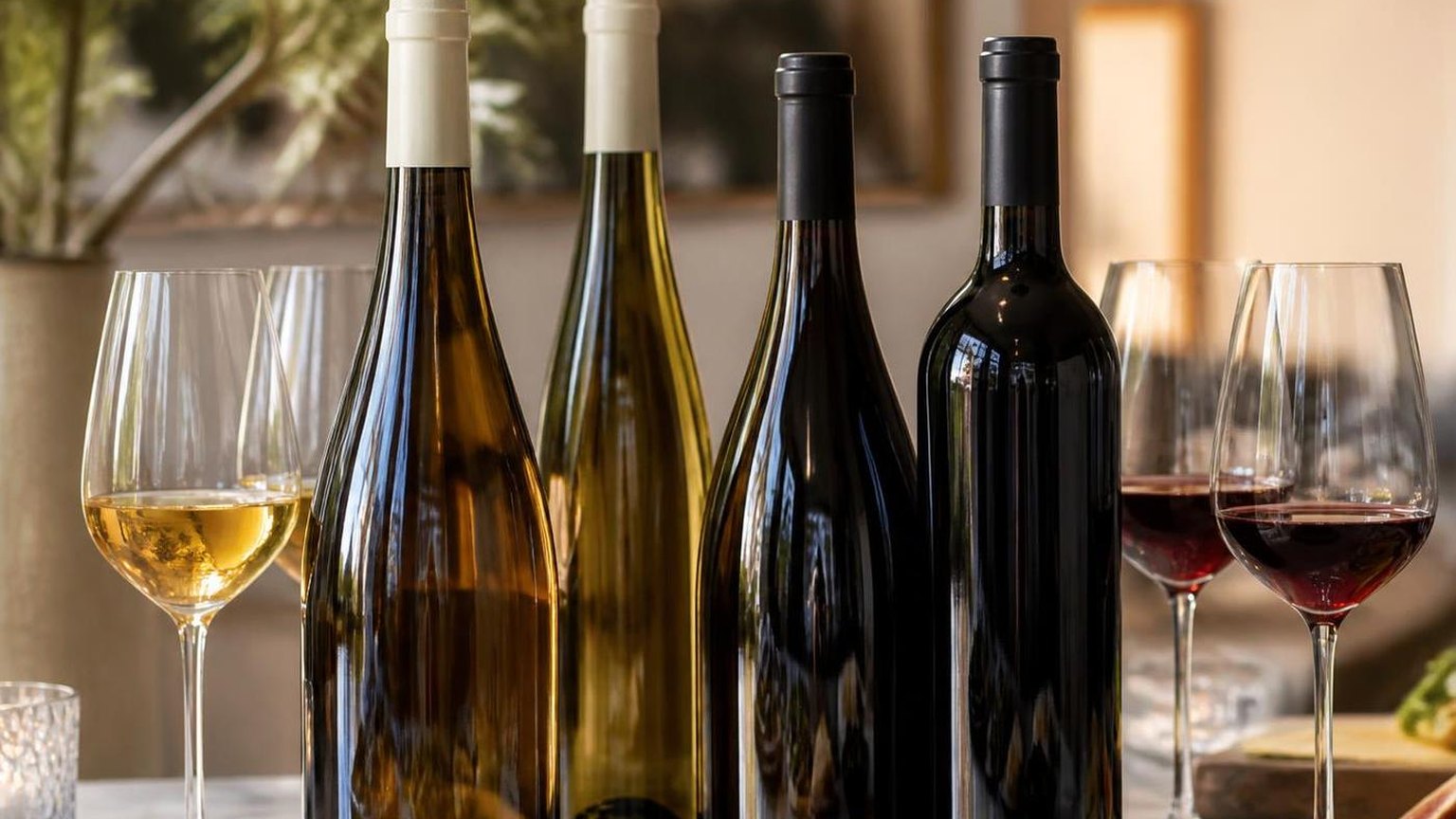
A standard still-wine pour in the U.S. is 5 ounces. A 750 mL bottle holds 25.4 ounces, so one bottle yields five full glasses, with about 0.4 ounce left over for spill, tasting variation, or a slightly generous pour.
For 30 people, the core math is simple: multiply guests by glasses per person, then divide by five glasses per bottle. Round up, not down, because bottle yield drops fast when pours creep above 5 ounces.
| Scenario | Total 5 oz pours needed | Bottles needed |
| 1 glass per person | 30 | 6 |
| 1.5 glasses per person | 45 | 9 |
| 2 glasses per person | 60 | 12 |
| 2.5 glasses per person | 75 | 15 |
| 3 glasses per person | 90 | 18 |
This is why “one bottle serves five” is the planning rule most caterers and beverage teams use for table wine. It tracks with the 5-ounce standard drink used by the U.S. Dietary Guidelines and NIAAA for 12% ABV wine.
Pour size changes everything. If guests receive 6-ounce pours instead of 5-ounce pours, a 750 mL bottle gives only about four glasses, not five. That raises the bottle count by roughly 25%.
| Pour size | Glasses per 750 mL bottle | Bottles for 30 guests to have 2 glasses each |
| 5 oz | 5 | 12 |
| 6 oz | 4.2 practical pours, usually planned as 4 | 15 |
Hosts should also plan for operational loss. A realistic buffer is 10% to 15% for top-offs, sediment left in bottle, server inconsistency, and an extra guest or two. For 12 bottles, that means buying 13 to 14.
- Casual lunch or short shower: plan 1 to 1.5 glasses per person.
- Dinner party or two-hour reception: plan 2 glasses per person.
- Long event where wine is the main drink: plan 2.5 to 3 glasses per person.
For most 30-person gatherings, 12 bottles is the clean baseline if wine is served through a meal. If wine is the only alcohol, move closer to 15 to 18 bottles depending on event length and pour control.
Two Hour Party Wine Estimate
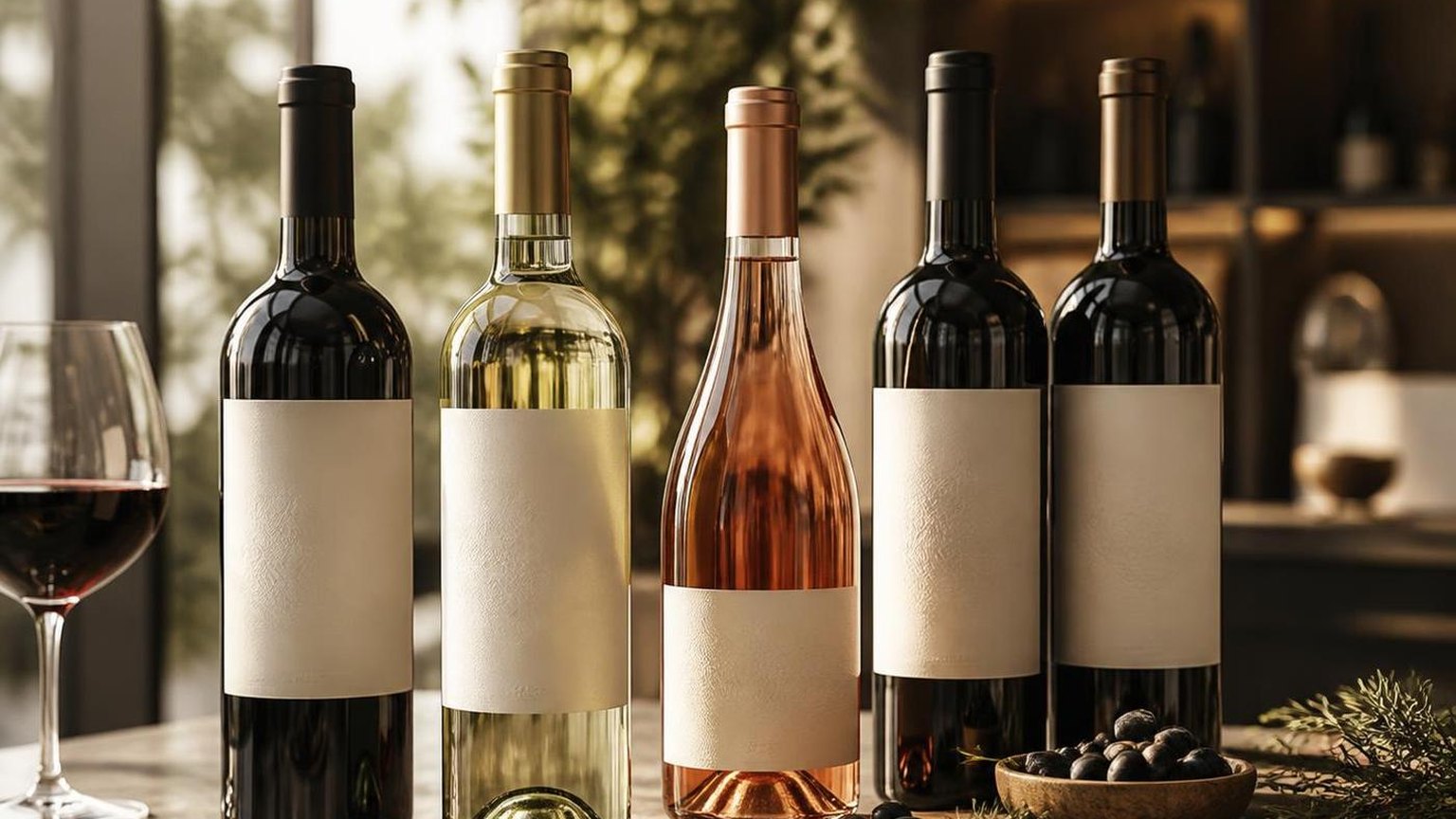
For a two-hour party, plan on about two 5-ounce glasses of wine per adult guest. For 30 people, that equals 60 glasses, or 12 standard 750-milliliter bottles before adding a buffer.
A standard 750-milliliter bottle holds 25.4 ounces. At a 5-ounce restaurant-style pour, each bottle yields about five glasses, with a small remainder that rarely becomes a full sixth pour.
| Measure | Amount |
| Guests | 30 |
| Average consumption for 2 hours | 2 glasses per person |
| Total glasses needed | 60 |
| Glasses per 750 mL bottle | 5 |
| Base bottle estimate | 12 bottles |
The base estimate works when wine is the only alcohol and guests drink at a moderate pace. In real hosting, a buffer matters because pours run heavy, some guests prefer refills, and one broken cork or warm bottle can reduce usable servings.
| Planning level | Bottles for 30 guests | Best use |
| Tight minimum | 12 | Short event, mixed drinkers, controlled pours |
| Safer target | 13-14 | Most home parties |
| Generous backup | 15 | Wine-focused crowd or larger pours |
For most hosts, 14 bottles is the practical answer. That is 12 bottles for the math, plus roughly a 15% to 20% cushion, which is a standard hospitality buffer for beverage service.
If you want a balanced mix, split the wine by drinking patterns and temperature. White and sparkling usually move faster in short events because they are lighter, colder, and easier as first pours.
| Style mix for 14 bottles | Bottles |
| White wine | 7 |
| Red wine | 5 |
| Sparkling wine | 2 |
If beer, cocktails, or nonalcoholic options are also available, you can drop the wine count slightly. In that case, 10 to 12 bottles often covers 30 people for two hours without leaving the bar short.
Dinner Service Bottle Planning
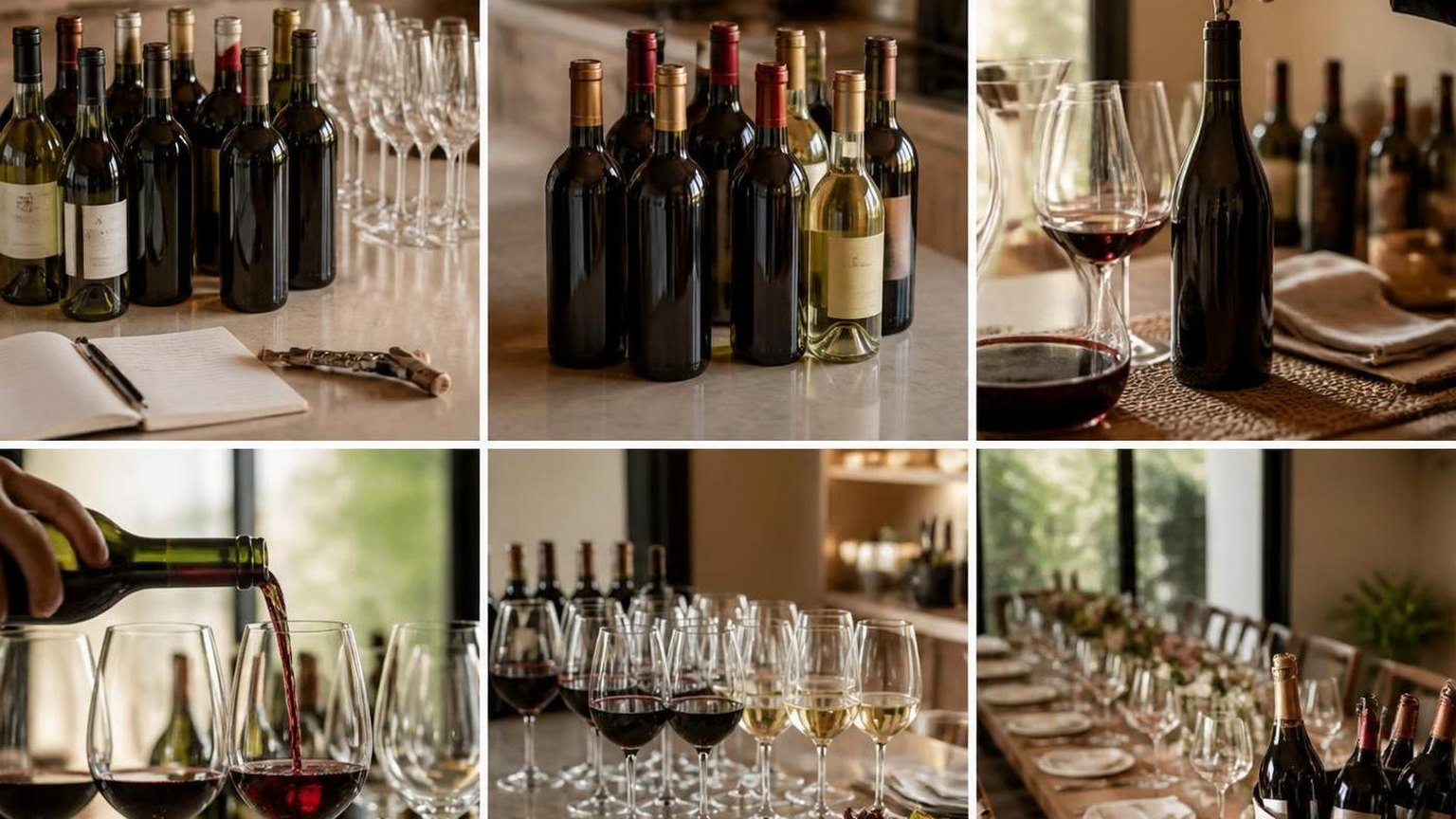
For a seated dinner, plan wine from serving size first, then adjust for meal length and how many guests will actually drink. A standard 750 mL bottle holds about five 5-ounce pours, which is the practical planning unit for dinner service in the U.S.
For 30 guests, one glass each requires 6 bottles. Two glasses each requires 12 bottles. Three glasses each requires 18 bottles, but that level is more common for a long reception-plus-dinner format than a short meal.
| Average consumption at dinner | 5 oz pours per person | Total 5 oz pours for 30 guests | 750 mL bottles needed |
| Light | 1 | 30 | 6 |
| Moderate | 2 | 60 | 12 |
| Generous | 3 | 90 | 18 |
Most dinner parties land in the moderate range: 12 bottles total. That assumes wine is poured with the meal, not as the only beverage for the entire evening, and that some guests choose water, beer, or no alcohol.
If you are serving both red and white, split the order by menu and season. For a balanced dinner crowd, 60 percent red and 40 percent white is a reliable baseline for cooler months. In warm weather, many hosts reverse that split.
| Total bottles | 60% red / 40% white | 40% red / 60% white |
| 10 | 6 red / 4 white | 4 red / 6 white |
| 12 | 7 red / 5 white | 5 red / 7 white |
| 15 | 9 red / 6 white | 6 red / 9 white |
Add 10 to 15 percent as backup if your group are regular wine drinkers, dinner lasts more than 2 hours, or pours will be generous. For 12 bottles, that means buying 13 to 14 bottles.
Extra unopened bottles are easier to manage than running out mid-meal.
- Rich beef, lamb, and pasta dinners usually push demand toward red.
- Fish, chicken, salads, and spicy dishes increase white wine consumption.
- If cocktails are served first, dinner wine needs often drop by 1 to 2 bottles per 30 guests.
- If many guests do not drink, reduce the total before choosing the red-white split.
A practical dinner plan for 30 people is 12 bottles, then adjust to 14 if the meal is long or wine-focused. That keeps pours realistic, service smooth, and the table covered without overspending.
Red White and Sparkling Split
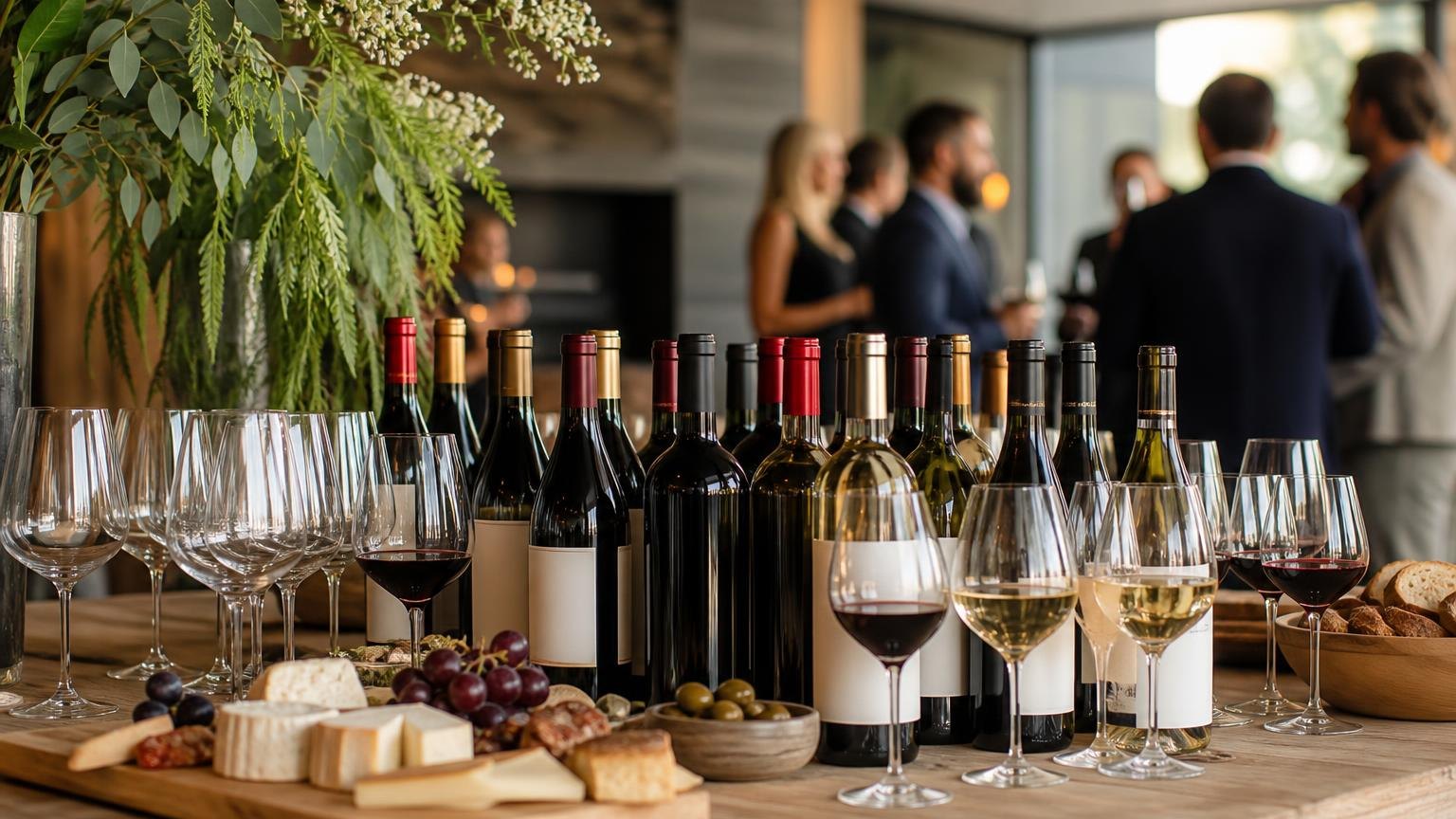
For 30 guests, a practical mixed-wine plan is 15 bottles total if wine is the main drink. That covers about 75 standard 5-ounce pours, or 2.5 glasses per person, which fits a two- to three-hour gathering with moderate consumption.
A balanced split starts with more white than red and a small sparkling allocation. White wine is usually served colder, drinks easier in warm rooms, and appeals to a wider range of casual guests.
| Wine type | Bottles | 5-oz pours | Share of total |
| White | 7 | 35 | 47% |
| Red | 5 | 25 | 33% |
| Sparkling | 3 | 15 | 20% |
| Total | 15 | 75 | 100% |
This 7-5-3 split works for mixed groups because it protects against two common problems: running out of chilled wine and overbuying red. Sparkling also serves double duty as a welcome pour and a toast wine.
If your crowd is dinner-focused, shift slightly toward red. If the event is daytime, outdoors, or in warm weather, increase white and keep sparkling steady.
| Event style | Red | White | Sparkling | Total bottles |
| Balanced general party | 5 | 7 | 3 | 15 |
| Dinner with heavier food | 6 | 6 | 3 | 15 |
| Brunch, patio, warm weather | 4 | 8 | 3 | 15 |
| Toast-heavy celebration | 4 | 6 | 5 | 15 |
Use sparkling carefully in planning because a standard 750 mL bottle yields about six 4-ounce flute pours, not five large wine pours. Three bottles give roughly 18 toast pours, so five bottles are safer if all 30 guests will receive bubbles.
- Choose two whites at most, such as Sauvignon Blanc and Chardonnay, to cover crisp and richer preferences.
- Choose one lighter red and one fuller red, such as Pinot Noir and Cabernet Sauvignon.
- Keep at least half the white and all sparkling chilled before guests arrive.
- If beer or cocktails are also served, cut total wine by 20% to 30%.
For most groups of 30, buy 7 white, 5 red, and 3 sparkling. Adjust only when the menu, temperature, or toast plan clearly points another way.
Heavy Drinkers Versus Light Drinkers
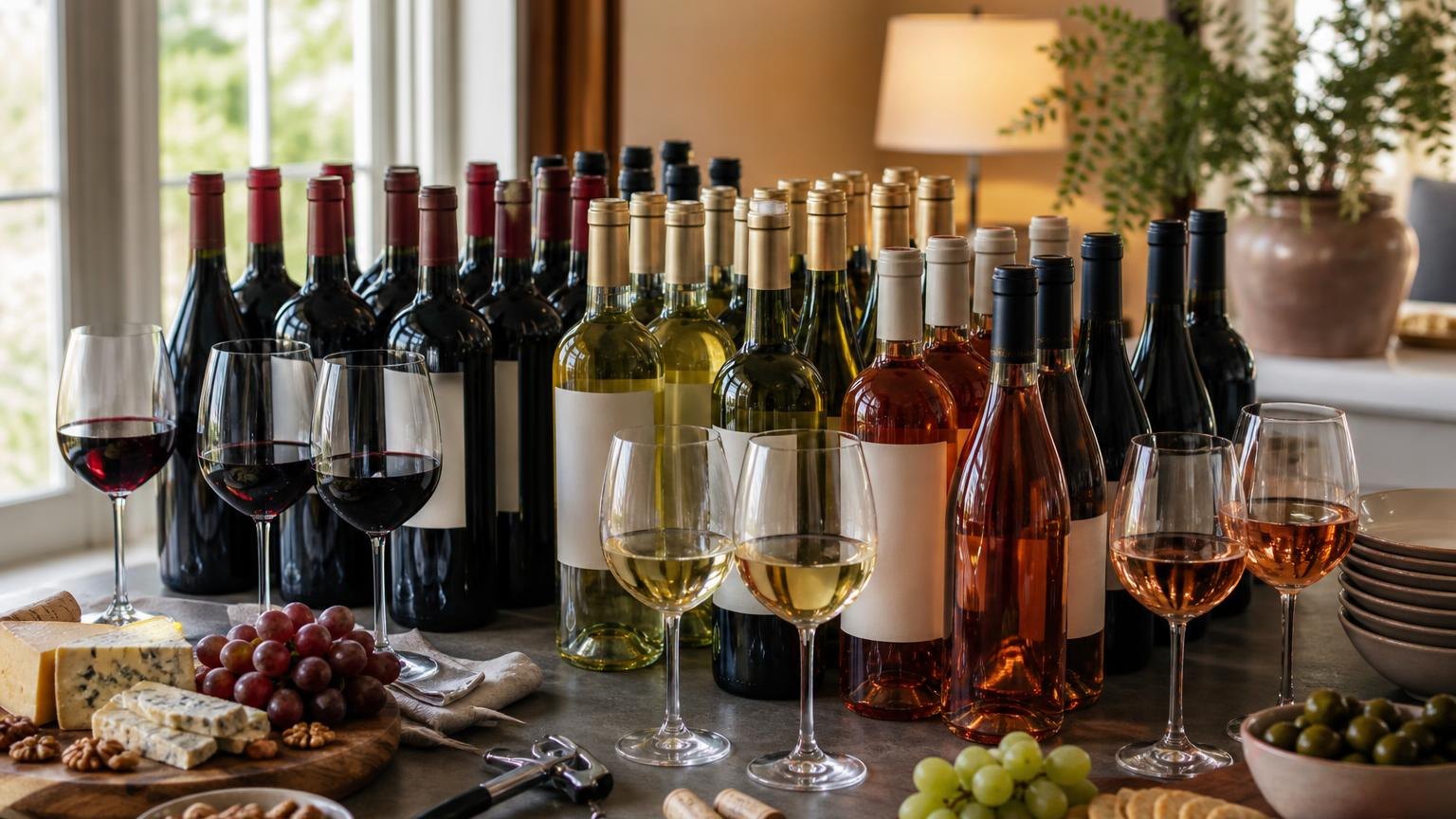
For 30 people, the bottle count changes fast when the crowd drinks well below or well above the standard planning rule. A 750 mL bottle holds about five 5-ounce glasses, so the key variable is glasses per person, not guest count alone.
Most hosts use one bottle for every 2 to 3 guests for a two- to three-hour gathering. That works for mixed groups.
It underbuys for wine-focused dinners and overbuys for daytime showers, brunches, and events where many guests drink little or not at all.
Light drinkers usually average 1 to 2 glasses each over the event. For 30 guests, that is 30 to 60 glasses total. At five glasses per bottle, you need 6 to 12 bottles, with 8 to 10 bottles covering most light-drinking groups without a large surplus.
Heavy drinkers usually average 3 to 4 glasses each, sometimes more at a wine-centered dinner lasting four hours or longer. For 30 guests, that is 90 to 120 glasses.
That converts to 18 to 24 bottles, and 20 to 22 bottles is a practical buy if wine is the main alcohol.
| Drinking pattern | Average glasses per person | Total glasses for 30 people | Bottles needed |
| Light drinkers | 1 | 30 | 6 |
| Light drinkers | 2 | 60 | 12 |
| Moderate group | 2.5 | 75 | 15 |
| Heavy drinkers | 3 | 90 | 18 |
| Heavy drinkers | 4 | 120 | 24 |
Event format matters as much as appetite. A standing cocktail party often increases consumption because guests refill more often. A seated lunch usually lowers it.
Hot weather can reduce red wine intake, while salty food can push total drinking higher.
If your 30 guests include both light and heavy drinkers, estimate the split instead of averaging blindly. For example, 20 guests drinking 2 glasses and 10 guests drinking 4 glasses equals 80 glasses total. That is 16 bottles, not 12 and not 24.
| Guest mix example | Calculation | Total glasses | Bottles |
| 20 light, 10 heavy | (20 × 2) + (10 × 4) | 80 | 16 |
Buy an extra 10% to 15% when wine is central to the event. That means rounding 16 bottles up to 18. The buffer prevents shortages, covers generous pours, and avoids running out if several guests drink more than expected.
- Choose 8 to 12 bottles for mostly light drinkers.
- Choose 14 to 18 bottles for mixed groups.
- Choose 20 to 24 bottles when most guests are heavy wine drinkers.
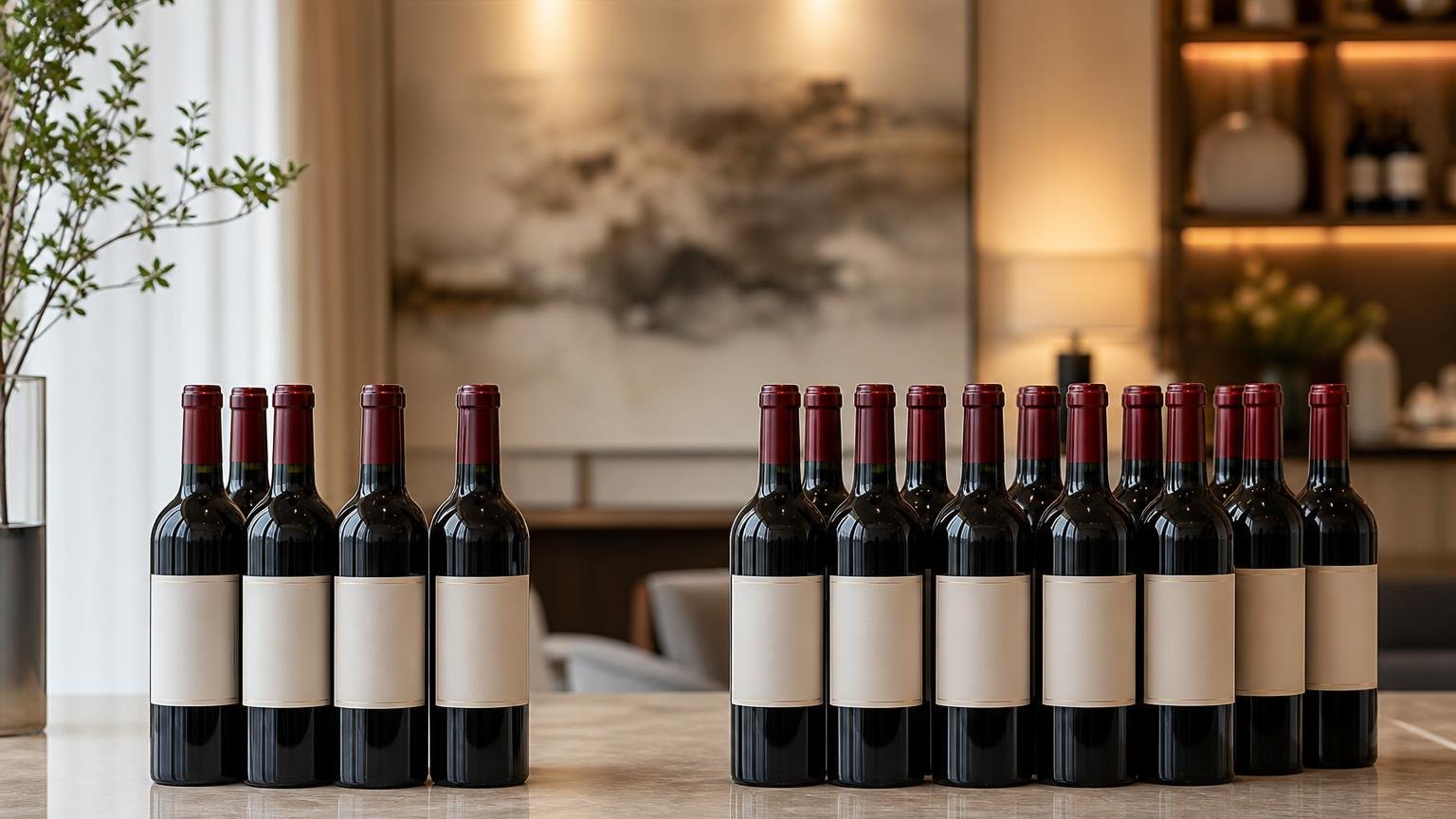
Backup Bottles to Keep Ready
For 30 guests, keep backup wine chilled and close to service. The right reserve covers heavier pours, unexpected drinkers, broken corks, and delayed replenishment without leaving half the room empty-handed.
A practical reserve is not a second full order. It is a controlled buffer sized to your event length, guest mix, and whether wine is the main drink or one option among beer, cocktails, and nonalcoholic choices.
| Situation | Base wine plan for 30 guests | Backup to keep ready | Total on hand |
| Wine is one drink option at a 2-3 hour event | 10 bottles | 2 bottles | 12 bottles |
| Wine-focused dinner or 4+ hour event | 15 bottles | 3 bottles | 18 bottles |
| Mostly wine drinkers, limited other alcohol | 18 bottles | 4 bottles | 22 bottles |
These backup amounts reflect standard 750 mL bottles. One bottle yields about five 5-ounce glasses, so even two extra bottles add roughly 10 more servings without forcing you into obvious overbuying.
Keep the backup split across styles guests actually reach for. Running out of chilled white while extra red sits untouched is the most common stocking mistake at mixed-group events.
| Backup mix | Bottles | Why it works |
| Balanced crowd | 1 white, 1 red | Covers both major preferences |
| Warm weather or daytime event | 2 white, 1 red | White and rosé move faster in heat |
| Cool weather or dinner service | 2 red, 1 white | Red usually gains share with food |
| Sparkling welcome pour included | 1 sparkling, 1 white | Replaces fast early consumption |
- Open backup only after the first round pattern is clear. That limits waste and preserves unopened bottles for return, storage, or later use.
- Chill white, rosé, and sparkling in advance. A warm backup bottle is not useful when guests need a refill immediately.
- Store one corkscrew and one waiter’s key with the reserve. Bottle availability fails when service tools disappear.
- If your venue allows returns, keep at least half the backup unopened. That lowers the cost of planning conservatively.
For most groups of 30, two to three backup bottles is the safe range. Move to four only when wine is the main attraction, the event runs long, or your guest list skews heavily toward regular wine drinkers.
Questions People Ask Most
How many bottles of wine do you need for 30 people?
Use 8 bottles for a light-drinking group and 10 to 12 bottles for a typical 2- to 3-hour gathering. A standard 750 mL bottle pours about 5 glasses at 5 ounces each, so 30 guests having 1.5 to 2 glasses each usually means 9 to 12 bottles.
How do you calculate wine for a dinner party of 30?
Multiply guests by expected glasses per person, then divide by 5 glasses per bottle. For example, 30 guests x 2 glasses = 60 glasses, and 60 divided by 5 means 12 bottles.
Does the event length change how many bottles you should buy?
Yes. For a 1-hour toast or short reception, 6 to 8 bottles may cover 30 people, but a 4-hour event often pushes demand to 12 to 15 bottles because guests return for second and third pours.
How many red and white bottles should you buy for 30 guests?
A practical split is 60% white or sparkling and 40% red for mixed groups, especially in warm weather. If you are buying 10 bottles total, that means 6 white and 4 red; if the meal is red-meat heavy, a 5-and-5 split is safer.
Should you buy extra wine for 30 people?
Yes, if wine is the main alcohol or guests are strong wine drinkers. Adding 10% to 20% buffer means buying 1 to 2 extra bottles beyond your estimate, which helps cover broken corks, generous pours, or unexpected guests.
How much sparkling wine do you need for a toast for 30 people?
For a toast-only pour, plan 3 ounces per guest instead of a full 5-ounce serving. Thirty guests need about 90 ounces total, and since one 750 mL bottle holds about 25.4 ounces, 4 bottles usually covers the toast with a small cushion.
Related Reading
- Best Buy Wine and Liquor: The Complete 2026 Guide to Quality, Pricing & Top Picks
- Does Walgreens Sell Liquor Like Wine? Get Answer Now
- What is a Wine Flight? – 2026
- How Many Wine Coolers To Get Drunk?
- Is Drinking a Whole Bottle of Wine Bad for You?
- Does Wine Have Caffeine?
- What Does Bad Wine Taste Like? Most Correct Answer
- How Many Calories In A Glass Of Cabernet? Answer By Expert
- How Much Alcohol In Wine Cooler? A Complete 2026 Guide to ABV, Strength & Safety
- All Alcohol Guides
- National Institute on Alcohol Abuse and Alcoholism (2025)
- Centers for Disease Control and Prevention (2024)
- U.S. Food and Drug Administration (2024)
- University of Notre Dame Alcohol and Drug Education (2024)
- National Health Service (2023)
- Wine & Spirit Education Trust (2024)
- VinePair (2023)
- Decanter (2023)
- Liquor.com (2024)





