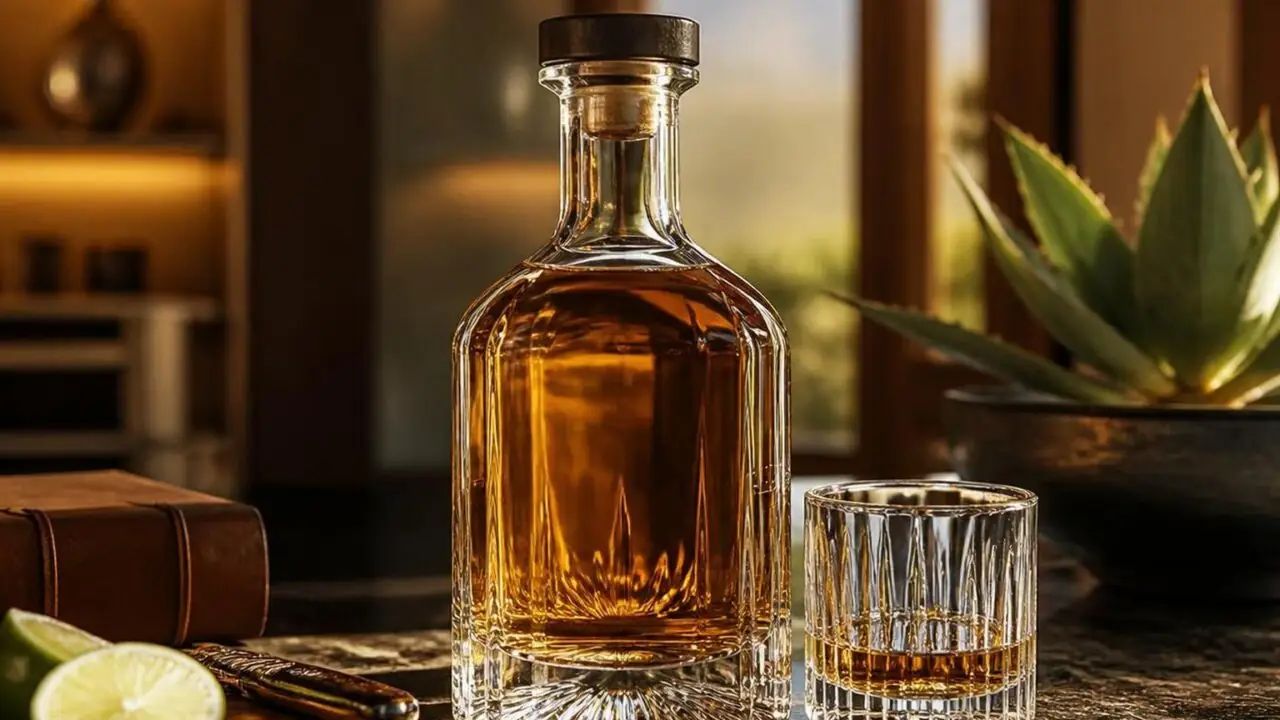
Does Tequila Get Better with Age? is answered by where it ages: sealed tequila does not improve in the bottle, while tequila aged in oak before bottling develops color, texture, and barrel-derived flavors.
Blanco is typically unaged; reposado rests at least 2 months; añejo ages at least 1 year; extra añejo ages at least 3 years.
Once bottled, tequila stays chemically stable when stored upright, sealed, and away from heat and light. It may slowly lose aroma after opening, especially with low fill levels.
The real quality differences come from agave maturity, distillation choices, barrel type, humidity, temperature, and blending decisions before release.
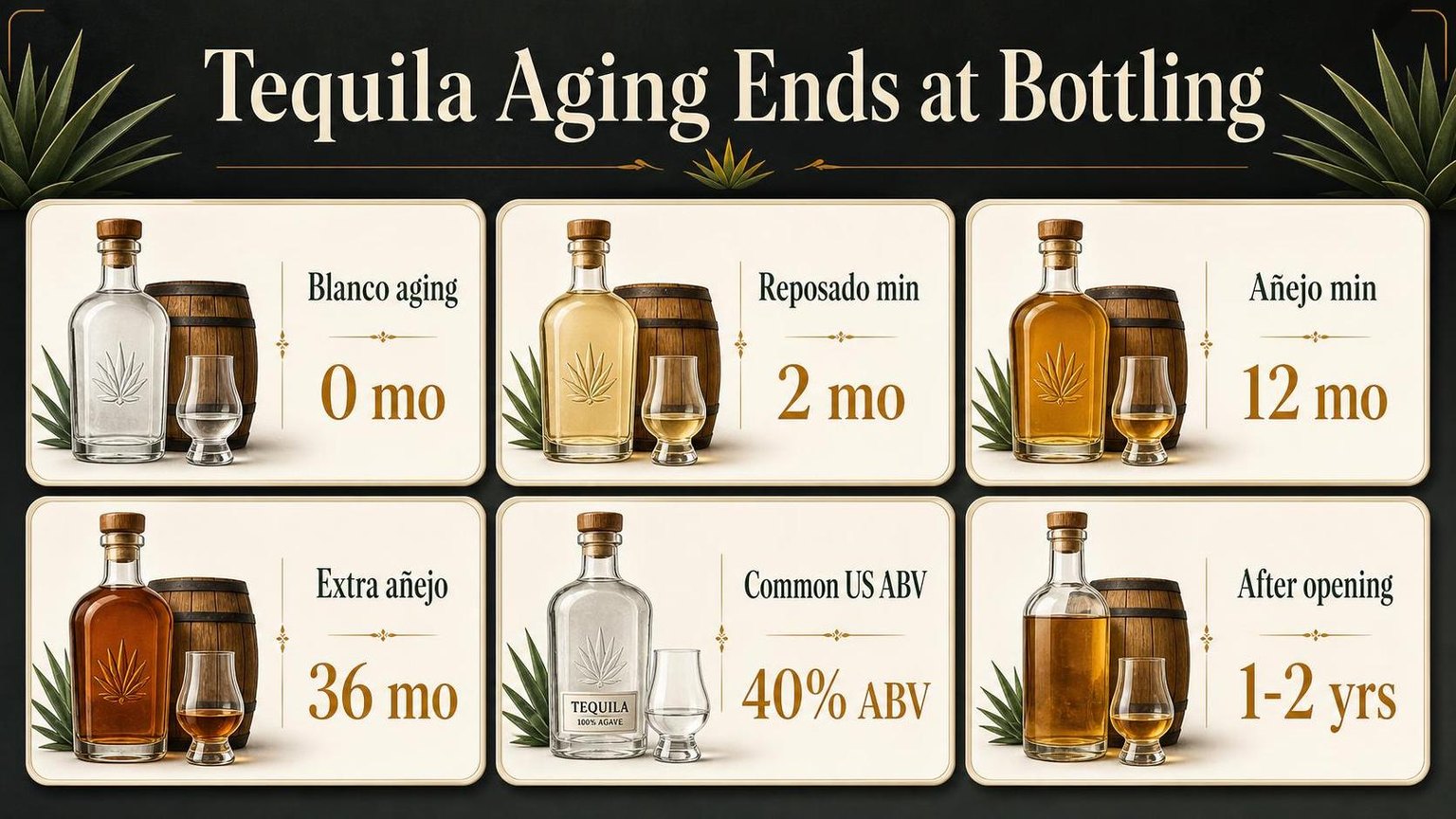
Tequila Aging Stops After Bottling
Tequila does not keep maturing once it is bottled. Barrel aging ends when the spirit leaves the cask, because glass adds no oxygen exchange, no wood extraction, and no evaporation-driven concentration.
The bottle can still change, but that is not aging in the same sense as reposado or añejo production. It is storage-related change, usually slower, smaller, and often negative if heat, light, or oxygen get in.
Inside an oak barrel, tequila evolves through contact with wood and controlled exposure to air. Compounds such as vanillin, oak lactones, tannins, and caramelized wood sugars move into the spirit over months or years.
That process is legally tied to tequila categories. Blanco is generally unaged or rested briefly, reposado is aged at least 2 months, añejo at least 1 year, and extra añejo at least 3 years.
| Category | Minimum aging before bottling |
| Blanco | 0 months in barrel requirement |
| Reposado | 2 months |
| Añejo | 12 months |
| Extra añejo | 36 months |
Once bottled, tequila usually sits at 35% to 55% alcohol by volume under Mexican tequila rules, most commonly 40% ABV for the US market. At that strength, it is microbiologically stable, but stability is not the same as continued maturation.
Glass is inert. It does not contribute flavor the way American or French oak does, and a sealed closure sharply limits oxygen. Without wood extraction and gradual oxidation, the chemical pathways that build mature barrel character largely stop.
A full, unopened bottle stored upright in a cool, dark place can taste close to original for years. Producers and retailers often cite 1 to 2 years for peak freshness after opening, depending on fill level and storage conditions.
What changes after opening are usually losses, not improvements. Oxygen in the headspace can dull volatile aromas, especially bright agave, citrus, pepper, and herbal notes that make blanco tequila distinctive.
| Container | Main process | Typical result |
| Oak barrel | Wood extraction, oxidation, evaporation | Softer texture, vanilla, spice, color |
| Glass bottle, sealed | Minimal oxygen, no wood contact | Little to no beneficial development |
| Glass bottle, opened | Headspace oxidation | Aroma fade, possible flavor flattening |
Collectors sometimes describe old sealed bottles as “better.” Usually they mean rarity, nostalgia, discontinued production methods, or a profile preserved from another era, not extra aging inside the bottle.
- Store tequila upright, not on its side, to reduce long alcohol contact with the closure.
- Keep it away from sunlight and heat swings.
- Finish low-fill bottles sooner, because more headspace means more oxidation.
The practical conclusion is simple: tequila reaches its aging ceiling at bottling. After that, good storage preserves it; bad storage degrades it.
Barrel Aging Changes Tequila Flavor
Tequila changes in the barrel because wood adds compounds and oxygen slowly reshapes the spirit. Time alone does not improve tequila.
Barrel size, previous fills, char level, warehouse heat, and the distillate’s original quality decide whether aging adds depth or covers agave.
Fresh tequila emphasizes cooked agave, black pepper, citrus, herbs, and mineral notes. Once it enters oak, it starts extracting vanillin, oak lactones, tannins, and caramelized wood sugars.
Small oxygen exposure through the barrel also softens sharper alcohol edges and integrates aromas.
Mexican standards define tequila aging by minimum time in oak or encino containers. Those legal categories signal broad flavor direction, not guaranteed quality.
A weak blanco can become dull with time, while a precise blanco can gain complexity without losing its agave core.
| Category | Minimum aging | Container rule | Typical flavor effect |
| Blanco | Under 2 months, or unaged | Stainless steel or neutral rest; no required oak aging | Bright agave, pepper, citrus, earth |
| Reposado | 2 months | Oak or encino casks | Vanilla, light spice, rounder texture |
| Añejo | 1 year | Oak or encino barrels no larger than 600 liters | Toffee, baking spice, nuttier oak tones |
| Extra añejo | 3 years | Oak or encino barrels no larger than 600 liters | Drier oak, chocolate, tobacco, deeper oxidation |
Barrel size matters because surface area changes extraction speed. A 200-liter barrel usually gives oak impact faster than a 600-liter barrel.
In Jalisco’s warm climate, that extraction can move quickly, so long aging may push tequila toward wood, caramel, and tannin dominance.
Used American whiskey barrels are common and often contribute vanilla, coconut, and sweet spice. French oak can lean drier and more structured.
Barrels that previously held bourbon, wine, or sherry leave different residues, but regulation still requires tequila’s identity to come from agave spirit first.
The main tradeoff is agave versus oak. Short aging often preserves roasted agave while adding sweetness and texture.
Extended aging can produce a smoother impression, yet too much wood may mute herbal, peppery, and mineral notes that make tequila distinct from rum or whiskey.
- Reposado often shows the clearest balance between agave freshness and oak seasoning.
- Añejo suits drinkers who want more vanilla, caramel, clove, and softer alcohol texture.
- Extra añejo can be complex, but it is not automatically better than a sharper, more expressive blanco.
Barrel aging changes tequila flavor by adding oak compounds and reducing perceived harshness. It can improve balance when the base spirit is clean and agave-rich.
It can also flatten tequila when aging is too long, too warm, or too wood-driven for the distillate underneath.
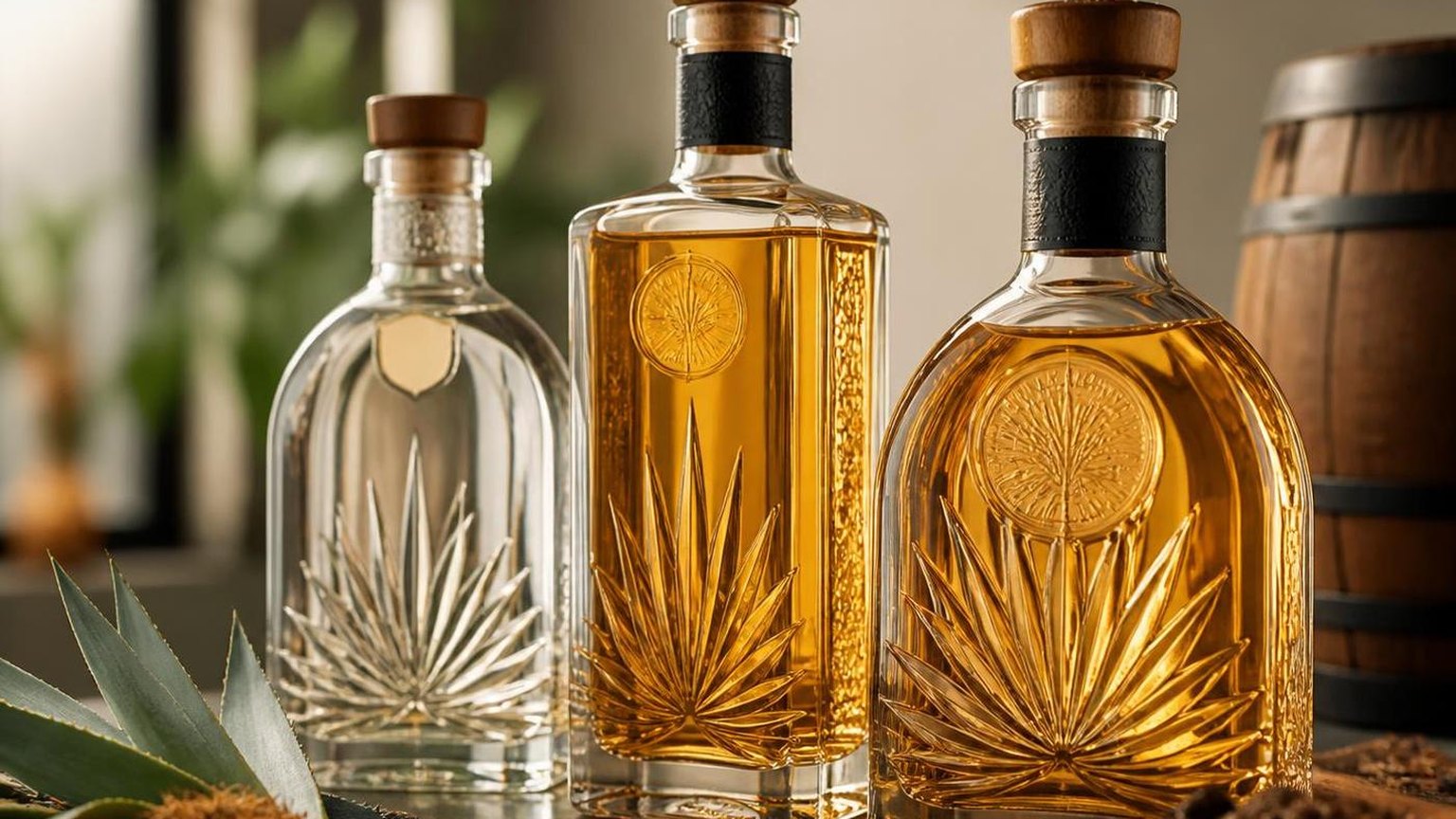
Blanco Reposado Añejo Aging Differences
Tequila does not automatically get better with age. Aging changes the spirit’s balance, shifting it from raw agave flavor toward oak, vanilla, spice, and oxidation-driven roundness.
The key difference between blanco, reposado, and añejo is time in wood and the legal barrel rules behind that time. More months in oak usually mean softer texture and deeper color, but also less bright, peppery agave character.
| Style | Legal aging requirement | Oak vessel limit | Typical profile |
| Blanco | Unaged or aged less than 2 months | Oak allowed if under 2 months | Cooked agave, citrus, pepper, herbs |
| Reposado | Minimum 2 months | Oak containers of any size | Agave plus vanilla, light caramel, baking spice |
| Añejo | Minimum 1 year, less than 3 years | Barrels no larger than 600 liters | Oak, toffee, dried fruit, cacao, softer spice |
Blanco shows the distillery’s base spirit most clearly. Because it spends little or no time in oak, it highlights cooked blue Weber agave, black pepper, mineral notes, and fermentation character.
If you want to judge raw spirit quality, blanco is the cleanest benchmark.
Reposado sits in the middle. The legal minimum is 2 months, but many producers age it longer, often around 4 to 11 months. That short barrel stay adds vanilla, honey, cinnamon, and a smoother mouthfeel without fully covering the agave core.
Añejo is matured for at least 12 months and less than 36 months in barrels up to 600 liters. The smaller vessel limit matters because more wood contact speeds extraction.
Expect darker color, lower perceived sharpness, and stronger notes of caramel, toasted oak, nuts, and dried fruit.
Age changes flavor through extraction, oxidation, and evaporation. Oak contributes compounds such as vanillin and tannin, while oxygen slowly softens alcohol edges.
In warm aging climates like Jalisco, barrel influence can build faster than it would in cooler regions.
Older is not always better because wood can dominate agave. A heavily oaked añejo may taste richer, but it can lose the vegetal, earthy, and peppery notes that make tequila distinctive. For many drinkers, reposado is the best balance point.
- Choose blanco for cocktails needing lift, brightness, and strong agave definition.
- Choose reposado for sipping or versatile cocktails with light oak depth.
- Choose añejo when you want a rounder, whiskey-like tequila with more barrel character.
The best style depends on what you value: pure agave intensity, balanced oak, or deep barrel influence. Age improves some tequilas, but only when the extra wood supports the spirit instead of masking it.
Does Old Bottled Tequila Improve
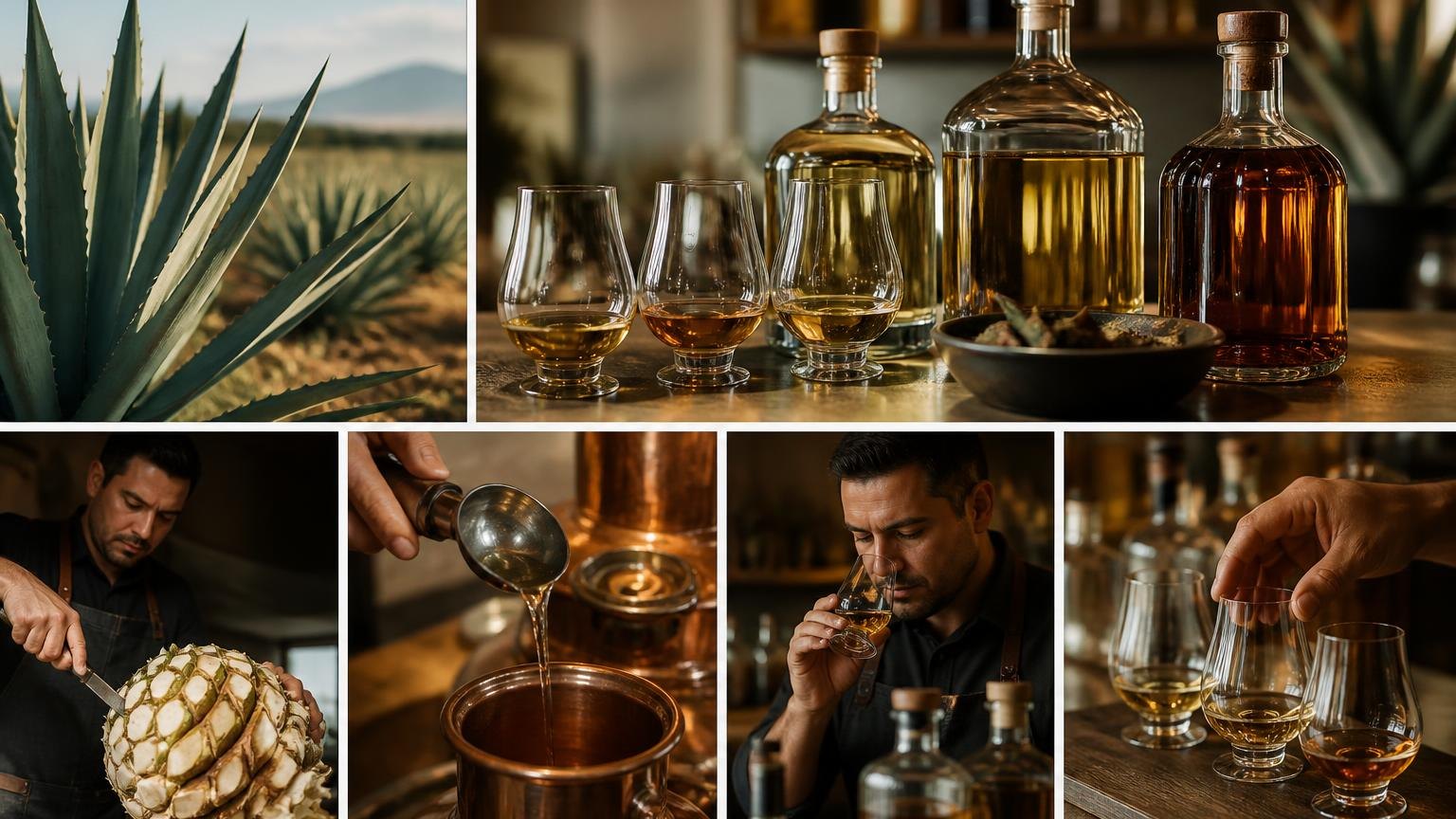
No. Tequila does not continue aging or improving once it is in a sealed bottle. Barrel aging stops at bottling because the spirit no longer contacts oak, oxygen moves very slowly through the closure, and the chemistry becomes mostly stable.
A 15-year-old unopened bottle is usually not “better” than it was on release. If it tastes different, storage conditions, oxidation, evaporation, and closure failure are the likely causes, not beneficial aging.
Tequila changes in the barrel because wood extractives, oxygen exposure, and evaporation reshape the spirit.
Mexican rules define aged categories before bottling: reposado spends at least 2 months in oak, añejo at least 1 year, and extra añejo more than 3 years.
After bottling, those barrel-driven changes stop. Glass is inert, so it adds nothing. A tight closure greatly slows oxygen ingress, which protects aromas but also prevents the slow maturation that happens in cask.
That is why old sealed tequila is mainly a condition question, not an age question. A cool, dark, upright-stored bottle can taste close to original for many years. A warm bottle in sunlight can lose fresh agave notes far sooner.
| Stage | What changes tequila | Result |
| In oak barrel | Wood contact, steady oxygen exposure, evaporation | Color deepens; vanilla, caramel, spice, and tannin increase |
| Sealed glass bottle | Very limited oxygen, no wood contact | No true aging; flavor should remain mostly stable |
| Opened bottle | Repeated oxygen exposure and headspace growth | Aromas flatten; alcohol heat and dullness become more noticeable |
Cork and screw-cap condition matter. If the seal dries out or leaks, ethanol and volatile aroma compounds can escape.
Higher storage temperatures accelerate these losses and can push cork taint, though tequila is less vulnerable than wine because of its higher alcohol.
Collectors often pay premiums for discontinued bottlings, but that is rarity value, not evidence of quality improvement. A sealed 1990s bottle may be more interesting historically, yet it can also show lower fill, faded fruit, and muted cooked agave.
- Store tequila upright to limit long contact between spirit and closure.
- Keep it in the dark; UV light can degrade aroma compounds and labels.
- Hold it near stable room temperature, not in hot cabinets or sunny bars.
- Once opened, reduce headspace or finish the bottle sooner for best flavor retention.
The practical rule is simple: tequila gets better with age only in oak, before bottling. In the bottle, it preserves quality if stored well. It does not gain complexity simply because more calendar years pass.
How Opened Tequila Changes Over Time
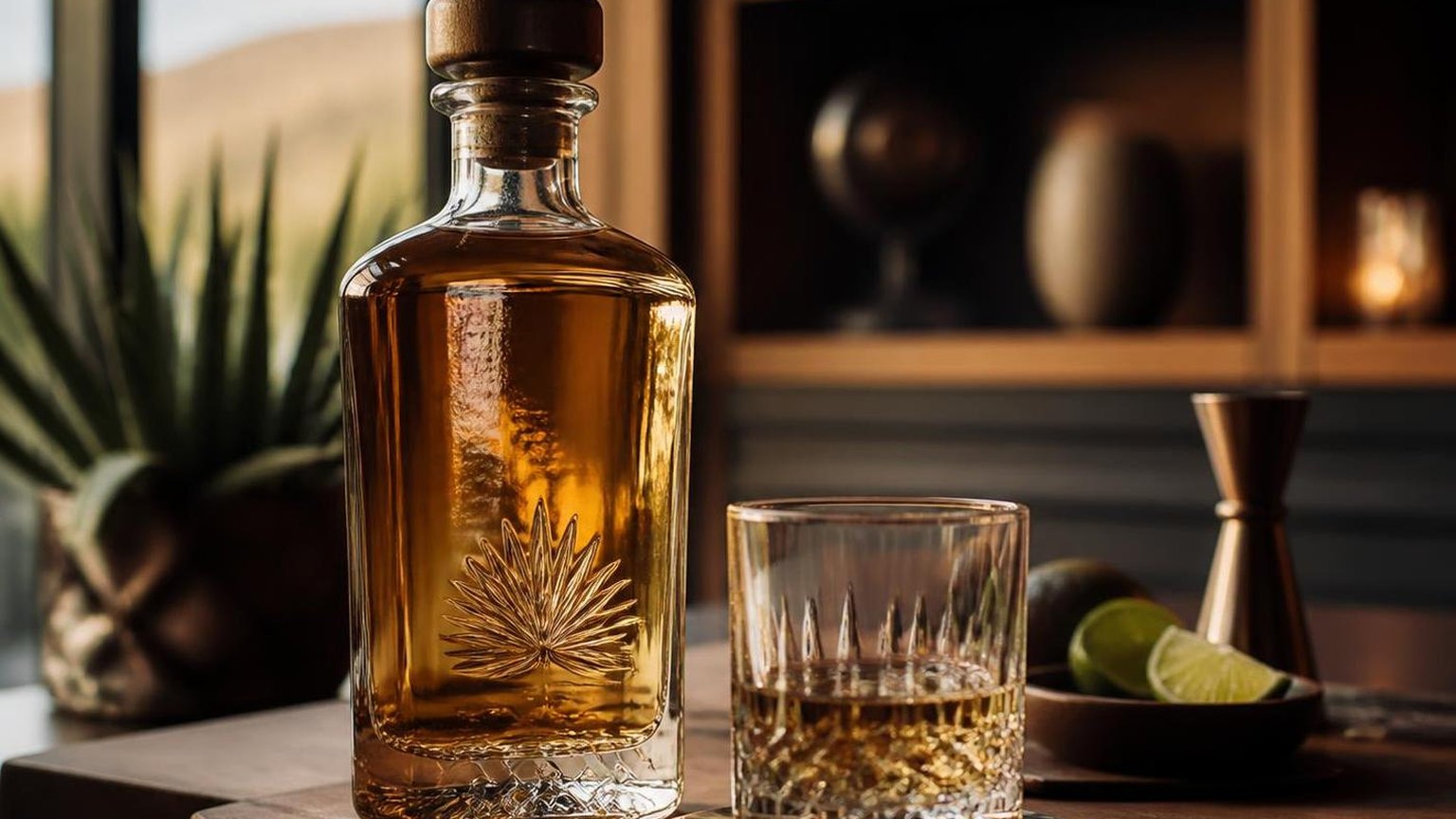
Opened tequila does not keep aging in the bottle the way it ages in oak barrels. Once the seal is broken, the main changes are oxidation, evaporation, and loss of volatile aroma compounds.
Those changes are usually slow, but they become obvious faster when the bottle is warm, bright, or half empty.
Tequila above 80 proof, or 40% ABV, is microbiologically stable. It will not spoil like juice or wine.
The practical issue is quality loss: cooked agave, citrus, pepper, vanilla, and oak notes fade first, while the palate can taste flatter and more alcoholic.
What changes first
Air exposure is the biggest driver. A 750 mL bottle with only 250 mL left contains far more headspace oxygen than one that is 90% full, so aroma loss happens faster.
Clear bottles and direct sun add heat and ultraviolet light, which speed up chemical breakdown.
Blanco tequila usually shows change sooner because it relies on delicate fresh agave and citrus aromas.
Reposado and añejo can seem stable longer because barrel-derived vanilla, caramel, and spice are stronger, but they still lose brightness after repeated opening.
| Condition after opening | Typical quality window | What you may notice |
| Stored cool, dark, upright, bottle over 75% full | 1-2 years with minor change | Slightly softer nose, small loss of top-note freshness |
| Stored well, bottle 50-75% full | 6-12 months before noticeable decline | Less vibrant agave, shorter finish |
| Warm shelf, frequent opening, bottle under 50% full | 3-6 months for clear decline | Muted aroma, sharper alcohol, flatter palate |
| Direct sunlight or heat swings | Weeks to a few months | Dull nose, possible color shift in aged styles |
How closure and storage matter
Keep tequila upright, not on its side. At 40% ABV, prolonged contact with the closure can degrade some corks or liners and add off aromas.
A tight cap reduces evaporation; a damaged cork or loose screw cap accelerates both oxygen ingress and alcohol loss.
Most home storage works best around 59-70°F, or 15-21°C. Avoid windows, stoves, garages, and car trunks. Repeated temperature swings expand and contract the liquid and headspace, stressing the closure and increasing aroma loss over time.
When to replace an opened bottle
If the tequila smells muted, papery, or overly spirit-forward compared with when first opened, it has passed its best drinking phase. It is usually still safe to drink.
For premium bottles, the smartest move is to finish them within 6-12 months after they drop below half full.
- Use smaller bottles if you buy expensive tequila slowly.
- Transfer leftovers to a clean 375 mL bottle to cut headspace.
- Keep the original cap tight after every pour.
- Do not refrigerate for aging; stable room temperature is enough.
When Aged Tequila Becomes Overoaked
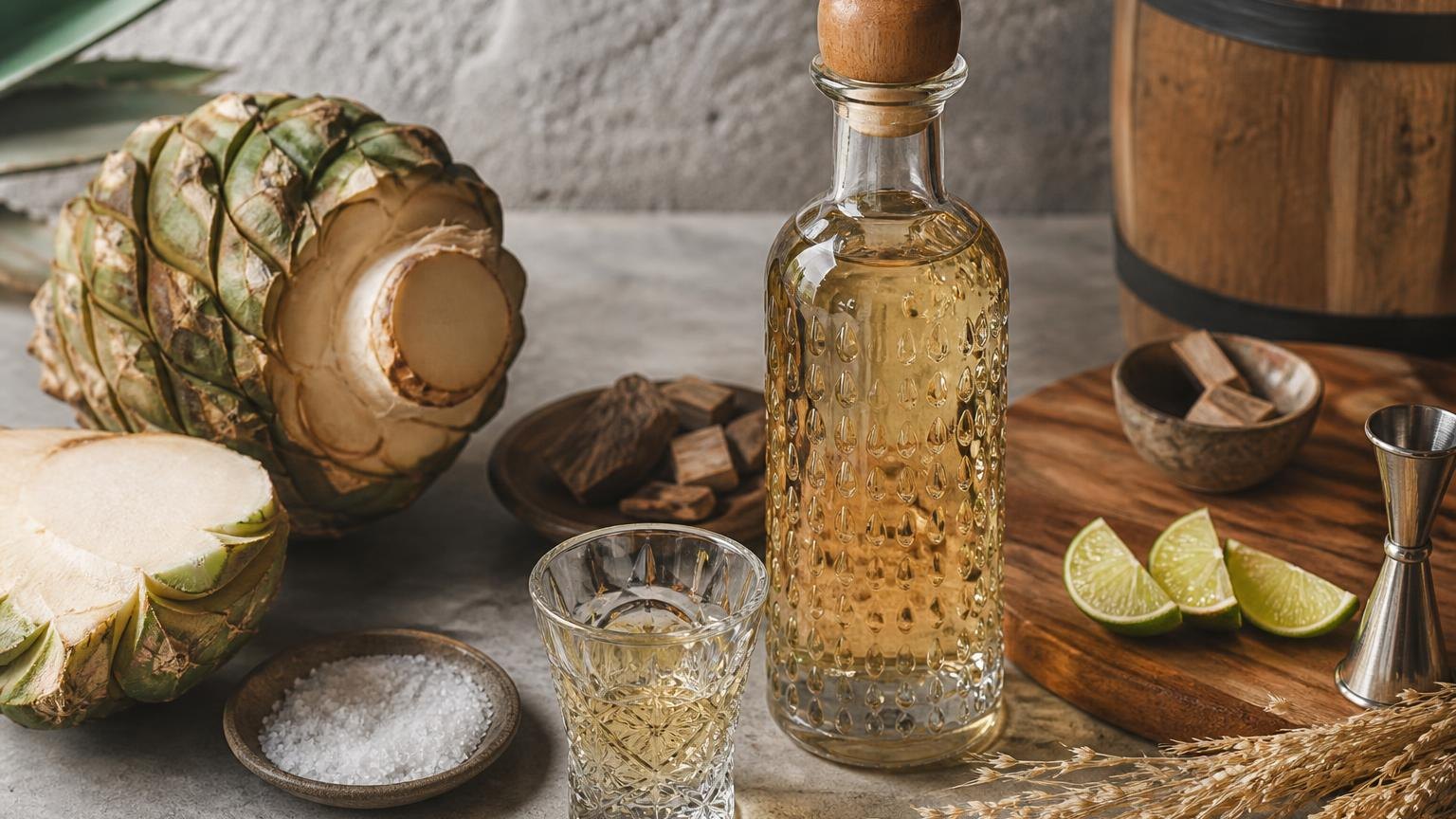
Tequila improves with age only until oak stops supporting agave and starts covering it. The tipping point usually appears when vanilla, caramel, tannin, and barrel char outpace cooked agave, pepper, citrus, and mineral notes.
In tequila, that risk is structural, not theoretical.
Official categories permit aging in oak containers up to 600 liters, and smaller barrels or hotter warehouses speed extraction enough to make long-aged tequila taste woody, drying, or sweet in a blunt way.
Mexican rules define reposado as aged from 2 months to under 12 months, añejo from 1 year to under 3 years, and extra añejo at 3 years or more. Those categories describe time, not quality. More years do not guarantee a better bottle.
Overoaking happens when barrel compounds dominate the spirit. The main markers are heavy vanillin, coconut-like oak lactones, caramelized sweetness, clove, smoke, and drying tannin, while agave freshness and earthy highland or lowland character fade.
| Category | Legal aging time | Typical balance point | Common overoaked signs |
| Reposado | 2 to under 12 months | Agave still leads; oak adds spice and vanilla | Uncommon, but possible in small or heavily charred barrels |
| Añejo | 1 to under 3 years | Oak and agave can stay balanced around 12 to 24 months | Caramel, wood, and tannin begin masking pepper and cooked agave |
| Extra añejo | 3 years or more | Can be elegant if agave remains visible | Spirit drinks more like generic oaky brown liquor than tequila |
Barrel size matters because extraction rises as wood surface area increases relative to spirit volume. A 200-liter ex-bourbon barrel pushes oak faster than a 600-liter cask.
Warm maturation sites also intensify evaporation and wood interaction, accelerating the move from integrated to overdone.
Used American oak often contributes vanilla and toffee first. Newer oak, deeper char, or barrel reconditioning can add stronger spice, smoke, and tannin.
If the producer also sweetens the profile with legal additives, overoaked tequila may taste polished at first but hollow underneath.
- Cooked agave becomes hard to identify without searching for it.
- The finish turns drying, bitter, or sawdust-like rather than spicy and clean.
- Vanilla, maple, butterscotch, or mocha persist longer than any agave note.
- The aroma resembles whiskey or rum more than blue agave distillate.
The best aged tequilas still announce agave first or at least clearly. Once oak becomes the headline and agave the footnote, age has stopped adding complexity and started subtracting identity.
Frequently Asked Questions
Does tequila get better with age in the bottle?
No. Tequila does not continue maturing once it is bottled because the spirit is no longer in contact with oak, oxygen exchange is minimal, and the chemistry that changes flavor in barrels has stopped.
A sealed bottle can hold quality for years, but it does not become older, softer, or more complex the way barrel-aged tequila does.
Does aging tequila in barrels always improve its quality?
No. Barrel time can add vanilla, caramel, spice, and tannin, but too much time can cover up cooked agave character, which is the core flavor many tequila drinkers want.
Good producers balance oak and agave, so longer aging is a style choice, not an automatic upgrade.
How long is tequila aged for reposado, añejo, and extra añejo?
Under Mexican regulations, reposado is aged at least 2 months, añejo at least 1 year, and extra añejo more than 3 years, all in oak containers.
Those categories describe minimum barrel time, not guaranteed quality, so a well-made reposado can outperform a poorly made extra añejo.
Why do some people prefer blanco tequila over older expressions?
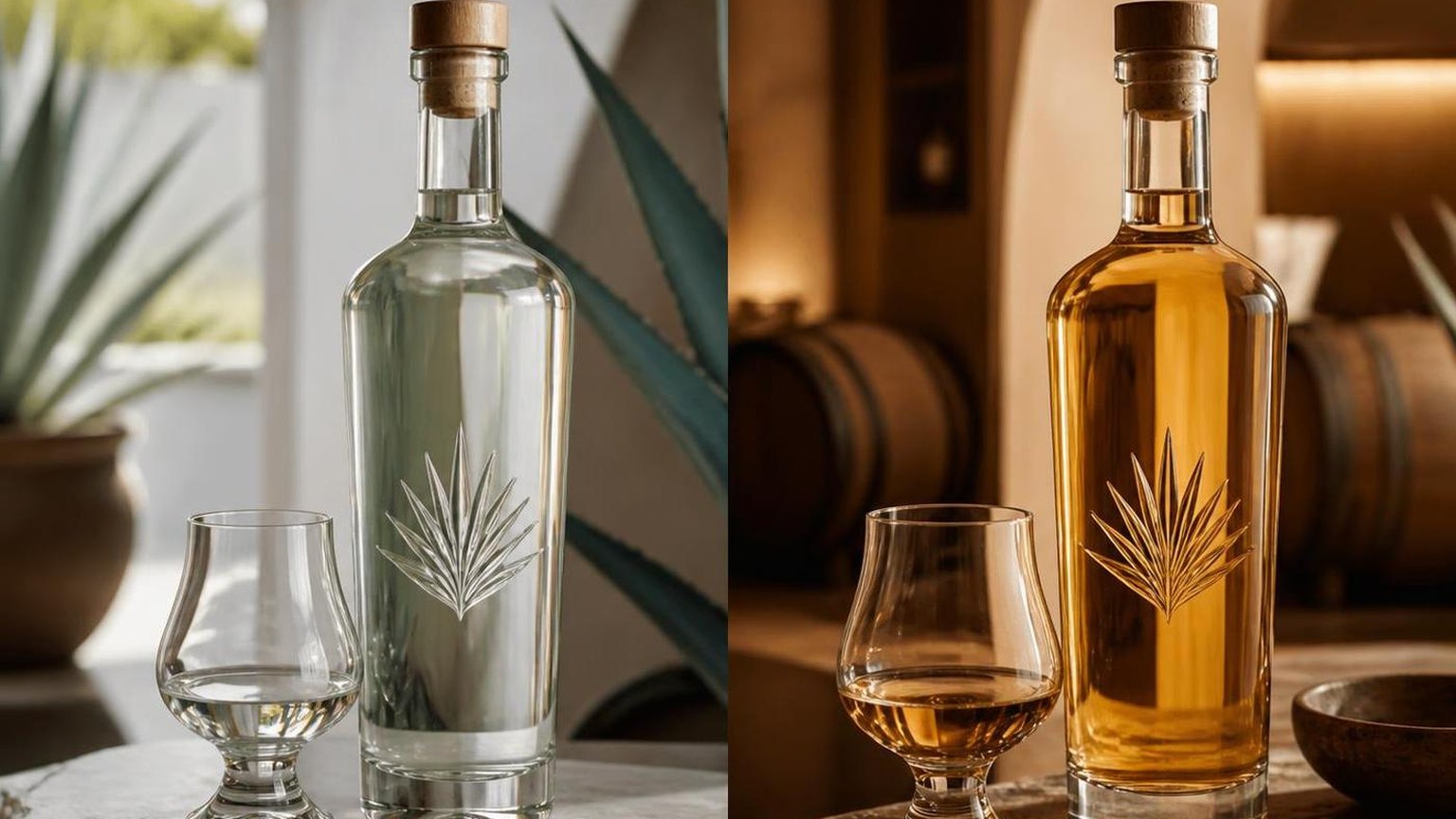
Blanco shows the clearest expression of roasted agave, fermentation, and distillation because it has little or no oak influence.
Many tasters and bartenders use blanco to judge production quality since barrel aging can hide flaws and reshape the original spirit.
Can an old opened bottle of tequila taste better over time?
Usually not. Once opened, oxygen slowly dulls fresh aromas and can flatten the flavor, especially if the bottle is half full or stored warm and in light.
The spirit may seem a little softer after brief air exposure, but months or years after opening more often mean decline, not improvement.
Is extra añejo always the best tequila to buy?
No. Extra añejo often costs more because it spends over 3 years in oak and ties up inventory, but price and age do not guarantee better balance.
If you want bright agave and pepper, blanco or reposado may fit better; if you want deeper oak, dried fruit, and caramel notes, añejo or extra añejo may be the better match.
How should tequila be stored if you want it to keep its best flavor?
Store tequila upright, tightly sealed, and away from heat, sunlight, and temperature swings. Unlike wine, tequila should not rest on its side because high-proof alcohol can damage the closure over time, increasing evaporation and off aromas.
Related Reading
- What Is Horseshoe Tequila? Get the Answer
- How To Choose Joven Tequila? What You Need to Know
- Best Don Julio Tequila – What You Need to Know
- Biggest Bottle of Tequila
- What to Mix with Tequila Low Carb
- What To Mix With Jose Cuervo Gold?
- Blanco Vs Silver Tequila: Which Is Better?
- All Alcohol Guides
- Alcohol and Tobacco Tax and Trade Bureau, Standards of Identity for Distilled Spirits (2024)
- Electronic Code of Federal Regulations, 27 CFR § 5.143 Distilled spirits standards of identity (2024)
- Diario Oficial de la Federación, NOM-006-SCFI-2012 Bebidas alcohólicas—Tequila—Especificaciones (2012)
- Consejo Regulador del Tequila, Categories and Classes of Tequila (2024)
- Tequila Regulatory Council, What is Tequila? (2024)
- Encyclopaedia Britannica, Tequila (2024)
- Liquor.com, Tequila 101: The Difference Between Blanco, Reposado, and Añejo (2023)
- Wine Enthusiast, The Different Types of Tequila, Explained (2022)
- National Center for Biotechnology Information, Alcoholic Beverage Oxidation and Storage Conditions (2012)
- National Center for Biotechnology Information, Maturation-Related Changes in Distilled Spirits in Oak Barrels (2015)