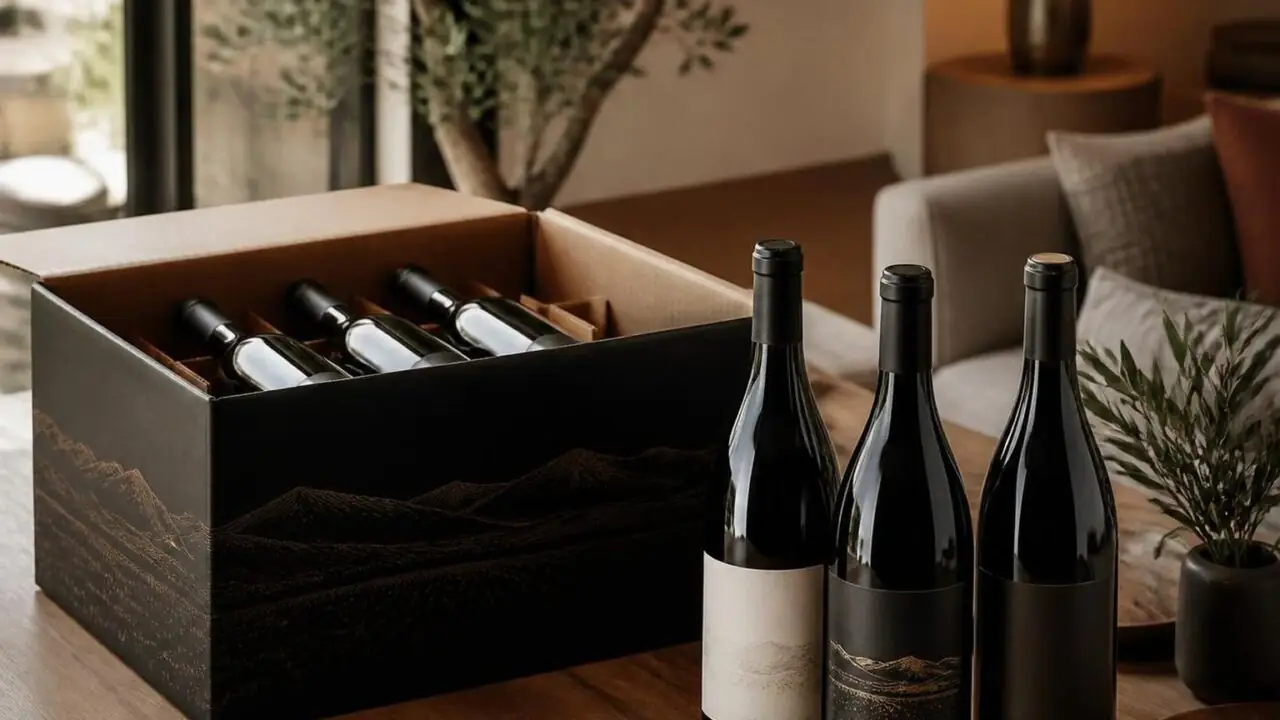
How Many Bottles of Wine in a Box? is 4 bottles for a standard 3-liter box of wine. Most U.S. boxed wines use this format, equal to four 750-milliliter bottles, or about twenty 5-ounce servings.
Smaller boxes vary. A 1.5-liter box holds 2 bottles, while a 500-milliliter carton is about two-thirds of one bottle. Larger 5-liter party boxes contain about 6.7 bottles, giving roughly thirty-three 5-ounce pours.
Check the volume printed on the box, then divide milliliters by 750 to estimate bottle equivalents. This makes shopping, serving, and price comparisons easier, especially when planning tastings, dinners, or events.
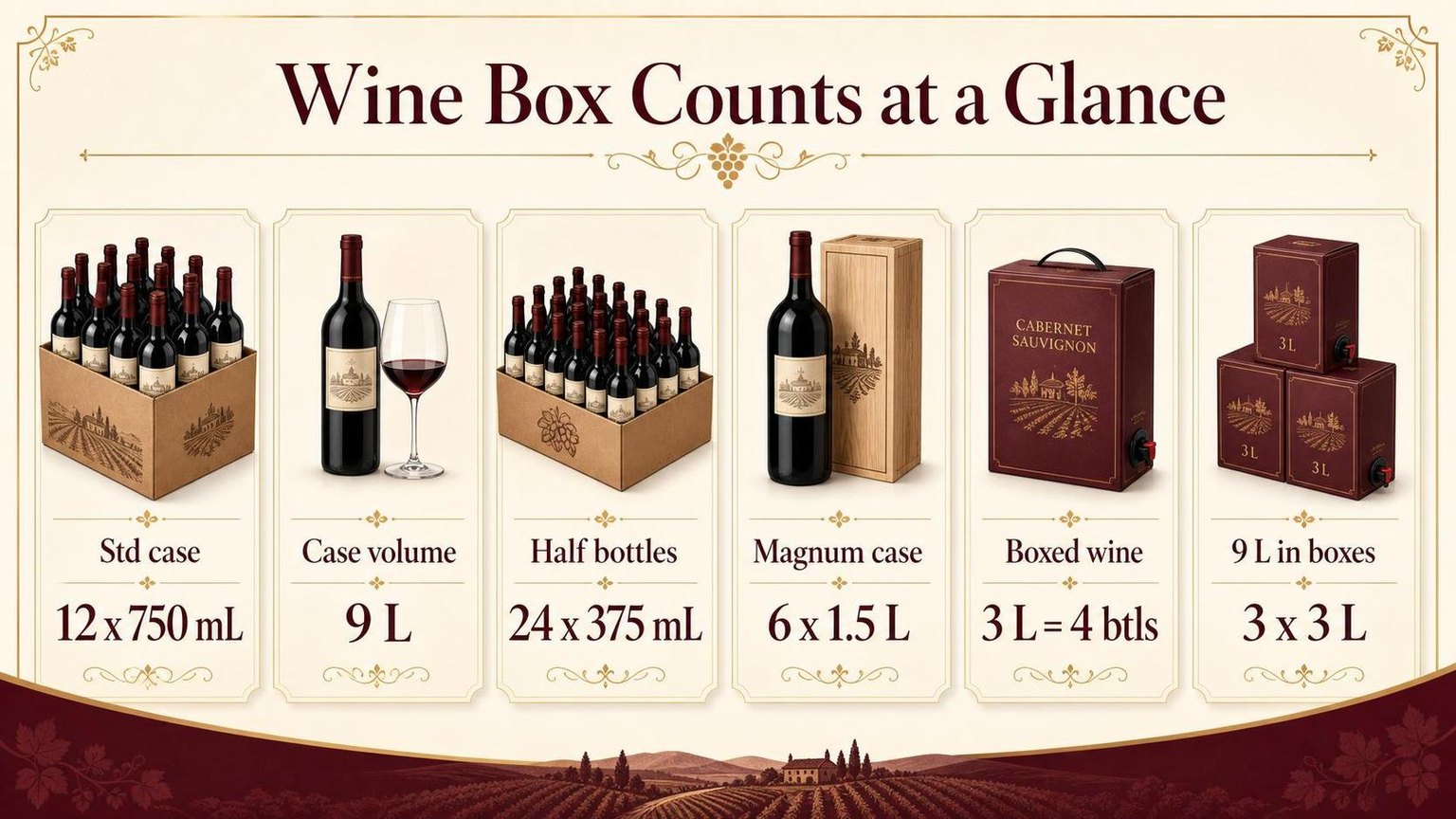
Standard Box Counts by Bottle Size
Wine case counts are set by bottle volume, carton strength, and pallet efficiency. In the U.S. trade, the standard reference case is 12 bottles of 750 mL, equal to 9 liters total.
Other bottle sizes use different pack counts because weight, breakage risk, and shelf handling change quickly as glass gets larger or smaller. That is why a “box of wine” can mean six, 12, or even 24 bottles.
For 750 mL bottles, 12 bottles per case is the dominant format for still wine. A full 12-bottle case holds 9 liters, which is the benchmark used by importers, distributors, and many tax and depletion reports.
| Bottle size | Volume per bottle | Common bottles per box | Total volume per box |
| Half bottle | 375 mL | 12 or 24 | 4.5 L or 9 L |
| Standard bottle | 750 mL | 12 | 9 L |
| Liter bottle | 1 L | 12 | 12 L |
| Magnum | 1.5 L | 6 | 9 L |
| Double magnum | 3 L | 3 or 4 | 9 L or 12 L |
Half bottles at 375 mL are often packed 12 to a case for restaurant programs and premium retail. Some producers also use 24-bottle cartons because 24 half bottles equal the same 9 liters as a standard 12-bottle case.
Magnums usually ship six to a case. That count keeps the total at 9 liters while limiting carton weight and reducing pressure on dividers, which matters because a filled 1.5 L bottle is much heavier and taller than a 750 mL bottle.
Larger formats vary more by winery and shipper. Three-liter bottles may appear in three- or four-bottle boxes, depending on glass weight and whether the producer prioritizes a 9-liter equivalent case or a sturdier export carton.
Sparkling wine can follow different counts because the glass is thicker and heavier. Many 750 mL Champagne cases still contain 12 bottles, but six-bottle packs are also common for prestige cuvées and gift presentation.
- 12 x 750 mL = 9 liters, the standard case equivalent.
- 6 x 1.5 L = 9 liters, the standard magnum case.
- 24 x 375 mL = 9 liters, common for half-bottle programs.
- Heavier bottles often mean fewer bottles per carton.
When a seller says “a box of wine,” verify both bottle size and bottle count. Two boxes can look similar but contain 4.5, 9, or 12 liters, which changes price comparisons, storage planning, and shipping cost.
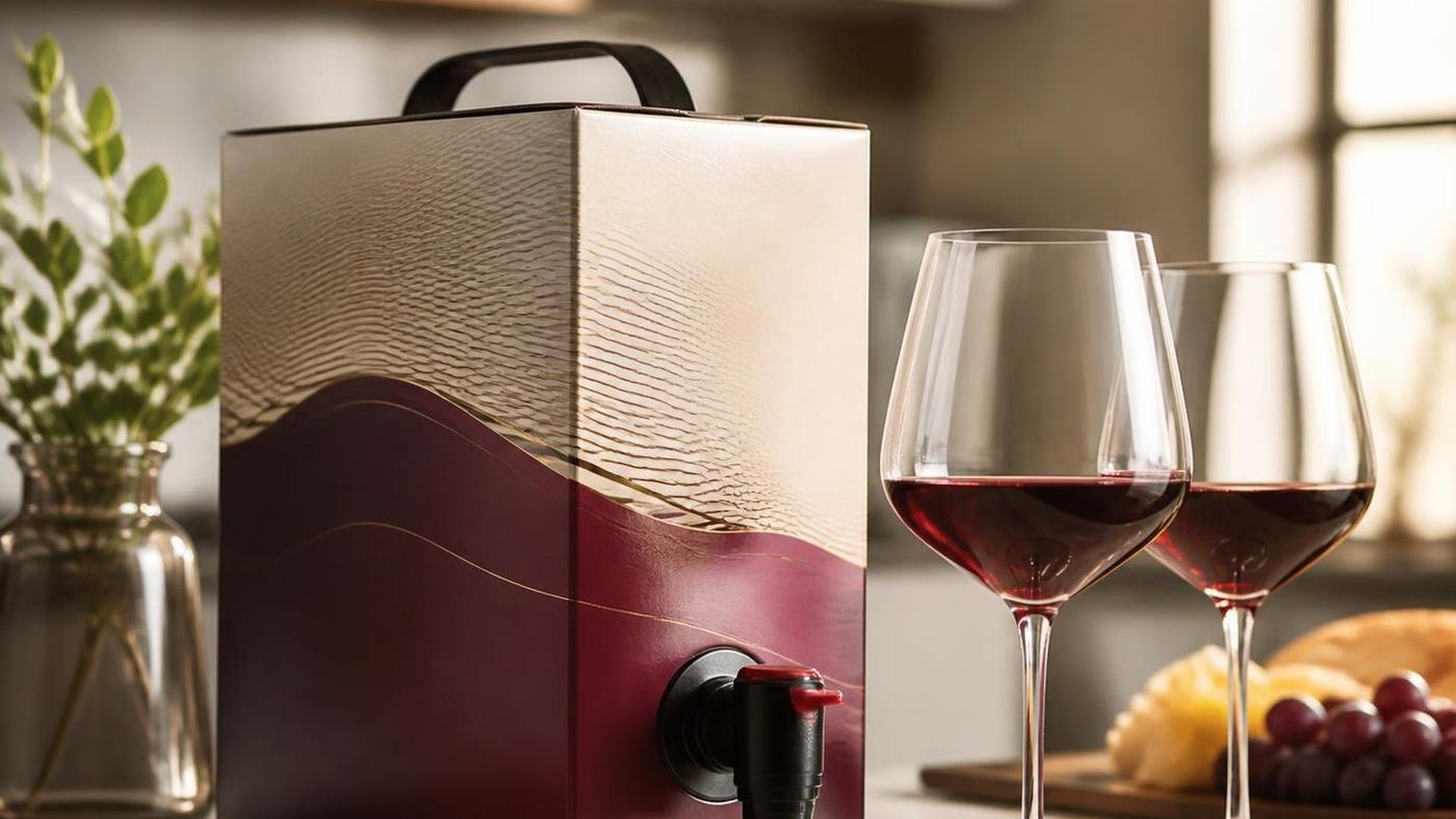
Bottle Cases Versus Boxed Wine
A standard wine case holds 12 bottles, and a standard bottle is 750 mL. That means one full case equals 9 liters of wine. Boxed wine is sold by total volume instead of bottle count, so the useful comparison is liters first, then bottle equivalents.
The most common boxed format in the U.S. is 3 liters. A 3-liter box equals four 750 mL bottles, so it delivers one-third of a 12-bottle case. Larger formats exist, but 3-liter boxes dominate grocery and casual-drinking retail shelves.
| Format | Total volume | 750 mL bottle equivalent | Share of a 12-bottle case |
| 1 standard bottle | 750 mL | 1 bottle | 1/12 case |
| 4-bottle case equivalent | 3 liters | 4 bottles | 1/3 case |
| 3-liter boxed wine | 3 liters | 4 bottles | 1/3 case |
| 5-liter boxed wine | 5 liters | 6.67 bottles | 55.6% of a case |
| 12-bottle case | 9 liters | 12 bottles | 1 full case |
If you want the same volume as one 12-bottle case, you need three 3-liter boxes. Three boxes x 3 liters each equals 9 liters. That matches 12 standard bottles exactly.
A 1.5-liter magnum equals two standard bottles, but boxed wine usually is not packaged in magnum-style naming.
Producers label the box by liters because the bag-and-tap format is built around volume and dispensing, not cellar presentation or bottle service.
What changes in practical use
Bottle cases and boxed wine behave differently after opening. An opened bottle usually shows noticeable decline within about 3 to 5 days when recorked and refrigerated. A boxed wine bag collapses as wine is dispensed, limiting oxygen exposure.
Because less oxygen enters the bag, many producers state boxed wine stays fresh for about 4 to 6 weeks after opening. That longer window is the main functional advantage over a bottle case for households pouring single glasses over time.
- A 12-bottle case is better for aging, gifting, restaurant presentation, and buying mixed producers or vintages.
- A 3-liter box is better for casual pouring, parties, cooking wine, and reducing open-bottle waste.
- Boxed wine is usually lighter to transport per serving because it replaces glass with cardboard and a plastic bladder.
- For event math, one 3-liter box pours about 20 five-ounce glasses; one 12-bottle case pours about 60.
The simplest answer is this: boxed wine does not come in “cases” the same way bottled wine does. Compare the liters. Then convert to 750 mL bottles to see how many bottles a box actually replaces.
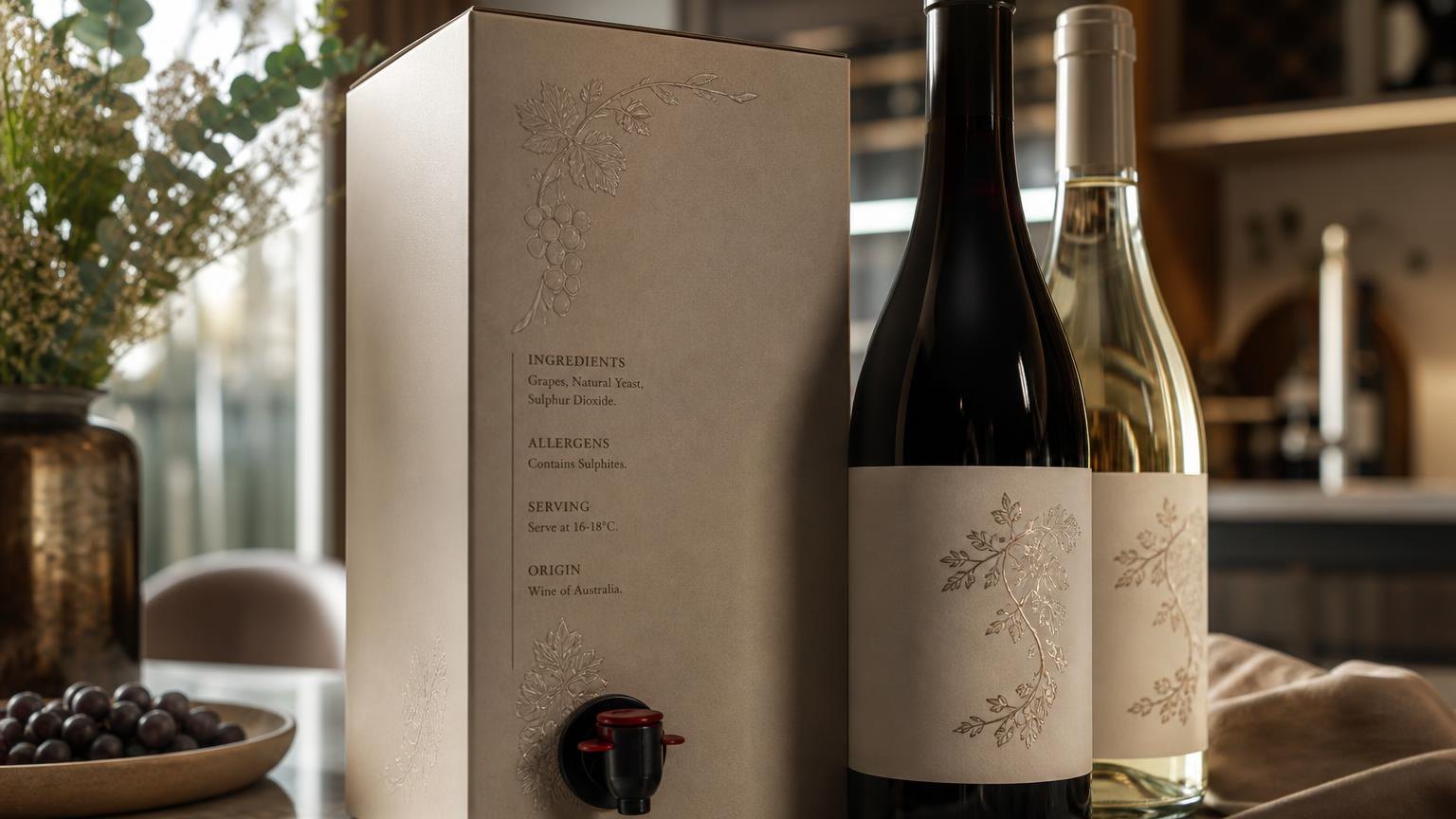
How Many Liters Per Box
Most boxed wine sold in the U.S. contains 3 liters. That equals four standard 750 mL bottles, which is why a common answer is “four bottles per box.” Larger and smaller formats exist, but 3 liters remains the reference point.
Wine volume on a box is labeled in liters or milliliters. Convert the box size to 750 mL bottle equivalents, then estimate glasses from a 5-ounce pour. That gives a practical measure for shopping, parties, and storage.
| Box size | Milliliters | 750 mL bottle equivalent | Approx. 5 oz glasses |
| 500 mL | 500 mL | 0.67 bottle | 3.4 glasses |
| 1 liter | 1,000 mL | 1.33 bottles | 6.8 glasses |
| 1.5 liters | 1,500 mL | 2 bottles | 10.1 glasses |
| 2 liters | 2,000 mL | 2.67 bottles | 13.5 glasses |
| 3 liters | 3,000 mL | 4 bottles | 20.3 glasses |
| 5 liters | 5,000 mL | 6.67 bottles | 33.8 glasses |
A standard 750 mL wine bottle holds about 25.4 fluid ounces. At a 5-ounce serving, one bottle yields about five glasses. A 3-liter box holds about 101.4 fluid ounces, so it pours roughly 20 glasses.
That math explains why boxed wine is often priced for value. If a 3-liter box equals four bottles, compare its shelf price against four 750 mL bottles of similar origin, grape, and quality tier.
Not every box uses the same format. Single-serve cartons may hold 500 mL or 1 liter. Party-size boxes often jump to 5 liters, especially in high-volume retail channels and event-friendly packaging.
The inner bag matters because it collapses as wine is poured. Less oxygen enters than with a partly empty bottle, which helps boxed wine stay fresher after opening. Many producers cite freshness windows of about four to six weeks.
- 3 liters is the most common boxed wine size in U.S. grocery and liquor stores.
- 3 liters equals 4 standard bottles.
- 5 liters equals 6.67 standard bottles.
- One 5-ounce pour uses about 148 mL.
- A 3-liter box serves about 20 glasses.
Check the front or side panel for the exact volume. “Boxed wine” describes packaging, not one mandatory size. For most buyers, though, one box means 3 liters, four bottles, and about 20 standard pours.
Servings From a Wine Box
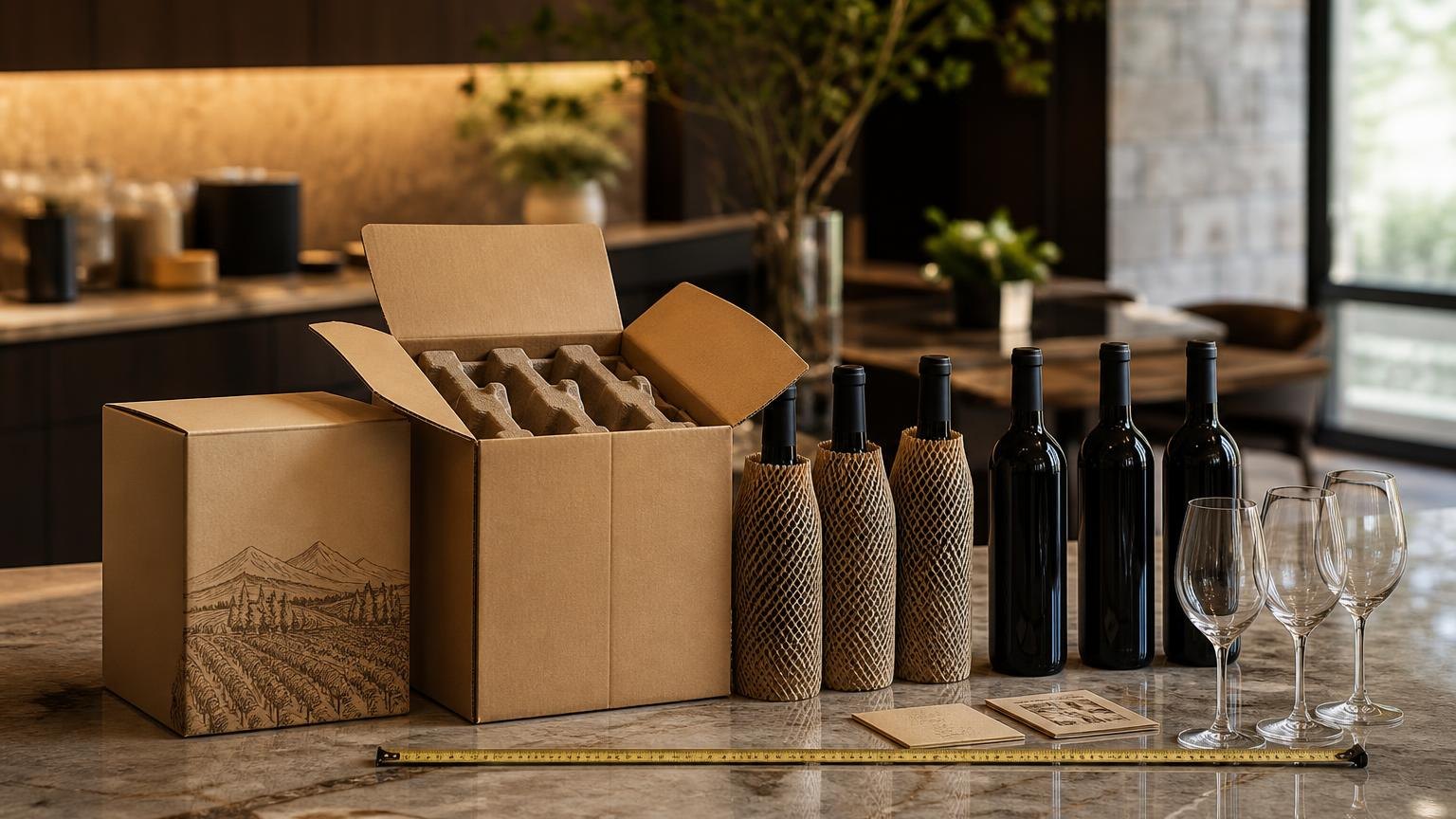
A wine box is easiest to size by servings, not by container shape. In the U.S., a standard wine serving is 5 fluid ounces, which is about 148 milliliters, so the number of glasses in a box depends directly on its total volume.
Most boxed wine is sold in 1.5-liter, 3-liter, or 5-liter formats. Those sizes convert cleanly into standard pours and into 750 mL bottle equivalents, which matters for party planning, cost comparisons, and alcohol-service estimates.
| Box size | Total volume | Approx. 5 oz servings | 750 mL bottle equivalent |
| 1.5 L | 50.7 oz | 10 servings | 2 bottles |
| 3 L | 101.4 oz | 20 servings | 4 bottles |
| 5 L | 169.1 oz | 33 to 34 servings | 6.7 bottles |
The benchmark is simple. One 750 mL bottle holds 25.4 ounces, which pours about five 5-ounce glasses. A 3-liter box therefore equals four standard bottles and yields about 20 standard servings.
A 1.5-liter box is the small-format option. It matches two bottles and gives about 10 glasses, making it practical for a couple of dinners or a small group without opening multiple bottles.
A 5-liter box is the large-party format. At 169.1 ounces total, it provides about 33 full 5-ounce pours, with a small remainder. If guests pour heavier 6-ounce glasses, that same box serves about 28 people.
| Pour size | 1.5 L box | 3 L box | 5 L box |
| 5 oz | 10 pours | 20 pours | 33 to 34 pours |
| 6 oz | 8 pours | 16 pours | 28 pours |
| 8 oz | 6 pours | 12 pours | 21 pours |
Pour size changes the answer fast. Many home pours run 6 to 8 ounces, not 5, so a box often empties sooner than the label volume suggests. That matters if the box is the main alcohol source at a gathering.
For event planning, count one 5-ounce serving per guest per hour as a conservative baseline when wine is the only beverage. A 3-liter box covers about 20 standard pours, while two 3-liter boxes cover about 40.
- Choose 1.5 L for about 10 standard glasses.
- Choose 3 L for about 20 standard glasses.
- Choose 5 L for about 33 standard glasses.
- Reduce those counts if guests pour 6 to 8 ounces.
The practical rule is direct. Divide total ounces by the glass size you expect to pour, because servings from a wine box are volume math, not packaging guesswork.
Box Wine Versus Case Math
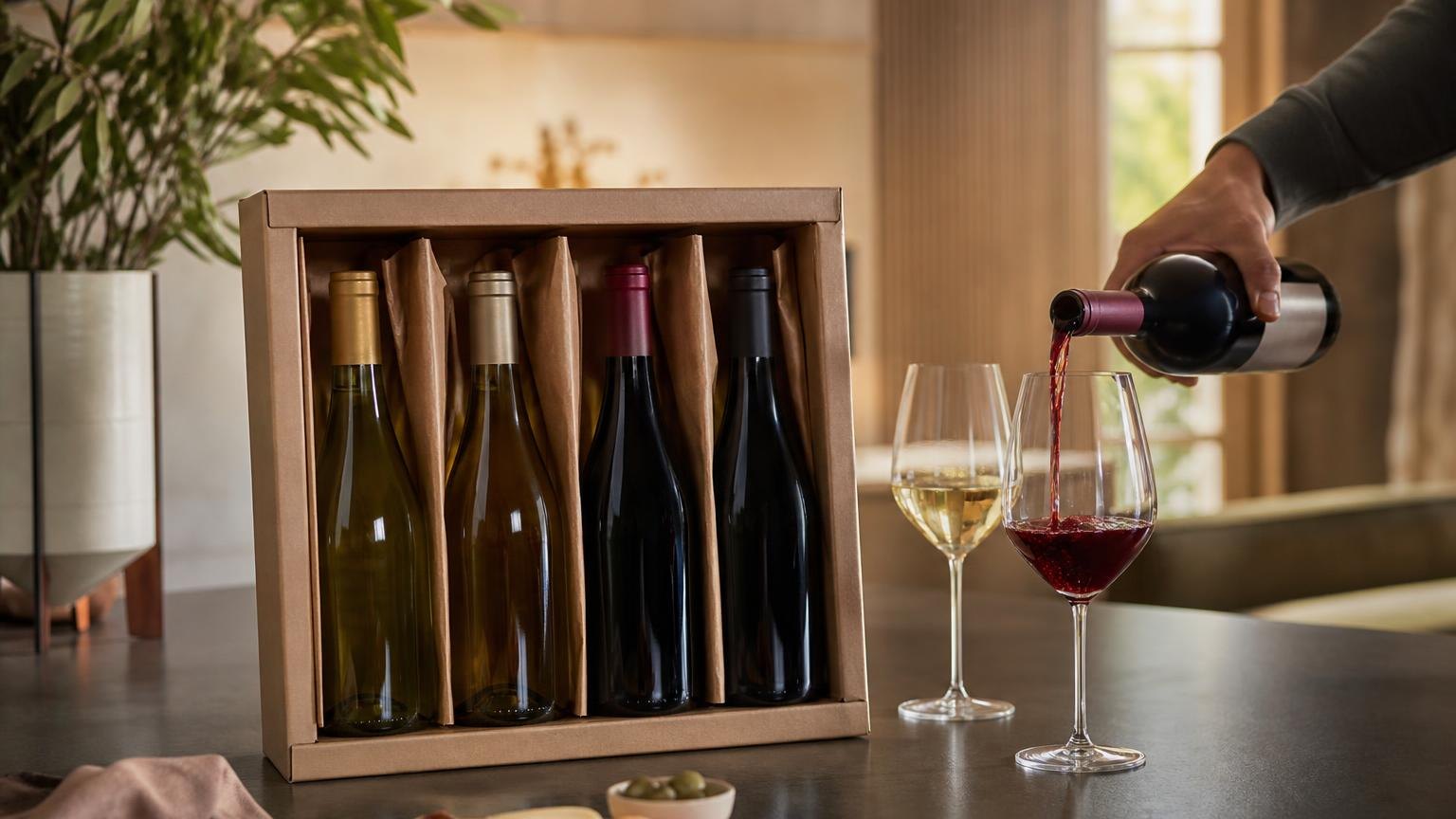
Box wine math is straightforward once you convert everything to liters. A standard wine bottle holds 750 milliliters, so a 12-bottle case equals 9 liters total. Most boxed wines are sold in 1.5-liter, 3-liter, or 5-liter formats.
Start with the base conversion. Divide the box volume by 0.75 liters, because 750 milliliters is 0.75 liters. That gives the bottle equivalent.
| Format | Volume | Bottle equivalent | Approx. 5-oz glasses |
| Standard bottle | 750 mL | 1 bottle | 5 glasses |
| Half case | 4.5 L | 6 bottles | 30 glasses |
| Full case | 9 L | 12 bottles | 60 glasses |
| Small box | 1.5 L | 2 bottles | 10 glasses |
| Standard box | 3 L | 4 bottles | 20 glasses |
| Large box | 5 L | 6.67 bottles | 33.8 glasses |
The 3-liter box is the easiest comparison. It holds the same wine as four standard 750 mL bottles, or one-third of a 12-bottle case.
The 5-liter box is less tidy. It equals 6.67 standard bottles, because 5 divided by 0.75 is 6.6667. In case terms, that is 55.6% of a full 9-liter case.
| Container | Liters | Share of a 9 L case |
| 1.5 L box | 1.5 L | 16.7% |
| 3 L box | 3 L | 33.3% |
| 5 L box | 5 L | 55.6% |
| 6 L box | 6 L | 66.7% |
| 9 L total | 9 L | 100% |
This matters when you shop by occasion. One 3-liter box replaces four bottles on a dinner table, while two 3-liter boxes replace eight bottles and still fall short of a full case.
To match a 12-bottle case exactly, you need 9 liters total. That means three 3-liter boxes, or six 1.5-liter boxes, equal one standard case bottle-for-bottle by volume.
A single 5-liter box cannot equal a full case. You would need 1.8 of them to reach 9 liters, which is why box-to-case comparisons often feel awkward unless the box size is 3 liters.
- Use liters first, then convert to 750 mL bottles.
- A 3 L box = 4 bottles.
- A 9 L case = 12 bottles.
- Three 3 L boxes = one full 12-bottle case.
Buying Boxes for Parties
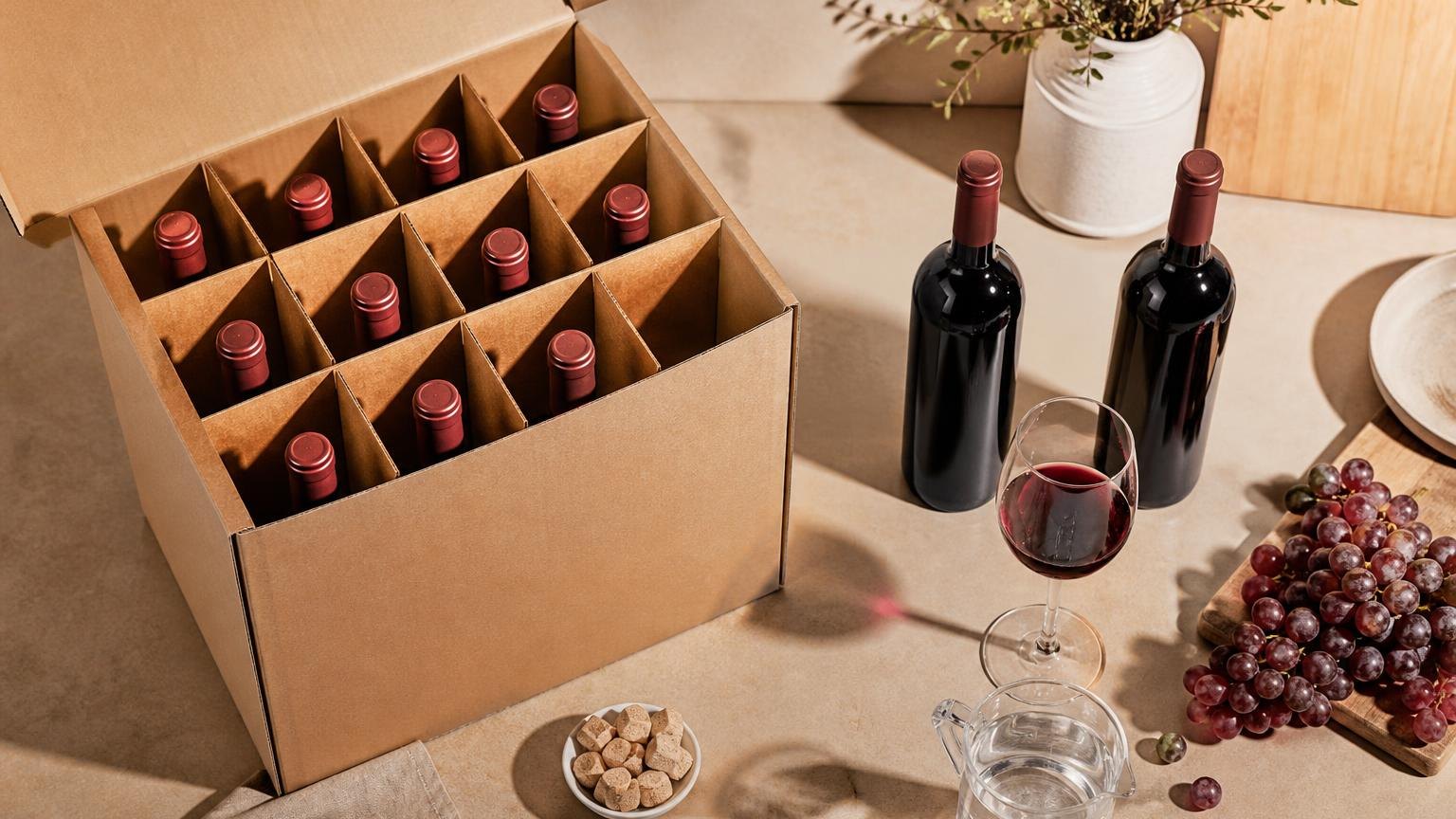
Boxed wine is practical for parties because volume, pours, and cost are easier to predict than with mixed bottle purchases. A standard 750 mL bottle yields about five 5-ounce glasses, so box size directly tells you how many guests one box can cover.
For planning, convert the box into bottle equivalents first. Most boxed wine sold in the US comes in 3-liter packages, and 3 liters equals four standard 750 mL bottles.
| Box size | Bottle equivalent | Approximate 5 oz servings |
| 1.5 liters | 2 bottles | 10 glasses |
| 3 liters | 4 bottles | 20 glasses |
| 5 liters | 6.7 bottles | 33 glasses |
That math matters because party drinking rarely matches one bottle per table. A group of 12 adults drinking one glass each needs about 60 ounces total, which is 1.77 liters, so one 3-liter box easily covers a first round.
For a two-hour gathering where wine is not the only drink, plan 1 to 2 glasses per guest. For a wine-focused dinner or longer reception, 2 to 3 glasses per guest is a safer target.
| Guest count | 1 glass each | 2 glasses each | 3 glasses each |
| 10 guests | 1 box of 3 L covers it | 1 box of 3 L covers it | 2 boxes of 3 L needed |
| 20 guests | 1 box of 3 L covers it | 2 boxes of 3 L needed | 3 boxes of 3 L needed |
| 30 guests | 2 boxes of 3 L needed | 3 boxes of 3 L needed | 5 boxes of 3 L needed |
Buying boxes also reduces service friction. The tap lets guests pour small amounts without opening multiple bottles, and the inner bag collapses as wine is dispensed, which slows oxygen exposure better than an opened bottle.
That shelf-life advantage is useful when attendance is uncertain. Many producers state boxed wine stays fresh for several weeks after opening, while an opened bottle is usually best within about 3 to 5 days.
- Choose 3-liter boxes for medium parties because each one replaces four bottles.
- Buy one extra box when guest count is uncertain by more than five people.
- Offer at least one red and one white for groups over 15 adults.
- Chill whites and rosés in advance; boxed packaging cools more slowly than a single bottle.
For large casual parties, boxed wine often works best as the base purchase. Add a few bottles only when you want premium options, sparkling wine, or a backup style for specific food pairings.
Questions People Ask Most
How many bottles of wine are in a standard box of wine?
A standard bag-in-box wine sold in the U.S. is usually 3 liters. Since one regular wine bottle holds 750 milliliters, a 3-liter box equals 4 bottles.
How many glasses of wine does a 3-liter box provide?
A 750-milliliter bottle typically pours about 5 standard 5-ounce glasses. Because a 3-liter box equals 4 bottles, it yields about 20 glasses total.
Do all boxed wines contain the equivalent of 4 bottles?
No. While 3 liters is the most common size, boxed wine also comes in 1.5-liter, 2.25-liter, and 5-liter formats. Those sizes equal about 2, 3, and 6.7 standard bottles respectively.
How many bottles are in a 1.5-liter wine box?
A 1.5-liter box contains 1,500 milliliters of wine. Divide that by 750 milliliters per standard bottle, and the result is 2 bottles.
How many bottles are in a 5-liter wine box?
A 5-liter box holds 5,000 milliliters of wine. That equals about 6.67 standard 750-milliliter bottles, so retailers often describe it as roughly 6 and 2/3 bottles.
Why do many boxed wines say they stay fresh longer than bottled wine?
The inner bag collapses as wine is poured, which limits oxygen exposure. That design can keep opened boxed wine fresh for about 3 to 6 weeks, compared with only a few days for many opened bottles.
Is boxed wine cheaper per bottle than regular bottled wine?
Often, yes. A 3-liter box priced at $20 works out to $5 per 750-milliliter bottle equivalent, which is usually lower than buying four separate bottles at the same quality tier.
How can I calculate bottle equivalents for any wine box size?
Use a simple formula: divide the total milliliters in the box by 750. For example, 2,250 milliliters divided by 750 equals 3 bottle equivalents.
Related Reading
- What Is A Sweet Wine? – 2026
- Cheap Wine That Gets You Drunk
- What Wine Is Sweet? – Expert Guide from Flight Wine Bar
- Biggest Glass of Wine Meme
- Good Times Wine Spirits & Brew Store Details
- What Is Moscato Wine? – 2026
- Best Buy Wine and Liquor: The Complete 2026 Guide to Quality, Pricing & Top Picks
- How Long Does Mulled Wine Last?
- Where Is The Expiration Date On Wine Bottles? Find Out Now
- All Alcohol Guides
- U.S. Department of Health and Human Services and U.S. Department of Agriculture Dietary Guidelines for Americans 2020-2025 (2020)
- National Institute on Alcohol Abuse and Alcoholism (NIAAA) What Is A Standard Drink? (2025)
- Centers for Disease Control and Prevention Alcohol Use and Your Health (2024)
- Tablas Creek Vineyard Why Are Some Boxed Wines 3 Liters and Others 5 Liters? (2020)
- Bota Box FAQ (2025)
- Black Box Wines FAQ (2025)
- Franzia FAQ (2025)
- Wine Spectator Boxed Wine Basics (2020)
- VinePair Boxed Wine Guide (2020)
- Wine Folly Wine Bottle Sizes Guide (2023)