How Many Glasses of Wine in a Box? 20 glasses in a standard 3-liter box. That estimate uses the U.S. restaurant pour of 5 ounces, the same serving size used for nutrition labeling and responsible-service planning.
A 3-liter box holds the same volume as four 750 ml bottles. Because each bottle provides about five 5-ounce glasses, the box gives roughly 20 pours. Smaller 1.5-liter boxes give about 10 glasses; larger 5-liter boxes give about 34.
Actual glass count changes with pour size. A generous 6-ounce pour drops a 3-liter box to about 17 glasses, while a tasting-sized 3-ounce pour gives about 34 servings.
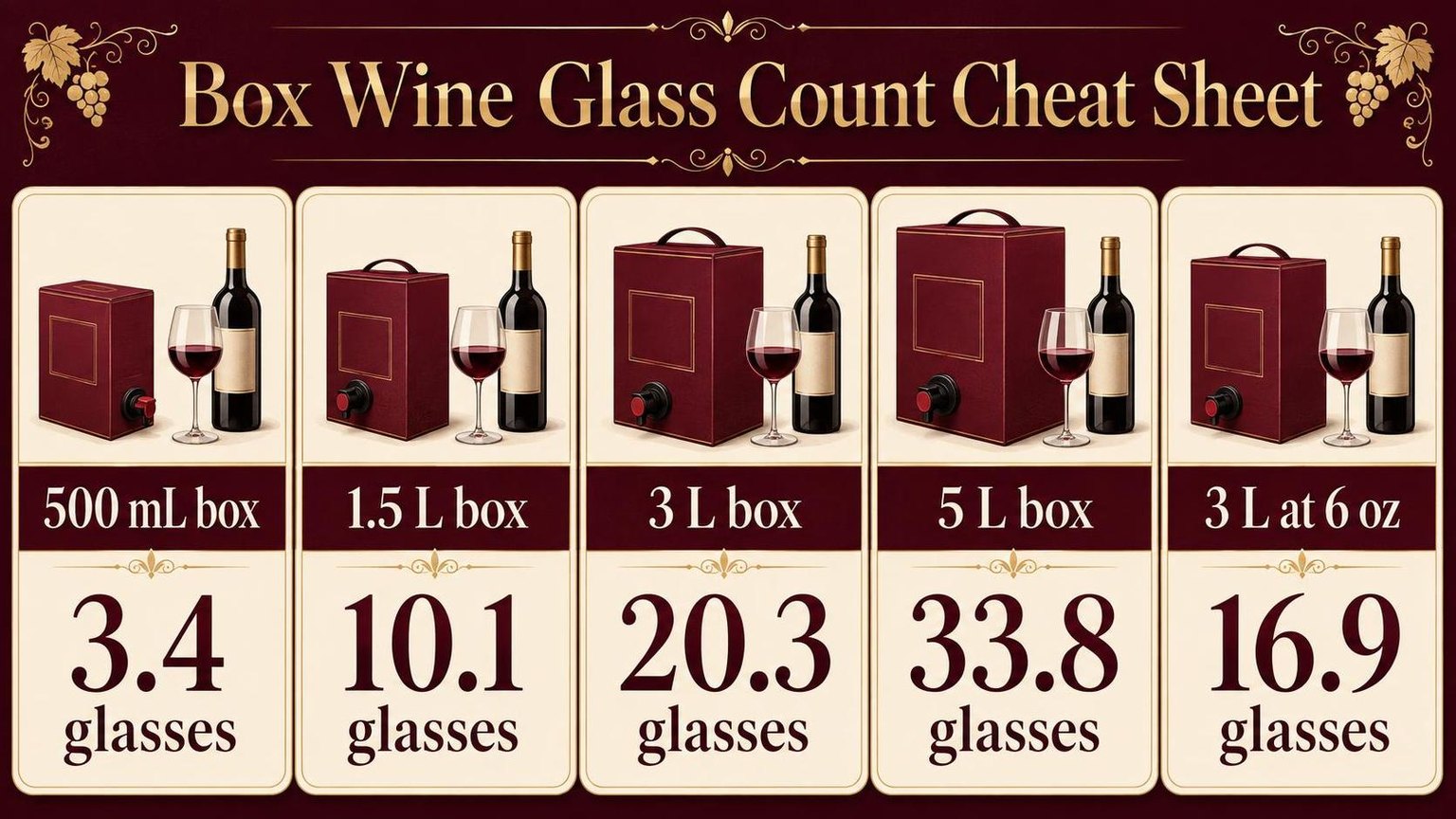
Standard Box Wine Glass Counts
Box wine glass counts depend on total volume and pour size. In the U.S., a standard wine glass serving is 5 ounces, and one standard bottle holds 750 milliliters, or about 25.4 ounces.
That makes boxed wine easy to compare once you convert liters to ounces.
The most common box size is 3 liters. A 3-liter box equals four standard 750 mL bottles, which is why many labels describe it that way. At 5 ounces per glass, a 3-liter box pours about 20 glasses.
Smaller and larger boxes follow the same math. A 1.5-liter box equals two bottles and gives about 10 glasses. A 5-liter box gives about 33 glasses, while a 500 mL single-serve carton gives about 3 glasses if poured at the standard size.
| Box size | Milliliters | Approx. ounces | Equivalent 750 mL bottles | 5 oz glasses |
| 500 mL | 500 | 16.9 oz | 0.67 bottle | 3.4 glasses |
| 1 L | 1,000 | 33.8 oz | 1.33 bottles | 6.8 glasses |
| 1.5 L | 1,500 | 50.7 oz | 2 bottles | 10.1 glasses |
| 3 L | 3,000 | 101.4 oz | 4 bottles | 20.3 glasses |
| 5 L | 5,000 | 169.1 oz | 6.67 bottles | 33.8 glasses |
Actual pours often run larger than 5 ounces. A generous 6-ounce pour cuts the glass count. For example, a 3-liter box drops from about 20 glasses to about 16.9 glasses, and a 5-liter box drops from about 33.8 to about 28.2 glasses.
| Box size | Glasses at 5 oz | Glasses at 6 oz |
| 1.5 L | 10.1 | 8.5 |
| 3 L | 20.3 | 16.9 |
| 5 L | 33.8 | 28.2 |
For hosting, the 3-liter format is the practical benchmark. It serves roughly 20 standard glasses, or about 10 people if each guest has two glasses.
That makes it one of the easiest package sizes for parties, casual dinners, and by-the-glass planning.
- Use 5 ounces per glass for the standard estimate.
- Use 6 ounces per glass for more realistic party pours.
- Count a 3-liter box as four bottles when comparing value.
How Box Size Changes Servings
Box size directly determines how many glasses you can pour. In the U.S., a standard wine serving is 5 fluid ounces, and one 750 mL bottle holds about 25.4 fluid ounces, or roughly five 5-ounce glasses.
That math makes boxed wine easy to compare. Most boxes are sold in 500 mL, 1 liter, 1.5 liter, 3 liter, and 5 liter formats, with 3-liter boxes being the most common retail size.
| Box size | Volume in ounces | Approximate 5-ounce glasses | Equivalent 750 mL bottles |
| 500 mL | 16.9 oz | 3.4 glasses | 0.67 bottle |
| 1 liter | 33.8 oz | 6.8 glasses | 1.33 bottles |
| 1.5 liters | 50.7 oz | 10.1 glasses | 2 bottles |
| 3 liters | 101.4 oz | 20.3 glasses | 4 bottles |
| 5 liters | 169.1 oz | 33.8 glasses | 6.67 bottles |
A 3-liter box gives about 20 five-ounce servings. That is why retailers and wineries often describe it as equal to four standard bottles.
Pour size changes the serving count fast. If guests pour 6-ounce glasses instead of 5 ounces, a 3-liter box drops from about 20 glasses to about 16.9 glasses.
| Box size | 5-ounce pours | 6-ounce pours | 8-ounce pours |
| 1.5 liters | 10.1 | 8.5 | 6.3 |
| 3 liters | 20.3 | 16.9 | 12.7 |
| 5 liters | 33.8 | 28.2 | 21.1 |
This matters for parties and cost planning. A 5-liter box can cover about 34 standard pours, but only about 21 generous 8-ounce glasses.
Box shape does not change the liquid amount. A short, wide 3-liter box and a tall, narrow 3-liter box both yield the same approximate 20 standard servings.
- Use 5 ounces per person for tasting pours or moderate dinner service.
- Use 6 to 8 ounces per person for casual home pours.
- Multiply guest count by expected pour size before buying.
- Round down if you want a conservative estimate, since small spills and overpours add up.
For most shoppers, size matters more than brand packaging. Once you know the box volume, you can estimate servings with simple, consistent accuracy.
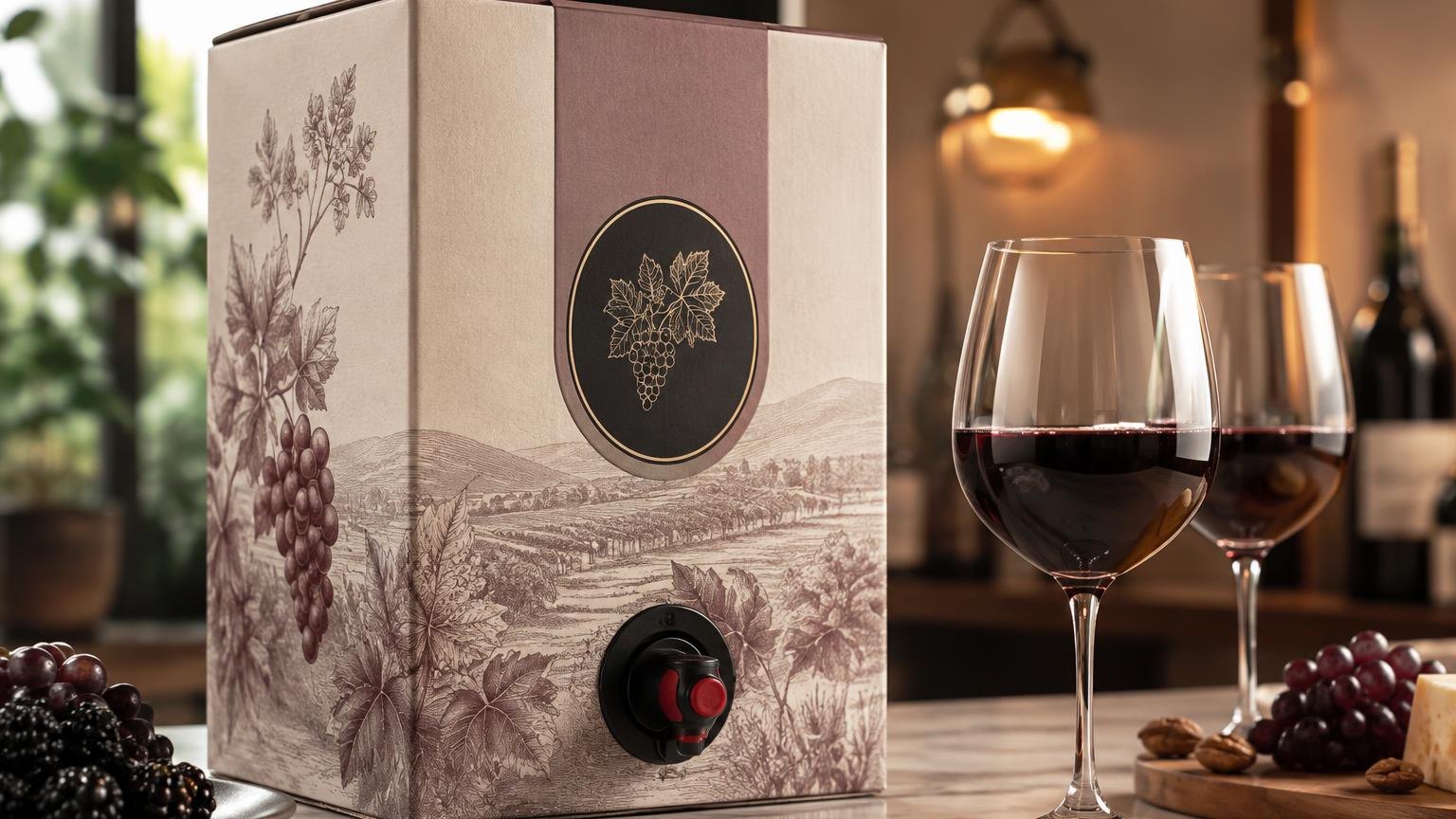
Five Ounce Pour Calculations
A standard U.S. wine serving is 5 ounces. That benchmark matters because a box is labeled in liters or milliliters, while most guests think in glasses. Converting the package volume to 5-ounce pours shows how many servings a box actually delivers.
Use a simple formula: total fluid ounces in the box divided by 5. One liter equals about 33.8 fluid ounces, so a 3-liter box holds about 101.4 ounces and a 5-liter box holds about 169.1 ounces.
| Box size | Milliliters | Approx. fluid ounces | 5-ounce glasses |
| 500 mL | 500 | 16.9 oz | 3.4 glasses |
| 1 liter | 1,000 | 33.8 oz | 6.8 glasses |
| 1.5 liters | 1,500 | 50.7 oz | 10.1 glasses |
| 3 liters | 3,000 | 101.4 oz | 20.3 glasses |
| 5 liters | 5,000 | 169.1 oz | 33.8 glasses |
Most boxed wine buyers care most about the 3-liter format. At 20.3 standard pours, it gives about 20 full 5-ounce glasses, with a small amount left over. That is why many brands market a 3-liter box as equal to four 750 mL bottles.
The bottle comparison checks out mathematically. One 750 mL bottle contains about 25.4 ounces, which equals roughly 5.1 standard glasses. Four bottles therefore total about 101.4 ounces, matching a 3-liter box almost exactly.
| Package | Total volume | Approx. fluid ounces | 5-ounce glasses |
| 1 standard bottle | 750 mL | 25.4 oz | 5.1 glasses |
| 2 bottles | 1,500 mL | 50.7 oz | 10.1 glasses |
| 4 bottles | 3,000 mL | 101.4 oz | 20.3 glasses |
Actual pours often run larger than 5 ounces. A 6-ounce pour cuts a 3-liter box to about 16.9 glasses, and an 8-ounce large pour drops it to about 12.7 glasses. Portion size changes the count faster than the box size does.
- For tasting flights, expect more servings because pours are smaller than 5 ounces.
- For dinner parties, use 5 ounces per glass for the most reliable planning number.
- For heavier pours, round down to avoid running short before the box is empty.
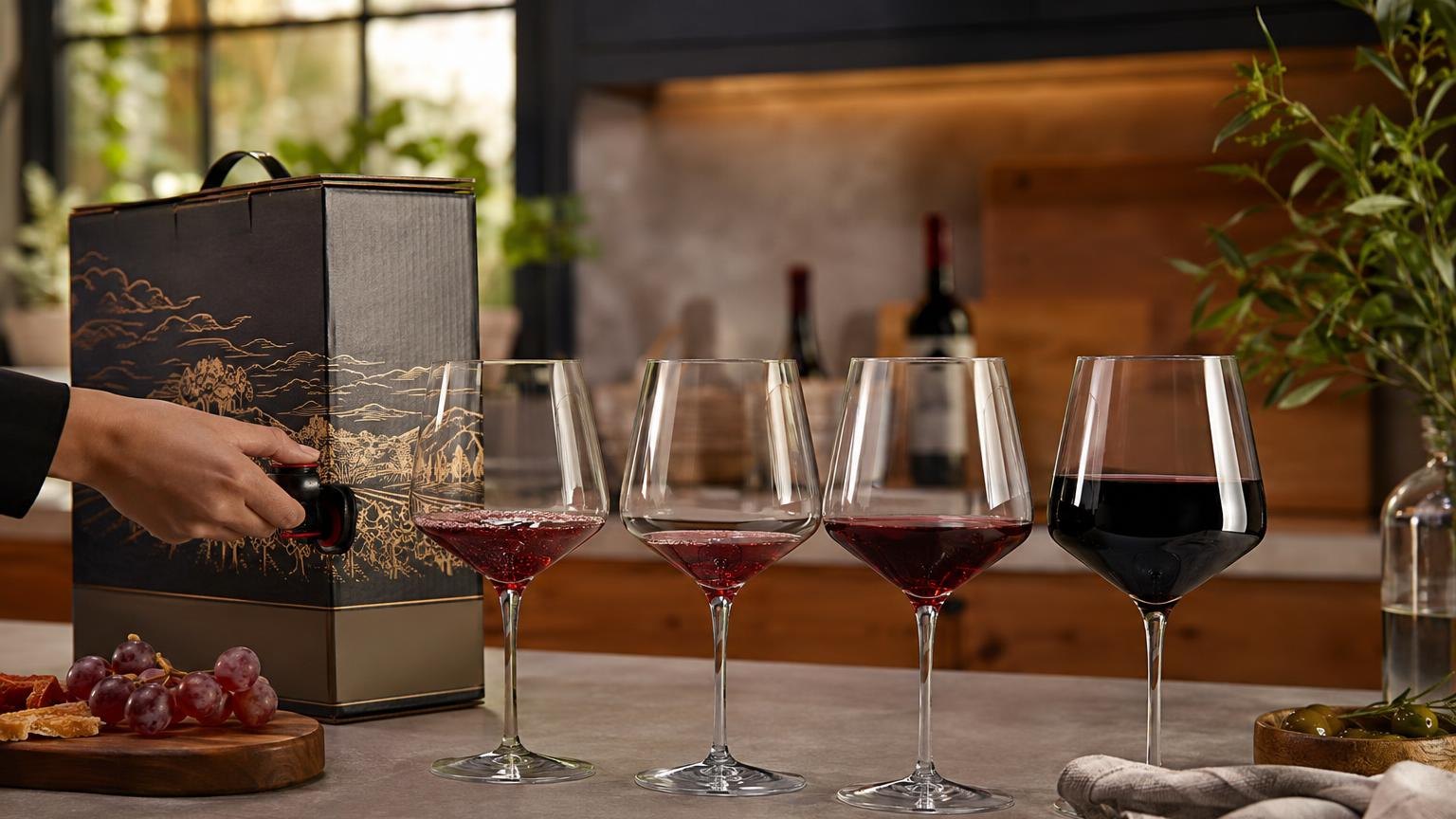
Three Liter Box Serving Math
A 3-liter box holds 3,000 milliliters of wine. That equals four standard 750-milliliter bottles, so the serving math is straightforward once you use standard pour sizes.
In the U.S., a typical wine serving is 5 ounces, which is about 148 milliliters. A 3-liter box therefore yields about 20 standard glasses, with small differences caused by exact pour size and whether you round 5 ounces to 150 milliliters.
| Measure | Amount |
| Box volume | 3 liters = 3,000 mL |
| Equivalent bottles | 4 x 750 mL bottles |
| Standard glass | 5 oz ≈ 148 mL |
| Glasses per 3-liter box | 3,000 ÷ 148 ≈ 20.3 glasses |
| Rounded practical yield | 20 glasses |
If you pour lighter tasting portions, the count rises quickly. If you pour larger restaurant-style or home pours, the count falls.
| Pour size | Milliliters | Glasses from 3 liters |
| 3 oz tasting pour | 89 mL | About 33.7 pours |
| 5 oz standard pour | 148 mL | About 20.3 pours |
| 6 oz generous pour | 177 mL | About 16.9 pours |
| 8 oz large pour | 237 mL | About 12.7 pours |
Alcohol servings track closely with those glass counts. A standard U.S. drink contains about 14 grams of pure alcohol, and 5 ounces of table wine at 12% ABV is treated as one standard drink.
Most boxed table wines land around 11.5% to 13.5% ABV. At that range, a full 3-liter box usually contains about 20 standard drinks when poured into 5-ounce glasses.
| Comparison | 3-liter box | 750 mL bottle |
| Total volume | 3,000 mL | 750 mL |
| 5 oz glasses | About 20 | About 5 |
| Equivalent bottles | 4 bottles | 1 bottle |
- Count on 20 standard glasses for planning.
- Use 16 to 17 glasses if people pour heavy 6-ounce servings.
- Use 33 small pours for tastings.
- Expect slight loss from drips or overpouring at parties.
For hosting, a 3-liter box is easy math: four bottles’ worth of wine, roughly 20 standard glasses. That makes it one of the simplest formats for estimating party servings without opening multiple bottles.
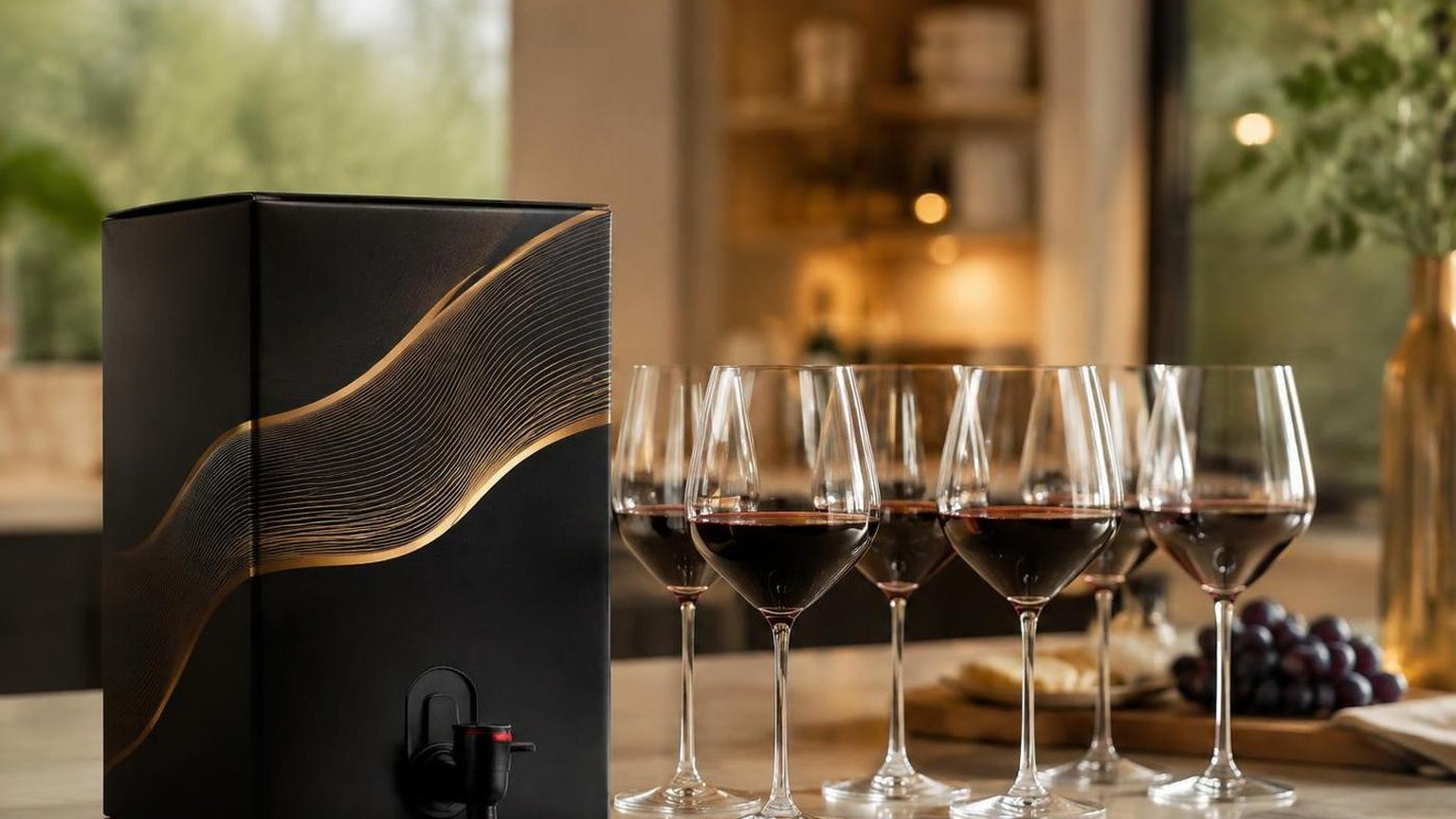
Equivalent Bottles in Box Wine
Box wine volume is easiest to understand when you convert liters into standard 750 mL bottles. In the U.S., one standard wine bottle holds five 5-ounce glasses, so bottle equivalents also show how many pours a box can deliver.
The most common box on retail shelves is 3 liters. That size equals four standard 750 mL bottles, which is why a 3-liter box is often treated as a compact party format rather than a single oversized container.
| Box size | Milliliters | Equivalent 750 mL bottles | Approximate 5 oz glasses |
| 1.5 liters | 1,500 mL | 2 bottles | 10 glasses |
| 2 liters | 2,000 mL | 2.67 bottles | 13.5 glasses |
| 3 liters | 3,000 mL | 4 bottles | 20 glasses |
| 4 liters | 4,000 mL | 5.33 bottles | 27 glasses |
| 5 liters | 5,000 mL | 6.67 bottles | 33.8 glasses |
The math is direct. Divide the box volume in milliliters by 750 to get bottle equivalents. Divide total fluid ounces by 5 to estimate glasses, using the standard restaurant pour size used in U.S. serving guidance.
A 3-liter box contains about 101.4 fluid ounces. At 5 ounces per serving, that yields about 20 glasses. That number aligns neatly with four bottles, because four standard bottles also equal 20 five-ounce pours.
Larger formats scale fast. A 5-liter box holds the same wine as nearly 6.7 bottles, which is why it can cover a medium-size gathering without opening multiple corked bottles.
- 1 standard bottle = 750 mL = about 25.4 fluid ounces.
- 1 standard glass = 5 ounces, the benchmark used for nutrition labeling and moderation guidance.
- 4 bottles from a 3-liter box means the package can replace a full case-half of bottled wine service.
Equivalent bottles help with budgeting as well as serving. If a box costs less than four comparable 750 mL bottles, the per-bottle value is better. If the wine stays fresh after opening, the box also reduces waste from unfinished bottles.
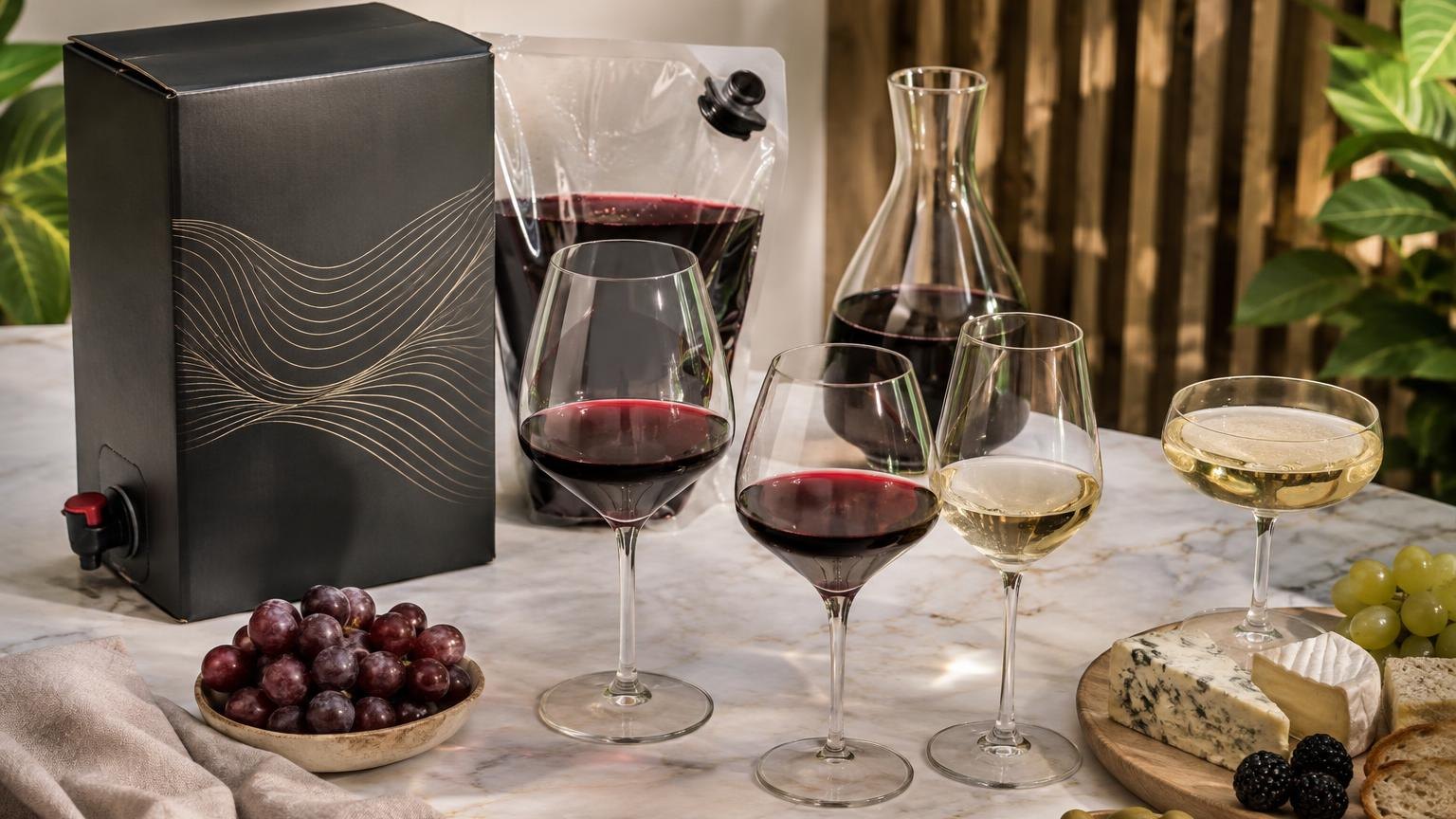
Party Planning With Box Wine
Box wine simplifies party math because the package size converts cleanly into standard 5-ounce pours. A 3-liter box holds about 101.4 ounces, which equals roughly 20 glasses, while a 5-liter box holds about 169 ounces, or about 33 glasses.
Start with guest count, drinking time, and whether wine is the main drink. For a two- to four-hour gathering where wine is one option among beer, cocktails, and nonalcoholic drinks, most hosts can plan on one to three glasses per wine-drinking guest.
| Box size | Total volume | Approx. 5-oz glasses | 750 mL bottle equivalent |
| 1.5 liters | 50.7 oz | 10 glasses | 2 bottles |
| 3 liters | 101.4 oz | 20 glasses | 4 bottles |
| 5 liters | 169.1 oz | 33 glasses | 6.7 bottles |
Use a consumption table instead of guessing. It prevents overbuying and helps you split red, white, and rosé based on the crowd and the menu.
| Wine-drinking guests | 1 glass each | 2 glasses each | 3 glasses each |
| 10 guests | 1 box of 1.5 L | 1 box of 3 L | 1 box of 5 L |
| 20 guests | 1 box of 3 L | 2 boxes of 3 L | 2 boxes of 5 L |
| 30 guests | 2 boxes of 3 L | 3 boxes of 3 L | 3 boxes of 5 L |
For mixed groups, count only the guests likely to drink wine. If 24 people attend but only half prefer wine, plan for 12 wine drinkers, then choose the pour level that matches the event length.
- Serve more white and rosé than red for daytime, warm-weather, and appetizer-heavy parties.
- Use more red for cool-weather dinners, grilled food, and cheese or charcuterie spreads.
- Keep one backup box chilled or stored nearby if the event runs longer than expected.
- Set out smaller wine glasses if you want pours closer to 4 ounces and slower consumption.
Temperature and format help with service. Box wine stays fresher after opening than a bottle because the bag collapses as wine is poured, limiting oxygen exposure.
That matters for parties spread over a full day or weekend. You can open one box at lunch, pour from it through dinner, and waste less than you would with several partially finished bottles.
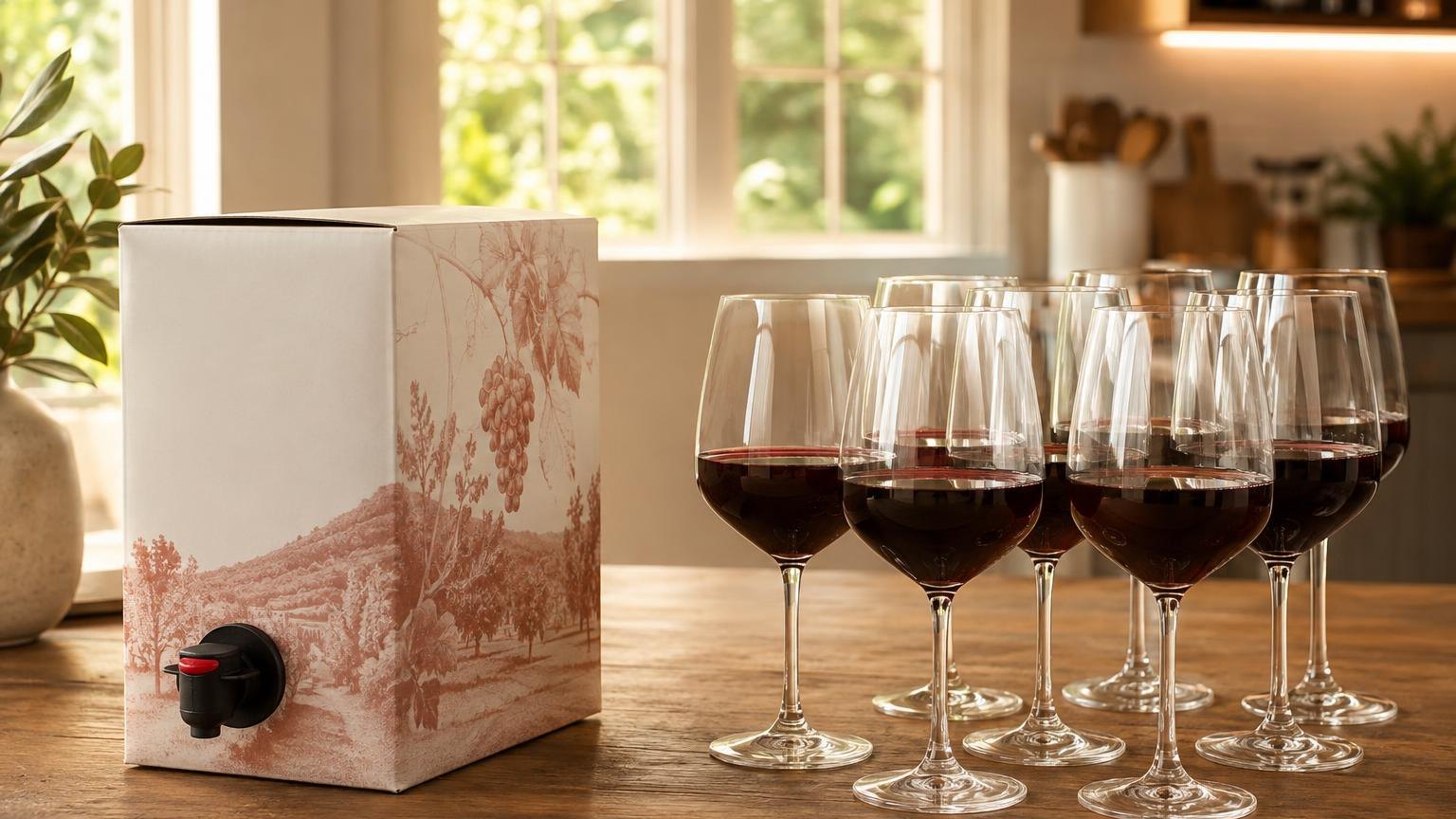
Why Pour Size Changes Everything
A box of wine does not equal one fixed number of glasses. The total changes with the pour, and the difference is large enough to affect cost, alcohol intake, and how many guests one box will cover.
In the U.S., a standard wine serving is 5 fluid ounces. Most boxed wine is sold in 3-liter containers, which hold about 101.4 fluid ounces, or the same volume as four 750 mL bottles.
| Container | Total volume | Equivalent 750 mL bottles |
| 1 box | 3 liters | 4 bottles |
| 1 box | 101.4 fl oz | 4 bottles |
| 1 bottle | 25.4 fl oz | 1 bottle |
Using the 5-ounce standard, a 3-liter box yields about 20 glasses. That is the clean benchmark, but many home pours land above that, especially when people fill wide-bowled glasses by eye.
| Pour size | Glasses from 3 L box | Change vs. 5 oz pour |
| 4 oz | 25.4 glasses | About 5 more glasses |
| 5 oz | 20.3 glasses | Baseline |
| 6 oz | 16.9 glasses | About 3 fewer glasses |
| 8 oz | 12.7 glasses | About 8 fewer glasses |
The math shifts alcohol intake too. A 5-ounce glass of 12% ABV wine contains about 0.6 fluid ounces of pure alcohol, which is one U.S. standard drink under federal dietary guidance.
| Pour size | ABV | Pure alcohol | Approx. standard drinks |
| 5 oz | 12% | 0.60 fl oz | 1.0 |
| 6 oz | 12% | 0.72 fl oz | 1.2 |
| 8 oz | 12% | 0.96 fl oz | 1.6 |
| 5 oz | 14% | 0.70 fl oz | 1.17 |
That is why a “couple glasses” can mean very different things. Two 5-ounce pours of 12% wine equal about 2 standard drinks, while two 8-ounce pours reach about 3.2 standard drinks.
Pour size also changes value. If a 3-liter box costs $24, the per-glass price rises as pours get larger.
| Pour size | Glasses from $24 box | Cost per glass |
| 5 oz | 20.3 | About $1.18 |
| 6 oz | 16.9 | About $1.42 |
| 8 oz | 12.7 | About $1.89 |
- Measure 5 ounces once in your usual glass.
- Notice the fill line. It often looks smaller than expected.
- Use that line to estimate servings, guest count, and alcohol intake more accurately.
Common Questions
How many glasses of wine are in a standard 3-liter box?
A 3-liter box holds 101.4 fluid ounces of wine. Using the standard U.S. serving size of 5 ounces per glass, that equals about 20 glasses, with a small amount left over.
How many bottles of wine does one box equal?
A standard wine bottle is 750 milliliters, and many boxed wines are 3 liters. That means one 3-liter box equals 4 regular bottles, which is why it also pours about 20 standard glasses.
Do all boxed wines contain the same number of glasses?
No. A 1.5-liter box pours about 10 standard 5-ounce glasses, a 3-liter box pours about 20, and a 5-liter box pours about 33.
What if I pour larger restaurant-style glasses?
If you pour 6-ounce glasses instead of 5-ounce standard servings, a 3-liter box gives about 16.9 glasses, or roughly 16 to 17 pours. Larger 8-ounce pours drop that to about 12.7 glasses.
How many people will one box serve at a party?
A 3-liter box usually serves 10 people if each person has 2 standard 5-ounce glasses. If guests average 3 glasses each, the same box serves about 6 people comfortably, with a small remainder.
Does boxed wine stay fresh longer after opening?
Yes. Because the bag collapses as wine is dispensed, less oxygen reaches the wine, so many boxed wines stay fresh for about 3 to 6 weeks after opening when stored properly.
Related Reading
- What Does Port Taste Like? Most Correct Answer
- How Many Calories In A Glass Of Riesling?
- What Wine Goes With Pizza?
- Biggest Glass of Wine Meme
- What Is the Alcohol Content of Black Box Wine?
- How Many Ounces Is in a Bottle of Wine?
- All Alcohol Guides
- National Institute on Alcohol Abuse and Alcoholism (2025)
- Centers for Disease Control and Prevention (2024)
- U.S. Department of the Treasury, Alcohol and Tobacco Tax and Trade Bureau (2024)
- U.S. Department of Agriculture and U.S. Department of Health and Human Services (2020)
- Bota Box (2024)
- Black Box Wines (2024)
- Franzia (2024)
- Wine Enthusiast (2023)
- VinePair (2022)