Good semi sweet wine is a balanced wine with noticeable residual sugar, fresh acidity, and clear fruit flavor rather than syrupy sweetness.
It usually tastes off-dry to medium-sweet, making it approachable for drinkers who want softness without losing structure.
The best bottles often include Riesling Kabinett or Spätlese, Moscato d’Asti, demi-sec Vouvray, Lambrusco amabile, and some late-harvest Chenin Blanc. These wines work well with spicy food, salty cheeses, fruit desserts, and casual sipping.
This guide explains how to identify quality, read labels, compare styles, and choose bottles that taste sweet, clean, and balanced instead of flat or cloying.
What Semi Sweet Wine Means
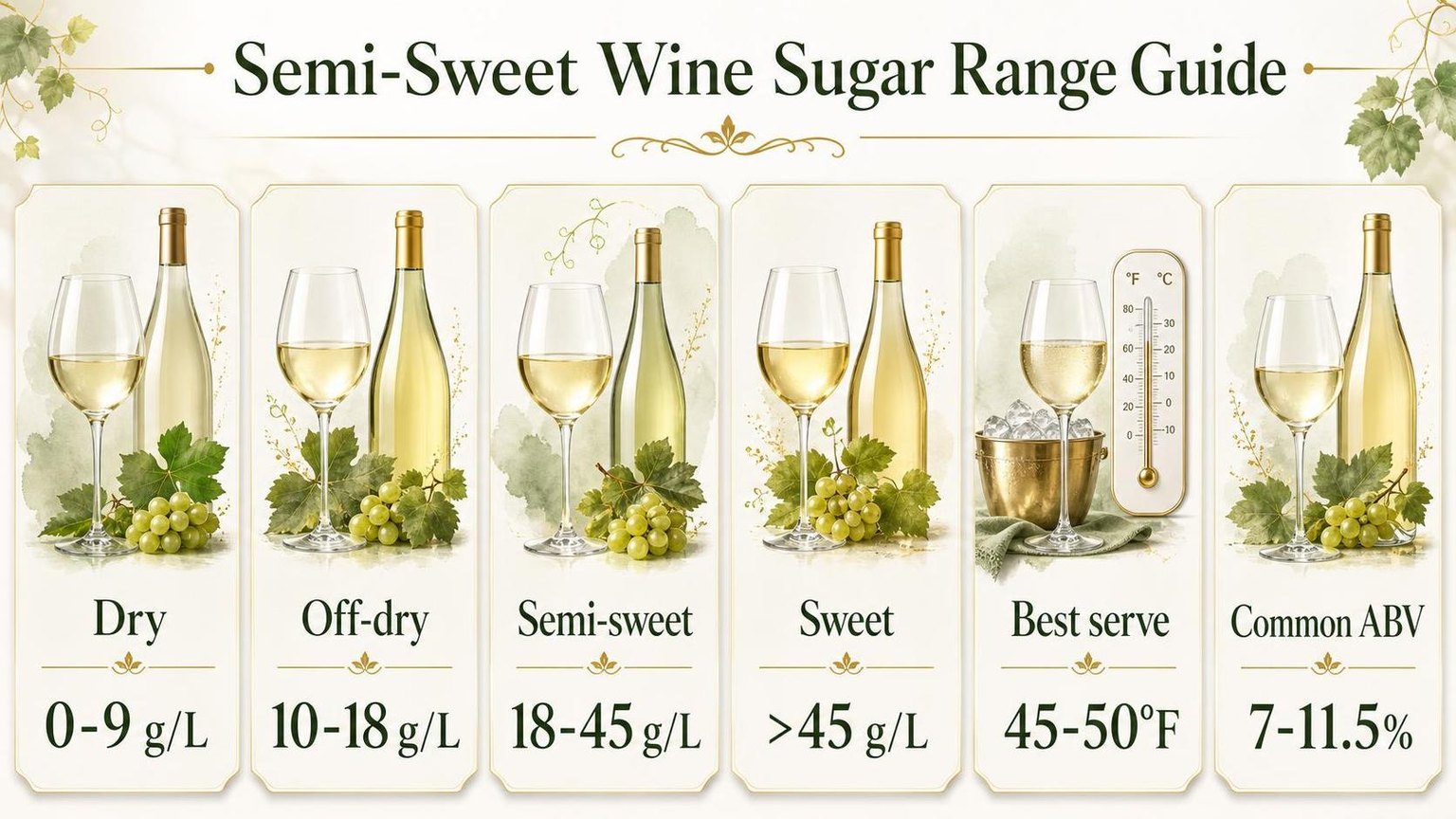
Semi-sweet wine sits between dry and dessert wine. It tastes noticeably fruity and soft because some grape sugar remains after fermentation, but it is not syrupy or intensely rich.
In practical terms, “semi-sweet” usually refers to residual sugar that is higher than off-dry wine and lower than fully sweet styles.
Labels vary by country and producer, so the term describes taste more reliably than a strict legal category.
Residual sugar, often shortened to RS, is the amount of sugar left in the finished wine. It is commonly measured in grams per liter, written as g/L. A wine can still taste balanced at higher sugar levels if acidity is also high.
| Style | Typical residual sugar | How it usually tastes |
| Dry | 0-9 g/L | Crisp, little to no sweetness |
| Off-dry | 10-18 g/L | Light sweetness, often subtle |
| Semi-sweet | 18-45 g/L | Noticeably sweet, still table-wine balanced |
| Sweet / dessert | More than 45 g/L | Rich, clearly sweet to luscious |
These ranges align with widely used European labeling thresholds, especially the sweetness bands used for sparkling wine and many export descriptions.
Still wines do not always follow one global rule, which is why a German Riesling and a California Moscato may both seem “semi-sweet” at different sugar levels.
Sugar remains in wine for three main reasons. Fermentation can be stopped early, very sweet grapes may leave unfermented sugar naturally, or a winemaker may preserve fruitiness through cold fermentation and careful filtration.
Alcohol offers another clue. Many semi-sweet wines finish around 7 to 11.5% ABV, especially Moscato, some Riesling, and demi-sec sparkling wines. Lower alcohol often means yeast converted less sugar into alcohol, leaving more sweetness behind.
Acidity matters as much as sugar. A semi-sweet Riesling with 25 g/L RS can taste bright and refreshing because its acid cuts sweetness. A low-acid wine with the same sugar can seem heavier and sweeter.
- Common semi-sweet examples include Moscato d’Asti, demi-sec Champagne, German Kabinett or Spätlese Riesling, and some Chenin Blanc or Lambrusco styles.
- “Semi-sweet” does not automatically mean low quality. Many respected regions use a little residual sugar to balance acid, alcohol, or phenolic bitterness.
- Serving temperature changes perception. At about 45-50°F, sweetness tastes cleaner and less heavy than it does at room temperature.
For buyers, semi-sweet means a wine with clear sweetness, moderate body, and enough freshness to drink with food. It is sweeter than off-dry, far lighter than dessert wine, and best understood by residual sugar, acidity, and alcohol together.
Best Semi Sweet White Wines
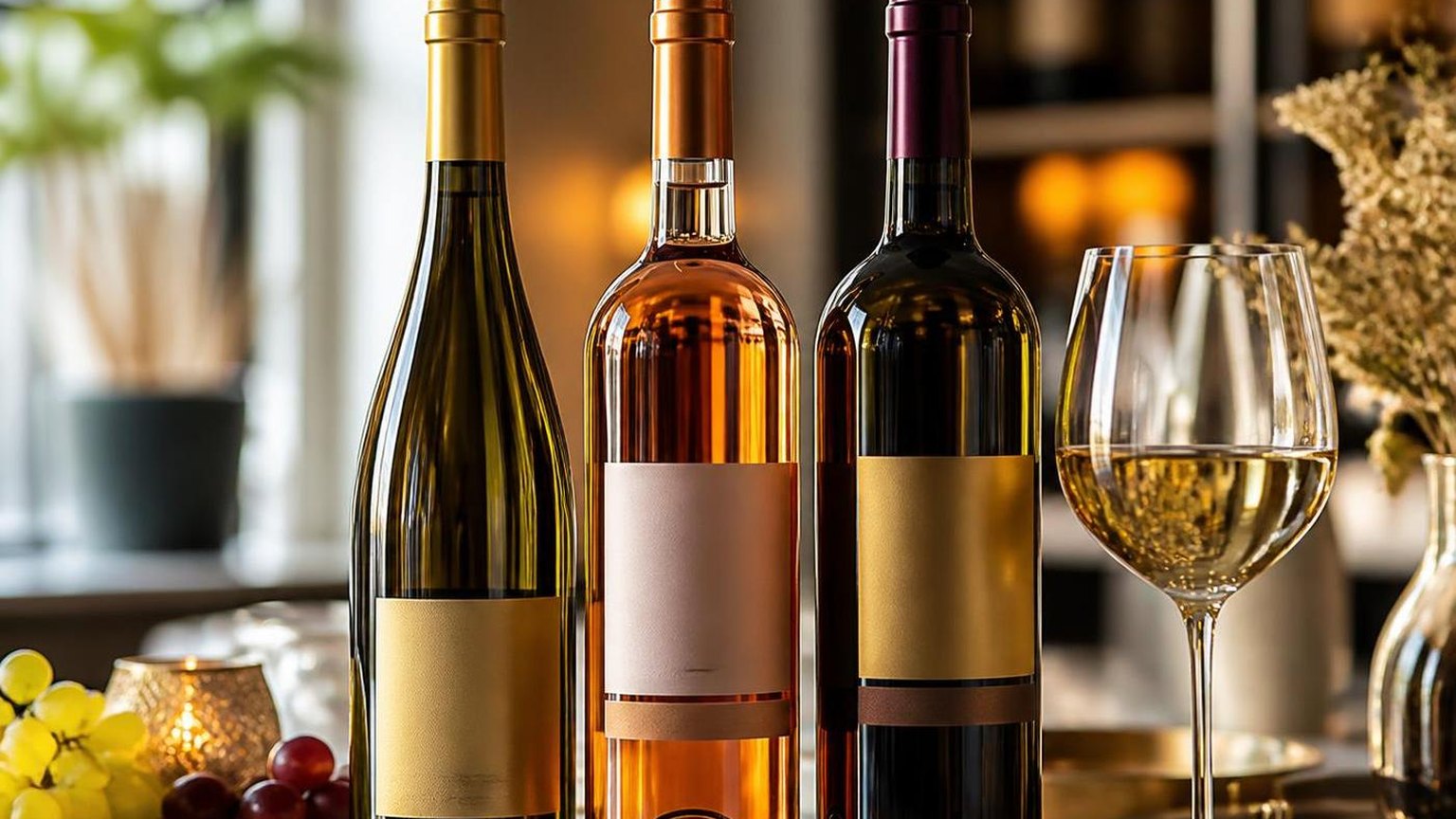
The best semi sweet white wines balance noticeable fruit sweetness with enough acidity to stay fresh.
In practical terms, many strong examples land around 20 to 60 grams per liter of residual sugar, though acidity, alcohol, and serving temperature change how sweet they taste.
For reliable quality, focus on grapes and regions with a long track record in off-dry styles. Riesling leads the category, but Chenin Blanc, Moscato, Gewurztraminer, and some Vouvray and demi-sec sparkling wines also perform consistently well.
Riesling is the benchmark because high natural acidity keeps sugar from tasting heavy.
German Kabinett and Spatlese, plus off-dry Rieslings from the Mosel, Rheingau, Clare Valley, and New York’s Finger Lakes, regularly show peach, lime, green apple, and slate.
| Style | Typical residual sugar | Typical alcohol | Why it works |
| German Riesling Kabinett | 20-45 g/L | 7-10% | High acidity, light body, precise citrus fruit |
| German Riesling Spatlese | 35-70 g/L | 7-9% | Riper stone fruit, more sweetness, still vibrant |
| Vouvray Demi-Sec | 18-35 g/L | 11-13% | Chenin acidity with apple, quince, and honey notes |
| Moscato d’Asti | 90-120 g/L | 5-6% | Very aromatic, lightly sparkling, low alcohol |
| Gewurztraminer Off-Dry | 15-35 g/L | 12-14% | Lychee, rose, spice, fuller texture |
Vouvray Demi-Sec is a top alternative to Riesling.
Made from Chenin Blanc in France’s Loire Valley, it combines medium sweetness with firm acidity, often showing apple, quince, chamomile, and light honey, with enough structure to age for five to ten years.
Moscato d’Asti is sweeter on paper but still refreshing because of its low alcohol, gentle sparkle, and bright acidity.
Italian law keeps it lightly fizzy and usually around 5 to 5.5% alcohol, making it one of the easiest semi sweet whites for brunch and dessert-adjacent pairings.
Off-dry Gewurztraminer suits drinkers who want stronger aroma than Riesling. Alsace examples often deliver rose petal, lychee, ginger, and tropical fruit, but the grape has lower acidity, so bottle balance matters more than sweetness level alone.
- Choose Riesling for the most balanced sweet-acid profile.
- Choose Vouvray Demi-Sec for more body and savory food pairing range.
- Choose Moscato d’Asti for low alcohol and aromatic sweetness.
- Choose Gewurztraminer for floral spice and richer texture.
Serve most semi sweet whites at 45 to 50°F. Colder service sharpens acidity and tones down sweetness, which is why these wines pair well with spicy Thai food, pork, ham, soft cheeses, and fruit-driven desserts.
Best Semi Sweet Red Wines
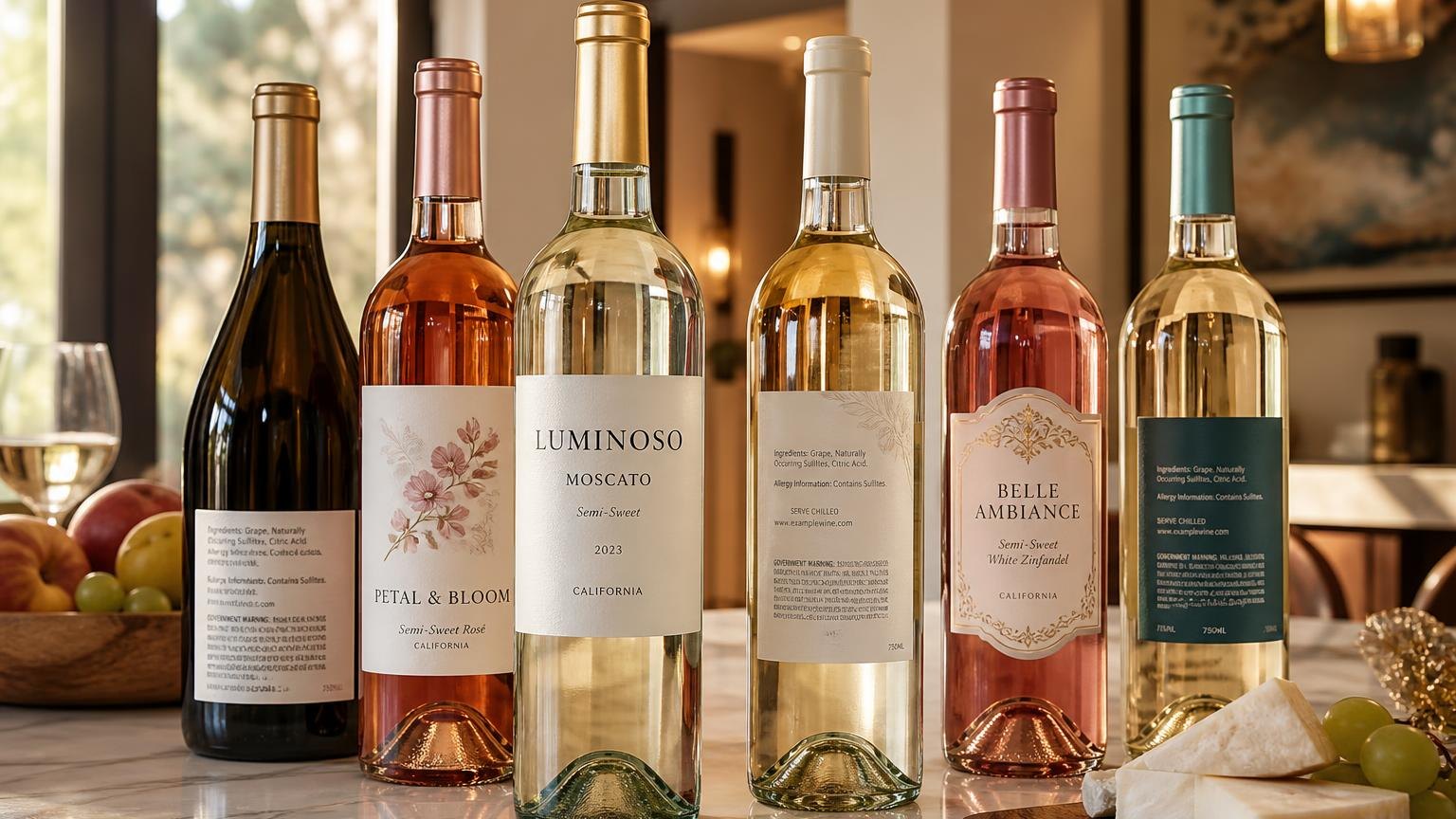
The best semi sweet red wines balance ripe fruit, moderate tannin, and enough acidity to keep sweetness from tasting syrupy.
In practice, the most reliable choices are lightly sparkling Italian reds, aromatic Piedmont reds, and a few softer German styles.
These wines work because sugar highlights fruit while low to moderate tannin keeps the finish smooth. Chill most of them to 55-60°F, which sharpens freshness and prevents sweetness from feeling heavy.
| Wine style | Main origin | Typical ABV | Typical serving temp | Why it stands out |
| Lambrusco Dolce | Emilia-Romagna, Italy | 8-11% | 50-55°F | Juicy blackberry fruit, light fizz, low tannin |
| Brachetto d’Acqui DOCG | Piedmont, Italy | 5-7% | 45-50°F | Rose, strawberry, and red berry aromas with gentle sweetness |
| Dornfelder Halbtrocken | Germany | 10.5-12.5% | 55-60°F | Soft texture, plum fruit, mild acidity, easy finish |
| Ruby Port | Douro, Portugal | 19-20% | 60-65°F | Richer, fuller, and sweeter for dessert use |
Lambrusco Dolce is the most versatile semi sweet red for casual drinking. Quality bottles show blackberry, black cherry, and violet, with enough acidity to pair with pizza, cured meats, or tomato-based pasta.
The best versions usually come from Lambrusco Grasparossa, Salamino, or Sorbara zones in Emilia-Romagna. Expect slight spritz rather than Champagne-level pressure, which keeps the palate lively and makes sweetness feel lighter.
Brachetto d’Acqui DOCG is one of Italy’s classic sweet red wines. Its low alcohol, often near 5.5%, makes it especially useful when you want sweetness without the weight of Port or late-harvest dessert wine.
Its signature profile is floral and red-fruited: rose petal, strawberry, raspberry, and candied cherry. Pair it with chocolate-covered strawberries, berry tart, or almond cookies; heavy chocolate cake can overpower its delicacy.
Dornfelder Halbtrocken is a smart pick for drinkers who want a still red with mild sweetness. Dornfelder naturally gives deep color and dark-fruit flavors, but in halbtrocken form it stays smoother and less tannic than many dry reds.
Look for producers labeling the wine Halbtrocken or Feinherb. Those terms usually signal off-dry to semi sweet balance, with enough acidity to keep plum and black cherry flavors fresh rather than jammy.
Ruby Port fits when “semi sweet” shades into clearly sweet. At about 20% alcohol, it is richer and more powerful than the other wines here, so serve smaller pours and pair it with blue cheese, nuts, or dark chocolate.
- Choose Lambrusco for food-friendly sweetness and freshness.
- Choose Brachetto d’Acqui for the lightest body and lowest alcohol.
- Choose Dornfelder Halbtrocken for a soft still red.
- Choose Ruby Port for dessert and stronger sweetness.
Sweetness Levels by Residual Sugar
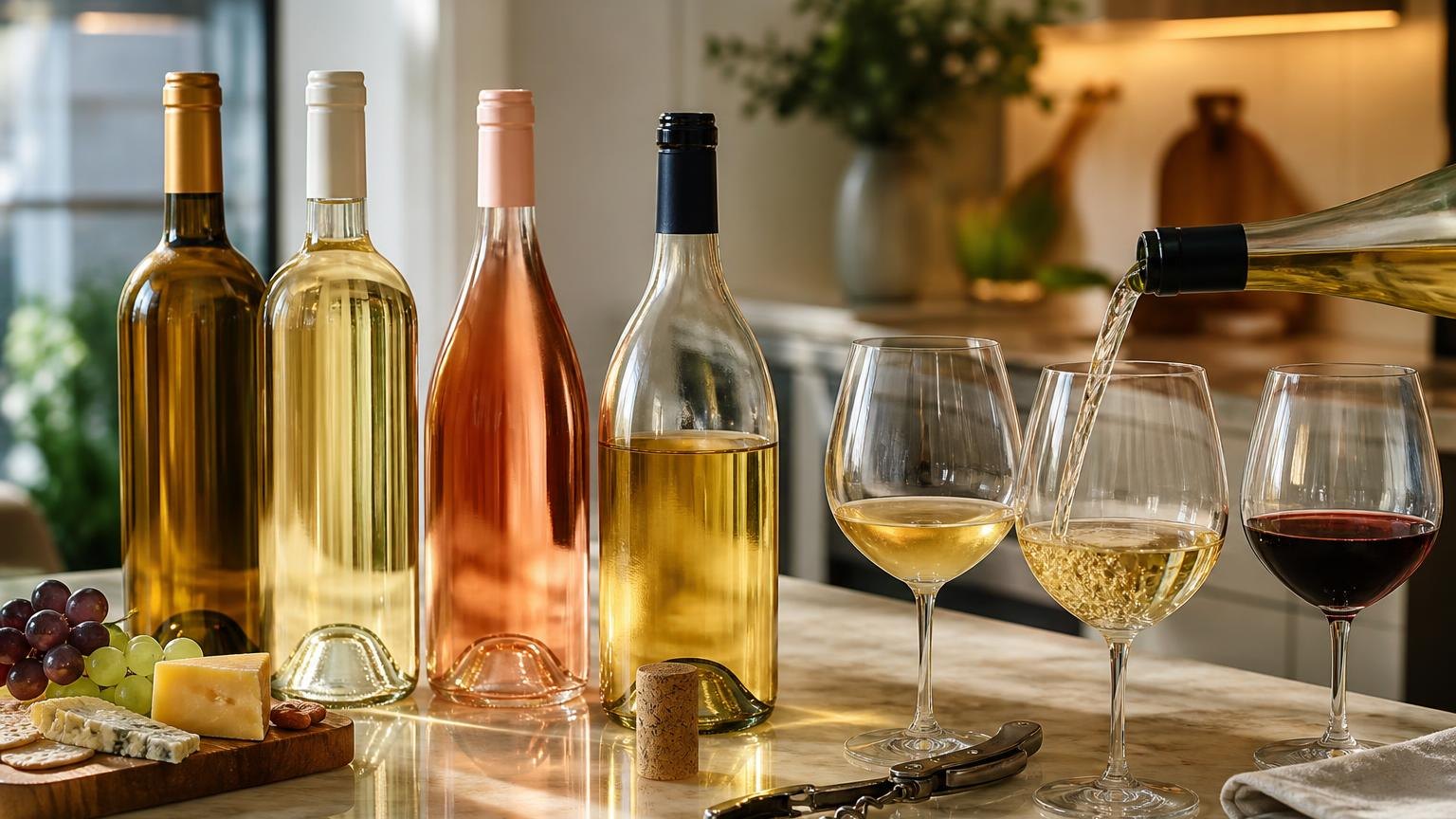
Residual sugar, or RS, is the amount of sugar left in wine after fermentation, usually measured in grams per liter. It is the standard way producers and regulators describe sweetness, but RS does not tell the whole sensory story.
Acidity, alcohol, tannin, and serving temperature change how sweet a wine tastes in the glass.
In practical terms, semi-sweet wine sits between off-dry and fully sweet. Many bottles people call “semi-sweet” fall around 18 to 45 g/L RS, though labeling rules vary by country and producer.
A high-acid Riesling at 30 g/L can taste less sweet than a low-acid white at 20 g/L.
| Sweetness level | Typical residual sugar | How it usually tastes |
| Dry | 0 to 9 g/L | Little to no obvious sweetness |
| Off-dry | 10 to 17 g/L | Noticeable hint of sweetness |
| Semi-sweet | 18 to 45 g/L | Clearly sweet, but not dessert-level |
| Sweet | 46 g/L and above | Rich sweetness, often dessert style |
The European Union uses a more technical framework for wines labeled dry, medium dry, medium, and sweet. Under EU rules, “medium” wines can reach 45 g/L RS, which overlaps closely with what many US drinkers call semi-sweet.
That overlap explains why the same wine may be marketed differently in different places.
| EU labeling term | Residual sugar rule |
| Dry | Up to 4 g/L, or up to 9 g/L if total acidity is no more than 2 g/L below RS |
| Medium dry | Up to 12 g/L, or up to 18 g/L with the same acidity condition |
| Medium | Up to 45 g/L |
| Sweet | More than 45 g/L |
For buying wine, 18 to 30 g/L usually feels gently sweet and food-friendly. That range works well for spicy Thai food, glazed ham, blue cheese, and fruit desserts.
Around 30 to 45 g/L tastes more obviously lush and can start to feel heavy if acidity is low.
Popular semi-sweet styles often land in this middle zone.
German Kabinett and Spätlese Riesling, Moscato d’Asti, some Vouvray Demi-Sec, and many supermarket “semi-sweet red” blends commonly show enough RS to taste soft and round without becoming syrupy.
- High acidity makes the same RS taste less sweet.
- Lower serving temperatures mute sweetness and highlight freshness.
- Carbonation, as in Moscato d’Asti, lightens the perception of sugar.
- Tannic reds can seem less sweet than whites with equal RS.
If you want a reliable semi-sweet bottle, look for producer notes mentioning off-dry, demi-sec, medium, or 18 to 45 g/L RS. If the label gives no number, Riesling and Moscato are usually safer bets than Chardonnay or Sauvignon Blanc.
Food Pairings for Semi Sweet Wine
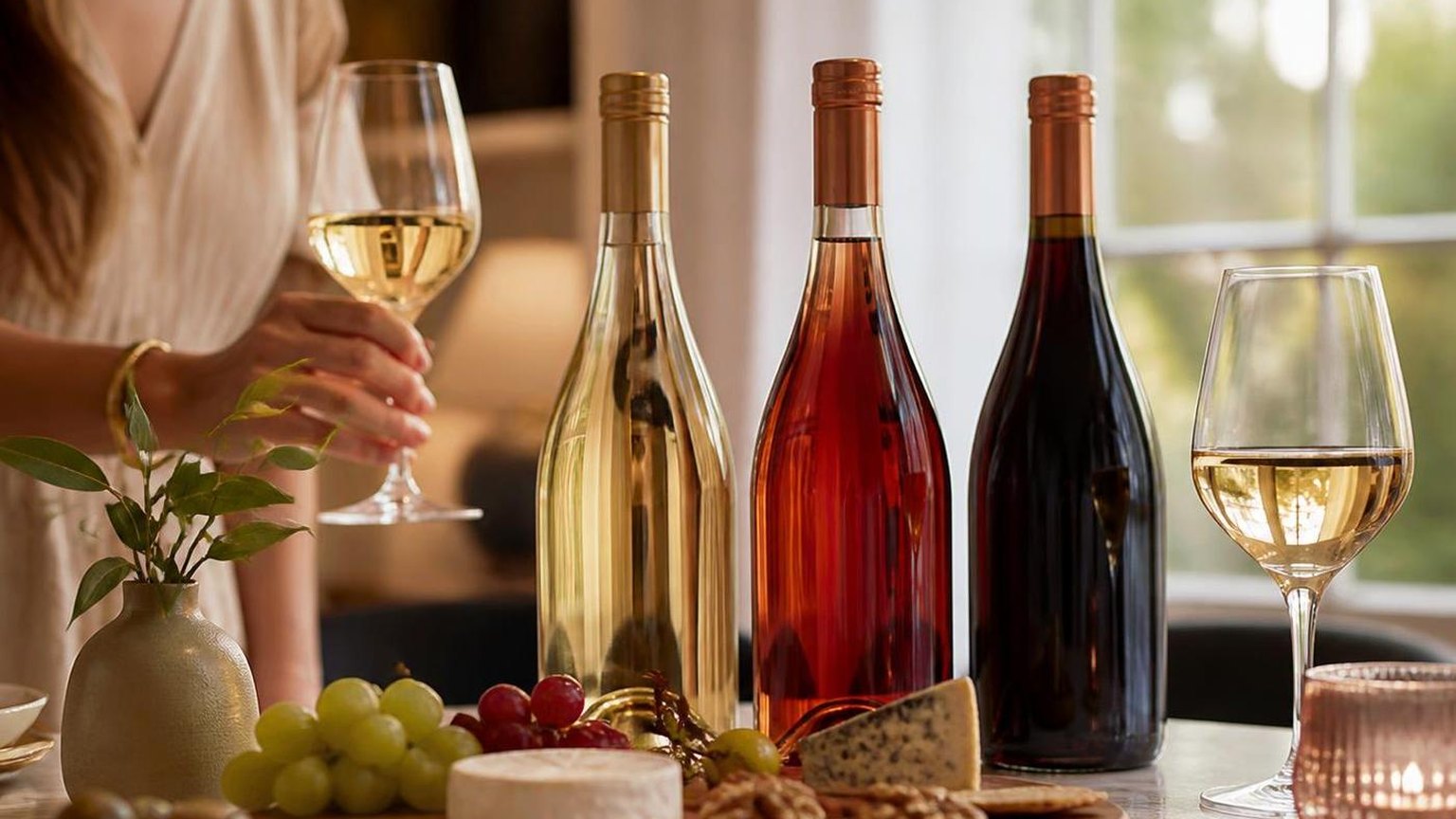
Semi-sweet wine pairs best when its fruit and sugar balance salt, heat, or mild richness. The key rule is simple: the wine should taste at least as sweet as the food, or the wine can seem thin, sour, or bitter.
Most semi-sweet styles sit between dry table wine and dessert wine. That makes them useful at the table, especially with spicy Asian dishes, cured meats, washed-rind cheese, and fruit-driven desserts that are not excessively sugary.
Residual sugar changes how a pairing behaves. A wine with moderate sweetness can soften chili heat, tame salt, and make aromatic spices feel rounder, while acidity keeps the finish from turning heavy.
| Wine style | Typical residual sugar | Best food matches | Why it works |
| Riesling Kabinett or off-dry Riesling | 18-45 g/L | Thai curry, pork dumplings, roast ham | High acidity offsets sweetness and cools spice |
| Moscato d’Asti | 90-120 g/L | Fresh berries, almond tart, blue cheese | Low alcohol and lively mousse keep desserts light |
| Demi-sec Chenin Blanc | 10-35 g/L | Fried chicken, soft-ripened cheese, apple dishes | Waxy texture handles crisp fat and orchard-fruit flavors |
| Gewurztraminer, off-dry | 12-30 g/L | Tandoori chicken, munster, ginger-glazed pork | Lychee and spice notes echo aromatic food |
| Lambrusco amabile | 15-45 g/L | Prosciutto, pizza with hot soppressata, barbecue | Bubbles and acidity cut fat and salt |
Spicy food
Off-dry Riesling and semi-sweet Gewurztraminer are reliable with heat. Capsaicin makes alcohol feel hotter, so wines around 7 to 11% ABV usually perform better than fuller, drier wines at 13.5% or more.
Pair pad thai, green curry, Korean fried chicken, or spicy Szechuan dishes with a chilled semi-sweet white. The sugar cushions chili impact, and bright acidity keeps fish sauce, lime, and herbs clear.
Salt, fat, and cured meats
Salt amplifies fruit and softens perceived acidity. That is why prosciutto, country ham, pâté, and salty sausages work with semi-sweet sparkling wines and lightly sweet rosé.
For richer foods, use fizz or firm acidity. Lambrusco amabile with pepperoni pizza or demi-sec Chenin Blanc with fried chicken works because bubbles scrub fat while sweetness rounds char and spice.
Cheese and dessert
Semi-sweet wine is excellent with pungent cheeses. Blue cheese, Taleggio, Munster, and washed-rind styles benefit from the contrast between salt, funk, and ripe fruit.
With dessert, avoid pairing a lightly sweet wine with a very sweet cake. Better matches are fruit tarts, poached pears, shortbread, almond pastries, and cheesecake with fresh berries.
- Match intensity first: delicate semi-sweet wines suit lighter dishes, not heavy stews.
- Serve most semi-sweet whites at 43-50°F to sharpen acidity and control sweetness.
- If the dish is sweet and spicy, choose a wine with clearly higher residual sugar.
- Avoid very tannic reds with chili heat; tannin can make spice feel harsher.
Serving and Buying Semi Sweet Wine
Semi-sweet wine shows best when temperature, glassware, and freshness are handled carefully. Serve it too warm and sugar feels heavy; serve it too cold and fruit and aroma flatten.
Buy by style, producer, and balance, not by the word “sweet” alone. Good bottles keep acidity in front, fruit in the middle, and sugar as support rather than the whole experience.
For serving, chill most semi-sweet whites and rosés to 45–50°F. Lighter reds with noticeable sweetness, such as Lambrusco or Brachetto, usually show best at 50–55°F.
| Style | Best serving temperature | Why it works |
| Riesling Kabinett or off-dry Chenin Blanc | 45–50°F | Keeps sugar in check and preserves acidity |
| Moscato d’Asti | 40–45°F | Highlights floral aromas and gentle sparkle |
| Off-dry rosé | 45–50°F | Maintains freshness and red-fruit character |
| Lambrusco or Brachetto | 50–55°F | Prevents tannin and bubbles from feeling sharp |
Use a standard white wine glass for most bottles. A narrow flute is fine for sparkling semi-sweet wines, but it reduces aroma compared with a tulip-shaped sparkling glass.
After opening, re-cork and refrigerate. Most semi-sweet still wines stay in good shape for 3–5 days; lightly sparkling bottles are usually best within 1–3 days because carbonation drops quickly.
When buying, look first at alcohol. Many balanced semi-sweet wines sit around 7–11% ABV, especially German Riesling, Moscato d’Asti, and some Vouvray styles, because retained grape sugar lowers final alcohol.
Read regional terms carefully. German labels such as Kabinett and Spätlese often indicate ripeness at harvest, not a fixed sweetness level, so producer style and acidity matter as much as the category.
| Buying clue | What it can suggest | How to use it |
| ABV under 9% | Noticeable residual sugar is likely | Good for spicy food or dessert-light sipping |
| ABV 10–12.5% | Often off-dry to medium-sweet | Usually more versatile at the table |
| “Dry” on label | Producer wants acidity and structure emphasized | Check reviews or importer notes before buying |
| Screw cap | Fresh, fruit-driven style is common | Useful for casual drinking and short-term storage |
Price helps, but it is not the best filter. Many strong-value semi-sweet wines land between $12 and $25, while well-regarded single-vineyard Rieslings and top demi-sec sparkling wines often start above $25.
- Choose younger vintages for Moscato, rosé, and simple off-dry whites; fresh fruit is the point.
- Choose trusted regions: Mosel, Rheingau, Vouvray, Asti, and Emilia-Romagna have long track records.
- Avoid bottles described only as “sweet red” without grape, region, or producer detail.
- Pair sweetness with salt, spice, or acidity; that balance makes buying and serving easier.
If possible, buy from a shop that lists residual sugar or tasting notes. Even 15–30 grams per liter can taste balanced when acidity is high, which is why the best semi-sweet wines never seem syrupy.
Questions People Ask Most
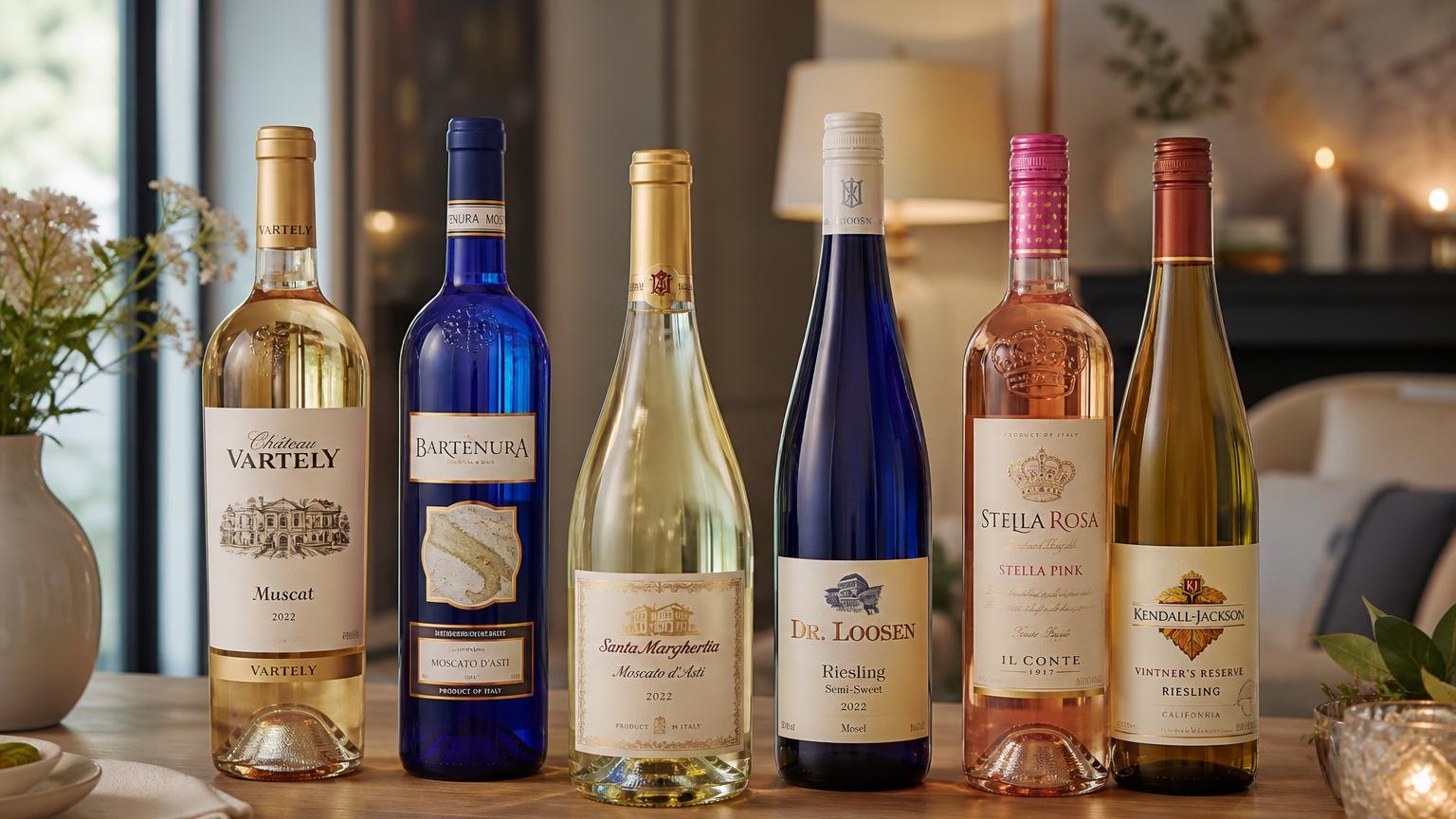
What is a good semi sweet wine?
A good semi sweet wine has noticeable fruit sweetness balanced by enough acidity to keep it from tasting syrupy.
In practical terms, many semi sweet wines fall around 12 to 45 grams per liter of residual sugar, though balance matters more than the number alone.
Which grape varieties make the best semi sweet wines?
Riesling, Moscato, Chenin Blanc, Gewurztraminer, and some Lambrusco styles are the most reliable choices because they keep freshness while carrying moderate sweetness.
Riesling is often the most versatile because its naturally high acidity supports sweetness without losing structure.
Is semi sweet wine the same as dessert wine?
No, semi sweet wine is usually lighter and less sugary than dessert wine.
Dessert wines such as Sauternes, Tokaji, or ice wine often exceed 100 grams per liter of residual sugar, while semi sweet wines are typically made for casual sipping or pairing across a full meal.
What foods pair best with semi sweet wine?
Semi sweet wines work especially well with spicy Thai food, Korean barbecue, glazed ham, fruit-forward salads, and soft cheeses because a little sweetness softens heat and salt.
Off-dry Riesling is a classic match for dishes with chili, ginger, or soy since its acidity keeps the palate clean.
How can I tell if a wine is semi sweet before buying it?
Start with label terms such as “off-dry,” “semi sweet,” “feinherb,” “demi-sec,” or “amabile,” then check the alcohol level because lower alcohol can indicate that some grape sugar was.
Left unfermented.
Producer tech sheets are the most accurate source, and many list residual sugar in grams per liter.
Should semi sweet wine be served chilled?
Yes, most semi sweet white, rosé, and sparkling wines show better balance when served cold, usually around 45 to 50 degrees Fahrenheit.
Chilling sharpens acidity, tones down perceived sweetness, and makes aromatics like peach, apricot, lychee, and citrus taste more defined.
Related Reading
- Gold Medal Wine Club Review – Information From Experts
- What Does Marsala Wine Taste Like? Answer From Expert
- How Long Does Wine Last In The Fridge Unopened?
- How Many Ounces In Wine Bottle? The Complete, Real-World Guide (2026 Edition)
- Biggest Glass of Wine Meme
- How Many Servings Of Wine In A Bottle?
- What Is The Best Sweet Wine? – Find Out Now
- How Long Does Wine Last Unopened?
- Black and Bruised Wine Flavor, Price, and Pairings
- All Alcohol Guides
- Alcohol and Tobacco Tax and Trade Bureau – Ruling 2010-3: Standards for Labeling Alcohol Content and Sweetness Terms on Wine, Distilled Spirits, and Malt Beverages (2010)
- U.S. Department of Agriculture FoodData Central – Wine, dessert, sweet (2019)
- National Library of Medicine – Red wine and resveratrol: Good for your heart? (2023)
- UC Davis Robert Mondavi Institute – Sweetness in Wine (2015)
- Wine & Spirit Education Trust – Sweetness in Wine Explained (2024)
- Decanter – What is off-dry wine? (2023)
- Wine Enthusiast – Your Guide to Sweet Wines (2023)
- JancisRobinson.com – Off-dry (2024)
- The Oxford Companion to Wine – Sweetness (2015)