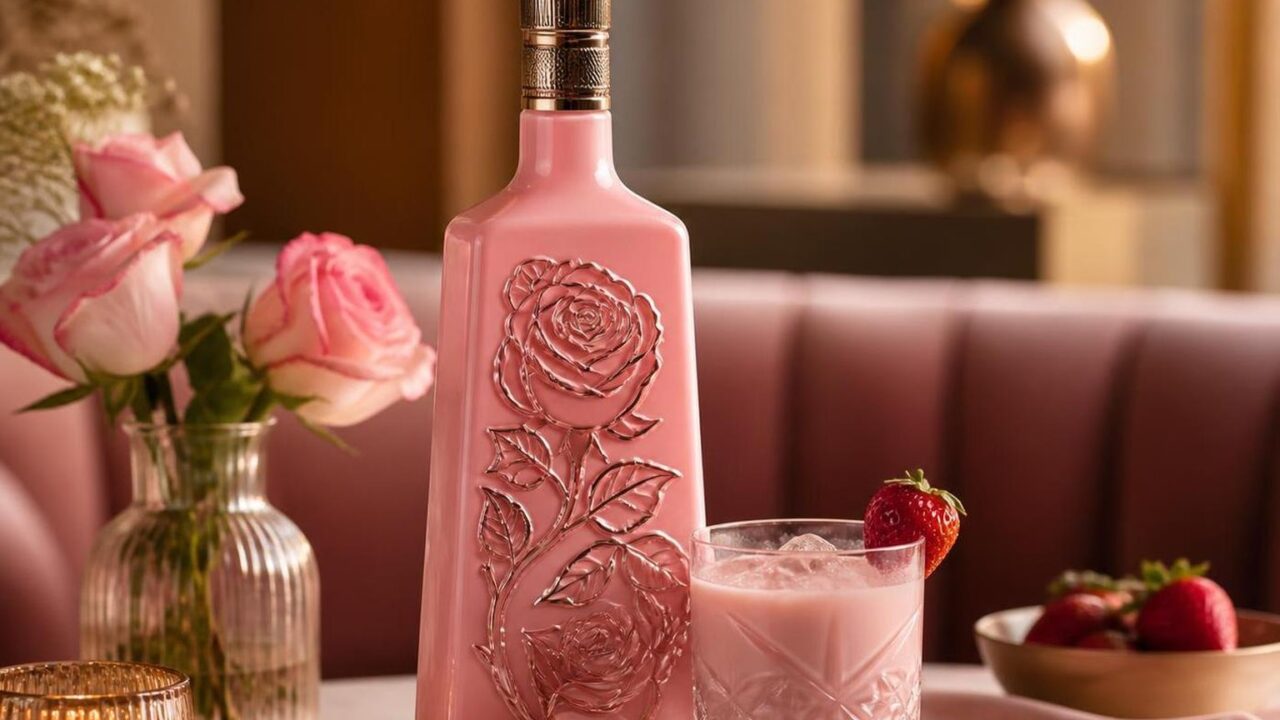
Does Tequila Rose Go Bad? Yes: Tequila Rose is a dairy-based strawberry cream liqueur, so it can spoil after opening, especially if stored warm or contaminated by repeated pouring.
Its alcohol helps preservation, but the cream component makes freshness, texture, aroma, and refrigeration more important than with spirits.
An unopened bottle usually keeps best in a cool, dark place until the producer’s date guidance, while an opened bottle should be tightly capped and refrigerated for better quality.
Discard it if you notice sour odor, curdling, separation that will not shake back together, mold, or an off flavor.
Does Tequila Rose Actually Expire
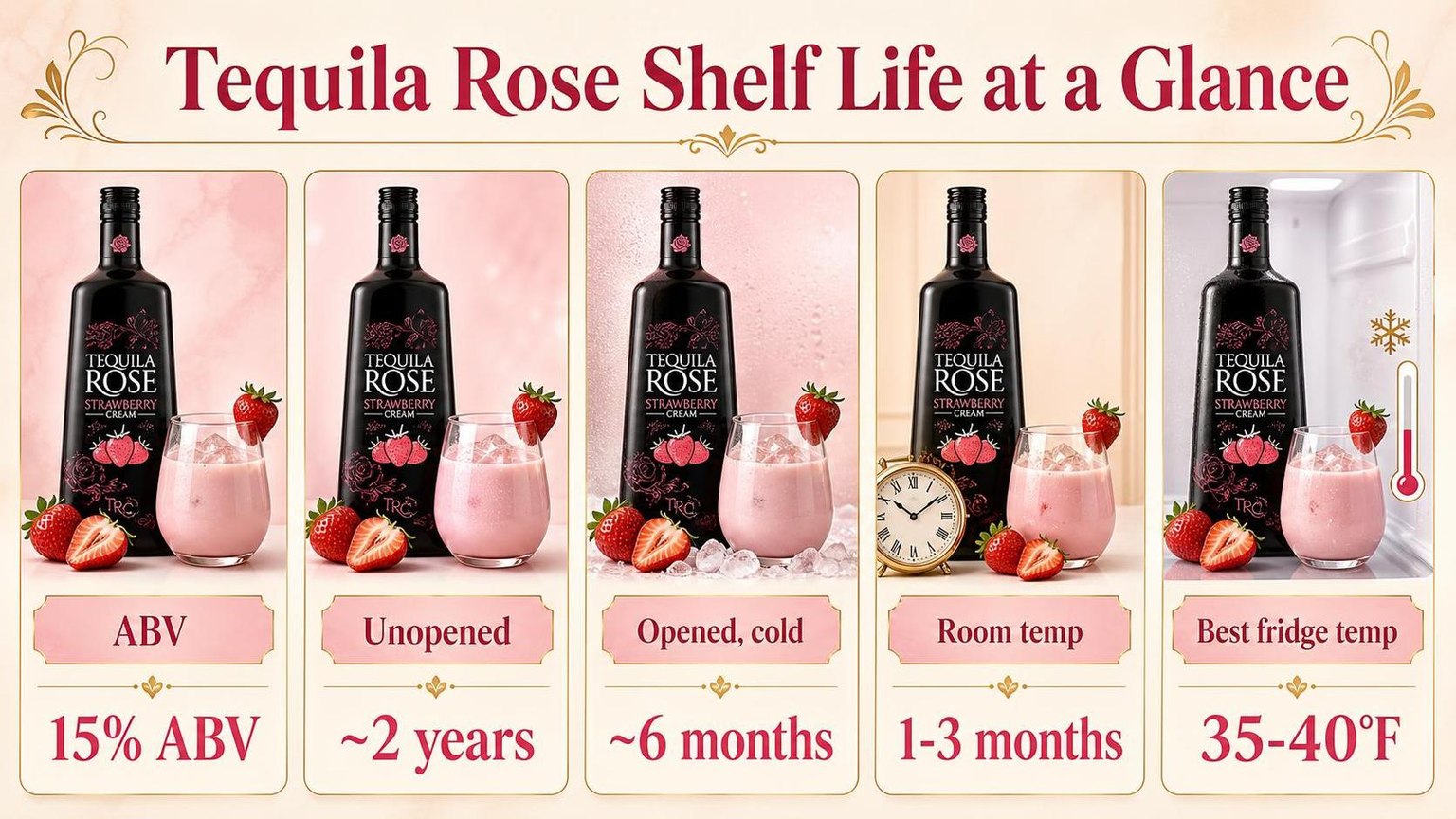
Yes. Tequila Rose is not a shelf-stable spirit like straight tequila. It is a cream liqueur made with dairy cream, strawberry flavor, sugar, and tequila, and its 15% ABV is not high enough to preserve flavor and texture indefinitely.
That means the bottle does not usually become unsafe overnight, but it does lose quality and can eventually spoil. The practical answer is that Tequila Rose has a usable shelf life, and storage conditions matter.
Tequila Rose lasts longer than fresh dairy because alcohol and sugar slow microbial growth. It still ages faster than standard liquor because cream is the limiting ingredient.
| Condition | Typical quality window | Why |
| Unopened bottle | About 2 years from production | Sealed packaging protects the cream liqueur, but flavor and texture still degrade over time. |
| Opened bottle, refrigerated | About 6 months | Air exposure speeds oxidation and flavor loss, even with alcohol and sugar present. |
| Opened bottle, warm storage | Shorter than 6 months | Heat accelerates separation, off flavors, and dairy breakdown. |
Those timelines are about best quality, not a hard legal expiration line. A bottle can look fine past that point, but the risk of curdling, separation, and stale flavor rises.
Tequila Rose should be checked before pouring if it has been open for months. Cream liqueurs usually show decline through smell, texture, and appearance before they become obviously undrinkable.
- Sour, yogurt-like, or sharply rancid smell
- Lumpy or curdled texture that does not smooth out when shaken
- Noticeable separation that quickly returns after shaking
- Duller strawberry flavor or a cardboard-like oxidized taste
- Bulging cap, leakage, or other packaging damage
The reason Tequila Rose “expires” while straight tequila does not is alcohol strength. Standard tequila is typically 35% to 40% ABV, while Tequila Rose is 15% ABV and contains cream.
| Drink type | Typical ABV | Shelf-life behavior |
| Straight tequila | 35% to 40% | Very stable; quality changes slowly after opening |
| Tequila Rose | 15% | Limited shelf life because cream and lower alcohol reduce stability |
Store it tightly sealed, away from heat and light, and refrigerate after opening. If the bottle is old and shows any dairy spoilage signs, discard it.
Tequila Rose Shelf Life After Opening
After opening, Tequila Rose keeps best for about 6 months when stored tightly sealed in the refrigerator.
It usually remains drinkable longer, but flavor, texture, and color decline first because this is a 15% ABV strawberry cream liqueur, not a high-proof spirit.
Opening starts three problems at once: oxygen exposure, temperature fluctuation, and microbial risk from the bottle neck or cap.
Alcohol slows spoilage, but the dairy-based cream makes Tequila Rose less stable than straight tequila, vodka, or whiskey.
Refrigeration matters. Cold storage slows fat separation, oxidation, and flavor breakdown.
An opened bottle left at room temperature may still seem fine for weeks, but it loses quality faster and has a higher chance of curdling or developing off aromas.
| Condition after opening | Expected quality window | Risk level |
| Refrigerated at 35-40°F, tightly sealed | Best within 6 months | Lowest |
| Refrigerated at 41-45°F, occasionally opened | About 4-6 months | Moderate |
| Room temperature around 68-72°F | About 1-3 months for best quality | Higher |
| Warm storage above 75°F | Quality can drop within weeks | Highest |
Use appearance and smell before taste. If the liquid looks lumpy, separated beyond a light shake, darker than usual, or smells sour, rancid, or sharply alcoholic, discard it. Cream liqueurs should pour smoothly, not in clumps.
The bottle’s “best by” date still matters after opening. If you open Tequila Rose close to that date, the 6-month window shrinks.
A bottle opened several months before its printed date generally holds quality longer than one opened near expiration.
- Store it in the refrigerator, not on a liquor shelf.
- Keep the cap tightly closed after every pour.
- Avoid drinking from the bottle; backwash adds bacteria.
- Do not freeze it. Freezing can damage texture and increase separation.
- Use a clean glass each time to reduce contamination.
If you are unsure, follow the conservative rule: opened Tequila Rose is best finished within 6 months refrigerated. When quality signs appear earlier, discard it immediately.
With dairy liqueurs, texture and smell are more reliable than taste-testing alone.
Unopened Bottle Storage and Quality
An unopened bottle of Tequila Rose is shelf-stable, not immortal. Quality usually holds best for about 2 years from bottling when the bottle stays sealed and stored correctly.
Because it is a cream liqueur, storage matters more than with straight spirits. Heat, sunlight, and repeated temperature swings break down flavor faster, even before the seal is opened.
Tequila Rose is bottled at 15% alcohol by volume. That alcohol level helps preserve the product, but it does not stop gradual changes in the dairy-based cream and strawberry flavoring over time.
The best place for an unopened bottle is a cool, dark cabinet. Aim for a steady room temperature, ideally around 59 to 68°F, and keep it away from ovens, dishwashers, radiators, and sunny windows.
Do not freeze the bottle. Very low temperatures can stress the emulsion, which may affect texture once the bottle is eventually opened.
| Factor | Best practice | Why it matters |
| Alcohol content | 15% ABV | Helps preserve, but does not prevent aging |
| Unopened quality window | About 2 years | Flavor and texture are usually best in this period |
| Ideal storage temperature | 59 to 68°F | Reduces separation, flavor fade, and heat damage |
| Light exposure | Keep in darkness | Limits flavor degradation and color change |
If the bottle has a printed best-by date, use that as the primary reference. If no date is visible, estimate from purchase timing and assume quality declines gradually after the 2-year mark.
An unopened bottle that was stored well may still taste acceptable after that window. The issue is usually quality loss, not instant spoilage.
- Store upright to protect the closure and reduce seepage risk.
- Keep the bottle in its original box if possible to block light.
- Avoid attic, garage, or car storage, where temperatures can exceed 80°F.
- Check for leaking, bulging, or dried residue around the cap before serving.
Before opening an older bottle, inspect the liquid through the glass. Discoloration, visible curdling, heavy separation that does not settle evenly, or an off smell after opening are signs the bottle is past its prime.
In practical terms, unopened Tequila Rose keeps best when treated like a delicate liqueur, not a forever spirit. Stable temperature and darkness preserve the bottle’s strawberry-cream profile far better than refrigeration alone.
Signs Tequila Rose Has Spoiled
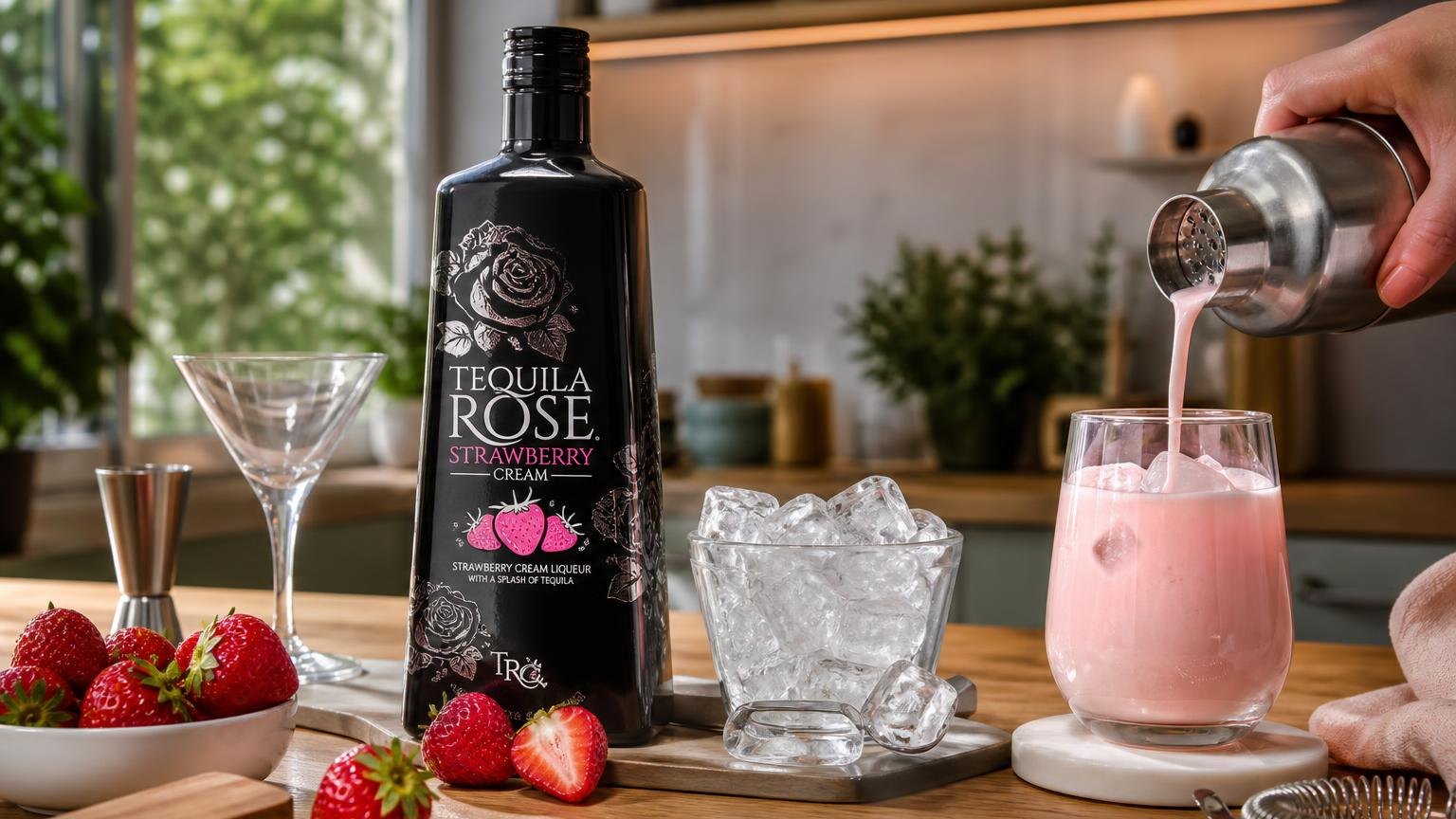
Tequila Rose is a cream liqueur made with dairy and bottled at 15% ABV. Alcohol slows spoilage, but it does not stop milk proteins, fat, and sugars from degrading once the bottle ages or sits opened too long.
The clearest warning signs are changes in texture, smell, color, and taste. If more than one appears at the same time, discard the bottle rather than trying to strain or chill it back into shape.
| Check | Normal Tequila Rose | Spoiled Tequila Rose |
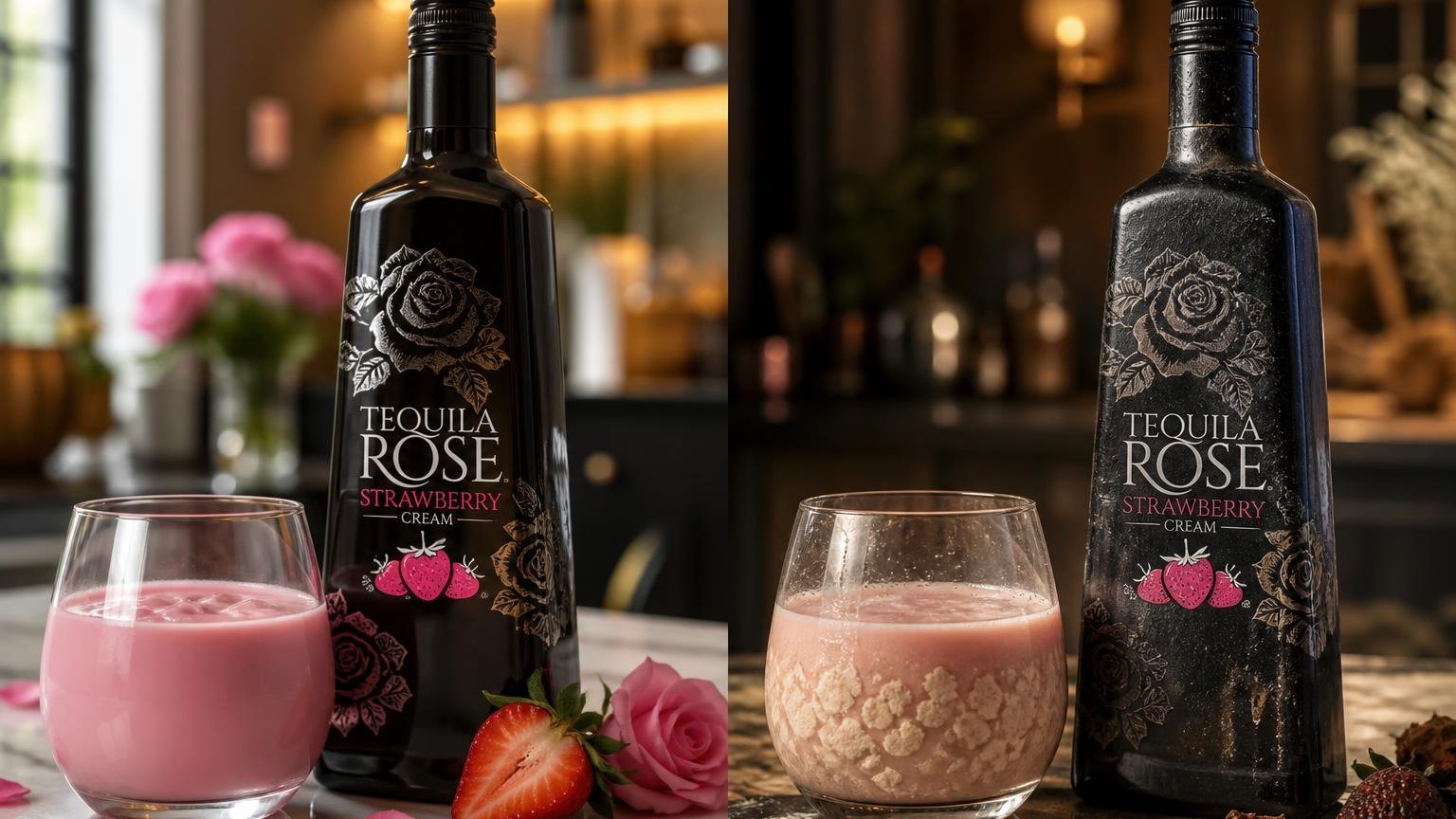
| Texture | Smooth, pourable, evenly creamy | Lumpy, grainy, chunky, or thick like separated yogurt |
| Separation | Minor settling that blends after 10 to 15 seconds of shaking | Distinct layers that stay split after 15 seconds of shaking |
| Color | Consistent pink or strawberry-cream tone | Duller tan, brownish, yellowed, or uneven dark streaks |
| Smell | Sweet strawberry, vanilla, light cream | Sour milk, rancid dairy, fermented, or sharply acidic odor |
| Taste | Sweet, creamy, soft tequila finish | Sour, bitter, metallic, fizzy, or noticeably “off” |
Texture is usually the first reliable clue. A cream liqueur should pour in a uniform stream. If you see curd-like bits, sandiness, or gelatinous clumps, the emulsion has broken and the dairy portion is no longer stable.
Some settling is normal in cream-based drinks. What matters is whether the bottle recombines. If a vigorous 10 to 15 second shake leaves floating flecks or a top-and-bottom split, treat that as spoilage, not harmless settling.
Smell the bottle immediately after opening. Fresh Tequila Rose should smell sweet and creamy. A sour, buttermilk-like, or rancid odor points to dairy breakdown. If the aroma stings your nose or smells fermented, do not drink it.
Color changes also matter. Oxidation and dairy degradation can shift the liqueur from its usual pink tone toward beige, tan, or light brown. Dark specks, uneven streaking, or a dull gray cast are stronger warning signs than simple fading.
Taste should be the last check, and only if the bottle looks and smells normal. Take a very small sip. If it tastes sour, bitter, metallic, or lightly fizzy, stop there and discard the bottle.
- Discard immediately if you see mold, though mold is less common in sealed high-sugar liqueurs.
- Discard if the bottle was left open, warm, or in direct sun for extended periods.
- When in doubt, replace it. A new bottle costs less than dealing with spoiled dairy.
Why Cream Liqueurs Go Bad
Cream liqueurs spoil because they combine dairy, sugar, fat, water, and alcohol in one unstable system.
Tequila Rose is not shelf-stable forever; its quality depends on how well that emulsion resists microbes, oxidation, heat, and physical separation over time.
Alcohol helps, but it does not make cream immortal. Most cream liqueurs sit around 15% to 17% ABV, which is lower than spirits and high enough to slow many microbes, not stop every quality change.
The first problem is dairy chemistry. Cream contains water, milk proteins, and butterfat. In a liqueur, those parts are forced to stay mixed with alcohol through emulsifiers and careful processing.
As the product ages, that emulsion weakens, and the liquid can separate, thicken, or turn grainy.
Heat speeds that breakdown. Warmer storage increases fat movement, protein stress, and flavor loss. Repeated temperature swings are worse than steady cool storage because expansion and contraction put extra stress on the emulsion.
| Factor | What it does | Why it matters |
| Alcohol: about 15% to 17% ABV | Suppresses many microbes | Reduces spoilage risk but does not prevent staling or separation |
| Sugar: often 20%+ by weight in cream liqueurs | Lowers available water | Helps preservation, but sweetness cannot stop oxidation |
| pH: commonly around 6 for dairy-based products | Supports cream texture | Less acidic than wine or citrus liqueurs, so dairy remains more vulnerable |
| Storage above 77°F / 25°C | Accelerates chemical change | Shortens flavor life and increases visible instability |
The second problem is oxidation. Once opened, oxygen enters the bottle and starts degrading fats, flavor compounds, and color. Strawberry notes fade first, then the drink can taste flat, sour, or stale even before it becomes unsafe.
Light also damages quality. UV exposure breaks down delicate aroma compounds and can warm the bottle. That is why unopened cream liqueurs last longer in a dark cabinet than on a sunny bar cart.
Microbial spoilage is less common than physical and flavor spoilage, but it can happen if the bottle is contaminated after opening.
Pour spouts, dirty glassware, or drinking from the bottle introduce yeast and bacteria the alcohol may not fully control.
- Watch for curdling, clumps, or oil-like separation that does not remix.
- Smell for sour milk, yogurt, or rancid cream aromas.
- Taste only if appearance and smell seem normal; discard at the first off note.
- Store tightly sealed, upright, cool, and away from light.
In practice, cream liqueurs go bad because preservation is a balancing act, not a guarantee. Alcohol and sugar slow spoilage; dairy and oxygen keep pushing the other way.
Can Spoiled Tequila Rose Make You Sick
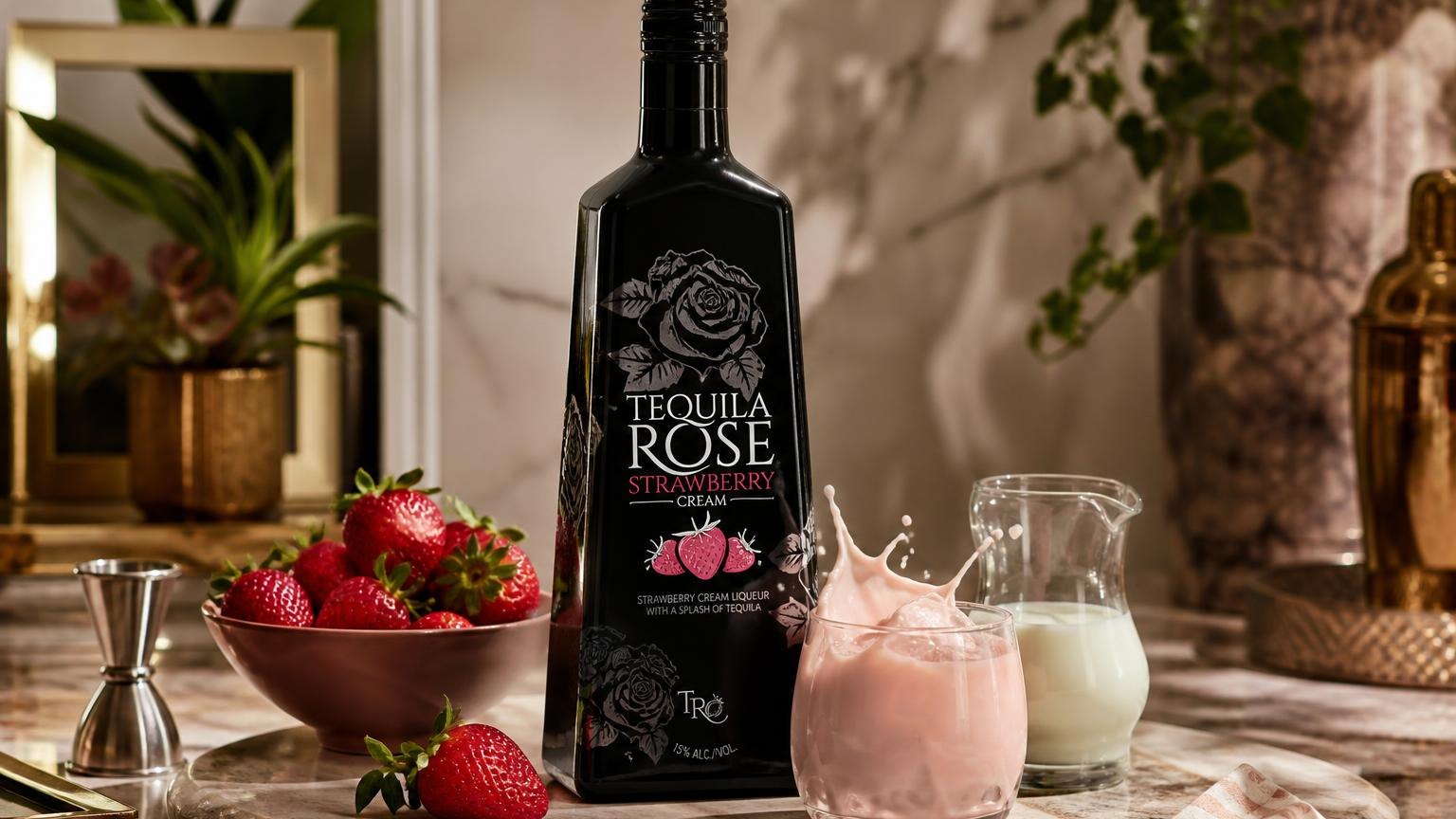
Yes. Spoiled Tequila Rose can cause nausea, vomiting, stomach cramps, or diarrhea, especially because it contains dairy cream and only about 15% alcohol by volume.
That alcohol level slows some microbes, but it does not sterilize a cream liqueur after opening.
The main risk is not the tequila. The risk is the cream, sugar, and flavoring breaking down over time, especially if the bottle was stored warm, left open, or kept long past its best quality window.
Curdling and separation can also signal deterioration.
Most healthy adults will not face severe poisoning from a small sip. The more common outcome is gastrointestinal upset within a few hours. Risk rises for pregnant people, older adults, young children, and anyone with a weakened immune system.
Tequila Rose is typically sold at 15% ABV. By comparison, distilled spirits at 40% ABV or higher are far less hospitable to spoilage organisms. Cream liqueurs behave differently because water, milk solids, and sugar create a more perishable product.
| Factor | Why it matters | Risk level |
| 15% ABV | Too low to fully protect dairy ingredients after prolonged storage | Moderate |
| Dairy cream | Can sour, separate, and support spoilage if quality declines | High |
| Warm storage | Heat speeds oxidation and breakdown | High |
| Opened bottle | Air exposure increases flavor loss and instability | Moderate |
Do not drink it if the bottle smells sour, rancid, or “off.” A normal bottle should smell sweet and creamy. Sharp acidity, spoiled milk notes, or a fermented odor are warning signs.
Texture matters. Slight settling can happen in cream liqueurs, but heavy clumps, stringy curdling, or a lumpy pour are not normal. If a shake does not restore a smooth texture, discard it.
| Sign | What it suggests | What to do |
| Sour smell | Cream deterioration | Discard |
| Lumps or curdling | Protein breakdown | Discard |
| Darkened color | Oxidation or age | Do not drink if also off-smelling |
| Bulging cap or leakage | Storage damage or pressure change | Discard |
If you drank spoiled Tequila Rose and develop repeated vomiting, severe abdominal pain, bloody diarrhea, or symptoms lasting more than 24 hours, seek medical care. For mild symptoms, stop drinking it, hydrate, and monitor.
When in doubt, throw the bottle out.
How to Store Tequila Rose Safely
Tequila Rose is a cream liqueur, so storage matters more than it does for straight spirits. Alcohol helps preserve it, but the dairy component still loses quality faster with heat, light, and oxygen after the bottle is opened.
Store an unopened bottle in a cool, dark cabinet with a steady temperature. Keep it away from ovens, windows, and car trunks, where temperature swings speed up flavor loss and can stress the cream emulsion.
| Storage condition | Best practice | Why it matters |
| Unopened bottle | 55-70°F | Reduces heat damage and slows oxidation through the closure |
| Opened bottle | 35-40°F | Matches standard refrigeration and protects the cream component |
| Avoid heat exposure | Above 77°F | Speeds flavor breakdown and can cause separation |
| Do not freeze | 0°F or below | Can change texture and destabilize the emulsion after thawing |
After opening, refrigerate the bottle and close it tightly after every pour. The U.S.
FDA uses 40°F as the standard refrigerator threshold for perishable foods, and cream liqueurs hold their texture and flavor better when kept at or below that temperature.
Store the bottle upright, not on its side. That limits the liquid’s contact with the cap or liner, which helps reduce off-flavors and leakage over time.
- Use the original cap and tighten it fully after each use.
- Wipe the neck clean before recapping so dried residue does not compromise the seal.
- Do not leave it on a bar cart in direct sun or under warm display lights.
- Do not pour it back into the bottle after it has sat in a glass or shaker.
If you serve Tequila Rose at a party, return it to the refrigerator promptly. A few minutes at room temperature is fine, but repeated hours of warm exposure shorten its useful life and increase the chance of sour or stale notes.
Check the bottle before each use. Discard it if you notice curdled texture, persistent separation that does not mix back in, a swollen cap, or sour dairy odors. Those signs matter more than the printed date if the bottle was stored poorly.
Common Questions
Does Tequila Rose go bad?
Yes. Tequila Rose is a cream liqueur, so it has a finite shelf life because dairy proteins and fats gradually break down, even with alcohol and sugar present.
An unopened bottle typically keeps about 2 years from production when stored cool and dark; once opened, quality declines faster as oxygen and temperature shifts affect flavor and texture.
How can you tell if Tequila Rose has spoiled?
Check for curdling, separation that does not remix after shaking, a sour or off dairy smell, or a noticeably chunky texture.
If the color has darkened significantly or the taste seems rancid, discard it because those are common signs the cream base has degraded.
Does Tequila Rose need to be refrigerated after opening?
Refrigeration is recommended after opening because it slows oxidation and helps preserve the cream-based texture and strawberry flavor.
It is not always legally required for safety in the short term due to the alcohol content, but keeping it chilled gives the best quality and reduces the chance of faster spoilage.
How long does opened Tequila Rose last?
Opened Tequila Rose is best used within about 6 months for strongest flavor and smooth texture, especially if refrigerated consistently.
Some bottles may remain acceptable longer, but repeated warming, poor sealing, and exposure to light can shorten that window.
Can you drink expired Tequila Rose?
If the bottle is past its best-by period but still smells normal, looks smooth, and tastes clean, it may still be drinkable, though quality may be lower.
Do not drink it if there is any curdling, sour aroma, or unusual texture because cream liqueurs deteriorate more visibly than standard spirits.
Related Reading
- Best Small Bottle Of Tequilla – Which Is The Best?
- Does Tequila Have Sulfites?
- Reposado Vs Silver Tequila: Which Is Better?
- Why Does Tequila Taste So Bad?
- Black Owned Tequila Brands
- Don Julio Primavera Vs 1942: Which Is Better?
- All Alcohol Guides
- Tequila Rose FAQs (2024)
- Baileys Frequently Asked Questions (2024)
- RumChata Frequently Asked Questions (2024)
- U.S. Department of Agriculture FoodKeeper (2024)
- U.S. Food and Drug Administration Food Code 2022 (2022)
- Centers for Disease Control and Prevention Raw Milk (2024)
- National Center for Biotechnology Information PubMed (2024)