Does Tequila Have Sulfites? is answered by a clear production fact: pure tequila is distilled from agave and contains no required added sulfites.
Unlike many wines, tequila is not preserved with sulfur dioxide during fermentation or bottling, so any sulfite presence is typically incidental, trace-level, and not label-triggering under U.S. rules.
The practical answer depends on additives, aging, and flavored products. Blanco tequila is the cleanest reference point because it usually goes from distillation to dilution and bottling.
Reposado, añejo, cristalino, and flavored tequila can involve barrels, sweeteners, color, or flavor systems, so sensitive drinkers should check producer disclosures and choose 100% agave labels.
Does Tequila Naturally Contain Sulfites
Tequila is not a natural high-sulfite drink.
In normal production, any sulfites created during agave fermentation are largely left behind during distillation, because sulfite salts are not volatile and do not carry over efficiently into the final spirit.
That matters for sulfite-sensitive drinkers. A poured tequila typically contains far less sulfite than wine, dried fruit, or many bottled citrus mixers, even though the agave mash started as a fermented product.
Tequila begins with cooked Blue Weber agave, water, yeast, and fermentation. Fermentation can generate small amounts of sulfur compounds, but sulfites are chemically different from ethanol and most aroma compounds that distill over.
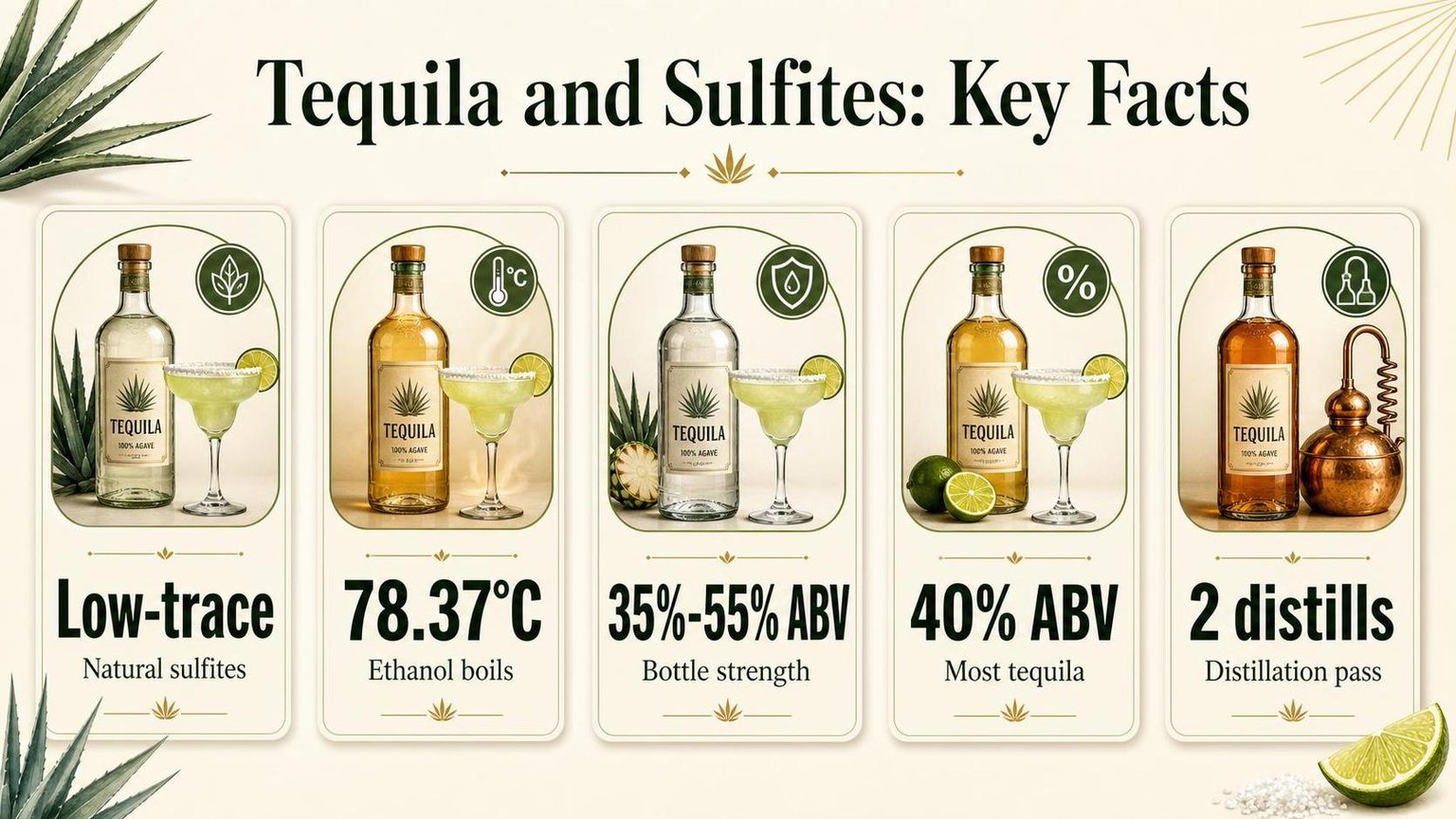
Distillation is the key reason tequila is usually low in naturally occurring sulfites. Ethanol boils at 78.37°C, while dissolved sulfites stay in the liquid residue or bind within the stillage instead of concentrating in the spirit cut.
| Production stage | What happens to sulfites | Practical effect |
| Agave fermentation | Small sulfur-based compounds may form | Possible presence in wash before distillation |
| First distillation | Nonvolatile sulfites mostly remain behind | Large reduction in final spirit |
| Second distillation | Further separation from nonvolatile residues | Very low natural sulfite carryover |
| Bottling | No need to preserve with sulfites like wine | Tequila is generally not sulfited for stability |
This is why unflavored distilled spirits, including tequila blanco, are generally considered low-sulfite beverages.
The same chemistry applies to vodka, gin, rum, and whiskey: distillation strips alcohol and volatile aromas, not most sulfite residues.
Tequila also does not need sulfites for microbial protection the way wine sometimes does. Bottled at 35% to 55% alcohol by volume, and most often 40% ABV, it is inherently shelf-stable after distillation.
Natural does not mean absolute zero. Trace amounts can still appear from raw materials, water, barrel influence, processing aids, or cross-contact in flavored products, but those traces are usually minimal in straight tequila.
If you react strongly to sulfites, the bigger concern is often what is mixed with the tequila. Lime cordial, bottled sour mix, fruit syrups, and some ready-to-drink cocktails are more likely to contain sulfites than the tequila itself.
| Beverage or ingredient | Typical sulfite expectation | Reason |
| Straight tequila | Low to trace | Distillation removes most nonvolatile sulfites |
| Wine | Often higher | Fermented, not distilled; sulfites commonly used |
| Bottled mixer | Can be moderate to high | Preservatives are more common |
Bottom line: tequila does not naturally contain meaningful sulfite levels in the way wine does. For most people avoiding sulfites, plain tequila is usually a better bet than the margarita mix poured into the glass.
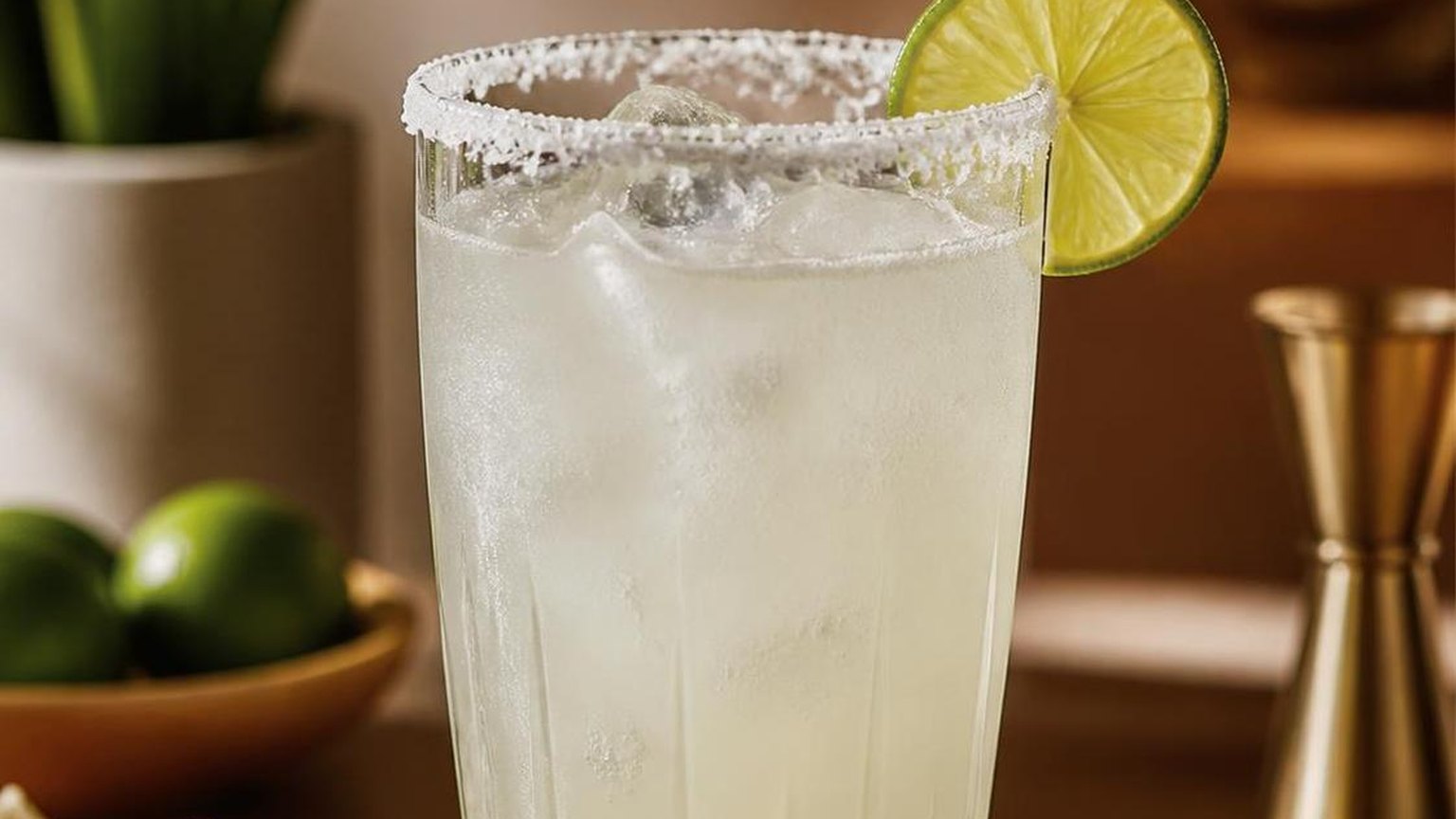
Added Sulfites in Tequila Production
Added sulfites are not a standard part of tequila making. Tequila is a distilled spirit, and producers usually do not need sulfur dioxide to protect fermentation or stabilize the finished product the way wineries often do.
The main reason is process. Distillation separates alcohol from the fermented mosto, and that step removes most compounds that make sulfite additions useful in wine, including many oxidation and spoilage risks in the finished liquid.
Under Mexico’s tequila rules, the better-known post-distillation additives are not sulfites. The category most often discussed is color and texture adjustment, especially in aged styles, not sulfur-based preservation.
The key regulatory fact is the additive cap. For tequila, additives such as caramel color, oak extract, glycerin, and sugar-based syrup are permitted only in small amounts, and the total cannot exceed 1% of the final product by weight.
| Production point | Are added sulfites typical? | Why? |
| Agave cooking/extraction | No | Heat and extraction do not normally require sulfur dioxide. |
| Fermentation | Uncommon | Tequila fermentations usually rely on sanitation, yeast management, and later distillation instead of sulfite protection. |
| Distillation | No | Distillation is the core purification step and reduces the need for preservative additions. |
| Post-distillation adjustment | Possible only indirectly | Trace sulfites could enter if a permitted additive, such as some caramel coloring, carried residual sulfites. |
That indirect route matters more than direct dosing. Some caramel colors are made with sulfite-containing processes, while others are not.
If a tequila producer uses caramel coloring within the legal 1% cap, any sulfite contribution would usually be trace-level rather than a deliberate preservative addition.
This is why many tequila bottles do not discuss sulfites at all. In practical terms, tequila is generally a low-sulfite beverage compared with wine, where sulfur dioxide is commonly added during fermentation, aging, and bottling.
| Beverage category | Typical sulfite handling | Regulatory or process number |
| Tequila | Usually no direct sulfite addition | Permitted tequila additives capped at 1% by weight |
| Wine | Sulfites commonly added | U.S. labeling required at 10 ppm or more total sulfur dioxide |
For sulfite-sensitive drinkers, the practical takeaway is narrow. A blanco tequila with no coloring is less likely to contain any measurable added sulfite source than a darker tequila that uses legal adjustment additives after maturation.
- Look for 100% agave tequila from producers that disclose additive-free practices.
- Blanco expressions are generally the simplest place to start.
- If sulfite sensitivity is medically significant, contact the producer for batch-specific information.
Most tequila contains little to no added sulfite. When sulfites appear, they are more likely to be incidental traces from a permitted additive than a central production ingredient.
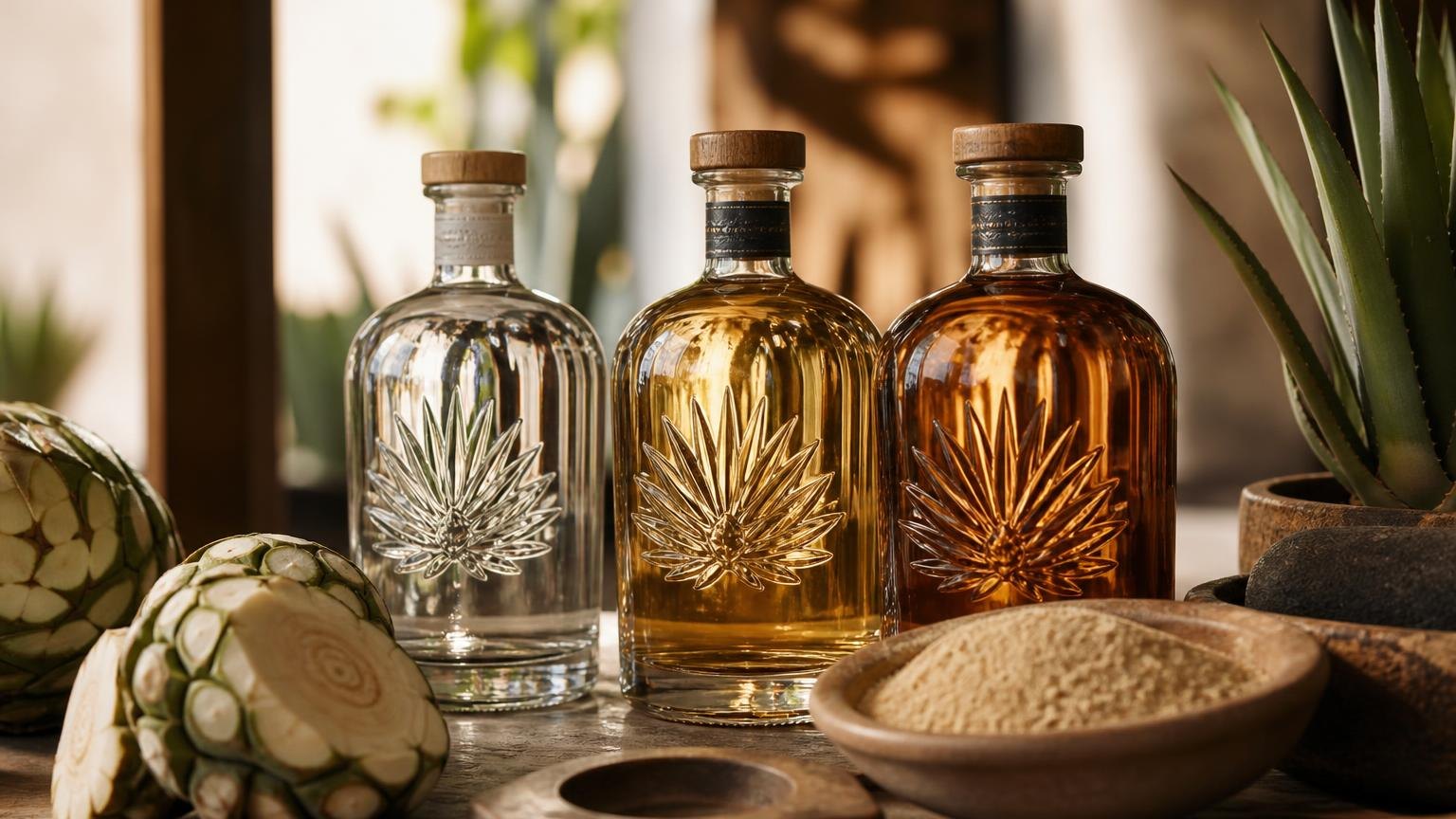
Sulfite Levels Compared With Wine
Tequila and wine sit in different sulfite categories. Tequila is a distilled spirit, so sulfites used earlier in production do not usually carry over into the finished alcohol the way they remain in fermented wine.
That difference matters for labeling and for sensitive drinkers.
In the U.S., beverages with 10 parts per million (ppm) or more of sulfur dioxide must disclose “Contains Sulfites,” and wine reaches that threshold far more often than tequila.
| Beverage | Typical sulfite level | Why it differs |
| 100% agave tequila | Usually none detected to trace amounts; commonly below 10 ppm | Distillation removes most non-volatile compounds, including sulfites |
| Mixto tequila | Usually very low; still commonly below 10 ppm | Also distilled, though additives or flavoring can complicate edge cases |
| Dry red wine | About 20-160 ppm total sulfites | Fermentation creates some sulfites naturally, and winemakers often add more for stability |
| Dry white wine | About 20-210 ppm total sulfites | Whites generally need more protection from oxidation and spoilage |
| Sweet or dessert wine | About 50-350 ppm total sulfites | Residual sugar increases microbial risk, so sulfite use is often higher |
The practical gap is large. A tequila that tests below 10 ppm avoids the U.S. sulfite-label threshold, while many commercial wines exceed it easily and must disclose sulfites on the label.
Wine also contains sulfites from two sources. Yeast produces small amounts during fermentation, often around 10-30 ppm, then producers may add sulfur dioxide to control oxidation, browning, and unwanted microbes.
Tequila production works differently. After agave fermentation, the wash is distilled, and sulfur dioxide is not a desired carryover compound because it is not volatile in the same way as ethanol and aroma congeners.
That does not mean every tequila bottle is analytically identical.
Caramel coloring, oak extracts, or other permitted additives in some aged tequilas can introduce tiny sulfur-containing residues, but published discussion and label practice still place tequila far below wine.
The upper legal ceiling for wine in the U.S. is also much higher than what distilled spirits typically show. Table wine can legally contain up to 350 ppm total sulfur dioxide, a level far outside normal expectations for straight tequila.
- If sulfites are your concern, tequila is generally a lower-sulfite choice than wine.
- If a bottle says “Contains Sulfites,” the key number is 10 ppm or higher.
- If your reaction happens with tequila but not other spirits, the trigger may be alcohol, histamine, congeners, or additives rather than sulfites.
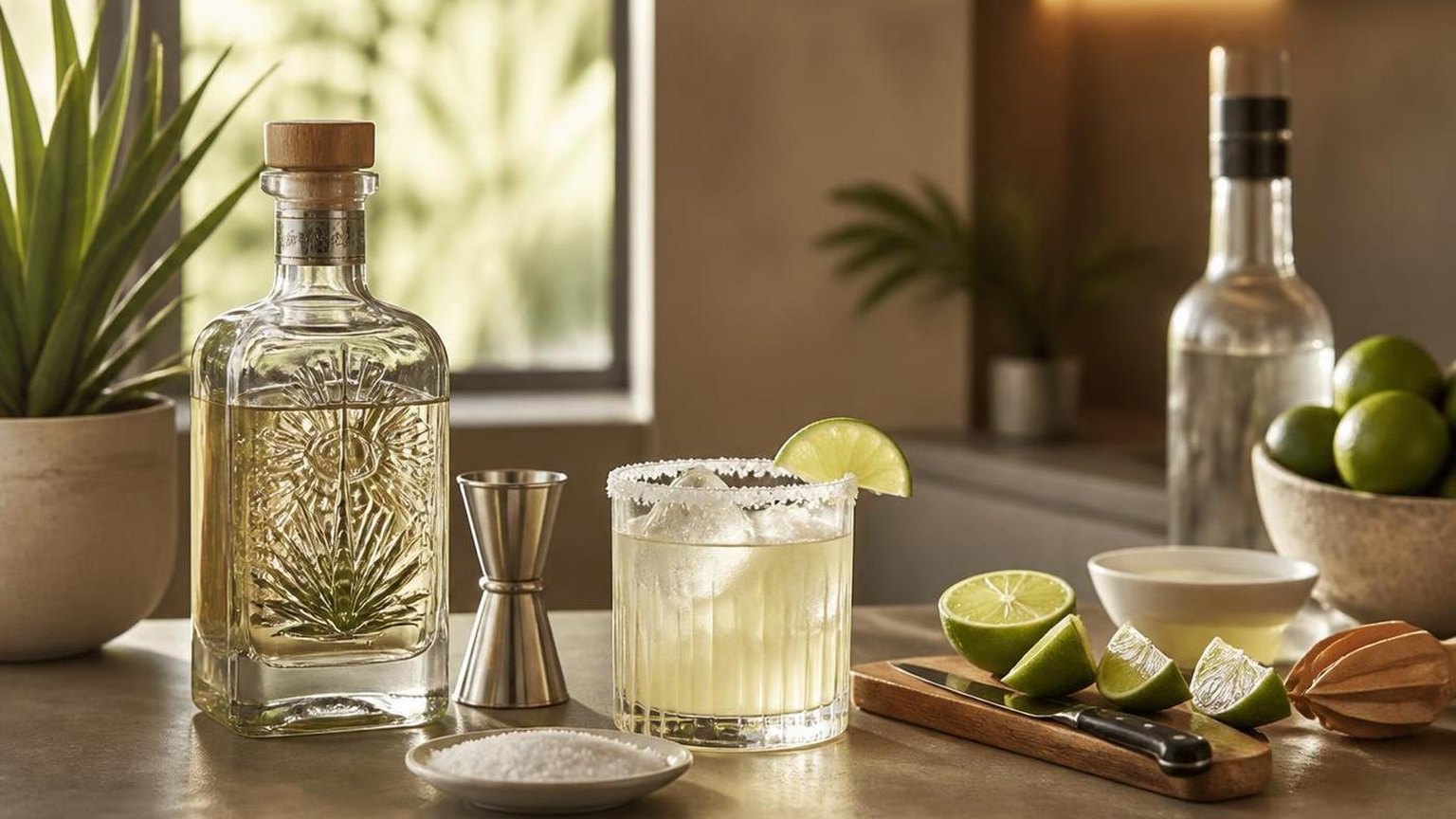
Labeling Rules for Tequila Sulfites
In the U.S., tequila labels do not follow the same sulfite disclosure rule that wine labels do. The key number is 10 parts per million, but that mandatory threshold is tied to wine labeling, not standard bottled tequila.
That distinction matters because tequila is a distilled spirit regulated primarily by the Alcohol and Tobacco Tax and Trade Bureau. Distillation changes what survives into the final bottle, and U.S. rules reflect that difference.
For wine, TTB requires the statement Contains Sulfites when total sulfur dioxide is 10 ppm or more. That rule appears in wine labeling regulations and is why sulfite warnings are common on wine bottles.
Tequila falls into the distilled spirits category.
Distilled spirits are labeled under TTB distilled-spirits rules, and there is no parallel across-the-board federal requirement that a tequila bottle carry a sulfite statement merely because sulfites may have been used somewhere earlier in production.
The practical reason is distillation. Sulfur dioxide and sulfite salts are not treated like a defining residual component of the final spirit in the way they are in wine, where the liquid itself is fermented, stored, and bottled without distillation.
| Beverage type | Main U.S. label regulator | 10 ppm sulfite threshold | Mandatory sulfite statement? |
| Wine | TTB | Yes | Yes, if total sulfur dioxide is 10 ppm or more |
| Tequila / distilled spirits | TTB | No standard bottled-spirit trigger | No general mandatory “Contains Sulfites” rule |
| Most non-alcohol packaged foods | FDA | Yes | Yes, if sulfites are 10 ppm or more and present in the finished food |
Consumers often see the FDA’s 10 ppm rule cited online and assume it applies identically to tequila. It does not.
Alcohol beverages regulated by TTB use category-specific rules, and wine is the category with the explicit mandatory sulfite declaration.
If a tequila bottle does mention sulfites, treat that as a producer-specific disclosure, an export-market choice, or a statement tied to another claim. It is not the standard U.S. labeling baseline for tequila.
- Tequila sold in the U.S. is a distilled spirit, not a wine.
- The familiar mandatory sulfite warning applies to wine at 10 ppm or more.
- There is no routine federal rule requiring every tequila label to declare sulfites.
- Absence of a sulfite statement on tequila does not prove zero sulfites; it means no general tequila-specific disclosure rule required it.
Bottom line: a U.S. tequila bottle normally will not carry a sulfite warning, even though wine bottles often do. The labeling rule is different because the product category, regulator framework, and finished-liquid chemistry are different.
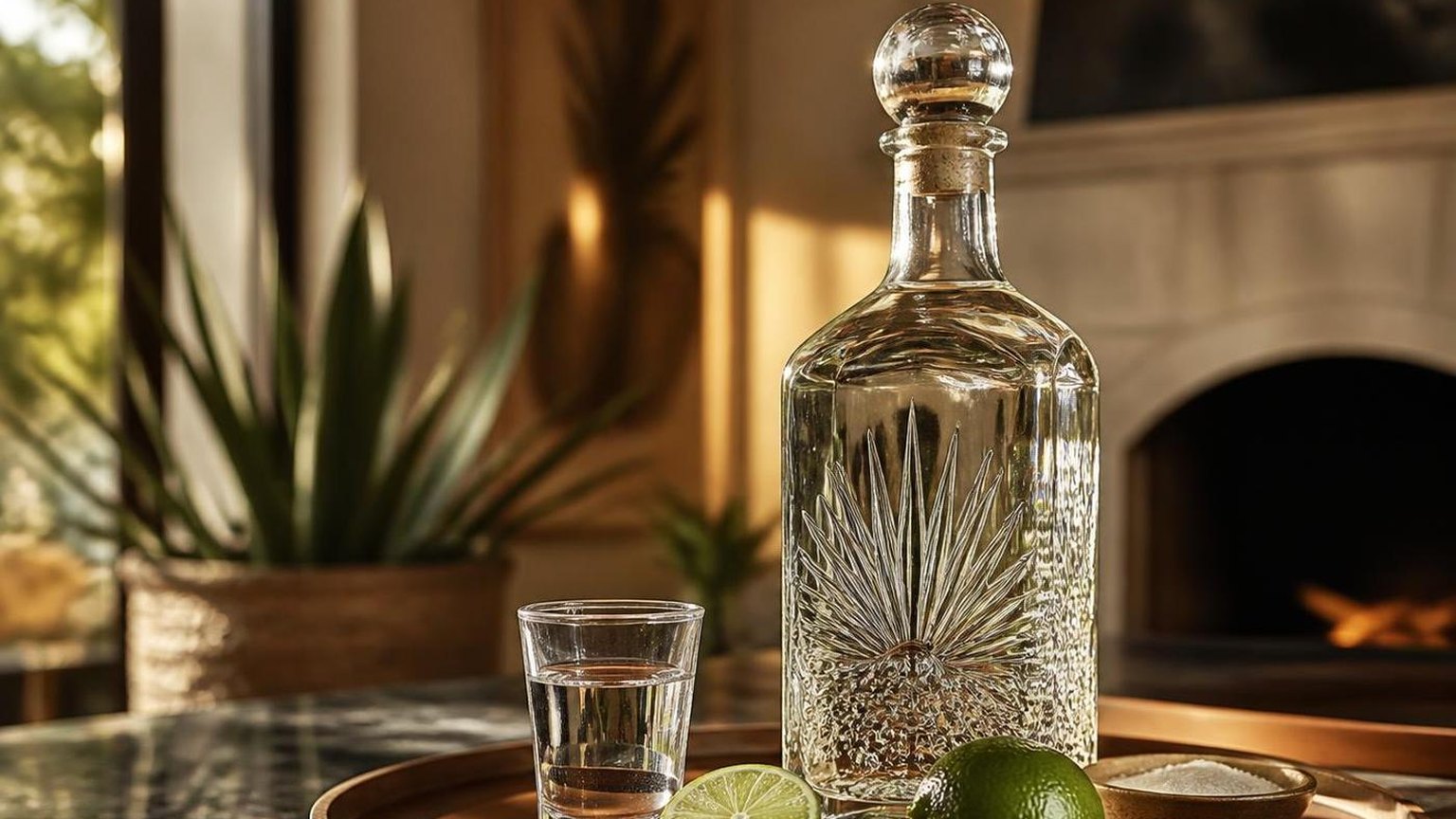
Reactions From Tequila Versus Sulfites
Most reactions people blame on tequila are not caused by sulfites. In distilled tequila, sulfites are usually absent or present only in trace amounts because distillation does not carry most sulfite residues into the final spirit.
If symptoms happen after tequila, alcohol itself is the more likely trigger. Ethanol can cause flushing, rapid heartbeat, headache, reflux, and nasal symptoms even when sulfite exposure is minimal.
True sulfite sensitivity is uncommon but real. It is seen most often in people with asthma, and reactions classically follow higher-sulfite foods and drinks such as wine, dried fruit, or bottled lemon juice, not straight distilled spirits.
| Item | Typical sulfite context | Reaction pattern more often reported |
| 100% agave tequila | Usually none detected or only trace amounts after distillation | Alcohol-related flushing, headache, nausea, reflux |
| Wine labeled “contains sulfites” | Label required at 10 mg/L or higher total sulfur dioxide in the US | Sulfite-sensitive wheeze, chest tightness, hives in susceptible people |
| Dried fruit | Often much higher sulfite exposure than spirits | Classic sulfite-trigger symptoms in sensitive individuals |
Sulfite-sensitive reactions usually involve the airways. Reported symptoms include wheezing, chest tightness, cough, throat irritation, and, less often, hives or stomach upset. Severe reactions can occur, but they are rare.
Alcohol reactions look different. Tequila can dilate blood vessels, stimulate stomach acid, worsen rosacea, and disrupt sleep.
A standard 1.5-ounce shot at 40% alcohol by volume contains about 14 grams of pure alcohol, enough to trigger symptoms in sensitive people.
Ingredients mixed with tequila can matter more than the tequila itself. Margarita mix, lime cordial, coloring agents, sweeteners, or flavored products may introduce preservatives or other triggers that are not present in plain blanco tequila.
- Suspect sulfites if symptoms repeat with wine, dried apricots, shrimp treated with sulfites, or bottled citrus products.
- Suspect alcohol intolerance if even small amounts of vodka, tequila, gin, or wine cause flushing, headache, or fast heartbeat.
- Suspect additives if plain tequila is tolerated but cocktails trigger symptoms.
US labeling rules also explain the confusion. Alcohol beverages must state “contains sulfites” when they contain 10 parts per million or more, but many straight distilled spirits do not reach that threshold.
Track the exact drink, mixer, amount, and timing of symptoms. If you have asthma, prior sulfite reactions, swelling, or breathing trouble, avoid self-testing and get medical guidance because respiratory reactions need prompt evaluation.
How To Choose Low Sulfite Tequila
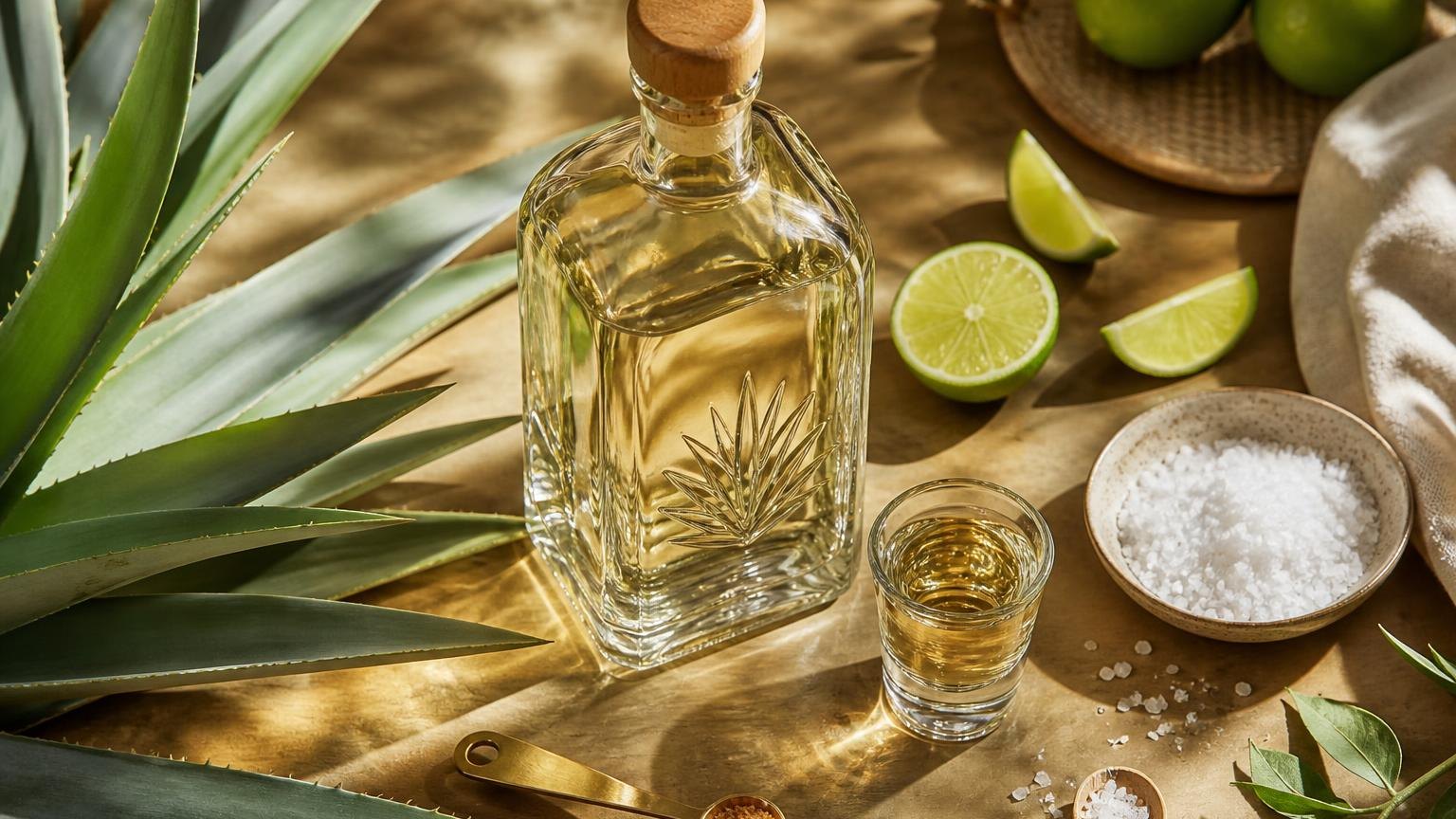
If you want the lowest practical sulfite exposure, choose tequila with the fewest inputs between agave harvest and bottling.
Distillation removes most non-volatile compounds, so tequila is usually far lower in sulfites than wine, but trace sulfites can still come from fermentation, cask handling, or added flavoring materials.
Start with 100% de agave tequila. Mixto tequila can contain up to 49% non-agave sugars, which creates more processing variables and more opportunities for additives or flavored components after distillation.
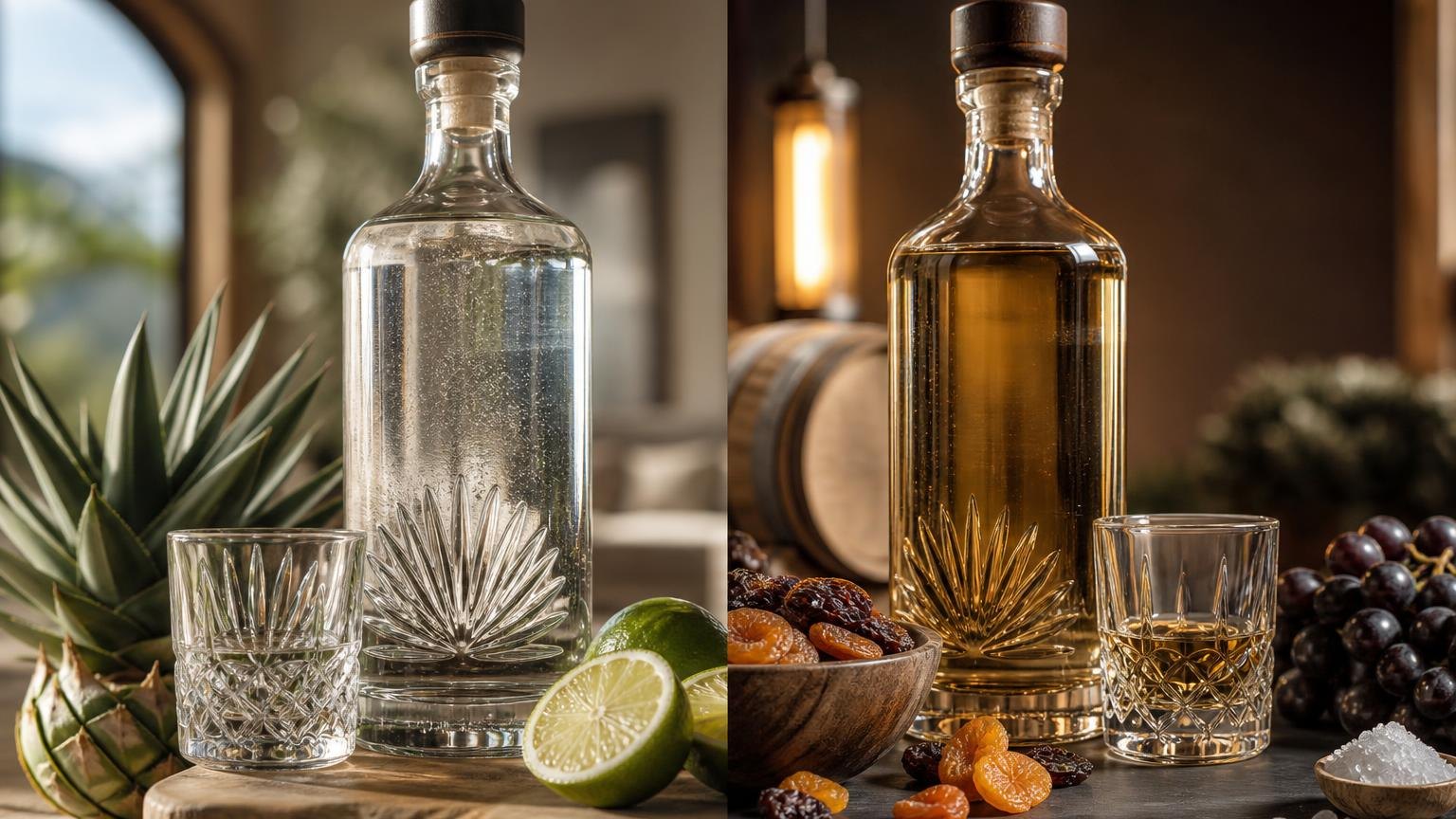
Favor blanco over heavily finished or flavored expressions. Unaged tequila spends little or no time in wood, while reposado must age at least 2 months, añejo at least 1 year, and extra añejo at least 3 years.
More maturation steps mean more contact with barrels, finishing materials, and blending decisions.
| Choice factor | Lower-sulfite signal | Why it matters |
| Category | 100% de agave | Fewer non-agave ingredients than mixto tequila |
| Style | Blanco | Least wood contact and usually the shortest production chain |
| Flavoring | Unflavored | Avoids liqueur-style additives, color, and flavor compounds |
| Transparency | Additive-free producer | Limits post-distillation sweeteners, glycerin, oak extract, and coloring |
| Label warning | No sulfite declaration | In the US, sulfites are generally declared at 10 ppm or higher |
Read the label carefully. Avoid bottles labeled “flavored tequila,” “tequila liqueur,” or products with obvious flavor additions such as mango, jalapeño, or vanilla.
Those products are not the same as straight tequila and can include extra ingredients outside the core distillate.
Look for producers that publish process details: cooked agave, fermentation, still type, barrel use, and additives policy. “Additive-free” does not prove zero sulfites, but it does reduce the chance of post-distillation sweeteners.
Caramel color, or oak extract that complicate ingredient exposure.
Ask direct questions when a brand is not transparent. A useful retailer or producer should be able to confirm whether the bottle is straight tequila, whether any flavoring or coloring is added, and whether a sulfite disclosure appears on the label.
- Choose 100% de agave over mixto.
- Choose blanco before reposado, añejo, or extra añejo.
- Avoid flavored tequila and tequila liqueurs.
- Prefer brands with clear additive and production disclosures.
- If you are highly sulfite-sensitive, verify the absence of a sulfite label statement and test cautiously.
If sulfites trigger asthma, hives, or severe headaches for you, the safest route is simple: buy straight, unflavored blanco tequila from a transparent producer and avoid finished or flavored bottles.
That narrows the field to the least processed option in the category.
Questions People Ask Most
Does tequila naturally contain sulfites?
Pure tequila is not considered a significant natural source of sulfites.
Unlike wine, tequila is distilled from fermented blue Weber agave, and distillation does not carry most non-volatile sulfite compounds into the final spirit in meaningful amounts.
Are sulfites ever added to tequila during production?
Sulfites are not a standard ingredient in tequila production, but additives can appear in some flavored or lower-quality agave spirits.
If a product includes flavorings, coloring, or other post-distillation ingredients, check the label or ask the producer because those added components can introduce sulfites.
Can sulfite-sensitive people usually drink 100% agave tequila?
Many sulfite-sensitive drinkers tolerate unflavored 100% agave tequila better than wine, cider, or bottled mixers.
The reason is simple: straight tequila typically has little to no measurable sulfite residue, while mixers such as sour mix, fruit syrups, and packaged juices are more common sulfite sources.
Why doesn’t tequila need sulfites the way wine often does?
Wine often uses sulfur dioxide to control oxidation and microbial spoilage because it remains a fermented, non-distilled product.
Tequila is distilled to a much higher alcohol level, which makes it more microbiologically stable and reduces the need for sulfite preservation.
How can you minimize sulfite exposure when ordering tequila at a bar?
Order a pour of 100% agave blanco, reposado, or añejo tequila neat, on the rocks, or with fresh lime.
Avoid pre-made margarita mix, bottled citrus, dried fruit garnishes, and flavored liqueurs unless the bar can confirm the ingredients, because those are more likely than the tequila itself to contain sulfites.
How do sulfite levels in tequila compare to those in wine?
Tequila typically contains fewer than 10 parts per million (ppm) of naturally occurring sulfites, while wine can contain 25–150 ppm or more depending on the style. The U.S.
FDA requires labeling for products exceeding 10 ppm, which is why most tequila bottles lack a sulfite warning that commonly appears on wine labels.
Do flavored or cream-based tequila liqueurs contain more sulfites than standard tequila?
Flavored tequila liqueurs and cream-based varieties often incorporate additives such as citric acid, glycerin, and preservatives that can increase sulfite content beyond what pure distilled tequila contains.
Consumers with sulfite sensitivity should check labels carefully, as these modified products are more likely to exceed the 10 ppm disclosure threshold set by the FDA.
Related Reading
- Can Tequila Freeze?
- Brown Casamigos Review – What You Need to Know?
- Tequila Anejo Vs Reposado
- What Is the Typical Alcohol Content in Tequila?
- What Brands Of Tequila Are 100% Blue Agave?
- What Is Tequilla Skull Bottle? The Truth You Didn't Know
- Tequila Vs Vodka: The Easiest Way to Distinguish
- All Alcohol Guides
- U.S. Food and Drug Administration (2023)
- National Center for Biotechnology Information – StatPearls: Sulfite Sensitivity (2023)
- Electronic Code of Federal Regulations – 21 CFR 73.85 Caramel (2024)
- Electronic Code of Federal Regulations – 27 CFR 5.156 Tequila (2024)
- Consejo Regulador del Tequila (2024)
- American Academy of Allergy, Asthma & Immunology (2024)
- Food Standards Australia New Zealand (2024)