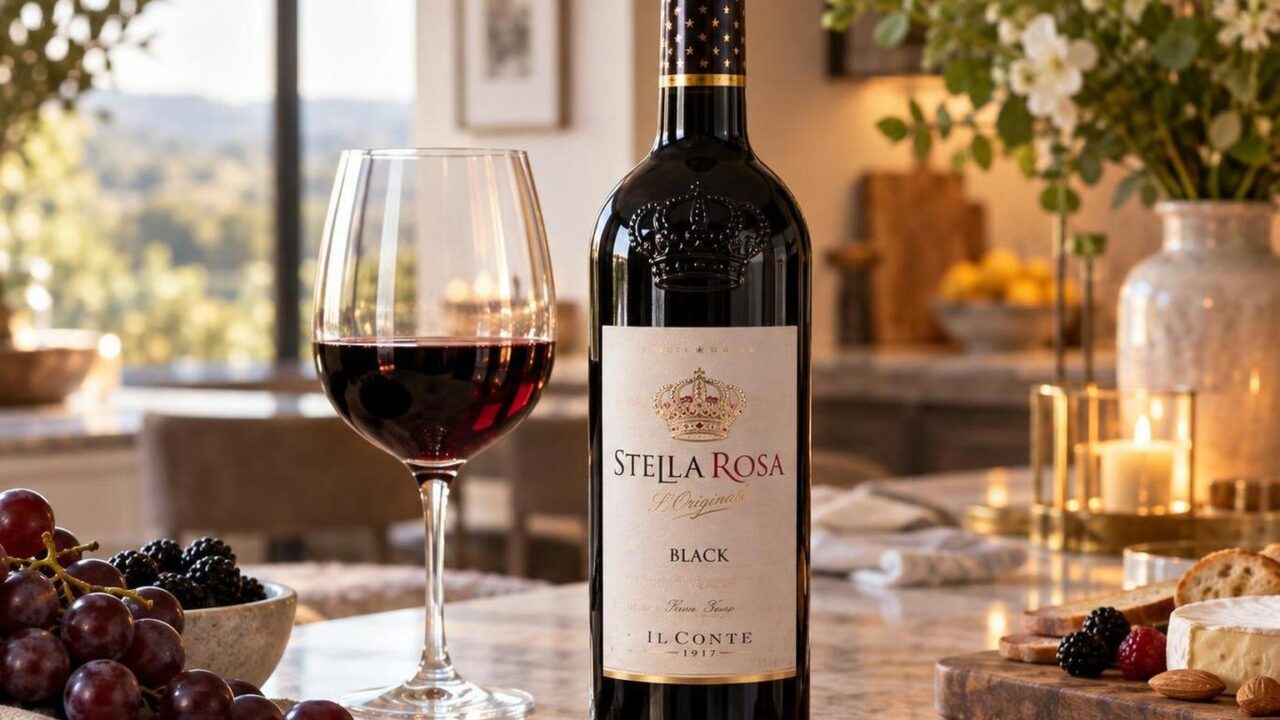
Does Stella Rosa Wine Expire? is answered by this fact: unopened Stella Rosa is shelf-stable but its sweet, low-alcohol, lightly sparkling style loses freshness after the best-by window.
The wine usually remains safe if sealed, stored cool, and free from heat damage, but flavor, bubbles, color, and aroma decline.
Opened bottles change faster because oxygen and refrigerator odors affect fruit-forward wines quickly.
This guide explains how long Stella Rosa lasts unopened and opened, what storage conditions matter, how to spot spoilage, and when taste changes mean the bottle belongs down the drain instead of in a glass.
Does Stella Rosa Wine Expire
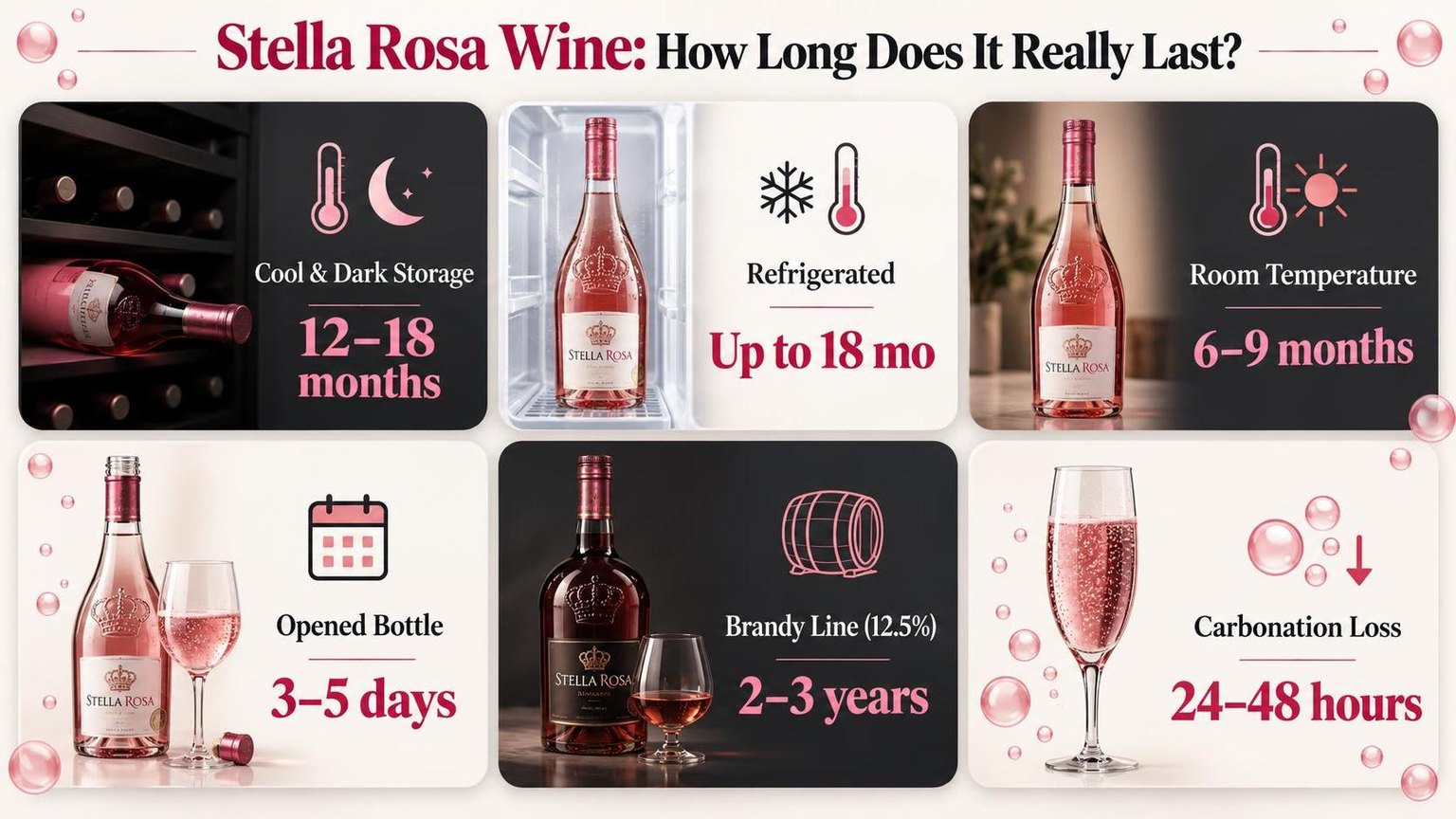
Stella Rosa wine does not expire in the traditional sense of becoming unsafe to consume, but it does decline in quality over time.
As a semi-sweet, semi-sparkling wine with relatively low alcohol (5–7% ABV), it has a shorter optimal drinking window than most conventional wines.
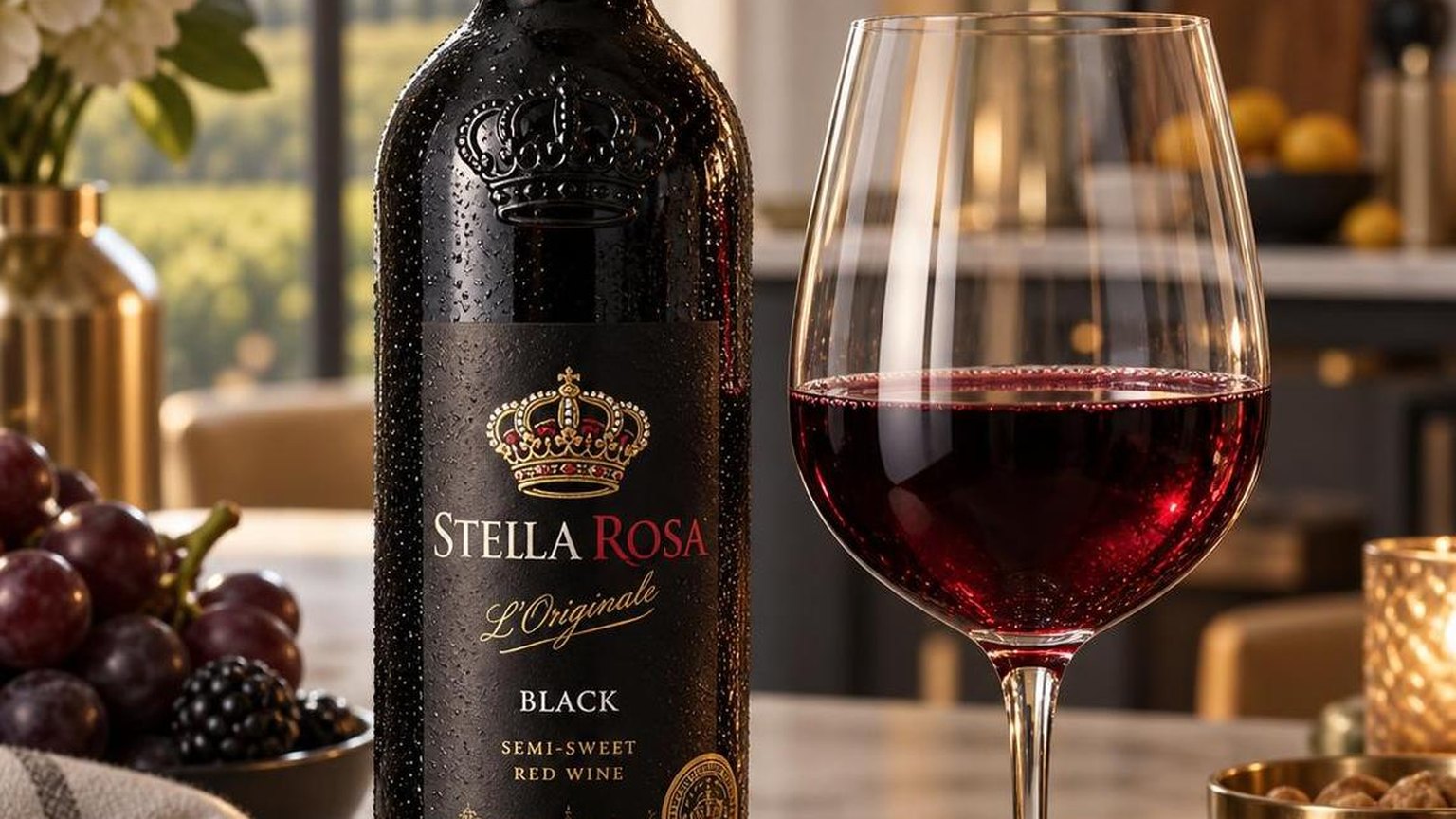
Unlike vintage wines designed for cellar aging, Stella Rosa is produced for immediate enjoyment. The brand itself recommends consuming bottles within 12–18 months of purchase when stored properly.
Unopened Stella Rosa Shelf Life
| Storage Condition | Estimated Quality Window |
| Cool, dark place (55°F / 13°C) | 12–18 months |
| Refrigerated (35–45°F / 2–7°C) | Up to 18 months |
| Room temperature (above 70°F / 21°C) | 6–9 months |
| Exposed to direct sunlight or heat | Weeks to a few months |
Higher temperatures accelerate oxidation and degrade the residual sugar and delicate fruit flavors that define Stella Rosa’s profile. Heat also compromises the light carbonation present in most varieties.
Opened Stella Rosa Shelf Life
Once opened, Stella Rosa should be consumed within 3–5 days. Reseal the bottle tightly and refrigerate immediately. The semi-sparkling varieties lose carbonation within 24–48 hours even with proper resealing.
Signs Stella Rosa Has Gone Bad
- Flat taste: Complete loss of the signature effervescence indicates quality decline.
- Vinegar-like smell: Acetic acid formation from prolonged oxygen exposure signals spoilage.
- Brownish discoloration: Oxidation turns the wine darker, particularly noticeable in lighter varieties like Stella Rosa Bianco or Platinum.
- Off or musty flavor: Cork taint (TCA contamination) or bacterial growth produces unpleasant tastes.
- Sediment or cloudiness: Unusual particulate matter in an otherwise clear wine suggests degradation.
Why Stella Rosa Has a Shorter Window
Stella Rosa’s low alcohol content—typically 5% ABV for core varieties—provides less natural preservation compared to wines at 12–14% ABV. Alcohol acts as a preservative; less of it means faster microbial vulnerability.
The residual sugar content, which gives Stella Rosa its signature sweetness, can also serve as a substrate for unwanted fermentation if storage conditions falter. This combination makes proper temperature control essential.
No expiration date is printed on most Stella Rosa bottles. Instead, look for a lot code stamped on the bottle or label, which indicates the production date.
Contact Riboli Family Wines directly at (323) 262-4301 to decode specific lot numbers if needed.
Stella Rosa Shelf Life by Type
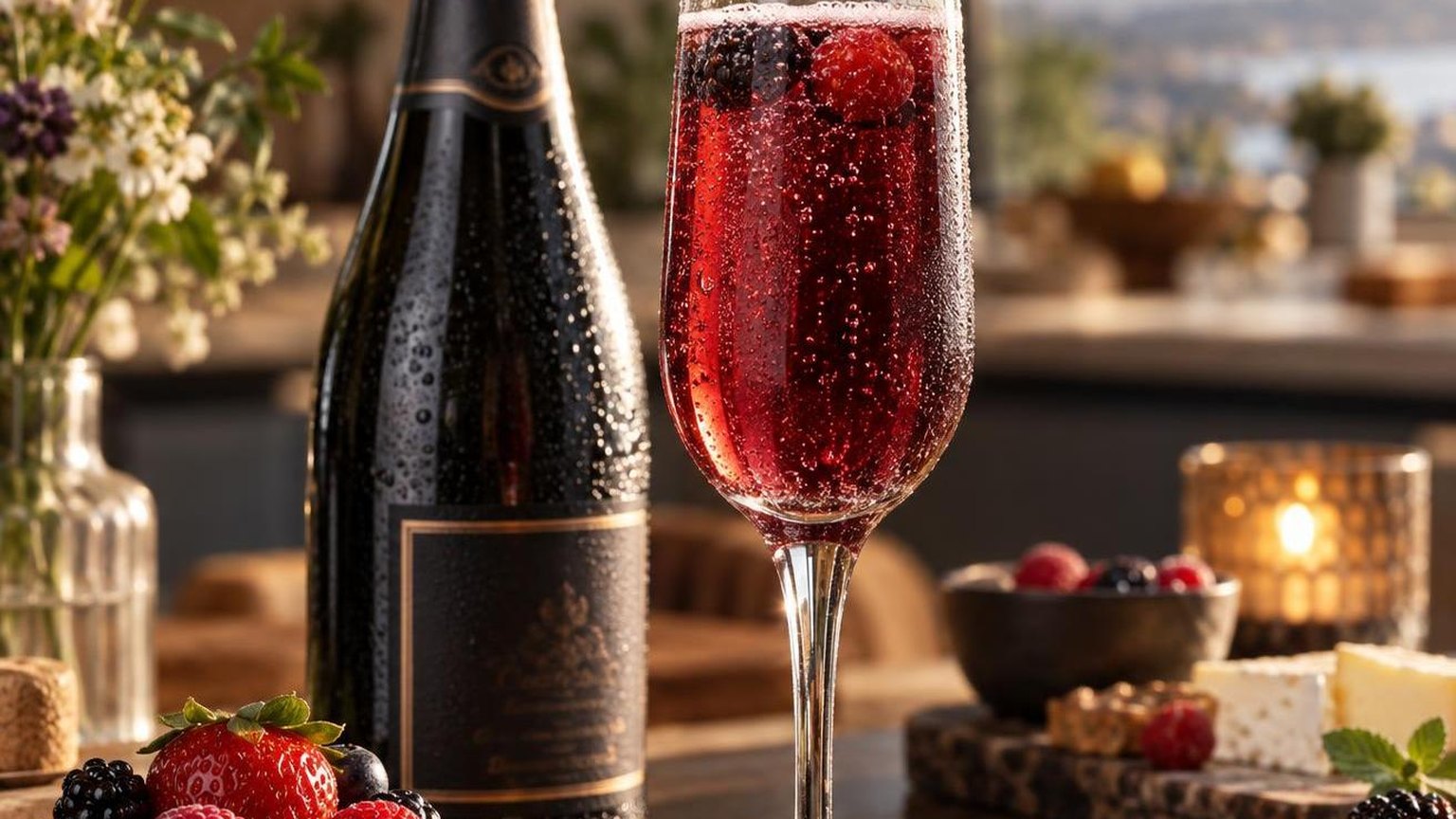
Stella Rosa produces over 20 semi-sweet, semi-sparkling wine varieties across several product lines. Each type has a distinct shelf life determined by its alcohol content, residual sugar, and carbonation level.
The core lineup sits at 5% ABV, while the Stella Rosa Brandy collection reaches 12.5% ABV. This difference directly affects how long each bottle remains drinkable.
| Stella Rosa Type | ABV | Unopened Shelf Life | Opened Shelf Life |
| Stella Rosa Original (Rosso, Moscato d’Asti) | 5% | 1–2 years from purchase | 3–5 days refrigerated |
| Stella Rosa Fruit Flavors (Blueberry, Peach, Pineapple) | 5% | 1–2 years from purchase | 3–5 days refrigerated |
| Stella Rosa Black (Berry, Cherry, Wild Berry) | 5% | 1–2 years from purchase | 3–5 days refrigerated |
| Stella Rosa Brandy (Honey Peach, Tropical Mango) | 12.5% | 2–3 years from purchase | 5–7 days refrigerated |
| Stella Rosa Stella Pink, Platinum | 5–7% | 1–2 years from purchase | 3–5 days refrigerated |
| Stella Rosa Non-Alcoholic | 0% | 12 months from production | 2–3 days refrigerated |
Why Lower-ABV Stella Rosa Expires Faster
Alcohol acts as a natural preservative. At just 5% ABV, most Stella Rosa wines lack the alcohol concentration that protects higher-proof wines for decades. Their semi-sparkling carbonation also dissipates over time.
Residual sugar—a signature of Stella Rosa’s sweet profile—creates vulnerability to microbial activity once opened. This is why refrigeration immediately after opening is non-negotiable.
The Brandy Line Exception
Stella Rosa Brandy wines contain more than double the alcohol of the standard range. That 12.5% ABV provides stronger antimicrobial protection, extending both sealed and opened shelf life by roughly 40–50%.
Key Storage Factors Across All Types
- Temperature: Store between 45–55°F (7–13°C) for optimal preservation; never above 70°F
- Light exposure: UV rays degrade wine rapidly—keep bottles away from direct sunlight
- Orientation: Screw-cap bottles (standard for Stella Rosa) can be stored upright without cork-drying concerns
- Vintage dating: Stella Rosa bottles carry a lot code rather than a vintage year—check the printed date on the bottle or box for production timing
None of these wines are meant for aging. Stella Rosa is a drink-young brand, and the manufacturer recommends consumption within 12–18 months of purchase for peak flavor and fizz.
How To Read Stella Rosa Dates
Stella Rosa bottles do not carry a traditional expiration date. Instead, they use a lot code printed on the bottle that encodes production information, including the bottling date. Understanding this code helps you estimate freshness.
The lot code is typically found on the back label or stamped on the bottom of the bottle. It follows an alphanumeric format that differs from the straightforward “best by” dates used on perishable foods.
Locating the Lot Code
Check these three locations on your Stella Rosa bottle:
- Back label, printed in small text near the barcode
- Bottom of the bottle, stamped directly into the glass or on a sticker
- Neck label, occasionally used on limited-edition releases
Decoding the Format
Stella Rosa lot codes generally begin with a letter representing the production line, followed by digits indicating the Julian date (1–365) and the last two digits of the year.
For example, a code starting with “L2341523” would break down as follows.
| Code Segment | Meaning | Example |
| First letter | Production line identifier | L |
| Next 3 digits | Julian date (day of the year, 001–365) | 234 = August 22 |
| Following 2 digits | Year of production | 15 = 2015 |
| Remaining digits | Batch and time reference | 23 = batch sequence |
What the Date Tells You
Since Stella Rosa wines are semi-sweet and semi-sparkling with an alcohol content of only 5–7% ABV, freshness matters more than it does for dry wines aged at 12–15% ABV. The lower alcohol provides less natural preservation.
Riboli Family Estates, the San Antonio Winery–based producer behind Stella Rosa, recommends consuming their wines within 18–24 months of the bottling date for optimal flavor and carbonation.
Once you decode the Julian date and year, count forward 18 months as a conservative freshness window. A bottle coded to day 234 of 2023 (August 22, 2023) would remain at peak quality through approximately February 2025.
If the lot code is illegible or missing, contact Riboli Family Estates directly at their Los Angeles headquarters. They can trace any bottle using partial lot information and confirm its production date within 1–2 business days.
Opened Stella Rosa Storage Timeline
Once opened, Stella Rosa wines deteriorate faster than dry table wines due to their residual sugar and lower alcohol content (5–7% ABV). Proper storage directly determines whether you get days or mere hours of acceptable quality.
The following timeline applies to opened bottles stored upright with their original screw cap or a wine stopper, refrigerated at 35–40°F (2–4°C).
| Stella Rosa Style | Refrigerated Shelf Life | Room Temperature |
| Semi-sweet still (Rosso, Bianco) | 5–7 days | 1–2 days |
| Semi-sparkling (Moscato d’Asti style) | 1–3 days | 12–24 hours |
| Stella Rosa Black (semi-sweet, semi-sparkling) | 2–3 days | Under 24 hours |
| Stella Rosa Berry / Peach / Pineapple (flavored) | 3–5 days | 1–2 days |
Semi-sparkling varieties lose carbonation within hours at room temperature. Refrigeration slows CO₂ escape, but expect noticeable flatness after 24–48 hours even when chilled.
Signs Your Opened Bottle Has Gone Off
- Vinegar smell: Acetic acid bacteria convert alcohol to acetic acid upon oxygen exposure, producing a sharp, sour aroma.
- Brownish discoloration: Oxidation darkens white and rosé Stella Rosa varieties noticeably within 5–7 days.
- Flat texture: Complete loss of effervescence in semi-sparkling bottles signals degraded quality.
- Off-putting sweetness shift: Residual sugar can taste cloying or fermented once microbial activity resumes in the opened bottle.
How to Maximize Opened Shelf Life
Always reseal immediately after pouring. Every minute of open-air exposure introduces oxygen and releases dissolved CO₂.
Use a vacuum pump (such as Vacu Vin) on still varieties to extract air from the bottle. This can extend drinkability by 2–3 extra days.
For sparkling Stella Rosa, a hinged champagne stopper outperforms the original screw cap. These stoppers maintain internal pressure at roughly 1–2 atmospheres versus near-zero with a loose cap.
Never freeze opened Stella Rosa to extend its life. The 5–7% ABV means the liquid freezes near 27°F (−3°C), expanding and potentially cracking the glass. Thawed wine also tastes diluted and texturally flat.
Store opened bottles upright to minimize the wine’s surface area exposed to oxygen. Laying the bottle on its side increases oxidation rate by roughly 40% due to the larger liquid-to-air contact zone.
Signs Stella Rosa Has Spoiled
Stella Rosa wines contain residual sugar levels between 70–120 g/L, making them more susceptible to microbial spoilage once opened than dry wines.
Recognizing spoilage early prevents an unpleasant drinking experience and potential digestive discomfort.
Visual Indicators
Hold the bottle against a white background or bright light source. Spoiled Stella Rosa exhibits distinct visual changes that fresh bottles do not.
- Cloudiness or haze: Fresh Stella Rosa semi-sparkling varieties (Rosso, Moscato d’Asti) appear translucent with fine bubbles. A murky, opaque appearance signals bacterial contamination or protein instability.
- Color shift: Stella Rosa Rosso should display a bright ruby-garnet hue. Browning indicates oxidation — the wine has been exposed to excessive oxygen. White varieties like Stella Rosa Bianco turn from pale straw to amber-gold when oxidized.
- Sediment in semi-sweet styles: While sediment is normal in aged dry reds, unexpected particulate matter in a young, filtered semi-sweet wine like Stella Rosa suggests spoilage.
Aroma Red Flags
Smell the wine immediately after opening. A spoiled bottle produces unmistakable off-odors distinct from Stella Rosa’s signature fruit-forward profile.
| Off-Aroma | Likely Cause | Description |
| Vinegar / nail polish remover | Acetic acid bacteria (Acetobacter) | Volatile acidity exceeding 1.2 g/L threshold |
| Wet cardboard / musty basement | Cork taint (TCA contamination) | Detectable at concentrations as low as 2–7 parts per trillion |
| Rotten eggs / burnt rubber | Hydrogen sulfide (H₂S) reduction | Reductive fault from sulfur compound breakdown |
| Sherry-like / bruised apple | Acetaldehyde from oxidation | Perception threshold around 100–125 mg/L |
Taste and Texture Changes
If visual and aroma checks seem borderline, a small sip confirms spoilage. Spoiled wine will not cause serious illness, but it tastes distinctly wrong.
- Sharp acetic bite: Fresh Stella Rosa has balanced acidity around 5.5–6.5 g/L total acidity. Spoiled bottles taste aggressively sour beyond their intended tartness.
- Flat carbonation: Stella Rosa’s semi-sparkling (frizzante) style should register approximately 1–2.5 atmospheres of pressure. Complete flatness in an unopened bottle indicates a faulty seal.
- Metallic or bitter finish: Chemical degradation from heat exposure above 26°C (78°F) produces harsh, astringent flavors absent from properly stored bottles.
Discard any bottle exhibiting two or more of these signs. Cooking with spoiled sweet wine concentrates off-flavors rather than eliminating them.
When To Discard Stella Rosa Wine
Stella Rosa wines do not improve with age and will eventually deteriorate beyond drinkability.
Recognizing when a bottle has crossed from “past peak” to “should be discarded” prevents unpleasant drinking experiences and potential digestive discomfort.
Visual Warning Signs
Color changes signal oxidation and spoilage. Use these benchmarks to evaluate your bottle before pouring a full glass.
- Browning: Stella Rosa Rosso turning brick-brown or Moscato d’Asti shifting to deep amber indicates advanced oxidation
- Cloudiness: Unusual haze or floating particles in a previously clear wine suggest microbial contamination
- Sediment in semi-sweet styles: Unlike aged dry reds, sediment in Stella Rosa’s sweet wines typically signals degradation, not maturation
Smell and Taste Indicators
Off-aromas are the most reliable spoilage test. A single sniff often tells you everything you need to know.
- Vinegar smell: Acetic acid bacteria have converted alcohol to acetic acid — the wine is irreversibly spoiled
- Wet cardboard or damp basement: Indicates cork taint (TCA contamination), affecting approximately 3–5% of cork-sealed bottles industry-wide
- Flat sweetness with no fruit character: Stella Rosa’s signature fruit-forward profile has collapsed, leaving only cloying residual sugar
Timeline-Based Discard Guidelines
These timeframes apply to Stella Rosa’s semi-sweet and semi-sparkling wines, which carry no vintage date and are bottled for near-term consumption.
| Condition | Recommended Discard Point |
| Unopened, stored at room temperature (70–75°F) | 18–24 months from purchase |
| Unopened, refrigerated (35–45°F) | 2–3 years from purchase |
| Opened, re-corked, refrigerated | 5–7 days |
| Opened, left at room temperature | 1–2 days |
| Sparkling varieties (opened) | 1–3 days with sparkling wine stopper |
Safety Considerations
Spoiled wine rarely causes serious illness. The alcohol content (5–5.5% ABV in most Stella Rosa bottles) and low pH (typically 3.0–3.5) inhibit dangerous pathogen growth.
However, heavily spoiled wine can cause nausea, headaches, and stomach cramps. If a bottle smells off, discard it. No Stella Rosa product costs enough to justify risking discomfort — most retail between $9 and $13 per bottle.
Never attempt to “cook off” spoilage by using badly deteriorated wine in recipes. Off-flavors concentrate during reduction and will ruin the dish.
Questions People Ask Most
Does Stella Rosa wine expire?
Stella Rosa wines do not have a hard expiration date, but they are designed to be consumed within 1–2 years of purchase.
As semi-sweet, semi-sparkling wines with relatively low alcohol (5–6.5% ABV), they lack the tannin and acidity structure that allows dry wines to age for decades.
Drinking them fresh preserves the fruit-forward aromatics and gentle effervescence the brand is known for.
How long does an unopened bottle of Stella Rosa last?
An unopened bottle stored properly will maintain its intended flavor profile for 12–18 months from the production date.
Because Stella Rosa uses a Charmat-method light carbonation, the dissolved CO₂ slowly diminishes over extended storage, even under a sealed cap or cork. Check the lot code printed on the back label or bottle neck to estimate production timing.
How long does Stella Rosa last after opening?
Once opened, Stella Rosa should be refrigerated and consumed within 3–5 days.
The semi-sparkling varieties (Stella Rosa Rosso, Moscato d’Asti–style wines) lose their carbonation within 24–48 hours of opening, even with a stopper.
A sparkling wine closure with a clamp seal can extend fizz retention by roughly one extra day compared to re-corking.
What is the best temperature to store Stella Rosa wine?
Store bottles at 45–55°F (7–13°C) in a dark, vibration-free area.
Stella Rosa’s residual sugar content—typically 70–90 g/L—makes it particularly sensitive to heat; temperatures above 70°F accelerate oxidation and can cause refermentation if any residual yeast remains.
A standard kitchen refrigerator at 35–38°F works for short-term storage of a few months.
Can you tell if a bottle of Stella Rosa has gone bad?
Three reliable indicators: a vinegar-like or nail-polish-remover smell (ethyl acetate from acetic acid bacteria), a flat or brownish appearance in what should be a vibrant pink or red wine.
And a noticeably sharp or bitter finish replacing the expected sweetness.
If the screw cap or cork has bulged or leaked, the wine has likely been heat-damaged and should be discarded.
Does Stella Rosa need to be refrigerated before opening?
Stella Rosa is best served chilled at 38–45°F (3–7°C), so refrigerating 2–3 hours before serving is recommended by the producer, Riboli Family Wines of San Antonio Winery in Los Angeles.
Continuous refrigeration is not required for sealed bottles stored under 55°F, but keeping them in the fridge does no harm and ensures they are always ready to pour.
Do different Stella Rosa varieties expire at different rates?
Varieties with higher residual sugar and lower alcohol, such as Stella Rosa Peach (5% ABV) and Stella Rosa Pineapple, tend to lose aromatic freshness faster than the slightly higher-alcohol Stella Rosa Rosso (semi-sweet red blend).
The brandy-based Stella Rosa Imperiale line at 10% ABV has a modestly longer shelf life—up to 2 years unopened—because the additional alcohol acts as a preservative.
Is it safe to drink Stella Rosa past its suggested consumption window?
Drinking Stella Rosa a few months past the 12–18 month window poses no food-safety risk; wine’s alcohol content and low pH (typically 3.0–3.5) prevent pathogenic bacterial growth.
The issue is quality, not safety—expect dulled fruit flavors, zero effervescence, and possible oxidative browning. If the wine smells and tastes acceptable to you, it is safe to consume.
Related Reading
- Does Wine Have Vitamin C?
- How Long Does Wine Last? 4 Rules for Storing Opened Wine
- What Does Bad Wine Taste Like? Most Correct Answer
- How Many Calories In A Bottle Of Merlot?
- Good Wine with Pizza for Every Type of Slice
- How Many Calories In A Glass Of Moscato?
- All Alcohol Guides
- U.S. Food & Drug Administration – Wine Labeling and Shelf Life Guidance (2024)
- USDA FoodKeeper App – Wine Storage Recommendations (2023)
- National Institutes of Health / PubMed – Effect of Storage Conditions on Wine Chemical Composition (2020)
- University of California, Davis – Department of Viticulture & Enology Wine Storage FAQ (2023)
- CDC – Alcohol and Public Health Frequently Asked Questions (2024)
- TTB / U.S. Alcohol and Tobacco Tax and Trade Bureau – Wine Labeling Requirements (2024)
- Cornell University College of Agriculture – Wine Shelf Life and Spoilage Indicators (2023)