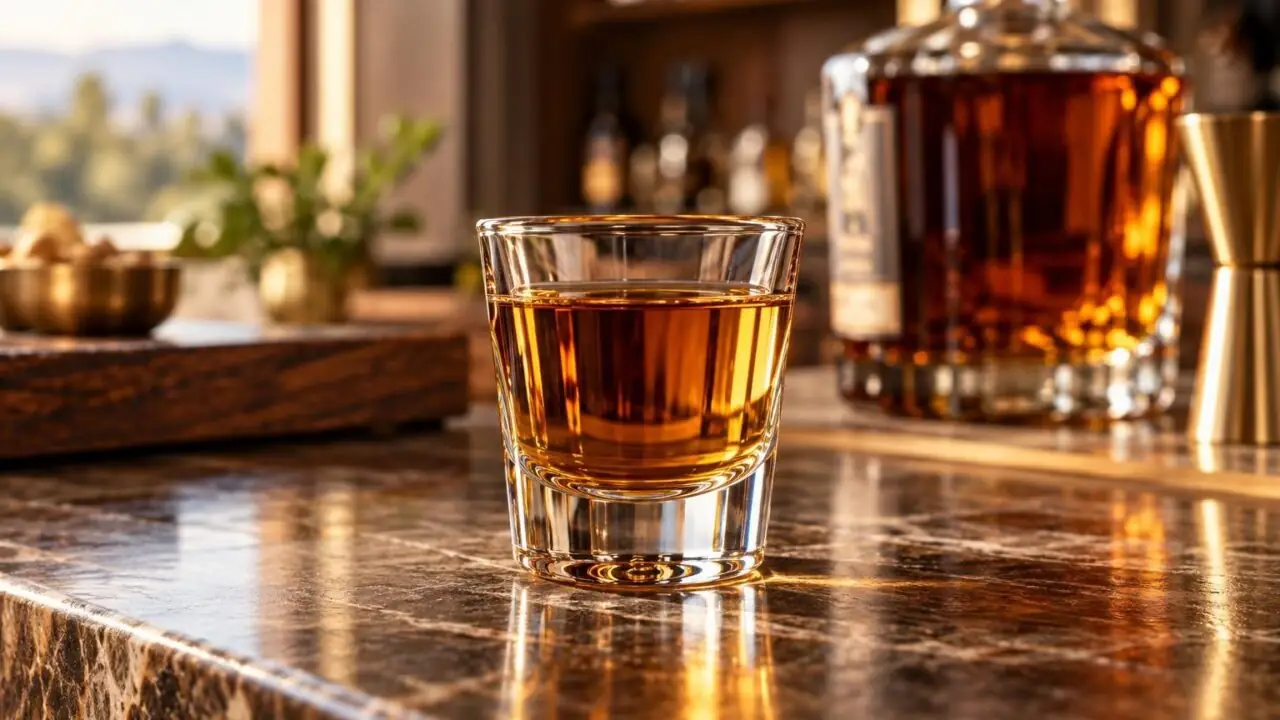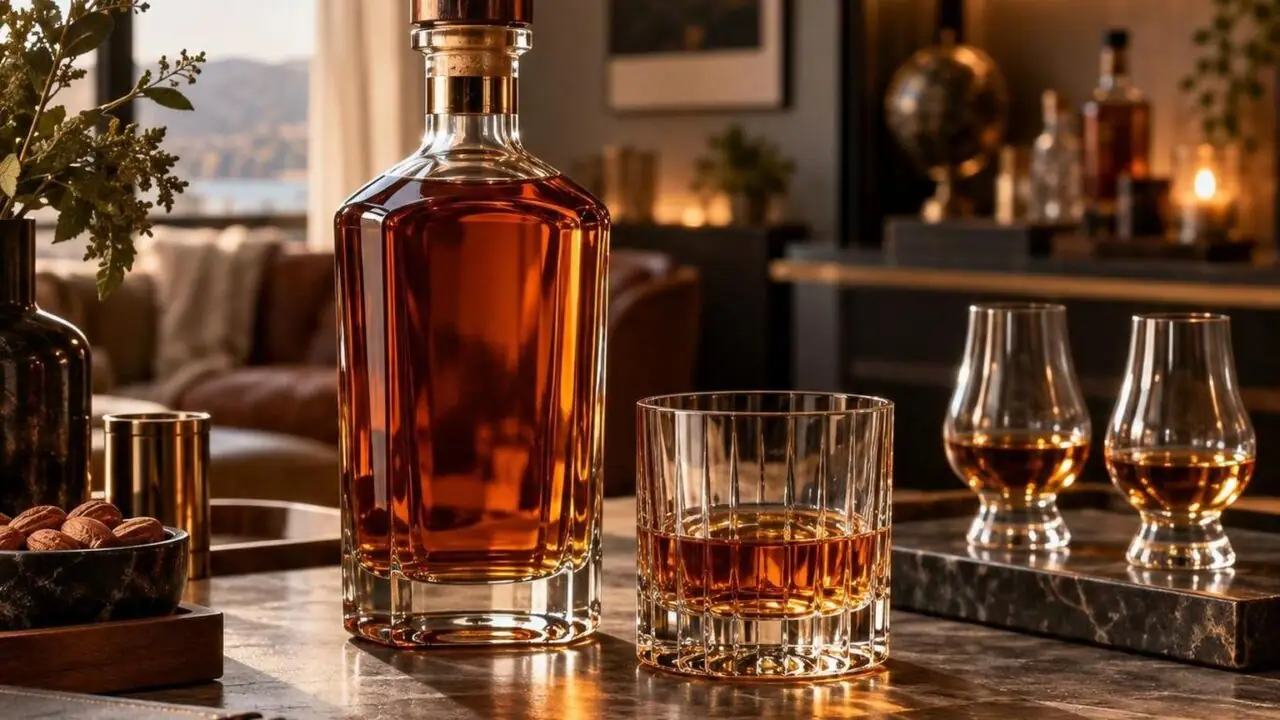
Good whiskey to drink straight is bourbon, rye, Scotch, or Irish whiskey with enough balance, texture, and finish to taste neat without ice or mixers.
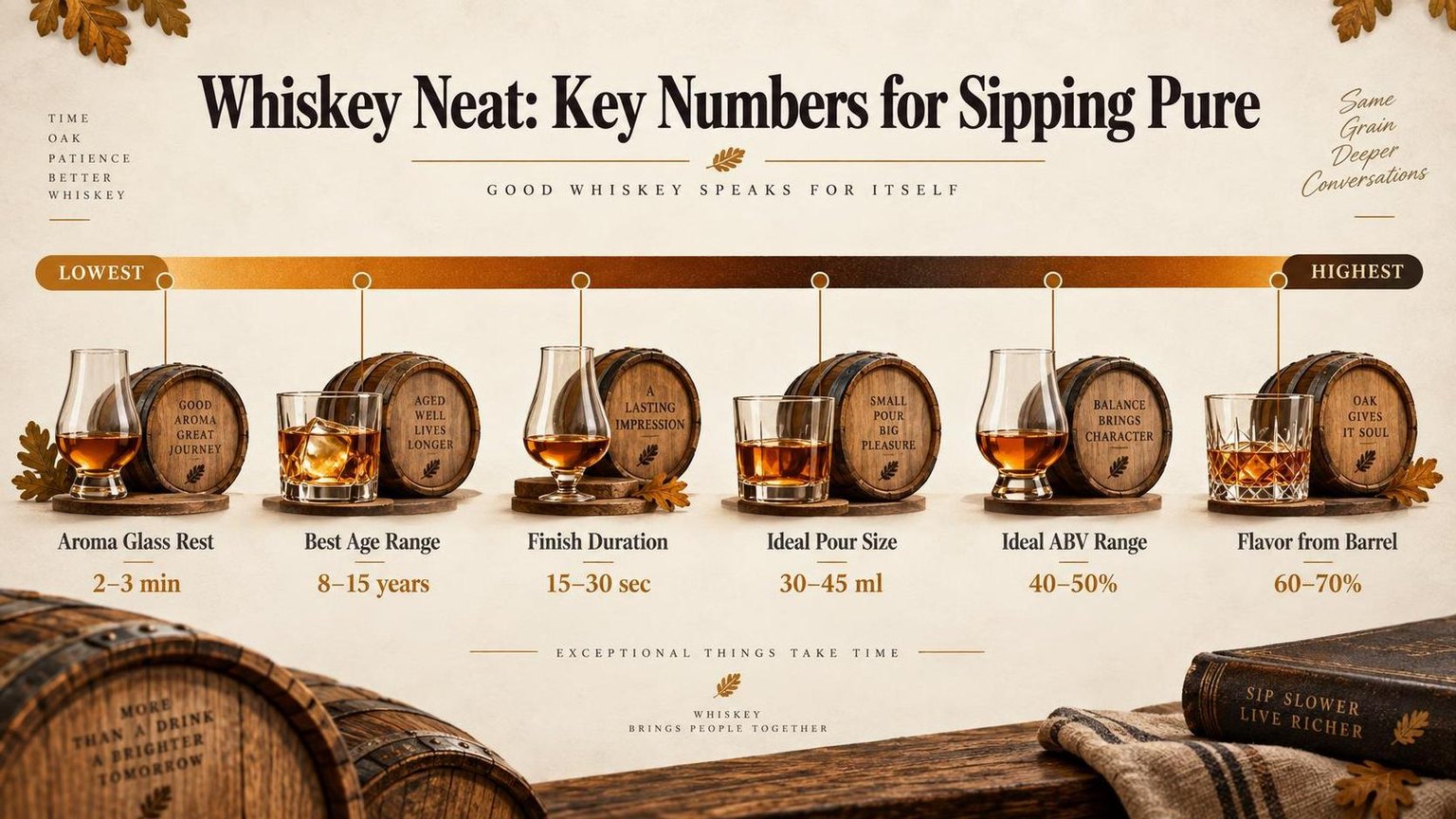
The best bottles usually sit between 43% and 50% ABV, where aroma, sweetness, oak, spice, and warmth stay clear without becoming harsh.
This guide focuses on straight sipping: whiskeys that taste complete in a glass at room temperature, from approachable wheated bourbon to sherried single malt and clean Irish single pot still styles.
Expect practical picks, flavor profiles, proof guidance, and serving tips for choosing a bottle that drinks smoothly on its own.
What Makes Whiskey Good Neat
Drinking whiskey neat means pouring it at room temperature with no ice, water, or mixers. This strips away every buffer, exposing the spirit’s true character. Only well-crafted whiskeys with balanced flavor profiles survive that scrutiny.
Proof Range Matters
Alcohol by volume (ABV) directly shapes the neat-drinking experience. Too high and ethanol burn overwhelms the palate; too low and flavors thin out. The sweet spot for most neat drinkers falls between 40% and 50% ABV.
| ABV Range | Proof (US) | Neat Suitability | Examples |
| 40–43% | 80–86 | Approachable, smooth entry point | Glenfiddich 12, Buffalo Trace |
| 43–46% | 86–92 | Fuller body, balanced heat | Redbreast 12, Wild Turkey 101 (50.5%) |
| 46–50% | 92–100 | Rich mouthfeel, non-chill-filtered options common | Aberlour A’bunadh, Maker’s Mark Cask Strength |
| 50%+ | 100+ | Intense; experienced palates preferred | Booker’s (62–63%), Stagg Jr (64–66%) |
Non-Chill-Filtered and Natural Color
Chill filtration removes fatty acids and esters at temperatures around 0°C to prevent haziness. That process also strips texture and flavor compounds.
Whiskeys bottled without chill filtration—typically labeled “non-chill-filtered”—retain oils that coat the palate.
Brands like Ardbeg, Compass Box, and Four Roses Single Barrel retain natural color and skip chill filtration. These choices preserve the distiller’s intended flavor architecture for neat consumption.
Age and Maturation
Oak barrel aging smooths raw spirit harshness. During maturation, whiskey gains vanillin, tannins, and lactones from the wood.
Roughly 60–70% of a whiskey’s final flavor comes from barrel interaction, according to industry research by the Scotch Whisky Research Institute.
Whiskeys aged 8–15 years typically offer the best balance for neat sipping. Younger expressions can carry grain-forward bite. Over-aged bottles sometimes turn excessively tannic or woody.
Key Flavor Characteristics for Neat Drinking
- Balanced sweetness: Caramel, honey, or dried fruit notes counteract alcohol heat
- Low astringency: Minimal bitter or drying tannin on the finish
- Long finish: Flavors that evolve over 15–30 seconds after swallowing indicate complexity
- Layered aroma: A good neat whiskey reveals different scents as it opens in the glass over 5–10 minutes
- Viscosity: Oily, full-bodied texture coats the mouth and softens perceived burn
Glass Choice Affects Perception
The Glencairn glass, designed in 2001 by glass manufacturer Stolzle, concentrates aromas through its tulip shape.
A 2019 study published in Flavour journal confirmed that glass geometry alters volatile compound delivery by up to 15%, directly impacting perceived smoothness.
Pouring 30–45 ml (1–1.5 oz) into a Glencairn and letting it rest 2–3 minutes before sipping allows ethanol vapors to dissipate.
What remains is the whiskey’s true aromatic profile—the real test of whether it deserves to be drunk neat.
Best Straight Whiskeys by Style
Each whiskey style delivers distinct flavor profiles when sipped neat. Bourbon brings sweetness, single malt offers complexity, and rye provides spice. Matching your palate preference to the right category narrows the search considerably.
Bourbon
Bourbon must contain at least 51% corn and age in new charred oak barrels. That corn-heavy mashbill produces caramel, vanilla, and baked fruit notes ideal for neat sipping.
| Bottle | Proof | Age | Avg. Price |
| Buffalo Trace | 90 | ~8 years | $25–30 |
| Wild Turkey 101 | 101 | 6–8 years | $22–28 |
| Woodford Reserve | 90.4 | ~7 years | $33–38 |
| Maker’s Mark | 90 | ~6 years | $25–30 |
| Elijah Craig Small Batch | 94 | ~8–12 years | $30–35 |
Elijah Craig Small Batch stands out for its extended aging at a modest price. The extra barrel time adds depth without harsh tannins, making it forgiving for newcomers drinking neat.
Single Malt Scotch
Scotch single malts are distilled from 100% malted barley at one distillery and aged minimum 3 years in oak. Speyside and Highland regions tend to produce the most approachable neat-sipping expressions.
- Glenfiddich 12 (40% ABV): Pear, honey, and light oak. A consistent gateway single malt at around $35.
- Glenmorangie Original 10 (40% ABV): Citrus-forward with vanilla from ex-bourbon casks. Typically $32–38.
- Aberlour 12 Double Cask (40% ABV): Sherry influence adds dried fruit and chocolate. Approximately $45.
Rye Whiskey
American rye requires a minimum 51% rye grain mashbill. The result is black pepper, baking spice, and herbal bite that rewards slow, deliberate sipping.
- Rittenhouse Rye BiB (100 proof): Dense, spicy, and well-structured at just $25–28. Bottled-in-bond guarantees 4+ years of aging.
- Bulleit Rye (90 proof): 95% rye mashbill sourced from MGP in Indiana. Cherry and cinnamon dominate. Around $25.
- WhistlePig 10 Year (100 proof): Aged a full decade in Vermont. Rich butterscotch, allspice, and caramel. Expect $75–85.
Japanese Whisky
Japanese distillers modeled their methods on Scotch production but prioritize harmony and balance. These bottles deliver clean, refined profiles suited for neat drinking.
- Suntory Toki (86 proof): A blend of Hakushu, Yamazaki, and Chita whiskies. Green apple and honey. Around $30–35.
- Nikka Coffey Grain (90 proof): Distilled in a Coffey still for creamy, tropical fruit character. Typically $55–65.
Across all four styles, bottles between 80 and 101 proof generally perform best neat. Lower proofs can taste thin, while cask-strength releases above 110 proof often benefit from a few drops of water to open up.
Proof Range for Smooth Sipping
Proof directly determines how much alcohol burn you taste versus the whiskey’s underlying flavors.
Most distillers and seasoned tasters agree that the 80–100 proof window delivers the best balance of complexity and drinkability for neat pours.
The term “proof” in the United States equals twice the alcohol-by-volume (ABV) percentage. An 80-proof bourbon contains 40% ABV. Federal law requires all straight whiskey sold in the US to be bottled at a minimum of 80 proof.
Proof Tiers and What They Mean for Neat Drinking
| Proof Range | ABV | Sipping Character | Examples |
| 80–86 | 40–43% | Mild, approachable, minimal burn; ideal for beginners | Jameson (80), Maker’s Mark (90 in standard, 80 in some markets), Glenlivet 12 (80) |
| 86–94 | 43–47% | Balanced sweetness and spice; the sweet spot for most palates | Buffalo Trace (90), Woodford Reserve (90.4), Redbreast 12 (80 UK / 86 US travel retail) |
| 94–100 | 47–50% | Fuller body, richer mouthfeel, moderate heat | Wild Turkey 101 (101), Elijah Craig Small Batch (94), Four Roses Single Barrel (100) |
| 100–114 | 50–57% | Bold, intense; experienced sippers or add a few drops of water | Knob Creek 9-Year (100), Rare Breed (116.8), Booker’s (121–130) |
| 115+ | 57.5%+ | Cask strength / barrel proof; a splash of water recommended | Stagg Jr (128–134), Maker’s Mark Cask Strength (108–114), Aberlour A’bunadh (119–128) |
Why 90–100 Proof Hits the Sweet Spot
At 90 proof, ethanol carries flavor compounds to your palate without overwhelming pain receptors. The capsaicin-like TRPV1 receptor activation increases sharply above 50% ABV, which is why cask-strength pours feel noticeably hotter.
Buffalo Trace at 90 proof and Four Roses Single Barrel at 100 proof consistently rank among top neat-sipping bourbons on consumer review platforms. Their proof lands precisely in this optimal zone.
Adjusting Higher Proofs for Straight Sipping
- Add water incrementally — a half teaspoon at a time lowers a 120-proof pour to roughly 105 proof per ounce, opening up aromas without diluting flavor.
- Let it rest 5–10 minutes — ethanol evaporates faster than water, naturally softening the glass over time.
- Use a Glencairn glass — the tulip shape concentrates volatiles away from your nose, reducing perceived burn at higher proofs.
Barrel-proof releases like Elijah Craig Barrel Proof (typically 120–138 proof) reward patience and a few drops of filtered water. Many experienced drinkers consider them superior once proofed down to their personal comfort range.
Start at 80–90 proof if you are new to sipping whiskey neat. As your palate adapts, move up in 5–10 proof increments. Most dedicated neat drinkers eventually settle around 94–104 proof as their preferred range for daily pours.
How to Taste Whiskey Straight
Drinking whiskey neat demands deliberate technique to unlock the spirit’s full complexity.
A structured tasting approach—covering glassware, temperature, nosing, and palate evaluation—separates casual sipping from genuine appreciation of a well-made whiskey.
Choose the Right Glass
Glassware directly shapes aroma concentration. A tulip-shaped glass like the Glencairn, developed in 2001 with input from five major Scotch distilleries, funnels volatile compounds toward the nose far more effectively than a tumbler.
| Glass Type | Rim Diameter | Best Use |
| Glencairn | ~46 mm | Neat tasting, nosing sessions |
| Rocks / Old Fashioned | ~80 mm | Whiskey on the rocks, cocktails |
| Copita (nosing glass) | ~42 mm | Professional panel tastings |
| Canadian Glencairn | ~52 mm | Casual neat sipping, slightly wider pour |
Serve at the Right Temperature
Room temperature—between 15 °C and 20 °C (59–68 °F)—is the standard for neat whiskey. Below 15 °C, aromatic esters become less volatile and flavor mutes. Above 25 °C, ethanol vapors dominate and mask subtlety.
Pour and Rest
Pour approximately 30–45 ml (1–1.5 oz). Let the whiskey sit in the glass for 1–2 minutes. This brief rest allows harsh ethanol to dissipate and heavier aromatic compounds to emerge from the liquid’s surface.
Nosing Technique
Hold the glass at chin level first, not directly under the nose. At 40% ABV or higher, burying your nose in the glass desensitizes olfactory receptors within seconds. Gradually raise the glass in small increments.
Breathe through your mouth slightly open while nosing. This reduces ethanol burn and lets you detect specific aromas: vanillin from oak, furfural from charred barrels, and phenols in peated expressions.
Tasting on the Palate
- First sip: Take a small amount—roughly 5 ml—and coat the entire tongue. This initial sip acclimates your palate to the alcohol.
- Second sip: Hold the whiskey for 5–8 seconds before swallowing. Identify primary flavors: sweet, bitter, spicy, fruity, or smoky.
- Third sip: Focus on texture and mouthfeel—oily, waxy, thin, or viscous. Cask-strength whiskeys above 50% ABV often deliver noticeably thicker body.
Evaluate the Finish
The finish is the flavor that lingers after swallowing. A short finish fades in under 10 seconds. A long finish—common in aged single malts matured 12+ years—can persist for 30 seconds or more with evolving notes.
Adding Water—When It Helps
A 2017 study published in Scientific Reports by Karlsson and Friedman demonstrated that diluting whiskey to roughly 27% ABV pushes guaiacol molecules to the liquid’s surface, intensifying smoky and spicy aromas.
Add 3–5 drops at a time using a pipette or straw to control the effect precisely.
Tasting whiskey straight is a learnable skill. Consistent use of this method across different bottles trains your palate to distinguish quality, detect flaws, and identify the characteristics that make a whiskey worth drinking neat.
Beginner Friendly Neat Whiskey Picks
Starting with whiskey neat means choosing bottles that prioritize smoothness and approachable flavor profiles over high proof or intense peat.
The best entry points share common traits: lower ABV (40–43%), natural sweetness, and minimal burn on the finish.
These seven bottles consistently rank among the most recommended starter whiskeys for drinking straight, based on price accessibility, wide availability, and flavor approachability.
| Whiskey | Type | ABV | Avg. Price (750 ml) | Key Tasting Notes |
| Buffalo Trace | Kentucky Straight Bourbon | 45% | $25–$30 | Caramel, vanilla, light oak |
| Jameson Irish Whiskey | Blended Irish | 40% | $22–$28 | Honey, green apple, toasted grain |
| Glenfiddich 12 | Speyside Single Malt | 40% | $35–$45 | Pear, butterscotch, light oak |
| Maker’s Mark | Kentucky Straight Bourbon | 45% | $25–$32 | Red winter wheat sweetness, baking spice |
| Redbreast 12 | Single Pot Still Irish | 40% | $55–$65 | Dried fruit, toasted wood, sherry |
| Monkey Shoulder | Blended Malt Scotch | 43% | $28–$35 | Malty sweetness, vanilla, clove |
| Woodford Reserve | Kentucky Straight Bourbon | 45.2% | $30–$38 | Dark chocolate, dried cherry, toasted oak |
Why These Work Neat
Maker’s Mark uses red winter wheat instead of rye as its secondary grain. That substitution produces a softer, rounder mouthfeel with less spice bite — a significant advantage for palates not yet adapted to whiskey’s heat.
Glenfiddich 12 spends a minimum of 12 years in a combination of American oak and European oak sherry casks. The extended maturation mellows harsh alcohol notes and builds layered fruit-forward character.
Redbreast 12 undergoes triple distillation at the Midleton Distillery in County Cork, Ireland. Each pass through the copper pot stills strips harsher congeners, producing one of the smoothest sipping whiskeys available worldwide.
How to Approach Your First Neat Pour
- Pour 1–1.5 oz into a Glencairn glass or tulip-shaped vessel to concentrate aromas at the rim.
- Let it rest 5 minutes after pouring — ethanol vapors dissipate, revealing subtler scent layers beneath.
- Add 3–5 drops of room-temperature water if the alcohol overwhelms. This breaks surface tension and releases additional volatile aromatics.
- Breathe through your mouth on the first sip. Coating the palate slowly prevents the “burn reflex” that discourages many newcomers.
Buffalo Trace and Jameson sit at the lowest price points on this list, making them low-risk starting bottles. Once comfortable, move toward the richer complexity of Redbreast 12 or Woodford Reserve.
Avoid cask-strength releases (typically 50–65% ABV) and heavily peated Scotch like Laphroaig or Ardbeg until your palate adjusts. Those expressions reward experienced drinkers but can overwhelm beginners with intensity.
Questions Readers Ask
What makes a whiskey good for drinking straight?
A whiskey suited for sipping neat typically has a balanced flavor profile with minimal burn, achieved through longer aging (8+ years), lower bottling proof (80–90 proof), and quality distillation that removes harsh congeners.
Look for expressions finished in sherry, port, or wine casks, which add layers of sweetness and complexity that mask raw alcohol heat.
The mouthfeel should be smooth and viscous rather than thin, indicating proper maturation and cask interaction.
Which bourbon is best for drinking straight as a beginner?
Buffalo Trace Kentucky Straight Bourbon (90 proof, ~$25–$30) is widely regarded as an ideal entry point, offering caramel, vanilla, and light spice without overwhelming heat.
Woodford Reserve (90.4 proof, ~$35) is another strong choice, with a wheated sweetness and chocolate-cherry finish refined through triple pot-still distillation.
Both are aged 6–8 years and bottled at approachable proofs that don’t require water to open up.
What is the best Scotch whisky to sip neat under $60?
Glenfiddich 12 Year ($40–$50) and Glenmorangie Original 10 Year (~$35) are benchmark Highland and Speyside single malts that deliver honeyed, fruity complexity without peat smoke.
For drinkers who want subtle smoke, Highland Park 12 (~$50) blends heather-honey sweetness with gentle Orkney peat across a 12-year maturation in sherry-seasoned European and American oak casks.
These expressions consistently score 85+ on major whisky review aggregators.
Is Japanese whisky good for drinking straight?
Japanese whisky is exceptionally well-suited for neat sipping because producers like Suntory and Nikka prioritize harmony and balance, often using Mizunara oak casks that impart sandalwood, coconut, and incense notes not found in Western whiskies.
Suntory Toki (~$30) serves as a smooth, accessible blend, while Nikka Coffey Grain (~$65) delivers a creamy, tropical-fruit-forward profile at 90 proof that earned it a Double Gold at the 2018 San Francisco World Spirits Competition.
Availability has tightened since 2020 due to surging global demand, so expect limited shelf stock.
Does adding water or ice ruin whiskey meant for sipping straight?
Adding 3–5 drops of room-temperature water to a cask-strength or high-proof whiskey (100+ proof) actually improves the neat experience by lowering ethanol concentration below the 40% threshold where guaiacol—a key flavor.
Compound—migrates to the surface.
as demonstrated in a 2017 study published in Scientific Reports.
Ice, however, numbs the palate below 15°C and suppresses volatile aroma compounds, which is why whiskey professionals recommend neat or with a few drops of water rather than on the rocks.
If you prefer a slight chill, a single whiskey stone cools the liquid roughly 5–7°F without dilution.
What rye whiskey is smoothest for drinking straight?
WhistlePig 10 Year ($75–$85) is a 100% rye aged in American oak that balances bold baking-spice character with butterscotch and caramel richness, earning it consistent 90+ scores from Wine Enthusiast.
Rittenhouse Rye Bottled-in-Bond (100 proof, ~$28) punches above its price with a full-bodied, cherry-and-clove palate that seasoned drinkers find remarkably smooth for a bonded product.
For something gentler, Basil Hayden Dark Rye (~$40) blends Kentucky rye with a touch of Canadian rye and port-finished bourbon to soften the spice.
How should you taste whiskey straight to get the most flavor?
Pour 1.5–2 oz into a tulip-shaped Glencairn glass, which concentrates aromas at the narrow rim, and let it rest 5–10 minutes so volatile ethanol dissipates.
Nose the glass with your mouth slightly open to avoid olfactory fatigue, then take a small sip, coating your entire tongue—sweet receptors at the tip, bitter at the back—before exhaling through your nose to capture retronasal aromatics.
On the second sip, add a single drop of water and note how new flavors (often floral or fruity) emerge as the ethanol bond breaks.
What is the best value whiskey under $30 for sipping neat?
Evan Williams Single Barrel (~$25) delivers a 7–8 year aged bourbon with rich toffee, dried fruit, and oak at 86.6 proof—consistently ranked among the top values by the Bourbon Review.
Wild Turkey 101 (~$22) offers a higher-proof (101) option with deep caramel and vanilla backed by a spicy rye kick, while Monkey Shoulder blended Scotch (~$28) provides a smooth, triple-malt experience with honey and citrus notes.
All three outperform their price points in blind tastings and are widely available at national retailers.
Keep Exploring
- How Many Calories in a Bottle of Whiskey?
- Crown Royal Vanilla Drinks – Our Top 12 Recipes
- Who Makes Kirkland Canadian Whiskey?
- Who Taught Jack Daniel’S To Make Whiskey?
- Best Whiskey Bar in Denver – Where is the Best Whiskey Bar Denver?
- All Alcohol Guides
- TTB – Standards of Identity for Distilled Spirits, 27 CFR Part 5 (2023)
- FDA – Food Labeling of Alcoholic Beverages (2024)
- NIH/NIAAA – Understanding Alcohol Use Disorder (2024)
- USDA FoodData Central – Whiskey Nutrient Profile (2024)
- PubMed – "Volatile Compounds in Whisky: Formation, Analysis, and Sensory Perception" (2021)
- MasterClass – How to Drink Whiskey: Neat, on the Rocks, or in a Cocktail (2023)
- Whisky Advocate – Top 20 Whiskies of the Year (2023)
- The Whiskey Wash – Best Whiskeys to Sip Neat (2023)