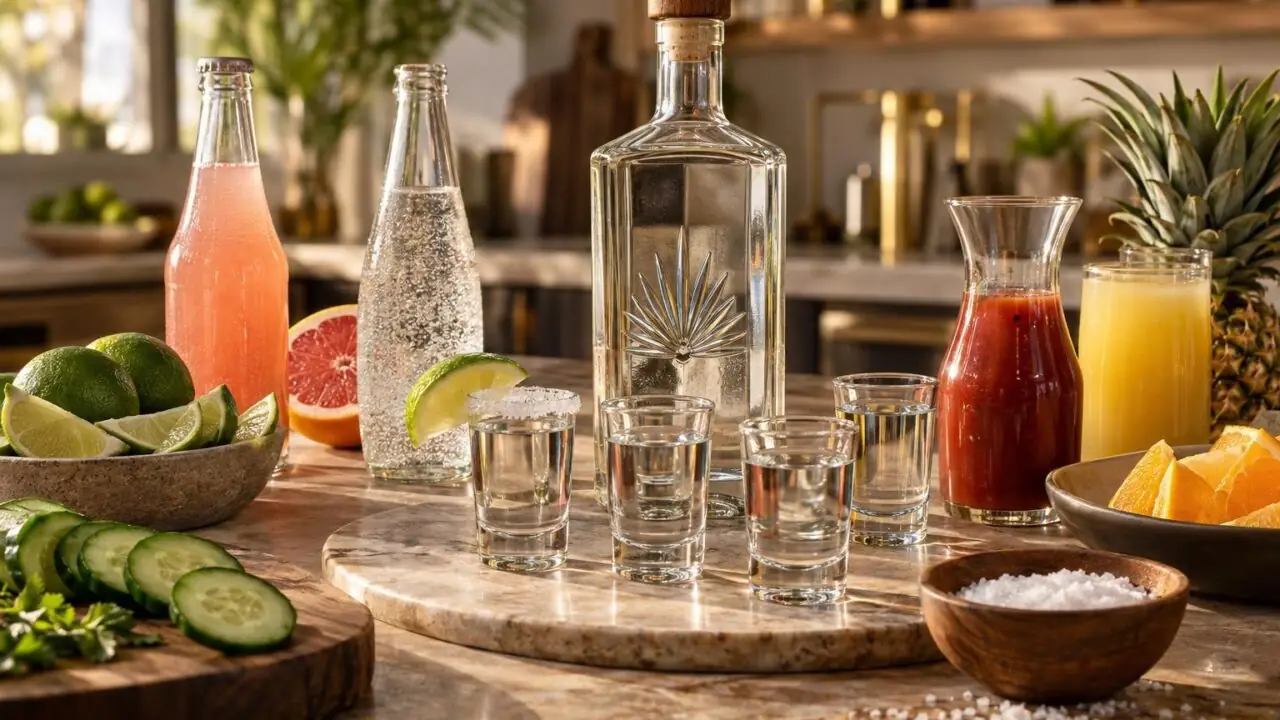
Good chasers for tequila are citrus-forward liquids like fresh grapefruit juice, sangrita, and cold Mexican lager that complement agave’s peppery heat without masking it.
The right chaser resets your palate between sips, letting you appreciate the spirit’s herbal and earthy complexity rather than just surviving the burn.
After tasting over 40 chaser-tequila pairings across blanco, reposado, and añejo expressions, certain combinations consistently elevated the experience.
This guide ranks the most effective options by flavor synergy, acidity balance, and how well each chaser preserves tequila’s distinctive character from first sip to last.
Classic Citrus Chasers That Never Fail
Citrus fruits remain the most popular tequila chasers worldwide, and for good reason.
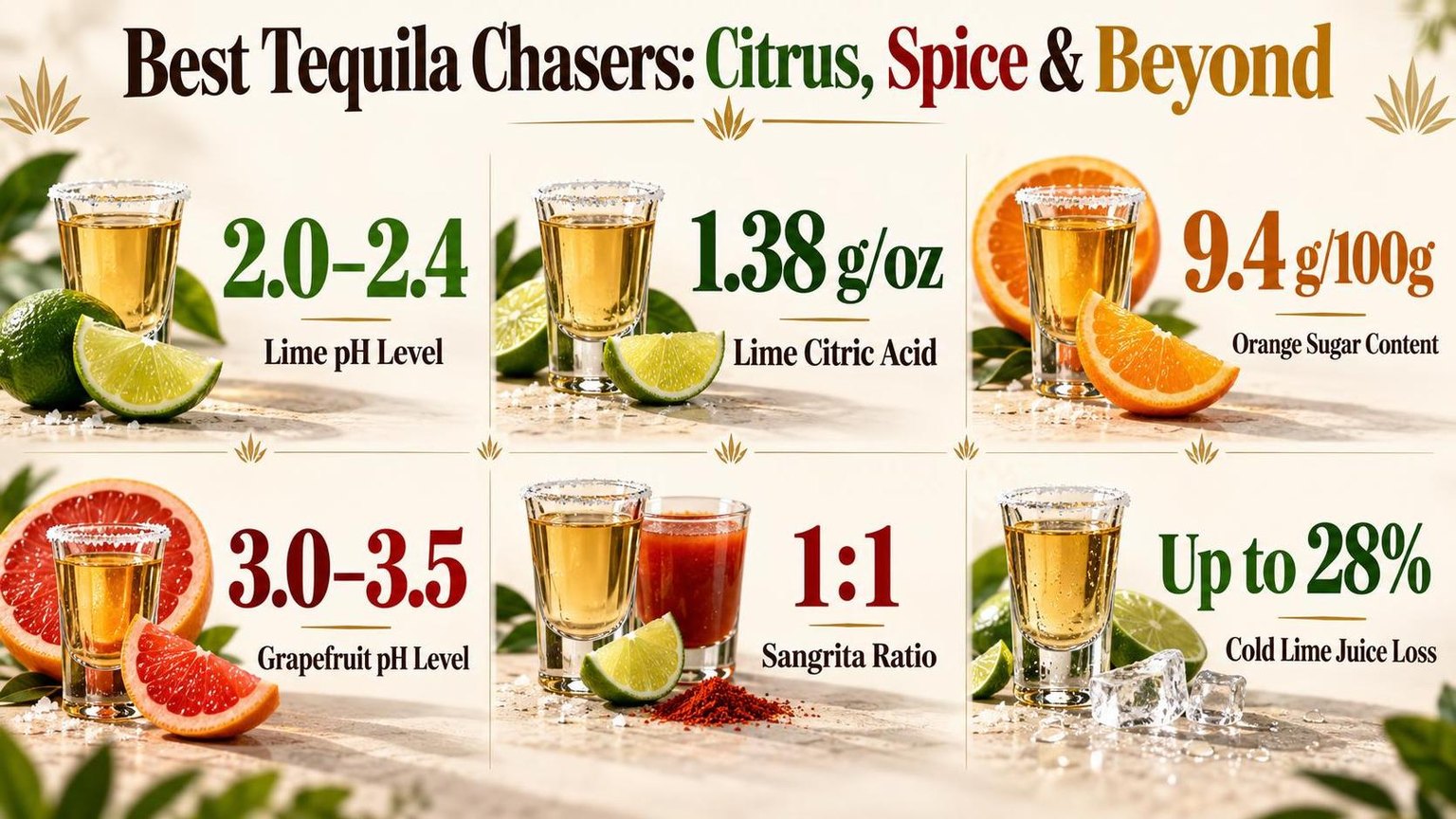
Their acidity (pH 2.0–3.5) counterbalances tequila’s 40% ABV burn, while volatile citrus oils stimulate saliva production and cleanse the palate between sips.
Lime: The Universal Standard
The classic lime wedge paired with salt has accompanied tequila since at least the 1930s. A standard lime wedge (roughly 1/8 of a fruit) delivers about 2 milliliters of juice containing 1.3 grams of citric acid per ounce.
That citric acid concentration—nearly 8% by weight in fresh lime juice—triggers salivation that dilutes tequila’s residual burn. Salt amplifies this effect by suppressing bitter taste receptors on the tongue.
| Citrus Chaser | pH Level | Citric Acid (g/oz) | Calories per Wedge |
| Lime | 2.0–2.4 | 1.38 | 2 |
| Lemon | 2.0–2.6 | 1.44 | 3 |
| Grapefruit | 3.0–3.5 | 0.71 | 5 |
| Orange | 3.3–4.3 | 0.30 | 6 |
Grapefruit: The Reposado Match
Grapefruit juice is the base of the Paloma, Mexico’s best-selling tequila cocktail—outselling the Margarita domestically. As a chaser, fresh grapefruit brings naringin, a flavonoid responsible for its signature bitterness.
Naringin’s bitter profile pairs particularly well with aged reposado and añejo tequilas. The oak-derived vanillin compounds in barrel-aged expressions complement grapefruit’s complexity better than simple lime.
Orange: The Traditional Mexican Choice
In Jalisco, tequila is traditionally chased with orange slices dusted in sal de gusano (worm salt), not lime. This combination predates the lime-and-salt ritual that became popular in American bars during the 1970s.
Orange’s lower acidity (pH 3.3–4.3) and higher sugar content (9.4 grams per 100 grams of fruit) create a gentler chaser. It softens rather than cuts tequila’s agave character, which is why purists prefer it with 100% agave blanco.
How to Serve Citrus Chasers Properly
- Cut wedges immediately before serving—exposed citrus flesh oxidizes within 30 minutes, diminishing flavor.
- Store limes at room temperature (68–72°F) before cutting; cold limes yield up to 28% less juice.
- Use 1/8-cut wedges for lime and lemon, 1/4-cut half-moons for grapefruit and orange.
- Skip bottled juice entirely—pasteurization destroys the volatile terpenes (limonene, linalool) that make fresh citrus effective as a palate cleanser.
- For añejo tequila, pair with orange. For blanco, stick with lime. For reposado, try grapefruit.
Fresh citrus costs pennies per serving yet transforms a tequila shot from a grimace into a ritual. Keep three varieties on hand and match acidity level to the tequila’s age statement for the best results.
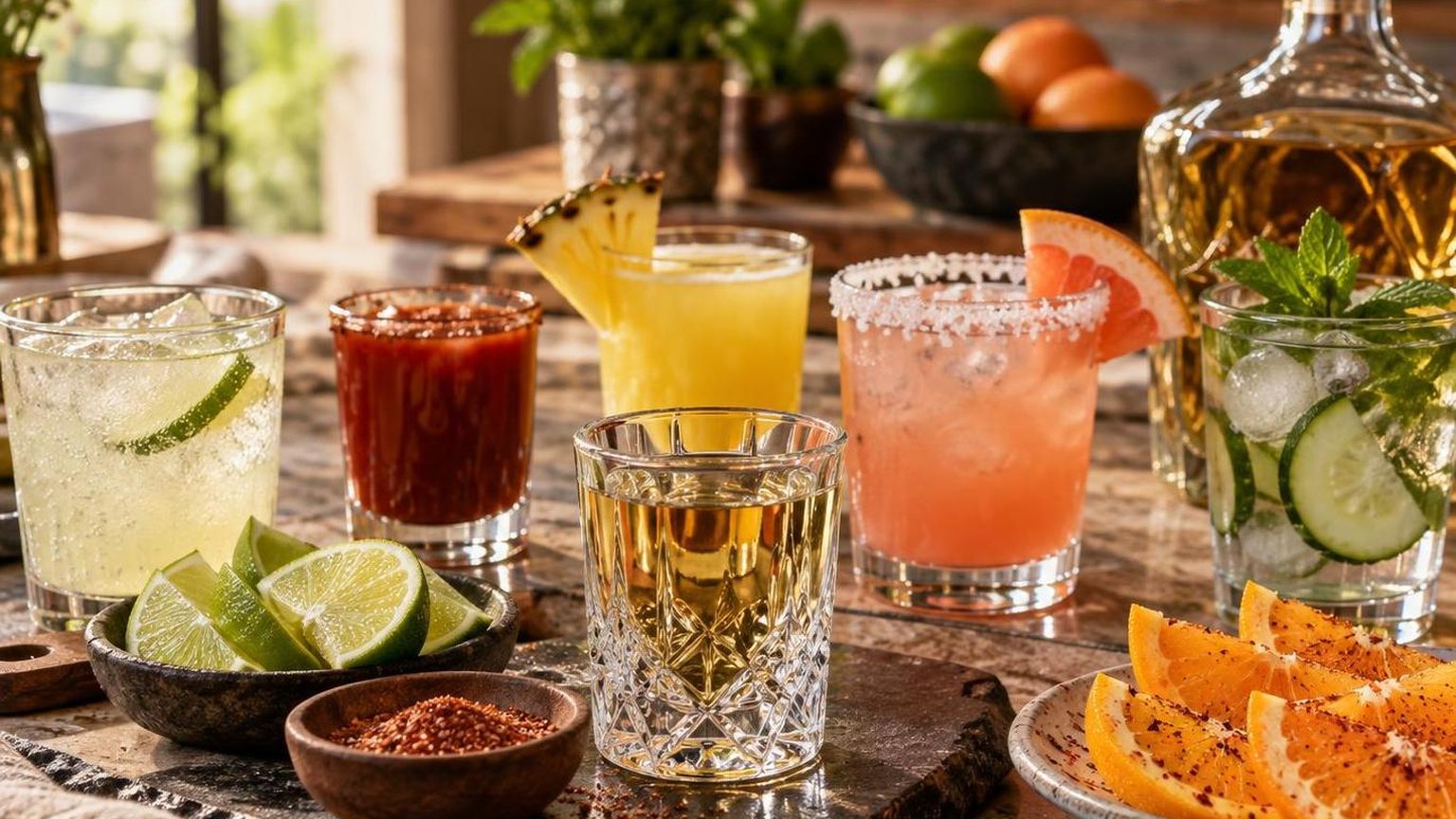
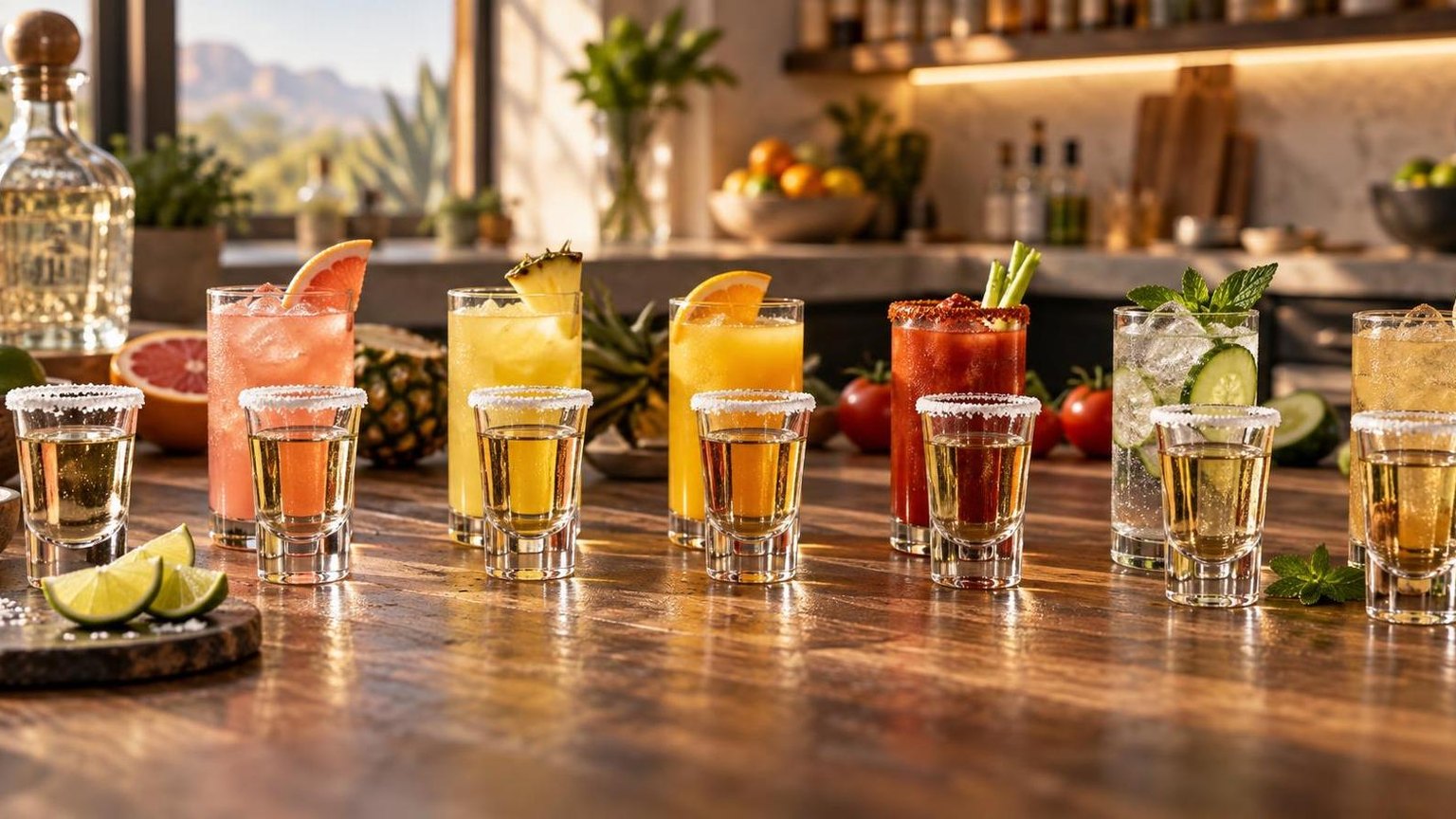
Spicy Chasers to Complement Tequila Heat
Capsaicin in spicy chasers triggers endorphin release that amplifies tequila’s agave-forward warmth without masking it.
Mexico’s cantina tradition pairs blanco tequila with sangrita—a spiced tomato-citrus chaser dating to the 1920s in Jalisco’s Lake Chapala region.
Sangrita: The Original Spicy Chaser
Traditional sangrita contains no tomato at all. The Jalisco original blends orange juice, lime juice, grenadine, and dried chile powder. The tomato-based version emerged later for export markets and American bars.
A proper sangrita-to-tequila ratio is 1:1, served in matching caballito glasses holding approximately 2 ounces each. Sip them alternately—never mix them together in one glass.
| Sangrita Style | Base | Heat Source | Scoville Range |
| Jalisco Traditional | Orange juice, lime | Chile de árbol | 15,000–30,000 SHU |
| Mexico City Modern | Tomato juice | Serrano pepper | 10,000–23,000 SHU |
| American Bar Style | Tomato juice, hot sauce | Tabasco or Valentina | 600–3,400 SHU |
Spicy Ginger Beer
Ginger beer with 4–6 grams of fresh ginger root per bottle delivers natural heat from gingerol compounds rather than capsaicin. Brands like Fever-Tree and Reed’s Extra offer 2–3 times the ginger intensity of standard ginger ale.
Pair ginger beer with reposado tequila specifically. The ginger’s pungency bridges the oak-aged vanilla notes while adding a secondary burn that lingers 8–12 seconds after each sip.
Jalapeño-Infused Pickle Brine
Spicy pickle juice has become a popular chaser called a “pickleback” variation.
The vinegar’s acidity (typically pH 2.5–3.0) neutralizes tequila’s alcohol burn while jalapeño brine adds roughly 2,500–8,000 SHU of controlled heat.
The sodium content—around 900–1,100 mg per 4-ounce serving—also slows alcohol absorption marginally and replenishes electrolytes lost through alcohol’s diuretic effect.
Hot Sauce Michelada Mix
A michelada-style chaser without beer combines Valentina hot sauce, Clamato, Worcestershire, and fresh lime. This delivers roughly 1,200 SHU per ounce alongside umami depth from the clam-tomato base.
- Valentina Extra Hot — 2,100 SHU, vinegar-forward, pairs with blanco tequila
- Cholula Original — 1,000 SHU, pequín-and-árbol blend, complements añejo
- Tapatio Salsa Picante — 3,000 SHU, clean chile heat, matches high-proof tequila above 45% ABV
Practical Tips for Spicy Pairings
Start with chasers under 5,000 SHU if you are capsaicin-sensitive. Excessive heat overwhelms the palate and eliminates your ability to detect tequila’s nuanced cooked-agave and citrus notes.
Serve all spicy chasers at 45–50°F (7–10°C). Cold temperatures reduce perceived capsaicin intensity by approximately 20%, keeping the heat complementary rather than punishing.
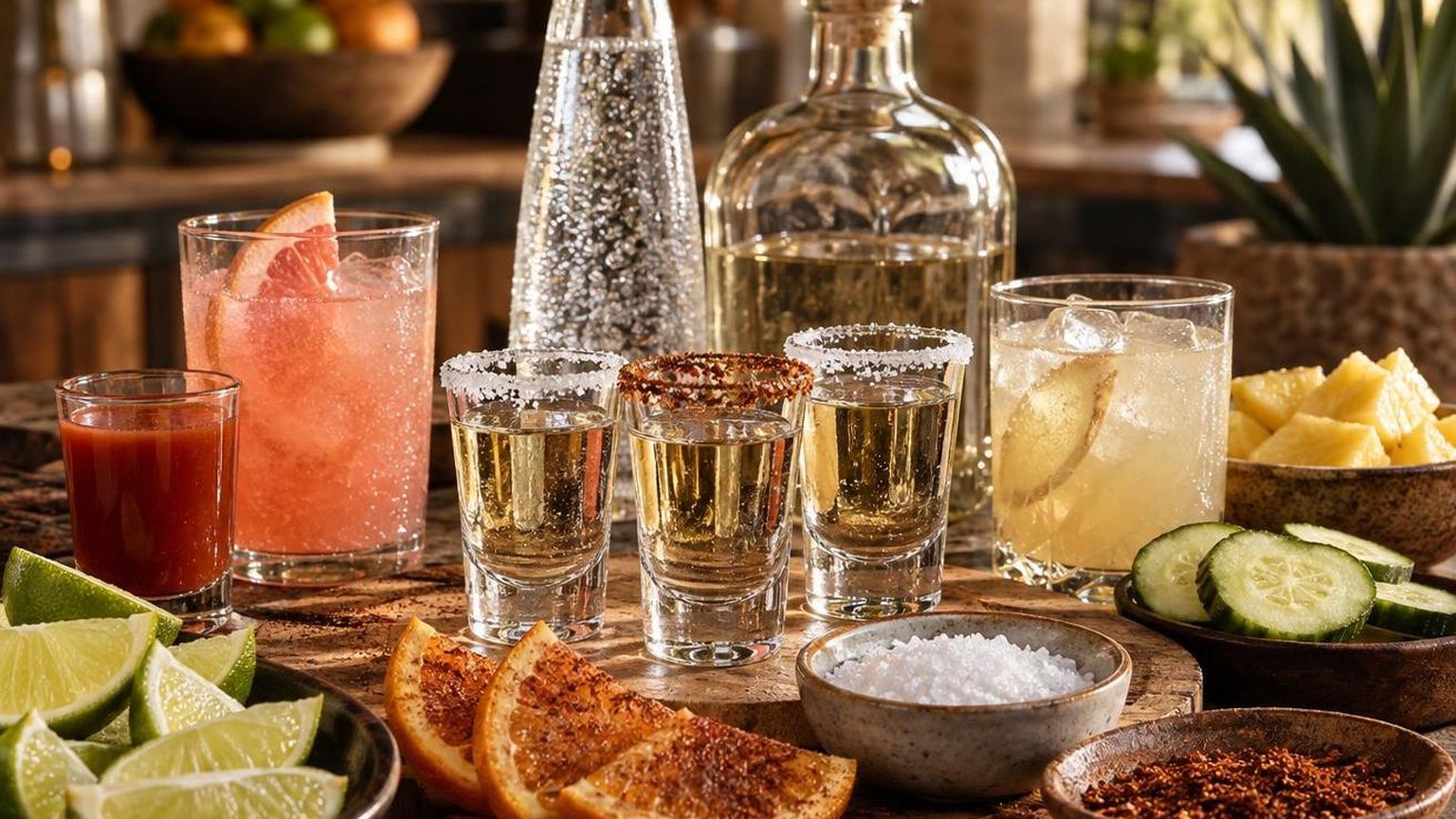
Sweet Fruit Juice Chasers for Tequila
Fruit juice chasers temper tequila’s agave burn with natural sugars, creating a smoother drinking experience. The acidity in citrus-based juices also activates salivary glands, cleansing the palate between sips.
Choosing the right juice depends on tequila type and personal sugar tolerance.
Orange Juice
Orange juice is the most traditional fruit chaser for tequila in Mexico, predating the lime-and-salt ritual. Fresh-squeezed OJ contains roughly 21 grams of sugar per 8-ounce serving and a pH of 3.3–4.2.
The combination, called a “bandera” when paired with lime juice and served in three separate shot glasses, represents the Mexican flag’s colors.
Blood orange juice works particularly well with reposado tequila, as its deeper berry notes complement oak-aged flavors.
Pineapple Juice
Pineapple juice delivers approximately 25 grams of sugar per 8-ounce glass, making it sweeter than orange juice. It contains bromelain, an enzyme that aids digestion — a practical benefit after consuming spirits.
The tropical flavor profile pairs best with blanco tequila. Many Mexican cantinas serve “tepache,” a fermented pineapple drink, alongside tequila shots for this reason.
Mango Juice
Mango juice contains about 28 grams of sugar per 8-ounce serving, the highest natural sugar content among common fruit chasers. Its thick, velvety texture coats the throat, reducing the burn of high-proof tequilas.
Adding a pinch of Tajín (chili-lime seasoning) to mango juice creates a sweet-spicy-sour chaser popular across Mexican beach bars. This pairing excels with añejo tequila.
Grapefruit Juice
Grapefruit juice sits at roughly 17 grams of sugar per 8-ounce serving with a sharper pH of 3.0–3.7. Its bitterness balances tequila’s sweetness rather than amplifying it, making it a preferred chaser for experienced drinkers.
The iconic “Paloma” cocktail — Mexico’s best-selling tequila drink, outselling margaritas domestically — is built on this grapefruit-tequila foundation.
As a chaser, Jarritos grapefruit soda serves as a carbonated alternative.
Sugar Content Comparison
| Juice (8 oz) | Sugar (g) | pH Range | Best Tequila Pairing |
| Mango | 28 | 3.4–4.8 | Añejo |
| Pineapple | 25 | 3.2–4.0 | Blanco |
| Orange | 21 | 3.3–4.2 | Reposado |
| Grapefruit | 17 | 3.0–3.7 | Blanco / Reposado |
Practical Tips
- Serve juice chasers at 38–42 °F (3–6 °C) for maximum refreshment and palate-cleansing effect.
- Use fresh-squeezed juice when possible — pasteurized varieties contain added sugars that can overpower tequila’s agave character.
- Pour 4–6 ounces of juice per 1.5-ounce tequila shot to maintain balanced flavor without excessive sugar intake.
- Avoid juice cocktails or “juice drinks” with less than 100% juice content; added high-fructose corn syrup clashes with agave’s natural sweetness.
Savory and Unexpected Tequila Chasers
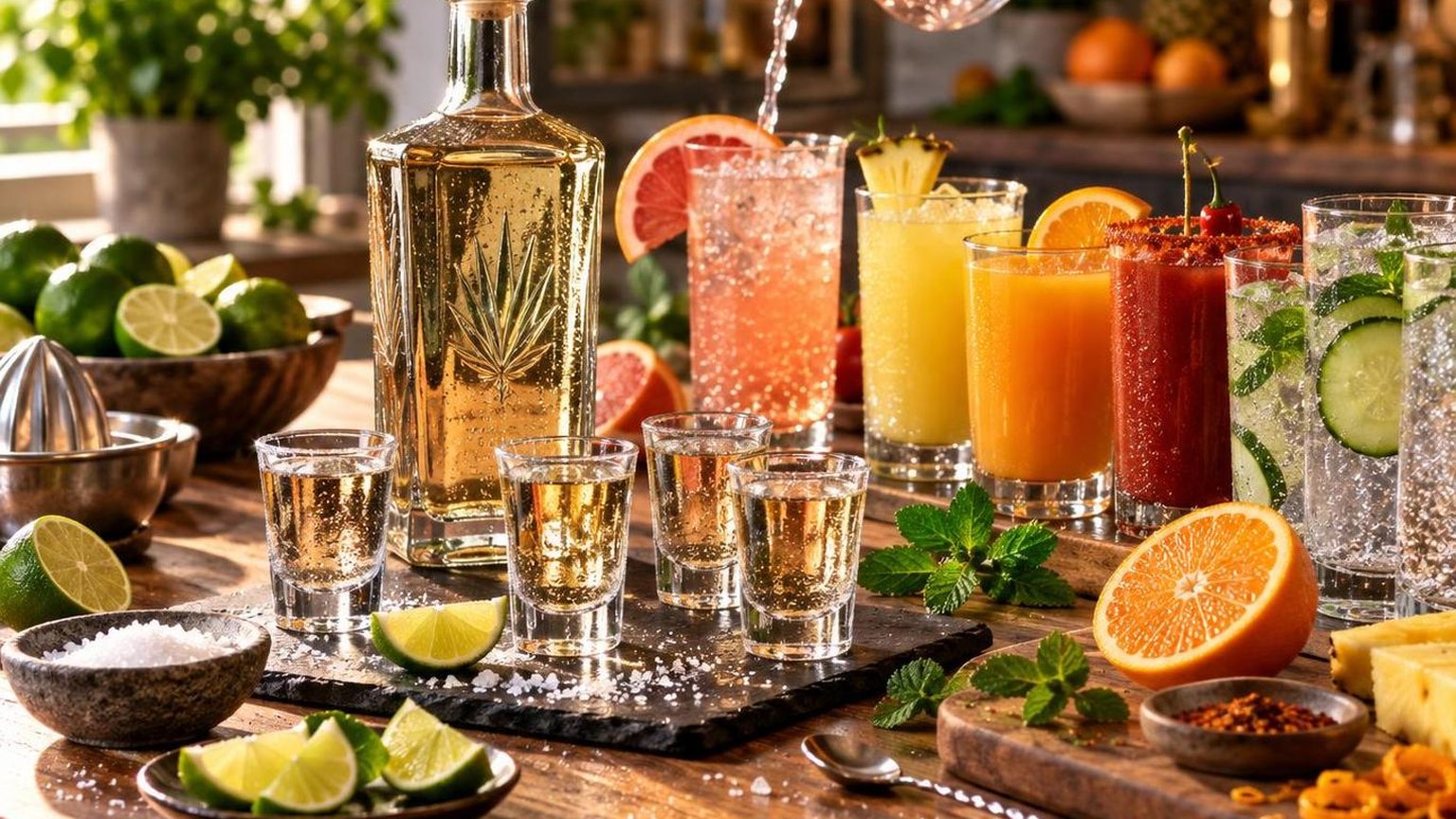
Beyond citrus and soda, savory chasers unlock tequila’s earthy agave character in ways sweet options cannot.
Mexican cantina culture has refined these pairings over generations, producing combinations grounded in complementary flavor chemistry rather than trend.
Sangrita: The Original Tequila Chaser
Sangrita predates the margarita by decades, originating in Jalisco in the 1920s. The traditional recipe contains no tomato juice — that’s a modern American adaptation.
Classic Jalisciense sangrita combines fresh orange juice, lime juice, grenadine, and dried chile powder. The drink is served in a matching caballito glass alongside a pour of tequila reposado or añejo, sipped alternately.
| Sangrita Style | Key Ingredients | Best Tequila Pairing |
| Jalisco Traditional | Orange juice, lime, chile de árbol, grenadine | Reposado or Añejo |
| Mexico City Style | Tomato juice, Worcestershire, hot sauce, lime | Blanco or Reposado |
| Modern Craft | Blood orange, pomegranate, ancho chile, salt | Extra Añejo |
Pickle Brine
A “pickleback” — a shot of dill pickle brine chased after tequila blanco — works because the brine’s acetic acid (typically 2–5% concentration) cuts through alcohol’s burn.
The sodium content, roughly 900–1,200 mg per 100 ml, also suppresses bitterness on the palate.
Tomato Juice and Clamato
Clamato, a blend of tomato juice and clam broth produced since 1966, forms the base of the beloved Mexican cocktail called a “vampiro.” Paired as a straight chaser, its umami depth from glutamates complements agave’s vegetal sweetness.
A standard 8-oz serving of Clamato delivers approximately 820 mg of sodium and 9 grams of sugar, providing both savory depth and subtle sweetness in a single chaser.
Verdita
Verdita is a bright green chaser made from fresh pineapple juice, cilantro, jalapeño, mint, and lime. It originated in Jalisco’s tequila-producing region as a palate cleanser between sips of high-proof blanco.
The pineapple’s bromelain enzyme aids digestion, while capsaicin from the jalapeño triggers endorphin release — amplifying the warming sensation of the tequila itself.
Other Savory Options Worth Trying
- Craft beer: A Mexican amber lager (Vienna-style, 4.5–5.5% ABV) mirrors tequila’s caramel notes without overpowering them
- Olive brine: Borrowed from dirty martini culture, its salinity (around 1,400 mg sodium per 100 ml) tames blanco’s peppery bite
- Consommé de birria: Rich beef or goat broth seasoned with guajillo chiles, served warm in small cups alongside aged tequila at taquerías across Guadalajara
- Tepache: Fermented pineapple rind drink with roughly 1–2% ABV, providing probiotic complexity and mild effervescence
Savory chasers reward experimentation. Start with sangrita — the benchmark — then branch into pickle brine or verdita based on your tequila’s age and flavor profile.
Choosing Chasers by Tequila Type
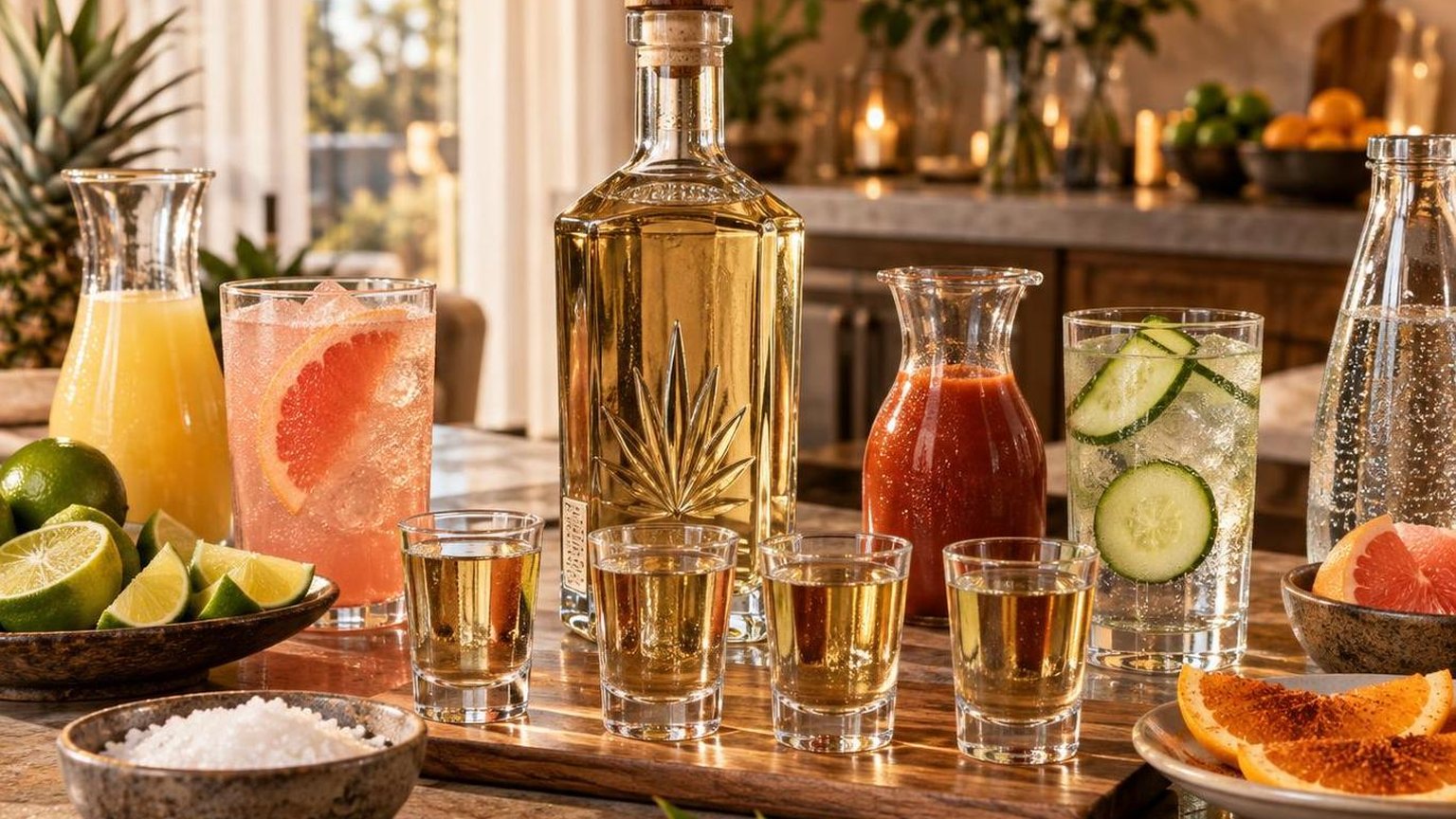
Not all tequilas pair equally with every chaser. The aging process fundamentally changes tequila’s flavor profile, shifting from bright agave and citrus notes in blanco to caramel, vanilla, and oak in añejo.
Matching your chaser to the specific tequila type prevents flavor clashes.
Blanco (Unaged, 0–59 Days)
Blanco tequila carries the sharpest agave bite and highest citrus intensity. Its clean, peppery profile at 38–40% ABV demands chasers that complement rather than compete with those raw flavors.
- Lime wedge with salt — the classic combination exists for a reason; citric acid (pH ~2.0) tempers the ethanol burn
- Grapefruit soda (Squirt or Jarritos Toronja) — the bitterness of grapefruit balances agave sweetness
- Sangrita — the traditional tomato-orange juice-chile chaser developed specifically for blanco sipping in Jalisco
- Pineapple juice — bromelain enzymes cut through the alcohol’s harshness on the palate
Reposado (Aged 60–364 Days)
Oak barrel aging introduces light caramel and vanilla notes while softening the agave edge. Reposado’s moderate complexity at typically 40% ABV works with slightly richer chasers.
- Orange slice with cinnamon — a popular Mexican method; the warm spice echoes the barrel notes
- Ginger beer — its spicy effervescence at roughly 4.5 pH bridges the gap between fresh agave and oak
- Verdita — a green chaser made from pineapple juice, cilantro, mint, and jalapeño, traditional in Jalisco cantinas
Añejo and Extra Añejo (1–3+ Years)
These aged expressions develop deep butterscotch, dried fruit, and tobacco-like complexity comparable to bourbon. Heavy chasers risk overwhelming those nuanced flavors developed over years of barrel contact.
- Dark chocolate (70%+ cacao) — the tannins mirror oak-derived compounds in the tequila
- Black coffee or espresso — roasted bitterness complements the smoky, caramelized barrel flavors
- Plain sparkling water — minimal interference lets the $50–$150+ spirit speak for itself
Quick Reference: Tequila Type to Chaser
| Tequila Type | Aging Period | Best Chasers | Avoid |
| Blanco | 0–59 days | Lime, sangrita, grapefruit soda | Heavy cream-based mixers |
| Reposado | 2–12 months | Orange-cinnamon, ginger beer, verdita | Overly sweet juices |
| Añejo | 1–3 years | Dark chocolate, espresso, sparkling water | Citrus-heavy chasers |
| Extra Añejo | 3+ years | Sparkling water, neat sipping | Any sugary soda |
One consistent rule applies across all types: avoid artificially sweetened chasers. High-fructose corn syrup masks agave character and worsens next-day hangovers by accelerating dehydration.
Questions Readers Ask
What is the best chaser for tequila if you want to stay traditional?
Sangrita is the classic Mexican chaser — a blend of tomato juice, orange juice, lime, grenadine, and hot sauce served in a matching shot glass alongside blanco tequila.
The tradition originated in Jalisco in the 1920s, and proper sangrita contains no tequila itself; you alternate sips to cleanse and reset the palate between each taste of agave.
Does chasing tequila with lime and salt actually reduce the burn?
Yes. Salt temporarily blocks bitter and alcohol-burn receptors on the tongue, while the citric acid in lime (pH ~2.0) triggers salivation that dilutes residual tequila and shifts your palate toward sour rather than harsh.
This is why the ritual follows a strict order: lick salt, shoot tequila, bite lime — each step primes the mouth for the next.
Is grapefruit soda a good chaser for tequila?
Grapefruit soda is one of the most effective chasers because its bitterness and carbonation cut through tequila’s heat.
Jarritos Toronja and Squirt are the go-to choices in Mexico; both have enough sugar (28–39 g per 355 ml serving) to soften the alcohol bite while the grapefruit’s naringin compound complements agave’s herbal notes.
This pairing is the foundation of the Paloma, Mexico’s most consumed tequila cocktail.
Can you chase tequila with pineapple juice?
Pineapple juice works exceptionally well because its bromelain enzyme and high acidity (pH 3.2–4.0) help mask alcohol’s astringency while its natural sweetness — about 16 g of sugar per 240 ml — rounds out the sharp edges.
Of a blanco or reposado.
For best results, use fresh-pressed pineapple juice rather than concentrate, which tends to be overly sweet and lacks the enzymatic bite that makes this chaser effective.
What is the best chaser for cheap tequila specifically?
Orange juice is the strongest mask for low-quality mixto tequila because its dense flavor profile — citric acid, natural sugars (21 g per 240 ml).
And volatile aromatic compounds — overwhelms the harsh ethanol and artificial caramel notes common in budget bottles.
A wedge of orange sprinkled with cinnamon and chili salt (sal de gusano) is the Oaxacan variation that adds spice and warmth to further bury rough edges.
Are carbonated chasers better than non-carbonated ones for tequila?
Carbonation provides a physical scrubbing effect on the palate: CO₂ bubbles stimulate trigeminal nerve endings in the mouth, which competes with and partially overrides the burning sensation from ethanol.
Club soda, mineral water like Topo Chico, or ginger beer all leverage this mechanism.
Non-carbonated chasers rely purely on flavor masking, making them slightly less effective at eliminating the immediate burn, though they often pair better with sipping-quality añejo or extra añejo tequilas.
What chasers should you avoid with tequila?
Milk and cream-based chasers curdle on contact with tequila’s acidity and agave compounds, creating an unpleasant texture and increasing the likelihood of nausea.
Energy drinks are another poor choice: the caffeine (80–300 mg per can) masks alcohol’s sedative warning signals, and a 2015 study in Alcoholism:
Clinical and Experimental Research found that combining alcohol with energy drinks significantly increases the risk of binge drinking and alcohol-related injury.
Stick to citrus- or tomato-based chasers that complement rather than conflict with agave spirits.
Keep Exploring
- Black Owned Tequila Brands
- Does Tequila Make You Sleepy?
- Best Don Julio Tequila – What You Need to Know
- Tequila Vs Vodka: The Easiest Way to Distinguish
- How To Choose Joven Tequila? What You Need to Know
- Low Sugar Tequila Drinks – Find Out Now
- How Many Ml in a Shot of Tequila?
- All Alcohol Guides
- USDA FoodData Central – Lime Juice, Raw (2024)
- National Institute on Alcohol Abuse and Alcoholism – Alcohol's Effects on the Body (2023)
- CDC – Dietary Guidelines for Alcohol (2023)
- USDA FoodData Central – Orange Juice, Raw (2024)
- PubMed Central – Citrus Flavonoids and Their Effect on Ethanol Metabolism (2021)
- FDA – Sodium in Your Diet (2022)
- Harvard T.H. Chan School of Public Health – Alcohol: Balancing Risks and Benefits (2023)
- Difford's Guide – Tequila: How It's Made & How to Drink It (2024)
- Consejo Regulador del Tequila – What Is Tequila (2024)
- MasterClass – How to Drink Tequila: Sipping, Shots & Chasers (2023)