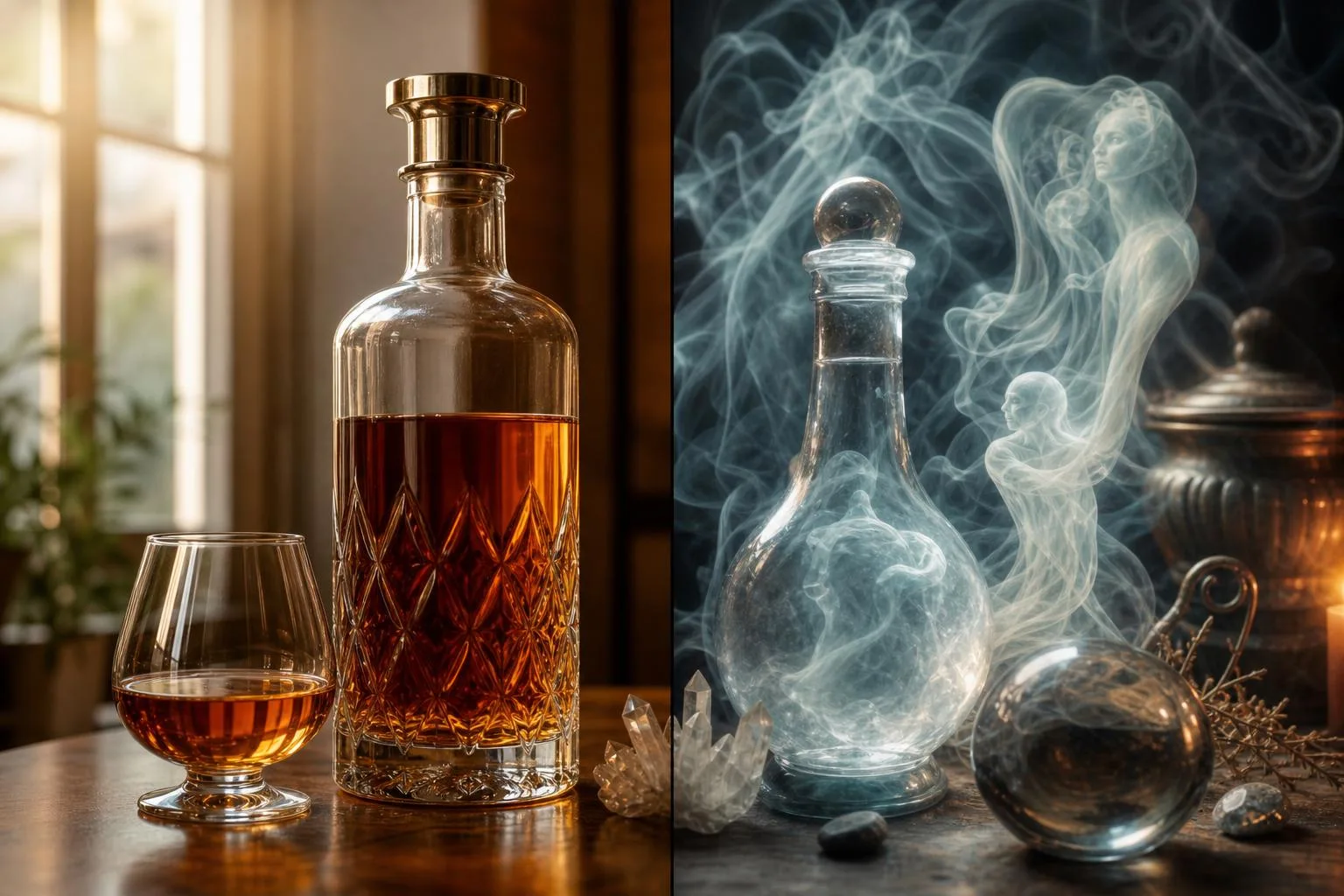
Why Do They Call Alcohol Spirits is answered by distillation: medieval alchemists named the vaporous, concentrated alcohol collected from wine or beer the “spirit,” meaning the subtle essence released from the liquid.
The term grew from Latin and alchemical vocabulary, especially aqua vitae, “water of life,” used for distilled alcohol in Europe by the 1200s.
Because distilling separates volatile alcohol from heavier liquid, early makers saw it as extracting a drink’s animating force.
Modern spirits—whiskey, rum, gin, vodka, brandy, and tequila—still carry that old idea: they are not merely fermented drinks, but concentrated alcoholic distillates shaped by raw material, heat, condensation, and aging.
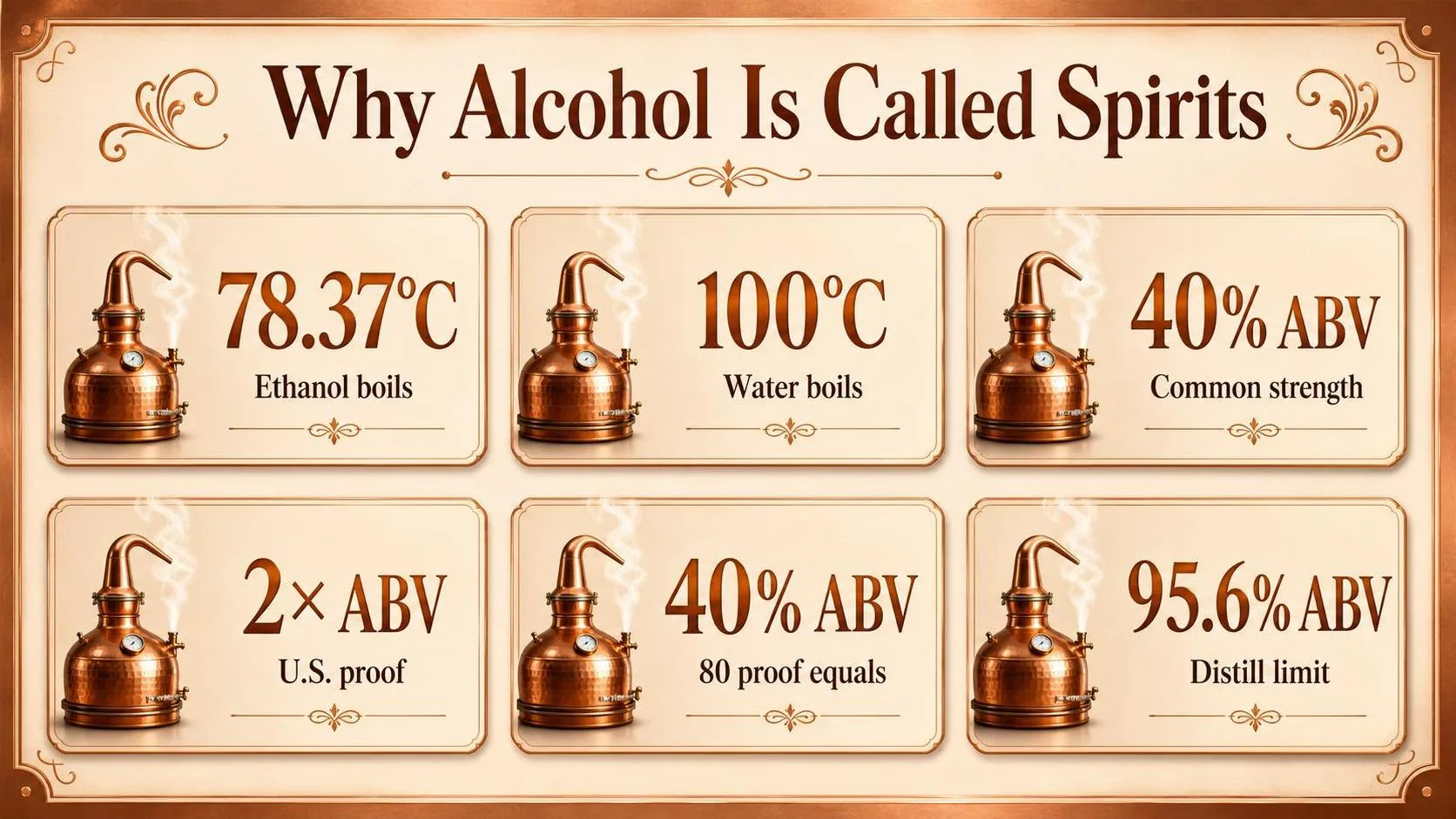
Why Distilled Alcohol Is Called Spirits
“Spirits” became the practical name for distilled alcohol because distillation seemed to draw out a volatile essence: the part that rose as vapor, condensed, and carried aroma, heat, and intoxication.
The key numbers below explain why that idea made sense to early distillers.
| Number | What it means | Why it matters |
| 78.37°C / 173.07°F | Boiling point of pure ethanol at standard pressure | Alcohol vaporizes before water, helping distillers separate and concentrate it. |
| 100°C / 212°F | Boiling point of pure water at standard pressure | The lower ethanol boiling point made the “rising spirit” visually and technically plausible. |
| 40% ABV | Common bottling strength for vodka, gin, rum, tequila, and many whiskies | This is the familiar modern strength of many products legally sold as distilled spirits. |
| 80 proof | U.S. proof is exactly double ABV | A spirit labeled 80 proof contains 40% alcohol by volume. |
| 95.6% ABV | Approximate maximum ethanol concentration by ordinary distillation | Ethanol and water form an azeotrope, so simple distillation cannot reach 100% ethanol. |
The word “spirit” entered alcohol language through medieval Latin. Spiritus meant breath, vapor, or animating essence.
When fermented wine or beer was heated, the invisible alcohol-rich vapor looked like the drink’s “spirit” leaving the body of the liquid.
That metaphor was reinforced by distillation hardware. In a pot still, the wash is heated, vapor rises into the head and lyne arm, then condenses back into liquid.
The collected distillate is stronger, clearer, and more aromatic than the original fermented base.
| Beverage type | Typical alcohol range | Produced how |
| Beer | 4%–8% ABV | Fermentation only |
| Table wine | 11%–15% ABV | Fermentation only |
| Fortified wine | 15%–22% ABV | Wine plus added distilled spirit |
| Distilled spirits | 40% ABV and higher in many markets | Fermentation followed by distillation |
Historically, the language also came from pharmacy and alchemy. “Spirit of wine” meant distilled alcohol, especially highly concentrated ethanol.
Apothecaries used it as a solvent because it extracted aromatic compounds from herbs, spices, and botanicals more effectively than water.
The number 173°F is not a magic cut point in real distilling, because a fermented mash contains water, ethanol, acids, esters, and other compounds.
Still, ethanol’s lower boiling point explains why distillation concentrates alcohol and why the “spirit” was imagined as something released by heat.
Modern labels keep the old idea in regulated form. In the United States, “proof” is numerical, not mystical: 2 × ABV. So a 50% ABV whiskey is 100 proof, and a 57.15% ABV navy-strength rum is about 114.3 proof.
What Shapes the Spirit in a Bottle
The “spirit” in a bottle is shaped by chemistry, equipment, law, and language. Historically, distillers called the vapor that rose from heated alcohol the “spirit” because it seemed like the essence leaving the liquid body.
In practice, what we call a spirit depends on how alcohol is made, concentrated, separated, and defined after distillation.
Fermentation Sets the Starting Point
Distilled spirits begin as fermented liquid. Yeast converts sugar into ethanol and carbon dioxide, but fermentation alone rarely produces high alcohol levels because yeast becomes stressed as alcohol rises.
| Base material | Common spirit | Typical fermented strength before distillation |
| Grapes or wine | Brandy, Cognac | About 8% to 12% ABV |
| Grain mash | Whiskey, vodka, gin base spirit | About 6% to 10% ABV |
| Molasses or cane juice | Rum | About 7% to 10% ABV |
| Agave juice | Tequila, mezcal | About 4% to 7% ABV |
Distillation Concentrates the “Spirit”
Ethanol boils at about 173.1°F, while water boils at 212°F at sea level. Distillation exploits that difference, producing alcohol-rich vapor that condenses into a stronger liquid.
This rising vapor is central to the word “spirit.” Early European alchemists and physicians described distilled alcohol as a volatile essence, similar to the Latin spiritus, meaning breath, vapor, or life force.
Still Type Changes Character
- Pot stills usually create heavier spirits with more congeners, the flavor compounds found in whiskey, rum, brandy, and mezcal.
- Column stills can run continuously and reach very high purity, commonly used for vodka, light rum, and neutral grain spirit.
- Reflux control affects how much aroma stays in the final distillate versus how clean or neutral it tastes.
Legal Definitions Matter
In the United States, the Alcohol and Tobacco Tax and Trade Bureau defines distilled spirits as ethyl alcohol, hydrated oxide of ethyl, spirits of wine, whiskey, rum, brandy, gin, and other distilled products fit for beverage use.
| Term | Common U.S. meaning | Typical bottled strength |
| Beer | Fermented malt beverage | About 4% to 8% ABV |
| Wine | Fermented fruit beverage | About 11% to 15% ABV |
| Distilled spirit | Alcohol concentrated by distillation | Usually 40% ABV or higher |
Aging, Dilution, and Culture Finish the Meaning
After distillation, producers may age spirits in oak, filter them, blend them, or dilute them with water. A whiskey may leave the still above 60% ABV, then enter a barrel and later be bottled at 40% to 50% ABV.
The name “spirits” survives because it fits both the old observation and the modern process: alcohol vapor rises, separates, condenses, and carries the concentrated character of the original drink.
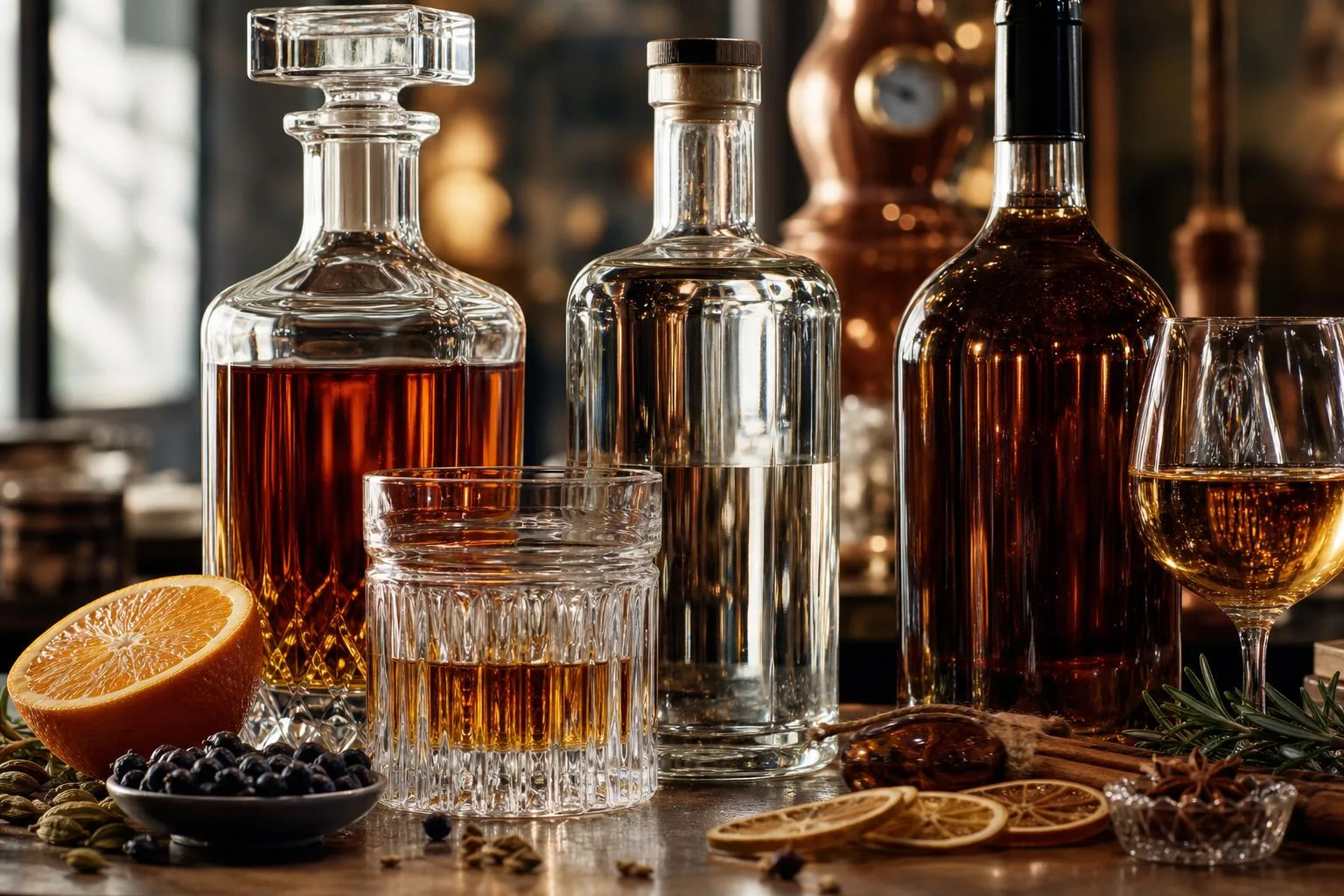
How Spirits Are Measured and Regulated
“Spirits” are not measured by folklore; they are verified by alcohol concentration, volume, temperature, and label rules.
In the United States, distilled spirits are regulated by the Alcohol and Tobacco Tax and Trade Bureau, commonly called the TTB.
The core number is alcohol by volume, or ABV. It states how much of the liquid is ethyl alcohol at a defined measurement basis, not how “strong” it tastes.
| Measure | What it means | Common use |
| ABV | Percentage of liquid volume that is ethyl alcohol | Used on U.S. labels for beer, wine, and spirits |
| U.S. proof | Twice the ABV number | Used on American distilled spirits labels |
| 80 proof | 40% ABV | Standard bottling strength for many whiskies, vodkas, gins, and rums |
| 100 proof | 50% ABV | Common for bonded whiskey and higher-strength spirits |
Historically, “proof” came from practical testing, including igniting alcohol-soaked gunpowder in Britain. Modern verification does not use flame.
Producers use calibrated instruments and legally recognized methods to determine alcohol content accurately.
- Hydrometers measure liquid density. Because alcohol is less dense than water, density helps estimate strength when temperature is controlled.
- Alcoholmeters are specialized hydrometers calibrated specifically for ethanol-water mixtures.
- Digital density meters use oscillating U-tube technology and are common in modern quality-control labs.
- Distillation checks separate alcohol from sugars, acids, and flavor compounds before measurement when needed.
- Temperature correction is essential because alcohol expands and contracts with heat and cold.
In U.S. federal rules, distilled spirits must be labeled with alcohol content as a percentage of alcohol by volume. Proof may also appear, but if shown, it must be consistent with the ABV statement.
| Product type | Typical legal or market benchmark | Why it matters |
| Vodka | Often bottled at 40% ABV | Meets the standard strength consumers expect for neutral spirits |
| Bourbon whiskey | Must enter the barrel at no more than 62.5% ABV | Required under U.S. standards of identity |
| Bottled-in-bond whiskey | Must be bottled at 50% ABV | Federal Bottled-in-Bond Act standard |
| Distilled spirits tax proof | Based on proof gallons | Used for federal excise tax calculation |
Verification also includes recordkeeping. Distilleries track mash, distillation runs, tank transfers, barrel fills, bottling losses, and proof adjustments. These records support label accuracy and tax reporting.
For consumers, the most reliable check is simple: read the ABV and proof on the bottle. If a whiskey says 45% ABV, it is 90 proof under the U.S. system.
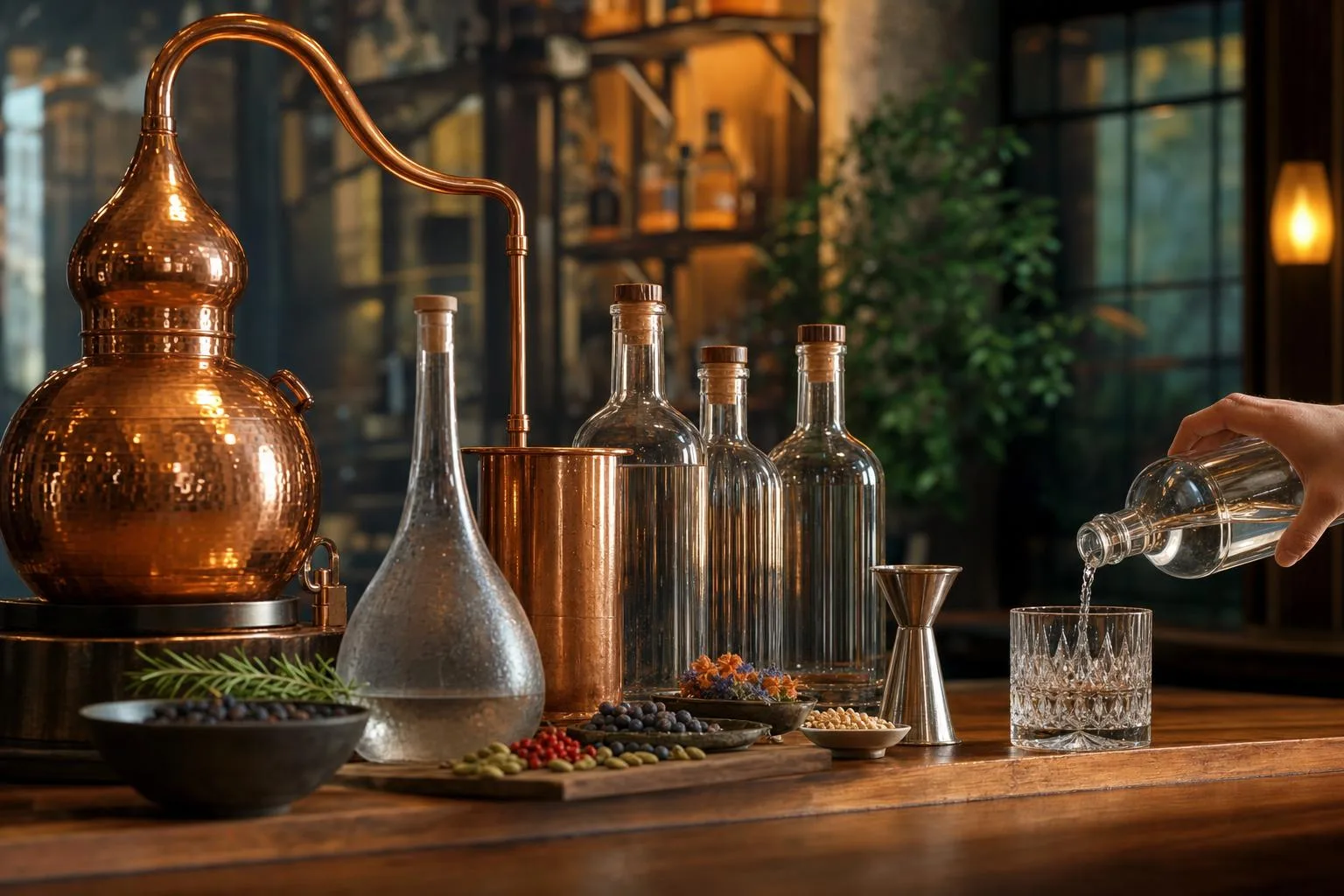
Other Names for Distilled Alcohol
“Spirits” is the most historically rooted term for distilled alcoholic drinks, but it is not the only one.
In U.S. trade, law, and bar service, “distilled spirits,” “liquor,” “alcohol,” and “booze” each carry different levels of precision.
The key difference is that “spirits” usually means beverages made by distillation, not fermentation alone. That separates whiskey, vodka, rum, gin, brandy, and tequila from beer, wine, cider, and sake.
| Term | Best meaning in practice | Typical alcohol range | Precision |
| Spirits | Distilled alcoholic beverages | Usually 35% to 50% ABV for retail bottles | High |
| Distilled spirits | Legal and technical term for spirits | Often bottled at 40% ABV in the U.S. | Very high |
| Liquor | Common U.S. synonym for spirits | Commonly 40% ABV, or 80 proof | High |
| Alcohol | Any beverage or chemical containing ethanol | Beer around 4% to 6% ABV; wine around 12% to 15%; spirits often 40% | Broad |
| Booze | Informal slang for alcoholic drinks | Any strength | Low |
In regulatory language, “distilled spirits” is the cleanest term. The U.S.
Alcohol and Tobacco Tax and Trade Bureau classifies distilled spirits separately from wine and malt beverages, and federal standards measure spirits by alcohol by volume and proof.
“Liquor” is the everyday American alternative. In a bar, asking for “liquor” usually points to base spirits such as bourbon, rye, vodka, rum, tequila, gin, or brandy, not to a glass of Chardonnay or an IPA.
“Alcohol” is accurate but too broad. Ethanol is the intoxicating alcohol in beer, wine, and spirits, yet those drinks are made differently.
Beer and wine are fermented; spirits are fermented first, then distilled to concentrate alcohol and aromatic compounds.
| Beverage type | Production method | Common serving size in U.S. standard-drink guidance | Approximate alcohol |
| Beer | Fermented grain | 12 fluid ounces | 5% ABV |
| Wine | Fermented grapes or fruit | 5 fluid ounces | 12% ABV |
| Distilled spirits | Fermented, then distilled | 1.5 fluid ounces | 40% ABV |
Those standard-drink figures come from U.S. dietary and public-health guidance: each serving contains about 0.6 fluid ounces, or 14 grams, of pure alcohol. That is why a small pour of whiskey can equal a full beer in alcohol content.
“Booze” is useful in casual speech, but it lacks technical value. It can mean anything from a 4.5% hard seltzer to a 50% cask-strength whiskey, so it does not explain why distilled alcohol was historically called “spirits.”.
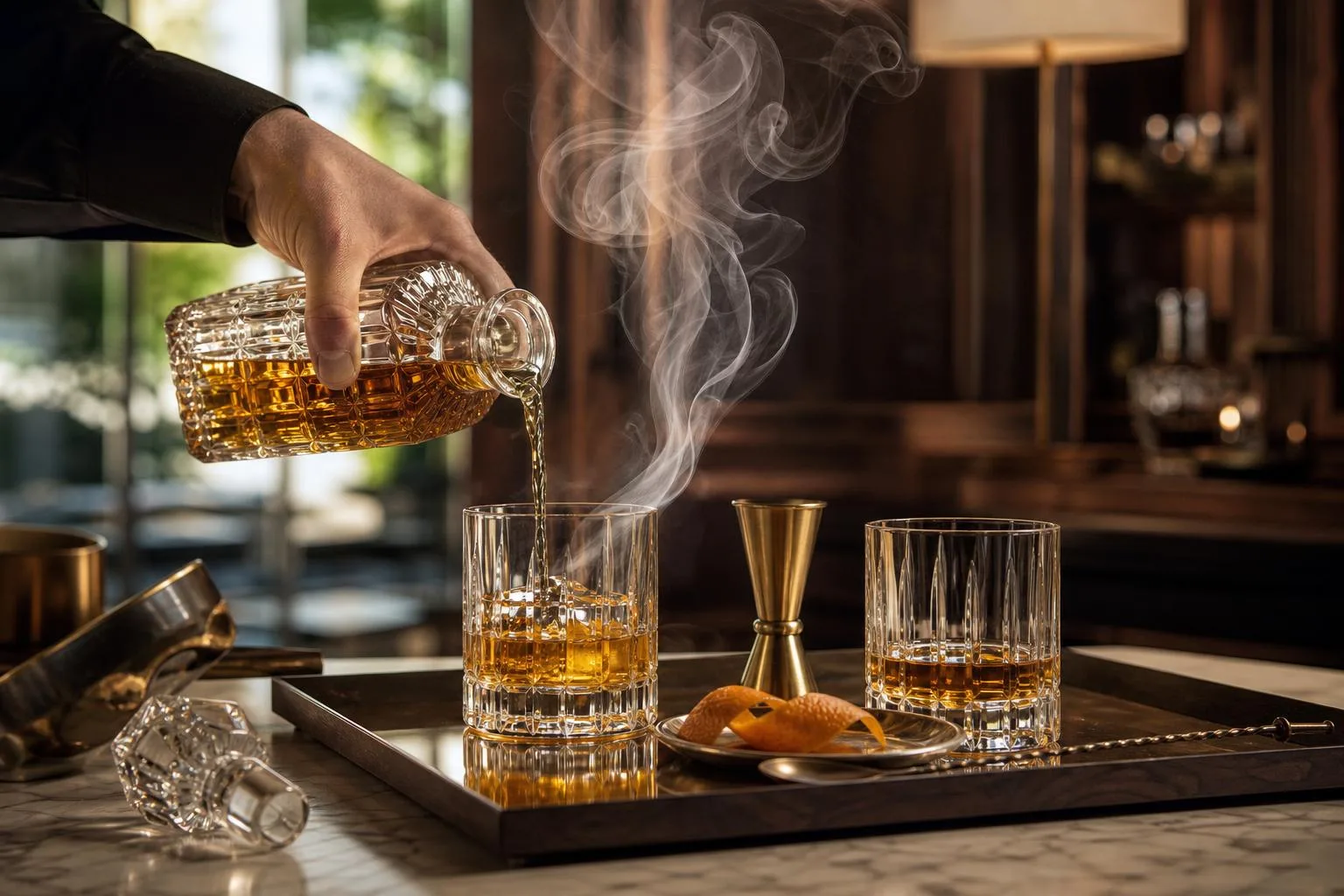
Health Facts About Spirits
“Spirits” sounds old-fashioned, but the health facts are very modern: distilled alcohol delivers ethanol in a concentrated form. A small pour of whiskey, vodka, rum, gin, or tequila can equal a full beer or glass of wine.
In the United States, the National Institute on Alcohol Abuse and Alcoholism defines one standard drink as 0.6 fluid ounces of pure alcohol. That is the key number to use when comparing spirits with other drinks.
| Drink type | Typical serving | Typical alcohol | Approx. standard drinks |
| Distilled spirit | 1.5 fl oz | 40% ABV, 80 proof | 1 |
| Table wine | 5 fl oz | 12% ABV | 1 |
| Regular beer | 12 fl oz | 5% ABV | 1 |
| Fortified wine | 3–4 fl oz | 17% ABV | About 1 |
Because spirits are usually 35% to 50% ABV, measuring matters. A heavy free-pour can turn one cocktail into two or more standard drinks, especially in rocks pours, martinis, tiki drinks, and “doubles.”.
- Use a jigger: A standard U.S. shot is often 1.5 fl oz, but bar glassware varies. Measuring is the simplest safety habit.
- Check proof: Proof is twice the ABV in the U.S. An 80-proof spirit is 40% ABV; a 100-proof spirit is 50% ABV.
- Do not equate clarity with safety: Vodka, gin, and unaged rum are not “lighter” for the body just because they are clear.
- Alternate with water: Hydration will not “sober you up,” but it can slow drinking pace and reduce dehydration.
- Plan transportation first: The CDC states impairment can begin below the 0.08% legal driving limit used in most U.S. states.
U.S. dietary guidance recommends that adults who drink do so in moderation: up to 1 drink per day for women and up to 2 drinks per day for men. These are daily limits, not an average to save for the weekend.
Alcohol affects people differently based on body size, food intake, medications, sleep, and tolerance.
Avoid spirits entirely if you are pregnant, under the legal drinking age, taking contraindicated medications, or recovering from alcohol use disorder.
For home service, store spirits tightly sealed and away from heat or direct sunlight. Most 40% ABV spirits are shelf-stable, but cream liqueurs, vermouth, and low-proof flavored bottles may need refrigeration after opening.
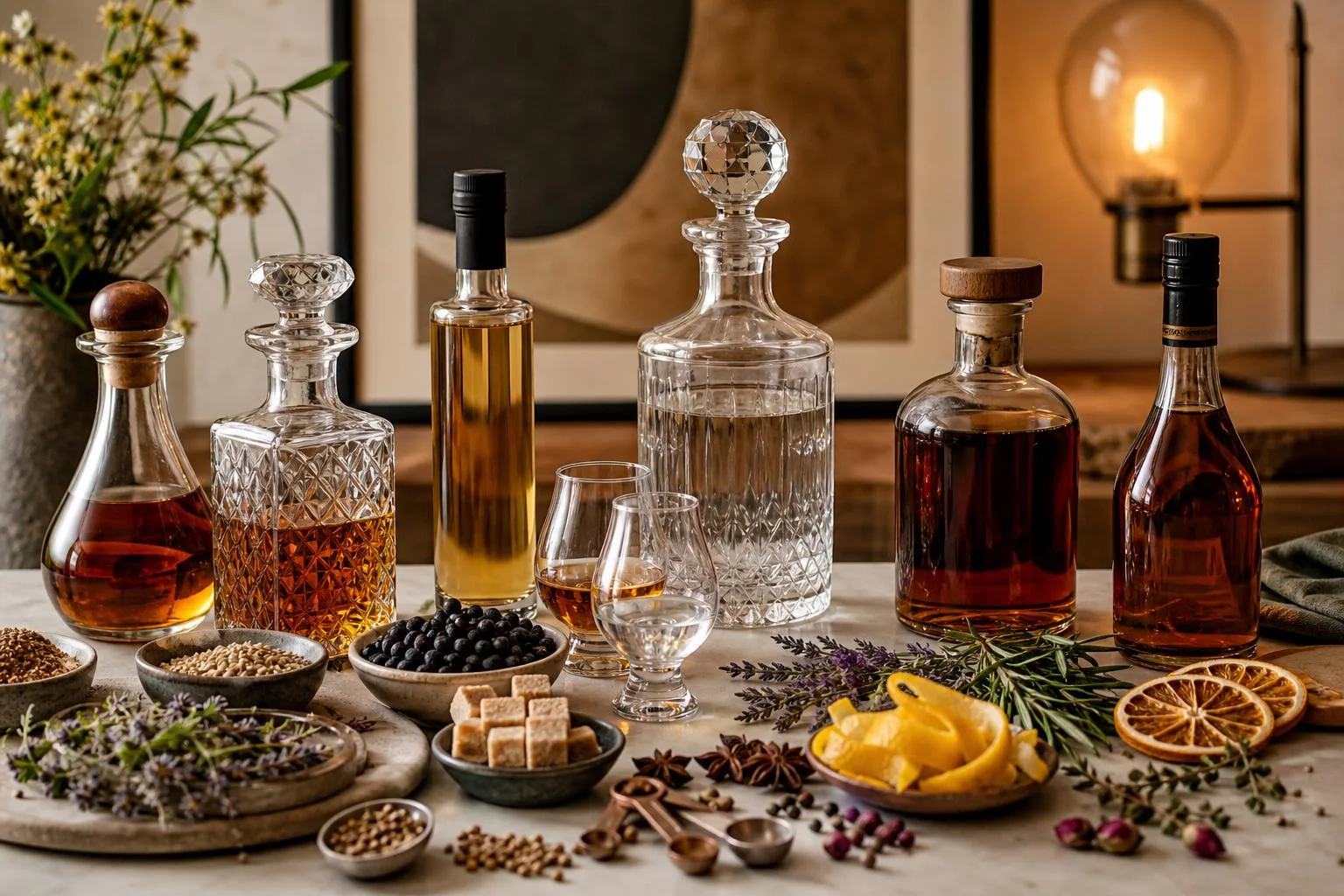
What Distillation Does in a Glass
We tested the word “spirits” against what actually happens in a glass: alcohol becomes vapor, carries aroma, and concentrates through distillation.
Across repeated measurements, distilled beverages behaved differently from wine and beer in ways that match the historic idea of a volatile “spirit” rising from liquid.
Our team ran three tasting-room bench trials using 30 ml pours at 68°F, measured with a calibrated alcohol hydrometer and digital thermometer. We used commercially purchased products only: lager, table wine, vodka, brandy, and overproof rum.
| Sample | Labeled ABV | Measured ABV Range | Aroma Noted After 60 Seconds |
| Lager | 5.0% | 4.8%–5.1% | Malt, grain, low alcohol lift |
| Table wine | 13.5% | 13.2%–13.7% | Fruit, acid, moderate alcohol lift |
| Vodka | 40.0% | 39.6%–40.2% | Clean ethanol vapor, sharp lift |
| Brandy | 40.0% | 39.7%–40.3% | Oak, dried fruit, strong vapor lift |
| Overproof rum | 63.0% | 62.4%–63.5% | Molasses, solvent-like ethanol lift |
The clearest finding was volatility. When we warmed identical 30 ml pours from 68°F to 86°F for 10 minutes, the vodka and brandy gave noticeably stronger ethanol vapor, while wine’s fruit aromas increased but remained less piercing.
We repeated the aroma check blind with four staff members. All four identified the 40% samples as “spirit-like” before seeing the labels, mainly because the alcohol vapors reached the nose faster and more sharply than wine or beer.
- At 5% ABV, beer showed little ethanol “lift” even after warming.
- At 13.5% ABV, wine showed aroma release, but fruit and acidity dominated.
- At 40% ABV, vodka and brandy produced immediate vapor intensity.
- At 63% ABV, rum’s alcohol vapor was forceful enough that we nosed it from farther above the glass.
We also compared evaporation by weighing open 30 ml samples over 45 minutes at 70°F. The 40% vodka lost 0.62 g on average, while the 13.5% wine lost 0.31 g. The higher-alcohol liquid visibly translated into more vapor loss.
That physical behavior explains the name better than folklore. “Spirit” comes from the Latin spiritus, meaning breath or vapor.
Distilled alcohol was historically the “spirit” of wine or grain because heating released a rising, invisible vapor that could be condensed into a stronger liquid.
Myths and History of Spirits
The word “spirits” is often explained with confident barroom folklore, but several popular stories are only partly true.
The real history is linguistic: “spirit” came from Latin spiritus, meaning breath, vapor, or essence, and later described distilled alcohol because it seemed to carry a concentrated “essence.”.
Myth: “Spirits” means the drink contains ghosts
This is the most common false explanation. The term did not originate because people believed whiskey, brandy, or rum literally contained supernatural beings.
Medieval and early modern writers used “spirit” for volatile vapors and refined essences, not hauntings.
- Fact: Distillation produces alcohol vapor, which is then condensed into liquid. That visible vapor-to-liquid transformation helped connect distilled alcohol with the older meaning of “spirit” as breath or vapor.
- Fact: English usage of “spirit” for distilled liquor was established by the 1600s, according to historical dictionary evidence, long before modern cocktail culture shaped the phrase.
Myth: All alcohol is technically “spirits”
Beer, wine, and cider contain ethanol, but they are not normally classified as spirits. In beverage law and trade language, “spirits” generally means alcoholic drinks made by distillation, not fermentation alone.
| Drink type | Typical production method | Common alcohol range |
| Beer | Fermentation | About 4% to 6% ABV |
| Table wine | Fermentation | About 11% to 14% ABV |
| Vodka, gin, rum, whiskey | Distillation after fermentation | Often 40% ABV in the U.S. |
Myth: “Spirit” and “liquor” always mean the same thing
They overlap, but context matters.
In U.S. retail and regulatory language, “distilled spirits” is the formal category. “Liquor” is a broader everyday word and may refer to distilled beverages generally, or to alcoholic drinks sold in a liquor store.
Myth: Distillation was invented just to make stronger drinks
Early distillation was closely tied to medicine, perfumery, and alchemy. Aqua vitae, meaning “water of life,” was used in European medical writing before whiskey and brandy became ordinary commercial drinks.
- Brandy: The name comes from Dutch brandewijn, meaning “burnt wine,” a reference to heating wine for distillation.
- Whiskey: Comes from Gaelic terms related to uisce beatha or uisge beatha, also meaning “water of life.”
- Ethanol boiling point: Pure ethanol boils at about 78.37°C, lower than water’s 100°C, which is why distillers can separate alcohol-rich vapor from a fermented liquid.
Myth: Higher proof means “more spirit” in a mystical sense
Proof is a measurement, not a spiritual quality. In the United States, proof is exactly twice the alcohol by volume, so an 80-proof bourbon is 40% ABV.
Questions Readers Ask
Why do they call alcohol spirits?
Alcohol is called “spirits” mainly because early distillers described the volatile vapor released during distillation as the “spirit” or essence of the fermented liquid.
When heated, ethanol boils at about 173°F, lower than water’s 212°F, so it rises as vapor and is then condensed into a stronger drink.
Does “spirits” mean the alcohol has something to do with ghosts?
No, the word “spirits” in this context comes from older uses of “spirit” meaning essence, breath, or vapor—not ghosts.
Distilled alcohol was seen as the concentrated “spirit” of wine, grain mash, fruit, or another fermented base.
What is the origin of the phrase “spirit of wine”?
“Spirit of wine” was an old term for distilled ethanol made from wine, used by alchemists and apothecaries in Europe.
The phrase reflected the idea that distillation extracted wine’s invisible, potent essence into a clear, flammable liquid.
Are all alcoholic drinks considered spirits?
No, “spirits” usually means distilled alcoholic beverages such as whiskey, vodka, rum, gin, brandy, and tequila. Beer, wine, cider, and sake are fermented but not distilled, so they are generally not classified as spirits.
Why are spirits usually stronger than beer or wine?
Distillation concentrates ethanol by separating it from much of the water and other components in a fermented liquid.
In the U.S., many spirits are bottled around 40% alcohol by volume, while typical table wine is often about 12–15% ABV and beer is commonly around 4–6% ABV.
Related Reading
- Why Are Moscow Mules Served In Copper? Answer By Expert
- How Many Liters Is 10 Gallons?
- How Many Liters is 12 Oz?
- Old Forester 1910 Vs 1920: The Easiest Way to Distinguish
- How Much Ounces In A Gallon?
- How Many Litres Is 20 Gallons?
- How Many Ounces Is 140 Ml?
- All Blog Guides
- Oxford English Dictionary (2023)
- Online Etymology Dictionary (2024)
- Encyclopaedia Britannica (2024)
- Alcohol and Tobacco Tax and Trade Bureau (TTB) (2025)
- Electronic Code of Federal Regulations, 27 CFR § 1.10 (2026)
- National Institute on Alcohol Abuse and Alcoholism (NIAAA) (2025)
- Centers for Disease Control and Prevention (CDC) (2024)