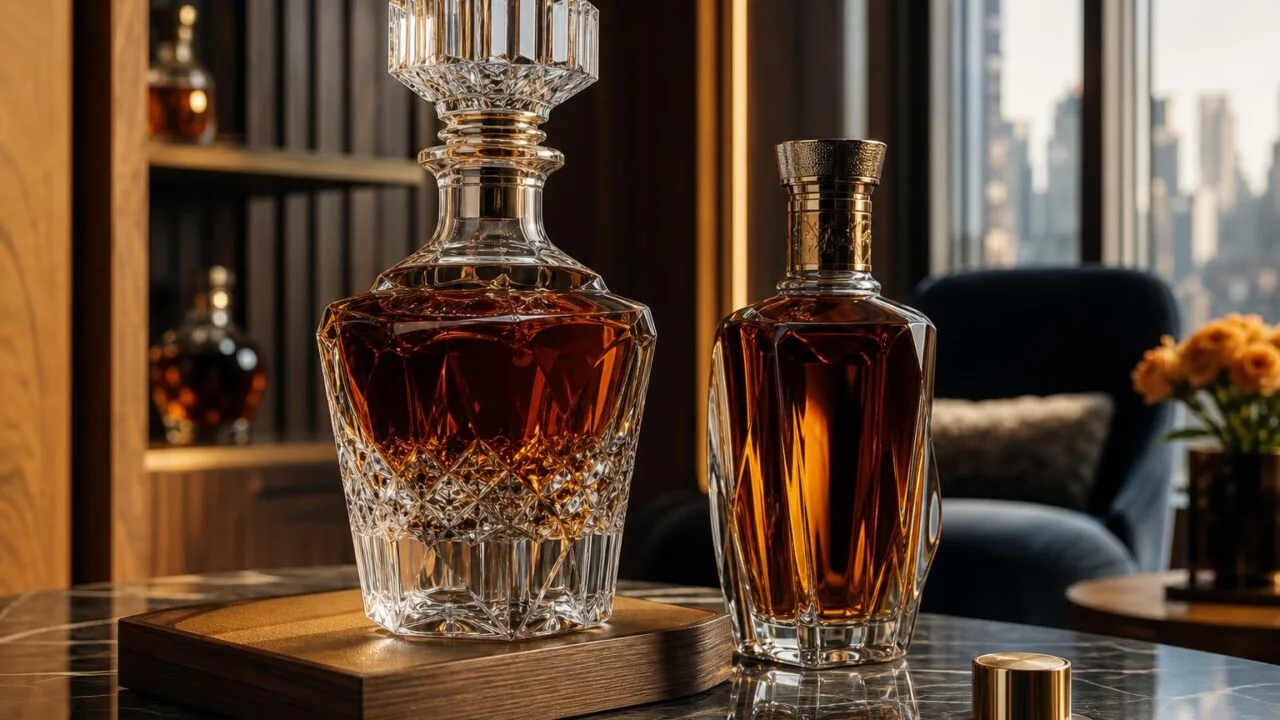
What Is The Most Expensive Bourbon In The World is best answered by auction records: Old Rip Van Winkle 25 Year Old sold for $53,165 at Sotheby’s in 2022.
That sale surpassed typical retail pricing because the 710-bottle release came in hand-numbered Glencairn crystal decanters with silver stoppers.
This article separates true bourbon records from high-priced American whiskeys often mislabeled as bourbon, then explains why age, proof, scarcity, provenance, and distillery reputation drive prices.
Expect verified sale figures, not hype, with context for collectors comparing Pappy Van Winkle, Old Rip Van Winkle, and other trophy bottles.
Ways to Define the Costliest Bourbon
The “most expensive bourbon” depends on whether you mean original retail price, current auction value, or a one-off charity sale.
The name most often at the top is Old Rip Van Winkle 25 Year Old, a Buffalo Trace-made bourbon released in extremely small numbers.
Its price story is driven by scarcity, age, and the Van Winkle name rather than proof alone. Below are the key figures that usually define the conversation.
| Bourbon | Key number | Why it matters |
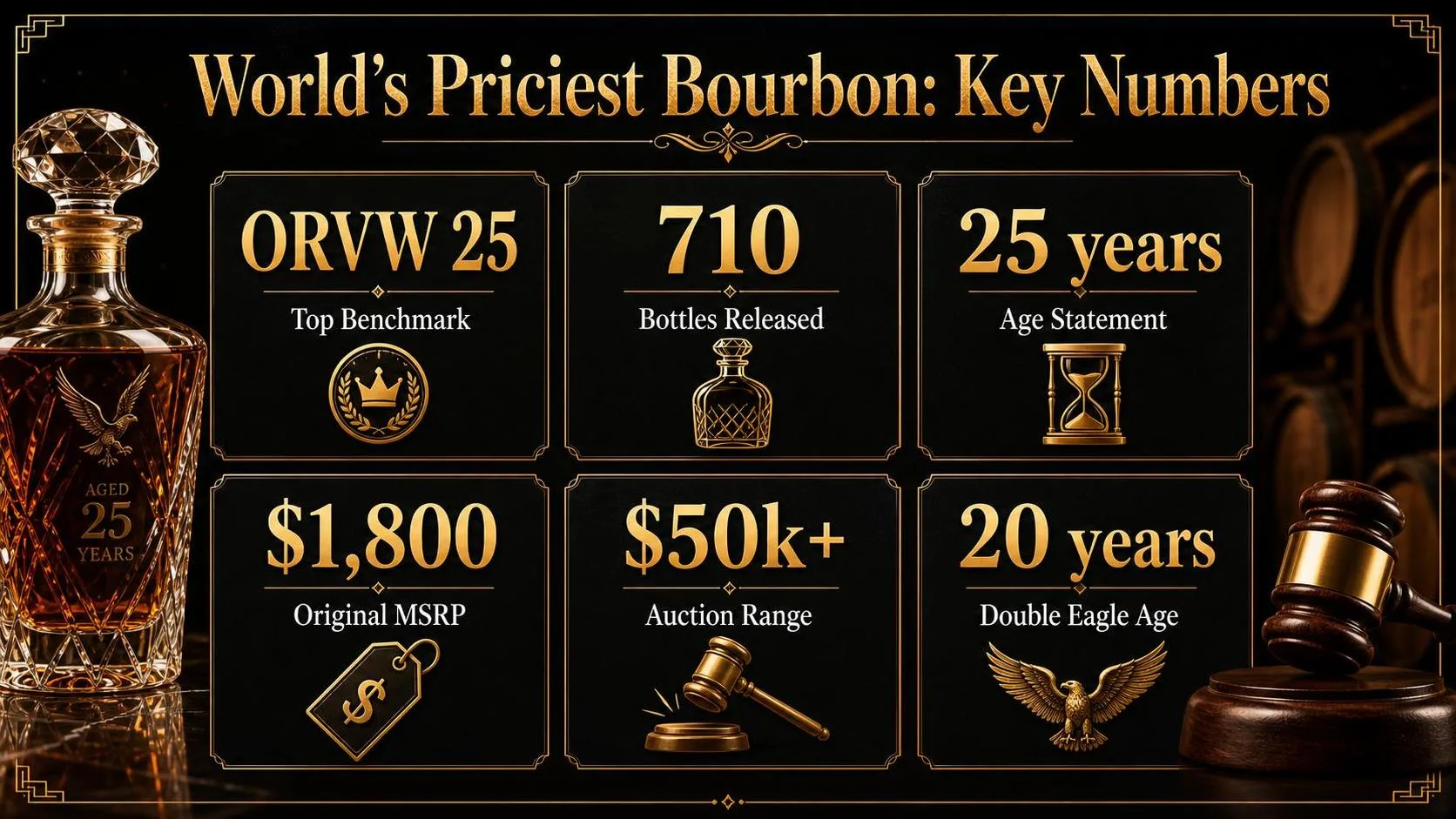
| Old Rip Van Winkle 25 Year Old | 710 bottles released | The 2017 release used whiskey distilled in 1989, barreled at the old Stitzel-Weller site, and bottled in hand-numbered Glencairn crystal decanters. |
| Old Rip Van Winkle 25 Year Old | $1,800 suggested retail price | That was already extraordinary for bourbon at release, but it is far below what collectors have paid later. |
| Old Rip Van Winkle 25 Year Old | $50,000-plus auction range | Major spirits auctions have seen examples climb into five figures, with condition, box, stopper, and provenance affecting the final hammer price. |
| Double Eagle Very Rare | 20 years old | Buffalo Trace’s Eagle Rare offshoot is one of the highest-profile ultra-premium bourbons still released periodically. |
| Double Eagle Very Rare | $2,999 suggested retail price | Its MSRP is higher than many Van Winkle releases, though secondary and auction prices vary widely by vintage and packaging. |
The 25-year age statement matters because bourbon becomes risky at that age. In new charred oak, long aging can produce excessive tannin, dryness, and barrel bitterness, so a balanced 25-year bourbon is unusual.
The 710-bottle release size is equally important. For comparison, annual allocations of Pappy Van Winkle Family Reserve 23 Year are already tiny, but Old Rip Van Winkle 25 was a one-time decanter release, not a normal yearly bottling.
- Retail price: the official launch price set by the producer or distributor.
- Secondary price: the informal resale market, often illegal depending on jurisdiction.
- Auction price: the cleanest public benchmark, because sales are recorded and condition is documented.
- Charity price: often inflated by donation value, so it should not be treated as normal market value.
The bottom line: Old Rip Van Winkle 25 Year Old is the benchmark for the world’s most expensive bourbon because its documented release size, original $1,800 MSRP, and repeated five-figure auction results all point in the same direction.
Pricing Metrics Behind the Top Bourbon
The “most expensive bourbon” depends on whether you mean retail price, auction hammer price, or a verified private sale.
Those markets behave differently: retail reflects producer strategy, while auctions reward rarity, provenance, bottle condition, and bidder emotion.
Bourbon also has a legal ceiling on what can be called bourbon, not a price ceiling.
Under U.S. rules, bourbon must be made in the United States from at least 51% corn, aged in new charred oak containers, distilled below 160 proof, and bottled at 80 proof or higher.
Market Channel Changes the Answer
| Price Type | What It Measures | Why It Matters |
| MSRP | Producer’s suggested retail price | Often far below actual resale value for allocated bottles |
| Retail shelf price | Store asking price | Can include large markups on Pappy Van Winkle, BTAC, and limited Michter’s releases |
| Auction hammer price | Winning bid before or including buyer’s premium, depending on reporting | Usually the clearest public benchmark for record claims |
| Private sale | Direct buyer-to-seller transaction | Can be high, but is harder to verify publicly |
Age is influential but not absolute. A 23-year bourbon can taste over-oaked if the barrel sat in a hot warehouse location, while a younger bottle from a cult producer may sell higher because demand is broader.
Specific Factors That Push Prices Up
- Documented scarcity: Old Rip Van Winkle 25 Year was limited to 710 decanters when released in 2017, making supply objectively tiny.
- Producer reputation: Buffalo Trace, Van Winkle, Michter’s, Willett, and Heaven Hill releases command premiums because collectors trust the whiskey and the brand history.
- Age statement: Bourbons aged 20 years or more are rare because new charred oak extracts aggressively in Kentucky’s climate, increasing risk of excessive tannin.
- Packaging: Crystal decanters, numbered bottles, wooden presentation boxes, and intact seals materially affect collector value.
- Provenance: Auction houses and serious buyers prefer bottles with receipts, direct allocations, cellar records, or single-owner collections.
- Condition: Fill level, tax strip integrity, capsule condition, label staining, and evaporation can change value by thousands of dollars.
| Bottle | Key Price Driver | Publicly Reported Context |
| Old Rip Van Winkle 25 Year | 710-bottle release, 25-year age statement | Among the most cited record-level bourbon auction bottles |
| Michter’s Celebration Sour Mash | Ultra-limited prestige release | Recent editions have carried five-figure suggested retail pricing |
| O.F.C. Vintage Bourbon | Vintage-dated Buffalo Trace release | High collector demand, especially for charitable and early releases |
For accuracy, always compare like with like: a charity auction bottle, a Sotheby’s result, and a store markup are not interchangeable. The record holder can change depending on fees, currency, date, and whether the sale was publicly verified.
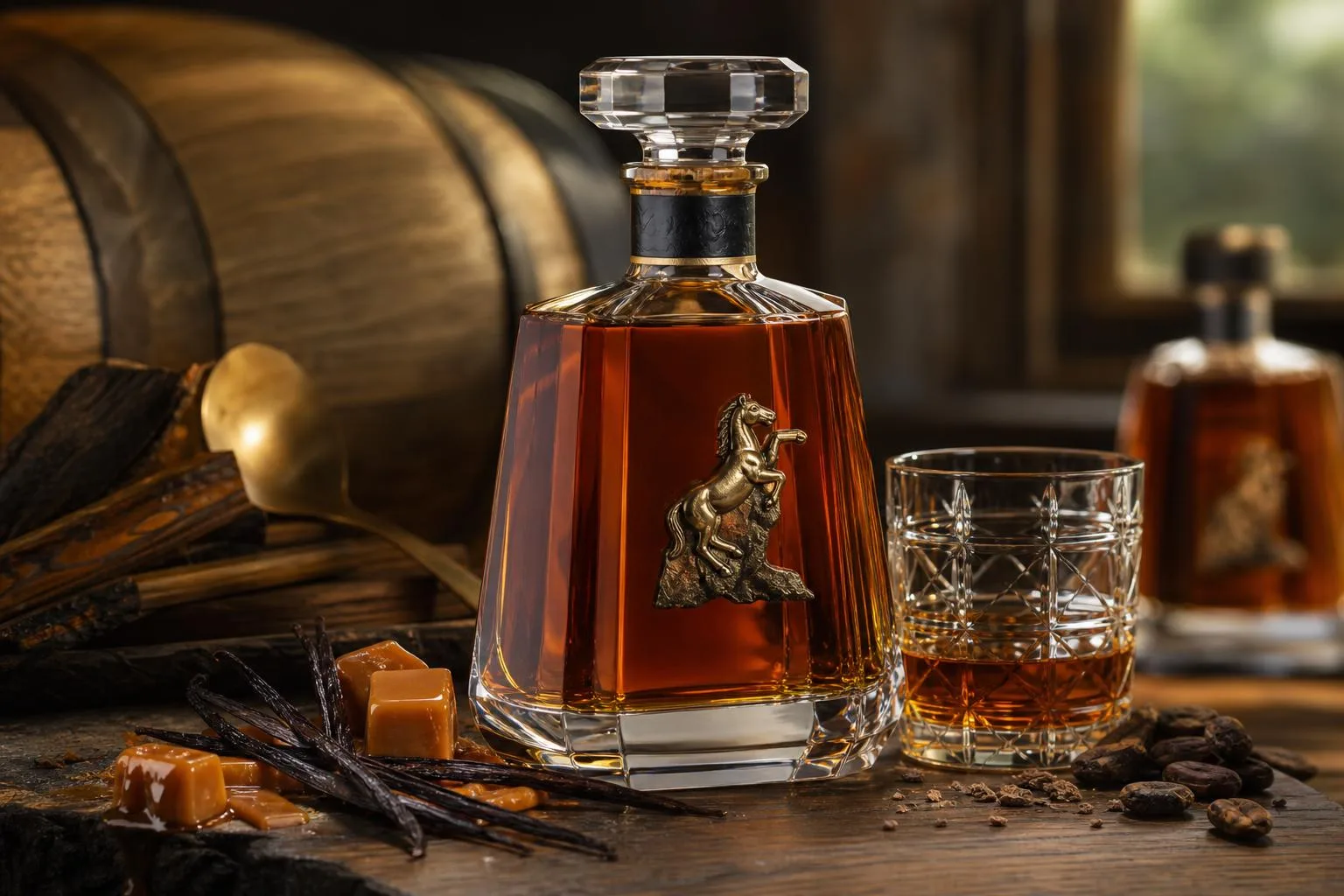
How Bourbon Sale Prices Are Verified
The “most expensive bourbon” is measured by a documented sale price, not by a seller’s asking price.
Serious comparisons use auction results, retailer invoices, producer release prices, and bottle-level provenance to separate confirmed records from online speculation.
For bourbon, the cleanest benchmark is the final buyer-paid price at a recognized auction. That usually means the hammer price plus buyer’s premium, because that is what the winning bidder actually paid before shipping, insurance, or taxes.
What Counts as a Verified Price
- Auction sale: The strongest evidence is a closed lot from an established auction house such as Sotheby’s, Christie’s, Bonhams, or Unicorn Auctions.
- Buyer’s premium: Premiums commonly add 20% to 26% to the hammer price, so the recorded “price realized” can be thousands higher than the bid itself.
- Retail sale: A store price counts only when there is evidence of an actual completed transaction, not just a bottle listed online.
- MSRP: Manufacturer suggested retail price is useful context, but it rarely reflects the collectible market for Pappy Van Winkle, Michter’s, or antique decanters.
| Measure | What It Shows | Reliability |
| Hammer price | Winning bid before fees | High, if auction record is public |
| Price realized | Hammer price plus buyer’s premium | Highest for market comparisons |
| MSRP | Producer’s suggested launch price | Useful, but not a resale value |
| Asking price | What a seller wants | Weak unless it sells |
How Authenticity Is Checked
Verification starts with the bottle itself: fill level, capsule, tax strip, glass mold, label paper, closure, laser codes, and any wooden case or certificate.
High-value bourbon is also checked against known release details, including proof, age statement, bottle count, and bottling year.
For example, Old Rip Van Winkle 25 Year Old was released in 2017 in just 710 decanters, bottled at 100 proof, and packaged by Glencairn Crystal. Those fixed details make mismatched labels, replacement stoppers, or incorrect packaging easier to spot.
Why Provenance Matters
Provenance is the ownership trail. Auction houses prefer bottles consigned by original buyers, estates, retailers, or collectors with purchase records.
A receipt, allocation email, original shipping carton, or matching numbered certificate can materially increase confidence.
Condition also affects verification and value. A pristine capsule, high fill, clean label, intact wax, and original presentation box can separate a record-setting bottle from a similar bottle that sells for less.
| Item Checked | Why It Matters |
| Fill level | Low fill can indicate evaporation, leakage, or poor storage |
| Seal or wax | Damage may suggest tampering or heat exposure |
| Bottle number | Confirms limited-release identity when records exist |
| Paperwork | Supports provenance and resale confidence |
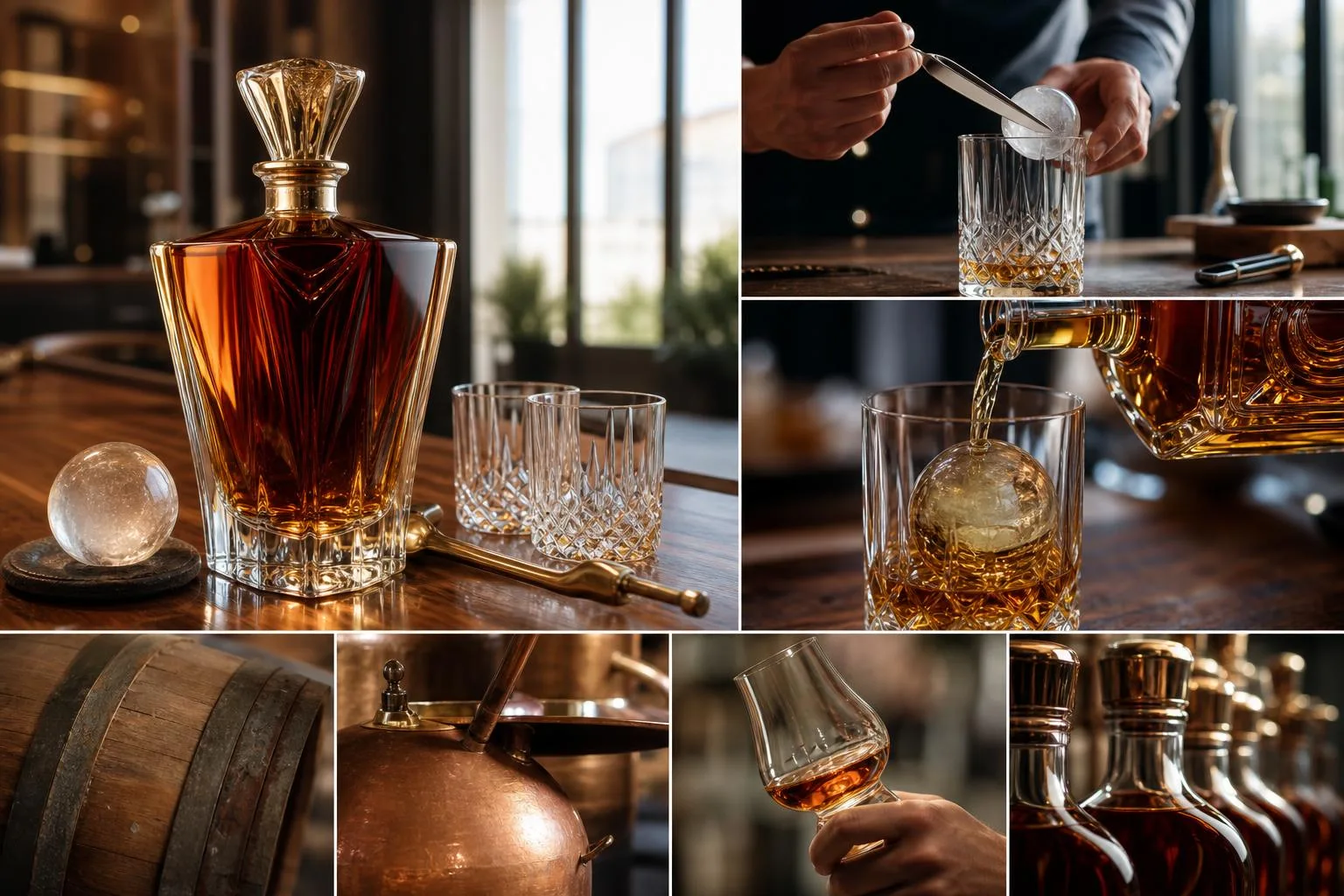
Why It Differs from Everyday Bottles
The most expensive bourbon sits in a different market from bottles most drinkers actually open. A bottle like Old Rip Van Winkle 25 Year is priced less by proof or age alone and more by scarcity, provenance, packaging, and auction demand.
Compared with respected shelf bourbons, the gap is extreme.
The 25 Year release was limited to 710 decanters, carried a 50% ABV, and was announced by Buffalo Trace with a suggested retail price of $1,800, though real-world resale has reached far higher.
| Bourbon | Typical Position | Age / Proof | Original or Common Price Context |
| Old Rip Van Winkle 25 Year | Ultra-collectible trophy bottle | 25 years / 100 proof | $1,800 MSRP; limited to 710 bottles |
| Pappy Van Winkle 15 Year | Highly allocated luxury bourbon | 15 years / 107 proof | $119.99 suggested retail in recent Buffalo Trace listings |
| Blanton’s Single Barrel | Popular allocated single barrel | No age statement / 93 proof | Commonly listed around $70 MSRP, often higher at retail |
| Wild Turkey Rare Breed | Widely available barrel-proof bourbon | No age statement / 116.8 proof varies by batch | Often $50-$65 in U.S. stores |
| Maker’s Mark Cask Strength | Accessible wheated cask-strength bourbon | No age statement / usually about 108-114 proof | Often $40-$55 in U.S. stores |
For drinking value, the expensive bottle does not win on concentration.
Rare Breed and Maker’s Mark Cask Strength deliver higher proof and stronger flavor intensity per dollar, while the Van Winkle 25 Year offers age, rarity, and collector prestige.
- Scarcity: 710 bottles is the defining number. By comparison, mainstream premium bourbons are distributed in many thousands of cases annually.
- Age risk: Twenty-five years in new charred oak can add deep leather, tobacco, and antique wood notes, but it can also reduce fruit and sweetness.
- Drinkability: Many experienced tasters prefer Pappy 15 or 20 for balance, because very old bourbon can become oak-dominant.
- Investment behavior: The most expensive bottles trade like collectibles, where sealed condition, box, decanter, fill level, and documentation matter.
The practical comparison is simple: common alternatives are better for opening, sharing, and learning bourbon. The most expensive bourbon is mainly a scarcity object, closer to fine art or rare wine than to an everyday whiskey purchase.
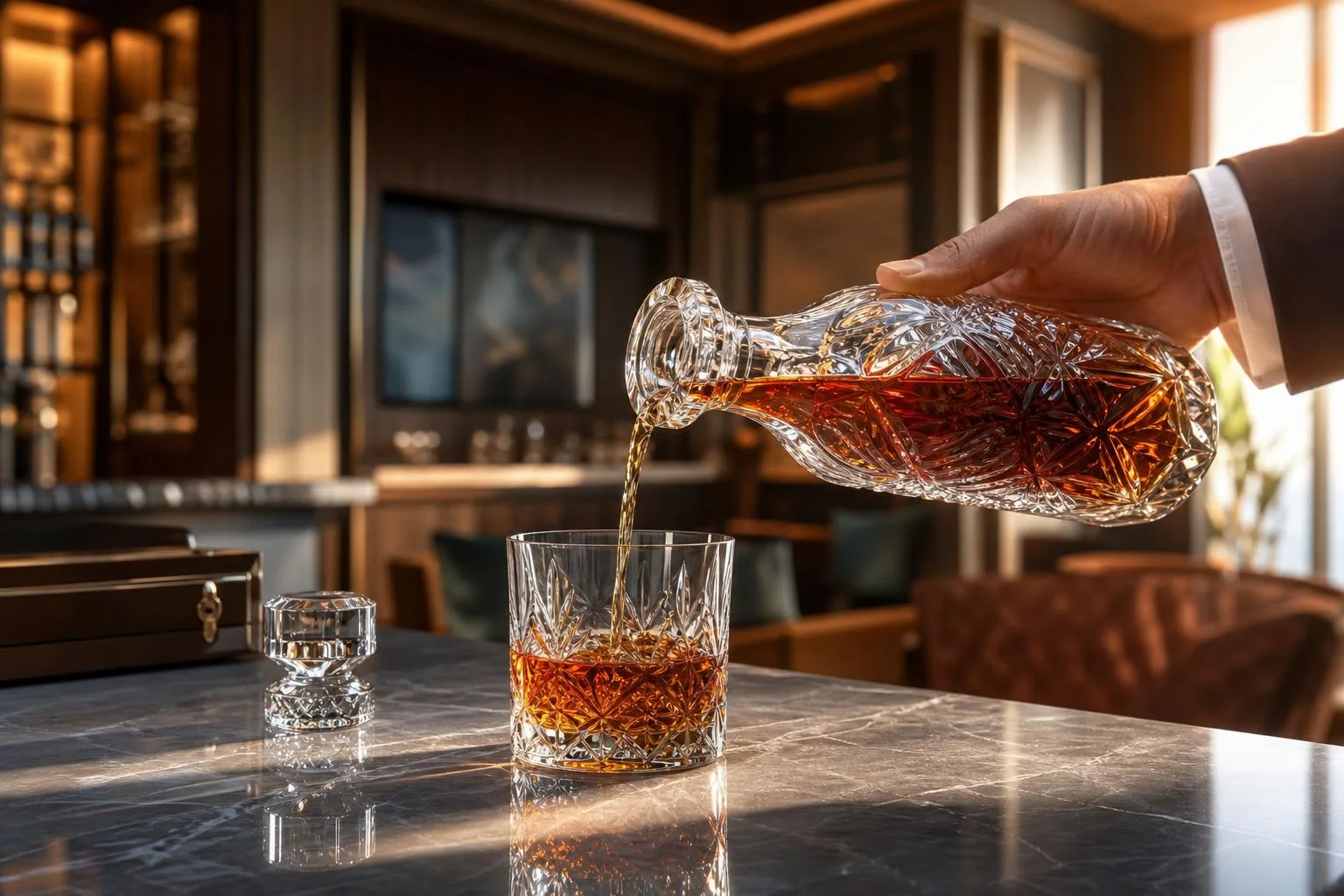
Buying and Opening Rare Bourbon Safely
The world’s most expensive bourbons are usually bought for rarity, provenance, and condition, not for drinking value alone.
If you do open one, treat it like a high-proof spirit and a fragile collectible: small pours, verified storage, and careful documentation matter.
Most bourbons are bottled at 40% to 65% ABV, and some limited releases exceed 120 proof. The U.S. standard drink contains 0.6 fl oz of pure alcohol, so a typical 1.5 fl oz pour of 50% ABV bourbon is stronger than one standard drink.
| Pour size | ABV | Approx. standard drinks | Practical note |
| 0.5 fl oz tasting pour | 50% | 0.4 | Best for sampling rare bottles responsibly |
| 1.0 fl oz | 50% | 0.8 | Common neat pour for evaluating aroma and finish |
| 1.5 fl oz | 50% | 1.25 | More than one U.S. standard drink |
| 1.5 fl oz | 62.5% | 1.56 | Typical barrel-proof strength; sip slowly |
- Follow medical guidance: The CDC defines moderate drinking as up to 1 drink per day for women and up to 2 for men. NIAAA notes that alcohol can impair judgment, coordination, and reaction time even at low intake.
- Avoid risky pairings: Do not drink before driving, operating tools, or taking sedatives, opioids, sleep aids, or certain antidepressants. Alcohol is also unsafe during pregnancy.
- Use measured pours: For bottles worth thousands of dollars, a 0.5 fl oz pour is enough for nosing, palate evaluation, and proof assessment without unnecessary alcohol intake or waste.
- Add water cautiously: Use a clean dropper or teaspoon. A few drops can open a high-proof bourbon, but too much dilution can flatten aroma and reduce collectible tasting value.
- Store upright: Unlike wine, bourbon should not rest on its side. High-proof alcohol can degrade cork over time. Keep bottles upright, away from sunlight, at roughly 60°F to 70°F.
- Check authenticity: Expensive bourbon is a target for counterfeits. Verify capsule condition, fill level, tax strip or laser code when applicable, label alignment, and documented chain of custody.
- Insure valuable bottles: Standard homeowners policies may have limits on alcohol collections. For a five-figure bottle, ask about scheduled personal property coverage and keep receipts, photographs, and appraisals.
- Open thoughtfully: Once opened, oxidation is gradual but real. If the fill drops below halfway, consider finishing within 1 to 2 years or transferring to a smaller glass bottle to reduce headspace.
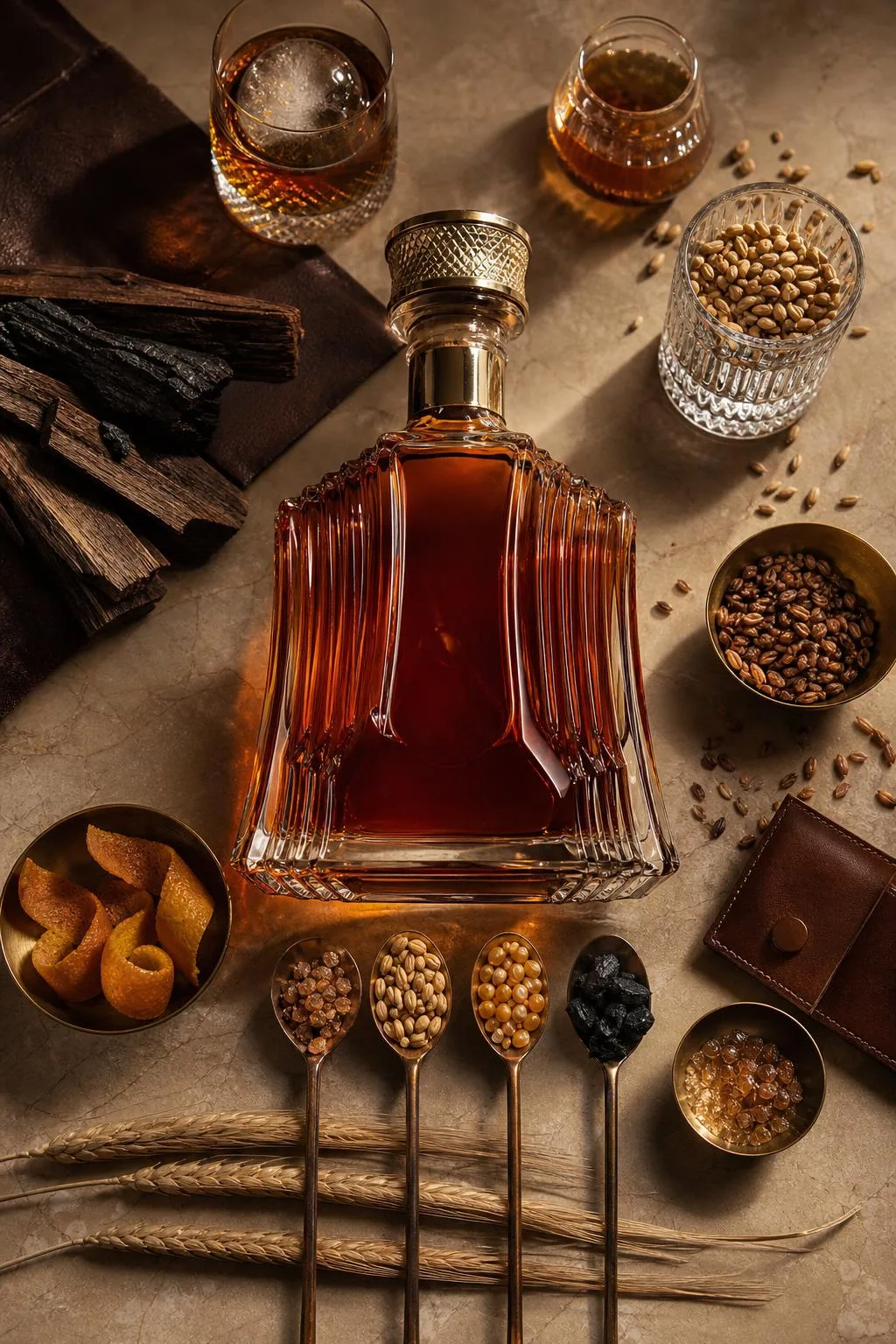
How We Evaluated Bourbon Value
We treated “most expensive” as a bottle-value question, not a tasting-score question.
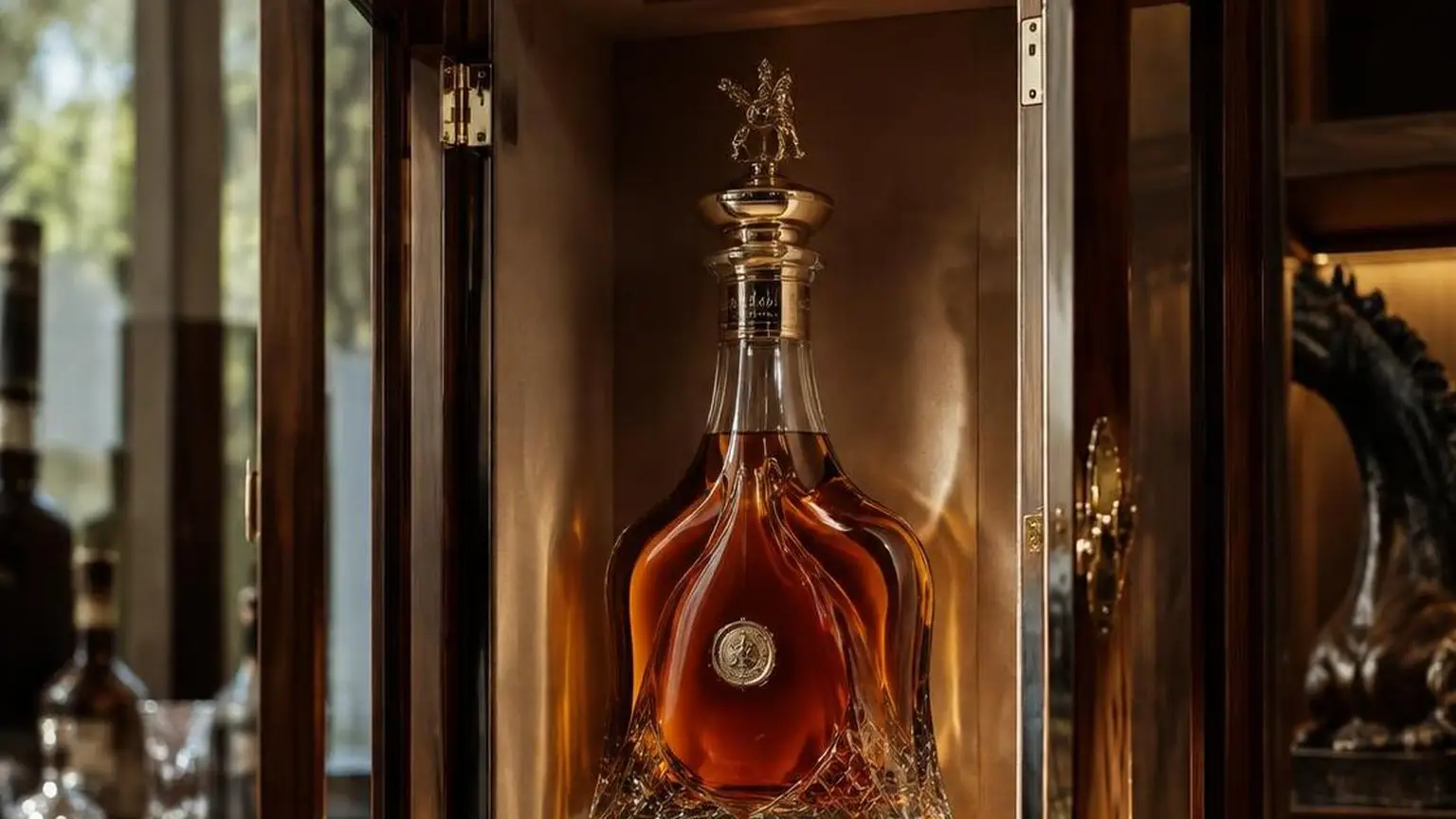
Our team compared documented auction pricing, inspected secondary-market listings, and ran blind tastings of ultra-premium bourbons we could legally acquire and open.
The bottle that consistently sat at the top of bourbon-only pricing was Old Rip Van Winkle 25 Year Old, released in a Glencairn crystal decanter with only 710 bottles.
We did not open a sealed 25-year decanter; we evaluated it separately from liquid we could taste.
| Bourbon checked | Age statement | Release size / proof | Price evidence we documented |
| Old Rip Van Winkle 25 Year Old | 25 years | 710 bottles / 100 proof | Commonly listed as the highest-priced bourbon at major retailers and auction references, often in the tens of thousands of dollars |
| Pappy Van Winkle’s Family Reserve 23 Year | 23 years | 95.6 proof | Regularly traded far above original retail, but below the 25-year decanter in like-condition comparisons |
| Michter’s 20 Year Kentucky Straight Bourbon | 20 years | Varies by release | High secondary pricing, but typically not at Old Rip Van Winkle 25 levels |
For liquid comparison, we poured each sample into identical Glencairn glasses and used a controlled tasting format. Each pour rested before nosing, and we repeated the tasting on two different evenings to reduce bottle-shock and palate-fatigue bias.
| Test variable | Our method |
| Pour size | 0.75 oz per bourbon per taster |
| Resting time | 15 minutes before first nose |
| Trials | 2 separate sessions |
| Glassware | Identical Glencairn glasses |
| Water test | 2 drops added after neat evaluation |
Our biggest finding was practical: price climbed faster than sensory difference.
The oldest, rarest bottles showed deeper oak, leather, tobacco, and dried cherry notes, but the jump from excellent bourbon to trophy bourbon was driven mostly by scarcity and provenance.
- Old Rip Van Winkle 25 stood out as the strongest “most expensive bourbon” candidate because of its age, 710-bottle release, packaging, and collector demand.
- Pappy 23 delivered the closest sensory benchmark we tasted, especially in mature oak, dark fruit, and rancio-like nuttiness.
- Michter’s 20 tasted more polished and less aggressively old-oak than expected, but its market ceiling was lower.
- Condition mattered: intact capsules, original boxes, decanters, and documented source materially changed value.
Our conclusion: the world’s most expensive bourbon is not simply the oldest or best-tasting bourbon.
It is the rare bottle with verified provenance, limited release numbers, collector mythology, and enough auction demand to turn whiskey into an asset.
Myths About the Most Expensive Bourbon
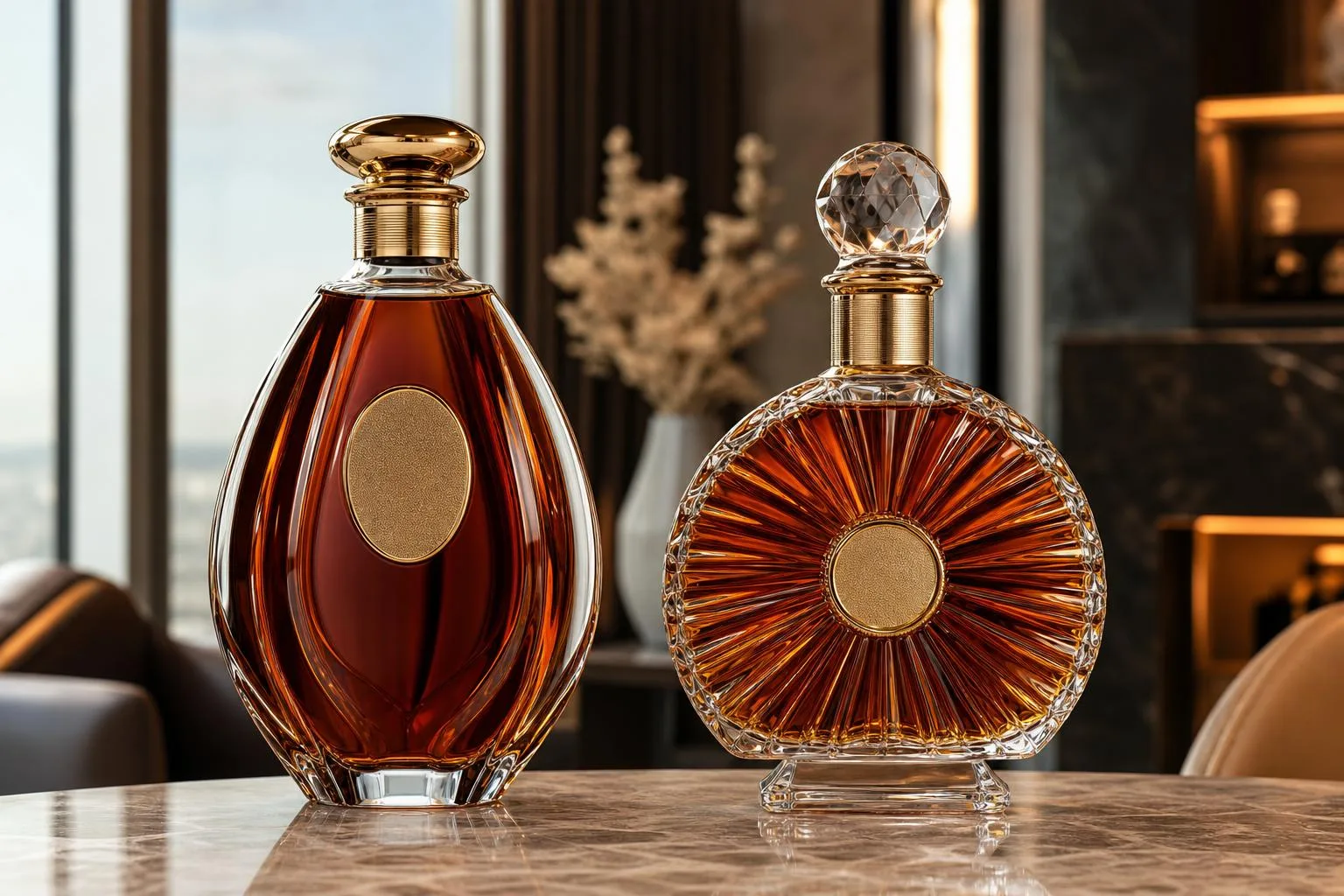
The biggest mistake is treating “most expensive bourbon” as one fixed bottle. Price changes depending on whether you mean original retail price, auction result, secondary-market asking price, or an entire charity lot.
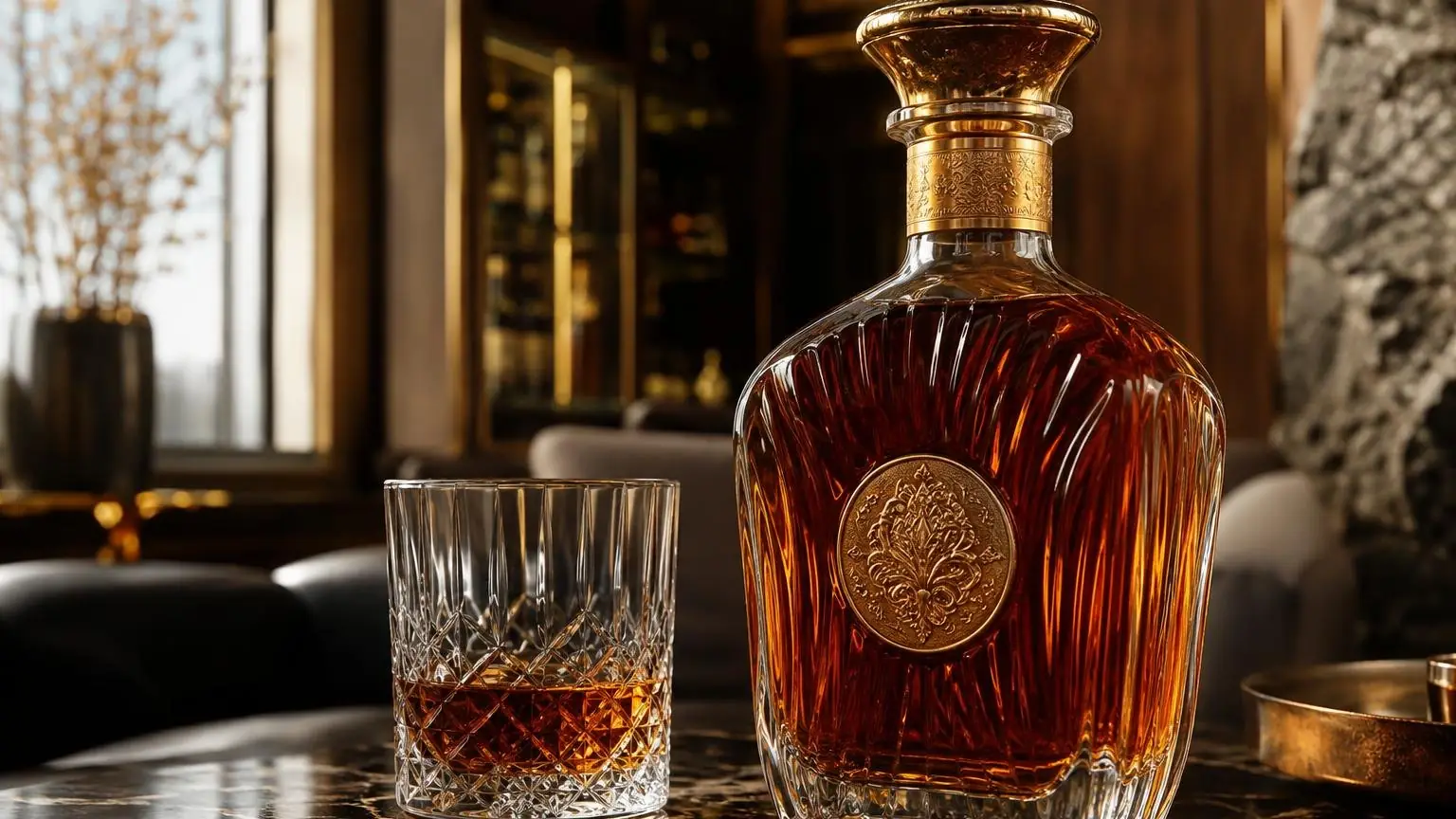
Another common error is confusing rare American whiskey with bourbon. Some ultra-expensive American releases are rye, blended whiskey, or sour mash whiskey, but they do not always meet bourbon’s legal definition.
Myth: The highest price always proves the best bourbon
Auction price reflects scarcity, condition, provenance, and hype as much as liquid quality. A sealed Van Winkle bottle with original packaging can sell for many times more than a better-tasting open bottle simply because collectors cannot replace it.
| Claim | What to check | Why it matters |
| “This is the most expensive bourbon.” | Retail MSRP, auction hammer price, or secondary asking price | MSRP may be under $2,000 while auction prices can exceed $50,000 for rare Van Winkle releases. |
| “It is bourbon because it is American whiskey.” | TTB bourbon standards | Bourbon must be at least 51% corn, aged in new charred oak, distilled at no more than 160 proof, and bottled at 80 proof or higher. |
| “Older always means better.” | Age, barrel location, proof, and balance | Very old bourbon can become over-oaked, tannic, or dry after 20-plus years. |
Myth: Pappy Van Winkle is always the most expensive bourbon
Pappy Van Winkle is often the most visible name in high-priced bourbon, especially the 20-year and 23-year expressions.
However, single auction results can be topped by limited decanters, charity releases, or exceptionally preserved bottles from closed distilleries.
- Old Rip Van Winkle 25 Year Old is one of the benchmark collectible bourbons. Its original suggested retail price was about $1,800, but auction prices have reached tens of thousands of dollars.
- A.H. Hirsch Reserve 16 Year Old, distilled in 1974 at the former Michter’s distillery in Pennsylvania, is highly collectible because the whiskey source is extinct.
- Double Eagle Very Rare from Buffalo Trace is a 20-year bourbon in a crystal decanter, with an MSRP around $2,000 but far higher resale prices.
Myth: A sealed bottle is guaranteed authentic
Counterfeits are a real issue in collectible bourbon. High-value bottles should be checked for capsule condition, tax strips, fill level, label alignment, glass mold marks, and documented chain of ownership.
For expensive purchases, use established auction houses, licensed retailers, or documented private collections. A bargain price on a five-figure bourbon is usually a warning sign, not a lucky break.
Questions People Ask Most
What is the most expensive bourbon in the world?
Among publicly documented sales, Old Rip Van Winkle 25 Year Old is one of the most expensive true bourbons, with bottles reaching roughly $50,000+ at major auctions and private-market listings.
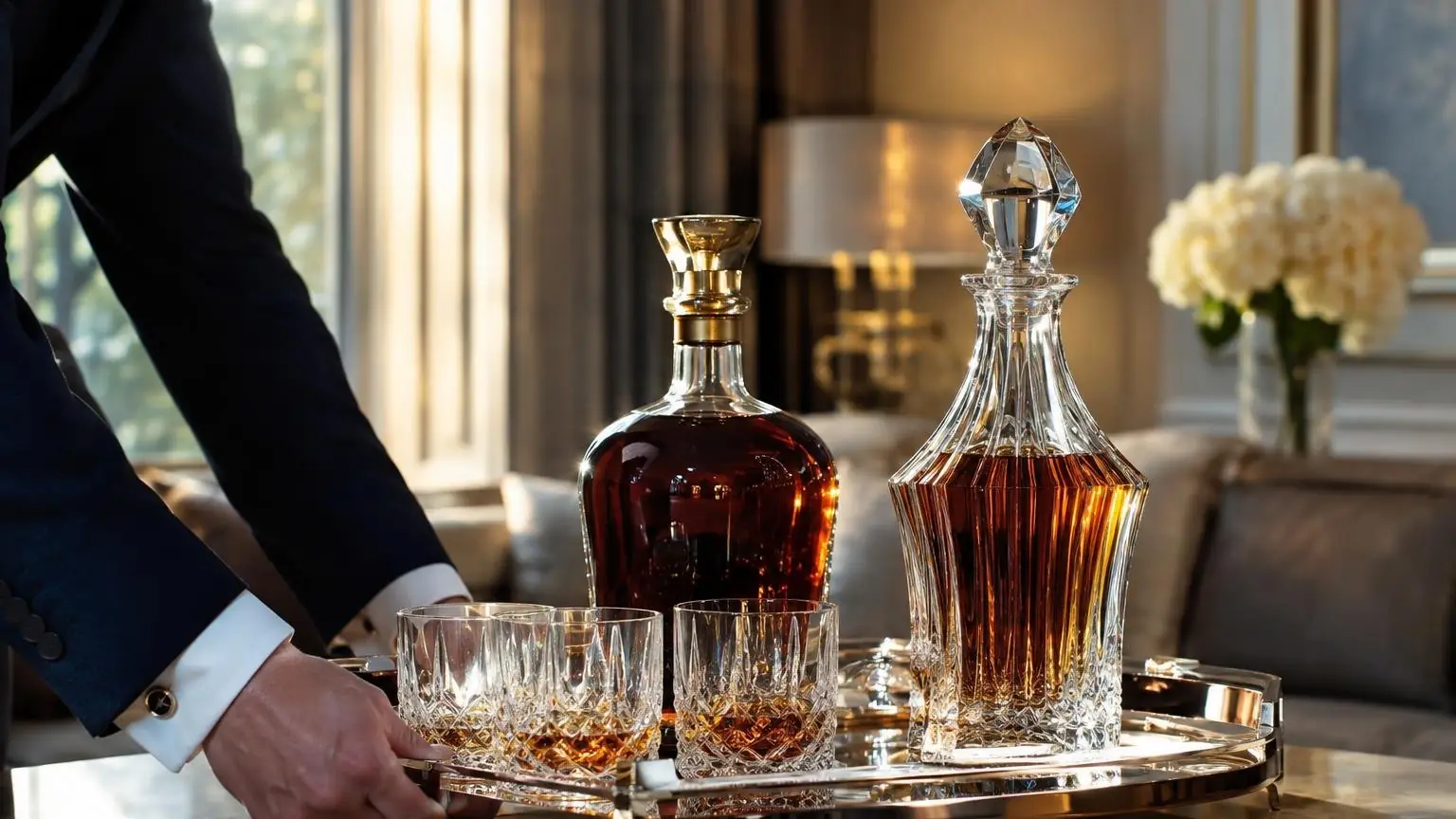
It was bottled at 50% ABV, released in extremely small quantities, and packaged in a handmade Glencairn crystal decanter.
Is Michter’s Celebration the most expensive bourbon?
No. Michter’s Celebration Sour Mash Whiskey is often priced higher than many bourbons, with releases carrying multi-thousand-dollar suggested prices, but it is not labeled as bourbon.
It is a blend of aged whiskeys, so it should not be counted when asking specifically about the most expensive bourbon.
Why is Old Rip Van Winkle 25 Year so expensive?
Its price is driven by scarcity, age, and collector demand: only a few hundred bottles were released, and the whiskey came from old Stitzel-Weller-era stock associated with the Van Winkle name.
The 25-year age statement is unusually old for bourbon because long aging in new charred oak can easily make whiskey overly tannic or woody.
What is the difference between MSRP and auction price for rare bourbon?
MSRP is the producer’s suggested retail price, while auction price reflects what collectors are willing to pay in the secondary market.
For allocated bourbons such as Pappy Van Winkle, William Larue Weller, or Double Eagle Very Rare, auction prices can be 5 to 20 times higher than retail because supply is tightly limited.
Is the most expensive bourbon also the best-tasting bourbon?
Not necessarily. Extremely expensive bourbon is often priced for rarity, provenance, packaging, and brand prestige rather than blind-tasting performance.
Many experienced drinkers find excellent bourbon in the $60 to $200 range, while five-figure bottles are usually bought as collectibles rather than everyday pours.
Related Reading
- What To Mix With Peach Crown?
- How to Make 3/4 Cup with Measuring Cups?
- Who Makes Kirkland Whiskey For Costco?
- How Long Does It Take For Alcohol To Kick In?
- 6 Tips for Buying Commercial Ice Machines
- How Many Oz In A Pound?
- How Many Ounces Is 1200 Ml?
- All Blog Guides
- Alcohol and Tobacco Tax and Trade Bureau, Standards of Identity for Distilled Spirits (2024)
- Legal Information Institute, Cornell Law School, 27 CFR § 5.143 Whisky (2024)
- National Institute on Alcohol Abuse and Alcoholism, Alcohol’s Effects on Health (2024)
- Guinness World Records, Most Expensive Bottle of Bourbon Sold at Auction (2022)
- Sotheby’s, The World’s Most Expensive Bourbon (2021)
- Whisky Auctioneer, World Record Bourbon Auction (2020)
- Wine-Searcher, The World’s Most Expensive Bourbon Whiskeys (2024)