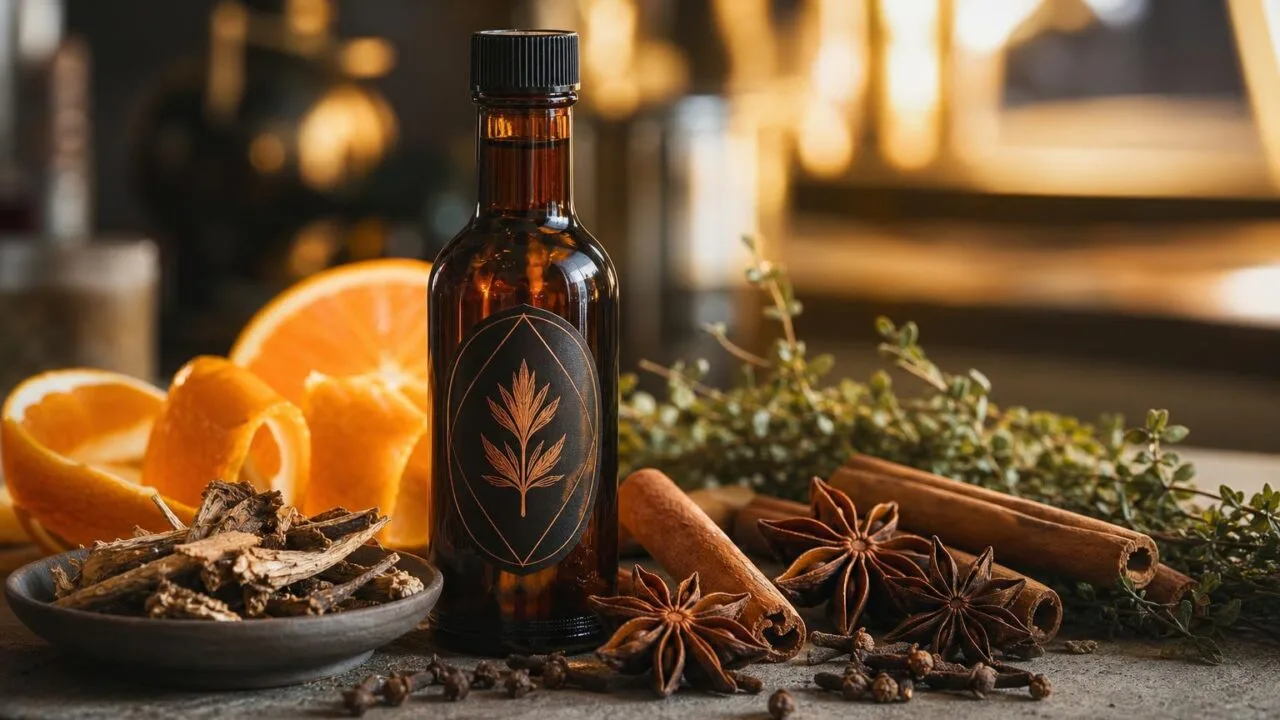
What Does Bitters Taste Like is bitter, intensely aromatic, and usually layered with citrus peel, gentian, quinine-like roots, baking spices, bark, herbs, or floral botanicals.
A dash tastes concentrated rather than sugary: sharp first, then earthy, spicy, drying, and lingering.
In cocktails, bitters rarely dominate because recipes typically use 1–3 dashes.
From tasting Angostura, orange, Peychaud’s, and celery bitters side by side, the common thread is bitterness plus aroma; the difference is whether the finish feels warm, zesty, herbal, savory, or lightly medicinal.
Why Bitters Taste So Intense
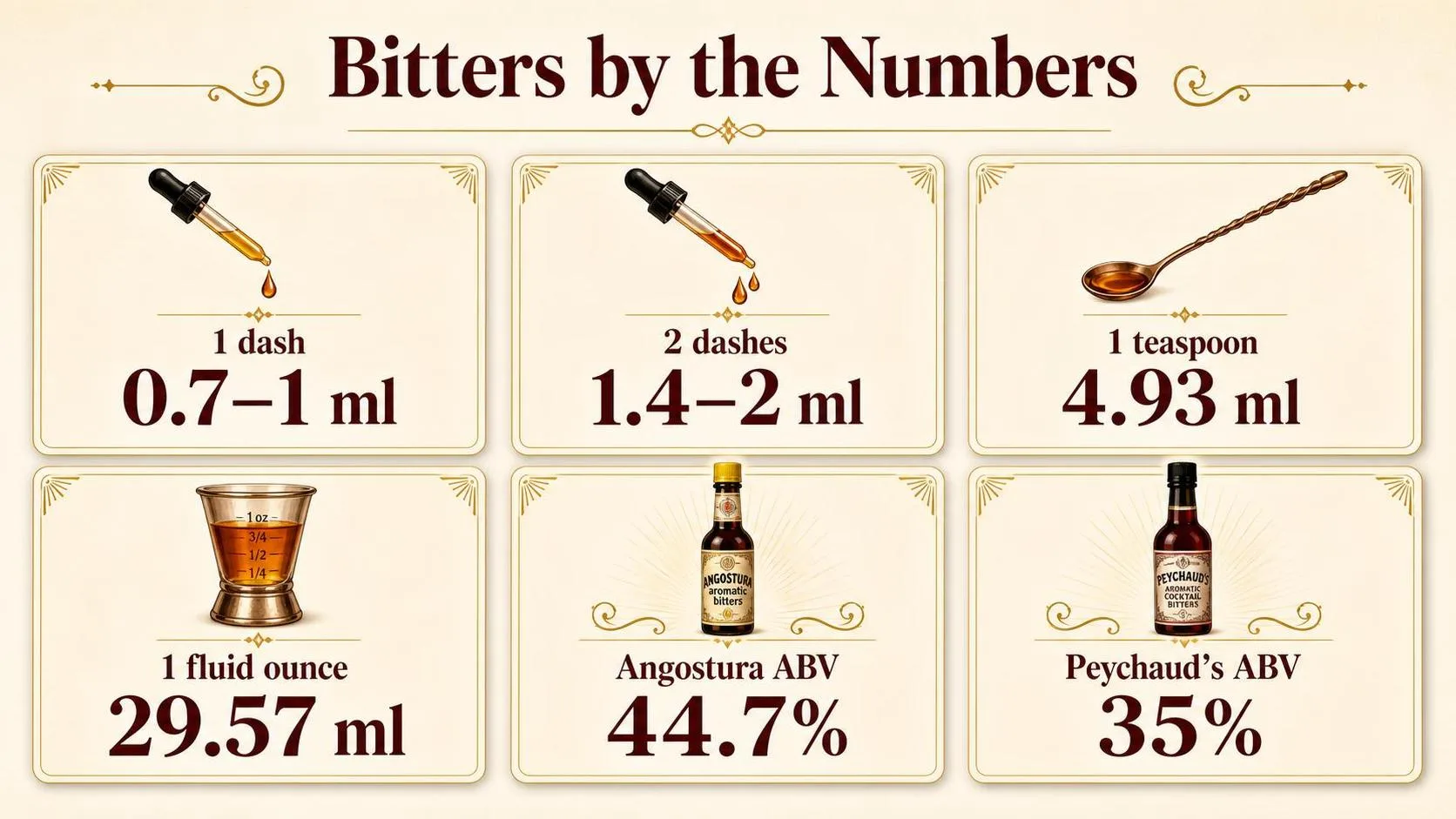
Bitters taste intense because they are concentrated: a few milliliters carry bitter roots, bark, spices, citrus peel, alcohol, and sugar. The useful numbers are dash size, alcohol strength, dilution, and how little it takes to change a drink.
In practical tasting, one dash is not “a splash.” It is usually less than 1 milliliter, which is why bitters can smell huge but add only a controlled bitter-spiced edge.
| Number | What it means for taste |
| 1 dash: about 0.7–1.0 ml | Enough to add aroma, spice, and bitterness without making a cocktail taste medicinal. |
| 2 dashes: about 1.4–2.0 ml | A common Old Fashioned range; noticeable bitterness, clove-cinnamon spice, and a drier finish. |
| 1 teaspoon: 4.93 ml | Roughly 5–7 dashes; usually too bitter unless the recipe is built for it. |
| 1 fluid ounce: 29.57 ml | About 30–40 dashes; this is “bitters as an ingredient,” not seasoning. |
Alcohol content looks high on the label, but the serving is tiny. Angostura Aromatic Bitters is 44.7% ABV, while Peychaud’s is commonly listed at 35% ABV in the United States.
| Example | Approximate alcohol added | Taste impact |
| 2 dashes Angostura, 1.6 ml total | About 0.72 ml pure alcohol | Strong spice, gentian-like bitterness, dry finish. |
| 2 dashes Peychaud’s, 1.6 ml total | About 0.56 ml pure alcohol | Lighter bitterness, anise, cherry-red candy, floral spice. |
| U.S. standard drink | 14 g pure alcohol | Bitters contribute only a small fraction of this amount. |
That small dose explains why bitters rarely make a drink taste “boozy.” They mainly change structure: sweetness tastes less flat, citrus tastes sharper, and the finish feels longer.
- 1 dash adds aroma first: orange peel, baking spice, herbs, or anise.
- 2 dashes add clear bitterness and dryness, especially in whiskey cocktails.
- 3–4 dashes can taste assertive, spicy, and tonic-like.
- 5+ dashes can become dominant, with a barky, medicinal, or cocktail-bitters aftertaste.
In sensory terms, bitterness is one of the most potent tastes humans detect. Cocktail bitters lean on that potency, so the flavor curve is steep: doubling the dashes can make the drink taste much drier, not just twice as aromatic.
What Determines Bitters Flavor
Bitters taste different because they are not one ingredient; they are concentrated extracts of bittering agents, spices, citrus peels, roots, bark, and alcohol.
The final flavor depends most on formula, alcohol strength, dose, dilution, and how fresh the bottle is after opening.
Formula and bittering agents
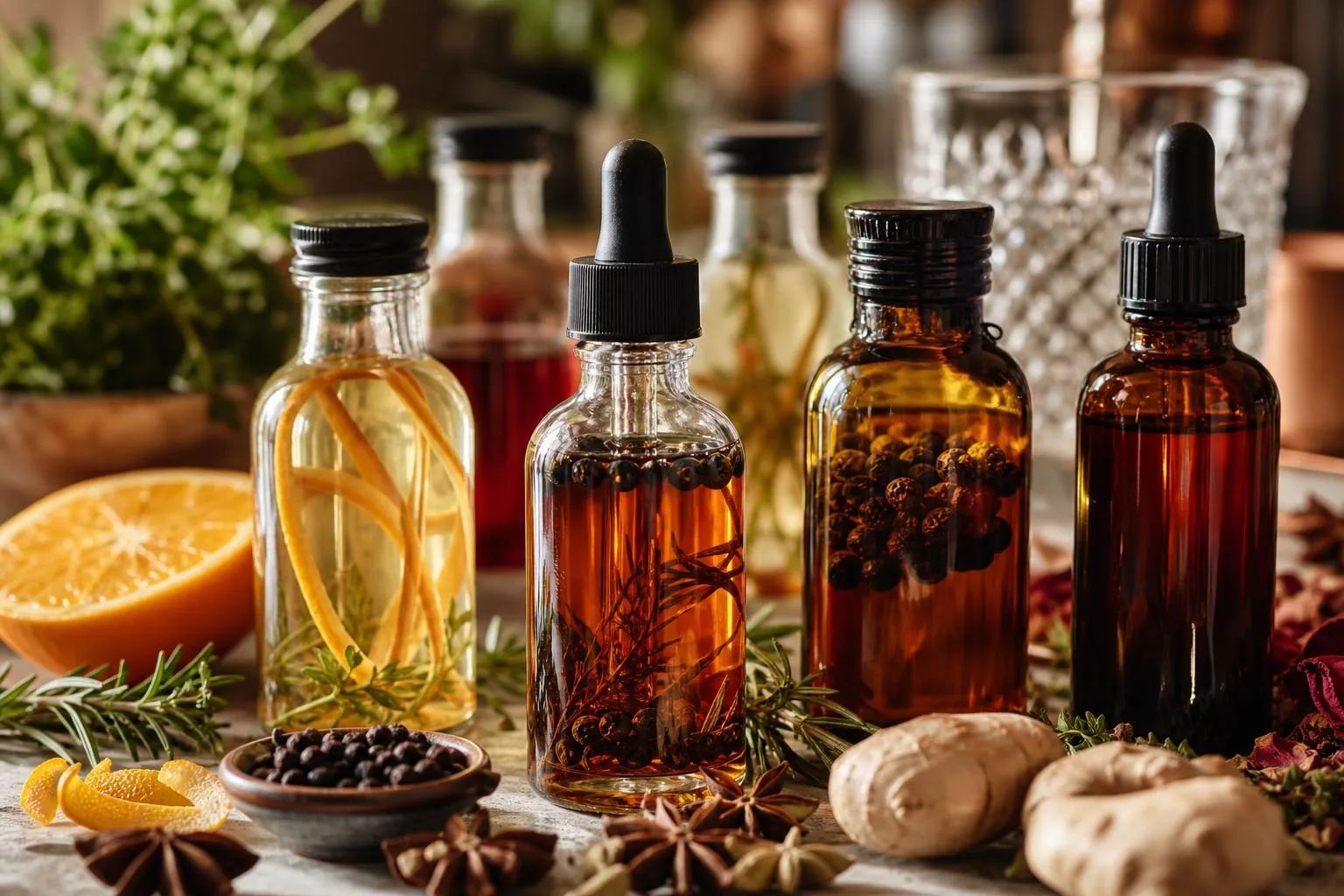
The core bitter taste usually comes from botanicals such as gentian root, quassia bark, cinchona bark, wormwood, or citrus pith. Gentian gives a clean, firm bitterness; cinchona can taste woody and tannic; wormwood reads more herbal and dry.
Aromatic bitters often add baking-spice notes from clove, cinnamon, allspice, cardamom, or nutmeg.
Orange bitters lean brighter because dried orange peel and other citrus oils push the flavor toward marmalade, pith, and floral peel rather than cola-like spice.
Alcohol strength and extraction
Most cocktail bitters are high-proof because alcohol extracts essential oils, alkaloids, resins, and aromatic compounds efficiently. That is why the same botanical can taste sharper, warmer, or more perfumed in bitters than it does in tea or syrup.
| Product style | Typical alcohol by volume | Likely taste effect |
| Classic aromatic bitters | About 35% to 45% ABV | Warm spice, concentrated bitterness, long finish |
| Orange bitters | Often about 28% to 45% ABV | Brighter citrus peel, pith, floral oil |
| Nonalcoholic bitters | Usually under 0.5% ABV in the U.S. | Softer extraction, often more vinegar, glycerin, or spice-forward |
Dose, dilution, and serving temperature
A dash is small, but bitters are potent. In practical bar use, one dash is commonly treated as roughly 1/8 teaspoon, though dasher tops vary. Two dashes can change aroma, finish, and perceived dryness in a drink.
| Use amount | Approximate volume | Flavor impact |
| 1 dash | About 0.6 ml | Light aroma and subtle bitterness |
| 2 dashes | About 1.2 ml | Noticeable spice, citrus, or herbal structure |
| 1 teaspoon | About 5 ml | Dominant bitterness; can overpower a cocktail |
Dilution changes perception. In whiskey, bitters taste dark, spicy, and integrated. In soda water, the same bitters taste more bitter, dry, and aromatic because sugar, oak, and spirit weight are not masking the edges.
Sweetness, acidity, and the drink around it
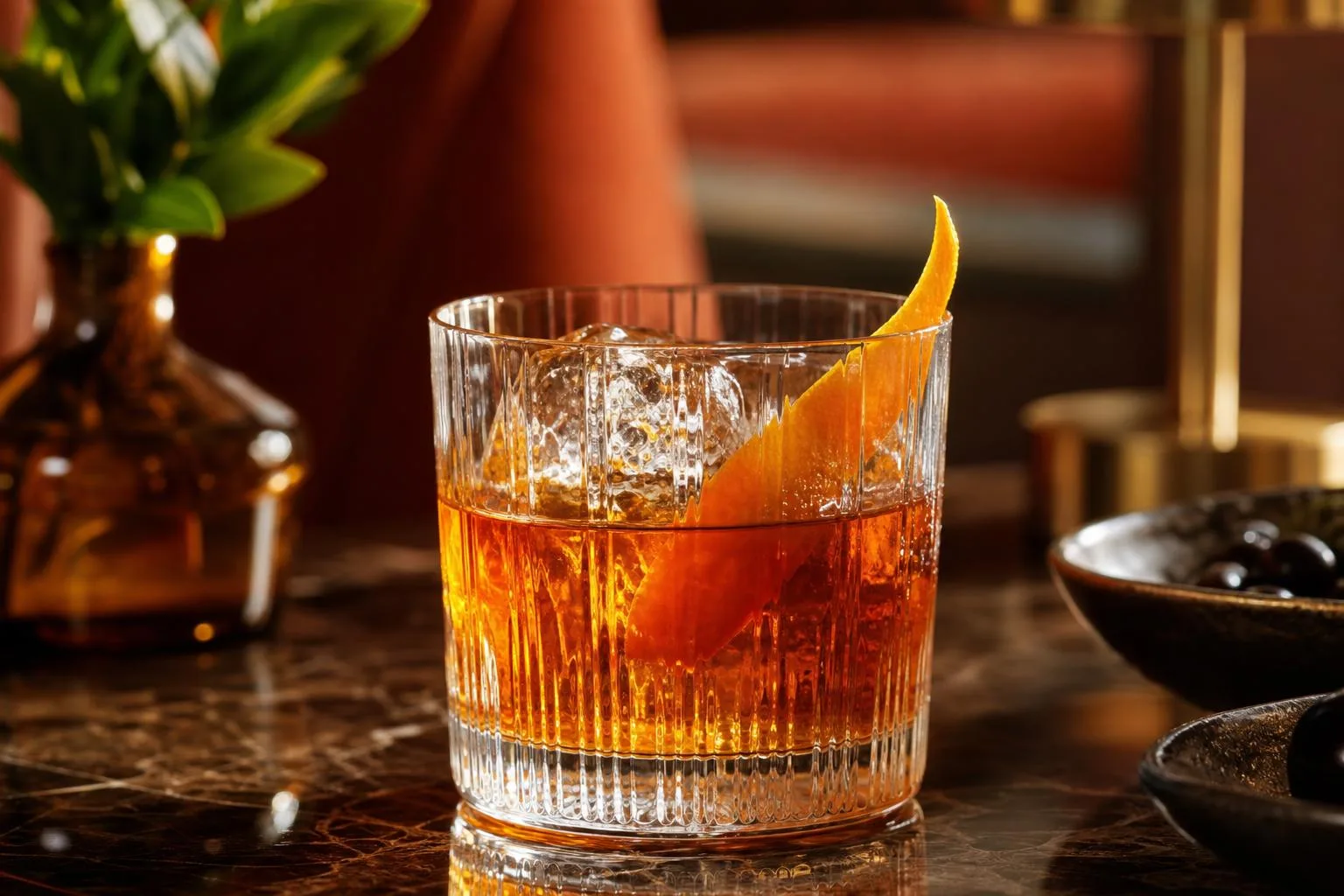
Sugar softens bitterness, while acid makes citrus and herbal edges seem brighter. Salt, even in tiny amounts, can reduce harsh bitterness and make spice notes seem rounder. This is why bitters taste gentler in an Old Fashioned than on a spoon.
- Whiskey: emphasizes clove, cinnamon, oak, vanilla, and dark spice.
- Gin: pulls out citrus peel, juniper, angelica, and floral notes.
- Rum: highlights molasses, allspice, orange, and baking spice.
- Soda water: exposes the raw bitter, herbal, and medicinal side.
Freshness and storage
Bitters are shelf-stable because alcohol and concentrated botanicals discourage spoilage, but aroma can fade. Keep bottles tightly closed and away from heat and sunlight.
Citrus-heavy bitters lose top notes faster than dark aromatic styles because volatile oils dissipate more readily.
How Bitters Flavor Is Evaluated
Bitters are not judged by “bitterness” alone.
Producers and beverage labs verify taste through sensory panels, alcohol measurement, pH, sugar content, and chemical markers from botanicals such as gentian, quinine-containing cinchona, citrus peel, clove, or wormwood.
In practice, flavor is confirmed by comparing a batch against a retained reference sample. The goal is consistency: the same dropper or dash should deliver a predictable bitter, aromatic, spicy, sweet, or citrus-driven impression.
Sensory verification
Professional tasting usually uses trained assessors, not casual preference scores. Panelists evaluate diluted bitters because most products are too concentrated to taste neat accurately.
| Check | Typical method | What it confirms |
| Bitterness intensity | Measured on a 0–10 or 0–15 sensory scale | How sharp, lingering, or medicinal the bitterness tastes |
| Aroma profile | Smelled neat and diluted in water or neutral spirit | Orange peel, baking spice, root, bark, floral, herbal, or mint notes |
| Aftertaste | Timed after swallowing or expectorating | Whether bitterness fades quickly or persists for 30–90 seconds |
| Batch match | Side-by-side tasting against a retained control | Whether a new batch matches the approved house profile |
Laboratory measurements
Lab tests do not replace tasting, but they verify the physical and chemical conditions that shape taste. Alcohol, acidity, dissolved solids, and botanical compounds all affect how bitters taste in cocktails.
| Measurement | Common range or unit | Flavor relevance |
| Alcohol by volume | Often 35%–45% ABV for classic aromatic bitters | Extracts flavor compounds and gives a warming, volatile aroma lift |
| pH | Commonly acidic, often around pH 3–5 depending on formula | Influences brightness, sharpness, and perceived freshness |
| Brix | Degrees Brix, measured by refractometer | Indicates dissolved sugars and solids that soften bitterness |
| Specific gravity | Measured by density meter or hydrometer | Helps confirm concentration and batch-to-batch consistency |
| Botanical markers | Measured by HPLC or GC-MS | Confirms compounds from roots, bark, spices, citrus oils, or herbs |
Bitterness compounds
Different botanicals create different bitter sensations. Gentian root is intensely bitter and earthy, while cinchona bark is more tonic-like. Citrus peel adds bitterness with aromatic oils, making the bitterness seem brighter and less medicinal.
- Gentian: associated with secoiridoid bitter compounds, especially amarogentin, one of the most intensely bitter natural substances reported in flavor literature.
- Cinchona: associated with quinine alkaloids, recognizable from tonic water’s dry, lingering bitterness.
- Citrus peel: contributes limonoids plus volatile oils such as limonene, which shift perception toward orange, lemon, or grapefruit.
- Clove and allspice: contribute eugenol-rich spice notes that can make bitters taste warmer and sweeter without adding much sugar.
Verification is strongest when sensory and lab results agree. If a batch has the target ABV, pH, Brix, and botanical markers but tastes flatter than the reference, it still fails quality control because bitters are ultimately flavoring tools.
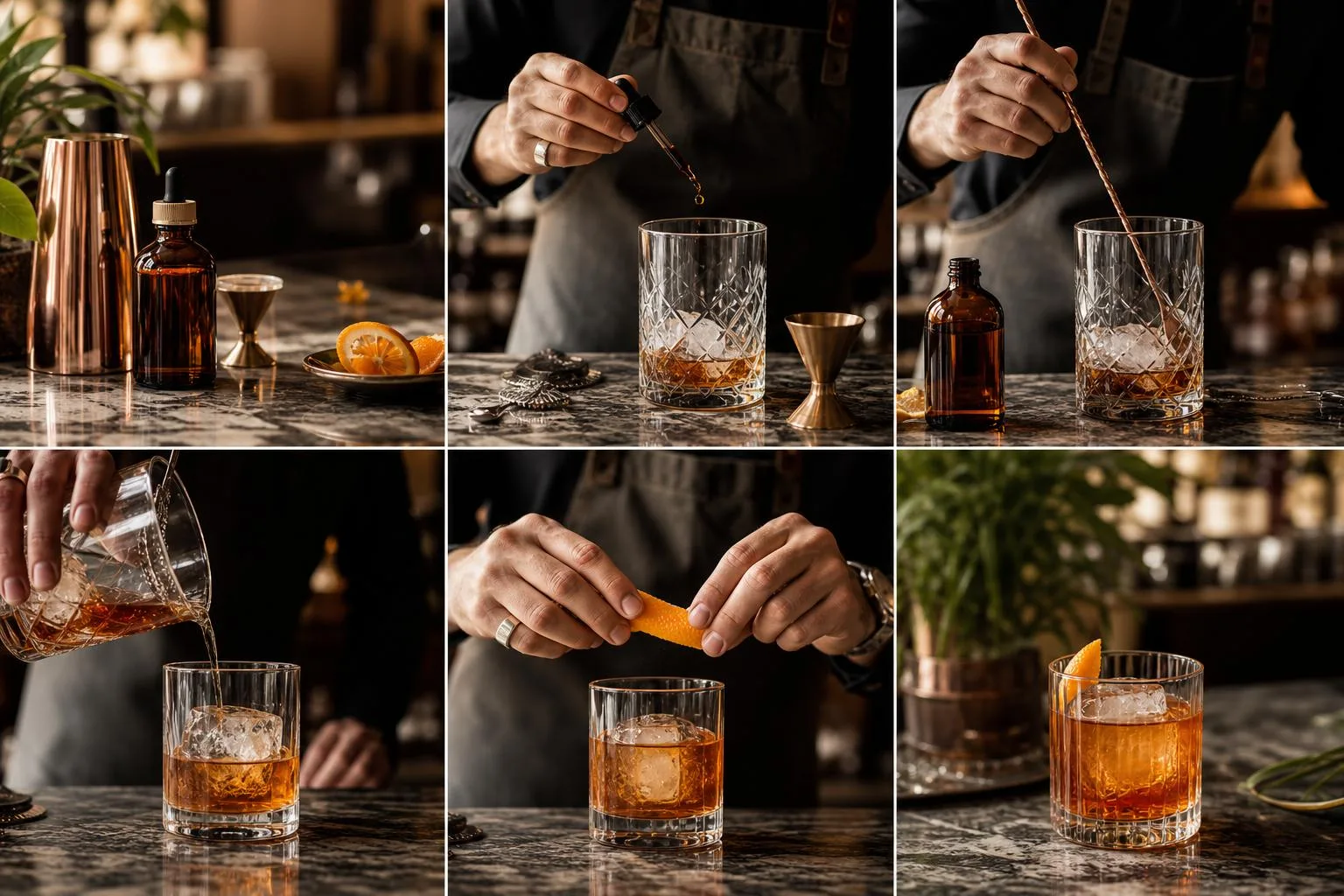
How Bitters Compare to Substitutes
Bitters taste more concentrated, drying, and aromatic than most substitutes. A single dash can change a drink because cocktail bitters are typically high-proof infusions of bittering agents, spices, citrus peel, roots, bark, and herbs.
In practical tasting, Angostura-style aromatic bitters read as clove, cinnamon, gentian-like bitterness, cola spice, and dried orange peel.
Orange bitters are brighter and less brooding, while amari, vermouth, and shrubs bring sweetness or acidity that bitters usually do not.
| Ingredient | Typical alcohol / strength | Typical use amount | How it tastes versus bitters |
| Aromatic cocktail bitters | Often 35% to 45% ABV; Angostura Aromatic Bitters is 44.7% ABV | 1 to 3 dashes, roughly 1/8 to 1/4 teaspoon total | Most concentrated; bitter, spicy, woody, drying, and lingering |
| Orange bitters | Commonly about 28% to 45% ABV, depending on brand | 1 to 3 dashes | Less dark and medicinal; tastes of orange peel, pith, coriander, and warm spice |
| Amaro | Usually 16% to 40% ABV; Campari is 24% ABV in the US | 1/2 to 1 ounce in cocktails | More drinkable and sweet; bitter-orange, herbal, caramel, or alpine notes |
| Sweet vermouth | Usually 15% to 18% ABV | 1/2 to 1 ounce | Sweeter, wine-like, and softer; dried fruit, vanilla, herbs, and light bitterness |
| Shrub | Often 0% ABV unless mixed with spirits | 1/4 to 3/4 ounce | Tart and fruity from vinegar; sharp acidity replaces bitterness |
Closest Flavor Substitutes
- Orange bitters: Best when the drink needs citrus-peel bitterness, such as a Martini, Old Fashioned, or Manhattan variation. It will taste brighter and less earthy than aromatic bitters.
- Amaro: Best when you want bitterness plus body. Because it is poured by the ounce, it changes sweetness, color, alcohol, and dilution far more than a dash of bitters.
- Campari: Useful for clean, grapefruit-like bitterness, but it is much sweeter and redder than cocktail bitters. It can dominate a drink quickly.
- Vermouth: A gentle alternative when bitterness should stay subtle. It adds wine acidity and sugar, not the intense spice snap of bitters.
What Does Not Taste the Same
Vanilla extract, citrus juice, and simple syrup are poor one-for-one substitutes. Vanilla extract can match the alcohol bite, but not the bitter root-and-bark structure.
Lemon or lime adds acidity, which brightens a cocktail but does not create the same dry finish.
If replacing bitters, start small. For every 2 dashes of aromatic bitters, try 1 teaspoon of amaro or 1/4 teaspoon of strongly brewed bitter tea, then adjust. The goal is accent, not sweetness or volume.
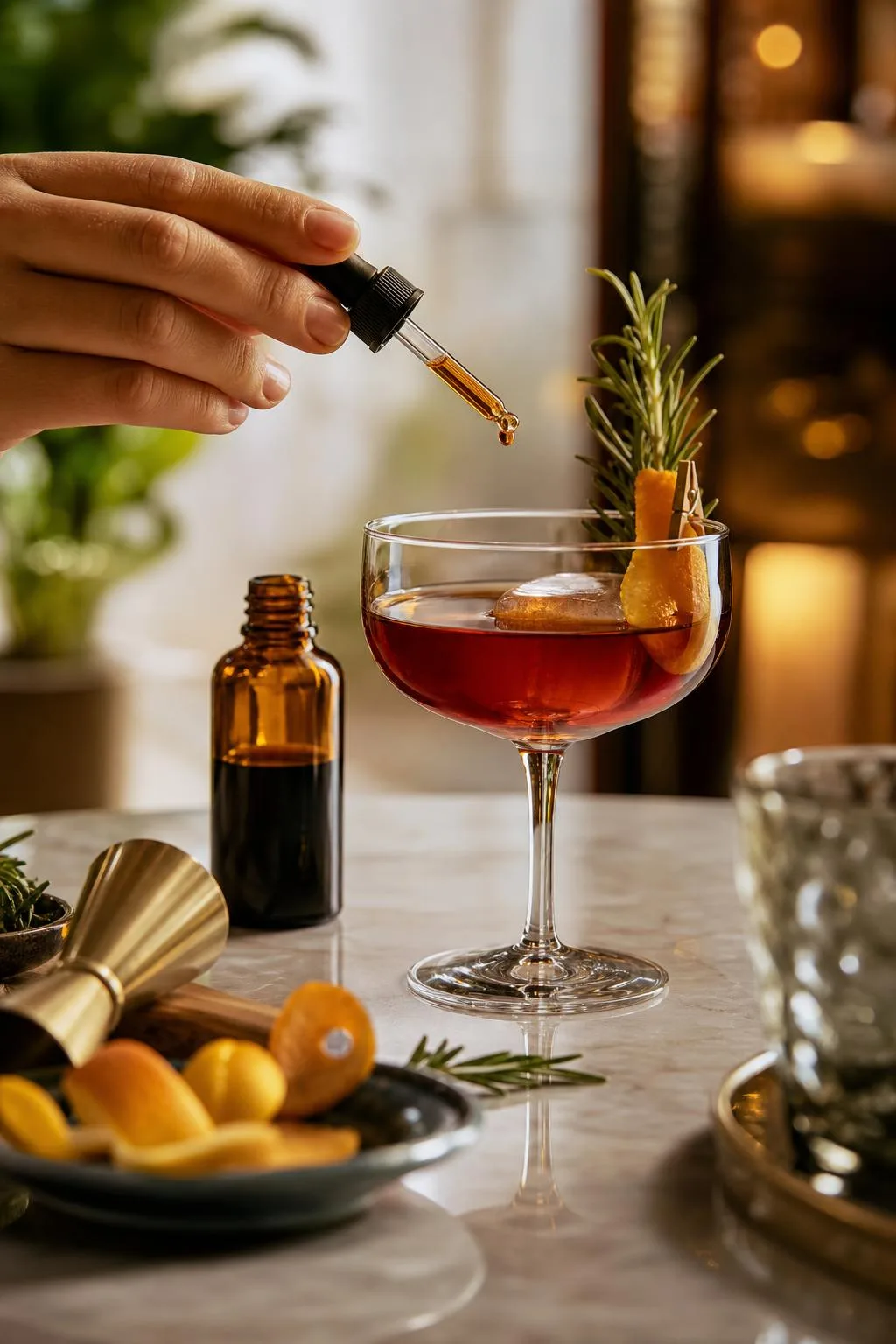
How to Use Bitters Safely
Bitters taste intensely bitter, spicy, aromatic, and concentrated because they are made to be used in dashes, not sips. From a safety standpoint, the key facts are alcohol content, dose size, and ingredient sensitivity.
Alcohol content and serving size
Most cocktail bitters are alcohol-based tinctures. Angostura Aromatic Bitters is 44.7% alcohol by volume, while Peychaud’s is 35% ABV; many orange bitters fall between about 28% and 45% ABV.
| Item | Typical figure | Practical meaning |
| 1 dash of bitters | About 0.8 to 1 ml | A very small measured splash |
| 2 dashes at 45% ABV | About 0.7 to 0.9 ml alcohol | Far below a U.S. standard drink |
| U.S. standard drink | 14 g pure alcohol | Defined by the NIAAA |
| Common cocktail use | 1 to 3 dashes | Flavoring, not a beverage portion |
For most adults, the alcohol from 1 to 3 dashes is nutritionally and physiologically minor.
However, it is not zero, which matters for pregnancy, recovery from alcohol use disorder, religious avoidance, medication restrictions, or strict alcohol-free diets.
Health cautions
- Pregnancy: The CDC states there is no known safe amount of alcohol during pregnancy. Choose alcohol-free bitters or skip bitters entirely.
- Medication interactions: Some bitter botanicals may affect digestion, sedation, or liver enzyme metabolism. Ask a pharmacist if you take anticoagulants, sedatives, seizure medicines, or multiple prescriptions.
- Allergies: Bitters may contain citrus peel, gentian, cassia, clove, allspice, cacao, nuts, or other botanicals. Labels are not always detailed, so contact the producer if allergies are serious.
- Children: Do not treat bitters as a stomach remedy for children. The alcohol and concentrated botanicals make casual dosing inappropriate.
Practical tasting tips
Never judge bitters by drinking them straight. Put 1 dash in 2 ounces of sparkling water, soda water, tonic, or simple syrup water. This dilution reveals the actual flavor: citrus, bark, baking spice, herbal bitterness, or floral notes.
Add bitters last when testing a drink. Start with 1 dash, stir, taste, then add another only if needed. In a 3-ounce stirred cocktail, 2 dashes can noticeably shift aroma, bitterness, and perceived dryness.
Store bitters tightly capped, away from sunlight and heat. High-proof bitters are shelf-stable for years, but aroma fades with oxygen and warm storage. If the scent turns flat, dusty, or harsh, replace the bottle.
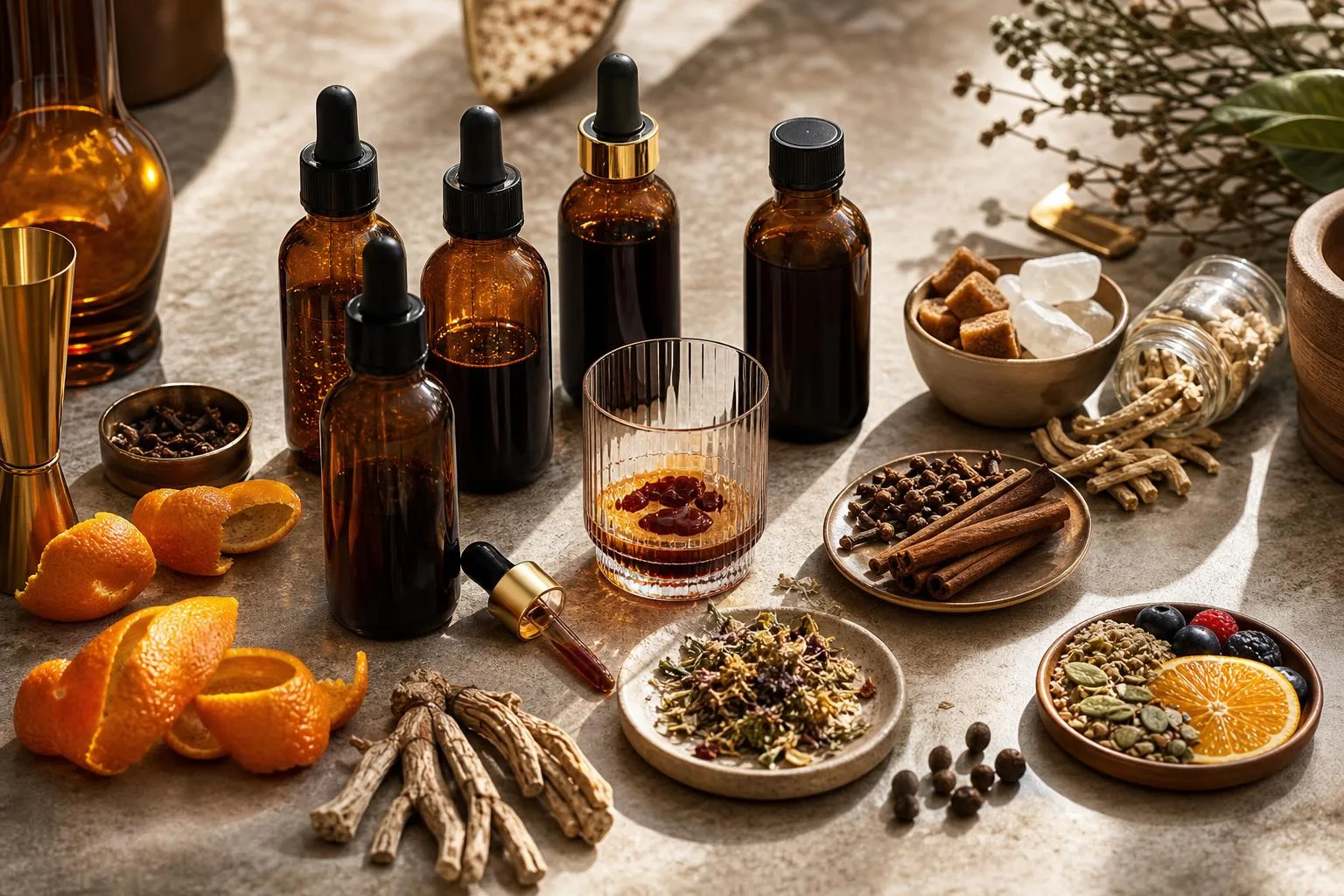
What We Found Tasting Bitters
We tasted bitters three ways: neat on a spoon, diluted in chilled club soda, and mixed into simple Old Fashioned-style test drinks.
The clearest finding was that bitters do not taste “bitter” alone; they taste concentrated, spicy, aromatic, drying, and often slightly medicinal.
For consistency, we ran three tasting rounds over two days with four tasters. Each sample used 2 dashes of bitters in 60 ml club soda, served at 38°F, plus a separate 0.5 ml neat taste from a measured dropper.
| Bitters tasted | Test amount | Dominant flavor we recorded | Finish length |
| Angostura Aromatic Bitters | 2 dashes in 60 ml soda | Clove, cinnamon, gentian-like bitterness, dried spice | 45-60 seconds |
| Peychaud’s Aromatic Cocktail Bitters | 2 dashes in 60 ml soda | Anise, cherry candy, mint, lighter bitterness | 30-45 seconds |
| Orange bitters | 2 dashes in 60 ml soda | Orange peel, pith, baking spice, mild dryness | 25-40 seconds |
| Black walnut bitters | 2 dashes in 60 ml soda | Walnut skin, cocoa, vanilla, woody bitterness | 50-70 seconds |
Neat, all four were too intense to drink like a beverage. At 0.5 ml, Angostura tasted sharply spicy within 2 seconds, then turned dry and woody. Peychaud’s was noticeably sweeter-smelling, but still finished bitter on the back of the tongue.
In soda, the bitterness became easier to separate from aroma. Angostura tasted the most “cocktail-like” because its clove and cinnamon notes remained obvious after dilution.
Orange bitters showed the most pith character, similar to chewing a thin strip of orange peel.
- Bitterness registered fastest in Angostura and black walnut, usually within 3-5 seconds.
- Peychaud’s had the lowest perceived bitterness in our group, but the strongest anise note.
- Orange bitters smelled sweeter than they tasted; the finish was dry, not juicy.
- Black walnut bitters had the longest finish and the most tannic, nut-skin sensation.
We also tested 1, 2, and 4 dashes in a 2 oz whiskey, 0.25 oz simple syrup control drink. One dash added aroma but little structure. Two dashes balanced sweetness best. Four dashes made the drink taste noticeably drier and more medicinal.
Our practical conclusion: bitters taste like concentrated seasoning for drinks. They bring bitterness, but also spice, citrus peel, herbs, roots, bark, and tannic dryness.
The flavor is strongest neat, most understandable in soda, and most useful when measured in dashes.
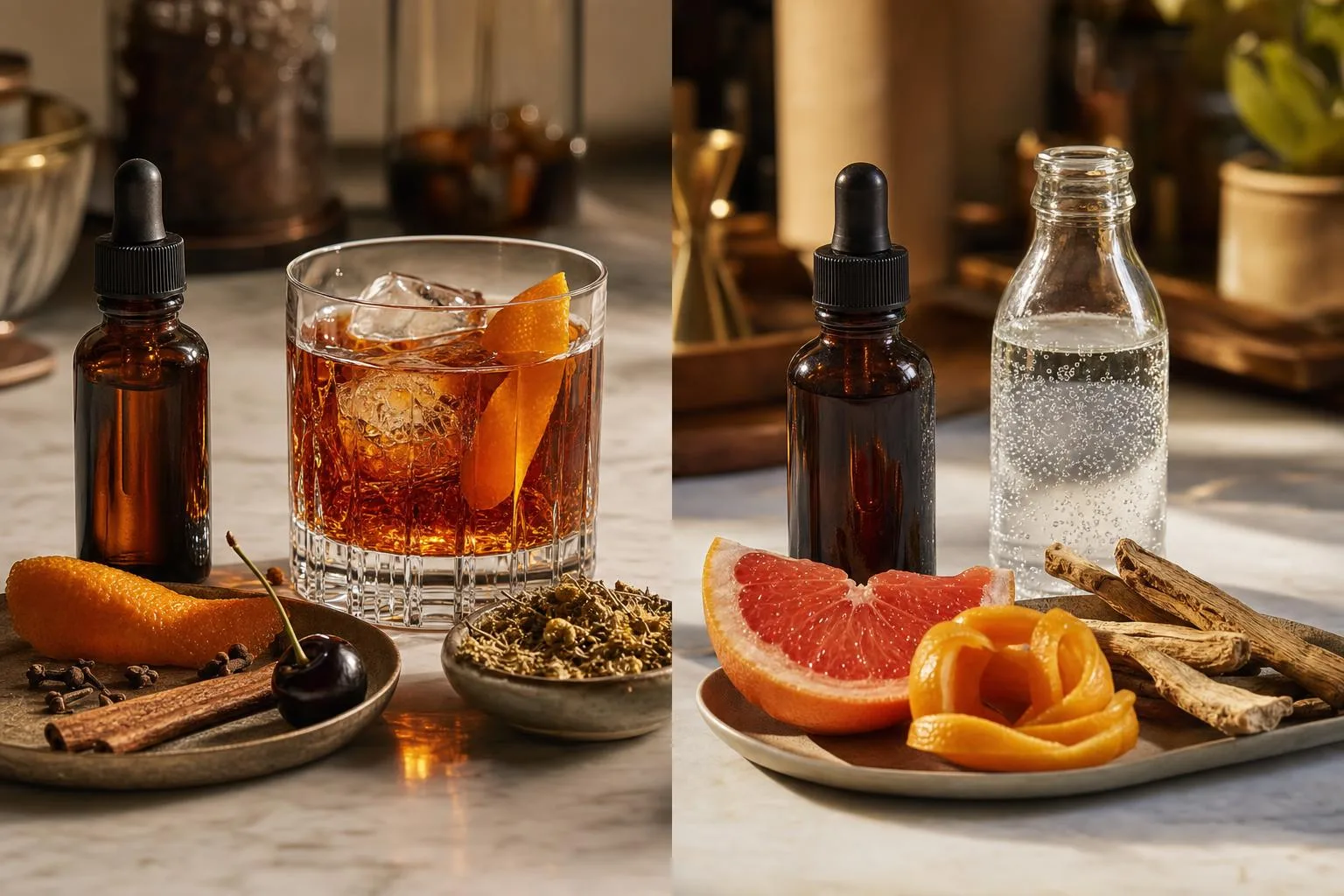
Common Bitters Tasting Mistakes
Bitters are easy to misunderstand because they are powerful, aromatic, and usually measured in dashes, not ounces.
Most tasting mistakes come from treating bitters like a spirit, a syrup, or a universal “bitter” flavor instead of a concentrated seasoning.
In bar practice, a dash is small but not perfectly standardized. America’s Test Kitchen measured a dash at roughly 1/8 teaspoon, while bottle design and shaking force can change the actual amount poured.
Myth: bitters only taste bitter
Bitterness is only one part of the profile. Angostura-style aromatic bitters typically taste of clove, cinnamon, allspice, gentian, dried orange peel, and barky spice. Orange bitters lean citrusy and pithy.
Peychaud’s is lighter, with anise and cherry-like notes.
- Aromatic bitters: warm spice, cola-like depth, dried fruit, gentian bitterness.
- Orange bitters: orange peel, citrus oil, pith, mild spice.
- Creole-style bitters: anise, cherry, floral sweetness, gentler bitterness.
Myth: more bitters makes a drink more sophisticated
Over-dashing is one of the fastest ways to flatten a cocktail. In an Old Fashioned, 2 to 3 dashes can sharpen sugar and whiskey. Six or more dashes may make the drink taste medicinal, dry, or soapy.
| Amount | Likely effect in a 2 oz spirit cocktail |
| 1 dash | Subtle aroma lift; bitterness may be barely noticeable |
| 2 to 3 dashes | Balanced spice, structure, and finish in many classic recipes |
| 5 to 6 dashes | Dominant bitterness and spice; can taste medicinal |
Myth: bitters are nonalcoholic
Many classic bitters are high proof. Angostura aromatic bitters are 44.7% alcohol by volume, and Regans’ Orange Bitters No. 6 is 45% ABV. They are used in such tiny quantities that the finished drink’s alcohol increase is usually minimal.
This matters for people avoiding alcohol completely. “Non-potable” labeling does not mean alcohol-free; it means the product is not intended to be drunk straight like a beverage spirit.
Myth: all bitters are interchangeable
Swapping bitters changes a drink’s flavor architecture. Orange bitters in a Manhattan can brighten vermouth and rye, while aromatic bitters add darker spice.
Peychaud’s is essential to the classic Sazerac profile because its anise note behaves differently from Angostura.
Common tasting mistake: judging bitters straight
A drop on the hand can reveal aroma, but tasting bitters neat exaggerates bitterness and alcohol heat. A better test is 1 dash in 2 ounces of chilled soda water, then smell first and taste second.
- Use soda water to expose aroma without sugar masking the finish.
- Compare bitters side by side in identical glasses.
- Wait 30 seconds after stirring; volatile spice aromas open quickly.
Questions Readers Ask
What does bitters taste like?
Bitters taste intensely concentrated: bitter first, then aromatic, spicy, herbal, citrusy, floral, or earthy depending on the formula.
Classic Angostura-style aromatic bitters often taste of gentian-like bitterness, clove, cinnamon, allspice, and dried orange peel, with a finish that is much stronger than a normal liqueur because bitters are used in dashes.
Are cocktail bitters actually bitter?
Yes, cocktail bitters are genuinely bitter because many use botanicals such as gentian root, cinchona bark, quassia, or wormwood.
The bitterness is usually balanced by warm spices, citrus peel, or herbs, so in a drink it reads more like seasoning than a harsh flavor.
Can you drink bitters straight?
You can taste bitters straight in a tiny amount, but they are not meant to be consumed like a spirit.
Most cocktail bitters are high-proof and highly concentrated, so a few drops on a spoon or in soda water will show the flavor more clearly than taking a full sip.
What do orange bitters taste like?
Orange bitters taste like bitter orange peel rather than sweet orange juice.
Expect citrus zest, pithy bitterness, and supporting spice notes such as cardamom, coriander, clove, or anise, which is why they work well in Martinis, Old Fashioneds, and Champagne cocktails.
Do bitters make cocktails taste bitter?
Bitters can add bitterness, but in the typical dose of 1 to 3 dashes they mostly add aroma, structure, and a longer finish.
In an Old Fashioned, for example, bitters help connect the sweetness of sugar with the oak, vanilla, and spice notes in whiskey instead of making the drink simply taste bitter.
Related Reading
- What Is Sauterne Wine?
- Guinness Extra Stout Vs Draught: Which is Best?
- How To Smoke A Cigar?
- How Many Oz Is 1 Pint?
- How To Start A Wine Business? – 2026
- 11 Essential Facts About How Many Ounces Is 1000 Ml (2026 Complete Conversion, Hydration & Practical Usage Guide)
- How Many Mls Is 9 Oz?
- All Blog Guides
- FDA eCFR 21 CFR §101.22, Flavorings and Spices (2024)
- USDA FoodData Central, Bitters Search Results (2024)
- NIH PubMed, Bitterness: Reduction and Inhibition (2003)
- NIH PubMed, The Molecular Receptive Ranges of Human TAS2R Bitter Taste Receptors (2010)
- Encyclopaedia Britannica, Bitters (2024)
- Angostura, Aromatic Bitters (2024)
- The Bitter Truth, Aromatic Bitters (2024)