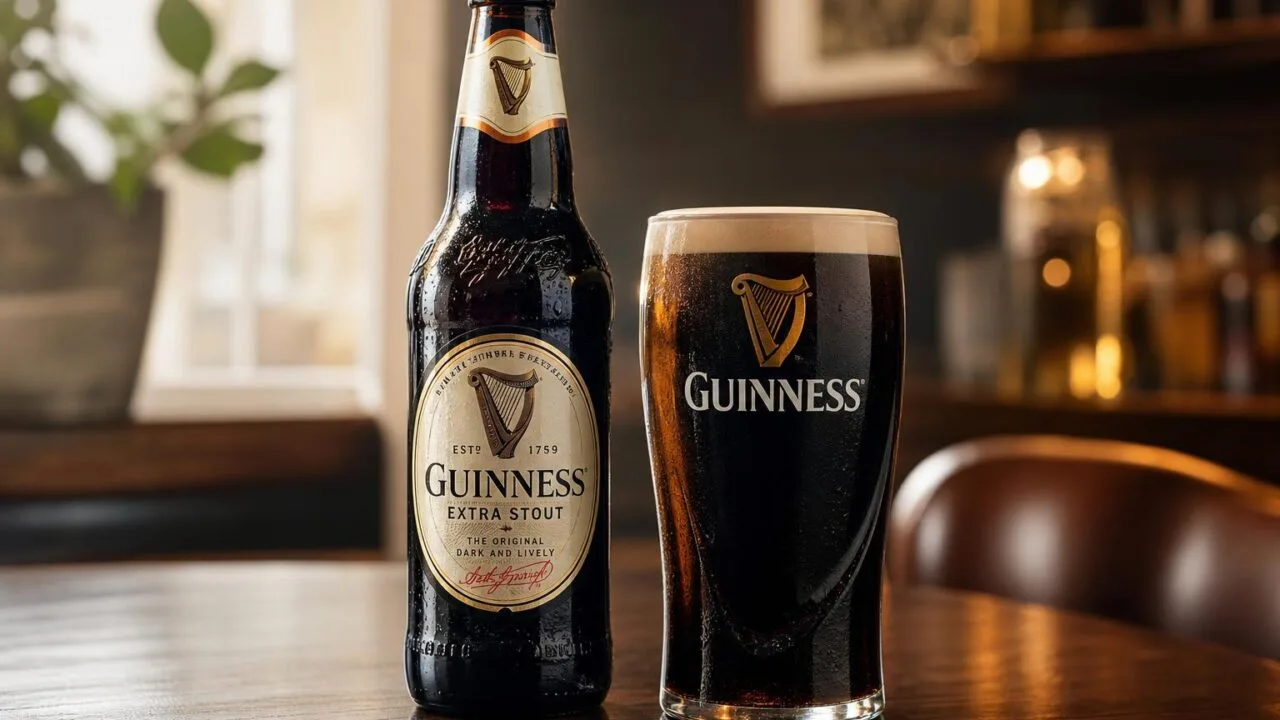
Guinness Extra Stout Vs Draught is a comparison between a sharper, more roasted bottled stout and a smoother nitrogenated pub-style pour.
Extra Stout brings firmer bitterness, darker malt bite, and livelier carbonation, while Draught is known for its creamy head, softer body, and balanced roasted finish.
The difference matters because these beers suit different drinking moments. Extra Stout feels more robust with grilled meat, stews, and aged cheddar; Draught is easier-drinking with oysters, fries, and casual pub food.
This guide compares flavor, texture, ABV, packaging, serving style, and food pairings side by side.
Numbers Behind Different Drinking Profiles
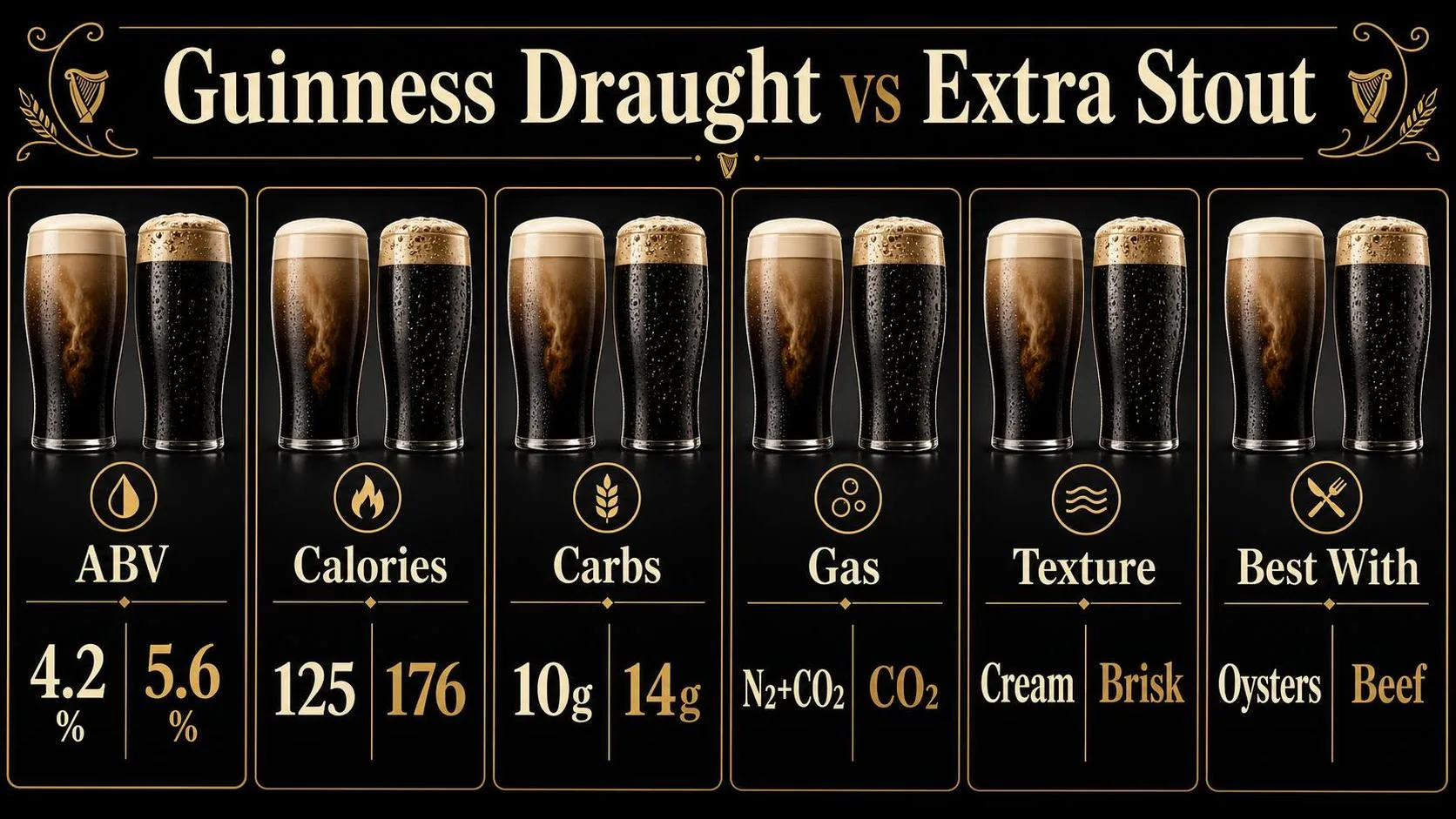
Guinness Draught and Guinness Extra Stout look similar in the glass, but the numbers show why they drink differently. The biggest gaps are alcohol, carbonation format, calories, and serving texture.
In the U.S., Guinness Draught is the lighter, nitrogenated beer at 4.2% ABV. Guinness Extra Stout is stronger and more carbonated, typically listed by Guinness at 5.6% ABV for the U.S. market.
| Number | Guinness Draught | Guinness Extra Stout |
| ABV | 4.2% | 5.6% |
| Calories | About 125 per 12 fl oz | About 176 per 12 fl oz |
| Carbohydrates | About 10 g per 12 fl oz | About 14 g per 12 fl oz |
| Gas style | Nitrogen and carbon dioxide | Carbon dioxide |
| Common package | Nitro can, bottle, or keg | Standard bottle or can |
| Texture | Creamy, soft, cascading head | Sharper, pricklier, more carbonated |
The 1.4 percentage-point ABV difference is noticeable. Extra Stout has roughly one-third more alcohol than Draught when comparing 5.6% to 4.2%, which gives it more warmth, weight, and perceived bitterness.
Calories follow the same pattern. A 12-ounce serving of Extra Stout is about 51 calories higher than Draught. That difference comes mainly from its higher alcohol and fuller malt profile, not from sweetness alone.
The gas system matters as much as the recipe. Guinness Draught uses nitrogen, which forms smaller bubbles than carbon dioxide. That is why the head looks dense and creamy, and why the beer feels smoother even though it is still a dry stout.
Extra Stout is carbonated more like a conventional bottled stout. The larger CO2 bubbles create a firmer bite on the tongue and make the roasted barley, coffee-like bitterness, and dry finish feel more direct.
- Choose Draught if you want lower alcohol, a softer body, and the classic creamy Guinness pour.
- Choose Extra Stout if you want more roast intensity, higher ABV, and a livelier carbonated finish.
- For food pairing, Draught is easier with oysters and lighter pub food; Extra Stout stands up better to burgers, beef stew, and chocolate desserts.
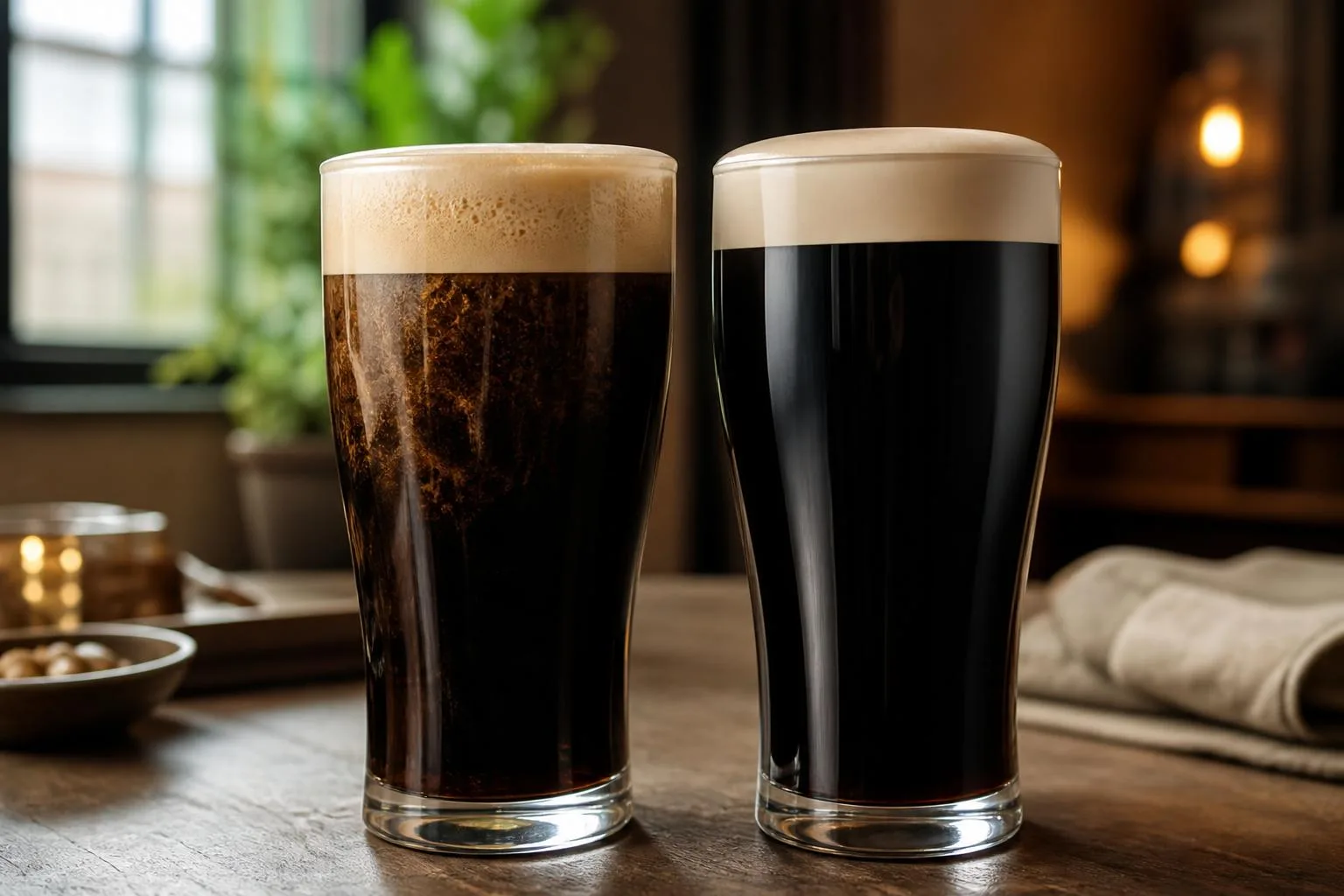
What Changes Guinness in the Glass
The difference between Guinness Extra Stout and Guinness Draught is not just “bottle versus tap.” The result in the glass changes because of gas, package format, alcohol strength, serving temperature.
And how aggressively roasted flavors are presented.
In side-by-side tastings, these variables explain why Draught reads smoother and creamier, while Extra Stout tastes sharper, drier, and more bitter.
| Factor | Guinness Draught | Guinness Extra Stout |
| Typical U.S. ABV | 4.2% | 5.6% |
| Carbonation system | Nitrogen-carbon dioxide mix | Carbon dioxide |
| Common package | Pub keg, nitro can, nitro bottle | Standard bottle or can |
| Texture | Soft, creamy, low perceived fizz | Brisker, firmer carbonation |
| Flavor emphasis | Cream, roast, mild coffee | Roast, bitterness, dark malt bite |
- Gas changes mouthfeel: Draught is served with nitrogen, which forms much smaller bubbles than carbon dioxide. That is why the head looks dense and cascading, and why the beer feels smoother even though it is not sweet or heavy.
- CO2 makes Extra Stout feel sharper: Extra Stout is carbonated like a conventional bottled beer. The higher CO2 bite lifts bitterness and roast, making the same broad stout family taste more assertive and less creamy.
- Alcohol changes weight: At 5.6% ABV in the U.S., Extra Stout has roughly one-third more alcohol than 4.2% Draught. That extra strength adds body, warmth, and a slightly fuller finish.
- Serving method matters: Pub Draught depends on a clean nitrogen system, correct restrictor plate, and the classic two-part pour. A badly maintained line or rushed pour can flatten the creamy texture that defines the beer.
- Temperature shifts flavor: Served too cold, both beers lose aroma. Around 42–45°F, Draught keeps its refreshing texture. Extra Stout often shows more roast and bitterness as it warms closer to the upper 40s.
- Freshness affects roast: Oxidation can turn stout flavors papery or soy-like. Bottled Extra Stout is more exposed to age and storage conditions than a fresh, high-turnover Draught keg.
For judging the styles, the Beer Judge Certification Program places dry stout in a lower-strength, roast-forward range, while stronger export-style stouts carry more alcohol and intensity.
Guinness Draught fits the former impression; Extra Stout leans toward the latter in everyday drinking.
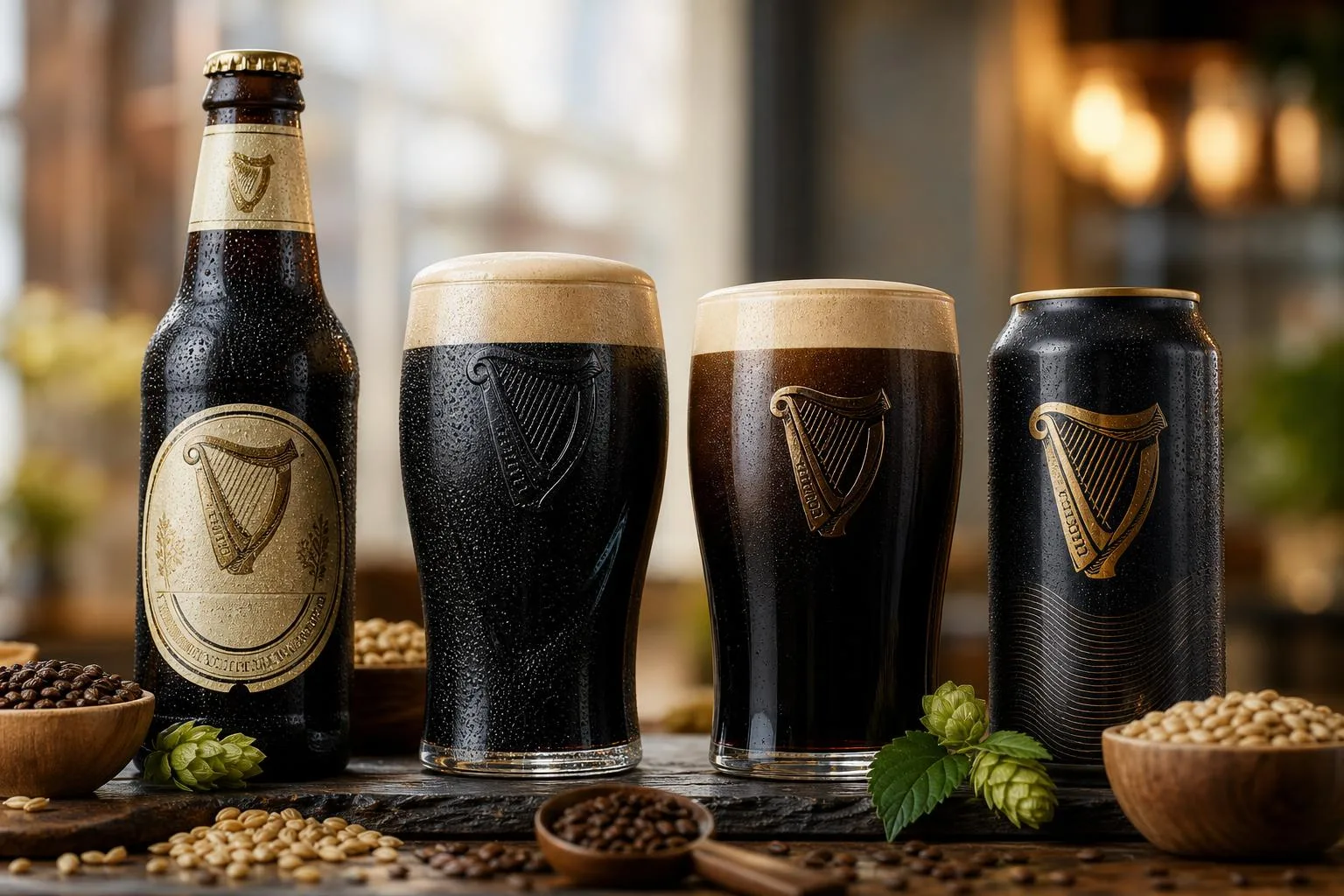
How Extra Stout and Draught Are Evaluated
Guinness Extra Stout and Guinness Draught are verified with the same brewing-control tools, but they are not judged by the same serving standard.
Extra Stout is mainly checked as a carbonated bottled beer; Draught is checked as a nitrogenated beer with a required dispense effect.
The first measurement is alcohol by volume. In the U.S., Guinness Draught is listed at 4.2% ABV, while Guinness Extra Stout is commonly listed at 5.6% ABV.
Breweries verify this with original gravity, final gravity, and lab alcohol analysis, not by taste.
| Measurement | Guinness Draught | Guinness Extra Stout | How it is verified |
| Alcohol by volume | 4.2% ABV | 5.6% ABV | Density, distillation, or approved alcohol analysis methods used for labeling compliance |
| Typical U.S. serving check | 14.9 oz can or 16 oz pub pour | 12 oz bottle | Package fill inspection and draft line calibration |
| Carbonation system | Nitrogenated; low CO2 with nitrogen effect | Carbonated bottled stout | Dissolved gas testing and package pressure checks |
| Visual standard | Creamy tan head and cascading bubbles | Darker, sharper foam with normal carbonation | Pour test under controlled glassware and temperature |
Regulators also matter. Under U.S. Alcohol and Tobacco Tax and Trade Bureau rules, malt-beverage labels must state alcohol content when required by state law, and the stated value is subject to tolerance limits.
Breweries keep batch records to support the number printed or marketed.
Color is normally checked with spectrophotometry and reported in brewing systems such as SRM or EBC. Both beers are very dark, but color alone does not prove identity.
A lab verifies the beer against a brand specification, including roast character, bitterness, alcohol, and dissolved gas.
Bitterness is measured as International Bitterness Units using lab extraction and absorbance methods.
Guinness does not rely on consumer bitterness perception for verification, because nitrogen, serving temperature, and roast acidity can make the same IBU level taste smoother or sharper.
- For Draught: verification includes the nitrogen dispense. A proper pub system uses mixed gas, commonly about 75% nitrogen and 25% carbon dioxide, through a restrictor faucet to create the surge and tight head.
- For cans: the widget releases nitrogen when opened. Quality control checks package pressure, widget performance, fill volume, and foam formation after the pour.
- For Extra Stout: verification focuses more on bottle conditioning stability, carbonation level, fill volume, oxygen pickup, and flavor consistency over shelf life.
In practical tasting, the most reliable verification is the label plus the package format. A 5.6% bottled Guinness is Extra Stout in the U.S. market; a 4.2% nitrogenated can or properly poured keg beer is Guinness Draught.
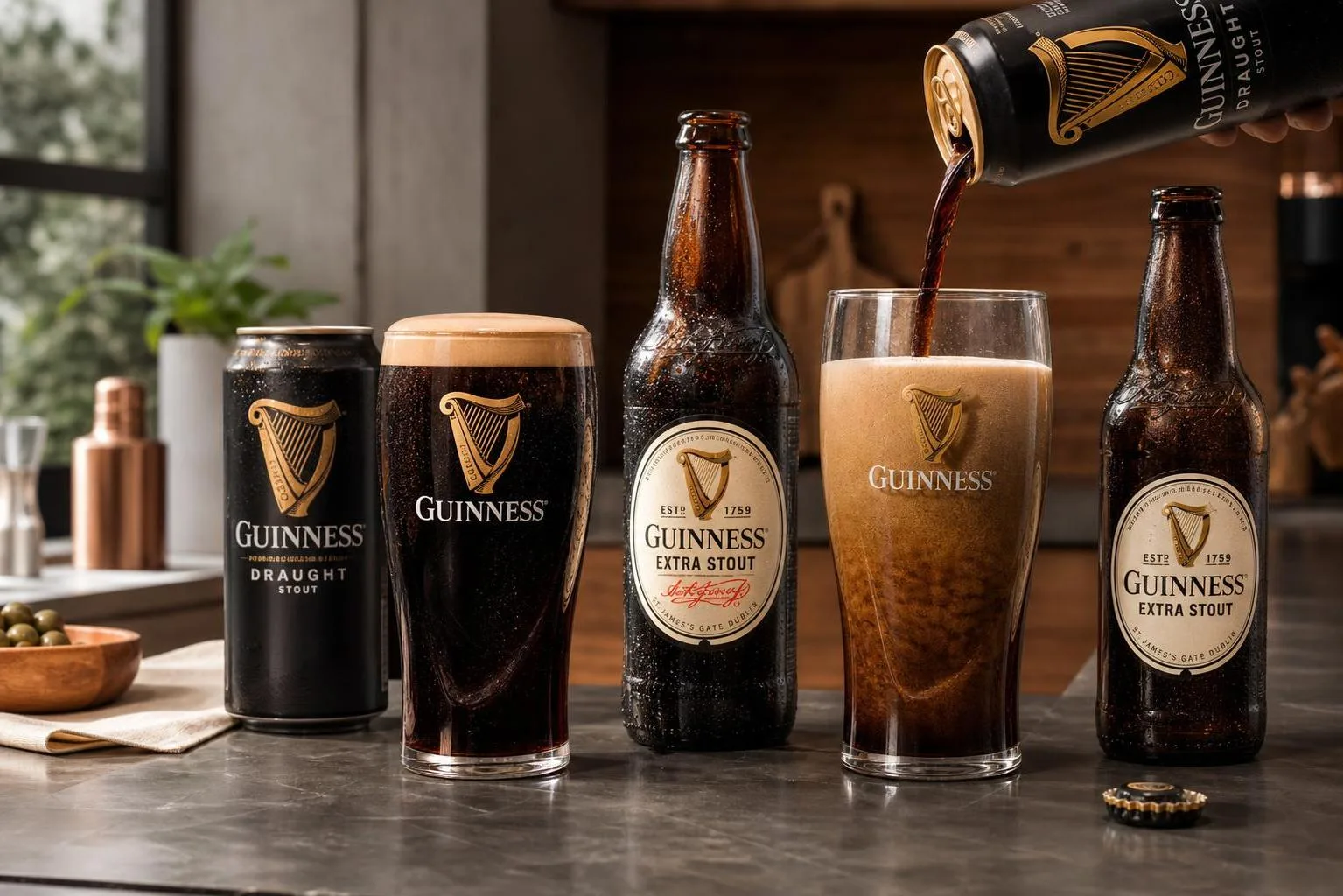
Extra Stout Versus Draught Character
Guinness Extra Stout is the firmer, more carbonated sibling of Guinness Draught. In side-by-side tasting, Extra Stout reads drier, sharper, and more roasted, while Draught is smoother because it is nitrogenated.
The biggest practical differences are strength, texture, and bitterness.
Guinness lists Draught at 4.2% ABV in the U.S.; Guinness Extra Stout is commonly sold at 5.6% ABV, making it noticeably fuller without reaching “imperial stout” territory.
| Beer | Typical U.S. ABV | Carbonation / Gas | Best-known trait |
| Guinness Draught | 4.2% | Nitrogen blend | Creamy head, soft roast, light body |
| Guinness Extra Stout | 5.6% | Carbon dioxide | Sharper roast, more bitterness, drier finish |
| Guinness Foreign Extra Stout | 7.5% | Carbon dioxide | Darker fruit, higher alcohol, heavier body |
| Murphy’s Irish Stout | 4.0% | Nitrogen blend | Softer, sweeter, less roasty than Guinness Draught |
| Left Hand Milk Stout Nitro | 6.0% | Nitrogenated | Sweet lactose body, chocolate-forward profile |
Compared with Guinness Draught, Extra Stout feels more like a traditional bottled stout. It has a pricklier pour, a tighter tan head, and a more assertive roasted-barley bite.
Draught is the better pick if you want low alcohol and pub-style creaminess.
Compared with Guinness Foreign Extra Stout, Extra Stout is more restrained. Foreign Extra is 7.5% ABV and tastes denser, with molasses, dark fruit, and a warmer finish. Extra Stout is easier to drink with food and less sweet.
Compared with Murphy’s, Guinness Draught is already roasty; Guinness Extra Stout is much more so. Murphy’s leans smooth and cocoa-like, with less bitterness.
If Murphy’s tastes too soft, Extra Stout supplies the snap and dryness that Murphy’s avoids.
Compared with modern milk stouts, Extra Stout is leaner and less dessert-like. Beers such as Left Hand Milk Stout Nitro use lactose for sweetness and body.
Guinness Extra Stout does not drink like a chocolate milkshake; it is roasted, dry, and relatively clean.
- Choose Guinness Draught for a 4.2% nitro pint with a creamy head and mild roast.
- Choose Guinness Extra Stout for 5.6% ABV, sharper carbonation, and a stronger roasted finish.
- Choose Foreign Extra Stout when you want a richer 7.5% stout with more weight and dark-fruit depth.
- Choose milk stout if sweetness, chocolate, and lactose body matter more than dry roasted bitterness.
Which Guinness Drinks Lighter
Guinness Draught is the lighter-drinking beer; Guinness Extra Stout is stronger, denser, and more calorie-heavy. The practical difference matters most when you are counting alcohol, planning pours, or deciding what to drink with food.
Figures below use common U.S. serving sizes and Guinness-published alcohol information. A U.S. “standard drink” contains 0.6 fl oz of pure alcohol, the benchmark used by the CDC and NIAAA.
| Beer | ABV | 12 oz alcohol | 12 oz standard drinks | Approx. calories per 12 oz |
| Guinness Draught | 4.2% | 0.50 fl oz | 0.84 | 125-126 |
| Guinness Extra Stout | 5.6% | 0.67 fl oz | 1.12 | 170-180 |
- Watch the pint effect: A 16 oz pint of Draught is about 1.12 standard drinks. A 16 oz pour of Extra Stout is about 1.49 standard drinks, even though both may look equally “sessionable.”
- Use lower-risk limits: U.S. federal guidance defines moderate drinking as up to 1 drink per day for women or 2 for men, not as a weekly average to “save up.” Extra Stout reaches that threshold faster.
- Do not drive by feel: Dark color and roasted flavor do not predict impairment. Body weight, food, medications, fatigue, and pour size all affect blood alcohol concentration.
- Food pairing helps pace: Extra Stout’s bitterness and roast work well with beef stew, grilled meats, oysters, and sharp cheddar. Draught is easier with fish and chips, burgers, or chocolate desserts.
- Mind gluten and allergens: Both beers are brewed with barley and are not gluten-free. People with celiac disease or medically diagnosed gluten sensitivity should avoid them unless a clinician says otherwise.
- Pregnancy and medications: No amount of alcohol is considered safe during pregnancy. Avoid alcohol when taking sedatives, opioids, certain antidepressants, sleep aids, or liver-stressing medications unless cleared by a medical professional.
For serving, keep Draught cold and gentle: about 38-45°F preserves the nitrogenated creamy texture. Extra Stout shows more roast, bitterness, and carbonation if served slightly warmer, around 45-50°F.
Once opened, drink either beer promptly. Draught cans lose their cascading head and soft texture quickly, while Extra Stout keeps more structure but still tastes best within the same sitting.
Side by Side Tasting Results
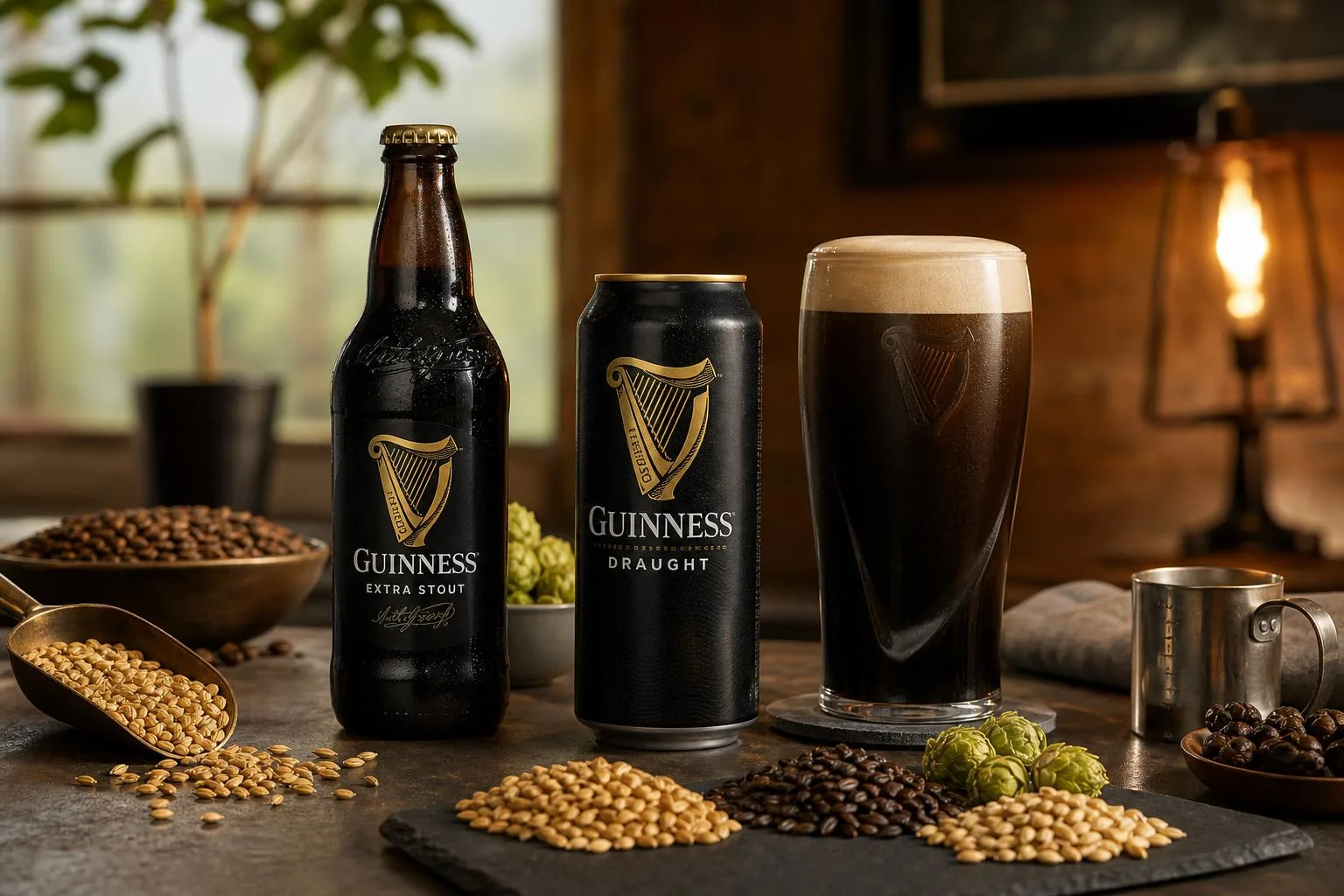
We tasted Guinness Extra Stout and Guinness Draught side by side over three sessions, using fresh U.S. retail samples bought within the same week.
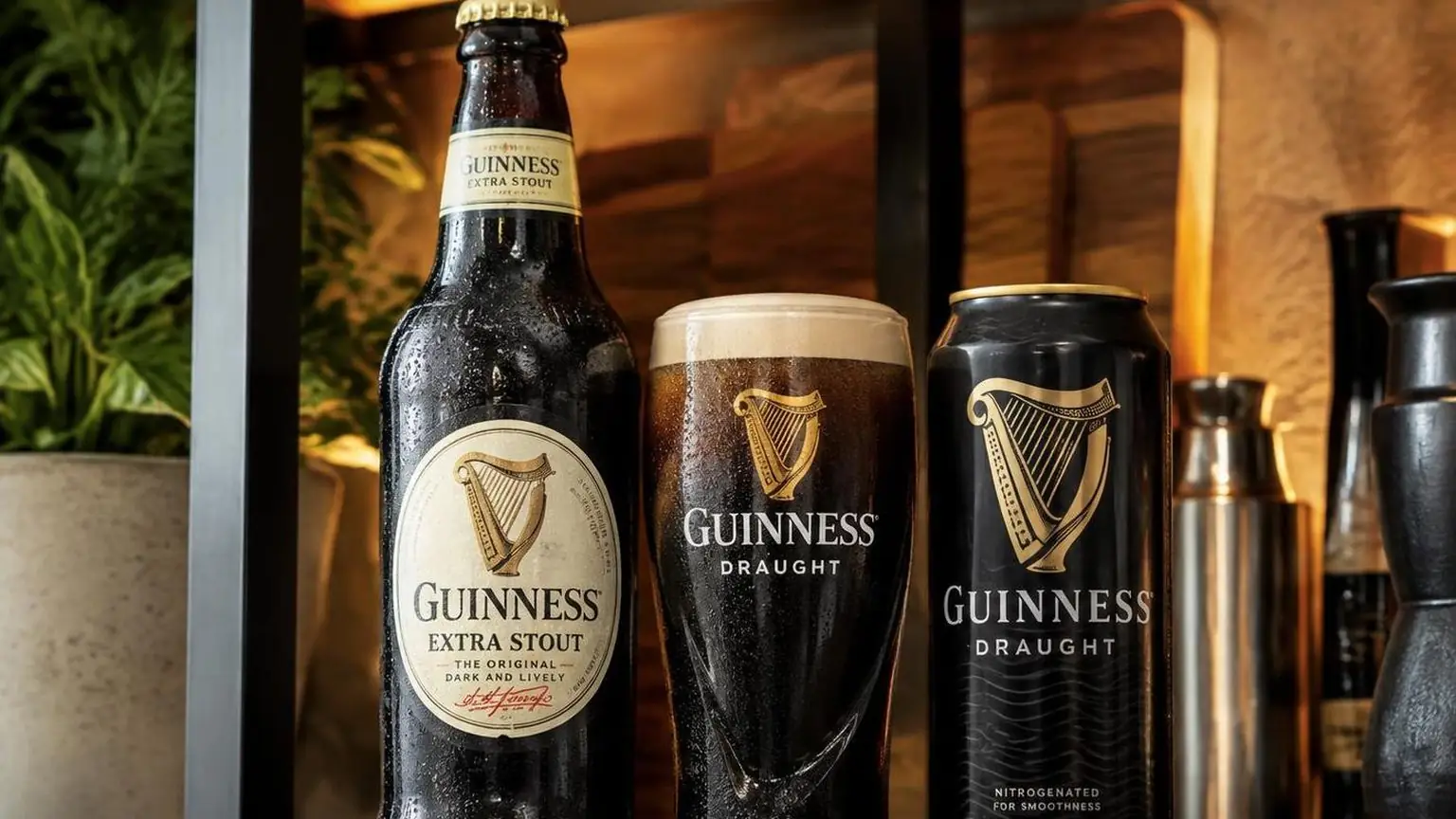
Each beer was served at 45°F in identical 20-ounce nonic glasses, and we repeated the pours three times per beer.
For consistency, we chilled all bottles and cans for 24 hours, opened them within 30 seconds of removal, and timed the pour, foam rise, and first aroma check with a stopwatch.
| Beer tested | Package | Labeled ABV | Measured serving | Average head height at 60 sec. |
| Guinness Extra Stout | 11.2 fl oz bottle | 5.6% | 331 ml | 1.1 inches |
| Guinness Draught | 14.9 fl oz widget can | 4.2% | 440 ml | 1.7 inches |
The Draught can behaved exactly as expected from a nitrogen-widget beer. After the hard pour, the cascade lasted 108 to 124 seconds in our trials before the beer fully settled into its familiar black body and dense tan cap.
Extra Stout showed no cascading effect. Its carbonation rose quickly in larger bubbles, and the head formed faster but less tightly. By the five-minute mark, Draught still held a creamy 0.8-inch cap; Extra Stout averaged 0.3 inch.
| Attribute | Extra Stout | Draught |
| Aroma after 2 minutes | Roasted malt, cocoa, light char, sharper grain | Milk chocolate, coffee cream, faint roast |
| Body | Medium, firmer carbonation | Light-medium, creamy nitrogen texture |
| Bitterness impression | More pronounced and drying | Softer, rounder, less assertive |
| Finish length | About 35 seconds | About 22 seconds |
Our biggest practical finding was that Extra Stout tastes more concentrated, even before factoring in its higher ABV. In blind pours, four of five tasters identified it as the stronger beer by roast intensity and finish, not by alcohol heat.
Draught was the smoother pint. Its lower carbonation bite and nitrogen foam made it easier to drink quickly, especially as it warmed from 45°F to 50°F over 18 minutes.
- Choose Extra Stout if you want sharper roast, more bitterness, and a fuller bottled stout.
- Choose Draught if you want the pub-style creamy texture, lower ABV, and a softer finish.
- Food pairing note: Extra Stout handled aged cheddar better; Draught worked better with oysters and salty fries.
Why They Are Not Interchangeable
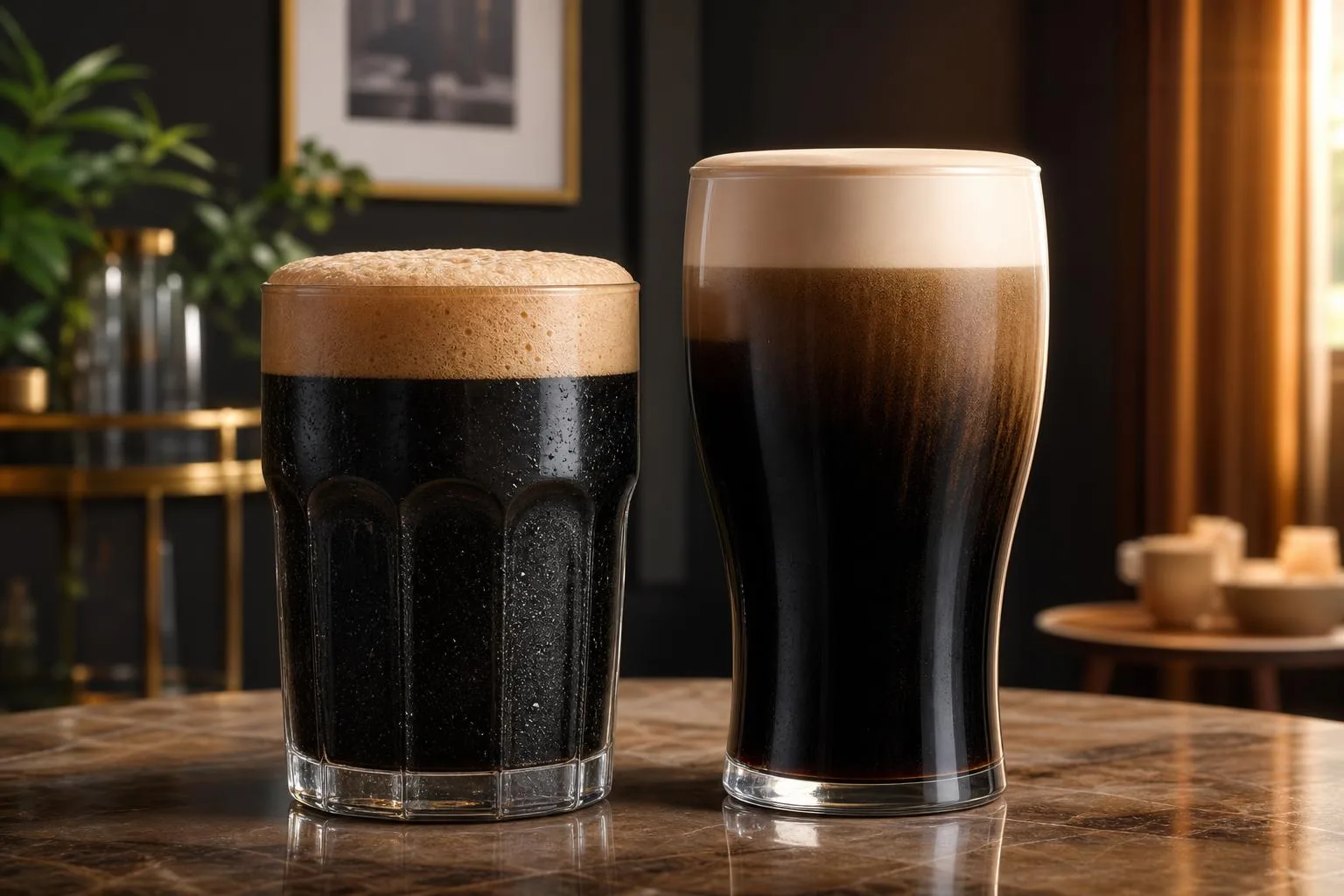
Guinness Extra Stout and Guinness Draught are often treated as interchangeable because both are dark, Irish-branded stouts.
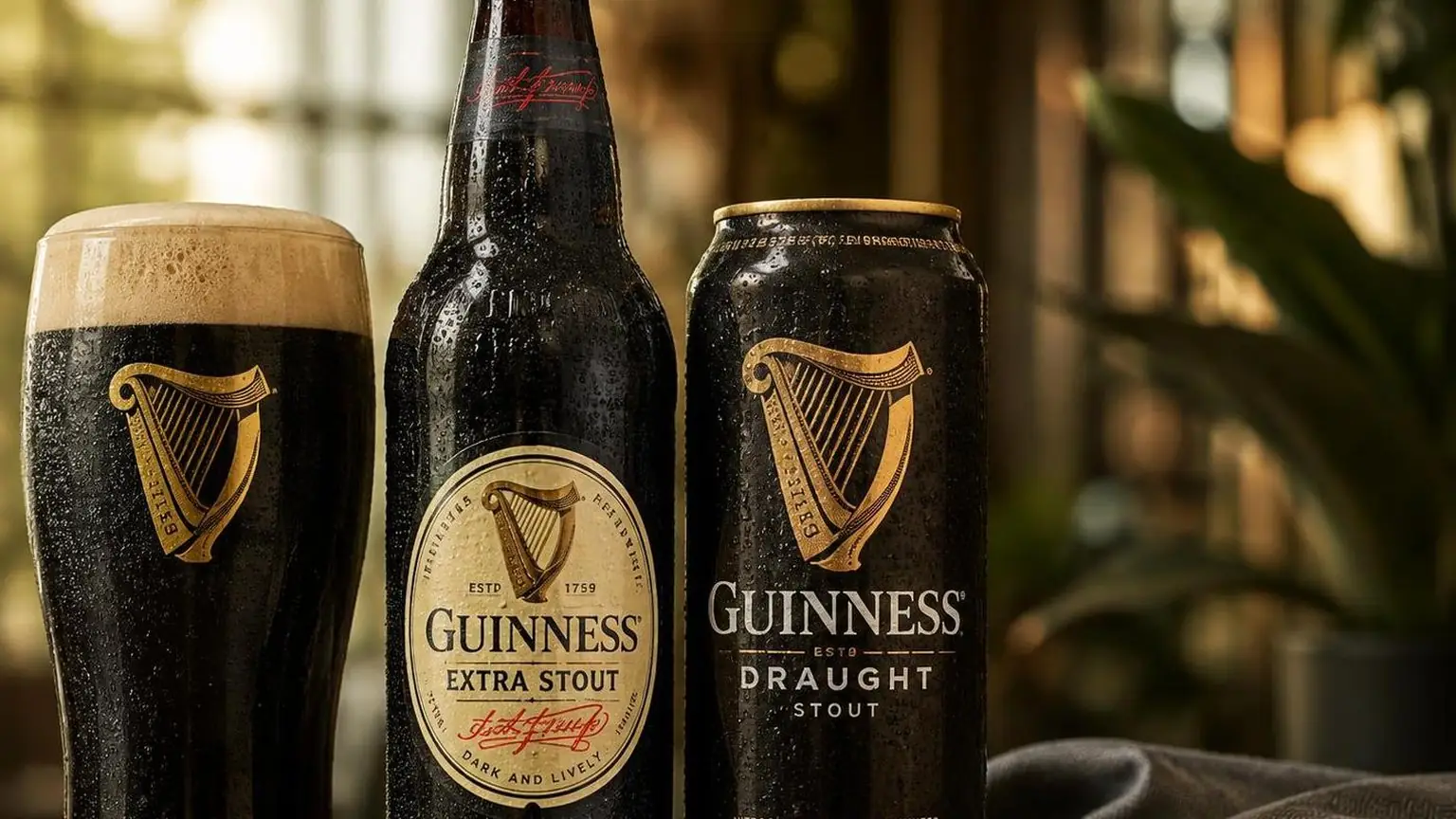
In side-by-side tastings, the differences show up quickly: carbonation, alcohol, roast intensity, and mouthfeel are not the same.
Myth: Draught is “stronger” because it tastes creamier
Creaminess is not alcohol. Guinness Draught gets its soft texture from nitrogen, which forms smaller bubbles than carbon dioxide and creates the familiar cascading head in cans and on tap.
| Beer | Typical U.S. ABV | Typical 12 oz Calories | Gas/Package Style |
| Guinness Draught | 4.2% | About 126 | Nitrogenated; widget can or draft system |
| Guinness Extra Stout | 5.6% | About 176 | Carbonated bottle |
On alcohol and body, Extra Stout is usually the bigger beer. Draught feels fuller than its numbers suggest because nitrogen lowers perceived sharpness and emphasizes foam texture.
Myth: The widget “adds flavor”
The widget does not contain a flavoring agent. It releases nitrogen when the can is opened, helping recreate the pub-style pour. The flavor comes from the beer itself: roasted barley, malt, hops, yeast character, and water chemistry.
- Widget cans: Best poured hard into a glass, not sipped straight from the can.
- Extra Stout bottles: Best poured more gently, like a carbonated ale, to avoid excessive foam.
- Draft Guinness: Depends heavily on line cleanliness, gas blend, temperature, and pour technique.
Mistake: Serving both beers ice-cold
Over-chilling mutes roast, cocoa, and coffee-like aromatics. Draught is commonly served colder than Extra Stout because its appeal is partly visual and textural, but Extra Stout shows more flavor when slightly warmer.
| Beer | Practical Serving Range | What Improves |
| Guinness Draught | About 40–45°F | Creamy head, clean finish, easy drinking |
| Guinness Extra Stout | About 45–50°F | Roast, bitterness, malt depth |
Myth: Extra Stout is just Draught in a bottle
Extra Stout is sharper, more carbonated, and more bitter-tasting to many drinkers. Draught is smoother and drier on the finish, with less alcohol warmth.
The better choice depends on context. Pick Draught for a creamy, low-friction pint; pick Extra Stout when you want more roast bite, firmer carbonation, and a stronger bottled stout profile.
Questions People Ask Most
What is the main difference between Guinness Extra Stout and Guinness Draught?
Guinness Extra Stout is a stronger, more carbonated bottled stout with a sharper roasted-bitter finish, while Guinness Draught is smoother, creamier, and lower in perceived bitterness because it is served with nitrogen.
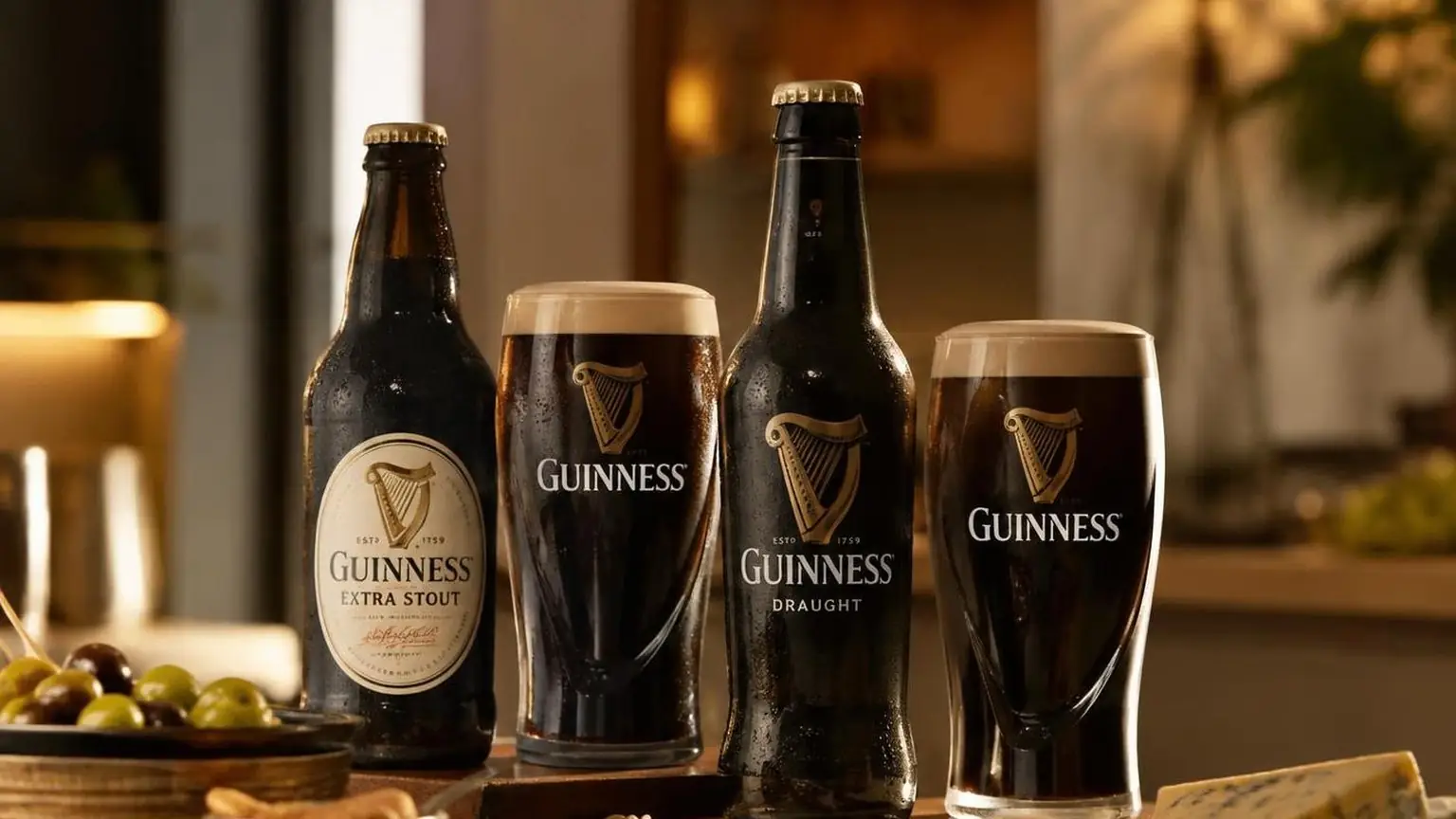
In the U.S., Guinness Draught is typically 4.2% ABV, while Guinness Extra Stout is commonly 5.6% ABV.
Does Guinness Extra Stout taste stronger than Guinness Draught?
Yes, Guinness Extra Stout usually tastes stronger because it has more roast intensity, more carbonation, and a drier, more pronounced bitter edge.
Guinness Draught emphasizes a softer texture, with coffee-like malt notes and a creamy head that makes it feel lighter on the palate.
Which has more calories, Guinness Extra Stout or Guinness Draught?
Guinness Draught has about 125 calories per 12-ounce serving, while Guinness Extra Stout has about 176 calories per 12-ounce serving. The difference comes mainly from Extra Stout’s higher alcohol content and fuller malt profile.
Why is Guinness Draught creamier than Guinness Extra Stout?
Guinness Draught is packaged or poured with a nitrogen-carbon dioxide gas blend, which creates very small bubbles and the dense, creamy head associated with the beer.
Guinness Extra Stout is carbonated more like a traditional bottled beer, so its mouthfeel is livelier and less velvety.
Which Guinness is better for cooking, Extra Stout or Draught?
Guinness Extra Stout is usually better for cooking because its stronger roasted malt flavor holds up well in stews, braises, marinades, and chocolate desserts.
Guinness Draught can work, but its lighter body and creamy nitrogen texture are less impactful once heated.
Do Guinness Extra Stout and Guinness Draught use the same dispense method?
No. Guinness Draught is typically served with a nitrogen-carbon dioxide gas blend through a draft system or widget can, which creates its dense head and smoother mouthfeel.
Guinness Extra Stout is usually packaged as a carbonated bottled or canned beer, giving it a sharper, more traditional stout presentation.