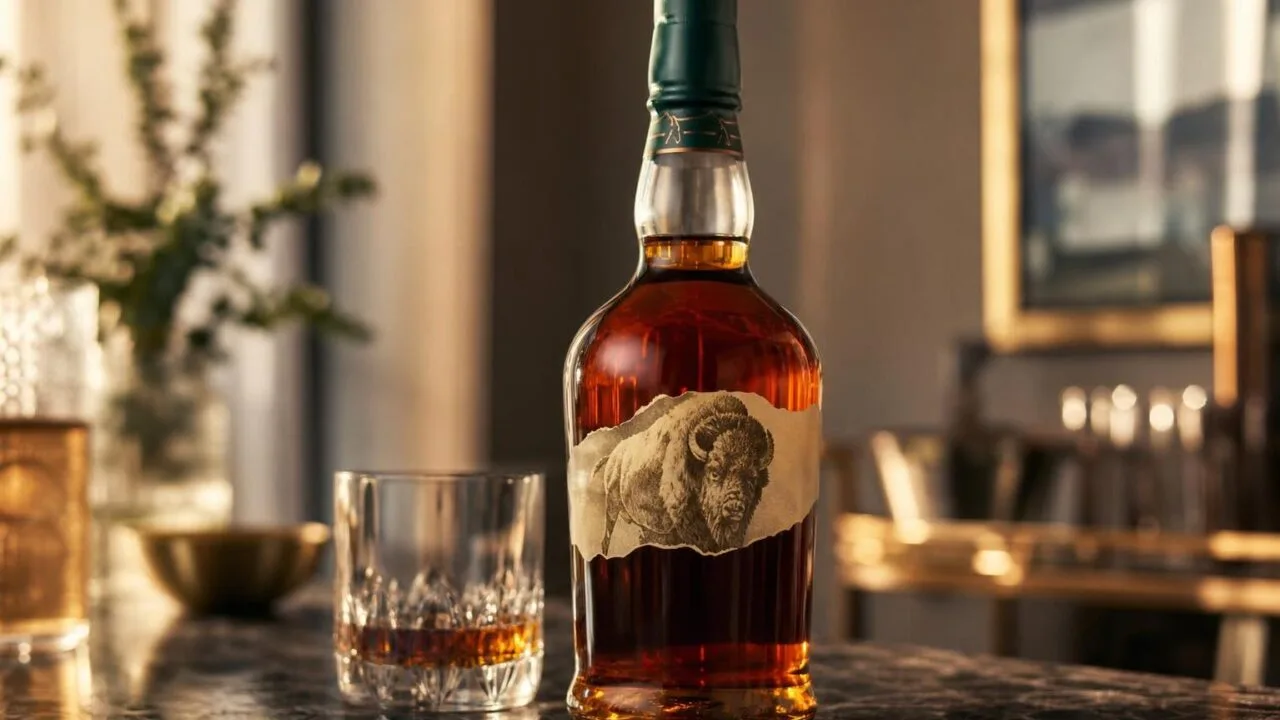
Buffalo Trace Single Barrel Select is a private-barrel bourbon program where retailers, bars, and groups choose one full barrel bottled exclusively for them.
Each selection typically yields about 150–240 bottles, depending on barrel age, proof, and evaporation.
Because every barrel matures differently in Buffalo Trace’s Kentucky warehouses, these bottles can show noticeable variation in oak, caramel, spice, fruit, and finish.
For collectors and drinkers, the appeal is clear: a familiar Buffalo Trace profile with one-barrel individuality and limited, traceable availability.
What Buffalo Trace Select Numbers Mean
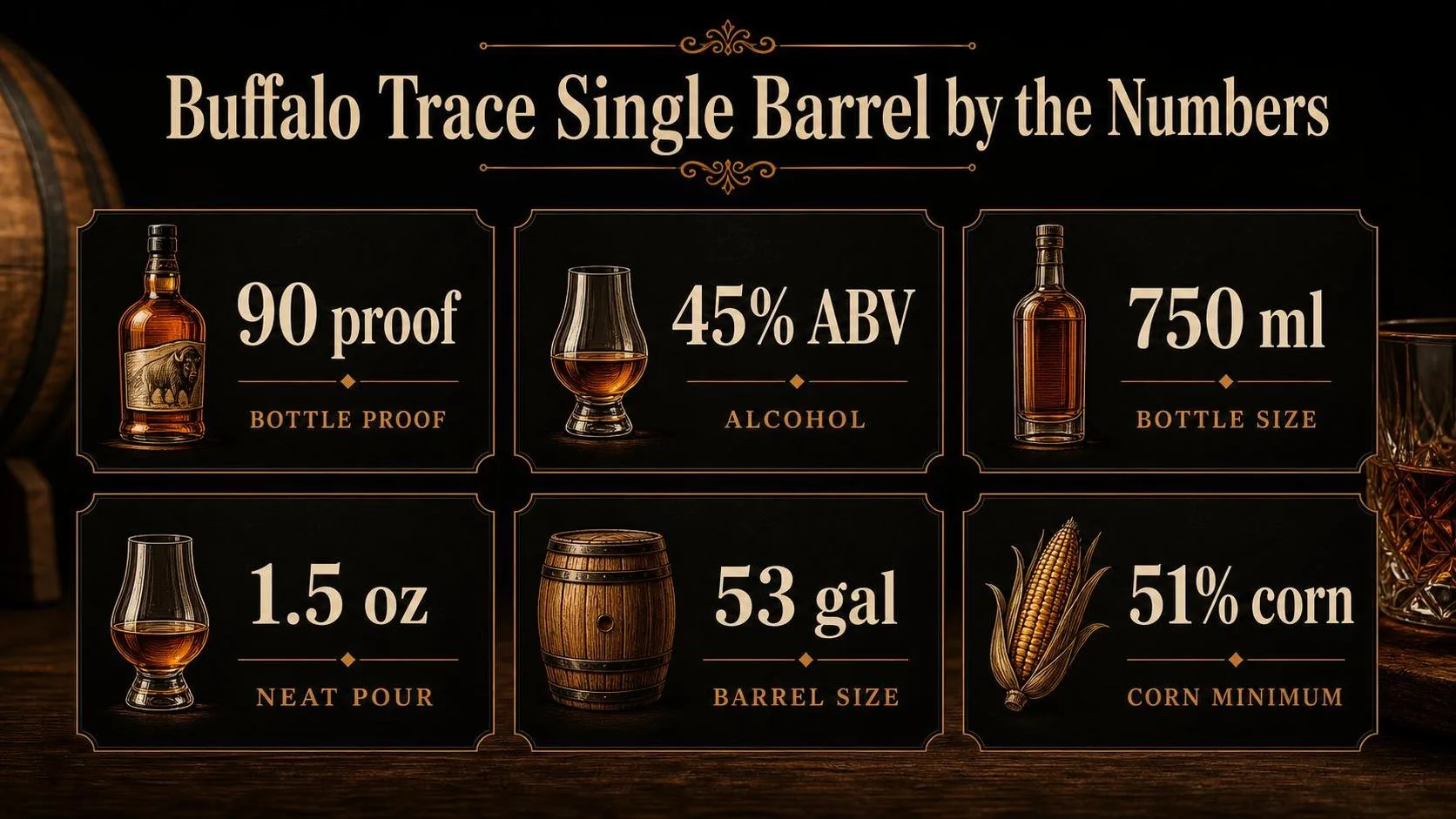
Buffalo Trace Single Barrel Select is built on the same 90-proof Buffalo Trace Bourbon platform, but each selection comes from one barrel rather than a mingled batch.
That makes the label’s few numbers matter: proof, volume, barrel identity, and age rules explain most of what is actually in the glass.
| Number | What it means | Why it matters |
| 90 proof | 45% alcohol by volume | This is the standard bottling strength for Buffalo Trace Bourbon, including most Single Barrel Select picks. |
| 750 ml | 25.36 fluid ounces per U.S. bottle | One bottle contains about 16 standard 1.5-ounce pours. |
| 1.5 oz pour | About 1.125 U.S. standard drinks at 45% ABV | A “neat pour” of 90-proof bourbon is stronger than one standard drink, which is defined as 0.6 fluid ounces of pure alcohol. |
| 53 gallons | Typical full-size American whiskey barrel capacity | A full barrel starts near 200.6 liters before aging loss, filtration, proofing, and bottling variables. |
| 51% corn minimum | Federal bourbon requirement | Buffalo Trace does not publish the exact mash bill, but bourbon legally must be made from at least 51% corn. |
The “single barrel” number to look for is the actual barrel identifier on the sticker, hang tag, or retailer documentation.
Two Buffalo Trace Single Barrel Select bottles can share the same 90 proof and label design while tasting noticeably different because they came from different barrels.
Age is the number Buffalo Trace usually does not print. Buffalo Trace Bourbon is a Kentucky straight bourbon with no age statement.
Under U.S. labeling rules, straight whiskey younger than 4 years must carry an age statement, so a no-age-statement straight bourbon is at least 4 years old.
| Bourbon rule | Federal limit | Applied to Buffalo Trace |
| Grain recipe | At least 51% corn | Qualifies as bourbon; exact recipe remains undisclosed. |
| Distillation proof | No higher than 160 proof | Required for all bourbon production. |
| Barrel entry proof | No higher than 125 proof | Must enter new charred oak within this ceiling. |
| Bottling proof | At least 80 proof | Buffalo Trace is bottled higher, at 90 proof. |
For buyers, the practical math is simple: one private barrel can produce a limited number of bottles, and once that barrel is gone, that exact flavor profile is gone. The proof stays constant; the barrel character does not.
How Barrel Variation Changes the Whiskey
Buffalo Trace Single Barrel Select lives or dies by barrel variation. Even when the whiskey starts from the same distillery, mash bill family, cooperage standards, and bottling proof, each barrel develops differently in the warehouse.
The biggest drivers are barrel location, evaporation, oak extraction, age at selection, and the palate of the group choosing the barrel. A strong pick usually shows balance, not just intensity.
| Factor | Why it matters | Practical effect in the glass |
| Warehouse and floor | Kentucky rickhouses have large temperature swings; upper floors generally run hotter than lower floors. | More caramelized oak, darker fruit, and spice from warmer locations; softer grain and lighter vanilla from cooler spots. |
| Barrel size and wood | Buffalo Trace bourbon is aged in new, charred American oak barrels, the legal standard for straight bourbon. | Vanilla, coconut, toast, clove, tannin, and color all come primarily from the oak. |
| Entry and bottle proof | Bourbon cannot enter the barrel above 125 proof under U.S. federal standards. Buffalo Trace Bourbon is bottled at 90 proof. | Lower bottling strength makes texture and aroma balance more important because proof will not carry a weak barrel. |
| Age at selection | Buffalo Trace does not print an age statement on the standard label, so barrels are selected by maturity rather than a fixed public age. | You may see differences in oak grip, fruit depth, and finish length between picks. |
| Evaporation | Angel’s share concentrates some flavors while reducing total liquid in the barrel. | Higher concentration can mean richer oak and spice, but too much extraction can turn dry or bitter. |
Selection palate matters
A Single Barrel Select is not a blend adjusted for consistency. The retailer, bar, restaurant, or private group typically tastes through samples and chooses one barrel that fits its preference.
That means one pick may lean cherry, brown sugar, and vanilla, while another shows more cinnamon, leather, peanut shell, or dry oak. Neither is automatically better; the result reflects the selector’s target profile.
- For sweeter pours: look for tasting notes such as cherry, caramel, vanilla cream, cola, or brown sugar.
- For spicier pours: expect cinnamon, clove, rye spice, pepper, or toasted oak language.
- For richer texture: picks from more developed barrels often show longer finish and heavier mid-palate weight.
- For cleaner balance: avoid bottles described mainly as “hot,” “oaky,” or “tannic” unless that is your preference.
Because the whiskey is bottled as one barrel, there is no guarantee that another store’s Buffalo Trace Single Barrel Select will taste the same. The label tells you the source; the barrel tells you the experience.
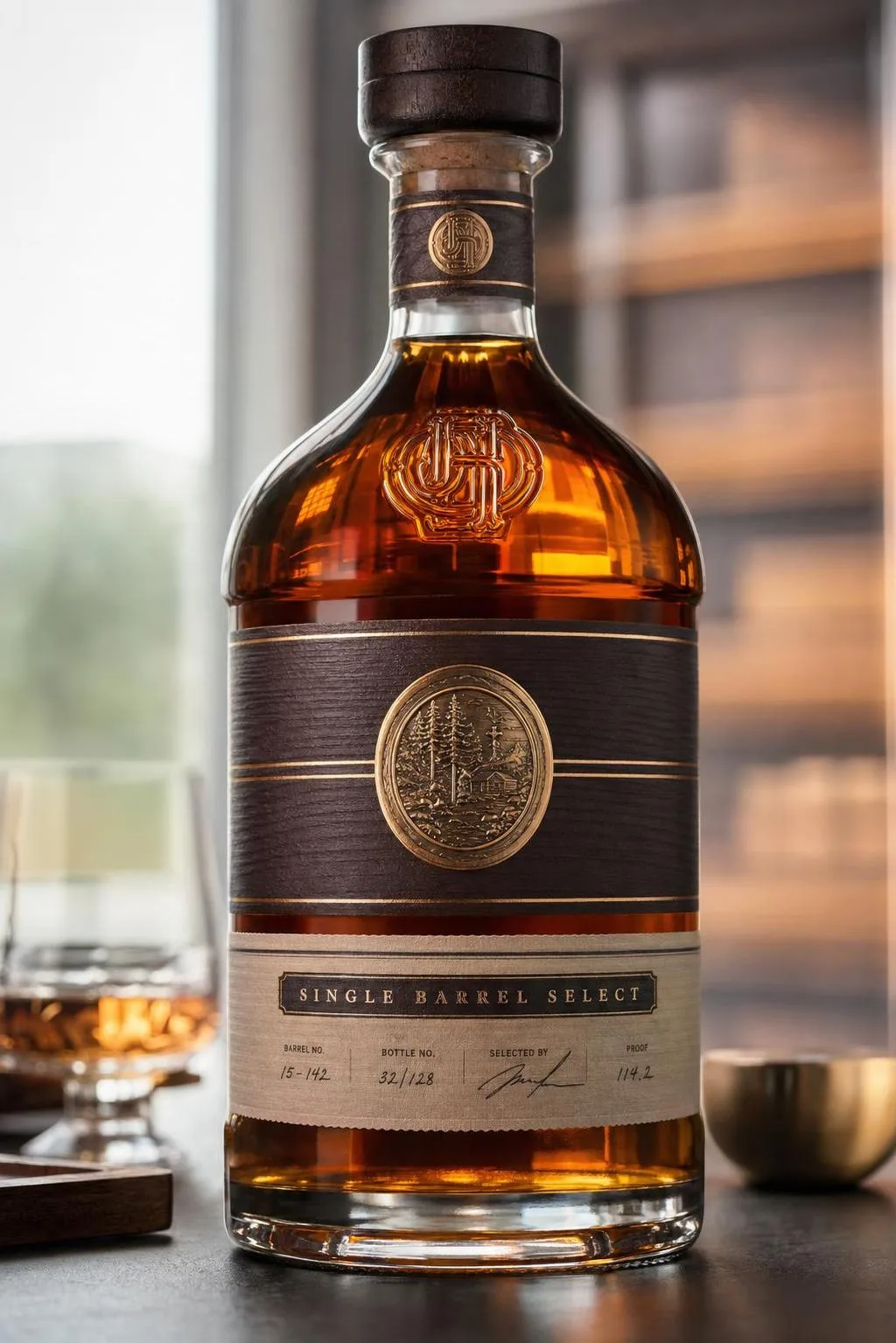
How Buffalo Trace Select Is Verified
Buffalo Trace Single Barrel Select is verified through two layers: the federal rules that define bourbon, and Buffalo Trace’s own barrel-to-bottle tracking for a private selection.
The key measurable facts are proof, bottle volume, barrel identity, and whether the whiskey remained segregated as one barrel.
On the label, Buffalo Trace Bourbon is stated at 90 proof, which equals 45% alcohol by volume. In the United States, proof is exactly twice the ABV number, so a 45% ABV bourbon is legally 90 proof.
| Measured item | What to verify |
| Alcohol strength | 90 proof / 45% ABV on the front or back label |
| Bottle size | Usually 750 ml for U.S. retail single-barrel selections |
| Bourbon standard | At least 51% corn; distilled at no more than 160 proof; entered into new charred oak at no more than 125 proof; bottled at 80 proof or higher |
| Producer | Buffalo Trace Distillery, Frankfort, Kentucky |
| Selection marker | Store, group, or account sticker/tag naming the Single Barrel Select pick |
The legal baseline comes from the U.S. Alcohol and Tobacco Tax and Trade Bureau. Under 27 CFR Part 5, bourbon must meet the production limits above, and “straight bourbon” must be stored in new charred oak containers for at least 2 years.
Buffalo Trace Bourbon carries no age statement, so its exact age is not verified from the consumer label.
If a bottle does not state an age, the only age claim a buyer can safely verify is that it meets the applicable straight bourbon labeling requirements.
The “single barrel” part is verified operationally, not by a separate federal bourbon class.
A selected barrel is tasted, chosen, dumped, proofed to the product specification, and bottled without being blended with other barrels for that selection.
- Barrel identification: private picks commonly include a sticker, neck tag, or back label with the selecting retailer, group, or account.
- Lot traceability: commercial bottles typically carry printed or laser-etched production codes used by the distillery for internal tracking.
- Proof check: the consumer-verifiable number is 90 proof, matching the standard Buffalo Trace Bourbon bottling strength.
- Authenticity check: the bottle should show Buffalo Trace Distillery in Frankfort, Kentucky, and standard U.S. government warning language.
For practical verification, compare the store-pick sticker with the retailer’s release announcement, receipt, or barrel-pick documentation.
The most reliable proof is a consistent chain: retailer selection details, intact packaging, correct Buffalo Trace labeling, and a bottle that reads 90 proof / 45% ABV.
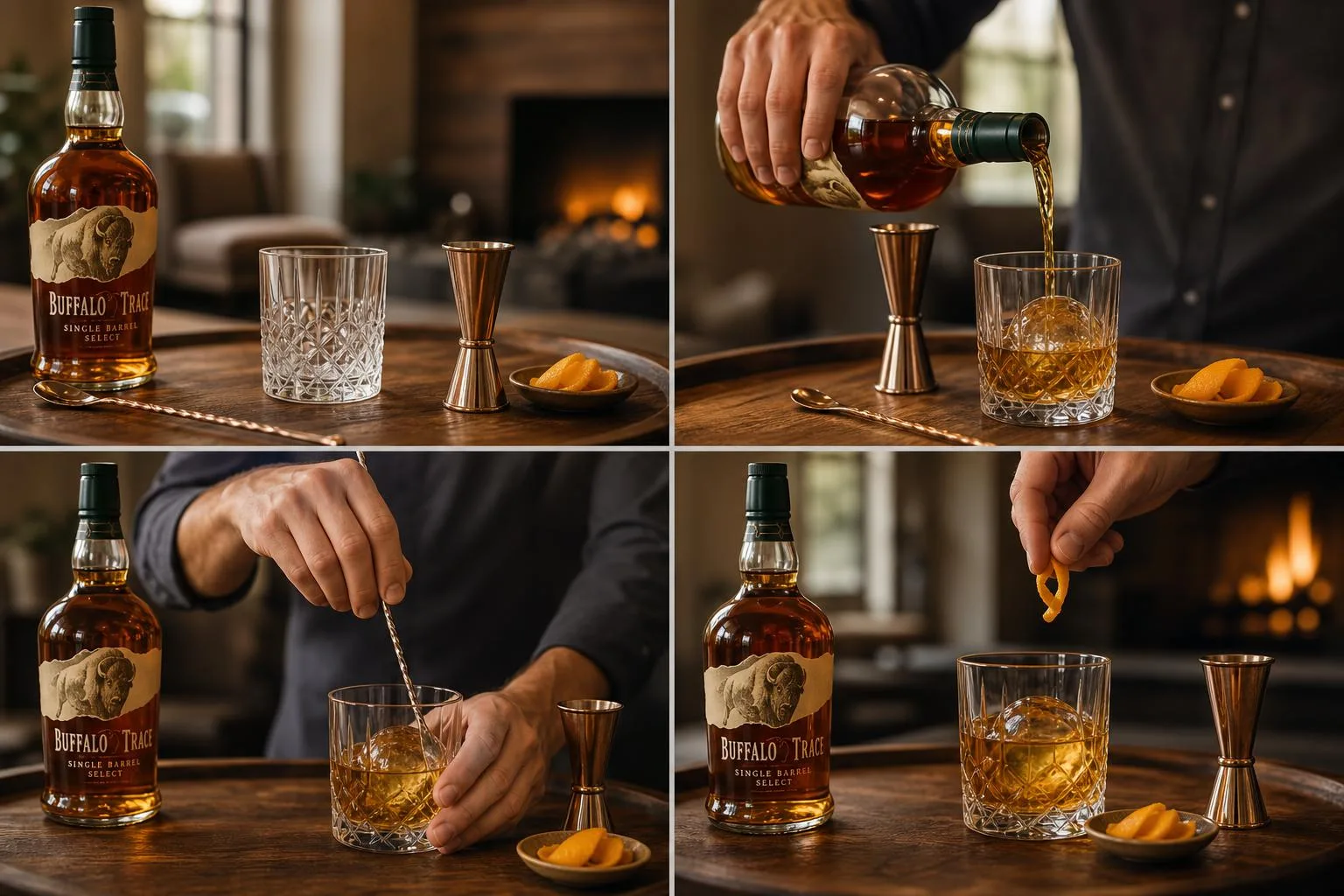
How Single Barrel Select Compares
Buffalo Trace Single Barrel Select is not just “regular Buffalo Trace with a sticker.” It is a retailer, restaurant, or group-selected barrel of Buffalo Trace Bourbon, bottled at 90 proof.
So the comparison hinges on barrel variation rather than proof escalation.
In tastings, the biggest difference is specificity: one barrel may lean cherry and vanilla, while another shows more oak, orange peel, or baking spice. That makes it less predictable than standard Buffalo Trace, but usually more distinctive.
| Bourbon | Proof | Age statement | Key comparison point |
| Buffalo Trace Single Barrel Select | 90 proof | No age statement; Kentucky straight bourbon must be at least 4 years if unstated | Single selected barrel; flavor varies by pick |
| Standard Buffalo Trace Bourbon | 90 proof | No age statement | Batch consistency; usually easier to find and cheaper |
| Eagle Rare 10 Year | 90 proof | 10 years | Same Buffalo Trace mash bill family, older stated age, more oak-driven |
| Four Roses Single Barrel | 100 proof | No front-label age statement; commonly around 7 to 9 years | Higher rye profile; more floral spice and proof |
| 1792 Single Barrel | 98.6 proof | No age statement | Higher proof and high-rye style; bolder spice |
Versus standard Buffalo Trace
Both are 90 proof and built on Buffalo Trace’s low-rye bourbon profile. The standard bottle is blended from multiple barrels for consistency.
Single Barrel Select trades that consistency for a snapshot of one barrel, which can be better, worse, or simply different.
If pricing is close, the Single Barrel Select is usually the more interesting buy. If it carries a large premium, standard Buffalo Trace may deliver better value because the proof, mash bill family, and general flavor lane are similar.
Versus Eagle Rare 10 Year
Eagle Rare is also 90 proof but carries a 10-year age statement. It often shows more dry oak, leather, and cocoa than Buffalo Trace picks, which tend to feel brighter and fruitier when the barrel is well chosen.
Choose Eagle Rare if you want age-stated oak structure. Choose Buffalo Trace Single Barrel Select if you want a store-picked profile and are comfortable with bottle-to-bottle variation.
Versus higher-proof single barrels
- Four Roses Single Barrel: 100 proof, with a 35% rye mash bill in the standard OBSV recipe, giving it more pepper, mint, and floral spice.
- 1792 Single Barrel: 98.6 proof, generally richer and spicier, with more heat than Buffalo Trace Single Barrel Select.
- Best use case: Buffalo Trace Single Barrel Select is better for drinkers who want balance and approachability, not barrel-proof intensity.
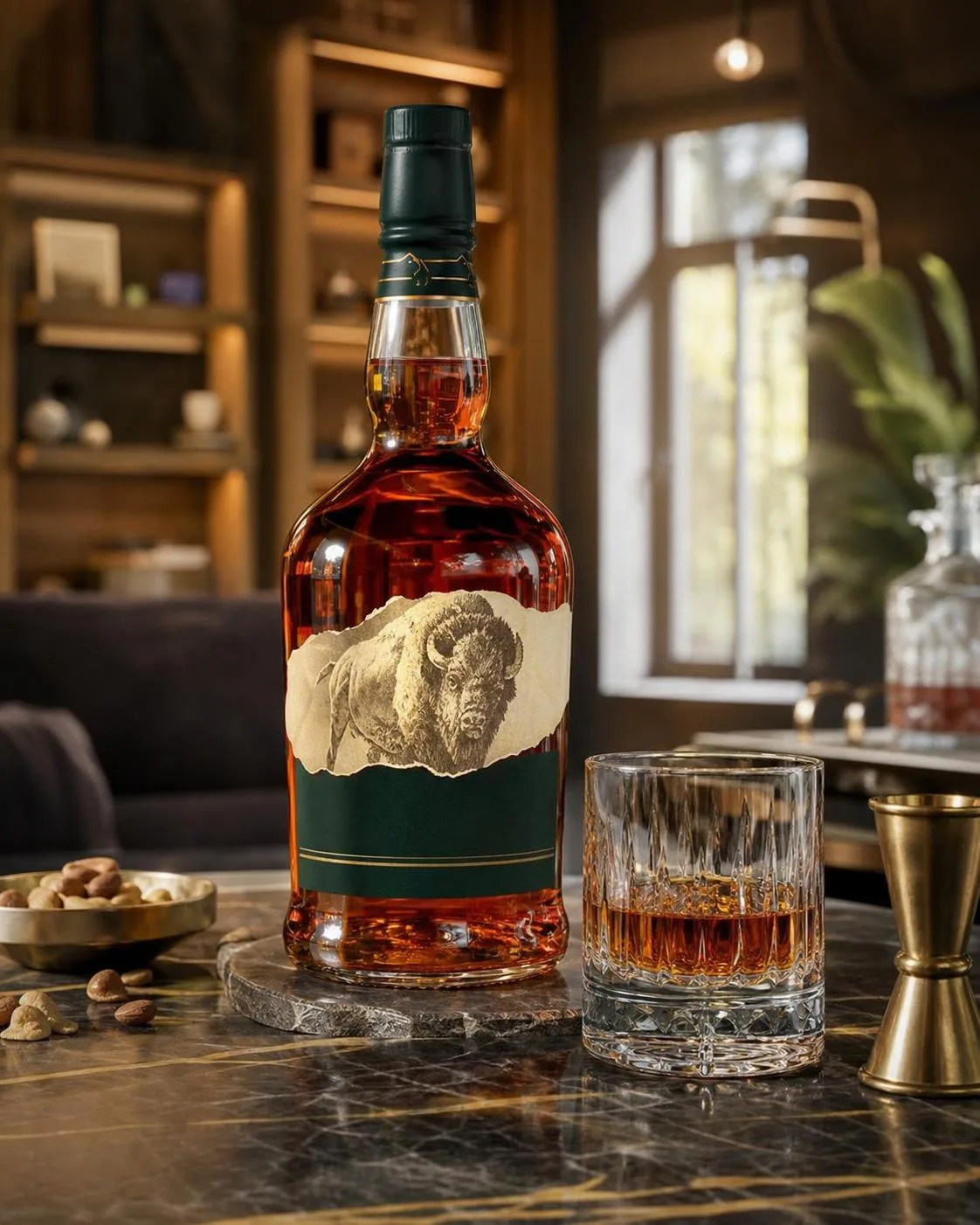
Proof Safety and Drinking Tips
Buffalo Trace Single Barrel Select is typically bottled at 90 proof, meaning 45% alcohol by volume. Treat it like a full-strength whiskey, not a casual low-ABV pour, especially when comparing barrels side by side.
Because each selected barrel can taste slightly different, the safest way to evaluate it is with measured pours, water nearby, and food in your stomach. In bar service, I use half-ounce tastes for comparison flights.
Know the Pour Size
| Serving | Volume | Approximate Pure Alcohol at 45% ABV |
| Small tasting pour | 0.5 oz | 0.225 oz alcohol |
| Standard neat pour | 1.5 oz | 0.675 oz alcohol |
| Double pour | 3 oz | 1.35 oz alcohol |
In the United States, a “standard drink” contains 0.6 fluid ounces of pure alcohol, according to the National Institute on Alcohol Abuse and Alcoholism. A 1.5-ounce pour of 90-proof bourbon is slightly above that benchmark.
Practical Drinking Limits
| Guideline | Amount | Source Basis |
| Men, moderate drinking | Up to 2 drinks per day | U.S. Dietary Guidelines |
| Women, moderate drinking | Up to 1 drink per day | U.S. Dietary Guidelines |
| BAC legal driving limit | 0.08% | All U.S. states |
- Measure it: Use a jigger. “Free-pouring” bourbon commonly turns a 1.5-ounce drink into 2 ounces or more, changing both intoxication risk and tasting accuracy.
- Add water deliberately: Start with 2 or 3 drops, then reassess aroma. Water can reduce ethanol heat and reveal vanilla, caramel, oak, or baking spice notes.
- Avoid rapid flights: If comparing multiple Single Barrel Select bottles, use 0.25- to 0.5-ounce pours and spit when necessary, as professional tasters often do.
- Store safely: Keep bottles upright, away from direct sunlight, and below about 77°F. High heat can degrade aromas and dry out closures over time.
- Do not drink and drive: Rideshare, taxi, or a designated driver is the practical standard. Bourbon strength makes “just one more” easy to underestimate.
People who are pregnant, taking sedatives or opioids, managing liver disease, or in recovery from alcohol use disorder should avoid bourbon.
Alcohol also interacts with common medications including benzodiazepines, sleep aids, and some antidepressants.
For tasting accuracy, use a clean tulip-shaped glass, avoid strong cologne, and let the pour rest 5 minutes. Buffalo Trace Single Barrel Select rewards patience more than large pours.
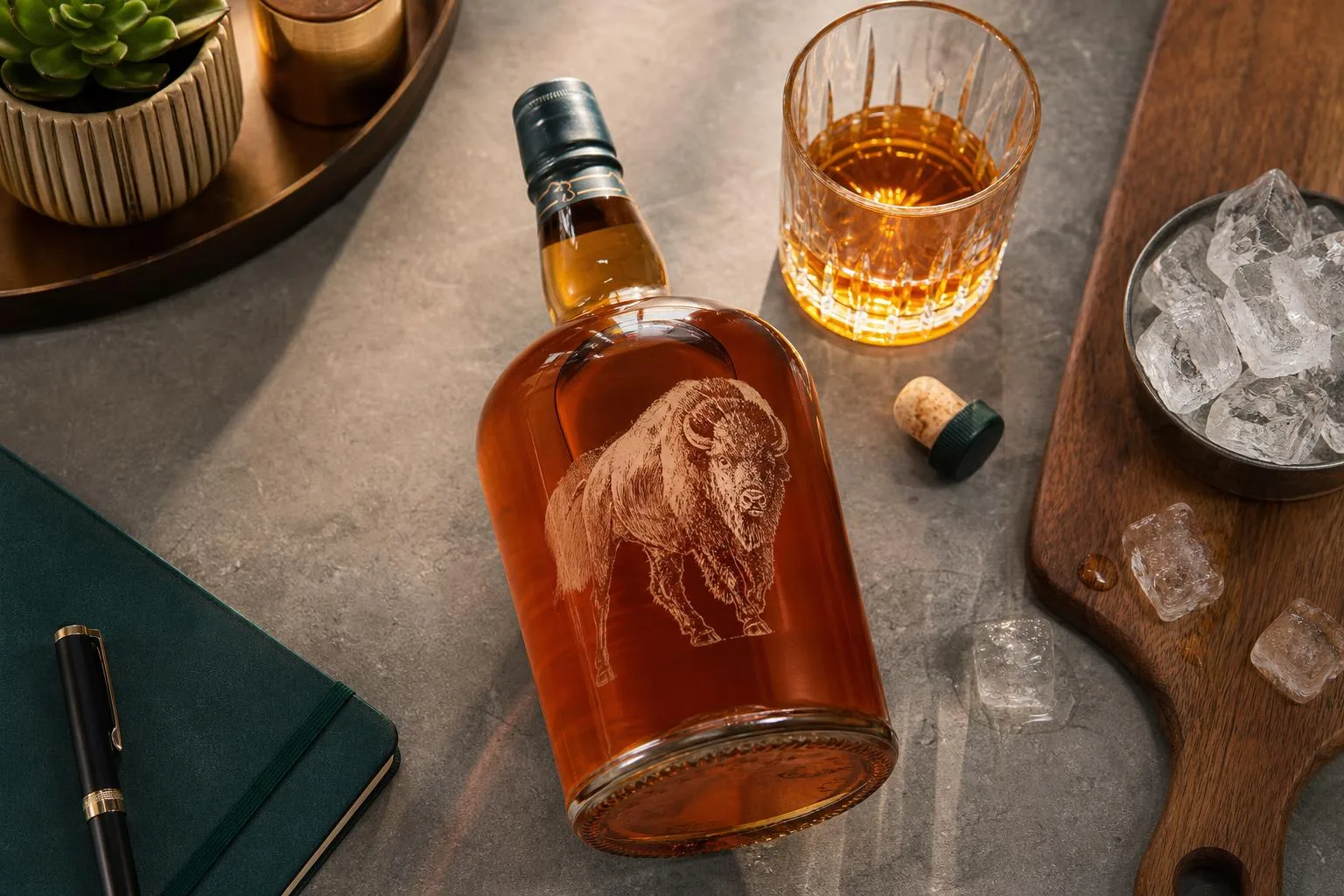
Tasting Buffalo Trace Select vs Standard
We evaluated one Buffalo Trace Single Barrel Select pick alongside the standard 90-proof Buffalo Trace Bourbon to isolate what the private-barrel selection changed in the glass.
Our bottle was tested over three sittings, with the same glassware, pour size, and rest time each round.
For each trial, we poured 1.5 ounces into a Glencairn, rested it 12 minutes, and tasted neat before adding 3 drops of room-temperature water. We also tested one 2-ounce rocks pour over a single large cube to judge dilution performance.
| Test variable | What we used |
| Proof | 90 proof / 45% ABV |
| Pour size | 1.5 oz neat; 2 oz on ice |
| Glass | Glencairn for neat tasting |
| Rest time | 12 minutes before first sip |
| Trials | 3 separate tasting sessions |
The single barrel showed more oak and baking spice than our control bottle. The nose opened with caramel, orange peel, vanilla wafer, light clove, and seasoned oak.
After 20 minutes in the glass, the fruit leaned darker, closer to cherry skin than fresh apple.
On the palate, the biggest difference was texture. Our Single Barrel Select felt slightly fuller at mid-palate, with less grainy sharpness than standard Buffalo Trace.
We noted brown sugar, cinnamon, toasted pecan, orange oil, and a dry oak line that arrived earlier than expected.
| Side-by-side note | Single Barrel Select | Standard Buffalo Trace |
| Nose intensity after 12 minutes | Higher oak and spice | Brighter vanilla and fruit |
| Mid-palate weight | Fuller, rounder | Lighter, cleaner |
| Finish timing | About 35–45 seconds | About 25–30 seconds |
| Best use | Neat or large cube | Highball or everyday pour |
Water helped, but only slightly. Three drops softened the oak edge and brought out more vanilla cream, though it also shortened the finish. We preferred it neat after the full 12-minute rest, especially on the second and third pours from the bottle.
- Best sip: Trial 2, neat, after 15 minutes of air.
- Least successful test: Heavy ice dilution after 18 minutes, which flattened the fruit.
- Most consistent note: Caramelized sugar, orange peel, and dry oak appeared in all three sessions.
- Main caveat: Single Barrel Select bottles vary because each retailer or group chooses a specific barrel.
Our conclusion: this was recognizably Buffalo Trace, but with more structure, oak grip, and finish length. It did not taste dramatically higher-end, but it delivered a more distinctive profile than the regular shelf bottle at the same 90 proof.
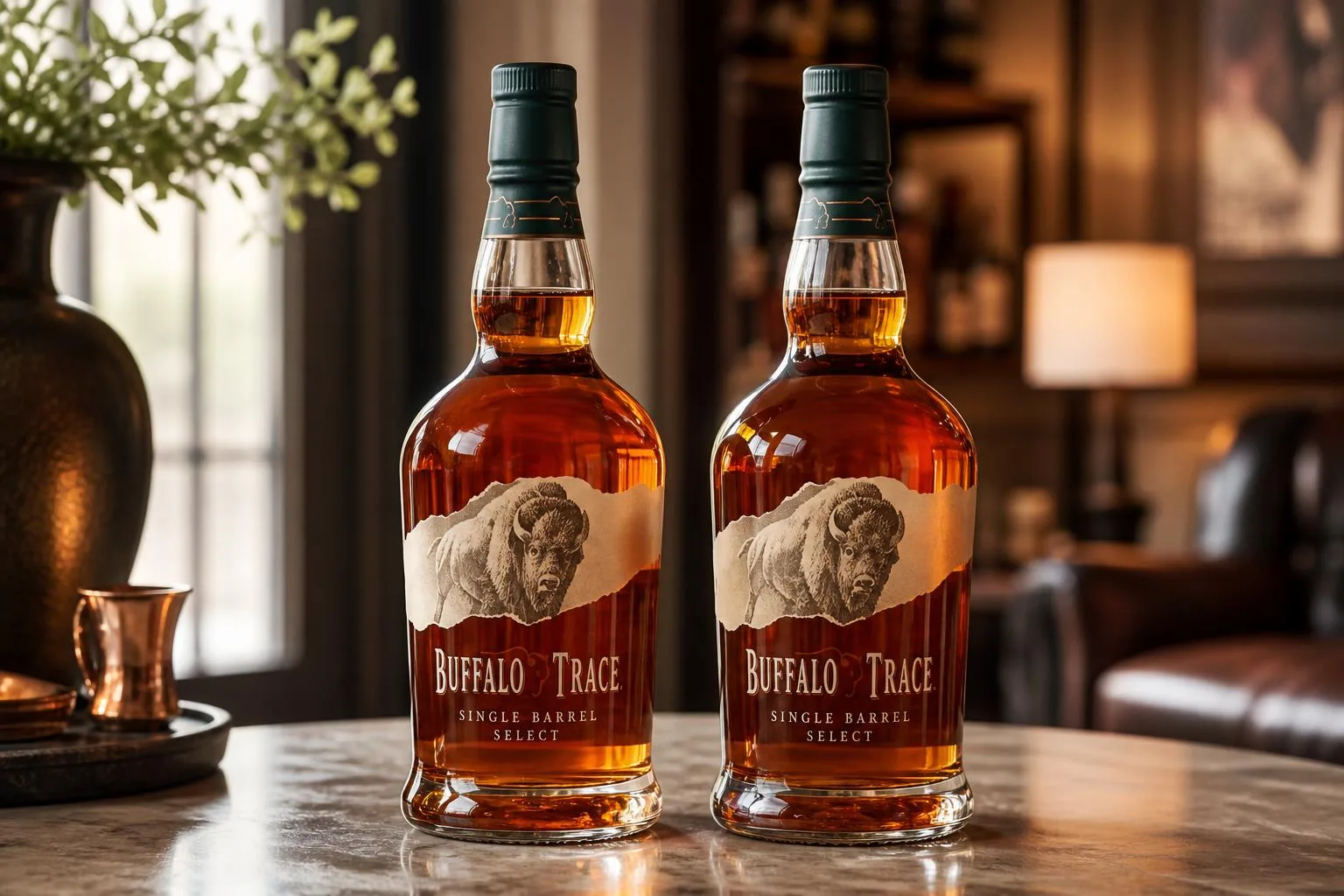
Common Myths About Single Barrel Select
Buffalo Trace Single Barrel Select is often misunderstood because the label looks familiar, but the whiskey is not identical to every standard bottle of Buffalo Trace.
It is a private barrel selection, so one retailer’s pick can taste meaningfully different from another’s.
The biggest mistake is treating “Single Barrel Select” as a fixed expression. Buffalo Trace Bourbon is normally bottled from a batch of barrels, while a Single Barrel Select bottling comes from one chosen barrel.
That means the proof may be familiar, but the flavor profile is barrel-specific.
| Point of comparison | Standard Buffalo Trace Bourbon | Buffalo Trace Single Barrel Select |
| Bottling proof | 90 proof / 45% ABV | Typically 90 proof / 45% ABV |
| Barrel source | Batch of multiple barrels | One selected barrel |
| Age statement | No age statement | No age statement |
| Legal minimum if labeled straight bourbon with no age statement | At least 4 years old | At least 4 years old |
- Myth: every private pick is older. A Buffalo Trace Single Barrel Select bottle usually does not carry an age statement. Under U.S. labeling rules, straight bourbon without an age statement must be at least 4 years old, but that does not prove it is 6, 8, or 10 years old.
- Myth: “single barrel” means higher proof. Not here, in most cases. Buffalo Trace Bourbon is famously bottled at 90 proof, and many Single Barrel Select picks are also bottled at 90 proof. Barrel selection affects flavor, not necessarily alcohol strength.
- Myth: all store picks taste better. Some barrels show more caramel, cherry, oak, or spice than the standard batch. Others can taste thinner, more tannic, or less balanced. “Single barrel” means more variation, not automatic superiority.
- Myth: the mash bill is publicly confirmed. Buffalo Trace does not publish the exact mash bill. It is widely understood to be the distillery’s low-rye bourbon recipe, but exact percentages are not officially disclosed by Buffalo Trace.
- Myth: the sticker is the whiskey. A retailer sticker can be useful provenance, but it is not a regulated quality grade. The important details are the selector, barrel information if provided, bottling proof, condition, and your own tasting experience.
A practical way to evaluate a pick is to ignore hype for the first pour. Taste it beside regular Buffalo Trace at the same proof, in the same glass, after 10 minutes of rest. The differences are usually clearer than the marketing language.
Questions People Ask Most
What is Buffalo Trace Single Barrel Select?
Buffalo Trace Single Barrel Select is a private barrel program in which retailers, bars, restaurants, or groups select one specific barrel of Buffalo Trace bourbon rather than buying a standard batched release.
Each barrel is bottled separately, so flavor can vary from pick to pick while still using Buffalo Trace’s bourbon profile and Kentucky straight bourbon standards.
How is a Buffalo Trace Single Barrel Select different from regular Buffalo Trace?
Regular Buffalo Trace Kentucky Straight Bourbon is made by blending many barrels for a consistent house flavor.
A Single Barrel Select bottling comes from one barrel only, so it may show more pronounced oak, fruit, spice, or sweetness depending on the barrel’s age, warehouse location, and maturation conditions.
What proof is Buffalo Trace Single Barrel Select?
Most Buffalo Trace Single Barrel Select bottles are released at 90 proof, the same 45% ABV as standard Buffalo Trace Bourbon.
Barrel picks are not typically sold at barrel proof, so the main difference is barrel individuality rather than higher alcohol strength.
How much does a Buffalo Trace Single Barrel Select bottle cost?
Pricing depends on the retailer or group that selected the barrel, but bottles commonly sell near the regular Buffalo Trace price range when released through stores.
In the U.S. secondary market, prices can rise above retail because availability is limited to the yield of a single barrel, often roughly 150 to 220 bottles depending on evaporation and barrel contents.
Is Buffalo Trace Single Barrel Select hard to find?
Yes, it can be difficult to find because each selection is tied to one private barrel and distributed only through the account that picked it.
Your best chance is to follow local liquor stores, whiskey clubs, and bars that participate in Buffalo Trace private selections and announce barrel-pick releases in advance.
Related Reading
- How Many Ml Is 4 Oz?
- How Many Quarts Is 128 Oz?
- How Much Is 1 Liter?
- What Is 1.5 Liters?
- How Many Bottles Of Wine For 100 Guests? Get Answer Now
- Patron 750ml Price – What You Need to Know
- Basil Hayden Small Batch – What You Need to Know?
- All Blog Guides
- Buffalo Trace Distillery – Buffalo Trace Single Barrel Select (2025)
- Buffalo Trace Distillery – Buffalo Trace Kentucky Straight Bourbon Whiskey (2025)
- Electronic Code of Federal Regulations – 27 CFR § 5.143: Whisky Standards of Identity (2025)
- Alcohol and Tobacco Tax and Trade Bureau – Distilled Spirits Beverage Alcohol Manual (2024)
- National Institute on Alcohol Abuse and Alcoholism – What Is a Standard Drink? (2024)
- Centers for Disease Control and Prevention – Standard Drink Sizes (2024)
- University of Kentucky Cooperative Extension – Kentucky Bourbon: History, Economics, and Production (2021)