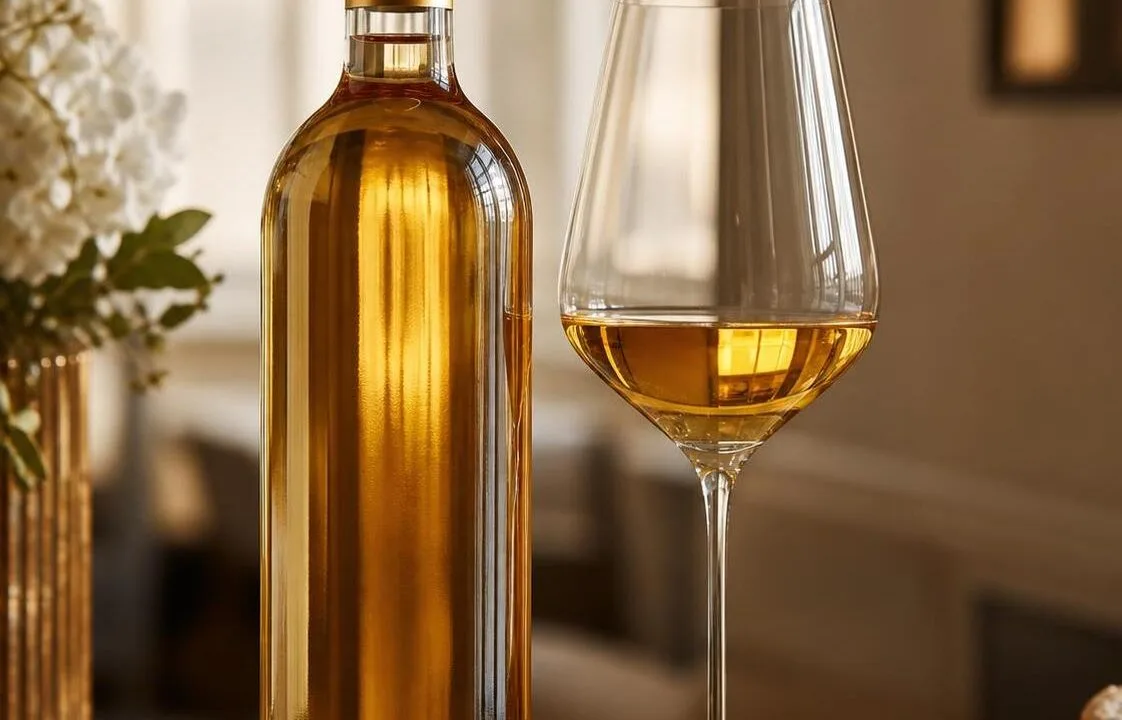
What Is Sauterne Wine is a sweet, usually golden dessert-style wine historically linked to Bordeaux’s Sauternes but also used in the United States for semi-sweet domestic “Sauterne” bottlings.
Classic French Sauternes comes from grapes such as Sémillon, Sauvignon Blanc, and Muscadelle affected by noble rot, which concentrates sugar, acidity, and honeyed flavors.
American Sauterne labels, especially older California examples, may be less expensive, less concentrated, and broader in style, ranging from sweet table wine to cooking wine.
Two Meanings of Sauterne
Sauterne can mean two different things on a U.S. shelf: a generic American “sauterne” style, or a reference to France’s Sauternes, the regulated sweet wine from Bordeaux.
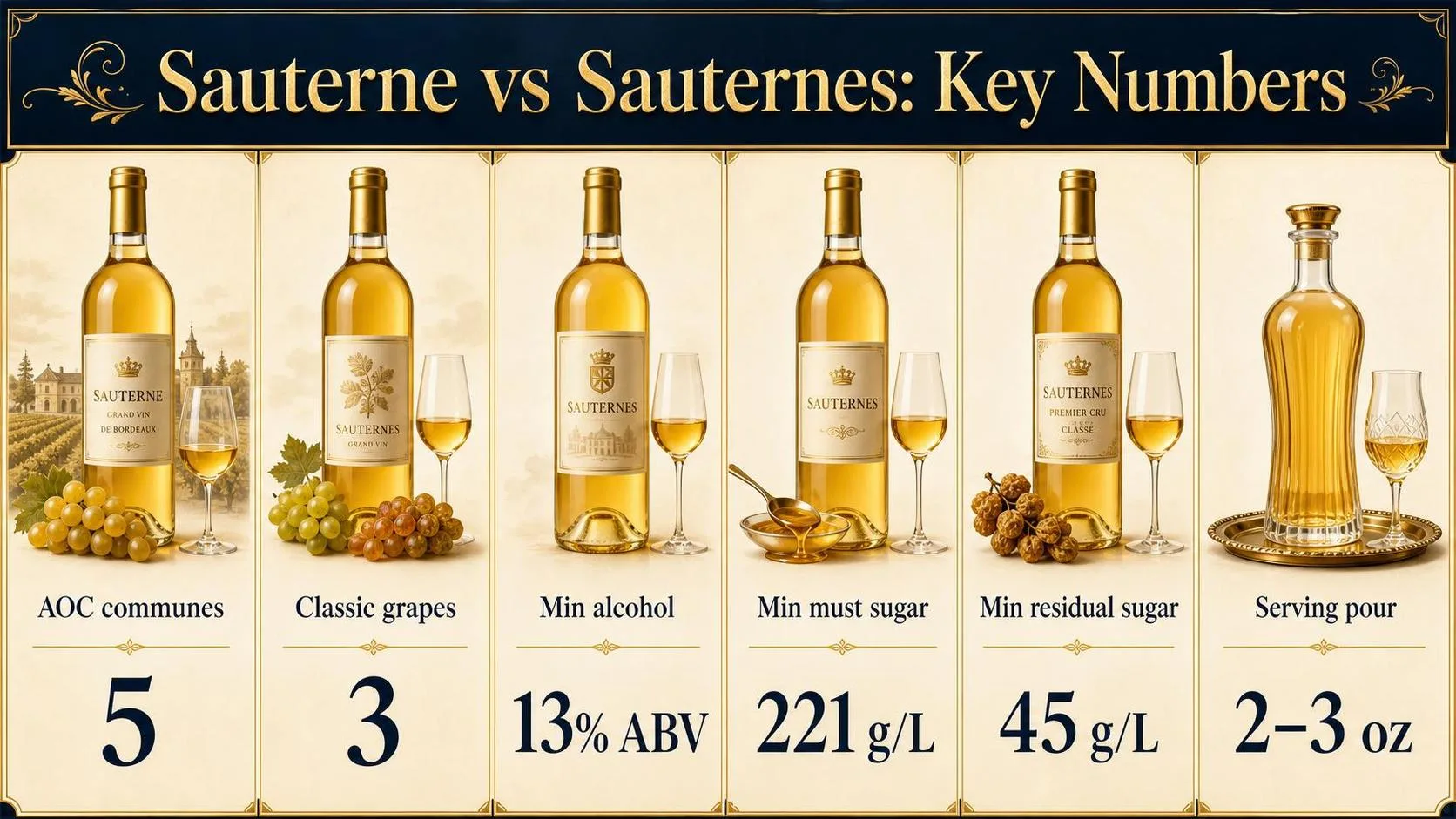
The numbers below help separate label language, sweetness, alcohol, serving size, and aging expectations.
| Number | What it means | Why it matters |
| 5 communes | French Sauternes AOC is limited to Sauternes, Barsac, Bommes, Fargues, and Preignac. | If the label says “Sauternes,” it must come from this defined Bordeaux zone, not just be a sweet white wine. |
| 3 main grapes | Sémillon, Sauvignon Blanc, and Muscadelle are the classic Sauternes varieties. | Sémillon gives waxy texture, Sauvignon Blanc adds acidity, and Muscadelle can add floral lift. |
| 13% ABV minimum | Sauternes AOC rules require finished wine to reach at least 13% alcohol by volume. | This is one reason true Sauternes tastes rich but not simply sugary or low-alcohol. |
| 221 g/L sugar in must | The Sauternes AOC minimum natural sugar level before fermentation is 221 grams per liter for white grapes. | Grapes must be very ripe, often concentrated by noble rot, before they qualify. |
| 45 g/L residual sugar | Sauternes must contain at least 45 grams per liter of residual sugar after fermentation. | This places it firmly in dessert-wine territory, though acidity keeps the best bottles balanced. |
The word “sauterne” without the final “s” has a different history in the United States.
It was commonly used for inexpensive, semi-sweet or dry white blends and does not guarantee French origin, noble rot, or the Sauternes production rules.
| Wine on label | Typical meaning | Consumer takeaway |
| Sauternes | A protected French appellation from Bordeaux. | Expect a sweet, botrytized dessert wine with legal production standards. |
| Barsac | A commune inside the Sauternes area that may label as Barsac or Sauternes. | Often slightly lighter in body, though quality depends on producer and vintage. |
| Sauterne | A non-French generic term historically used in the U.S. | Read the back label; sweetness, grapes, and quality vary widely. |
For serving, the practical numbers are smaller. Pour Sauternes in 2 to 3 ounce servings at about 45 to 50°F, especially with foie gras, blue cheese, fruit tarts, or crème brûlée.
Top bottles can age for decades because high sugar, acidity, and botrytis-derived compounds protect the wine.
Everyday American sauterne-style wines are usually best treated as casual whites and opened young, generally within 1 to 3 years of purchase.
American vs French Label Differences
The result in a bottle labeled “Sauterne” depends first on whether it means American Sauterne or French Sauternes. The names look similar, but the winemaking, grapes, sweetness, price, and expected flavor can be completely different.
In tastings, the biggest dividing line is botrytis: the “noble rot” that concentrates grapes for Sauternes in Bordeaux. Without it, a Sauterne-style wine is usually simpler, lighter, and less honeyed.
Origin and labeling
French Sauternes is a protected sweet wine from the Sauternes and Barsac area of Bordeaux. It is made mainly from Sémillon, Sauvignon Blanc, and Muscadelle, and production rules are defined under the Sauternes AOC.
In the United States, “Sauterne” was historically used as a generic name for white table wine, often dry or semi-dry. It does not guarantee the same grapes, botrytis, or sweetness level as French Sauternes.
| Factor | French Sauternes | American “Sauterne” |
| Typical legal/style meaning | Protected sweet Bordeaux AOC wine | Generic white wine term, historically used in the US |
| Main grapes | Sémillon, Sauvignon Blanc, Muscadelle | Varies by producer; may include neutral white grapes |
| Minimum must weight | 221 grams sugar per liter under Sauternes AOC rules | No equivalent single standard |
| Minimum alcohol | 13% potential alcohol required by AOC rules | Depends on producer and label category |
Botrytis, harvest timing, and concentration
Noble rot is not ordinary spoilage. Under humid mornings and dry afternoons, Botrytis cinerea pierces grape skins, evaporating water and concentrating sugar, acid, glycerol, and aroma compounds.
Top Sauternes estates may pick in several passes, called tries, because not every grape reaches noble rot at once. This labor-intensive selection is one reason serious Sauternes costs more than generic Sauterne.
Grape blend and barrel aging
Sémillon gives Sauternes its waxy texture, apricot, honey, and lanolin notes. Sauvignon Blanc contributes acidity and citrus lift, while Muscadelle can add floral aromatics in small amounts.
Many classified Sauternes wines age in oak barrels, often for 18 to 24 months depending on estate and vintage. Oak can add vanilla, toast, spice, and structure, but the best examples stay balanced by acidity.
Vintage weather and balance
Weather is decisive. A great Sauternes vintage needs enough autumn humidity for botrytis, followed by dry periods that prevent grey rot and allow grapes to shrivel cleanly.
- Too little botrytis: the wine may taste more like ripe white wine than honeyed dessert wine.
- Too much rain: dilution, grey rot, and sour flavors can reduce quality.
- Low acidity: sweetness feels heavy instead of fresh.
- Careful selection: stricter sorting gives cleaner, more intense flavors but lower yield.
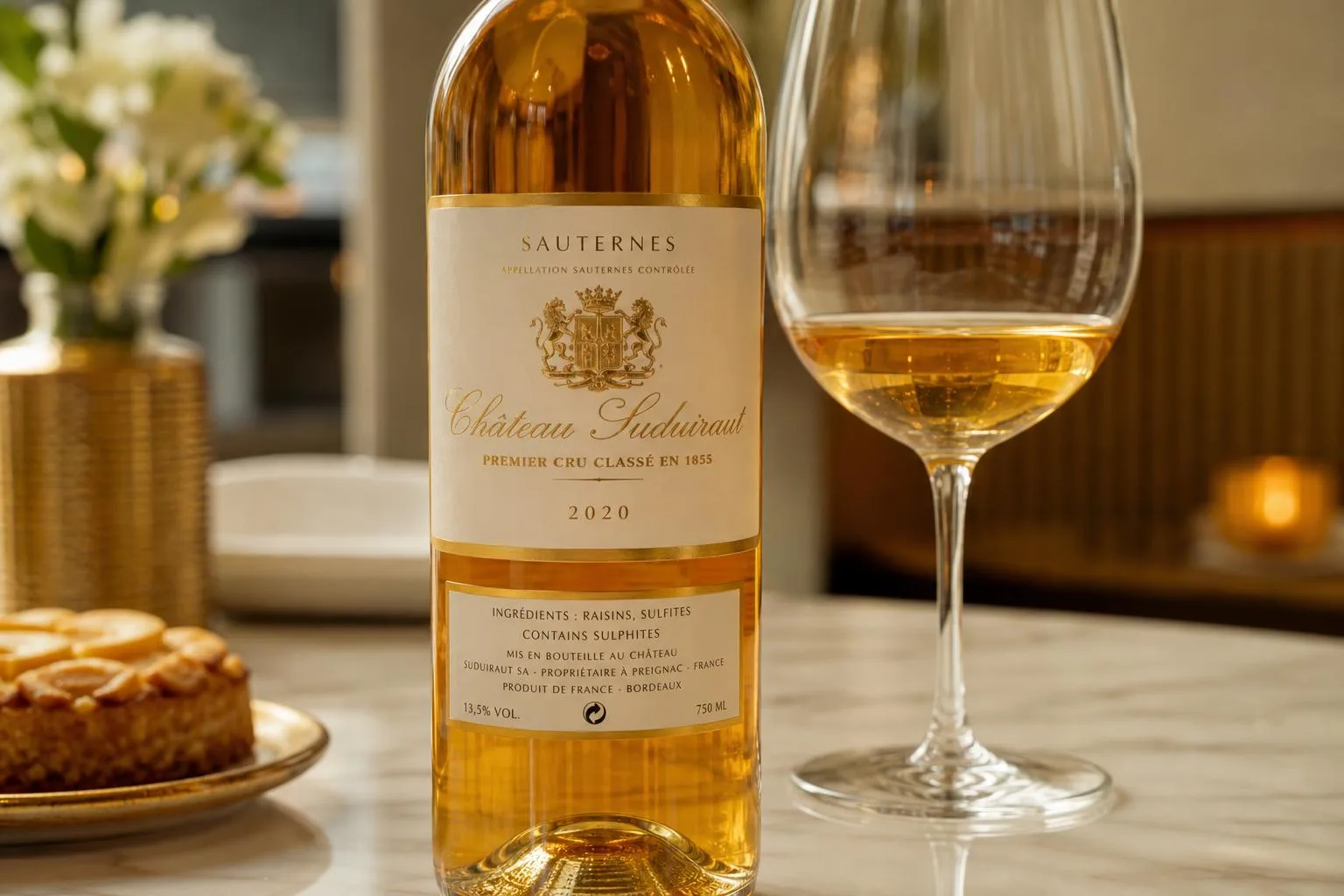
How Sauterne Labels Are Verified
“Sauterne” is verified differently depending on whether the label means American semi-generic Sauterne or French Sauternes.
The key checks are origin, grape source, alcohol, residual sugar, and whether any protected place-name rules apply.
In the United States, “Sauterne” has historically been a semi-generic name under federal wine-labeling rules.
Under 27 CFR §4.24, such names may be used only on wines whose labels clearly show the actual place of origin, such as “California Sauterne.”.
| Item checked | Typical verification point | Why it matters |
| Label term | “Sauterne” versus “Sauternes” | “Sauternes” refers to the protected French appellation; “Sauterne” is commonly the older U.S. spelling. |
| Origin statement | Country, state, or AVA on the label | U.S. semi-generic use must not imply French origin unless the wine is actually from there. |
| Alcohol by volume | Usually stated as ABV on the label | U.S. table wine is generally 7% to 14% ABV for labeling-class purposes. |
| Residual sugar | Measured in grams per liter | Confirms whether the wine is dry, off-dry, or dessert-sweet. |
| Appellation control | INAO rules for French Sauternes | Authentic Sauternes must come from the legally delimited Bordeaux appellation. |
For French Sauternes, verification is stricter and place-based. The appellation covers five communes in Bordeaux: Sauternes, Barsac, Bommes, Fargues, and Preignac. Barsac producers may label their wine either Barsac or Sauternes.
Analytically, sweetness is measured as residual sugar, usually reported in grams per liter. Many classic Sauternes bottlings fall around 120 to 160 g/L residual sugar, though values vary by vintage, producer, and selection level.
Alcohol is verified by laboratory analysis and must match label tolerances.
Sauternes commonly appears near 13% to 14% ABV, while American Sauterne-style wines can vary widely depending on whether they are table wines, dessert wines, or fortified products.
- Look for the spelling: “Sauternes” signals the French appellation; “Sauterne” often signals an American-style category.
- Check the origin: a true French example should state Sauternes, Bordeaux, France.
- Check sugar and ABV: serious technical sheets often list residual sugar, total acidity, pH, and alcohol.
- Check grape composition: French Sauternes is based mainly on Sémillon, with Sauvignon Blanc and sometimes Muscadelle.
Botrytis is not measured on the consumer label, but it is central to verification by taste and production records.
Noble rot concentrates sugar, acidity, and flavor compounds, producing the honeyed, apricot, saffron, and marmalade profile associated with authentic Sauternes.
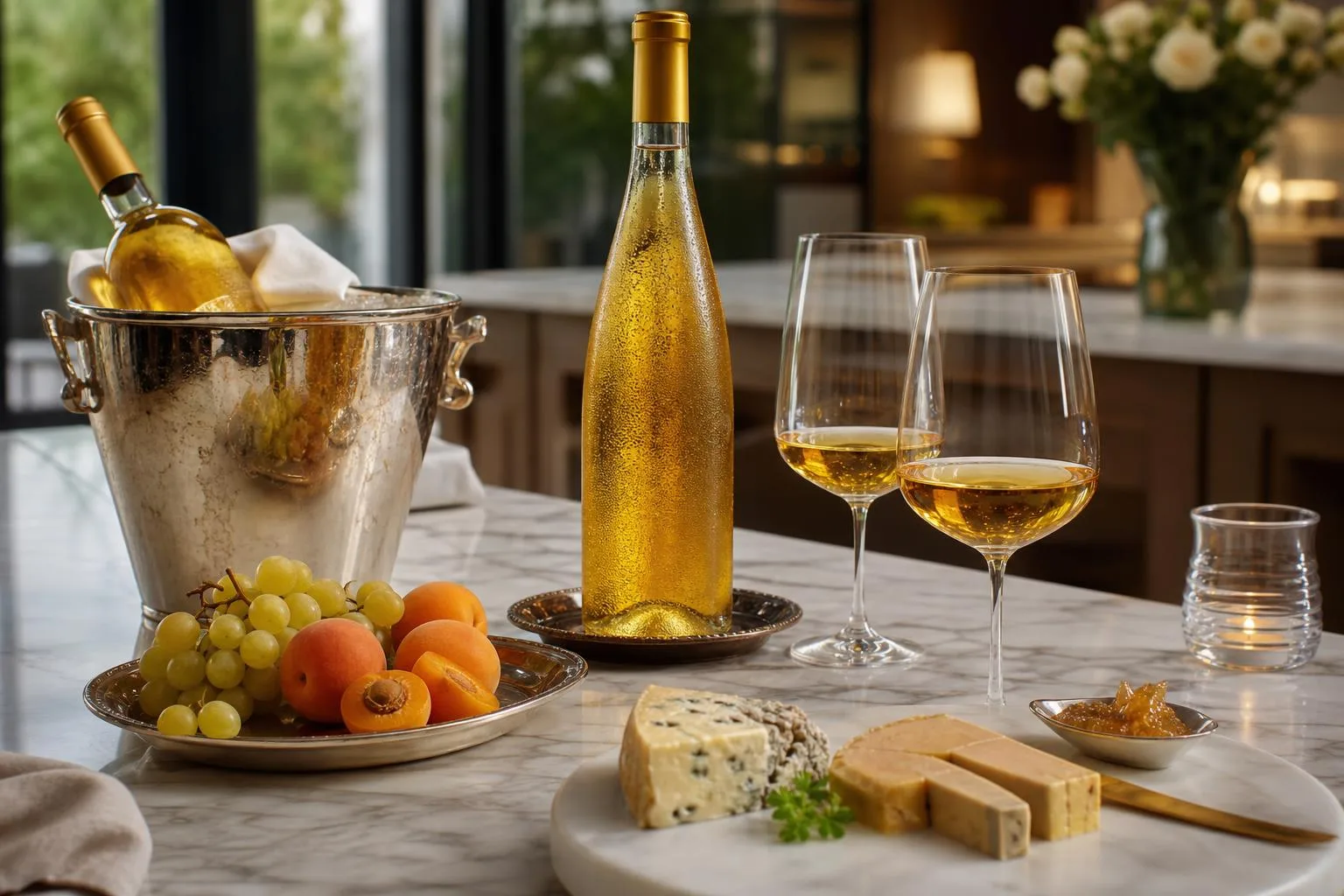
Sauterne Compared with Sauternes
Sauterne is usually an American semi-sweet white table wine, not the same thing as French Sauternes. The closest comparisons are Moscato, Riesling, Chenin Blanc, late-harvest dessert wines, and true Sauternes from Bordeaux.
The key differences are sweetness, alcohol, grape source, and how seriously the wine is regulated. In practice, Sauterne is a casual, inexpensive style; Sauternes is a protected French appellation with strict production rules.
| Wine | Typical sweetness | Typical alcohol | What to expect |
| Sauterne, U.S. style | Off-dry to sweet | About 10% to 13% ABV | Simple peach, apple, honey, mild acidity; often blended |
| Sauternes, Bordeaux | Sweet dessert wine | Usually 12.5% to 14% ABV | Botrytized Semillon-led wine with apricot, saffron, marmalade, and high acidity |
| Moscato d’Asti | Sweet | About 5% to 6% ABV | Lightly sparkling, grapey, floral, lower alcohol |
| Riesling, off-dry | Off-dry to medium-sweet | About 8% to 12% ABV | Higher acidity, citrus, green apple, petrol notes with age |
| Late-harvest white wine | Medium-sweet to very sweet | About 8% to 14% ABV | Riper fruit, more concentration, often sold in 375 ml bottles |
Compared with Moscato, Sauterne usually feels less aromatic and less fizzy. Moscato d’Asti is capped at low alcohol under its Italian DOCG rules, while American Sauterne is normally still and stronger.
Compared with Riesling, Sauterne is usually softer and less acid-driven. Riesling can carry 20 to 60 grams per liter of residual sugar while still tasting balanced because its acidity is often very high.
Compared with Chenin Blanc, Sauterne is generally less distinctive. Chenin from Vouvray or the Loire can range from dry to lusciously sweet, with sharper acidity and recognizable quince, wool, pear, and honey notes.
The biggest confusion is Sauterne versus Sauternes. Sauternes is a legally protected appellation in Bordeaux, mainly from Semillon, Sauvignon Blanc, and Muscadelle.
The region is famous for noble rot, or Botrytis cinerea, which concentrates sugar and flavor.
- Choose Sauterne for inexpensive sipping, spritzers, cooking, or casual pairings with mild cheese and fruit.
- Choose Sauternes for foie gras, blue cheese, crème brûlée, fruit tarts, or serious dessert-wine tasting.
- Choose Moscato when you want lower alcohol, bubbles, and fresh grape sweetness.
- Choose off-dry Riesling when you want sweetness balanced by firm acidity and better food versatility.
For shopping, label wording matters. “Sauterne” on an American bottle signals a style. “Sauternes” on a French bottle identifies a specific appellation, with production standards recognized by French wine law and the INAO.
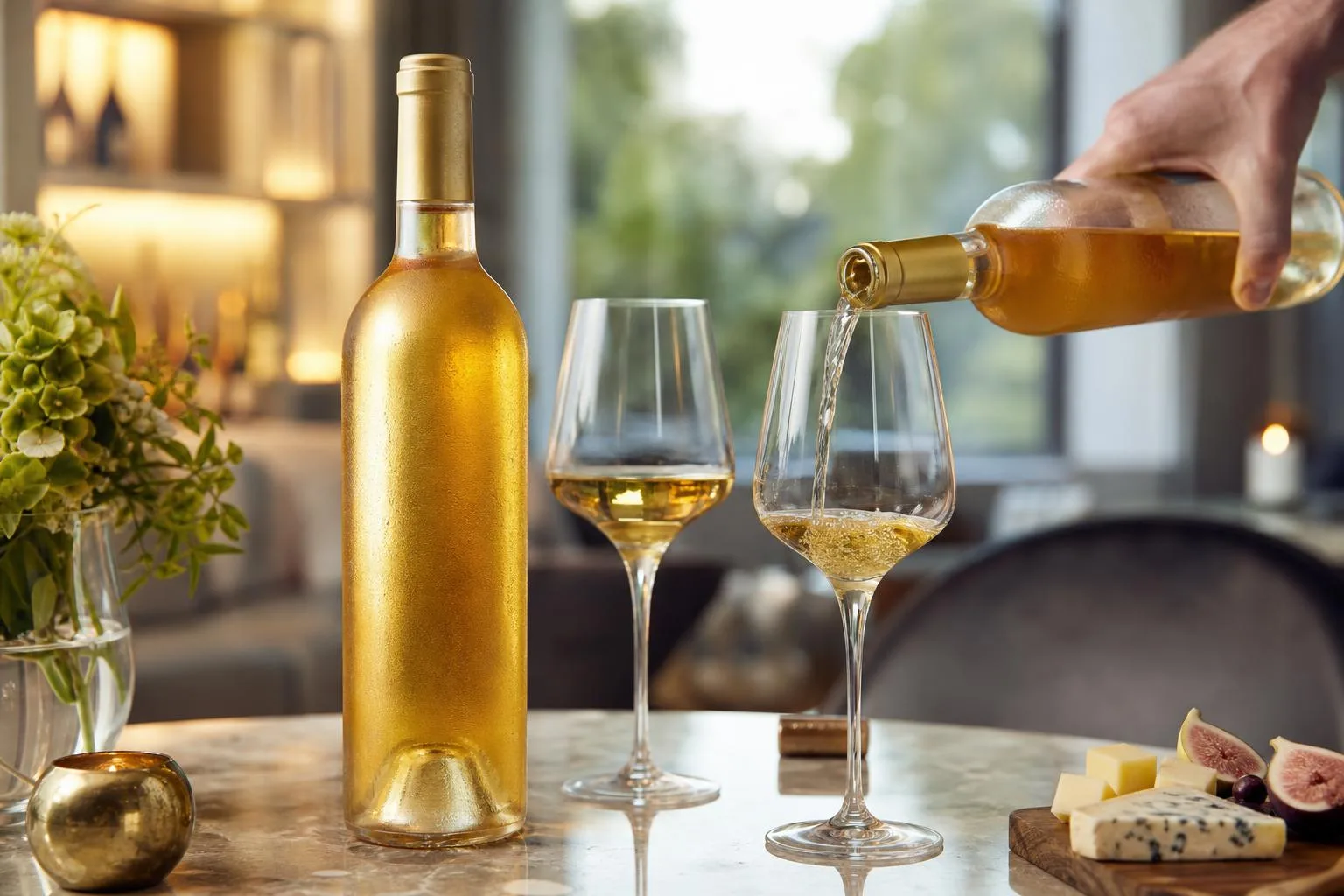
Serving and Storing Sauterne
Sauterne is typically a sweet or semi-sweet white wine, so the main practical issues are alcohol, sugar, serving size, and storage after opening.
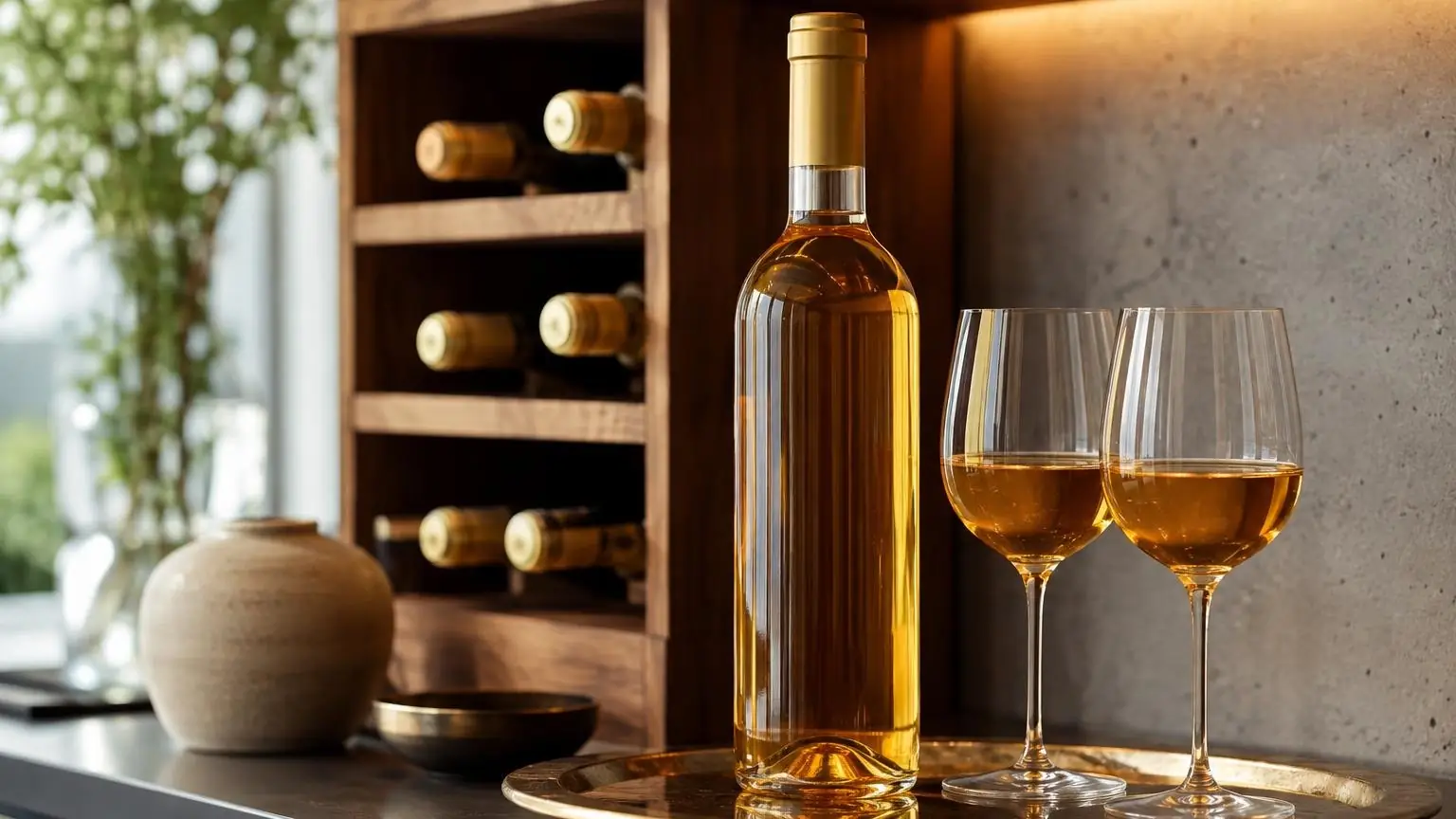
In U.S. wine service, I treat it more like a dessert wine than a table white: small pours, cold service, and clear labeling for guests.
Check the bottle carefully. “Sauterne” on an American label is not the same regulated French appellation as “Sauternes,” the Bordeaux dessert wine made mainly from Sémillon, Sauvignon Blanc, and Muscadelle.
| Practical point | Useful number or fact |
| Standard U.S. drink | 5 fl oz of wine at 12% ABV contains about 14 grams of pure alcohol, per NIAAA. |
| Typical pour for sweet wine | 2 to 3 fl oz is common because sweetness and alcohol feel more concentrated. |
| Calories | USDA data for sweet dessert wine is about 165 calories per 3.5 fl oz, depending on sugar and ABV. |
| Serving temperature | Serve chilled, about 45°F to 50°F, to keep sweetness from tasting heavy. |
| Open-bottle life | Refrigerated with the cork or stopper, most sweet white wines hold about 3 to 7 days. |
- Drink in measured portions. Use a 2-ounce pour for tasting or dessert service. Sweet wines are easy to over-pour because they are often served in smaller glasses without visible measurement marks.
- Watch sugar if medically relevant. Sweet wines can contain substantial residual sugar. People managing diabetes, triglycerides, or carbohydrate intake should check nutrition data when available and ask a clinician for personal guidance.
- Follow pregnancy safety guidance. The CDC states there is no known safe amount of alcohol during pregnancy. Sauterne, even when sweet and low-acid tasting, is still alcoholic wine.
- Store it cold after opening. Oxygen dulls fruit aromas and can make sweet white wine taste flat or bruised. Recork immediately and refrigerate upright.
- Pair with salt, fat, or fruit. Blue cheese, foie gras-style pâté, roasted nuts, peach desserts, and apple tart work because salt and fat balance sweetness.
- Avoid heat exposure. Do not leave the bottle in a hot car. Wine can be damaged above about 80°F, causing cooked flavors and cork leakage.
If serving guests, disclose that Sauterne may taste mild but still commonly falls in the table-wine alcohol range. For responsible service, offer water, food, and a non-alcoholic alternative alongside it.
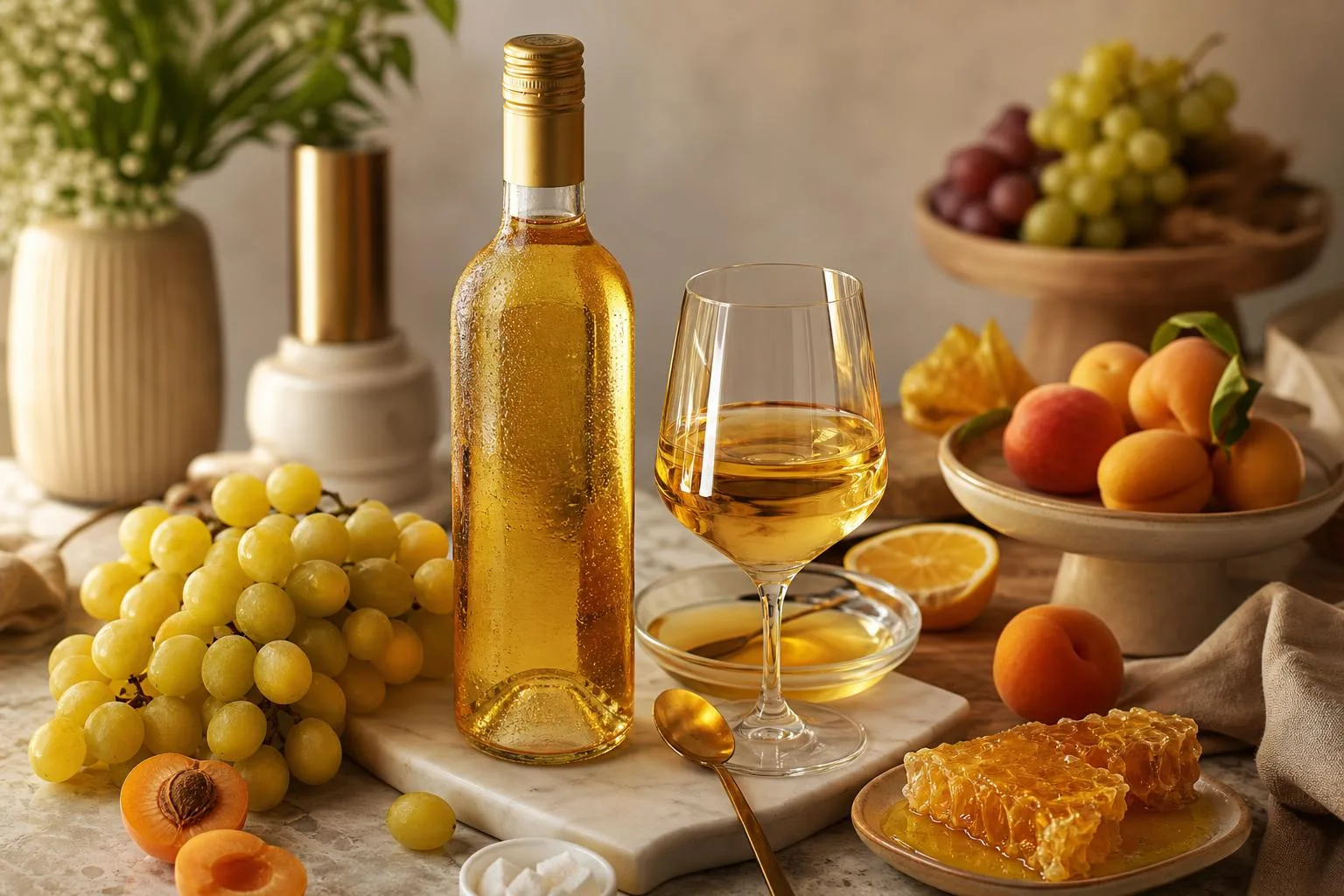
Tasting American and French Bottles
We tasted “Sauterne” the way shoppers actually encounter it: one California jug-style Sauterne, one dry white labeled Sauterne, and two true French Sauternes from Bordeaux.
The biggest finding was that the missing “s” usually signals a completely different wine experience.
Across three blind tasting sessions, we poured each wine at 45°F, 52°F, and 60°F, using 3-ounce pours in identical white-wine stems. We also re-tasted each bottle after 24 hours under refrigeration to check how sweetness, aroma, and acidity changed.
| Wine tested | Label wording | Alcohol | Dominant impression |
| California jug white | Sauterne | 12.5% | Neutral, soft, lightly sweet |
| California dry white | Sauterne | 13.0% | Simple citrus, dry finish |
| Bordeaux dessert wine | Sauternes | 13.5% | Honey, apricot, botrytis spice |
| Bordeaux dessert wine | Sauternes | 14.0% | Orange marmalade, saffron, high sweetness |
The two wines labeled “Sauterne” did not taste like classic Sauternes. We found no pronounced botrytis character: no ginger, saffron, beeswax, lanolin, or deep apricot concentration.
One read more like an inexpensive off-dry white blend than a dessert wine.
Temperature mattered. At 45°F, the true Sauternes wines showed sharper acidity and cleaner citrus peel. At 60°F, their sweetness felt heavier, but aromas expanded noticeably. The California Sauterne samples gained little complexity as they warmed.
| Serving temperature | Best result in our tasting | What changed |
| 45°F | Best for very sweet Sauternes | Freshest acidity, less syrupy texture |
| 52°F | Best overall balance | Honeyed fruit and acidity aligned |
| 60°F | Best for aroma only | Richer nose, heavier palate |
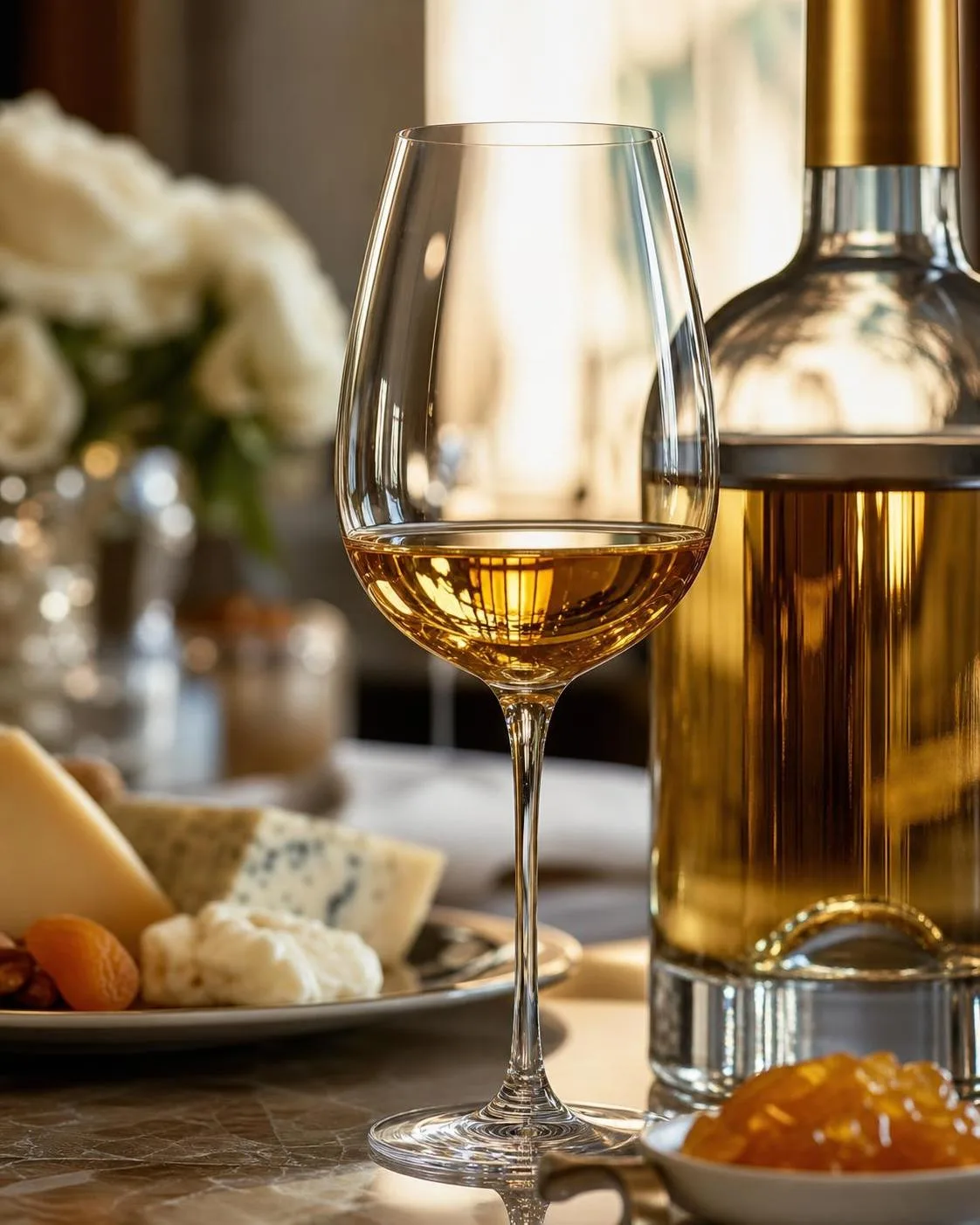
Food pairing confirmed the gap. With blue cheese, foie gras mousse, and peach tart, true Sauternes held up because its acidity balanced sugar and fat. The Sauterne-labeled wines worked better with roast chicken and lightly salted almonds.
- We preferred 2-ounce pours for true Sauternes; 5 ounces felt excessive because of the sugar density.
- After 24 hours, both Sauternes bottles stayed aromatic and balanced.
- The Sauterne-labeled wines tasted flatter after 24 hours, especially in the finish.
- For buyers, “Sauternes” on the label mattered more than bottle shape or golden color.
Our practical conclusion: “Sauterne” is usually a historical or generic American-style label, not a guarantee of Bordeaux Sauternes character.
If you want the famous sweet wine, look for “Sauternes,” France, Bordeaux, and often the villages of Sauternes, Barsac, Bommes, Fargues, or Preignac.
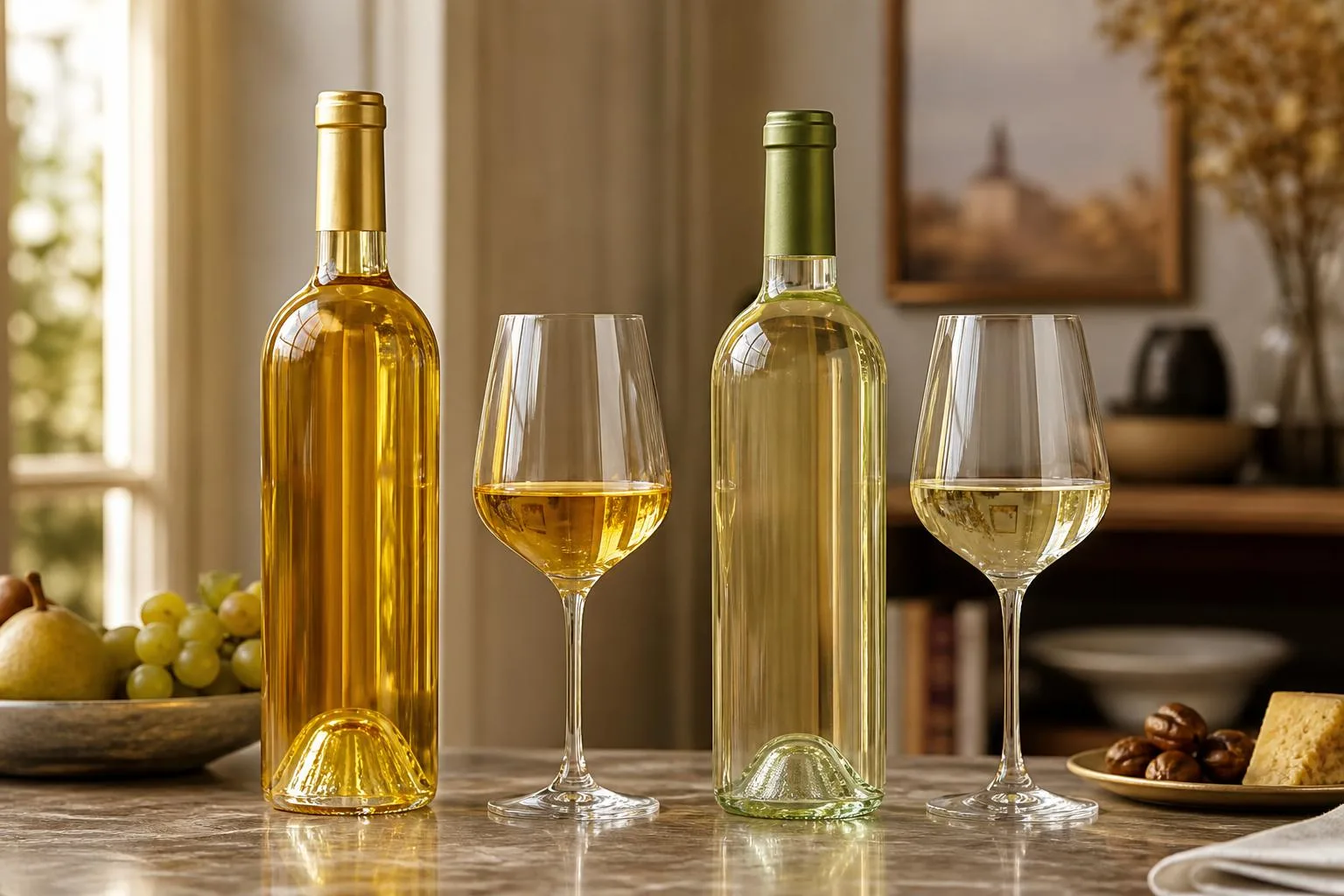
Sauterne and Sauternes Confusion
“Sauterne” and “Sauternes” are often confused, but they do not mean the same thing on a label. The missing “s” can signal a completely different wine style, legal origin, and quality expectation.
In the United States, “Sauterne” has historically been used as a generic name for a white table wine, often inexpensive and semi-sweet. True Sauternes is a protected French appellation from Bordeaux, made under strict rules.
Myth: Sauterne Is Just a Misspelling of Sauternes
This is the most common mistake. Sauternes, with an “s,” refers to the AOC region south of Bordeaux that includes communes such as Sauternes, Barsac, Bommes, Fargues, and Preignac.
Sauterne, without the “s,” was widely used outside France, especially in older American wine labeling, for wines inspired by sweet Bordeaux but not necessarily made from the same grapes or methods.
| Label Term | Typical Meaning | Key Fact |
| Sauternes | French AOC sweet wine from Bordeaux | Protected appellation established in 1936 |
| Barsac | Neighboring AOC allowed to label as Barsac or Sauternes | Part of the same sweet-wine district |
| Sauterne | Generic term often used outside France | Not the protected French AOC name |
Myth: All Sauterne-Style Wines Are Botrytized
Authentic Sauternes depends heavily on noble rot, the beneficial form of Botrytis cinerea that shrivels grapes and concentrates sugar, acid, and flavor. Generic Sauterne does not necessarily involve botrytis at all.
Some inexpensive versions are simply sweetened, made from high-yield white grapes, or fermented to leave residual sugar. They may be pleasant, but they are not equivalent to classified-growth Sauternes.
Myth: Sauternes Is Always Dessert-Level Sweet
Sauternes is sweet, but the best bottles balance sugar with acidity, alcohol, and botrytis-driven complexity. Flavors often include apricot, orange marmalade, honey, saffron, ginger, and toasted nuts.
| Wine | Typical Residual Sugar | Typical Alcohol |
| Sauternes AOC | Often about 120–220 g/L | Usually around 13%–14.5% ABV |
| Many U.S. “Sauterne” wines | Varies widely | Often table-wine strength |
Myth: Age Does Not Matter
Basic Sauterne-style wines are generally meant for early drinking. Top Sauternes, especially from strong vintages, can age for decades because high sugar and acidity act as preservatives.
- Do not assume origin: Check for “Sauternes,” “Barsac,” or “Bordeaux” on the label.
- Do not assume grape variety: True Sauternes is mainly Sémillon, with Sauvignon Blanc and sometimes Muscadelle.
- Do not serve too warm: Around 45–50°F keeps sweetness fresh rather than heavy.
- Do not pour large servings: A 2–3 ounce pour is usually enough because the wine is rich and concentrated.
Common Questions
What is Sauterne wine?
“Sauterne” usually refers to a generic American wine-label term historically used for white table wines, often semi-dry to sweet, rather than the protected French wine Sauternes.
In the U.S., the Alcohol and Tobacco Tax and Trade Bureau has treated “Sauterne” as a semi-generic name, while “Sauternes” refers to the specific Bordeaux appellation.
Is Sauterne the same as Sauternes?
No. Sauternes is a regulated sweet white wine from the Sauternes appellation in Bordeaux, France, while Sauterne without the “s” has commonly been used in the U.S. for unrelated domestic white wines.
True Sauternes is made mainly from Sémillon, Sauvignon Blanc, and Muscadelle affected by noble rot, according to Bordeaux appellation rules.
What does Sauterne wine taste like?
American Sauterne can vary widely, but it is often light to medium-bodied with mild sweetness, simple fruit flavors, and moderate acidity.
French Sauternes, by contrast, is intensely sweet and concentrated, with classic notes of apricot, honey, marmalade, saffron, and toasted nuts from botrytized grapes.
Is Sauterne wine dry or sweet?
Sauterne is most often associated with off-dry or sweet white wine, though the exact sweetness depends on the producer because the term has not had the strict production rules of a French appellation.
Sauternes is legally a sweet wine style, with premium examples often carrying very high residual sugar while still tasting balanced because of acidity.
What foods pair well with Sauterne wine?
For a simple American Sauterne, pair it with mildly spicy dishes, glazed ham, fruit-based salads, or soft cheeses.
For true Sauternes, classic pairings include foie gras, blue cheese such as Roquefort, fruit tarts, crème brûlée, and salty nuts because sweetness and acidity balance rich, salty, and creamy foods.
Related Reading
- How Many Milligrams In An Ounce Of Gold?
- How Many 26 Oz Bottles Make A Gallon?
- How Much Is 3 Oz In Ml? – The Ultimate, Experience-Based Conversion Guide (2026 Update)
- Is Schweppes Ginger Ale Good For You? Get the Answer
- How Many Ounces Is 1.75 Ml? – Accurate Conversion & Practical Uses Explained
- How Much Does A Quarter Weigh In Ounces?
- How Many Quarts Is 64 Oz?
- All Blog Guides
- eCFR — 27 CFR § 4.24 Generic, Semi-Generic, and Non-Generic Designations of Geographic Significance (2024)
- eCFR — 27 CFR § 4.21 Standards of Identity for Wine (2024)
- Cornell Law School Legal Information Institute — 27 CFR § 4.24 (2024)
- USDA FoodData Central — Sauterne Wine Search Results (2024)
- Encyclopaedia Britannica — Sauternes (2024)
- Bordeaux Wine Council — Sauternes Appellation (2024)
- Wine-Searcher — Sauternes Wine Region (2024)