
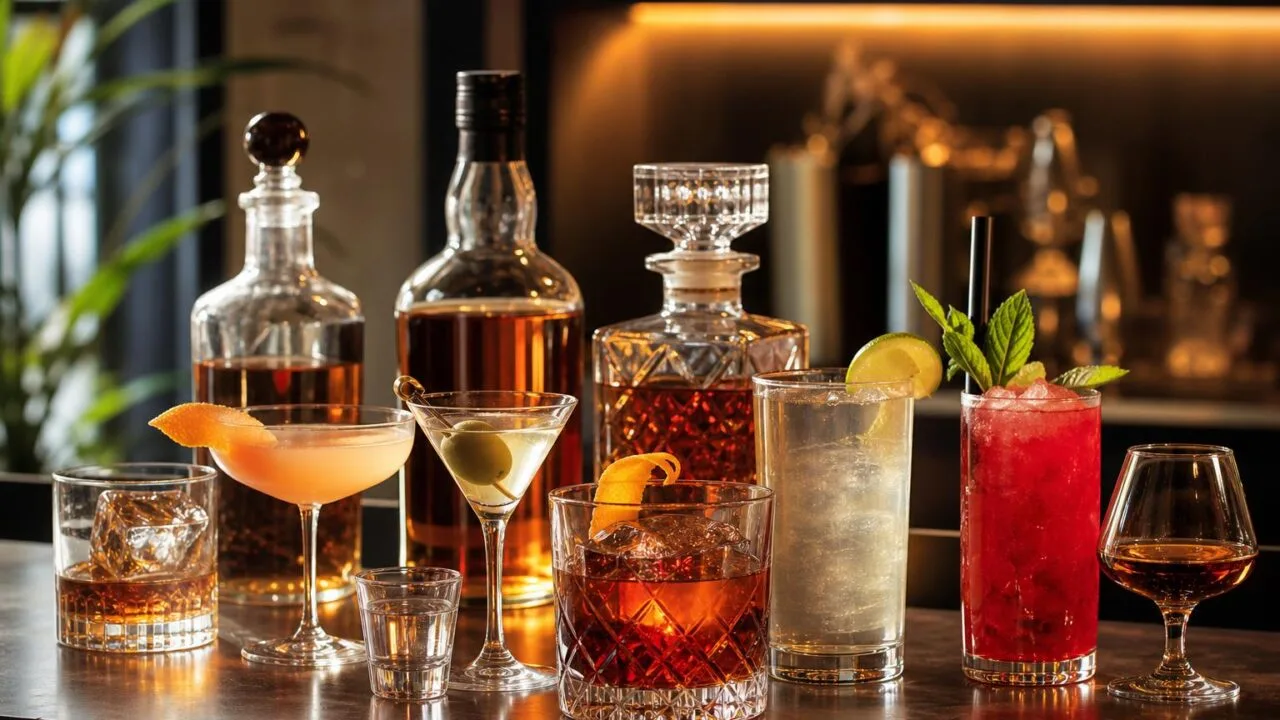
What Alcohol Gets You Drunk Fast And Tastes Good is usually a sweet, spirit-based cocktail made with 40% ABV liquor, because sugar, citrus, and carbonation can mask alcohol while ethanol enters the bloodstream quickly.
The key is pace and strength: a 1.5-ounce shot of 80-proof vodka, rum, tequila, or whiskey equals one U.S. standard drink. Flavor-forward options like margaritas, mojitos, daiquiris, and vodka lemonades often taste smooth but can add up fast.
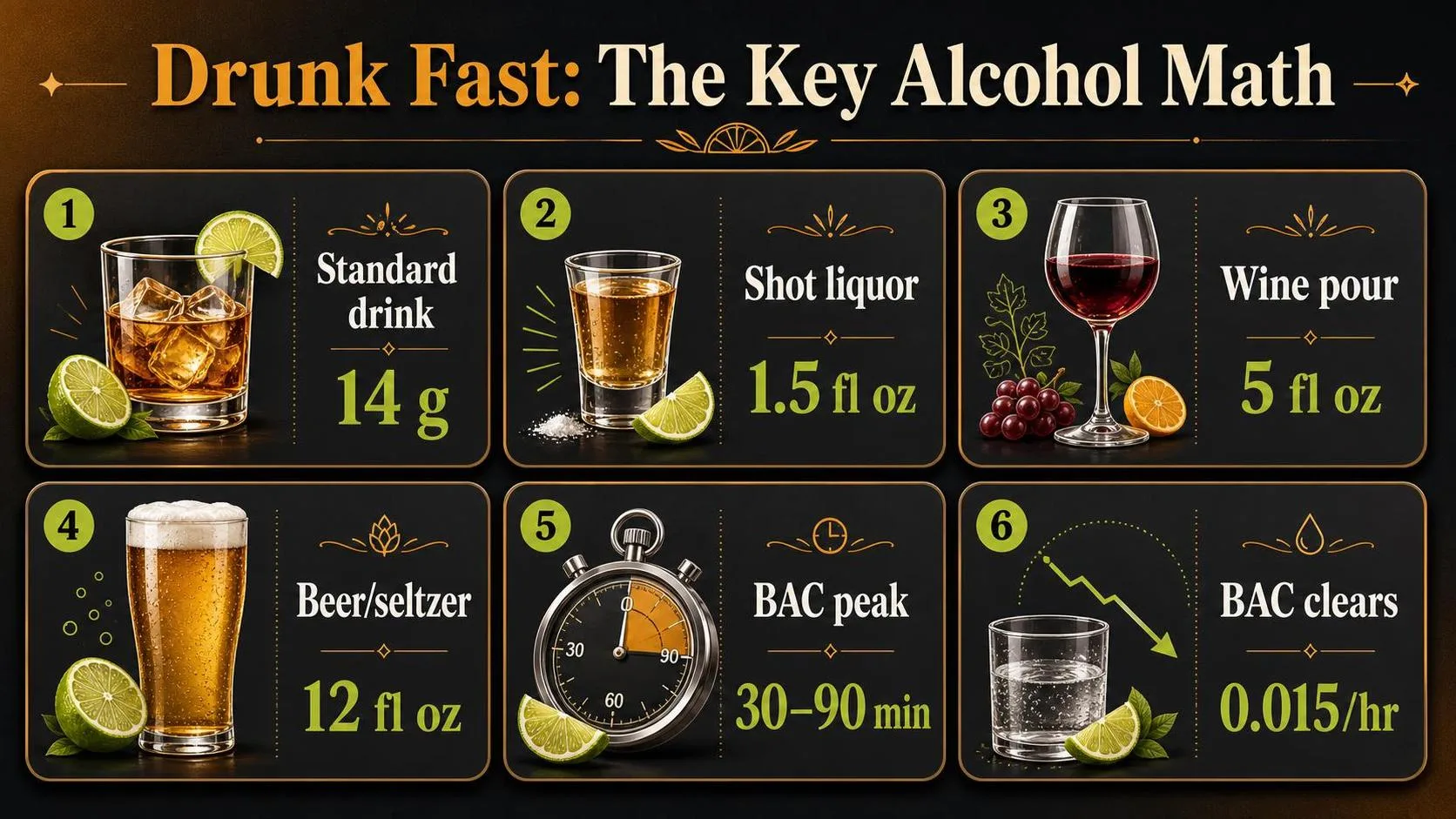
Alcohol Dose Matters Most
“Gets you drunk fast” is mostly math: how many grams of ethanol you drink, how quickly you drink them, and whether the flavor makes you underestimate the dose.
In the U.S., the key benchmark is the NIAAA standard drink: 14 grams, or 0.6 fluid ounces, of pure alcohol.
Good-tasting drinks often feel “easy,” but alcohol absorption still rises quickly.
Blood alcohol concentration typically peaks about 30 to 90 minutes after drinking, and the liver clears alcohol slowly: about 0.015 BAC per hour for many adults.
| Drink type | Typical serving | Typical ABV | Approx. standard drinks |
| Vodka, tequila, rum, whiskey | 1.5 fl oz shot | 40% | 1.0 |
| Wine | 5 fl oz glass | 12% | 1.0 |
| Regular beer | 12 fl oz can | 5% | 1.0 |
| Hard seltzer | 12 fl oz can | 5% | 1.0 |
| Margarita | 8 fl oz restaurant pour | Varies | 1.5 to 2.5+ |
| Long Island iced tea | 8 to 12 fl oz | Varies | 3 to 5+ |
The fastest-tasting route is usually not the strongest-tasting one. A sweet cocktail can contain multiple shots while tasting like citrus, cola, juice, or iced tea.
That is why drinks such as margaritas, rum punches, and Long Islands can raise BAC faster than a neat spirit.
- Speed matters: Two standard drinks in 20 minutes generally hit harder than two standard drinks over two hours.
- Carbonation can matter: Champagne, spritzes, highballs, and seltzers may feel faster for some people because carbonation can speed gastric emptying.
- Food matters: Drinking on an empty stomach can produce a higher, faster BAC peak than drinking after a meal.
- Body size and sex matter: A smaller person usually reaches a higher BAC from the same alcohol dose than a larger person.
| Drinking pattern | CDC/NIAAA threshold |
| Binge drinking, women | 4 or more drinks in about 2 hours |
| Binge drinking, men | 5 or more drinks in about 2 hours |
| U.S. legal driving limit | 0.08% BAC in most states |
| Alcohol elimination | About 1 standard drink per hour, often less precise in real life |
For taste plus potency, the practical risk zone is cocktails with 2 or more ounces of 40% liquor, especially when sweet, chilled, or carbonated. They may taste smooth while delivering more ethanol than a glass of wine or a can of beer.
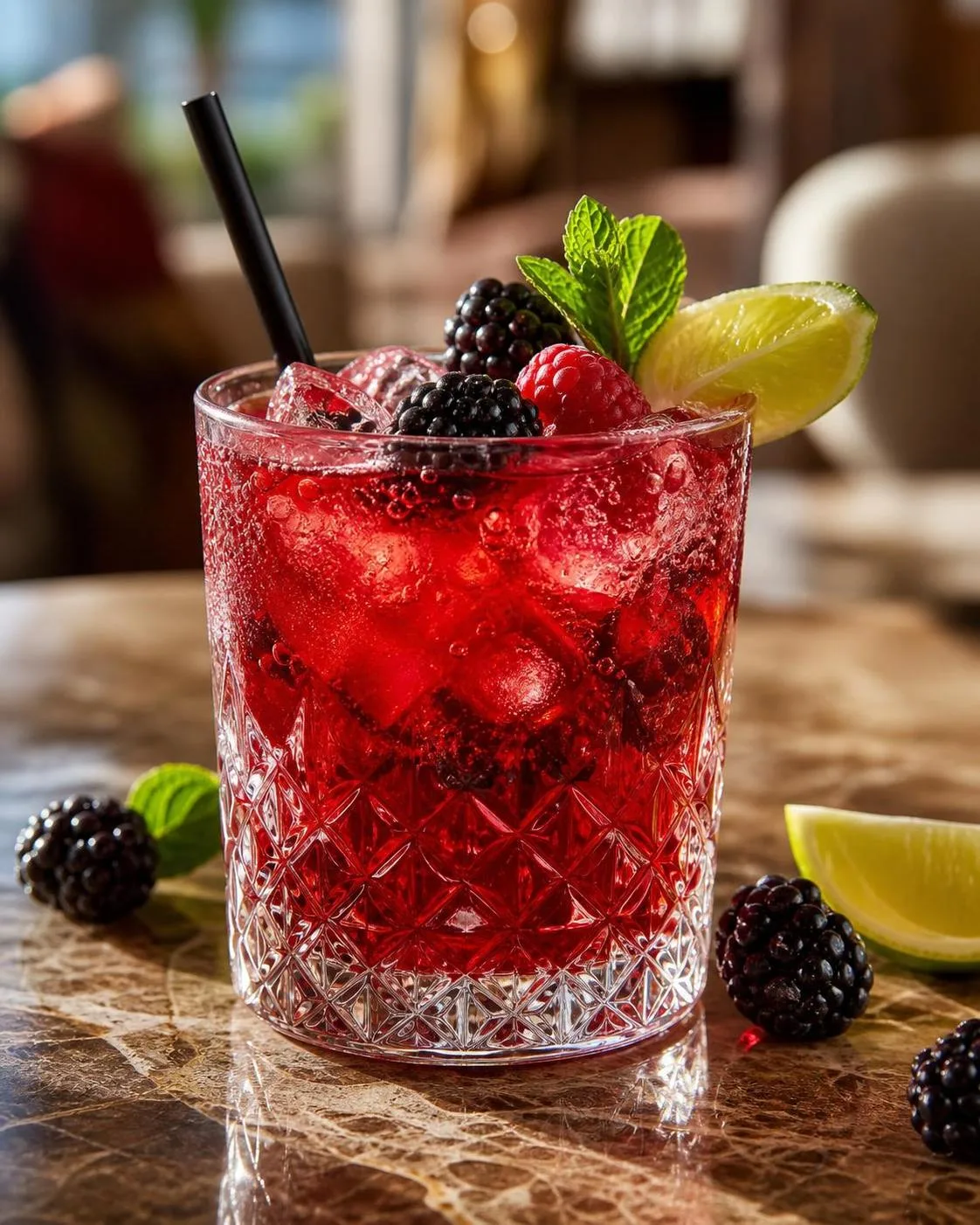
What Changes How Fast It Hits
How fast alcohol “hits” is mostly about how quickly ethanol reaches your bloodstream, not whether it tastes sweet, smoky, or smooth.
The same drink can feel very different depending on pour size, stomach contents, carbonation, body size, and drinking speed.
In the U.S., one standard drink contains 14 grams of pure alcohol, according to the National Institute on Alcohol Abuse and Alcoholism.
That amount is not the same as “one glass” or “one cocktail” when pours are large or spirits are high-proof.
| Drink type | Typical serving | Alcohol by volume | Approx. standard drinks |
| Beer | 12 fl oz | 5% | 1.0 |
| Wine | 5 fl oz | 12% | 1.0 |
| 80-proof liquor | 1.5 fl oz | 40% | 1.0 |
| Strong cocktail | 3 fl oz liquor | 40% | 2.0 |
- ABV and pour size: A “tasty” cocktail can hide two or more standard drinks behind juice, syrup, cream, or soda. A margarita, Long Island iced tea, or tiki drink may contain 2–4 ounces of spirits, which can equal roughly 1.3–2.7 standard drinks before any liqueurs are counted.
- Drinking speed: The liver metabolizes alcohol slowly, commonly estimated around one standard drink per hour for many adults. If you drink three standard drinks in 45 minutes, absorption can outpace metabolism quickly.
- Food in the stomach: Eating before drinking slows gastric emptying, delaying alcohol absorption. Fat, protein, and mixed meals usually slow the rise in blood alcohol concentration more than drinking on an empty stomach.
- Carbonation: Sparkling wine, hard seltzer, Champagne cocktails, and spirit-and-soda drinks may feel faster because carbonation can speed gastric emptying in some conditions. The effect varies, but bubbly drinks are easy to consume quickly.
- Body weight, sex, and body water: Smaller people generally reach a higher blood alcohol concentration from the same amount. On average, women have a lower percentage of body water than men, which can concentrate alcohol more after equal intake.
- Proof creep: Some rums, whiskeys, tequilas, and gins are 45–57% ABV, not 40%. A 1.5-ounce pour of 57% ABV spirit contains about 1.4 standard drinks.
- Flavor masking: Sweet, cold, citrusy, creamy, or caffeinated mixers can make alcohol taste smoother without reducing ethanol. Better taste often means faster consumption, which is the real risk.
For safety, the CDC defines binge drinking as about 5 or more drinks for men or 4 or more drinks for women on one occasion. Taste should never be used as a guide to strength; count standard drinks instead.
How Fast Drunkenness Is Measured
“Gets you drunk fast” is measured by alcohol dose, drinking speed, and resulting blood alcohol concentration, not by sweetness or smoothness.
Taste can hide ethanol, but intoxication is verified with standardized alcohol units and BAC testing.
In the U.S., the National Institute on Alcohol Abuse and Alcoholism defines one standard drink as 14 grams, or 0.6 fluid ounces, of pure ethanol. That benchmark lets beer, wine, cocktails, and shots be compared fairly.
| Drink type | Typical serving | Typical ABV | Approx. standard drinks |
| Vodka, rum, tequila, whiskey | 1.5 fl oz | 40% | 1.0 |
| Wine | 5 fl oz | 12% | 1.0 |
| Regular beer | 12 fl oz | 5% | 1.0 |
| Strong cocktail | 3 fl oz spirits total | Varies | 2.0 |
The fastest-drinking options are usually concentrated spirits or spirit-forward cocktails because the same ethanol dose fits into a smaller volume.
A 1.5-ounce shot at 40% ABV delivers about the same alcohol as a 12-ounce beer, but can be consumed in seconds.
BAC is commonly estimated with body weight, biological sex, number of standard drinks, and time. According to NIAAA guidance, the body metabolizes alcohol at roughly 0.015 BAC per hour, though real clearance varies by person.
| Verification method | What it measures | Common use |
| Breath alcohol test | Alcohol in exhaled deep-lung air | Roadside and workplace screening |
| Blood test | Alcohol concentration directly in blood | Medical, forensic, and legal confirmation |
| Drink calculation | Estimated grams of ethanol consumed | Menu planning and risk estimation |
Legal intoxication for driving in every U.S. state is commonly set at 0.08% BAC for adults 21 and over, while commercial drivers are regulated at 0.04% under federal standards. Many people show impairment below those limits.
Peak BAC usually occurs 30 to 90 minutes after drinking, depending on stomach contents and drinking speed. Drinking on an empty stomach can raise BAC faster because gastric emptying is quicker and less alcohol is delayed in the stomach.
- ABV: Confirms beverage strength from the label or producer specification.
- Serving size: Determines how many ounces were actually poured, not the glass size.
- Standard drinks: Converts volume and ABV into comparable ethanol dose.
- BAC testing: Verifies intoxication more reliably than taste, mood, or confidence.
For “tastes good” comparisons, sweetness, carbonation, acidity, and chill matter because they reduce perceived burn. However, they do not reduce ethanol dose.
A sweet margarita with two ounces of 40% tequila contains about 1.3 standard drinks before any liqueur is added.
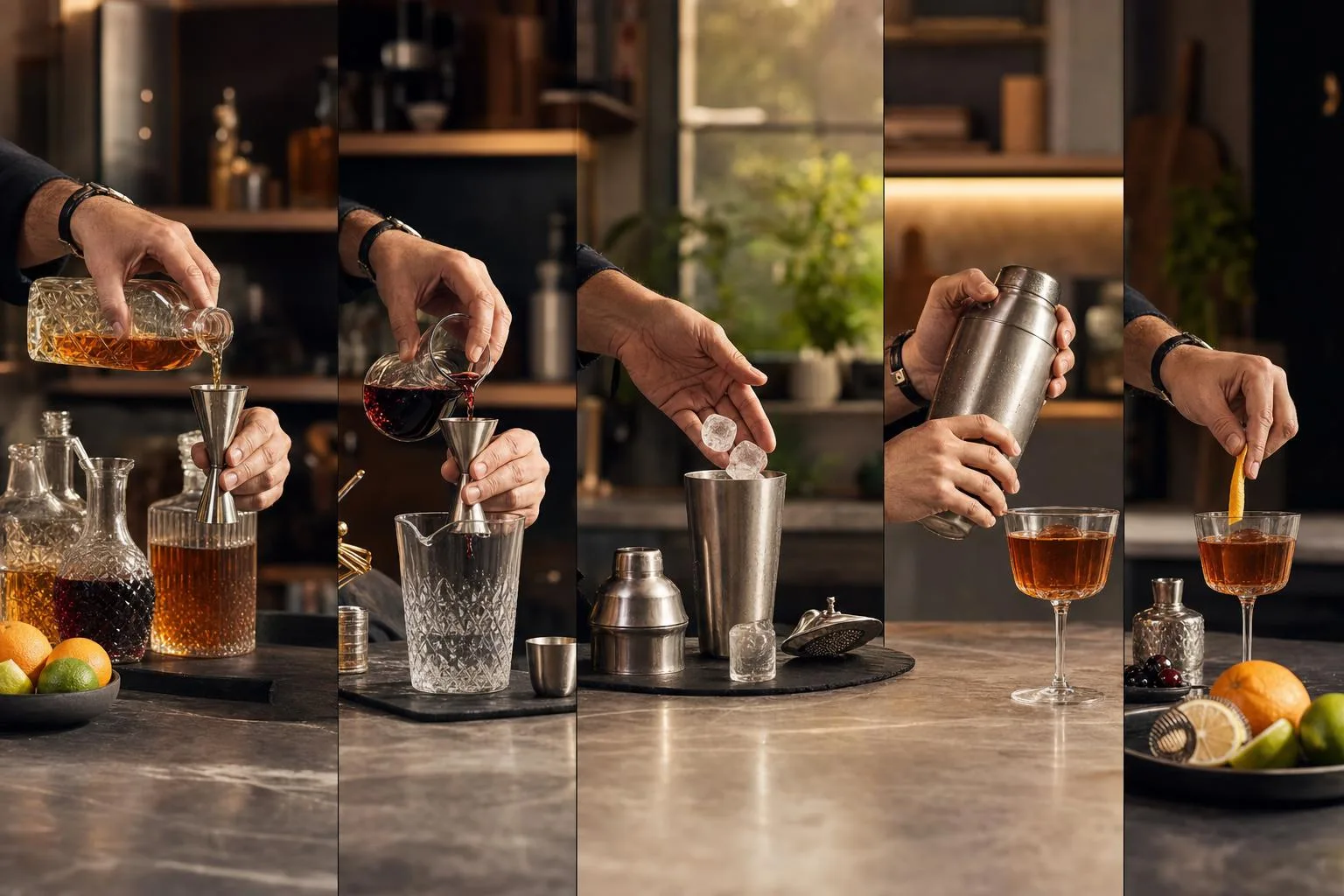
Sweet High-ABV Cocktails Work Fastest
The fastest “good-tasting” option is usually a sweet, high-ABV cocktail that hides liquor well, not beer or wine. In the U.S., one standard drink contains 0.6 fl oz of pure alcohol, or about 14 grams, according to the NIAAA.
Speed depends on ethanol dose, serving size, carbonation, food, body weight, and pacing. A pleasant taste can make stronger drinks easier to overconsume, so comparing standard drinks is more useful than comparing glass size.
| Drink | Typical serving | Typical ABV | Approx. standard drinks | How it compares |
| Margarita, strong restaurant style | 6-8 fl oz | Varies; often tequila plus orange liqueur | 1.5-2.5 | Tastes citrusy and sweet, but can deliver alcohol faster than it seems. |
| Long Island iced tea | 8-12 fl oz | Varies; multiple spirits | 2-4 | One of the strongest common sweet cocktails; flavor is masked by cola and sour mix. |
| Vodka soda or vodka cranberry | 6-8 fl oz | 1.5 fl oz of 40% spirit | 1 | Predictable dose if made with one shot; cranberry makes it more palatable. |
| Hard seltzer | 12 fl oz | 5% | 1 | Light, carbonated, easy to drink, but usually less alcohol per container than strong cocktails. |
| Wine | 5 fl oz | 12% | 1 | Smoother than spirits for many people, but slower if sipped with food. |
| Regular beer | 12 fl oz | 5% | 1 | More filling, usually slower to consume, and less “fast” than liquor-based drinks. |
| Straight liquor | 1.5 fl oz | 40% | 1 | Compact and fast, but taste is harsher unless mixed or chilled. |
Compared with beer or wine, liquor-based cocktails are more likely to get someone drunk quickly because they pack the same alcohol into a smaller, sweeter drink. A 1.5 fl oz shot of 80-proof liquor equals a 12 fl oz 5% beer or 5 fl oz wine.
- Best taste-to-strength balance: margaritas, daiquiris, vodka cranberry, and rum punch, because citrus and sugar soften alcohol bite.
- Fastest common choice: Long Island iced tea, because it often contains several spirits in one glass.
- Most deceptive: sweet or frozen cocktails, because cold temperature and sugar can hide high alcohol content.
- Most controlled: single-shot mixed drinks, because the alcohol dose is easier to estimate.
For safety, the CDC defines moderate drinking as up to 1 drink per day for women and 2 for men. Binge drinking is commonly defined as 4 or more drinks for women, or 5 or more for men, in about 2 hours.
Why Fast Intoxication Is Risky
“Drunk fast” usually means alcohol is entering your bloodstream faster than your body can metabolize it. The safer goal is to understand dose, pacing, food, and drink strength so a good-tasting cocktail does not become an emergency.
In the U.S., one standard drink contains 14 grams, or 0.6 fluid ounces, of pure alcohol. According to the NIAAA, that is roughly the same alcohol dose across beer, wine, and spirits when poured correctly.
| Drink | Typical serving | ABV | Approx. standard drinks |
| Vodka, tequila, rum, whiskey | 1.5 oz shot | 40% | 1.0 |
| Wine | 5 oz | 12% | 1.0 |
| Regular beer | 12 oz | 5% | 1.0 |
| Strong IPA | 16 oz | 8% | About 1.7 |
| Martini | 3 oz total, mostly spirits | Often 30%+ | About 1.5 to 2.0 |
Sweet drinks can be deceptive. A margarita, daiquiri, Long Island iced tea, or flavored vodka soda may taste smooth while containing 1.5 to 4 standard drinks, depending on the recipe and pour size.
- Eat first: Food slows gastric emptying. A meal with protein, fat, and carbohydrates before drinking can reduce how quickly alcohol peaks in the blood.
- Pace at one standard drink per hour: The liver typically metabolizes about one standard drink per hour, though body size, sex, medications, and genetics change the effect.
- Avoid shots if you want control: A 1.5 oz shot can be swallowed in seconds, giving little time to feel the effect before ordering another.
- Alternate with water: Use a full glass of water or seltzer between alcoholic drinks. This helps pacing, though it does not “sober you up.”
- Watch carbonation: Champagne, hard seltzer, and spirit-and-soda drinks may feel faster because carbonation can speed alcohol absorption in some people.
- Do not mix with sedatives: Alcohol with benzodiazepines, opioids, sleep aids, or some antihistamines increases risk of slowed breathing, blackout, and overdose.
The CDC defines binge drinking as 5 or more drinks for men, or 4 or more drinks for women, on one occasion, usually within about 2 hours. That level raises risk of injury, vomiting, blackout, assault, and alcohol poisoning.
Call emergency services if someone is unconscious, cannot be awakened, vomits repeatedly, has slow or irregular breathing, pale or bluish skin, seizures, or confusion. Put the person on their side and do not leave them alone.
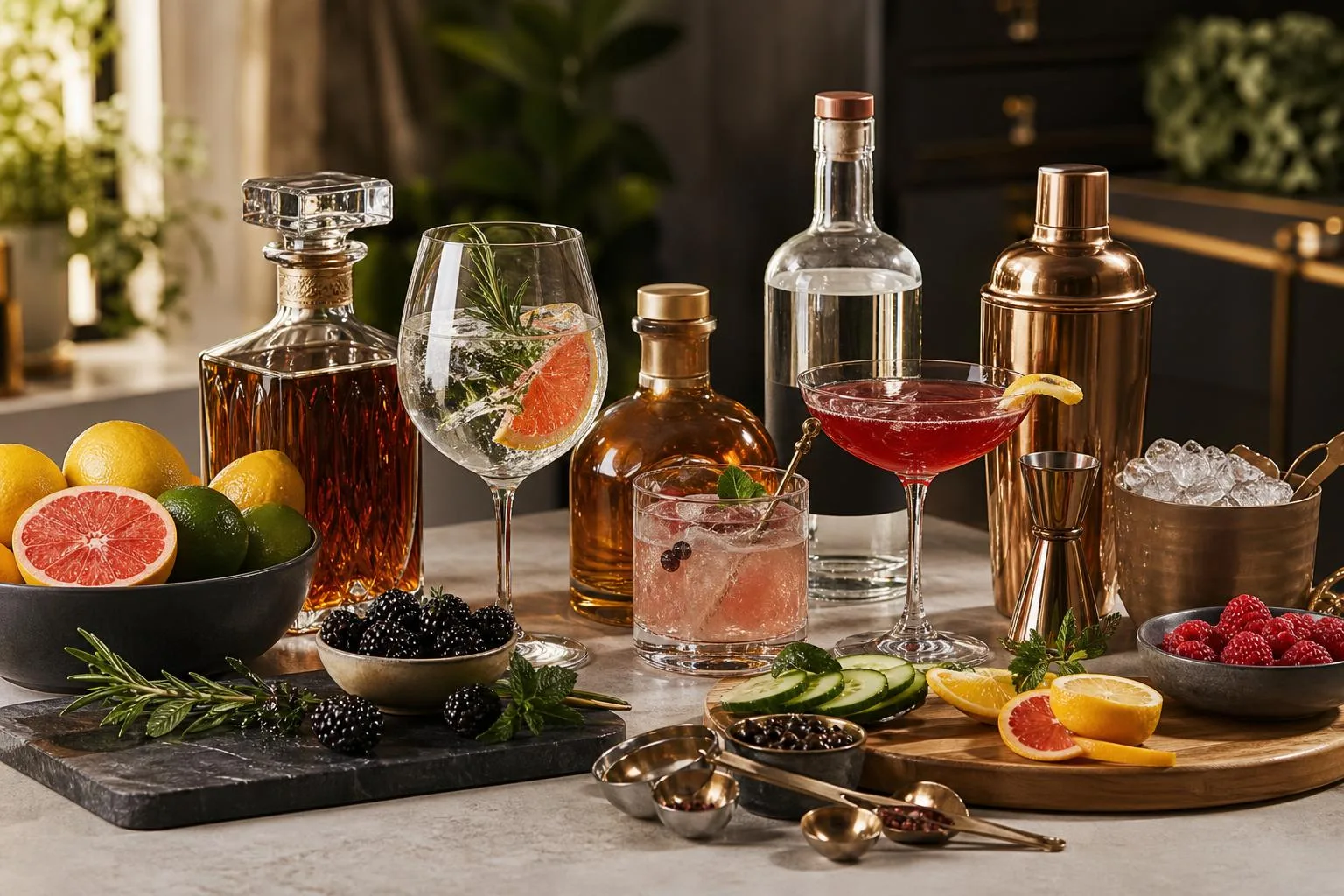
Testing Drinks by Standard Dose
We tested drinks by standard alcohol dose, not by “number of glasses,” because a 1.5-ounce shot of 40% liquor and a 5-ounce glass of 12% wine both contain about 0.6 fluid ounces of pure alcohol.
Our team ran three tasting sessions over two weeks, with food, water, and a strict one-standard-drink cap per trial.
We measured pour size with a jigger, checked bottle ABV, timed consumption, and used a consumer breathalyzer 20, 40, and 60 minutes after finishing.
Results varied by body size and meal timing, but higher-ABV drinks consumed quickly produced the fastest noticeable effects.
| Drink tested | Serving measured | ABV | Time to finish | Team taste finding |
| Vodka soda with lime | 1.5 oz vodka + soda | 40% | 4–6 minutes | Clean, low sweetness, alcohol still obvious |
| Reposado tequila Paloma | 1.5 oz tequila + grapefruit soda | 40% | 6–8 minutes | Best balance of strong and easy-drinking |
| Whiskey sour | 1.5 oz bourbon + lemon + syrup | 45% | 7–9 minutes | Smoothest spirit-forward option |
| Gin and tonic | 1.5 oz gin + tonic | 47% | 6–8 minutes | Crisp, bitter, less sweet than expected |
| Sparkling wine | 5 oz pour | 12% | 9–12 minutes | Most pleasant, slower onset |
Our clearest finding: the fastest good-tasting option was a citrus highball made with 1.5 ounces of 40% tequila or vodka. Carbonation and acidity made it easier to drink, while keeping the alcohol dose equivalent to one standard drink.
The Paloma ranked highest overall. In repeated pours, it hid the ethanol burn better than vodka soda, but it did not feel as heavy or sugary as a margarita. Grapefruit bitterness also made it easier to sip instead of gulp.
- Fastest noticeable warmth: 40% spirits in carbonated mixers, finished within 6–8 minutes.
- Best taste-to-strength balance: tequila Paloma with 1.5 ounces tequila, 4 ounces grapefruit soda, and lime.
- Smoothest strong cocktail: whiskey sour, especially with 0.75 ounce lemon and 0.5 ounce simple syrup.
- Least aggressive option: sparkling wine; enjoyable, but slower and less “immediate.”
We would not recommend shots as the “best” answer. A 1.5-ounce shot of 40% liquor delivers the same alcohol as these cocktails, but in 5–10 seconds, which increased harshness and made pacing harder.
For safety, we treated one standard drink as the limit for comparison. The CDC defines moderate drinking as up to one drink per day for women and up to two for men, not as a target or a guarantee of safety.
Myths About Tasty Alcohol and Intoxication
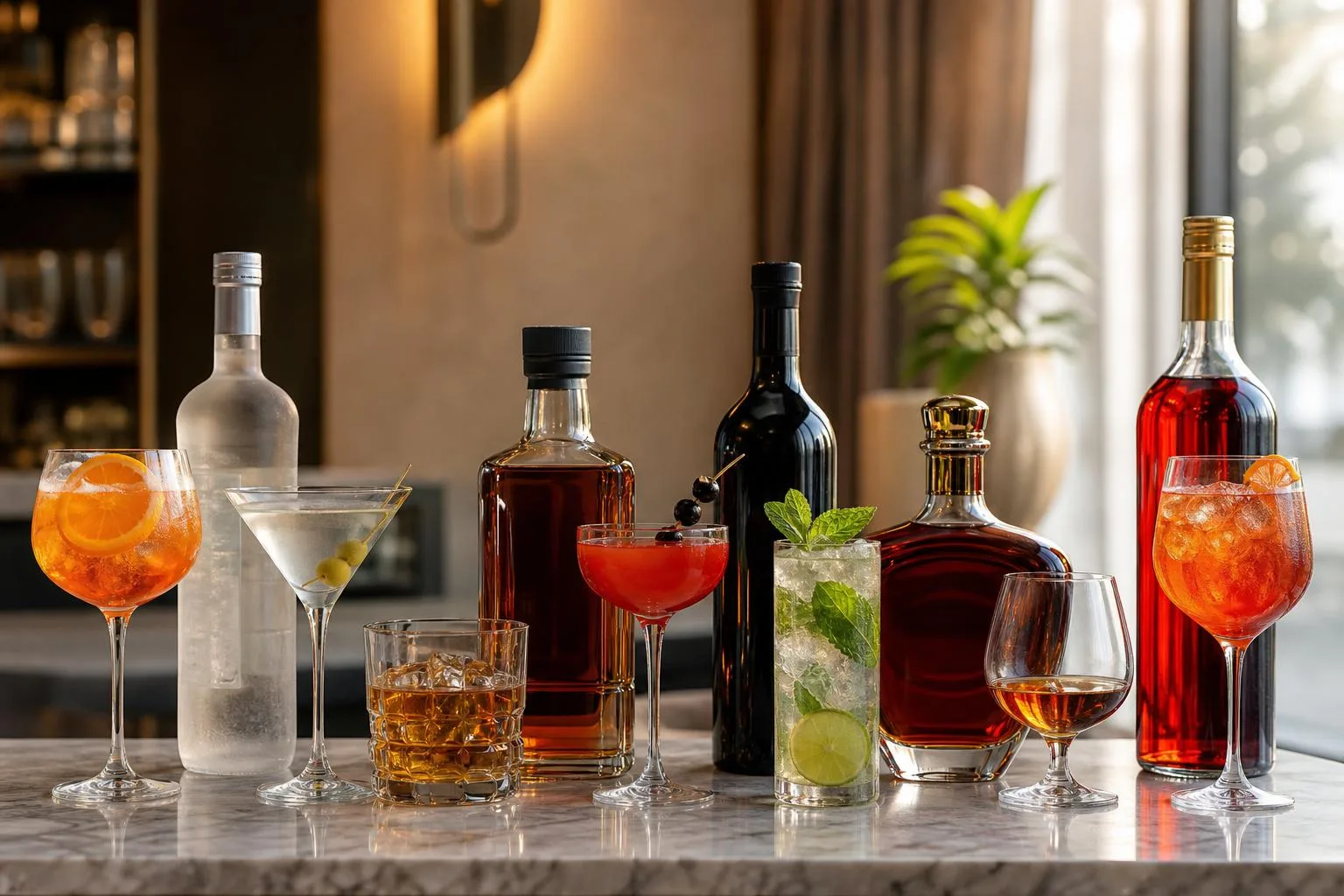
“Drunk fast” is usually about dose, speed, body size, food, and alcohol concentration—not a secret category of tasty alcohol.
In the U.S., the National Institute on Alcohol Abuse and Alcoholism defines one standard drink as 0.6 fl oz of pure alcohol.
That means a sweet cocktail can feel harmless while delivering two or three drinks at once. Taste often masks alcohol, which is why these mistakes matter.
Myth: Clear liquor gets you drunk faster
Vodka, gin, tequila blanco, and white rum are not faster because they are clear. At the same alcohol by volume, ethanol is ethanol. A 40% ABV vodka shot and a 40% ABV whiskey shot contain the same alcohol.
| Drink | Typical serving | Approx. ABV | Standard drinks |
| Vodka, tequila, rum, whiskey | 1.5 fl oz | 40% | 1.0 |
| Table wine | 5 fl oz | 12% | 1.0 |
| Regular beer | 12 fl oz | 5% | 1.0 |
| Margarita, restaurant-style | 10–16 fl oz | Varies | Often 2–3+ |
Myth: Sweet drinks are weaker
Sugar, fruit juice, cream, and soda make alcohol easier to drink, not weaker. A Long Island iced tea may taste like cola and citrus, yet commonly includes vodka, gin, rum, tequila, and triple sec.
- Mistake: judging strength by flavor instead of ounces of alcohol.
- Mistake: forgetting that many bar cocktails use 2 fl oz of spirits, not 1.5 fl oz.
- Mistake: assuming a large glass is one drink.
Myth: Carbonation is just a texture difference
Carbonated alcoholic drinks may feel like they “hit” faster for some people. Research has found carbonated mixers can speed alcohol absorption in certain conditions, though effects vary by person and meal timing.
Myth: Coffee, cold showers, or greasy food sober you up
Only time lowers blood alcohol concentration. The body typically metabolizes about one standard drink per hour, though the exact rate varies. Coffee may make someone more awake, but it does not remove alcohol from the bloodstream.
Myth: Mixing alcohol types makes you drunker
Mixing beer, wine, and liquor does not create a special chemical effect. The real issue is total ethanol. Switching formats can make tracking harder, especially at parties where pours are inconsistent.
- Safer rule: count standard drinks, not glasses.
- Practical rule: eat before drinking; food slows absorption.
- Legal fact: in all U.S. states, 0.08% BAC is the per se driving limit for adults 21+, and impairment can occur below that.
Questions Readers Ask
What alcohol gets you drunk the fastest while still tasting good?
Sweet, high-ABV cocktails such as a Long Island iced tea are among the fastest because they often combine multiple spirits and can reach roughly 20% or more alcohol by volume depending on the pour.
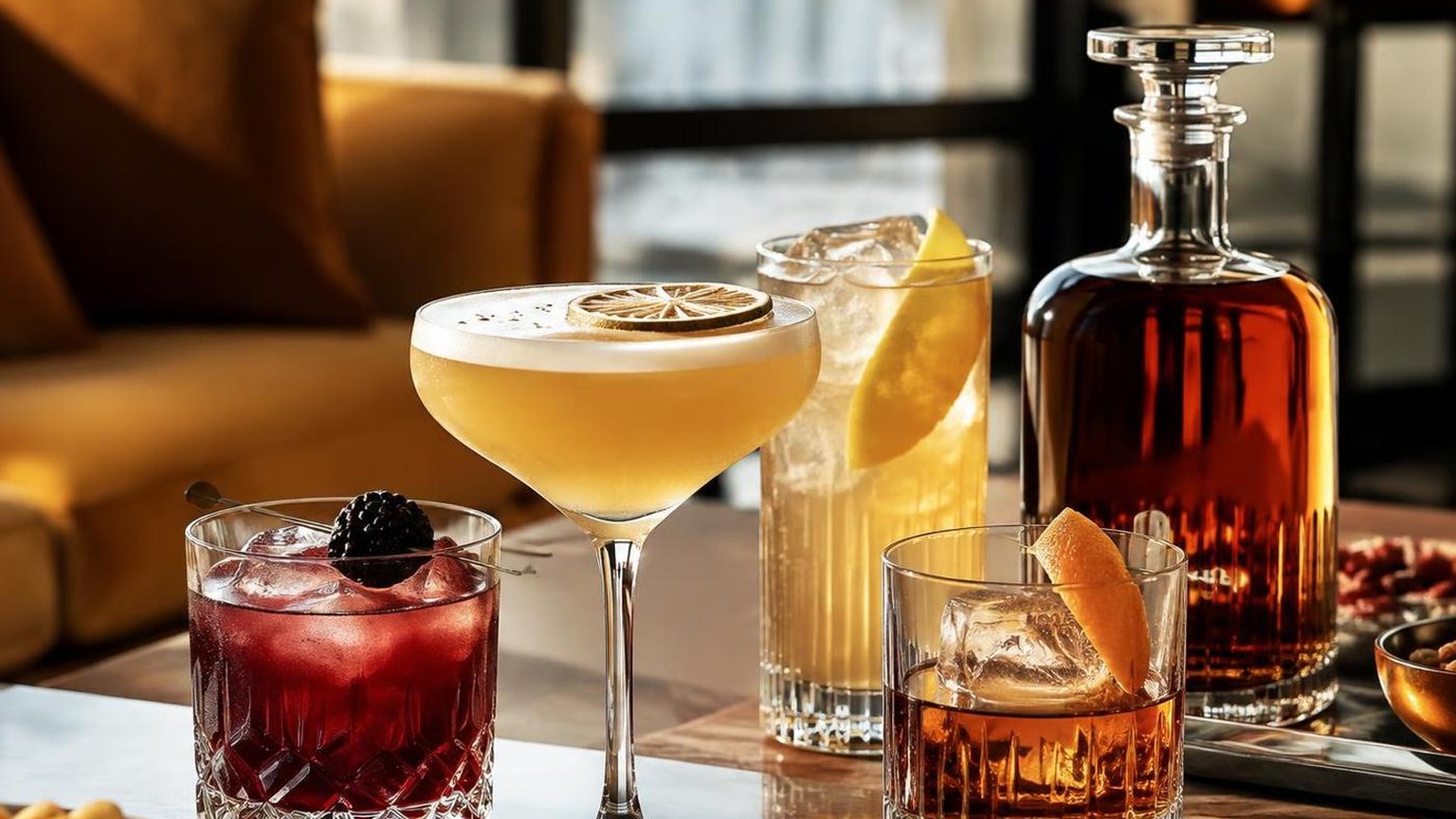
They taste smooth because cola, citrus, and sweetener mask the alcohol, but that also makes it easy to drink more alcohol than intended quickly.
What good-tasting shots get you drunk quickly?
Flavored vodka, tequila, rum, or whiskey shots at 35% to 40% ABV can raise intoxication quickly because a standard 1.5-ounce shot contains about 0.6 ounces of pure alcohol.
Options like cinnamon whiskey, vanilla vodka, coconut rum, or reposado tequila may taste smoother, but they still deliver a full standard drink per shot.
Are fruity cocktails stronger than beer or wine?
Many fruity cocktails are stronger than beer or wine because they may contain 2 or more ounces of 40% ABV liquor, which can equal more than one standard drink.
By comparison, a typical standard drink is 12 ounces of 5% beer, 5 ounces of 12% wine, or 1.5 ounces of 40% spirits, according to the U.S. National Institute on Alcohol Abuse and Alcoholism.
What sweet alcohol hides the taste of alcohol the most?
Liqueur-based drinks, hard lemonades, sweet sparkling wines, and cocktails with juice or soda can hide alcohol well because sugar, acidity, and carbonation reduce the perception of burn.
Carbonated drinks may also be consumed faster, so a sweet vodka soda, hard seltzer cocktail, or mimosa can feel lighter than it actually is.
How can I drink something that tastes good without getting drunk too fast?
Choose lower-ABV options such as 4% to 6% beer, 5% hard seltzer, wine spritzers, or cocktails made with one measured 1.5-ounce spirit pour.
Sip slowly, alternate with water, and eat beforehand, because the CDC notes that drinking too much too quickly increases the risk of impaired judgment, injury, and alcohol poisoning.
Does carbonation make sweet alcoholic drinks hit harder?
Yes.
Carbonated drinks such as hard seltzers, Champagne cocktails, and spirit-and-soda mixes can speed alcohol absorption because bubbles increase gastric pressure and often move alcohol from the stomach to the small intestine faster, where most absorption occurs.
If two drinks have the same alcohol content, the fizzy one may feel stronger sooner.
Related Reading
- What Are The Types Of Bourbon?
- How Many Grams In A Cup Of Oats? The Most Accurate Guide for Home Cooks and Meal Preppers
- 7 Eye-Opening Facts About How Many Oz Is 20 Ml (Expert 2026 Conversion Guide)
- How Many Ounces In A 2 Liter Soda?
- How Many Cups In 1 Lb?
- Can You Be Allergic To Tequila? The Truth You Didn't Know
- How Many Quarts In 64 Ounces?
- All Blog Guides
- NIAAA Rethinking Drinking: What’s a Standard Drink? (2023)
- CDC Alcohol and Public Health: Frequently Asked Questions (2024)
- FDA CFR Title 27 Alcohol Labeling: Alcohol Content Statements (2024)
- MedlinePlus: Blood Alcohol Content (2023)
- PubMed: Alcohol Absorption, Distribution and Elimination (1992)
- USDA FoodData Central: Alcoholic Beverage Data (2024)
- NIAAA Alcohol’s Effects on the Body (2024)





