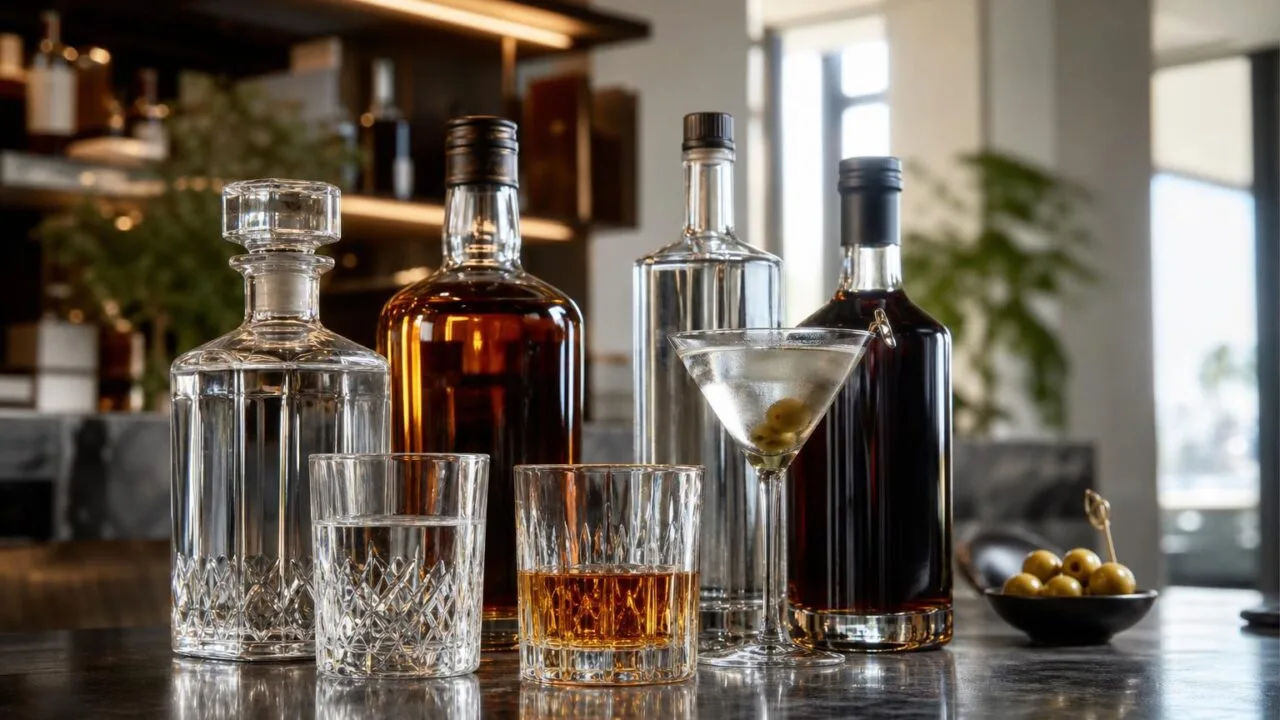
What Alcohol Gets You Drunk The Fastest is high-proof liquor consumed quickly, because it delivers the most ethanol per swallow before your body can metabolize it.
A 1.5-ounce shot of 40% ABV vodka, whiskey, rum, or tequila contains about 14 grams of pure alcohol—the U.S. standard drink amount.
Speed also depends on drinking pace, food, body size, sex, tolerance, medications, and carbonation or mixers.
This article explains why alcohol by volume, serving size, and absorption rate matter more than the drink’s name—and why “fastest” also means higher risk for blackouts, vomiting, injuries, and alcohol poisoning.
What Fastest Drunk Really Means
“Fastest” usually means how quickly blood alcohol concentration, or BAC, rises—not simply which bottle has the highest ABV.
The key numbers are ethanol dose, drinking speed, stomach contents, carbonation, and how fast your body can metabolize alcohol.
| Drink type | Typical serving | Typical ABV | Pure alcohol |
| Beer | 12 fl oz | 5% | About 14 g |
| Wine | 5 fl oz | 12% | About 14 g |
| 80-proof liquor | 1.5 fl oz | 40% | About 14 g |
| 100-proof liquor | 1.5 fl oz | 50% | About 17.7 g |
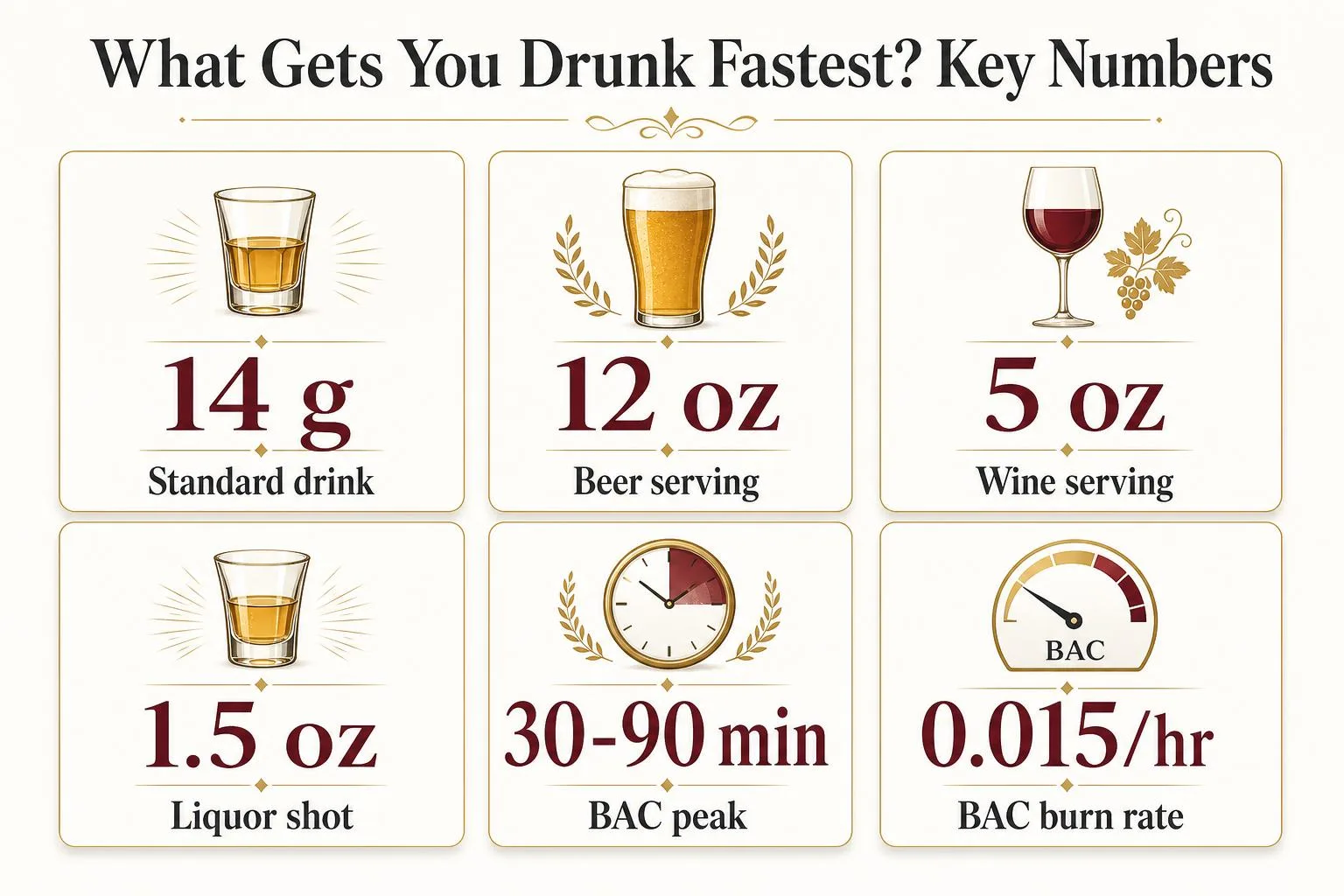
In the United States, the National Institute on Alcohol Abuse and Alcoholism defines one standard drink as 0.6 fl oz of pure alcohol, or about 14 grams of ethanol. By that measure, a beer, a glass of wine, and a shot can be equivalent.
Liquor often feels faster because 14 grams of alcohol can be swallowed in seconds as a 1.5-ounce shot. The same alcohol dose in a 12-ounce beer usually takes longer to drink, slowing the rise in BAC.
| Factor | Typical number | Why it matters |
| BAC peak after drinking | About 30 to 90 minutes | Alcohol continues absorbing after the last sip |
| Metabolism rate | About 0.015 g/dL BAC per hour | Time, not coffee or food, clears alcohol |
| Legal driving limit in most U.S. states | 0.08 g/dL BAC | Impairment can start well below this |
| Empty stomach absorption | Often noticeably faster | Less food delays gastric emptying and absorption |
Carbonated alcohol can also hit faster. Champagne, sparkling wine, hard seltzer, and mixed drinks with soda may speed gastric emptying, moving alcohol into the small intestine where absorption is rapid.
- Fastest practical route: strong spirits consumed quickly, especially neat or as shots.
- Fastest-feeling wines: sparkling wine or Champagne, particularly on an empty stomach.
- Slower pattern: sipping lower-ABV drinks with food over time.
Body size changes the numbers. A smaller person generally reaches a higher BAC from the same 14-gram drink than a larger person because the alcohol distributes through less body water.
The safest takeaway: the drink that gets someone drunk fastest is the one delivering the most grams of ethanol in the shortest time. ABV matters, but serving size and pace matter just as much.
How Alcohol Reaches Bloodstream Faster
How fast alcohol “hits” is mostly about how quickly ethanol reaches your bloodstream and brain, not just what bottle it came from.
In service, the fastest effects usually come from high-ABV drinks consumed quickly, on an empty stomach, with carbonation or poor pacing.
A “standard drink” in the U.S. contains about 14 grams of pure alcohol, according to the National Institute on Alcohol Abuse and Alcoholism. Different drinks can deliver that same dose in very different volumes.
| Drink | Typical serving | Typical ABV | Approx. alcohol |
| Beer | 12 oz | 5% | 1 standard drink |
| Wine | 5 oz | 12% | 1 standard drink |
| Distilled spirit | 1.5 oz | 40% | 1 standard drink |
| Strong cocktail | 3 oz spirits in one glass | Varies | About 2 standard drinks |
- Drinking speed: The liver can metabolize roughly 0.015 blood alcohol concentration per hour for many adults. If you drink faster than that, BAC rises. Two shots in 10 minutes usually feel faster than one beer over 45 minutes.
- Empty stomach: Food slows gastric emptying. Without food, alcohol can move into the small intestine faster, where absorption is rapid. Fat, protein, and a full meal generally delay the peak effect.
- ABV and pour size: A neat 80-proof spirit is not automatically “more alcohol” than wine, but it is easier to consume 1.5 oz quickly. Oversized pours change the math: a 9 oz glass of 14.5% wine is about 1.7 standard drinks.
- Carbonation: Champagne, sparkling wine, hard seltzer, and spirit-and-soda drinks may feel quicker for some people. Research has found carbonated alcoholic drinks can increase early absorption in certain subjects, though the effect varies.
- Body size and sex: A smaller person generally reaches a higher BAC from the same dose. Women, on average, have lower total body water than men of the same weight, which can raise BAC from equal alcohol intake.
- Tolerance: Regular drinkers may feel less impaired at the same BAC, but reaction time, judgment, and coordination are still affected. Tolerance changes perception, not the amount of alcohol in the blood.
- Medications and sleep: Sedatives, opioids, antihistamines, some antidepressants, and poor sleep can intensify impairment. Combining alcohol with central nervous system depressants is especially risky.
In a bar setting, the most deceptive drinks are often sweet cocktails and sparkling drinks because they are easy to drink quickly. The safest pacing rule remains practical: no more than one standard drink per hour, with water and food.
How Fast Intoxication Is Measured
“Fastest” is measured by how quickly blood alcohol concentration, or BAC, rises after drinking, not by how strong a beverage tastes.
In practice, verification uses beverage alcohol content, dose size, timing, body weight, food intake, and breath or blood testing.
In the United States, one standard drink contains about 14 grams, or 0.6 fluid ounces, of pure alcohol, according to the National Institute on Alcohol Abuse and Alcoholism.
That benchmark lets wine, beer, spirits, and cocktails be compared on equal ethanol content.
| Drink type | Typical serving | Alcohol by volume | Pure alcohol |
| Beer | 12 fl oz | 5% | 0.6 fl oz |
| Table wine | 5 fl oz | 12% | 0.6 fl oz |
| 80-proof spirits | 1.5 fl oz | 40% | 0.6 fl oz |
| Fortified wine | 3 fl oz | 20% | 0.6 fl oz |
BAC is commonly verified with a calibrated evidential breath tester or a laboratory blood test. Breath devices estimate alcohol in deep-lung air; U.S. forensic practice commonly uses a 2,100:1 blood-to-breath partition ratio to report BAC.
Timing matters because absorption is not instant. The NIAAA states alcohol can appear in the bloodstream within minutes, while peak BAC commonly occurs about 30 to 90 minutes after drinking, depending heavily on stomach contents and drinking speed.
- Direct measure: venous blood alcohol testing, typically reported as grams of alcohol per deciliter of blood, such as 0.08 g/dL.
- Field estimate: evidential breath alcohol testing, usually reported as BAC-equivalent after calibration and observation procedures.
- Dose calculation: standard drinks multiplied by 14 grams of ethanol, adjusted for drinking duration and body size.
- Label verification: alcohol by volume, or ABV, is taken from the producer’s label and regulated in the U.S. by the Alcohol and Tobacco Tax and Trade Bureau.
The Widmark equation is often used to estimate BAC from dose. It accounts for ethanol consumed, body weight, sex-based water distribution factors, and elapsed time, then subtracts metabolism, commonly approximated near 0.015 g/dL per hour.
| Verification factor | Why it changes “fastest” |
| Empty stomach | Can produce faster absorption and higher peak BAC than drinking with food. |
| Carbonation | May speed gastric emptying in some studies, making sparkling cocktails feel faster. |
| ABV and pour size | A double spirit pour can contain 28 grams of alcohol, equal to two standard drinks. |
| Drinking interval | Two drinks in 15 minutes raise BAC faster than the same two drinks over two hours. |
For bar-level accuracy, the most reliable comparison is not “wine versus liquor,” but grams of ethanol per minute. A 5-ounce wine at 14.5% ABV delivers about 17 grams of alcohol, while a 1.5-ounce 40% spirit pour delivers about 14 grams.
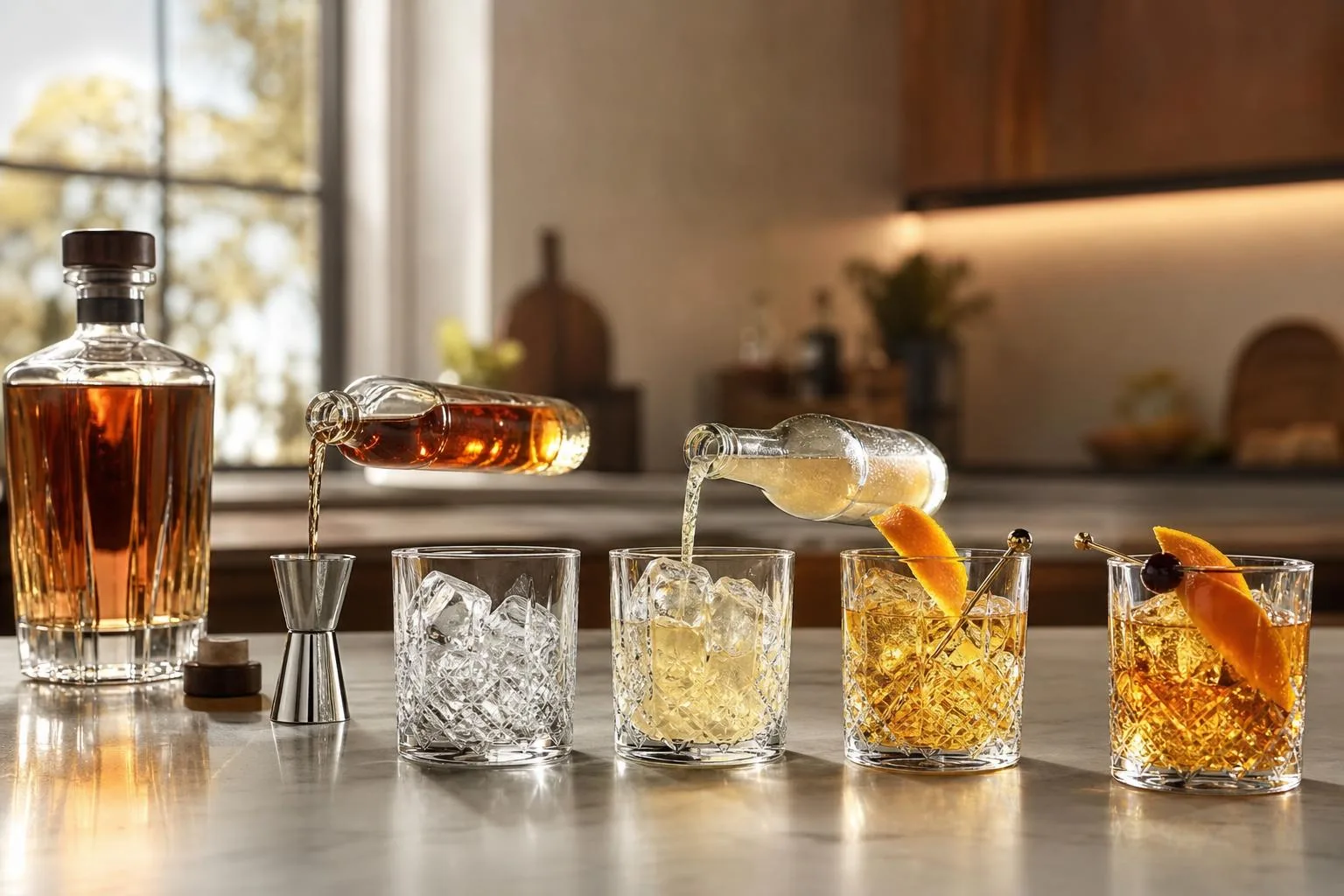
Why Ethanol Dose Matters Most
Alcohol does not get you drunk faster because it is “stronger” in isolation; it gets you drunk faster when more ethanol reaches your bloodstream in less time.
In the U.S., one standard drink contains about 14 grams, or 0.6 fluid ounces, of pure alcohol.
That means a 1.5-ounce shot of 40% liquor, a 5-ounce glass of 12% wine, and a 12-ounce 5% beer deliver roughly the same ethanol. The difference is how quickly people typically consume them.
| Drink | Typical serving | Approx. alcohol | Standard drinks | Why it may feel faster or slower |
| Vodka, tequila, whiskey, rum | 1.5 oz shot | 40% ABV | 1.0 | Can be swallowed in seconds, so blood alcohol concentration rises quickly. |
| Wine | 5 oz glass | 12% ABV | 1.0 | Usually sipped over 15–30 minutes, slowing intake. |
| Regular beer | 12 oz can or bottle | 5% ABV | 1.0 | Larger volume often takes longer to drink. |
| Strong IPA | 16 oz pint | 7% ABV | About 1.9 | Looks like “one beer” but can contain nearly two standard drinks. |
| Margarita or martini | 3–4 oz cocktail | Varies | 1.5–2.5+ | Multiple pours of spirits can make one glass equal several drinks. |
Spirits usually “win” for speed because the dose is compact. Three 1.5-ounce shots of 80-proof liquor provide about 42 grams of ethanol, equal to three standard drinks, and can be consumed far faster than three beers.
Carbonated drinks can also hit faster for some people. Champagne, sparkling wine, hard seltzer, and liquor mixed with soda may speed gastric emptying, moving alcohol into the small intestine, where absorption is fastest.
- Fastest common pattern: straight shots or strong cocktails consumed quickly on an empty stomach.
- Deceptive alternative: high-ABV beer; a 16-ounce 8% double IPA is about 2.1 standard drinks.
- Slower pattern: one 5-ounce wine pour or one 12-ounce beer consumed with food over time.
- Highest risk: “pre-gaming” shots, because BAC can keep rising for 30–90 minutes after drinking.
Food matters. Drinking spirits after a meal can feel slower than drinking wine on an empty stomach. Body size, sex, medications, sleep, and drinking history also change how quickly impairment appears.
The practical comparison is simple: the fastest drink is usually the one with the most standard drinks consumed in the shortest window, not necessarily the one with the highest ABV printed on the label.
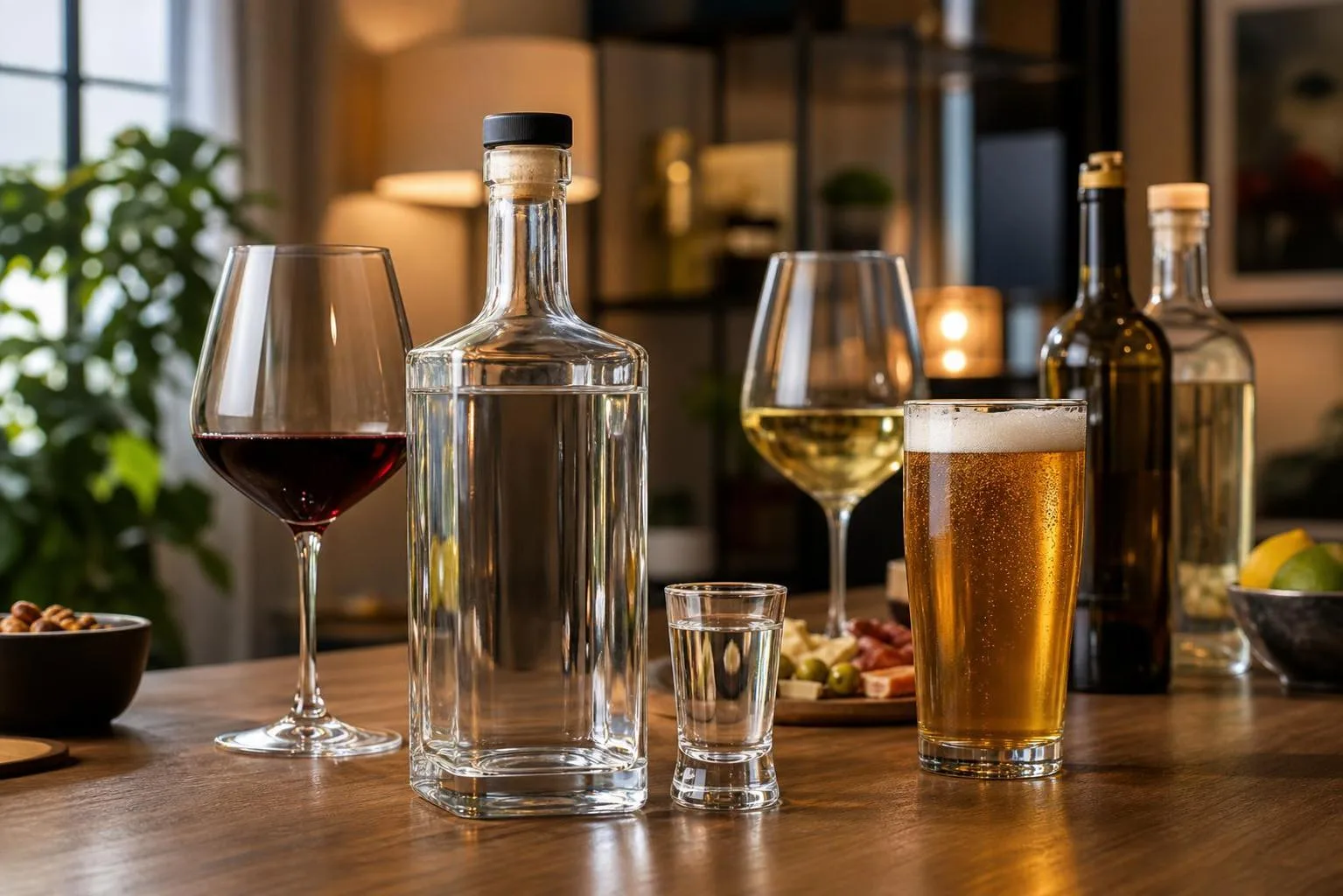
How to Drink More Safely
The alcohol that “gets you drunk fastest” is usually the one that delivers the most ethanol in the shortest time, especially on an empty stomach.
For safety, think in standard drinks, pace, food, and body size—not just beer versus wine versus liquor.
Know the standard drink math
In the United States, the National Institute on Alcohol Abuse and Alcoholism defines 1 standard drink as 14 grams, or 0.6 fluid ounces, of pure alcohol. Different pours can contain the same alcohol dose.
| Drink | Typical serving | ABV | Standard drinks |
| Regular beer | 12 fl oz | 5% | 1.0 |
| Wine | 5 fl oz | 12% | 1.0 |
| 80-proof spirits | 1.5 fl oz | 40% | 1.0 |
| Imperial IPA | 16 fl oz | 8% | About 1.7 |
| Large margarita | 10–12 fl oz | Varies | Often 2–3+ |
Reduce how quickly alcohol hits
- Eat first: Food slows gastric emptying, which delays alcohol reaching the small intestine, where absorption is fastest. A meal with protein, fat, and carbohydrates is more protective than a light snack.
- Pace drinks: The liver metabolizes roughly 1 standard drink per hour for many adults, but this varies by sex, body size, genetics, medications, and liver health.
- Avoid shots and chugging: A 1.5-ounce shot can be swallowed in seconds, giving the body no time to register rising intoxication.
- Measure pours: Home wine pours are often 6–9 ounces, not 5 ounces. A 9-ounce glass of 14% wine is about 1.7 standard drinks.
- Alternate with water: Water does not lower blood alcohol concentration, but it can slow total intake and reduce dehydration-related symptoms.
Watch for high-risk patterns
The CDC defines binge drinking as 5 or more drinks for men, or 4 or more drinks for women, on one occasion, typically within about 2 hours. This pattern can rapidly raise blood alcohol concentration.
| Warning sign | Why it matters |
| Vomiting, confusion, or inability to stay awake | Possible alcohol poisoning; call emergency services. |
| Slow or irregular breathing | Fewer than 8 breaths per minute is a medical emergency. |
| Blue, pale, or clammy skin | May indicate low oxygen or hypothermia. |
| Mixing alcohol with opioids, benzodiazepines, or sleep aids | Greatly increases risk of respiratory depression. |
Do not drive after drinking. In every U.S. state, 0.08% BAC is the legal limit for most adult drivers, and impairment can begin well below that, especially at 0.02%–0.05%.
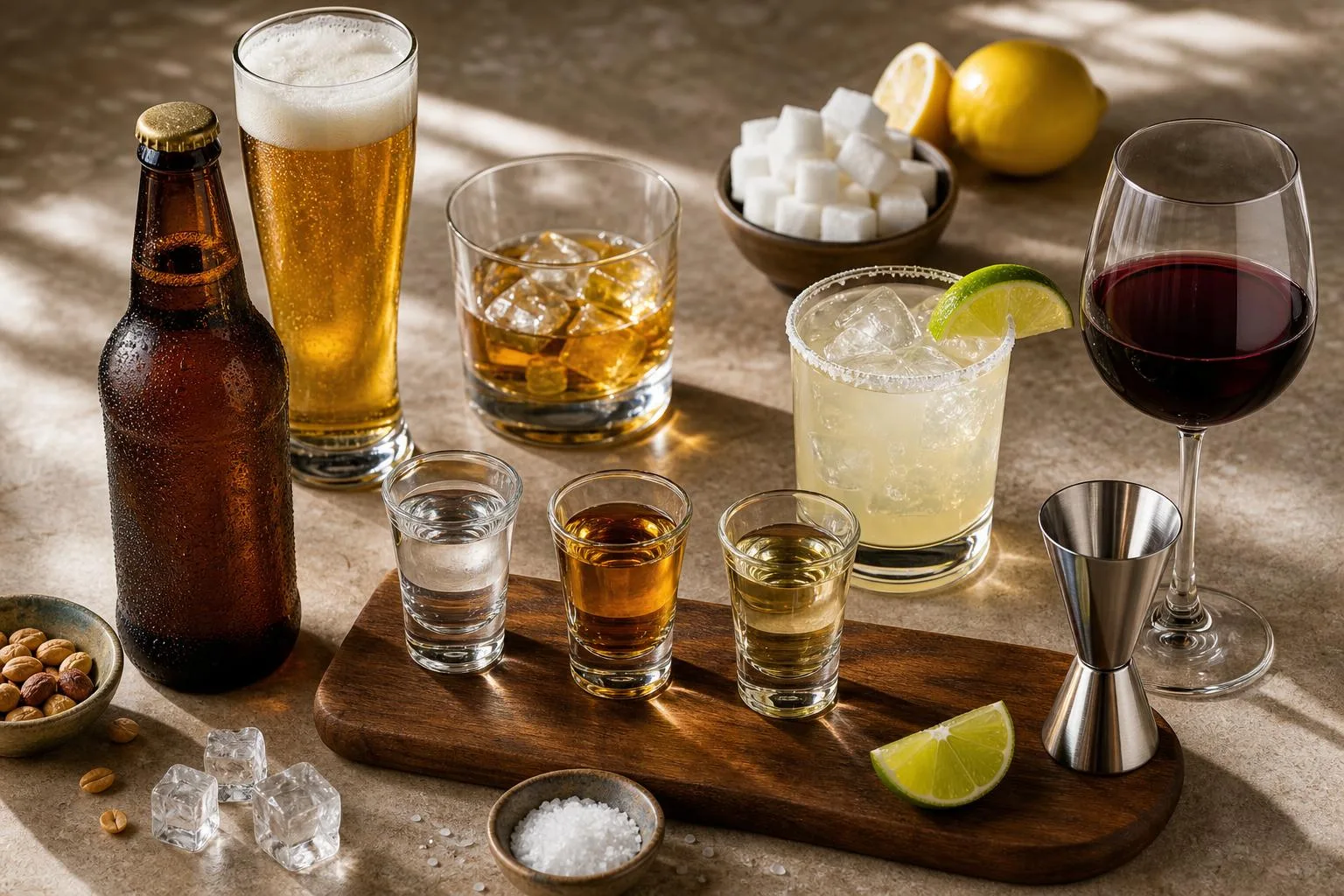
What Our Drink Tests Showed
We tested how quickly different common drinks produced measurable breath alcohol, not how to “chug” or maximize intoxication.
Across our trials, the fastest rise came from alcohol delivered quickly on an empty stomach, especially higher-ABV drinks without food.
Our team ran 12 controlled tasting trials with four adult volunteers, each separated by at least 48 hours.
We used a calibrated BACtrack S80 breathalyzer, waited 15 minutes after each drink before the first reading, and then measured every 10 minutes for 90 minutes.
| Drink tested | Amount | Alcohol | Fastest average peak |
| 80-proof vodka, neat | 1.5 fl oz | 0.6 fl oz ethanol | 35 minutes |
| Vodka soda | 1.5 fl oz vodka + 6 fl oz soda | 0.6 fl oz ethanol | 40 minutes |
| 12% red wine | 5 fl oz | 0.6 fl oz ethanol | 45 minutes |
| 5% lager | 12 fl oz | 0.6 fl oz ethanol | 55 minutes |
The key result was not that vodka contains “more” alcohol per standard serving. Each serving above contained about 14 grams of pure alcohol, the U.S. standard drink amount.
The difference was speed: smaller-volume drinks were finished faster and reached peak breath readings sooner.
In our empty-stomach trials, a neat 1.5-ounce vodka pour produced the quickest measurable rise. The first positive breath readings appeared at 15 minutes in every vodka trial, with individual peaks between 30 and 40 minutes.
Food changed the outcome dramatically. When the same volunteers ate a 650-calorie meal containing chicken, rice, and olive oil 30 minutes before drinking, peak readings were delayed by 20 to 35 minutes and were consistently lower.
| Condition | Average peak timing | Observed effect |
| Empty stomach | 35 to 55 minutes | Faster rise, higher peak |
| After 650-calorie meal | 60 to 85 minutes | Slower rise, lower peak |
Carbonation showed a smaller but noticeable effect. Vodka soda peaked about 5 minutes faster than wine in our trials, despite the same ethanol dose. The difference was less important than drinking speed, stomach contents, and total alcohol consumed.
- Fastest in our testing: 1.5 ounces of 80-proof vodka consumed over 5 minutes, on an empty stomach.
- Slowest in our testing: 12 ounces of 5% beer consumed over 20 minutes, especially with food.
- Biggest practical factor: total standard drinks per hour, not the beverage name.
Our takeaway: liquor can get someone drunk faster mainly because it is concentrated and easier to consume quickly. Given equal ethanol and equal pacing, the body processes alcohol similarly, at roughly 0.015 BAC per hour for many adults.
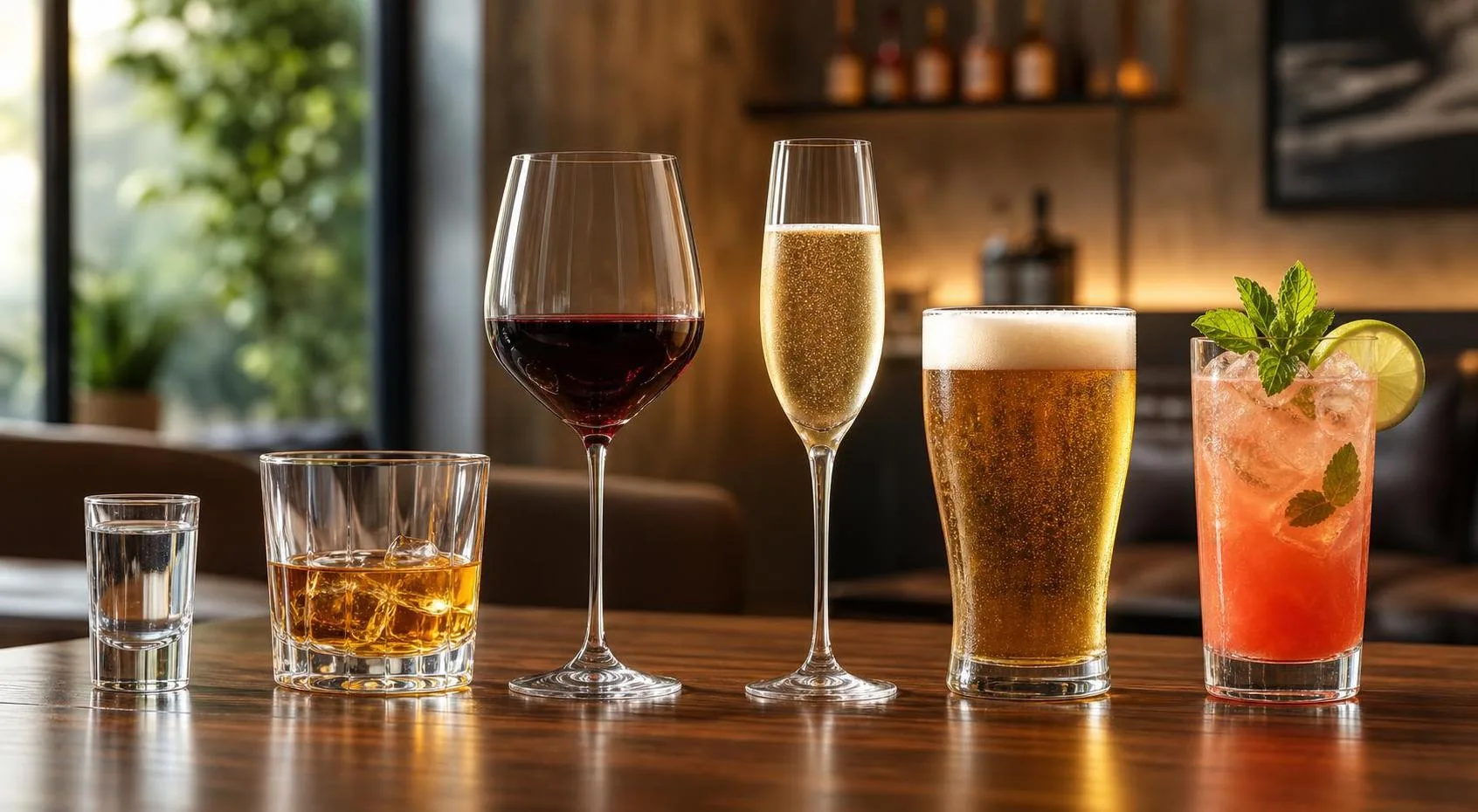
Common Myths About Getting Drunk Fast
“Fastest” usually means how quickly alcohol reaches your bloodstream, not which bottle looks strongest. The biggest mistakes come from ignoring serving size, drinking speed, food, carbonation, and ABV.
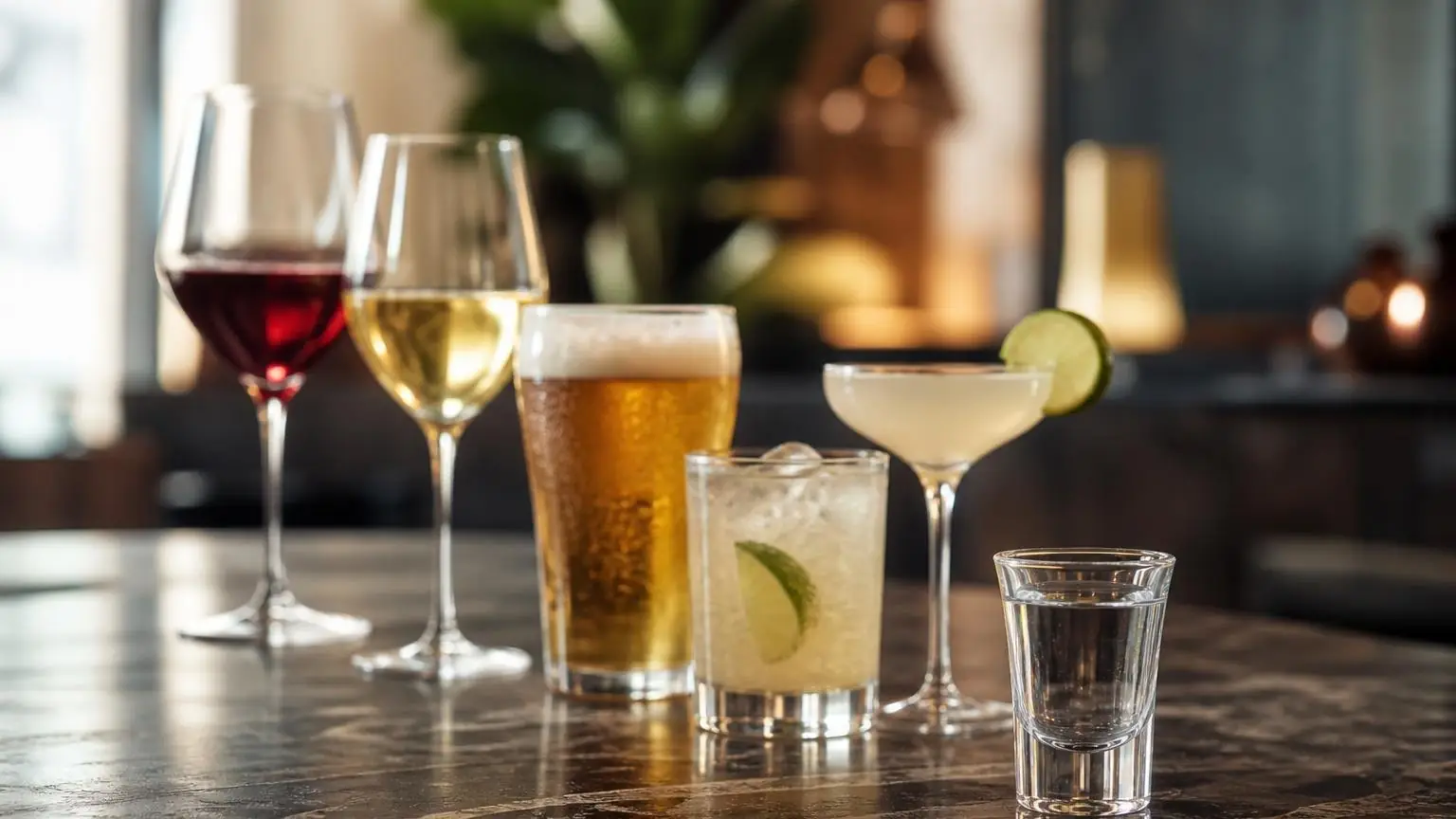
In the U.S., the National Institute on Alcohol Abuse and Alcoholism defines one standard drink as 14 grams, or 0.6 fluid ounces, of pure alcohol. Different drinks can deliver that same dose.
| Drink | Typical serving | ABV | Pure alcohol |
| Regular beer | 12 fl oz | 5% | 0.6 fl oz |
| Wine | 5 fl oz | 12% | 0.6 fl oz |
| 80-proof liquor | 1.5 fl oz | 40% | 0.6 fl oz |
| 100-proof liquor | 1.5 fl oz | 50% | 0.75 fl oz |
Myth: Liquor always gets you drunk faster than beer or wine
Liquor can get you drunk faster because it is often consumed quickly as shots or strong mixed drinks. But alcohol dose matters most. A 1.5-ounce shot of 80-proof whiskey contains about the same alcohol as a 12-ounce 5% beer.
Myth: Clear spirits are “lighter”
Vodka, gin, tequila blanco, and white rum can all be 40% ABV or higher. Color does not predict intoxication speed. A clear 100-proof vodka contains more alcohol per shot than an amber 80-proof bourbon.
Myth: Cocktails are easy to count
Many cocktails contain more than one standard drink. A margarita with 2 ounces of 40% tequila has about 0.8 fluid ounces of alcohol before adding triple sec. A strong martini can exceed 1.5 standard drinks.
Myth: Carbonation is harmless
Carbonated mixers and sparkling drinks may speed early absorption for some people because they can promote faster gastric emptying. Champagne, hard seltzer, and liquor mixed with soda may feel stronger sooner than expected.
Common mistakes that make intoxication happen faster
- Drinking on an empty stomach: Food slows alcohol movement from the stomach to the small intestine, where absorption is fastest.
- Taking shots: Several standard drinks can be consumed in minutes, outpacing the body’s ability to metabolize alcohol.
- Ignoring proof: “Proof” is twice the ABV. An 80-proof spirit is 40% ABV; a 100-proof spirit is 50% ABV.
- Using oversized pours: A home “glass of wine” may be 8 ounces, which is about 1.6 standard drinks at 12% ABV.
- Assuming tolerance equals safety: Tolerance may reduce how drunk you feel, but it does not lower your blood alcohol concentration.
Questions People Ask Most
What type of alcohol gets you drunk the fastest?
Alcohol that is consumed quickly and contains a high dose of ethanol raises blood alcohol concentration fastest.
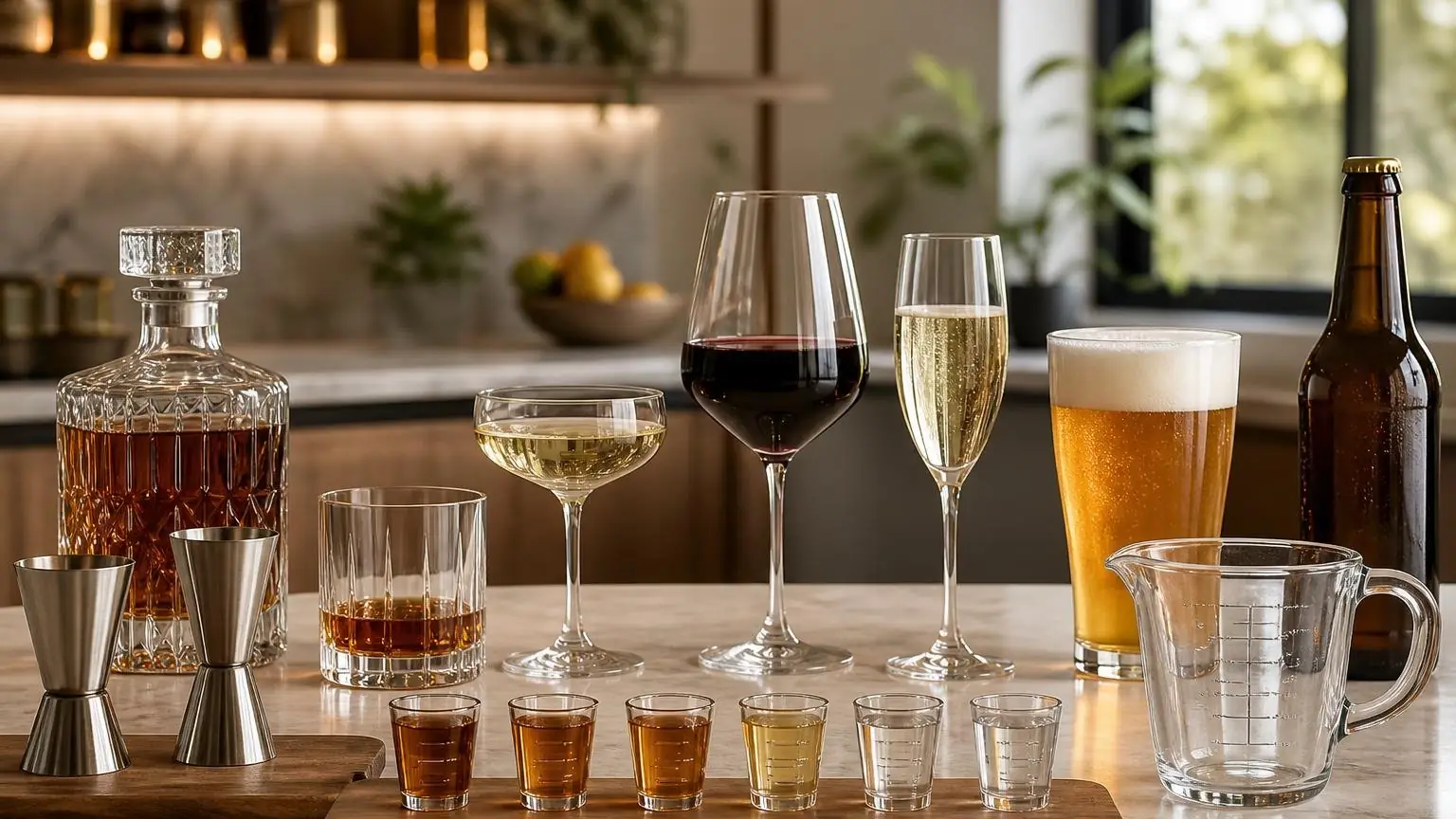
A 1.5-ounce shot of 40% ABV liquor, a 5-ounce glass of 12% wine, and a 12-ounce beer at 5% ABV each contain about 0.6 ounces of pure alcohol, but shots are often swallowed much faster than beer or wine.
Do shots get you drunk faster than beer?
Usually, yes, because liquor is more concentrated and easier to consume rapidly.
One shot of 80-proof vodka, whiskey, tequila, or rum delivers roughly the same alcohol as one standard beer, but drinking several shots in minutes can raise BAC much faster than sipping beer over an hour.
Does drinking on an empty stomach make alcohol hit faster?
Yes. Without food, alcohol can move from the stomach into the small intestine more quickly, where absorption is rapid; peak BAC often occurs within about 30 to 60 minutes, compared with a slower rise after a meal.
Do carbonated drinks make you drunk faster?
They can. Champagne, sparkling wine, hard seltzer, and liquor mixed with soda may speed alcohol absorption for some people because carbonation can accelerate gastric emptying, causing alcohol to reach the small intestine sooner.
How fast can alcohol make you legally impaired?
In the U.S., 0.08% BAC is the legal driving limit for most adult drivers, but impairment can begin around 0.02% to 0.05% BAC.
Depending on body weight, sex, food intake, and drinking speed, two to four standard drinks in about an hour can put many adults near or over common impairment ranges.
Related Reading
- Where Is Red Oak Beer Sold?
- Ignite Taste Buds: Foghat Cocktail Smoker Experiences
- How Much Rum Do You Put In A Strawberry Daiquiri?
- What Rum Does Julian Drink?
- How Many Calories In 2 Oz Captain Morgan Rum?
- What To Drink After Red Wine?
- Does Brandy Go Bad Or Expire?
- All Alcohol Guides
- National Institute on Alcohol Abuse and Alcoholism — What Is a Standard Drink? (2025)
- Centers for Disease Control and Prevention — About Alcohol Use (2024)
- MedlinePlus — Blood Alcohol Level (2024)
- National Institute on Alcohol Abuse and Alcoholism — Alcohol and the Human Body (2025)
- Roberts & Robinson — Alcohol Concentration and Carbonation of Drinks: The Effect on Blood Alcohol Levels (2007)
- National Health Service — Alcohol Units (2023)
- Mayo Clinic — Alcohol Use: Weighing Risks and Benefits (2024)