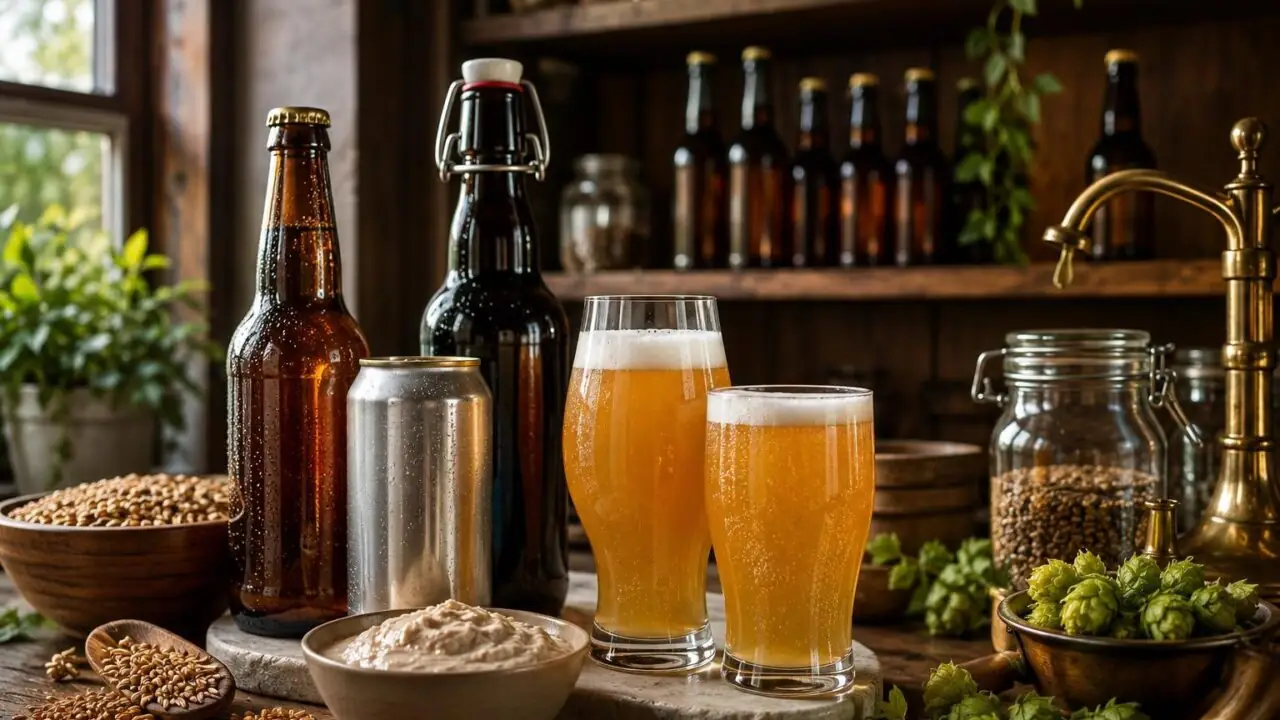
Beers with brewers yeast are fermented beverages where live Saccharomyces cerevisiae remains in the final product, delivering B-vitamins, chromium, and selenium alongside complex flavor profiles.
Unfiltered styles like hefeweizens, Belgian witbiers, and bottle-conditioned ales retain the highest concentrations of active yeast cells.
Unlike filtered commercial lagers, these yeast-rich beers provide measurable nutritional benefits — a 12 oz serving of unfiltered wheat beer contains roughly 1.5–2 mg of B-complex vitamins.
Craft breweries increasingly market this advantage, labeling bottles as “with yeast” or “sur lie” to signal the presence of beneficial brewers yeast sediment.
What Brewers Yeast Actually Does in Beer
Brewers yeast (Saccharomyces cerevisiae for ales, S. pastorianus for lagers) converts fermentable sugars into ethanol, CO₂, and hundreds of flavor compounds. Without it, wort is just sweet barley tea.
Yeast drives every sensory dimension of finished beer.
The Core Biochemistry
During fermentation, yeast metabolizes glucose and maltose through glycolysis and the Embden-Meyerhof pathway. One molecule of glucose yields two molecules of ethanol and two molecules of CO₂.
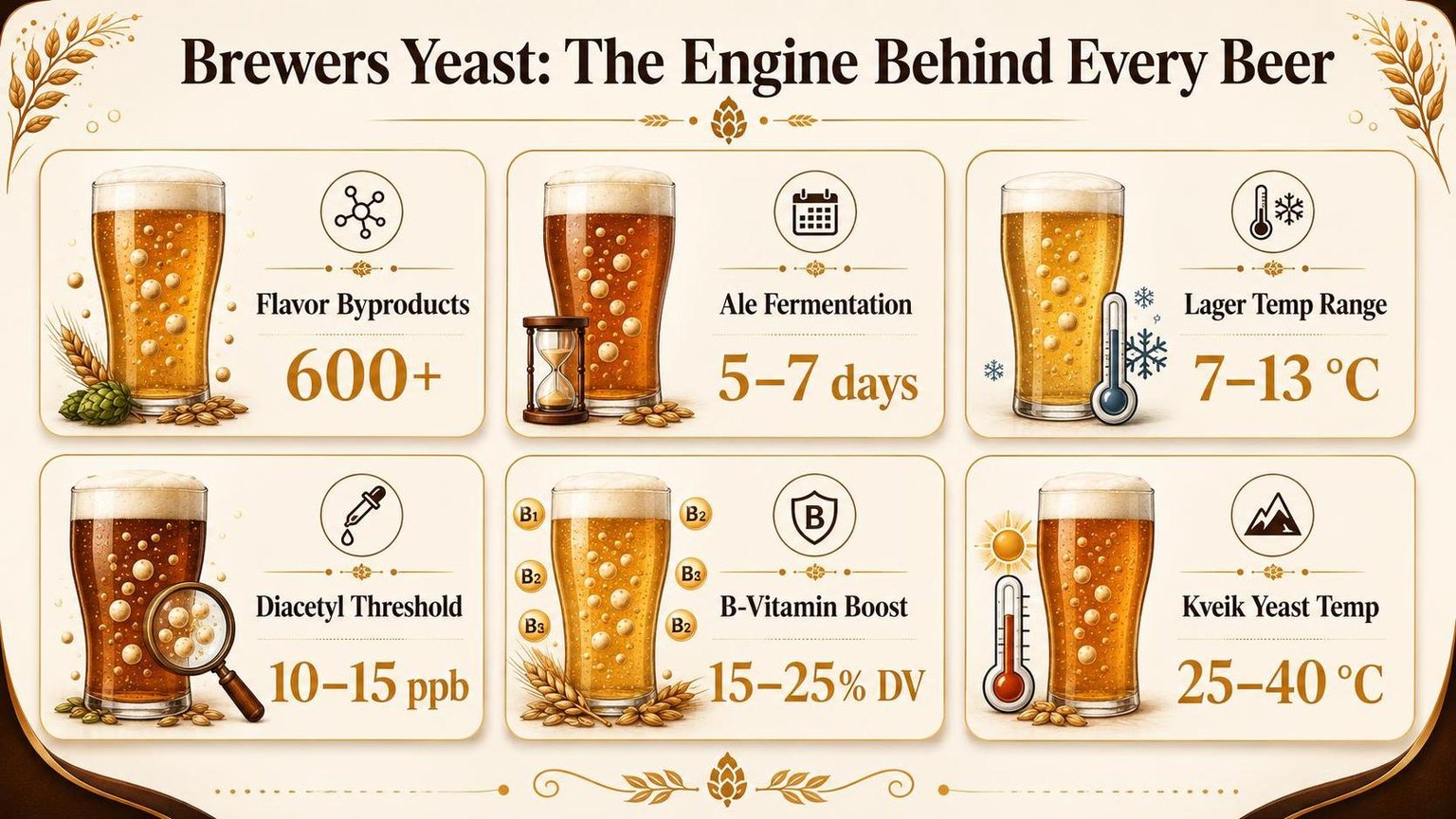
Typical ale fermentation completes in 5–7 days at 15–24 °C; lager fermentation takes 2–6 weeks at 7–13 °C.
Flavor Compound Production
Yeast generates over 600 metabolic byproducts. The most impactful fall into defined categories that shape aroma, mouthfeel, and taste.
- Esters — Isoamyl acetate (banana, threshold ~1.2 ppm) and ethyl hexanoate (apple, threshold ~0.2 ppm) dominate in hefeweizens and Belgian ales.
- Phenols — 4-vinyl guaiacol produces clove notes at concentrations above 0.3 ppm. Only POF+ yeast strains generate this compound.
- Fusel alcohols — Higher alcohols like isoamyl alcohol add warmth but become solvent-like above 100 ppm.
- Diacetyl — Butterscotch flavor detectable at just 10–15 ppb. Healthy yeast reabsorbs it during a diacetyl rest.
Attenuation and Alcohol
Yeast strain determines how much sugar gets consumed. This is measured as apparent attenuation, varying widely across strains.
| Yeast Strain Type | Apparent Attenuation | Typical ABV Range |
| English Ale (e.g., WLP002) | 63–70% | 3.8–5.5% |
| American Ale (e.g., US-05) | 73–80% | 4.5–7.0% |
| Belgian Abbey (e.g., WLP530) | 75–85% | 6.0–10.0% |
| Lager (e.g., W-34/70) | 77–83% | 4.0–6.0% |
Flocculation and Clarity
After fermentation, yeast cells clump together and settle. High-flocculation strains like WLP002 drop bright in 3–5 days.
Low-flocculation strains such as WLP300 (hefeweizen) stay suspended, delivering the characteristic haze and yeasty mouthfeel drinkers expect.
Nutritional Contribution
Residual yeast in unfiltered beer adds B-vitamins, particularly B1 (thiamine), B2 (riboflavin), and B9 (folate).
A 12 oz unfiltered wheat beer can contain 15–25% of the daily value for several B-complex vitamins, making it nutritionally distinct from filtered equivalents.
Top Beer Styles Defined by Their Yeast
Yeast determines far more than alcohol production: strain selection controls attenuation, aroma, acidity, mouthfeel, and fermentation speed.
These styles are recognizable partly because their brewers preserve distinctive fermentation organisms and conditions.
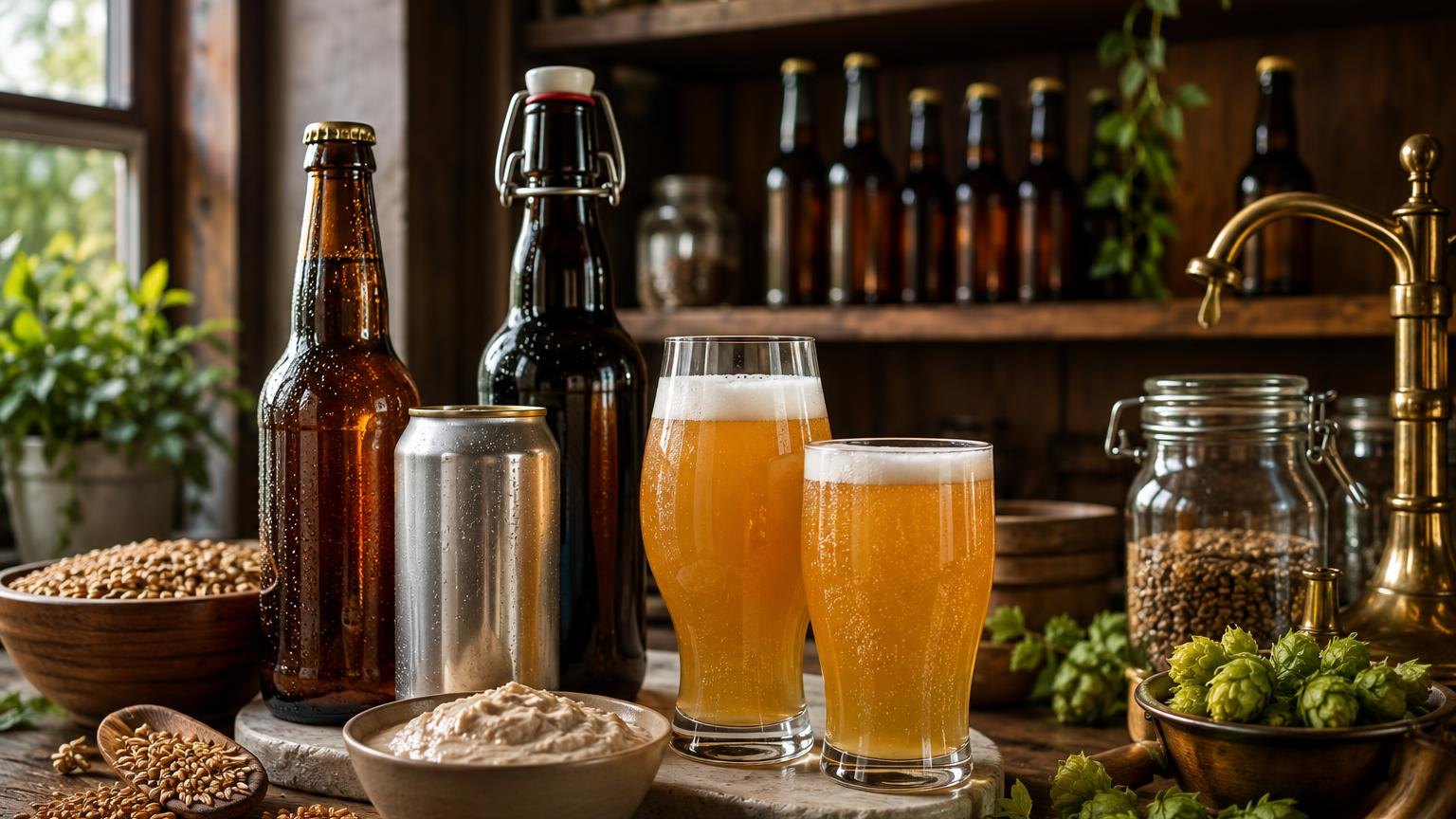
| Style | Typical yeast | Fermentation range | Common strength |
| Hefeweizen | Phenolic German wheat strain | 17–24°C | 4.3–5.6% ABV |
| Saison | Highly attenuative Belgian strain | 20–35°C | 3.5–9.5% ABV |
| Belgian dubbel | Estery abbey strain | 18–26°C | 6–7.6% ABV |
| Witbier | Phenolic Belgian wheat strain | 18–24°C | 4.5–5.5% ABV |
| Lambic | Mixed wild yeast and bacteria | Ambient fermentation | 5–6.5% ABV |
| Kveik farmhouse ale | Norwegian yeast culture | 25–40°C | Varies by recipe |
Hefeweizen
German wheat yeast produces isoamyl acetate, perceived as banana, and 4-vinyl guaiacol, perceived as clove. A traditional hefeweizen remains cloudy because suspended yeast and wheat proteins scatter light.
Pouring the final sediment increases yeast-derived aroma and texture.
Saison
Saison strains ferment exceptionally dry and tolerate warmer conditions than most ale yeasts. They create peppery phenols, citrus-like esters, and an earthy impression.
Some strains display the “saison stall,” slowing before fermentation resumes, so brewers monitor gravity rather than relying on a fixed schedule.
Belgian Abbey Ales
Dubbel, tripel, and Belgian strong ale depend on expressive Saccharomyces cultures. Their esters suggest pear, apple, or dark fruit, while phenols contribute pepper and spice.
High attenuation prevents strong examples from tasting syrupy despite substantial alcohol and additions of fermentable brewing sugar.
Witbier
Belgian witbier yeast supplies tartness, light fruit, and peppery phenols that complement unmalted wheat, coriander, and orange peel. Its haze is intentional.
Yeast may remain in suspension, although protein and starch also contribute to the pale, opaque appearance.
Lambic and Gueuze
Traditional lambic uses spontaneous fermentation rather than a pitched pure culture. Saccharomyces begins fermentation; Brettanomyces later develops leathery, earthy, and fruity complexity. Lactic-acid bacteria create acidity.
Gueuze blends younger and older lambics, with renewed fermentation producing natural carbonation in the bottle.
Kveik Beer
Kveik refers to inherited Norwegian farmhouse yeast cultures, not one flavor profile or beer style. Many ferment rapidly at unusually warm temperatures while producing orange, tropical-fruit, or relatively neutral aromas.
Their heat tolerance lets brewers shorten cooling requirements without automatically creating harsh fusel character.
Cloudiness does not prove that beer contains viable brewer’s yeast. Filtered beer may retain haze, while bottle-conditioned beer can appear clear after sediment settles.
Check the label for “bottle conditioned,” “naturally conditioned,” or “contains yeast” when live cells matter.
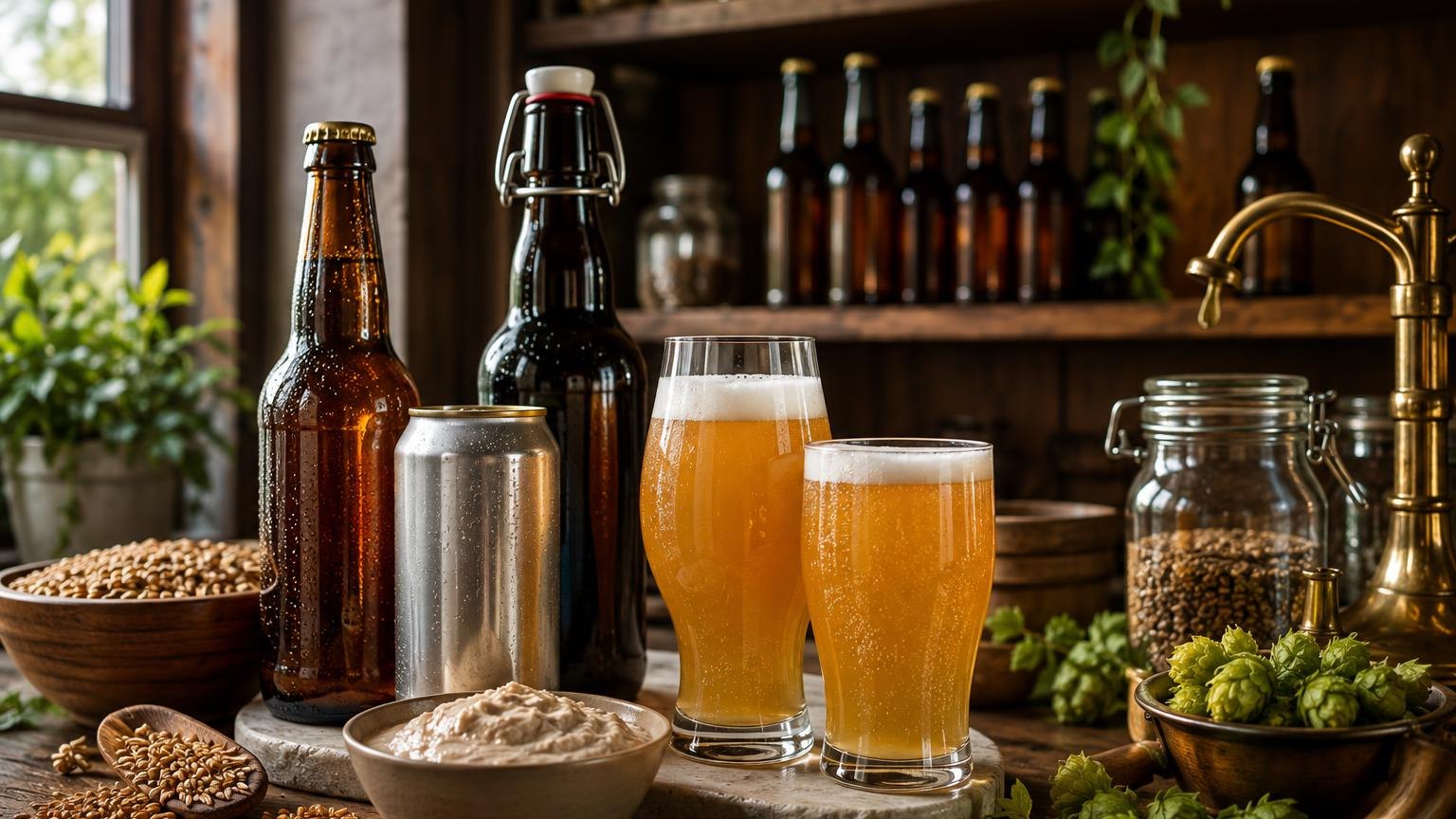
Ale Versus Lager Yeast Strain Differences
Ale and lager yeasts belong to two distinct species that diverged approximately 500,000–600,000 years ago.
Their genetic makeup dictates fermentation temperature, flavor compound production, and flocculation behavior—differences that define the world’s two broadest beer categories.
Species Classification
Ale yeast is Saccharomyces cerevisiae. Lager yeast is Saccharomyces pastorianus, a natural hybrid of S. cerevisiae and the cold-tolerant Saccharomyces eubayanus, identified in Patagonian beech forests in 2011.
Core Fermentation Differences
| Characteristic | Ale Yeast (S. cerevisiae) | Lager Yeast (S. pastorianus) |
| Optimal fermentation temp | 15–24 °C (59–75 °F) | 7–13 °C (45–55 °F) |
| Fermentation position | Top-fermenting (rises to surface) | Bottom-fermenting (settles to base) |
| Primary fermentation time | 3–7 days | 7–14 days |
| Lagering/conditioning | Rarely required | 2–8 weeks at 0–4 °C |
| Melibiose metabolism | Cannot ferment melibiose | Ferments melibiose via MEL gene |
| Genome size | ~12 Mb (haploid) | ~24 Mb (allotetraploid hybrid) |
| Ester production (isoamyl acetate) | Higher: 1.5–4.0 mg/L typical | Lower: 0.3–1.5 mg/L typical |
| Sulfur compound production | Low | Higher H₂S during primary |
Flavor Impact
Ale strains produce more esters and phenols at warmer temperatures. Belgian ale strains can generate 4-vinylguaiacol above 0.3 mg/L, contributing clove-like notes prized in witbiers and saisons.
Lager strains yield cleaner profiles. Extended cold conditioning reduces diacetyl below its flavor threshold of 10–15 ppb, producing the crisp finish characteristic of pilsners and helles.
Attenuation and Flocculation
Both species span wide attenuation ranges. Typical ale strains attenuate 72–80% of available sugars. Lager strains commonly reach 75–83%, partly because they metabolize the trisaccharide raffinose completely rather than only one-third.
Flocculation varies by strain, not species. English ale strains like White Labs WLP002 are highly flocculant, dropping clear in days. German lager strains like WLP830 show medium flocculation, requiring cold conditioning to clarify.
Hybrid and Crossover Strains
- Kölsch yeast: an ale strain fermented at 13–18 °C, bridging ale fruitiness and lager crispness
- California Common (steam beer) yeast: a lager strain (WLP810) fermented warm at 15–20 °C
- Engineered hybrids: researchers at VTT Finland created interspecies hybrids in 2015 combining ale aromatics with lager cold tolerance
Choosing between ale and lager yeast determines not only fermentation logistics—temperature control, tank time, energy costs—but the entire sensory architecture of the finished beer.
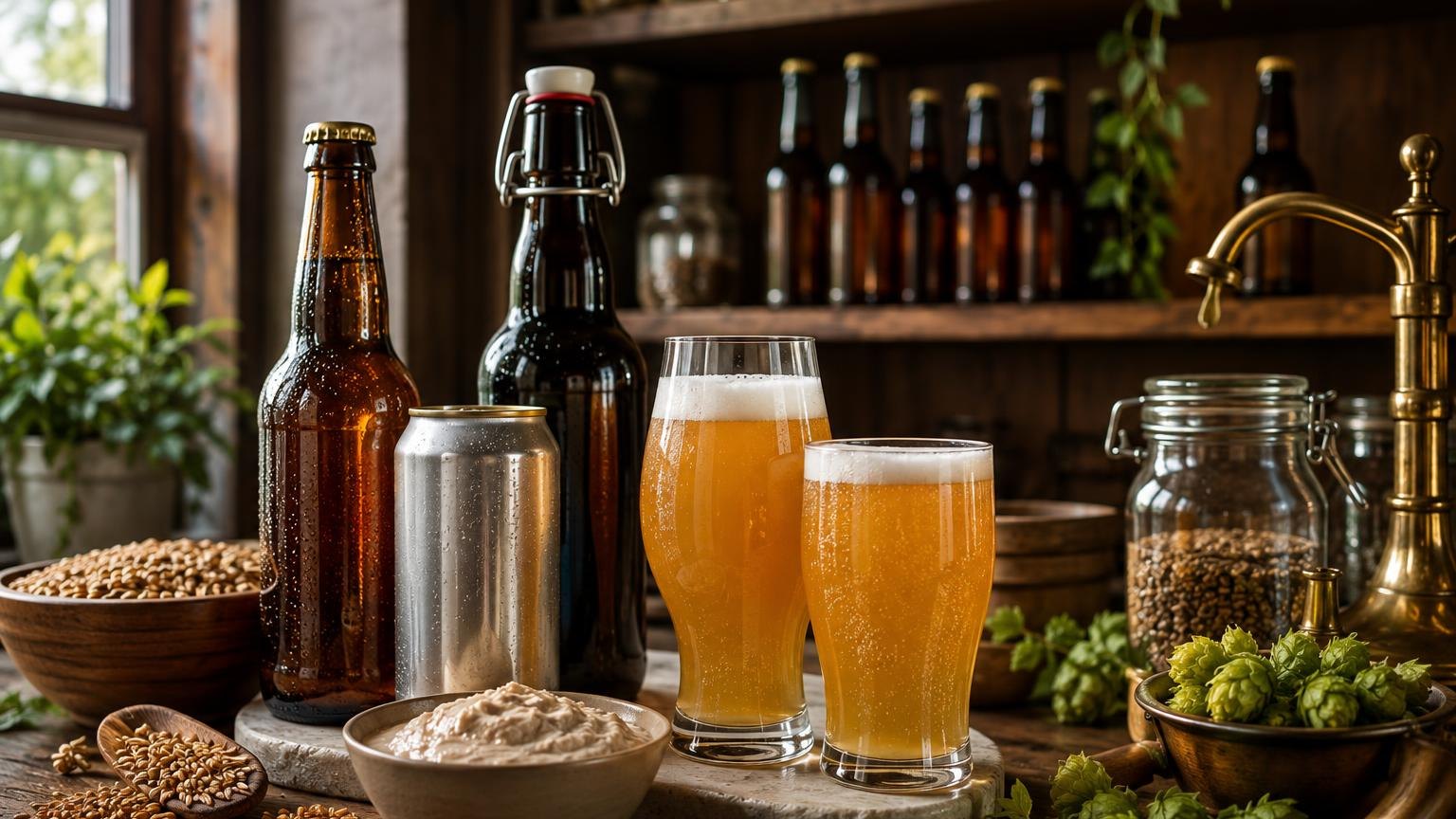
Live Yeast Beers Worth Seeking Out
Bottle-conditioned and unfiltered beers retain living brewer’s yeast, delivering active B vitamins, probiotics, and complex flavor development. These beers continue evolving in the bottle, making each pour a snapshot of ongoing fermentation.
Classic Bottle-Conditioned Beers
Belgian Trappist breweries set the standard for live yeast beers. Only 14 monasteries worldwide carry the Authenticated Trappist Product label, and each bottles with active yeast.
| Beer | Style | ABV | Yeast Strain | Cellar Potential |
| Chimay Grande Réserve (Blue) | Belgian Dark Strong | 9.0% | Proprietary house strain | 10–15 years |
| Orval | Belgian Pale Ale | 6.2% | Mixed culture with Brettanomyces | 5–7 years |
| Sierra Nevada Pale Ale | American Pale Ale | 5.6% | Chico strain (WLP001) | 6–12 months |
| Saison Dupont | Saison | 6.5% | Dupont house saison strain | 3–5 years |
| Schneider Weisse Tap 6 | Hefeweizen | 5.2% | Bavarian wheat beer yeast | 1–2 years |
American Craft Options
Sierra Nevada has bottle-conditioned its flagship Pale Ale since 1980, adding fresh yeast at packaging. The sediment layer contains roughly 1 million cells per milliliter.
Allagash White, brewed in Portland, Maine, undergoes secondary fermentation in the bottle. The Belgian-style witbier (5.2% ABV) builds carbonation naturally over 2–3 weeks before release.
German Hefeweizen Tradition
Hefeweizen translates literally to “yeast wheat.” Bavarian examples from breweries like Weihenstephaner (operating since 1040 AD) deliberately retain suspended yeast for the style’s signature banana and clove character.
Wild and Mixed-Fermentation Beers
Lambics from Belgium’s Pajottenland region contain wild Brettanomyces and Lactobacillus alongside Saccharomyces. Cantillon, founded in 1900, uses open coolships to inoculate wort with ambient microorganisms.
- Cantillon Gueuze: Blend of 1-, 2-, and 3-year-old lambics, refermented in bottle for 6+ months
- 3 Fonteinen Oude Geuze: Contains an estimated 50+ wild yeast and bacteria species per bottle
- Russian River Supplication: Aged 12 months in Pinot Noir barrels with Brettanomyces, Lactobacillus, and Pediococcus
Serving Tips for Live Yeast Beers
Store bottles upright at 50–55°F to compact the yeast sediment. Pour slowly in one continuous motion, leaving the final half-inch in the bottle unless you want the fuller, yeastier character.
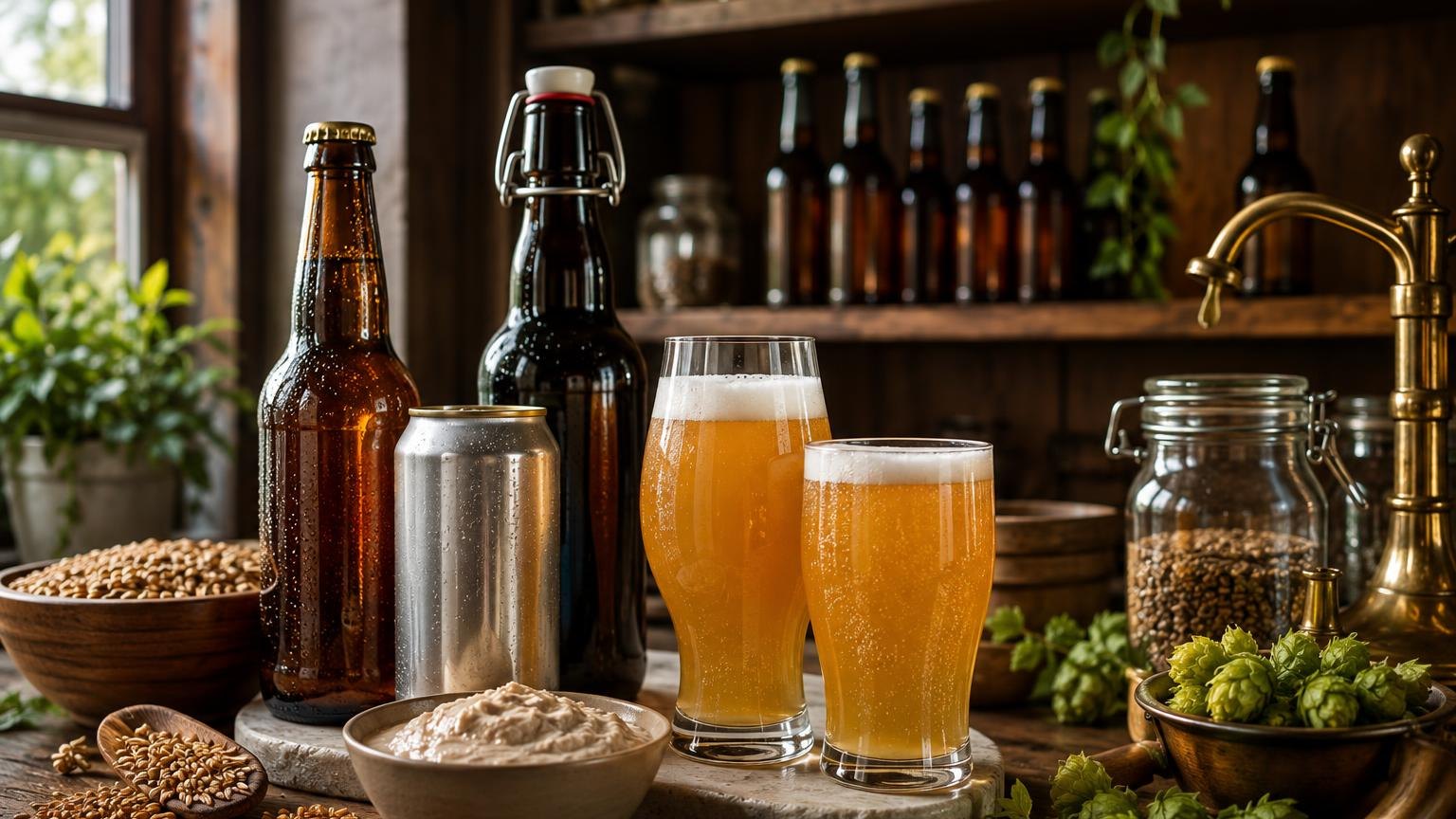
Flavor Compounds Produced by Brewers Yeast
Saccharomyces cerevisiae generates over 600 flavor-active compounds during fermentation. These metabolites—esters, fusel alcohols, phenols, and organic acids—define a beer’s aromatic profile far more than malt or hops alone.
Key Esters
Esters contribute fruity and floral aromas. Their concentration depends on fermentation temperature, yeast strain, and wort composition.
| Ester | Aroma | Flavor Threshold | Typical Range in Beer |
| Ethyl acetate | Solvent, light fruity | 25–30 mg/L | 8–32 mg/L |
| Isoamyl acetate | Banana, pear | 1.2–2.0 mg/L | 0.3–3.8 mg/L |
| Ethyl hexanoate | Apple, anise | 0.21 mg/L | 0.05–0.30 mg/L |
| Ethyl octanoate | Tropical fruit | 0.9 mg/L | 0.04–0.53 mg/L |
Fusel Alcohols
Higher alcohols form via amino acid metabolism through the Ehrlich pathway. Total fusel alcohol content in most beers ranges from 60–150 mg/L.
- Isoamyl alcohol — banana/solvent notes; threshold ~70 mg/L; typically present at 30–70 mg/L
- 2-Phenylethanol — rose-like aroma; threshold ~40 mg/L; found at 10–75 mg/L
- Isobutanol — alcoholic, solvent character; threshold ~200 mg/L; typically 5–20 mg/L
Raising fermentation temperature by 5 °C can increase fusel alcohol production by 50–100%, making temperature control critical for clean-tasting lagers.
Phenolic Compounds
POF-positive (phenolic off-flavor) yeast strains decarboxylate ferulic acid into 4-vinylguaiacol, producing clove-like flavor at concentrations above its 0.3 mg/L threshold. German wheat beers contain 1–4 mg/L deliberately.
Most lager strains are POF-negative.
Sulfur Compounds
Hydrogen sulfide (H₂S) forms during amino acid synthesis, with a detection threshold of just 4–10 µg/L. Dimethyl sulfide (DMS) contributes cooked-corn character above 30 µg/L. Extended conditioning allows H₂S to dissipate naturally.
Organic Acids
Yeast produces acetic acid (60–200 mg/L), succinic acid (50–150 mg/L), and pyruvic acid (30–100 mg/L).
These lower beer pH to 3.8–4.4 and add palate complexity without perceptible sourness when kept below their respective thresholds.
The ratio between esters and fusel alcohols determines perceived balance. A ratio above 1:4 (ester to fusel alcohol) generally signals a well-attenuated, flavor-forward fermentation profile characteristic of quality ales and wheat beers.
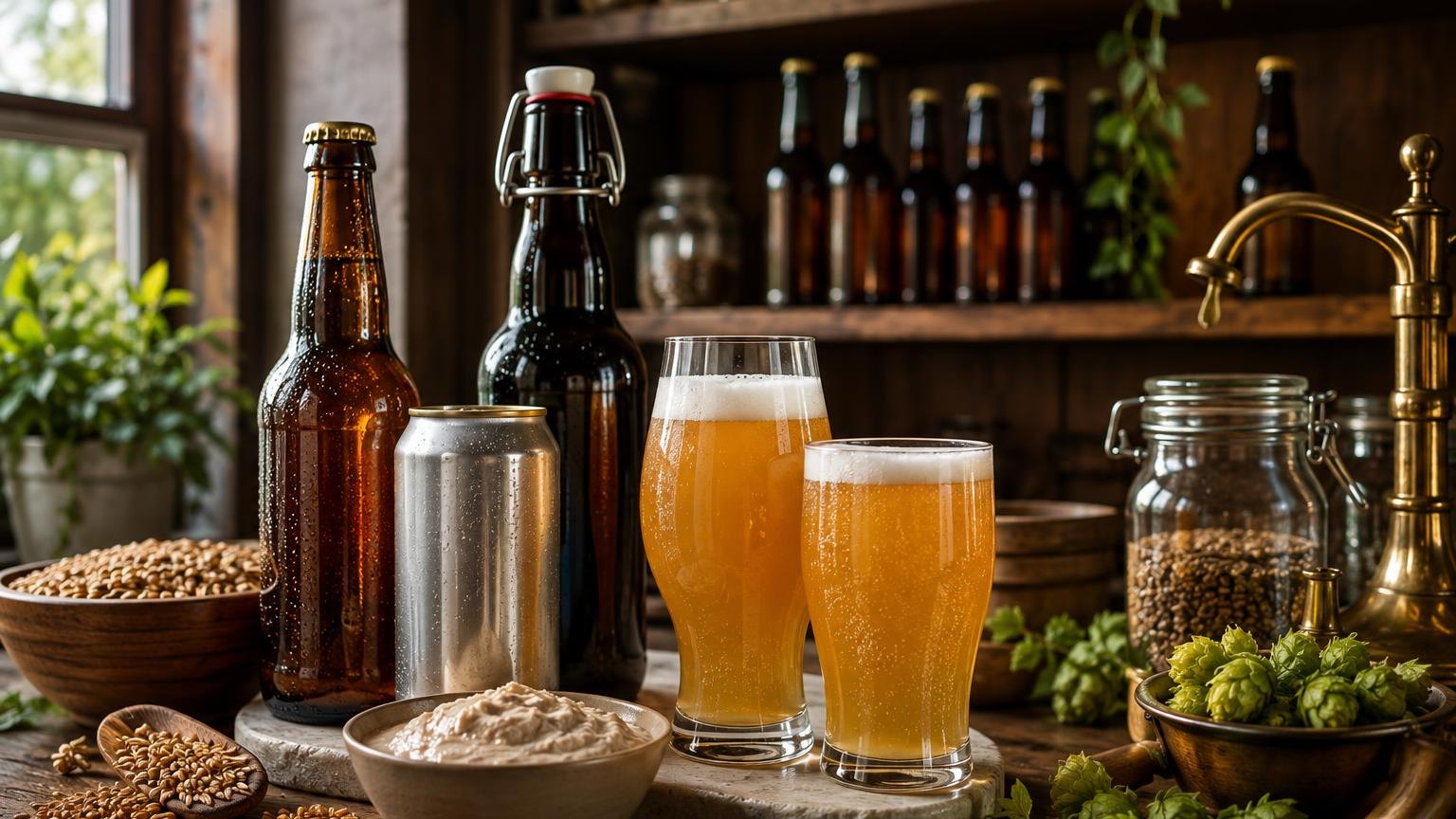
Storing and Serving Yeast-Conditioned Beers
Yeast-conditioned beers require deliberate handling to preserve live yeast activity and flavor integrity. Improper storage destroys the very characteristics that make these beers distinctive.
Temperature, orientation, and pouring technique each directly affect the drinking experience.
Storage Temperature Guidelines
Store bottle-conditioned beers between 50–55°F (10–13°C) for most styles.
This range keeps yeast dormant but viable without killing cells or triggering autolysis—the breakdown of dead yeast that produces meaty, soy sauce–like off-flavors.
| Beer Style | Ideal Storage Temp | Max Aging Period |
| Belgian Dubbel/Tripel | 50–55°F (10–13°C) | 3–5 years |
| Hefeweizen | 45–50°F (7–10°C) | 3–6 months |
| Bottle-Conditioned IPA | 45–50°F (7–10°C) | 3–4 months |
| Barleywine | 50–55°F (10–13°C) | 5–10 years |
| Saison | 50–55°F (10–13°C) | 1–3 years |
Bottle Orientation
Store bottles upright. This concentrates the yeast sediment in a compact layer at the bottom, making a clean pour easier. Horizontal storage spreads sediment along the bottle’s side, creating a film that resuspends uncontrollably when poured.
Pouring Technique
Pour in a single, steady motion at a 45° angle. Stop when approximately half an inch of beer remains in the bottle. This leaves most sediment behind while capturing the clear, carbonated beer above.
Some drinkers prefer to swirl the final ounce and add yeast to the glass. Hefeweizens traditionally include this step—Bavarian brewers consider the yeast an essential flavor component providing clove and banana ester complexity.
Light and Vibration
UV light degrades iso-alpha acids in hops within minutes, producing 3-methyl-2-butene-1-thiol (MBT)—the compound responsible for “skunked” beer. Store bottles away from fluorescent and direct sunlight.
Brown glass blocks roughly 98% of UV; green glass blocks only about 20%.
Excessive vibration agitates yeast sediment and can accelerate unwanted chemical reactions. Avoid storing near washing machines, refrigerator compressors, or high-traffic areas.
Serving Temperature by Style
- Hefeweizen: 40–45°F (4–7°C)—cold enough to refresh, warm enough for yeast-derived phenols to express
- Belgian Tripel: 45–50°F (7–10°C)—allows fruity esters from Saccharomyces cerevisiae strains to develop in the glass
- Bottle-Conditioned Stout: 50–55°F (10–13°C)—warmth unlocks roast and chocolate notes
- Gueuze/Lambic: 40–50°F (4–10°C)—balances acidity against Brettanomyces funk
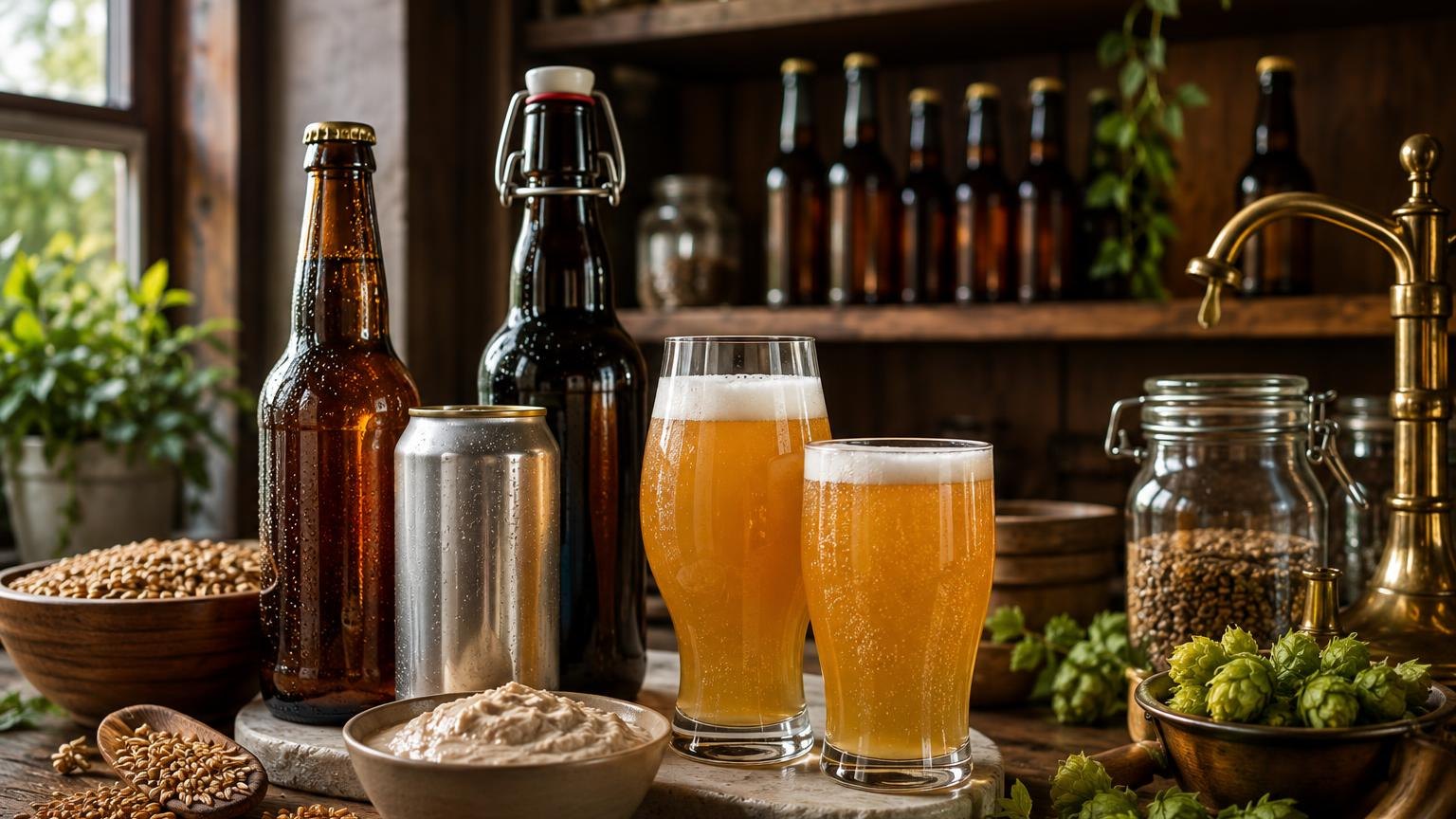
Proper glassware matters. Use wide-mouthed glasses like the Weizen vase or tulip to concentrate aromatic compounds. Rinse glasses with cold water before pouring—residual detergent kills foam stability by disrupting protein-based head retention.
Frequently Asked Questions
What is brewer’s yeast and how does it differ from other yeast strains?
Brewer’s yeast refers primarily to Saccharomyces cerevisiae (ale yeast) and Saccharomyces pastorianus (lager yeast), both domesticated over centuries specifically for beer fermentation.
Unlike wild yeast strains such as Brettanomyces or baker’s yeast optimized for CO₂ production in dough, brewer’s yeast is selected for predictable flavor profiles, alcohol tolerance up to 8–12% ABV, and consistent flocculation behavior.
The distinction matters because substituting baker’s yeast in brewing produces off-flavors like excessive phenolics and poor attenuation.
Which popular beer styles rely most heavily on specific brewer’s yeast character?
Belgian Witbiers, Saisons, and Hefeweizens derive up to 50–70% of their flavor identity from yeast-produced esters and phenols rather than hops or malt.
Hefeweizen yeast (such as Weihenstephan W68) generates signature banana (isoamyl acetate) and clove (4-vinyl guaiacol) notes at fermentation temperatures between 17–24 °C.
English Bitters and ESBs use strains like White Labs WLP002 that leave residual sweetness through lower attenuation rates of 63–70%.
Does brewer’s yeast remain in the finished beer you drink?
In filtered commercial lagers like Budweiser or Heineken, virtually all yeast is removed through diatomaceous earth filtration or centrifugation before packaging.
Bottle-conditioned beers such as Sierra Nevada Pale Ale, Duvel, and most Belgian Trappist ales intentionally retain live yeast—typically 1–5 million cells per milliliter—which continues to carbonate and subtly develop the beer over time.
The visible sediment at the bottom of these bottles is almost entirely dormant brewer’s yeast.
What nutritional benefits does brewer’s yeast add to beer?
Brewer’s yeast is rich in B-complex vitamins, contributing measurable amounts of thiamine (B1), riboflavin (B2), niacin (B3), and folate (B9) to unfiltered beer.
A 355 mL serving of unfiltered wheat beer can contain 3–8% of the daily recommended intake of several B vitamins, along with the bioavailable mineral chromium at 3–6 mcg per serving.
Filtered beers lose most of these yeast-derived micronutrients during processing.
How does fermentation temperature affect the flavors brewer’s yeast produces in beer?
Ale yeasts fermented at the higher end of their range (20–24 °C) produce significantly more esters like ethyl acetate and isoamyl acetate, resulting in fruity, sometimes solvent-like flavors.
Dropping fermentation temperature by just 2–3 °C can reduce ester production by 30–50%, which is why Kölsch brewers ferment their ale yeast at a cool 13–16 °C to achieve a clean, lager-like profile.
Lager yeasts operate at 7–13 °C, producing fewer flavor-active compounds and yielding the crisp neutrality associated with pilsners.
Can people with yeast allergies or sensitivities safely drink beer made with brewer’s yeast?
True IgE-mediated yeast allergies are rare, affecting an estimated less than 1% of the population, but those diagnosed should avoid all beer—especially unfiltered and bottle-conditioned styles where live yeast cell counts are highest.
Many people who report “yeast sensitivity” are actually reacting to histamine, tyramine, or other biogenic amines produced during fermentation, which are present at 1–10 mg/L in most beers regardless of filtration.
Consulting an allergist for specific IgE testing against Saccharomyces cerevisiae is the only reliable way to distinguish a true allergy from intolerance.
Which commercial beers are best known for showcasing brewer’s yeast flavor?
Westmalle Tripel (9.5% ABV) and Chimay Blue (9% ABV) are Trappist benchmarks where proprietary house yeast strains produce complex pear, pepper, and spice notes central to the beer’s identity.
Germany’s Schneider Weisse Original uses a heritage Hefeweizen strain dating back to 1872 that delivers intense clove and banana character.
Saison Dupont (6.5% ABV) ferments with a notoriously temperamental Belgian farmhouse strain at temperatures reaching 29–35 °C during the final phase, producing its signature dry, peppery finish.
How do brewers reuse yeast across multiple beer batches and does it change the beer?
Commercial breweries routinely harvest yeast from the bottom of fermenters and repitch it across 6–10 generations before sourcing a fresh culture from their yeast bank.
Each generation introduces subtle genetic drift and mutation—by generation 7–8, brewers often report shifts in flocculation, attenuation, and ester production that trained palates can detect.
Major breweries like Anheuser-Busch maintain cryogenically stored master cultures at −80 °C and propagate fresh yeast regularly to ensure batch-to-batch consistency across billions of liters annually.
Further Reading
- How Many Drops are In 1 ML? The Drops to Ml
- How Long Is Maker’S Mark Bourbon Aged?
- Is Tequila Bad For Gout?
- How Many Oz Is 180 Ml?
- Buffalo Trace Single Barrel Select – What You Need to Know
- All Blog Guides
- National Institutes of Health – Office of Dietary Supplements: Chromium Fact Sheet (2024)
- USDA FoodData Central: Beer, regular, all (2024)
- PubMed – Journal of the Institute of Brewing: The Role of Saccharomyces cerevisiae in Beer Flavour (2015)
- Mount Sinai Health Library: Brewer's Yeast (2023)
- Oregon State University – Linus Pauling Institute: Chromium (2024)
- University of California Davis – Department of Food Science: Brewing Science (2024)
- MedlinePlus (National Library of Medicine): Brewer's Yeast (2023)