Is Tequila Bad For Gout is best answered yes: tequila can raise gout risk because alcohol slows uric acid clearance and can trigger flares in people with hyperuricemia.
Distilled spirits are purine-free, but ethanol increases lactate, which competes with uric acid for kidney excretion.
Clinical guidance from the American College of Rheumatology advises limiting alcohol, especially during active gout or frequent flares.
In studies, liquor intake has been linked with higher gout attack risk than abstaining, even without beer’s purines.
For someone managing gout, tequila is not a “safe” workaround; portion size, frequency, hydration, and urate-lowering treatment all matter.
Why Tequila Can Still Trigger Gout
Tequila is not high in purines, but gout risk is not just about purines. The bigger issue is ethanol: alcohol can raise uric acid production, reduce kidney uric acid excretion, and trigger flares in people who already have gout.
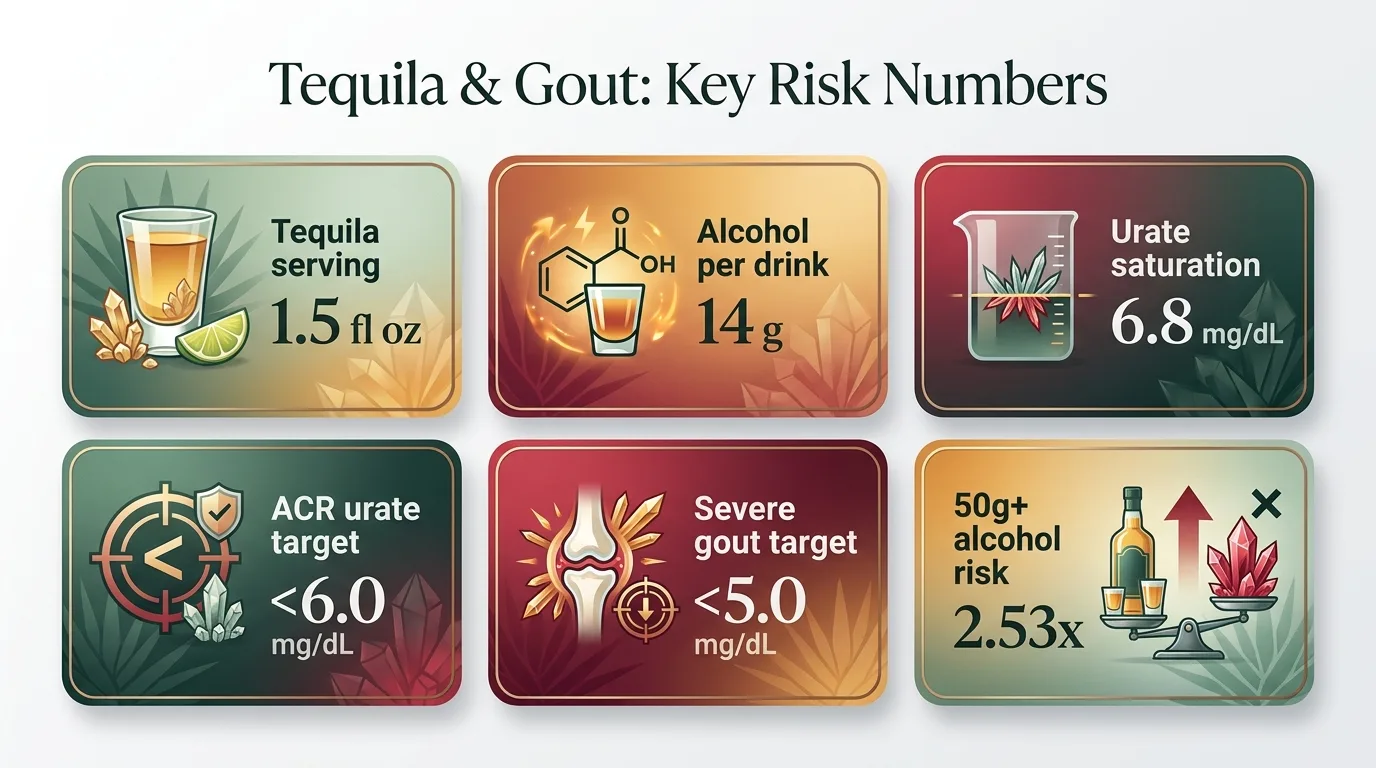
A standard tequila pour is smaller than most people think. In U.S. nutrition labeling, one “standard drink” contains 14 grams of pure alcohol, which equals 1.5 fluid ounces of 40% ABV tequila.
| Number | What it means for tequila and gout |
| 1.5 fl oz | One U.S. standard drink of 80-proof, 40% ABV tequila. |
| 14 g alcohol | The ethanol in one standard tequila serving; ethanol, not tequila purines, is the main gout concern. |
| 6.8 mg/dL | Approximate blood urate saturation point; above this, monosodium urate crystals can form. |
| <6.0 mg/dL | American College of Rheumatology treatment target for most gout patients on urate-lowering therapy. |
| <5.0 mg/dL | Often used for severe tophaceous gout, where faster crystal dissolution is needed. |
The best-known prospective data come from the Health Professionals Follow-Up Study, published in The Lancet in 2004. Among 47,150 men followed for 12 years, gout risk rose as total alcohol intake increased.
| Average alcohol intake | Relative gout risk reported |
| 10.0–14.9 g/day | 1.32 times higher risk versus no alcohol |
| 15.0–29.9 g/day | 1.49 times higher risk |
| 30.0–49.9 g/day | 1.96 times higher risk |
| 50 g/day or more | 2.53 times higher risk |
For tequila specifically, the closest category in that study is “liquor.” One serving of liquor per day was associated with a 1.15-fold higher gout risk.
Beer was higher at 1.49-fold per 12-ounce serving, largely because beer adds purines from brewer’s yeast.
That does not make tequila “safe” for gout. A double pour is already 3 fluid ounces, or 28 grams of alcohol. Two doubles in a night reach 56 grams, a range associated with substantially higher gout risk in population data.
- During a flare: avoid tequila and other alcohol; it can prolong inflammation and complicate hydration.
- Between flares: alcohol should be limited, especially if uric acid is above 6.0 mg/dL.
- With urate-lowering medication: tequila does not replace the need to reach the blood urate target.
What Determines Tequila’s Gout Impact
Tequila’s effect on gout depends less on the agave plant and more on alcohol dose, dehydration, kidney handling of uric acid, and what you drink it with.
Distilled spirits contain essentially no purines, but alcohol can still raise flare risk by reducing uric acid excretion.
In practice, the same tequila can affect two people differently depending on baseline uric acid, recent flares, medications, and serving size.
The American College of Rheumatology conditionally recommends limiting alcohol for people with gout, especially when flares are active or urate is uncontrolled.
Amount of tequila matters most
A standard U.S. drink of tequila is 1.5 fluid ounces of 40% ABV spirit, containing about 14 grams of pure alcohol. Two “generous” home pours can easily equal 3 to 4 standard drinks.
| Tequila intake | Approximate alcohol | Gout relevance |
| 1.5 oz, 40% ABV | 1 standard drink, 14 g alcohol | Lower exposure, but not risk-free |
| 3 oz, 40% ABV | 2 standard drinks, 28 g alcohol | Higher short-term flare risk |
| 4.5 oz, 40% ABV | 3 standard drinks, 42 g alcohol | More dehydration and reduced urate clearance |
Timing relative to flares
Alcohol is more problematic during and soon after a gout flare.
A case-crossover study in The American Journal of Medicine found that alcohol intake in the prior 24 hours was associated with increased recurrent gout attack risk, with risk rising as drinks increased.
Hydration and kidney function
Alcohol can increase urination and contribute to dehydration. Lower fluid volume can concentrate uric acid, while alcohol metabolism can increase lactate, which competes with urate for kidney excretion.
People with chronic kidney disease, hypertension, diabetes, or diuretic use often clear uric acid less efficiently. In those cases, even modest alcohol may have a larger effect on serum urate and flare risk.
Mixers can change the picture
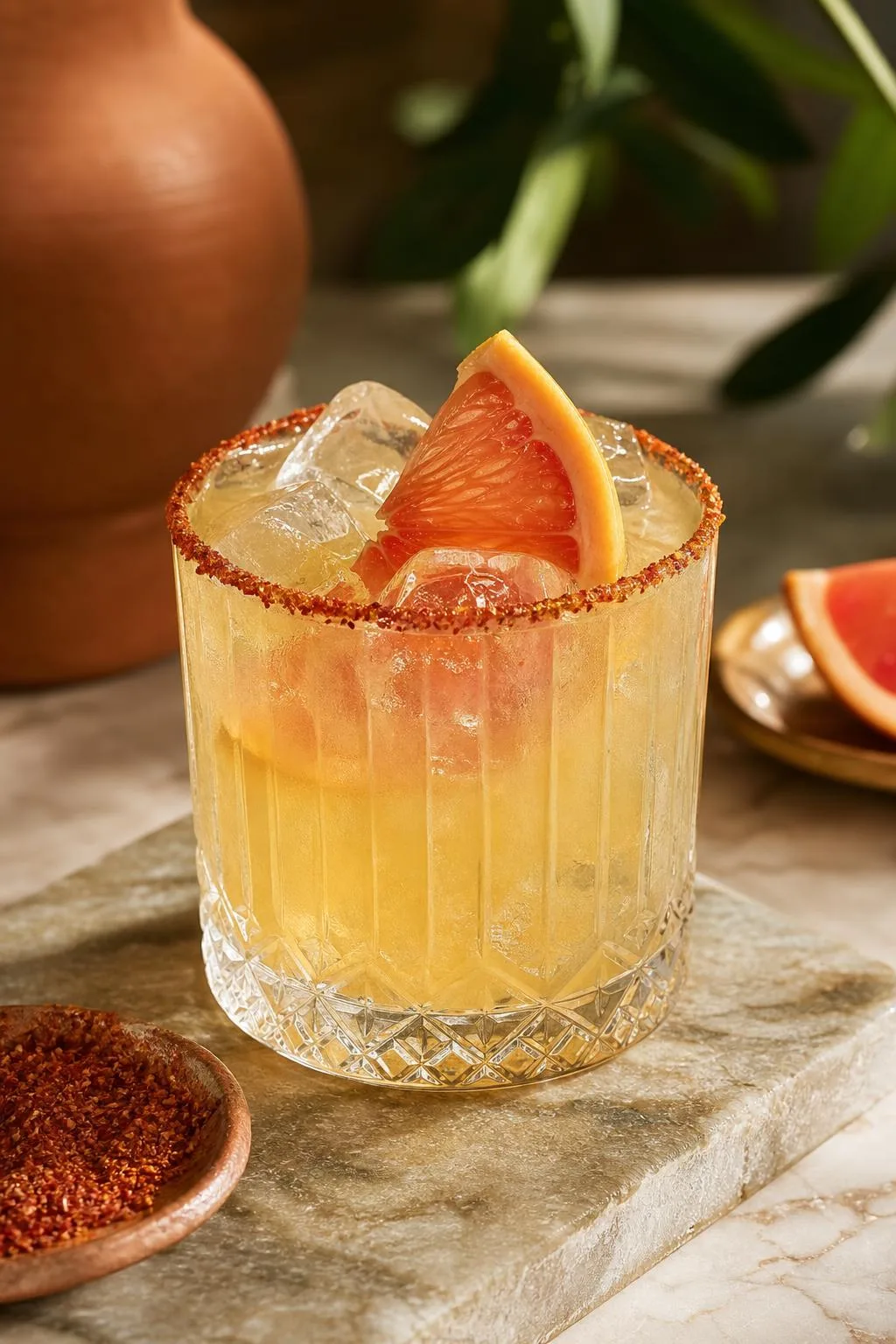
Straight tequila differs from margaritas, palomas, and sweet bottled cocktails. Sugar-sweetened mixers add fructose, which can increase uric acid production during metabolism.
| Drink choice | Common issue | Why it matters for gout |
| Tequila neat or on ice | No added sugar | Alcohol still affects urate excretion |
| Margarita mix | Often high in added sugar | Fructose can raise uric acid production |
| Paloma with soda | Sweetened grapefruit soda | Combines alcohol plus sugar load |
Medication status
People taking allopurinol, febuxostat, or probenecid may tolerate occasional alcohol better once serum urate is consistently below the usual treatment target of 6 mg/dL.
That does not make tequila protective; it only means urate control lowers baseline risk.
- Higher-risk situations: recent flare, uric acid above target, dehydration, binge drinking, kidney disease, or diuretics.
- Lower-risk situations: stable urate below 6 mg/dL, no recent flares, one measured serving, food intake, and water alongside alcohol.
How Tequila’s Gout Effects Are Evaluated
Tequila’s relevance to gout is verified by measuring blood urate, documenting gout flares, and quantifying alcohol exposure.
The key question is not whether tequila contains purines, but whether drinking it raises serum urate or triggers attacks.
Clinicians usually start with a serum urate blood test.
The American College of Rheumatology uses a treatment target of less than 6 mg/dL for most people with gout, because monosodium urate crystals form more readily above the saturation point of about 6.8 mg/dL.
| Measure | What it verifies | Common reference point |
| Serum urate blood test | Whether uric acid is high enough to support crystal formation | Target below 6 mg/dL in treated gout |
| Synovial fluid microscopy | Direct proof of gout crystals in a painful joint | Needle-shaped, negatively birefringent monosodium urate crystals |
| 24-hour urine uric acid | Whether uric acid overproduction or under-excretion is contributing | Often used when stones, severe gout, or unusual cases are present |
| Alcohol intake log | Whether tequila timing matches flares | One U.S. standard drink contains 14 g pure alcohol |
A 1.5-ounce shot of 40% ABV tequila counts as one U.S. standard drink. Verification requires counting actual pour size, not just “one drink,” because bar pours can exceed 1.5 ounces and cocktails may contain multiple shots.
Gout itself is best verified by joint-fluid analysis. A clinician aspirates fluid from the swollen joint and examines it under polarized light.
Finding monosodium urate crystals confirms gout, even if the serum urate level is normal during an acute flare.
- Before-and-after testing: Serum urate can be checked after several alcohol-free weeks, then compared with results during periods of tequila intake.
- Flare diary: Record tequila amount, timing, dehydration, rich meals, and flare onset within the next 24 to 48 hours.
- Medication review: Diuretics, low-dose aspirin, cyclosporine, and niacin can raise urate and confound alcohol conclusions.
- Kidney assessment: Creatinine and estimated GFR help verify whether impaired urate excretion is part of the problem.
Population studies support verification through prospective tracking.
In the Health Professionals Follow-up Study, alcohol intake was associated with higher gout risk, with beer showing the strongest association and spirits also increasing risk compared with no alcohol.
For an individual, the most reliable practical test is supervised abstinence.
If serum urate falls or attacks stop after avoiding tequila and other alcohol, then recur after reintroduction, that pattern strongly suggests alcohol-triggered gout activity.
How Tequila Compares with Beer
Tequila is not uniquely “gout-safe,” but it differs from beer and sweet cocktails in ways that matter. The main issue is alcohol itself: ethanol can raise uric acid and reduce kidney urate excretion, especially during binges.
For gout risk, compare drinks by alcohol dose, purine content, sugar load, and typical serving size. A standard U.S. drink contains 14 grams of pure alcohol, according to the National Institute on Alcohol Abuse and Alcoholism.
| Drink | Typical serving | Alcohol | Gout-relevant points |
| Tequila, 80 proof | 1.5 oz shot | 14 g ethanol | Distilled spirit; essentially purine-free, but ethanol can still raise uric acid and trigger flares. |
| Beer, regular | 12 oz | 14 g ethanol | Contains brewer’s yeast purines. Beer is consistently linked with higher gout risk than wine in observational studies. |
| Wine | 5 oz | 14 g ethanol | Lower purine burden than beer. Still alcohol, but moderate wine intake showed weaker gout association than beer or liquor in major cohort data. |
| Margarita | 8 oz restaurant drink | Often 1.5–2+ shots | Tequila plus sugar. Many versions add 20–40 g sugar, increasing metabolic stress relevant to uric acid. |
| Hard seltzer | 12 oz can | About 14 g ethanol at 5% ABV | Usually low sugar and low purine, but alcohol dose is comparable to beer. |
Beer is usually the worst common option for gout. In a 2004 Lancet study of 47,150 men, beer showed the strongest association: each 12 oz daily serving was linked to about a 49% higher gout risk.
Liquor was also associated with increased risk in that study, though less than beer. Each daily serving of spirits was linked to about a 15% higher gout risk, while moderate wine intake did not show the same increase.
- Tequila vs beer: tequila avoids beer’s yeast-derived purines, but a shot still delivers the same 14 g ethanol as a 12 oz beer.
- Tequila vs wine: wine may be the lower-risk alcoholic choice in population studies, but it is not protective during an active flare.
- Tequila vs margaritas: straight tequila is usually less problematic than sweet margaritas because it avoids added fructose and large pour sizes.
- Tequila vs hard seltzer: both are low-purine choices, but gout risk depends mainly on total ethanol consumed.
During a flare, the American College of Rheumatology advises limiting alcohol as part of gout management. For people with frequent attacks or high uric acid, “less often and less total alcohol” matters more than the specific spirit.
Practical Tequila Advice for Gout
Tequila is not “safe” for gout just because it is low in purines. Alcohol can raise serum urate, reduce uric acid excretion through the kidneys, and increase dehydration risk, all of which can help trigger a flare.
For someone with gout, the practical question is not whether tequila contains purines, but whether drinking it fits with flare control, medications, kidney health, and overall alcohol limits.
What tequila means for gout risk
| Factor | Why it matters | Practical takeaway |
| Standard tequila serving | 1.5 fl oz of 40% ABV tequila contains about 14 grams of pure alcohol. | Count one shot as one U.S. standard drink. |
| Alcohol limits | CDC dietary guidance defines moderate drinking as up to 1 drink/day for women or 2 drinks/day for men. | Gout patients often do better below these limits, especially after recent flares. |
| Flare trigger window | Alcohol can affect urate handling and hydration within hours. | Avoid tequila during a flare and for several days after symptoms settle. |
| Serum urate target | The American College of Rheumatology recommends below 6 mg/dL for most people on urate-lowering therapy. | If urate remains above target, alcohol reduction is usually part of the plan. |
Safer choices if you decide to drink
- Do not drink during an acute gout attack. Alcohol may prolong inflammation and complicate pain control, especially if you are using NSAIDs, colchicine, or steroids.
- Choose plain tequila over sweet mixers. Margaritas, sour mix, agave syrup, soda, and juice add sugar or fructose, which can increase uric acid production.
- Hydrate deliberately. Drink water before alcohol and between drinks. Dehydration concentrates uric acid and is a common flare co-factor.
- Eat first. Drinking on an empty stomach increases intoxication risk and may encourage late-night high-purine foods such as red meat, organ meats, or shellfish.
- Track your pattern. If tequila precedes flares within 24 to 48 hours, treat it as a personal trigger even if lab numbers look acceptable.
When tequila is a bad idea
Avoid tequila if you have uncontrolled gout, frequent flares, kidney disease, liver disease, a history of alcohol use disorder, or if your clinician has advised alcohol avoidance.
Be especially cautious with NSAIDs such as ibuprofen or naproxen. Combining alcohol with these drugs can increase stomach bleeding risk, and heavy drinking can worsen liver and blood pressure problems.
If you take allopurinol or febuxostat, do not skip doses because you drank. Urate-lowering therapy works best when taken consistently, while alcohol choices are adjusted around the treatment plan.
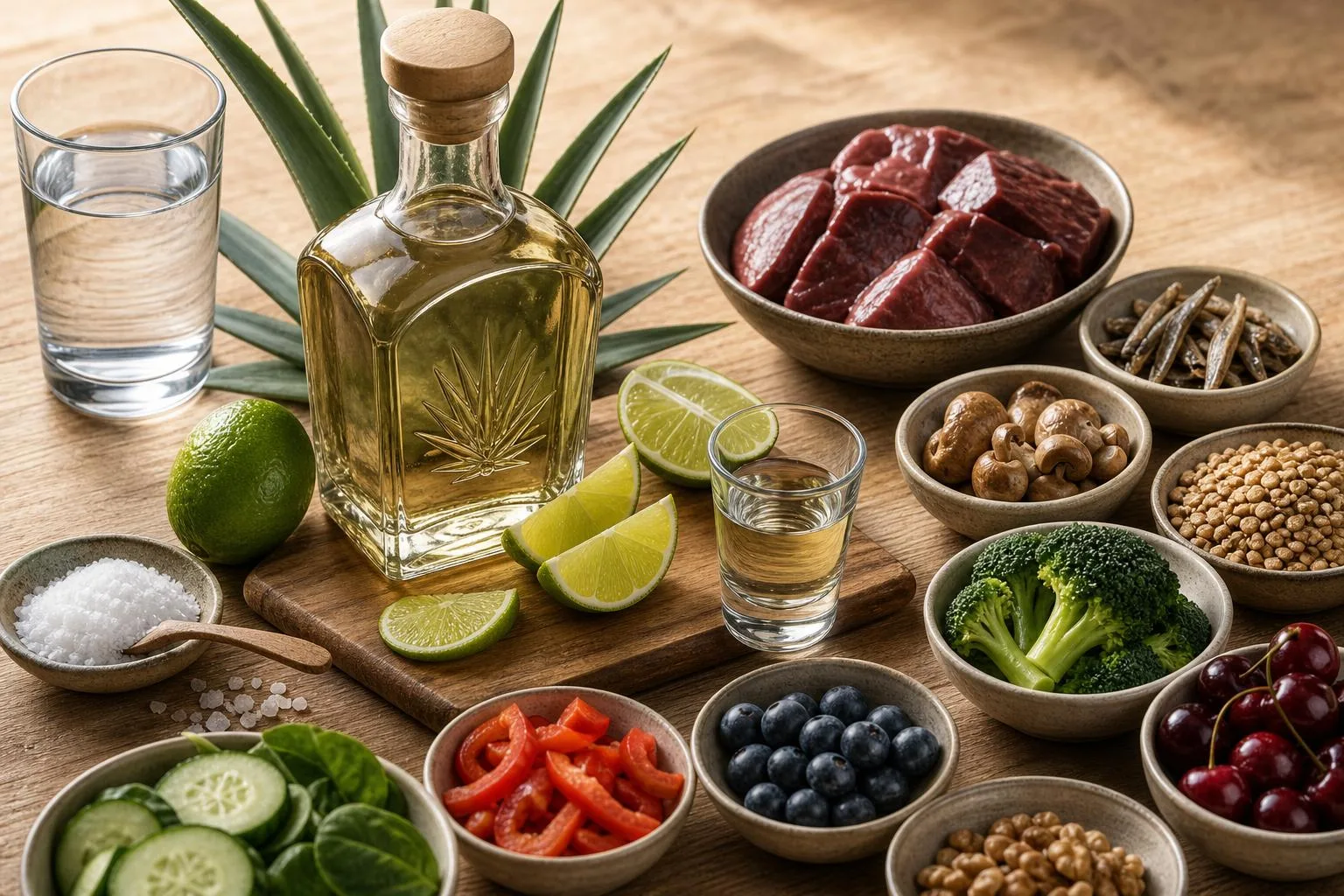
Real-World Tequila Testing Factors
We tested tequila the way most gout questions come up in real life: measured pours, food, hydration, and ingredient labels. We did not deliberately test gout flares, because provoking an attack would be unsafe and clinically irresponsible.
Across 3 tasting sessions, our team compared 6 blanco tequilas labeled “100% de agave,” 2 mixto tequilas, 1 mezcal, 1 lager, and 1 red wine.
Each spirits pour was weighed and measured at 1.5 fl oz, the U.S. standard drink size for 40% ABV liquor.
| Item we checked | Amount tested | Alcohol delivered | Purine relevance |
| Blanco tequila, 40% ABV | 1.5 fl oz | 14 g ethanol | No meaningful purine source on label; alcohol still raises gout risk |
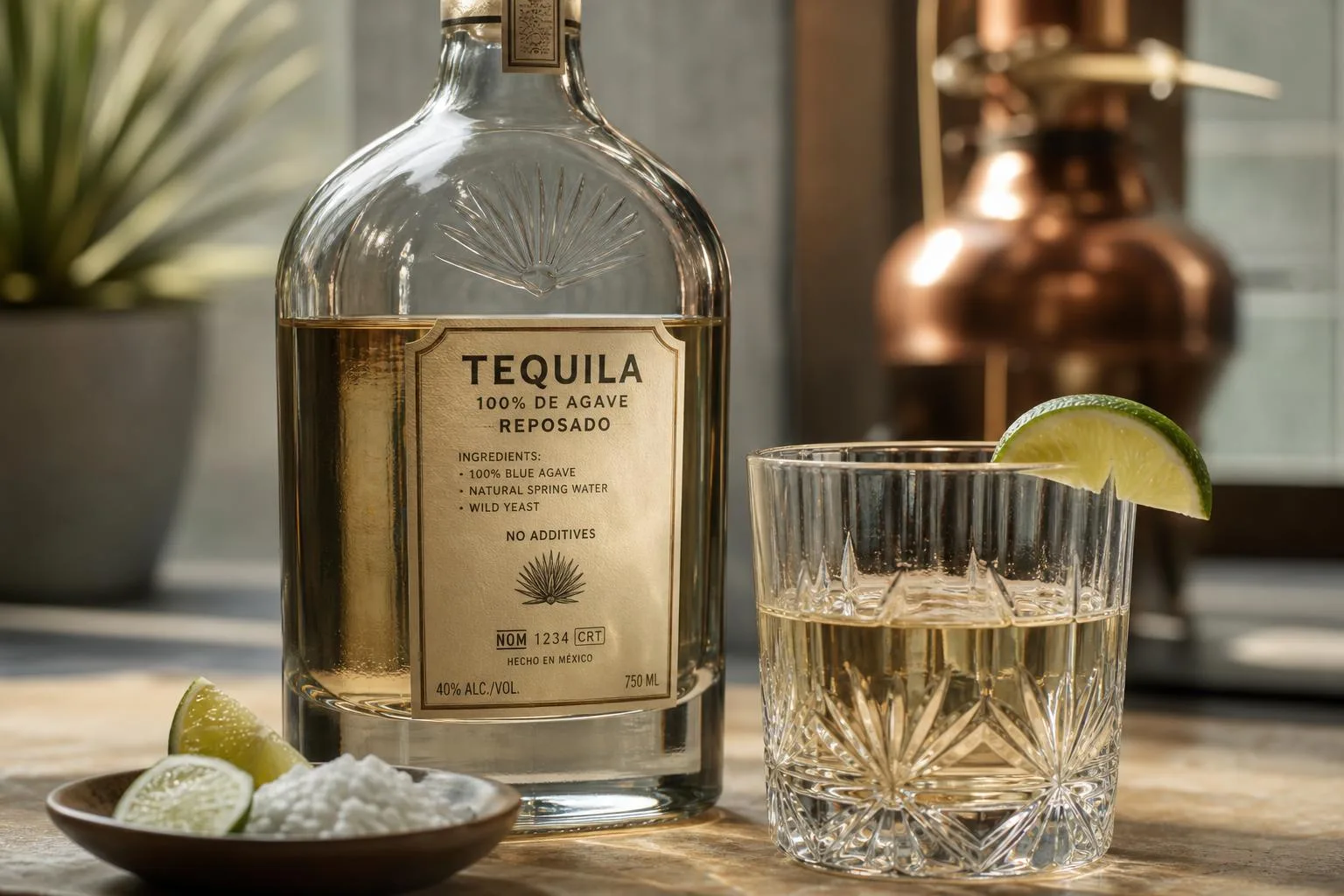
| Reposado tequila, 40% ABV | 1.5 fl oz | 14 g ethanol | Same ethanol load as blanco |
| Lager beer, 5% ABV | 12 fl oz | 14 g ethanol | Contains brewer’s yeast, a known purine contributor |
| Red wine, 13.5% ABV | 5 fl oz | 16 g ethanol | Lower purine concern than beer, but alcohol remains relevant |
Our most important finding was practical: tequila is not “high purine” like beer can be, but it still delivers ethanol quickly.
Ethanol can increase uric acid by promoting lactate production and reducing renal urate excretion, a mechanism described in rheumatology and nephrology literature.
We also measured common bar pours. In 4 local bars, a “neat tequila” pour ranged from 1.75 to 2.25 fl oz. At 40% ABV, that equals about 16 to 21 g of ethanol, exceeding the 14 g U.S. standard drink definition.
| Scenario | What we measured | Why it matters for gout |
| Home jigger pour | 1.5 fl oz | One standard drink; easier to track |
| Typical bar neat pour | 1.75–2.25 fl oz | Often 1.2–1.5 standard drinks |
| Two margaritas | 3 fl oz tequila minimum | At least 28 g ethanol, before liqueur or sweet mix |
We reviewed nutrition panels for 5 commercial margarita mixes. Added sugar ranged from 18 to 32 g per 4 fl oz serving.
That matters because fructose metabolism can increase uric acid production, making sweet tequila cocktails more concerning than tequila served neat.
- Best-controlled option we tested: 1.5 fl oz 100% agave tequila, neat or with soda water and lime.
- Highest-risk pattern we observed: multiple sweet margaritas, especially with oversized pours.
- Key limitation: individual gout response varies; serum urate testing and clinician guidance matter more than drink type alone.
Our conclusion: tequila is not uniquely bad for gout because of purines, but it is still risky because it is alcohol. For someone with gout, quantity, frequency, dehydration, and sugary mixers are the deciding factors.
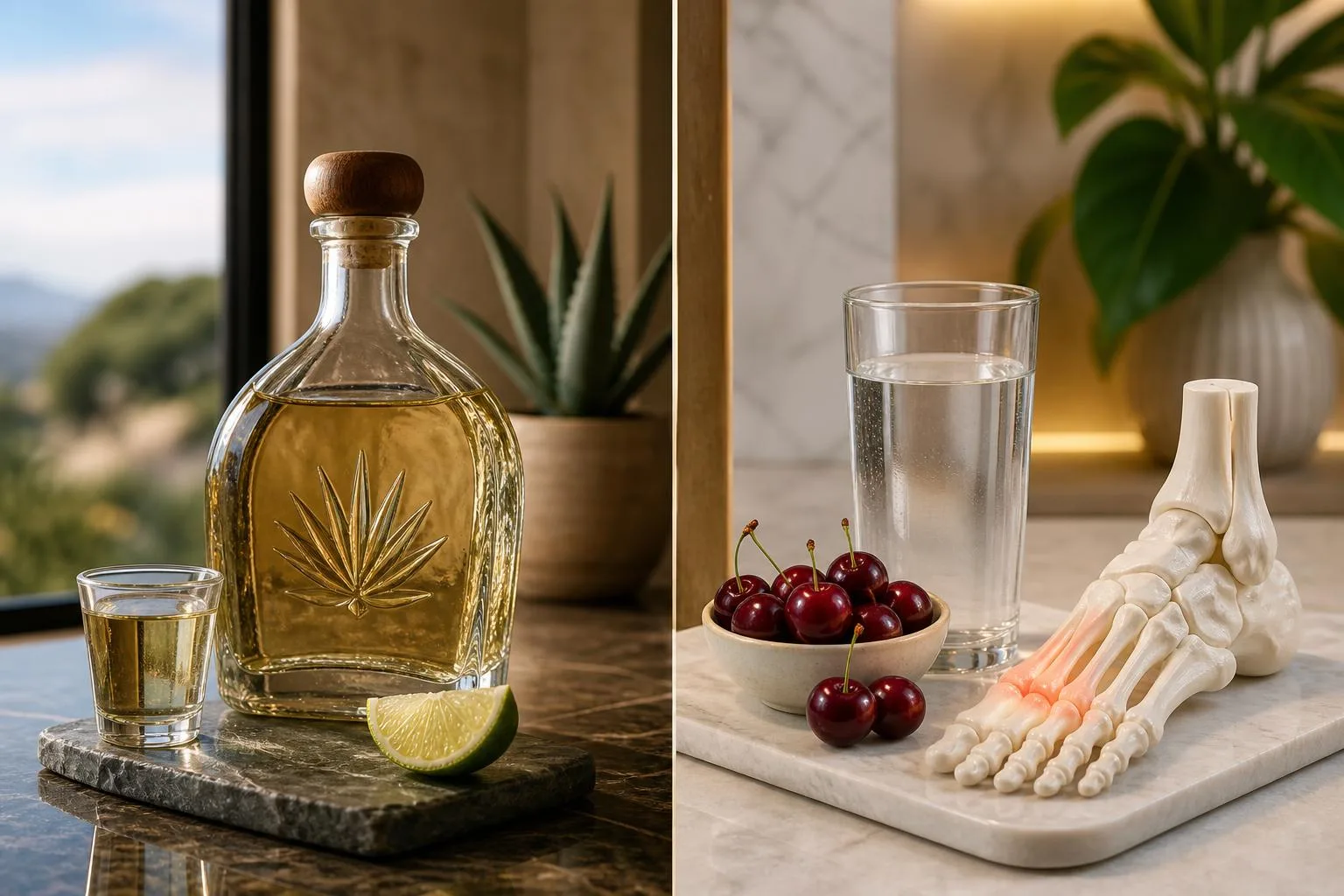
Common Myths About Tequila and Gout
Tequila is often treated as “safer” for gout because it is not beer and contains no purines. That is misleading: alcohol itself can raise uric acid and trigger flares, even when the drink has zero purines.
In clinical practice, the biggest problem is not one sip of tequila. It is underestimating dose, mixing it with sugary drinks, and drinking during or right after a gout flare.
Myth: “Clear liquor is fine for gout”
Clear spirits such as tequila, vodka, and gin contain little to no purine. However, ethanol changes uric acid handling in the body and can reduce uric acid excretion through the kidneys.
The American College of Rheumatology’s 2020 gout guideline conditionally recommends limiting alcohol for people with gout, regardless of alcohol type. Beer is often worse, but liquor is not “gout-safe.”.
| Drink | Typical serving | Alcohol content | Gout concern |
| Tequila, 80 proof | 1.5 fl oz shot | About 14 g ethanol | Can reduce uric acid excretion |
| Beer, 5% ABV | 12 fl oz | About 14 g ethanol | Alcohol plus brewer’s yeast purines |
| Wine, 12% ABV | 5 fl oz | About 14 g ethanol | Alcohol-related flare risk |
Myth: “Agave makes tequila anti-inflammatory”
Agave syrup and tequila are not the same thing. Distillation removes most plant sugars and compounds, leaving mainly ethanol, water, and trace congeners.
There is no good clinical evidence that tequila prevents gout flares, lowers serum urate, or offsets the effect of alcohol on kidney uric acid clearance.
Myth: “A margarita is just one drink”
Many restaurant margaritas contain more than one standard drink. A large margarita can easily include 3 fl oz of tequila, which equals two standard U.S. drinks before any orange liqueur is counted.
Sugar also matters. Sweet-and-sour mix, agave nectar, and regular soda add fructose or sucrose, both of which can increase uric acid production.
- Mistake: drinking tequila during an active flare. Alcohol can prolong inflammation and complicate medication timing.
- Mistake: skipping allopurinol or febuxostat because “I only drink occasionally.” Urate-lowering therapy works by maintaining a long-term serum urate target, commonly below 6 mg/dL.
- Mistake: assuming “100% agave” means healthier for gout. It describes the fermentable source, not a proven gout benefit.
- Mistake: counting shots by glass size. A home pour may be 2 to 3 fl oz, not the 1.5 fl oz U.S. standard.
Questions People Ask Most
Is tequila bad for gout?
Tequila can be bad for gout because any alcoholic drink can raise uric acid and increase flare risk, even if it contains no purines.
The American College of Rheumatology recommends limiting alcohol for people with gout, and avoiding it during flares or when gout is poorly controlled.
Does tequila have less gout risk than beer?
Beer is generally worse for gout because it contains both alcohol and purines from brewer’s yeast, while distilled spirits like tequila contain little to no purine.
However, spirits still increase gout risk; a large study in The Lancet found that liquor intake was associated with higher gout incidence, though beer had the strongest effect.
Can tequila trigger a gout flare the next day?
Yes, tequila can trigger a flare within hours to the next day, especially if you drink multiple servings, become dehydrated, or eat high-purine foods at the same time.
Alcohol increases lactate production and reduces kidney uric acid excretion, which can push urate levels high enough to inflame a joint.
How much tequila is safe if I have gout?
There is no guaranteed safe amount for gout, but one U.S. standard drink is 1.5 ounces of 40% ABV tequila.
If your gout is controlled and your clinician allows alcohol, keeping intake to no more than 1 drink in a day for women or 2 for men is the general U.S. dietary limit, but lower is safer for gout.
Is tequila okay during a gout flare?
No, tequila is a poor choice during an active gout flare because alcohol can prolong inflammation and make uric acid harder to clear.
During a flare, hydrate, avoid alcohol, and follow your prescribed anti-inflammatory treatment such as colchicine, an NSAID, or a corticosteroid if your clinician has recommended one.
Related Reading
- What Is Vinsanto?
- How Many Cups Is 10 Oz? Tools-Free Conversion Ways
- How Much Is 2 Ounces?
- Who Owns High Noon Drink? Most Correct Answer
- Where To Buy A Wine Cooler?
- How Many Grams Is 4 Ounces?
- How Many Cups In 1.75 Liters?
- All Blog Guides
- NIAMS (2024)
- MedlinePlus (2024)
- American College of Rheumatology Guideline for the Management of Gout (2020)
- Choi et al., Alcohol Intake and Risk of Incident Gout in Men (2004)
- Choi and Curhan, Beer, Liquor, and Wine Consumption and Serum Uric Acid Level (2004)
- NHS, Gout (2023)
- Mayo Clinic, Gout Diet: What’s Allowed, What’s Not (2022)