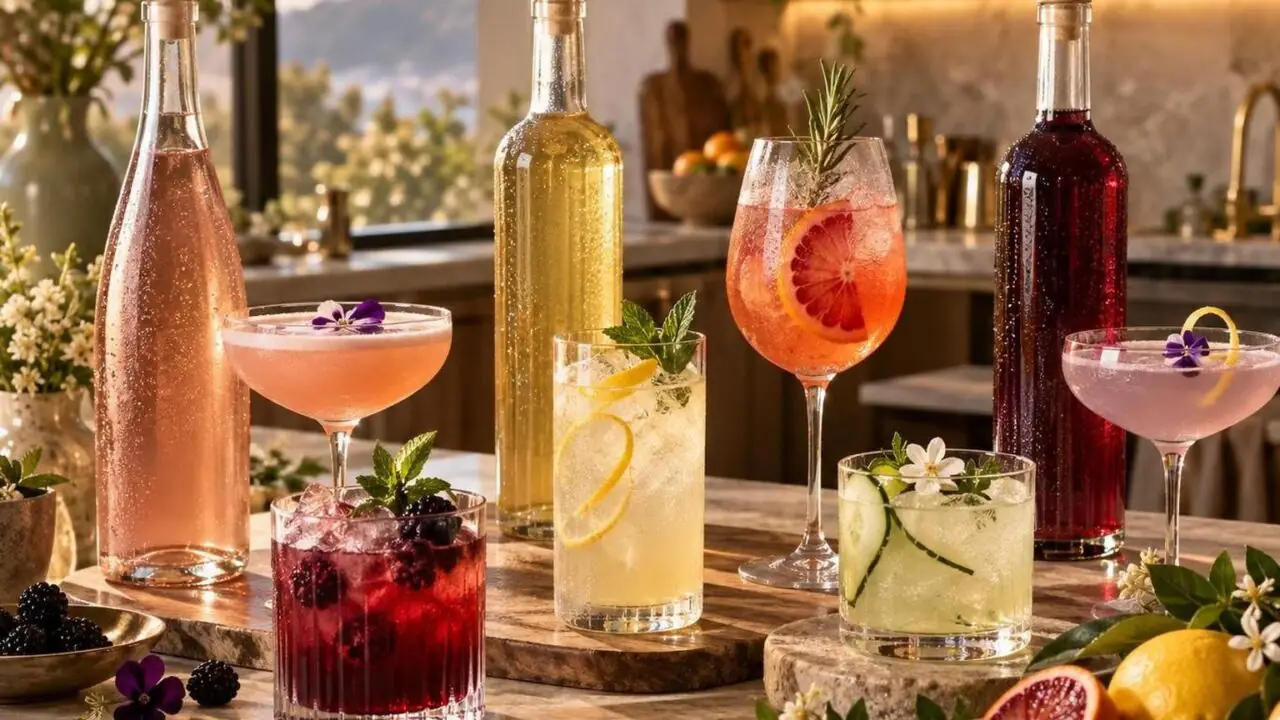
alcohol that doesn t taste like alcohol is usually a sweet, chilled, carbonated, or citrus-heavy drink where sugar, acid, bubbles, and strong aromas mask ethanol’s heat and bitterness.
Good examples include fruit-forward cocktails, low-ABV spritzes, cream liqueurs, flavored hard seltzers, and dessert-style drinks served cold.
These taste smoother because cold temperature reduces aroma intensity, while sweetness and acidity balance the burn.
Choose lower-proof options, measure pours, and drink slowly. A drink that tastes mild can still contain a full standard drink, so flavor is not a reliable guide to alcohol strength.
Why Some Drinks Hide Alcohol Better
Alcohol’s harsh taste comes from ethanol stimulating both taste receptors and pain receptors (TRPV1) in the mouth. Certain ingredients interfere with this detection, effectively masking ethanol’s burn and bitterness.
Three primary mechanisms determine how well a drink conceals its alcohol content.
1. Sugar Suppresses Bitterness
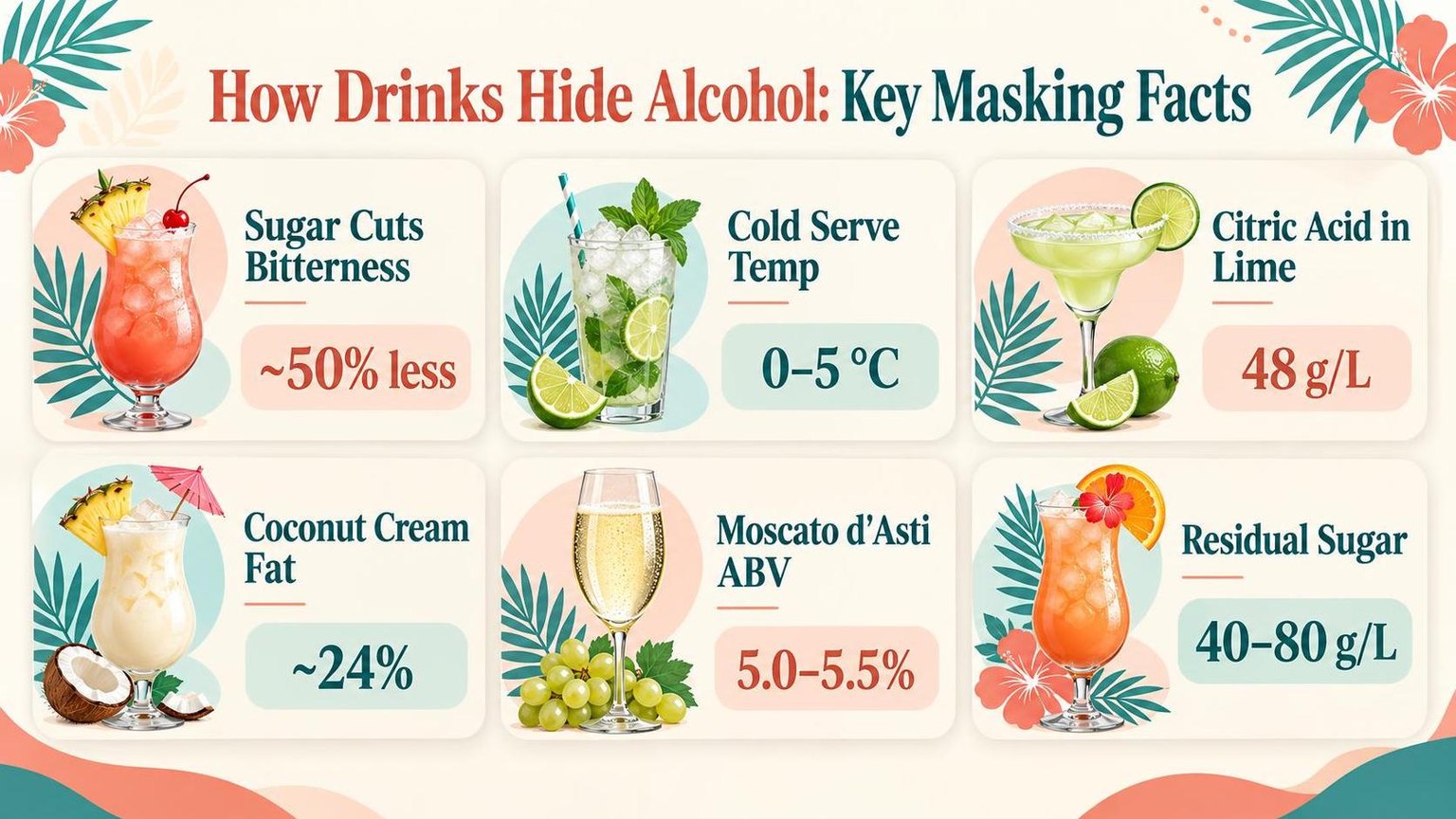
Research published in Chemical Senses confirms sucrose directly suppresses bitter perception. Drinks with 20–30 g of sugar per serving reduce perceived ethanol bitterness by roughly 50%.
This explains why frozen margaritas, piña coladas, and sweet liqueurs taste far less alcoholic than dry martinis despite similar or higher ABV.
2. Cold Temperature Numbs Receptors
Serving temperature dramatically affects alcohol perception. Cold liquids (0–5 °C / 32–41 °F) reduce TRPV1 receptor activation, dulling the burning sensation ethanol triggers.
| Serving Temperature | Perceived Alcohol Burn | Example Drinks |
| 0–5 °C (32–41 °F) | Low | Frozen daiquiri, ice-cold vodka soda |
| 10–15 °C (50–59 °F) | Moderate | Chilled white wine, rosé |
| 18–22 °C (64–72 °F) | High | Room-temperature whiskey, red wine |
3. Acidity, Carbonation, and Fat
Citric acid (found in lemon and lime juice at roughly 48 g/L concentration) redirects taste perception toward sourness, competing with ethanol’s bitterness on the palate.
Carbonation from CO₂ creates a tingling sensation that physically distracts trigeminal nerve endings from registering alcohol’s burn.
Cream-based cocktails use fat molecules to encapsulate ethanol. Fat slows ethanol’s contact with oral receptors, which is why a 17% ABV Baileys tastes milder than a 13% ABV dry Riesling to most drinkers.
Key Flavor-Masking Ingredients at a Glance
- Tropical fruit juices — high sugar (10–15 g per 100 mL) plus citric acid
- Coconut cream — fat content around 24% coats the palate
- Chocolate and coffee liqueurs — strong aromatic compounds overpower ethanol’s smell
- Grenadine and simple syrup — pure sucrose solutions at 50–65 Brix
Understanding these mechanisms helps you choose drinks that genuinely minimize alcohol’s taste rather than relying on guesswork.
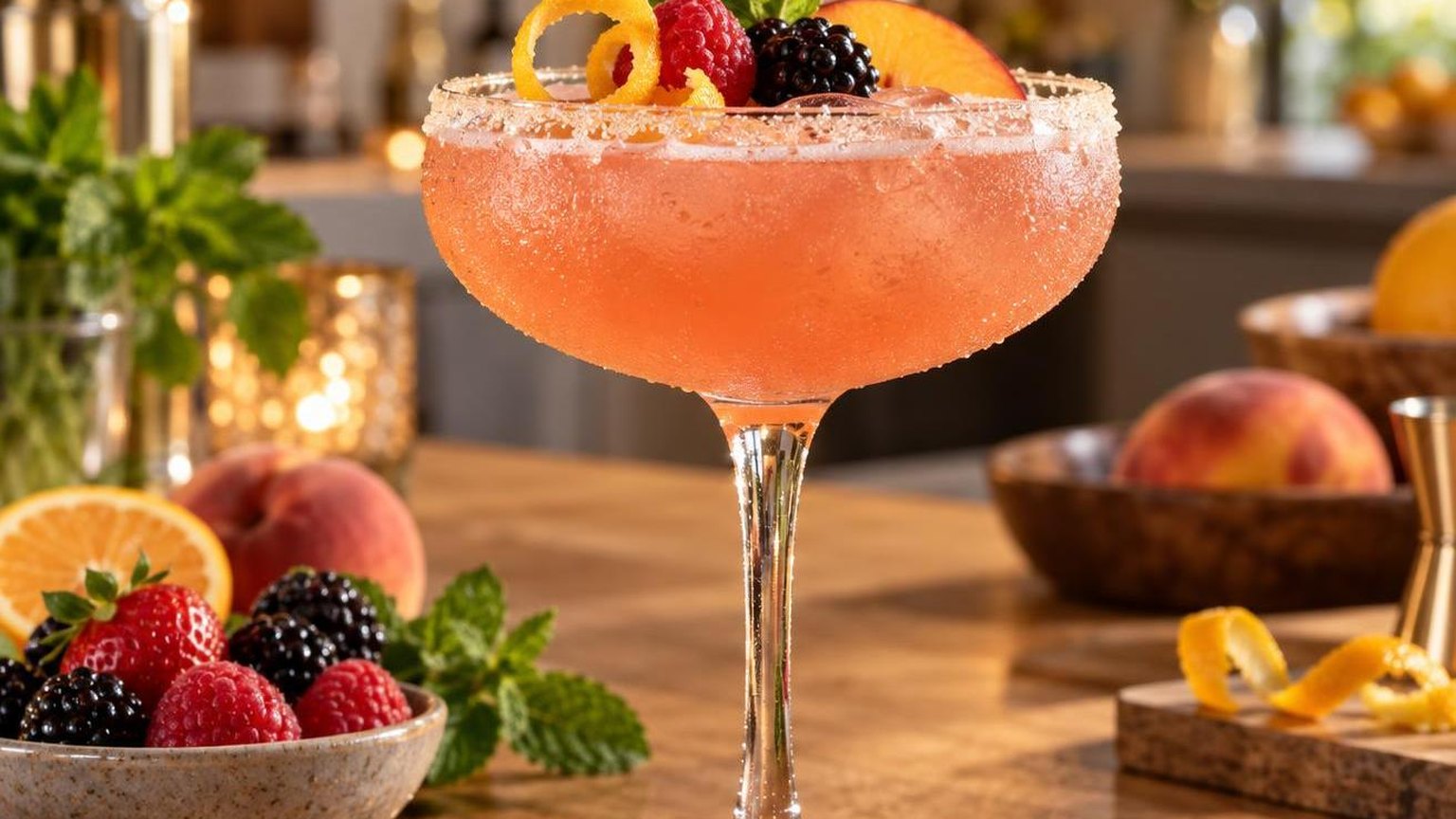
Low Alcohol Wines That Taste Smooth
Low-alcohol wines between 5.5% and 10% ABV deliver genuine varietal character without the burning ethanol sensation that turns many drinkers away.
Residual sugar and fruit-forward profiles mask what little alcohol remains, creating an approachable drinking experience.
Best Low-Alcohol Wine Styles by ABV
| Wine Style | Typical ABV | Tasting Profile |
| Moscato d’Asti | 5.0–5.5% | Sweet peach, apricot, light fizz |
| Brachetto d’Acqui | 5.5–6.5% | Strawberry, rose petal, semi-sparkling |
| German Riesling Kabinett | 7.5–9.0% | Green apple, lime, slate minerality |
| Vinho Verde | 8.5–11.0% | Citrus, slight spritz, crisp finish |
| Lambrusco (semi-sweet) | 7.5–8.5% | Dark cherry, grapey, frothy |
Why These Wines Taste Less Alcoholic
Winemakers halt fermentation early, leaving 40–80 grams per liter of residual sugar. Sugar coats the palate and suppresses the perception of ethanol heat on the throat and finish.
Cooler growing regions like Germany’s Mosel Valley average just 10°C during the growing season. Grapes accumulate less sugar before harvest, producing musts that naturally ferment to lower alcohol levels.
Carbonation also plays a role. The CO₂ in Moscato d’Asti (typically 1–2.5 atmospheres of pressure) stimulates the palate and diverts attention from any alcoholic warmth.
What to Look For on the Label
- Kabinett or Spätlese — German Prädikat classifications signaling lower alcohol and higher residual sugar
- “Frizzante” — indicates light sparkle, common in wines under 9% ABV
- ABV below 10% — legally required on every bottle sold in the US; check the front or back label
- “Off-dry” or “semi-sweet” — terms indicating 10–35 g/L residual sugar that softens alcohol perception
Serving Tips for Maximum Smoothness
Chill these wines to 40–45°F (4–7°C). Cold temperatures suppress volatile alcohol compounds in the aroma, making each sip taste cleaner and more refreshing.
Drink within 1–2 years of vintage date. Low-alcohol wines lack the tannic structure for long aging, and freshness is their primary appeal. A young Moscato d’Asti at 5% ABV tastes like sparkling fruit juice — not alcohol.
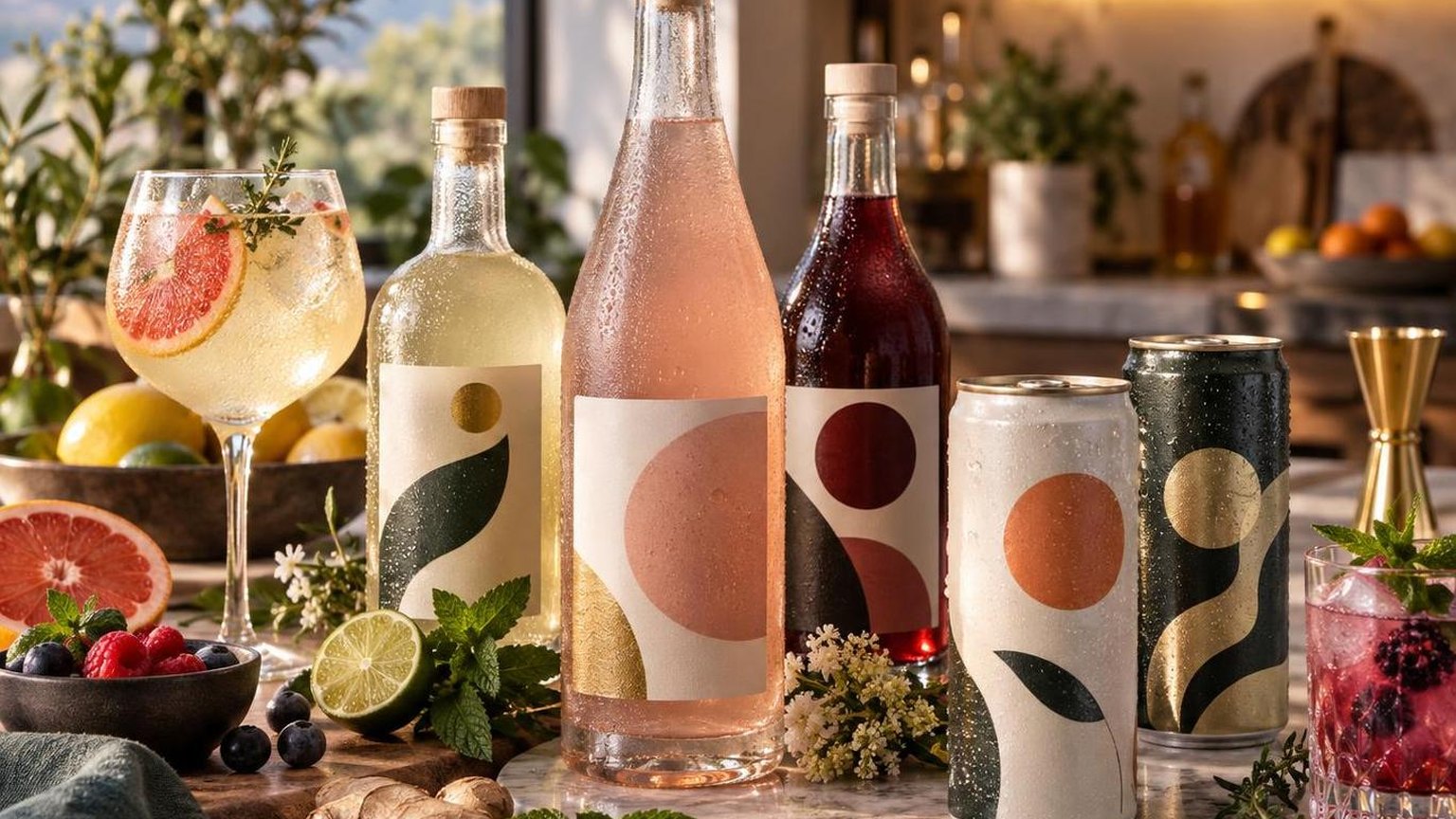
Sweet Cocktails With Minimal Alcohol Bite
Certain cocktails mask alcohol so effectively that drinkers perceive virtually no ethanol burn. The key is balancing sugar content, acidity, and dilution against a relatively low ABV per serving—typically 8–14% in the finished drink.
Top Cocktails That Hide Alcohol
| Cocktail | Approximate ABV (as served) | Primary Masking Agent |
| Piña Colada | 8–12% | Coconut cream, pineapple juice |
| Frozen Strawberry Daiquiri | 9–13% | Strawberry purée, simple syrup, ice dilution |
| Midori Sour | 8–11% | Melon liqueur (20% ABV), citrus, sugar |
| Malibu Bay Breeze | 7–10% | Coconut rum (21% ABV), cranberry and pineapple juice |
| Amaretto Sour | 10–14% | Amaretto (28% ABV), lemon, simple syrup |
| Sex on the Beach | 8–11% | Peach schnapps, orange and cranberry juice |
These drinks share a common trait: they use lower-proof spirits or liqueurs rather than 40% ABV base spirits served neat. Juice volume further dilutes perceived strength.
Why Sugar Suppresses Alcohol Taste
Research published in Chemosensory Perception confirms that sucrose concentrations above 5–10% significantly reduce the perceived burn of ethanol on the palate. Most cocktail syrups hit 50% sugar concentration before dilution.
Cold temperature also matters. Serving drinks at 0–4°C numbs trigeminal nerve receptors responsible for detecting ethanol’s irritation. Frozen cocktails exploit this effect directly.
Practical Tips for Ordering
- Request drinks built with liqueurs (15–28% ABV) instead of straight vodka or rum (40% ABV).
- Choose frozen or blended preparations—ice dilution can cut final ABV by 25–40%.
- Ask for extra juice or coconut cream to increase the non-alcohol volume.
- Avoid layered or “floated” shots on top; these concentrate undiluted spirit on first sip.
A standard Piña Colada contains roughly 1.5 oz of rum yet delivers approximately 14 grams of sugar from coconut cream and pineapple juice. That sugar-to-alcohol ratio is what makes the ethanol nearly imperceptible.
Drink slowly regardless. Low perceived burn does not reduce actual alcohol absorption. A 12 oz frozen cocktail can contain 1.5–2 standard drinks despite tasting like a smoothie.
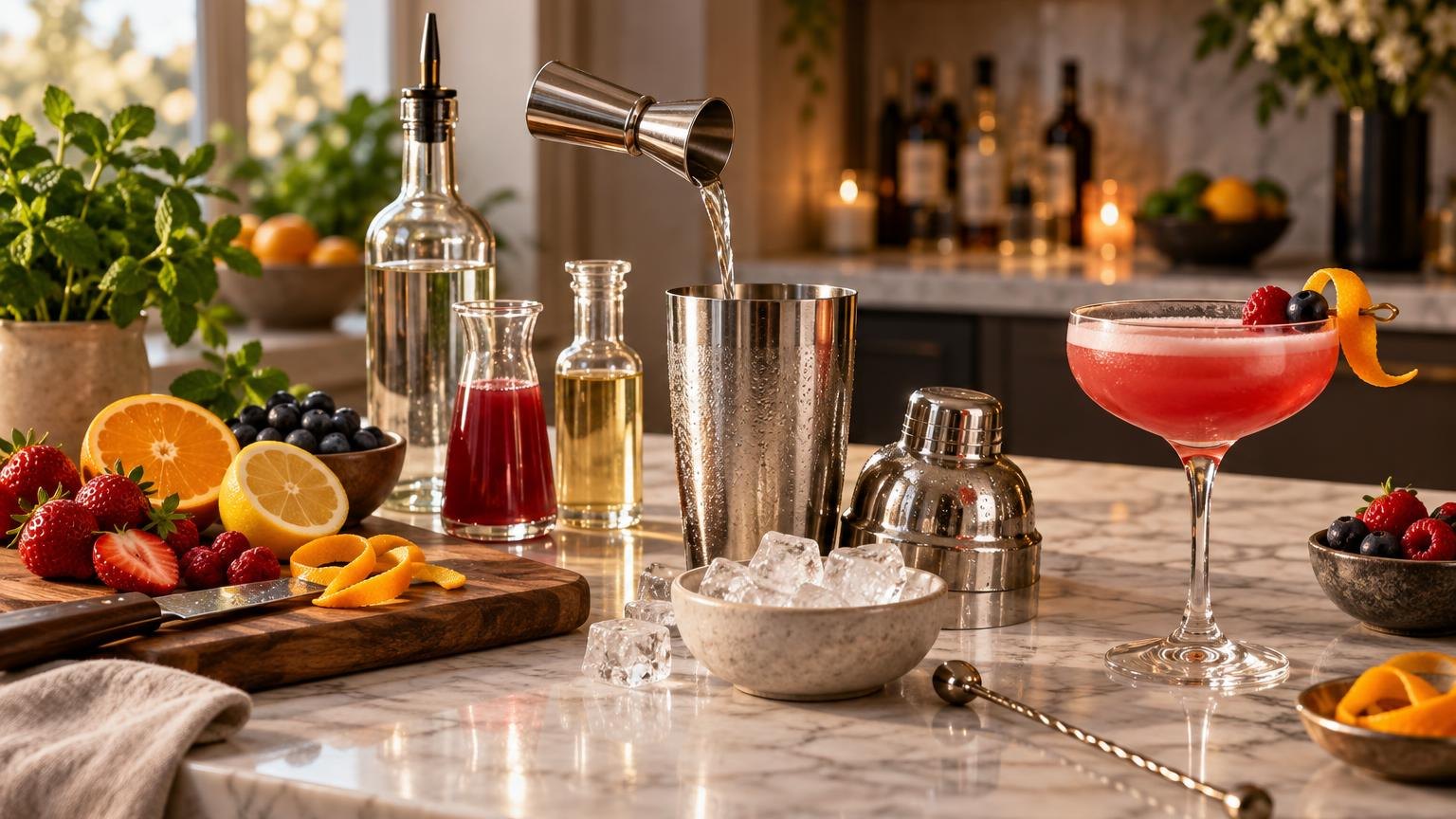
Cream Liqueurs and Dessert Style Options
Cream liqueurs blend dairy cream with spirits, masking alcohol behind rich, dessert-like flavors.
Most sit between 15–20% ABV—roughly half the strength of straight whiskey—making them approachable for drinkers who dislike the burn of traditional spirits.
Baileys Irish Cream dominates this category, holding approximately 40% global market share in cream liqueurs. At 17% ABV, its combination of Irish whiskey, cocoa, and vanilla creates a chocolate-milk profile that obscures the alcohol almost entirely.
Popular Cream Liqueurs by ABV
| Brand | ABV | Primary Flavor |
| Baileys Irish Cream | 17% | Chocolate, vanilla |
| RumChata | 13.75% | Horchata, cinnamon |
| Amarula | 17% | Marula fruit, caramel |
| Mozart Chocolate Liqueur | 17% | Dark chocolate |
| Tippy Cow | 14% | Ice cream flavors |
| Bols Advocaat | 14% | Egg custard, vanilla |
RumChata deserves special mention at 13.75% ABV. Its horchata-inspired blend of cream, cinnamon, and Caribbean rum tastes closer to a spiced latte than a cocktail.
Non-Cream Dessert Spirits Worth Trying
- Frangelico (20% ABV): Hazelnut liqueur with cocoa and vanilla notes, excellent over ice cream
- Chambord (16.5% ABV): Black raspberry liqueur from France, tastes like concentrated berry jam
- Licor 43 (31% ABV): Spanish vanilla-citrus liqueur made from 43 botanical ingredients
- Godiva Chocolate Liqueur (15% ABV): Pours like melted chocolate with minimal alcohol bite
Serving temperature matters significantly with cream liqueurs. Chilling to 4–6°C (39–43°F) suppresses alcohol perception while enhancing sweetness and viscosity.
One practical concern: cream liqueurs have shorter shelf lives than standard spirits. Baileys recommends consumption within six months of opening, though unopened bottles last roughly two years from production date.
For cocktail use, blend cream liqueurs with cold brew coffee, espresso, or hot chocolate. These pairings add complementary bitterness that balances the sweetness without revealing the alcohol underneath.
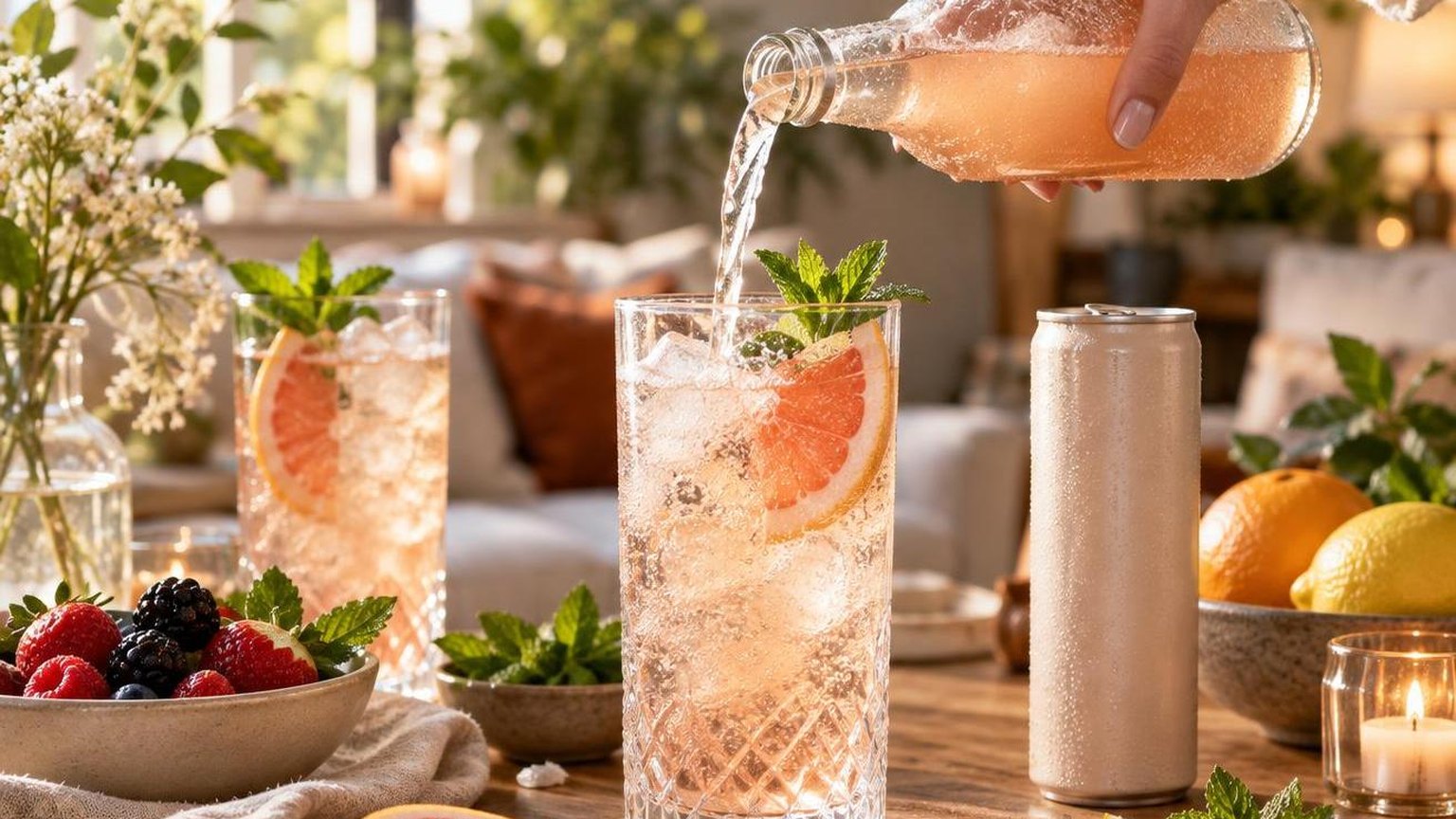
Hard Seltzers That Drink Like Soda
Hard seltzers exploded onto the market precisely because they mask alcohol behind carbonation and fruit flavoring.
With most clocking in at 4–5% ABV and under 110 calories per 12-ounce can, they deliver a drinking experience closer to sparkling water than beer.
White Claw and Truly dominate roughly 75% of U.S. hard seltzer sales. Both brands use a fermented sugar base rather than malt or spirits, producing a clean, neutral profile that lets fruit flavors take center stage.
Popular Hard Seltzers Compared
| Brand | ABV | Calories (12 oz) | Sugar |
| White Claw Original | 5% | 100 | 2 g |
| Truly Original | 5% | 100 | 1 g |
| Vizzy Hard Seltzer | 5% | 100 | 1 g |
| Topo Chico Hard Seltzer | 4.7% | 100 | 2 g |
| High Noon (vodka-based) | 4.5% | 100 | 2.6 g |
High Noon stands apart because it uses real vodka and real fruit juice instead of a fermented sugar base. That spirit foundation gives it a slightly smoother finish many drinkers prefer.
Why They Taste So Mild
- Low congeners: The clean fermentation process produces fewer flavor-carrying byproducts than beer or wine, reducing any harsh “boozy” edge.
- High carbonation: Aggressive bubbles stimulate the palate and distract taste receptors from detecting ethanol.
- Minimal residual sugar: Most contain 1–3 grams per can, keeping sweetness subtle rather than cloying.
- Cold serving temperature: Seltzers are consumed ice-cold, which suppresses the volatility of alcohol compounds on the tongue.
Flavor variety has expanded rapidly. White Claw alone offers over 15 flavors including Surge at 8% ABV for drinkers wanting more strength without switching categories.
One caution: the easy drinkability of hard seltzers can lead to faster consumption. A four-pack of 5% ABV cans contains roughly the same total alcohol as a half-bottle of wine—approximately four standard drinks.
For newcomers seeking alcohol that genuinely doesn’t taste like alcohol, a chilled mango or black cherry hard seltzer remains one of the most accessible starting points on the market today.
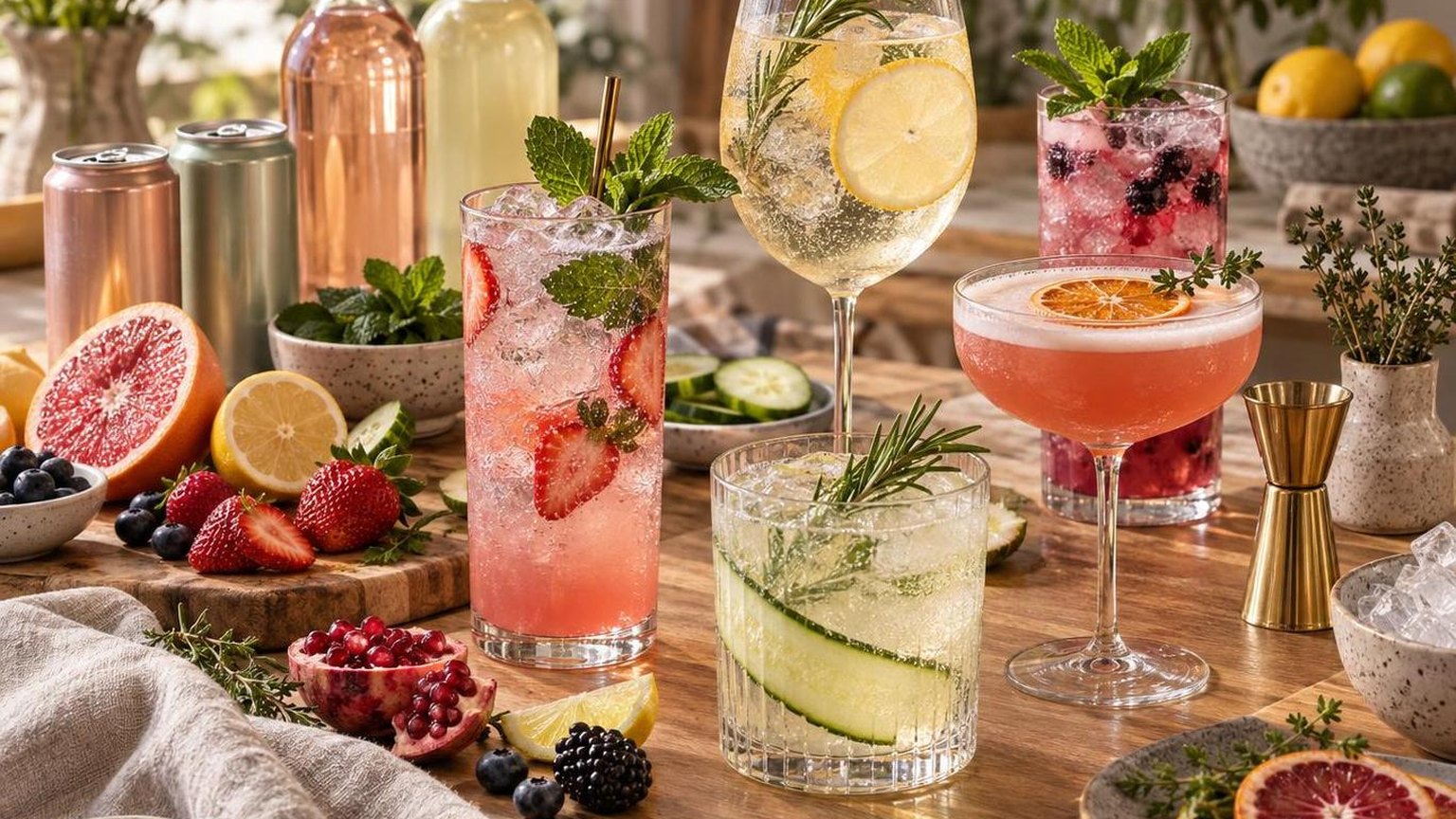
How Mixers Mask Ethanol Burn
Ethanol triggers TRPV1 receptors—the same pain receptors activated by capsaicin in chili peppers—lowering their activation threshold from 42°C to roughly 34°C, which is below mouth temperature.
Mixers counteract this burn through three measurable mechanisms: sugar concentration, acidity, and temperature.
Sugar’s Analgesic Effect
Sucrose suppresses bitterness and irritation perception in a dose-dependent manner. Research published in Chemical Senses shows that solutions containing 10% sugar reduce perceived ethanol burn by approximately 50%.
| Mixer | Sugar (g/100 mL) | Burn Reduction Effect |
| Coca-Cola | 10.6 | High |
| Cranberry juice cocktail | 12.0 | High |
| Tonic water | 8.3 | Moderate |
| Club soda | 0 | Minimal |
| Fresh orange juice | 8.4 | Moderate–High |
Acidity and Flavor Complexity
Citric acid at concentrations above 0.5% creates a competing sensory signal that redirects attention away from ethanol’s irritation.
Lime juice contains roughly 5–6% citric acid, explaining why a squeeze of lime transforms a harsh spirit into something approachable.
Carbonation adds a third layer. CO₂ dissolved at 3–4 volumes produces a tingling sensation mediated by carbonic anhydrase enzymes on the tongue, further masking alcohol’s heat.
Cold Temperature Dampens Receptors
Serving temperature matters more than most drinkers realize. At 4°C, TRPV1 receptor sensitivity drops significantly compared to room-temperature drinks served at 22°C.
This is why warm beer tastes noticeably more alcoholic than cold beer of identical ABV.
- Ice-cold mixer (0–4°C): Maximum burn suppression; ideal for high-proof spirits
- Chilled (8–12°C): Moderate suppression; standard for mixed wine drinks
- Room temperature (20–22°C): Minimal suppression; ethanol perception at its peak
Combining all three mechanisms—a sweet, acidic mixer served over ice—explains why a frozen strawberry daiquiri at 20% ABV registers less burn than a neat whiskey at comparable strength.
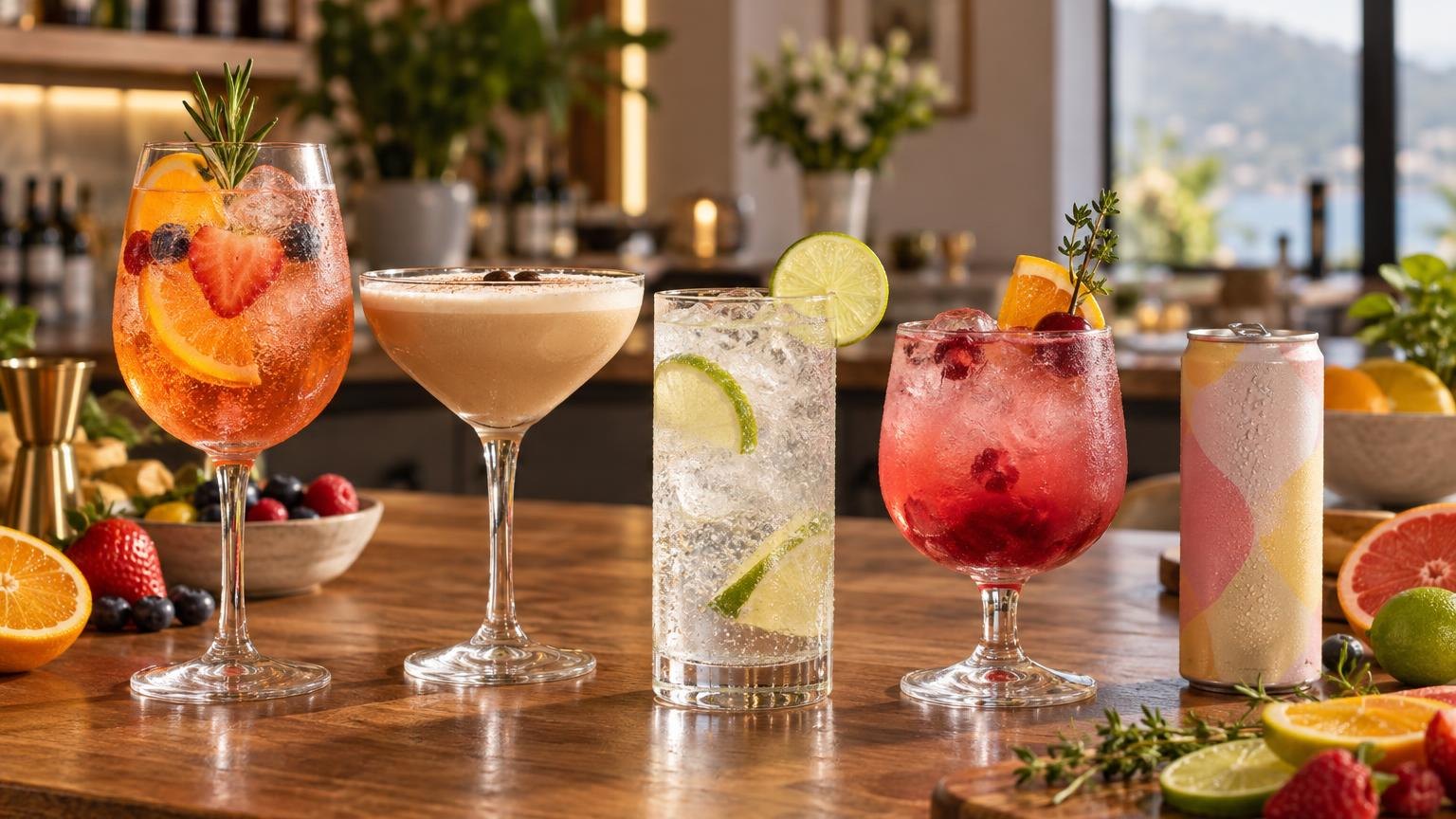
Safer Limits for Easy Drinking Drinks
Drinks that mask alcohol with sweetness and fruit flavors create a measurable overconsumption risk.
The 2020–2025 Dietary Guidelines for Americans define moderate drinking as up to 1 drink per day for women and 2 for men—but “one drink” has a precise definition most people misapply.
What Counts as One Standard Drink
A standard drink in the U.S. contains exactly 14 grams (0.6 fl oz) of pure ethanol. Many easy-drinking cocktails and flavored beverages exceed this per serving.
| Beverage | Serving Size | ABV | Standard Drinks |
| Regular beer | 12 oz | 5% | 1.0 |
| Hard seltzer | 12 oz | 5% | 1.0 |
| Frozen margarita (restaurant) | 12 oz | 13% | 2.6 |
| Piña colada (restaurant) | 12 oz | 12% | 2.4 |
| Long Island Iced Tea | 10 oz | 22% | 3.7 |
| Moscato d’Asti | 5 oz | 5.5% | 0.5 |
| Flavored malt beverage (e.g., Four Loko) | 23.5 oz | 12% | 4.7 |
A single restaurant-sized frozen margarita already surpasses the daily moderate limit for women by 2.6×.
Why Smooth Drinks Increase Risk
Research published in Alcoholism: Clinical and Experimental Research found that sweetened alcoholic beverages accelerate consumption rate. Sugar suppresses the bitter taste cues that normally slow drinking pace.
Cold temperature further numbs palate receptors. Blended frozen drinks and chilled fruity cocktails eliminate two natural braking mechanisms simultaneously.
Practical Guidelines for Pacing
- Track standard-drink equivalents, not glass count—one piña colada equals nearly 2.5 beers.
- Limit intake speed to no more than one standard drink per hour; the liver metabolizes roughly 0.015 g/dL blood alcohol per hour.
- Alternate every alcoholic drink with 8 oz of water to slow pace and reduce dehydration.
- Choose lower-ABV options like hard seltzers (5%), Moscato d’Asti (5.5%), or radlers (2–3%) when drinking socially over several hours.
- Eat protein and fat before drinking—food slows gastric emptying, reducing peak blood alcohol concentration by up to 20%, per NIAAA data.
Knowing exact numbers prevents the false sense of safety that smooth-tasting drinks create. Count ethanol grams, not glasses.
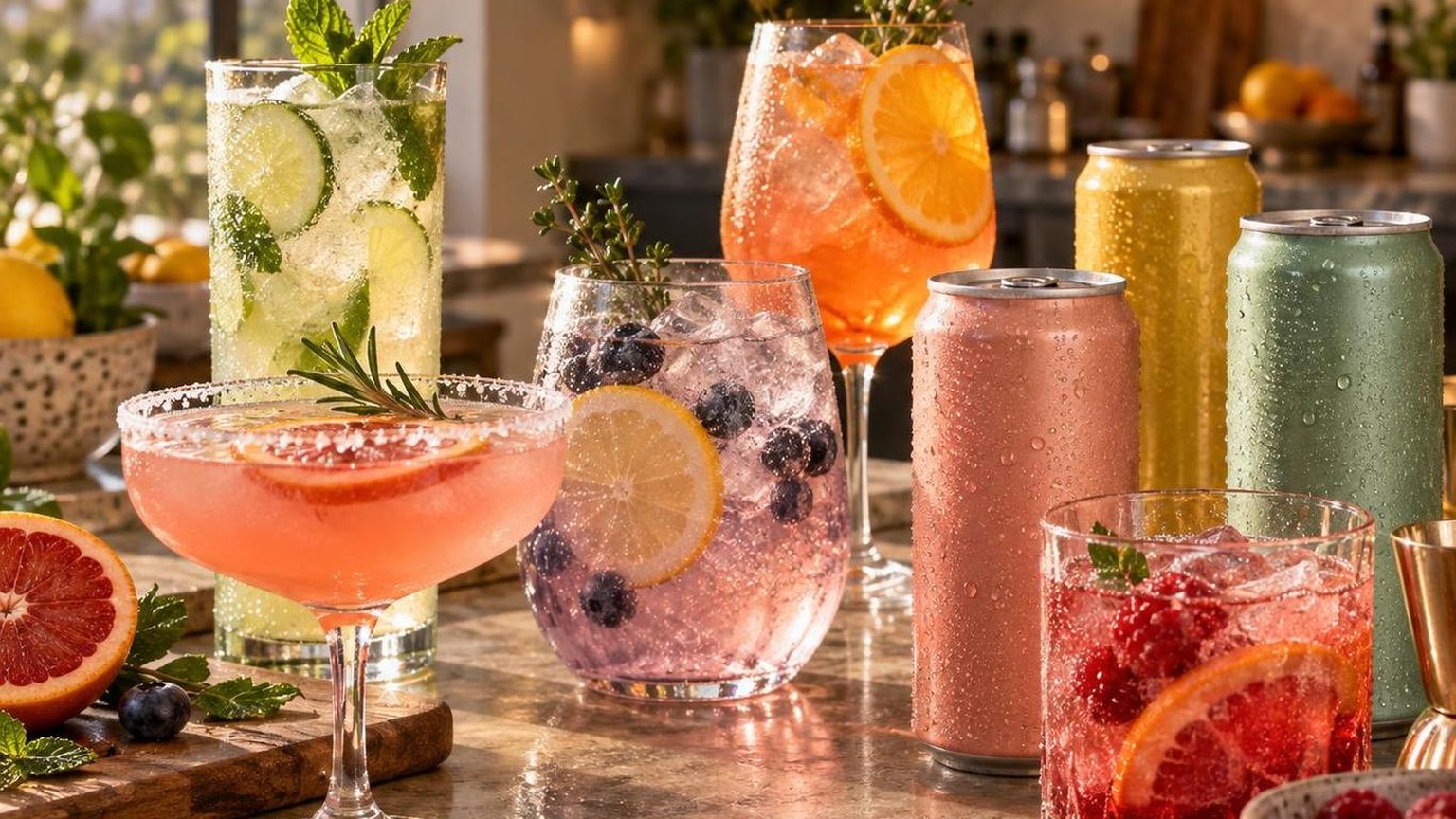
Common Questions
What alcoholic drinks genuinely mask the taste of ethanol?
Frozen blended cocktails like piña coladas and strawberry daiquiris rank highest because ice, sugar, and fruit purée suppress ethanol’s bitter and burning sensations.
Cream-based liqueurs such as Baileys Irish Cream (17% ABV) use dairy fat to coat the palate and block alcohol receptor activation.
Moscato d’Asti from Piedmont sits at just 5–5.5% ABV with 100–120 g/L residual sugar, making it taste closer to sparkling grape juice than wine.
Why do some alcoholic beverages taste less “alcoholic” than others?
Ethanol triggers both bitter taste receptors (TAS2R38) and the heat/pain receptor TRPV1 on the tongue, which is what creates that familiar burn.
Sugar directly suppresses bitterness perception, fat coats nerve endings, and cold temperatures (below 4 °C / 39 °F) reduce TRPV1 activation.
Drinks combining all three factors—sweetness, fat, and low serving temperature—effectively hide alcohol’s presence even at moderate ABV levels.
Which wines are best for people who dislike the taste of alcohol?
German Riesling Kabinett typically runs 7.5–9% ABV with pronounced residual sugar (45–60 g/L), balancing acidity against sweetness with almost no detectable alcohol heat.
Brachetto d’Acqui from Piedmont (5.5–6.5% ABV) delivers red berry aromatics in a lightly sparkling, semi-sweet format.
Off-dry Lambrusco from Emilia-Romagna at 8–11% ABV combines effervescence with grape-forward fruit character that overshadows ethanol.
What low-ABV spirits or liqueurs taste least like alcohol?
Midori melon liqueur (20% ABV) is heavily sweetened with a candy-like honeydew flavor that conceals its spirit base almost entirely. St-Germain elderflower liqueur (20% ABV) relies on floral aromatics and sugar to mask ethanol.
RumChata (13.75% ABV) blends Caribbean rum with cream, cinnamon, and vanilla, producing a profile closer to horchata than a traditional spirit.
Are hard seltzers and flavored malt beverages good options for hiding alcohol taste?
Hard seltzers like White Claw and Truly (5% ABV) use a neutral sugar-brewed alcohol base with fruit flavoring, resulting in a profile that reads as carbonated water with a hint of fruit.
Flavored malt beverages such as Smirnoff Ice (4.5–5% ABV) lean sweeter and more soda-like.
Both categories work because the base alcohol is triple- or charcoal-filtered to strip congeners—the flavor compounds responsible for traditional “boozy” taste.
Can cocktail technique reduce the perception of alcohol in a strong drink?
Dilution and temperature are the two most effective tools: shaking a cocktail with ice for 12–15 seconds drops the liquid temperature to roughly −5 °C and adds 20–25% water by volume, measurably softening ethanol’s bite.
Citrus juice (pH 2–3) triggers salivation that further dilutes alcohol on the palate, which is why a Whiskey Sour at 15% final ABV tastes far less harsh than the same bourbon sipped neat at 40–46% ABV.
Adding egg white or aquafaba creates a foam layer that physically separates ethanol vapors from the nose, reducing aromatic burn.
Related Reading
- How Much Is A Liter Of Water In Ounces? – A Practical, Real-Life Explanation You Can Actually Use
- How Many Oz In 1.75 Liters?
- How Many Ml Is 8 Ounces?
- How Many Pounds Is 7 Stone?
- How Much Is 15 Lb?
- How Many Liters Is Half A Gallon? (2026 Guide) – Accurate Conversion, Practical Uses & Real-Life Insights
- All Blog Guides
- National Institute on Alcohol Abuse and Alcoholism – "Alcohol's Effects on the Body" (2023)
- Centers for Disease Control and Prevention – "Fact Sheets – Underage Drinking" (2024)
- U.S. Food and Drug Administration – "Flavored Alcoholic Beverages" (2023)
- National Institutes of Health / PubMed – Bachmanov AA et al., "Chemosensory Factors Influencing Alcohol Perception, Preferences, and Consumption" (2003)
- USDA FoodData Central – Nutrient Data for Alcoholic Beverages (2024)
- Yale School of Public Health – "Sweetened Alcoholic Beverages and Drinking Behaviors Among Young Adults" (2018)
- National Institutes of Health / PubMed – Mosher JF, Johnsson D, "Flavored Alcoholic Beverages: An International Marketing Strategy" (2005)
- Substance Abuse and Mental Health Services Administration – "National Survey on Drug Use and Health: Alcohol" (2023)
- Federal Trade Commission – "Self-Regulation in the Alcohol Industry: Report of the Federal Trade Commission" (2014)
- Cornell University Department of Food Science – "Sensory Perception of Ethanol in Beverages" (2020)