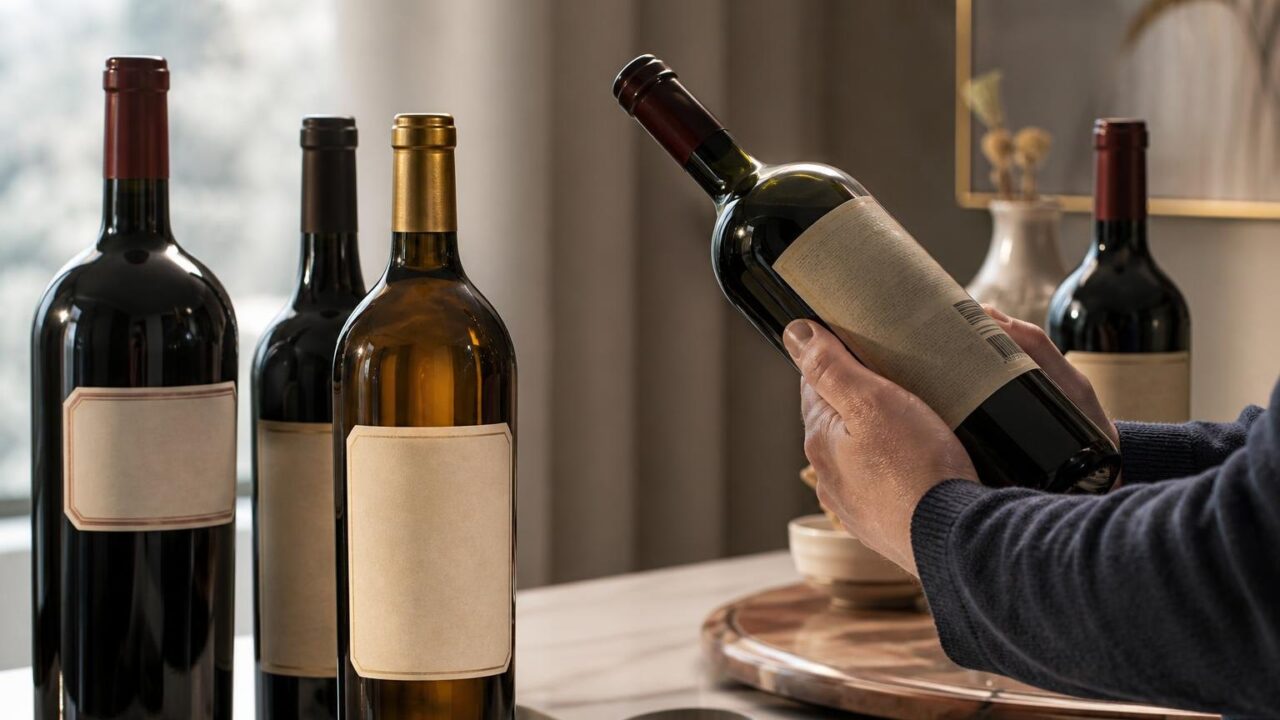
Where Is the Expiration Date on Wine Bottles? is usually answered by checking the back label, neck label, or capsule, but most wines do not carry a true expiration date.
Producers more often print a bottling date, lot code, vintage year, or “best by” guidance for freshness.
This article explains which markings matter, how to read them, and why storage often affects drinkability more than a printed date.
Use the label, cork condition, fill level, aroma, and wine style together before deciding whether a bottle is still safe and pleasant to drink.
Why Wine Bottles Rarely Show Expiration Dates
Most wine bottles do not carry an expiration date because wine is not regulated like highly perishable food.
In the U.S., unopened wine is generally treated as a shelf-stable alcoholic product, so producers focus on bottling date, vintage, and storage guidance instead of a “use by” label.
Federal labeling rules explain much of this.
Wine labels in the U.S. are overseen by the Alcohol and Tobacco Tax and Trade Bureau, and TTB rules require items such as brand name, class or type, alcohol content in many cases, net contents, sulfite declaration, and health warning statements.
An expiration date is not one of the standard mandatory elements. That matters because most wines do not become unsafe on a fixed day; they change gradually in aroma, fruit, color, and structure.
Oxidation, heat exposure, and closure failure affect quality far more than a calendar deadline.
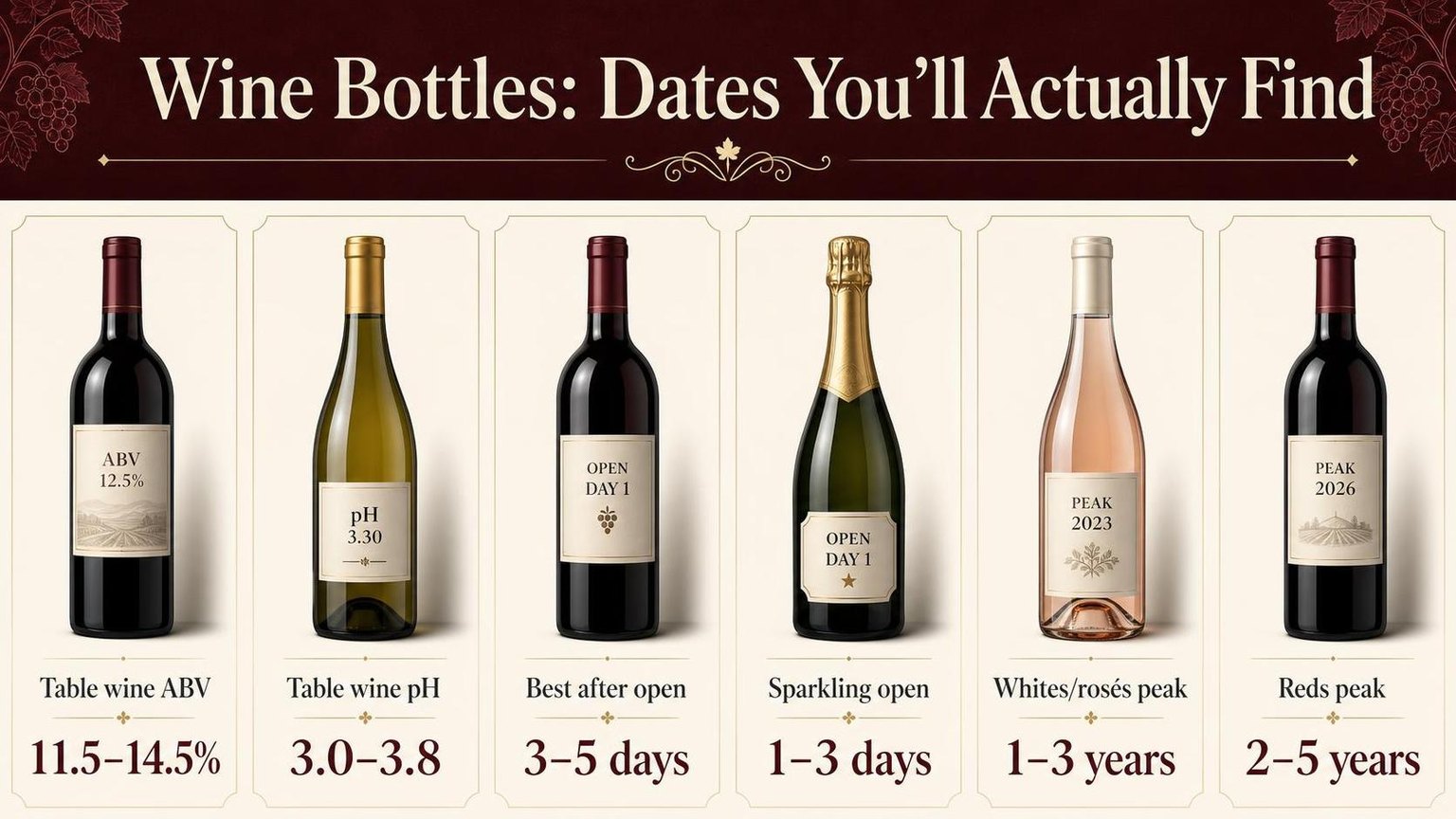
Alcohol also slows microbial spoilage. Table wine usually sits around 11.5% to 14.5% alcohol by volume, with a low pH often near 3.0 to 3.8. That combination is hostile to many spoilage organisms compared with fresh juice or dairy products.
| Product | Typical alcohol | Typical pH | Expiration date commonly printed? |
| Table wine | 11.5%–14.5% ABV | 3.0–3.8 | Rarely |
| Fortified wine | 15%–20% ABV | About 3.0–3.7 | Rarely, though freshness advice may appear |
| Pasteurized grape juice | 0% ABV | About 3.0–3.5 | Often |
Wine also ages unevenly, which makes a single expiration date misleading. Many inexpensive whites and rosés show best within 1 to 3 years of release. Many commercial reds are at their best within 2 to 5 years.
Fine, tannic, or high-acid wines can improve for 10 years or far longer.
Producers therefore use other dating signals.
- Vintage date: the year grapes were harvested, when at least 85% comes from that year in the U.S.
- Lot code: used for traceability and recalls, not drink-by timing.
- Bottling date: sometimes shown by smaller producers for freshness context.
Once opened, the timeline changes. Most still wines taste best within about 3 to 5 days when re-corked and refrigerated.
Sparkling wine often fades within 1 to 3 days because dissolved carbon dioxide escapes quickly, even if the wine remains drinkable.
Where Producers Print Bottle Codes
Wine producers rarely print a consumer-style expiration date on the bottle. What you usually find is a lot code, bottling code, or date stamp used for traceability, inventory control, and recalls.
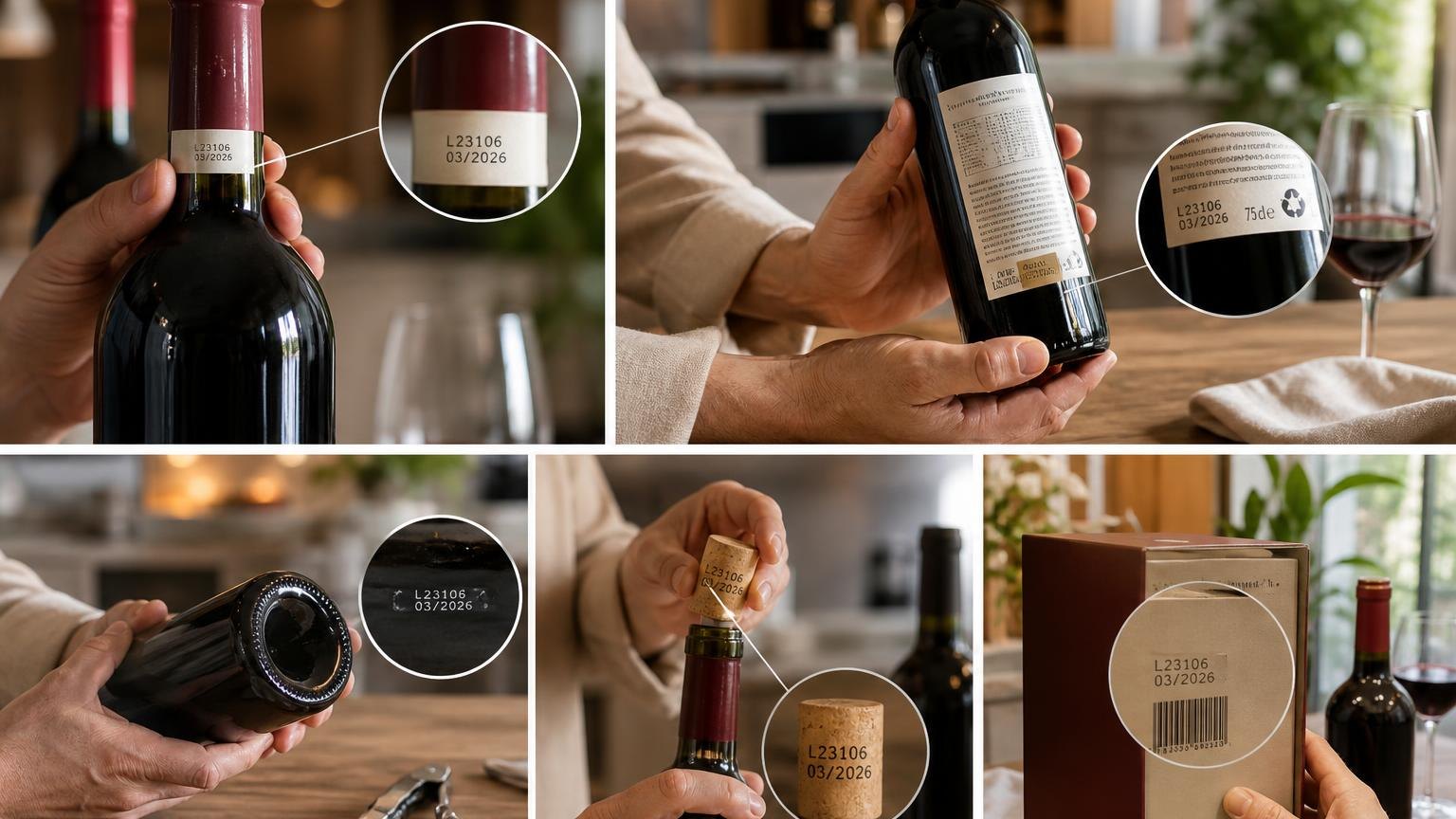
Those markings are often small, faint, and easy to miss. Check the glass first, then the label edges, then the closure, because producers place codes where packaging lines can mark bottles quickly at high speed.
The most common location is the lower part of the bottle, especially the heel or punt area. Many wineries use inkjet or laser printers on the bottling line, so the code may appear in black, white, or etched characters about 2 to 5 millimeters tall.
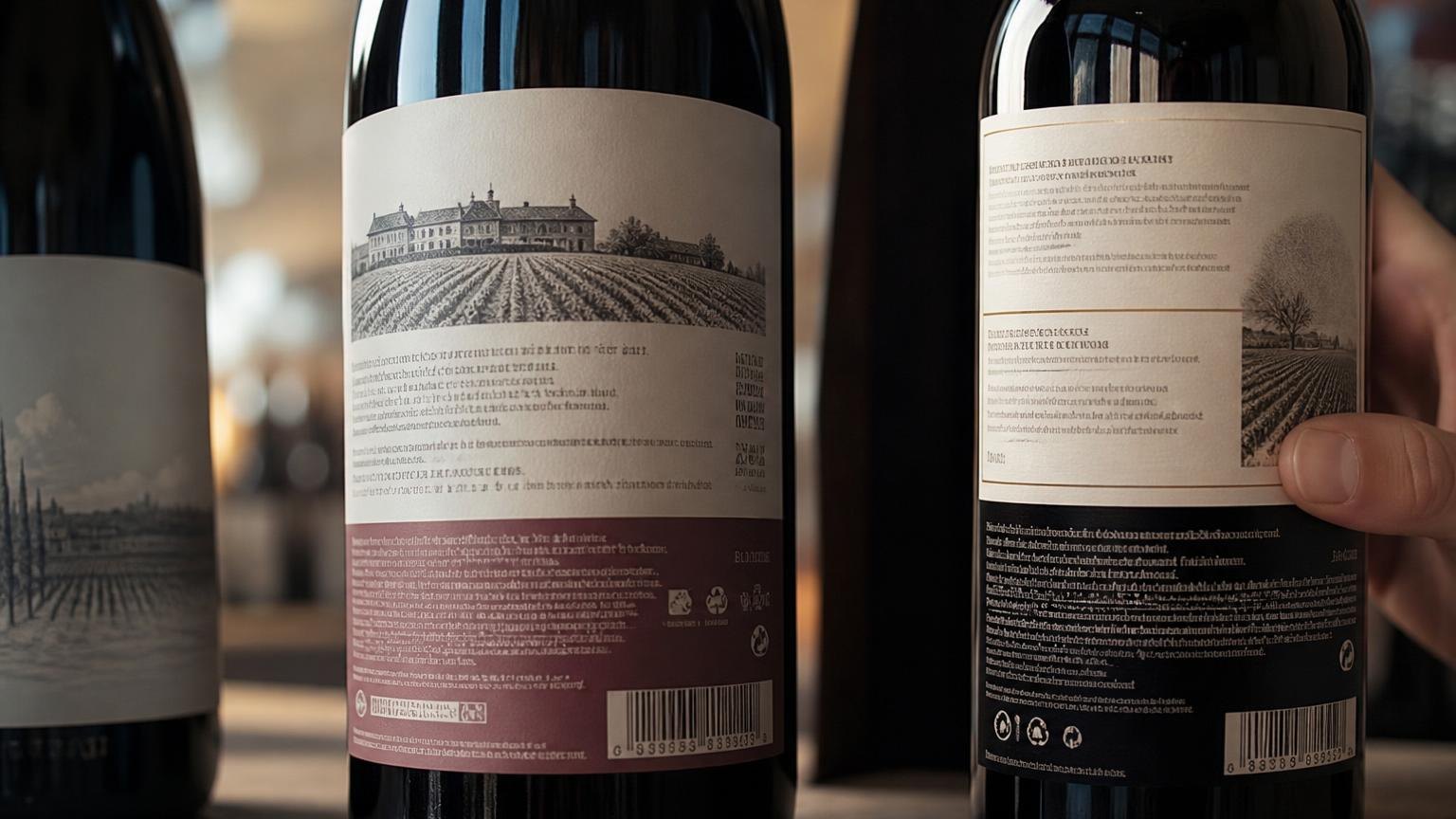
Back labels are another frequent spot, especially near the bottom edge or beside the importer statement. On US-market bottles, imported wine may carry a supplier or importer lot code added after the wine leaves the winery.
Some producers print codes on the capsule or directly on the cork. Sparkling wines can also carry coding on the foil or on the base because those surfaces stay visible after disgorgement and final packaging.
| Location | What it usually looks like | Why producers use it |
| Glass heel or punt | Inkjet or laser string with letters and numbers | Fast application on automated lines; survives label changes |
| Bottom edge of back label | Short lot code or printed date | Easy for warehouses and retailers to read |
| Front or neck label edge | Small stamped batch code | Used when glass printing is not available |
| Capsule or foil | Embossed or ink-stamped characters | Useful for sparkling wine and premium packaging |
| Cork | Vintage, producer name, or bottling mark | Internal identification after opening |
If the code is hard to read, rotate the bottle under a bright light. Laser marks can appear frosted rather than dark, and curved glass can hide a code unless you view it from an angle.
- Look for short strings such as L2024A, 24015, or a time stamp with date and line number.
- Do not confuse the vintage year on the front label with a bottling or lot code.
- On boxed or canned wine, the traceability code is more often near the seam or base panel.
These codes identify when and where the bottle was packaged, not when the wine “expires.” For actual drinking window guidance, use the producer’s style, storage history, closure type, and vintage quality instead of the bottle code alone.
How To Read Lot Date Codes
Wine bottles rarely carry a consumer-style “expiration date.” What you usually find is a lot code, bottling code, or production code used for traceability, recalls, and quality control.
Reading it helps identify when the wine was bottled, packed, or released.
Lot codes are usually printed in black ink, laser-etched on glass, or stamped on the label, foil, or punt area. On US bottles, they often appear near the back label or on the lower glass, not beside the vintage year on the front label.
Start by finding the full string, not one number. A lot code may mix letters and digits because wineries track the bottling line, shift, supplier, and date in one sequence.
What the code usually means
There is no single universal wine lot-code format. Many producers use Julian dates, calendar dates, or internal batch numbers. The same bottle can show both a vintage year and a separate lot code.
- Vintage year: the year the grapes were harvested, such as 2021.
- Bottling or packing date: when the finished wine entered the bottle.
- Lot or batch identifier: a traceability code linking the bottle to a production run.
Common date formats
Julian coding is common in food and beverage packaging. In a 3-digit Julian date, 001 means January 1 and 365 means December 31, or 366 in a leap year.
| Code format | Example | How to read it |
| Julian day only | 032 | 32nd day of the year, usually February 1 in a non-leap year |
| Year + Julian day | 24032 | 2024, 32nd day of the year |
| Calendar date | 2024-02-01 | February 1, 2024 |
| Batch with line code | L24123B | Often lot 123 of 2024, line or shift B; winery-specific |
How to avoid misreading the code
Do not confuse a lot code with the vintage year. A bottle labeled 2019 may have been bottled in 2020 or 2021, especially for reserve, sparkling, or extended-aging styles.
Letters often carry plant information, not date information. “L” commonly means “lot,” while trailing letters can mark a bottling line, filler, or work shift.
- Check the back label first.
- Look along the glass near the base and punt.
- Photograph faint laser etching under side light.
- Ask the producer if the code is internal.
If the code cannot be decoded by format alone, contact the winery with the exact string. Producers can usually trace a bottle to a bottling date, often down to a specific production day and line.
When Vintage Date Helps Estimate Freshness
The vintage date is the year the grapes were harvested, not the bottling date. That matters because wine freshness depends on how long the wine has already aged before you buy it.
Vintage is most useful for wines meant to be consumed young. It is less useful for non-vintage bottlings, fortified wines, and age-worthy reds that can improve for many years.
| Wine style | What vintage date usually tells you | Typical best-drinking window from vintage |
| Sauvignon Blanc, Pinot Grigio, Vinho Verde | Freshness drops fastest; vintage is a strong clue | 1 to 3 years |
| Unoaked rosé | Look for the most recent vintage | 1 to 2 years |
| Prosecco and most non-vintage sparkling | Vintage often absent; base-wine age matters more than label year | About 1 to 3 years after release |
| Oaked Chardonnay, Rioja Crianza | Some bottle age is normal and often beneficial | 3 to 7 years |
| Cabernet Sauvignon, Nebbiolo, Syrah from structured vintages | Vintage helps estimate maturity, not simple freshness | 5 to 15+ years |
| Vintage Port | Youth is not a defect; long aging is expected | 10 to 30+ years |
For fresh whites and rosés, the vintage often gives the clearest signal on the shelf. A 2021 Sauvignon Blanc usually shows less primary citrus and grassy aroma than a 2023 bottle, assuming similar storage and producer quality.
Vintage also helps when a wine spent time before release. Many red wines are released 12 to 36 months after harvest. Rioja Reserva, for example, must age at least 36 months before release, including at least 12 months in oak.
That delay explains why an older vintage is not automatically old wine. A 2020 Rioja Reserva released in 2024 can be right on schedule, while a 2020 basic Pinot Grigio sitting in warm retail light may already be past its peak.
- Use vintage heavily for aromatic whites, dry rosé, and simple reds sold for early drinking.
- Use vintage cautiously for cellar-worthy wines, where tannin, acid, sugar, and producer style matter more.
- Check storage signs with the date: fill level, seepage, pushed corks, and heat-damaged labels.
Vintage is a shortcut, not a guarantee. It estimates probable freshness, but storage temperature and light exposure can change a wine faster than one or two extra years on the label.
Signs Your Wine Has Expired
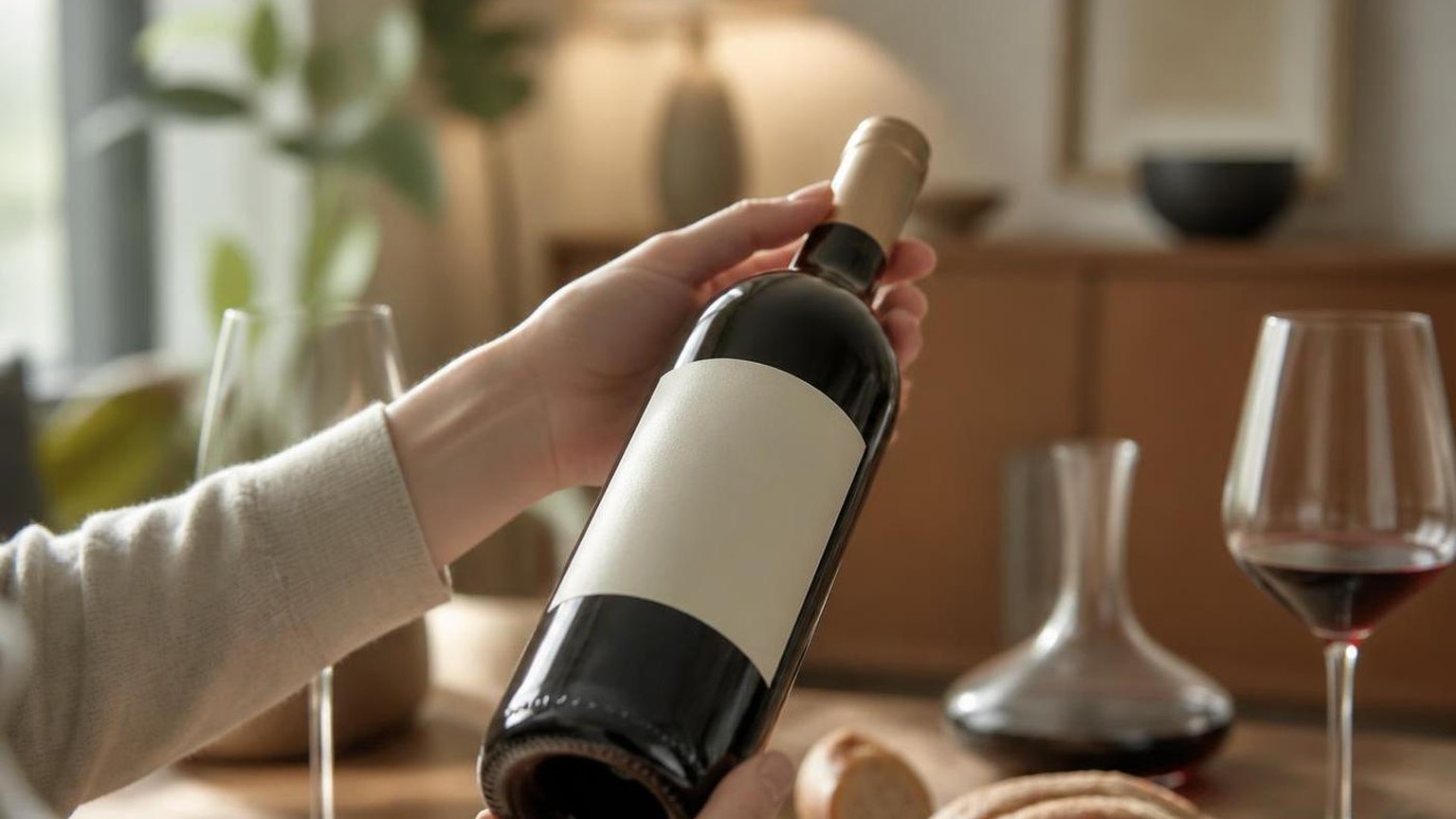
Wine rarely becomes unsafe, but it does lose freshness, fruit, and balance. Most “expired” bottles show oxidation, heat damage, or cork failure before they become undrinkable. The clearest evidence is in the smell, color, and taste.
Start with the cork and fill level. A cork pushed upward, leaking wine, or sticky residue around the capsule often points to heat exposure. In older bottles, a low fill level can also mean slow oxygen ingress through the closure.
Next, pour a small glass and inspect the color. White wine that looks deep gold, amber, or brown instead of pale straw has usually oxidized.
Red wine that has shifted from ruby or purple toward brick-brown at the rim may be over the hill, especially if the fruit smells are gone.
| Sign | What it usually means |
| White wine turns amber or brown | Advanced oxidation; fresh acidity and fruit have declined |
| Red wine looks brown at the core, not only the rim | Age or heat damage beyond normal development |
| Cork protrudes or wine leaks under capsule | Heat expansion and likely storage damage |
| Flat aroma with no fruit | Wine has faded and lost aromatic compounds |
| Smell of vinegar or nail-polish remover | High volatile acidity or acetic spoilage |
| Wet cardboard or damp basement smell | Cork taint, usually caused by TCA contamination |
Smell is often the fastest test. Oxidized wine can smell like bruised apple, sherry, nuts, or caramel when those notes do not fit the style. Excess volatile acidity may smell like vinegar, while ethyl acetate can resemble nail-polish remover.
Cork taint is different from expiration, but many drinkers read it as a “bad” bottle. The compound 2,4,6-trichloroanisole, or TCA, can suppress fruit aromas even at a few parts per trillion.
The result is a dull wine with a musty cardboard smell.
Taste confirms what the nose suggests. Expired wine often seems flat, sour, or hollow, with fruit stripped out and the finish turning short and harsh. Sparkling wine is suspect if the mousse disappears quickly after pouring.
- If a wine smells vinegary, musty, or chemically sharp, replace it.
- If the color is markedly brown and the palate tastes flat, the bottle is past its prime.
- If only sediment is present, that alone is not spoilage; many aged reds throw harmless sediment.
Once opened, deterioration accelerates. Table wines usually show clear decline after about 3 to 5 days in the refrigerator, while sparkling wines can lose carbonation within 1 to 3 days.
If the bottle tastes worse each day, oxidation is already winning.
Common Questions
Do wine bottles have an expiration date printed on them?
Most still wine bottles sold in the US do not carry a true expiration date. Wine is regulated and labeled for alcohol content, origin, producer, and often vintage year, but a mandatory “use by” date is not standard for table wine.
Where should I look on a wine bottle for any date information?
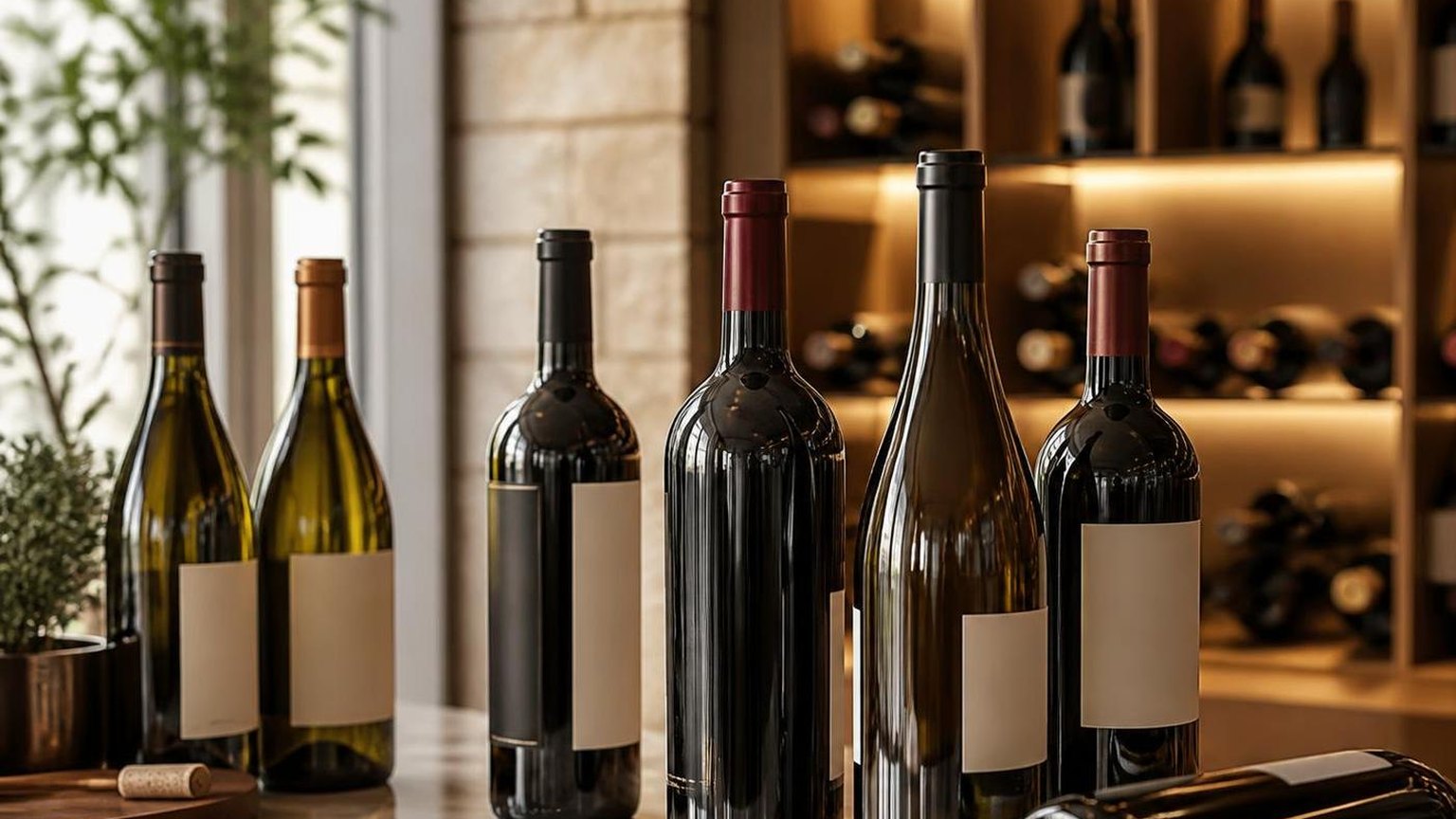
Check the front label for the vintage year, then inspect the back label, neck, capsule, and glass near the base for lot codes or production stamps.
On boxed, canned, or single-serve wine, the date is more often printed on the bottom, side seam, or outer carton because those formats are packaged for shorter shelf life after filling.
What is the difference between a vintage year and an expiration date?
The vintage year tells you when the grapes were harvested, not when the wine becomes unsafe or “expires.” A 2021 vintage may drink well for 1 to 3 years in a basic white or for 5 to 10 years in a structured red, depending on grape.
Acidity, tannin, sugar, and storage conditions.
Do fortified, boxed, or canned wines have clearer shelf-life dates than bottled wine?
Yes.
Boxed and canned wines commonly include a best-by date or packaging code because oxygen management and package integrity drive quality over a shorter timeline; unopened boxed wine is often best within about 6 to 12 months, and 3 to 6 weeks after opening.
Fortified wines such as Port or Sherry may not show an expiration date either, but many stay sound longer after opening because higher alcohol and, in some styles, oxidative aging improve stability.
How can I tell if a bottle is too old or has gone bad if there is no expiration date?
Use the fill level, cork condition, color, and smell.
A wine with heavy seepage, a pushed cork, brown color in a young white, or aromas of vinegar, wet cardboard, or bruised apple is likely oxidized or faulty, even if the bottle shows no printed expiration date.
Does the TTB require expiration dates on wine labels in the United States?
No. The Alcohol and Tobacco Tax and Trade Bureau (TTB) requires a vintage date only if 95% of the grapes were harvested in the stated year (85% for AVA-designated wines).
Federal regulations under 27 CFR Part 4 mandate alcohol content, origin, and volume—but not an expiration or best-by date.
Do European wines carry expiration dates under EU labeling laws?
EU Regulation 1169/2011 exempts beverages containing more than 1.2% alcohol by volume from mandatory "best before" or "use by" dating.
However, some EU producers voluntarily print a "lot number" (prefixed with "L") on the label or capsule for traceability, which encodes a bottling date rather than an expiration date.
Can I use the barcode or lot code on a wine bottle to determine its age?
The UPC barcode identifies the product for retail scanning and contains no date information. The lot code, often stamped on the back label or embossed on the glass near the base, records the bottling batch.
Cross-referencing that code on the producer's website can reveal the exact bottling date.
Related Reading
- How Long Does Port Wine Last After Opening?
- What Is Moscato Wine? – 2026
- What Wine Is Sweet? – Expert Guide from Flight Wine Bar
- How Many Ounces Is A Wine Bottle?
- What Is A Sweet Wine? – 2026
- Where Is The Expiration Date On Wine Bottles? Find Out Now
- What Does Port Wine Taste Like? What You Need to Know
- All Alcohol Guides