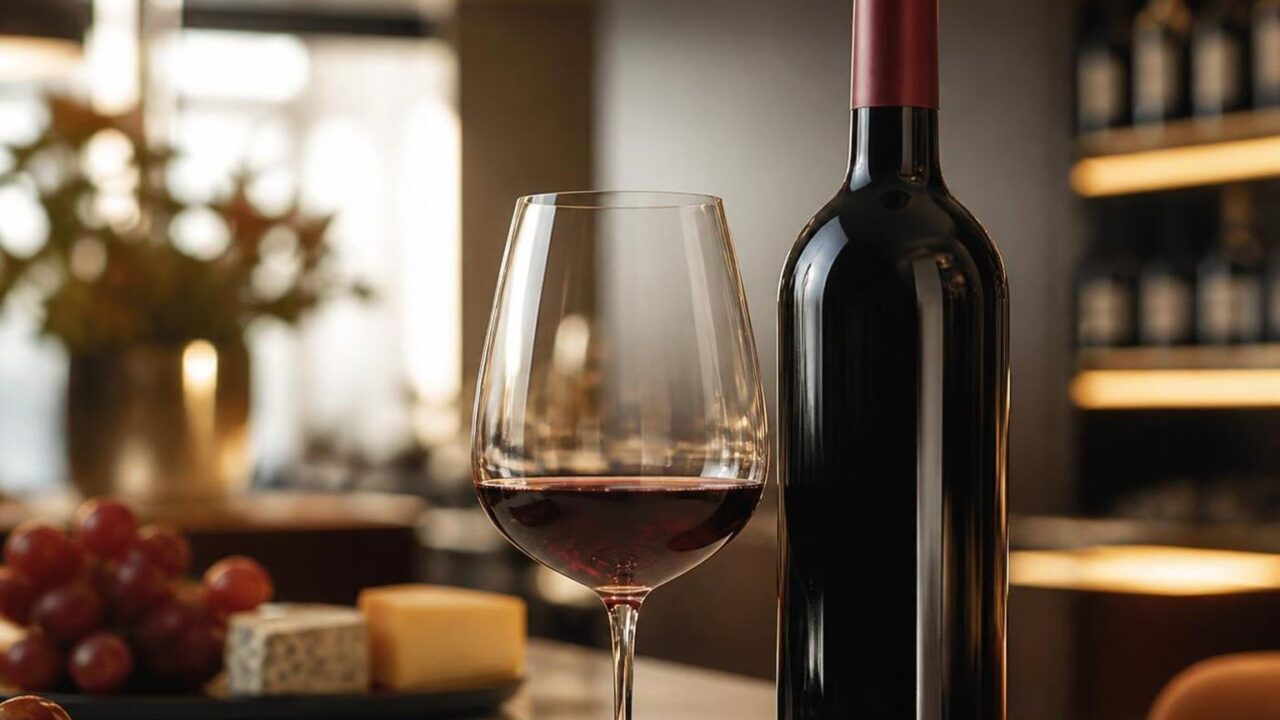
Does Wine Taste Good? is yes for many drinkers because wine combines fruit, acidity, aroma, texture, and finish in a way plain grape juice does not.
A crisp Sauvignon Blanc can taste like lime and herbs; a Napa Cabernet can taste like blackberry, cedar, and dark chocolate.
Wine also tastes unpleasant to some people at first. Tannins can feel drying, alcohol can feel warm, and acidity can seem sharp. Those sensations become enjoyable when matched with the right style, serving temperature, and food.
The article explains why wine tastes good or bad, which flavors beginners usually like, and how sweetness, tannin, acidity, body, oak, and age change the experience in the glass.
Why Wine Tastes Good to Some
Wine tastes good to some people because it layers sweetness, acidity, bitterness, aroma, and texture in one drink.
The brain reads that complexity as interesting and rewarding, especially when the wine’s balance matches a person’s sensitivity and experience.
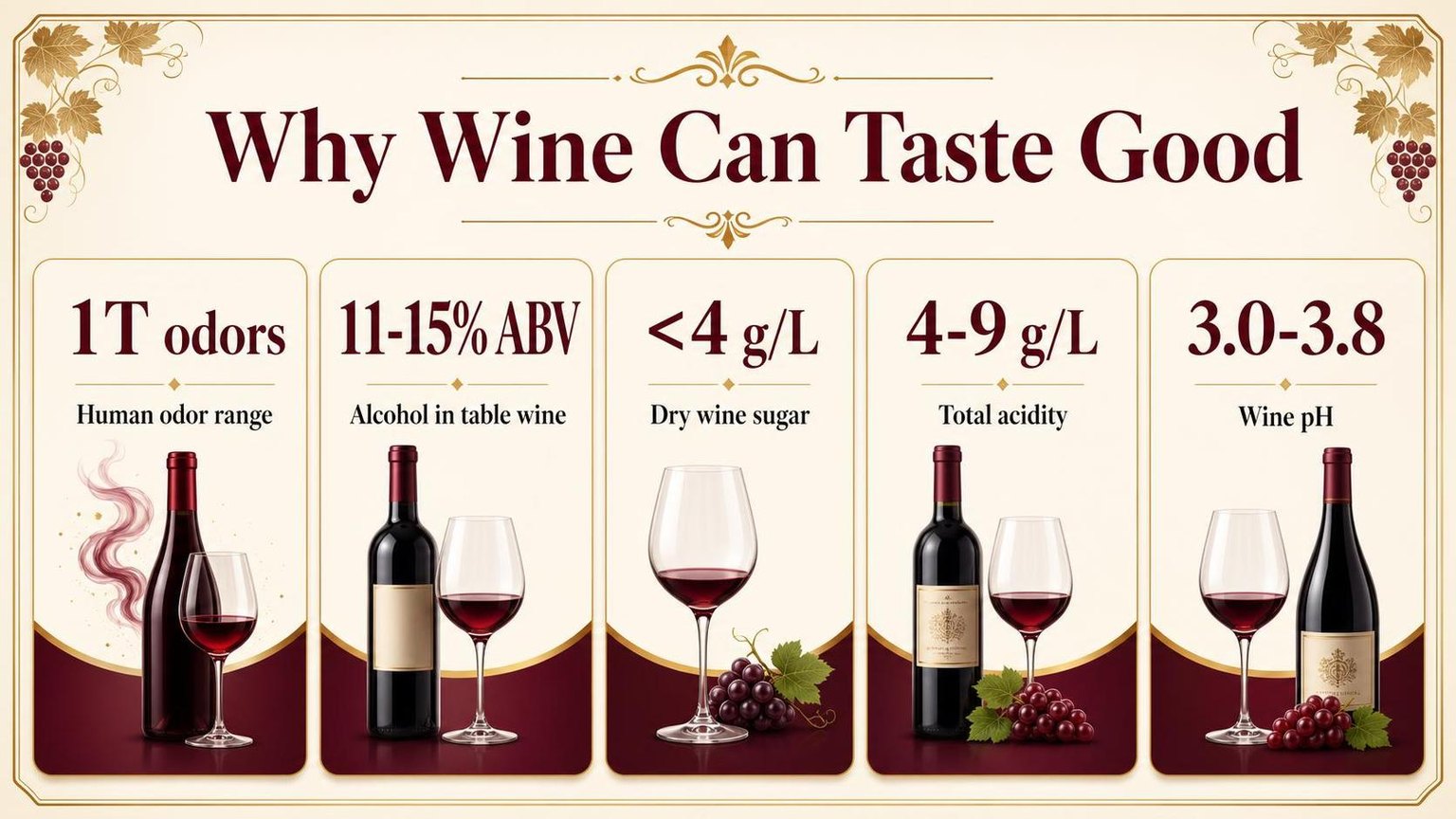
Most of what people call “taste” in wine is actually smell. Humans can distinguish at least 1 trillion odors, and wine delivers dozens to hundreds of volatile compounds that rise through the nose and the back of the throat while drinking.
Balance is the first reason wine can seem pleasurable. Sugar softens sharp edges. Acidity adds freshness. Moderate bitterness and astringency create structure, which many drinkers interpret as seriousness rather than harshness.
| Component | Typical range in table wine | Sensory effect |
| Alcohol | 11% to 15% ABV | Warmth, body, sweetness impression |
| Residual sugar | Under 4 g/L in dry wine | Softness or obvious sweetness at higher levels |
| Total acidity | About 4 to 9 g/L | Brightness, mouthwatering finish |
| pH | About 3.0 to 3.8 | Sharpness, stability, freshness |
| Tannins | Highest in many red wines | Grip, dryness, structure |
Aroma is the second reason. Fruity esters can suggest apple, pear, banana, or strawberry. Fermentation and aging also add vanilla, toast, clove, butter, cocoa, leather, or mushroom notes, depending on yeast, grape variety, oxygen, and oak contact.
Texture matters as much as flavor. Ethanol increases body and can heighten aroma release. Glycerol, acids, dissolved carbon dioxide, and tannins change how wine feels, from creamy and round to crisp and tense.
Biology explains why one person loves a wine that another dislikes. Genetic variation affects bitterness sensitivity.
People with more fungiform papillae, often called supertasters, can find tannic or high-alcohol wines more aggressive than other drinkers do.
Learning also changes pleasure. Repeated exposure reduces shock from bitterness and acidity.
Studies on acquired taste show that familiarity can increase liking, which helps explain why dry Riesling, Nebbiolo, or Sherry often appeal more to experienced drinkers.
- Sweet-fruit aromas can make a dry wine seem richer than its sugar level suggests.
- High acidity often improves food pairing, which raises overall enjoyment.
- Serving temperature changes perception; colder wine shows less aroma and more acidity.
- Context matters: glass shape, meal, expectation, and company alter enjoyment.
Wine tastes good to some because chemistry, perception, and experience align. When aroma is expressive, structure is balanced, and the drinker’s palate accepts bitterness and acid, wine can feel vivid rather than difficult.
What Good Wine Actually Tastes Like
Good wine does not taste like one single flavor. It tastes balanced, clean, and expressive, with fruit, acid, texture, and finish working together instead of fighting each other.
The exact profile changes by grape, climate, and winemaking, but quality shows up in structure.
Balance is the first marker. In a sound wine, acidity makes the mouth water, alcohol feels integrated, tannin matches the fruit, and sweetness, if present, does not taste sticky or flat.
A good wine can be light and simple or dense and powerful, but it should not feel harsh, hot, dull, or cloying.
Acidity gives wine lift. Most table wines fall around pH 3.0 to 3.8, which is far more acidic than water. In the glass, that reads as freshness: lemon, green apple, cranberry, or a saline snap rather than sourness for its own sake.
Tannin shapes many reds. Tannins come from grape skins, seeds, and oak, and they create a drying sensation similar to strong black tea.
In good wine, that grip is fine or firm, not aggressively bitter, and it fades into fruit rather than outlasting it.
| Element | Typical range | What it tastes like |
| Acidity | pH 3.0-3.8 | Brightness, mouthwatering finish, freshness |
| Alcohol | 11-15% ABV in most table wine | Body, warmth, weight on the palate |
| Residual sugar | Dry wines often under 10 g/L | Little to no obvious sweetness |
| Serving temperature | Whites 45-50°F, reds 55-65°F | Better aroma definition and texture |
Aromas in good wine are distinct, not vague. You should be able to identify families of smell: citrus, orchard fruit, stone fruit, red berries, black fruit, flowers, herbs, spice, earth, smoke, or toast.
Quality wine often shows at least three aroma layers, not one blunt note.
Length matters. In tasting, the finish is how long flavors remain after swallowing or spitting. Fine wine often lingers for 10 to 30 seconds or more, while cheap, diluted, or flawed wine drops off quickly or leaves only alcohol and bitterness.
- Good Chardonnay can taste like apple, lemon curd, and hazelnut, with medium to high acidity.
- Good Sauvignon Blanc often shows grapefruit, grass, and a sharp, saline edge.
- Good Pinot Noir usually combines red cherry, mushroom, and soft tannin.
- Good Cabernet Sauvignon tends toward blackcurrant, cedar, firmer tannin, and a longer finish.
Good wine tastes alive. It changes with air, opens over 15 to 30 minutes, and keeps its balance from first sip to last. That evolution is one of the clearest signs you are drinking something well made.
Why Wine Can Taste Bad
Wine can taste bad for two main reasons: the bottle is flawed, or the style clashes with the drinker’s palate.
Many first-time drinkers react to bitterness, acidity, alcohol heat, or dryness because wine contains compounds that are uncommon in soft drinks and juice.
A faulty bottle tastes bad in a technical sense. A sound bottle can still taste unpleasant if it is served too warm, too cold, too young, oxidized after opening, or paired badly with food.
Cork taint is the classic flaw. It is usually caused by 2,4,6-trichloroanisole, or TCA, which makes wine smell like wet cardboard, a damp basement, or moldy newspaper. Even tiny amounts can flatten fruit and leave the wine dull and dirty.
Oxidation is another common problem. Oxygen can help wine develop slowly, but too much exposure turns fresh aromas into bruised apple, sherry-like nuttiness, and stale notes.
In delicate whites, that shift can make the wine seem tired within days after opening.
Some wines taste bad because they are structurally aggressive. High acidity can feel sour, high tannin can feel drying and bitter, and high alcohol can burn.
These are not defects, but they can be harsh without food or without enough fruit concentration to balance them.
| Issue | What it tastes or smells like | Typical cause |
| Cork taint | Wet cardboard, musty cellar, muted fruit | TCA contamination from cork or winery materials |
| Oxidation | Bruised apple, nuts, stale finish | Too much oxygen during aging or after opening |
| Volatile acidity | Vinegar, nail-polish lift | Excess acetic acid and related compounds |
| Reduction | Rotten egg, struck match | Sulfur compounds from low-oxygen winemaking |
| Too warm service | Hot, jammy, alcoholic | Serving temperature too high |
| Too cold service | Muted aroma, hard acidity | Serving temperature too low |
Serving temperature changes perception fast. Warm red wine shows alcohol more clearly, while over-chilled white wine hides aroma and exaggerates acidity. That is why the same bottle can seem coarse one moment and balanced 20 minutes later.
| Wine style | Useful serving range |
| Sparkling | 40-50°F |
| Light white | 45-50°F |
| Full-bodied white | 50-55°F |
| Light red | 55-60°F |
| Full-bodied red | 60-65°F |
Palate mismatch matters too. Dry wine contains little residual sugar, yet ripe fruit aromas can mislead drinkers into expecting sweetness.
When sweetness never arrives, the brain notices acid, tannin, and bitterness more sharply, and the wine reads as unpleasant.
- Pair tannic reds with protein and fat to soften dryness.
- Let young reds breathe if they smell tight or sulfurous.
- Use a clean glass, because detergent residue distorts aroma and texture.
- Re-cork opened bottles and refrigerate them to slow oxidation.
How Beginners Learn Wine Flavor
Beginners usually do not “get” wine by chasing rare tasting notes. They learn faster by identifying four basics: fruit, sweetness, acidity, and tannin. That framework matches how wine is built and how most people actually perceive flavor.
Start with side-by-side tasting, not isolated sipping. Human perception is comparative. Two wines poured in 2-ounce samples show differences in acidity, body, and sweetness more clearly than one full glass.
Use a simple sequence: look, smell, sip, then compare. Smell first because aroma drives much of flavor perception. Researchers have long shown that when smell is blocked, people detect fewer specific flavor differences.
Beginners should practice with common grapes because they repeat clear patterns. Sauvignon Blanc often shows high acidity and citrus. Chardonnay is usually broader in texture. Pinot Noir tends to have lighter tannin than Cabernet Sauvignon.
| Wine style | What beginners usually notice first | Typical structural cue |
| Sauvignon Blanc | Lemon, lime, herbs | High acidity, little to no tannin |
| Chardonnay | Apple, pear, vanilla if oaked | Medium to full body |
| Pinot Noir | Cherry, raspberry | Light to medium tannin |
| Cabernet Sauvignon | Blackcurrant, plum | Medium to high tannin |
| Riesling | Lime, peach, floral notes | High acidity, sweetness varies widely |
Sweetness is one of the easiest entry points. Dry wines usually contain little residual sugar, often under 4 grams per liter. Off-dry wines can taste noticeably softer, especially when acidity is lower or fruit aromas are ripe.
Temperature changes what beginners perceive. White wines show best around 45 to 55°F, while many reds are clearer around 55 to 65°F. Serving a red too warm boosts alcohol perception and can hide fruit.
Glassware matters less than repetition, but it still affects aroma release. A standard wine pour is 5 ounces. For learning, smaller 2-ounce pours reduce palate fatigue and let tasters compare three or four wines without overload.
- Practice with one grape in two regions, such as Sauvignon Blanc from New Zealand and California.
- Write down only three observations: fruit, acid level, and texture.
- Use food occasionally; cheese, salt, and fat can soften tannin and change perception.
- Repeat the same wine on two days. Oxygen and temperature shifts teach more than memorizing vocabulary.
Progress comes from recognizing structure before chasing poetic descriptors. Once beginners can separate high acid from low acid and light tannin from firm tannin, wine starts tasting organized instead of random.
Sweetness Acidity Tannin and Alcohol
Wine tastes good when sweetness, acidity, tannin, and alcohol stay in balance. If one element dominates, the wine can seem sharp, hot, bitter, or flat even when the fruit quality is strong.
These four traits shape first impression and finish. They also explain why the same wine tastes different with cheese, steak, spicy food, or dessert.
Sweetness comes from residual sugar left after fermentation. Most table wine is technically dry, but ripe fruit aromas can still smell sweet and make a dry wine seem softer than it is.
| Factor | Typical range | How it tastes | Common examples |
| Residual sugar | Dry: 0-4 g/L; Off-dry: 12-35 g/L; Sweet: 45+ g/L | More sugar softens acid and bitterness | Brut sparkling, Riesling Kabinett, Sauternes |
| Acidity | About pH 2.9-3.9 in most wine | Higher acid tastes tart, fresh, mouthwatering | Sauvignon Blanc, Chablis, Barbera |
| Alcohol | Often 8-15% ABV in table wine | Raises body and warmth; excess tastes hot | Mosel Riesling, Napa Zinfandel |
| Tannin | Low to high; highest in thick-skinned reds and oak-aged wines | Drying, gripping, slightly bitter | Pinot Noir, Cabernet Sauvignon, Nebbiolo |
Acidity is the engine of freshness. It makes lemony whites feel crisp and keeps sweet wines from turning syrupy. Without enough acid, fruit flavors can seem broad, soft, and dull.
Tannin comes mainly from grape skins, seeds, stems, and oak. Tannins bind to proteins in saliva, which reduces lubrication and creates the drying sensation people notice in young Cabernet, Syrah, and Nebbiolo.
Alcohol carries aroma and adds weight. In moderation, it gives roundness. When alcohol rises faster than fruit concentration or acid, the wine can smell spirity and finish with heat.
Balance matters more than any single trait. A sweet German Riesling works because sugar offsets high acidity. A big red works because tannin, fruit density, and alcohol support each other instead of fighting for attention.
- If a wine tastes sour, it may have high acid without enough fruit or sugar.
- If it tastes bitter and drying, tannin is likely the main driver.
- If it tastes hot, alcohol is probably outrunning fruit and acid.
- If it tastes flat, acidity may be too low for the wine’s weight.
Does Expensive Wine Taste Better
Expensive wine does not automatically taste better. Price often tracks scarcity, brand prestige, vineyard land costs, oak aging, and critic demand more than a universal jump in pleasure.
For many drinkers, context and expectations change the experience as much as what is in the glass.
One of the best-known findings came from economist Robin Goldstein and colleagues.
Using 6,000-plus blind tastings from 523 wine drinkers, they found average consumers slightly preferred cheaper wines, while trained tasters showed a positive relationship between price and enjoyment.
| Evidence | What it found |
| Goldstein et al., blind tasting dataset | More than 6,000 tastings; non-experts, on average, did not rate pricier wines higher in blind conditions |
| Caltech brain study by Hilke Plassmann and colleagues | The same wine labeled with a higher price increased reported enjoyment and raised activity in the medial orbitofrontal cortex |
| Restaurant economics | Typical US restaurant wine markups often land around 2x to 3x wholesale cost, so higher menu price does not always mean higher intrinsic quality |
Blind tasting matters because labels shape expectations. In the Caltech study, participants tasted identical wines presented with different prices, including $5 and $45 labels.
People reported greater pleasure from the “expensive” version even though the liquid was the same.
That does not mean price is meaningless. Above certain thresholds, producers often spend more on hand harvesting, lower yields, French oak barrels, longer cellar aging, and top vineyard sites.
Those choices can produce more concentration, texture, and age-worthiness, especially in regions like Napa, Burgundy, and Barolo.
The problem is diminishing returns. The jump from a flawed $8 bottle to a clean, balanced $20 bottle is often obvious. The jump from $25 to $60 can be modest.
From $60 to $150, you are frequently paying for rarity, reputation, and collectability more than a dramatic leap in immediate drinkability.
- For casual drinking, many buyers find the best value around $15 to $30 retail.
- For cellaring, expensive wines more often reward age because of structure, acidity, and tannin.
- For gifting or restaurant ordering, presentation and producer name can matter as much as taste.
The practical answer is simple. Expensive wine can taste better, but only under the right conditions: a skilled producer, a style you enjoy, and preferably a blind comparison.
Without that, price can influence your brain before the wine reaches your palate.
Best Wines for First-Time Drinkers
First-time drinkers usually like wines with low tannin, bright fruit, and moderate acidity. Those traits reduce bitterness and mouth-drying texture, which are the main reasons beginners think wine “tastes bad.”.
Start with styles that are easy to read on the palate. Then match sweetness, alcohol, and body to the drinker’s tolerance, because a 9% Moscato drinks very differently from a 14.5% Cabernet Sauvignon.
Off-dry whites are the safest entry point. Riesling and Moscato often show peach, citrus, pear, and floral notes. A little residual sugar softens acidity and makes the fruit taste more obvious.
Rosé is another reliable first bottle. Dry rosé usually has strawberry, watermelon, and citrus flavors with little to no oak. It gives red-fruit character without the tannin that can make young red wines feel harsh.
For red wine, choose low-tannin grapes. Pinot Noir, Gamay, and Barbera are better beginner options than Cabernet Sauvignon, Nebbiolo, or young Syrah. They are lighter, less astringent, and easier to drink slightly cool.
| Wine style | Typical ABV | Typical residual sugar | Why beginners often like it |
| Moscato d’Asti | 5.5% to 6.5% | 90 to 120 g/L | Light sparkle, obvious sweetness, low alcohol |
| Off-dry Riesling | 8% to 11.5% | 15 to 35 g/L | Sweet-tart balance, high aroma, low bitterness |
| Dry rosé | 11.5% to 13% | Usually under 4 g/L | Fresh red fruit, crisp finish, minimal tannin |
| Pinot Noir | 12% to 14% | Usually under 3 g/L | Soft tannin, cherry and berry flavors, lighter body |
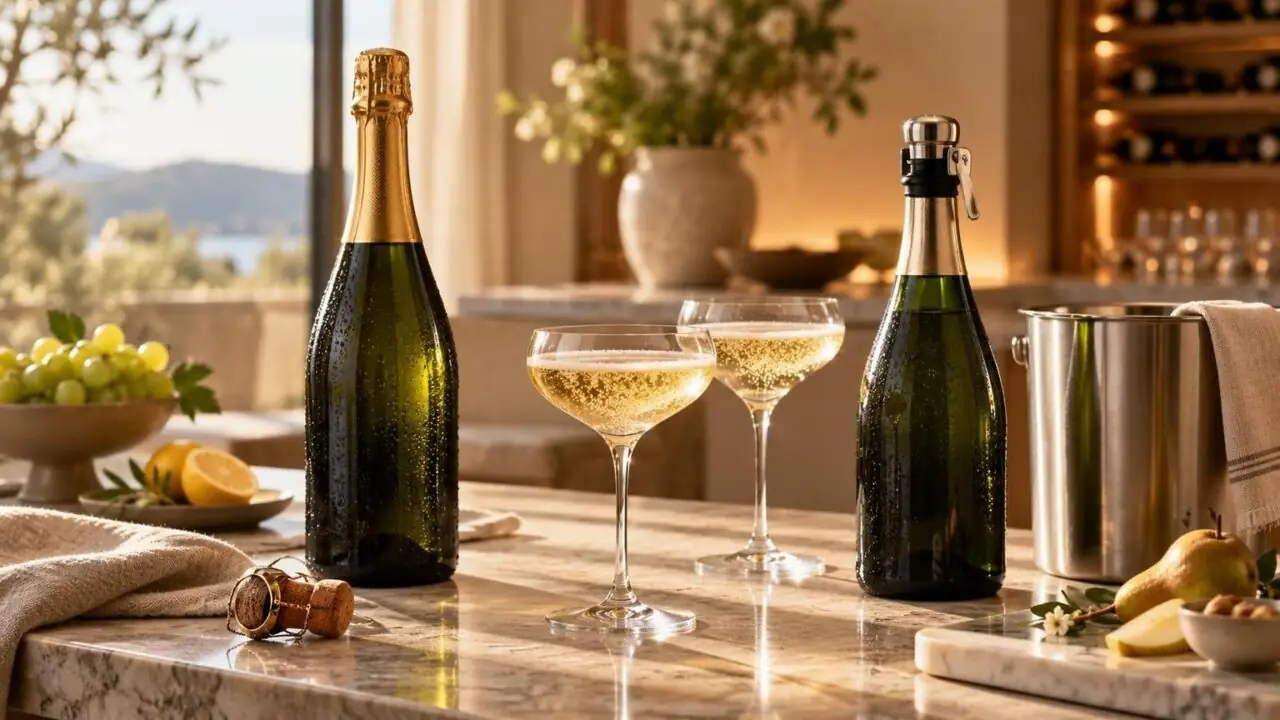
Sparkling wine also works well for beginners. Prosecco is usually fruit-forward, with apple, pear, and melon notes. Its bubbles add lift, and most bottles sit around 11% to 12% ABV, which feels less heavy than many full-bodied reds.
Avoid heavily oaked Chardonnay at first if the drinker dislikes butter, toast, or vanilla flavors. Avoid very tannic reds if they dislike black tea-like dryness. Those styles are not worse wines; they are harder entry points.
- Best first white: off-dry Riesling.
- Best first sparkling wine: Prosecco or Moscato d’Asti.
- Best first rosé: dry rosé from Provence or California.
- Best first red: Pinot Noir or Beaujolais made from Gamay.
Serve whites and rosés at 45 to 50°F and light reds at 55 to 60°F. Better serving temperature makes fruit clearer, alcohol less sharp, and the first impression much better.
Questions Readers Ask
Does wine actually taste good to most people?
Wine tastes good to many people, but not automatically to everyone.
Large consumer studies consistently show preferences vary by sweetness, acidity, bitterness, alcohol level, and familiarity, which is why new drinkers often prefer fruit-forward or slightly sweeter styles before appreciating drier, more tannic wines.
Why does wine sometimes taste bad the first time you try it?
First impressions can be harsh because wine combines acidity, bitterness, ethanol heat, and tannin, sensations many people are not trained to enjoy.
Dry red wines in particular can taste sour, astringent, or “sharp” until repeated exposure helps the brain connect those structure elements with fruit, aroma, and texture.
What makes one wine taste better than another?
Balance makes wine taste better: fruit, acid, tannin, sugar, and alcohol should feel integrated rather than dominant.
Temperature, freshness, serving glass, and food pairing also matter, which is why the same bottle can seem flat warm, harsh straight from opening, or much more appealing with the right meal.
Do expensive wines taste better?
Expensive wine does not always taste better in blind tasting, especially for casual drinkers.
Research has found that price can shape expectation and perceived enjoyment, but actual preference often depends more on style match than cost, so a $15 bottle can outperform a $50 bottle for the person drinking it.
Can you train yourself to like the taste of wine?
Yes. Repeated tasting, comparing styles side by side, and learning what sweetness, acidity, body, and tannin feel like can significantly improve enjoyment because wine becomes easier to decode and less dominated by alcohol or bitterness.
Related Reading
- Is Drinking a Whole Bottle of Wine Bad for You?
- How Many Servings Of Wine In A Bottle?
- What Is Natural Wine? Organic vs Biodynamic vs Natural wines
- How Many Calories In A Bottle Of Wine? Get the Answer
- How Many Oz Bottle of Wine?
- Black Bottles of Wine and Why Winemakers Use Them
- What Is Moscato Wine? – 2026
- All Alcohol Guides
- National Institute on Alcohol Abuse and Alcoholism (2021)
- Harvard T.H. Chan School of Public Health (2024)
- National Center for Biotechnology Information (2012)
- American Society for Enology and Viticulture (2016)
- UC Davis Department of Viticulture and Enology (2022)
- Encyclopaedia Britannica (2024)
- Wine & Spirit Education Trust (2023)