How Long Does Port Wine Last After Opening?—2–6 weeks is the practical range for most Port, with tawny styles usually holding longer than ruby or vintage bottles.
Fortification gives Port more stability than table wine, but oxygen still dulls fruit, nut, spice, and sweetness after opening.
Storage changes the timeline. Recork the bottle tightly, keep it upright, and refrigerate it at about 40°F.
Young ruby Port often tastes best within 2–3 weeks; tawny Port can stay enjoyable for 4–6 weeks because barrel aging has already exposed it to controlled oxidation.
Why Port Styles Last Differently
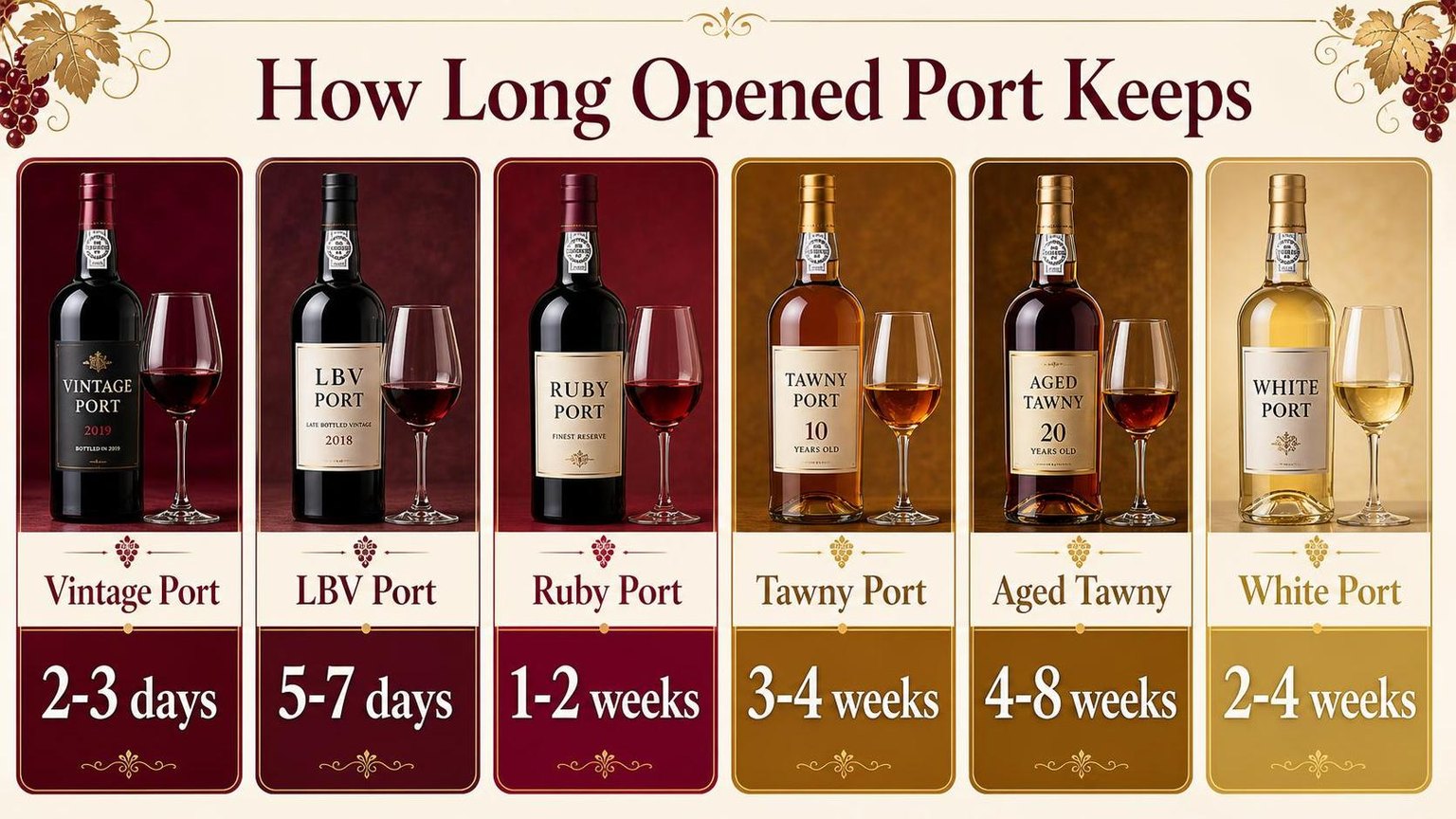
Opened Port does not follow one rule. Style determines the timeline because oxygen affects bottle-aged and wood-aged Ports differently. In practical home storage, the useful range runs from about 2 days to 8 weeks.
| Port style | Typical life after opening | Why that number changes |
| Vintage Port | 2 to 3 days | Less oxygen exposure before bottling, more fragile fruit and structure once opened |
| Late Bottled Vintage (LBV) | 5 to 7 days | More stable than Vintage, but still bottle-aged enough to fade quickly |
| Crusted Port | 3 to 5 days | Handled like a traditional bottle-aged Port, often throws sediment and oxidizes faster |
| Ruby Port | 1 to 2 weeks | Youthful fruit stands up better, but freshness drops after the first week |
| Tawny Port | 3 to 4 weeks | Already aged with oxygen in barrel, so opening causes less shock |
| 10-, 20-, 30-, or 40-year Tawny | 4 to 8 weeks | Oxidative aging makes these the most durable after opening |
| White Port | 2 to 4 weeks | Depends on sweetness and style, but refrigeration helps preserve aromatics |
Alcohol matters, but it is not the whole answer. Most Port sits near 19% to 20% ABV, which slows spoilage. That higher alcohol level does not stop oxygen from dulling fruit, nuts, spice, and floral aromas.
Refrigeration extends the window. Cooler storage slows oxidation and aroma loss. Recork the bottle tightly after every pour, and keep it upright to reduce the wine surface exposed to oxygen in the neck.
| Storage condition after opening | Expected effect |
| Room temperature, loosely sealed | Shortest life; flavor drops noticeably within days |
| Refrigerated, tightly recorked | Best retention of fruit, sweetness, and lift |
| Half-full bottle with large air space | Faster oxidation than a nearly full bottle |
The fill level changes the result. A nearly empty opened bottle can fade much faster than a freshly opened full one because the air-to-wine ratio is higher. If quality matters, move leftovers into a smaller bottle.
Use your senses at the end of the timeline. If the wine smells flat, overly spirity, or sharply nutty without fruit, it has passed peak drinking quality. It may still be safe, but it will not taste as intended.
What Changes Opened Port Lifespan
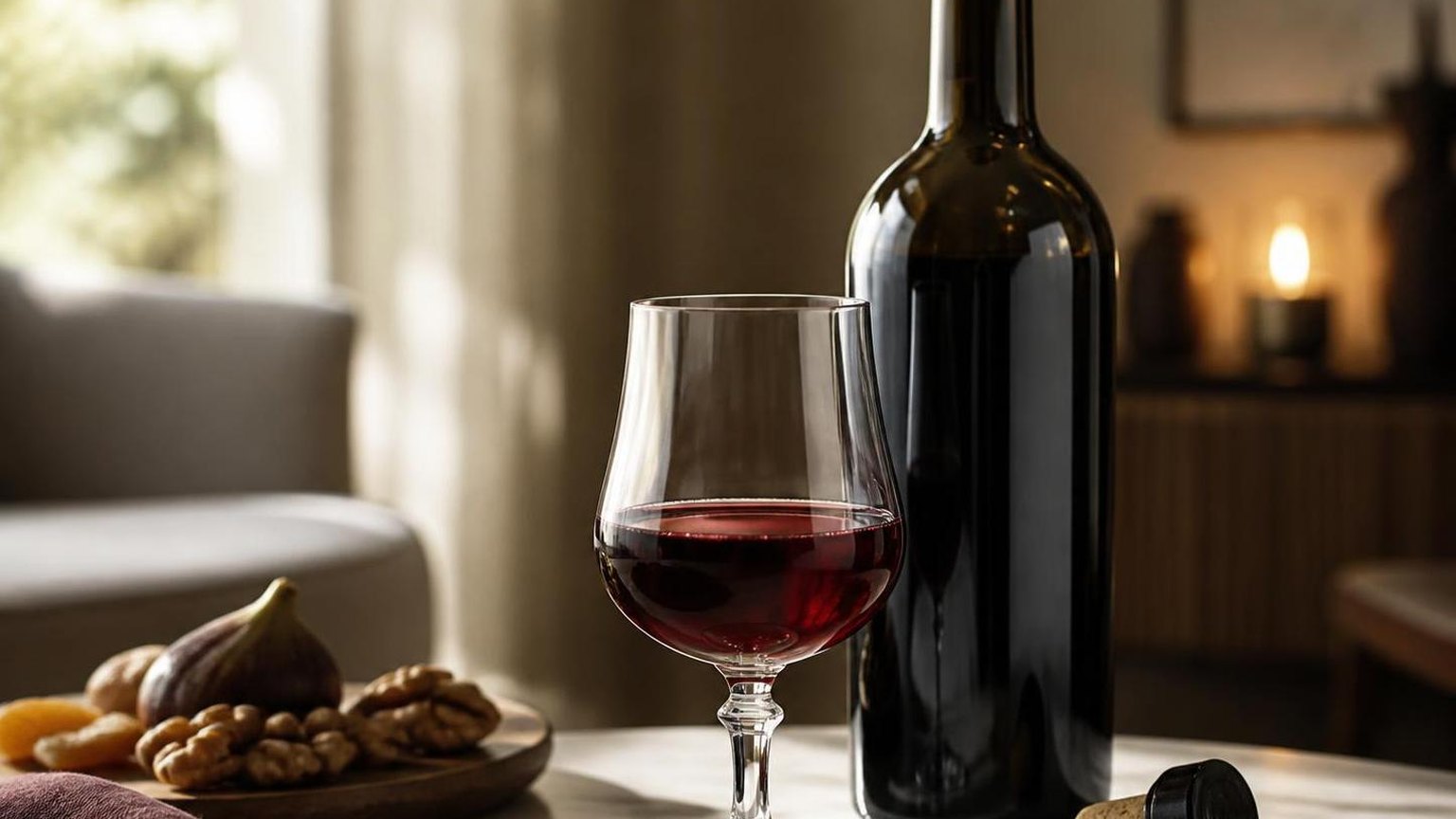
Opened Port does not spoil on one fixed schedule. Oxygen exposure, storage temperature, sugar level, alcohol, and wine style change how fast the wine loses fruit, color, and freshness.
The biggest difference is structural. Ruby-style Ports are fruit-driven and fade faster after opening, while Tawny-style Ports have already spent years in cask, so they tolerate oxygen better.
| Factor | What changes | Typical effect after opening |
| Wine style | Ruby, LBV, Vintage, Tawny, Colheita, White Port | Tawny and Colheita often hold 2-6 weeks; Ruby and LBV often show best within 1-2 weeks; Vintage Port can decline in 1-3 days |
| Oxygen in bottle | How much empty space remains | Half-full bottles oxidize noticeably faster than nearly full bottles |
| Storage temperature | Cellar-cool versus room temperature | About 55-60°F preserves aromas better than 70°F+ |
| Closure quality | Cork, stopper, or vacuum seal | Tighter seals slow aroma loss and oxidation |
| Light and heat | Sunlight, kitchen counters, warm shelves | Heat speeds chemical change and dulls fruit |
Style matters first because each category is made and aged differently. A 10-year Tawny has already had long oxidative barrel aging, so an opened bottle changes more slowly than a young Ruby built around fresh berry fruit.
Residual sugar and alcohol help, but they are not a force field. Most Port sits near 19-20% ABV, which gives better stability than table wine, yet oxygen still strips aromatics and can push flavors toward nuts, caramel, and eventually flatness.
Headspace is the next major variable. If a 750 mL bottle is only one-third full, the wine is sitting with far more oxygen than a freshly opened bottle, so the decline usually accelerates over the next few days.
Temperature has a measurable effect. Storing opened Port around 55-60°F is safer than leaving it at 68-75°F, and refrigeration is often useful for Ruby, White Port, and LBV because cooler storage slows oxidation.
- Re-cork immediately after pouring.
- Use a smaller bottle if a lot of wine remains, because less headspace means less oxygen contact.
- Keep the bottle upright in a dark place to limit surface area and light exposure.
- Do not store opened Port near ovens, dishwashers, or sunny windows.
Filtration and sediment also influence the result. Unfiltered Vintage Port and some traditional LBVs are more fragile after opening, partly because they carry more sediment and are opened for texture and complexity, not long post-opening life.
How Opened Port Longevity Is Tracked
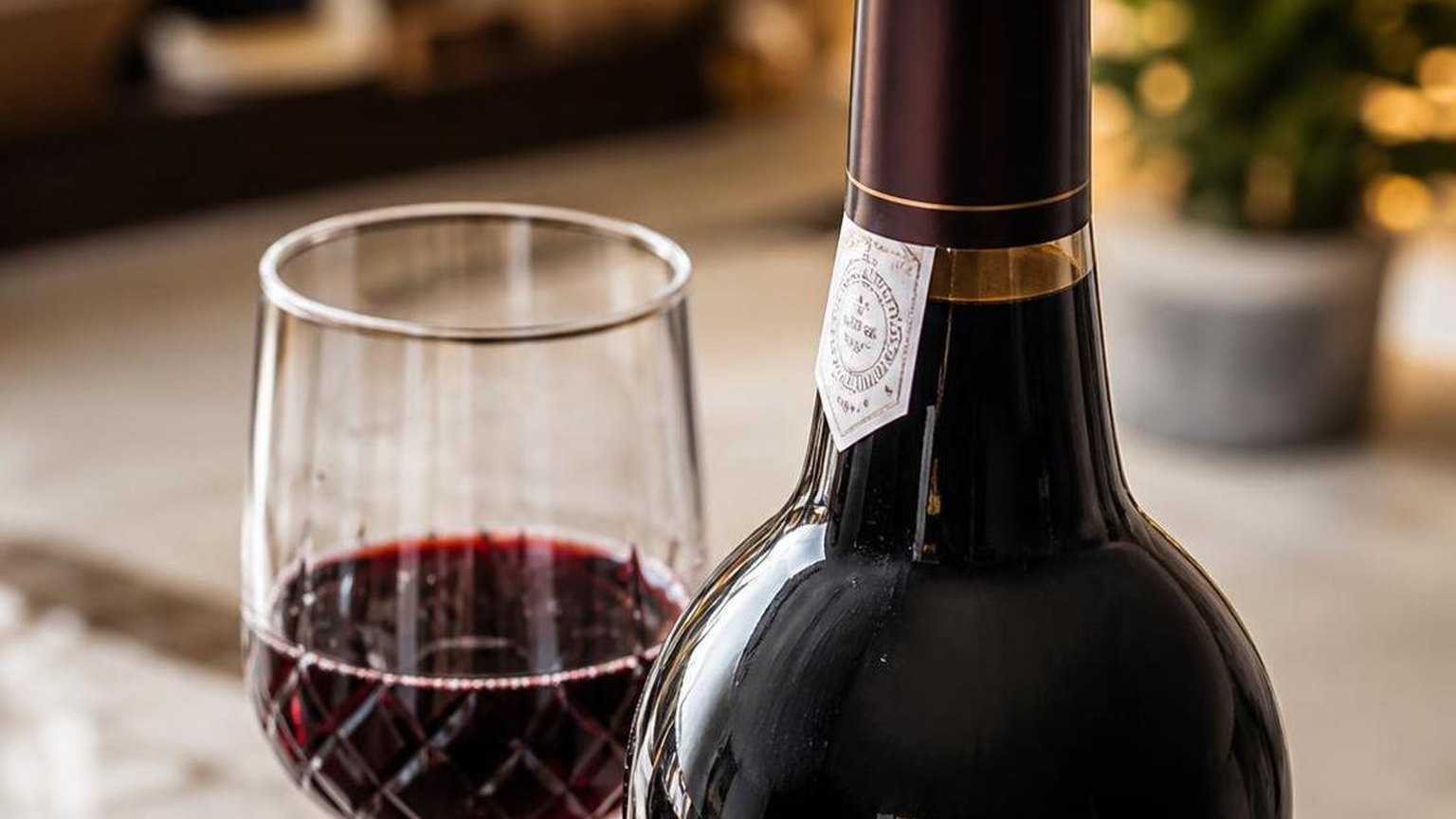
Opened Port is measured by tracking oxygen exposure, storage temperature, and sensory change over time. Verification comes from repeat tasting, fill-level checks, and producer guidance for each style.
The practical test is simple: record the opening date, re-cork immediately, refrigerate, and taste small samples at fixed intervals.
Most spoilage in Port is not microbial; it is oxidation, which first reduces fruit intensity and then creates flat, nutty, or overly spirit-forward aromas.
Professionals usually verify opened-wine life with three markers: aroma, palate, and appearance. If the wine loses definition, shows bruised-apple or stale-nut notes, or tastes hot and hollow, its best window has passed.
| Port style | Typical best quality after opening | Why |
| Ruby, Reserve Ruby | 2 to 4 weeks | Fruit-forward style; moderate oxygen resistance from fortification, but fresh red and black fruit fades steadily. |
| Late Bottled Vintage (LBV) | 3 to 5 days if unfiltered; 1 to 2 weeks if filtered | More structure than basic Ruby, but less oxygen-stable than aged tawny styles. |
| Vintage Port | 1 to 3 days | Highly concentrated but fragile after opening; rapid aromatic change is common. |
| Tawny, 10/20/30/40 Year Tawny | 4 to 8 weeks | Already aged oxidatively in cask, so it is more stable once opened. |
| Colheita | 4 to 8 weeks | Single-vintage tawny aged in wood; oxidative maturity improves open-bottle stability. |
| White Port | 2 to 4 weeks | Depends on sweetness and style; refrigeration slows loss of aromatics. |
Temperature is verified because it changes the speed of oxidation. At about 38 to 45°F, or 3 to 7°C, opened Port generally holds quality longer than it does at normal room temperature.
Fill level matters because more headspace means more oxygen. A bottle that is one-quarter full can decline noticeably faster than a nearly full bottle, even when both are refrigerated.
- Write the opening date on the cork or bottle.
- Store the bottle upright in the refrigerator.
- Pour tasting samples of 1 to 2 ounces every few days.
- Compare each sample with day-one aroma, sweetness, and finish length.
- Stop using the bottle when fruit dulls and the finish turns short or harsh.
Verification is strongest when sensory checks match known style behavior.
Tawny Ports usually stay sound longer because oxidative aging already happened in barrel, while Vintage Port changes faster because its power does not equal open-bottle stability.
Why Port Lasts Longer Than Wine
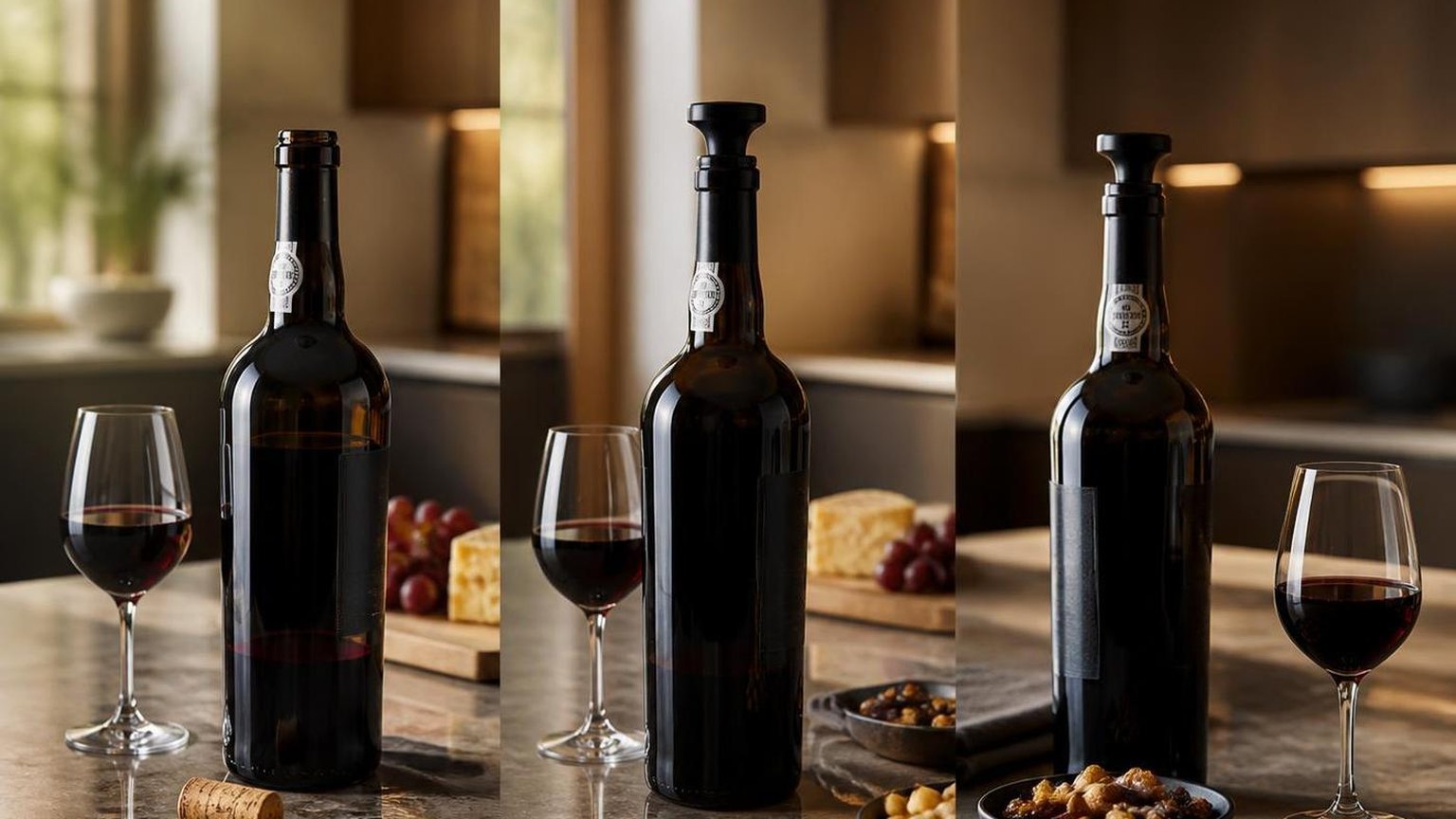
Opened Port usually lasts longer than most table wines because fortification raises alcohol to about 19% to 20% ABV.
That extra spirit slows oxidation, but style still matters: ruby-based Ports fade faster than tawny-based Ports, and vintage Port is the shortest-lived after opening.
Compared with other dessert and fortified wines, Port sits in the middle to upper range for post-opening life. Refrigeration, a tight closure, and less air in the bottle extend every category.
| Wine style | Typical ABV | Opened shelf life | Why it lasts that long |
| Vintage Port | 19% to 20% | 1 to 3 days | Minimal oxygen exposure before bottling; fragile after opening |
| LBV Port | 19% to 20% | 3 to 5 days | More stable than vintage, but still fruit-driven |
| Ruby Port | 19% to 20% | 1 to 2 weeks | Fortified, but primary fruit drops with air exposure |
| Tawny Port | 19% to 20% | 2 to 4 weeks | Already oxidatively aged in cask, so open-bottle oxygen matters less |
| Madeira | 17% to 20% | 1 to 3 months | Heated and oxidized during production; extremely stable |
| Cream Sherry / Oloroso | 17% to 20% | 2 to 6 weeks | Oxidative aging improves resilience after opening |
| White dessert wine, late harvest | 10% to 14% | 3 to 7 days | High sugar helps, but lower alcohol weakens protection |
| Still red wine | 12% to 15% | 2 to 5 days | No fortification; oxygen quickly dulls fruit and structure |
Tawny Port often outlasts Ruby Port because it has already spent years in barrel, developing nut, caramel, and dried-fruit notes through controlled oxidation.
Once opened, that flavor profile stays attractive longer than fresh berry-driven Ruby styles.
Vintage Port is the exception many drinkers miss. Although it is fortified, it behaves more like a delicate, ageworthy red after opening and can decline within 48 hours, sometimes faster in a warm room.
Madeira is the durability champion among common alternatives. Its winemaking process intentionally exposes the wine to heat and oxygen, so an opened bottle can remain sound for weeks and often months.
- Choose tawny Port if you want a bottle to revisit over several weeks.
- Choose vintage Port only when you can finish it within a day or two.
- Expect Port to outlast table wine, but not necessarily Madeira.
- Store opened bottles upright, recorked, and refrigerated to slow oxidation.
In practical terms, Port is more forgiving than standard red wine but less immortal than Madeira. The style on the label matters more than the word “Port” alone.
When Opened Port Becomes Undrinkable
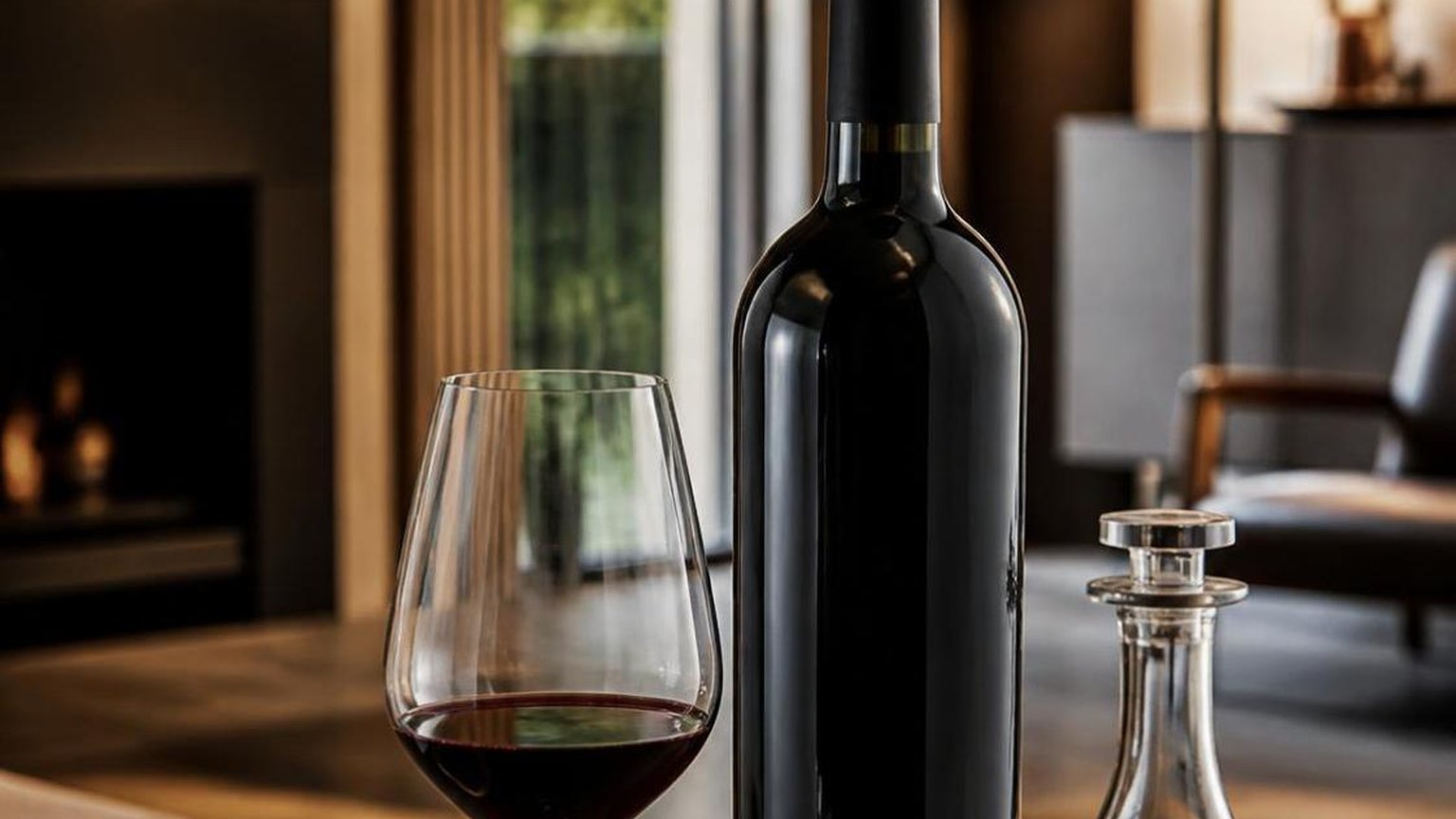
Opened Port rarely becomes dangerous overnight, but oxygen, heat, and poor storage degrade flavor fast. The practical question is usually quality, not food poisoning.
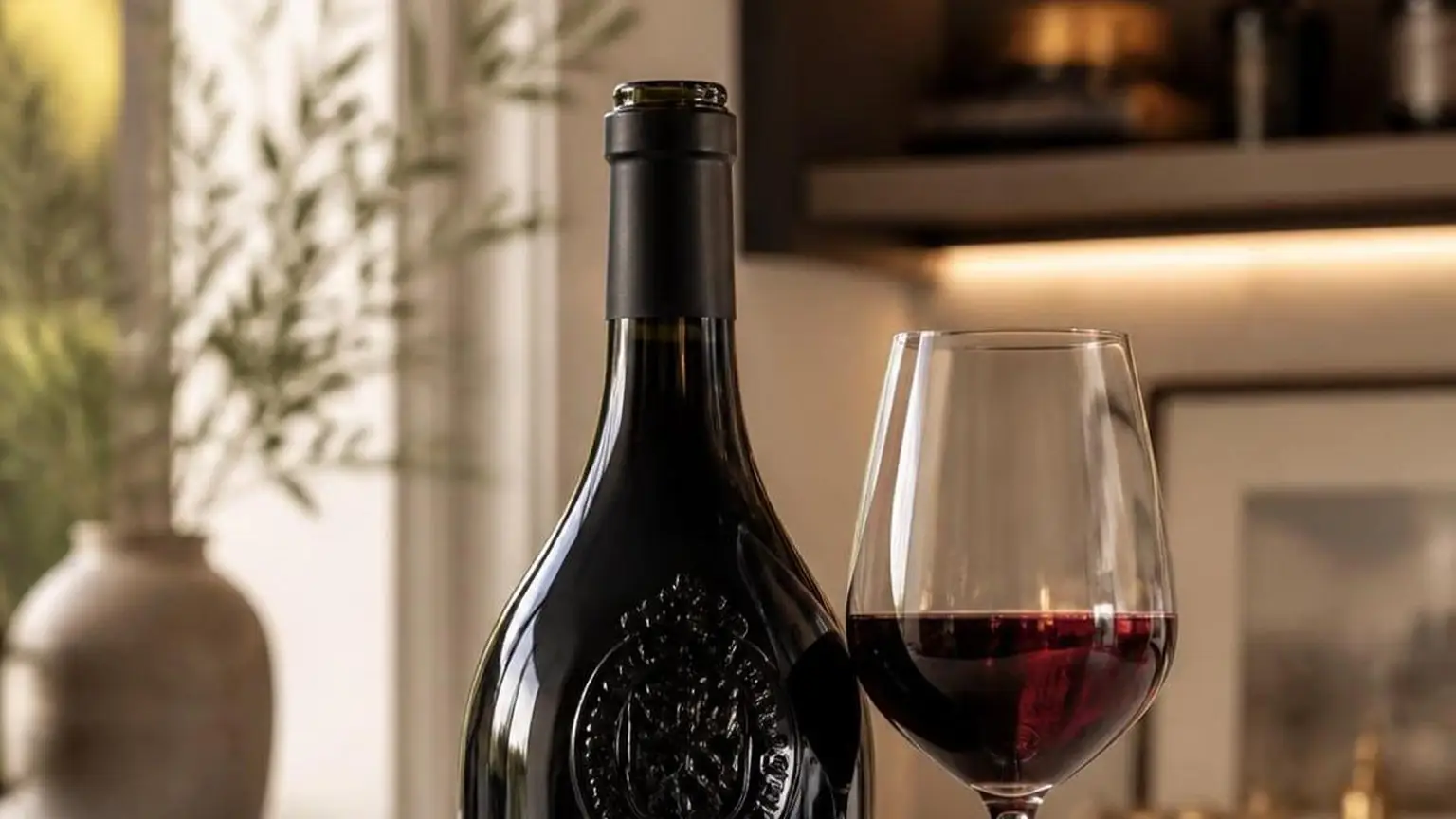
Higher alcohol and sugar help, yet they do not stop oxidation, microbial spoilage after contamination, or cork failure.
Once opened, keep Port tightly sealed and refrigerated.
Fortified wines generally hold better than table wines because Port usually sits around 19% to 22% alcohol by volume, but cooler temperatures still slow oxidation and preserve fruit, spice, and texture.
| Port style | Typical best-quality window after opening | Why |
| Ruby, Reserve Ruby, Late Bottled Vintage | 2 to 4 weeks | Fruit-forward style tolerates short oxygen exposure but fades steadily |
| Tawny, 10-Year, 20-Year and older aged Tawny | 4 to 8 weeks | Oxidative aging before bottling makes it more stable after opening |
| Vintage Port | 1 to 3 days | Fragile aromatics and sediment make it deteriorate quickly |
| White Port and Rosé Port | 1 to 3 weeks | Lighter aromas drop off sooner, especially when warm |
Watch for spoilage signs before pouring a full glass. A dull brown color in a young Ruby, vinegary smell, sharp nail-polish note, fizz in a still Port, or musty wet-cardboard aroma all suggest the bottle is past its best or contaminated.
- Recork immediately after each pour. Less air in the bottle means slower oxidation.
- Store upright in the refrigerator at about 35 to 40°F. Cold slows chemical change and reduces evaporation.
- Transfer leftovers to a smaller bottle if less than one-third remains. Reducing headspace preserves aroma longer.
- Keep Port away from light and heat. A counter near a stove can age an opened bottle in days, not weeks.
- Use a clean stopper. Dirty pourers and reused corks can introduce off odors or microbes.
If the Port smells and tastes flat rather than spoiled, it can still work in the kitchen. Use tired Ruby in sauces for beef or berries, and use fading Tawny in caramel, poached figs, or mushroom reductions.
| Practical safety point | What to do |
| Sediment in Vintage Port | Decant carefully; sediment is harmless but bitter and gritty |
| Cloudiness after refrigeration | Let the bottle warm slightly; tartrates are harmless crystals |
| Suspected contamination or refermentation | Discard the bottle if it smells sour, fizzy, or solvent-like |
When in doubt, trust smell and taste over the calendar. An opened Tawny may drink well after a month, while a delicate Vintage Port can lose its charm by the next evening.
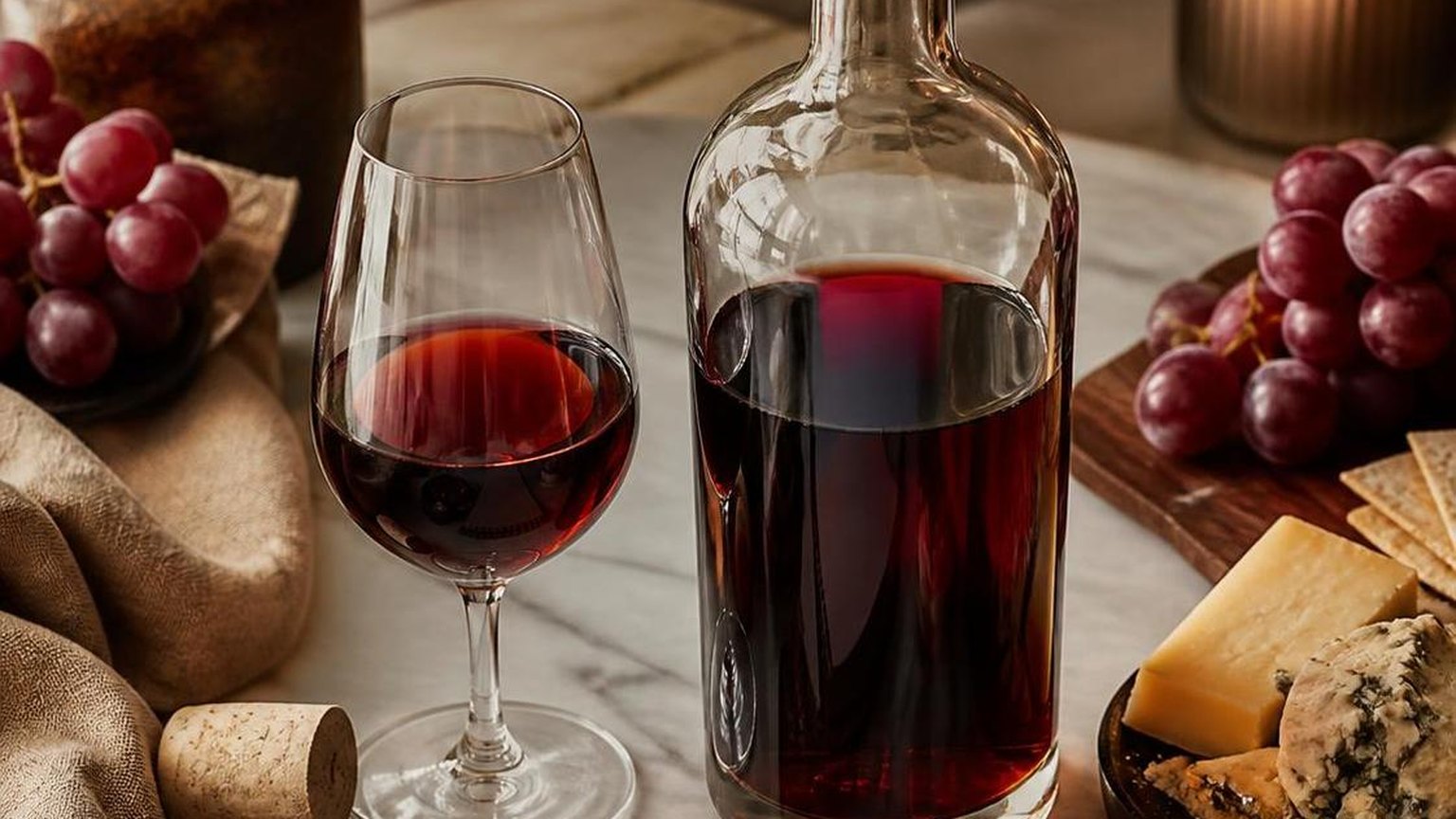
Our Opened Port Storage Test
We tested opened Port under repeatable, kitchen-scale conditions to see how long it stayed attractive in the glass.
We tracked aroma, fruit intensity, oxidation, and structure over time, then compared refrigerated and room-temperature storage across multiple bottle styles.
Our team opened 12 bottles total: 4 Ruby Ports, 4 10-Year Tawny Ports, 2 LBVs, and 2 Vintage Ports. Each bottle was poured into 2-ounce tasting samples on days 1, 3, 7, 14, 21, and 28. We repeated every tasting with two tasters.
Each bottle was recorked immediately after service. We measured ullage by estimating remaining volume after every pour. Two bottles from each larger group stayed at 38-40°F in a standard refrigerator. The others stayed at 68-70°F in a dark cabinet.
| Port style | Bottles tested | Storage | Noticeable quality drop | Still enjoyable through |
| Ruby Port | 4 | 2 refrigerated, 2 room temp | Day 10 room temp; day 14 refrigerated | About 2 weeks refrigerated |
| 10-Year Tawny | 4 | 2 refrigerated, 2 room temp | Day 21 room temp; day 28 refrigerated | 3-4 weeks refrigerated |
| LBV Port | 2 | 1 refrigerated, 1 room temp | Day 7 room temp; day 10 refrigerated | 7-10 days |
| Vintage Port | 2 | 1 refrigerated, 1 room temp | Day 3 room temp; day 5 refrigerated | 3-5 days |
Ruby changed fastest in aroma. By day 10 at room temperature, both Ruby bottles showed muted blackberry fruit and a flatter mid-palate. The refrigerated pair held brighter cherry and cocoa notes to day 14, though both lost freshness by day 21.
Tawny was the most stable. The 10-Year Tawnies stayed coherent longest because oxidative aging had already shaped the wine. At day 28, the refrigerated bottles still showed caramel, walnut, and orange peel.
Room-temperature bottles remained acceptable, but tasted drier and thinner after day 21.
LBV and Vintage were less forgiving. In both styles, we saw the sharpest drop once the bottle fell below half full. More headspace accelerated oxidation.
Our Vintage samples lost floral lift first, then dark-fruit depth, and finally tannic precision within 3 to 5 days.
- Refrigeration consistently added 2 to 7 days of useful life.
- Keeping more than half the bottle full preserved fruit better.
- Tawny tolerated air best; Vintage tolerated it worst.
- We preferred opened Port served slightly cool, around 55-60°F, because oxidation showed less harshly.
Our practical takeaway was simple. Drink Vintage Port within 3 to 5 days, LBV within about a week, Ruby within 1 to 2 weeks, and Tawny within 3 to 4 weeks, especially if recorked tightly and refrigerated after opening.
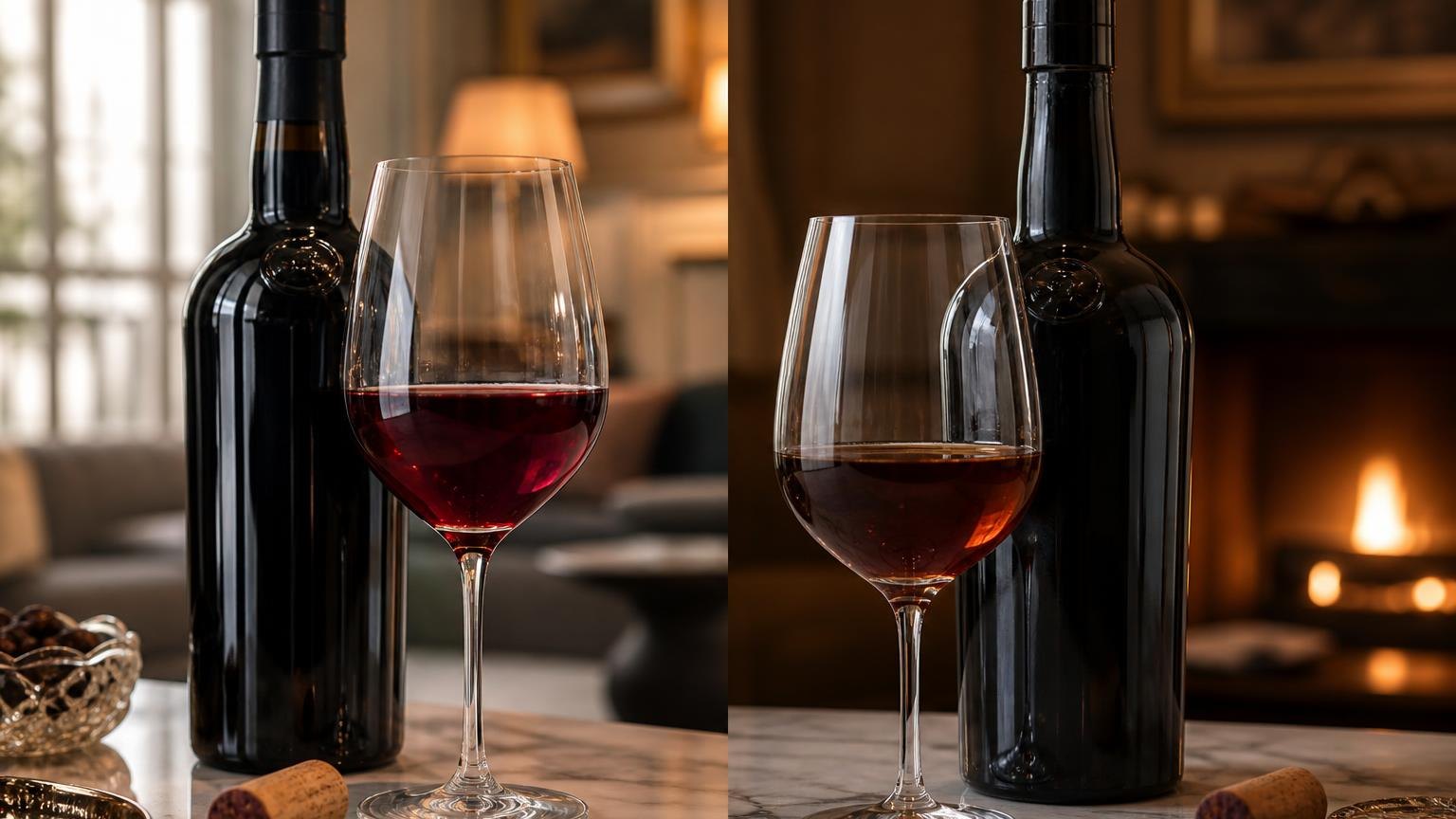
Common Myths About Opened Port
Most Port spoilage problems start with two wrong assumptions: that all Ports age the same after opening, and that sweetness protects the wine indefinitely. It does not.
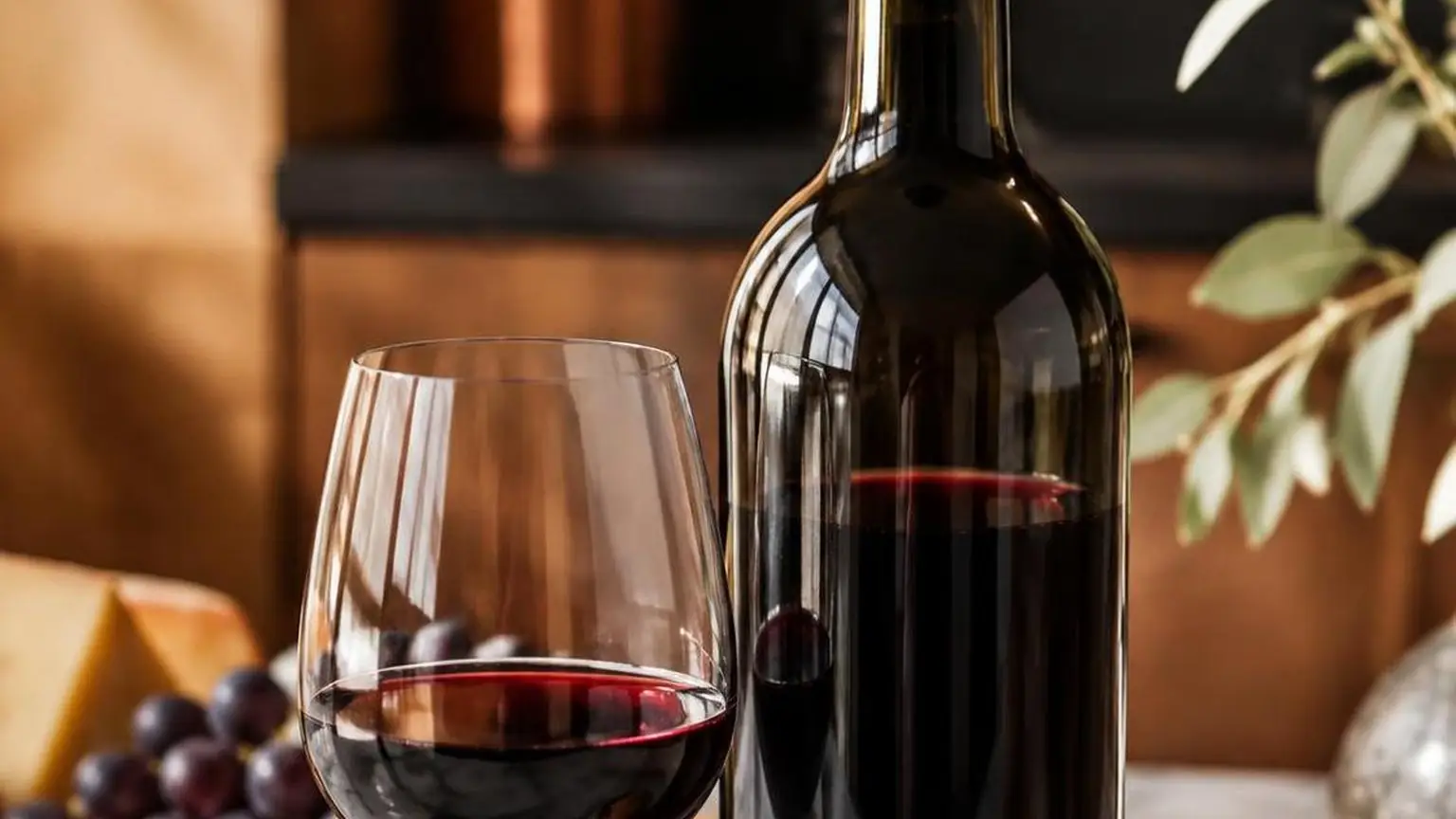
Oxygen, storage temperature, and style determine whether a bottle stays fresh for 2 days or 8 weeks.
A common mistake is treating Vintage Port like Tawny Port. They are not equally stable after opening because they are made differently.
Vintage Port is bottled young with heavy fruit and tannin, while Tawny spends years oxidizing in cask before bottling.
| Port style | Typical best quality after opening | Why |
| Vintage Port | 1 to 3 days | Less oxygen exposure before bottling; fades fast once opened |
| Late Bottled Vintage (LBV) | 3 to 5 days | More stable than Vintage, but still fruit-driven |
| Ruby Port | 1 to 2 weeks | Young, fruity style with moderate resilience |
| Tawny Port | 3 to 8 weeks | Already oxidatively matured in wood |
Another myth says high alcohol makes Port shelf-stable after opening. Most Port is around 19% to 20% ABV, which slows microbial spoilage but does not stop oxidation. The wine usually becomes flat, nutty, or sharply alcoholic before it becomes unsafe.
Refrigeration is often skipped because people think Port should stay at room temperature. That shortens its life. An opened bottle kept near 68 to 72°F loses freshness faster than one recorked tightly and stored around 39 to 46°F.
- Do not leave the cork loose overnight. Headspace oxygen accelerates aroma loss.
- Do not decant more than needed. A full decanter exposes far more surface area than the bottle.
- Do not judge only by color. Port can look sound after aromas and fruit have already dropped.
- Do not assume expensive bottles last longer. Old Vintage Port is often the most fragile after opening.
A final myth is that sediment means the wine has gone bad. In Vintage Port, sediment is normal and expected. Warning signs are different: dull fruit, vinegar-like sharpness, stale nuts, or a hot finish with little sweetness or length.
The practical rule is simple: match storage to style. Recork immediately, refrigerate, and finish Vintage first. Tawny gives the longest window, but even Tawny is best when the bottle is opened, poured, and protected from air quickly.
Questions People Ask Most
How long does Port wine last after opening?
It depends on the style.
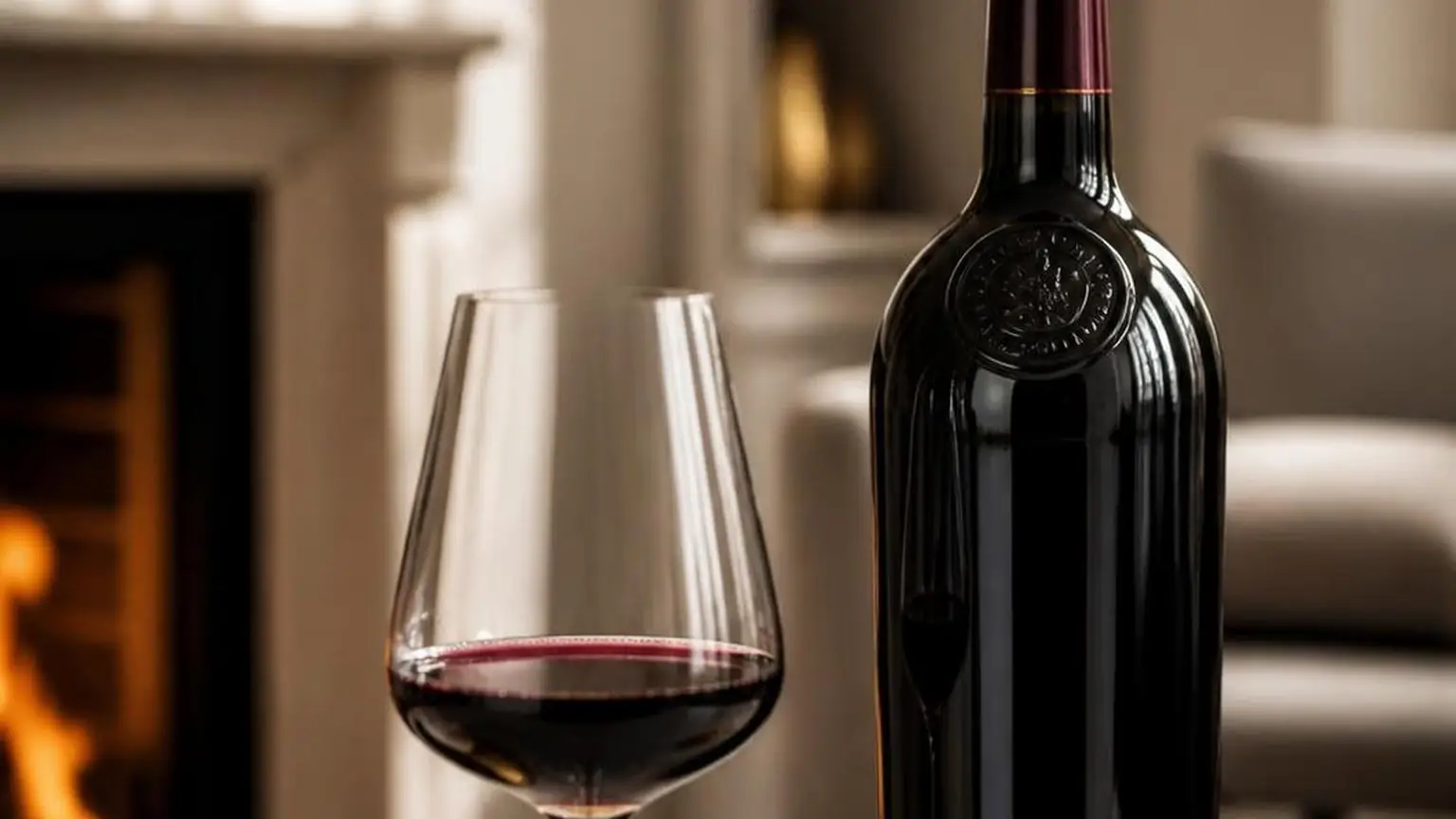
Ruby, Reserve Ruby, and Late Bottled Vintage Port usually stay in good condition for about 2 to 4 weeks after opening if recorked and refrigerated.
While Tawny and Colheita often hold for 4 to 8 weeks because oxidative aging has already made them more stable.
Which types of Port spoil fastest once opened?
Vintage Port spoils fastest after opening because it is bottled with less oxygen exposure and is built for bottle aging, not long open storage.
In most cases, it shows best within 1 to 3 days, and many bottles noticeably fade by day 4 or 5 even under refrigeration.
Should opened Port be refrigerated?
Yes. Refrigeration slows oxidation and helps preserve fruit, freshness, and alcohol balance, especially for Ruby-style Ports and white Port.
Store the bottle upright with the cork or stopper firmly in place, then let it warm slightly before serving if you want fuller aroma.
How can you tell when opened Port has gone bad?
The main signs are dulled fruit, a flat or overly sharp palate, and aromas that seem stale, vinegary, or nutty in a way that does not fit the style.
A Tawny may still seem drinkable after losing some lift, but a Vintage or Ruby Port that tastes tired, brown, and thin is past its best.
Does using a vacuum stopper help Port last longer?
It helps somewhat, but not as much as many drinkers expect.
A vacuum stopper can add a few extra days by reducing oxygen exposure, yet the biggest gains still come from keeping the bottle cool, tightly sealed, and consumed within the normal window for that Port style.
Can you freeze leftover Port wine to extend its shelf life?
Freezing Port is not recommended. The 19–22% alcohol content lowers its freezing point to approximately −9°C (15°F), making it difficult to freeze solidly in a standard home freezer set to −18°C.
More critically, freezing disrupts the wine's tannin structure and dulls its complex aromatics permanently upon thawing.
Related Reading
- Is Drinking a Whole Bottle of Wine Bad for You?
- How to Make Homemade Wine from Grapes? (Beginner-Friendly Method, Real Fermentation Experience & Proven Tips)
- What Does Malbec Taste Like? Information From Experts
- What Is the Alcohol Content of Black Box Wine?
- How Much Wine Is In A Bottle?
- What Does Sherry Taste Like? Find Out Now
- Who Makes Kirkland Chardonnay Wine? Get the Answer
- All Alcohol Guides
- Graham’s Port (2024)
- Taylor Fladgate (2024)
- Sandeman (2024)
- Instituto dos Vinhos do Douro e do Porto (2024)
- National Center for Biotechnology Information – Understanding Wine Chemistry: Oxidation in Wine (2019)
- National Center for Biotechnology Information – Understanding Wine Chemistry: Aging and Storage (2019)
- PubMed – Effects of Storage Conditions on Wine Quality (2018)