Does Port Wine Go Bad? is yes: port can spoil after opening, mainly through oxidation that flattens fruit, turns flavors nutty or vinegary, and dulls its fortified richness.
Unopened port lasts far longer when stored cool, dark, and still, but heat, sunlight, and failed corks shorten that life.
Style matters. Ruby and late bottled vintage ports usually decline faster after opening than tawny ports, which are already oxidatively aged. Vintage port is the most fragile once uncorked.
This guide explains shelf life, storage, spoilage signs, and when a glass is still safe but no longer worth drinking.
Does Port Wine Actually Spoil
Yes. Port does spoil, but it usually degrades from oxygen, heat, and time faster than it turns unsafe in the food-poisoning sense. Its high alcohol, usually 19% to 20% ABV, slows microbial spoilage, but it does not stop oxidation.
The key distinction is unopened versus opened bottle, and style versus style. Ruby, Tawny, LBV, Vintage, and white Port behave differently because filtration, wood aging, and oxygen exposure before bottling are not the same.
Unopened Port can stay sound for years because the fortification level is high and the bottle is sealed. After opening, oxygen becomes the main enemy.
Fruit fades first, then nuts, caramel, or spirit notes flatten, and the finish turns short and dull.
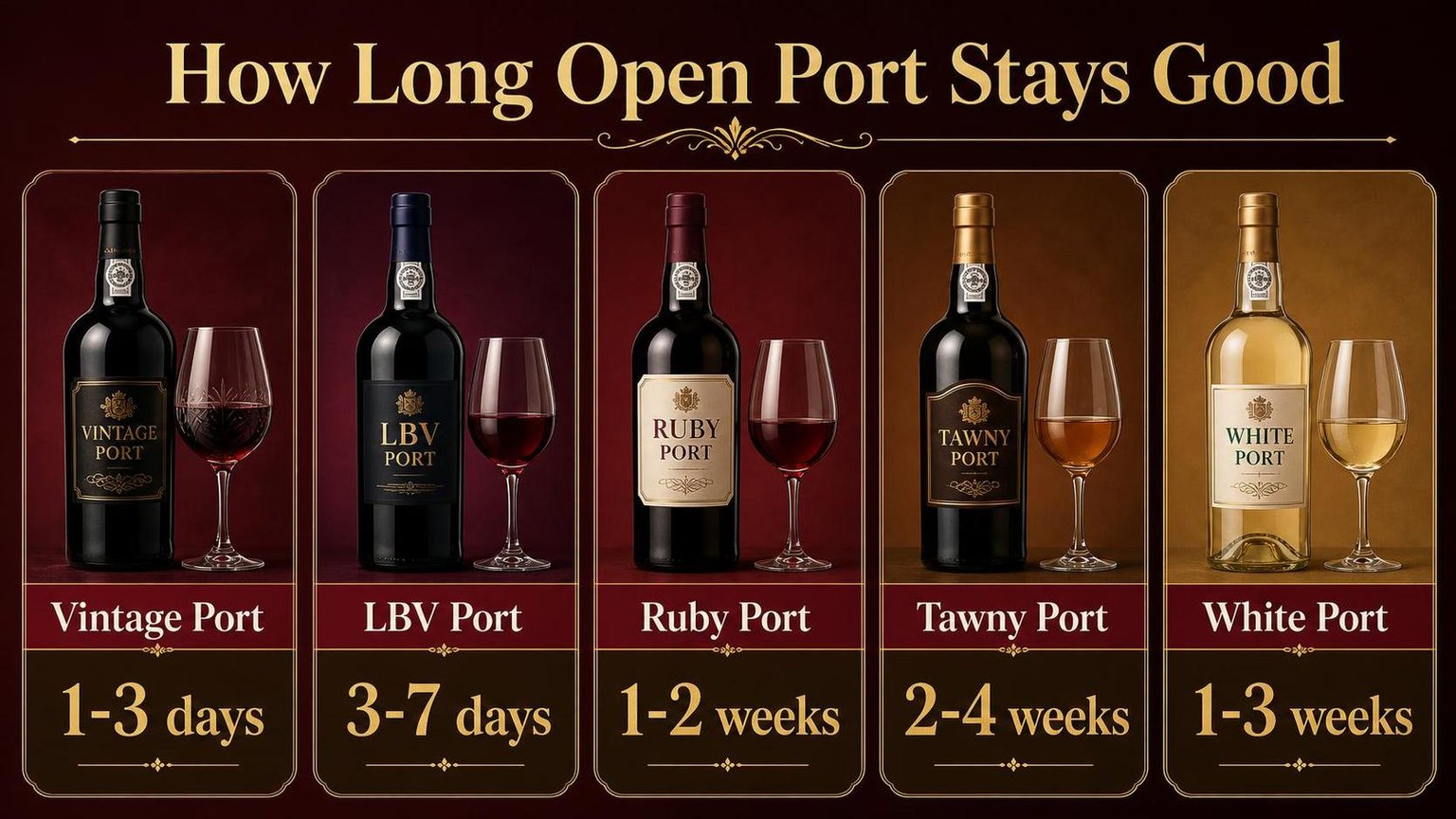
Vintage Port is the least forgiving once opened. It is bottled young, usually after about two years in cask, and is designed to age in bottle. That means it has seen less oxygen before sale, so an open bottle declines quickly.
Tawny Port lasts longer after opening because it already spent years in wood, often 10, 20, 30, or 40 years for age-indicated blends. That controlled oxidation in barrel makes it more stable in the glass and in the fridge.
| Port style | Typical ABV | Common opened-bottle window | Why it lasts that long |
| Vintage Port | 19% to 20% | 1 to 3 days | Less pre-bottling oxygen exposure; fragile aromatics |
| LBV Port | 19% to 20% | 3 to 7 days | More cask time than Vintage; some versions filtered |
| Ruby Port | 19% to 20% | 1 to 2 weeks | Fruit-forward, but sturdier than Vintage |
| Tawny Port | 19% to 20% | 2 to 4 weeks | Already oxidatively aged in barrel |
| White Port | 19% to 20% | 1 to 3 weeks | Depends on sweetness and freshness style |
Heat speeds spoilage. Storage much above 70°F pushes oxidation faster, and repeated warm-cool swings can damage both cork and wine. Refrigeration after opening slows decline for every style, including red Port.
Signs of spoiled Port are sensory, not microbiological. Look for a vinegary smell, muted fruit, harsh alcohol, brown color where it should be ruby-purple, or a palate that tastes flat and tired.
- If the bottle is unopened and well stored, Port is usually durable.
- If the bottle is open, quality loss starts immediately, even when the wine still looks drinkable.
- If the aroma is oxidized or volatile, replace it; Port is for pleasure, not salvage.
How Long Port Lasts Unopened
Unopened Port usually lasts for years, and often decades, because it is fortified to about 19% to 20% alcohol. That higher alcohol level slows oxidation and microbial spoilage.
The exact lifespan depends on the style, the bottling method, and storage temperature.
Ruby, Reserve Ruby, LBV, Tawny, Colheita, and Vintage Port do not age at the same pace in bottle. Some are built to mature for decades. Others are already aged in wood before release and stay more stable rather than improving further.
| Port style | Typical unopened life from purchase | What to expect |
| Ruby Port | 2 to 5 years | Stays sound, but usually does not gain complexity with long storage. |
| Reserve Ruby | 3 to 8 years | Holds fruit well, then gradually loses freshness. |
| LBV Port | 5 to 10 years | Filtered LBV is ready to drink; unfiltered LBV can age longer. |
| 10, 20, 30, 40-Year Tawny | 5 to 10 years | Already oxidatively matured in cask, so bottle aging adds little. |
| Colheita Port | 8 to 15 years | Usually stable unopened because it spent many years in wood. |
| Vintage Port | 20 to 50+ years | Best candidate for long cellaring and bottle development. |
Storage conditions matter as much as style. Keep unopened Port near 55°F, or about 13°C, with low light and small temperature swings. A warm closet at 75°F ages wine noticeably faster than a cool cellar.
Vintage Port and unfiltered LBV should rest on their side if sealed with natural cork. That keeps the cork from drying out. Tawnies and filtered styles are less sensitive because they are bottled for earlier drinking.
An unopened bottle is not usually “bad” on a fixed date. It declines slowly. Fruit fades first, then the wine can taste flat, overly spirity, or dried out.
- Check the bottling or shipment age before buying older stock.
- Avoid storage above 70°F for long periods.
- Choose Vintage Port for long-term cellaring, not basic Ruby.
- Expect tawny styles to remain drinkable unopened, but not to improve much in bottle.
If provenance is strong and storage was cool, many unopened Ports outlast the ranges above. If storage was hot, the safe window can shrink by years. For Port, condition beats calendar age.
Opened Port Shelf Life By Style
Opened Port does not spoil as fast as table wine, but oxygen still changes it. Shelf life depends on style because oxidation, filtration, sugar, and time in barrel determine how stable the wine is after the cork comes out.
Tawny styles usually last longest once opened. Ruby styles fade faster, and Vintage Port is the most fragile because it is bottled for aging, not extended oxygen exposure.
| Port style | Typical opened shelf life | Why it lasts that long |
| Ruby Port | 2 to 4 weeks | Fruit-forward, less oxidative aging, loses freshness after opening |
| Reserve Ruby | 2 to 4 weeks | More concentration than basic ruby, but still driven by fresh fruit |
| Late Bottled Vintage (filtered) | 3 to 4 weeks | Usually stabilized and filtered, so it handles oxygen better |
| Late Bottled Vintage (unfiltered) | 5 to 10 days | More like Vintage in structure, less protected after opening |
| Tawny Port | 3 to 4 weeks | Already aged oxidatively in cask, so opening is less disruptive |
| 10-, 20-, 30-, or 40-Year Tawny | 4 to 8 weeks | Long barrel aging makes these the most stable opened styles |
| Colheita | 4 to 8 weeks | Single-harvest tawny aged for years in wood, highly oxidative already |
| White Port | 2 to 4 weeks | Style varies, but most bottles hold well if refrigerated |
| Vintage Port | 1 to 3 days | Powerful but delicate after decanting, declines quickly with air |
| Crusted Port | 3 to 7 days | Unfiltered and bottle-aged, so it behaves closer to Vintage |
Storage changes these numbers. Recork the bottle tightly and keep it in the refrigerator at about 36 to 45 degrees Fahrenheit. Cold temperature slows oxidation, even for red Port.
Large air space shortens life. A bottle that is one-quarter full will fade faster than one that is three-quarters full because more oxygen is in contact with the wine.
Use your senses before serving. Good opened Port should still smell clean and taste balanced. Flat fruit, nutty bitterness, vinegar notes, or a dull brown color in ruby styles signal that the bottle is past its best.
- Drink Vintage Port first, ideally within 48 hours.
- Use older tawny and Colheita over several weeks, not several months.
- Refrigerate all opened Port, including red styles.
- If serving by the glass, write the opening date on the bottle.
These ranges describe quality, not food safety. Port’s typical 19 to 20 percent alcohol helps preservation, but opened bottles are best judged by aroma, color, and flavor, not by alcohol alone.

Signs Your Port Has Gone Bad
Port does not spoil as fast as table wine, but it does decline after oxygen, heat, and poor storage take over. The clearest warning signs are changes in aroma, color, and palate that move the wine away from fruit, spirit balance, and freshness.
A sound Port should smell clean, layered, and integrated. If it smells sharply vinegary, stale, maderized, or flat, the bottle has likely oxidized too far or suffered heat damage.
Start with smell, then color, then taste. These three checks usually show whether the bottle is still enjoyable or past its peak.
What your senses usually detect first
- Vinegar or nail-polish notes: A sharp acetic smell points to excessive volatile acidity. A little lift can appear in older wines, but obvious vinegar is a fault.
- Dull or cooked aroma: Healthy Port shows blackberry, plum, fig, spice, nuts, or citrus peel depending on style. A stewed, caramelized, “left in a hot car” smell suggests heat exposure.
- Loss of fruit: If the wine tastes mostly brown, stale, or spirity, with little fruit left, oxidation has likely gone too far.
- Harsh finish: Port is fortified to about 19% to 22% alcohol. The spirit should feel integrated, not raw and burning.
- Cork taint: Wet cardboard, damp basement, or moldy paper aromas indicate TCA contamination, not normal aging.
Visual and texture clues
Color change alone is not enough, because Tawny Port is intentionally oxidative and brown. The problem is an unexpected shift for the style, especially when paired with tired aroma and flavor.
| Sign | What is normal | What suggests the Port has gone bad |
| Ruby/Vintage color | Deep ruby to garnet | Brown-orange, dull rim, weak core, no fruit |
| Tawny color | Amber, tawny, mahogany | Murky appearance, tired nose, flat palate |
| Sediment | Common in Vintage Port and aged LBV | Not a fault by itself; only concerning with off smells |
| Bubble or fizz | Still wine | Unexpected spritz can signal refermentation or instability |
| Open-bottle window | Ruby/LBV about 2 to 4 weeks; Tawny about 4 to 8 weeks; Vintage often 1 to 3 days | After these ranges, oxidation signs become much more likely |
When to stop drinking it
If the Port smells of vinegar, wet cardboard, or cooked fruit, and the palate is flat, bitter, or aggressively spirity, it is past useful quality. It is usually not dangerous, but it is no longer delivering what Port should taste like.
Why Fortification Slows Spoilage
Fortification slows spoilage because Port is stopped mid-fermentation with grape spirit, raising alcohol to about 19% to 22% ABV.
That higher alcohol, plus retained sugar and lower oxygen exposure before bottling, makes Port far more stable than most table wines.
The key step happens during fermentation. Winemakers add a neutral grape spirit, traditionally around 77% ABV, while enough natural grape sugar remains.
Yeast activity stops because the alcohol becomes too high for continued fermentation, leaving Port both sweet and microbiologically harder to spoil.
Alcohol acts as a preservative. Most table wines sit near 11% to 14.5% ABV, while Port is usually close to 20% ABV.
That difference matters because many spoilage organisms, including common yeasts and bacteria, are less active or cannot reproduce effectively as alcohol rises.
| Wine style | Typical ABV | Effect on spoilage risk |
| Table wine | 11% to 14.5% | Less alcohol protection after opening |
| Port wine | 19% to 22% | Greater microbial and oxidative stability |
| Fortifying spirit | About 77% | Stops fermentation by overwhelming yeast |
Sugar alone does not preserve an opened wine well, but in Port it works with alcohol. Residual sugar increases density and changes the environment inside the bottle.
Combined with high ethanol, it slows the growth of unwanted microbes more than in a dry, lower-alcohol red.
Fortification also changes how oxygen affects the wine. Oxidation still happens, especially after opening, but stronger alcohol and a more robust flavor profile make Port less fragile.
Tawny Ports are intentionally oxidatively aged, so they usually tolerate air better than Ruby or Vintage styles.
| Port style after opening | Typical quality window | Reason |
| Tawny Port | About 2 to 4 weeks | Already matured with oxygen exposure |
| Ruby Port | About 1 to 2 weeks | Fruit-driven style fades faster |
| Vintage Port | About 1 to 3 days | Unfiltered and more delicate after opening |
Fortification slows spoilage. It does not make Port immortal. Heat, light, and oxygen still degrade aroma and freshness, and a poorly recorked bottle will decline faster than one sealed tightly and stored cool, ideally near 55°F to 65°F.
- Higher alcohol suppresses yeast and bacterial activity.
- Fermentation stops early, locking in sugar and structure.
- Some Port styles, especially Tawny, are already adapted to oxygen.
- Opened bottles still last longest when refrigerated and tightly sealed.
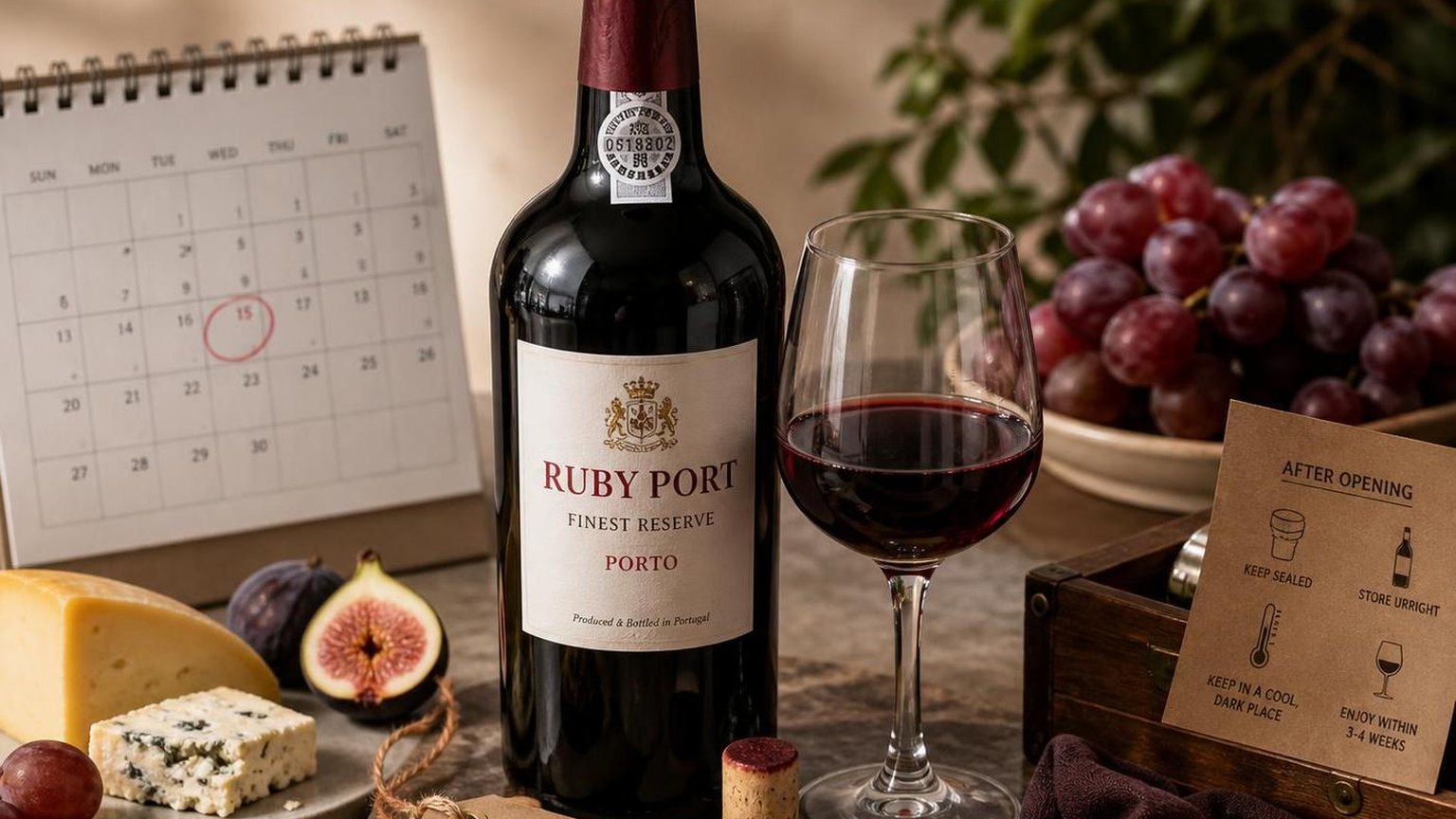
Best Storage For Opened Port
Opened Port keeps best when you slow oxygen exposure, hold temperature steady, and block light. Refrigeration is the most reliable move for nearly every style because cooler wine oxidizes more slowly and retains fruit longer.
Recork the bottle immediately after pouring. Store it upright, not on its side, because less wine touches the air trapped inside the bottle neck.
Airtight closure matters more than most people think. The original T-stopper often works for short-term storage, but a tight cork or vacuum stopper usually seals better after repeated opening.
| Port style | Best opened storage | Temperature | Typical quality window |
| Ruby, Reserve Ruby | Recork and refrigerate upright | 39-45°F | 2-4 weeks |
| LBV | Recork and refrigerate upright | 39-45°F | 3-5 days if unfiltered; up to 1-2 weeks if filtered |
| Vintage Port | Recork and refrigerate upright | 39-45°F | 1-3 days |
| Tawny, 10/20/30/40 Year Tawny | Recork and refrigerate upright | 39-45°F | 3-6 weeks |
| White Port | Recork and refrigerate upright | 39-45°F | 2-4 weeks |
Why refrigeration works: Port is fortified to about 19-20% ABV, so alcohol gives some protection, but oxygen still degrades aromas and freshness. Lower temperatures slow those reactions and preserve balance.
Tawny Port usually lasts longer than Vintage or LBV because it was already aged oxidatively in barrel before bottling. Vintage Port is less stable after opening, especially once sediment has been disturbed by decanting.
If you have half a bottle left, transfer it to a clean 375 mL bottle. Less headspace means less oxygen, which can buy a few extra days of better flavor.
- Keep the bottle away from sunlight and strong kitchen heat.
- Do not store opened Port near a stove, dishwasher vent, or radiator.
- Use a clean funnel and bottle if rebottling to avoid contamination.
- Label the opening date so you know when quality starts to drop.
Vacuum pumps help modestly, but they do not stop oxidation. Their main value is reducing oxygen exposure between pours, not restoring freshness once the wine has faded.
Before serving again, smell and taste a small pour. If the fruit seems flat, nutty in a dull way, or sharply spirit-forward, the bottle has moved past its best drinking window.
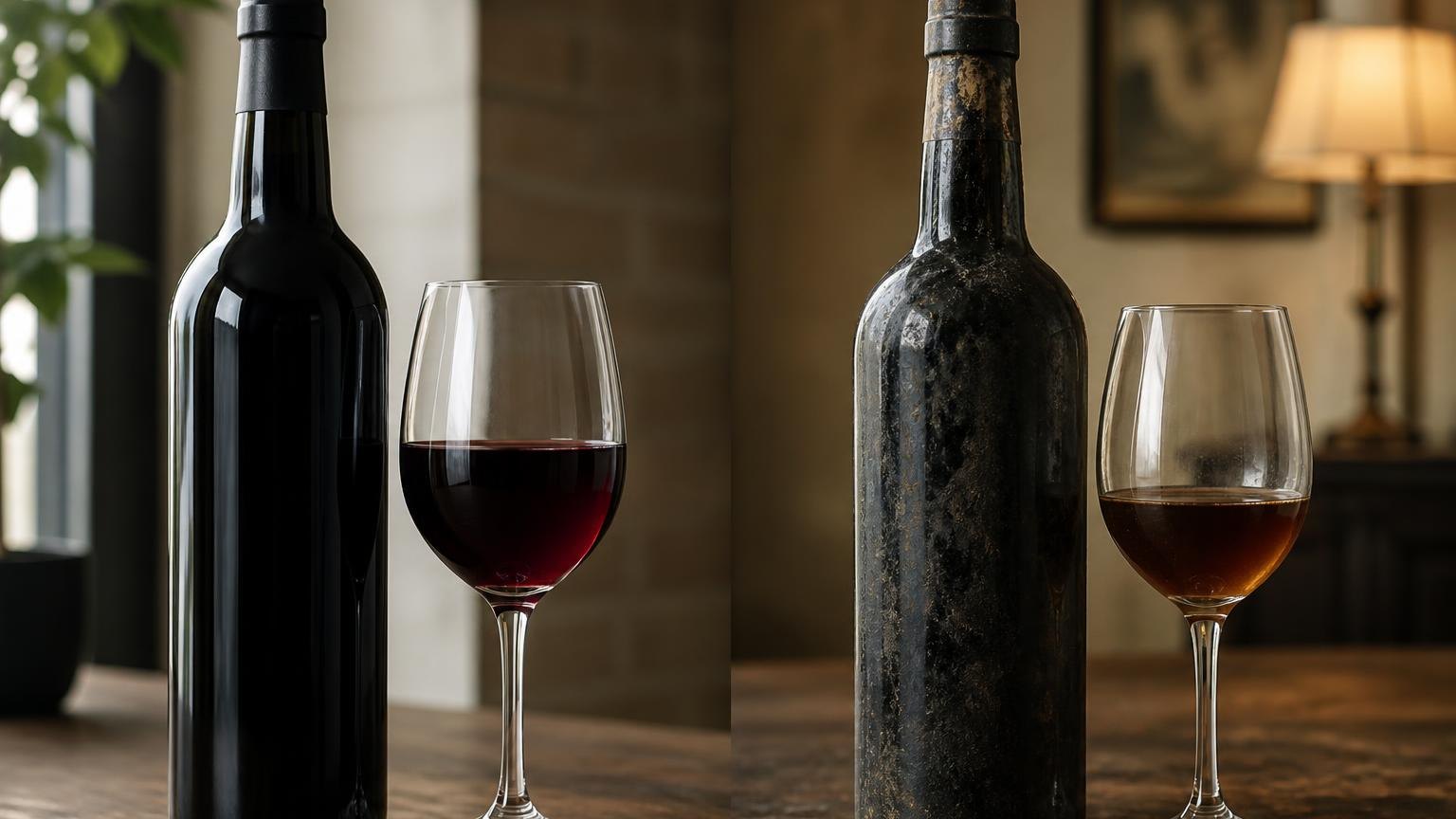
When To Refrigerate Port Wine
Refrigerate Port after opening when lower temperature will slow oxidation and preserve fruit.
The need depends on style: ruby-based Ports are less stable after opening, while aged tawny and white Port usually hold longer because they were already exposed to oxygen in barrel.
Unopened Port does not need refrigeration. Store it in a dark place around 55-65°F, then chill only the styles that show best cool or that you will keep open for more than a day or two.
After opening, refrigeration is the safest default for every Port style. Cooler storage does not stop spoilage, but it slows aroma loss, browning, and flattening of flavor.
| Port style | Refrigerate after opening? | Best serving temperature | Typical quality window after opening |
| Ruby, Reserve Ruby | Yes | 55-64°F | 2-4 weeks |
| LBV | Yes | 60-64°F | 3-5 days if traditional/unfiltered; up to 1-2 weeks if filtered |
| Vintage Port | Yes | 60-64°F | 1-3 days |
| Tawny, 10/20/30/40-Year Tawny | Yes | 50-58°F | 4-8 weeks |
| White Port | Yes | 43-50°F | 2-4 weeks |
| Rosé Port | Yes | 43-50°F | 2-3 weeks |
Refrigerate immediately if the bottle is half full or less. More headspace means more oxygen contact, and oxygen is what pushes Port from lively fruit and nuts toward dull, stale notes.
Tawny and white Port benefit most from chilling because they are commonly served cool anyway. Aged tawny often tastes sharper and more focused around cellar-cool temperatures, while white Port loses freshness fastest if left warm on a counter.
Vintage Port and many LBVs are the exceptions in service, not storage. They can be poured slightly cool or near cellar temperature, but they still belong in the refrigerator between pours once opened.
- Refrigerate if your room is above 70°F. Warm rooms accelerate oxidation.
- Use the original cork or a tight stopper. Less air exposure extends drinkability.
- Stand opened Port upright in the refrigerator. This reduces leakage and surface area contact.
- Take red Port out 15-20 minutes before serving if it seems too cold.
Do not refrigerate unopened Vintage Port for long-term aging. Household refrigerators run too cold, too dry, and vibrate more than ideal wine storage, which can compromise slow bottle development over years.
Frequently Asked Questions
Does Port wine go bad if unopened?
Yes, but the timeline depends on the style.
Ruby and basic Tawny Ports are usually best within a few years of purchase, while Vintage Port and aged Colheita or 20-, 30-, and 40-year Tawny can remain sound for decades if stored on their side at about 55°F with low light and stable humidity.
How long does Port last after opening?
Most Ruby Port stays in good condition for about 2 to 4 weeks after opening if re-corked and refrigerated.
Tawny Port often lasts 4 to 8 weeks because its oxidative aging makes it less fragile, while Vintage Port can fade within 1 to 3 days and Late Bottled Vintage often holds for 5 to 7 days.
How can you tell when Port wine has gone bad?
Look for dull fruit, a sharp vinegar-like smell, brown discoloration beyond the wine’s normal style, or a flat, stale taste.
A Port that tastes noticeably sour, cooked, or stripped of sweetness and aroma has usually been damaged by oxygen or heat.
Should Port be refrigerated after opening?
Yes. Refrigeration slows oxidation, which is the main reason opened Port declines, and it can add days or weeks of drinkable life depending on the style.
Can old Port make you sick, or is it only a quality issue?
In most cases, it is a quality issue, not a safety issue, because Port’s alcohol level, usually around 19% to 20% ABV, helps inhibit spoilage microbes.
If the bottle smells moldy from cork taint, tastes unpleasantly vinegary, or was stored poorly for a long time, discard it because the flavor will be compromised.