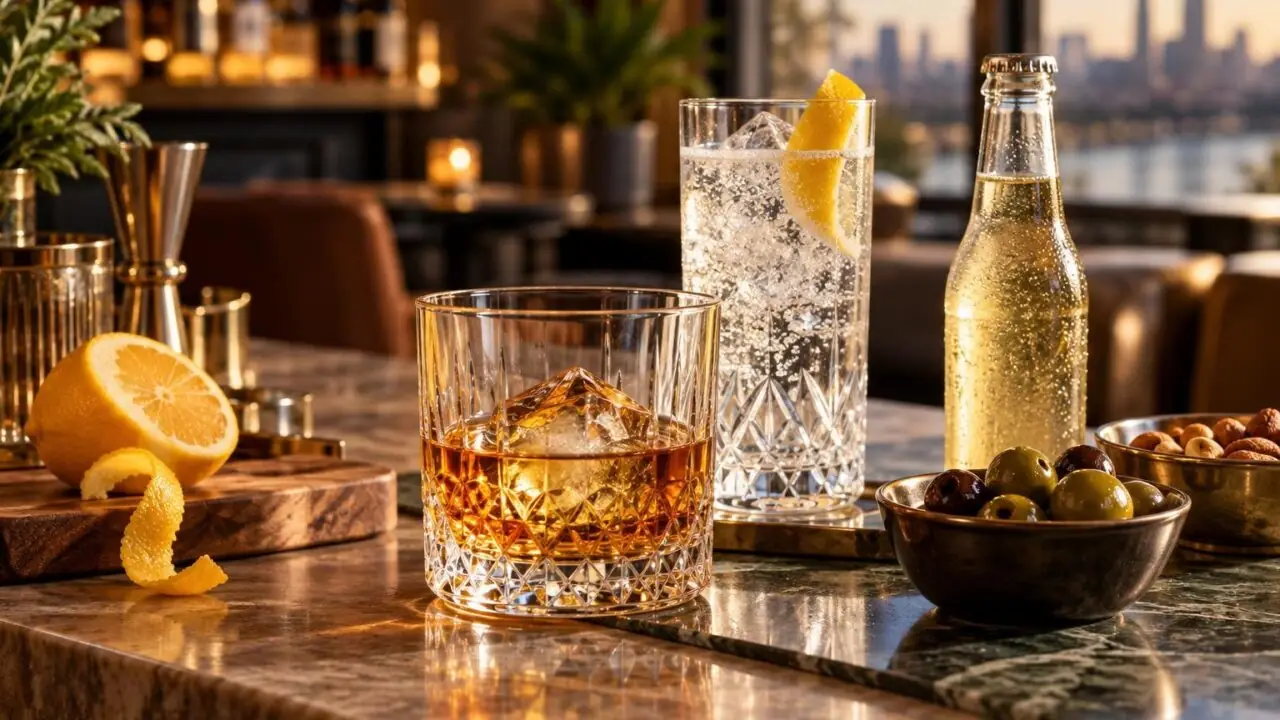
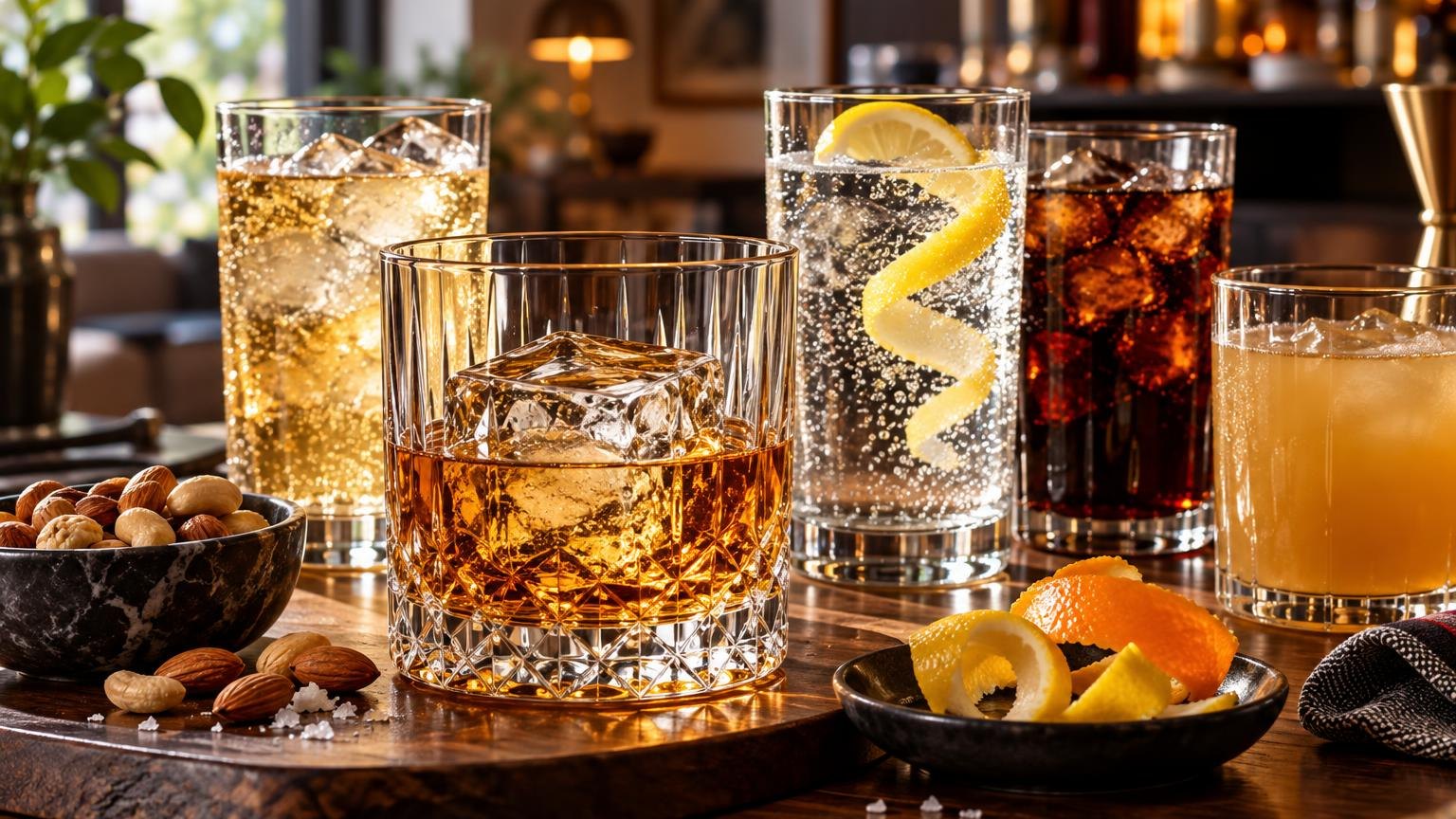
Good chasers for whiskey are water, ginger ale, apple cider, and tart fruit juice because each softens alcohol’s heat without masking the spirit’s character.
Water is the cleanest choice for tasting, while ginger ale adds sweetness and carbonation. Apple cider suits bourbon’s vanilla and caramel notes, and cranberry or grapefruit juice creates sharper contrast.
Select the chaser according to the whiskey’s style and your preferred finish.
Use a small pour of whiskey, then sip the chaser instead of mixing immediately. This preserves the aroma, reveals the whiskey’s texture, and prevents excessive sweetness from overwhelming the drink.
Bourbon pairs well with apple cider or ginger ale; rye benefits from citrus or cranberry; smoky Scotch generally works best with still or sparkling water. Serve chilled chasers separately and adjust the ratio gradually.
Best Chasers for Different Whiskey Styles
Each whiskey style carries a distinct proof range, flavor profile, and finish that pairs better with specific chasers. Matching the chaser to the whiskey prevents flavor clashes and enhances the drinking experience.
Bourbon (80–130 Proof)
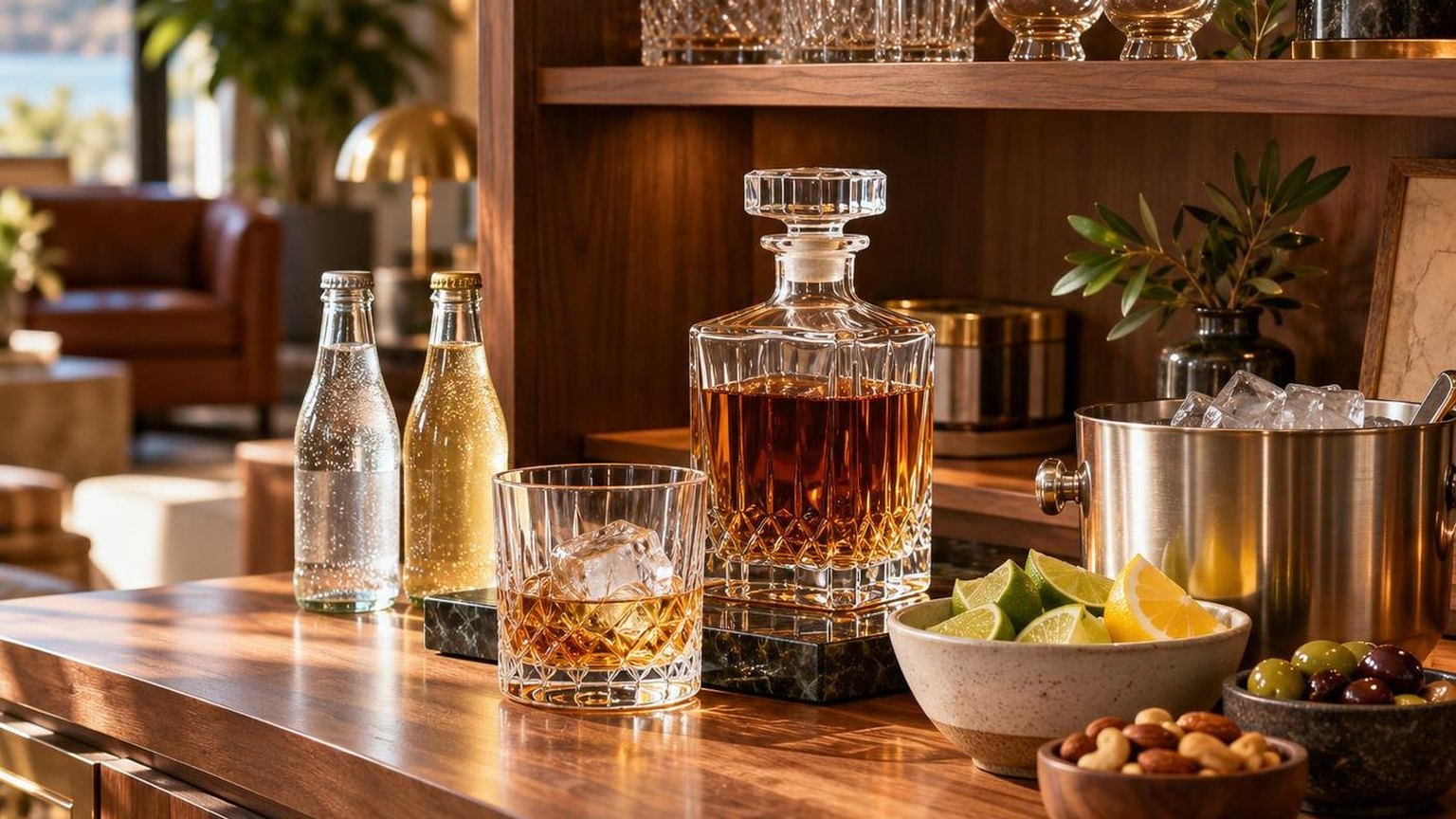
Bourbon’s caramel and vanilla notes from charred oak aging pair naturally with sweet or citrus-forward chasers. High-proof bourbons above 100 proof benefit from dilution-friendly options.
- Ginger ale — carbonation cuts through bourbon’s sweetness; the spice complements rye grain bills
- Apple cider — mirrors the baked-fruit notes common in wheated bourbons like Maker’s Mark (90 proof)
- Cola — the classic pairing, though it masks subtlety in premium pours
Scotch Whisky (80–92 Proof Typical)
Peated Scotch from Islay carries 2–40 ppm phenol levels, demanding a chaser that won’t fight the smoke. Speyside malts need lighter companions.
- Still water — a few drops or a side glass; standard practice in Scottish whisky bars
- Coconut water — mild sweetness softens peat without overpowering floral Highland notes
- Soda water — the basis of the Japanese highball, effective with blended Scotch
Rye Whiskey (80–110 Proof)
American rye requires at least 51% rye grain in the mash bill, producing peppery, spicy character. Chasers should complement that bite rather than neutralize it.
- Pickle brine — the pickleback shot tradition; vinegar and salt balance rye’s dry spice
- Ginger beer — stronger ginger flavor than ginger ale, with 2–4× the spice intensity
Quick-Reference Pairing Table
| Whiskey Style | Top Chaser | Why It Works |
| Bourbon | Ginger ale | Spice + carbonation cuts sweetness |
| Peated Scotch | Still water | Opens aromas without flavor interference |
| Speyside Scotch | Soda water | Light effervescence lifts fruit notes |
| Rye | Pickle brine | Salt and acid tame peppery finish |
| Irish whiskey | Lemonade | Citrus pairs with triple-distilled smoothness |
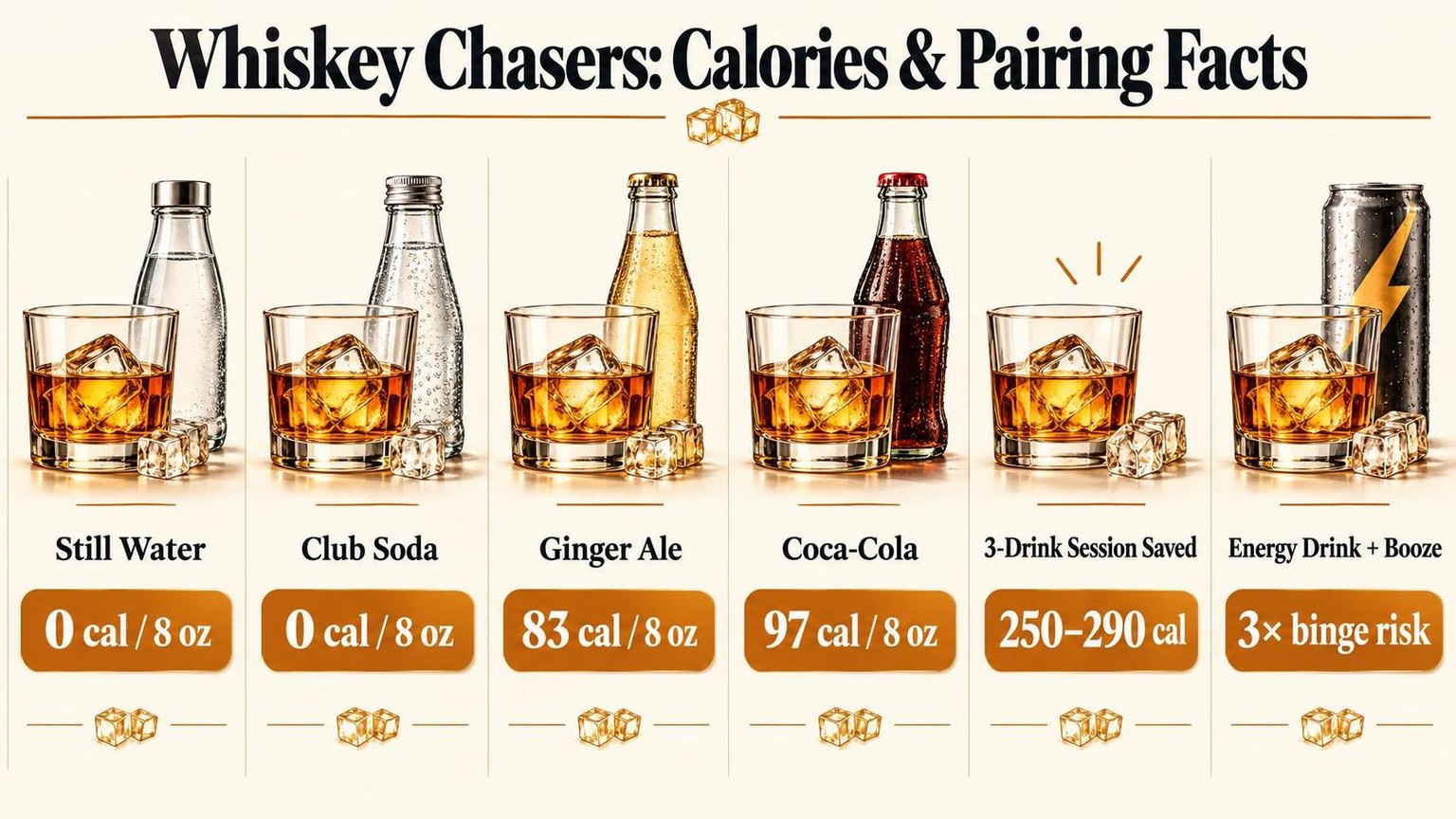
Avoid high-sugar energy drinks with any whiskey. Caffeine masks alcohol’s effects, and the CDC notes this combination increases the risk of binge drinking by approximately 3× compared to alcohol alone.
Water Versus Soda as Whiskey Chasers
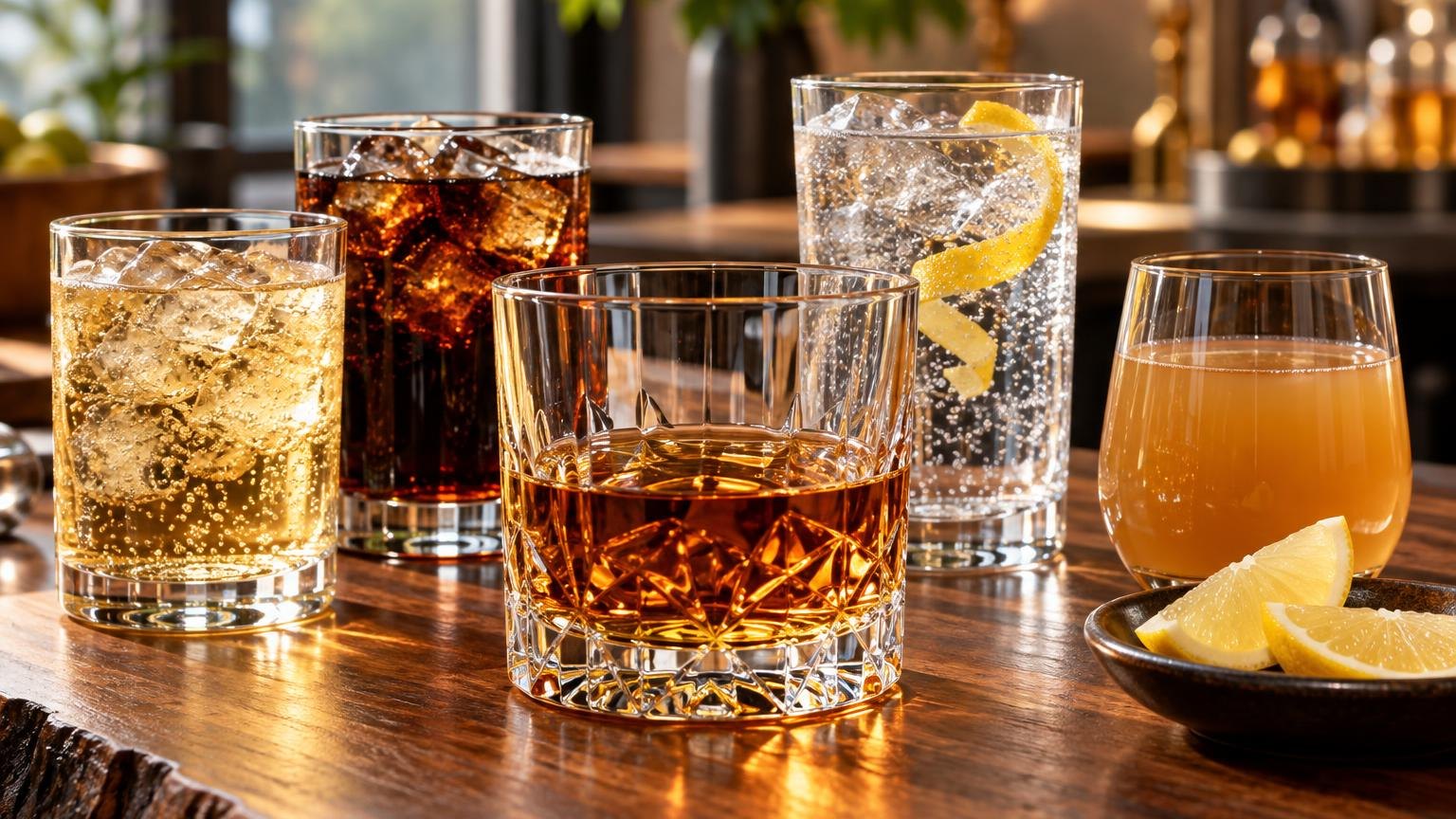
Water and soda remain the two most common whiskey chasers worldwide, yet they interact with the spirit in fundamentally different ways. Understanding calorie impact, dilution chemistry, and flavor effects helps drinkers make an informed choice.
Calorie and Sugar Comparison
The nutritional gap between these chasers is significant. A standard 8 oz chaser portion reveals stark differences.
| Chaser (8 oz) | Calories | Sugar (g) | Sodium (mg) |
| Still water | 0 | 0 | 0 |
| Club soda | 0 | 0 | 75 |
| Coca-Cola | 97 | 26 | 22 |
| Ginger ale | 83 | 22 | 26 |
| Tonic water | 83 | 22 | 11 |
Choosing water or club soda over a sugared soda eliminates roughly 83–97 calories per chaser. Over a three-whiskey session, that saves 250–290 calories.
How Water Enhances Whiskey Flavor
A 2017 study published in Scientific Reports by Karlsson and Friedman found that adding water pushes guaiacol—a key flavor compound—toward the liquid’s surface.
This concentrates aroma at the air-liquid interface, enhancing perceived taste.
Professional blenders at distilleries typically dilute cask-strength whiskey (60–65% ABV) down to 40–46% ABV before bottling. A water chaser between sips mimics this dilution effect on the palate.
Why Soda Changes Perception
Carbonation triggers mild pain receptors via carbonic acid, temporarily numbing the tongue. This can mask whiskey’s subtler notes—dried fruit, vanilla, oak tannins—behind effervescence and sweetness.
Sugared sodas also coat the palate with a residual film. This layer interferes with the ability to detect lower-concentration flavor compounds in subsequent sips.
When Each Works Best
- Still water: Ideal for sipping single malts or bourbons where detecting flavor complexity matters.
- Club soda: Zero-calorie option that adds textural contrast without sugar interference.
- Ginger ale or cola: Better suited for mixing-grade blended whiskeys where bold sweetness complements rather than overwhelms.
For calorie-conscious drinkers chasing premium whiskey, water wins decisively. It preserves the spirit’s intended flavor profile while adding zero caloric load.
Why Pickle Juice Works With Whiskey
Pickle juice as a whiskey chaser—called a “pickleback”—originated around 2006 at Bushwick Country Club in Brooklyn, New York.
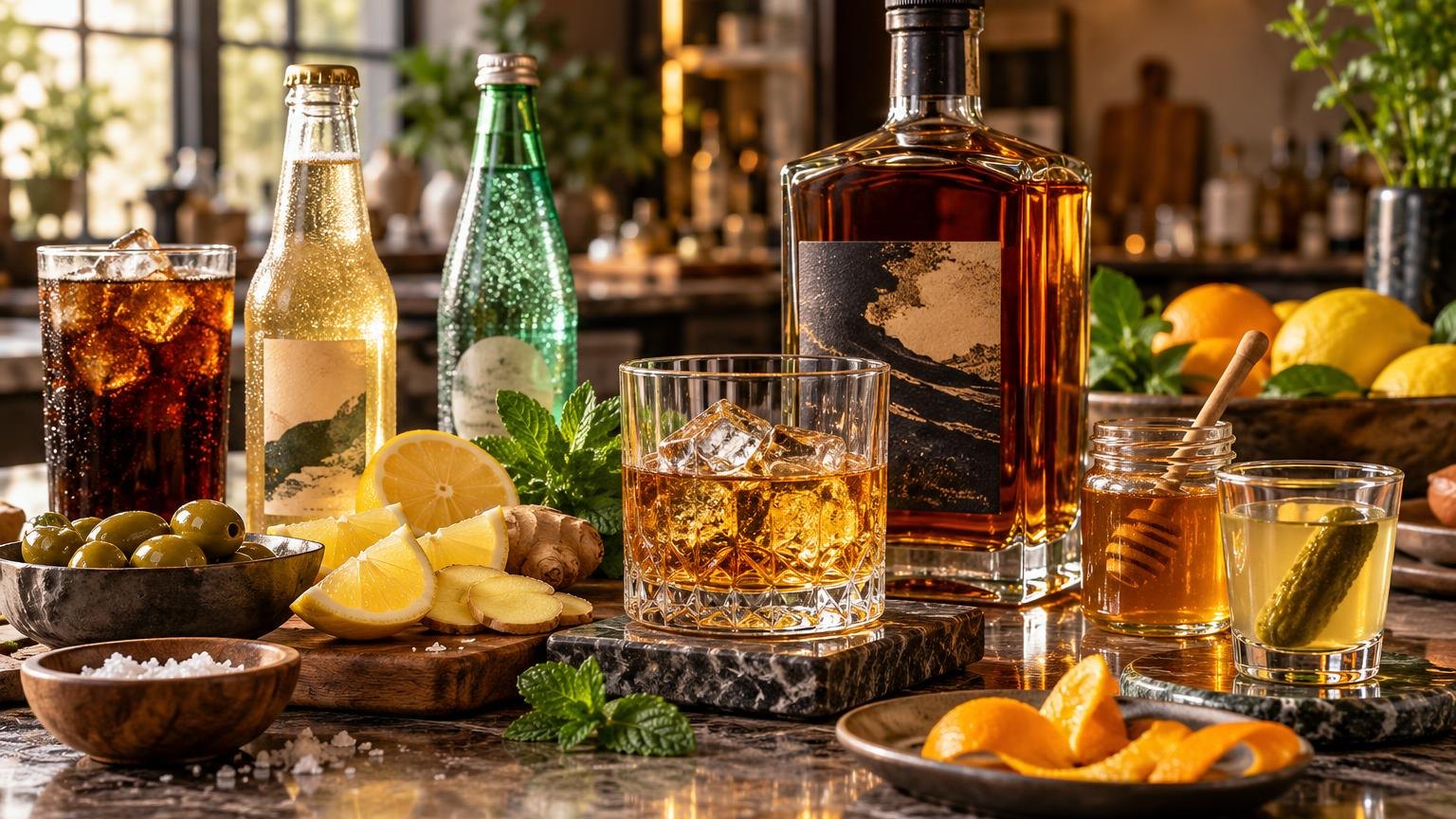
The combination works because the brine’s acidity, sodium content, and umami compounds directly neutralize whiskey’s burn and complement its grain-forward flavors.
The Science Behind the Pairing
Dill pickle brine typically contains 2–3% acetic acid from vinegar and roughly 800–1,200 mg of sodium per 100 ml. These two components are the functional drivers of the chaser effect.
Acetic acid triggers salivation, which dilutes and flushes residual ethanol from the palate. Sodium simultaneously suppresses bitterness perception—a mechanism confirmed in peer-reviewed research published in Nature (2013).
Whiskey’s ethanol concentration (40% ABV standard) irritates the trigeminal nerve, producing the familiar throat burn. The cold, salty brine provides competing sensory input that overrides that signal.
Nutritional Comparison: Pickle Juice vs. Common Chasers
| Chaser (100 ml) | Sodium (mg) | Sugar (g) | Calories |
| Dill pickle brine | 900–1,200 | 0–1 | 5–10 |
| Cola | 4–6 | 10.6 | 42 |
| Ginger ale | 7–12 | 8.9 | 34 |
| Orange juice | 1–2 | 8.4 | 45 |
Pickle juice delivers virtually zero sugar and minimal calories, making it the leanest chaser option on this list by a wide margin.
Best Practices for a Pickleback
- Use brine from naturally fermented dill pickles (lacto-fermented) for added probiotic benefit and deeper flavor complexity.
- Chill the brine to 35–40 °F (2–4 °C)—cold temperature further numbs the palate and reduces ethanol vapor perception.
- Pour 1–1.5 oz of brine per 1.5 oz shot of whiskey for balanced sodium-to-spirit ratio.
- Pair with affordable, bold-flavored whiskeys like Jameson Irish or Evan Williams bourbon; subtle single malts get overpowered.
One caution: each pickleback delivers roughly 400–600 mg of sodium per serving. The FDA’s recommended daily limit is 2,300 mg, so three rounds approach a quarter of that ceiling.
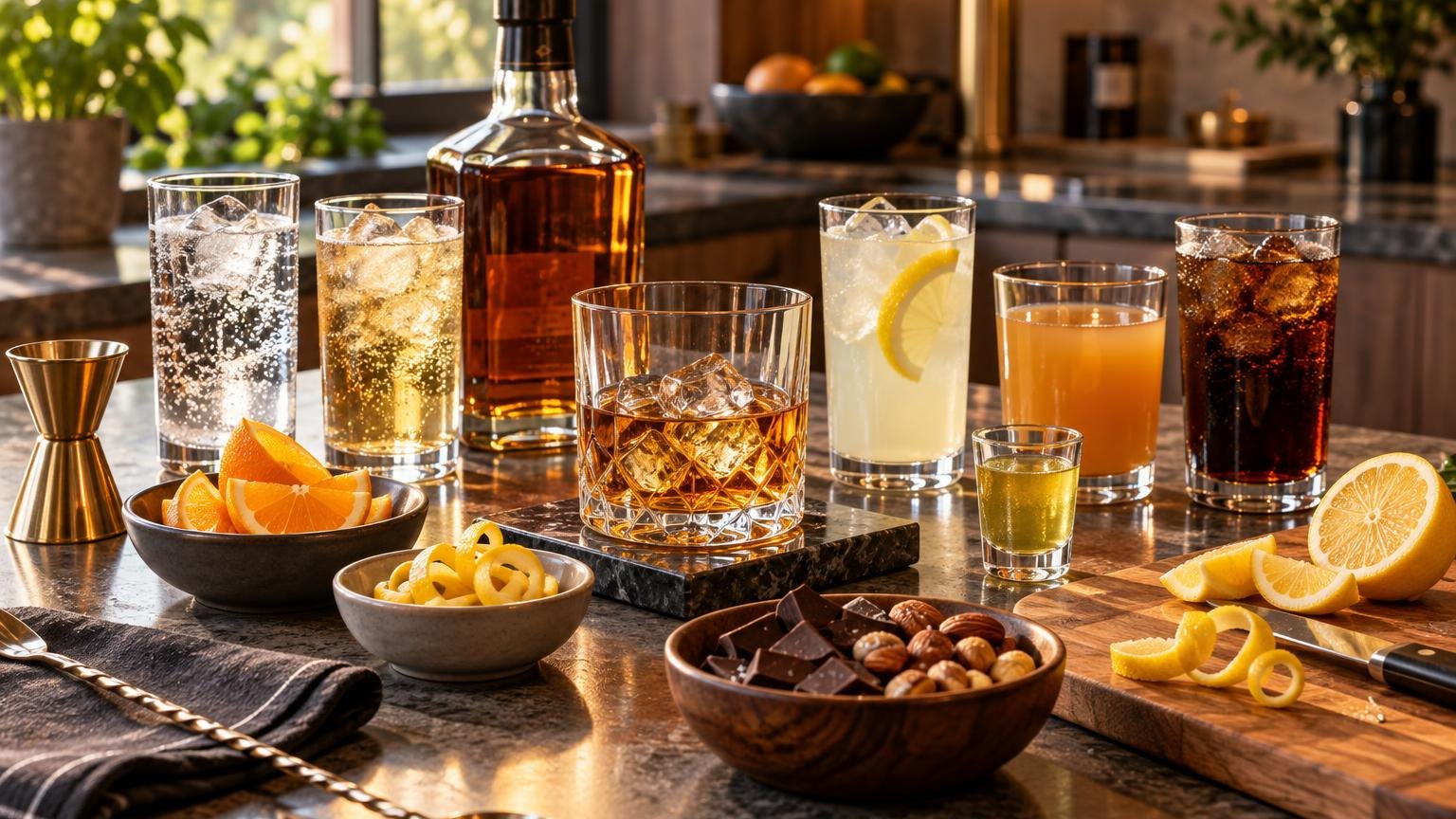
Beer Chasers for Bourbon and Rye
Beer and American whiskey share a foundational ingredient: grain. Bourbon requires at least 51% corn in its mash bill, while rye whiskey demands at least 51% rye grain—both grains that also appear in craft brewing.
This overlap creates natural flavor bridges between the two drinks.
The classic pairing in American bars is a “boilermaker”: a shot of whiskey followed by a beer chaser. Choosing the right beer style matters more than most drinkers realize.
Best Beer Styles by Whiskey Type
| Whiskey Type | Recommended Beer Chaser | Why It Works |
| High-corn bourbon (e.g., Maker’s Mark, 70% corn) | American wheat ale (4.0–5.5% ABV) | Soft mouthfeel complements bourbon’s caramel sweetness without competing |
| High-rye bourbon (e.g., Four Roses Single Barrel, 35% rye) | Pale ale or IPA (5.5–7.0% ABV) | Hop bitterness (40–70 IBU) balances rye’s peppery spice |
| Straight rye (e.g., Rittenhouse, 51%+ rye) | German-style pilsner (4.5–5.2% ABV) | Crisp lager finish cleanses the palate of rye’s dry, spicy bite |
| Barrel-proof bourbon (55–65% ABV) | Stout or porter (5.0–6.5% ABV) | Roasted malt and chocolate notes mirror charred-oak barrel character |
Practical Guidelines
- Keep ABV moderate. A chaser beer above 7% ABV adds excessive alcohol load. A 12 oz beer at 5% ABV adds roughly 0.6 standard drinks on top of a 1.5 oz whiskey shot (also ~0.6 standard drinks).
- Serve the beer cold. Ideal chaser temperature is 38–45°F (3–7°C)—cold enough to refresh, not so cold it numbs flavor perception.
- Avoid fruit-forward sours. High acidity (pH below 3.5) clashes with bourbon’s vanillin compounds extracted during barrel aging.
- Match intensity. A delicate Kölsch (15–25 IBU) suits a mellow wheated bourbon, while a robust porter (25–40 IBU) stands up to barrel-proof heat.
The order matters too. Sip the whiskey first to coat the palate, then follow with beer. This sequence lets malt flavors in the beer echo the grain character already present in the whiskey.
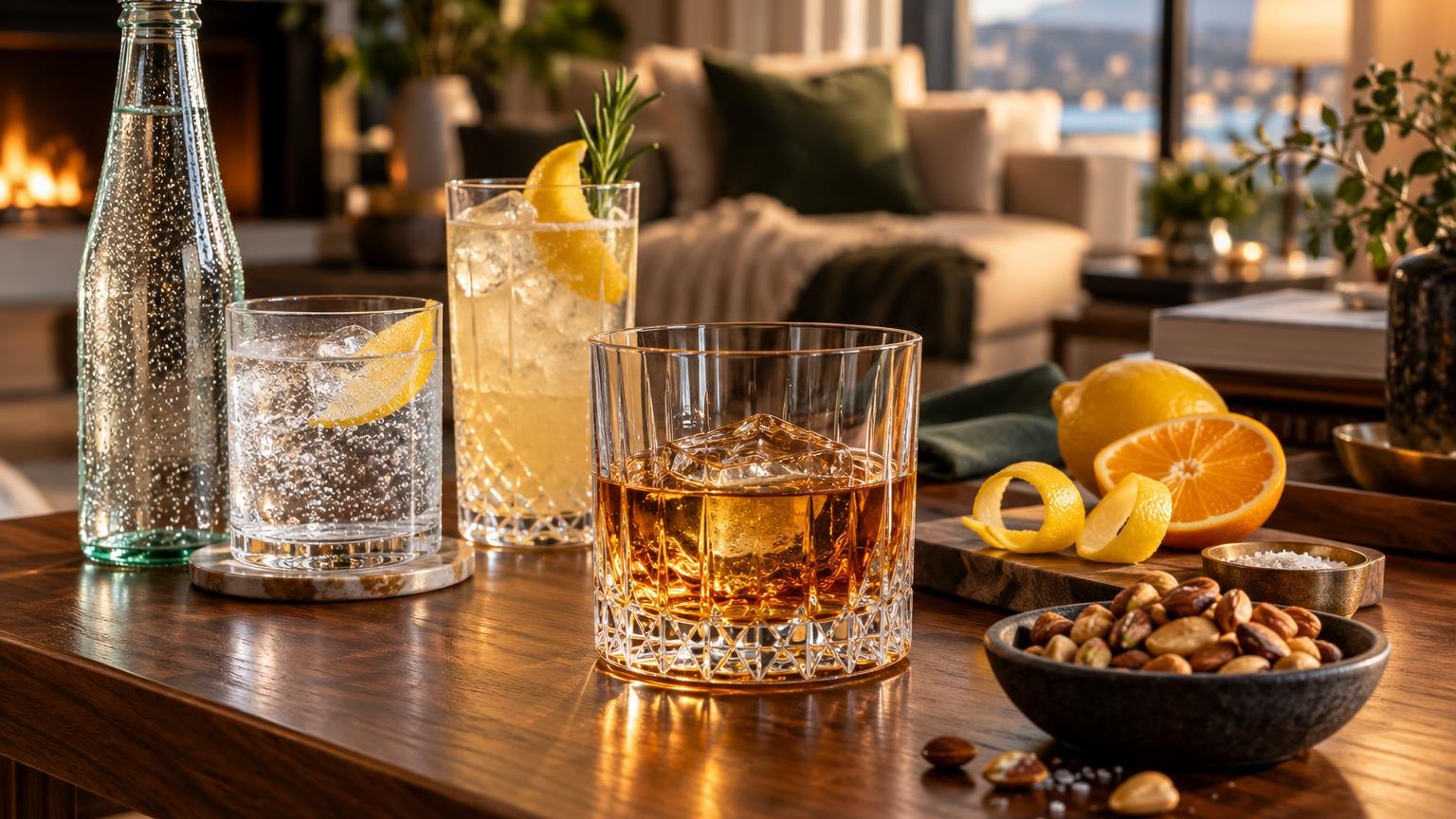
Sweet Chasers That Balance Whiskey
Sweet chasers counteract whiskey’s burn by activating different taste receptors on the tongue.
Sugar molecules bind to T1R2 and T1R3 receptors, dampening the perception of ethanol’s heat and allowing subtler flavor notes to emerge between sips.
Apple Juice
Fresh apple juice contains roughly 10–13 g of sugar per 100 ml, providing enough sweetness to soften a high-proof bourbon without overwhelming it.
Its malic acid complements the vanilla and caramel notes common in American oak–aged whiskeys.
Honey-Lemon Water
Mix 1 tablespoon (21 g) of raw honey into 8 oz of warm water with a half-lemon squeeze. This combination delivers approximately 17 g of sugar per serving and pairs especially well with Scotch single malts that already carry honeyed undertones.
Cranberry Juice
Unsweetened cranberry juice has only about 4 g of sugar per 100 ml, but cranberry juice cocktails jump to 12–13 g. The tart-sweet profile cuts through peaty or smoky whiskeys effectively.
Choose 100% juice blends when possible for cleaner flavor.
Sugar Content Comparison
| Chaser (8 oz serving) | Sugar (g) | Calories | Best Whiskey Pairing |
| Apple juice | 24–28 | 110–120 | Bourbon, rye |
| Honey-lemon water | 17 | 70 | Scotch single malt |
| Cranberry juice cocktail | 28–30 | 110–130 | Peated Scotch, Irish |
| Ginger ale | 22–24 | 80–90 | Tennessee whiskey |
| Pineapple juice | 25 | 105 | Japanese whisky |
Tips for Using Sweet Chasers
- Serve chasers chilled between 35–45 °F (2–7 °C) to maximize their refreshing contrast against room-temperature whiskey.
- Take the chaser within 5–10 seconds after the whiskey sip so the sweetness reaches the palate while ethanol receptors are still active.
- Limit chaser volume to 2–3 oz per whiskey pour to avoid drowning out the spirit’s finish.
- Avoid high-fructose corn syrup–based drinks; natural sugars integrate more cleanly with whiskey’s barrel-derived flavors.
Matching sugar intensity to whiskey proof keeps balance. A 90-proof bourbon pairs well with moderate-sugar chasers like apple juice, while a cask-strength 120-proof expression benefits from the richer sweetness of honey-lemon water.
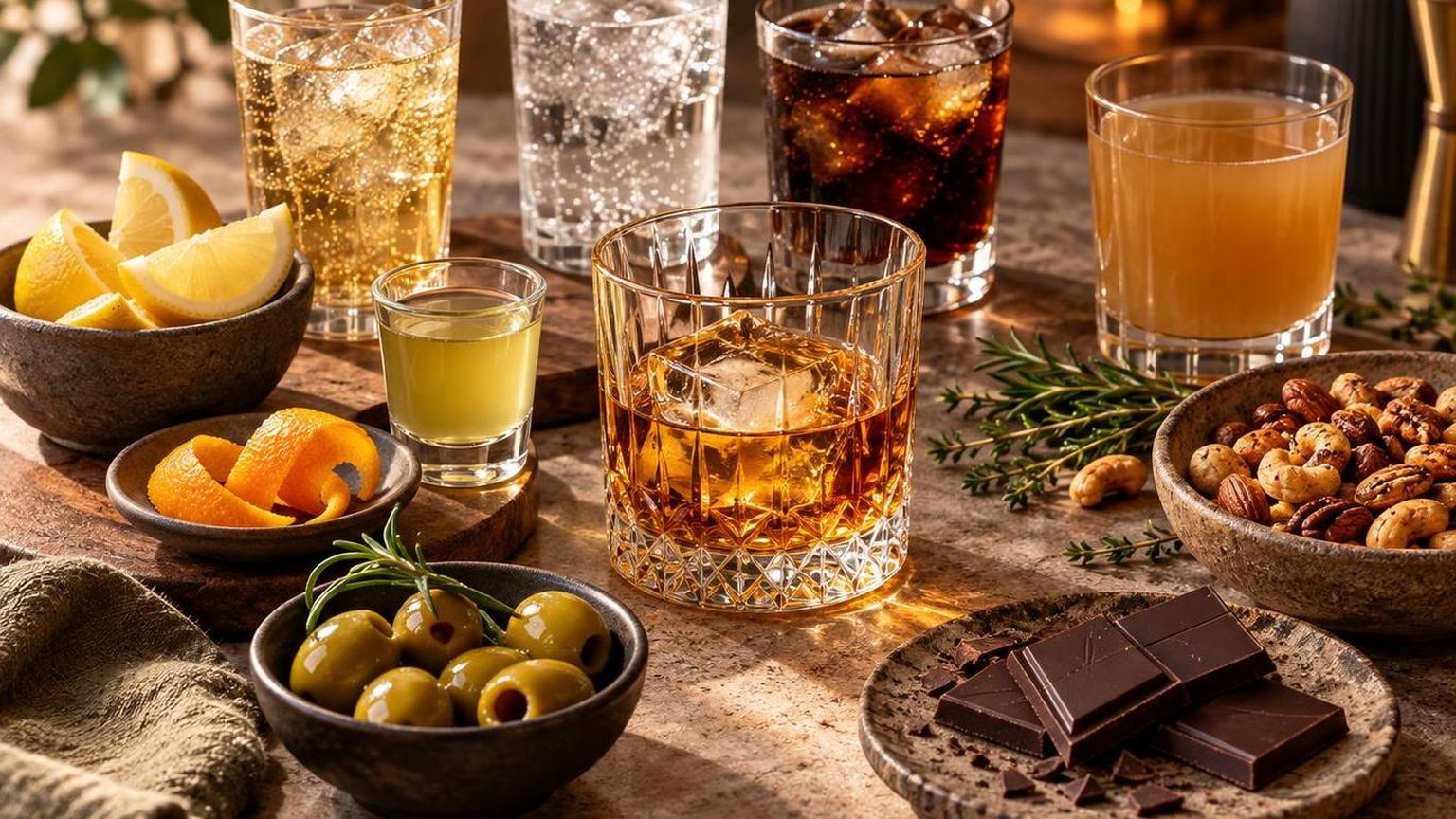
Nonalcoholic Chasers for Whiskey Drinkers
Nonalcoholic chasers serve two functions: they cleanse the palate between sips and slow alcohol absorption.
The right chaser complements whiskey’s flavor profile without masking it, turning each dram into a more controlled, enjoyable experience.
Water: The Universal Standard
Still water remains the most recommended chaser among whiskey professionals.
Adding even a few drops—roughly 3–5 mL—to cask-strength whiskey (typically 50–65% ABV) releases trapped aroma compounds, particularly guaiacol, according to a 2017 study published in Scientific Reports.
Room-temperature spring water works best. Ice-cold water numbs taste receptors and suppresses volatile aromatics that define a whiskey’s character.
Coconut Water and Ginger Ale
Coconut water contains roughly 600 mg of potassium per 240 mL serving, which helps maintain hydration. Its mild sweetness pairs well with bourbon’s caramel and vanilla notes without overwhelming them.
Ginger ale—especially dry varieties with real ginger extract—provides a spicy counterpoint to smoky Scotch or peated Irish whiskeys. A standard 355 mL can delivers approximately 33–36 g of sugar, so moderation matters.
Popular Nonalcoholic Chasers Compared
| Chaser | Calories per 240 mL | Best Whiskey Pairing | Key Benefit |
| Still water | 0 | Cask-strength single malt | Opens aromatics |
| Coconut water | 46 | Bourbon | Electrolyte replenishment |
| Ginger ale | 83 | Peated Scotch | Spicy palate contrast |
| Apple cider (fresh) | 114 | Rye whiskey | Fruit-forward complement |
| Cold brew coffee | 5 | Barrel-proof bourbon | Bitter balance to sweetness |
| Pickle brine | 15 | Tennessee whiskey | Sodium aids flavor perception |
Fresh Citrus and Coffee
A small pour of cold brew coffee—around 120 mL—introduces roasted, bitter notes that mirror charred oak flavors in barrel-aged bourbons.
The caffeine content averages 100 mg per 240 mL, providing alertness without cocktail-level sugar intake.
Fresh-squeezed orange or lemon juice, used in 30 mL increments, cuts through high-proof burn. The citric acid stimulates saliva production, resetting the palate between different whiskey expressions during a tasting session.
- Alternate sips — one mouthful of chaser for every whiskey sip keeps the palate fresh
- Match temperature — serve chasers near room temperature for neat whiskey, chilled for whiskey on the rocks
- Avoid heavily carbonated sodas — excessive CO₂ causes bloating and accelerates alcohol absorption through the stomach lining
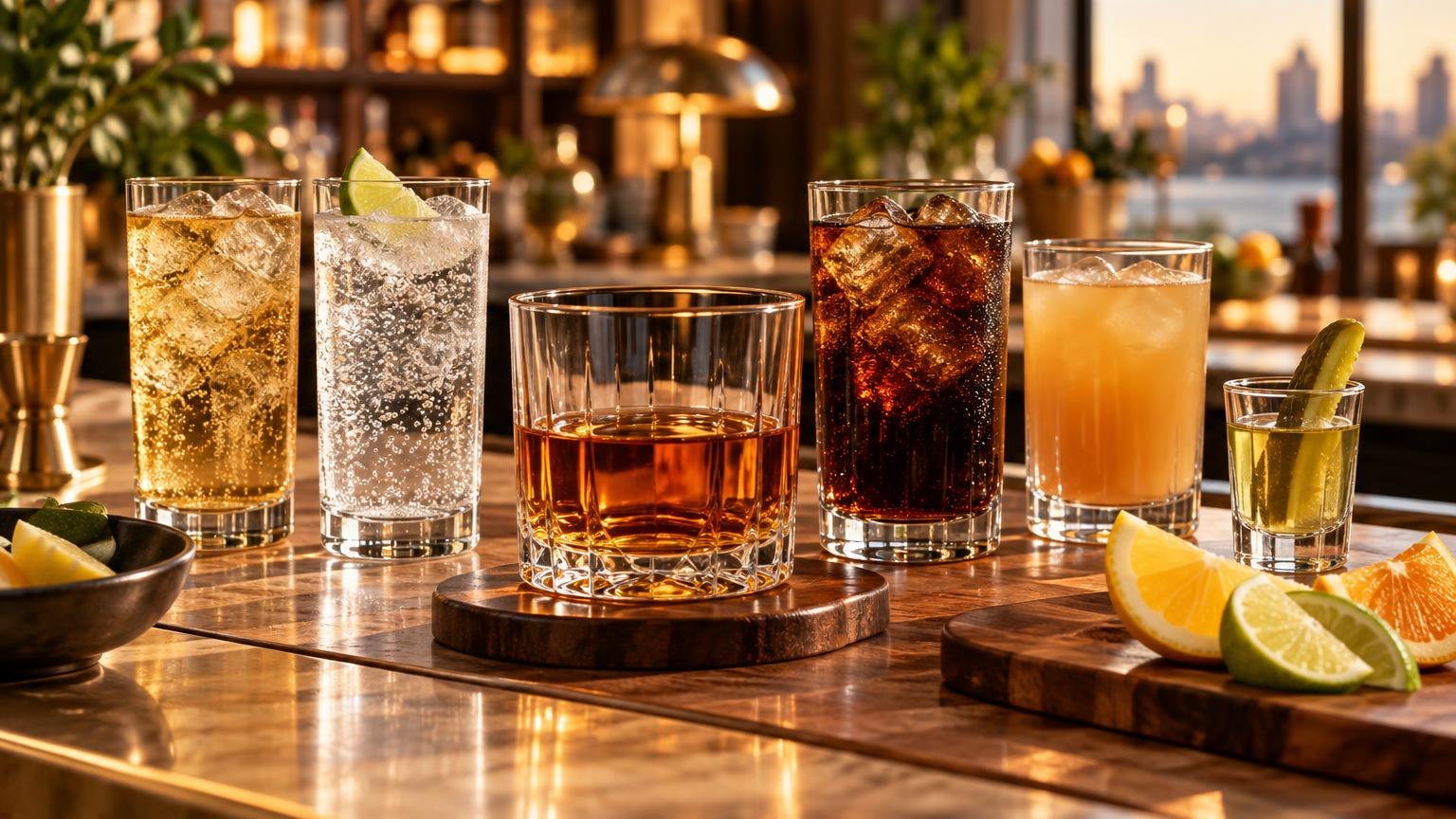
How to Pair Chasers by Proof
Whiskey proof directly determines how aggressively it hits your palate, which dictates the ideal chaser weight. Higher-proof spirits demand denser, more flavorful chasers to counterbalance ethanol burn.
Matching chaser intensity to proof prevents either element from overwhelming the other.
Proof Categories and Recommended Chasers
The relationship between alcohol concentration and chaser selection follows a predictable pattern based on ethanol’s interaction with taste receptors.
| Proof Range | ABV | Burn Level | Best Chasers |
| 80 proof (standard) | 40% | Mild | Still water, club soda, light beer |
| 86–95 proof | 43–47.5% | Moderate | Ginger ale, cold-brew coffee, apple cider |
| 100–114 proof (bottled-in-bond, barrel proof) | 50–57% | Strong | Full-bodied ginger beer, pickle brine, chocolate milk |
| 115–140 proof (cask strength) | 57.5–70% | Intense | Whole milk, heavy coconut water, thick cold-pressed juice |
Why Proof Matters Chemically
Ethanol activates the TRPV1 receptor — the same receptor triggered by capsaicin in chili peppers. At 50% ABV and above, this activation intensifies sharply, requiring a chaser with higher viscosity or fat content to coat the palate.
Milk and pickle brine work at high proofs because fat molecules and sodium both suppress TRPV1 signaling. Water alone struggles above 100 proof because it lacks the density to displace concentrated ethanol from receptor sites.
Practical Guidelines
- 80-proof whiskeys like Jameson (40% ABV) pair well with a simple splash of still or sparkling water — no heavy chaser needed.
- 100-proof bourbons such as Wild Turkey 101 benefit from ginger beer’s spice and carbonation, which scrub the palate of residual burn.
- Barrel-proof releases like Elijah Craig Barrel Proof (typically 120–138 proof) call for whole milk, pickle juice, or thick apple cider to genuinely neutralize the heat.
A useful rule: for every 10-proof increase above 80, add one level of chaser density. Start with water at 80, move to carbonated mixers at 90, flavored sodas at 100, and fat-based chasers at 110 and beyond.
Common Questions
What is the best chaser to drink after whiskey?
Water — still or lightly chilled — is the most universally recommended chaser because it cleanses the palate without masking the spirit’s flavor profile.
A 2017 study published in Scientific Reports found that diluting whiskey with water releases guaiacol, a flavor compound, to the surface, which means a water chaser actually enhances your perception of the next sip rather than dulling it.
Does ginger ale or ginger beer work better as a whiskey chaser?
Ginger beer delivers a sharper, spicier bite (typically 2–4 times the gingerol concentration of ginger ale) that cuts through the heat of high-proof bourbons and ryes above 100 proof.
Ginger ale, being milder and sweeter at roughly 20–35 g of sugar per 12 oz can, pairs more smoothly with lighter-bodied whiskeys like Irish single pot still or Japanese blends. Choose based on the whiskey’s intensity.
Is pickle juice actually a good chaser for whiskey?
Pickle brine — known as a “pickleback” when chased after a shot — contains acetic acid, salt, and dill compounds that neutralize the alcohol burn on the tongue and trigger salivation, resetting the palate almost instantly.
The combination gained mainstream popularity around 2006 at the Bushwick Country Club in Brooklyn, New York, and works especially well after bold, caramel-forward bourbons because the brine’s acidity counterbalances residual sweetness.
Can beer be used as a chaser for whiskey without getting sick?
A low-ABV beer (4–5%) such as a lager or pilsner is a traditional “boilermaker” chaser that slows your drinking pace compared to taking neat shots back-to-back.
The risk of nausea increases when you pair whiskey with high-carbonation, high-ABV craft IPAs (6–9%) because carbonation accelerates alcohol absorption through the stomach lining.
Stick to a simple, clean lager no higher than 5% ABV and limit the pairing to one or two rounds.
What non-alcoholic chasers complement whiskey without adding too many calories?
Unsweetened coconut water (roughly 45 calories per 8 oz) replenishes electrolytes like potassium (about 600 mg per cup) and pairs neutrally with both bourbon and Scotch.
Cold-brew black coffee at approximately 5 calories per 8 oz is another strong option — its roasted, slightly bitter notes echo the charred-oak character in barrel-aged whiskeys without introducing sugar.
Both outperform sodas, which typically add 90–110 empty calories per serving.
Related Reading
- What Percent Alcohol Is Moonshine?
- Eagle Rare Vs Buffalo Trace: Which Is Best?
- What Does A Whiskey Decanter Do?
- What Does The Xxx On A Moonshine Jug Mean?
- How Many Carbs Does Whiskey Have?
- All Alcohol Guides
- National Institute on Alcohol Abuse and Alcoholism – "Understanding Alcohol's Impact on Health" (2024)
- Centers for Disease Control and Prevention – "Dietary Guidelines for Alcohol" (2024)
- USDA FoodData Central – Nutritional Profiles of Common Mixers (2024)
- National Center for Biotechnology Information / PubMed – "Alcohol Metabolism: An Update" (2007)
- Harvard T.H. Chan School of Public Health – "Alcohol: Balancing Risks and Benefits" (2024)
- MasterClass – "How to Pair and Chase Whiskey" (2023)
- Whisky Advocate – "The Best Chasers and Back Drinks for Whisky" (2023)
- Difford's Guide – "Whiskey Mixers and Chasers Explained" (2024)
- University of California, Davis – Department of Viticulture and Enology, Sensory Science of Beverages (2024)