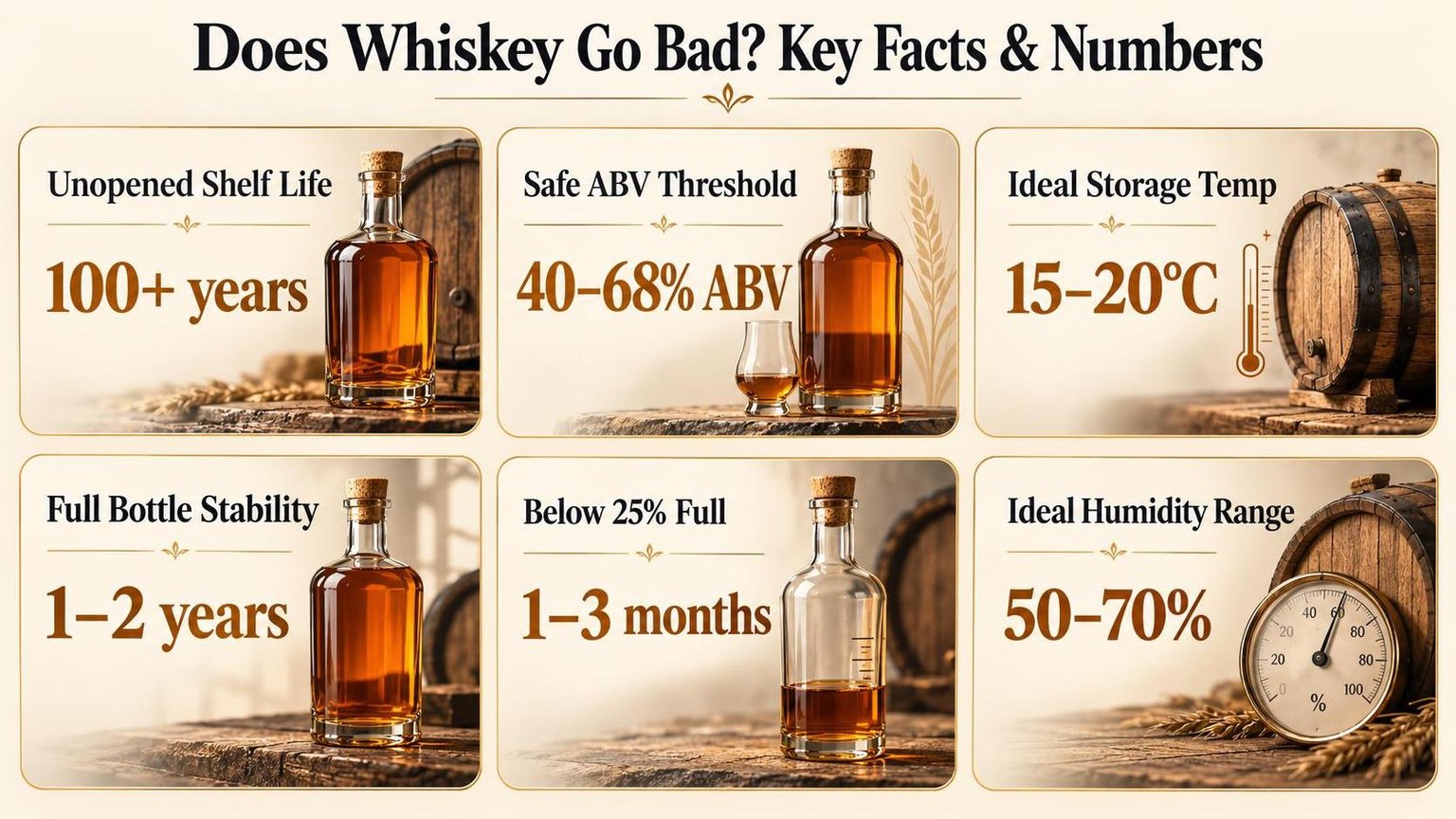
Does Whiskey Go Bad? is answered by storage: unopened whiskey remains shelf-stable because high alcohol, low sugar, and sealed glass prevent spoilage microbes from growing.
Opened whiskey does not rot like food, but oxygen slowly dulls aroma, weakens flavor, and can make a half-empty bottle taste flat.
Quality depends on fill level, closure, light, and temperature. Keep bottles upright, tightly sealed, away from heat and sunlight. A nearly full opened bottle can taste good for years; a low-fill bottle may fade faster.
Discard whiskey only if it smells moldy, contaminated, or visibly contains foreign material.
Does Unopened Whiskey Expire
Unopened whiskey does not expire in the traditional sense. A sealed bottle stored properly can remain safe to drink indefinitely, though subtle flavor changes may occur over decades due to micro-oxidation through the cork or cap seal.
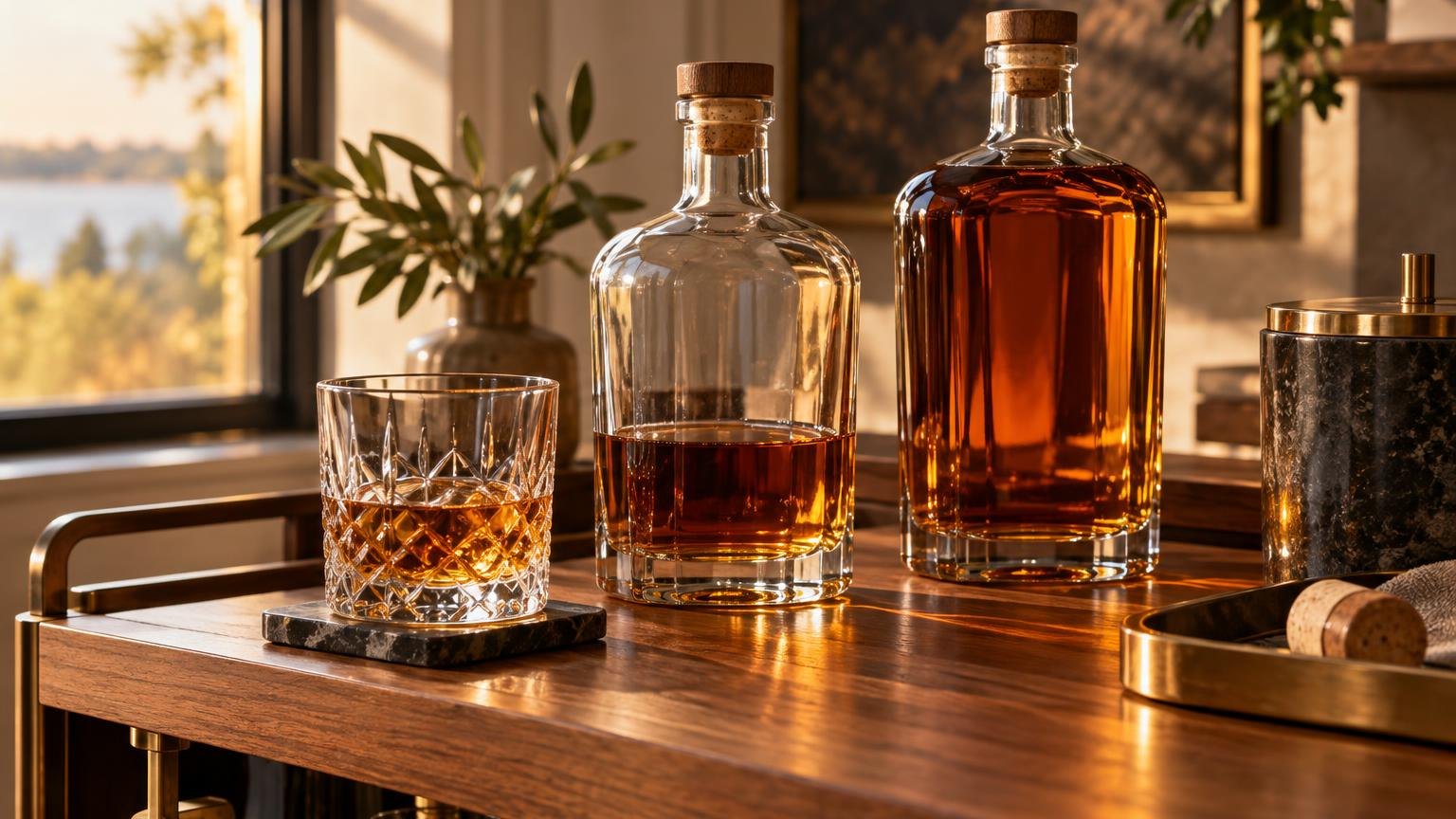
Distilled spirits above 40% ABV create an inhospitable environment for bacteria and pathogens. No microorganisms responsible for food spoilage can survive at that alcohol concentration.
Why Unopened Whiskey Lasts Indefinitely
Unlike wine, whiskey stops aging once bottled. The maturation process requires interaction with charred oak barrels, which ceases at bottling. A 12-year bourbon bottled in 2010 is still a 12-year bourbon in 2040.
Three factors protect sealed whiskey from degradation:
- High alcohol content (40–68% ABV) — acts as a natural preservative, preventing microbial growth
- Airtight seal — limits oxygen exposure that would otherwise alter flavor compounds
- Absence of perishable sugars — unlike liqueurs, straight whiskey contains negligible fermentable sugars
Sealed Shelf Life by Closure Type
The closure type directly affects how long an unopened bottle maintains peak quality.
| Closure Type | Estimated Peak Quality | Risk Factor |
| Screw cap (metal) | 100+ years | Minimal; near-perfect seal |
| Natural cork | 20–50 years | Cork degradation, micro-oxidation |
| Synthetic cork | 30–60 years | Less porous than natural cork |
| Wax-sealed cork | 50–80 years | Wax layer reduces oxygen ingress |
Bottles from the 1800s have been opened and confirmed drinkable by auction houses like Sotheby’s and Bonhams. A Macallan 1878 sold at auction in 2018 was still liquid and intact after 140 years sealed.
Storage Conditions That Matter
Store unopened bottles upright to prevent cork contact with high-proof alcohol, which dissolves cork material over time.
Keep temperatures between 15–20°C (59–68°F) and avoid direct sunlight, which breaks down flavor-active congeners through UV photodegradation.
Humidity between 50–70% helps prevent cork desiccation on bottles with natural cork closures. Dried-out corks crack, breaking the seal and accelerating oxidation.
How Opened Whiskey Changes Over Time
Once you break the seal, oxygen begins interacting with the whiskey’s volatile compounds.
The spirit won’t spoil or become unsafe, but its flavor profile shifts measurably — and the rate depends on how much liquid remains in the bottle.
The Role of Headspace
Headspace — the air gap between the whiskey and the cork — is the primary driver of oxidation. More air contact accelerates chemical changes to esters, aldehydes, and phenolic compounds responsible for aroma and taste.
| Bottle Fill Level | Estimated Flavor Stability | Oxidation Risk |
| 75–100% full | Up to 1–2 years | Low |
| 50–75% full | 6–12 months | Moderate |
| 25–50% full | 3–6 months | High |
| Below 25% full | 1–3 months | Very high |
What Actually Changes
Oxidation dulls the sharper, more volatile top notes first. Fruity esters and floral compounds degrade faster than heavier flavors like caramel or oak tannins.
- Aroma loss: Volatile compounds like ethyl acetate evaporate through micro-gaps around the cork, reducing nose intensity within weeks of opening.
- Flavor flattening: Complex mid-palate notes compress over months, making the whiskey taste one-dimensional.
- Color stability: The color remains essentially unchanged because melanoidins and caramel pigments are non-volatile and oxidation-resistant.
- ABV reduction: Ethanol evaporates slightly faster than water at room temperature (ethanol’s boiling point is 78.37 °C versus 100 °C for water), marginally lowering proof over extended periods.
Peated and Cask-Strength Whiskeys
Peated Scotch is particularly vulnerable. Phenol compounds responsible for smoky character dissipate noticeably within 6–8 months in a half-full bottle.
Cask-strength whiskeys above 50% ABV resist microbial spoilage effectively but are not immune to oxidative flavor loss. Higher alcohol concentration does slow some oxidation reactions marginally.
Practical Threshold
Most experienced tasters report detectable changes after 6–12 months in a bottle at 50% fill. The whiskey remains perfectly safe to drink — it simply no longer tastes as the distiller intended.
When Whiskey Becomes Unsafe to Drink
Whiskey’s high alcohol content (40–68% ABV) makes it inhospitable to pathogenic bacteria. Unopened whiskey stored properly remains safe indefinitely.
The real risks emerge after opening, through contamination, or when alcohol concentration drops below critical thresholds.
Alcohol as a Preservative Barrier
Ethanol concentrations above 20% ABV prevent growth of virtually all foodborne pathogens, including E. coli, Salmonella, and Clostridium botulinum. Standard whiskey at 40% ABV sits well above this safety floor.
Oxidation and evaporation reduce alcohol content over time. A bottle left one-third full with a loose cap can lose several percentage points of ABV within 12–18 months, though it rarely drops below the 20% threshold.
Scenarios That Create Genuine Risk
- Contaminated closures: Cracked corks or corroded screw caps allow airborne mold spores and bacteria to enter the bottle. Visible mold growth on the liquid surface warrants immediate disposal.
- Foreign contaminants: Pouring whiskey back from unwashed glasses, adding unpurified water, or storing with organic garnishes introduces microorganisms that can multiply if ABV drops sufficiently.
- Compromised containers: Decanting into lead crystal decanters for extended periods (beyond 3–4 months) can leach lead above the EPA’s 15 ppb action level, creating toxicity risk.
- Extreme heat exposure: Prolonged storage above 35°C (95°F) accelerates chemical degradation, producing higher concentrations of acetaldehyde and furfural—compounds linked to headaches and gastrointestinal distress at elevated levels.
Warning Signs: Keep vs. Discard
| Sign | Action | Reason |
| Slightly faded color | Safe to drink | Normal oxidation; no health risk |
| Muted aroma or flat taste | Safe but degraded | Quality loss, not safety issue |
| Visible mold or floating particles | Discard | Microbial contamination present |
| Strong chemical or solvent odor | Discard | Possible container leaching or extreme degradation |
| Cloudy appearance after long decanter storage | Discard | Potential lead or material contamination |
In practical terms, whiskey almost never becomes microbiologically dangerous. The far greater risk is chemical contamination from improper storage vessels or physical contaminants introduced after opening.
When in doubt, apply a simple rule: if it looks wrong, smells wrong, or has been stored in a non-food-safe container for months, discard it. Whiskey is meant to be enjoyed—not gambled on.
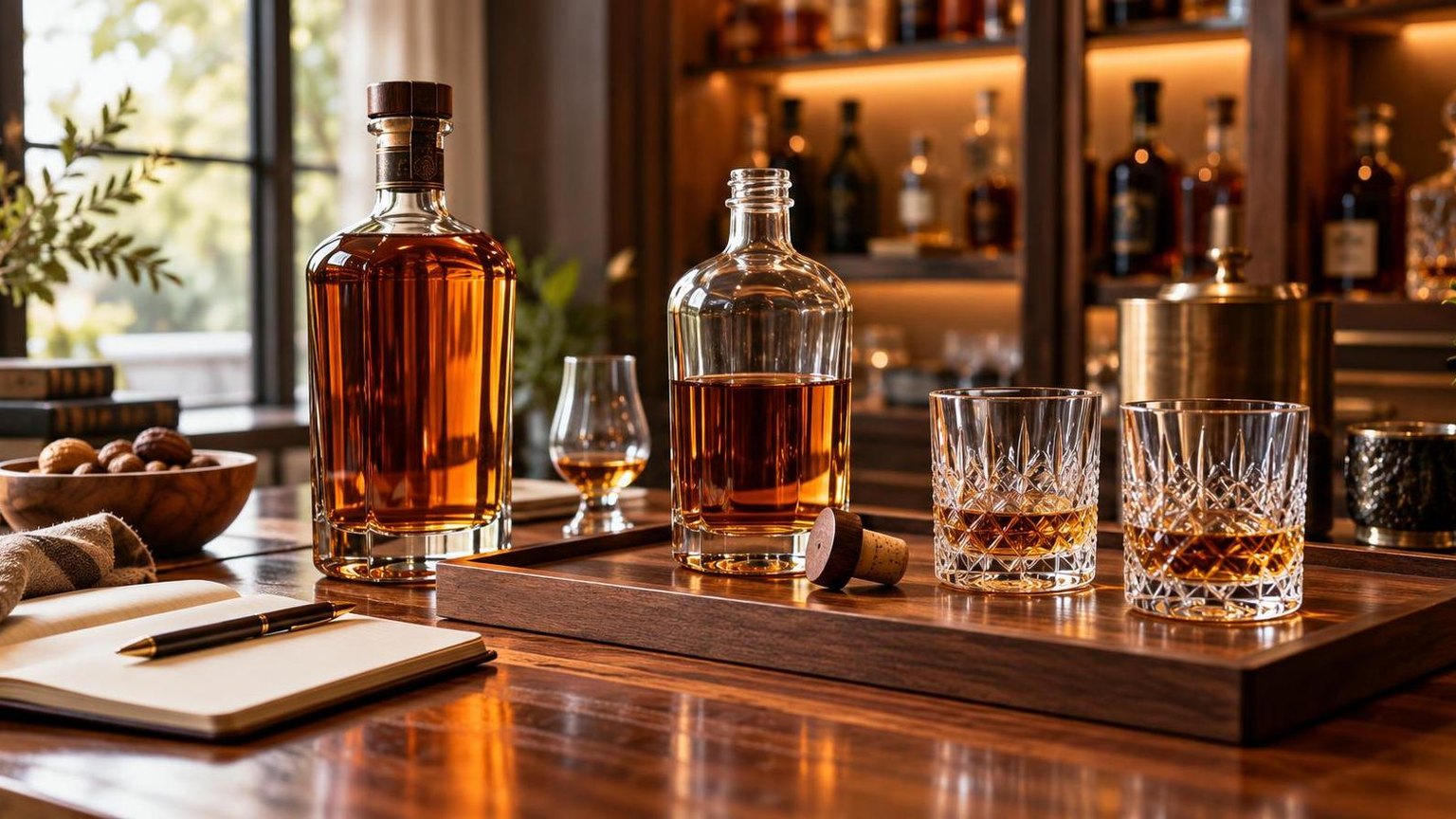
Shelf Life by Bottle Fill Level
The amount of whiskey remaining in a bottle directly determines how quickly oxidation degrades the spirit. More air in the bottle means more oxygen contact, accelerating chemical changes that flatten aromas and mute flavor complexity.
Oxidation works through a measurable surface-area-to-volume ratio. A nearly empty bottle exposes proportionally far more liquid to oxygen than a full one.
| Bottle Fill Level | Approximate Air Space | Estimated Shelf Life (Opened) |
| Full (90–100%) | Minimal headspace | 3–5 years |
| Three-quarters (75%) | ~25% air | 1–2 years |
| Half (50%) | ~50% air | 6–12 months |
| Quarter (25%) | ~75% air | 2–4 months |
| Below quarter (<25%) | >75% air | 1–2 months |
These timelines assume storage at room temperature (15–20 °C / 59–68 °F), upright, away from direct sunlight. Heat and UV light compress these windows significantly.
Why the Last Quarter Matters Most
Below the 25% mark, the ratio of oxygen to whiskey shifts dramatically. Each pour introduces fresh air that replaces the removed liquid, compounding the effect.
At 40% ABV, ethanol still acts as a preservative against microbial spoilage—whiskey won’t become unsafe. The degradation is purely sensory: dulled nose, shortened finish, and a noticeable cardboard-like staleness.
Practical Steps to Extend Shelf Life
- Decant down: Transfer remaining whiskey into a smaller bottle (200 ml or 375 ml) to minimize headspace.
- Use inert gas: Products like Private Preserve spray argon and nitrogen into the bottle, displacing oxygen above the liquid.
- Seal tightly: Replace worn or cracked corks with fresh stoppers. Parafilm wrapped around the closure adds a secondary barrier.
- Store upright: High-proof alcohol deteriorates natural cork on prolonged contact, unlike wine. Upright storage prevents cork breakdown and taint.
- Finish promptly: Once a bottle drops below one-quarter, plan to drink it within weeks rather than months.
An unopened bottle with an intact seal, stored properly, remains stable essentially indefinitely. The clock starts only when oxygen enters.
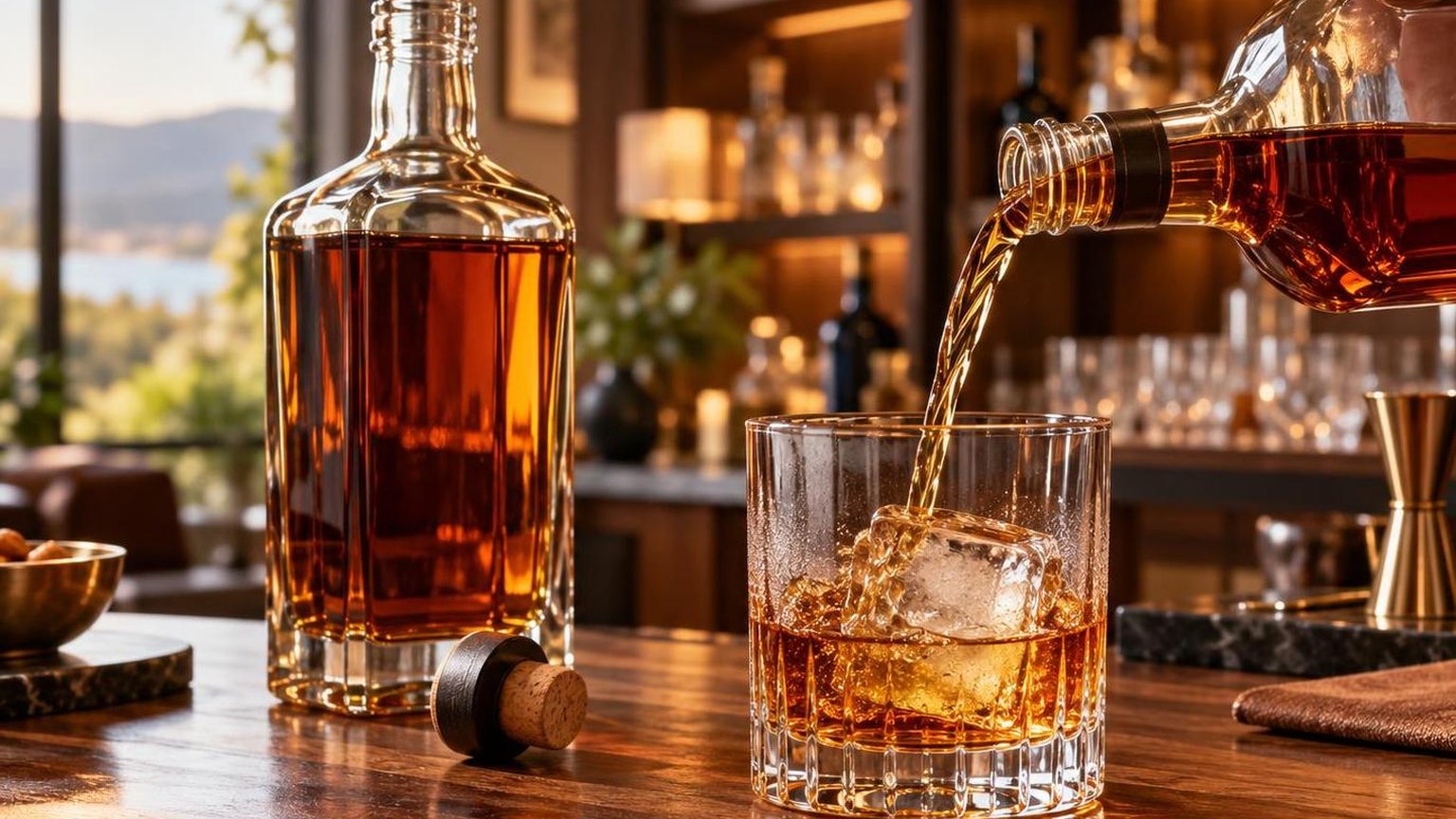
Signs Your Whiskey Has Gone Bad
Whiskey doesn’t spoil like milk or meat, but it absolutely degrades. Oxidation, heat, light, and poor sealing break down flavor compounds over time, leaving a spirit that’s safe to drink but unpleasant to experience.
Visual Indicators
Hold the bottle against a light source. Cloudiness, floating particles, or sediment at the bottom signal contamination or cork degradation.
Color changes—particularly fading from deep amber toward pale straw—indicate prolonged light exposure or oxidation.
A crumbling or dried-out cork is a reliable warning sign. Cork fragments floating in the liquid mean the seal has failed, accelerating oxidation significantly.
Aroma Red Flags
Your nose detects degradation before your palate does. Pour a small amount into a Glencairn glass and evaluate these specific off-notes:
- Nail polish remover (ethyl acetate) — sharp, solvent-like smell from ester breakdown
- Wet cardboard — indicates prolonged oxidation, similar to corked wine
- Flat, muted aroma — volatile compounds have evaporated, especially common in bottles stored below one-third full
- Musty or moldy scent — contamination from a compromised cork or improper storage
Taste Changes
Degraded whiskey loses complexity first. The mid-palate vanishes, leaving a thin, one-dimensional profile. Harsh, astringent, or overly acidic notes replace the balanced character the distiller intended.
Degradation Timeline by Bottle Fill Level
The amount of air (headspace) in a bottle directly determines oxidation speed. More air means faster degradation.
| Fill Level | Noticeable Degradation | Significant Flavor Loss |
| 75–100% full | 2–4 years | 5+ years |
| 50–75% full | 6–12 months | 1–2 years |
| 25–50% full | 2–4 months | 6–12 months |
| Below 25% full | 1–2 months | 3–6 months |
These estimates assume storage at room temperature (18–22 °C) away from direct sunlight. Higher temperatures or UV exposure compress these timelines dramatically.
When to Discard
Degraded whiskey won’t make you sick. Ethanol at 40% ABV prevents bacterial growth. Discard only if the taste brings no enjoyment—quality loss is the sole practical concern.
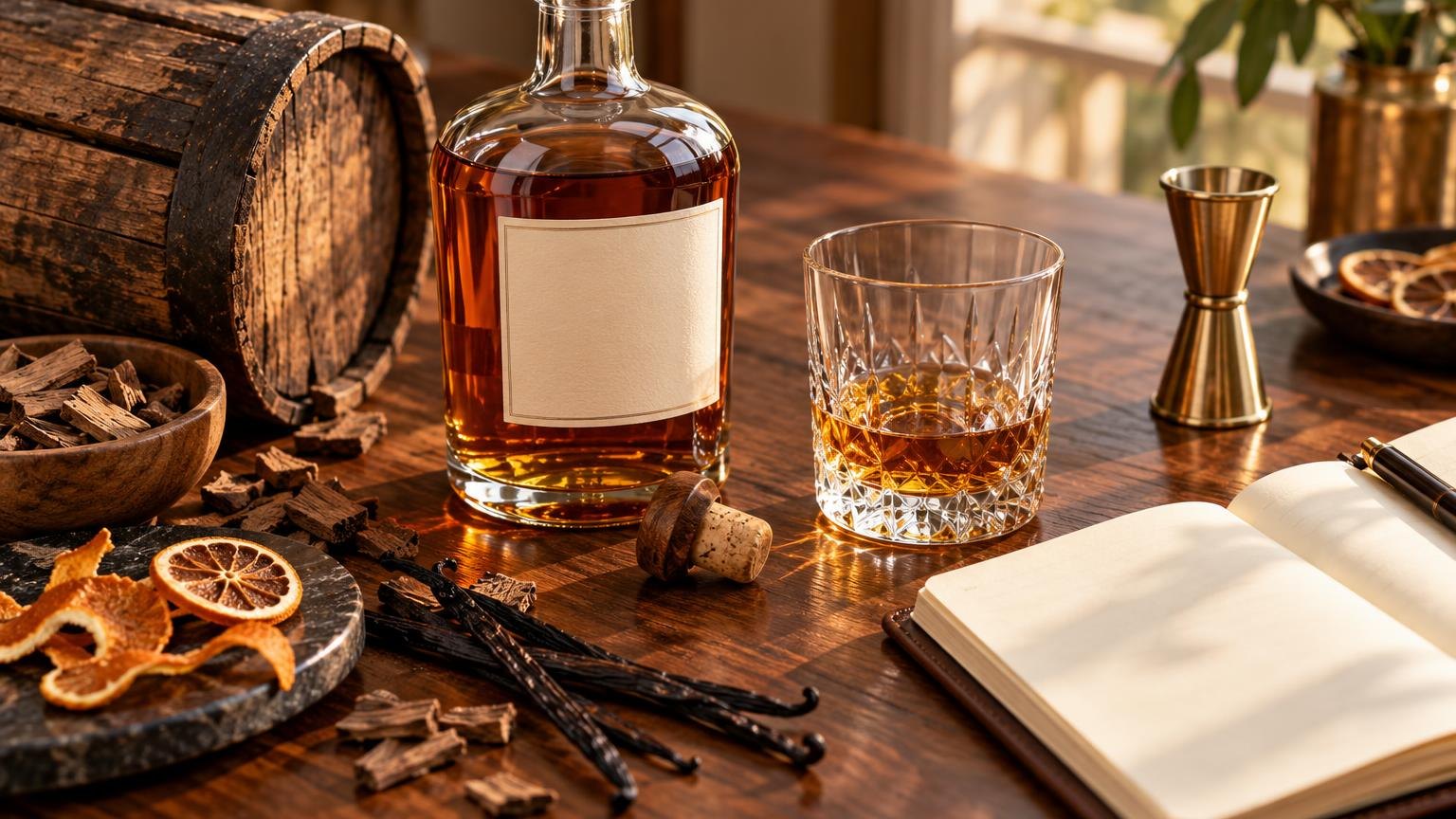
Best Storage Conditions for Whiskey
Whiskey’s stability depends on three controllable factors: temperature, light exposure, and bottle orientation. Managing these correctly preserves flavor integrity for decades in an unopened bottle and months to years after opening.
Temperature
Store whiskey between 15–20°C (59–68°F). Consistent temperature matters more than hitting an exact number. Fluctuations cause the liquid to expand and contract, pushing air past the seal and accelerating oxidation.
Temperatures above 25°C (77°F) speed up chemical reactions that degrade flavor compounds, particularly esters responsible for fruity and floral notes. Freezing won’t damage the spirit but dulls aroma perception significantly.
Light Exposure
UV radiation breaks down terpenes and phenolic compounds in whiskey. A 2017 study published in Food Chemistry confirmed that light-exposed whiskey showed measurable color degradation and flavor changes within 10 days of direct sunlight exposure.
Store bottles in a closed cabinet, box, or room with no direct sunlight. Dark glass offers partial protection but is not a substitute for proper storage away from windows.
Bottle Orientation
Always store whiskey upright. Unlike wine, whiskey’s 40–68% ABV will corrode natural cork over time, introducing off-flavors and compromising the seal. Upright storage keeps spirit contact with the cork minimal.
Opened vs. Unopened Shelf Life Comparison
| Condition | Unopened Bottle | Opened Bottle (½ full) | Opened Bottle (¼ full) |
| Flavor stability | Indefinite (decades) | 1–2 years | 3–6 months |
| Oxidation risk | Negligible | Moderate | High |
| Recommended action | Store upright, dark, cool | Consume or decant within 18 months | Consume within 6 months or transfer to smaller bottle |
Additional Measures
- Use parafilm or a wine preserver around the cap to limit oxygen exchange on opened bottles.
- Transfer remaining whiskey into a smaller glass bottle to reduce headspace — the primary driver of oxidation after opening.
- Keep bottles away from strong-smelling items; cork seals are not fully airtight and can allow odor transfer over time.
Proper storage won’t improve whiskey — it isn’t aging in the bottle — but it prevents deterioration of the profile the distiller intended.
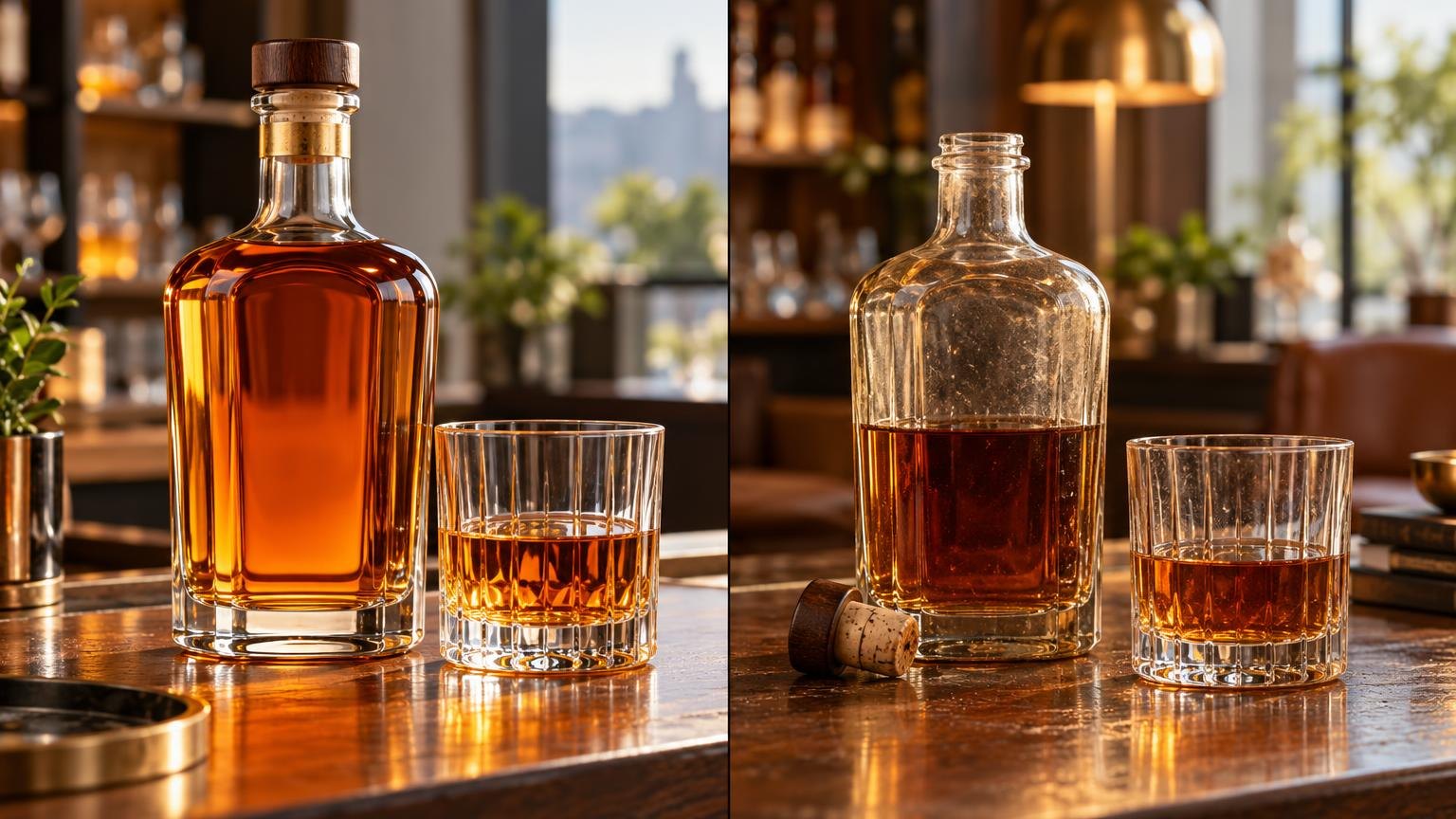
When to Replace Old Whiskey
Whiskey doesn’t spoil like milk, but it degrades. Oxidation, evaporation, and light exposure diminish flavor, aroma, and color over time.
Knowing when degradation crosses the line from “still drinkable” to “not worth drinking” saves you from pouring mediocre drams.
Timeline for Replacement
Storage conditions and fill level determine how fast whiskey deteriorates. The less liquid in the bottle, the more oxygen accelerates breakdown.
| Bottle Fill Level | Estimated Shelf Life After Opening | Primary Concern |
| 75–100% full | Up to 2 years | Minimal oxidation |
| 50–75% full | 6–12 months | Moderate oxidation, flavor flattening |
| 25–50% full | 3–6 months | Noticeable loss of aroma and complexity |
| Below 25% full | 1–3 months | Rapid degradation, stale or cardboard notes |
An unopened bottle stored upright in a cool, dark place at 15–20°C (59–68°F) remains stable for decades. The cork may dry out after 10+ years, but the liquid itself holds.
Signs It’s Time to Replace
Trust your senses before discarding. Degraded whiskey won’t make you sick—ethanol at 40% ABV prevents bacterial growth—but it will disappoint.
- Flat nose: Complex aromas (vanilla, oak, fruit) have faded to a generic alcohol smell.
- Dull color: Prolonged light exposure bleaches caramel and amber tones noticeably lighter.
- Cardboard or wet paper flavor: A telltale marker of advanced oxidation in the spirit.
- Cork disintegration: Crumbling cork introduces tannins and off-flavors into the liquid.
- Evaporation loss: If the fill level has dropped significantly without consumption, the “angel’s share” has altered the concentration and balance.
Practical Rule
Finish bottles within 1–2 years of opening. Transfer whiskey below the one-quarter mark into a smaller bottle to reduce headspace. A 100 ml sample bottle eliminates roughly 80% of the air contact compared to a near-empty 750 ml bottle.
Replacement isn’t about safety. It’s about respecting the distiller’s intended profile and your own palate. Flat whiskey wastes the experience.
Questions Readers Ask
Does an unopened bottle of whiskey expire?
An unopened bottle of whiskey stored upright in a cool, dark place at 15–20 °C remains stable indefinitely. The high alcohol content (40% ABV minimum by U.S.
TTB regulation) prevents microbial growth, and the sealed closure stops oxidation. Bottles from the 1930s and 1940s have been opened at auction and found drinkable, though minor flavor shifts from trace glass interaction can occur over decades.
How long does whiskey last after opening?
Once opened, oxidation begins altering flavor compounds—particularly esters and aldehydes—within 1–2 years for a full bottle and as quickly as 3–6 months when the bottle is less than one-quarter full.
The larger the headspace (air-to-liquid ratio), the faster the degradation. Recorking tightly and storing upright slows this process but does not stop it entirely.
Can whiskey become unsafe to drink?
Whiskey at 40% ABV or higher is inhospitable to pathogenic bacteria, so it does not become dangerous in the way perishable foods do.
The risk is quality loss, not safety: prolonged exposure to heat above 25 °C or direct UV light accelerates the breakdown of congeners and can produce flat, harsh, or cardboard-like off-flavors.
If the seal has been compromised and contaminants entered the bottle, discard it.
Does storing whiskey on its side ruin it?
Storing whiskey on its side allows the spirit to maintain prolonged contact with the cork, and the high alcohol concentration (typically 40–65% ABV) degrades natural cork material over time.
This can cause cork taint (2,4,6-trichloroanisole), crumbling, and leakage—problems that wine corks rarely face because wine sits at only 12–15% ABV. Always store whiskey bottles upright to preserve both the seal and the liquid.
How can you tell if an opened whiskey has gone bad?
Compare the aroma against what you remember or expect: a stale, flat, or acetone-like nose indicates excessive oxidation. Visually, check for a faded color or floating cork particles, both signs of degradation.
A small sip that tastes noticeably muted, sour, or papery confirms the whiskey has lost its intended profile and should be replaced.
Related Guides
- Bushmills Vs Jameson
- What Is the Difference Between Rye and Whiskey?
- Can You Put Whiskey In Eggnog?
- How Many Bottles In A Barrel Of Whiskey?
- How To Make Corn Whiskey?
- What Is the Alcohol Content of Crown Royal?
- Crown Royal Vanilla Drinks – Our Top 12 Recipes
- Tennessee Whiskey Vs Bourbon: Which Is Best?
- All Alcohol Guides
- TTB – Alcohol and Tobacco Tax and Trade Bureau: Beverage Alcohol Manual (2007)
- FDA – CPG Sec 510.400 Dealcoholized Wine and Malt Beverages (2005)
- USDA FoodData Central: Whiskey Nutrient Profile (2019)
- National Center for Biotechnology Information – Ethanol Oxidation and Volatile Compound Changes in Whisky During Storage (2017)
- MasterClass – How to Store Whiskey: 4 Tips for Storing Whiskey (2021)
- University of California Davis – Viticulture and Enology: Distilled Spirits Chemistry (2020)
- Whisky Advocate – Does Whiskey Go Bad? How to Store an Open Bottle (2022)