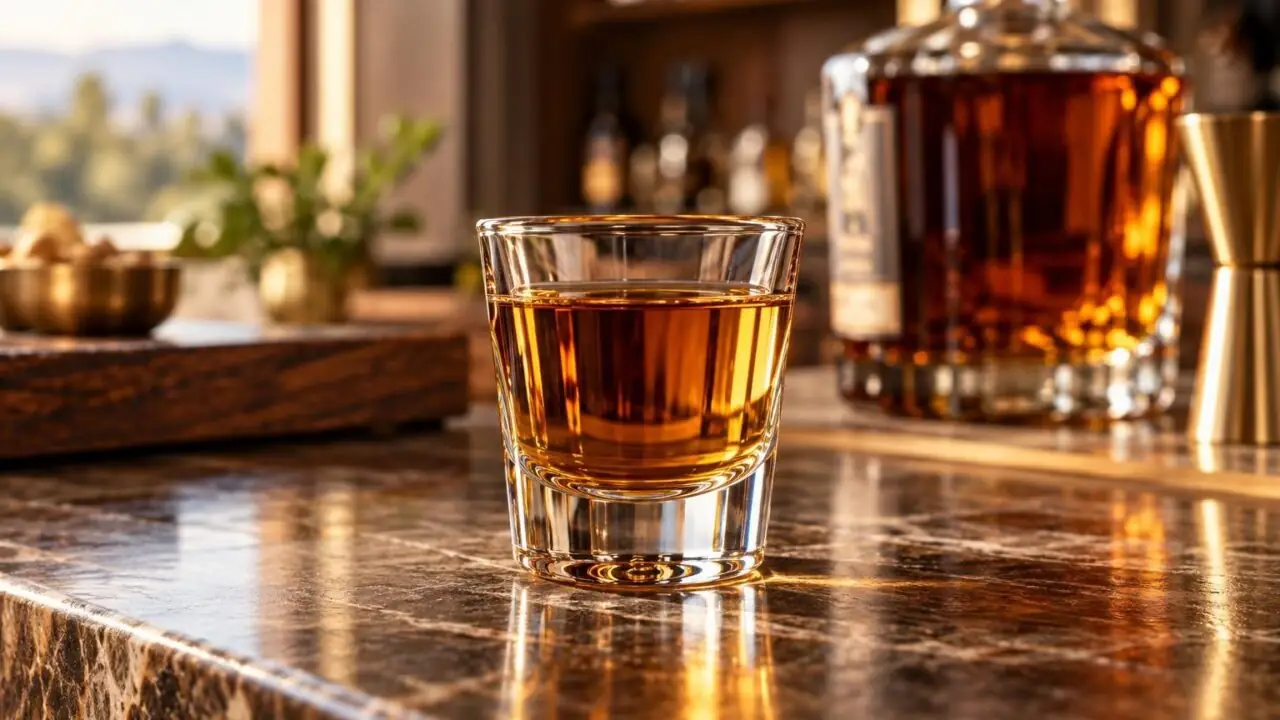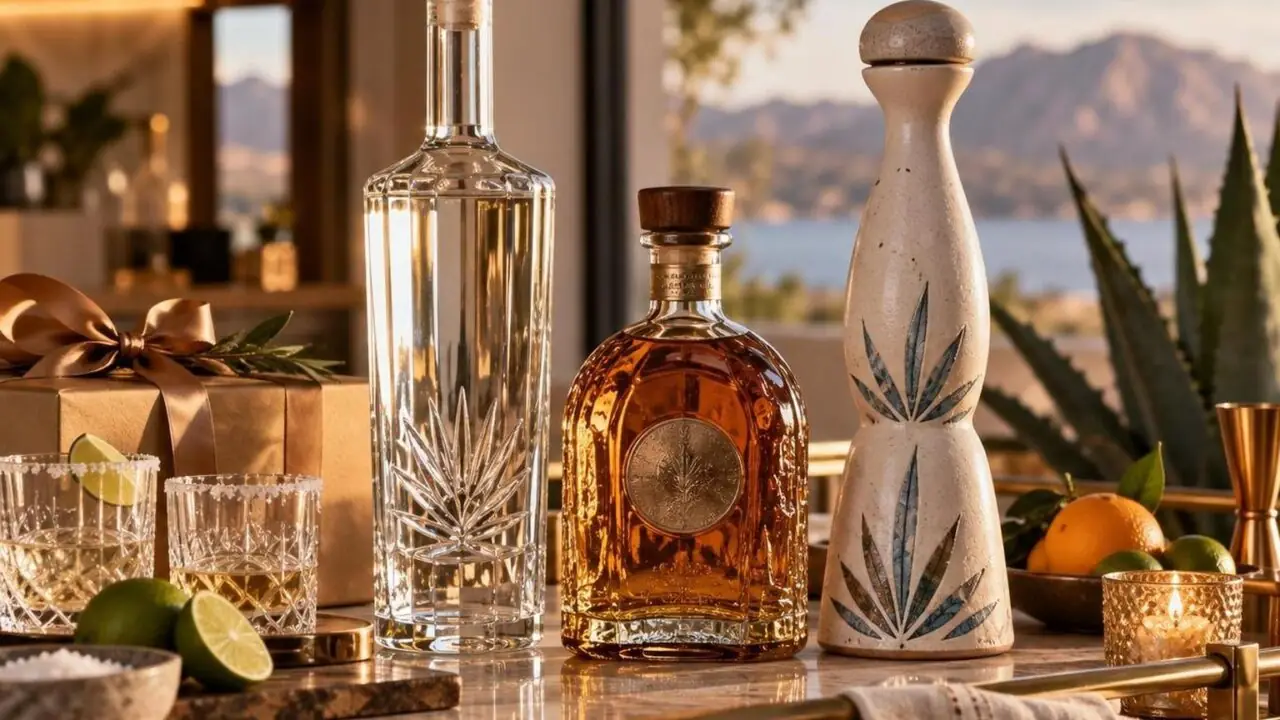
Good tequila for gift is a 100% blue Weber agave spirit priced between $50–$150, presented in a distinctive bottle with añejo or extra añejo aging that signals craftsmanship.
Recipients remember premium tequila because fewer than 30% of all tequila sold qualifies as 100% agave.
Brands like Clase Azul Reposado, Don Julio 1942, and Fortaleza Añejo consistently rank as top gift choices.
Their hand-crafted decanters and complex flavor profiles—notes of vanilla, caramel, and roasted agave—make them stand apart on any shelf.
Why Tequila Makes an Exceptional Gift
Tequila has evolved from a party shot into one of the most collectible and appreciated spirits worldwide. The category grew 16.5% in US revenue in 2022, surpassing American whiskey for the first time.
A well-chosen bottle signals sophistication and cultural awareness.
A Spirit with Protected Origin
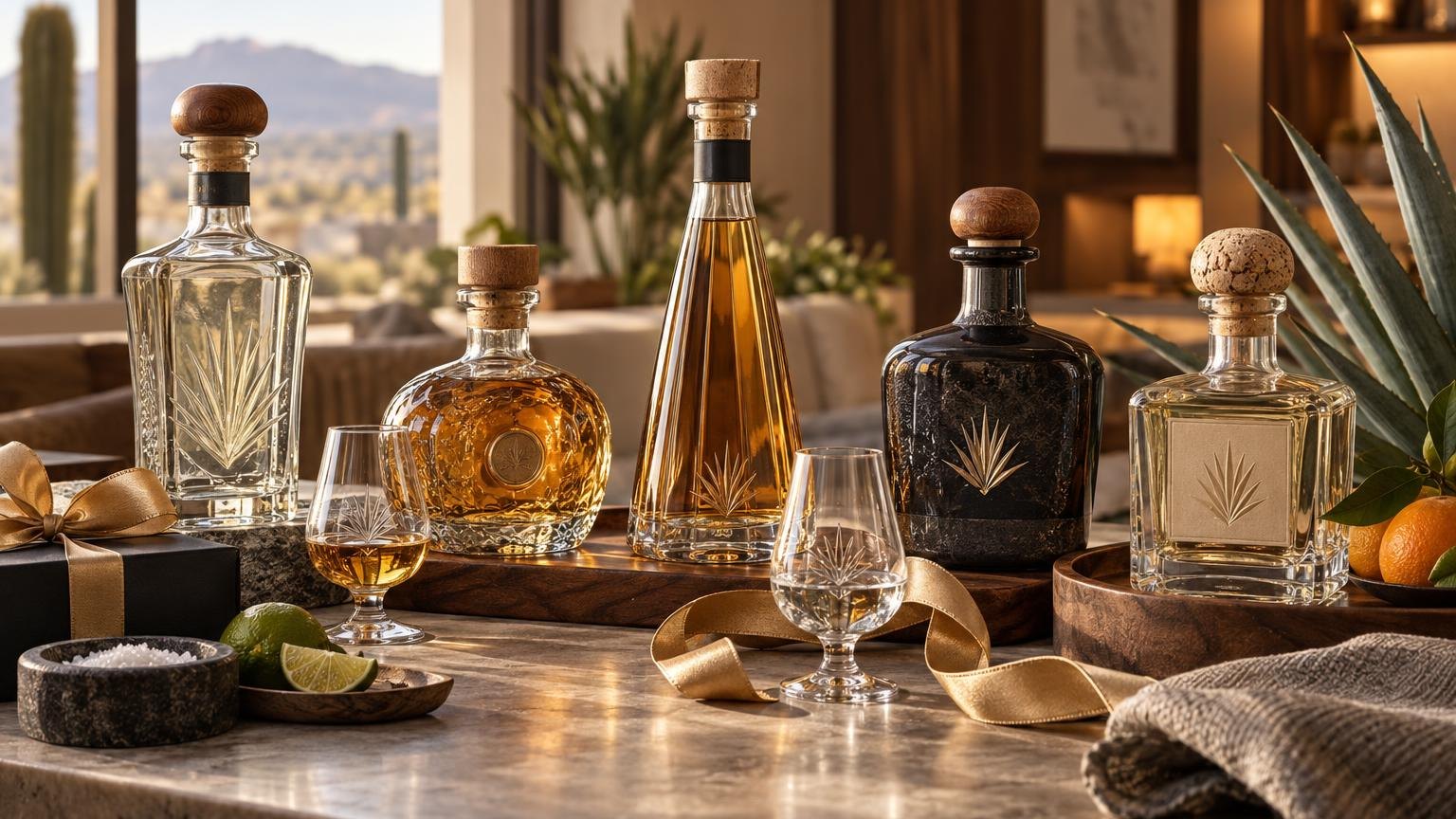
Tequila carries a Denomination of Origin (DOT), meaning it can only be produced in five Mexican states: Jalisco, Guanajuato, Michoacán, Nayarit, and Tamaulipas.
This geographic exclusivity parallels Champagne and Scotch whisky, giving every bottle an inherent sense of place and authenticity.
The Consejo Regulador del Tequila (CRT) oversees production standards.
Each bottle bearing a NOM (Norma Oficial Mexicana) number traces directly to a certified distillery, guaranteeing provenance—a detail gift recipients who value craftsmanship will appreciate.
Price Range Fits Every Budget
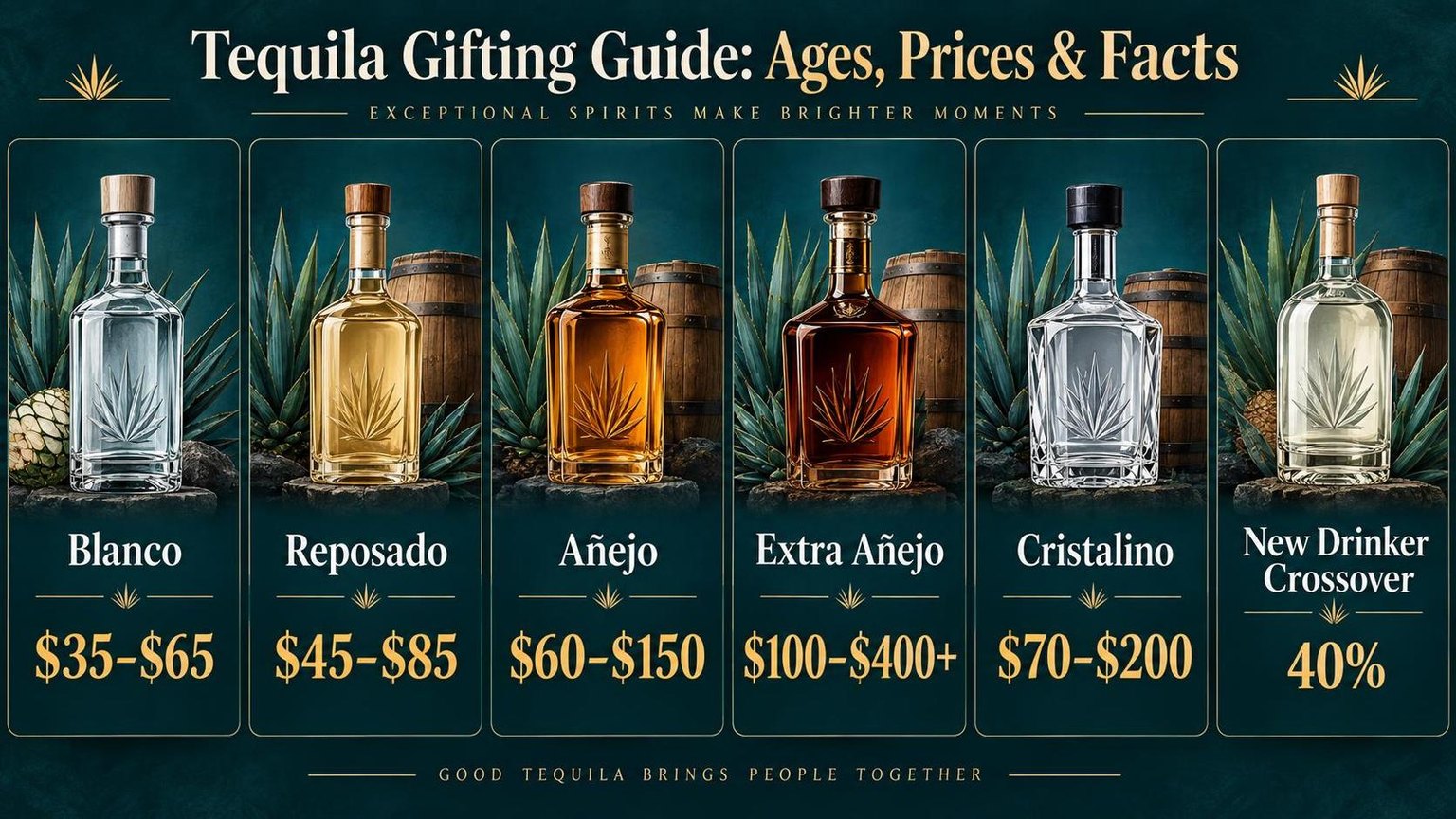
Tequila spans a wider gifting price spectrum than most premium spirits. The table below shows typical retail ranges by expression category in the US market.
| Expression | Aging Requirement | Typical Gift-Quality Price |
| Blanco | 0–59 days | $35–$65 |
| Reposado | 2–12 months | $45–$85 |
| Añejo | 1–3 years | $60–$150 |
| Extra Añejo | 3+ years | $100–$400+ |
| Cristalino | Aged, then charcoal-filtered | $70–$200 |
Universal Appeal Across Palates
Unlike peated Scotch or barrel-proof bourbon, tequila’s flavor profile—bright agave, citrus, and herbaceous notes—tends to be approachable.
Aged expressions introduce vanilla, caramel, and oak that appeal to whiskey drinkers transitioning into agave spirits.
A 2023 IWSR report noted that 40% of new tequila consumers previously identified as non-spirits drinkers. This crossover appeal means a tequila gift is less likely to sit unopened on a shelf.
Presentation and Bottle Design
Tequila producers invest heavily in packaging. Brands like Clase Azul use hand-painted ceramic decanters crafted by Mexican artisans. Casa Dragones delivers bottles in lacquered boxes. These details eliminate the need for additional gift wrapping.
- Shelf presence: Many premium tequila bottles double as decorative objects after consumption
- Limited editions: Seasonal and small-batch releases create scarcity and collectibility
- Cultural story: Every 100% agave tequila represents 6–8 years of plant growth before harvest, a narrative that adds meaning to the gift
Versatility in Use
Recipients can sip añejo neat, mix blanco into a classic Margarita, or use reposado in an Old Fashioned variation. This flexibility ensures the gift gets enjoyed regardless of the recipient’s drinking style.
Tequila also pairs well with food—grilled proteins, citrus-dressed seafood, and dark chocolate. A bottle effectively becomes an invitation to a memorable meal, extending its impact beyond a single pour.
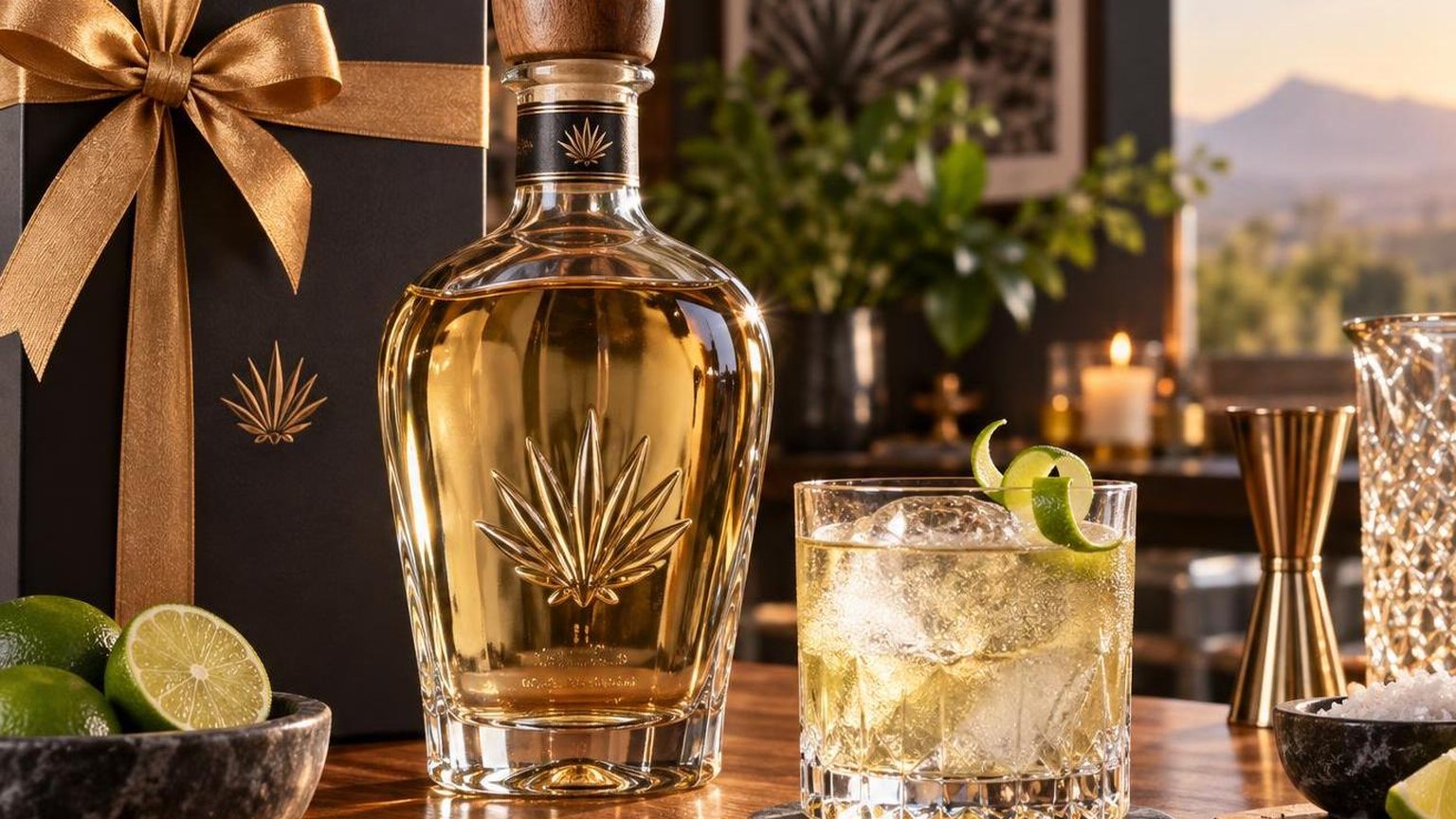
Top Aged Tequilas Worth Gifting
Aged tequilas — reposado, añejo, and extra añejo — deliver the complexity and presentation that elevate a bottle from casual purchase to memorable gift.
The aging process in oak barrels transforms agave spirit into something rivaling fine whiskey or cognac in depth.
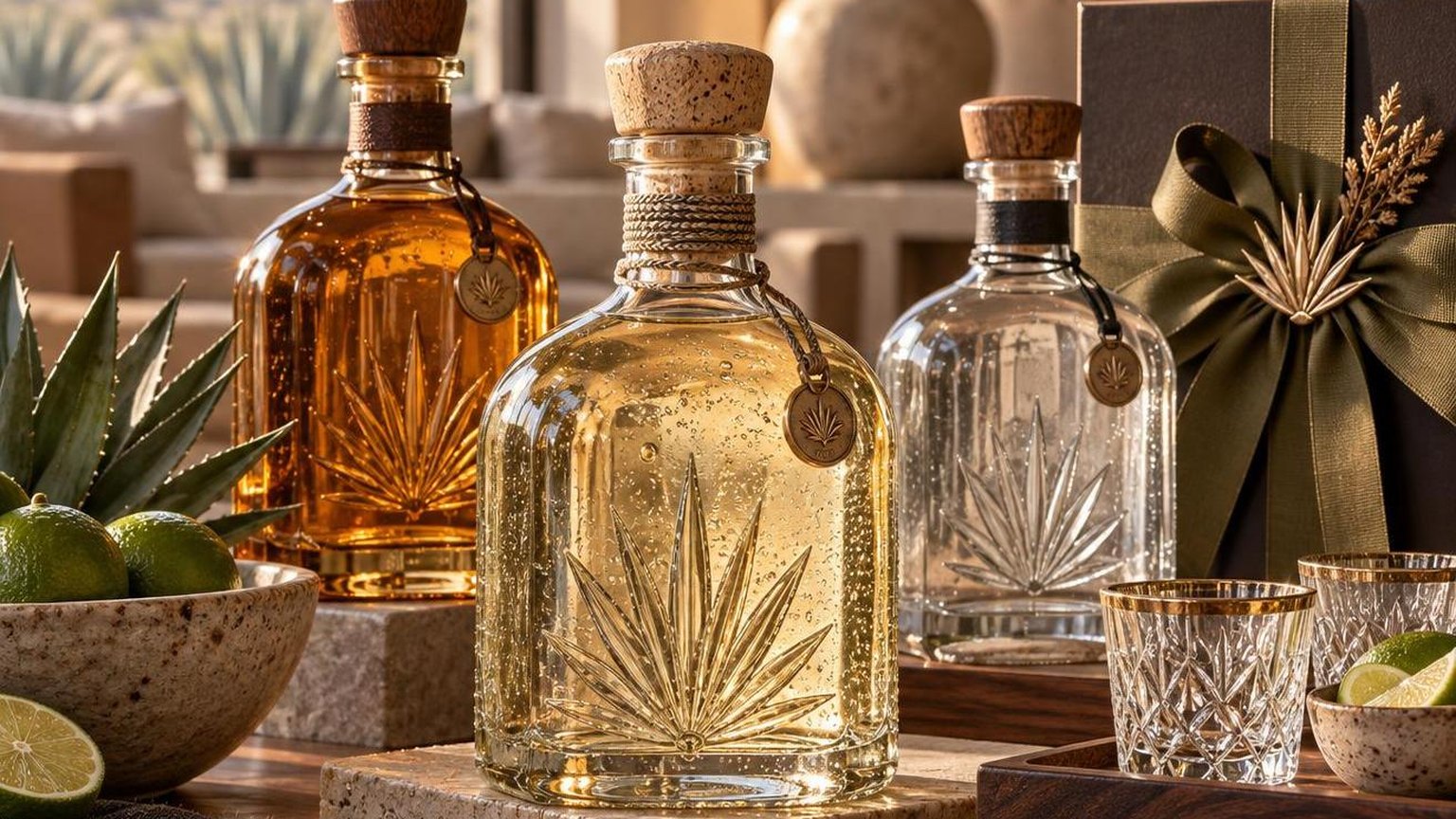
Understanding Aging Categories
| Category | Aging Period | Flavor Profile | Gift Price Range |
| Reposado | 2–12 months | Light oak, vanilla, herbal agave | $40–$80 |
| Añejo | 1–3 years | Caramel, dried fruit, toasted wood | $60–$150 |
| Extra Añejo | 3+ years | Dark chocolate, tobacco, deep spice | $100–$400+ |
Standout Bottles for Gifting
Don Julio 1942: Aged a minimum of 2.5 years in American white oak barrels, this extra añejo retails around $150–$175. Its tall, distinctive bottle and caramel-butterscotch profile make it the most recognizable gift tequila in the United States.
Clase Azul Reposado: Rested 8 months in hand-selected oak barrels. The hand-painted Talavera ceramic decanter, crafted by artisans in Jalisco, justifies its $150–$170 price as a dual gift — spirit and art piece.
Fortaleza Añejo: Produced at the historic La Fortaleza distillery (NOM 1493) using a traditional tahona stone to crush cooked agave. Aged 18 months in American oak. Retails near $65–$80, offering exceptional value for a craft añejo.
Tears of Llorona Extra Añejo: Aged 5 years in a combination of former scotch, sherry, and bourbon barrels. Produced in small batches of approximately 4,000 bottles per release. Expect to pay $250–$300.
El Tesoro Paradiso: A collaboration with French cognac house A. de Fussigny. This añejo rests 5 years in former cognac barrels, producing notes of dried apricot and baking spice. Typically priced around $100–$120.
What Makes a Tequila Gift-Worthy
- 100% agave designation — avoid mixto tequilas, which contain as little as 51% agave sugars
- NOM number — confirms the registered distillery and guarantees authenticity
- Additive-free status — brands certified by Tequila Matchmaker’s Additive-Free program signal purity and craft
- Presentation packaging — wooden boxes, numbered bottles, or ceramic decanters add perceived value
- Limited production — small-batch releases from single-estate distilleries carry exclusivity
Pairing a Gift Tequila with Accessories
Elevate the gift further by including Riedel’s tequila-specific glass (designed in 2002, shaped to direct aroma toward the nose) or a set of hand-carved jícara cups from Oaxaca. These additions show thoughtfulness beyond the bottle itself.
For recipients who appreciate whiskey or bourbon, an añejo or extra añejo bridges familiar territory. The barrel aging produces shared flavor compounds — vanillin, lactones, tannins — making it an intuitive crossover gift.
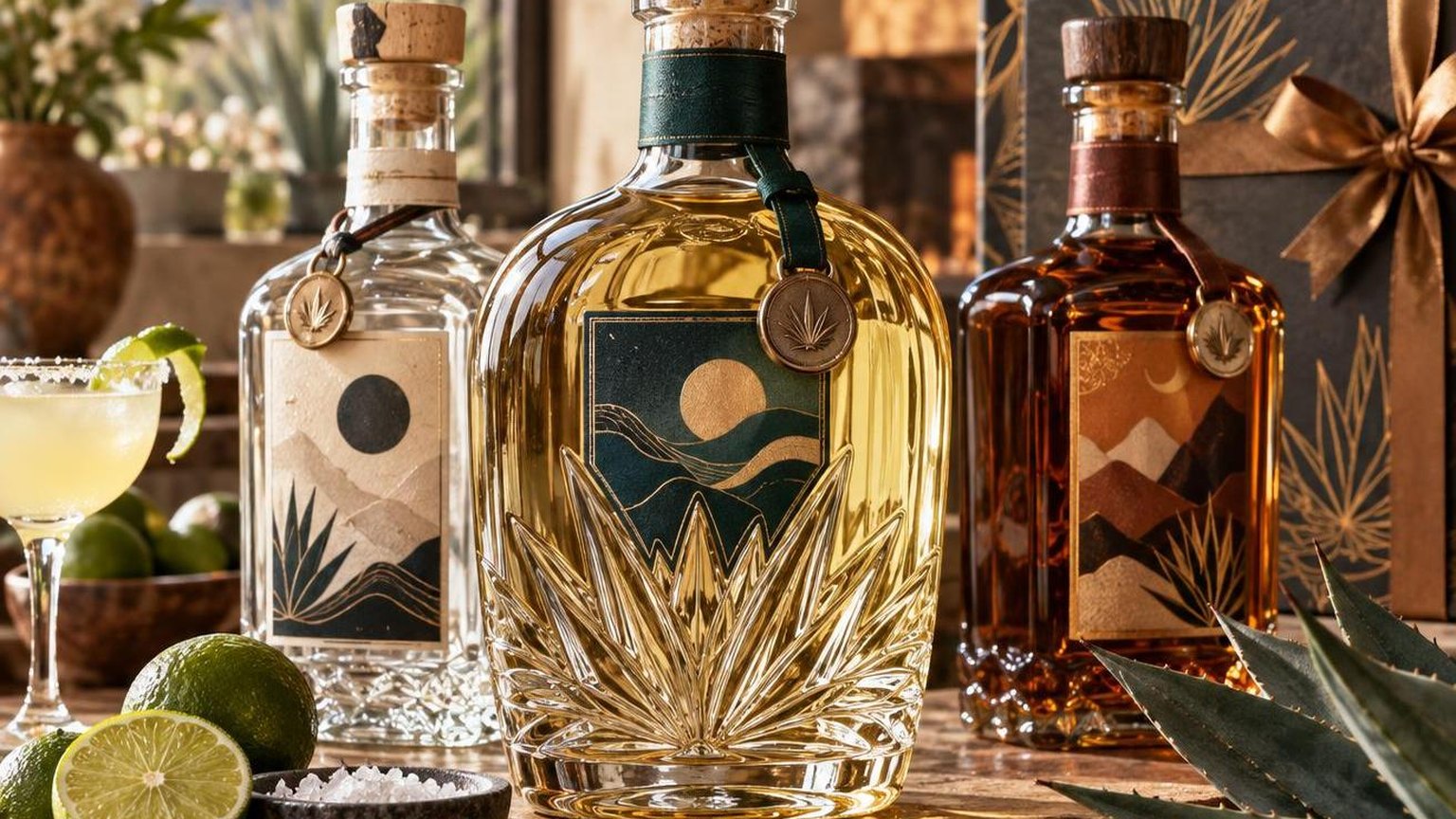
Best Tequila Gifts Under 100 Dollars
The $50–$100 price range delivers exceptional añejo and reposado tequilas made from 100% blue Weber agave.
These bottles offer premium quality, attractive packaging, and genuine sipping complexity — three qualities that separate a memorable gift from a forgettable one.
Top Picks at a Glance
| Tequila | Type | Approx. Price | Agave Source | Aging |
| Clase Azul Plata | Blanco | $80–$95 | Jalisco Highlands | Unaged |
| Don Julio Añejo | Añejo | $55–$65 | Jalisco Highlands | 18 months |
| Fortaleza Reposado | Reposado | $55–$70 | Tequila Valley | 6–8 months |
| Casamigos Añejo | Añejo | $50–$60 | Jalisco Highlands | 14 months |
| Patrón El Alto Reposado | Reposado | $85–$99 | Jalisco Highlands | 4+ months |
| Tears of Llorona No. 3 | Extra Añejo | $90–$100 | Jalisco | 5 years |
Why These Bottles Stand Out as Gifts
Clase Azul Plata wins on presentation alone. Each hand-painted ceramic decanter takes 2 weeks to produce by Mexican artisans in Jesús María, Jalisco. Recipients keep the bottle long after the tequila is gone.
Don Julio Añejo ages 18 months in American white-oak barrels, producing butterscotch and dark chocolate notes. Its tall, slender bottle with the gold label reads as premium without crossing into extravagant territory.
Fortaleza Reposado is a connoisseur’s pick. Produced at the original Sauza family distillery (NOM 1493) using a traditional tahona stone to crush the agave, it carries cooked agave, citrus, and vanilla in every sip.
Casamigos Añejo rests 14 months in premium oak, resulting in a smooth, caramel-forward profile with low burn. It appeals to tequila newcomers and experienced drinkers equally, making it a safe yet impressive gift.
Tears of Llorona No. 3 spends 5 years aging in a combination of Scotch, sherry, and American bourbon barrels. At around $95, it’s one of the most affordable extra añejos with that depth of barrel complexity.
Gift-Worthiness Checklist
- 100% agave — every bottle listed uses pure blue Weber agave with no mixto fillers
- Distinctive packaging — ceramic decanters, embossed glass, or branded boxes elevate the unboxing
- Sipping quality — all six bottles are meant to be enjoyed neat or with a single ice cube, not mixed
- Brand recognition — recipients immediately recognize brands like Don Julio and Patrón, adding perceived value
- NOM verification — each carries a Norma Oficial Mexicana number confirming authentic Mexican production
Pairing a Tequila Gift With Extras
Elevate the gift by adding Riedel’s tequila-specific glass (roughly $30 for a set of two). The narrow tulip shape concentrates aromas and reduces ethanol burn on the nose.
Dark chocolate with 70%+ cacao content pairs exceptionally well with añejo tequilas. A small box of single-origin Mexican chocolate — from Oaxaca, for example — ties the entire gift to its cultural roots.
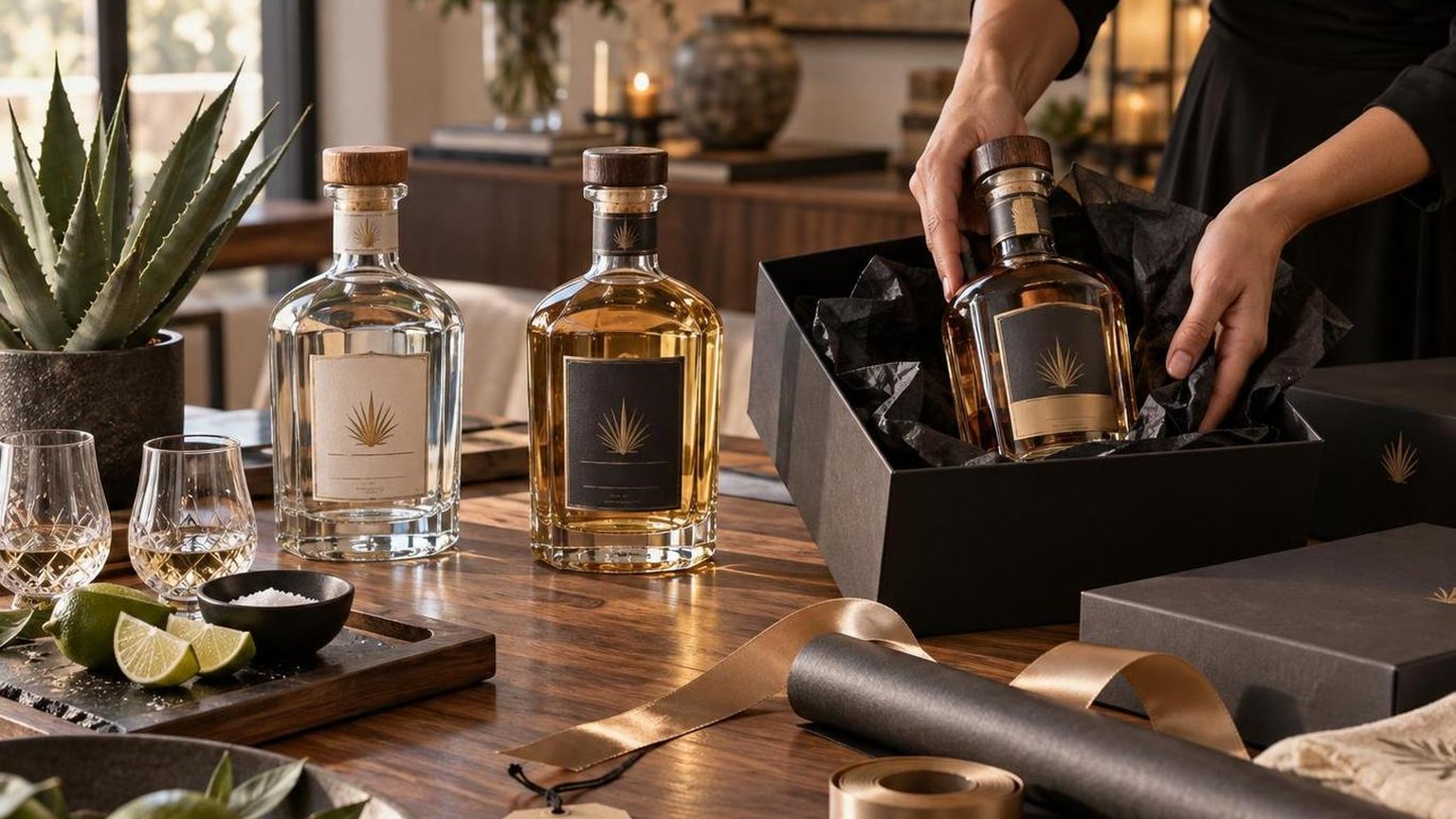
Presentation and Packaging That Impress
Gift-worthy tequila demands packaging that matches the liquid inside. Top-tier brands invest heavily in bottle design, hand-applied labels, and collector-grade boxes — elements that transform a spirit purchase into a genuine luxury experience.
Clase Azul Reposado exemplifies this philosophy. Each ceramic decanter is hand-painted by artisans in Dolores Hidalgo, Mexico, requiring approximately 16 days to complete.
The cobalt-blue feathered design and silver-plated cap make the empty bottle a sought-after decorative piece, with secondhand decanters reselling for $40–$80 alone.
Packaging Elements That Signal Premium Quality
- Hand-numbered bottles: Brands like Don Julio 1942 individually number each bottle, reinforcing exclusivity and collectibility.
- Wooden presentation boxes: Fortaleza Añejo ships in a branded wooden crate with a magnetic closure, adding tactile weight to the unboxing.
- Crystal or hand-blown glass: Gran Patrón Burdeos uses hand-blown, individually numbered bottles with a crystal stopper, presented in a velvet-lined wooden box.
- Embossed or debossed labels: Casa Dragones Joven features a laser-etched crystal decanter designed by architect David Howell, with each bottle signed by the founder.
Price vs. Packaging Comparison
The table below compares retail price ranges and key packaging features across popular gift tequilas available in the US market.
| Brand & Expression | Approx. US Retail | Packaging Highlights |
| Clase Azul Reposado | $150–$180 | Hand-painted ceramic decanter, pewter cap |
| Don Julio 1942 | $140–$175 | Tall tapered bottle, individually numbered, coffin-style box |
| Gran Patrón Burdeos | $400–$500 | Hand-blown bottle, crystal stopper, velvet-lined box |
| Casa Dragones Joven | $260–$300 | Laser-etched crystal decanter, signed by founder |
| Tears of Llorona Extra Añejo | $250–$300 | Day of the Dead artwork label, wax seal, hand-numbered |
| Fortaleza Añejo | $60–$75 | Embossed glass, branded wooden crate |
Details That Elevate the Gift Experience
Wax seals communicate craft and authenticity. Tears of Llorona applies a hand-dipped black wax seal that recipients must crack open — a small ritual that heightens anticipation.
Weight matters psychologically. Don Julio 1942’s tall, narrow bottle weighs roughly 1.4 kg empty, nearly double a standard 750 ml tequila bottle. Heavier glass conveys perceived value before the first pour.
Consider presentation beyond the bottle itself.
Many US retailers offer complimentary gift wrapping, but pairing the tequila with Riedel’s tequila-specific crystal glasses (roughly $30 per pair) creates a complete, curated gift that shows deliberate thought.
Seasonal and limited-edition releases offer additional gifting leverage.
Don Julio released a limited Primavera expression in a pink-labeled bottle that sold out within weeks at $120–$140, demonstrating how scarcity and visual distinction drive gift appeal.
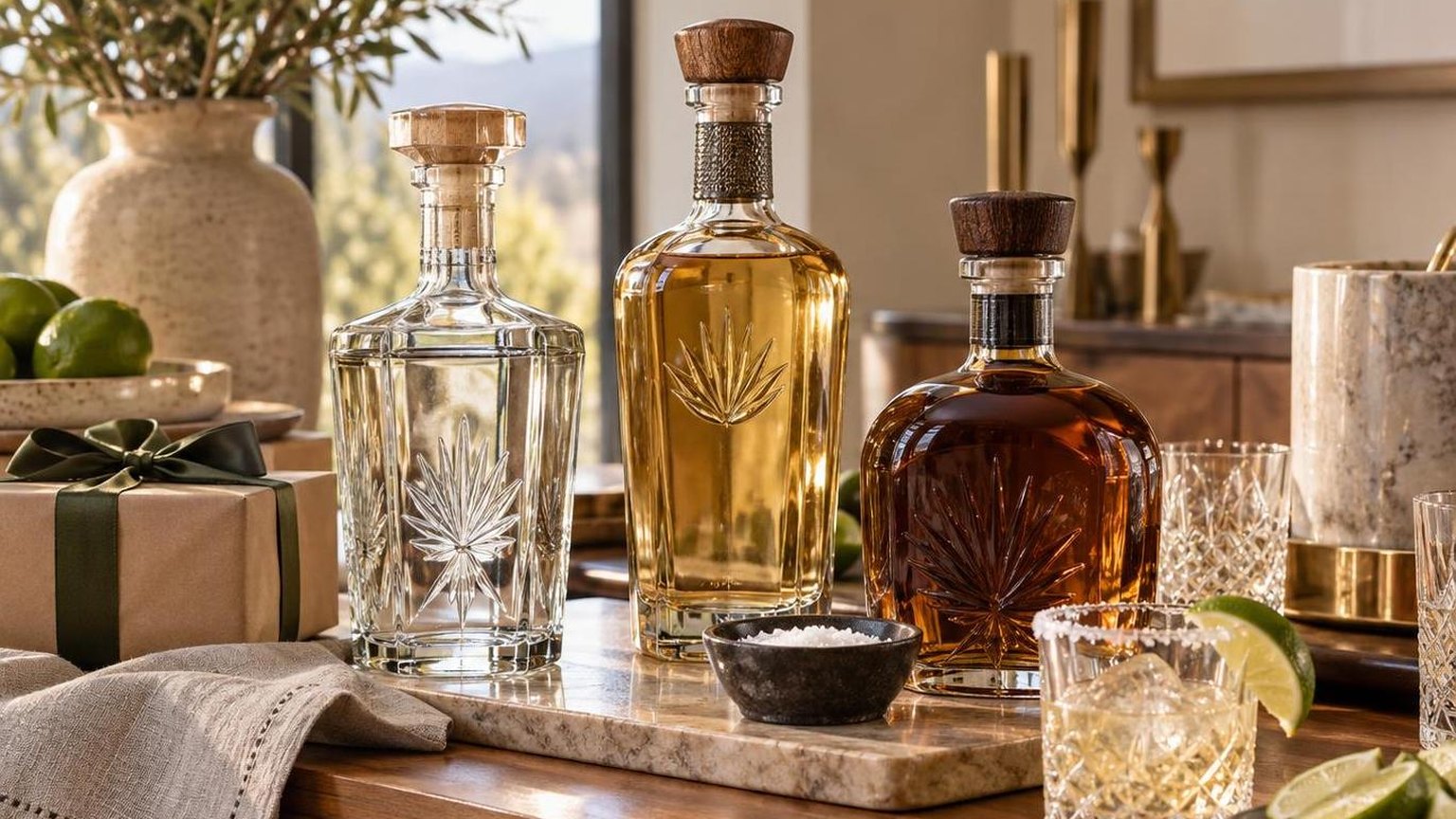
How to Choose Tequila for Any Recipient
Selecting tequila as a gift requires matching the bottle to the recipient’s palate, experience level, and the occasion.
A $50 añejo suits a whiskey drinker perfectly, while a craft blanco in the $60–$90 range impresses a cocktail enthusiast who values clean agave flavor.
Match the Category to the Drinker
Tequila’s five official categories—blanco, joven, reposado, añejo, and extra añejo—each deliver distinct flavor profiles. The CRT (Consejo Regulador del Tequila) defines aging minimums that directly shape taste.
| Category | Aging Requirement | Best Gift Recipient | Typical Gift Price Range |
| Blanco | 0–59 days | Cocktail enthusiasts, margarita lovers | $40–$80 |
| Reposado | 2–12 months in oak | Versatile drinkers, tequila newcomers | $45–$90 |
| Añejo | 1–3 years in oak | Whiskey and bourbon fans | $55–$120 |
| Extra Añejo | 3+ years in oak | Luxury collectors, special milestones | $100–$300+ |
Prioritize 100% Agave
Mexican law permits tequila labeled simply “tequila” to contain as little as 51% blue Weber agave sugars, with the rest from other sources.
Gift-worthy bottles should always state “100% de agave” on the label—a non-negotiable quality marker.
Consider the Occasion
- Birthday or casual celebration: A reposado between $50–$70 hits the sweet spot—approachable yet elevated above everyday bottles.
- Wedding or milestone anniversary: Extra añejo or limited-edition releases in presentation boxes signal significance. Expect $150–$300.
- Corporate gift: Stick to recognized premium brands in the $60–$100 range. Avoid overly obscure labels that may not register with the recipient.
- Host/hostess gift: A quality blanco ($40–$60) paired with Cointreau and fresh limes creates a complete margarita kit—practical and thoughtful.
NOM Numbers Tell the Story
Every authentic tequila bottle carries a four-digit NOM (Norma Oficial Mexicana) number identifying the distillery. Over 150 distilleries across Jalisco and four other authorized Mexican states produce tequila under CRT oversight.
Researching the NOM reveals whether a brand distills its own product or contracts production. Single-distillery brands often carry more artisanal credibility as gifts.
Presentation Details That Matter
Premium tequilas frequently ship in individual boxes, wooden crates, or hand-blown glass decanters. Fortaleza uses hand-blown bottles. Clase Azul’s ceramic vessels are hand-painted by Mexican artisans over 72 hours per piece.
Weight matters psychologically—heavier bottles with quality closures feel more luxurious. Cork stoppers outperform screw caps for perceived gift value, though neither affects the liquid inside.
One Rule Above All
Spend at least $45. Below that threshold, finding 100% agave tequila with genuine gift-worthy presentation becomes difficult.
The $55–$90 range delivers the strongest combination of quality, packaging, and recipient impact across all categories.
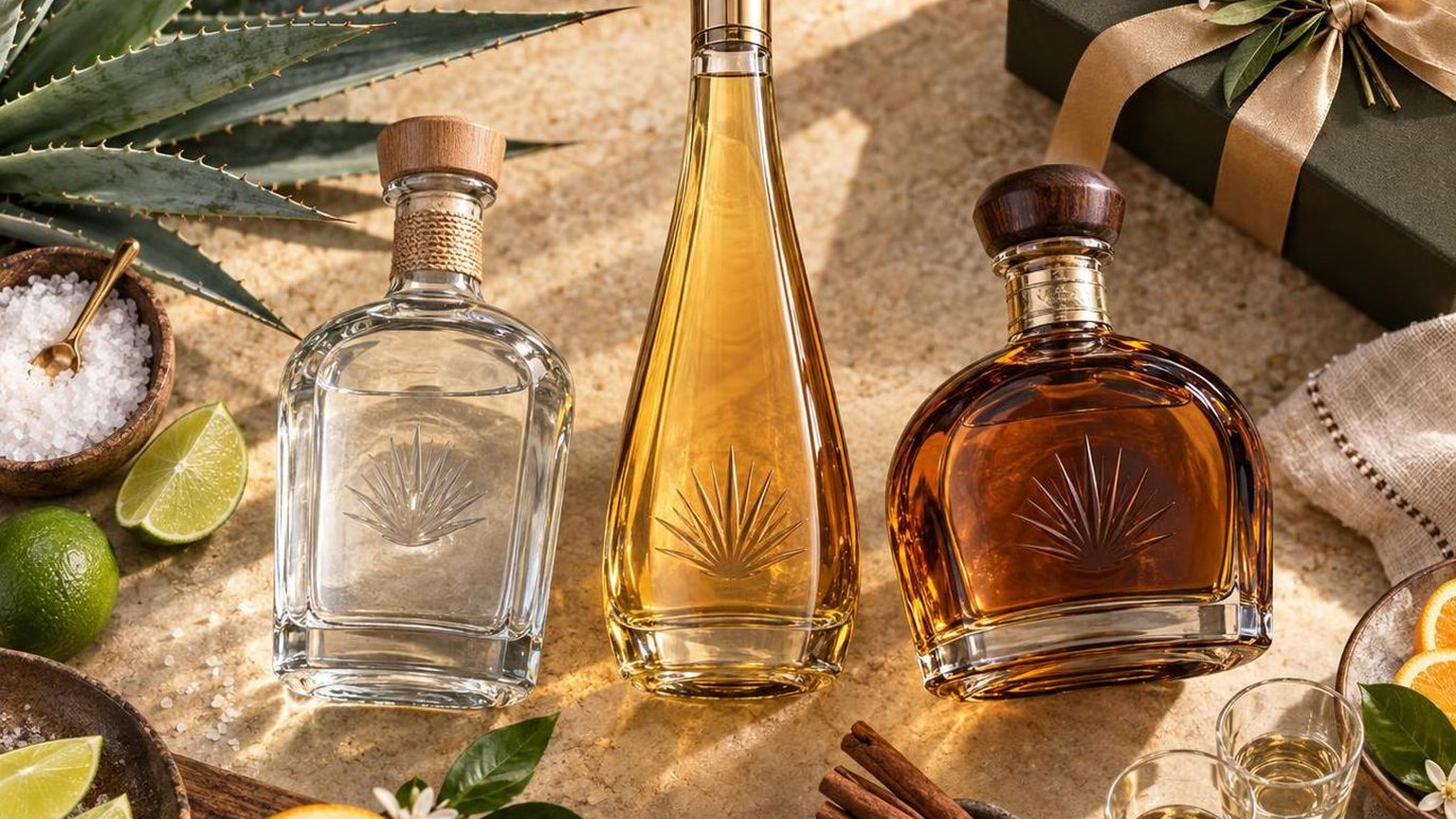
Questions Readers Ask
What price range defines a gift-worthy tequila?
Expect to spend between $50 and $150 for a tequila that signals thought and quality.
Bottles in this bracket—such as Fortaleza Reposado (~$55), Clase Azul Reposado (~$170), or Don Julio 1942 (~$150)—use 100% blue Weber agave, carry NOM certification, and deliver complexity that casual mixtos cannot match.
Anything above $200 enters collector territory and suits milestone occasions like retirements or landmark birthdays.
Should I gift a blanco, reposado, or añejo tequila?
For recipients who enjoy sipping spirits neat, añejo (aged 1–3 years in oak) or extra añejo (3+ years) offers the smoothest, most whiskey-adjacent profile with notes of caramel and vanilla.
Reposado (aged 2–12 months) works as the safest all-around gift because it balances agave brightness with barrel warmth and suits both sipping and elevated cocktails.
Blanco is ideal only if you know the recipient appreciates raw agave character or makes craft margaritas.
Is Don Julio 1942 actually worth the hype as a gift?
Don Julio 1942 is an extra añejo aged a minimum of 2.5 years, produced at NOM 1449 in Atotonilco El Alto, Jalisco. Its tall, slender bottle photographs well and is instantly recognizable, which adds perceived value to the gesture.
The liquid itself delivers butterscotch, warm oak, and mild chocolate—crowd-pleasing flavors that rarely disappoint even non-tequila drinkers.
What tequila brands offer the best presentation and packaging for gifting?
Clase Azul Reposado ships in a hand-painted Talavera ceramic decanter crafted by artisans in Dolores Hidalgo, Mexico—the bottle alone becomes a decorative piece.
Gran Patrón Burdeos comes in a numbered crystal bottle inside a wooden box, retailing near $400.
For a more accessible option, Código 1530 Rosa uses French white-oak Cabernet barrels and arrives in a blush-tinted bottle with a leather-wrapped cork, typically priced around $60–$75.
Are there high-quality additive-free tequilas that make good gifts?
Mexican regulations (NOM-006-SCFI-2012) allow up to 1% by volume of additives—including glycerin, oak extract, caramel coloring, and sugar-based syrup—without disclosure.
Brands verified additive-free by the Tequila Matchmaker app’s additive-free program include Fortaleza, G4, Pasote, Terralta, and Tapatio.
Gifting one of these signals insider knowledge and appeals to recipients who value authenticity in craft spirits.
What is the best tequila gift for someone who normally drinks whiskey?
Choose an extra añejo finished in American or French oak, which mirrors the barrel-aged warmth whiskey drinkers expect.
El Tesoro Extra Añejo (aged 4–5 years, ~$100) delivers deep toffee and dried-fruit notes comparable to a well-aged bourbon.
Tears of Llorona Extra Añejo, aged 5 years in a combination of scotch, sherry, and brandy casks, retails around $250 and consistently scores above 95 points from major spirits reviewers.
Where should I buy tequila as a gift to ensure authenticity?
Purchase from licensed retailers—Total Wine, Reserve Bar, or state-controlled liquor stores—that source directly from verified distributors.
Every authentic tequila bottle displays a four-digit NOM number on the label, which you can cross-reference at the Consejo Regulador del Tequila (CRT) website to confirm the distillery of origin.
Avoid third-party marketplace sellers on platforms like Amazon or eBay, where counterfeit spirits have been documented by the FDA and international customs agencies.
Keep Exploring
- Does Tequila Have Yeast?
- How Many Calories Does a Shot of Tequila Have?
- Lowest Calorie Tequila – With Easy-to-Find Ingredients
- How To Drink Anejo Tequila?
- Blanco Vs Reposado: The Difference You Need To Know
- Don Julio Primavera Vs 1942: Which Is Better?
- How To Open A Tequila Bottle?
- What Is Blue Bottle Tequila? Find Out Now
- What Is Tequila And Pineapple Juice Called?
- All Alcohol Guides
- U.S. Alcohol and Tobacco Tax and Trade Bureau – Distilled Spirits Standards of Identity (2023)
- FDA – Labeling Requirements for Distilled Spirits (2024)
- National Institutes of Health / NIAAA – Understanding Alcohol's Impact on Health (2023)
- NCBI / PubMed – "Volatile Compounds in Tequila: Characterization and Differentiation by Aging Class" (2021)
- University of California, Davis – Viticulture & Enology: Agave Spirits Research (2022)
- Consejo Regulador del Tequila (CRT) – Norma Oficial Mexicana NOM-006 Tequila Standards (2023)
- Wine Enthusiast – Top-Rated Tequilas for Gifting (2024)