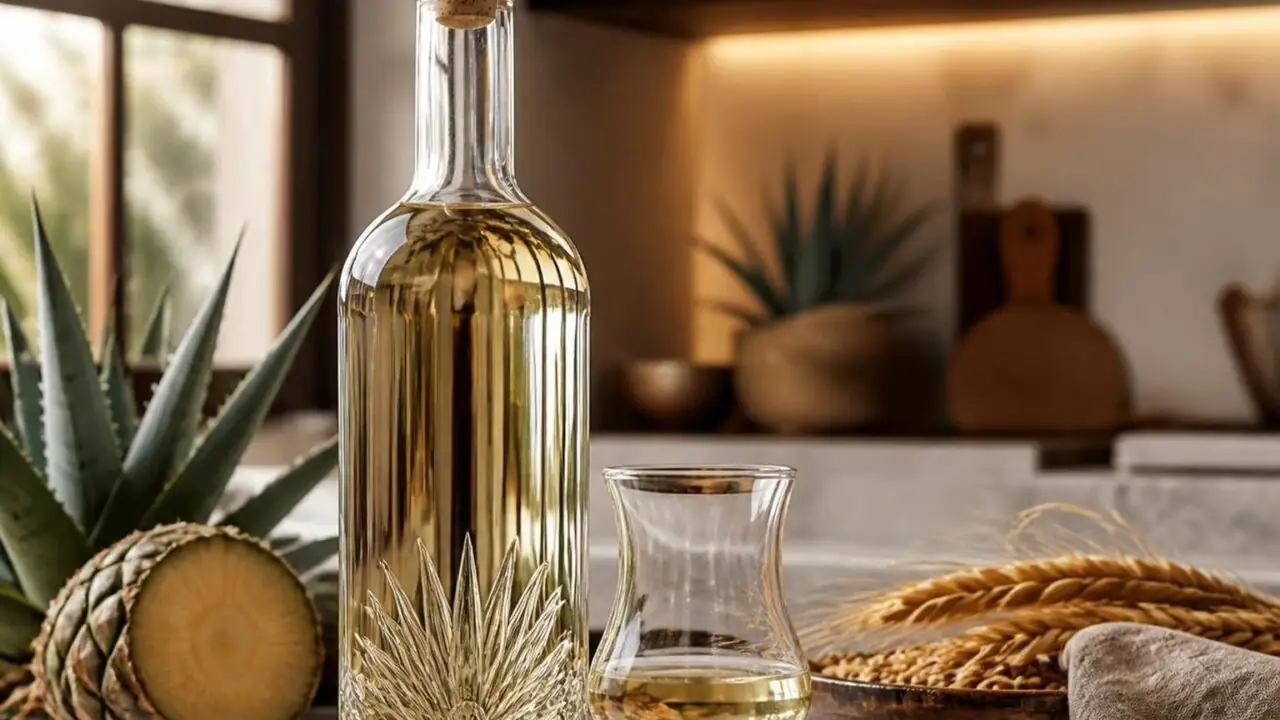
Does Tequila Have Gluten? is no: 100% agave tequila is distilled from blue agave, not wheat, barley, or rye.
Distillation separates alcohol from proteins, including gluten, which is why pure tequila is considered gluten-free by celiac-focused medical and nutrition sources.
The risk comes from additives, flavorings, mixto tequila, and shared production or bottling lines. U.S. tequila can be 100% agave or “mixto,” which may include up to 49% non-agave sugars before distillation.
For the safest pour, choose bottles labeled “100% de agave,” avoid flavored versions unless the producer verifies gluten-free status, and check allergen statements when drinking canned tequila cocktails or premixed margaritas.
What Gluten Is and Why It Matters
Gluten is a group of storage proteins naturally found in wheat, barley, and rye. It matters because even tiny amounts can trigger serious symptoms in people with celiac disease, wheat allergy, or non-celiac gluten sensitivity.
For tequila drinkers, this matters at the ingredient level and the handling level. Pure tequila is made from blue Weber agave, not gluten grains, but people often ask whether processing, additives, or cross-contact could change the risk.
Scientifically, gluten includes proteins such as gliadins and glutenins in wheat, hordeins in barley, and secalins in rye. These proteins give dough elasticity and structure, which is useful in baking but medically significant for sensitive people.
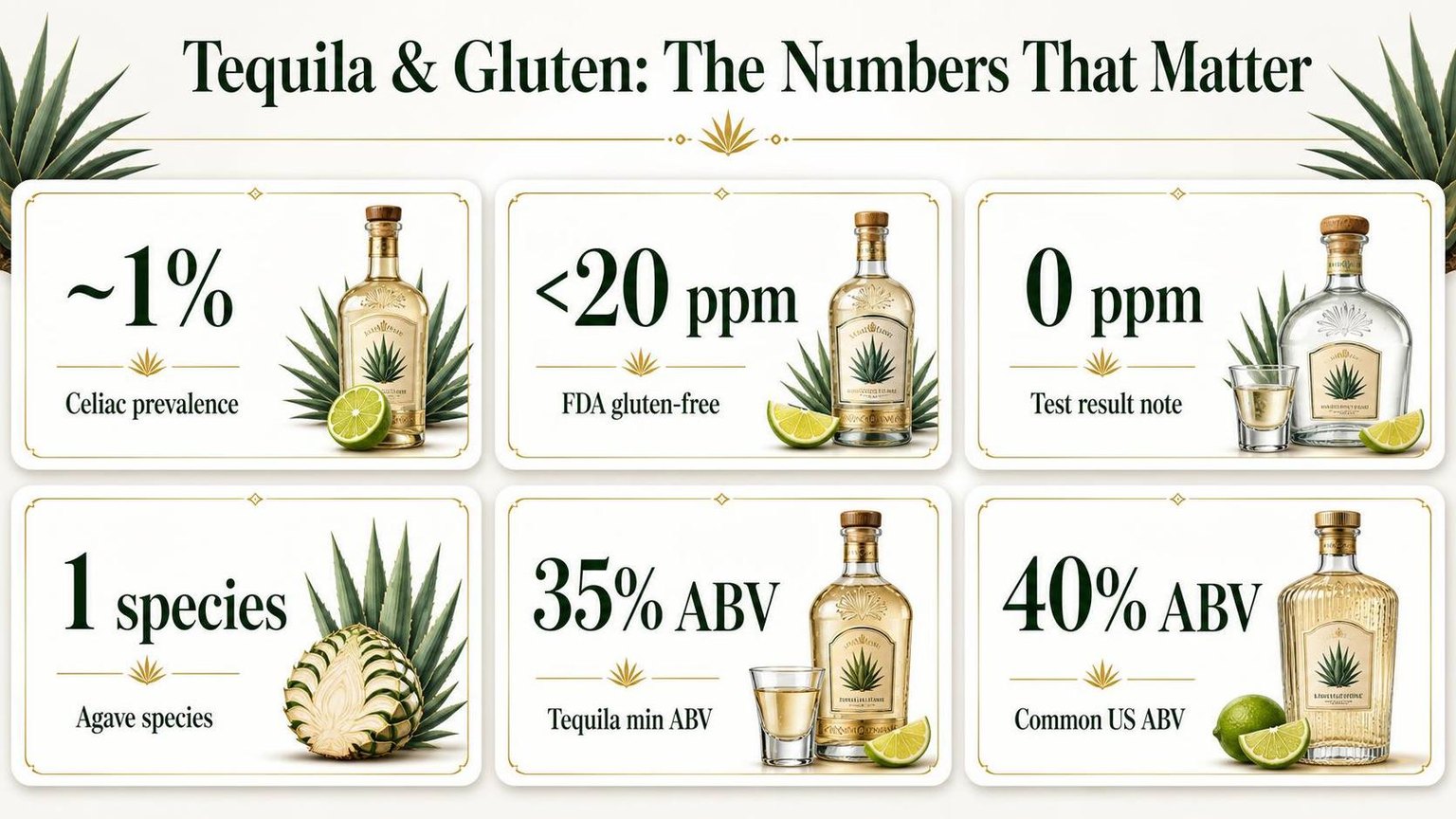
In celiac disease, gluten causes an autoimmune reaction that damages the small intestine. The condition affects about 1% of people worldwide, and it can lead to malabsorption, anemia, weight loss, infertility, and long-term bone loss if untreated.
The key issue is dose. Under U.S. Food and Drug Administration rules, a food labeled gluten-free must contain less than 20 parts per million of gluten, which is the practical benchmark many consumers use.
| Measure | What it means |
| 1% | Approximate global prevalence of celiac disease |
| 20 ppm | Maximum gluten level allowed for FDA gluten-free labeling |
| 0 ppm | No detectable gluten on a given test, not a promise of absolute zero in all contexts |
Wheat allergy is different from celiac disease. It is an immune reaction to wheat proteins and can cause hives, swelling, vomiting, or, in severe cases, anaphylaxis.
Someone with wheat allergy may react to wheat specifically, not necessarily to barley or rye.
Non-celiac gluten sensitivity is less clearly defined, but people report symptoms such as bloating, abdominal pain, headache, and fatigue after gluten exposure. There is no single diagnostic test, so history and supervised elimination are often used.
- Celiac disease: autoimmune, lifelong, strict avoidance required.
- Wheat allergy: allergic reaction, can be immediate and severe.
- Gluten sensitivity: symptoms without confirmed celiac disease or wheat allergy.
This is why gluten questions around alcohol are specific, not theoretical. The source ingredient, distillation method, flavor additions, and bottling environment all matter when someone needs to keep gluten exposure as low as possible.
Pure Tequila Is Naturally Gluten Free
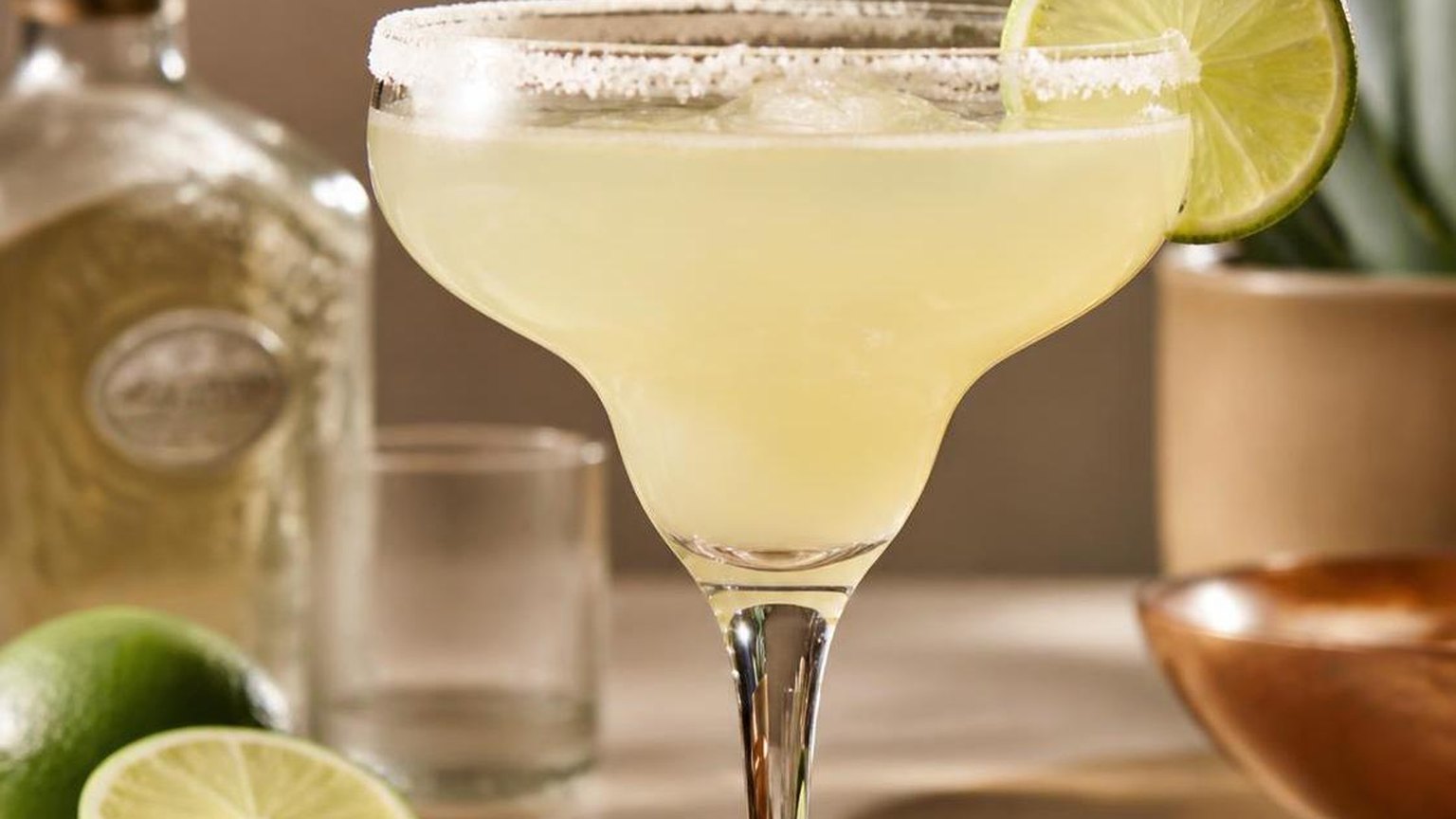
Pure tequila is naturally gluten free because it is made from Blue Weber agave, not wheat, barley, or rye. In Mexico, tequila must come from Agave tequilana Weber var. azul and be produced in authorized regions under strict legal standards.
Those standards matter. They limit what can be called tequila and help explain why a bottle labeled “100% agave tequila” is the safest choice for people avoiding gluten.
Tequila is a distilled spirit. Distillation separates alcohol and volatile compounds from the fermented agave liquid, while gluten proteins are too large to carry over in normal distillation.
That is why plain, unflavored tequila does not contain gluten ingredients.
Mexican regulations require tequila to have at least 35% alcohol by volume, with many US bottles sold at 40% ABV.
The product must be made in specific areas, primarily Jalisco, plus limited municipalities in Guanajuato, Michoacán, Nayarit, and Tamaulipas.
| Tequila fact | Regulatory number | Why it matters for gluten |
| Source plant | 1 species: Blue Weber agave | Agave is not a gluten-containing grain |
| Minimum ABV in Mexico | 35% | Confirms tequila is a distilled spirit |
| Common US bottling strength | 40% ABV | Typical plain tequila sold without gluten ingredients |
| “100% agave” requirement | 100% | No added non-agave sugars before fermentation |
Choose bottles labeled “100% de agave” or “100% agave tequila.” That wording means all fermentable sugars came from agave. It avoids the mixto category, which can use at least 51% agave sugars and up to 49% other sugars.
Mixto tequila is still distilled, so gluten is not expected from the base spirit itself.
The larger concern is what happens after distillation, especially in flavored products or ready-to-drink cocktails that may add color, flavorings, sweeteners, or other ingredients.
- Best pick: unflavored blanco, reposado, or añejo labeled “100% agave.”
- Check the label for added flavors, cream, or cocktail mixers.
- Avoid assuming every tequila-based RTD is gluten free.
- If highly sensitive, verify with the producer and look for a gluten-free statement.
In practice, straight tequila is one of the simpler spirits for gluten avoidance. When the bottle is pure, unflavored, and 100% agave, the ingredient source and the distillation process both support it being gluten free.
How Agave Distillation Removes Gluten Risk
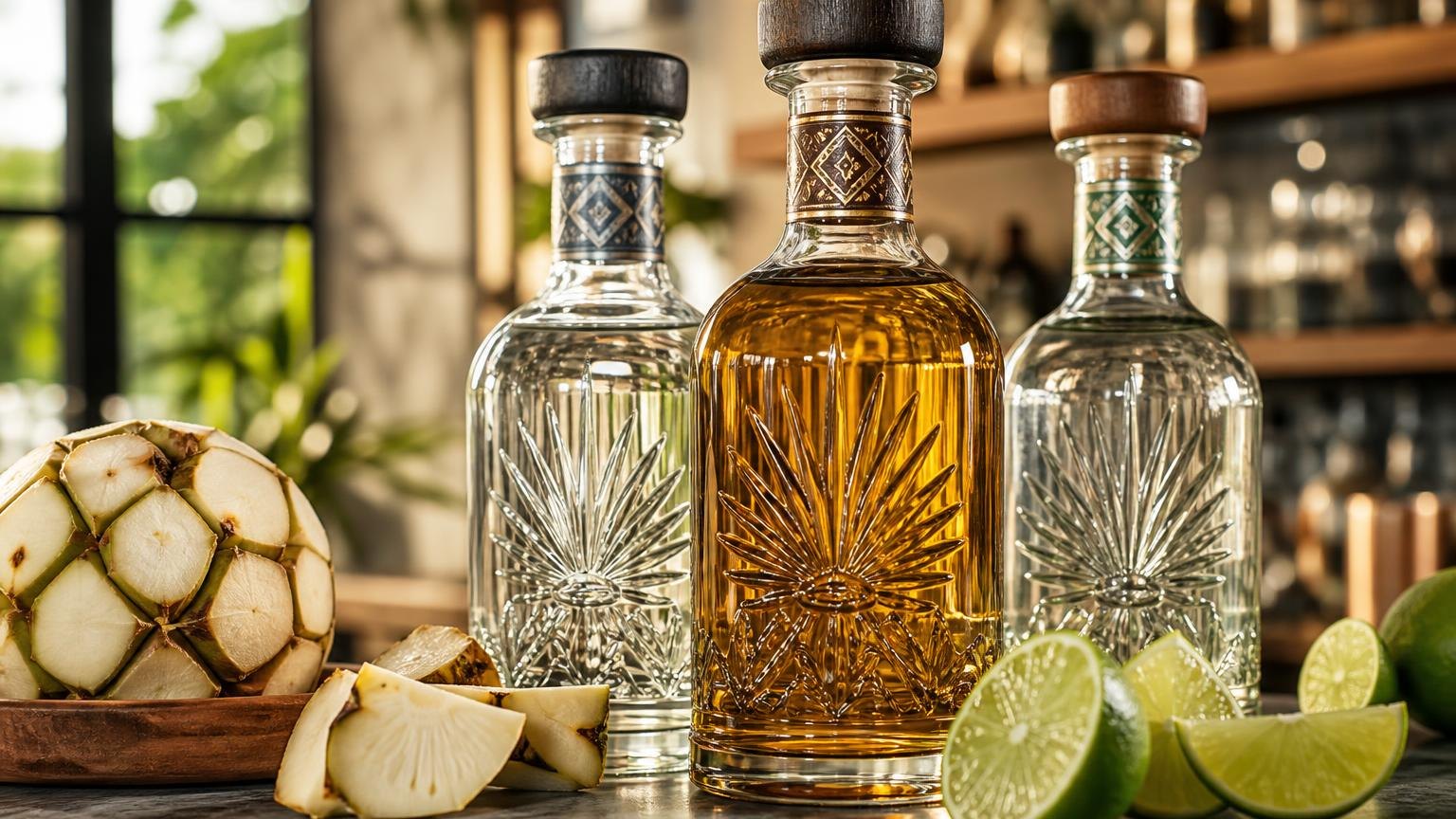
Tequila starts with Blue Weber agave, not wheat, barley, or rye. That matters first, because the raw material is naturally gluten-free before fermentation and distillation begin.
Distillation adds a second layer of protection. It separates volatile alcohol and aroma compounds from nonvolatile solids, including the large storage proteins that trigger gluten reactions.
After agave hearts are cooked, producers extract fermentable sugars and convert them into alcohol with yeast. The fermented liquid then goes into a still, where heat and evaporation separate components by volatility.
Gluten is not a single chemical that boils into the spirit. In wheat, barley, and rye, gluten-related proteins are large, heavy molecules that do not evaporate with ethanol vapor under normal spirit distillation conditions.
| Component | Typical role in production | Volatile during distillation? | Key number |
| Ethanol | Main alcohol collected in tequila | Yes | Boiling point 78.37°C |
| Water | Major part of wash and final proofing | Yes | Boiling point 100°C |
| Gluten proteins | Problem proteins in gluten grains | No | Molecular size typically tens of thousands of daltons |
| Finished tequila | Bottled spirit | Collected after distillation | Usually 35% to 55% alcohol by volume in Mexico; 40% ABV common in the U.S. |
Because tequila is distilled from agave sugars, there is no gluten source to begin with. Because the process collects vapor, not solids, distillation does not carry gluten proteins into the finished spirit.
This is why plain tequila is widely regarded as safe for people avoiding gluten. The Alcohol and Tobacco Tax and Trade Bureau allows distilled spirits made from gluten-free ingredients, including agave, to be labeled gluten-free.
The practical caution comes after distillation, not during it. Flavored tequilas, cocktail bases, cream liqueurs, and ready-to-drink products can add colorings, sweeteners, or grain-derived ingredients that change the gluten picture.
- Choose bottles labeled 100% agave, not mixto tequila.
- Stick with unflavored blanco, reposado, or añejo when gluten avoidance is strict.
- Check flavored products for added ingredients and manufacturer allergen statements.
- Watch bar mixers, since gluten risk is more likely in the cocktail than in the tequila.
For straight tequila, agave origin and distillation both work in your favor. That combination is the core reason tequila itself does not present a meaningful gluten risk.
When Tequila Can Contain Gluten
Pure tequila is distilled from Blue Weber agave, and distillation removes gluten proteins. The risk starts after distillation, or when the bottle is not 100% agave tequila.
Labels, additives, and production shortcuts matter more than the agave itself.
Under Mexican rules, tequila can be made in two main categories: 100% agave and tequila, often called mixto. Mixto tequila must contain at least 51% sugars from Blue Weber agave. Up to 49% of fermentable sugars can come from other sources.
| Category | Agave sugar required | Other sugar allowed | Gluten concern |
| 100% agave tequila | 100% | 0% | Low, if no gluten-containing flavorings are added later |
| Mixto tequila | At least 51% | Up to 49% | Higher if non-agave ingredients or later flavorings create cross-contact |
Those non-agave sugars are usually cane-based, not wheat-based. That means mixto tequila is not automatically unsafe for people avoiding gluten.
The bigger issue is that mixto products, lower-cost tequilas, and flavored releases are more likely to use extra ingredients after distillation.
Flavored tequila and tequila-based liqueurs create the clearest gluten risk.
Cinnamon, cookie, cream, coffee, and dessert-style products can include flavor systems, colorings, or stabilizers sourced from grain or made in facilities handling wheat, barley, or rye.
The agave spirit may start gluten-free; the finished bottle may not.
Bar service also matters. A tequila poured neat from the bottle is different from a margarita mix, pre-batched cocktail, or draft cocktail line.
Gluten can enter through commercial sour mix, beer-containing cocktail recipes, shared shakers, rimming stations, or residue on speed pourers used across multiple spirits.
- Choose bottles labeled 100% de agave.
- Avoid vague terms like “gold,” “flavored,” “crema,” or “tequila liqueur” unless the producer confirms ingredients.
- Ask whether caramel color, flavorings, or premixed bases are added after distillation.
- At bars, ask for a clean pour from the original bottle and a clean glass.
In the U.S., the TTB requires disclosure for major food allergens in some circumstances, but gluten is not always spelled out clearly on spirits labels. If celiac disease or severe sensitivity is involved, contact the producer directly.
Ask whether the product is 100% agave and whether any post-distillation ingredients contain or contact gluten.
Flavored Tequilas and Additive Concerns
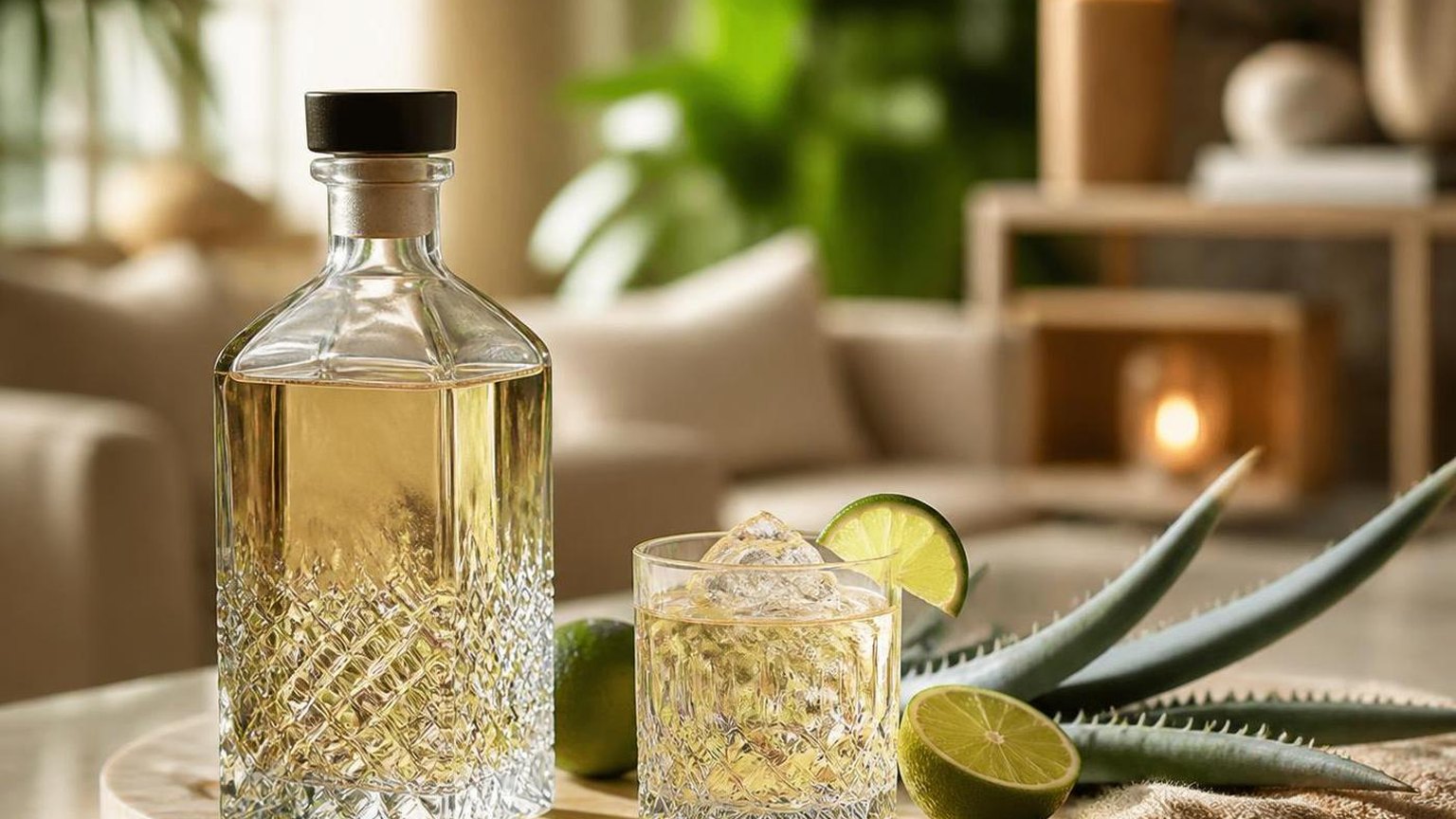
Plain tequila is distilled from blue Weber agave, and distillation does not leave gluten protein in the finished spirit.
The bigger question for gluten-sensitive drinkers is not the base tequila, but what gets added afterward in flavored products and sweetened bottlings.
Under Mexican tequila rules, producers may use limited additives in tequila, but only in small amounts.
The CRT and NOM standards allow up to 1% by weight of certain additives in tequila, including caramel color, natural oak extract, glycerin, and sugar-based syrup.
Those approved additives are not wheat flour or barley malt, and they are generally considered gluten-free in the amounts and forms used.
Still, flavored tequila products deserve more scrutiny because flavoring systems, sweeteners, and bottling-line practices vary by brand.
| Product type | Typical ABV | Main gluten question |
| 100% agave blanco/reposado/añejo tequila | 35% to 55% ABV in Mexico; commonly 40% ABV in the US | Low concern; distilled spirit with no flavoring added |
| Tequila with permitted additives | Usually 35% to 40% ABV | Low concern; up to 1% additives allowed by regulation |
| Flavored tequila or tequila-based flavored spirit | Often 30% to 35% ABV, sometimes lower | Higher concern; flavor blends and sweeteners may need verification |
| Tequila liqueur | Often 15% to 30% ABV | Highest concern; more non-agave ingredients added after distillation |
Two label terms matter. “Tequila” is a regulated spirit made in authorized Mexican regions, while “tequila liqueur” or “tequila-based” products can contain more post-distillation ingredients and often less alcohol.
- Choose bottles labeled 100% agave. That narrows the ingredient list and reduces the chance of extra flavor systems.
- Be careful with dessert, cinnamon, coffee, cream, and candy-style expressions. These commonly rely on added sweeteners, extracts, or emulsifiers.
- If the bottle does not clearly say tequila, check whether it is a flavored malt beverage, ready-to-drink cocktail, or liqueur.
- For celiac disease, ask the brand whether any flavoring carriers use wheat, barley, or rye derivatives and whether cross-contact controls are in place.
US allergen law does not require gluten disclosure the way it requires disclosure for major allergens like milk. That means a flavored tequila can be legally sold without a prominent gluten statement, even when ingredient transparency is limited.
Best practice is simple. For the lowest risk, stick with unflavored 100% agave tequila from established producers, and verify any flavored expression directly with the manufacturer before drinking.
Celiac Safety and Cross Contact
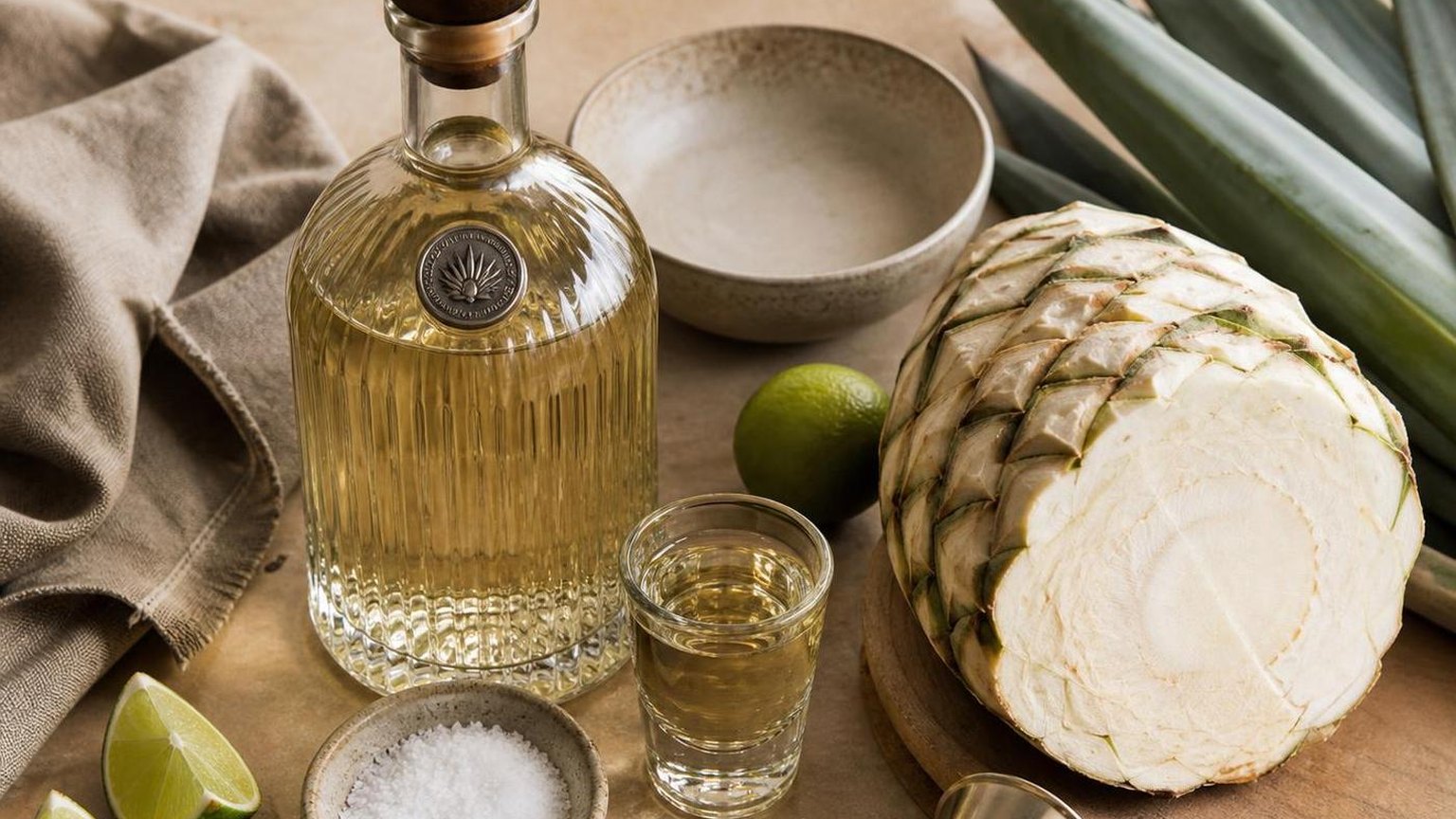
For most people with celiac disease, plain tequila is considered a low-risk spirit. Tequila is distilled, and gluten proteins are not carried over in normal distillation because they are too large and nonvolatile to vaporize with ethanol and water.
The safer choice is unflavored tequila labeled 100% agave. That reduces the chance of added flavorings, sweeteners, or bar-side contamination creating a problem after distillation.
| Point | Why it matters for celiac disease |
| Gluten-free threshold: less than 20 ppm | In the U.S., 20 parts per million is the regulatory benchmark commonly used for gluten-free labeling. |
| Tequila labeled 100% agave | All fermentable sugars come from blue agave, with fewer ingredient variables after distillation. |
| Mixto tequila: minimum 51% agave sugars | The rest may come from other sugars. Those are usually cane or corn, not wheat, but ingredient transparency can be lower. |
| Unflavored bottled tequila | Lowest practical cross-contact risk compared with flavored, cream, or ready-to-drink tequila products. |
Cross contact usually happens after distillation, not during it. The highest-risk situations are flavored tequilas, premixed canned cocktails, tequila creams, and restaurant margaritas made with unknown mixers.
- Ask for tequila poured directly from a sealed bottle, not from a prebatched cocktail container.
- Choose simple drinks: tequila with soda water, ice, and fresh lime.
- Avoid shared blender drinks. Frozen margarita machines and blender pitchers often hold residue from beer, malt beverages, or cookie-based garnishes.
- Ask the bartender to use a clean shaker, strainer, and jigger if you are highly sensitive.
- Watch garnish handling. A lime wedge grabbed after touching beer bottles or crumbed bar snacks can transfer trace gluten.
In bars, shared tools matter more than the tequila itself. Sticky pour spouts, reused muddlers, and cutting boards used for garnishes can all add avoidable exposure.
If symptoms are severe or your celiac disease is newly diagnosed, stick to straight pours first. Then test mixed drinks only when you can confirm every ingredient, including triple sec, sour mix, flavored syrups, and rim salts.
Bottom line: plain, unflavored tequila is generally celiac-safe, but the serving environment determines real-world risk. Buy 100% agave, keep mixers simple, and treat flavored or bar-made tequila drinks as the main caution point.
How to Choose Gluten Free Tequila
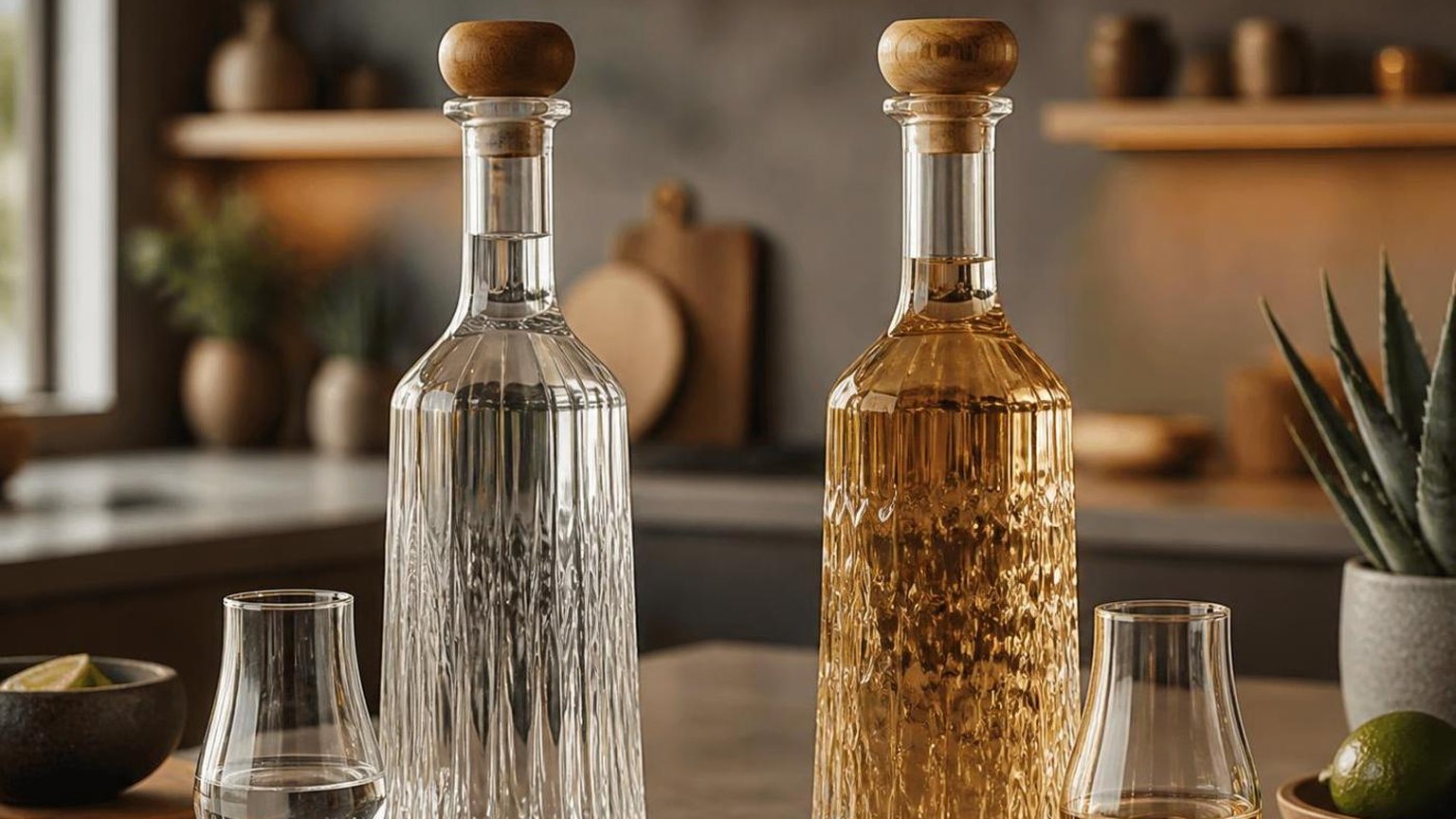
Choose tequila labeled 100% de agave. That phrase matters because tequila made only from Blue Weber agave contains no wheat, barley, or rye before bottling, while lower-grade tequila can include other sugar sources.
Then check whether the bottle is plain tequila or a flavored product. Pure blanco, reposado, and añejo tequilas are the safest picks because post-distillation flavorings are where gluten cross-contact risk is more likely to enter.
Start with the legal category on the label. In Mexico, tequila can be sold as 100% agave or as tequila, often called mixto. Mixto tequila must contain at least 51% sugars from Blue Weber agave; the remaining 49% can come from other sugars.
| Label term | What it means | Gluten-free buying takeaway |
| 100% de agave | All fermentable sugars came from Blue Weber agave | Best choice for gluten-free drinkers |
| Tequila / mixto | Minimum 51% agave sugars, up to 49% other sugars | Less transparent; skip if you want the lowest risk |
| Flavored tequila product | Flavorings or other ingredients added after distillation | Check manufacturer statements before buying |
Look for the NOM number and the words Hecho en México. The NOM identifies the certified distillery, and tequila can be produced only in specific Mexican regions, mainly Jalisco, under regulated standards.
Ignore color as a gluten clue. Blanco, reposado, añejo, and extra añejo differ by aging time, not by grain content. Reposado is aged at least 2 months, añejo at least 1 year, and extra añejo more than 3 years.
| Style | Minimum aging | Gluten-free note |
| Blanco | 0-2 months | Usually the simplest label to evaluate |
| Reposado | 2 months | Still typically gluten-free if 100% agave |
| Añejo | 1 year | Aging does not add gluten by itself |
| Extra añejo | More than 3 years | Choose plain, non-flavored bottlings |
- Buy bottles that say 100% de agave on the front or back label.
- Prefer unflavored tequila over coffee, cream, cinnamon, or dessert-style versions.
- Check the producer website if the bottle says “natural flavors” or “premium tequila beverage.”
- If you have celiac disease, avoid mixto and ready-to-drink tequila cocktails unless the brand states gluten-free.
When in doubt, choose a plain 100% agave blanco from a clearly labeled producer. That removes the two biggest variables: mixed sugar sources and added flavor ingredients.
Questions Readers Ask
Does tequila contain gluten?
Pure tequila is generally considered gluten-free because it is distilled from blue Weber agave, not wheat, barley, or rye.
Under FDA gluten-free labeling rules, distilled spirits made from any source can qualify as gluten-free if no gluten-containing ingredients are added after distillation.
Can people with celiac disease usually drink tequila safely?
Many people with celiac disease tolerate 100% agave tequila because distillation removes gluten proteins and agave contains no gluten to begin with.
The main caution is flavored tequila or tequila-based drinks, since added colorings, flavorings, or premixes can introduce gluten after distillation.
What is the difference between 100% agave tequila and mixto for gluten concerns?
Tequila labeled “100% agave” is made entirely from blue Weber agave sugars, while mixto tequila must contain at least 51% agave sugars and can include other sugars.
Those added sugars are not usually a gluten source, but 100% agave tequila is the cleaner choice because it has fewer variables and fewer additive concerns.
Are tequila cocktails always gluten-free?
No. A margarita or canned tequila cocktail can contain gluten through added flavorings, malt-based ingredients, beer, cookie garnishes, or cross-contact in busy bars.
Check the mixer, liqueur, rim seasoning, and ready-to-drink label before assuming the full drink is gluten-free.
How can you verify that a tequila product is gluten-free?
Start with the label: look for “100% agave” and avoid products with vague flavor additions if you are highly sensitive.
If the product is flavored or premixed, check the producer’s allergen statement or contact the brand directly, because post-distillation ingredients determine most real-world gluten risk.
Related Reading
- What Is The Best Patron Tequila?
- Tesla Tequilla Bottle – What You Need to Know
- Does Tequila Have Caffeine?
- Big Bottle Of Patron – Basic Information You Must Know
- How Does Tequila Make You Feel?
- Blanco Vs Silver Tequila: Which Is Better?
- Tequila Anejo Vs Reposado
- Why Does Tequila Make Me Sick?
- What to Mix with Tequila Low Carb
- All Alcohol Guides
- U.S. Food and Drug Administration: FDA Finalizes Rule on Gluten-Free Labeling of Fermented, Hydrolyzed Foods (2020)
- Alcohol and Tobacco Tax and Trade Bureau: TTB Ruling 2014-2, Gluten Content Statements in the Labeling and Advertising of Wines, Distilled Spirits, and Malt Beverages (2014)
- National Institute of Diabetes and Digestive and Kidney Diseases: Celiac Disease (2023)
- MedlinePlus: Celiac Disease (2024)
- Harvard T.H. Chan School of Public Health: Celiac Disease (2024)
- Mayo Clinic: Celiac Disease Diet — What to Eat and What to Avoid (2024)
- Beyond Celiac: Is Liquor Gluten-Free? (2024)
- National Celiac Association: Are Distilled Alcohols and Vinegars Gluten-Free? (2021)
- PubMed: Celiac Disease: Common Questions and Answers (2022)