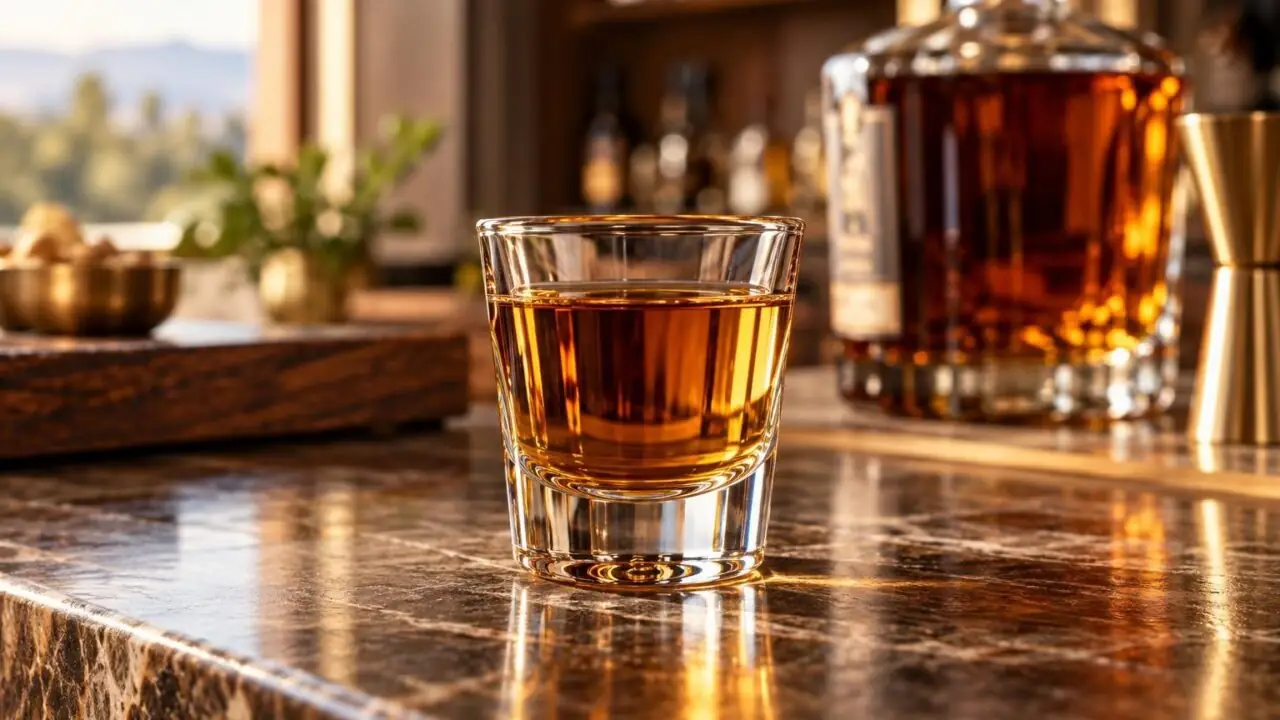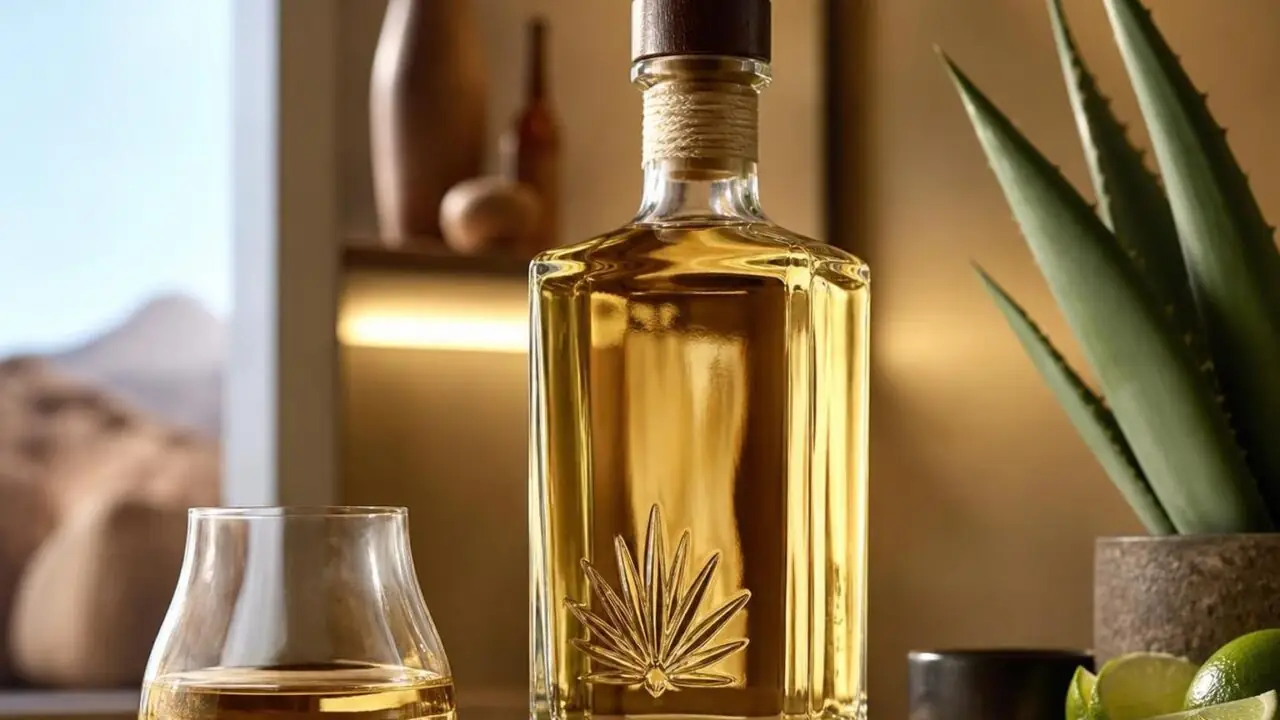
Does Tequila Have Caffeine? is answered simply: tequila contains no caffeine unless a producer adds it through flavoring or a mixed-drink ingredient.
Straight blanco, reposado, añejo, and extra añejo tequila come from distilled Blue Weber agave, not stimulant-containing plants.
Distillation separates alcohol and volatile aroma compounds from fermented agave, leaving nonvolatile compounds behind.
Standard tequila labels do not list caffeine because the spirit’s legal identity is based on agave sugars, production region, distillation, aging, and bottling strength.
The exception is flavored tequila, cream liqueurs, ready-to-drink cans, or bar cocktails. Check the label, producer specs, or ingredient list when a product includes added extracts, sweeteners, or branded mix-ins.
Does Tequila Contain Any Caffeine
Tequila does not contain caffeine. Standard 100% agave tequila is a distilled spirit, and caffeine is not a natural component of agave or a normal result of distillation.
In practical terms, a straight pour of tequila contributes alcohol, not stimulation from caffeine.
Caffeine is a naturally occurring stimulant found in coffee beans, tea leaves, cacao, guarana, and a few other plants. Blue Weber agave, the only agave allowed for tequila production in Mexico, is not a caffeine source.
That matters because ingredients determine whether caffeine can be present.
Tequila is made by cooking agave hearts, extracting sugars, fermenting them, and then distilling the alcohol. Distillation concentrates ethanol and flavor compounds, but it does not create caffeine.
If caffeine was not in the fermented liquid to begin with, it will not appear in the finished tequila.
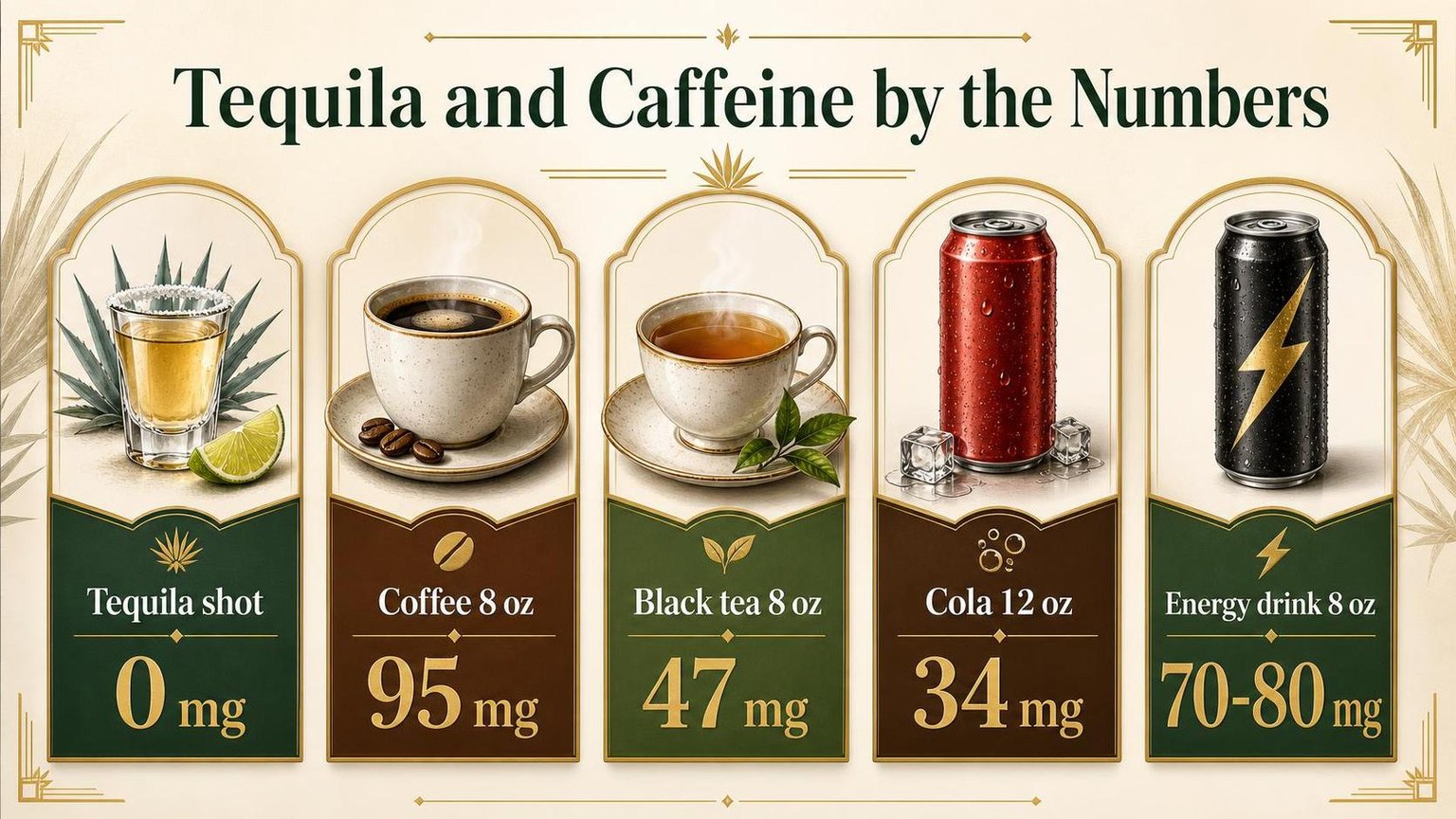
For consumers, the simplest answer is that an unflavored tequila shot has 0 milligrams of caffeine. That includes blanco, reposado, and añejo styles. Aging in oak changes color and flavor, but it does not add caffeine.
| Beverage | Typical serving | Caffeine |
| Tequila | 1.5 oz shot | 0 mg |
| Brewed coffee | 8 oz | about 95 mg |
| Black tea | 8 oz | about 47 mg |
| Cola | 12 oz | about 34 mg |
| Energy drink | 8 oz | about 70 to 80 mg |
Confusion usually comes from cocktails, not the tequila itself. A tequila drink can contain caffeine if it is mixed with coffee liqueur, cold brew, espresso, cola, chocolate ingredients, or an energy drink.
In that case, the caffeine comes from the mixer.
For example, an espresso martini-style tequila cocktail can deliver meaningful caffeine, while a tequila and cola adds a smaller amount.
By contrast, tequila with lime juice, soda water, grapefruit soda without caffeine, or orange juice remains caffeine-free unless another ingredient changes that.
Label reading helps. If the bottle is plain tequila, caffeine is not expected.
If it is a flavored, ready-to-drink, or premixed canned cocktail, check the nutrition panel and ingredient list because added coffee, guarana, or tea extract can raise caffeine content.
This distinction matters because alcohol and caffeine affect the body differently. Alcohol is a depressant. Caffeine is a stimulant.
Drinking both together can make some people feel less sleepy without reducing alcohol impairment, which can lead to underestimating intoxication.
The bottom line is straightforward: straight tequila contains no caffeine. Any caffeine in a tequila drink almost always comes from added mixers or specialty flavorings, not from the spirit itself.
Why Pure Tequila Is Caffeine Free
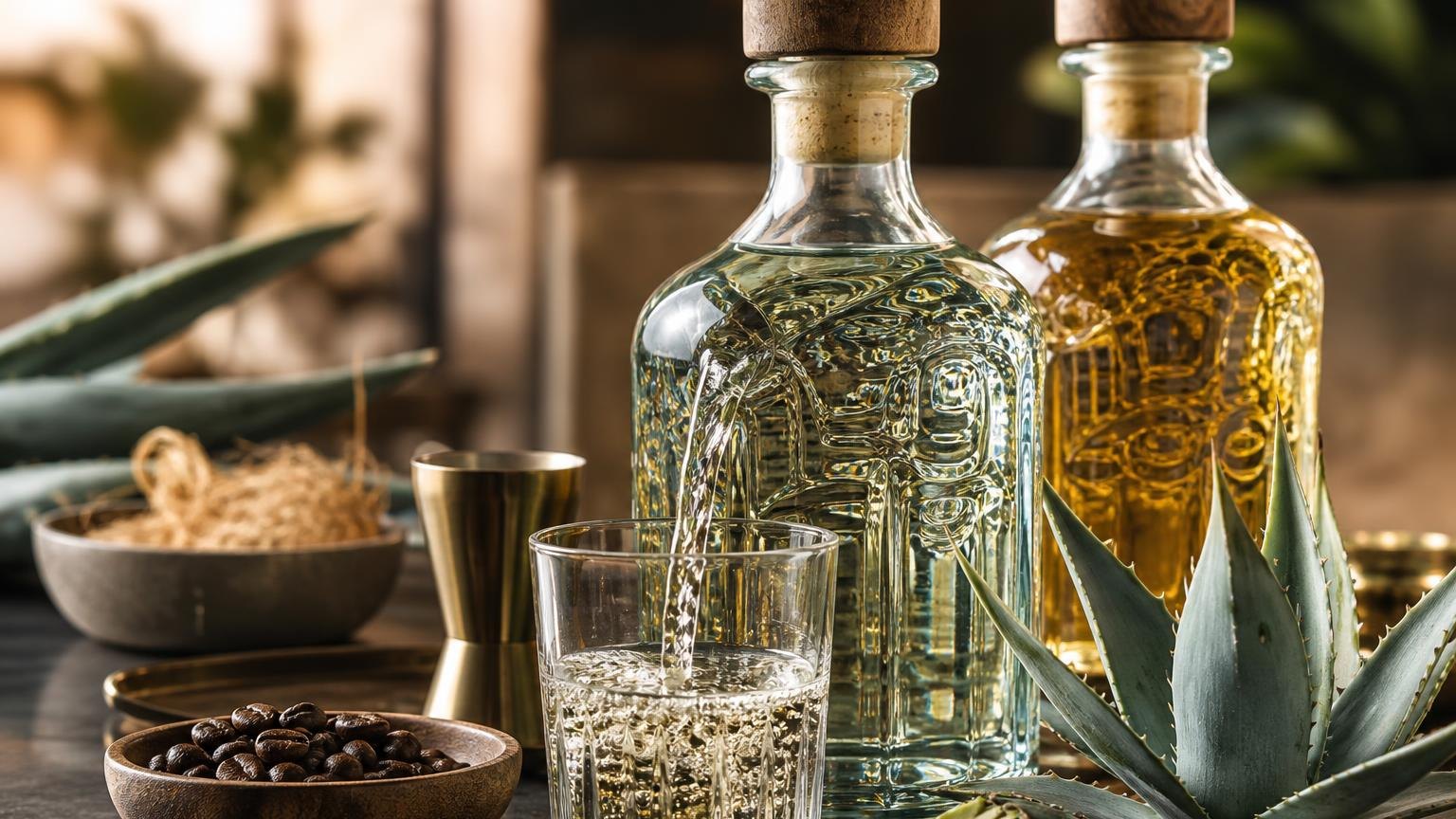
Pure tequila contains no caffeine because neither its raw material nor its production process adds a stimulant source. Caffeine is not a natural component of blue Weber agave, and standard tequila fermentation and distillation do not create it.
That matters because tequila’s effects come from ethanol, not from any alertness-promoting compound. If a drink made with tequila feels energizing, the caffeine almost always comes from a mixer such as cola, coffee, or an energy drink.
Tequila is made from Agave tequilana Weber var. azul, commonly called blue Weber agave. The harvested piña is cooked to convert stored carbohydrates into fermentable sugars, then crushed, fermented, and distilled.
Those steps build alcohol, congeners, and flavor compounds. They do not synthesize caffeine. Caffeine is a specific alkaloid found naturally in plants such as coffee, tea, cacao, guarana, and yerba mate, not in agave.
Under Mexican regulations, tequila must be produced in designated regions, primarily Jalisco, and bottled at a minimum of 35% alcohol by volume for the Mexican market and 40% ABV for the U.S. market.
None of those legal standards include caffeine as a required or typical ingredient.
A 1.5-ounce shot of pure tequila delivers alcohol and calories, but no measurable caffeine in standard nutrition references. The stimulant content remains 0 milligrams unless another ingredient is added after distillation.
| Beverage | Typical serving | Caffeine |
| Pure tequila | 1.5 oz shot | 0 mg |
| Brewed coffee | 8 oz | about 95 mg |
| Black tea | 8 oz | about 47 mg |
| Cola | 12 oz | about 34 mg |
| Energy drink | 8 oz | about 70 to 80 mg |
The production sequence also explains why pure tequila stays caffeine free. Distillation separates volatile compounds from the fermented liquid, but it cannot pull caffeine from agave because there is no caffeine there to begin with.
Even aged expressions such as reposado, añejo, and extra añejo remain caffeine free when they are pure tequila. Time in oak changes color and flavor through extraction of wood compounds, not through the addition of caffeine.
The practical exception is flavored or mixed tequila products. A coffee tequila, espresso martini with tequila, or canned tequila cocktail can contain caffeine if the producer adds coffee, tea, cacao, kola nut, or an energy component.
- 100% agave blanco, reposado, añejo, extra añejo: caffeine free.
- Tequila with cola or coffee liqueur: caffeine depends on the mixer.
- Ready-to-drink canned cocktails: check the label for caffeine and added stimulants.
The rule is simple: pure tequila has alcohol, not caffeine. If caffeine shows up, it came from something added to the tequila, not from the tequila itself.
Caffeine In Tequila Cocktails
Plain tequila contains no caffeine. Caffeine enters tequila drinks only when bartenders add coffee, tea, cola, energy drinks, chocolate, or coffee liqueur made with real coffee extract.
That distinction matters because two tequila cocktails can look similar and have completely different stimulant levels. A tequila soda is caffeine-free, while an espresso-based tequila drink can deliver as much caffeine as a small cup of coffee.
The biggest variable is the mixer, not the spirit. A standard 1.5-ounce pour of tequila contributes alcohol only, while the caffeine usually comes from a 1 to 3 ounce pour of coffee ingredients or a 4 to 8 ounce caffeinated mixer.
| Tequila cocktail or mixer | Typical serving used in a drink | Approximate caffeine |
| Tequila neat, on the rocks, or tequila soda | 1.5 oz tequila | 0 mg |
| Tequila with cola | 1.5 oz tequila + 4 oz cola | About 11-15 mg |
| Tequila and coffee liqueur | 1.5 oz tequila + 1 oz coffee liqueur | About 3-5 mg |
| Tequila espresso martini-style drink | 1.5 oz tequila + 1 oz espresso | About 63 mg |
| Tequila with cold brew | 1.5 oz tequila + 2 oz cold brew | About 40-100 mg |
| Tequila with energy drink | 1.5 oz tequila + 8 oz energy drink | About 70-114 mg |
Cola adds modest caffeine. For reference, a 12-ounce Coca-Cola has 34 milligrams, so a short tequila-and-cola built with 4 ounces contributes roughly one-third of that amount.
Coffee liqueur adds less caffeine than many people expect. Kahlua reports about 5 milligrams per 1.5-ounce serving, so a 1-ounce pour contributes only around 3.3 milligrams.
Espresso changes the picture fast. A 1-ounce shot of espresso commonly contains about 63 milligrams of caffeine, according to USDA food data, though actual café shots can vary by bean, roast, and extraction.
Energy drinks create the highest-risk combination. An 8.4-ounce Red Bull contains 80 milligrams of caffeine, and a 16-ounce can of Monster Energy contains 160 milligrams, so drink size matters more than brand marketing.
- Ask what the mixer is. “Tequila cocktail” does not reveal caffeine content.
- Watch espresso pours. Two shots can push one drink well above 120 milligrams.
- Do not assume coffee liqueur equals coffee strength. Most contain far less caffeine than brewed coffee.
- Be cautious with alcohol plus energy drinks. Caffeine can reduce the feeling of intoxication without lowering blood alcohol concentration.
If you want tequila with zero caffeine, choose tequila neat, on ice, with soda water, or with citrus and no caffeinated mixer. If you want to limit stimulation, skip espresso and energy drink recipes first.
Tequila Versus Coffee Liqueurs
Plain tequila and coffee liqueurs are different products. Tequila is a distilled spirit from blue agave and contains no caffeine on its own, while coffee liqueurs are sweetened spirits flavored with coffee and usually contain measurable caffeine.
The practical takeaway is simple. A shot of blanco tequila will not deliver a stimulant effect, but an equal pour of coffee liqueur can add caffeine alongside alcohol and sugar.
That difference matters when people assume all dark, coffee-flavored spirits behave like straight liquor. They do not.
Coffee liqueurs combine central nervous system depressant effects from alcohol with a smaller stimulant dose from coffee-derived caffeine.
| Beverage | Typical serving | ABV | Caffeine | Notes |
| Tequila (blanco/reposado/añejo) | 1.5 fl oz | 40% | 0 mg | Distilled agave spirit; no coffee ingredient |
| Kahlúa Original | 1.5 fl oz | 16% | about 5 mg | Coffee liqueur made with arabica coffee |
| Tia Maria | 1.5 fl oz | 20% | about 6 mg | Coffee liqueur with vanilla and coffee |
| Brewed coffee | 8 fl oz | 0% | about 95 mg | Reference point for caffeine load |
| Espresso | 1 fl oz | 0% | about 63 mg | Reference point for coffee cocktails |
Those caffeine numbers are modest. Kahlúa’s published figure is about 5 milligrams per 1.5-ounce serving, and Tia Maria is commonly listed near 6 milligrams for the same pour. That is far below brewed coffee or espresso.
Alcohol content also shifts the comparison. Standard tequila is usually bottled at 40% ABV in the US. Most coffee liqueurs are lower, often 16% to 20% ABV, because they include sugar, water, and coffee extracts.
Flavor and serving size change how people consume them. Tequila is often taken as a 1.5-ounce shot or poured into a Margarita. Coffee liqueurs are more often used in White Russians, Espresso Martinis, Mudslides, or drizzled into dessert drinks.
- Choose tequila if you want alcohol without caffeine.
- Choose coffee liqueur if you want coffee flavor and a small caffeine dose.
- Check the label on flavored tequilas or ready-to-drink cocktails. Added coffee, chocolate, or energy ingredients can change caffeine content.
- Do not expect coffee liqueur to “sober you up.” Its caffeine dose is too low to counter alcohol impairment.
For a bar order, the rule is clean. Straight tequila has zero caffeine. Coffee liqueurs are not caffeine-free, but their caffeine content is usually closer to a few milligrams per pour than to a cup of coffee.
Energy Drink Mixers And Tequila
Tequila contains no caffeine unless a caffeinated ingredient is added after distillation. The caffeine in a tequila-and-energy-drink cocktail comes from the mixer, not the spirit.
That distinction matters because alcohol can mask the stimulant’s warning signs.
Most standard tequila pours are 1.5 ounces. At 80 proof, that serving contains about 14 grams of pure alcohol.
Add an energy drink, and the drink now combines a central nervous system depressant with a stimulant dose that can range from modest to very high.
| Item | Typical serving | Caffeine | Key note |
| Tequila | 1.5 oz shot | 0 mg | Distilled spirit; caffeine-free |
| Red Bull Energy Drink | 8.4 oz can | 80 mg | Common bar mixer |
| Monster Energy | 16 oz can | 160 mg | Larger can, higher total dose |
| CELSIUS | 12 oz can | 200 mg | High-caffeine mixer |
| Brewed coffee | 8 oz cup | About 95 mg | Useful reference point |
In practice, a tequila Red Bull made with one full 8.4-ounce can delivers 80 milligrams of caffeine. If the bartender uses half a can, the drink provides about 40 milligrams.
With a 16-ounce energy drink, the caffeine load can double fast, especially if the whole can is split across only one or two cocktails.
The FDA cites 400 milligrams of caffeine per day as an amount not generally associated with dangerous negative effects for most healthy adults. That is not a target for one night out.
Two tequila cocktails mixed with 200-milligram energy drinks would already reach 400 milligrams before any coffee, soda, or pre-workout.
The larger concern is behavior, not chemistry inside the bottle. Alcohol reduces coordination and judgment. Caffeine can increase alertness, so some people feel less impaired than they are.
Research on alcohol mixed with energy drinks has linked that combination with higher perceived stimulation and increased risk-taking.
- Tequila itself: zero caffeine.
- The mixer sets the caffeine dose: check the can size and label.
- Bigger cans are not single-shot neutral: 16-ounce products often contain 160 milligrams or more.
- Feeling awake is not being sober: reaction time and decision-making can still be impaired.
For a lower-caffeine tequila drink, use club soda, tonic, grapefruit soda, or fresh citrus with sparkling water. If an energy drink is the choice, measure both the tequila and the mixer.
That gives a known alcohol amount and a known caffeine amount, instead of guessing mid-service.
How To Check Caffeine Content
Start with the product type. Straight tequila contains no meaningful caffeine because distilled agave spirits do not naturally carry caffeine through distillation.
If a tequila drink seems energizing, check for added coffee, tea, chocolate, guarana, yerba mate, or an energy-drink mixer.
Read the front and back labels first. A bottle labeled only as tequila, blanco, reposado, añejo, or extra añejo should not contain caffeine.
The label becomes more important when the product is a flavored tequila, ready-to-drink cocktail, canned margarita, or coffee-based liqueur.
Look at the ingredient statement when one is provided.
Words such as coffee, espresso, cold brew, tea extract, guarana extract, cacao, kola nut, and yerba mate signal likely caffeine. “Natural flavors” alone does not prove caffeine, but it should push you to verify with the producer.
Check the Nutrition Facts panel on canned cocktails. In the U.S., many malt-based or wine-based canned drinks must carry Nutrition Facts, but distilled-spirits products may not always show a caffeine amount.
If the panel lists caffeine, use that number instead of assuming from flavor.
| Product type | Typical caffeine check result | What to do |
| 100% agave tequila bottle | 0 mg per 1.5 oz shot | Confirm it is plain tequila, not flavored |
| Tequila + cola cocktail | About 34 mg per 12 oz if made with regular cola | Check mixer brand and serving size |
| Tequila + energy drink | Often 80 mg per 8.4 oz can of energy drink | Read the can; caffeine varies widely |
| Tequila coffee liqueur drink | Often 5-25 mg per 1.5 oz, brand dependent | Verify on label or manufacturer site |
Use serving size carefully. Caffeine on a can may be stated per container, while spirits are usually poured in 1.5-ounce shots. A mixed drink made with 2 ounces of tequila and 8 ounces of cola still gets its caffeine from the cola, not the tequila.
Search the producer’s website next. Serious brands often publish technical sheets, FAQ pages, or customer-service answers for flavored releases and RTD cocktails.
If the site lists ingredients but no caffeine number, contact the company and ask for milligrams per serving.
- Ask for caffeine in mg per serving, not “contains caffeine.”
- Ask for the exact serving size used in that number.
- Ask whether caffeine is added directly or comes from coffee, tea, or guarana.
- Ask whether the formula changed, especially for seasonal canned cocktails.
If no source gives a number, treat plain tequila as caffeine-free and the mixer as the only likely source. That approach is the most accurate for bars, home cocktails, and restaurant drinks where packaging is unavailable.
Common Questions
Does tequila have caffeine?
No. Standard tequila contains alcohol, water, and flavor compounds from agave distillation, but it does not naturally contain caffeine. A typical 1.5-ounce shot has about 14 grams of pure alcohol and 0 milligrams of caffeine.
Why do some tequila drinks feel energizing?
The effect usually comes from alcohol’s short-term stimulant-like feeling at low doses, not from caffeine in the tequila itself. If the drink includes cola, coffee liqueur, or an energy drink, those mixers can add significant caffeine.
Do tequila shots ever contain caffeine?
Plain tequila shots do not contain caffeine. Caffeine only appears if the shot is flavored or mixed with an added caffeinated ingredient, such as coffee, chocolate, cola, or an energy formula.
Is there caffeine in tequila made from 100% agave versus mixto tequila?
No. Whether the bottle is labeled 100% agave or mixto changes the sugar source and often the flavor quality, not the caffeine content. Both types of plain tequila are considered caffeine-free.
Can coffee-infused or ready-to-drink tequila products contain caffeine?
Yes.
Coffee-infused tequila cocktails, canned tequila-and-cola drinks, and tequila beverages with energy ingredients can contain measurable caffeine, sometimes from a few milligrams to more than 100 milligrams per serving depending on the product.
Check the label because caffeine content comes from added ingredients, not the tequila base.
Is mixing tequila with caffeine a health concern?
It can be. The CDC notes that combining alcohol with caffeinated beverages may reduce the feeling of intoxication without reducing impairment, which can increase risky drinking and injury risk.
The concern is the mix, not caffeine naturally present in tequila.
Related Reading
- Blanco Vs Reposado: The Difference You Need To Know
- How Many Calories In A Shot Of Tequila? Find Out Now
- Does Tequila Go Bad Or Expire?
- What To Mix With Jose Cuervo Gold?
- How Many Shots Of Tequila Is Too Much?
- Big Bottle Of Patron – Basic Information You Must Know
- Don Julio Vs Patron
- Patron El Alto Price – Information From Experts
- What Is the Typical Alcohol Content in Tequila?
- All Alcohol Guides
- U.S. FoodData Central, USDA (2019)
- U.S. Food and Drug Administration (2024)
- National Institute on Alcohol Abuse and Alcoholism (2024)
- MedlinePlus, U.S. National Library of Medicine (2023)
- Centers for Disease Control and Prevention (2024)
- PubMed: Effects of Alcohol Mixed with Energy Drinks on Driver Performance (2008)
- PubMed: Alcohol Mixed with Energy Drinks: Are There Associated Negative Consequences Beyond Hazardous Drinking in College Students? (2011)
- Cleveland Clinic (2023)
- Mayo Clinic (2024)