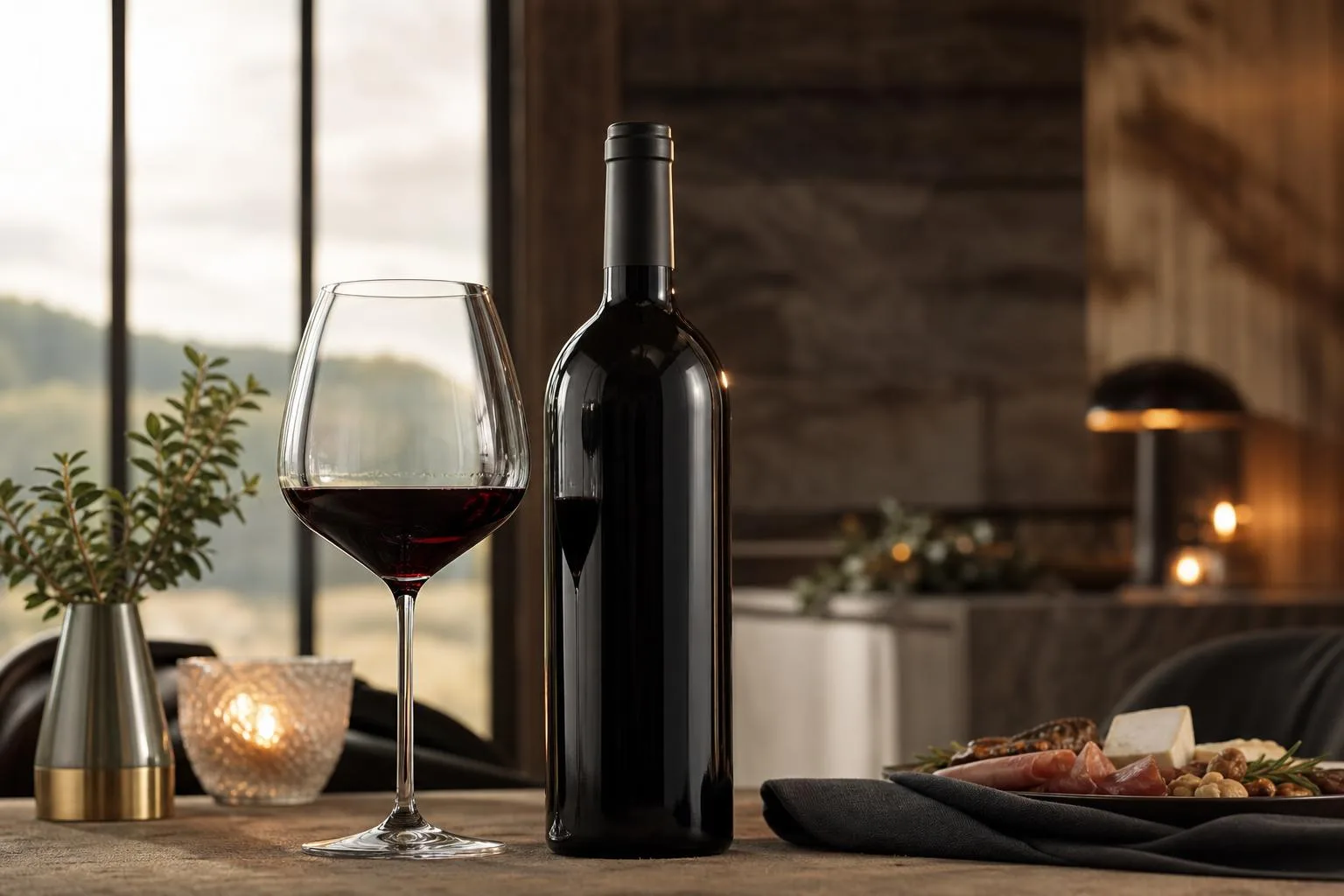
Red wine gets its colour, tannin and structure from time spent on the grape skins. That one difference drives almost everything people ask about it — how it tastes, how long it keeps, and how your body reacts to it.
This page pulls together our red wine guides in one place. Start with whichever question brought you here; each link goes to a full answer with sources.
Red Wine and Your Body
This is by far the most searched corner of red wine, and the most misunderstood. Sulfites, histamines and tannins are three different compounds, and they cause three different reactions.
Every wine contains sulfites — fermentation produces them naturally. Wines labelled “contains sulfites” simply cross the disclosure threshold, not a danger threshold.
- Which red wine has the least sulfites
- Which red wine has the least histamines
- Red wine and inflammation
- Red wine and kidney health
- Which red wine has the most resveratrol
- Why red wine keeps you awake
- Why your feet swell after red wine
Choosing a Bottle You Will Actually Enjoy
“Dry” describes how little sugar is left after fermentation, not how harsh the wine tastes. A wine can be bone dry and still taste soft and fruity.
If dry reds have put you off before, the problem is usually tannin rather than sweetness. Lighter styles solve that without moving to a dessert wine.
Serving, Storing and Temperature
“Room temperature” is advice from an era of colder rooms. Most reds show best around cellar temperature, cooler than a modern living room.
Too cold mutes the aromatics and makes tannin feel harsh; too warm and alcohol dominates everything else.
Cooking with Red Wine
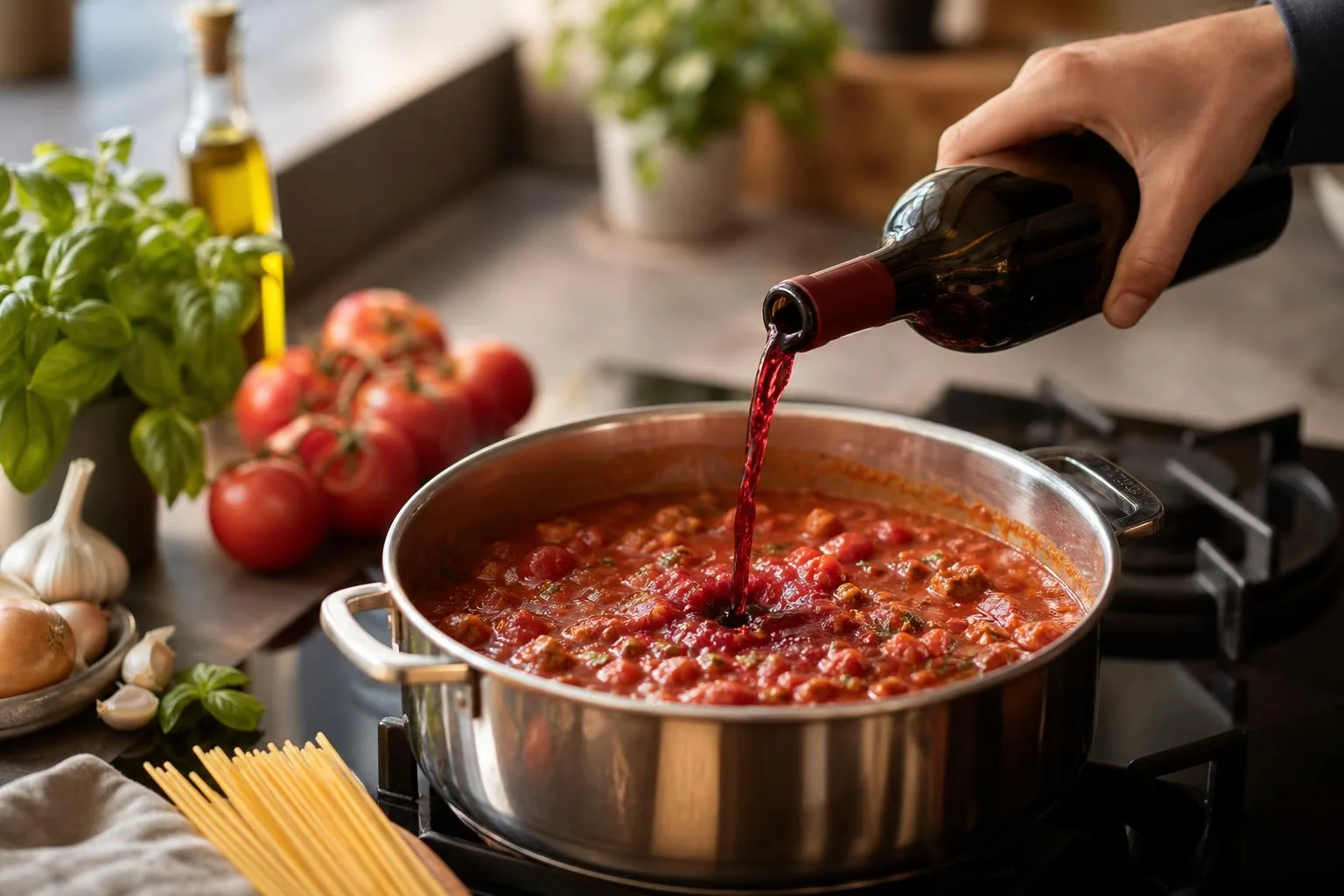
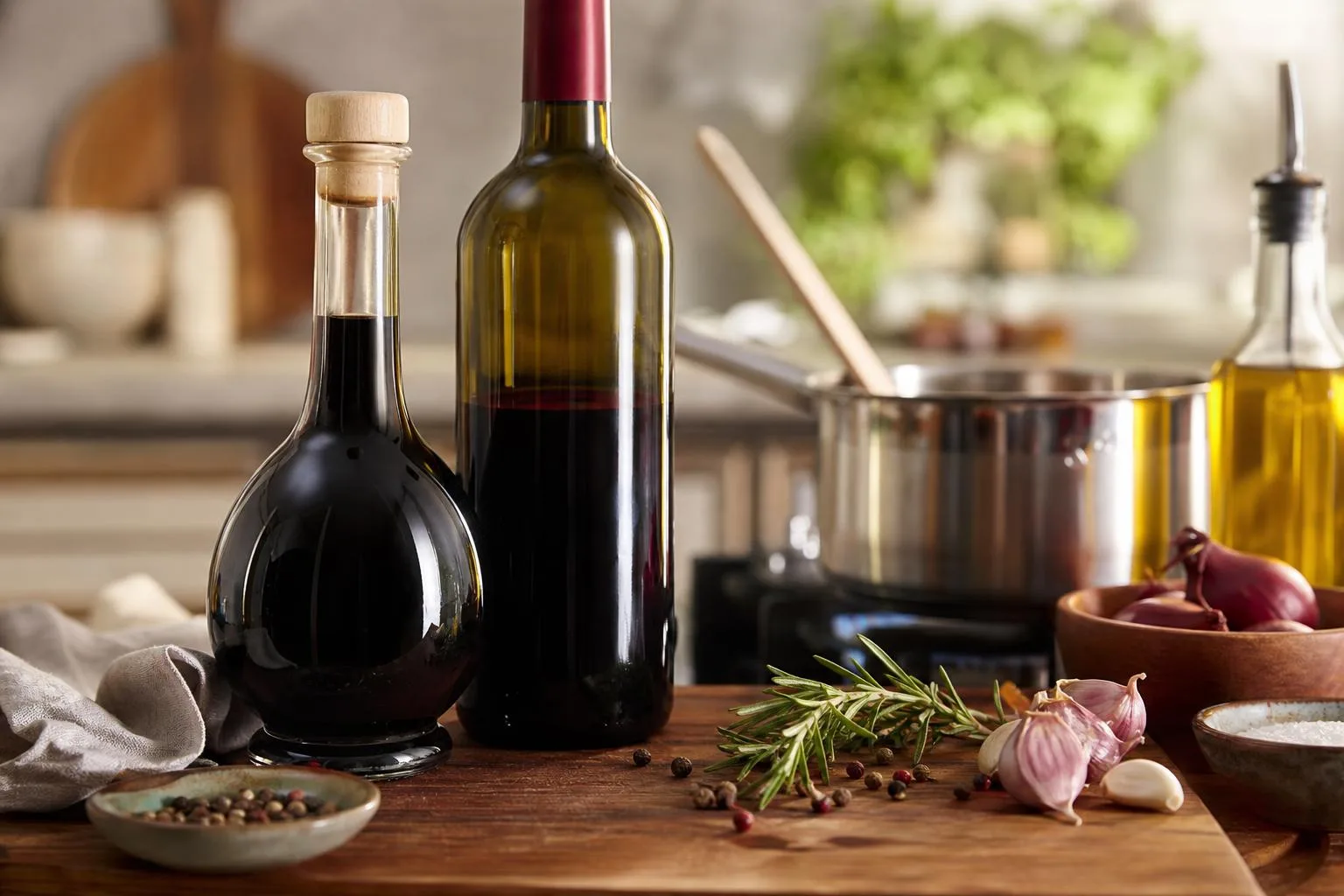
Wine added to a sauce is doing two jobs: acidity to balance fat, and slow-building depth as it reduces. When you add it matters as much as which bottle you use.
Everyday Problems
Stains, teeth and next-day effects — the practical side nobody puts on the label.