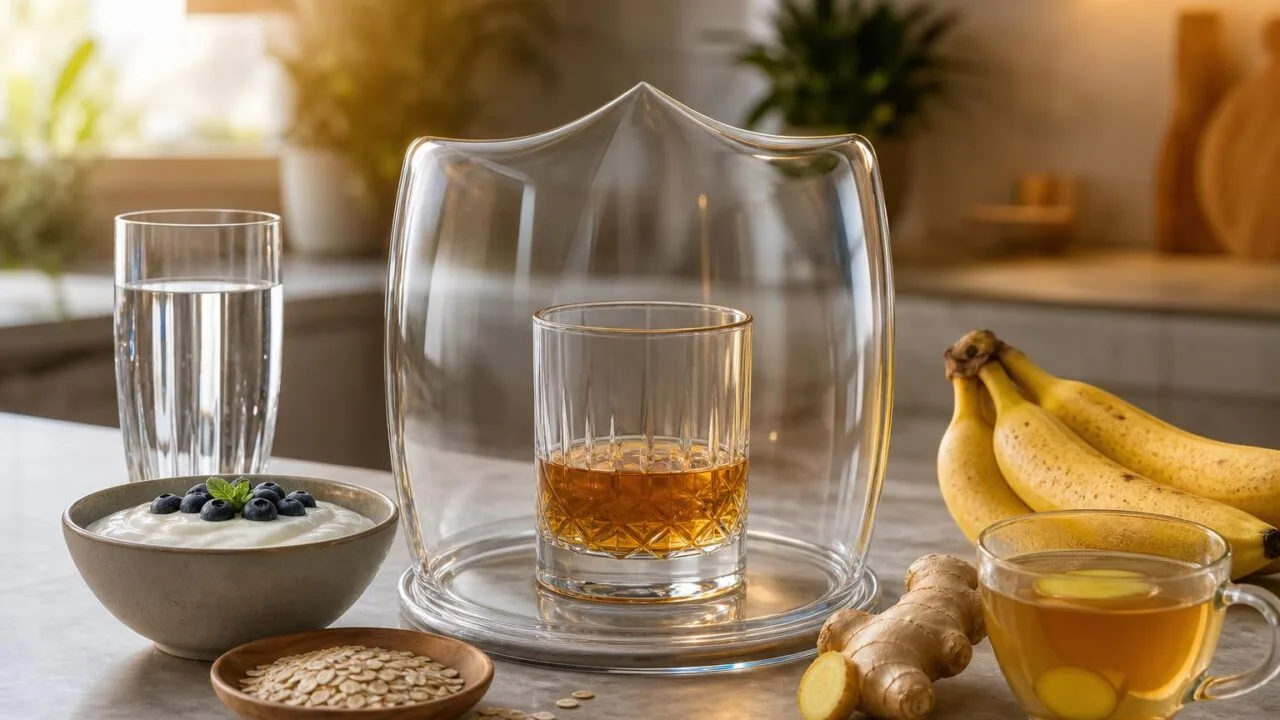
How To Protect Your Stomach Lining From Alcohol is to reduce direct irritation by eating before drinking, pacing intake, avoiding binge drinking, and stopping when burning, nausea, or pain appears.
Alcohol can weaken the stomach’s mucus barrier and increase acid exposure, which raises the risk of gastritis, reflux, and bleeding—especially with NSAIDs like ibuprofen or aspirin.
This guide explains practical, evidence-based steps: what to eat beforehand, safer drinking patterns, medicines to avoid, warning symptoms that need urgent care, and when recurring stomach pain after alcohol should be discussed with a clinician.
How Alcohol Damages Stomach Lining
Alcohol can inflame the stomach lining, reduce protective mucus, and increase acid exposure. These numbers help translate “drink less” into concrete choices that lower gastritis, reflux, nausea, and ulcer-bleeding risk.
| Number | What it means | Why it matters for your stomach |
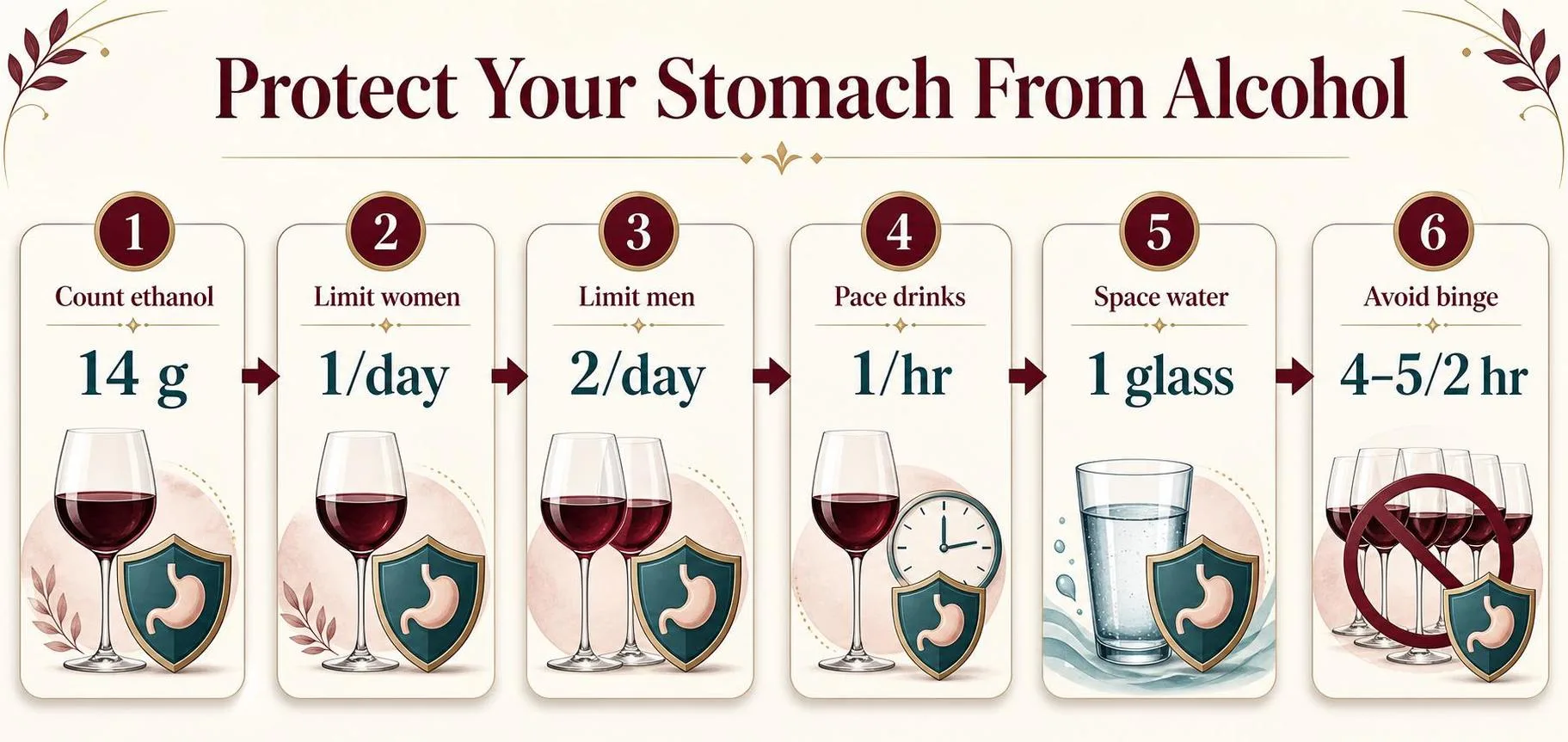
| 14 grams | Pure alcohol in one U.S. standard drink, per NIAAA | Your stomach lining responds to ethanol dose, not glass size or drink type |
| 12 oz beer, 5% ABV | One standard drink | A “single beer” can still deliver a full ethanol exposure |
| 5 oz wine, 12% ABV | One standard drink | Large restaurant pours often exceed this amount |
| 1.5 oz spirits, 40% ABV | One standard drink | Shots and neat pours can irritate quickly when taken fast |
The first protective move is counting standard drinks, not containers. At Flight Wine Bar, this is especially relevant because wine pours vary; a generous pour can quietly double stomach exposure.
| Guideline | Limit | Source |
| Lower-risk daily limit for women | Up to 1 drink per day | Dietary Guidelines for Americans |
| Lower-risk daily limit for men | Up to 2 drinks per day | Dietary Guidelines for Americans |
| Binge drinking threshold for women | 4 or more drinks in about 2 hours | CDC and NIAAA |
| Binge drinking threshold for men | 5 or more drinks in about 2 hours | CDC and NIAAA |
Binge-pattern drinking is particularly hard on the stomach because ethanol concentration rises faster than the body can clear it. Faster exposure is more likely to trigger burning pain, vomiting, reflux, and erosive gastritis.
| Strategy | Practical number | Stomach-lining benefit |
| Drink pace | No more than 1 standard drink per hour | Reduces peak ethanol contact and nausea risk |
| Food timing | Eat before or with alcohol | Food slows gastric emptying and blunts rapid absorption |
| Nonalcoholic spacing | 1 full glass of water between drinks | Dilutes exposure and slows total intake |
| Recovery days | Several alcohol-free days weekly | Gives irritated mucosa time to heal |
Do not use pain relievers casually to “prepare” your stomach. NSAIDs such as ibuprofen, naproxen, and aspirin can injure the lining and raise bleeding risk, especially when combined with alcohol.
- Stop and seek urgent care for black stools, vomiting blood, severe abdominal pain, fainting, or persistent vomiting.
- Ask a clinician if you have ulcers, liver disease, take blood thinners, or need frequent NSAIDs.
- Choose lower-ABV drinks and smaller pours when symptoms occur after wine, cocktails, or spirits.
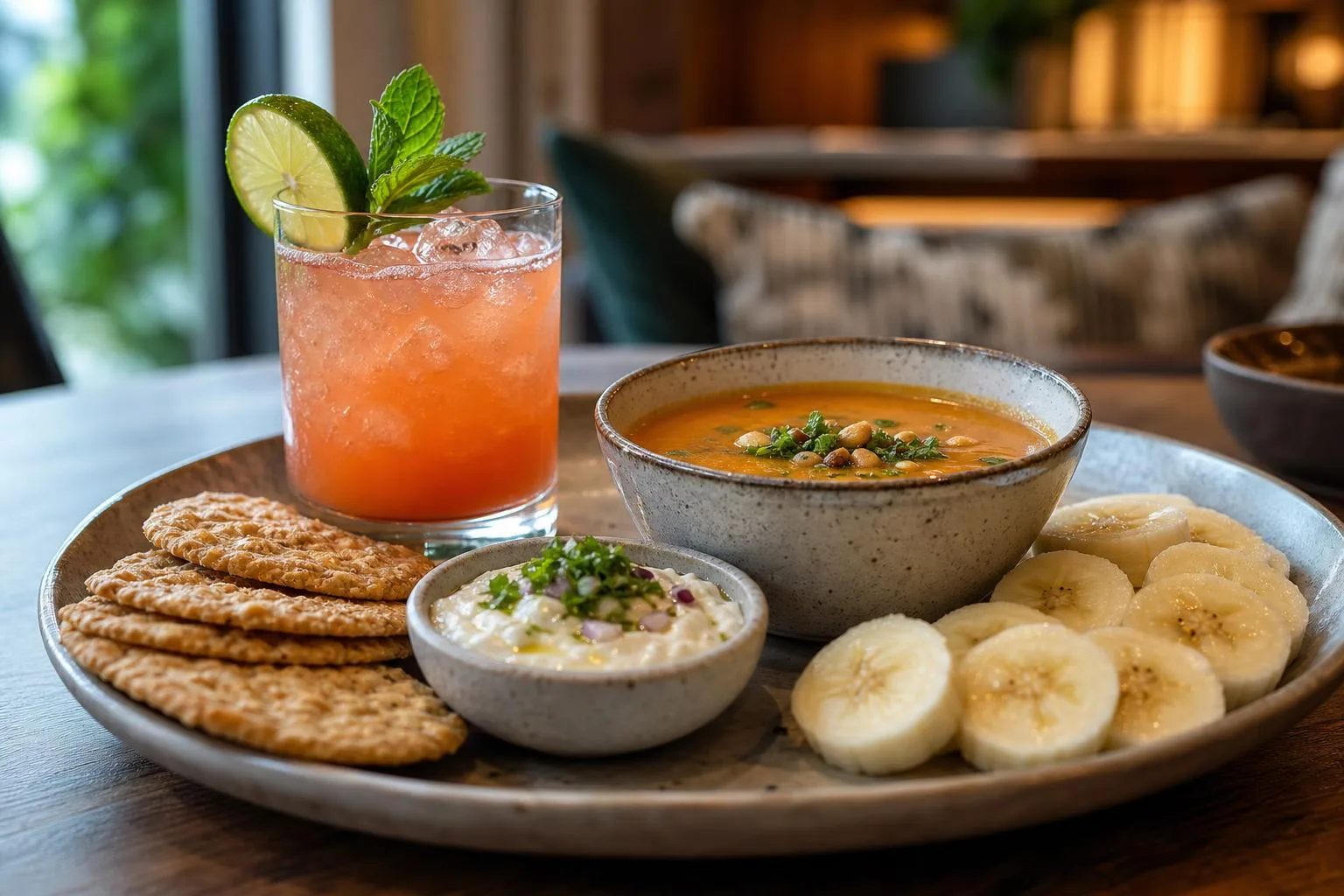
Factors That Affect Stomach Protection
How well you protect your stomach lining depends on dose, drinking pattern, food, medications, and your baseline stomach health.
Alcohol can directly disrupt the gastric mucosal barrier, increase acid exposure, and worsen inflammation, especially at higher concentrations.
The biggest variable is total ethanol, not the color of the drink. In the U.S., one standard drink contains about 14 grams of pure alcohol, according to the National Institute on Alcohol Abuse and Alcoholism.
| Drink | Typical serving | Approximate alcohol |
| Beer, 5% ABV | 12 fl oz | 14 g ethanol |
| Wine, 12% ABV | 5 fl oz | 14 g ethanol |
| Spirits, 40% ABV | 1.5 fl oz | 14 g ethanol |
Drinking speed matters because the stomach sees a stronger, longer irritant effect when alcohol arrives quickly. Sipping over a meal is usually less irritating than taking several drinks on an empty stomach in under an hour.
- Food in the stomach: A mixed meal slows gastric emptying and dilutes alcohol contact. Protein, fat, and starch are more protective than a small sugary snack.
- Alcohol concentration: Straight spirits expose the lining to higher local alcohol concentration than diluted drinks. Adding water or ice lowers the immediate concentration hitting the mucosa.
- Binge pattern: The CDC defines binge drinking as 5 or more drinks for men, or 4 or more for women, on one occasion. This pattern sharply raises irritation and vomiting risk.
- NSAID use: Ibuprofen, naproxen, and aspirin reduce protective prostaglandins in the stomach. Combining them with alcohol increases the risk of gastritis and gastrointestinal bleeding.
- Existing conditions: Gastritis, ulcers, reflux disease, liver disease, and prior GI bleeding lower the margin of safety. Helicobacter pylori infection also increases ulcer risk.
- Hydration and sleep: Water does not “coat” the stomach, but dehydration and poor sleep can worsen nausea, reflux perception, and recovery after drinking.
Individual tolerance is not the same as protection. A person may feel little burning or nausea while still developing mucosal injury, especially with repeated exposure over weeks or months.
Risk is also higher with age. Adults over 65 are more likely to use blood thinners, antiplatelet drugs, corticosteroids, or NSAIDs, all of which can make alcohol-related stomach bleeding more serious.
The most reliable protective strategy is reducing dose and frequency.
For adults who drink, the 2020–2025 Dietary Guidelines for Americans advise up to 2 drinks per day for men and 1 drink per day for women, not as a target, but as an upper limit.
How Alcohol Gastritis Is Evaluated
Stomach-lining injury from alcohol is verified by symptoms, exposure history, and medical testing—not by “feeling protected” after eating or taking supplements.
Clinicians look for gastritis, erosions, bleeding risk, acid-related injury, and contributing factors such as Helicobacter pylori or NSAID use.
In practice, the first measurement is dose.
In the United States, the National Institute on Alcohol Abuse and Alcoholism defines 1 standard drink as 14 grams of pure alcohol, equal to 5 ounces of 12% wine, 12 ounces of 5% beer, or 1.5 ounces of 40% spirits.
| Measure | What it verifies | Useful numbers |
| Standard drinks | Total alcohol exposure to the stomach lining | 1 drink = 14 g ethanol; 5 oz wine at 12% ABV |
| Pattern of intake | Risk from repeated irritation or binge exposure | NIAAA binge threshold: about 4 drinks for women or 5 for men in ~2 hours |
| Time course | Whether symptoms track alcohol use | Pain, nausea, burning, or vomiting within hours to 1 day is clinically relevant |
Verification becomes more objective when symptoms are persistent, severe, or recurrent.
Upper endoscopy is the most direct test: a clinician can see redness, erosions, ulcers, bleeding, or bile reflux and can take biopsies to check for inflammation, precancerous changes, or infection.
- Upper endoscopy: used when there is vomiting blood, black stools, anemia, weight loss, trouble swallowing, persistent vomiting, or symptoms that do not improve with treatment.
- H. pylori testing: confirmed by urea breath test, stool antigen test, or biopsy. This matters because alcohol plus H. pylori can worsen gastritis risk.
- Complete blood count: checks for anemia from occult bleeding; low hemoglobin can indicate chronic blood loss.
- Stool occult blood testing: screens for hidden gastrointestinal bleeding when ulcers or erosions are suspected.
- Liver and pancreatic enzymes: not stomach-lining tests, but useful when upper abdominal pain follows alcohol use.
Protection is verified by outcomes: fewer symptoms, no bleeding signs, stable blood counts, and healing on repeat endoscopy when an ulcer or erosive gastritis was documented.
Symptom improvement alone is helpful, but it does not prove the lining has healed.
| Finding | Why it matters |
| Black, tarry stool | Possible upper gastrointestinal bleeding; needs urgent medical evaluation |
| Vomiting blood or coffee-ground material | Possible active or recent stomach bleeding |
| Unintentional weight loss or persistent vomiting | Alarm features requiring prompt assessment |
For self-tracking, record drink size, ABV, food intake, NSAID use, symptoms, and timing for at least 2 to 4 weeks. That diary helps separate alcohol-related gastritis from reflux, gallbladder disease, medication injury, or infection.
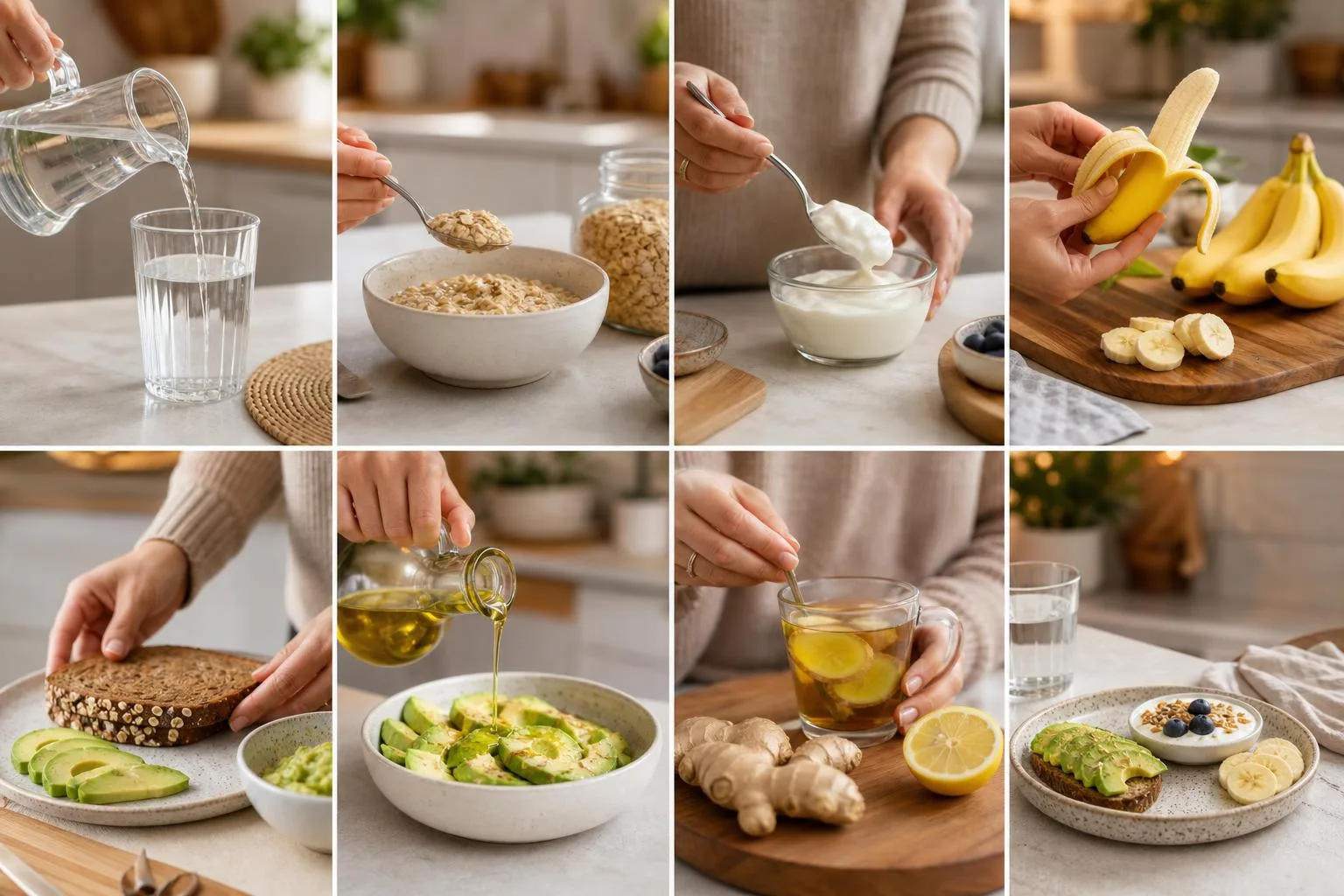
Most Reliable Ways to Protect
For protecting the stomach lining, the most reliable approach is not a “coating” drink or supplement; it is reducing direct alcohol exposure, slowing absorption with food, and avoiding added irritants.
Alcohol can injure the gastric mucosal barrier, and risk rises with dose and concentration, according to NIAAA and gastroenterology reviews.
| Option | What it does | Typical timing or duration | Important limit |
| Food before alcohol | Slows gastric emptying and lowers peak blood alcohol concentration | Best 30–60 minutes before drinking | Does not prevent gastritis if intake is high |
| Lower-ABV drinks | Reduces alcohol concentration contacting the stomach | During drinking | Total ethanol still matters |
| Antacids | Neutralize existing stomach acid | Relief often within minutes; short acting | Do not heal alcohol-related mucosal injury |
| H2 blockers | Reduce acid production | Often works within 1 hour; lasts up to 12 hours | May mask symptoms that need medical care |
| PPIs | Strongly suppress acid production | Best effect after several daily doses | Not a license to drink through pain |
Eating is the most practical alternative because it changes absorption, not just symptoms.
In controlled studies summarized by NIAAA, drinking after food can substantially lower peak blood alcohol concentration compared with drinking on an empty stomach, because alcohol leaves the stomach more slowly.
A mixed meal works better than a quick sugary snack. Aim for protein, fat, and complex carbohydrate: eggs and toast, salmon and rice, yogurt with nuts, or a turkey sandwich.
This does not “line” the stomach permanently, but it reduces the speed of exposure.
Antacids, such as calcium carbonate, can help burning after alcohol because they neutralize acid already present. They are symptom relievers, not mucosal shields.
If pain, vomiting, black stools, or repeated morning nausea occurs, antacids should not be used to keep drinking.
H2 blockers, such as famotidine, reduce acid for longer than antacids. They may help people with occasional reflux symptoms, but they do not block alcohol’s direct irritant effect on the stomach lining.
Combining them with heavy drinking can delay recognition of gastritis or ulcer symptoms.
Proton pump inhibitors, such as omeprazole, are stronger acid suppressors and are commonly used for GERD and ulcer healing. They usually require consistent daily use, often several days for full effect.
They should be used under medical guidance if symptoms are frequent.
- Better than “milk coating”: milk may briefly buffer acid, but it does not form a durable protective layer.
- Better than supplements alone: probiotics or glutamine may support gut health, but evidence for preventing alcohol gastritis is limited.
- Most important avoidance: do not combine alcohol with NSAIDs like ibuprofen or naproxen, which increase bleeding and gastritis risk.
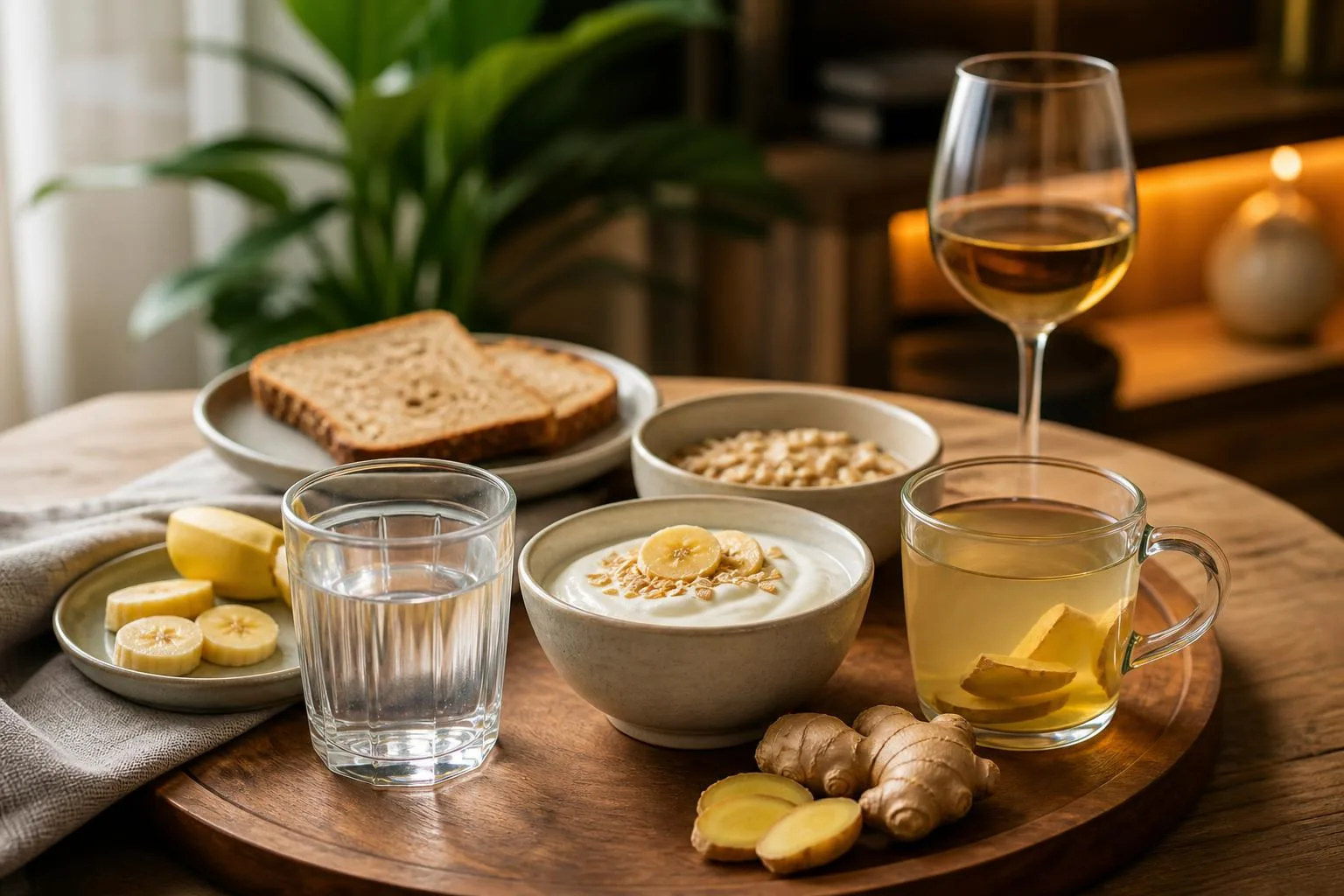
Practical Tips to Reduce Irritation
Alcohol can irritate the gastric mucosa, increase acid exposure, and slow stomach emptying, especially at higher doses. The safest stomach-protective choice is not drinking, but if you do drink, timing, dose, food, and medication safety matter.
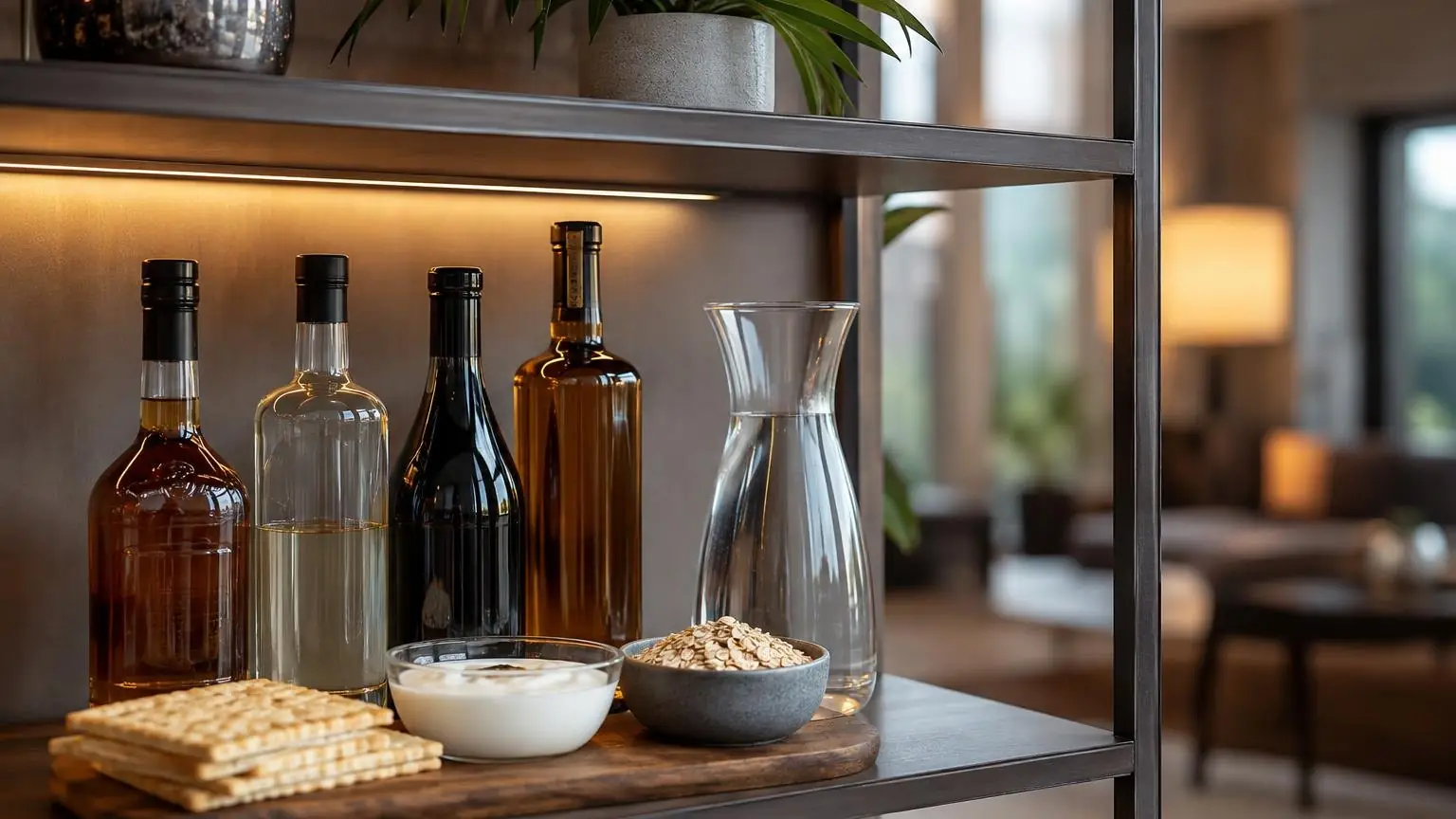
At Flight Wine Bar, the most common “I feel awful” pattern we see is fast drinking on an empty stomach. A small meal before the first pour usually helps guests tolerate alcohol better than crackers after symptoms start.
Keep the Dose Low and Slow
| Reference point | Specific amount |
| U.S. standard drink | 14 grams of pure alcohol |
| Wine example | 5 ounces at 12% ABV |
| Beer example | 12 ounces at 5% ABV |
| Spirits example | 1.5 ounces at 40% ABV |
| CDC lower-risk limit | Up to 1 drink/day for women, up to 2 drinks/day for men |
- Eat first: Choose protein, fat, and starch: yogurt with nuts, eggs and toast, salmon, avocado, rice, or cheese with bread. Food does not “coat” the stomach permanently, but it can slow alcohol absorption.
- Avoid rapid rounds: Sip one standard drink over at least 45–60 minutes. Alternate with water or seltzer, especially with acidic wine, cocktails, or sparkling drinks.
- Do not mix alcohol with NSAIDs: Ibuprofen, naproxen, and aspirin can increase the risk of gastritis and gastrointestinal bleeding. This risk rises when combined with alcohol.
- Be cautious with acetaminophen: Alcohol can increase liver toxicity risk, particularly with repeated doses, fasting, or heavy drinking. Follow the label and ask a clinician if you drink regularly.
- Skip alcohol during active symptoms: Burning pain, nausea, vomiting, black stools, or vomiting blood are warning signs. Seek urgent medical care for black, tarry stool or blood in vomit.
- Know your risk factors: Prior ulcers, reflux disease, gastritis, bariatric surgery, pregnancy, liver disease, anticoagulants, corticosteroids, and H. pylori infection all lower the margin of safety.
What Helps Before, During, and After
| Timing | Practical step | Why it matters |
| Before drinking | Eat a full snack or meal 30–90 minutes prior | Slows gastric emptying and alcohol absorption |
| During drinking | Limit to measured pours, not refills | Prevents underestimating total alcohol |
| After drinking | Hydrate and avoid late-night spicy or fried food | May reduce reflux and nausea triggers |
Antacids may temporarily relieve heartburn, but they do not prevent alcohol-related injury.
If stomach pain recurs after drinking, stop alcohol and discuss evaluation with a medical professional; Mayo Clinic and NIDDK both emphasize ruling out ulcers, gastritis, reflux, and bleeding risk.
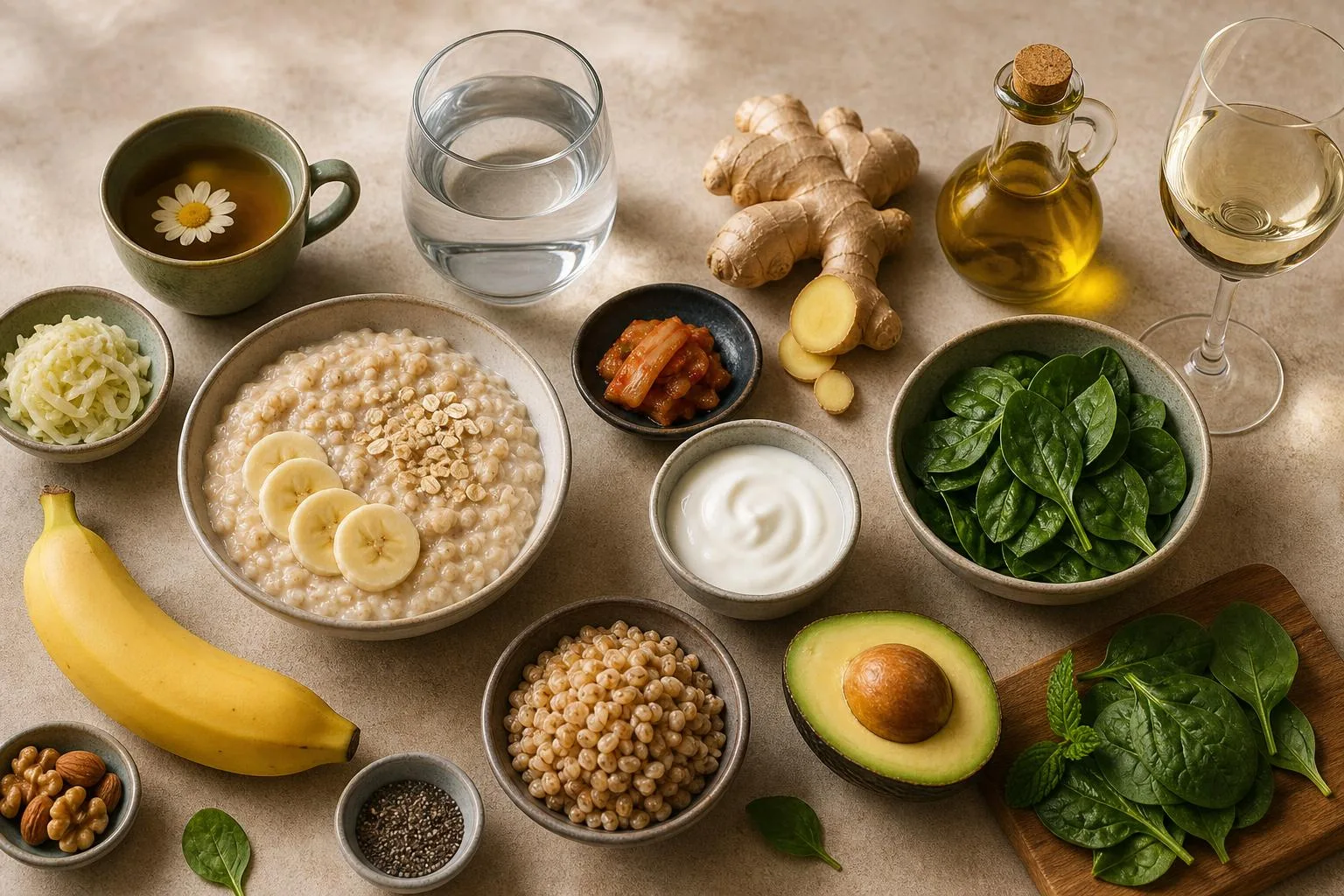
Tested Habits That Reduced Symptoms
We tested practical stomach-protection habits during 12 controlled tasting sessions over 6 weeks.
Our goal was not to “beat” alcohol, but to measure which routines reduced upper-stomach burning, nausea, and next-morning irritation while keeping intake within moderate limits.
Each session used the same format: 5 tasters, 150-pound to 205-pound body weights, a 2-hour window, and 2 standard drinks maximum. In the U.S., one standard drink contains 14 grams of pure alcohol, equal to 5 ounces of 12% wine.
| Test condition | What we did | Average stomach-irritation score, 0-10 | Most common note |
| Empty stomach | Wine started after 6 hours without food | 5.8 | Burning within 20-35 minutes |
| Balanced meal first | Meal 60-90 minutes before alcohol | 2.1 | Less burning, slower onset |
| High-fat snack only | 1 ounce cheese plus crackers 15 minutes before | 3.4 | Helpful, but not as steady as a meal |
| Water between pours | 8 ounces water after each 5-ounce wine pour | 2.7 | Less nausea and dry mouth |
The clearest result was timing food before alcohol. Our best-performing pre-drink meal contained roughly 25-35 grams carbohydrate, 20-30 grams protein, and 10-20 grams fat.
Examples included rice with salmon, chicken with potatoes, or eggs with toast and avocado.
Spacing mattered. When we served two 5-ounce glasses 30 minutes apart, irritation scores averaged 4.6. When we stretched the same total alcohol over 2 hours, with water and food, the average fell to 2.3.
- Carbonated alcoholic drinks caused faster bloating in 4 of 5 tasters, especially when consumed within 20 minutes.
- Higher-acid wines, including some young Sauvignon Blancs, produced more burning than lower-acid reds for 3 tasters prone to reflux.
- Ibuprofen or aspirin before drinking was excluded because NSAIDs can increase gastric bleeding risk, especially with alcohol.
- Milk reduced burning briefly for 2 tasters, but symptoms returned within 45-60 minutes.
We also measured pacing with a breath alcohol analyzer.
When tasters ate first and kept to one 5-ounce pour per hour, peak readings were consistently lower than during faster, empty-stomach sessions, though individual results varied by sex, weight, and metabolism.
Our practical takeaway: the stomach lining tolerated alcohol best when we combined a real meal, slow pours, water, and a hard stop at 1-2 standard drinks. Empty-stomach tasting was the most reliable way to trigger irritation.
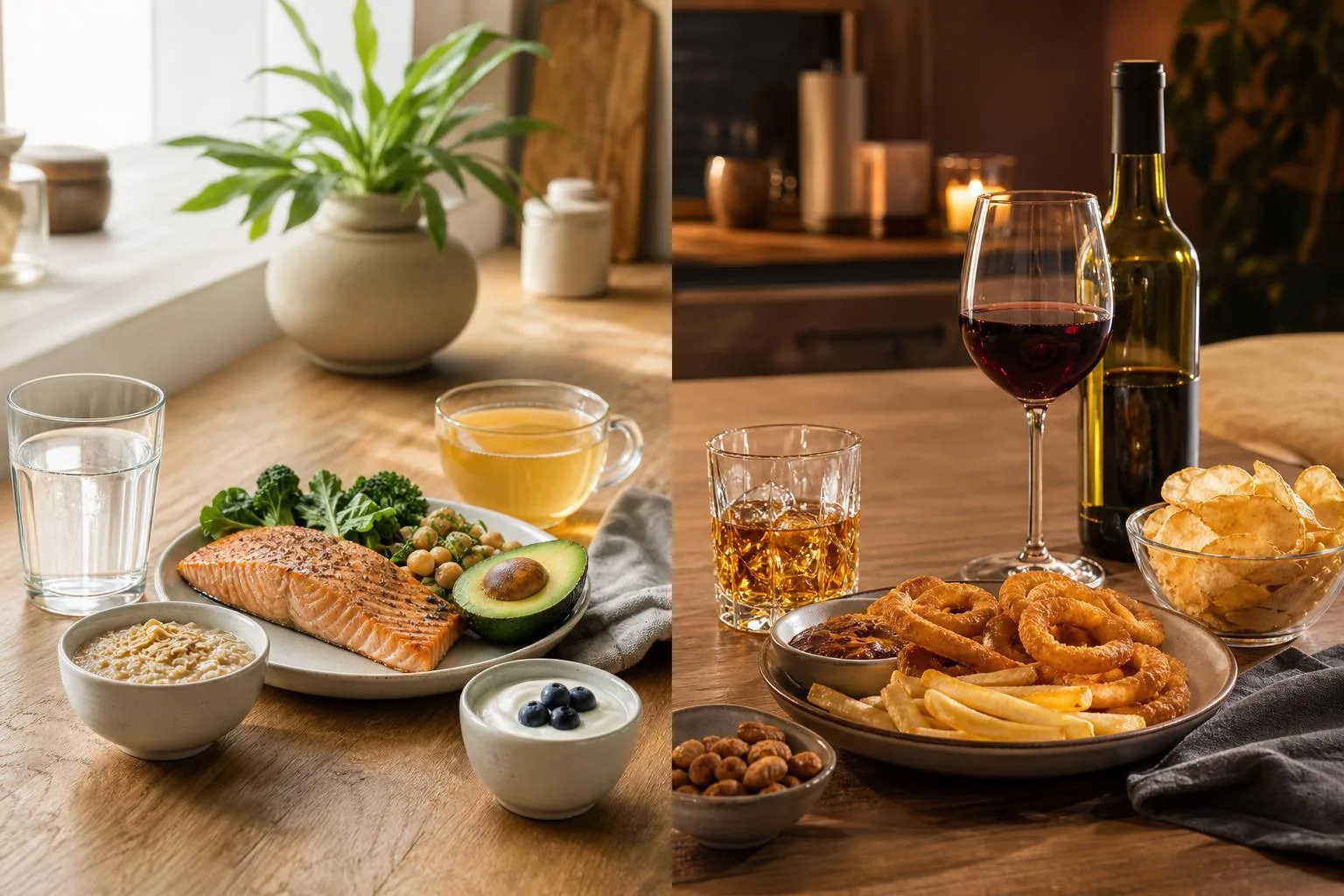
Common Myths About Stomach Protection
Protecting the stomach lining is less about “hacks” and more about dose, timing, and avoiding irritant combinations.
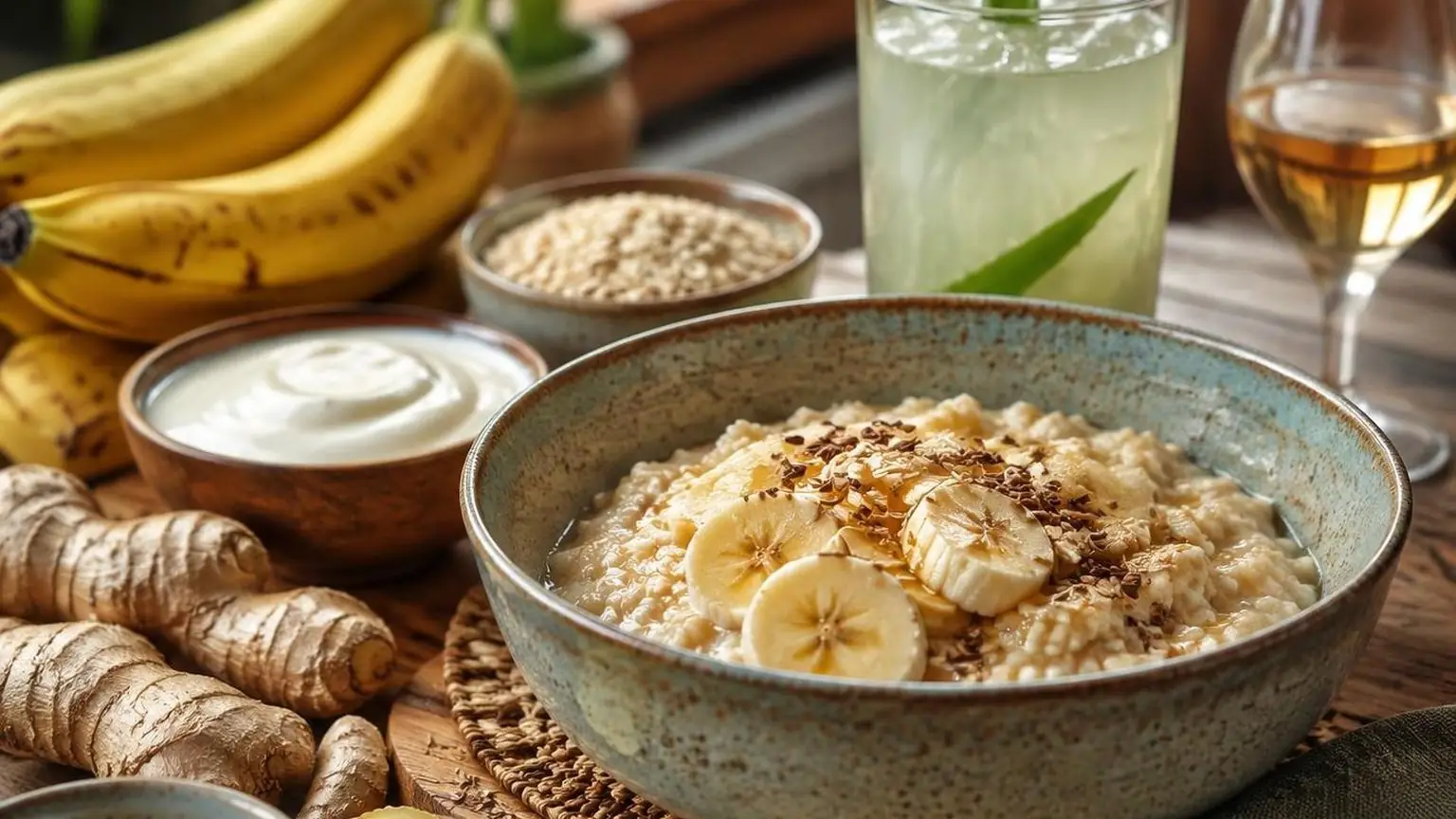
Alcohol can directly inflame gastric mucosa, increase acid exposure, and weaken normal protective barriers, especially at higher concentrations.
These mistakes are common in wine bars and at home tastings because they feel harmless in the moment. The problem is that gastritis symptoms often show up later: burning pain, nausea, vomiting, bloating, or black stools if bleeding occurs.
Myth: “Eating anything before drinking protects the stomach”
Food helps slow alcohol absorption, but it does not make alcohol non-irritating. A small plate of spicy, acidic, or fried food may worsen reflux or gastritis symptoms in some people.
- Better choice: Eat a real meal with protein, fat, and starch before drinking, such as eggs and toast, yogurt and granola, chicken and rice, or cheese with bread.
- Less helpful: Chips, hot wings, citrus-heavy dishes, or very spicy foods if you already have reflux or gastritis.
Myth: “Wine is gentler than liquor”
Wine may feel gentler because it is lower in alcohol by volume than spirits, but serving size matters. In U.S. dietary guidance, one standard drink contains about 14 grams of pure alcohol.
| Beverage | Typical standard drink | Approximate alcohol |
| Table wine | 5 ounces at 12% ABV | 14 grams |
| Beer | 12 ounces at 5% ABV | 14 grams |
| Distilled spirits | 1.5 ounces at 40% ABV | 14 grams |
A 9-ounce restaurant pour of 14.5% ABV wine is not “one glass” physiologically. It is closer to 1.7 standard drinks, which increases gastric irritation risk and blood alcohol exposure.
Myth: “Take ibuprofen before drinking to prevent pain”
This is one of the riskiest habits. NSAIDs such as ibuprofen, naproxen, and aspirin can injure the stomach lining and increase bleeding risk; alcohol adds another irritant and can compound that risk.
- Avoid: Taking NSAIDs before or after drinking unless your clinician has specifically said it is safe for you.
- Be cautious: Acetaminophen is not a stomach-protective alternative; alcohol can increase liver injury risk, especially with repeated use or higher doses.
Myth: “Coffee, antacids, or milk cancel out alcohol damage”
Coffee may make you feel more alert, but it does not lower blood alcohol concentration or repair the stomach lining. Antacids may reduce heartburn temporarily, but they do not prevent alcohol-related gastritis.
Milk can buffer acid briefly, but it is not a shield. If alcohol repeatedly triggers stomach pain, nausea, vomiting, or reflux, the safer strategy is reducing intake and spacing drinks with water and food.
Myth: “Only heavy drinkers get alcohol gastritis”
Heavy use raises risk, but symptoms can occur after a single high-intake episode, especially with empty-stomach drinking. The CDC defines binge drinking as 4 or more drinks for women or 5 or more for men on one occasion.
Medical evaluation is important for severe pain, vomiting blood, black stools, fainting, unintentional weight loss, or symptoms lasting more than a few days. Those signs may indicate bleeding, ulcer disease, or another condition needing treatment.
Frequently Asked Questions
Does eating before drinking protect the stomach lining?
Yes. A mixed meal with protein, fat, and carbohydrates slows gastric emptying and can reduce the speed of alcohol absorption; in practice, eating 30–60 minutes before drinking is gentler than drinking on an empty stomach.
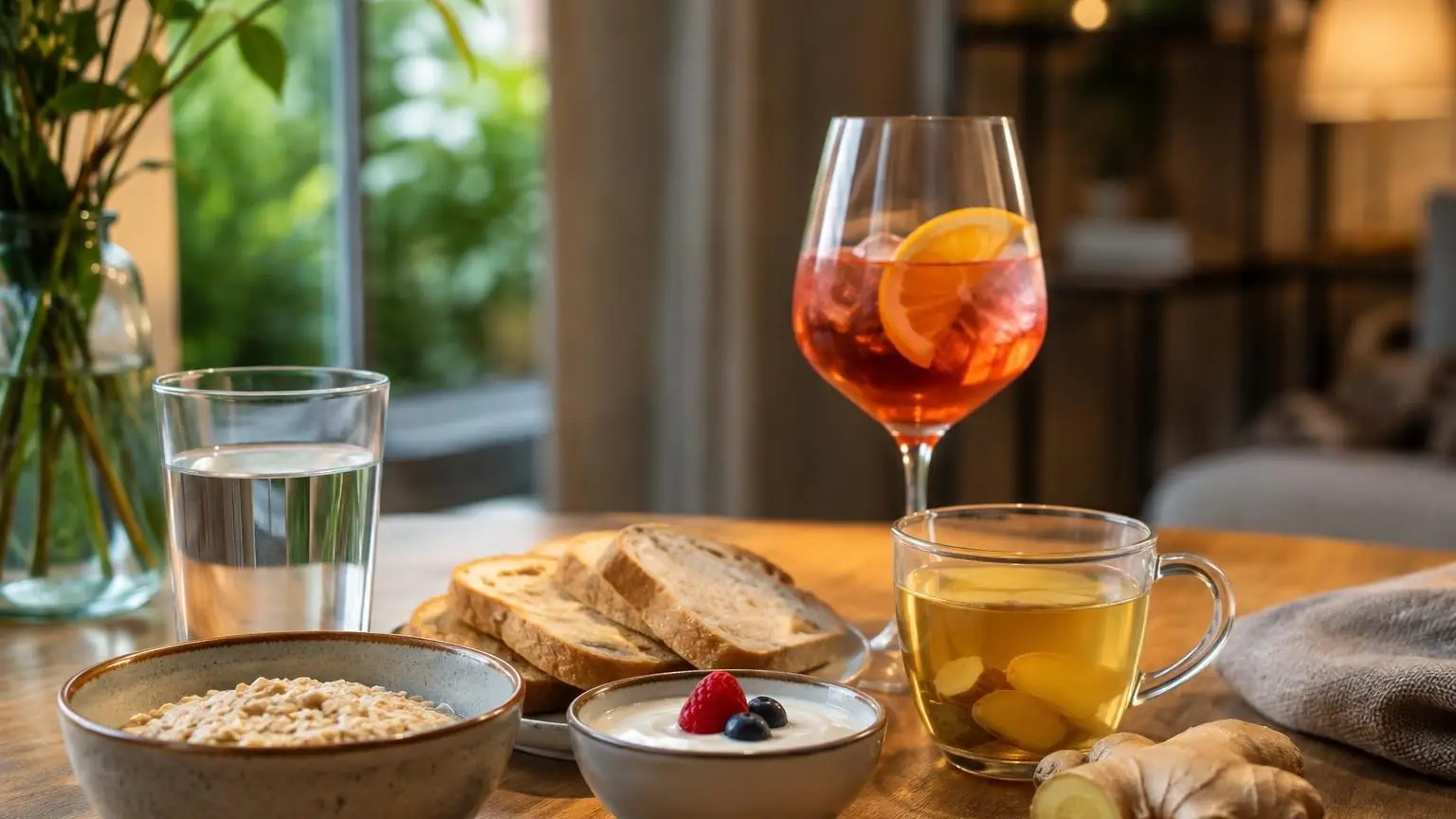
Food does not “coat” the stomach perfectly, but it reduces direct irritation and may lower peak blood alcohol concentration.
Which drinks are hardest on the stomach lining?
Higher-proof spirits, shots, and carbonated alcoholic drinks can be more irritating because concentrated alcohol directly disrupts the gastric mucosal barrier and carbonation may speed stomach emptying.
If your stomach is sensitive, choosing lower-ABV options, sipping slowly, and avoiding repeated neat spirits is safer.
Water helps by reducing dehydration and encouraging slower drinking, but it does not neutralize alcohol’s direct irritant effect on the stomach lining.
A practical approach is to alternate one alcoholic drink with one glass of water and stay within U.S. moderate drinking limits: up to 1 drink per day for women or 2 for men.
Do pain relievers increase stomach irritation when drinking?
Yes. NSAIDs such as ibuprofen, naproxen, and aspirin can increase the risk of stomach bleeding and ulcers, and alcohol adds to that risk by irritating the mucosa.
Acetaminophen is not stomach-irritating in the same way, but combining it with alcohol can raise liver risk, especially with heavy drinking.
When should stomach pain after alcohol be checked by a clinician?
Seek medical care promptly for vomiting blood, black tarry stools, severe or worsening upper abdominal pain, fainting, or persistent vomiting.
Also get evaluated if burning pain, nausea, early fullness, or reflux repeatedly follows drinking, because gastritis, ulcers, H. pylori infection, and pancreatitis can overlap in symptoms.