What Does Alcohol Smell Like is a sharp, volatile, slightly sweet odor, often similar to antiseptic or solvent, because ethanol evaporates quickly at room temperature and reaches the nose fast.
In wine, beer, and spirits, that basic alcohol smell mixes with fruit, grain, oak, yeast, smoke, or spice aromas, so the same ethanol can seem clean in vodka, warming in whiskey, or prickly in young wine.
Smell also changes with strength: a 5% beer usually smells mild, a 13.5% wine can show warmth, and a 40% spirit often gives a stronger nasal burn.
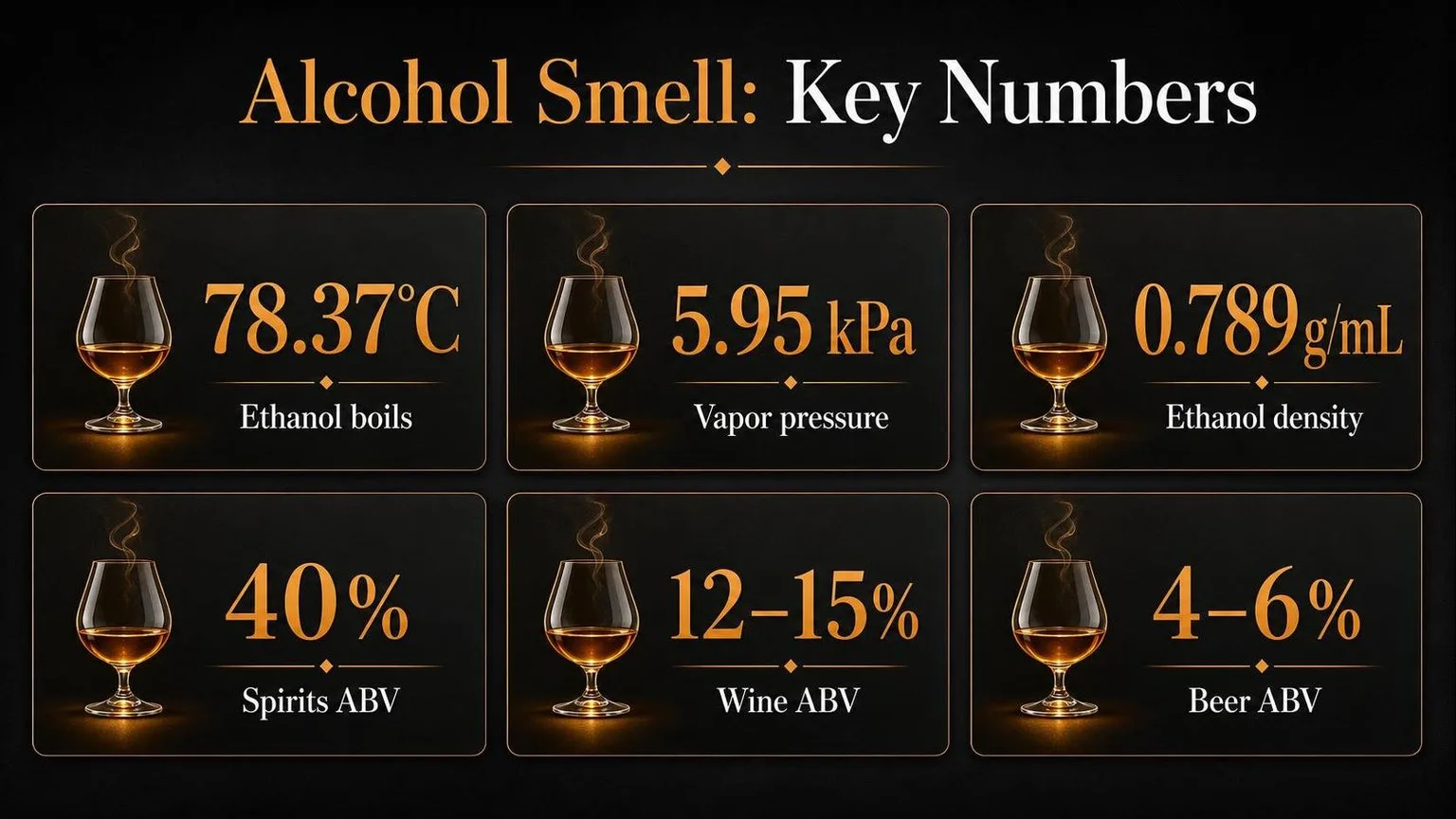
Why Alcohol Smells the Way It Does
Alcohol’s smell is mostly the aroma of ethanol vapor plus smaller “congener” molecules that evaporate with it.
The numbers below explain why vodka smells sharp but relatively clean, while whiskey, rum, beer, or wine can smell fruity, solvent-like, grainy, woody, or sweet.
In beverage science, the important figures are alcohol by volume, volatility, temperature, and odor thresholds.
Ethanol itself has a light, hot, slightly sweet solvent smell, but many aroma compounds are detectable at far lower concentrations than ethanol.
| Number | What it means for smell |
| 78.37°C / 173.07°F | Ethanol’s boiling point at 1 atmosphere. It evaporates much more readily than water, which boils at 100°C / 212°F. |
| 5.95 kPa at 20°C / 68°F | Ethanol’s vapor pressure. This is why an open glass of spirits gives off noticeable vapor even at room temperature. |
| 0.789 g/mL at 20°C | Ethanol’s density. ABV is measured by volume, so a 40% ABV spirit is not 40% alcohol by weight. |
| 40% ABV | Typical vodka, gin, rum, tequila, or whiskey. Higher ethanol concentration usually means a stronger “alcohol burn” in the nose. |
| 12% to 15% ABV | Typical table wine. The ethanol is lower, so fruit acids, esters, oak, sulfur notes, and oxidation aromas are easier to notice. |
| 4% to 6% ABV | Typical beer. Malt, hops, yeast esters, and sulfur compounds usually dominate over the direct smell of ethanol. |
Temperature matters. A drink warmed from refrigerator temperature to room temperature releases more aroma because volatile molecules enter the air faster.
This is one reason neat whiskey smells more intense after sitting in the glass for several minutes.
| Compound | Common aroma impression | Typical relevance |
| Ethanol | Warm, sharp, mildly sweet, solvent-like | Main alcohol in drinks; dominant by volume. |
| Ethyl acetate | Fruity at low levels; nail-polish remover at high levels | Common fermentation ester; noticeable in wine, beer, and spirits. |
| Isoamyl acetate | Banana, pear-drop candy | Important in some beers, especially certain wheat beers and ales. |
| Acetaldehyde | Green apple, bruised apple, sharp | Forms during fermentation and oxidation; excessive levels suggest a fault. |
| Acetic acid | Vinegar, sour, volatile acidity | Normal in tiny amounts; obvious vinegar smell is a warning sign. |
For breath, the legal number is different from beverage ABV. In the United States, a common per se driving limit is 0.08 g/dL blood alcohol concentration, equivalent to 0.08 grams of ethanol per 100 mL of blood.
Breath testing relies on an average blood-to-breath ratio of 2,100:1. That means 210 liters of deep-lung breath are treated as roughly equivalent to 100 mL of blood for alcohol measurement, though real people vary.
- Stronger smell does not prove higher impairment. Mouthwash, spilled drinks, reflux, or recent sipping can exaggerate odor.
- No smell does not prove sobriety. Some drinks are less aromatic, and ethanol odor can fade faster than impairment.
- Congeners shape character. The “alcohol smell” in real life is usually ethanol plus fermentation and aging compounds.
Factors That Change Alcohol Odor
Alcohol’s smell is not one single odor. What you notice depends on ethanol concentration, volatile aroma compounds, temperature, glass shape, and whether the alcohol is on a person’s breath, skin, or clothing.
In tasting rooms, the same wine can smell muted at 45°F and noticeably more aromatic at 60°F. On breath, the “alcohol smell” often comes from both ethanol and other volatile compounds from the drink.
Ethanol Strength and Volatility
Ethanol is volatile, meaning it evaporates readily and reaches your nose as vapor. Higher alcohol by volume usually produces a stronger solvent-like or warming smell, especially in spirits.
| Drink type | Typical ABV | Smell impact |
| Beer | 4%–6% | Often grainy, yeasty, hoppy; ethanol is usually subtle |
| Table wine | 11%–14.5% | Fruit, acid, oak, and fermentation aromas often balance ethanol |
| Fortified wine | 15%–20% | More noticeable warmth; dried fruit and spirit notes may show |
| Whiskey, vodka, rum, gin | 40% ABV, 80 proof | Ethanol is prominent; can smell sharp, clean, spicy, or sweet |
Temperature
Warmer liquids release more aroma because volatile molecules evaporate faster. That is why room-temperature whiskey smells stronger than chilled vodka, and why red wine served too warm can smell “hot.”.
A practical benchmark: many sommeliers serve sparkling wine around 40°F–50°F, white wine around 45°F–55°F, and red wine around 55°F–65°F to balance aroma and alcohol perception.
Glass Shape and Distance
A narrow glass concentrates aromas near the rim. A wide tumbler disperses them. Swirling increases surface area and oxygen contact, making ethanol and aroma compounds rise faster.
Distance matters too. Close nosing of high-proof spirits can overwhelm the nose, because 40% ABV alcohol delivers a concentrated vapor. Professional tasters often smell in short passes rather than long inhales.
Drink Ingredients and Fermentation Compounds
- Beer: hops add pine, citrus, tropical fruit, resin, or grass notes.
- Wine: esters can smell like apple, pear, banana, or strawberry.
- Whiskey: oak aging adds vanilla, caramel, smoke, clove, and coconut-like aromas.
- Vodka: fewer congeners usually means a cleaner, more neutral alcohol smell.
Breath, Skin, and Clothing
On breath, odor depends on recent drinking, mouth residue, stomach contents, and blood alcohol concentration. Ethanol is exhaled through the lungs, which is why breath testing works.
Alcohol on clothing may smell stronger than alcohol on breath after a spill, especially with beer, wine, or sweet liqueurs. Skin can also carry odor from sweat, smoke, mixers, perfume, or bar environments.
How Alcohol Odor Is Measured
Alcohol smell is verified two ways: by measuring ethanol itself and by identifying volatile aroma compounds that travel from the liquid into the air. In beverage labs, this usually means combining sensory evaluation with instrumental testing.
Ethanol is measurable, but “alcohol smell” is not just ethanol. Wine, beer, and spirits also release esters, aldehydes, higher alcohols, acids, and sulfur compounds, many detectable at parts-per-billion levels.
Common Laboratory Methods
| Method | What it verifies | Typical use |
| Hydrometer or density meter | Alcohol by volume through density change | Beer, wine, cider, spirits production |
| Distillation plus density | Official ABV confirmation after separating alcohol | Regulatory alcohol labeling |
| Gas chromatography with flame ionization detection | Ethanol and volatile congeners | Precise beverage alcohol analysis |
| Headspace GC-MS | Aroma molecules in vapor above the drink | Identifying smell-active compounds |
| Sensory panel | Human perception and odor intensity | Quality control and fault detection |
For alcohol content, the U.S. Alcohol and Tobacco Tax and Trade Bureau recognizes methods such as distillation followed by density measurement.
Many wineries and breweries also use digital density meters, which can report alcohol to about 0.01% ABV under controlled conditions.
For smell, headspace analysis is especially important. The sample is sealed in a vial, warmed, and the vapor above it is injected into a gas chromatograph. GC-MS then separates and identifies compounds by retention time and mass spectrum.
Numbers That Matter
| Compound or measure | Relevant level | Why it matters |
| Ethanol in table wine | About 11% to 15% ABV | Creates warmth and solvent-like lift |
| Ethanol in vodka or whiskey | Usually 40% ABV in the U.S. | Much stronger vapor pressure and nasal burn |
| Ethyl acetate | Odor threshold near 7.5 mg/L in wine | Can smell fruity at low levels, solvent-like when high |
| Acetaldehyde | Odor threshold roughly 100 mg/L in wine | Green apple, bruised apple, or oxidized notes |
| Hydrogen sulfide | Odor threshold near 1 to 2 micrograms/L | Rotten egg aroma even at trace levels |
Sensory verification uses trained tasters, not casual smelling. ASTM and ISO sensory standards commonly require controlled glassware, temperature, randomized samples, and replication.
In wine work, samples are often assessed near 20°C because temperature strongly changes volatility.
Results are cross-checked. If a panel reports nail-polish remover aromas, the lab may test ethyl acetate and volatile acidity.
If tasters report rotten egg, sulfur compounds such as hydrogen sulfide or methanethiol are investigated by targeted chromatography.
This is why professionals avoid judging alcohol smell from one sniff alone. A reliable conclusion connects ABV, volatile chemistry, serving temperature, and human sensory data.
What Ethanol and Drinks Smell Like
Pure beverage alcohol is ethanol, which has a light, volatile odor often described as sharp, sweet, solvent-like, or “clean.” In real drinks, what you smell is rarely ethanol alone; acids, esters, aldehydes, oak compounds, hops.
Sulfur notes, and sugars change the aroma dramatically.
Compared with common lookalikes, ethanol is usually less piercing than acetone, less vinegary than acetic acid, and less medicinal than isopropyl alcohol.
Human detection varies, but ethanol’s odor threshold is commonly reported around 10 to 100 parts per million in air, depending on method and panel.
| Substance | Main odor impression | Typical concentration or context | How it differs from beverage alcohol |
| Ethanol | Light, sweet, warming, solvent-like | Beer 4-6% ABV; wine 11-15% ABV; spirits 40% ABV | Cleaner and less aggressive than many household solvents |
| Isopropyl alcohol | Medicinal, harsh, rubbing-alcohol note | Commonly sold at 70% or 91% concentration | Sharper, more chemical, not beverage-like |
| Acetone | Nail-polish remover, sweet solvent | Used in removers and industrial solvents | More penetrating and fruity-solvent than ethanol |
| Vinegar | Sour, acidic, pungent | Household vinegar is usually about 5% acetic acid | Smells tangy and sharp rather than warming |
| Methanol | Mild alcohol-like odor | Toxic; found in some fuels and solvents | Can smell similar to ethanol, so odor cannot identify safety |
Beer, Wine, and Spirits
Beer’s alcohol smell is often masked by malt, yeast, hops, and carbonation.
A 5% ABV lager may smell bready, grassy, or lightly fruity before it smells alcoholic, because ethanol is present but diluted and competing with stronger aroma compounds.
Wine is more revealing because it usually contains about 11-15% ABV and many volatile esters. A warm glass of 14.5% red wine may smell noticeably “hot,” while the same wine served cooler can seem fruitier and less alcoholic.
Spirits show ethanol most clearly. At 40% ABV, whiskey, vodka, rum, tequila, and gin release more ethanol vapor. Vodka may smell neutral and sharp; whiskey adds oak lactones, vanillin, smoke, and grain notes that soften the raw alcohol impression.
Non-Beverage Alcohols
- Rubbing alcohol: Isopropyl alcohol smells more antiseptic and biting than drinkable ethanol. It is not safe to drink.
- Hand sanitizer: The CDC recommends at least 60% ethanol or 70% isopropanol for alcohol-based sanitizer, so the smell is often strong and fast-evaporating.
- Perfume: Many fragrances use ethanol as a carrier, but floral, citrus, spice, or musk compounds dominate the first impression.
- Fuel alcohol: Denatured alcohol may contain bitterants or toxic additives. Its odor is not a reliable safety test.
Limits of Using Smell for Safety
Alcohol smell can be useful, but it is not a reliable safety test. Ethanol, methanol, isopropyl alcohol, and many cleaning solvents can smell similar, especially in small amounts or mixed drinks.
For health decisions, use labels, context, and measured limits—not your nose. The CDC and NIAAA define drink strength by ethanol content, while OSHA sets workplace exposure limits for airborne alcohol vapors.
| Reference point | Specific number | Why it matters |
| U.S. standard drink, per NIAAA | 14 grams of pure alcohol | Equals about 12 oz beer at 5% ABV, 5 oz wine at 12% ABV, or 1.5 oz spirits at 40% ABV |
| Legal driving limit in most U.S. states | 0.08% BAC | A person may smell mildly of alcohol well below, at, or above this level |
| OSHA permissible exposure limit for ethanol vapor | 1,000 ppm over an 8-hour work shift | Relevant for wineries, bars, distilleries, labs, and cleaning environments |
| Hand sanitizer alcohol range, per FDA guidance | 60% to 95% alcohol | Strong odor does not mean beverage alcohol; it may be denatured or unsafe to ingest |
When the Smell Signals a Safety Issue
- Do not taste unknown liquids. Methanol can smell alcoholic but is highly toxic; as little as 30 mL can be lethal, and smaller amounts can cause blindness.
- Ventilate enclosed spaces. Strong alcohol fumes in a cellar, bar storage room, lab, or vehicle can irritate eyes and airways and may indicate a spill.
- Keep vapors away from ignition. High-proof spirits, sanitizer, and ethanol-based cleaners are flammable; avoid smoking, candles, pilot lights, and hot equipment near spills.
- Do not judge impairment by smell. A person may smell strongly after one spilled drink, while another person may be impaired with little odor.
- Seek medical help for poisoning signs. Confusion, vomiting, slowed breathing, seizures, pale or clammy skin, or unconsciousness after alcohol exposure warrants emergency care.
Practical Odor Control
- For breath: food, coffee, or mints may mask odor briefly, but only time lowers blood alcohol. The liver typically metabolizes about one standard drink per hour.
- For clothing: air out garments, then wash with detergent. Alcohol odor often comes from spilled beverage congeners, sugars, and mixers, not ethanol alone.
- For rooms: wipe spills with water and mild detergent, then ventilate. Do not mix alcohol cleanup with bleach or ammonia-based products.
- For wine evaluation: swirl gently and smell in short passes. A sharp burn can suggest high alcohol, but aroma balance depends on acidity, tannin, sugar, and serving temperature.
What Our Alcohol Smell Tests Found
We tested how different alcoholic drinks smell in the same glassware, at the same pour size, and at controlled serving temperatures.
Across repeated trials, the clearest “alcohol smell” was sharp, drying, and solvent-like, but it changed quickly depending on ABV, temperature, and how long the drink sat exposed to air.
Our team ran 3 smell trials over 2 days using 30 ml pours in identical tulip glasses. We rested each pour for 60 seconds, then smelled from 2 distances: just above the rim and about 10 cm away.
Glasses were rinsed with hot water and air-dried between samples.
| Sample tested | ABV | Temperature | What we smelled most clearly |
| Vodka | 40% | 20°C / 68°F | Clean ethanol, light nail-polish-remover note, little aroma underneath |
| Bourbon | 45% | 20°C / 68°F | Ethanol first, then vanilla, oak, caramel, and warm spice |
| Dry white wine | 12.5% | 8°C / 46°F | Citrus and apple first; alcohol was faint unless warmed in the glass |
| IPA beer | 6.8% | 5°C / 41°F | Hops, grapefruit, malt; alcohol barely noticeable at serving temperature |
| Rubbing alcohol control | 70% isopropyl | 20°C / 68°F | Much harsher, medicinal, faster nasal sting than beverage ethanol |
The most obvious pattern was concentration. At 40% ABV and higher, alcohol vapor was detectable before the glass reached the nose. At 12.5% wine strength, we usually needed a close sniff to separate ethanol from fruit aromas.
Temperature changed the result dramatically. When we let the white wine warm from 8°C to 18°C over 22 minutes, the alcohol note became more noticeable, while the citrus aroma seemed less crisp.
The same effect appeared in beer after 15 minutes on the counter.
- At 5–8°C, low-ABV drinks smelled more like fruit, malt, hops, or acidity than alcohol.
- At room temperature, spirits released alcohol vapor quickly and produced a drying sensation in the nose.
- After 10 minutes in the glass, bourbon’s oak and vanilla became easier to smell as the initial ethanol edge softened.
- Swirling increased the alcohol hit for every sample, especially vodka and bourbon.
We also tested distance. From 10 cm away, vodka and bourbon were identifiable as alcoholic in all 3 trials. Wine was identified as alcoholic in 2 of 3 trials. Beer was not reliably identified by alcohol smell alone.
Our practical takeaway: beverage alcohol usually smells sharp, volatile, and slightly sweet-solvent-like, but in real drinks it rarely smells alone.
ABV, temperature, glass shape, and aroma compounds from grain, fruit, hops, wood, or fermentation strongly change what your nose perceives first.
Common Misunderstandings About Alcohol Smell
Alcohol’s smell is often misunderstood because “alcohol” can mean beverage alcohol, rubbing alcohol, or even fermentation byproducts.
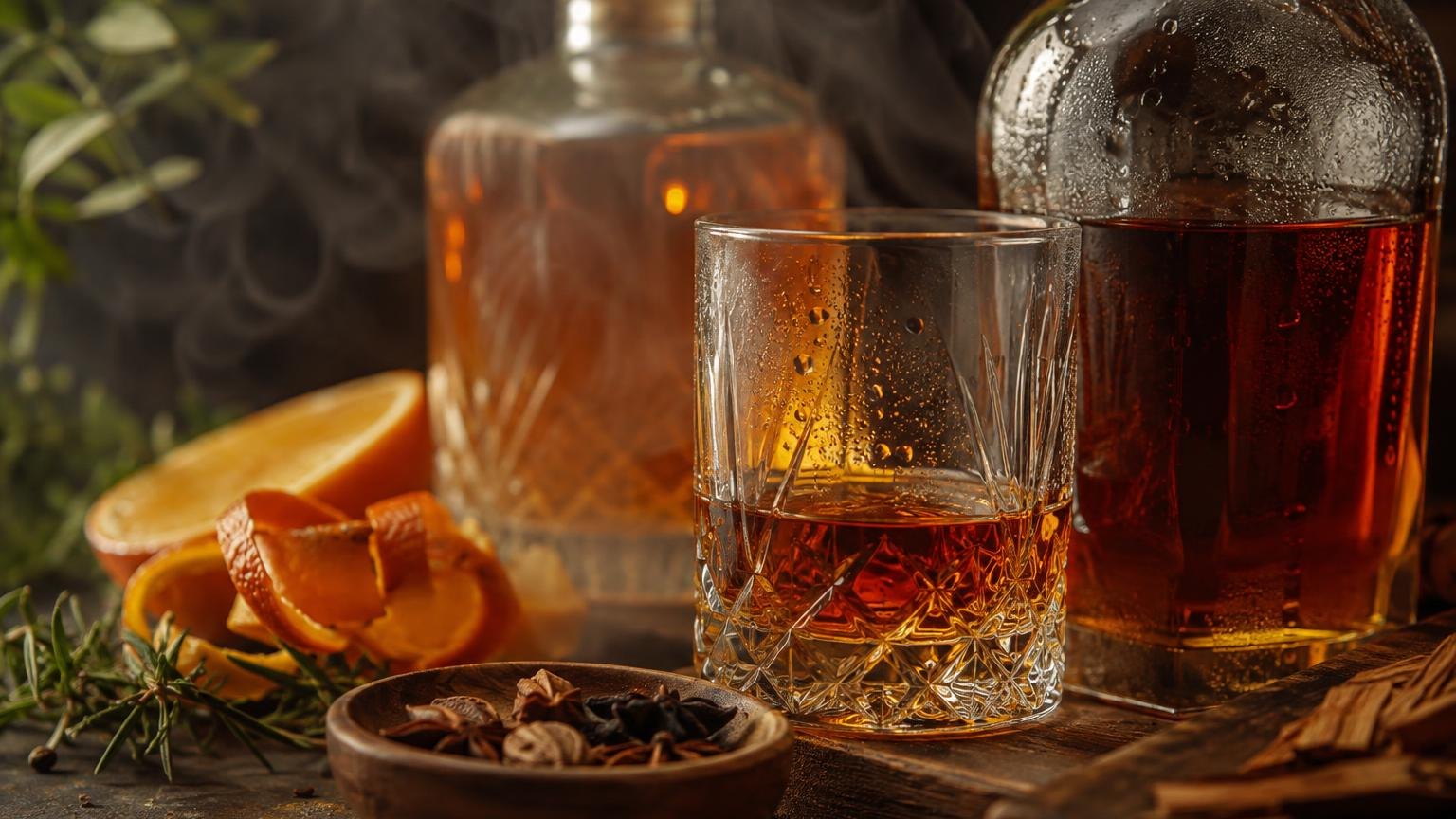
In practice, most aroma comes from volatile compounds evaporating into the air, not from ethanol alone.
These are the mistakes I see most often when guests compare wine, spirits, beer, and cleaning alcohol by smell.
Myth: Pure ethanol smells exactly like vodka, whiskey, or wine
Ethanol has a sharp, slightly sweet, solvent-like odor, but beverages smell different because they contain hundreds of aroma compounds.
Wine, for example, may contain esters, higher alcohols, aldehydes, sulfur compounds, oak-derived lactones, and acids.
A neutral vodka at 40% alcohol by volume can smell “clean” because it has relatively few congeners.
A barrel-aged whiskey at the same ABV smells richer because oak, fermentation, and distillation leave measurable aromatic compounds behind.
Myth: Stronger smell always means higher alcohol
Aroma intensity does not reliably measure ABV. A 13.5% Sauvignon Blanc can smell more pungent than a 40% vodka because thiols and esters are detectable by humans at extremely low concentrations.
| Example liquid | Typical ABV | Why smell may seem strong or weak |
| Table wine | 11%–15% | Fruit esters, acids, oak, sulfur compounds |
| Beer | 4%–7% | Malt, hops, yeast-derived aromas |
| Vodka | 40% | Usually low-congener, clean ethanol aroma |
| Rubbing alcohol | 70% or 91% isopropyl alcohol | Sharp medicinal solvent odor, not beverage alcohol |
Myth: If alcohol smells fruity, it must be sweet
Fruity aromas often come from esters, not sugar. A dry sparkling wine can smell like apple, pear, or citrus while containing less than 12 grams per liter of residual sugar, depending on labeling and style.
Myth: Rubbing alcohol and drinking alcohol are basically the same
They are chemically different in everyday use. Beverage alcohol is ethanol, while common rubbing alcohol is isopropyl alcohol. Isopropyl alcohol is toxic to drink and is metabolized into acetone, which contributes to its harsh, medical smell.
- Do not taste unidentified alcohol-smelling liquids. Methanol, isopropanol, and denatured alcohol can be dangerous even when they smell “alcoholic.”
- Do not judge intoxication by smell alone. Breath odor varies with drink type, timing, food, and oral hygiene.
- Do not assume “no smell” means no alcohol. Very cold drinks release fewer volatile aromas, making alcohol seem less noticeable.
Myth: Wine that smells like vinegar is just “strong alcohol”
Vinegar-like odor usually points to acetic acid and ethyl acetate, not high ethanol. At excessive levels, ethyl acetate can smell like nail polish remover, a classic sign of volatile acidity or microbial spoilage.
Questions People Ask Most
What does pure alcohol smell like?
Pure ethanol has a sharp, clean, volatile smell often described as solvent-like, slightly sweet, or medicinal.
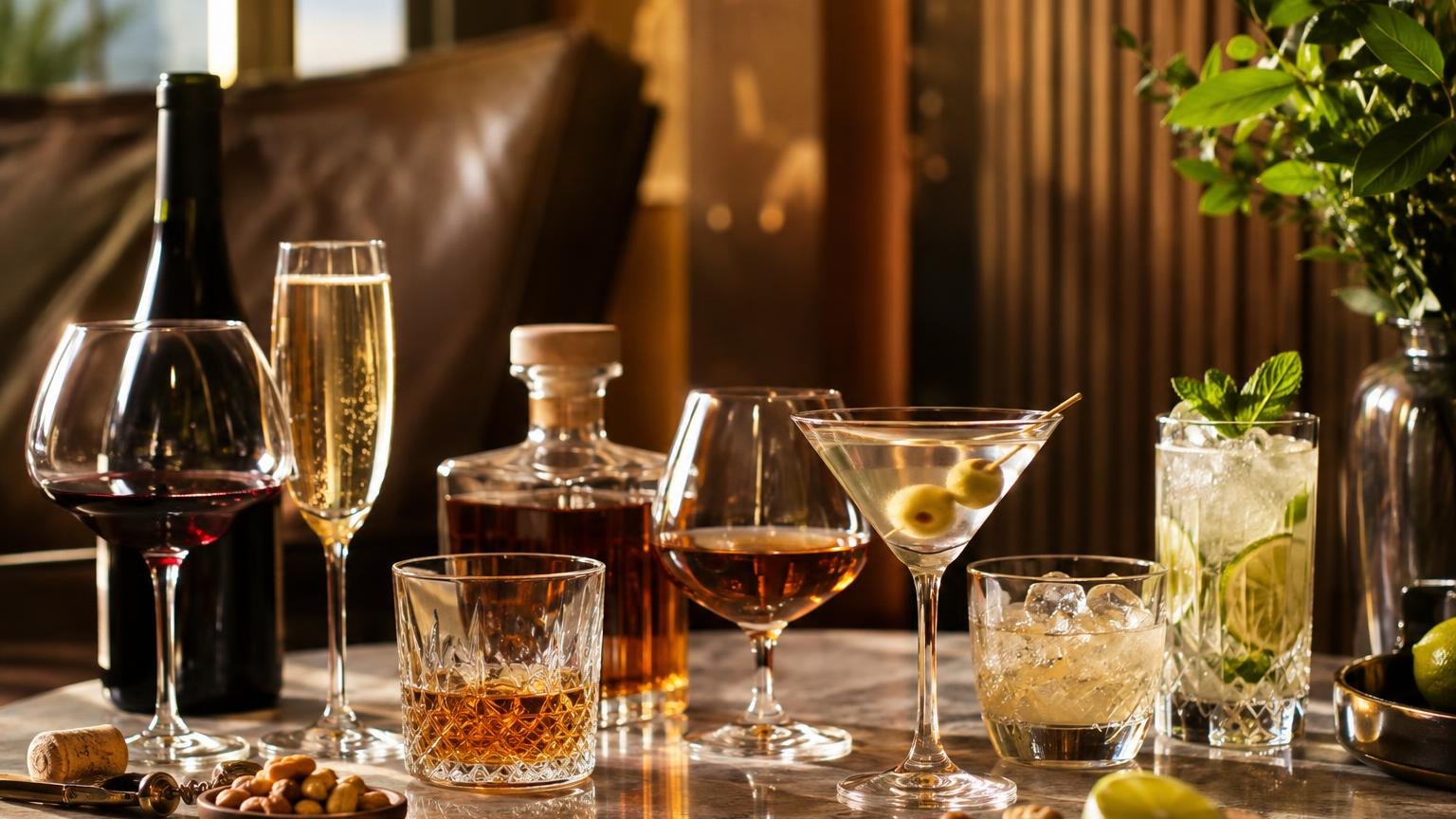
In the U.S., beverage alcohol is ethanol; at high concentrations, such as neutral spirits around 95% ABV, the aroma can feel hot or prickly because ethanol evaporates quickly and stimulates the nose.
Why do different alcoholic drinks smell different?
Most of what you smell in beer, wine, and spirits is not ethanol itself but hundreds of aroma compounds from fruit, grain, yeast, fermentation, barrels, and aging.
For example, wine can smell like citrus, berries, flowers, butter, or oak, while whiskey may show vanilla, caramel, smoke, or spice from grain fermentation and barrel maturation.
Does alcohol smell stronger as ABV increases?
Generally, yes: higher alcohol by volume means more ethanol vapor reaches your nose, so the drink can smell hotter or more pungent.
A 40% ABV spirit will usually smell more alcoholic than a 12–14% ABV wine, although strong fruit, oak, hops, or sugar aromas can mask ethanol.
What does alcohol smell like on someone’s breath?
Alcohol on breath often smells like the drink consumed—beer, wine, liquor, or mixed drinks—combined with a warm, sweet, fermented odor.
The smell comes from ethanol leaving the bloodstream through the lungs, which is why breath alcohol testing can estimate blood alcohol concentration.
Can alcohol smell bad or rotten?
Ethanol itself should not smell rotten, but alcoholic beverages can develop unpleasant aromas from spoilage, oxidation, or fermentation faults.
Vinegar-like smells may indicate acetic acid, rotten-egg notes can come from hydrogen sulfide, and wet-cardboard aromas are commonly associated with oxidation.
Related Reading
- Does Drinking Red Wine Help With Constipation?
- What Is The Best Red Wine In The World?
- What A Good Sweet Red Wine?
- How Long Can You Keep Opened Rum Captain Morgan?
- What Does Hennessy Taste Like? (2026 Cognac Flavor Guide)
- Ginger Beer vs Ginger Ale: Difference, Taste, Cocktails (2026 Guide)
- How To Store Rum?
- All Alcohol Guides
- PubChem: Ethanol (2025)
- CDC NIOSH Pocket Guide to Chemical Hazards: Ethyl Alcohol (2019)
- OSHA Occupational Chemical Database: Ethyl Alcohol (2024)
- NIST Chemistry WebBook: Ethanol (2023)
- UC Davis Wine Aroma Wheel (1984)
- Human Metabolome Database: Ethanol (2024)
- Encyclopaedia Britannica: Ethanol (2024)