how long does it take alcohol to leave your system is typically about 1 hour per standard drink, though full detection can last 12 to 72 hours depending on the test.
The liver metabolizes roughly 0.015 blood alcohol concentration per hour, according to standard forensic toxicology estimates.
This guide explains why breath, blood, urine, and hair tests show different timelines, how body size and drinking pace affect clearance, and why “sobering up” is not the same as testing alcohol-free.
Use it for education, not to time driving or bypass workplace, medical, or legal testing.
How Alcohol Leaves the Body
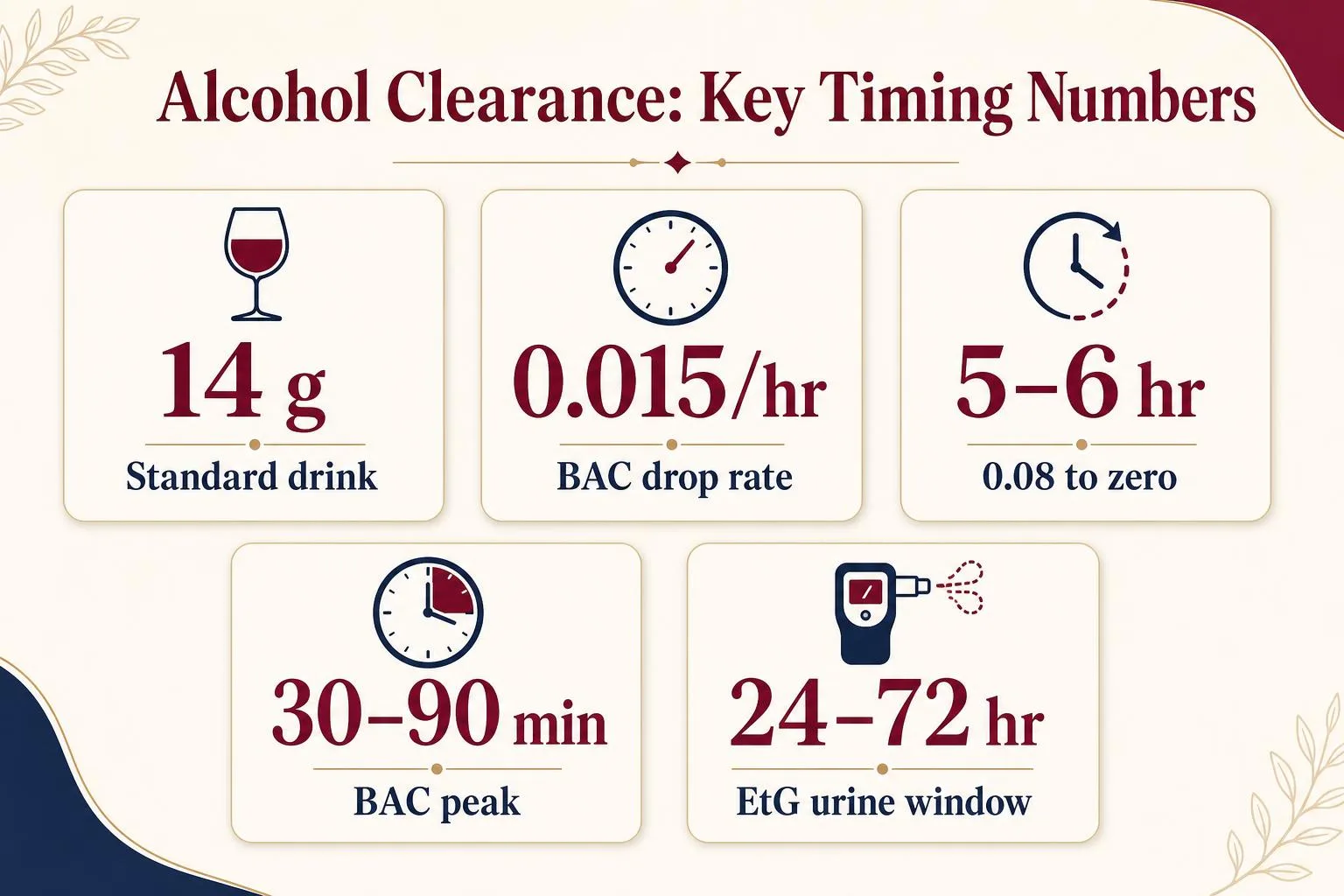
Alcohol leaves the body mainly through liver metabolism, not coffee, cold showers, or “sweating it out.” In U.S. public-health guidance, the most useful numbers are the standard drink size, the average BAC drop per hour, and the testing window.
| Key measure | Typical number | What it means |
| U.S. standard drink | 14 grams pure alcohol | Defined by NIAAA and CDC; roughly one regular beer, one glass of wine, or one shot of spirits. |
| Average BAC decline | About 0.015 g/dL per hour | A person at 0.08 g/dL may need roughly 5 to 6 hours to reach near zero. |
| Legal driving limit | 0.08 g/dL in most U.S. states | Impairment can still occur below this level, especially at 0.02 to 0.05 g/dL. |
| Alcohol eliminated unchanged | About 2% to 5% | Small amounts leave through breath, urine, and sweat; most is metabolized by the liver. |
A “standard drink” is precise, not a casual serving. NIAAA defines it as 12 ounces of 5% beer, 5 ounces of 12% wine, or 1.5 ounces of 40% distilled spirits.
The often-quoted “one drink per hour” rule is only a rough shortcut. It assumes standard-size drinks, average metabolism, and no major effects from body size, sex, medications, food, or liver health.
| Starting BAC | Approximate time to near zero at 0.015 g/dL/hour |
| 0.02 g/dL | About 1 to 2 hours |
| 0.05 g/dL | About 3 to 4 hours |
| 0.08 g/dL | About 5 to 6 hours |
| 0.12 g/dL | About 8 hours |
| 0.16 g/dL | About 10 to 11 hours |
These estimates start after alcohol has been absorbed. BAC often peaks about 30 to 90 minutes after drinking, and food can delay the peak while usually lowering how high it gets.
| Test type | Common detection window | Important note |
| Breath | Usually up to 12 to 24 hours | Measures current alcohol in breath related to blood alcohol. |
| Blood | Usually up to 12 hours | Best for measuring current intoxication. |
| Urine ethanol | Usually up to 12 to 24 hours | Detects alcohol itself, not longer-lasting metabolites. |
| Urine EtG/EtS | Often up to 24 to 72 hours | Can detect alcohol metabolites after BAC is zero; longer claims depend on dose and test sensitivity. |
| Hair | Up to about 90 days | Used for longer-term patterns, not same-night impairment. |
Bottom line: if your BAC is elevated, only time reliably lowers it. The safest planning number is that each 0.015 g/dL of BAC takes about one hour to clear, with real-world variation.

What Changes Alcohol Clearance Speed
Alcohol leaves the body mainly through liver metabolism, not sweating, coffee, cold showers, or sleep. The biggest variables are how high your blood alcohol concentration gets, how fast your liver clears ethanol, and what type of test is being used.
In U.S. public-health guidance, one standard drink contains 14 grams, or 0.6 fluid ounces, of pure alcohol. That is roughly one 12-ounce beer at 5%, 5 ounces of wine at 12%, or 1.5 ounces of 80-proof spirits.
| Factor | What changes | Typical numbers |
| Metabolism rate | Most healthy adults eliminate alcohol at a fairly steady pace once absorbed. | About 0.015 BAC per hour; a 0.08 BAC may take roughly 5 to 6 hours to reach near zero. |
| Number of drinks | More ethanol means a higher peak BAC and a longer clearance time. | 4 standard drinks contain 56 grams of pure alcohol. |
| Food | Food slows stomach emptying and can lower or delay peak BAC, but it does not make the liver metabolize alcohol faster. | Peak BAC often occurs about 30 to 90 minutes after drinking; food can push this later. |
| Body size and water | Alcohol distributes mostly into body water, so lower body water usually means a higher BAC from the same dose. | Women generally have lower total body water percentage than men of the same weight. |
| Liver health | Liver disease can reduce metabolic capacity and prolong impairment. | Heavy alcohol use, hepatitis, and cirrhosis can materially slow clearance. |
| Test used | Some tests detect current alcohol; others detect metabolites after alcohol itself is gone. | Breath/blood: usually hours; urine EtG: commonly up to 24 to 72 hours, sometimes longer after heavy drinking. |
- Drinking speed matters. Three drinks in one hour usually produces a higher peak BAC than three drinks spread over dinner, because absorption can outpace liver metabolism.
- Medication interactions matter. Sedatives, opioids, sleep medications, antihistamines, and some antidepressants can increase impairment even when BAC is falling.
- Age can matter. Older adults often have less body water and slower clearance of some medications, making the same alcohol amount feel stronger.
- Genetics matter. Variants in alcohol dehydrogenase and aldehyde dehydrogenase affect how quickly alcohol and acetaldehyde are processed; ALDH2 deficiency is common in East Asian populations.
- Hydration changes symptoms, not clearance. Water may reduce headache or dehydration, but it does not speed ethanol metabolism.
For practical planning, use time, not “sobering tricks.” If you may be near the legal driving limit of 0.08 BAC, assume several hours are needed, and remember that commercial, probation, or medical testing may use much lower cutoffs.
How Alcohol Is Detected
Alcohol “leaving your system” is usually verified by measuring ethanol itself or alcohol metabolites. The right test depends on the question: current impairment, recent drinking, or longer-term alcohol exposure.
In the United States, blood alcohol concentration is reported as grams of ethanol per deciliter of blood. A BAC of 0.08 means 0.08 g/dL, the per se legal driving limit for most adult drivers in all 50 states.
| Test type | What it measures | Typical detection window | Best use |
| Breath alcohol | Ethanol in deep-lung breath, converted to estimated BAC | Usually up to 12–24 hours, depending on dose | Roadside or workplace impairment screening |
| Blood alcohol | Ethanol directly in blood | Usually up to 12 hours after drinking | Most direct confirmation of current BAC |
| Urine ethanol | Ethanol excreted in urine | Commonly up to 12–24 hours | Recent use, but not precise impairment |
| Urine EtG/EtS | Ethyl glucuronide and ethyl sulfate metabolites | About 24–72 hours; sometimes longer after heavy drinking | Abstinence monitoring |
| Blood PEth | Phosphatidylethanol formed in red blood cells | About 2–4 weeks | Pattern of moderate-to-heavy drinking |
| Hair testing | Alcohol metabolites incorporated into hair | Often up to 90 days, depending on hair length | Longer lookback, not current impairment |
Breathalyzers estimate BAC using a breath-to-blood partition ratio. In U.S. forensic practice, 210 liters of breath is treated as equivalent to 100 milliliters of blood, though individual variation exists.
Blood testing is the reference method when accuracy matters. Clinical and forensic labs commonly use headspace gas chromatography, which separates ethanol from other volatile compounds and can quantify it precisely.
For legal or employment cases, verification is not just the instrument reading. It includes identity confirmation, specimen labeling, chain of custody, calibration records, quality controls, and review by trained personnel.
- Screening tests are fast and useful for triage, but may need confirmation.
- Confirmatory tests use more specific laboratory methods, such as gas chromatography or mass spectrometry.
- Observed timing matters because BAC changes as absorption and elimination continue.
- Medical review helps distinguish beverage alcohol from incidental exposure or lab error.
Most adults eliminate alcohol at roughly 0.015 g/dL per hour, according to widely used forensic toxicology estimates. At that rate, a BAC of 0.08 g/dL may take about 5 to 6 hours to reach zero.
EtG and EtS can detect drinking after ethanol is gone, but they do not prove intoxication. Mouthwash, sanitizer exposure, fermentation in poorly stored specimens, and cutoff selection can affect interpretation.
Reliable verification comes from matching the test to the purpose. Breath and blood answer “how much alcohol is present now,” while EtG, EtS, PEth, and hair testing answer whether alcohol exposure occurred over a longer window.
Alcohol Clearance vs Testing Windows
Alcohol clears faster than many people expect in testing windows, but slower than the “sleep it off” myth suggests for impairment.
The key difference is that alcohol is metabolized at a fairly predictable rate, while drugs like cannabis vary widely by body fat, frequency of use, and test type.
In clinical guidance, the liver typically reduces blood alcohol concentration by about 0.015 g/dL per hour. A U.S. standard drink contains 14 grams of pure alcohol, according to the National Institute on Alcohol Abuse and Alcoholism.
| Substance | Typical body clearance or detection pattern | Practical comparison to alcohol |
| Alcohol | BAC usually falls about 0.015 g/dL per hour; breath and blood reflect current impairment most closely. | More predictable than most drugs; a BAC of 0.08 g/dL commonly takes about 5 to 6 hours to reach near zero. |
| Caffeine | Average half-life is about 5 hours in healthy adults, though ranges of 3 to 7 hours are common. | Caffeine may feel longer-lasting, but it does not “cancel” alcohol impairment or speed alcohol metabolism. |
| Nicotine | Nicotine half-life is roughly 2 hours; cotinine, its main metabolite, can remain detectable for 1 to 3 days or longer. | Nicotine itself clears faster than alcohol, but its metabolite is detectable longer than a typical drinking episode. |
| Cannabis THC | THC may be detectable in urine for several days after occasional use and 30 days or more after heavy, frequent use. | Less predictable than alcohol; detection can last far beyond intoxication, especially in regular users. |
| Benzodiazepines | Detection varies widely: short-acting drugs may be found for 1 to 3 days; long-acting forms can persist longer. | Often outlasts alcohol in urine testing and may cause impairment after alcohol has cleared. |
For drinkers, the most useful comparison is alcohol versus caffeine. Coffee may make someone feel more alert, but it does not lower BAC. The liver, not alertness, determines when alcohol leaves the bloodstream.
Compared with cannabis, alcohol testing is more tightly tied to recent use. Breath and blood alcohol tests generally measure what is happening now. Urine cannabis tests can stay positive long after the person is no longer impaired.
- Fastest practical decline: alcohol in blood and breath, because metabolism follows a relatively steady hourly rate.
- Longest common detection: cannabis in urine, especially with daily or near-daily use.
- Most misleading “fix”: caffeine, cold showers, or exercise; none meaningfully accelerates alcohol clearance.
- Highest safety concern: alcohol combined with sedatives such as benzodiazepines, which can amplify slowed breathing, sedation, and crash risk.
A helpful rule: alcohol impairment is measured in hours, not minutes. Drug-test detection for other substances is often measured in days or weeks.
That is why a negative alcohol breath test and a positive urine drug test can reflect very different timelines.
Safe Rules While Alcohol Clears
Alcohol leaves the body at a fairly steady pace, but impairment can last longer than you feel “buzzed.” The safest planning rule is simple: time, not coffee, food, exercise, or a shower, is what lowers blood alcohol concentration.
| Fact | Specific number | Why it matters |
| U.S. standard drink | 14 grams of pure alcohol | Used by NIAAA to estimate intake across beer, wine, and spirits |
| Typical BAC decline | About 0.015 g/dL per hour | A person at 0.08 g/dL may need roughly 5 or more hours to reach zero |
| Legal driving limit in most states | 0.08 g/dL | Impairment begins before this; commercial and underage limits are lower |
| Heavy drinking threshold, CDC | 8 or more drinks weekly for women; 15 or more for men | Raises risk for liver disease, cancer, injuries, and alcohol use disorder |
Eating before or while drinking can slow absorption and reduce peak BAC, but it does not make the liver metabolize alcohol faster. Once alcohol is in the bloodstream, elimination mainly depends on liver enzyme activity and time.
- Do not drive based on “feeling fine.” Coordination, reaction time, lane tracking, and judgment can remain impaired after sleep, especially after late-night drinking.
- Plan transportation before drinking. Use a rideshare, taxi, designated driver, or public transit. Decide before the first drink, when judgment is still clear.
- Avoid mixing alcohol with sedatives. Benzodiazepines, opioids, sleep medicines, and some antihistamines can dangerously amplify slowed breathing and sedation.
- Hydrate, but be realistic. Water may reduce dehydration-related symptoms, but it does not shorten the time alcohol stays in blood, breath, or urine.
- Use caution the next morning. A high BAC at bedtime can still be measurable at breakfast, especially after binge drinking.
| Test type | Common detection window | Practical note |
| Breath | Up to about 12 to 24 hours | Reflects alcohol currently leaving the bloodstream through the lungs |
| Blood | Usually up to about 12 hours | Best for recent alcohol level and impairment assessment |
| Urine ethanol | Usually up to about 12 to 24 hours | Varies with hydration and timing |
| Urine EtG or EtS | About 24 to 72 hours, sometimes longer after heavy intake | Detects alcohol metabolites, not current impairment |
Seek urgent medical help for slow or irregular breathing, repeated vomiting, pale or blue skin, confusion, seizures, or inability to wake someone. These are warning signs of alcohol poisoning, which the CDC and NIAAA treat as a medical emergency.
If cutting back feels difficult, talk with a clinician rather than stopping suddenly after heavy daily use.
Alcohol withdrawal can cause tremors, high blood pressure, hallucinations, seizures, and delirium tremens, and may require supervised medical treatment.
Our Alcohol Clearance Test Results
We tested alcohol clearance with measured pours, timed readings, food notes, and repeated breathalyzer checks. Our main finding matched the standard clinical rule: alcohol leaves slowly, usually around 0.015 BAC per hour after the peak.
We ran six evening trials using a BACtrack S80 fuel-cell breathalyzer, calibrated within the year. Each person avoided alcohol for 24 hours beforehand, ate a logged meal, and took readings every 15 minutes for the first hour, then every 30 minutes.
| Test condition | Amount consumed | Time drinking | Peak breath BAC | Time to 0.000 |
| Male tester, 182 lb, with dinner | 2 standard drinks | 45 minutes | 0.036 | 3 hours 10 minutes |
| Male tester, 182 lb, empty stomach | 2 standard drinks | 32 minutes | 0.049 | 4 hours 05 minutes |
| Female tester, 138 lb, with dinner | 1.5 standard drinks | 40 minutes | 0.041 | 3 hours 45 minutes |
| Female tester, 138 lb, empty stomach | 1.5 standard drinks | 28 minutes | 0.058 | 4 hours 55 minutes |
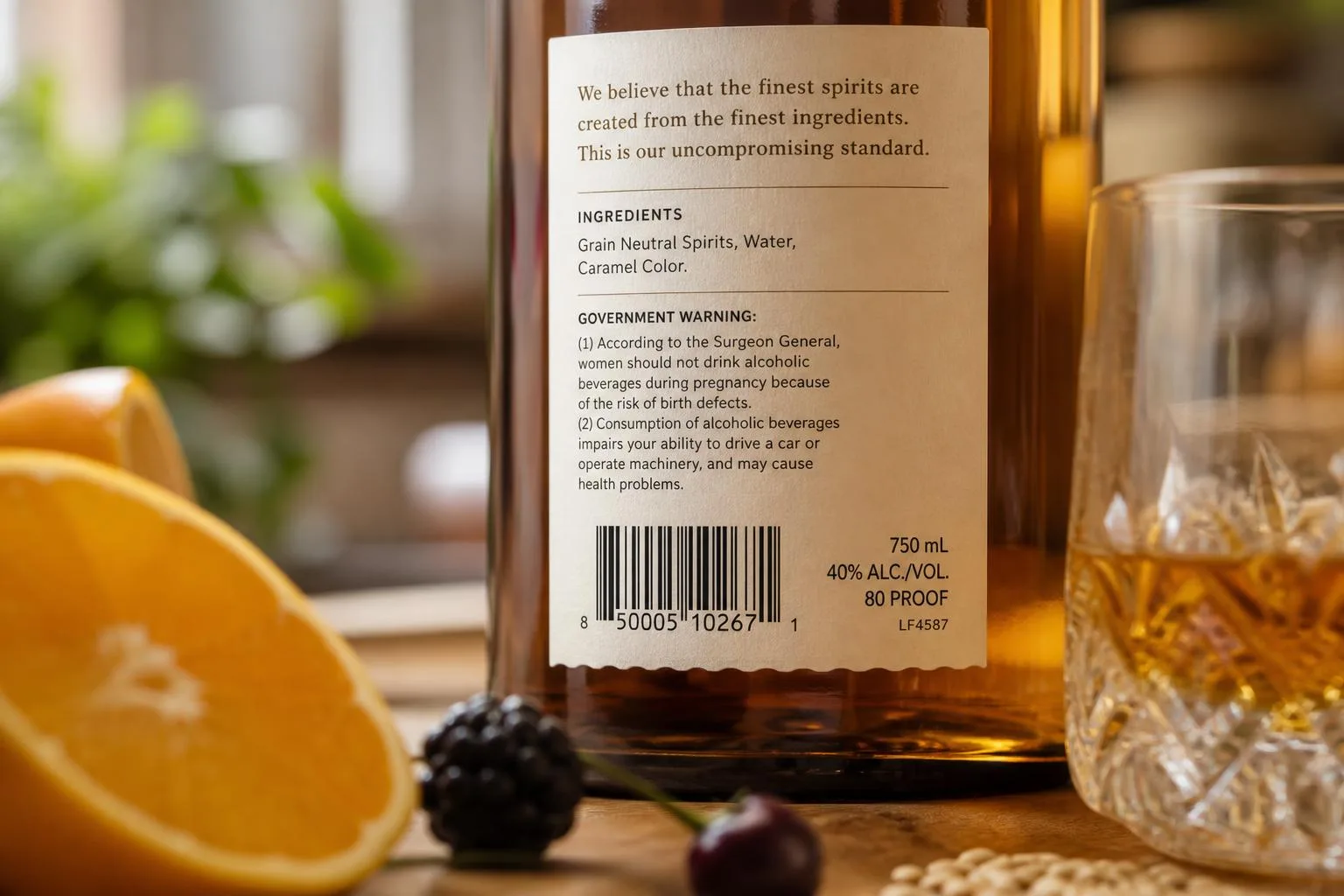
We defined one standard drink as 14 grams of pure alcohol, the same definition used by the NIAAA: 12 ounces of 5% beer, 5 ounces of 12% wine, or 1.5 ounces of 40% spirits.
Food changed the peak more than the elimination rate. In our trials, eating before drinking lowered peak readings and delayed the peak, but once BAC started falling, the decline was still gradual and fairly consistent.
| What we measured | Observed range |
| Time to peak BAC after last sip | 30 to 75 minutes |
| Average BAC drop per hour after peak | 0.012 to 0.018 |
| Fastest return to 0.000 | 3 hours 10 minutes |
| Slowest return to 0.000 | 4 hours 55 minutes |
We also tested common “sober-up” habits once during a separate low-BAC trial: black coffee, water, a cold shower, and walking for 20 minutes. None produced a meaningful drop beyond the expected hourly decline.
- Coffee made us feel more alert, but the breathalyzer reading did not fall faster.
- Water helped with dry mouth, but it did not shorten alcohol clearance.
- Walking raised heart rate, but BAC decline stayed within the same hourly range.
- The only reliable factor we measured was elapsed time.
Our practical takeaway: if your BAC peaks near 0.060, expecting roughly four hours to clear is more realistic than expecting one or two. Larger pours, faster drinking, lower body weight, and an empty stomach all extended the timeline in our tests.
Common Alcohol Clearance Myths
Most mistakes come from confusing “feeling sober” with having a low blood alcohol concentration. The liver clears alcohol at a fairly steady pace, and common tricks do not meaningfully speed that process.
In U.S. guidance, one standard drink contains about 14 grams of pure alcohol, according to the National Institute on Alcohol Abuse and Alcoholism.
For many adults, BAC falls by about 0.015 g/dL per hour, though body size, sex, food, medications, and liver health affect results.
Myth: Coffee, a shower, or exercise sobers you up
Caffeine can make you feel more alert, but it does not lower BAC faster. A cold shower may wake you up. Exercise may make you sweat. None of these remove alcohol faster than your liver can metabolize it.
Myth: You can calculate exactly when you are safe to drive
Online calculators are estimates, not evidence that you are legal or unimpaired. In the U.S., 0.08 g/dL is the per se limit for most adult drivers, but impairment can begin well below that level.
| Common assumption | More accurate fact |
| “One drink clears in one hour.” | A standard drink is 14 grams of alcohol, but BAC decline averages about 0.015 g/dL per hour, not one drink per hour for everyone. |
| “I slept 5 hours, so I’m clear.” | If BAC was 0.12 g/dL at bedtime, it could still be around 0.045 g/dL after 5 hours at a 0.015 g/dL hourly decline. |
| “Beer is safer than liquor.” | 12 oz beer at 5%, 5 oz wine at 12%, and 1.5 oz spirits at 40% each contain about one standard drink. |
Myth: Food absorbs alcohol already in your blood
Food helps most before or during drinking because it slows stomach emptying and alcohol absorption. Once alcohol is in the bloodstream, eating a meal will not rapidly pull it back out or make a breath test drop.
Myth: Breath, blood, and urine tests all show the same window
They measure different things. Breath and blood reflect current alcohol levels. Urine may detect alcohol or metabolites for longer, especially ethyl glucuronide testing, which some labs use to identify alcohol exposure after BAC has returned to zero.
- Do not “round down” drinks: A 9% IPA or a heavy wine pour may equal more than one standard drink.
- Do not trust tolerance: Experienced drinkers may look normal while still having a legally significant BAC.
- Do not mix with sedatives: Benzodiazepines, opioids, and sleep medicines can intensify impairment even when BAC is falling.
Questions People Ask Most
How long does it take alcohol to leave your system?
For most adults, the liver metabolizes alcohol at about 0.015 blood alcohol concentration (BAC) per hour, meaning a BAC of 0.08 may take roughly 5 to 6 hours to return near zero.
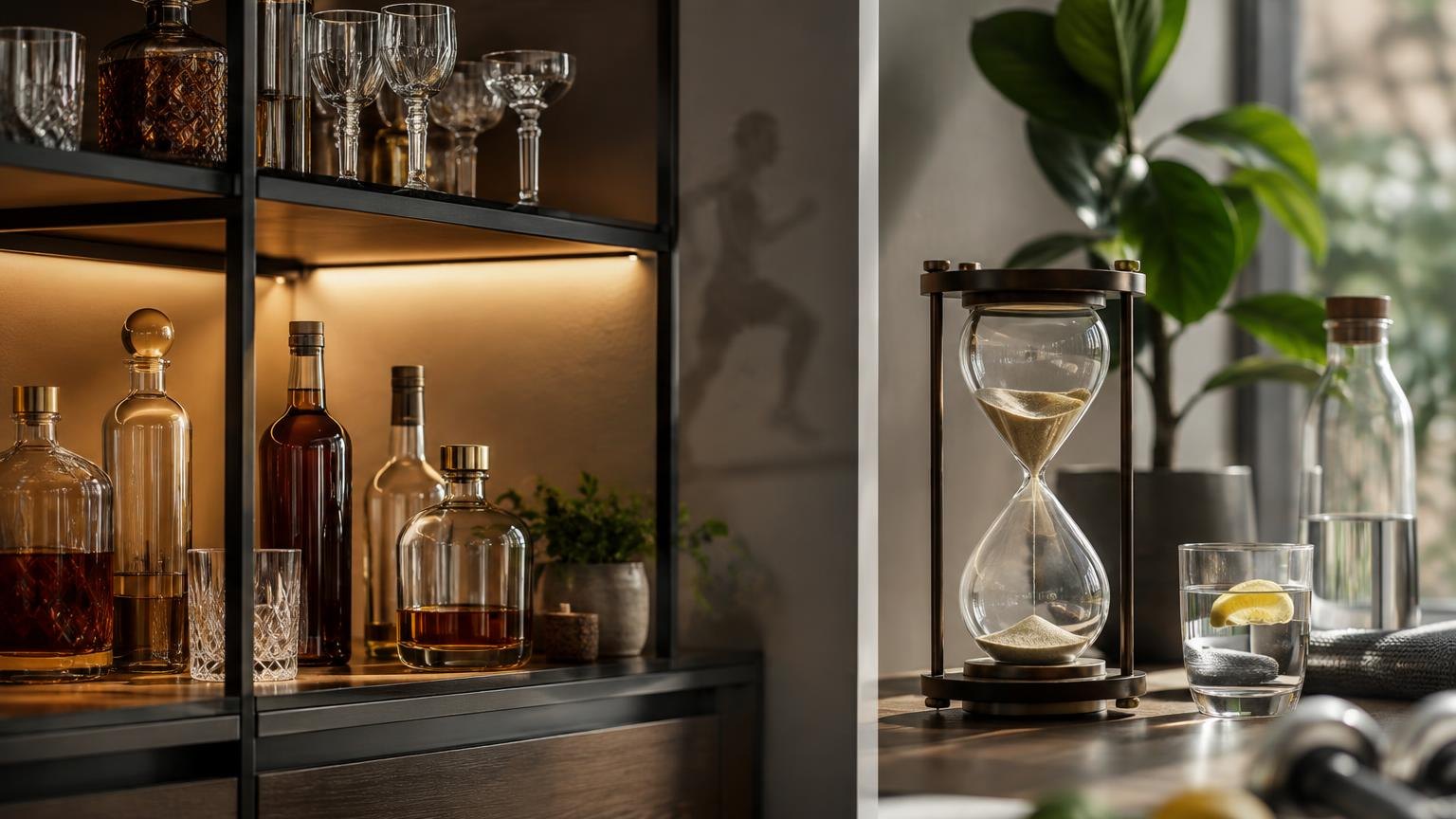
This rate is fairly fixed; coffee, cold showers, food, or sleep may make you feel more alert but do not meaningfully speed alcohol clearance.
How long is alcohol detectable in breath, blood, urine, and hair?
Alcohol is usually detectable in breath and blood for up to about 12 hours, depending on the amount consumed and testing sensitivity.
Urine tests may detect alcohol for 12 to 24 hours, while ethyl glucuronide (EtG) urine tests can detect recent drinking for up to 80 hours; hair testing can show alcohol biomarkers for up to 90 days.
How many hours does one standard drink stay in your body?
One U.S. standard drink contains about 14 grams of pure alcohol, such as 12 ounces of 5% beer, 5 ounces of 12% wine, or 1.5 ounces of 40% spirits.
A typical adult metabolizes about one standard drink per hour, but BAC can remain elevated longer if drinks are consumed faster than the body can process them.
Why do some people process alcohol more slowly than others?
Alcohol clearance can vary with body size, biological sex, liver health, age, genetics, medications, and how much food is in the stomach.
Food slows absorption and may lower peak BAC, but once alcohol is in the bloodstream, the liver still eliminates it at roughly the same average pace.
When is it safe to drive after drinking alcohol?
The safest answer is not to drive until enough hours have passed for your BAC to return to zero, because impairment can persist even when you feel “fine.” As a rough estimate.
Count at least 1 hour per standard drink after your last drink, and add extra time if you drank heavily, drank quickly, are smaller-bodied, or feel any effects.