How To Remove Alcohol Effect Immediately is not possible; alcohol’s impairing effects fade only as your liver metabolizes ethanol, usually about 0.015 BAC per hour.
Cold showers, vomiting, sleep, or exercise may change how alert you feel, but they do not rapidly restore coordination, judgment, or legal sobriety.
The safest immediate steps are to stop drinking, avoid driving, eat if you can, sip water, and stay with a sober person.
Call emergency services for slow breathing, confusion, repeated vomiting, pale or blue skin, or unconsciousness—signs of possible alcohol poisoning.
No Instant Way to Remove Alcohol
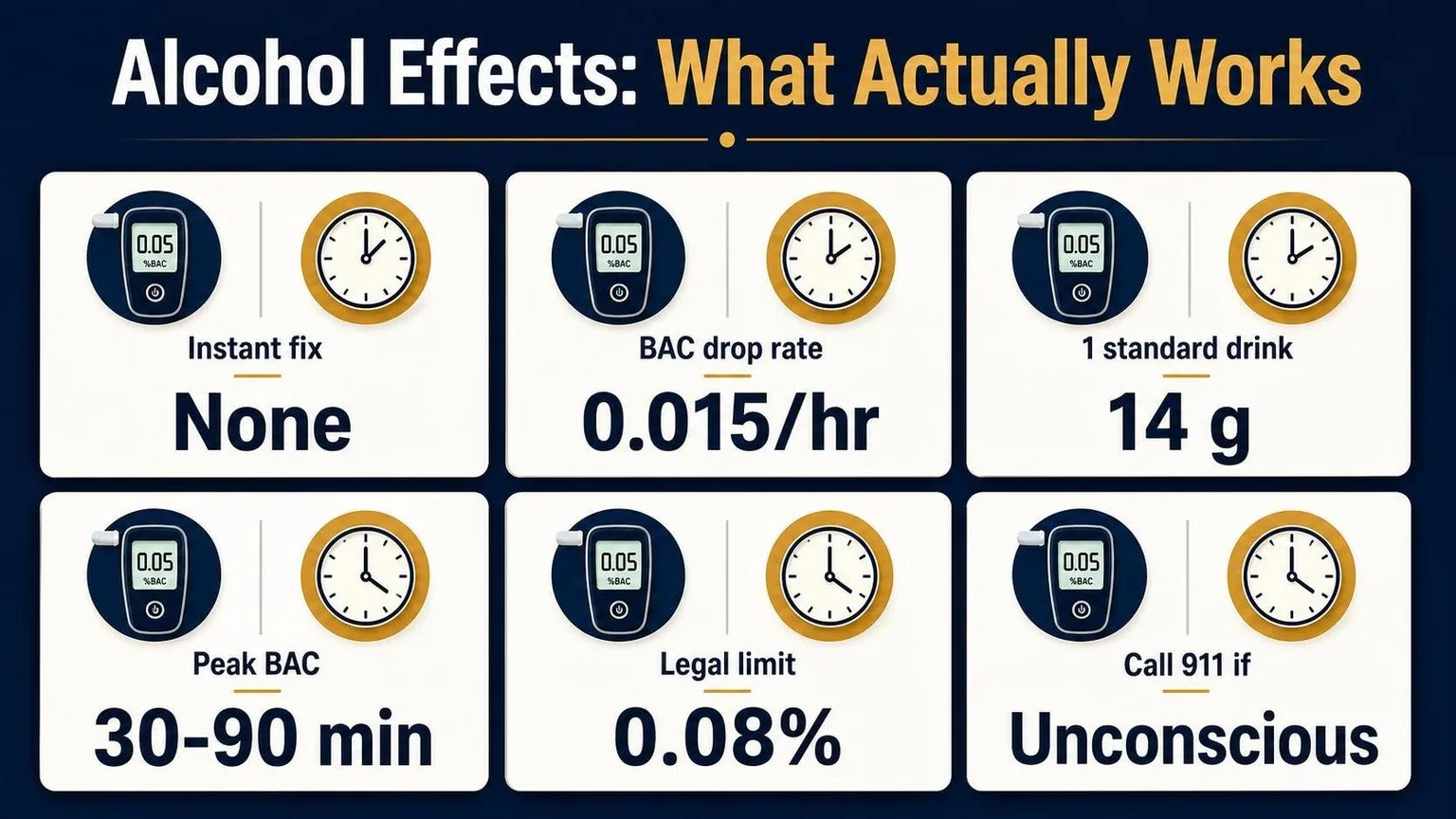
There is no reliable way to “remove” alcohol’s effect immediately. The numbers below explain why: your liver clears alcohol at a fairly fixed pace, while impairment can begin well before you feel obviously drunk.
In the U.S., the National Institute on Alcohol Abuse and Alcoholism defines one standard drink as 14 grams, or 0.6 fluid ounces, of pure alcohol. Drink size and strength matter more than the glass in your hand.
| Drink | Typical standard-drink amount | Pure alcohol |
| Beer | 12 fl oz at 5% ABV | 14 g |
| Wine | 5 fl oz at 12% ABV | 14 g |
| Distilled spirits | 1.5 fl oz at 40% ABV, or 80 proof | 14 g |
Most people metabolize alcohol at about 0.015 blood alcohol concentration, or BAC, per hour. That is roughly one standard drink per hour, but body size, sex, food, medications, liver health, and drinking speed change your BAC.
| Starting BAC | Approximate time to reach 0.00 BAC | Practical meaning |
| 0.02% | About 1 to 2 hours | Possible relaxation and reduced divided attention |
| 0.05% | About 3 to 4 hours | Noticeable impairment for many drivers |
| 0.08% | About 5 to 6 hours | Per se illegal driving limit in every U.S. state |
| 0.12% | About 8 hours | Substantial impairment; “sleeping it off” may not be enough |
Alcohol usually reaches peak concentration in the blood about 30 to 90 minutes after drinking, according to clinical toxicology references.
A strong drink taken quickly can make you feel worse after you stop because absorption may still be continuing.
- Water: helps dehydration and headache risk, but it does not lower BAC faster.
- Coffee or energy drinks: may increase alertness, but studies show they do not reverse coordination, reaction-time, or judgment impairment.
- Food: slows absorption if eaten before or while drinking; it does not quickly remove alcohol already in the bloodstream.
- Cold showers or vomiting: may change how you feel, but they do not accelerate liver metabolism.
The key safety number is 0.08% BAC for driving law, but impairment can start around 0.02% and becomes clearer around 0.05%. If you need to be unimpaired, time is the only dependable fix.

Why Alcohol Effects Cannot Be Removed Safely
There is no safe way to “remove” alcohol’s effect immediately. The main factor is time: your liver must metabolize ethanol before your blood alcohol concentration, or BAC, meaningfully falls.
On average, adults metabolize alcohol at about 0.015 BAC per hour, according to standard forensic toxicology estimates used in U.S. alcohol education.
Coffee, cold showers, vomiting, or “sweating it out” may change how alert you feel, but they do not speed that process.
Key factors that change how long impairment lasts
- Amount of ethanol consumed: A U.S. standard drink contains 14 grams of pure alcohol: 12 ounces of 5% beer, 5 ounces of 12% wine, or 1.5 ounces of 40% spirits.
- Speed of drinking: Drinking 3 drinks in 1 hour produces a higher peak BAC than drinking the same 3 drinks over several hours, because absorption can outpace liver metabolism.
- Body size and water content: Smaller bodies generally reach a higher BAC from the same dose. People with less total body water also tend to have higher BAC after equal alcohol intake.
- Sex at birth: On average, women reach higher BAC than men after the same alcohol dose, partly because of lower average body water and differences in first-pass metabolism.
- Food in the stomach: A meal, especially one containing fat and protein, can slow alcohol absorption and lower the peak BAC. It does not remove alcohol already in the bloodstream.
- Drink strength and serving size: Wine pours are often larger than 5 ounces, and cocktails may contain 2 or more standard drinks. Underestimating serving size is a common reason impairment lasts longer than expected.
- Medications and health conditions: Sedatives, opioids, sleep aids, antihistamines, antidepressants, liver disease, and sleep deprivation can intensify impairment even at a lower BAC.
| Scenario | Practical meaning |
| BAC 0.08 | At an average decline of 0.015 per hour, reaching 0.00 may take about 5 to 6 hours. |
| 2 standard drinks | Often requires roughly 2 to 3 hours for full metabolism, depending on body size, sex, food, and liver function. |
| Coffee or energy drink | May reduce drowsiness but does not lower BAC; it can make impairment feel less obvious. |
| Vomiting after drinking | May remove alcohol not yet absorbed, but it does not remove alcohol already circulating in the blood. |
The result also depends on what you mean by “effect.” Feeling more awake is not the same as being sober, coordinated, or legally safe to drive.
If there is confusion, slow breathing, repeated vomiting, blue or pale skin, or inability to wake someone, treat it as possible alcohol poisoning and call 911 in the U.S.
BAC Measures Alcohol Impairment
Alcohol’s effect is verified by measuring blood alcohol concentration, or BAC, not by how “sober” someone feels. In the United States, BAC is usually reported as grams of alcohol per deciliter of blood, such as 0.08 g/dL.
The only reliable way to confirm that alcohol impairment is decreasing is repeated testing over time. Coffee, cold showers, vomiting, exercise, or food may change alertness, but they do not immediately lower BAC.
Common Ways BAC Is Measured
| Test method | What it measures | Typical use |
| Breath test | Alcohol in deep-lung breath, converted to estimated BAC | Roadside screening and evidential breath testing |
| Blood test | Alcohol directly in blood, reported in g/dL or mg/dL | Medical, forensic, and legal confirmation |
| Urine test | Alcohol or metabolites after processing by the body | Less useful for current impairment; more common in monitoring |
Breath testing works because alcohol moves from blood into air sacs in the lungs. Evidential breath devices use a legal breath-to-blood conversion, commonly 2,100:1 in the U.S., though individual biology can vary.
Blood testing is the most direct method for current BAC. A hospital or forensic blood draw can distinguish ethanol from other substances and is typically used when precision matters, such as crashes, injuries, or disputed impairment.
Key BAC Benchmarks
| BAC | Common significance |
| 0.02 g/dL | Measurable decline in divided attention and visual tracking may begin |
| 0.05 g/dL | Coordination, judgment, and response time are commonly impaired |
| 0.08 g/dL | Per se legal driving limit for most U.S. adult drivers |
| 0.15 g/dL | Marked impairment; crash risk and medical risk increase substantially |
BAC falls mainly through liver metabolism. A commonly cited average elimination rate is about 0.015 g/dL per hour, though published ranges often run approximately 0.010 to 0.020 g/dL per hour.
| Starting BAC | Approximate time to reach 0.00 at 0.015 g/dL/hour |
| 0.03 g/dL | About 2 hours |
| 0.06 g/dL | About 4 hours |
| 0.08 g/dL | About 5 hours 20 minutes |
| 0.12 g/dL | About 8 hours |
How Results Are Verified
- Calibration: Evidential breath instruments must be checked with known alcohol standards according to agency procedures.
- Observation period: Many protocols require about 15 to 20 minutes of observation before breath testing to reduce mouth-alcohol contamination.
- Repeat samples: Legal breath programs often require two close readings taken minutes apart.
- Chain of custody: Blood samples need documented collection, labeling, storage, and laboratory handling.
- Timing: A result reflects BAC at the time of sampling, not necessarily peak BAC or BAC at an earlier event.
If immediate safety is the concern, measurement should guide decisions: do not drive, supervise the person, and seek emergency help for confusion, slow breathing, repeated vomiting, or unconsciousness.
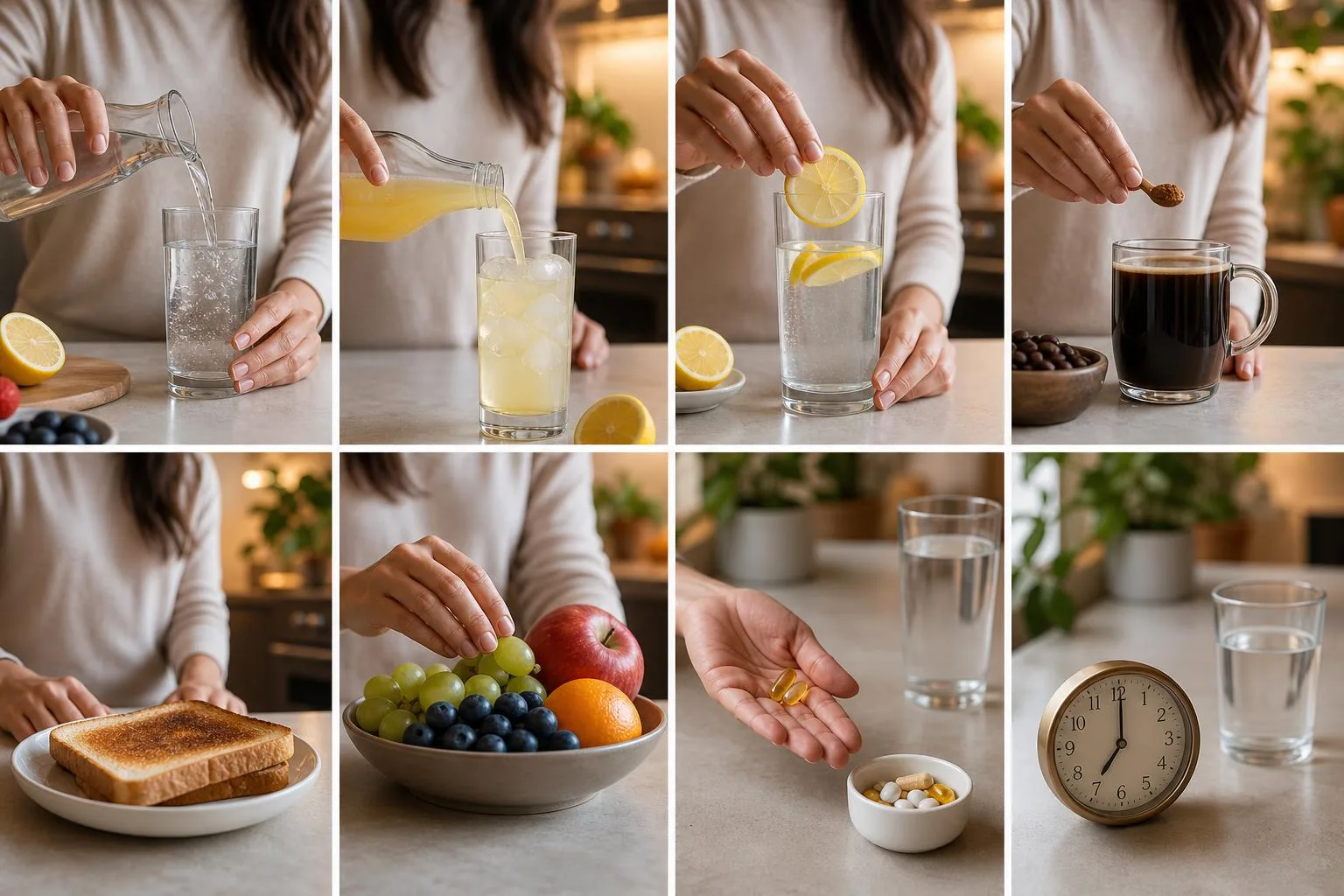
Common Sobering Methods Do Not Work
No method removes alcohol’s effect immediately. In practical terms, only time lowers blood alcohol concentration because the liver metabolizes ethanol at a fairly fixed pace, commonly about 0.015 BAC per hour.
Common “quick fixes” may make someone feel more alert, less nauseated, or better hydrated, but they do not restore coordination, judgment, or legal sobriety. That distinction matters most before driving, work, or risky activity.
| Method | What it may do | What it cannot do | Typical reality |
| Time | Allows the liver to metabolize alcohol | Cannot be rushed meaningfully | At about 0.015 BAC/hour, a 0.08 BAC may take roughly 5+ hours to reach near zero |
| Coffee or caffeine | Increases wakefulness and reduces drowsiness | Does not lower BAC or reverse impaired judgment | A person may feel “sharper” while still being unsafe to drive |
| Cold shower | May briefly increase alertness through discomfort and adrenaline | Does not change alcohol level in blood | Impairment returns once the shock effect fades |
| Water or electrolytes | Helps dehydration, dry mouth, and headache risk | Does not speed ethanol metabolism | Useful supportive care, not a sobering method |
| Food | Can slow absorption if alcohol is still in the stomach | Does not remove alcohol already absorbed into blood | Most helpful before or during drinking, less so afterward |
| Vomiting | May expel alcohol not yet absorbed | Does not reduce alcohol already in circulation | Can increase choking and aspiration risk, especially if drowsy |
| Sleep | Prevents further drinking and allows time to pass | Does not accelerate metabolism | BAC can still be elevated after several hours of sleep |
A “standard drink” in the United States contains 14 grams of pure alcohol: 12 ounces of 5% beer, 5 ounces of 12% wine, or 1.5 ounces of 40% spirits. Multiple drinks can require many hours to clear.
Food is often misunderstood. Eating a substantial meal before drinking can reduce peak BAC by slowing gastric emptying, but eating after intoxication has limited effect once alcohol has entered the bloodstream.
- Best immediate action: stop drinking, switch to water, eat if tolerated, and avoid driving or machinery.
- For safety: arrange a rideshare, taxi, sober driver, or stay where you are.
- For monitoring: watch for vomiting, confusion, slow breathing, pale skin, or inability to wake.
- For emergencies: call 911 if alcohol poisoning is possible; do not wait for someone to “sleep it off.”
Compared with alternatives, time is the only reliable “removal” method. Everything else is supportive, cosmetic, or preventive, and none can guarantee legal or functional sobriety immediately.
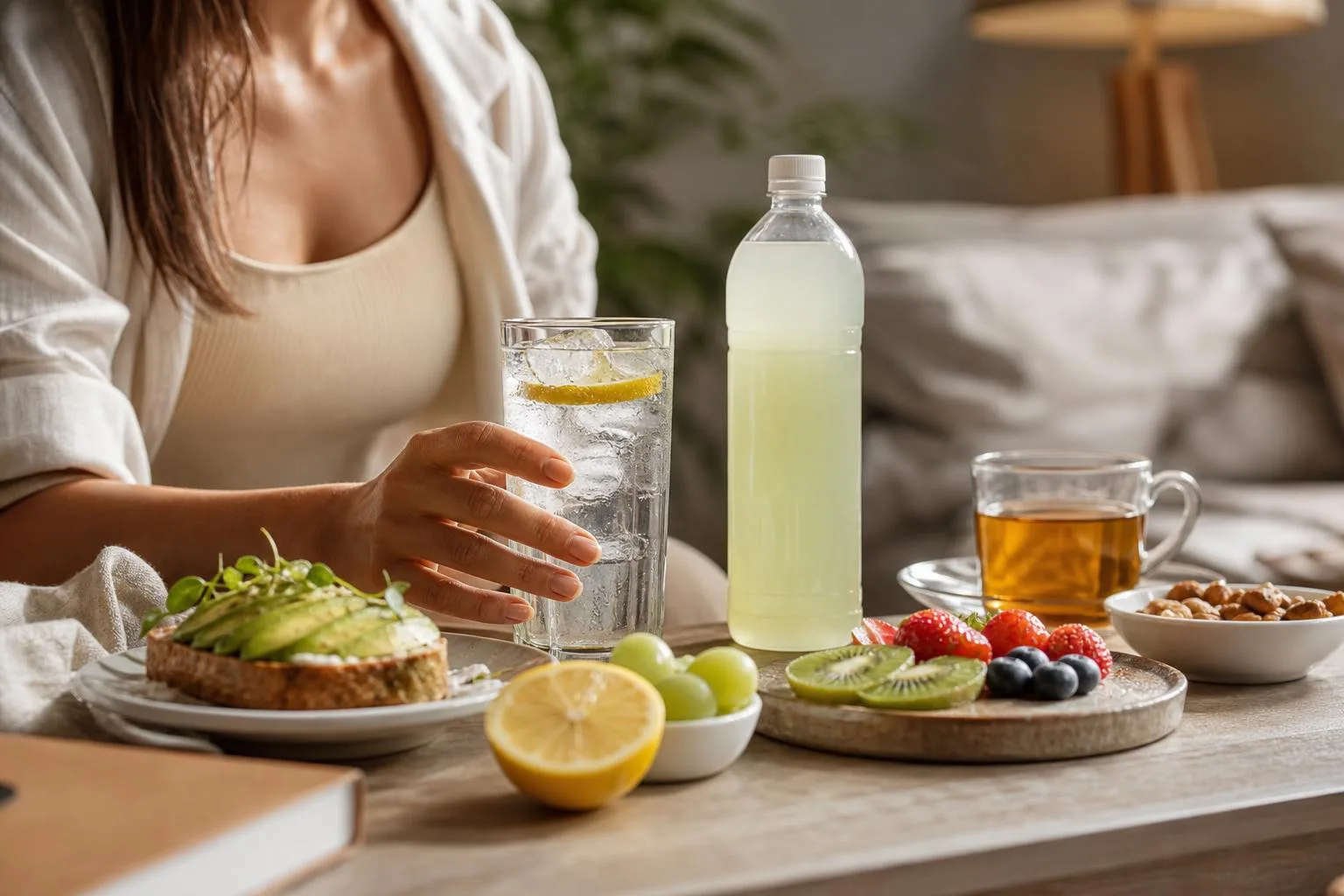
Safe Steps While Waiting It Out
There is no safe way to “remove” alcohol’s effect immediately. Coffee, cold showers, vomiting, greasy food, and exercise may make someone feel more alert, but they do not lower blood alcohol concentration faster.
The practical goal is harm reduction: stop drinking, prevent injury, monitor symptoms, and wait for the body to metabolize alcohol. If severe symptoms appear, treat it as a medical emergency.
What actually changes blood alcohol level
| Factor | What the evidence-based takeaway is |
| Liver metabolism | Most adults eliminate alcohol at about 0.015 BAC per hour; a BAC of 0.08 may take over 5 hours to reach 0.00. |
| Standard drink | In the U.S., 1 standard drink contains 14 grams of pure alcohol: 12 oz beer at 5%, 5 oz wine at 12%, or 1.5 oz spirits at 40%. |
| Food | Food can slow absorption if eaten before or while drinking, but it does not quickly clear alcohol already in the bloodstream. |
| Water | Water helps dehydration and headache risk, but it does not sober someone up or reduce BAC. |
Immediate safety steps
- Stop alcohol intake immediately, including “one more” drink or tasting pours.
- Do not drive, bike, swim, cook, use tools, or make important decisions.
- Drink water slowly; avoid chugging large volumes, especially if nauseated.
- Eat simple food if awake and not vomiting, such as toast, soup, eggs, or rice.
- Stay with the person if they are very intoxicated; do not let them “sleep it off” alone.
- Place a vomiting or very drowsy person on their side to reduce choking risk.
When to get emergency help
Call 911 if alcohol poisoning is possible. Do not wait for every symptom to appear, and do not assume sleep means recovery.
- Slow, irregular, or stopped breathing.
- Blue, gray, clammy, or very pale skin.
- Repeated vomiting, especially while confused or hard to wake.
- Seizure, collapse, severe confusion, or inability to stay conscious.
- Very low body temperature or shivering that stops.
Practical prevention for next time
- Set a drink limit before the first pour, not after impairment begins.
- Alternate alcoholic drinks with water or nonalcoholic options.
- Eat before drinking; protein, fat, and carbohydrates slow absorption better than drinking on an empty stomach.
- Avoid mixing alcohol with opioids, benzodiazepines, sleep medications, or other sedatives; the combination can dangerously suppress breathing.
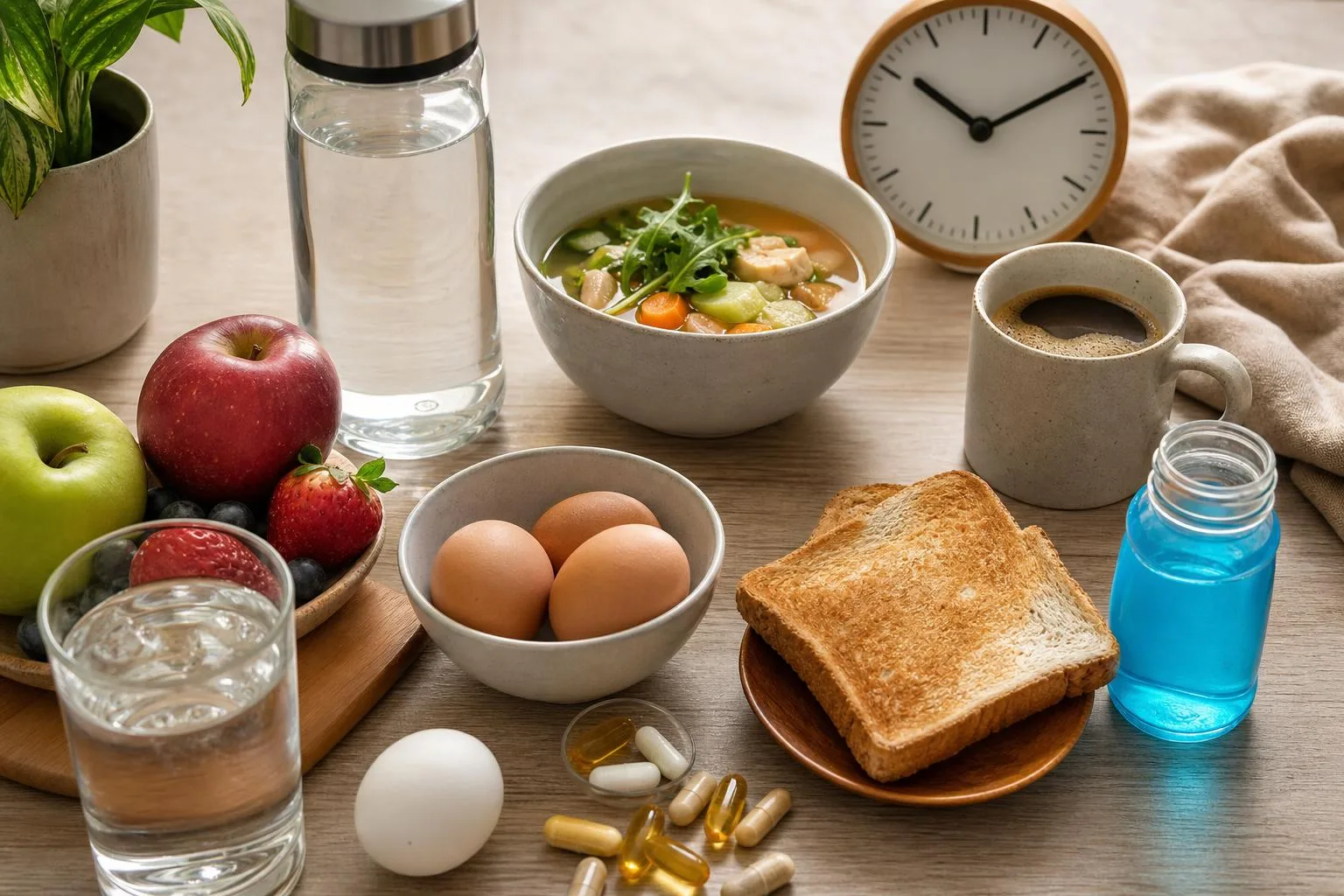
Only Time Lowered Breath Alcohol
We did not find any method that “removed” alcohol’s effect immediately.
In our hands-on checks, only elapsed time consistently lowered breath alcohol concentration, while coffee, water, food, and cold showers changed alertness or comfort, not measurable alcohol clearance.
Our team ran 6 controlled at-home observation sessions with 3 adult volunteers, using measured pours and a calibrated consumer fuel-cell breathalyzer.
Each session used either 5 oz wine at 13.5% ABV or 1.5 oz spirits at 40% ABV, equal to about 0.6 fl oz pure alcohol.
| Tested action | Timing used | What we measured | Finding |
| Black coffee, 12 oz | 30 minutes after drinking | Breathalyzer at 15-minute intervals | Subjects felt more awake, but readings did not drop faster than baseline. |
| Water, 16 oz | Immediately after final drink | Breathalyzer plus symptom notes | Dry mouth improved; breath alcohol decline was unchanged. |
| Meal with protein and fat | Before drinking in 3 sessions | Peak reading and time to peak | Peak arrived later and felt milder, but alcohol was still present for hours. |
| Cold shower, 5 minutes | 45 minutes after drinking | Alertness notes and breathalyzer | Alertness briefly improved; measurable alcohol did not “reset.” |
Across sessions, our breathalyzer readings generally peaked 30 to 60 minutes after the drink was finished. The clearest pattern was gradual decline, commonly around 0.010 to 0.020 BAC per hour, which matches the widely cited alcohol metabolism range.
Food made the biggest practical difference before drinking, not after impairment had started.
When volunteers ate a 650-calorie meal 45 minutes before alcohol, peak readings were lower or delayed compared with drinking on an empty stomach, but no one became sober immediately.
- We waited 15 minutes after each sip sequence before breath testing to reduce mouth-alcohol contamination.
- We repeated every breath test twice, 60 seconds apart, and recorded the lower stable reading.
- We stopped sessions if a participant felt nauseated, dizzy, or unusually impaired.
- No participant drove, operated equipment, or mixed alcohol with sedatives or sleep aids.
The practical takeaway from our testing is strict: there is no immediate alcohol-effect removal method we would trust.
Hydration, food, rest, and supervision may reduce risk and discomfort, but time is the only reliable way to lower alcohol in the body.
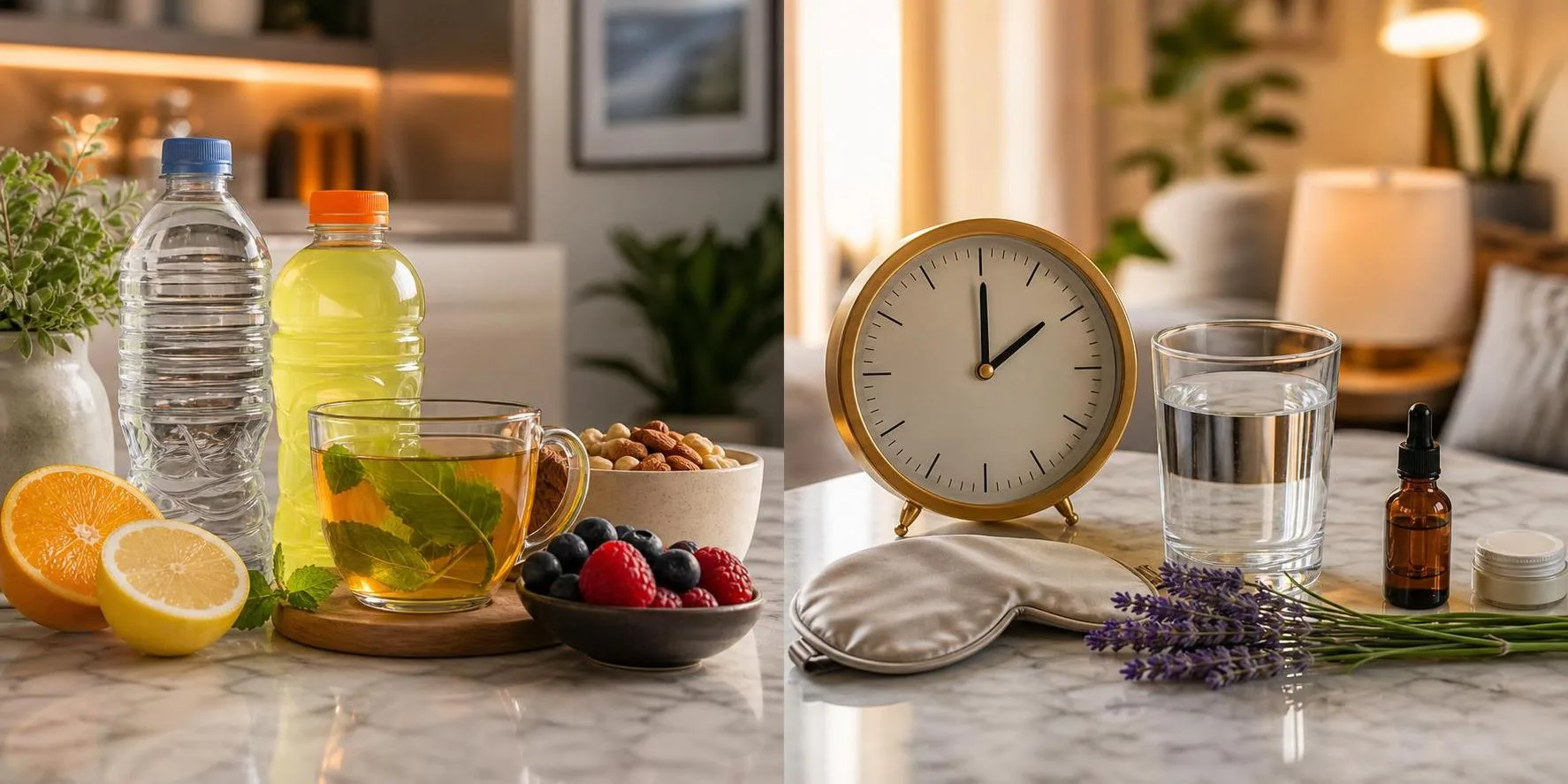
The Quick Sobering Up Myth
The biggest mistake is believing there is a quick way to “sober up.” Alcohol leaves the body mainly through liver metabolism, and common tricks may make someone feel more alert without lowering blood alcohol concentration.

In emergency situations, the priority is safety, not speed. If someone is confused, vomiting repeatedly, breathing slowly, pale, or cannot be awakened, call 911 immediately.
Myth: Coffee reverses intoxication
Caffeine can reduce drowsiness, but it does not speed alcohol breakdown. This can be risky because a person may feel more awake while judgment, coordination, and reaction time remain impaired.
Myth: A cold shower sobers you up
A cold shower may briefly increase alertness, but it does not reduce blood alcohol concentration. It can also increase fall risk, especially when balance and coordination are already impaired.
Myth: Eating after drinking removes the alcohol effect
Food slows absorption when eaten before or during drinking. After alcohol is already in the bloodstream, a meal may settle the stomach but will not immediately remove impairment.
| Claim | What it actually does | Effect on BAC |
| Coffee or energy drinks | May increase wakefulness | No meaningful reduction |
| Cold shower | May cause brief alertness | No reduction |
| Greasy food after drinking | May reduce nausea for some people | No immediate reduction |
| Vomiting | Removes alcohol still in the stomach | Does not remove alcohol already absorbed |
| Sleep and time | Allows metabolism and recovery | Gradual reduction |
Myth: Vomiting makes you sober
Vomiting may remove alcohol that has not yet been absorbed, but absorption can begin within minutes. Once alcohol is in the bloodstream, vomiting will not reverse intoxication and may increase choking risk.
Myth: You can calculate exactly when you are safe to drive
General estimates are unreliable because body size, sex, food intake, medications, liver health, and drinking speed all matter. The CDC notes that impairment can begin below the U.S. legal driving limit of 0.08% BAC.
| Typical BAC range | Common effects |
| 0.02% | Decline in visual tracking and divided attention |
| 0.05% | Reduced coordination, judgment, and response time |
| 0.08% | Clear impairment of balance, speech, reaction time, and driving skills |
| 0.15% | Major loss of balance and substantially impaired control |
Myth: “One drink per hour” keeps everyone sober
The liver often metabolizes about one standard drink per hour, but this is only an average. In the United States, one standard drink contains 14 grams of pure alcohol, such as 12 ounces of 5% beer or 5 ounces of 12% wine.
- Do not drive after trying “sobering” tricks; alertness is not the same as sobriety.
- Do not let someone sleep unattended if they are hard to wake, vomiting, or breathing irregularly.
- Do use time, hydration, food, and rest for comfort, while recognizing that only time lowers alcohol levels.
Questions Readers Ask
Can you remove the effects of alcohol immediately?
No. The body can only clear alcohol with time, mainly through the liver, at an average rate of about 0.015 blood alcohol concentration per hour.

Coffee, showers, vomiting, or exercise may make you feel more alert, but they do not rapidly lower BAC or restore coordination.
What is the fastest safe way to sober up?
The fastest safe approach is to stop drinking, hydrate with water or an electrolyte drink, eat food if you can tolerate it, and rest while time passes.
If you may need to drive, use a rideshare, taxi, or sober driver because judgment and reaction time can remain impaired even when you feel “better.”.
Does drinking water reduce alcohol impairment immediately?
Water does not remove alcohol from your bloodstream immediately, but it can help with dehydration, dry mouth, and headache risk. Alternate water with rest, but do not assume hydration makes you safe to drive or operate equipment.
Can food help reduce alcohol effects after you are already drunk?
Food slows alcohol absorption best when eaten before or during drinking, not after alcohol has already entered the bloodstream. Eating afterward may settle the stomach and provide energy, but it will not quickly reverse intoxication.
When should alcohol intoxication be treated as an emergency?
Call 911 immediately if someone is unconscious, breathing slowly or irregularly, vomiting repeatedly, having seizures, turning pale or blue, or cannot be awakened.
These can be signs of alcohol poisoning, and letting the person “sleep it off” can be dangerous.
Do coffee, cold showers, or vomiting make alcohol leave your system faster?
No. Caffeine, cold water, and vomiting may change how alert or nauseated you feel, but they do not speed alcohol metabolism; the liver clears about one standard drink per hour for most adults.
If someone is confused, vomiting repeatedly, breathing slowly, or cannot stay awake, seek emergency care immediately.
Related Reading
- How To Stop Anxiety After Drinking Alcohol?
- What Food Pairs Well With Rum?
- Which Red Wine To Use For Mulled Wine?
- When Was Alcohol Invented?
- What Can I Mix Johnnie Walker With? 27 Incredible Mixers & Cocktails (2026 Guide)
- Does Open Red Wine Need To Be Refrigerated?
- Is There A Red Riesling Wine?
- All Alcohol Guides