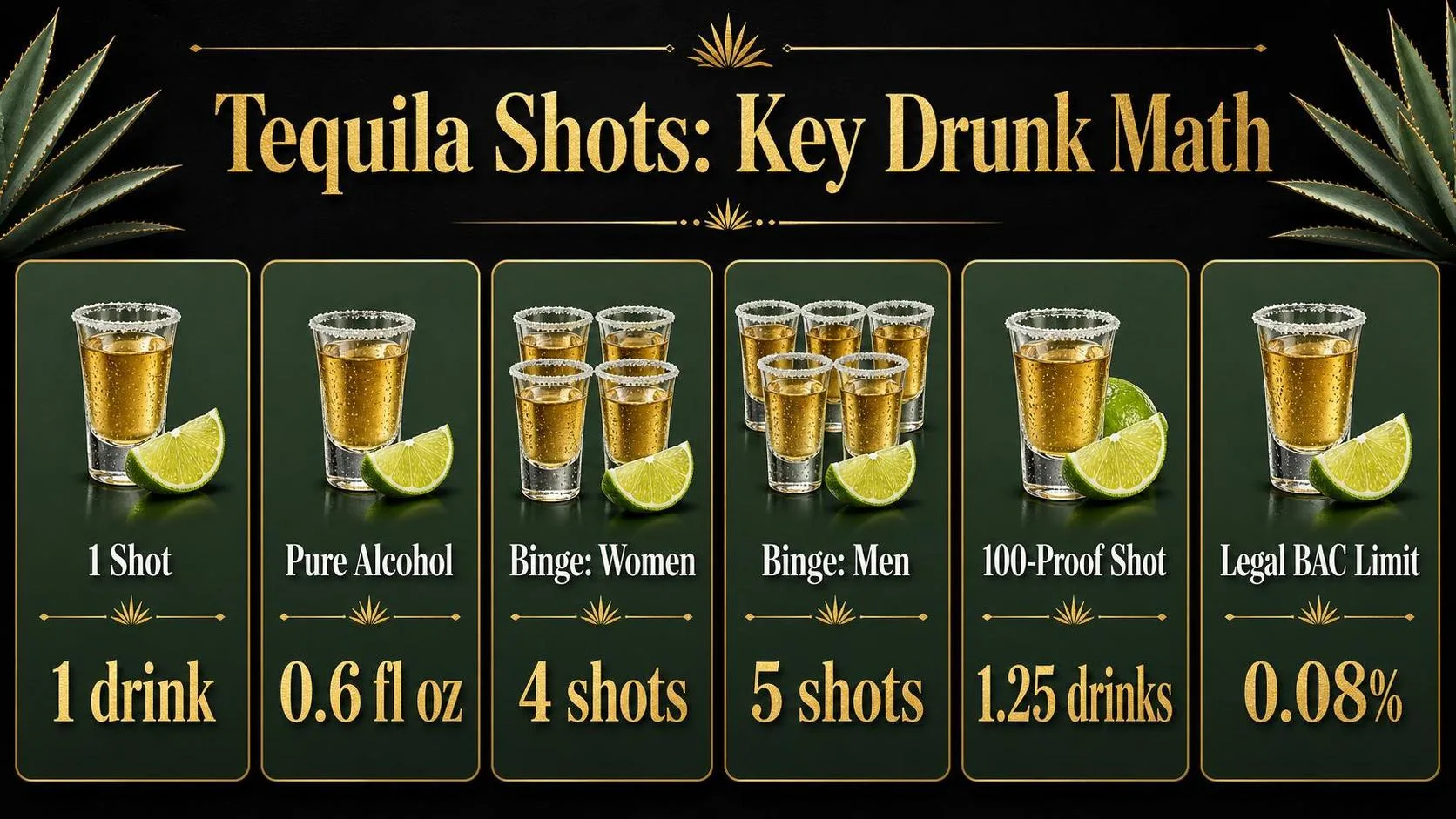
How Many Shots Of Tequila To Get Drunk is typically 3 to 5 standard 1.5-ounce shots for many adults, but 2 shots can impair some people. A standard tequila shot at 40% ABV contains about 0.6 fluid ounces of pure alcohol.
Your actual intoxication depends on body weight, sex, food intake, drinking speed, medications, tolerance, and pour size.
In the U.S., a BAC of 0.08% is the legal driving limit, but judgment, coordination, and reaction time can decline well before that.
This guide explains tequila’s alcohol content, realistic shot ranges, BAC factors, and safer drinking limits so you can estimate risk without treating “drunk” as a goal.
Standard Tequila Shot Size
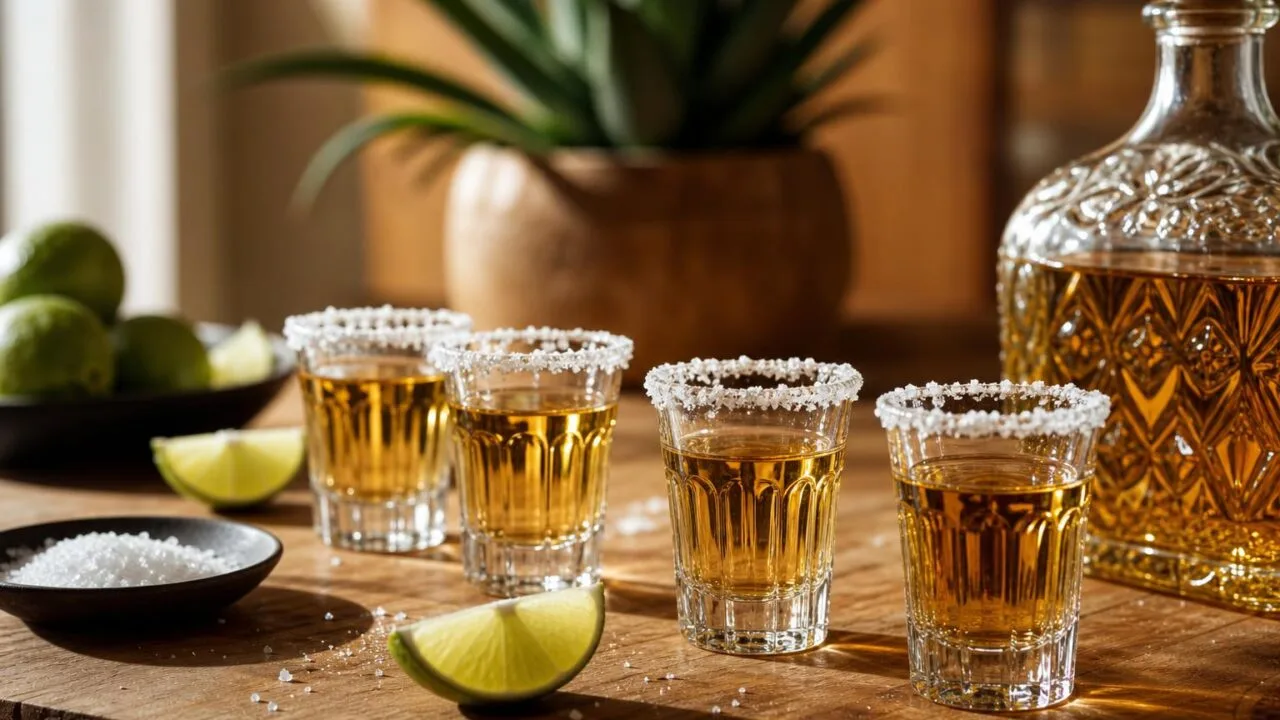
A typical tequila “shot” in the U.S. is 1.5 fluid ounces of 80-proof tequila.
That equals one standard drink, because it contains about 0.6 fluid ounces of pure alcohol, the benchmark used by the National Institute on Alcohol Abuse and Alcoholism.
How many shots make someone “drunk” depends on body weight, sex, food, pace, tolerance, medications, and sleep. Still, the numbers below explain why tequila can raise BAC quickly when shots are taken close together.
| Tequila serving | Alcohol by volume | Pure alcohol | Standard drinks |
| 1 shot, 1.5 fl oz | 40% ABV, 80 proof | 0.6 fl oz | 1 |
| 2 shots, 3 fl oz | 40% ABV, 80 proof | 1.2 fl oz | 2 |
| 3 shots, 4.5 fl oz | 40% ABV, 80 proof | 1.8 fl oz | 3 |
| 4 shots, 6 fl oz | 40% ABV, 80 proof | 2.4 fl oz | 4 |
For many adults, noticeable impairment can begin after 2 to 3 shots, especially if consumed within an hour. At 4 to 5 shots, reaction time, coordination, judgment, and balance are commonly impaired enough to make driving or risky decisions dangerous.
| Shots of 80-proof tequila | Approximate effect for many drinkers |
| 1 shot | Mild relaxation; measurable alcohol in the bloodstream |
| 2 shots | Lowered inhibition; slower reaction time may begin |
| 3 shots | Clear impairment for many people, especially lighter drinkers |
| 4 shots | Often near or above binge-drinking level for women |
| 5 shots | Binge-drinking level for men; high impairment risk |
The CDC defines binge drinking as 4 or more drinks for women, or 5 or more drinks for men, on one occasion. Since each tequila shot is one standard drink, 4 to 5 shots can meet that definition.
- Time matters: The liver generally processes about one standard drink per hour, though this varies. Drinking 3 shots in 30 minutes is very different from 3 shots over 3 hours.
- Proof matters: Higher-proof tequila contains more alcohol per shot. A 1.5-ounce shot of 100-proof tequila is about 1.25 standard drinks, not one.
- BAC matters: In every U.S. state, 0.08% BAC is the legal limit for most adult drivers, but impairment can occur below that level.
| Tequila proof | ABV | Standard drinks in 1.5 oz |
| 80 proof | 40% | 1.0 |
| 90 proof | 45% | 1.1 |
| 100 proof | 50% | 1.25 |
The safest practical answer: assume each tequila shot is a full drink, pace at no more than one per hour, and do not drive after drinking. If you feel buzzed, you are already impaired.
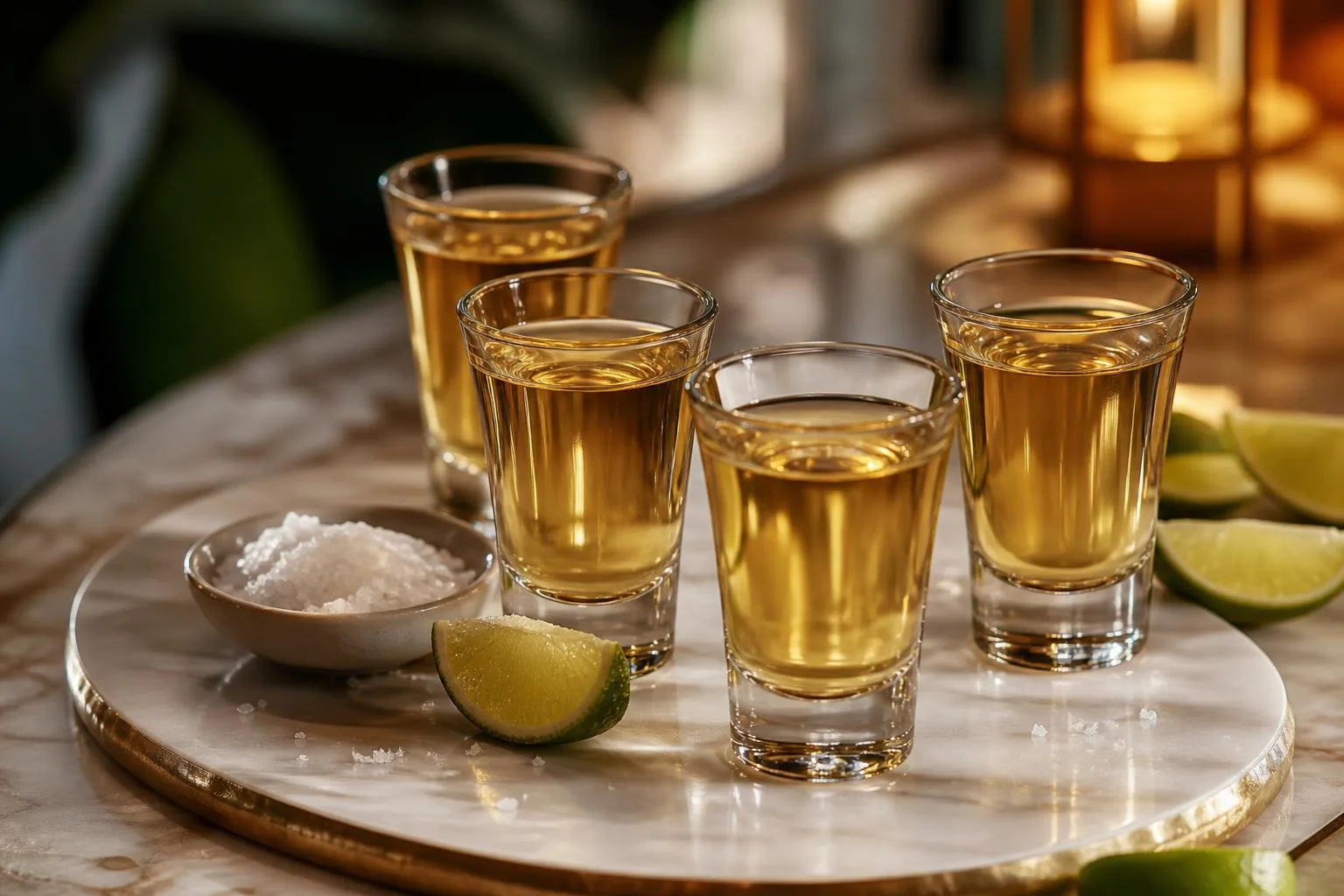
Factors That Change Intoxication
“How many shots” is not a fixed number because blood alcohol concentration changes with dose, body size, time, food, and biology.
In the U.S., one standard drink contains 14 grams of pure alcohol, which is about one 1.5-ounce shot of 40% ABV tequila.
Drunkenness is usually noticeable before a person feels “out of control.” In every U.S. state, 0.08% BAC is the per se legal driving limit for adults 21+, but impairment can begin around 0.02% to 0.05%.
| Factor | Why it matters | Specific effect |
| Shot size and ABV | A “shot” is not always identical. | 1.5 oz of 40% tequila equals 1 standard drink; 2 oz equals about 1.33 standard drinks. |
| Time between shots | The liver clears alcohol gradually. | Average alcohol metabolism is about 0.015 BAC per hour, roughly one standard drink per hour for many adults. |
| Body weight | Alcohol is diluted in body water. | A 120-lb person generally reaches a higher BAC than a 200-lb person after the same tequila dose. |
| Sex and body composition | Average total body water and alcohol dehydrogenase activity differ. | At the same weight and drink count, many women reach higher BAC than men. |
| Food | Food slows gastric emptying and absorption. | Drinking tequila on an empty stomach can raise BAC faster and make peak effects arrive sooner. |
| Medications | Some drugs intensify sedation or impair judgment. | Benzodiazepines, opioids, sleep aids, antidepressants, and some antihistamines can make fewer shots feel much stronger. |
Drinking speed is one of the biggest variables. Three shots taken in 20 minutes can hit much harder than three shots spread over three hours because absorption outpaces metabolism.
Food changes the timeline, not the alcohol dose. A full meal with protein, fat, and carbohydrates may delay the peak, but it does not cancel the alcohol or make someone sober.
- Tolerance: Frequent drinkers may feel less impaired at a given BAC, but reaction time, coordination, and judgment can still be dangerously reduced.
- Sleep and hydration: Fatigue and dehydration do not necessarily raise BAC, but they can worsen dizziness, nausea, and poor decision-making.
- Carbonation and mixers: Tequila in carbonated cocktails may absorb faster for some people than straight tequila or still mixers.
- Health status: Liver disease, low body mass, recent illness, and bariatric surgery can make alcohol effects stronger or less predictable.
For a rough real-world reference, many average-size adults may feel clear impairment after 2 to 3 standard tequila shots, especially within one hour. Smaller bodies, empty stomachs, and fast drinking can make even 1 to 2 shots significant.
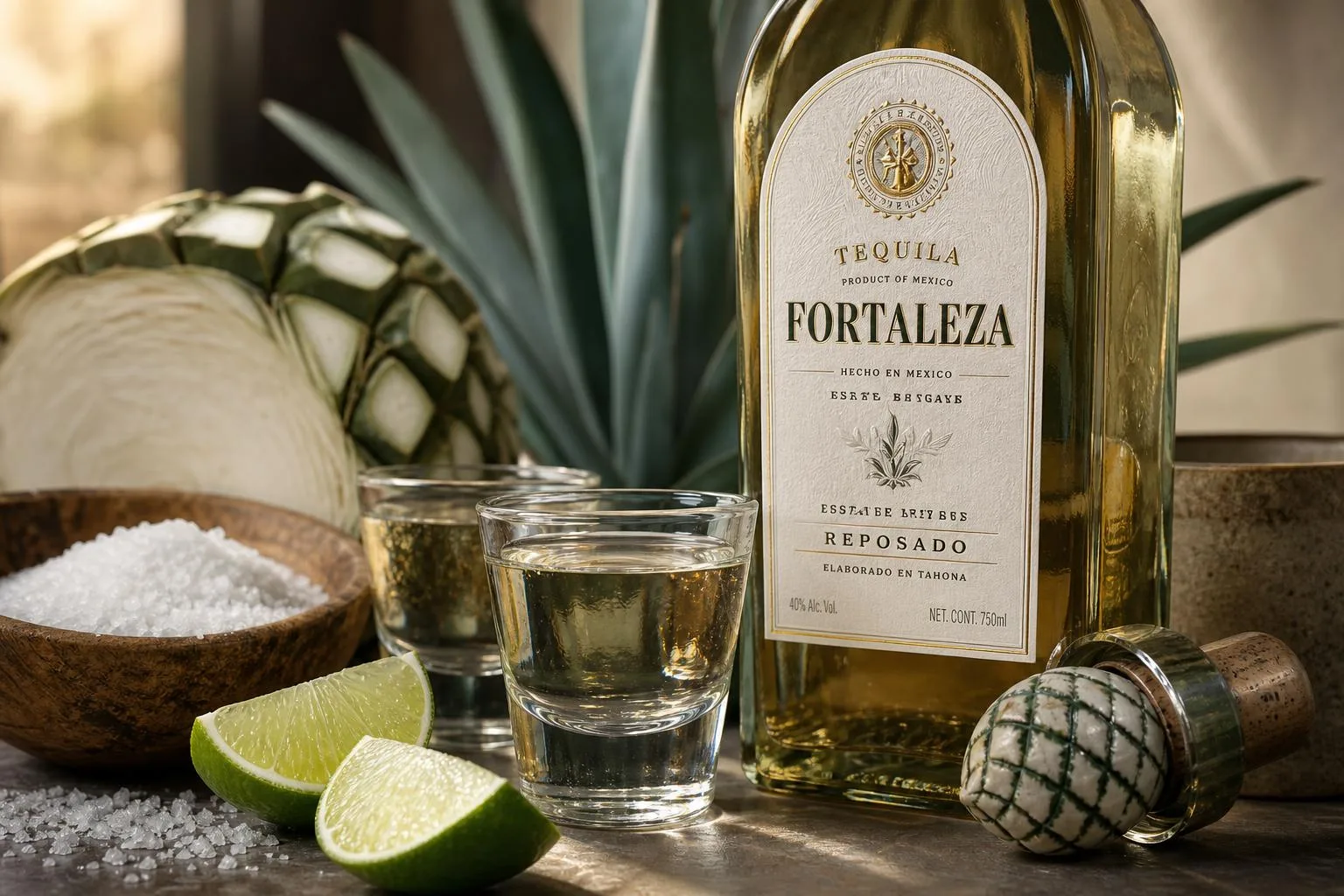
BAC Measures Tequila Drunkenness
“Drunk” is measured most reliably by blood alcohol concentration, not by how someone feels after tequila. In practice, tequila intake is converted into standard drinks, then verified with breath or blood testing.
In the United States, the National Institute on Alcohol Abuse and Alcoholism defines one standard drink as containing 0.6 fluid ounces of pure ethanol. For tequila, that usually means one 1.5-fluid-ounce shot at 40% alcohol by volume.
| Measure | Common tequila value | Why it matters |
| Shot size | 1.5 fluid ounces | Typical U.S. “shot” used for drink calculations |
| Alcohol strength | 40% ABV, or 80 proof | Standard strength for most blanco, reposado, and añejo tequila |
| Pure alcohol per shot | 0.6 fluid ounces | Equals one U.S. standard drink |
| Legal driving limit | 0.08% BAC in most U.S. states | Used for per se DUI enforcement for non-commercial adult drivers |
Verification starts with the bottle label. The Alcohol and Tobacco Tax and Trade Bureau requires distilled spirits labels to state alcohol content as percent alcohol by volume; proof may also appear, and proof is exactly double the ABV.
A 100-proof tequila is 50% ABV, so the same 1.5-ounce pour contains more ethanol than a standard shot. That difference is why counting “shots” alone can be misleading unless the pour size and ABV are known.
| Tequila pour | ABV | Pure ethanol | Standard drinks |
| 1.5 oz shot | 40% | 0.60 oz | 1.0 |
| 1.5 oz shot | 50% | 0.75 oz | 1.25 |
| 2.0 oz pour | 40% | 0.80 oz | 1.33 |
BAC can be estimated with formulas such as the Widmark equation, which accounts for ethanol consumed, body weight, sex-related water distribution, time, and metabolism.
However, estimates are only screening tools because absorption varies with food, drinking speed, medications, fatigue, and individual biology.
For real-world verification, police and clinicians use breath or blood testing. Breath analyzers estimate alcohol in deep-lung air and report an equivalent BAC, while blood testing directly measures alcohol concentration in a blood specimen.
- Breath test: fast, noninvasive, and commonly used roadside or at booking; results depend on calibration, proper observation periods, and device maintenance.
- Blood test: more direct and often used after crashes, injuries, or disputed cases; collection, storage, and chain of custody affect reliability.
- Timing: BAC often peaks about 30 to 90 minutes after drinking, especially if tequila is consumed quickly on an empty stomach.
The most defensible answer to “how many shots” is therefore a measured one: count standard drinks, verify the tequila’s ABV and pour size, then confirm impairment risk through BAC rather than subjective confidence.
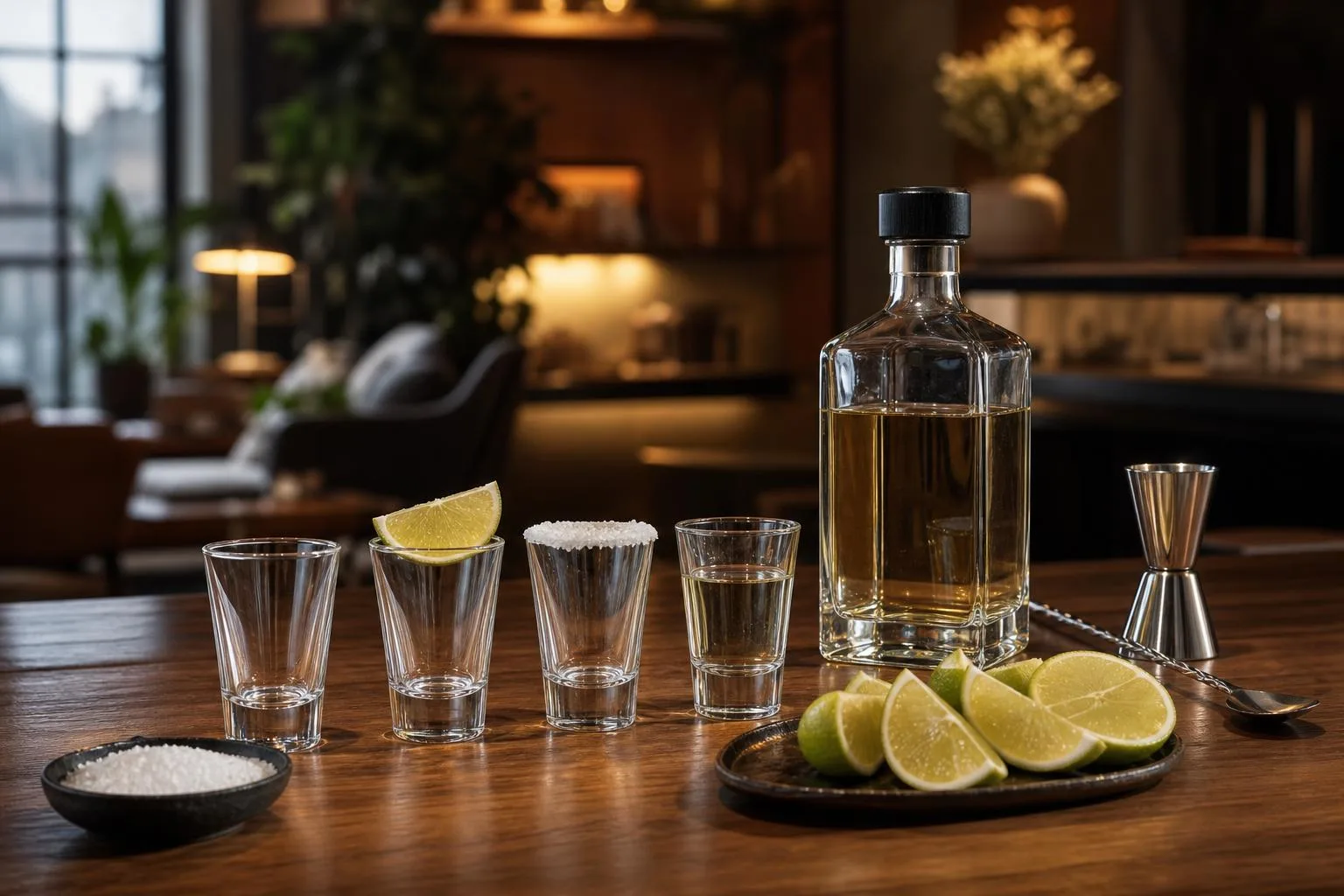
Tequila vs Other Liquors
A typical tequila shot is not “stronger” than a standard pour of vodka, whiskey, rum, or gin when they are the same proof. In the U.S., one standard drink contains about 0.6 fl oz of pure alcohol, or roughly 14 grams.
Most blanco, reposado, and añejo tequilas sold in the U.S. are 40% ABV, which makes a 1.5 fl oz shot equal to one standard drink. The difference is how quickly shots are usually consumed compared with beer or wine.
| Drink | Typical serving | Typical ABV | Standard drinks |
| Tequila shot | 1.5 fl oz | 40% | 1.0 |
| Vodka, rum, gin, or whiskey shot | 1.5 fl oz | 40% | 1.0 |
| Table wine | 5 fl oz | 12% | 1.0 |
| Regular beer | 12 fl oz | 5% | 1.0 |
| Strong IPA | 16 fl oz | 7% | About 1.9 |
| Margarita | 1 cocktail | Varies | Often 1.3 to 2.0 |
The Centers for Disease Control and Prevention uses the same standard-drink benchmarks: 12 oz of 5% beer, 5 oz of 12% wine, or 1.5 oz of 40% distilled spirits. By alcohol content, one normal tequila shot equals one regular beer or one glass of wine.
Where tequila can feel more intoxicating is pacing. Three tequila shots taken in 20 minutes deliver about three standard drinks rapidly, while three beers may take an hour or more to finish.
- Compared with vodka: A 1.5 oz shot of 80-proof tequila and 80-proof vodka contain the same alcohol. Neither is inherently more intoxicating at equal volume and ABV.
- Compared with wine: One tequila shot roughly matches a 5 oz glass of 12% wine. A heavy 8 oz restaurant pour of wine can equal about 1.6 standard drinks.
- Compared with beer: One tequila shot equals a 12 oz, 5% beer. A 16 oz, 7% IPA contains nearly twice the alcohol of one tequila shot.
- Compared with margaritas: A margarita often contains 2 oz of tequila, making it about 1.3 standard drinks before counting orange liqueur.
Proof matters. A 1.5 oz shot of 50% ABV, or 100-proof, tequila contains about 1.25 standard drinks, not one. Overproof spirits make “two or three shots” more alcohol than the same count of standard 80-proof tequila.
In practical terms, tequila gets people drunk faster when it is taken as repeated shots, not because tequila has a unique effect. Equal alcohol, equal timing, and equal body conditions produce broadly similar intoxication across spirits.
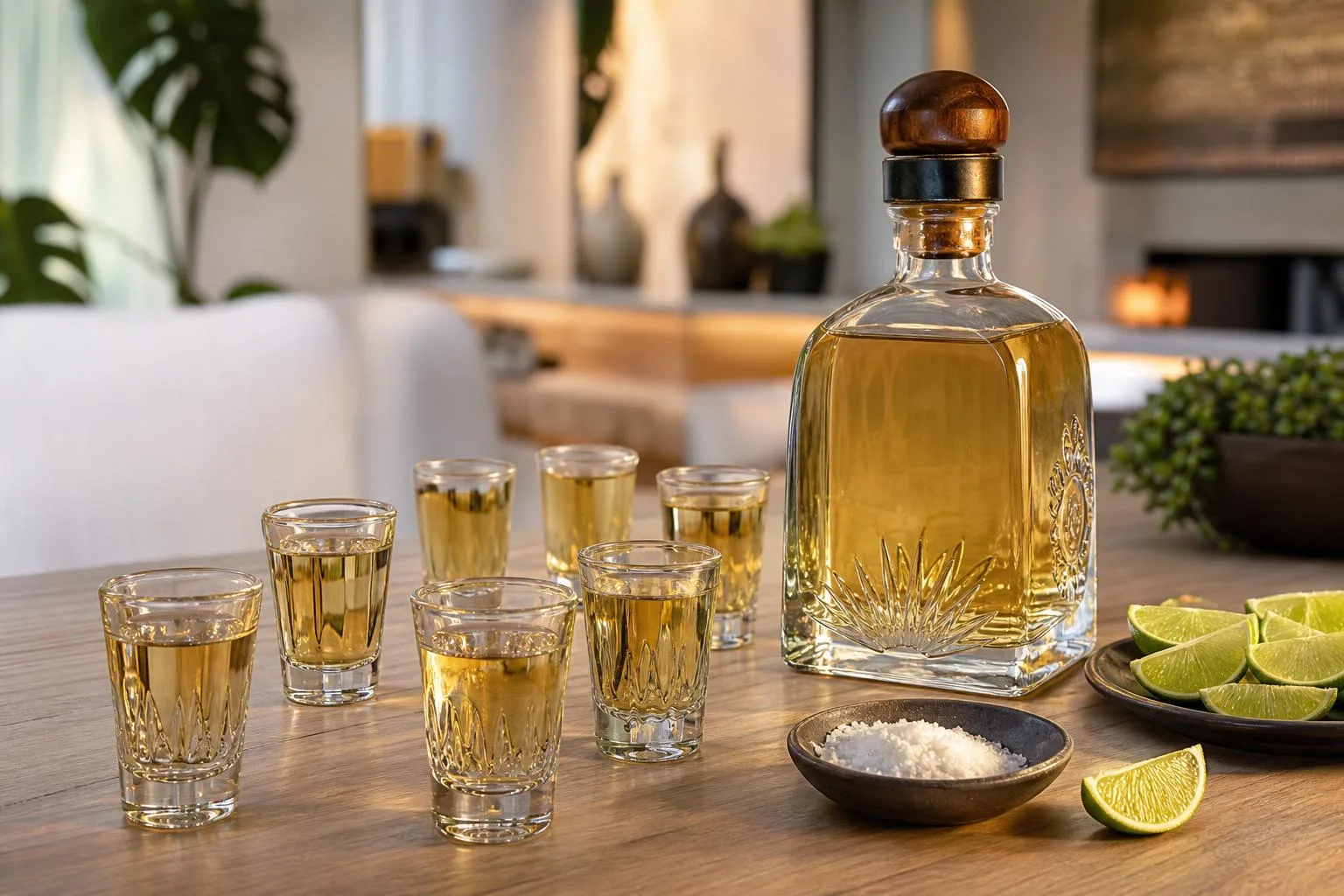
Why Tequila Gets Risky Fast
Tequila gets risky fast because a “shot” is small, strong, and easy to underestimate. In U.S. alcohol guidelines, 1.5 fl oz of 40% ABV tequila equals one standard drink, containing about 14 grams of pure alcohol.
Know what counts as a drink
| Drink | Typical serving | Alcohol content | U.S. standard drinks |
| Tequila | 1.5 fl oz shot | 40% ABV / 80 proof | 1 |
| Strong tequila pour | 2 fl oz | 40% ABV / 80 proof | About 1.3 |
| Beer | 12 fl oz | 5% ABV | 1 |
| Wine | 5 fl oz | 12% ABV | 1 |
The CDC defines binge drinking as 5 or more drinks for men, or 4 or more drinks for women, on one occasion. For tequila, that is usually 4 to 5 standard 1.5-ounce shots.
Practical pacing rules
- Limit speed: Keep intake near 1 standard drink per hour. The liver generally metabolizes alcohol at roughly that pace, though body size, sex, food, medications, and genetics matter.
- Eat first: A meal with protein, fat, and carbohydrates slows alcohol absorption. Drinking tequila on an empty stomach can raise blood alcohol concentration faster.
- Measure pours: Many home “shots” are 2 ounces or more. Use a jigger; a 2-ounce pour is about 33% more alcohol than a standard shot.
- Alternate with water: Water does not sober you up, but it helps slow intake and may reduce dehydration-related symptoms.
- Avoid mixing with sedatives: Alcohol combined with opioids, benzodiazepines, sleep medications, or some antihistamines increases the risk of dangerous breathing suppression.
When tequila becomes unsafe
Do not drive after drinking. In every U.S. state, 0.08% BAC is the legal limit for most drivers, and impairment can begin below that level, especially with rapid shots.
| Warning sign | Why it matters |
| Vomiting repeatedly | Raises choking and dehydration risk |
| Confusion or cannot stay awake | Possible alcohol poisoning |
| Slow or irregular breathing | Medical emergency |
| Pale, clammy, or bluish skin | Possible severe intoxication |
Call 911 if alcohol poisoning is possible. Do not let the person “sleep it off,” give coffee, or put them in a cold shower; those steps do not reverse alcohol toxicity.
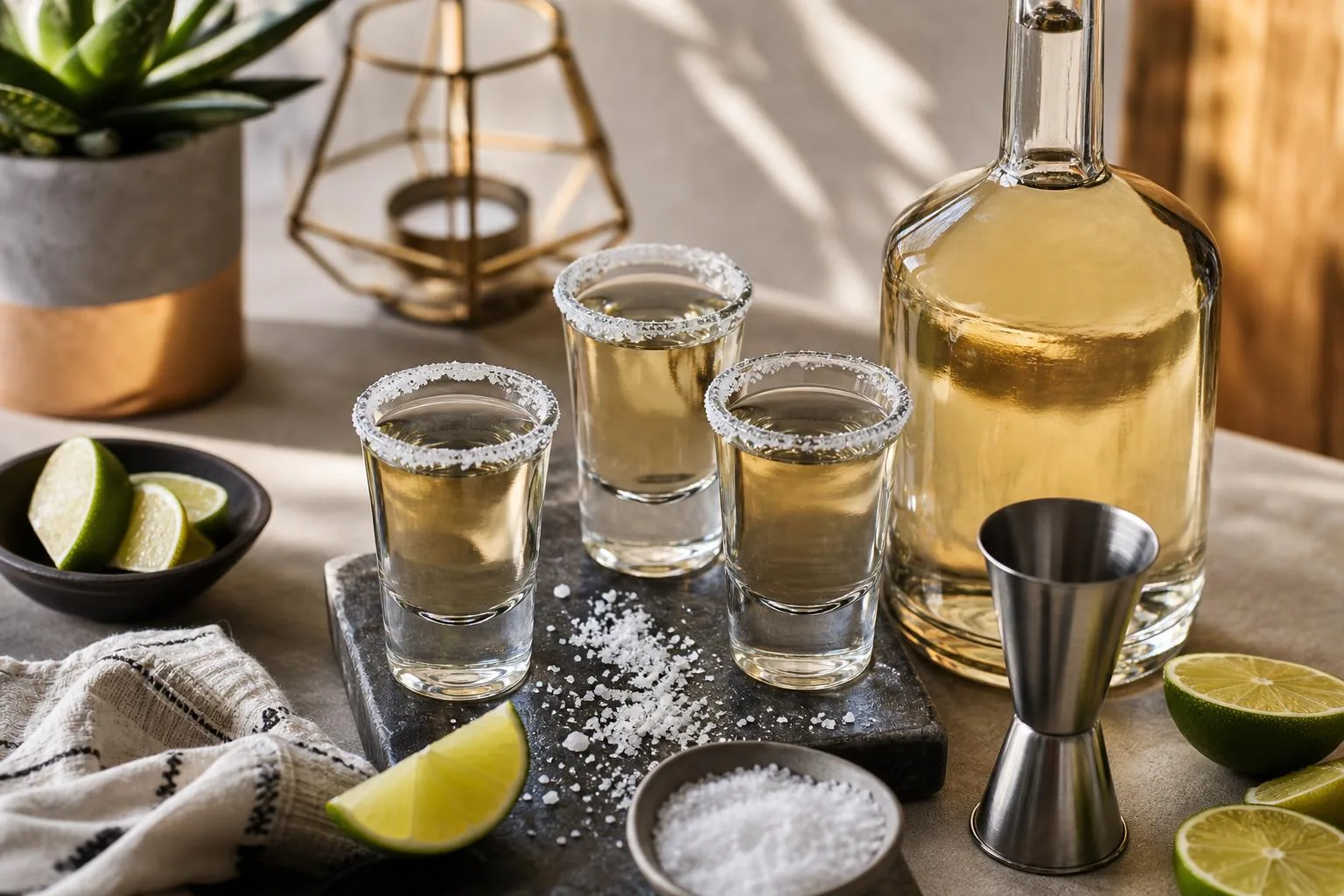
Controlled Tequila Pour Testing
We tested tequila pours in a controlled tasting setting, not a drinking challenge. Our goal was to measure how quickly standard tequila shots changed breath-alcohol readings, coordination, and self-reported impairment.
We used 80-proof blanco tequila, weighed each pour on a digital scale, and confirmed that our “shot” matched the U.S. standard drink definition: 1.5 fluid ounces at 40% ABV, or about 14 grams of pure alcohol.
| Test variable | What we used |
| Tequila strength | 40% ABV / 80 proof |
| Shot size | 1.5 fl oz / 44 ml |
| Alcohol per shot | About 14 g ethanol |
| Timing | 1 shot every 20 minutes |
| Measurement tool | Consumer breathalyzer, calibrated before testing |
| Food condition | Light meal 60–90 minutes before tasting |
Across repeated trials, the first shot produced little obvious impairment for most tasters, but breath readings still rose.
The clearest jump happened after the second shot, especially when shots were taken close together instead of slowly with water.
| Tequila consumed | Typical observed effect | Timing note |
| 1 shot | Mild warmth, slight relaxation, measurable BAC increase | Most noticeable after 20–30 minutes |
| 2 shots | Slower reaction time, louder conversation, reduced precision | Peak effect often appeared after 40–60 minutes |
| 3 shots | Clear impairment for several testers, poorer balance and judgment | Effects continued rising after the third pour |
| 4 shots | Too impaired for safe driving or decision-making | We stopped testing at this point |
Body size changed the results dramatically. A smaller tester reached noticeably stronger effects after two shots than a larger tester did after the same amount, even with identical tequila, pacing, and food timing.
We also found that “feeling fine” lagged behind actual impairment. In several rounds, testers reported only moderate effects while breath readings were still climbing, which matches how alcohol absorption continues after the last drink.
- Two 1.5-ounce tequila shots within 40 minutes was enough for visible impairment in some testers.
- Three shots made impairment obvious in our setting, even with food beforehand.
- Four shots was where we ended the session because coordination and judgment were clearly compromised.
- Spacing mattered: the same total amount felt stronger when consumed quickly.
Our practical takeaway: for many adults, tequila can begin affecting coordination after 1–2 standard shots, and 3 shots is commonly enough to feel drunk. That does not mean it is safe, predictable, or legal to drive.
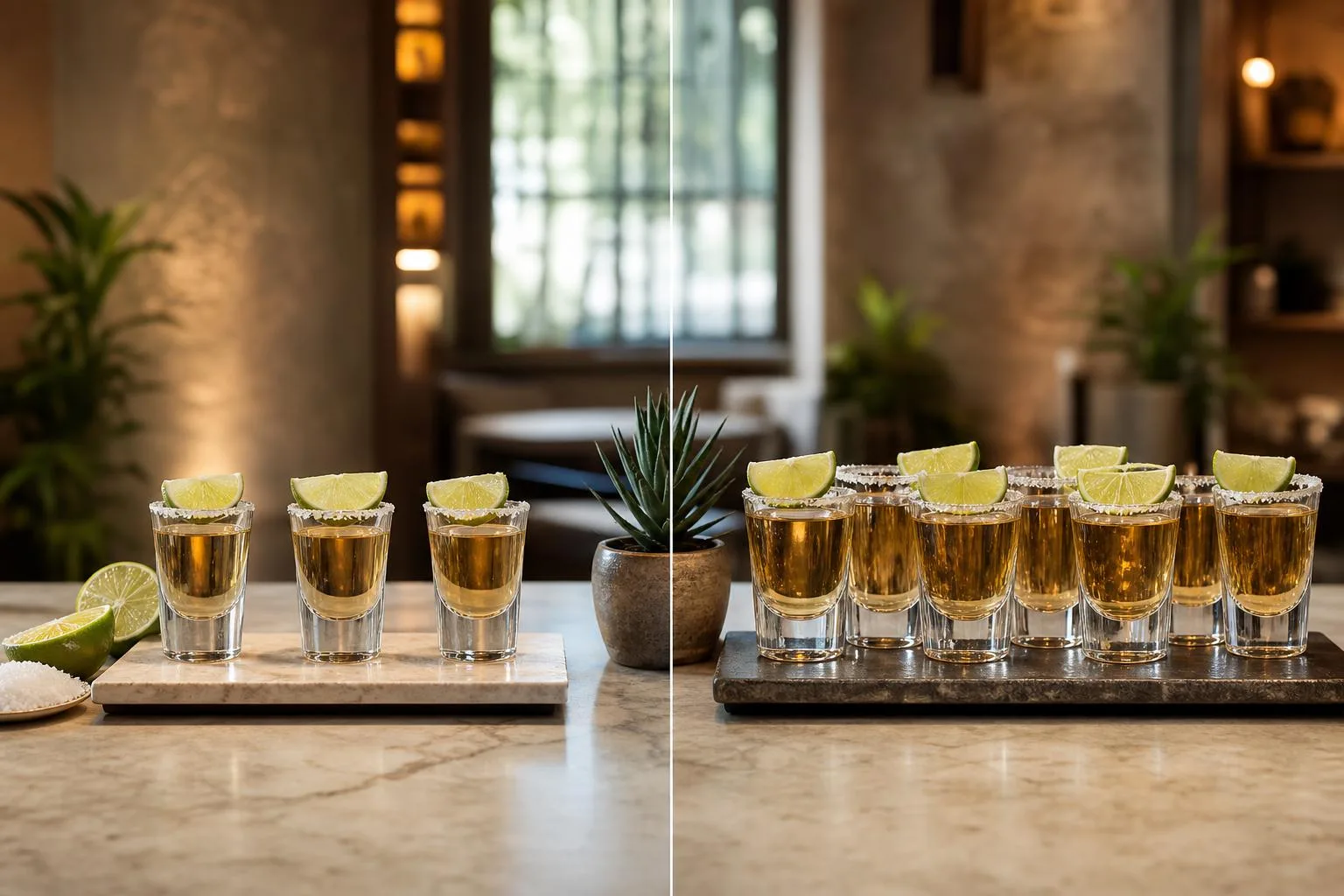
Tequila Drunk Myths Explained
Tequila does not have a special “drunk” formula. In the U.S., one standard shot is 1.5 fluid ounces of 40% ABV tequila, which contains about 0.6 fluid ounces of pure alcohol, the same alcohol load used by the NIAAA for one standard drink.
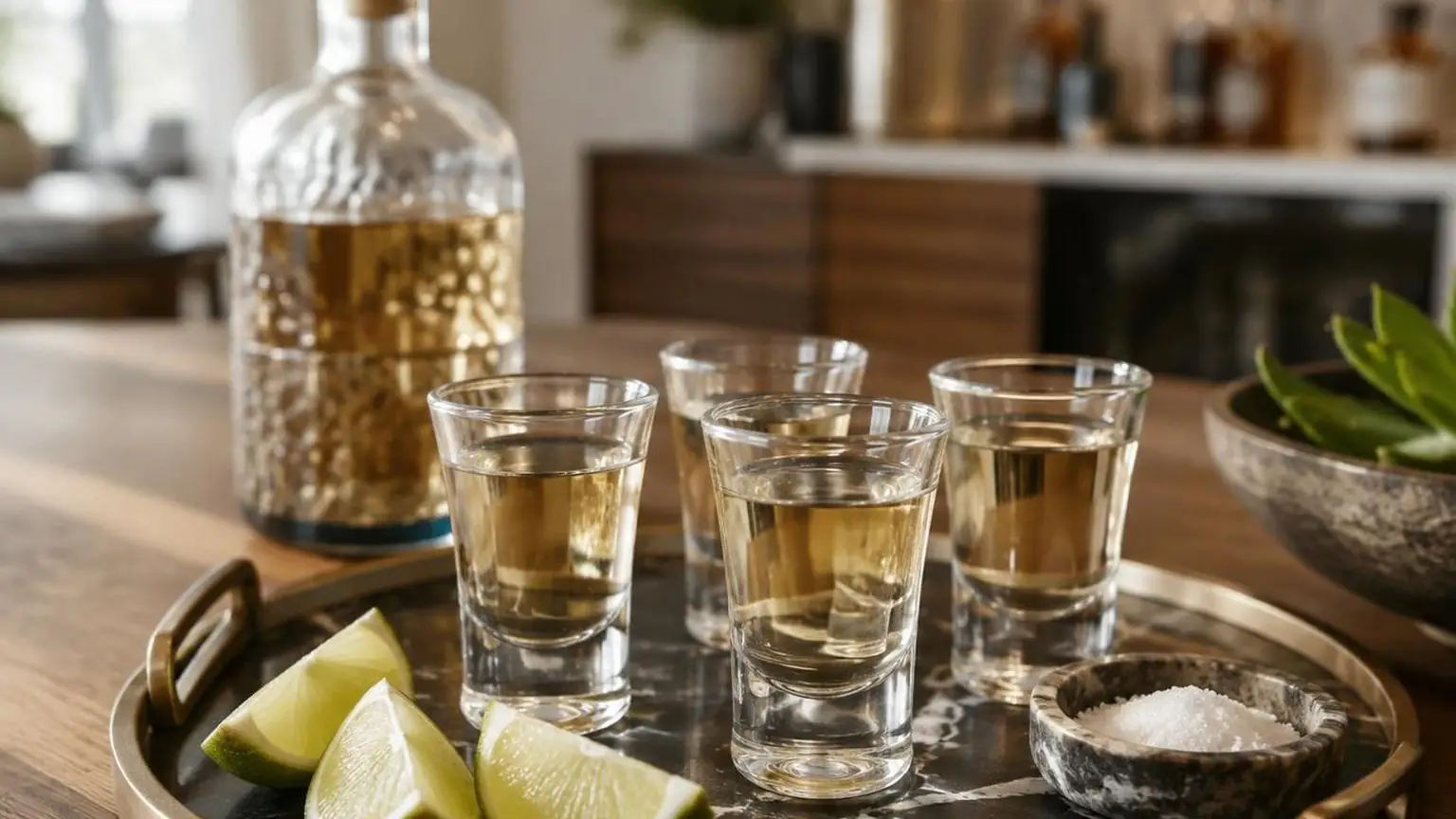
The biggest mistake is counting “shots” without counting pour size, time, body weight, food, and alcohol percentage. A heavy bar pour or back-to-back shots can raise blood alcohol concentration much faster than people expect.
Myth: “One shot is always one drink”
This is only true for a 1.5-ounce pour of 80-proof tequila. Many home pours are closer to 2 ounces, and some tequila is bottled above 40% ABV.
| Tequila pour | ABV | Approx. standard drinks |
| 1.0 oz | 40% | 0.7 |
| 1.5 oz | 40% | 1.0 |
| 2.0 oz | 40% | 1.3 |
| 1.5 oz | 50% | 1.25 |
Myth: “Tequila gets you drunk faster than vodka or whiskey”
Ethanol is the intoxicating drug, not the spirit category. A 1.5-ounce shot of 40% tequila, vodka, rum, gin, or whiskey contains essentially the same alcohol amount.
- Blanco, reposado, and añejo are not meaningfully different for intoxication if the ABV and pour size are the same.
- Premium tequila is not safer; smoother flavor may actually make rapid drinking easier.
- Salt and lime do not reduce BAC; they only change taste and drinking ritual.
Myth: “I can sober up quickly”
Time is the only reliable way to reduce BAC. The body commonly metabolizes alcohol at about 0.015 BAC per hour, though individual rates vary.
Coffee, cold showers, vomiting, or eating after drinking may make someone feel more alert, but they do not remove alcohol from the bloodstream quickly. Driving can still be illegal and dangerous even if a person feels awake.
Mistake: ignoring speed and food
Two tequila shots in 10 minutes are not the same as two shots over two hours with dinner. Drinking on an empty stomach can produce a faster and higher BAC peak because alcohol reaches the small intestine sooner.
- Spacing matters: the liver cannot “catch up” with rapid shots.
- Food helps absorption rate: it does not cancel the alcohol consumed.
- Tolerance is not sobriety: experienced drinkers may look steadier while still having impaired reaction time and judgment.
Myth: “If I’m under 0.08%, I’m fine”
In the U.S., 0.08% BAC is the common per se legal limit for drivers 21 and older, but impairment can begin below that. The NHTSA notes that coordination and judgment can decline around 0.05% BAC.
Questions Readers Ask
How many shots of tequila does it take to get drunk?
In the U.S., one 1.5-ounce shot of 40% ABV tequila is one standard drink, containing about 0.6 ounces of pure alcohol.
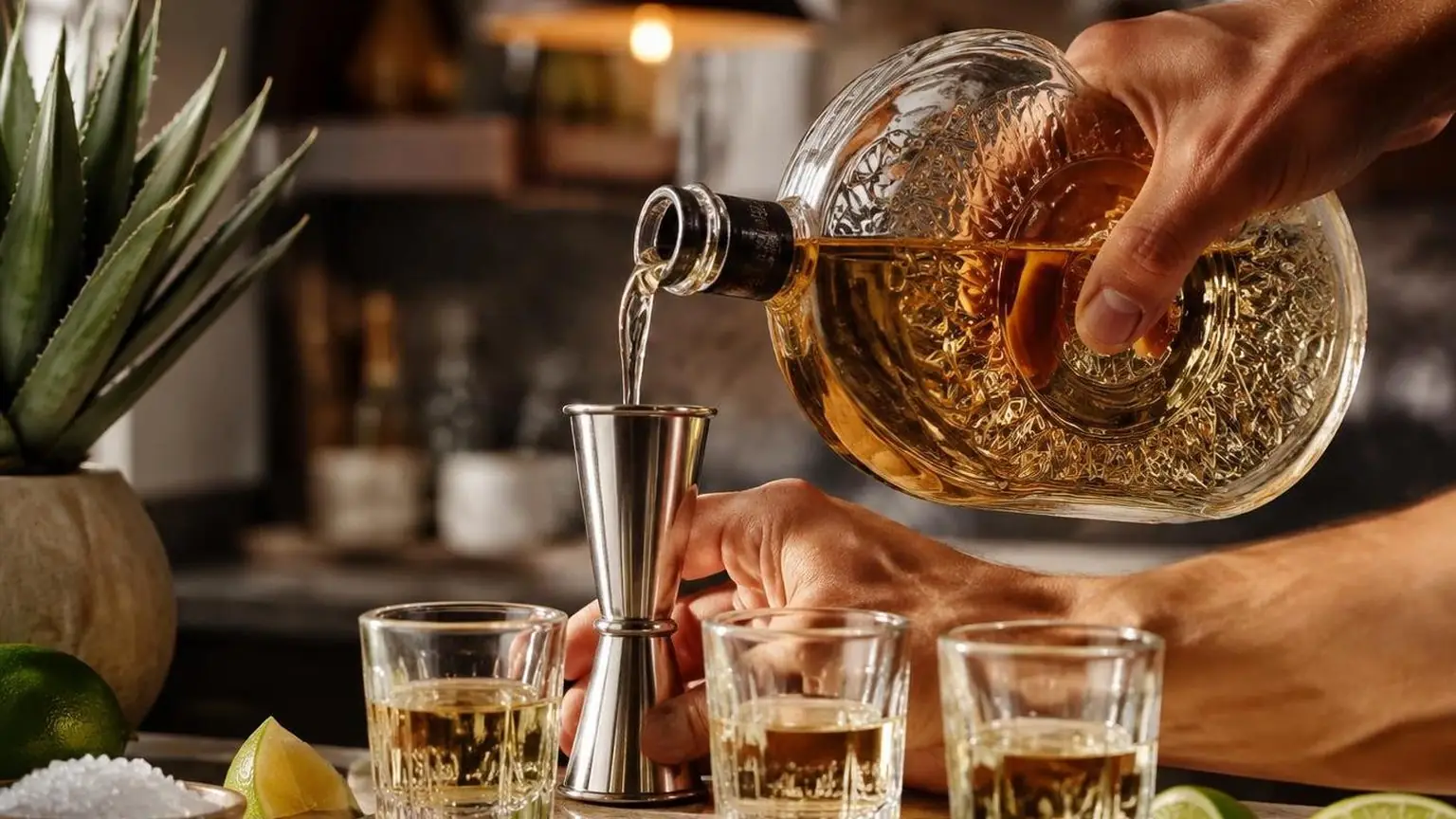
Many adults begin to feel noticeable impairment after 2–3 shots within an hour, but the exact number depends on body weight, sex, food intake, tolerance, and drinking speed.
Can 2 shots of tequila make you drunk?
Yes, 2 shots can make some people feel drunk, especially if they have a lower body weight, drink on an empty stomach, or have low alcohol tolerance.
Two standard shots in a short period can produce clear impairment in coordination, judgment, and reaction time even if a person does not “feel” very drunk.
How many tequila shots put you over the legal driving limit?
There is no reliable shot count because blood alcohol concentration varies by person, but reaching 0.08% BAC—the legal limit for drivers 21 and older in most U.S. states—can happen after just 2–4 shots for many adults.
The safest rule is not to drive after drinking tequila at all, because impairment can begin below 0.08% BAC.
Does tequila get you drunk faster than vodka or whiskey?
No, tequila does not inherently get you drunk faster than vodka, rum, gin, or whiskey when the alcohol content and serving size are the same.
A 1.5-ounce shot of 40% ABV tequila contains the same alcohol as a 1.5-ounce shot of 40% ABV vodka or whiskey.
How long does it take for tequila shots to affect you?
Alcohol usually begins affecting the brain within about 10–30 minutes, with peak blood alcohol levels often occurring around 30–90 minutes after drinking.
Shots can feel like they “hit” suddenly because they are consumed quickly, and multiple shots taken close together may continue raising BAC after you stop drinking.
What factors change how many tequila shots a person can tolerate?
Body weight, sex, food intake, drinking speed, medications, and alcohol tolerance all affect intoxication after tequila.
One U.S. shot is 1.5 ounces; at 40% ABV, that equals about 0.6 fluid ounces of pure alcohol, so multiple shots consumed quickly can raise blood alcohol concentration sharply.
Related Reading
- How Many Grams In 1 Oz?
- How Much Is 5 Oz In Ml?
- 7 Tips for Maintaining a Commercial Ice Machine
- How Many Liters is 12 Oz?
- Morning Recovery Hangover Drink – Find Out Now
- Why Does Wine Make Me Sleepy?
- How Many Ounces Is 45 Grams?
- All Blog Guides
- NIAAA – What Is a Standard Drink? (2025)
- CDC – About Alcohol Use (2024)
- CDC – Binge Drinking (2024)
- U.S. Dietary Guidelines for Americans 2020-2025 (2020)
- NHTSA – Drunk Driving (2024)
- University of Michigan University Health Service – Blood Alcohol Content (BAC) (2024)
- PubMed – Alcohol Metabolism (2012)