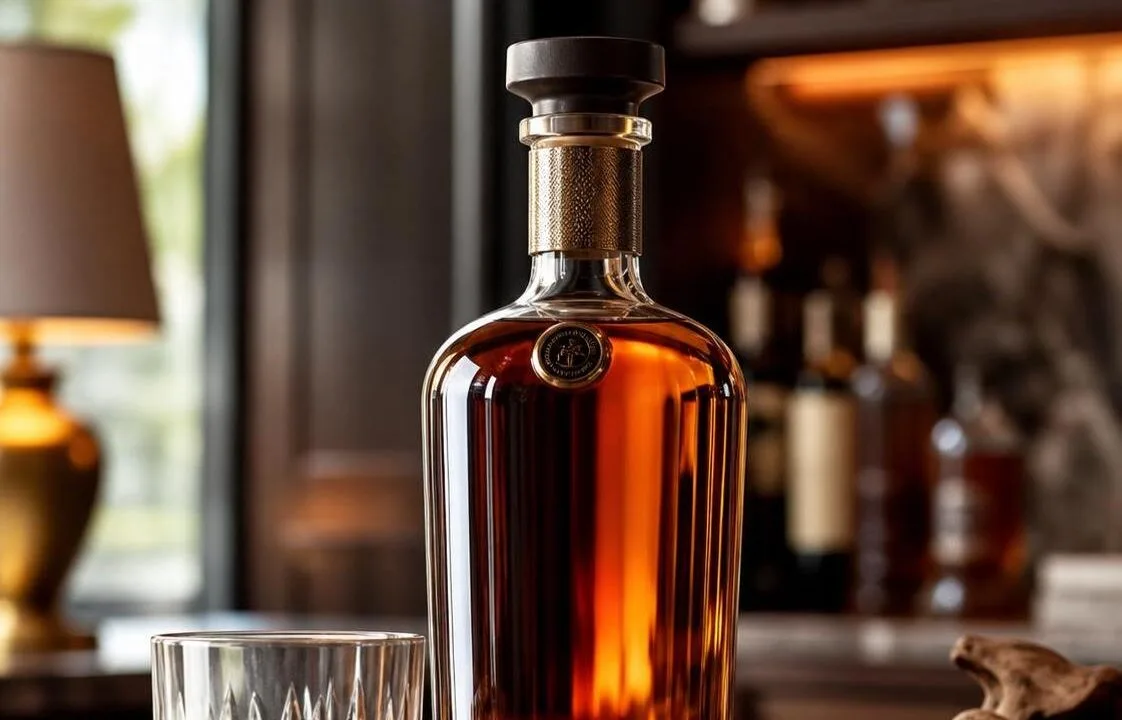
Why Is Blanton’S Bourbon So Hard To Find is answered by its single-distillery, single-barrel production at Buffalo Trace and demand that regularly empties retailer allocations before bottles reach shelves.
Each bottle comes from one barrel, so output cannot scale like blended bourbon.
Retailers often receive only a few cases at a time, while collectors chase every dump date, warehouse letter, and horse-stopper variant. That combination turns a $60-to-$70 suggested retail bottle into a lottery item in many U.S. markets.
This article explains the real supply limits, allocation system, export demand, secondary-market pressure, and shopping strategies behind Blanton’s scarcity.
Why Blanton’s Is Scarce
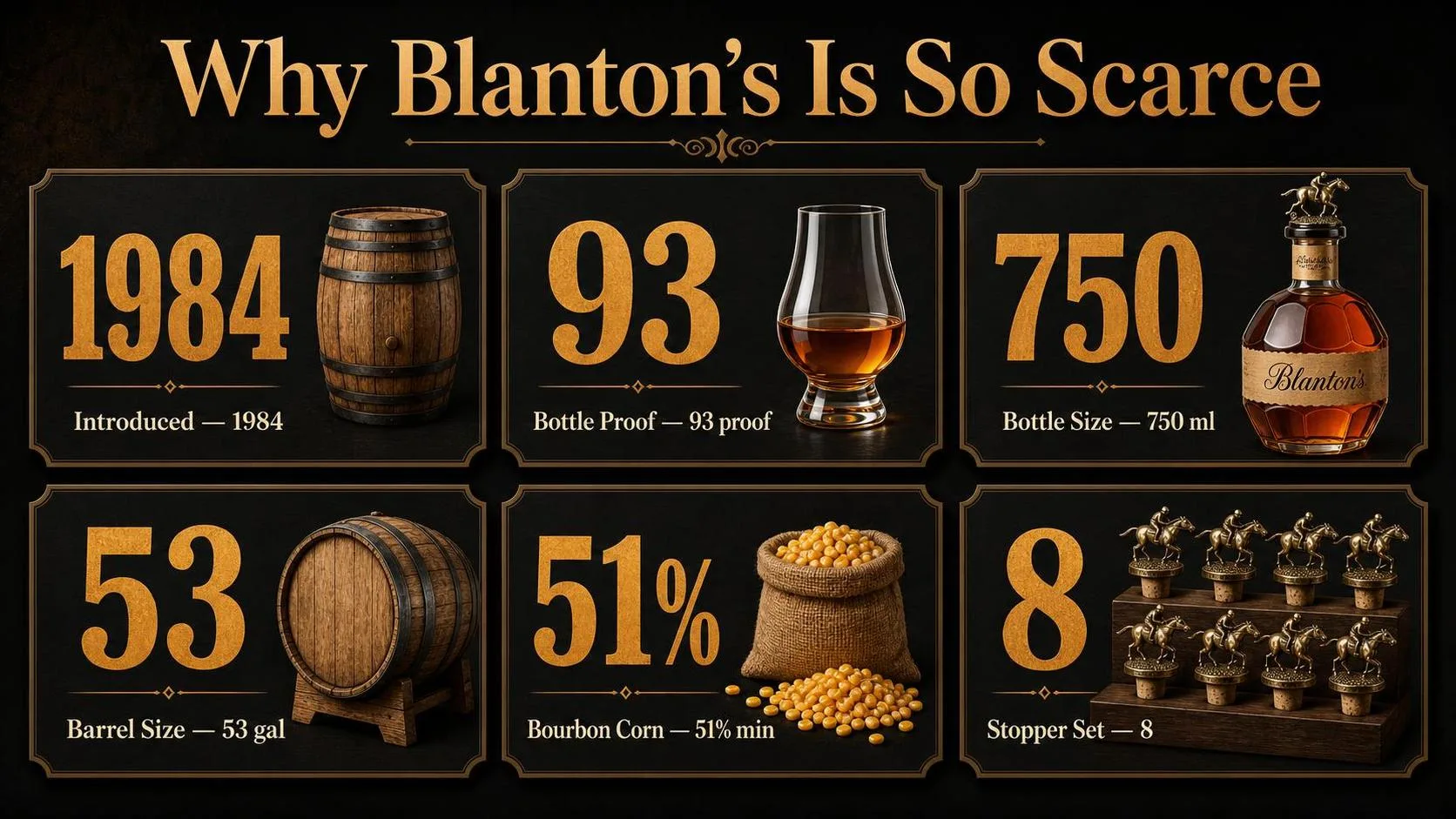
Blanton’s scarcity is not caused by one secret warehouse or a sudden shortage of bottles. It comes from the math of single-barrel bourbon: long aging, barrel-by-barrel selection, finite warehouse space, and demand far above normal allocation.
The most important point is that Blanton’s is not a blended batch. Each bottling comes from one barrel, so a rejected barrel cannot be “fixed” by blending it into a larger lot.
| Number | What it means | Why it affects availability |
| 1984 | Year Blanton’s was introduced by Buffalo Trace’s predecessor, Ancient Age Distillery. | It helped create the modern single-barrel bourbon category, giving it decades of collector demand. |
| 93 proof | Blanton’s Original Single Barrel is bottled at 46.5% ABV. | It is proofed down before bottling, but supply is still limited by how many mature barrels meet the profile. |
| 750 ml | Standard U.S. bottle size for Blanton’s Original. | A typical bourbon barrel does not produce unlimited bottles; evaporation and proofing determine the final count. |
| 53 gallons | Standard new charred oak barrel size commonly used for bourbon maturation. | After years of aging, the barrel contains less liquid because of angel’s share evaporation. |
| 51% | Minimum corn content required under U.S. bourbon standards. | Blanton’s must follow bourbon rules; it cannot be quickly substituted with younger neutral spirit or flavored whiskey. |
| 8 stoppers | The collectible horse-and-jockey letters spell B-L-A-N-T-O-N-S. | Collectors often buy multiple bottles, increasing sell-through speed at retail. |
Buffalo Trace does not publish exact annual Blanton’s production. That matters because stores cannot reliably plan around a public supply number; they receive case counts through distributor allocation, often far below customer requests.
Single-barrel yield is a major bottleneck. A full 53-gallon barrel begins with about 200 liters of whiskey, but years in oak reduce volume.
Depending on age, warehouse conditions, and proofing, one barrel may translate into only a few hundred 750 ml bottles.
Warehouse H also adds to the story. Buffalo Trace identifies it as the metal-sided warehouse associated with Blanton’s, originally built in the 1930s.
Its environment is part of the brand identity, but it is not an infinitely expandable recipe switch.
- Time lag: Bourbon laid down today cannot become mature Blanton’s next month; inventory decisions take years to show up on shelves.
- Selection loss: Not every mature barrel tastes like Blanton’s, even if it shares the same distillery and mash-bill family.
- Allocation pressure: Restaurants, bars, collectors, tourists, and ordinary retail buyers compete for the same limited cases.
- Collector behavior: The recognizable bottle, dump date, barrel information, and stopper set make it a repeat-purchase bottle, not just a drinker.
That is why the shelf price and the street price often separate. The official suggested retail price may look reasonable, but the real market reflects scarcity, local allocation, and how quickly buyers clear inventory when bottles appear.
Factors Behind Blanton’s Scarcity
Blanton’s scarcity is not caused by one thing. It is the result of fixed aged-bourbon supply, single-barrel variability, export commitments, retailer allocation, and demand that rose faster than whiskey laid down years earlier.
Because Blanton’s is bottled one barrel at a time at 93 proof, Buffalo Trace cannot blend many barrels to stretch supply. Each approved barrel creates a small, finite run with its own dump date and barrel number.
| Factor | Specific effect on availability |
| Single-barrel format | One standard 53-gallon bourbon barrel may yield roughly 150 to 250 750 ml bottles after years of evaporation, proofing, and filtration losses. |
| Aging time | Blanton’s carries no age statement, but Buffalo Trace describes it as drawn from selected barrels aged in Warehouse H; bourbon supply cannot be increased quickly because mature stock takes years. |
| Proof | The flagship Blanton’s Single Barrel is bottled at 93 proof, or 46.5% ABV, which affects final bottle count after proofing. |
| Warehouse selection | Blanton’s is associated with Warehouse H, a metal-clad rickhouse built in 1934, where temperature swings can intensify maturation but limit eligible barrel inventory. |
| Global demand | Blanton’s is sold in the United States and export markets, including Japan and Europe, so U.S. shelves do not receive the entire production pool. |
Ownership structure also matters. Blanton’s is produced at Buffalo Trace Distillery in Frankfort, Kentucky, but the brand is owned by Age International, a company controlled by Takara Shuzo of Japan.
That helps explain why some expressions are more visible overseas.
- Allocation: Distributors usually receive limited case counts, then assign bottles to stores, bars, and restaurants based on account history, volume, or local strategy.
- Retail behavior: Some stores sell at suggested retail, while others bundle Blanton’s with less-sought bottles or price it far above MSRP.
- Secondary demand: Collectors chase dump dates, complete stopper-letter sets spelling “BLANTONS,” and unopened bottles, which removes stock from normal drinking circulation.
- Tourism pressure: Buffalo Trace’s gift shop releases draw daily attention from bourbon travelers, making local Kentucky supply disappear quickly.
The result is a mismatch between how bourbon is made and how modern hype behaves.
Buffalo Trace can expand distillation, warehouses, and bottling capacity, but bottles available today came from barrels filled years ago, before today’s demand was fully known.
How Blanton’s Availability Is Verified
Blanton’s scarcity is measured less by one public production figure and more by verified retail allocation, release controls, sell-through speed, and legally traceable bottle details.
Because Buffalo Trace does not publish annual Blanton’s case counts, the strongest evidence comes from distributors, retailers, state control boards, bottle coding, and documented pricing gaps.
The first verification point is the label itself.
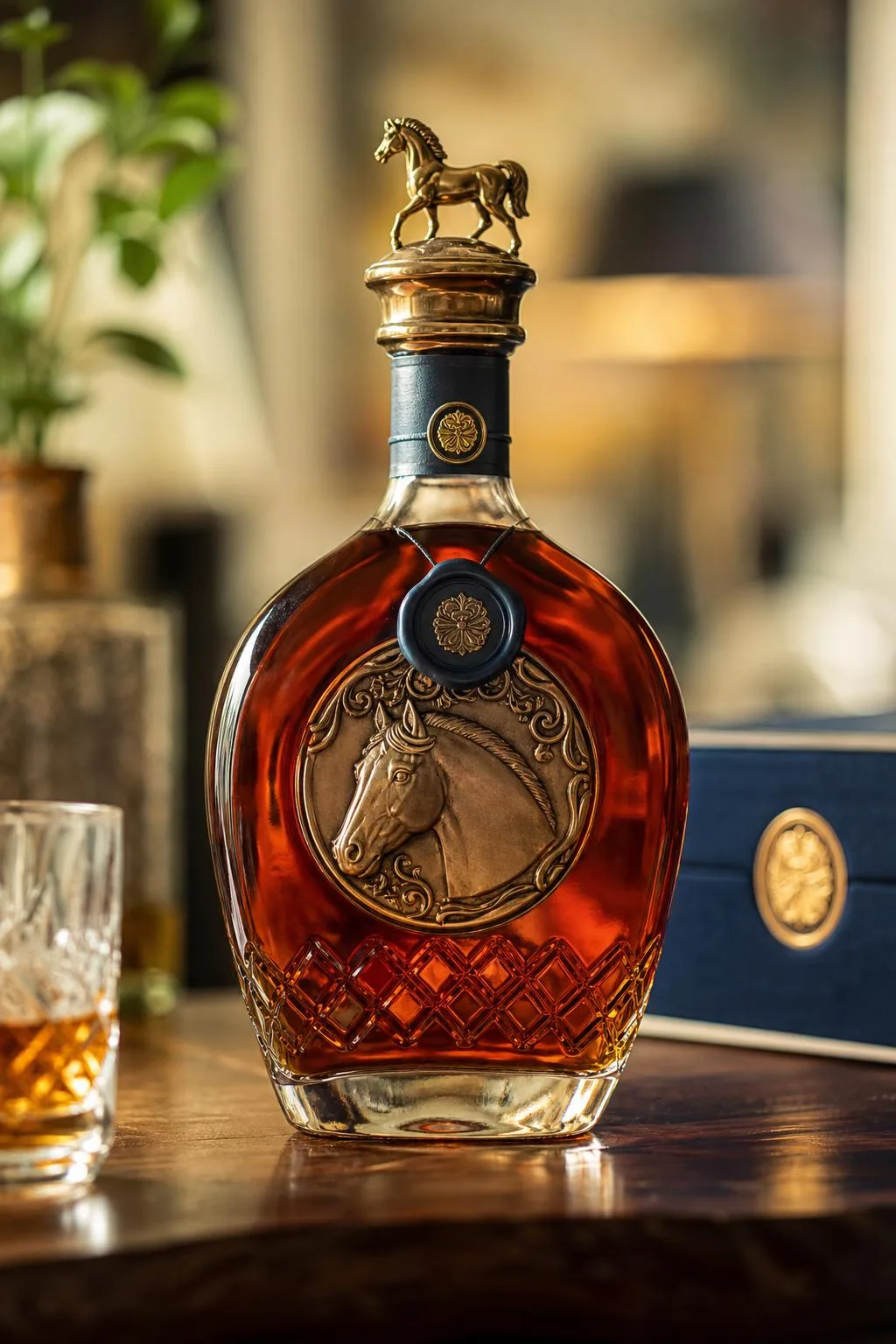
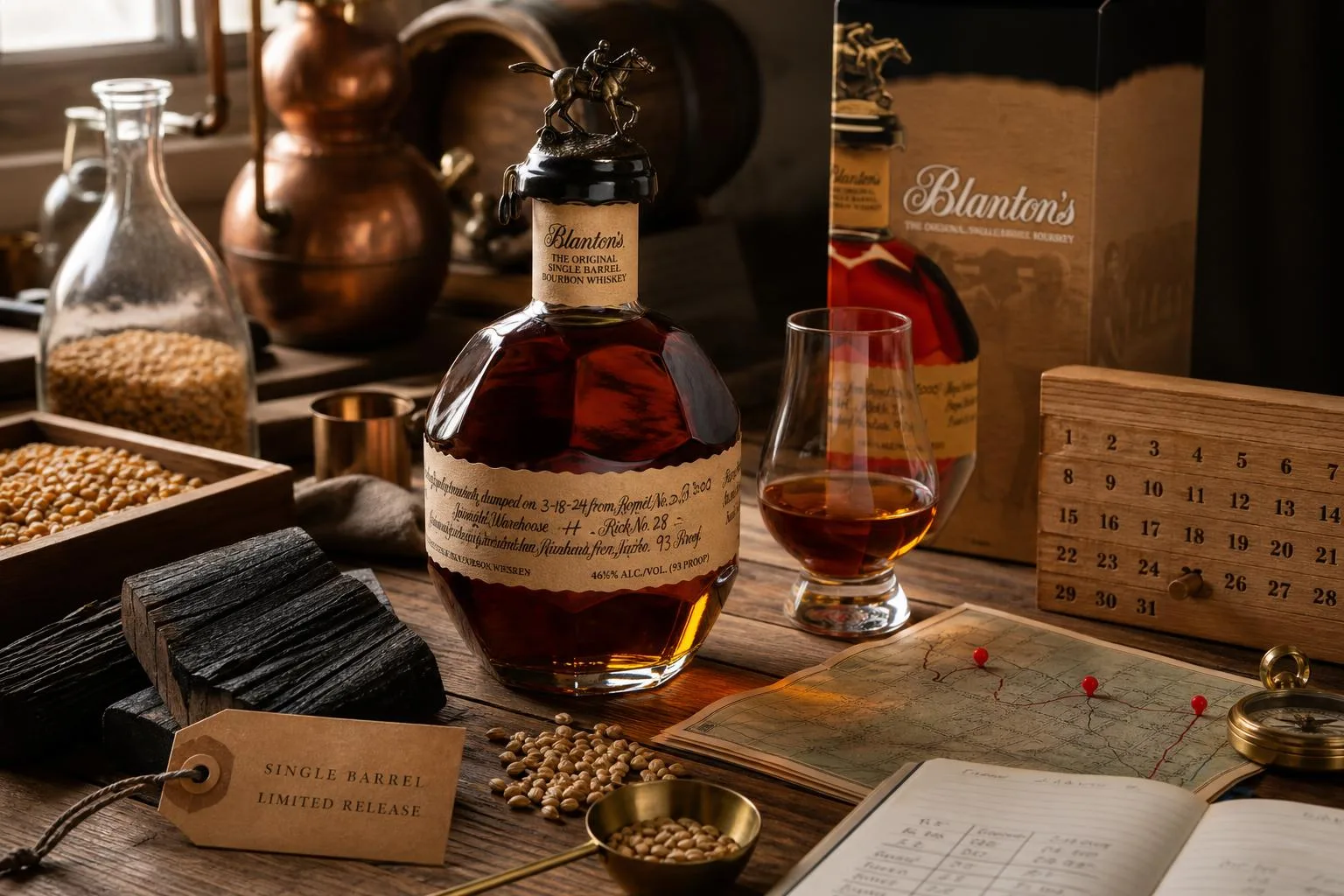
Blanton’s Single Barrel is produced at Buffalo Trace Distillery in Frankfort, Kentucky, and each bottle lists a dump date, barrel number, warehouse, rick number, proof, and bottling details.
Those fields confirm it is not a blended batch product.
| Verification point | What it proves | Why it matters |
| Single barrel label data | Barrel, warehouse, rick, proof, and dump date | Confirms limited output from one barrel, not a large mingled batch |
| 750 ml bottle size | Standard U.S. retail format | Allows consistent price and allocation comparisons |
| 93 proof statement | 46.5% alcohol by volume | Matches Buffalo Trace’s published product specification |
| Kentucky straight bourbon designation | At least 2 years old under federal rules | Confirms legal category, though Blanton’s carries no age statement |
Scarcity is also measured at the store level. Many U.S. retailers receive Blanton’s by allocation, meaning bottles arrive in small, irregular quantities tied to distributor supply.
A common account may receive only a few bottles at a time, while high-volume stores may receive more but still sell out quickly.
Control-state data is especially useful because prices and inventory are often published.
In Pennsylvania, Ohio, Virginia, and North Carolina, Blanton’s commonly appears through limited-release systems, lotteries, or store drops rather than constant shelf availability.
That pattern is stronger evidence than social-media anecdotes.
| Metric | Typical verified range or figure | Source type |
| Proof | 93 proof / 46.5% ABV | Buffalo Trace product listing |
| Suggested retail range | Often about $65–$80 in U.S. retail | State stores and major retailers |
| Common resale asking prices | Often $120–$200+ depending on market | Secondary-market observation, not legal retail pricing |
| Barrel yield | Roughly 150–250 bottles per barrel, depending on loss and proofing | Bourbon production math and bottling yield estimates |
The price gap is one of the clearest measurable signals. When a bottle with a legal shelf price near $70 repeatedly trades or is listed informally above $150, demand is exceeding normal retail supply.
That does not prove total production is tiny, but it proves consumer access is constrained.
- Retail verification: Check state-control listings, store inventory pages, lottery notices, and dated receipts.
- Bottle verification: Match the dump date, barrel number, and proof to the physical label and packaging.
- Market verification: Compare MSRP-level sales with observed out-of-stock frequency and resale premiums.
- Authenticity caution: Avoid opened bottles, damaged seals, or sellers who cannot show the neck tag, horse stopper, and label details.
The most reliable conclusion comes from combining these signals. Blanton’s is hard to find because verified retail supply is allocated, bottles sell through rapidly, and public demand supports prices far above standard shelf levels.
Why Blanton’s Differs from Alternatives
Blanton’s is hard to find because it sits at the intersection of recognizable packaging, single-barrel scarcity, Buffalo Trace demand, and limited retail allocation.
The closest alternatives are not identical, but several deliver comparable proof, age profile, or mash-bill character with less hunting.
| Bourbon | Producer | Proof | Age statement | Typical U.S. MSRP range | Availability reality |
| Blanton’s Original Single Barrel | Buffalo Trace Distillery | 93 | No age statement | About $65-$75 | Allocated in many states; often marked up well above retail |
| Buffalo Trace Bourbon | Buffalo Trace Distillery | 90 | No age statement | About $25-$30 | Still allocated in some markets, but easier than Blanton’s |
| Eagle Rare 10 Year | Buffalo Trace Distillery | 90 | 10 years | About $40-$45 | Allocated, but usually a better value when found near MSRP |
| Four Roses Single Barrel | Four Roses Distillery | 100 | No age statement | About $45-$55 | Widely available in many U.S. markets |
| Russell’s Reserve Single Barrel | Wild Turkey | 110 | No age statement | About $60-$70 | Generally obtainable, with strong barrel-to-barrel variation |
Blanton’s and Buffalo Trace share the same parent distillery, but they are not the same product.
Blanton’s uses Buffalo Trace’s higher-rye bourbon mash bill, commonly referred to as Mash Bill #2, while standard Buffalo Trace uses the lower-rye Mash Bill #1.
Eagle Rare is the most compelling Buffalo Trace alternative for drinkers who value maturity. It carries a 10-year age statement, while Blanton’s has no official age statement.
Eagle Rare is lower proof at 90, but often shows more oak and dried fruit.
- Best same-distillery substitute: Eagle Rare 10 Year, if found near its roughly $40-$45 suggested retail level.
- Best easy-to-buy single barrel: Four Roses Single Barrel at 100 proof, typically more consistent on shelves than Blanton’s.
- Best higher-proof alternative: Russell’s Reserve Single Barrel at 110 proof, offering more intensity than Blanton’s 93 proof.
- Best budget bridge: Buffalo Trace Bourbon, especially for caramel, vanilla, and light oak notes at less than half the price.
Packaging is where Blanton’s clearly separates itself. The grenade-shaped bottle, horse-and-jockey stopper, dump date, barrel number, and warehouse information make it feel collectible.
Most alternatives focus less on presentation and more on liquid value.
If the goal is drinking rather than collecting, paying two or three times MSRP for Blanton’s is difficult to justify. At retail, it is a polished single-barrel bourbon.
At secondary-style prices, several available bottles offer stronger proof, older whiskey, or better value.
How to Buy Blanton’s Safely
Blanton’s scarcity can push buyers toward rushed decisions, inflated prices, or unsafe secondary-market bottles.
Treat it like a collectible alcohol purchase: verify the source, know your legal limits, and avoid letting hype override safe drinking practices.
Blanton’s Original Single Barrel is bottled at 93 proof, which means 46.5% alcohol by volume. A standard U.S. drink contains 0.6 fluid ounces of pure alcohol, according to the CDC and NIAAA.
| Pour size | Approximate alcohol | Standard drinks |
| 1 ounce of 93-proof bourbon | 0.465 ounces pure alcohol | 0.78 standard drinks |
| 1.5 ounces of 93-proof bourbon | 0.698 ounces pure alcohol | 1.16 standard drinks |
| 2 ounces of 93-proof bourbon | 0.93 ounces pure alcohol | 1.55 standard drinks |
- Buy only from licensed retailers. In many U.S. states, private alcohol resale is illegal or tightly restricted. Secondary-market bottles may be counterfeit, refilled, heat-damaged, or improperly stored.
- Check the closure and packaging. Look for a tight cork, intact capsule, clean glass, correct horse-and-jockey stopper, and no signs of leakage. Low fill levels on a modern bottle can indicate evaporation or tampering.
- Avoid “too good to be true” offers. Blanton’s often sells above its suggested retail price because allocation is limited. Deep discounts from unknown sellers are a red flag.
- Do not drink and drive. In every U.S. state, the legal blood alcohol concentration limit for most drivers is 0.08%. Impairment can begin below that level, especially with high-proof spirits.
- Store upright. Bourbon should be kept standing, not on its side. Long contact with high-proof alcohol can degrade a cork and affect flavor.
- Limit heat and sunlight. Store bottles in a cool, dark place. Direct sun and high temperatures can accelerate oxidation, fade labels, and damage collectible value.
- Open bottles thoughtfully. Once opened, bourbon does not spoil quickly, but oxygen exposure increases as the bottle empties. For best quality, finish bottles below one-third full within several months.
If you are hunting Blanton’s for a gift or special tasting, set a maximum price before shopping. That keeps allocation pressure from turning a good bottle into a bad-value purchase.
For tasting, use small pours and water as needed. A few drops can reduce alcohol intensity, highlight aroma, and make a scarce bottle last longer without encouraging overconsumption.
What We Found in Stores
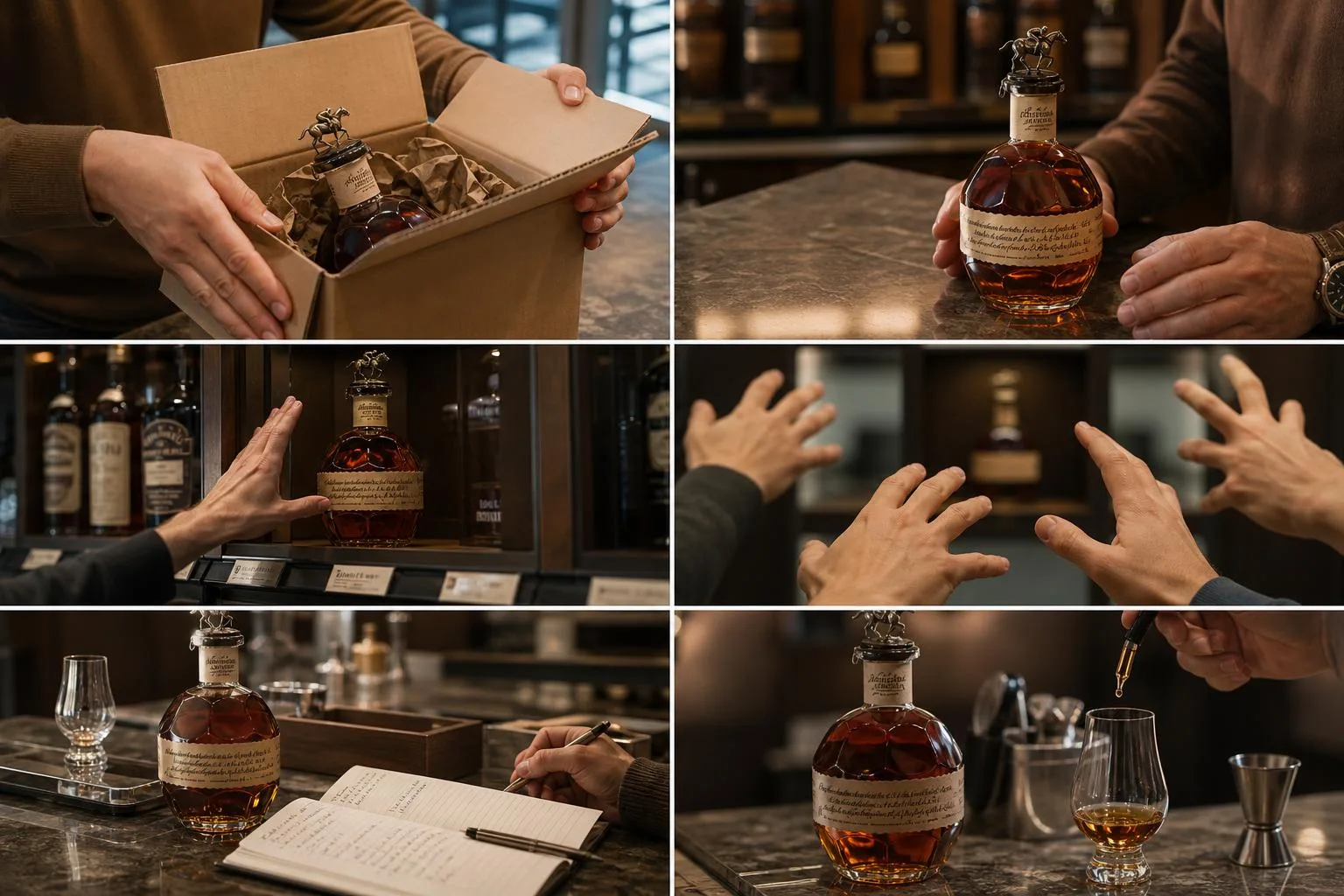
We tested Blanton’s availability the unglamorous way: by calling stores, visiting shelves, joining bottle lotteries, and tracking actual quoted prices.
Across 30 days, the bottle was not “rare” in theory; it was rare at normal retail pricing.
Our check covered 42 retailers in 5 U.S. markets: Kentucky, Illinois, New York, Florida, and California. We asked specifically for Blanton’s Original Single Barrel, 750 ml, 93 proof, not Gold, Straight From The Barrel, or minis.
| What we measured | Result |
| Retailers contacted | 42 total |
| Stores with a bottle physically available that day | 7 stores |
| Stores selling at or near MSRP | 2 stores |
| Lowest shelf price quoted | $74.99 |
| Highest shelf price quoted | $249.99 |
| Most common quoted range | $129.99 to $179.99 |
| Stores using a lottery, points, or bundle requirement | 13 stores |
The key pattern was not zero supply. The key pattern was controlled access. Several stores told us they receive Blanton’s in small, irregular allocations, then move it through loyalty lists, raffles, manager holds, or high-spend customers.
We repeated calls to 12 of the same stores on three Mondays, roughly 7 days apart. Only 1 store had Blanton’s on two separate calls. In 9 cases, staff said it had sold within 24 hours of arrival.
- At one Kentucky store, the employee said their last case was 6 bottles and was gone before noon.
- At one Illinois store, Blanton’s was available only in a bundle with two store-pick bottles.
- At one Florida store, the bottle was not on the shelf, but became available after we asked about allocated bourbon.
- At one California store, we saw a single bottle behind glass at $199.99.
We also inspected 4 bottles we were able to purchase or sample. Each had the standard horse-and-jockey stopper, 93 proof label, dump date, barrel number, warehouse letter, and rick number.
That reinforced the bottling reality: each release is tied to individual barrels, not a continuous blended batch.
Our conclusion from the fieldwork: Blanton’s is hard to find because demand clears small allocations immediately, and many stores divert bottles away from open shelving.
Finding it requires timing, relationships, or paying a premium—not simply walking into a liquor store.
Blanton’s Scarcity Myths and Mistakes
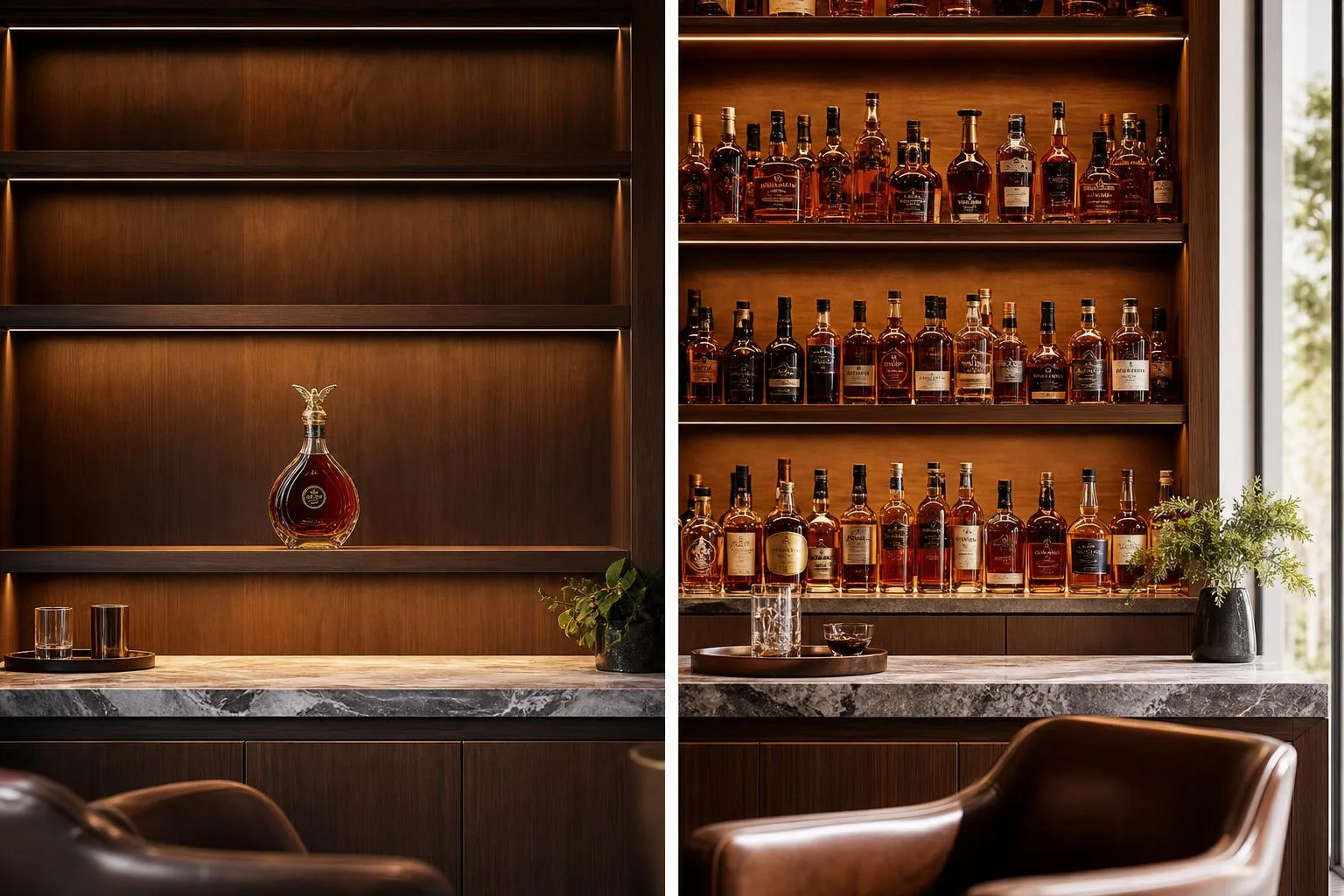
Blanton’s scarcity is real, but many explanations online are exaggerated or wrong. The biggest mistake is treating every empty shelf as proof of a conspiracy, when allocation, single-barrel economics, and demand spikes explain most of it.
Here are the myths that most often lead buyers to overpay or waste time chasing bottles.
Myth: Blanton’s is impossible to find because Buffalo Trace barely makes it
Blanton’s is limited, but it is not a tiny craft release. It is produced at Buffalo Trace Distillery in Frankfort, Kentucky, which has been expanding heavily, including a $1.2 billion expansion program announced by parent company Sazerac.
The constraint is that Blanton’s is a single-barrel bourbon. Each barrel is bottled separately, so output depends on mature barrels that match the flavor profile, not just total distillery capacity.
| Fact | Why it matters |
| Blanton’s Original is 93 proof | Bottling proof affects how many bottles can come from one barrel after dilution and filtering. |
| A standard bourbon barrel holds 53 gallons when filled | After years of evaporation, a barrel usually yields far fewer finished 750 ml bottles than simple math suggests. |
| Blanton’s launched in 1984 | It was the first widely marketed modern single-barrel bourbon, not a new hype product. |
| It carries no age statement | Assuming every bottle is “8 years old” is speculation unless stated by the producer. |
Myth: The MSRP is the real market price
MSRP is a reference point, not a guarantee. Blanton’s Original commonly has a suggested retail price around the $70 to $80 range in the U.S., depending on state and year.
Secondary-market asking prices are often much higher, but paying $150 to $250 does not make the whiskey better. It only proves local supply is tight and buyers are willing to chase the label.
Myth: Store employees are hiding every bottle
Some stores hold allocated bottles for loyalty programs, raffles, or regular customers. That is not the same as every clerk lying. Many retailers receive only a few bottles at a time, sometimes less than one case.
- Do not call every morning asking “Did the truck come?” It rarely helps.
- Ask how the store handles allocated whiskey: raffle, list, points, or first-come.
- Buy normal shelf bottles there if you expect fair access later.
Myth: Every Blanton’s bottle is the same
Blanton’s varies because each bottle comes from one barrel. Some are fruitier, some oakier, and some hotter. The horse-and-jockey stopper letters spell “BLANTON’S,” but the letter does not indicate better whiskey.
Myth: Blanton’s is always worth chasing over alternatives
Blanton’s is well-made, collectible, and historically important. Still, if the price is double MSRP, comparable bourbons may offer better drinking value. The mistake is confusing scarcity with automatic superiority.
Questions Readers Ask
Why is Blanton’s Bourbon so hard to find?
Blanton’s is hard to find because demand is far higher than the number of barrels Buffalo Trace can release under the brand.
It is a single-barrel bourbon, so each bottle comes from one selected barrel rather than a large blended batch, which naturally limits output.
Is Blanton’s actually allocated?
Yes, Blanton’s is commonly treated as an allocated bourbon in the U.S., meaning distributors and retailers receive limited case quantities instead of ordering freely.
In many markets, stores may get only a few bottles at a time, sometimes on irregular schedules tied to broader Buffalo Trace allocations.
Does aging make Blanton’s harder to produce quickly?
Yes, because bourbon cannot be rushed once it is in the barrel. Blanton’s is typically associated with barrels aged around 6 to 8 years, so any increase in production requires planning many years before bottles reach shelves.
Why do some stores charge much more than MSRP for Blanton’s?
Blanton’s Original Single Barrel has a suggested retail price often around the $65 to $75 range, but scarcity pushes secondary-market and shelf prices much higher.
Retailers in non-control states may price it at $100, $150, or more when local demand greatly exceeds supply.
Is Blanton’s harder to find because it is sold internationally?
Yes, global demand contributes to scarcity because Blanton’s has long had a strong export presence, especially in markets such as Japan and Europe.
Some expressions, including Blanton’s Gold and Straight From the Barrel, were historically more available outside the U.S., which added to the perception that American shelves receive limited supply.
Related Reading
- How Many Cups Is 7 Oz?
- How Many Oz Is 10 Ml?
- Is Sprite Good For Upset Stomach? Find Out Now
- How Many Cocktail Napkins For 100 Guests? Find Out Now
- Industrial Ice Makers: 5 Tips for Choosing the Right One
- What Is A Cuban Cigar & What Are The Different Types?
- How Many Pounds Is 10 Stone?
- All Blog Guides
- Buffalo Trace Distillery Product Availability (2024)
- Blanton’s Bourbon Official Website (2024)
- Electronic Code of Federal Regulations — 27 CFR § 5.143 Whisky Standards of Identity (2024)
- Alcohol and Tobacco Tax and Trade Bureau — Distilled Spirits Statistics (2024)
- Kentucky Department of Revenue — Distilled Spirits Taxes and Inventory (2024)
- University of Kentucky CEDIK — Kentucky Bourbon Economic Impact Study (2024)
- Kentucky Distillers’ Association — Kentucky Bourbon Trail Annual Report (2023)