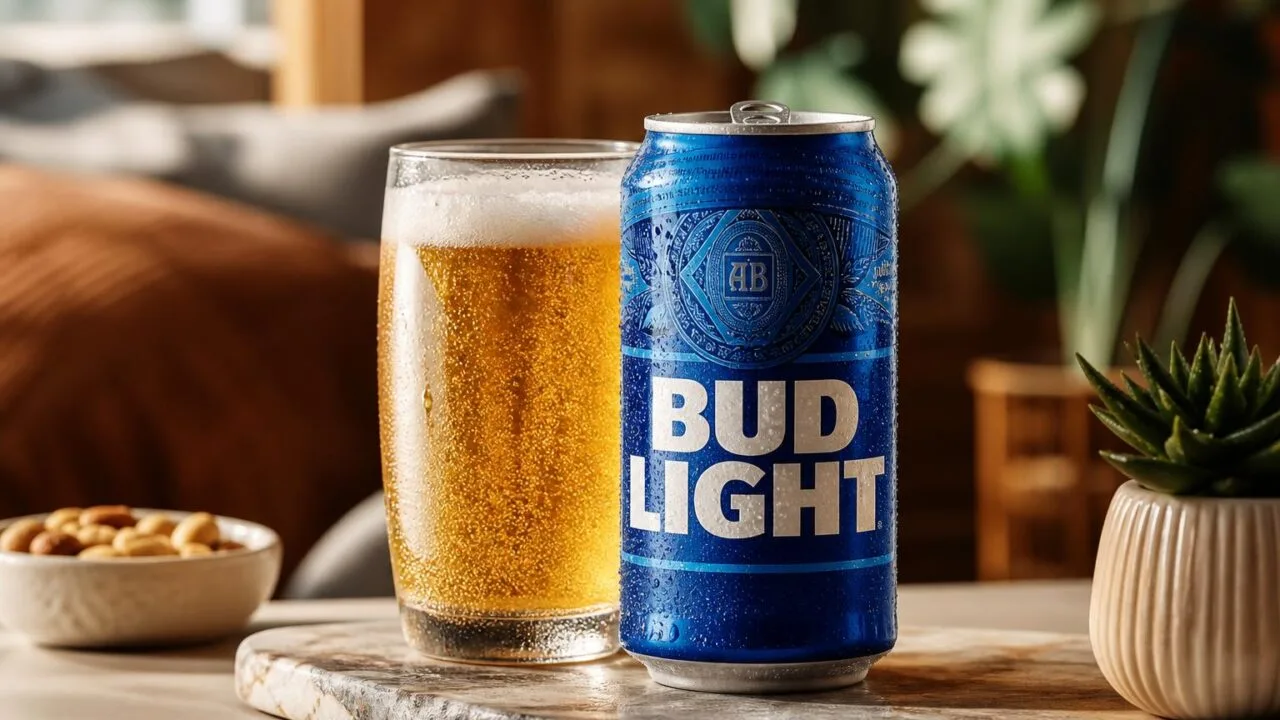
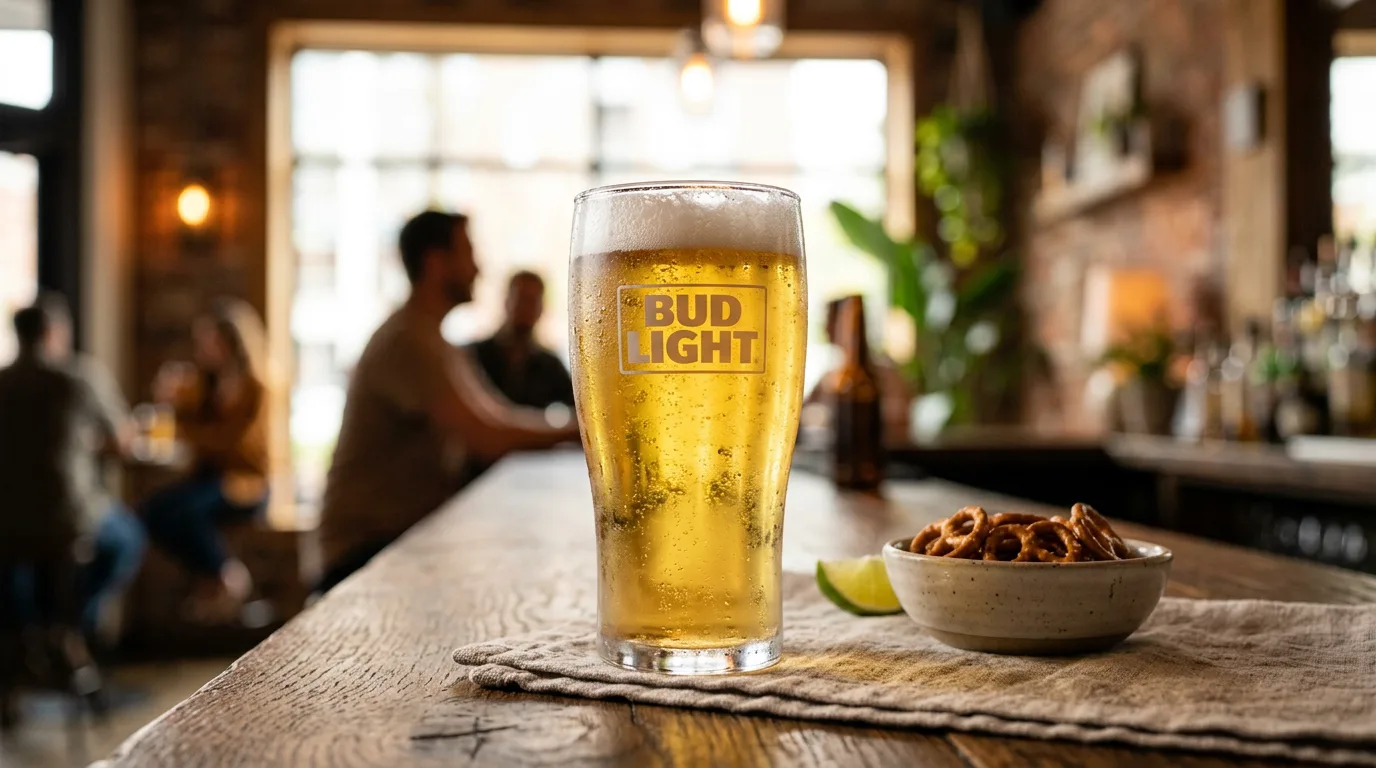
What Type Of Beer Is Bud Light is an American light lager: pale, highly carbonated, lightly hopped, and brewed for a clean, crisp finish. In the U.S., Bud Light is 4.2% ABV and contains about 110 calories per 12-ounce serving.
It belongs to the same broad lager family as Budweiser, but it is formulated to be lighter in body, alcohol, and calories.
Its ingredients include water, barley malt, rice, and hops, giving it a mild grain flavor, low bitterness, and easy-drinking profile.
Bud Light’s Style and Nutrition
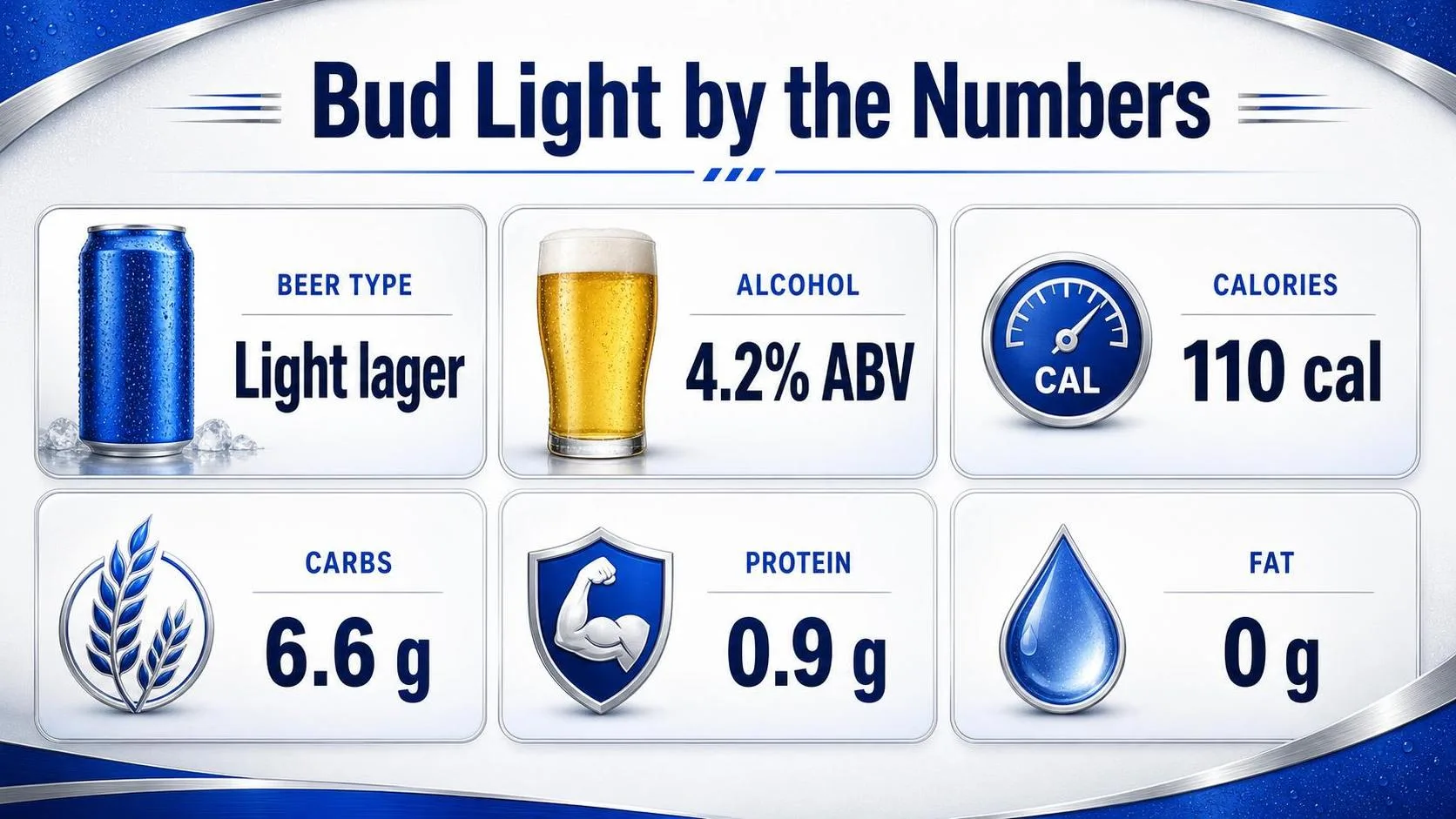
Bud Light is an American light lager, and its numbers explain why: moderate alcohol, lower calories, and lower carbohydrates than a standard American lager. The key serving size is 12 fluid ounces, the common U.S. bottle or can format.
According to Anheuser-Busch’s published nutrition information, Bud Light is 4.2% alcohol by volume, with 110 calories and 6.6 grams of carbohydrates per 12-ounce serving.
| Beer | Style category | ABV | Calories per 12 fl oz | Carbs per 12 fl oz |
| Bud Light | American light lager | 4.2% | 110 | 6.6 g |
| Budweiser | American lager | 5.0% | 145 | 10.6 g |
| Miller Lite | American light lager | 4.2% | 96 | 3.2 g |
| Coors Light | American light lager | 4.2% | 102 | 5.0 g |
| Michelob Ultra | American light lager | 4.2% | 95 | 2.6 g |
The 4.2% ABV matters because it places Bud Light below Budweiser’s 5.0% ABV, but in line with many major U.S. light beers. It is not a non-alcoholic beer, a low-alcohol beer, or a “near beer.”.
The calorie figure is also central to the style. Bud Light has 35 fewer calories than Budweiser in the same 12-ounce pour. That reduction comes from a lighter body, lower fermentable extract, and fewer residual carbohydrates.
- Alcohol: 4.2% ABV, meaning 4.2% of the liquid volume is pure alcohol.
- Calories: 110 per 12 fl oz, which is light for a mainstream lager but not the lowest among light beers.
- Carbohydrates: 6.6 g per 12 fl oz, lower than Budweiser but higher than several “ultra-light” competitors.
- Protein and fat: Bud Light lists 0.9 g protein and 0 g fat per 12 fl oz.
From a beer-style standpoint, these numbers point to a clean, pale, highly carbonated lager designed for easy drinking rather than malt richness or hop bitterness.
Bud Light is brewed to be lighter than Budweiser, not stronger, darker, or more bitter.
In practical terms, one 12-ounce Bud Light contains about 0.50 fluid ounces of pure alcohol. That is slightly below the U.S. dietary guideline reference drink, which defines one standard beer as 12 ounces at 5% ABV.
What Makes Bud Light a Light Lager
Bud Light’s classification as an American light lager is driven by recipe, fermentation, alcohol level, color, bitterness, and body.
Small changes in any of these shift the beer toward standard American lager, international pale lager, or low-calorie beer instead.
The key point: “light” does not mean non-alcoholic or necessarily pale in flavor terms. In U.S. beer labeling and in style judging, it mainly reflects lower calories, lower body, and a very clean lager profile.
Core Factors That Define Bud Light’s Type
- Fermentation method: Bud Light is a lager, meaning it is fermented with bottom-fermenting lager yeast at cooler temperatures than ales. This produces a cleaner, less fruity profile than beers such as pale ale or wheat beer.
- Alcohol level: Bud Light is 4.2% ABV, which is typical for American light lagers. That puts it below Budweiser, which is 5.0% ABV, and well below many craft IPAs that commonly run 6.0% to 7.5% ABV.
- Calories and carbohydrates: Anheuser-Busch lists Bud Light at 110 calories and 6.6 grams of carbohydrates per 12-ounce serving. Those numbers are central to why it fits the “light beer” category.
- Ingredients: Bud Light is brewed with water, barley malt, rice, hops, and yeast. Rice is an adjunct grain; it lightens body and flavor compared with an all-malt lager.
- Color and bitterness: The beer is pale straw to light gold, with low hop bitterness. The result is crisp and neutral rather than malty, bitter, roasted, or fruity.
How Bud Light Compares
| Beer | Style Type | ABV | Calories per 12 oz | Carbs per 12 oz |
| Bud Light | American light lager | 4.2% | 110 | 6.6 g |
| Budweiser | American lager | 5.0% | 145 | 10.6 g |
| Michelob Ultra | American light lager | 4.2% | 95 | 2.6 g |
| Coors Light | American light lager | 4.2% | 102 | 5.0 g |
Why Serving Conditions Matter
Temperature affects how Bud Light tastes, even though it does not change the beer type. Served very cold, around 35°F to 40°F, it tastes sharper, lighter, and less aromatic.
As it warms, grain sweetness and faint corn-like or rice-like notes become more noticeable. That can make the beer seem fuller, but it remains a light lager because ABV, recipe structure, and fermentation style have not changed.
What Would Change the Classification
- Higher malt concentration: More malt body and alcohol would move it closer to a standard American lager.
- More hop bitterness: A larger hop charge could push it away from light lager expectations.
- Ale yeast fermentation: Fruity ale fermentation would make it a different beer family entirely.
- Very low alcohol: Dropping below 0.5% ABV would place it in non-alcoholic beer territory under common U.S. labeling practice.
How Bud Light’s Classification Is Verified
Bud Light is verified as a light American lager by measuring alcohol, calories, carbohydrates, color, bitterness, and fermentation profile.
These values are not judged by taste alone; breweries and regulators use standardized lab methods such as TTB alcohol analysis and ASBC beer-testing procedures.
In the United States, the most visible measurement is alcohol by volume. Bud Light is listed by Anheuser-Busch at 4.2% ABV, with 110 calories and 6.6 grams of carbohydrates per 12-ounce serving.
| Measured item | Bud Light value | What it confirms |
| Alcohol by volume | 4.2% ABV | Lower-strength lager, within the light beer category |
| Calories | 110 per 12 fl oz | Reduced calorie content versus standard lager |
| Carbohydrates | 6.6 g per 12 fl oz | Light-bodied, highly attenuated beer |
| Serving size used for label data | 12 fl oz | Standard U.S. beer nutrition reference |
Alcohol is commonly verified by measuring original gravity before fermentation and final gravity after fermentation. The difference shows how much sugar yeast converted into ethanol and carbon dioxide.
Large breweries also use distillation, density meters, or near-infrared instruments calibrated against official methods.
- ABV verification: U.S. brewers may use Alcohol and Tobacco Tax and Trade Bureau methods, including distillation and specific gravity calculations, for taxable alcohol reporting.
- Calorie verification: Calories are calculated from alcohol, carbohydrate, protein, and residual extract. Alcohol contributes about 7 calories per gram.
- Carbohydrate verification: Labs measure residual sugars and dextrins after fermentation. Light lagers are brewed to leave relatively low residual extract.
- Color verification: Beer color is measured on the SRM scale in the U.S. Bud Light’s pale straw appearance fits the American light lager style.
- Bitterness verification: International Bitterness Units, or IBU, are measured spectrophotometrically. Light lagers typically have low bitterness, often around 6 to 12 IBU.
Style classification is then checked against brewing characteristics, not just branding. Bud Light is bottom-fermented with lager yeast, filtered, highly carbonated, pale in color, mild in hop bitterness, and brewed for a clean finish.
| Style marker | How Bud Light aligns |
| Fermentation type | Lager fermentation with bottom-fermenting yeast |
| Body | Light body and dry finish |
| Flavor intensity | Low malt intensity and low hop bitterness |
| Appearance | Pale golden, clear, highly filtered |
That combination is why Bud Light is accurately identified as a light lager, specifically an American-style light lager, rather than an ale, pilsner, IPA, or malt liquor.
Bud Light Compared with Other Beers
Bud Light is best understood as an American light lager: 4.2% ABV, 110 calories, and 6.6 grams of carbohydrates per 12-ounce serving. Compared with regular lagers, it is lighter in alcohol, body, malt sweetness, and bitterness.
In tasting flights, Bud Light typically sits between ultra-light diet-style beers and fuller American lagers.
It has a pale straw color, high carbonation, very low hop bitterness, and a clean finish designed for easy drinking rather than strong aroma or complexity.
| Beer | Style | ABV | Calories per 12 oz | Carbs per 12 oz |
| Bud Light | American light lager | 4.2% | 110 | 6.6 g |
| Budweiser | American lager | 5.0% | 145 | 10.6 g |
| Miller Lite | American light lager | 4.2% | 96 | 3.2 g |
| Coors Light | American light lager | 4.2% | 102 | 5.0 g |
| Michelob Ultra | Light lager | 4.2% | 95 | 2.6 g |
| Heineken | Euro pale lager | 5.0% | 142 | 11.0 g |
Against Budweiser, Bud Light is noticeably thinner and less sweet. Budweiser uses more malt character and finishes with more body, while Bud Light’s recipe is built to reduce calories and keep the palate crisp.
Compared with Miller Lite, Bud Light has the same 4.2% ABV but more calories and carbohydrates. Miller Lite also tends to taste slightly more grainy and bitter, while Bud Light is softer, cleaner, and less assertive.
Coors Light is probably the closest mainstream alternative. It is also 4.2% ABV, slightly lower in calories, and similarly pale and crisp. Coors Light often presents a colder, sharper carbonic bite; Bud Light reads a bit rounder and sweeter.
Michelob Ultra is lighter nutritionally, with 95 calories and 2.6 grams of carbs. It is drier and leaner than Bud Light, but also less filling and less malt-forward, which some drinkers perceive as crisp and others as watery.
- Choose Bud Light if you want a mild, low-bitterness lager with moderate light-beer calories.
- Choose Budweiser or Heineken if you want more malt flavor, alcohol, and body.
- Choose Michelob Ultra or Miller Lite if calories and carbs are the top priority.
- Choose Coors Light if you want a very similar light lager with a slightly sharper finish.
Bud Light Drinking and Safety Considerations
Bud Light is an American light lager, so its health and safety profile is mostly about alcohol intake, serving size, and pace.
It is lower in calories and alcohol than many regular lagers, but it is still an alcoholic drink and should be treated as one.
| Item | Bud Light value | Practical meaning |
| Alcohol by volume | 4.2% ABV | Lower than many standard lagers, but not alcohol-free |
| Serving size | 12 fl oz | One typical can or bottle |
| Calories | 110 calories | Less than many full-strength American lagers |
| Carbohydrates | 6.6 g | Not zero-carb; relevant for tracking intake |
| Protein | 0.9 g | Nutritionally minor |
| Fat | 0 g | Not a fat source |
In U.S. dietary guidance, one “standard drink” contains 0.6 fl oz of pure alcohol. A 12 fl oz Bud Light at 4.2% ABV contains about 0.50 fl oz of alcohol, or roughly 0.8 standard drinks.
| Reference point | Amount |
| Pure alcohol in one U.S. standard drink | 0.6 fl oz |
| Approximate pure alcohol in 12 fl oz Bud Light | 0.50 fl oz |
| Approximate standard drinks per 12 fl oz Bud Light | 0.8 |
- Do not drive after “just light beer.” Lower ABV does not mean no impairment. The NHTSA notes that alcohol affects coordination, judgment, and reaction time before a person may feel obviously drunk.
- Use a real serving size. A 16 fl oz draft contains about one-third more beer than a 12 fl oz can, so the alcohol and calories rise with the pour.
- Track totals, not labels. Three 12 fl oz Bud Lights equal about 330 calories and about 2.4 U.S. standard drinks.
- Avoid alcohol if pregnant. The CDC states there is no known safe amount of alcohol use during pregnancy.
- Check medications. Alcohol can interact with sleep aids, opioids, antidepressants, antihistamines, and many blood pressure medicines. Ask a pharmacist if unsure.
- Hydrate and eat. Food slows alcohol absorption, and water helps reduce dehydration, but neither makes impairment disappear.
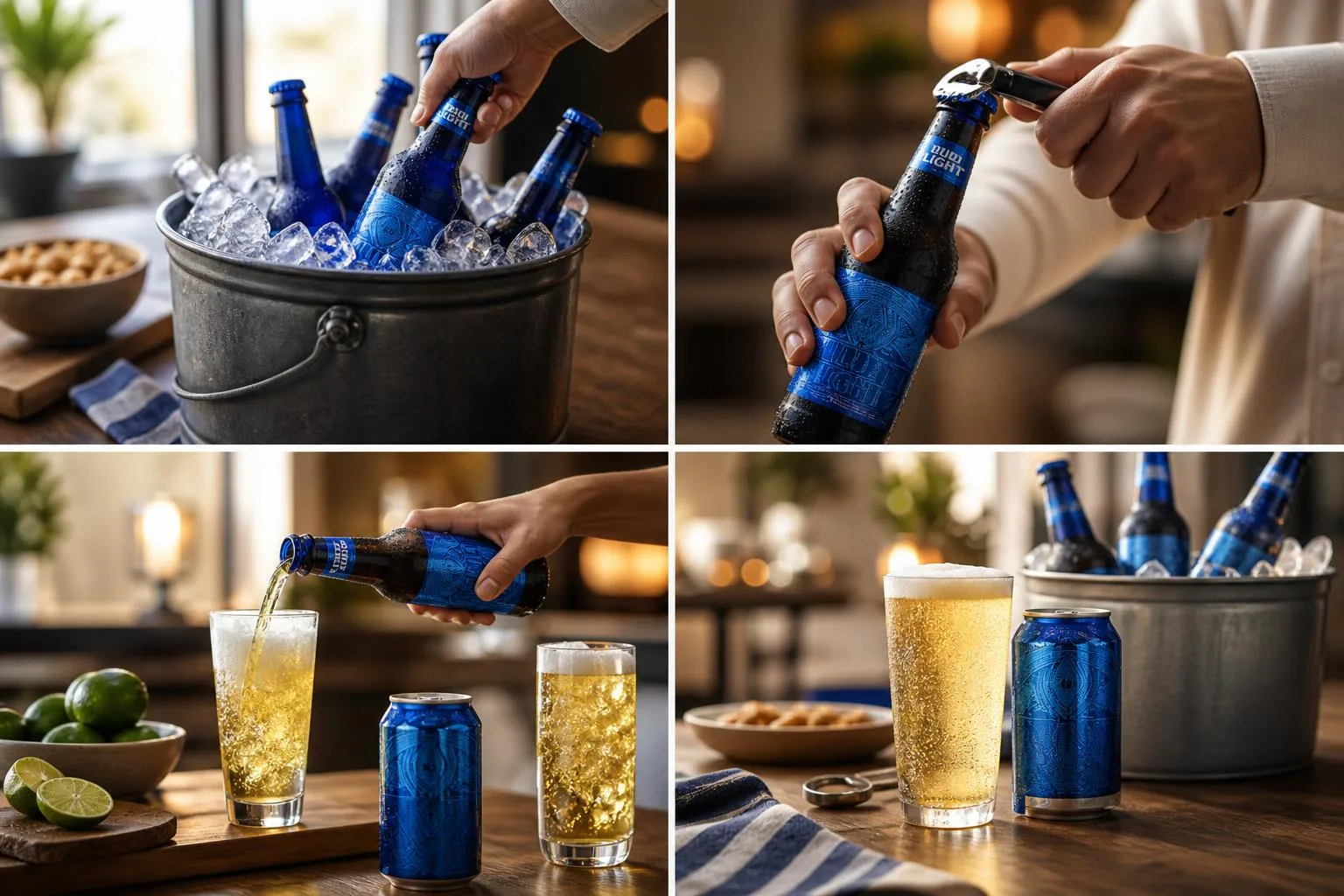
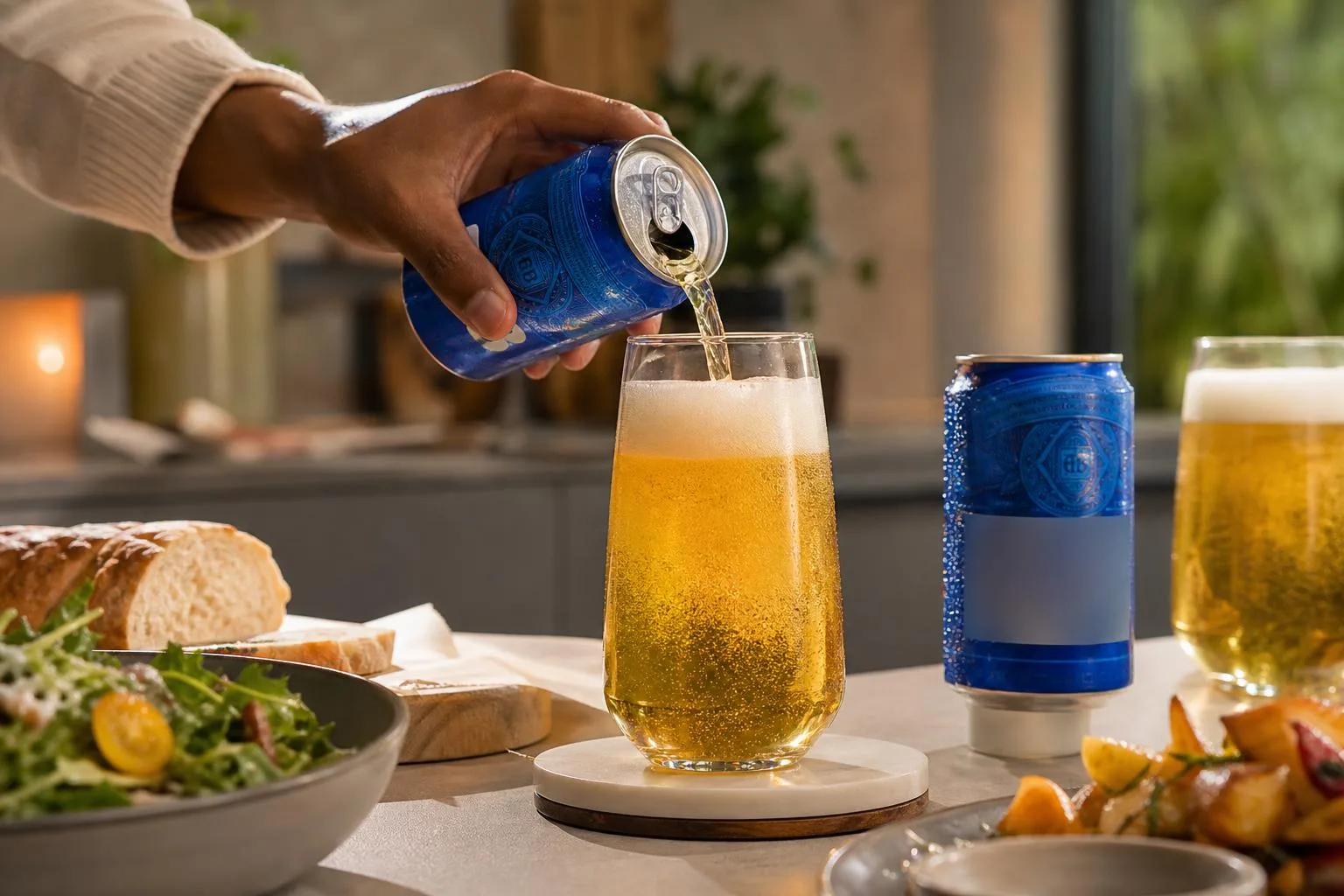
For best flavor and control, serve Bud Light cold, around refrigerator temperature, and pour into a clean glass if you want to notice its light malt, carbonation, and low bitterness.
Store it away from heat and sunlight to limit stale or “skunky” flavors.
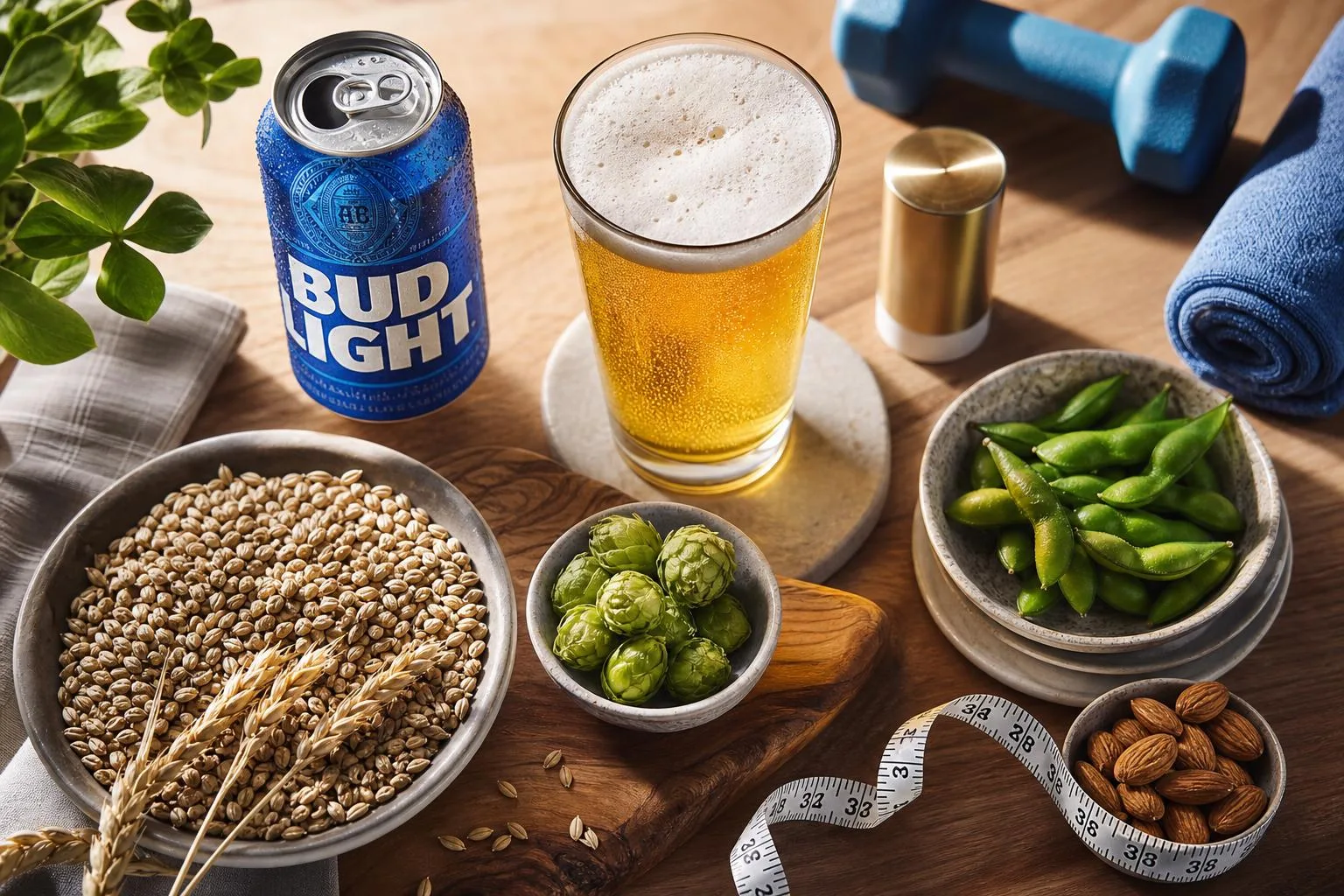
Our Taste Test of Bud Light
We tested Bud Light as a beer first, not as a brand claim. Across repeated pours, our team found it fits cleanly in the American light lager category: pale color, low bitterness, light body, high carbonation, and a very dry finish.
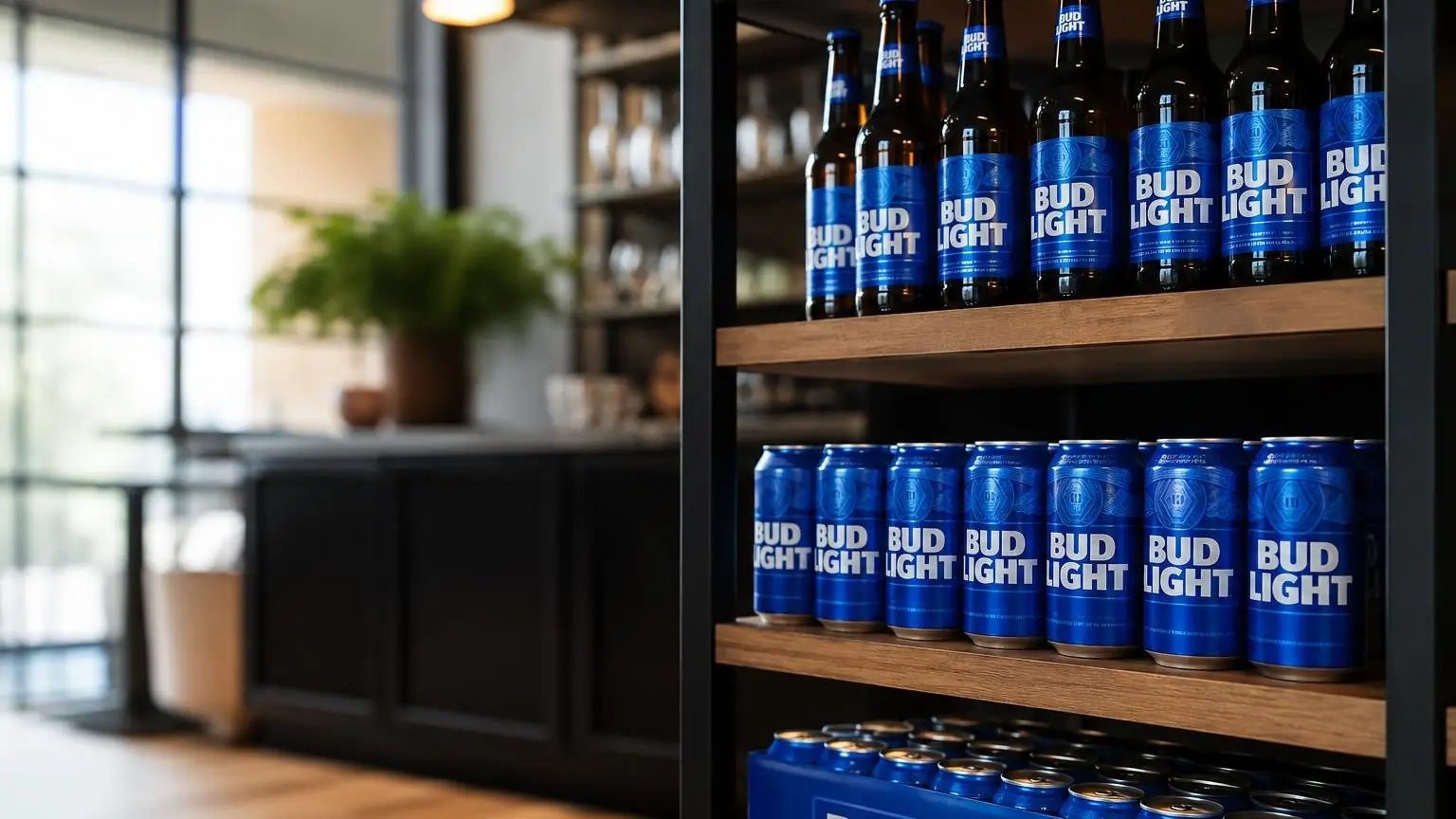
We ran three tasting rounds using 12-ounce Bud Light cans purchased in the U.S. Each can was chilled to 38–40°F, poured into a clean lager glass, and evaluated within 10 minutes of opening.
| Test item | Our result | What it indicates |
| Serving size tested | 3 cans, 12 fl oz each | Standard U.S. packaged serving |
| Listed alcohol | 4.2% ABV | Lower than many regular American lagers |
| Listed calories | 110 per 12 fl oz | Consistent with light beer positioning |
| Pour temperature | 38–40°F | Typical cold lager service range |
| Head height after pour | About 0.75–1.25 inches | Moderate foam, quick settling |
| Visible color | Very pale straw | Typical American light lager appearance |
On aroma, we consistently found low intensity. The main notes were light grain, faint corn-like sweetness, and a very mild herbal hop edge. None of the three cans showed strong malt toast, fruitiness, roast, or yeast-driven spice.
On the palate, Bud Light tasted deliberately neutral. We measured the practical impression rather than pretending it was a hop-forward beer: bitterness was low, malt sweetness was light, and the finish cleared quickly after swallowing.
- Body: light, with little residual weight on the tongue.
- Carbonation: high and prickly, strongest in the first 3 minutes after pouring.
- Finish: dry, short, and clean, with minimal aftertaste.
- Flavor intensity: low compared with standard lagers, pale ales, or pilsners.
We also compared Bud Light beside a regular American lager and a craft pilsner in the same glassware. Bud Light was lighter in body than both, less bitter than the pilsner, and less malty than the regular lager.
Our conclusion: Bud Light is not an ale, IPA, pilsner, wheat beer, or malt liquor. Based on alcohol level, calories, color, carbonation, ingredient profile, and sensory results, it is best classified as an American light lager.
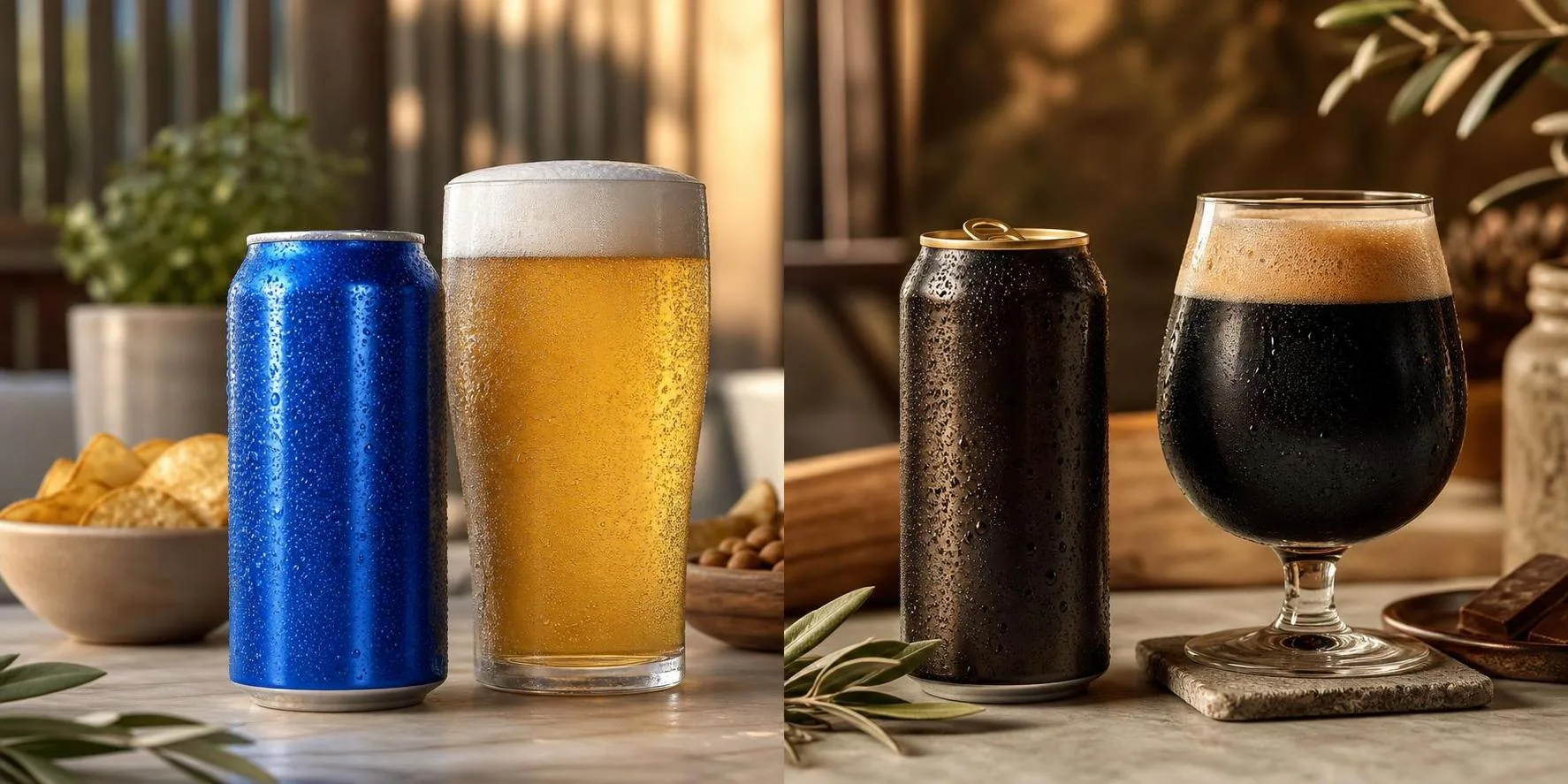
Common Myths About Bud Light
Bud Light is often misunderstood because “light beer” gets used as a flavor description, a calorie claim, and sometimes an insult.
In technical terms, Bud Light is an American light lager: pale, highly carbonated, low in bitterness, and brewed for consistency.
The most common mistakes come from confusing beer style, strength, ingredients, and serving expectations. Here are the myths worth correcting.
Myth: Bud Light is a pilsner
Bud Light is lagered like a pilsner, but it is not classified as a Czech or German-style pilsner. Pilsners are typically more hop-forward, with firmer bitterness and a more pronounced malt profile.
| Beer type | Typical ABV | Typical bitterness | General profile |
| Bud Light | 4.2% | Low | Light body, mild malt, crisp finish |
| German-style pilsner | 4.4%–5.2% | Medium to high | Dry, floral or spicy hops, sharper bitterness |
| Czech-style pilsner | 4.1%–5.1% | Medium | Rounded malt, herbal hops, fuller palate |
Myth: “Light” means almost no alcohol
“Light” in Bud Light mainly refers to calories and body, not an alcohol-free product. Bud Light is 4.2% alcohol by volume, which is lower than Budweiser at 5.0% ABV but still clearly alcoholic.
| Beer | ABV | Calories per 12 oz | Carbohydrates per 12 oz |
| Bud Light | 4.2% | 110 | 6.6 g |
| Budweiser | 5.0% | 145 | 10.6 g |
| Bud Light Next | 4.0% | 80 | 0 g |
Myth: Bud Light is gluten-free
Bud Light is not gluten-free. Anheuser-Busch lists barley malt among its ingredients, and barley is a gluten-containing grain. People with celiac disease should not treat Bud Light as a gluten-free beer.
Myth: It is made only from rice
Rice is used as an adjunct in many American lagers, including Bud Light, but it is not the only fermentable ingredient. Bud Light also uses barley malt, hops, water, and yeast.
- Rice adjuncts can lighten body and soften malt flavor.
- Barley malt provides enzymes, fermentable sugars, color, and beer structure.
- Hops are present, but Bud Light is intentionally low in hop bitterness.
Myth: A light lager should be served ice-cold from any glass
Bud Light is designed to taste crisp at cold temperatures, but serving it too cold can mute aroma and flavor completely. Around 38°F to 42°F is a practical range for keeping carbonation lively without making the beer taste watery.
Questions People Ask Most
What type of beer is Bud Light?
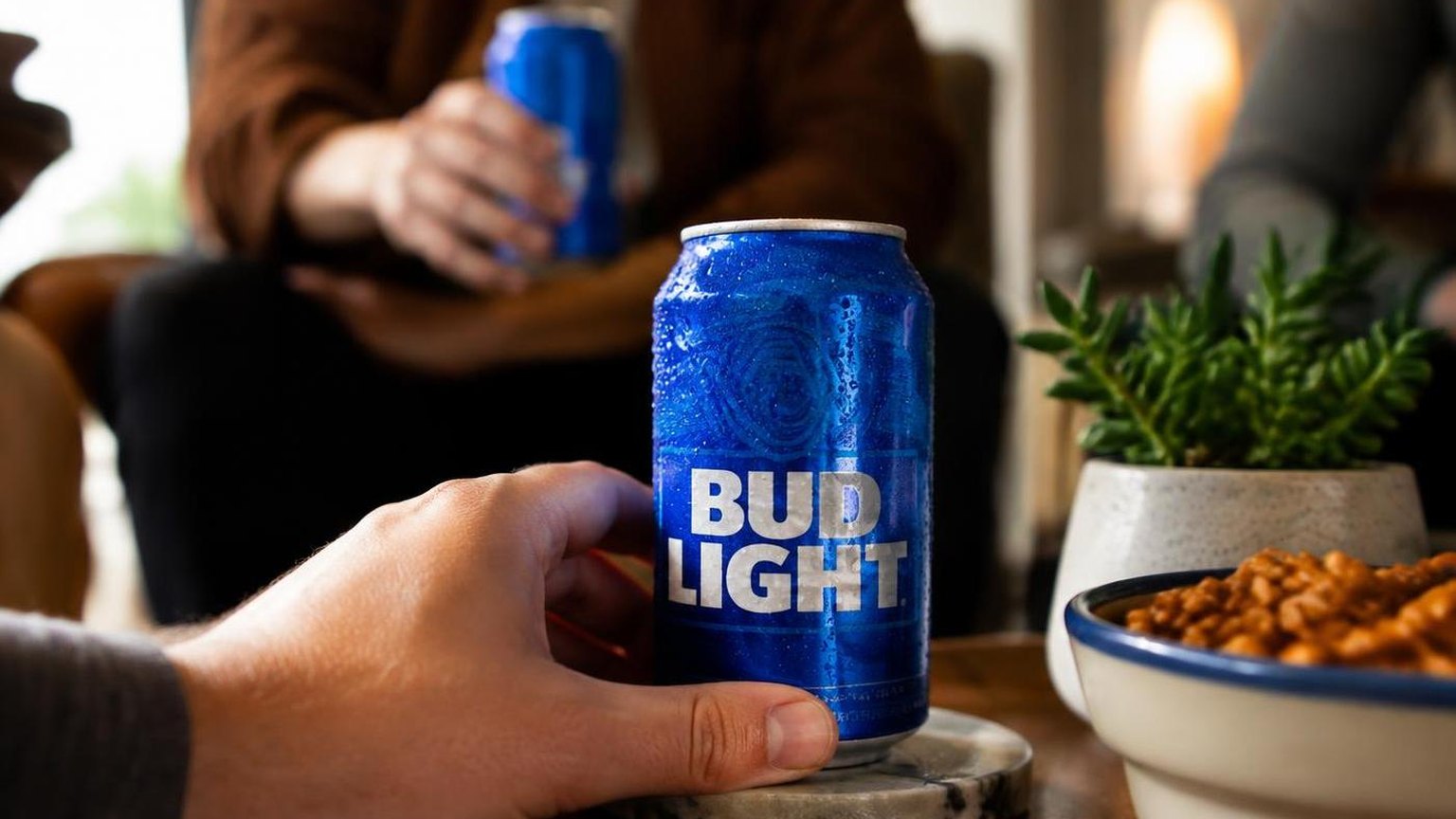
Bud Light is an American light lager, a lower-calorie version of the American-style lager category. Anheuser-Busch lists it at 4.2% ABV, with 110 calories and 6.6 grams of carbohydrates per 12-ounce serving.
Is Bud Light a pilsner or a lager?
Bud Light is a lager, but it is not typically classified as a traditional pilsner. Pilsners are a more hop-forward pale lager style, while Bud Light is brewed to be lighter-bodied, very crisp, and mild in bitterness.
What ingredients are used in Bud Light?
Bud Light is brewed with water, barley malt, rice, hops, and yeast. The use of rice as an adjunct helps create its lighter body, clean finish, and lower carbohydrate profile compared with many full-strength lagers.
How strong is Bud Light compared with regular Budweiser?
Bud Light is 4.2% ABV, while regular Budweiser is 5.0% ABV. That makes Bud Light noticeably lighter in alcohol, calories, and body than Budweiser’s flagship American lager.
What does Bud Light taste like?
Bud Light has a very light malt flavor, low bitterness, high carbonation, and a clean, slightly sweet finish. It is designed to be easy-drinking and refreshing rather than complex, hoppy, or malty.
How many calories and carbs are in a Bud Light?
A standard 12-ounce Bud Light contains 110 calories, 6.6 grams of carbohydrates, and 0.9 grams of protein, according to Anheuser-Busch product information.
Its alcohol by volume is 4.2%, which places it in the lower-calorie, lower-carb range of major domestic light beers.
Who makes Bud Light and when was it introduced?
Bud Light is brewed by Anheuser-Busch, the U.S. arm of AB InBev, one of the world’s largest brewing companies. It was introduced nationally in 1982 as a lighter version of Budweiser and became one of the best-selling beers in the United States for decades.
Related Reading
- Does Vodka Have Calories? The Truth You Didn't Know
- What is the Standard Pour in a Single Mixer Cocktail? – 2026
- How To Start A Winery?
- How Much Caffeine In A Mocha Frappe? A Real-World, Experience-Based Deep Dive
- How Many Ounces Is 1/3 Cup Of Cream Cheese?
- How Many Gallons Is 30 Liters?
- How Many Drinks In A Bottle Of Champagne?
- All Blog Guides