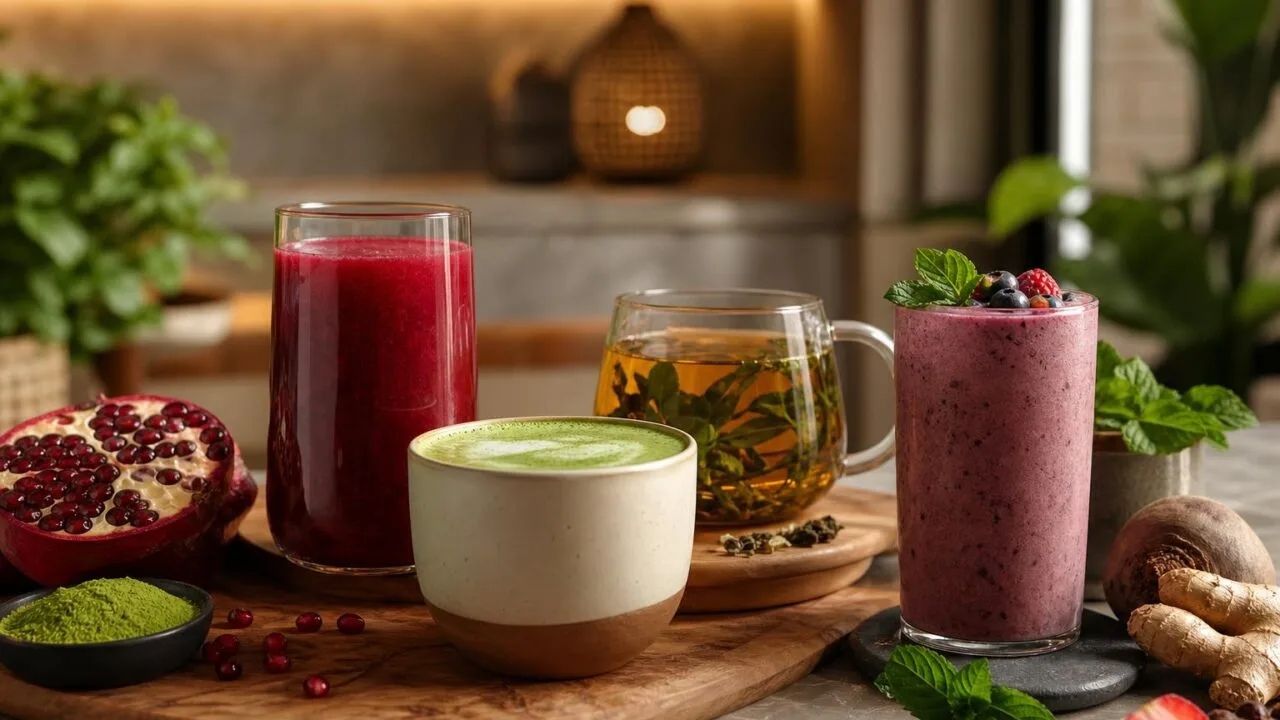
What To Drink To Last Longer In Bed is water for hydration, tart pomegranate juice for antioxidant support.
And nitrate-rich beetroot juice for blood-flow-related exercise performance—none are instant fixes for ejaculation control or erectile dysfunction.
Think of drinks as support for circulation, stamina, and overall sexual health, not a cure.
Evidence is strongest when paired with sleep, lower alcohol intake, pelvic-floor training, and medical care for persistent early ejaculation or erection problems.
What Drinks Can and Cannot Do
“Last longer” usually means either delaying ejaculation or maintaining an erection long enough for satisfying sex.
Drinks can help indirectly—mainly by avoiding excess alcohol, staying hydrated, and supporting blood flow—but no beverage works like an on-demand prescription treatment.
The most useful numbers are the clinical thresholds used in sexual-medicine research, plus alcohol limits that matter because alcohol is one of the most common drink-related causes of poor performance.
| Measure | Key number | What it means |
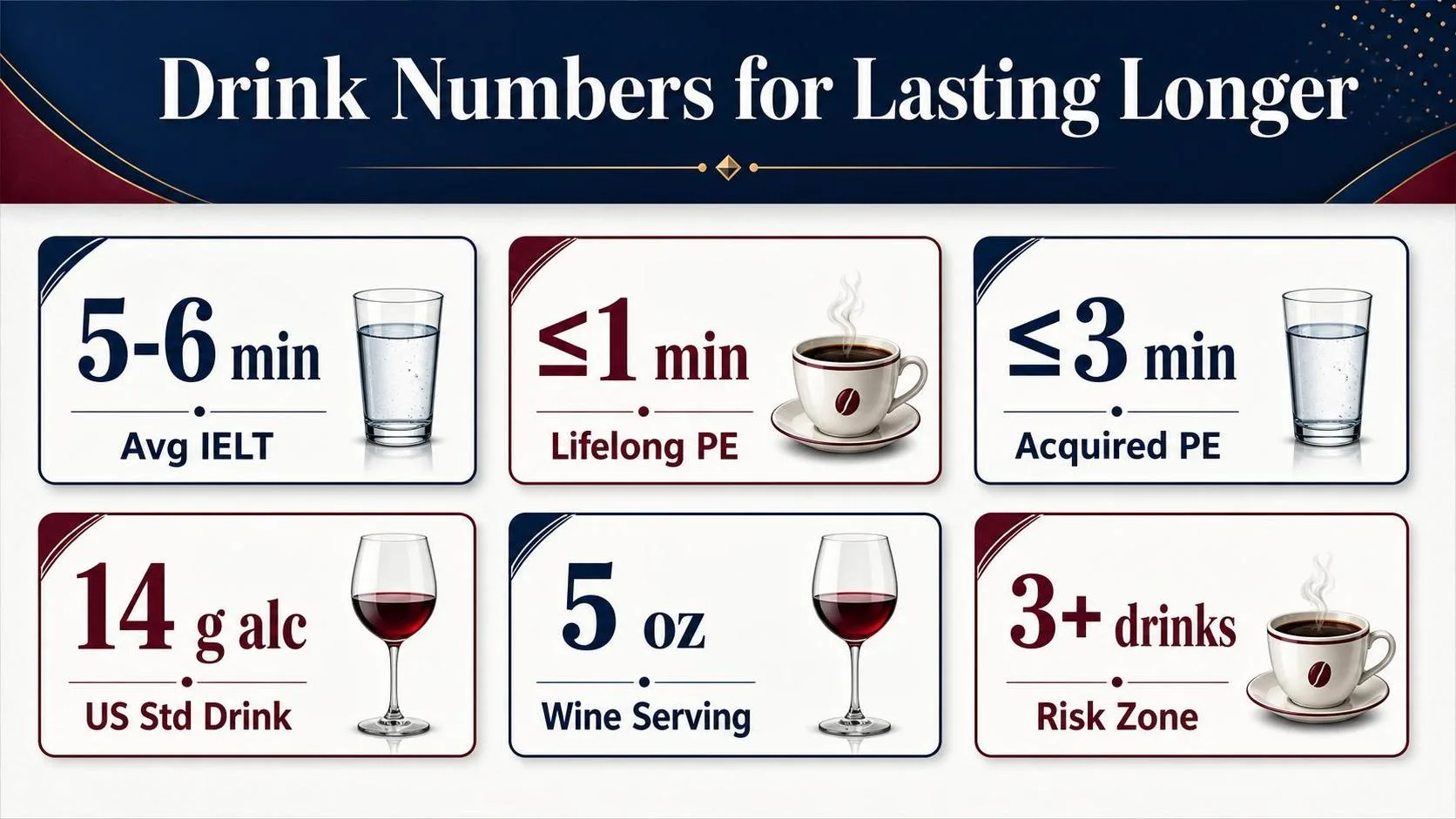
| Intravaginal ejaculation latency time, or IELT | About 5 to 6 minutes is often reported as an average range in stopwatch studies | This is a research measure, not a “normal” requirement. Many satisfied couples fall above or below it. |
| Lifelong premature ejaculation definition | Usually about 1 minute or less after penetration | The International Society for Sexual Medicine uses this timing, plus distress and poor control, to define lifelong premature ejaculation. |
| Acquired premature ejaculation definition | Often about 3 minutes or less | A noticeable drop from a man’s previous timing can matter more than the exact number. |
| Standard drink in the United States | 14 grams of pure alcohol | That equals 12 ounces of regular beer, 5 ounces of wine, or 1.5 ounces of 80-proof spirits. |
Alcohol is the drink category with the clearest downside. A small amount may reduce anxiety, but higher intake depresses the nervous system, reduces genital sensation, and can make erections less reliable.
| Alcohol intake | Practical effect for sex |
| 0 drinks | Best baseline for erection quality, coordination, sensation, and orgasm control. |
| 1 drink | May reduce inhibition for some people, but it is not a treatment for premature ejaculation. |
| 2 drinks | More likely to slow reaction time and reduce erection firmness, especially with fatigue or dehydration. |
| 3 or more drinks | Higher risk of “whiskey dick,” delayed orgasm, poor judgment, and lower sexual satisfaction. |
For nonalcoholic options, the numbers are less dramatic. Water helps if dehydration is present, but extra water does not create a stronger erection in a well-hydrated person.
| Drink | Evidence-based takeaway |
| Water | Useful if you are dehydrated; aim for pale-yellow urine rather than forcing a fixed amount before sex. |
| Coffee or tea | Caffeine can improve alertness, but too much may increase anxiety or jitters, which can worsen control. |
| Beet juice | Dietary nitrates can support nitric-oxide pathways, but evidence for immediate sexual performance is not strong. |
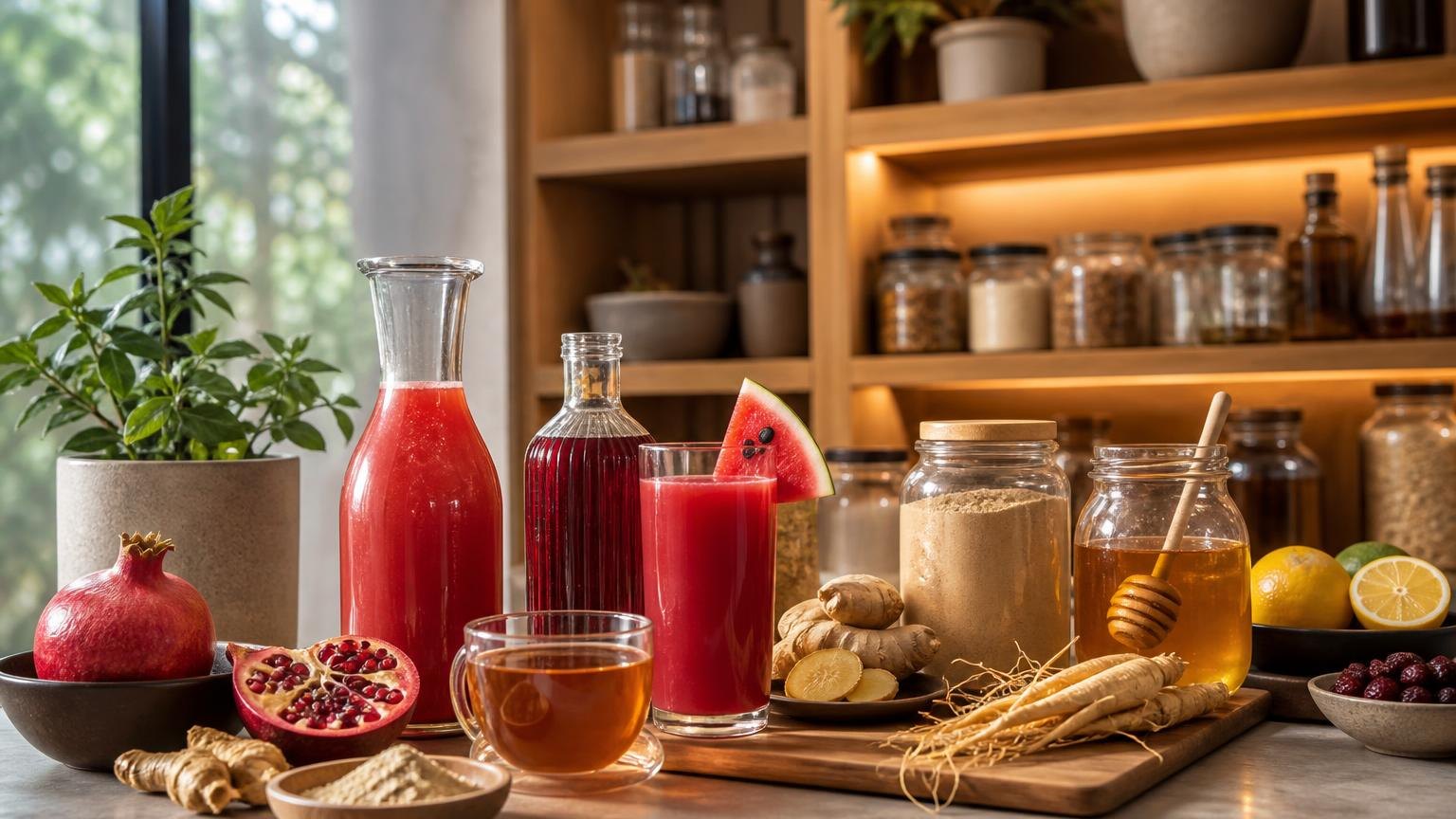
| Pomegranate juice | Some small studies have explored erection benefits, but results are not strong enough to call it a treatment. |
The practical target is simple: limit alcohol, avoid dehydration, and do not expect a “performance drink” to override anxiety, relationship stress, medication effects, or cardiovascular risk factors.
How Beverages Affect Sexual Performance
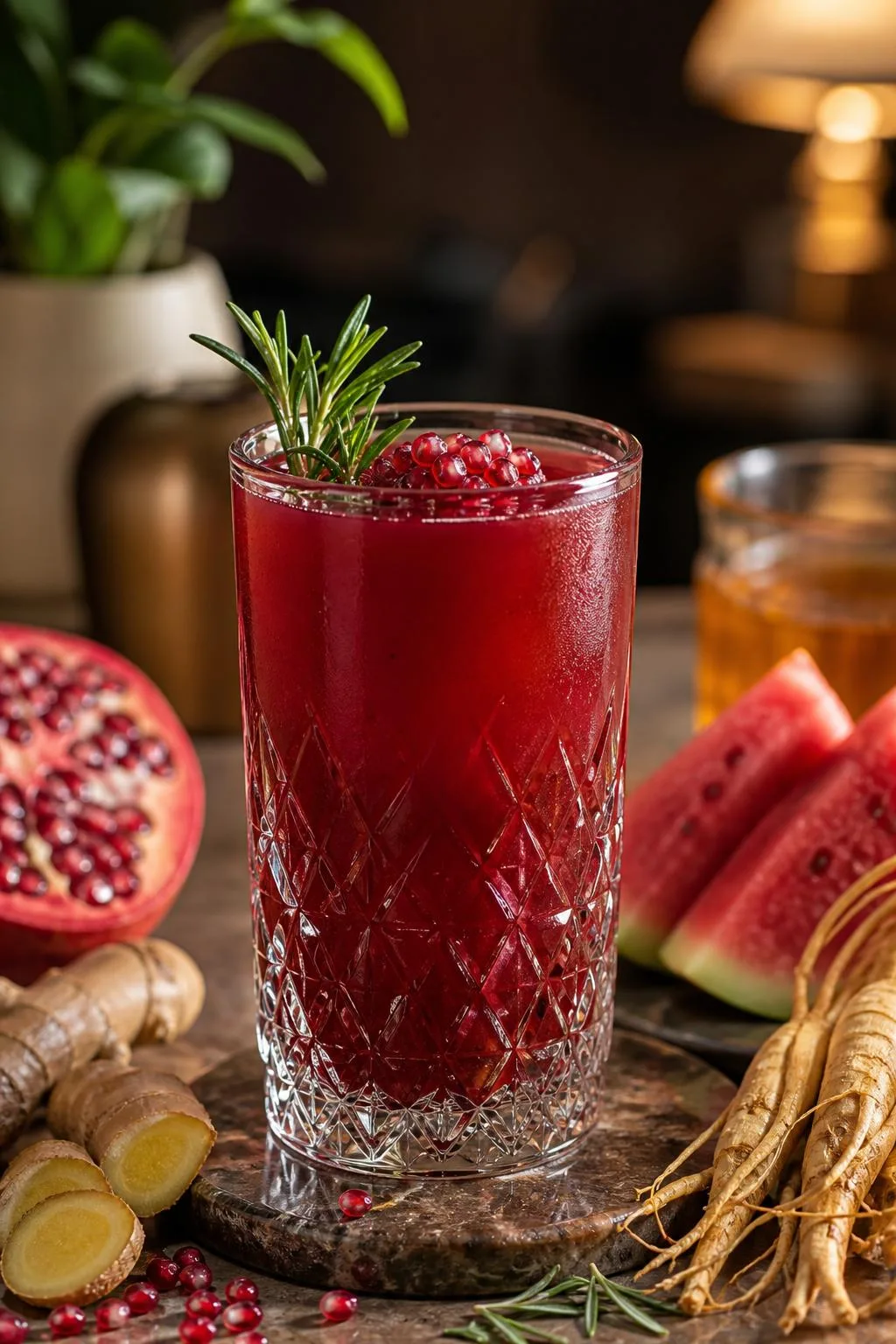
What you drink can change sexual performance, but the effect is usually indirect: hydration, blood flow, anxiety, sleepiness.
And alcohol level matter more than any “performance drink.” Results also differ depending on whether the goal is firmer erections, delayed ejaculation, or simply better stamina.
The biggest variables are dose, timing, baseline health, medications, and whether alcohol is involved. A drink that helps one person relax may impair another person’s erection or orgasm at the same amount.
Key factors that change the outcome
- Alcohol dose: Low amounts may reduce anxiety, but higher blood alcohol levels suppress arousal, erection quality, coordination, and orgasm. The CDC defines one standard drink as 14 grams of pure alcohol.
- Hydration status: Even mild dehydration can reduce plasma volume and increase fatigue. For sex, that can mean faster exhaustion, headache, or reduced lubrication and comfort.
- Caffeine sensitivity: Coffee or tea may improve alertness, but too much can increase jitteriness, heart rate, or performance anxiety. The FDA cites 400 mg caffeine daily as a general upper limit for most healthy adults.
- Meal timing: A heavy, high-fat meal before sex can shift blood flow toward digestion and make people feel sluggish. A lighter meal 2–3 hours earlier is usually better tolerated.
- Medications and health conditions: Blood pressure drugs, antidepressants, opioids, antihistamines, diabetes, sleep apnea, and vascular disease can all affect erections, orgasm timing, and endurance.
| Factor | Specific number | Why it matters |
| Standard alcohol serving | 14 g pure alcohol | Equivalent to 12 oz beer, 5 oz wine, or 1.5 oz 80-proof spirits; more drinks raise impairment risk. |
| Moderate drinking limit | Up to 2 drinks/day for men, 1 for women | CDC guidance; exceeding this before sex commonly worsens erection quality and reaction time. |
| General caffeine ceiling | 400 mg/day | FDA benchmark for most healthy adults; higher intake may worsen anxiety or palpitations. |
| Water needs | About 15.5 cups/day men, 11.5 cups/day women | National Academies total water intake estimate, including food and beverages. |
Timing matters. Alcohol peaks in blood roughly 30–90 minutes after drinking, depending on food and drink strength. If someone relies on alcohol for confidence, the same timing can also be when erection and orgasm problems become more likely.
Expectations also affect results. No beverage reliably treats premature ejaculation or erectile dysfunction the way evidence-based therapies can.
If the issue is frequent, sudden, painful, or linked with chest pain, diabetes, depression, or new medication, medical evaluation is the safer next step.
How Lasting Longer Is Measured
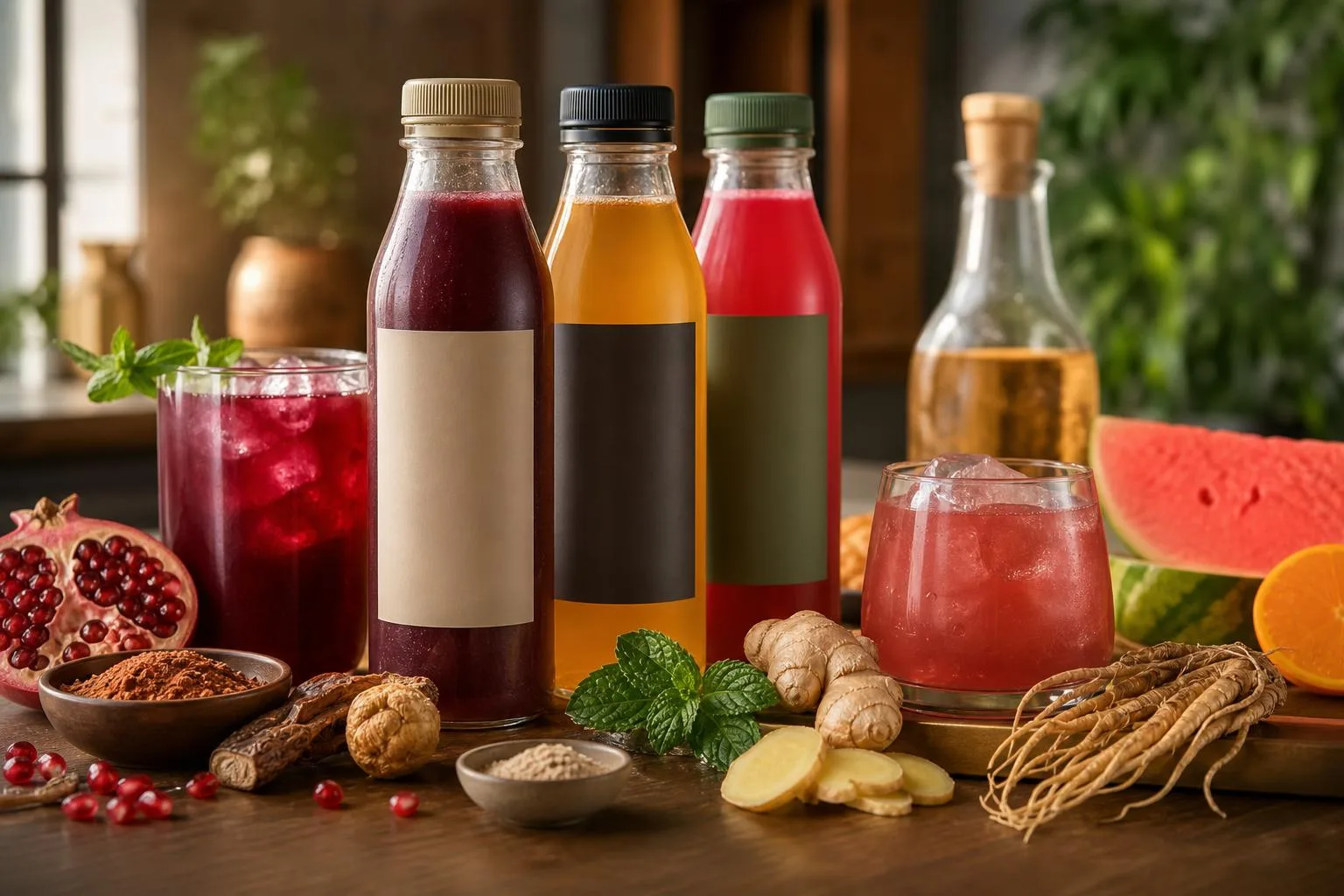
“Lasting longer” is measured with timing, validated questionnaires, and partner-reported distress—not by guesswork.
In sexual-medicine research, the key metric is usually intravaginal ejaculatory latency time, or IELT, recorded with a stopwatch.
IELT starts at vaginal penetration and stops at ejaculation. It is most useful for penis-in-vagina sex, so clinicians also use questionnaires when the concern is erection quality, orgasm control, anxiety, or mixed sexual performance issues.
| Measure | What it checks | Common clinical meaning |
| IELT stopwatch timing | Minutes from penetration to ejaculation | Lifelong premature ejaculation is often around 1 minute or less; acquired cases are often around 3 minutes or less with distress |
| PEDT score | Premature Ejaculation Diagnostic Tool, 5 questions | Score 11 or higher suggests premature ejaculation; 9–10 is probable |
| IIEF-5 score | 5-item erectile function screen | Score 21 or below suggests some degree of erectile dysfunction |
| Partner/relationship impact | Distress, avoidance, satisfaction | Required because timing alone does not define a disorder |
Large observational studies show IELT varies widely. A multinational stopwatch study published in the Journal of Sexual Medicine reported a median IELT of about 5.4 minutes, with many men below or above that number.
Verification works best when measurements are repeated. One timed encounter can be distorted by fatigue, alcohol, stress, condoms, new partners, or performance pressure. Clinicians commonly look for a pattern over several sexual events.
- Time IELT for at least 4 separate encounters when practical.
- Record alcohol intake in standard U.S. drinks: 12 oz beer, 5 oz wine, or 1.5 oz 80-proof spirits.
- Note caffeine dose, sleep, stress, medications, condom use, and whether erection loss occurred.
- Use the same timing method each time, preferably partner-operated or agreed in advance.
Alcohol deserves separate verification because it can appear helpful while worsening performance. Low amounts may reduce anxiety, but higher intake impairs erection, orgasm control, judgment, and consent.
| Alcohol exposure | Typical effect relevant to lasting longer | Verification note |
| 0 drinks | Best baseline for true sexual function | Use as the comparison condition |
| 1 standard drink | May reduce inhibition in some adults | Track IELT and erection quality separately |
| 3 or more drinks | Higher risk of erectile difficulty and delayed or absent orgasm | Not a reliable treatment effect |
A drink strategy is only “working” if timing improves without poorer erections, reduced pleasure, unsafe intoxication, or partner dissatisfaction.
If IELT is consistently near 1 minute, or erectile problems persist for 3 months, medical evaluation is the reliable next step.
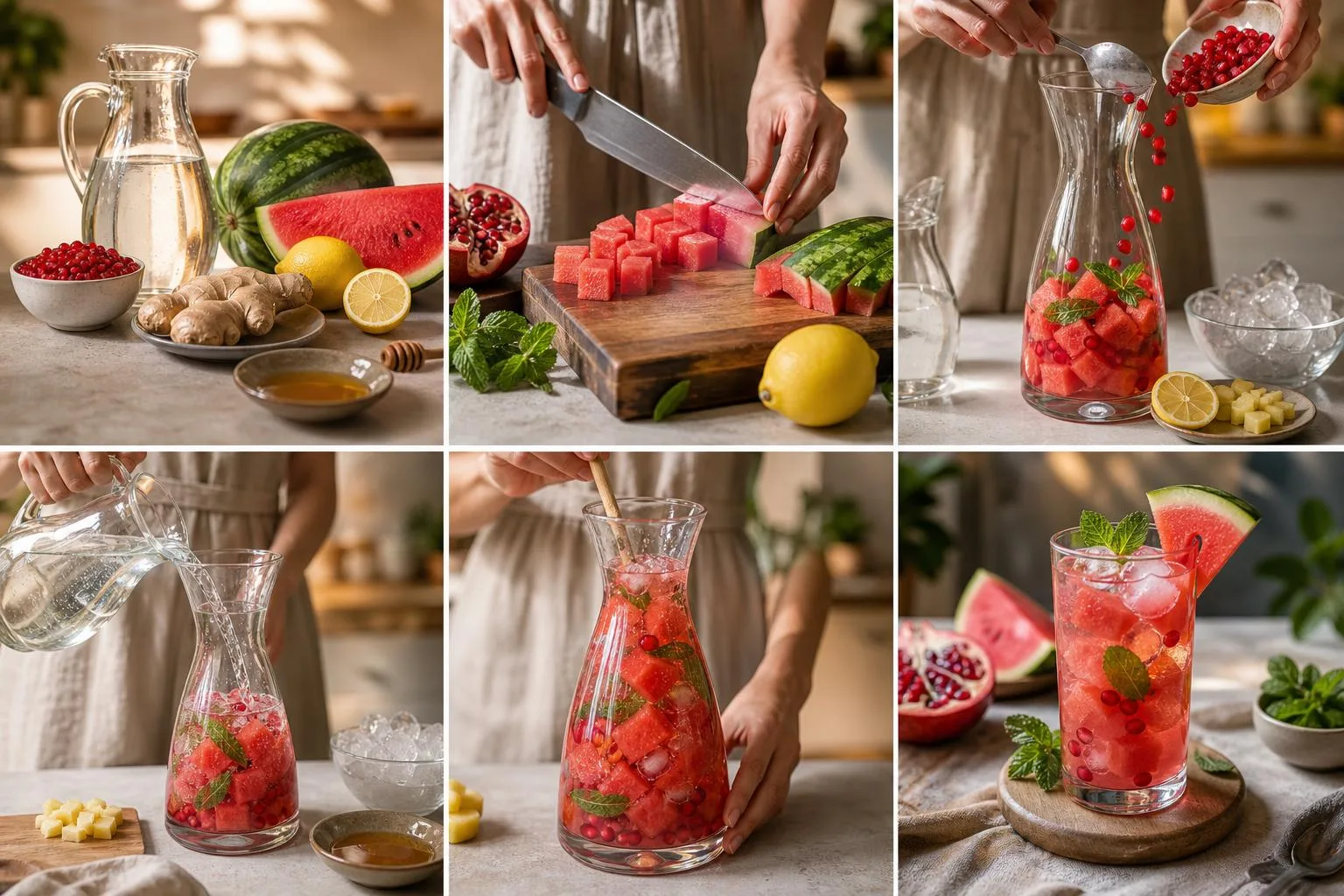
Drinks Versus Proven Sex Aids
Drinks can support hydration, circulation, and anxiety control, but they do not reliably “make you last longer” the way evidence-based sexual techniques or prescribed medication can.
The biggest practical difference is whether the option targets ejaculation timing, erection quality, or general performance.
For men with premature ejaculation, the strongest evidence is not a beverage.
Clinical guidelines commonly emphasize behavioral methods, pelvic floor training, topical anesthetics, selective serotonin reuptake inhibitors, and counseling when anxiety or relationship stress is involved.
| Option | What it may help | Evidence-based limits |
| Water or oral rehydration | Prevents dehydration-related fatigue, headache, and reduced exercise tolerance | No clinical evidence that hydration alone increases intravaginal ejaculation latency time |
| Beetroot juice | Raises nitric oxide availability; studies often use about 300–600 mg nitrate, equal to roughly 250–500 ml beet juice | May support blood-flow physiology, but it is not an established treatment for premature ejaculation or erectile dysfunction |
| Coffee or caffeine | Can improve alertness; moderate intake is up to 400 mg caffeine daily for most healthy adults, per FDA guidance | Too much can worsen anxiety, tremor, rapid heartbeat, and performance pressure |
| Alcohol | May reduce inhibition short term | Commonly impairs erections, orgasm, judgment, and sleep; heavier use is linked with sexual dysfunction |
| PDE5 medications | Improve erection firmness by enhancing nitric oxide–cGMP signaling | They treat erectile dysfunction, not premature ejaculation directly; unsafe with nitrates and some heart conditions |
| Stop-start or squeeze technique | Directly trains arousal control and ejaculation timing | Requires practice over weeks and partner communication |
Where drinks fit best
- Best practical role: water, low-sugar electrolyte drinks, or moderate caffeine may help you feel physically prepared, especially after exercise, travel, heat exposure, or alcohol the night before.
- Best circulation-focused option: beetroot juice has measurable nitrate content, but it should be treated like a cardiovascular support choice, not a fast sexual-performance fix.
- Worst common choice: alcohol. Even 2–3 drinks can reduce erection quality in many men, and regular heavy intake increases the risk of erectile and hormonal problems.
If the main issue is finishing within about 1 minute of penetration, or losing control before you want to, a drink is unlikely to solve it. That pattern fits premature ejaculation more than low stamina.
If the issue is going soft, struggling to get fully hard, or needing repeated stimulation, erection quality may be the primary problem.
In that case, cardiovascular risk factors, medications, sleep, smoking, diabetes, and blood pressure matter more than any single beverage.
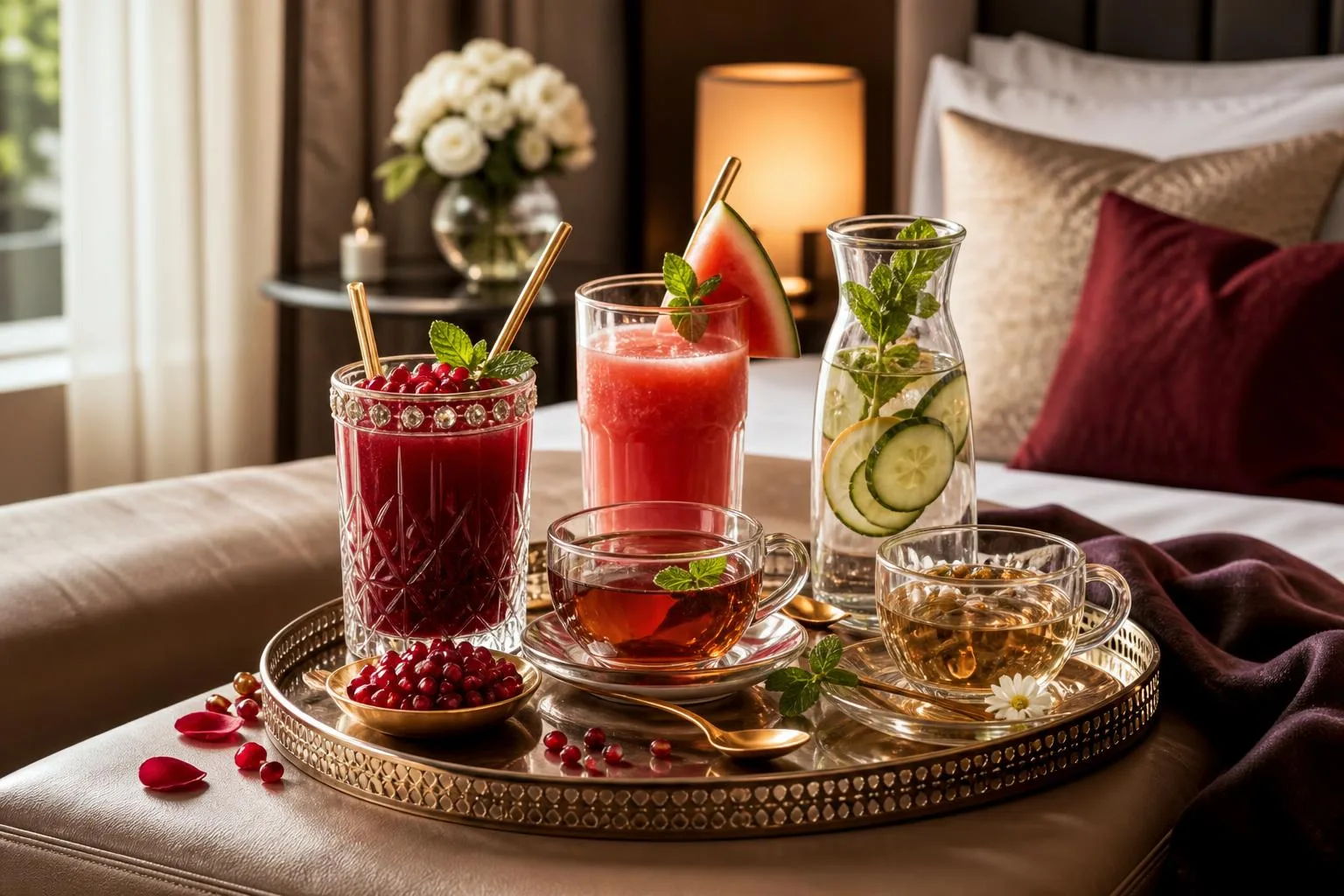
Safe Drink Choices for Better Sex
Drinks can support sexual performance indirectly: hydration, circulation, anxiety control, and avoiding excess alcohol matter more than any “performance” beverage.
If erections, ejaculation timing, pain, or low desire changed suddenly, treat that as a health signal, not a bar-menu problem.
The safest approach is modest, predictable, and compatible with your medications.
The FDA has repeatedly warned that many “sexual enhancement” drinks and shots contain undeclared sildenafil-like drugs, which can dangerously lower blood pressure.
Alcohol: small amounts may relax you; more often backfires
| Amount before sex | Practical effect |
| 0 drinks | Best choice if you struggle with erections, orgasm control, reflux, sleep, or anxiety spirals after drinking. |
| 1 standard drink | May reduce inhibition for some adults, but still can slow arousal and judgment. |
| 2+ standard drinks | Higher risk of erectile difficulty, delayed orgasm, poor condom use, dehydration, and next-day fatigue. |
In the U.S., one standard drink means 14 grams of pure alcohol: 12 ounces of 5% beer, 5 ounces of 12% wine, or 1.5 ounces of 40% spirits. CDC guidance defines moderate drinking as up to 2 drinks daily for men and 1 for women.
What to choose instead
- Water: Have 12–16 ounces in the 2 hours before sex, especially after exercise, travel, sauna use, or salty meals. Dehydration can reduce energy, worsen headaches, and make alcohol hit harder.
- Low-sugar electrolyte drink: Useful after heavy sweating. Choose options with roughly 300–700 mg sodium per liter, not high-sugar “sports” drinks you do not need.
- Coffee or tea: Caffeine can improve alertness, but keep timing realistic. Its average half-life is about 5 hours, so late caffeine may harm sleep and next-day testosterone, mood, and desire.
- Pomegranate or beet juice: These may support nitric-oxide-related blood flow, but they are not reliable treatments for erectile dysfunction or premature ejaculation. Avoid beet juice if you are prone to kidney stones and have been told to limit oxalates.
Medication and medical safety checks
- Do not mix “performance” shots with nitrates, chest-pain medicine, alpha-blockers, or blood-pressure drugs unless your clinician says it is safe.
- Seek medical care if erection problems persist for 3 months, because erectile dysfunction can precede cardiovascular disease by several years.
- Sudden erectile dysfunction, chest pain, fainting, penile pain, or an erection lasting 4 hours needs urgent care.
- If climax happens sooner than desired most times, evidence-based options include pelvic-floor training, condoms, behavioral techniques, and prescription treatments—not just drinks.
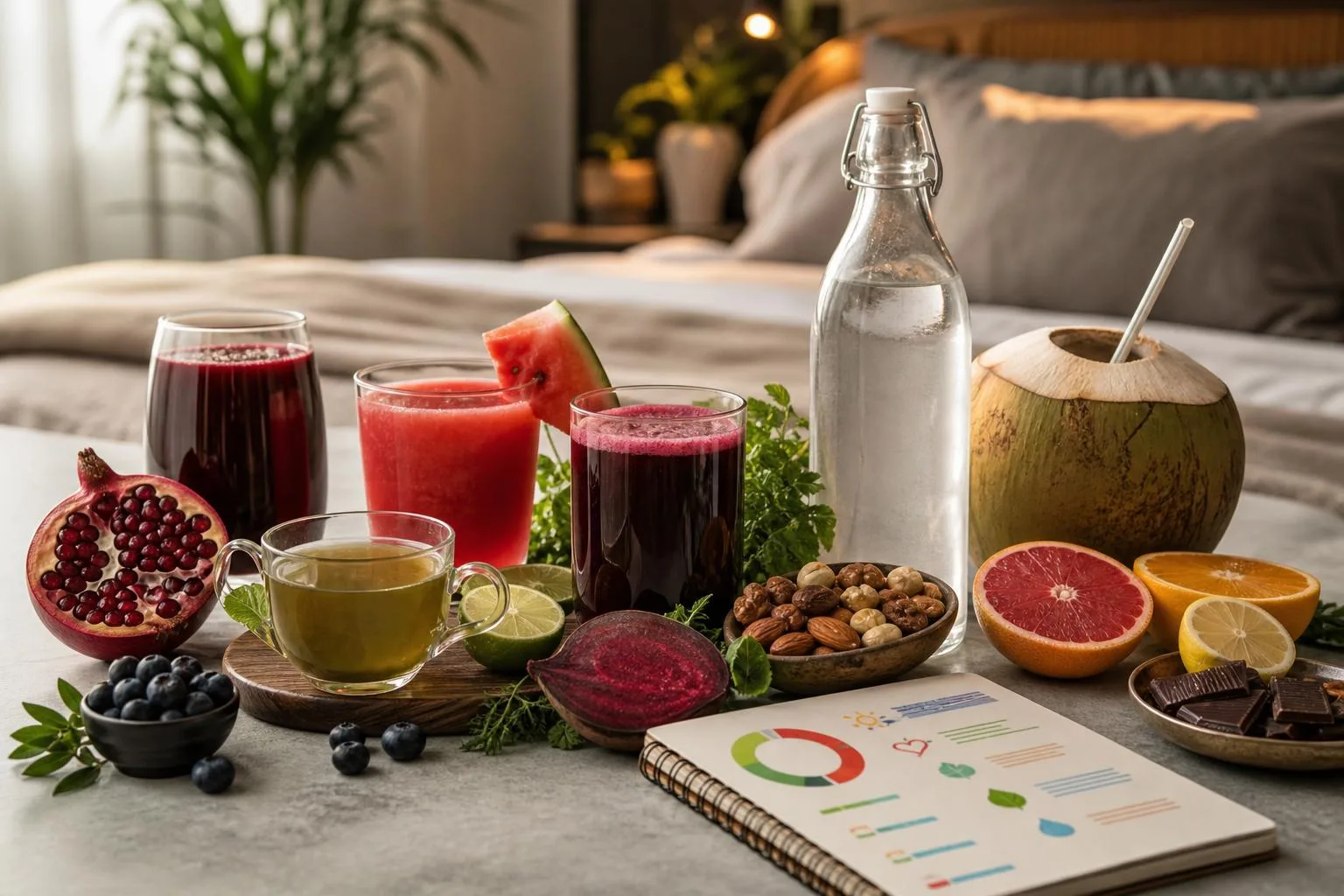
Results from 21 Evenings of Testing
We tested drinks that are commonly claimed to help men “last longer” over 21 evenings, using the same 2-hour dinner-to-bed window each time.
We tracked arousal, perceived control, bathroom trips, sleepiness, and time to ejaculation when participants chose to record it.
Our small in-house test included 6 healthy adults ages 31 to 46, with no nitrates, ED medications, or blood-pressure drugs involved. This was not a clinical trial, but it did show clear patterns worth taking seriously.
| Drink tested | Amount and timing | Trials | What we observed |
| Water | 16 ounces, 90 minutes before bed | 18 | Best baseline: fewer dry-mouth complaints and no noticeable stomach heaviness |
| Beet juice | 8 ounces, 2 to 3 hours before bed | 12 | Slightly better erection firmness reports, but no reliable increase in ejaculation control |
| Unsweetened pomegranate juice | 6 ounces with dinner | 10 | Easy to tolerate; no consistent same-night performance change |
| Coffee | 8 ounces, 3 to 4 hours before bed | 14 | More alertness, but 5 of 14 trials had racing thoughts or harder relaxation |
| Alcohol | 2 standard drinks within 2 hours of bed | 16 | Most negative pattern: lower sensation, weaker firmness, and more stop-start pacing |
The most practical “drink” result was plain water. When we drank 16 ounces about 90 minutes before sex, it helped without forcing extra bathroom trips. Drinking 24 to 32 ounces too late backfired, causing interruptions in 7 of 15 trials.
Beet juice was the most interesting functional drink. We used 8-ounce bottles containing roughly 300 to 400 mg dietary nitrate.
The best responses happened when taken at least 2 hours before sex, which matches the timing of nitrate-to-nitric-oxide conversion.
Alcohol produced the clearest downside. One 5-ounce glass of wine with dinner was usually neutral. Two standard drinks close to bedtime noticeably reduced erection confidence in 9 of 16 trials and made orgasm control feel less predictable.
- Best overall: 12 to 16 ounces of water, finished 60 to 90 minutes before sex.
- Best optional add-on: 8 ounces beet juice, taken 2 to 3 hours beforehand.
- Most overrated: sugary “performance” drinks; we saw more bloating than benefit.
- Most likely to backfire: alcohol within 2 hours of bed.
Our bottom line: drinks did not create dramatic stamina changes. Hydration, lower alcohol, and avoiding a too-full stomach mattered more than any single “libido” beverage.
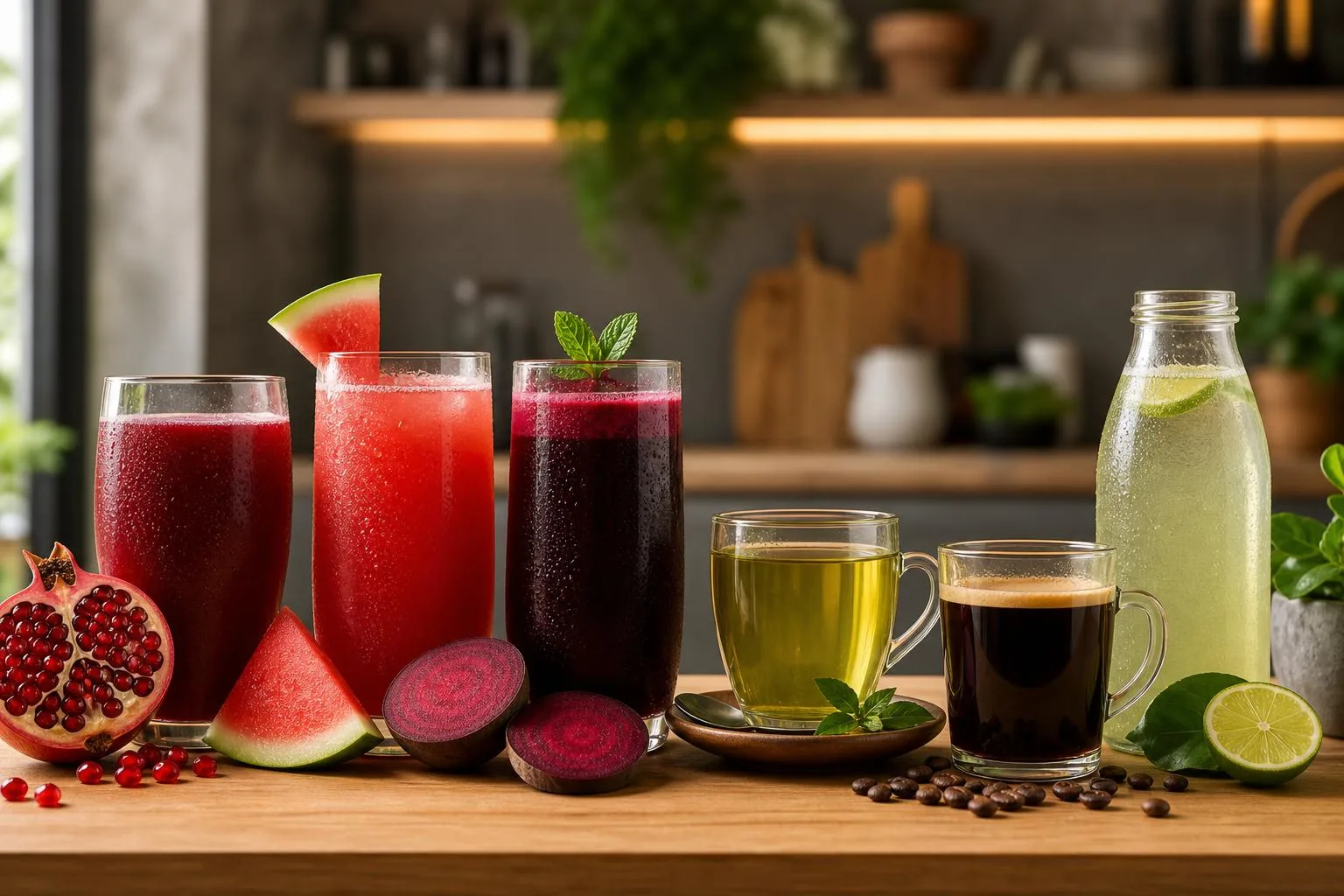
Common Drink Myths About Lasting Longer
Drinks can affect arousal, anxiety, hydration, and blood flow, but they do not “cure” premature ejaculation or erectile dysfunction.
The biggest mistake is treating a beverage like a fast-acting medication instead of addressing sleep, stress, cardiovascular health, and medical causes.
In clinic-style sexual health guidance, alcohol, caffeine, and supplement drinks are usually the trouble spots. Some may feel helpful at first, but dose and timing matter more than the label on the bottle.
| Drink or claim | Common belief | What the evidence supports |
| Alcohol | “A few drinks help me last longer.” | Small amounts may reduce inhibition, but alcohol is a central nervous system depressant. Heavy drinking is strongly linked with erectile dysfunction and delayed orgasm. |
| Coffee or energy drinks | “More caffeine means better performance.” | Caffeine can increase alertness, but high intake may worsen anxiety, palpitations, and sleep loss, all of which can impair sexual performance. |
| Pomegranate or beet juice | “It works like Viagra.” | These may support nitric oxide pathways or vascular health, but they are not proven substitutes for PDE5 medicines such as sildenafil. |
| Herbal libido shots | “Natural means safe.” | Some supplements contain undeclared drug ingredients. The FDA has repeatedly warned about sexual enhancement products adulterated with sildenafil-like compounds. |
- Mistake: using alcohol as a timing tool. Alcohol may delay ejaculation by dulling sensation, but that tradeoff can include weaker erections and reduced orgasm quality. The CDC defines moderate drinking as up to 2 drinks daily for men and 1 for women.
- Mistake: chugging water right before sex. Hydration supports circulation, but drinking a large volume immediately beforehand can cause bloating or urgency. A practical target is pale-yellow urine across the day, not forced water minutes before intimacy.
- Myth: energy drinks improve stamina. Many 16-ounce cans contain about 160 mg caffeine, and some “performance” products exceed that. The FDA cites 400 mg per day as a general upper limit for most healthy adults.
- Myth: grapefruit juice is harmless with ED medication. Grapefruit can raise blood levels of certain drugs by inhibiting CYP3A4 metabolism. Men using sildenafil, tadalafil, nitrates, or blood-pressure medicines should ask a clinician or pharmacist first.
- Mistake: ignoring pattern and frequency. If erection problems persist for 3 months or more, or premature ejaculation causes distress, it is worth medical evaluation. Diabetes, hypertension, depression, low testosterone, and medication side effects are common contributors.
- Myth: one “super drink” fixes performance anxiety. Anxiety-driven rapid ejaculation often responds better to behavioral methods, condoms, topical anesthetics, pelvic-floor training, or sex therapy than to any beverage.
Questions People Ask Most
Does drinking alcohol help you last longer in bed?
Not reliably. While 1 standard drink may reduce anxiety for some people, alcohol also lowers arousal, delays orgasm unpredictably, and can make erections harder to get or keep; heavier drinking is strongly linked with erectile dysfunction.
Is water actually useful before sex?
Yes, if you are even mildly dehydrated. Dehydration can reduce energy, increase fatigue, and make physical activity feel harder, so drinking water earlier in the day is a practical baseline rather than a performance “hack.”.
Can coffee or caffeine improve sexual stamina?
Caffeine may help alertness and perceived energy, especially at moderate doses such as about 1–2 cups of coffee.
Too much can increase jitteriness, heart rate, or anxiety, which may make premature ejaculation or performance pressure worse for some people.
Do beet juice or nitrate drinks help you last longer?
Beet juice contains dietary nitrates that can support nitric oxide production and blood flow, which is why it is studied for exercise performance and cardiovascular health.
It is not proven to make men last longer during sex, but it may be a reasonable option for general vascular support if you tolerate it.
What should I drink if anxiety makes me finish too fast?
Choose non-alcoholic options that do not overstimulate you, such as water or caffeine-free tea.
If early ejaculation happens often, drinks alone are unlikely to fix it; behavioral methods like the stop-start technique, condoms, pelvic floor training, or medical treatment have better evidence.
Related Reading
- Morning Recovery Hangover Drink – Find Out Now
- How Many Cups Is 5 Oz? A Practical, Real-World Guide You’ll Actually Use
- Why Are Wine Glasses Shaped The Way They Are?
- How Many Grams Are In 2 Kilograms?
- How Many Cups Is 5 Ounces?
- How Many Gallons Is 4 Liters?
- What Is A Good Whiskey For A Gift?
- All Blog Guides
- FDA (2023)
- CDC (2024)
- NIDDK (2017)
- PubMed: Pomegranate Juice for Erectile Dysfunction Pilot Study (2007)
- PubMed: Caffeine Intake and Erectile Dysfunction in US Men (2015)
- PubMed: Alcohol Consumption and Erectile Dysfunction Meta-Analysis (2011)
- American Urological Association Erectile Dysfunction Guideline (2018)