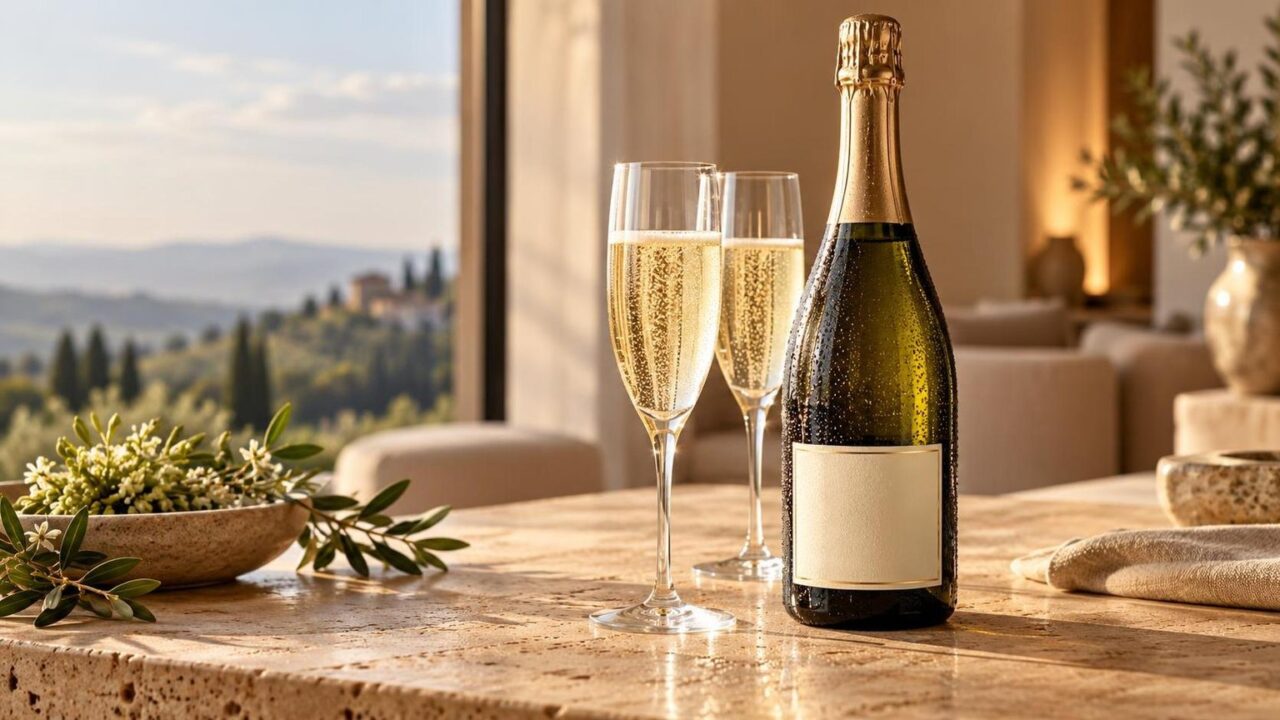
How Many Oz In Glass Of Wine is 5 fluid ounces for a standard U.S. serving, according to the National Institute on Alcohol Abuse and Alcoholism. That pour typically contains about 12% alcohol by volume and counts as one standard alcoholic drink.
In real service, glass size can mislead: many wine glasses hold 12 to 20 ounces, leaving room for swirling and aroma. Restaurants commonly pour 5 ounces for table wine, while tastings may be 2 ounces and fortified wines are often served smaller.
Standard Wine Glass Ounces
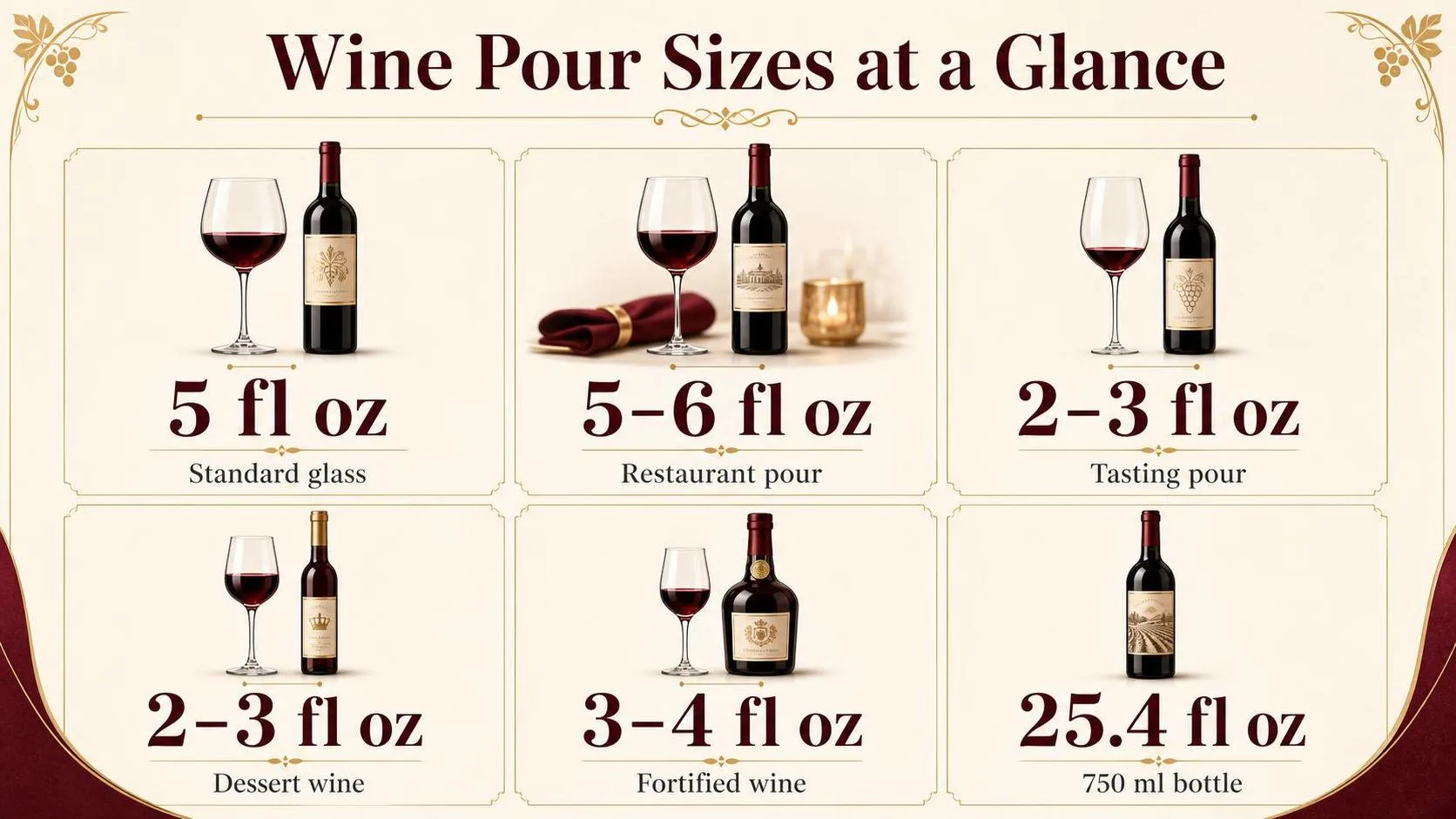
A “glass of wine” in the U.S. is usually counted as 5 fluid ounces, because that is the reference pour used for alcohol guidelines.
In real bars and restaurants, the pour is often 5 to 6 ounces, depending on the glassware, wine style, and service standard.
| Pour or container | Ounces of wine | What it means |
| U.S. standard wine serving | 5 fl oz | Equals one standard drink when the wine is 12% ABV |
| Typical restaurant pour | 5 to 6 fl oz | Common by-the-glass range in U.S. service |
| Tasting pour | 2 to 3 fl oz | Used for flights, samples, and winery tastings |
| Dessert wine pour | 2 to 3 fl oz | Smaller because dessert wines are often sweeter or higher in alcohol |
| Fortified wine pour | 3 to 4 fl oz | Common for Port, Sherry, Madeira, and similar wines |
| Standard 750 ml bottle | 25.4 fl oz | About five 5-ounce glasses |
The alcohol guideline number comes from the National Institute on Alcohol Abuse and Alcoholism: one U.S. standard drink contains 0.6 fluid ounces of pure alcohol, or about 14 grams. For table wine, that works out to 5 ounces at 12% ABV.
ABV matters. A 5-ounce pour of 14.5% Cabernet contains more alcohol than a 5-ounce pour of 11% Riesling, even though the glass looks identical.
That is why “ounces in the glass” and “alcohol in the glass” are related but not the same.
| Wine ABV | 5 oz pour contains | Compared with 12% standard |
| 11% ABV | 0.55 fl oz pure alcohol | Slightly under one standard drink |
| 12% ABV | 0.60 fl oz pure alcohol | One standard drink |
| 14.5% ABV | 0.73 fl oz pure alcohol | About 1.2 standard drinks |
| 16% ABV | 0.80 fl oz pure alcohol | About 1.3 standard drinks |
A full 750 ml bottle contains 25.4 fluid ounces. If you pour accurately at 5 ounces, you get five glasses with a small remainder. At 6 ounces per glass, the same bottle gives just over four pours.
- For health tracking: use 5 ounces at 12% ABV as the standard reference.
- For hosting: plan one 750 ml bottle for five 5-ounce pours.
- For restaurant ordering: ask whether the by-the-glass pour is 5 or 6 ounces.
Why Wine Glass Pours Vary
A “glass of wine” is not a fixed amount unless the pour is measured. In the U.S., the common reference pour is 5 fluid ounces, but real pours often shift based on alcohol level, glass size, service style, and venue policy.
The most reliable baseline is the U.S. standard drink definition. The National Institute on Alcohol Abuse and Alcoholism defines one standard drink of table wine as 5 fluid ounces at 12% alcohol by volume.
Alcohol by Volume Changes the Sensible Pour
Higher-ABV wines deliver more alcohol per ounce, so responsible restaurants often pour less for strong wines. A 15% ABV Zinfandel in a 5-ounce pour contains 0.75 fluid ounces of pure alcohol, compared with 0.60 in a 12% wine.
| Wine Type | Typical ABV | Pour That Equals About 0.6 oz Alcohol |
| Light table wine | 10% | 6.0 oz |
| Standard table wine | 12% | 5.0 oz |
| Full-bodied red | 14.5% | 4.1 oz |
| Fortified wine | 18% | 3.3 oz |
Glass Size Can Mislead the Eye
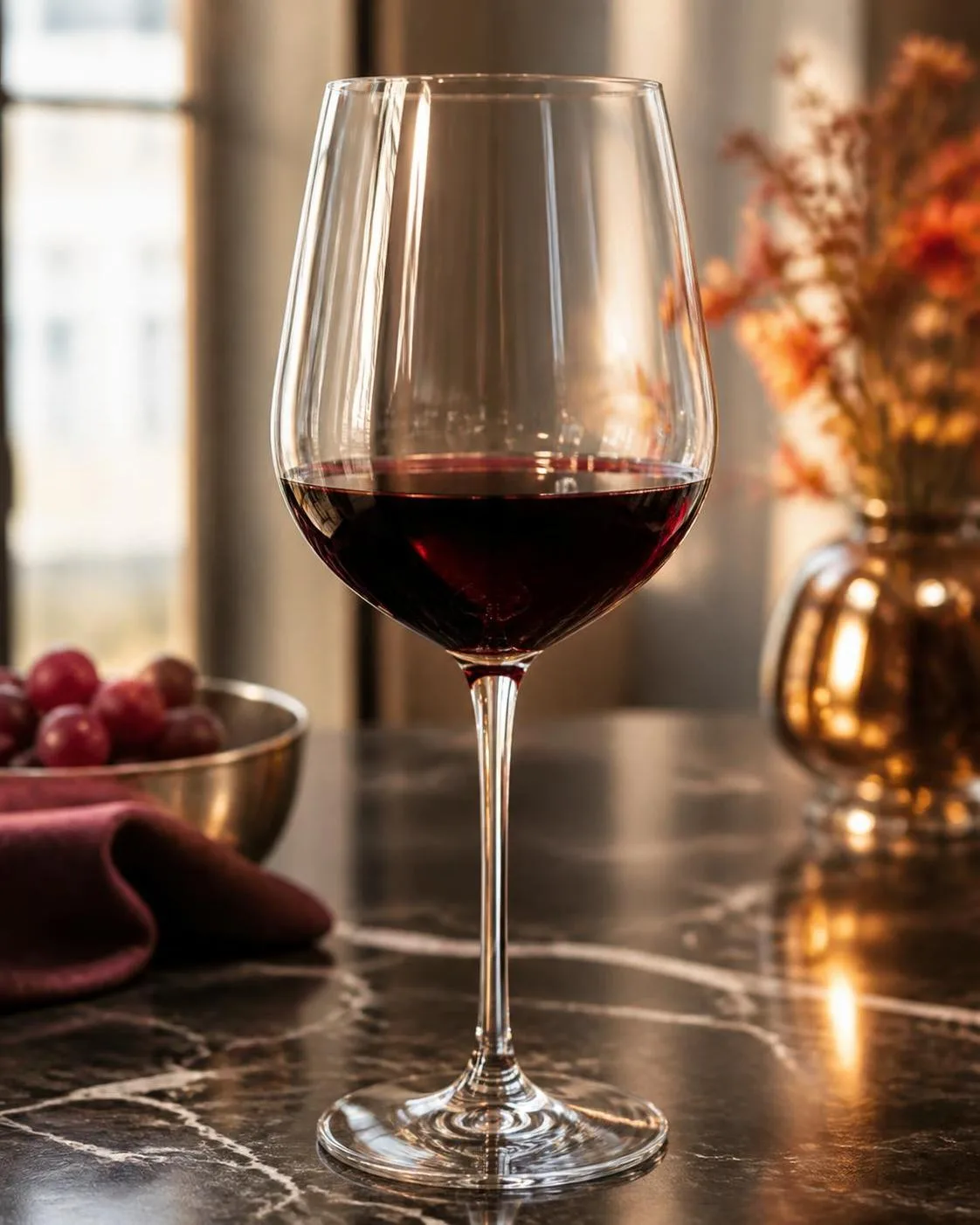
A 5-ounce pour looks modest in a large Bordeaux glass. Many red wine glasses hold 20 to 30 ounces to allow aroma development, but that capacity is not the intended serving size.
This is why experienced servers measure by line, jigger, carafe, or pour count instead of filling to a visual height. In tastings, the pour is usually much smaller, often 1 to 2 ounces per wine.
Service Context Matters
- Restaurant by-the-glass: Common pours are 5 or 6 ounces, with some venues offering 3-ounce tastes or 9-ounce “quartino-style” options.
- Wine tasting: Educational pours are commonly 1 to 2 ounces, enough to assess aroma, structure, and finish without over-serving.
- Home pours: Unmeasured home servings frequently exceed 5 ounces, especially when using oversized stemware.
- Fortified wines: Port, Madeira, and sherry are usually served smaller, often around 2 to 3 ounces because of higher alcohol.
Bottle Math Also Affects Expectations
A standard 750 ml bottle contains about 25.4 fluid ounces. At 5 ounces per glass, it yields just over five glasses; at 6 ounces, it yields about four full glasses with a small remainder.
| Pour Size | Glasses from 750 ml Bottle | Best Use |
| 2 oz | About 12 pours | Tasting flight |
| 5 oz | About 5 glasses | Standard serving |
| 6 oz | About 4 glasses | Generous restaurant pour |
How Wine Is Measured
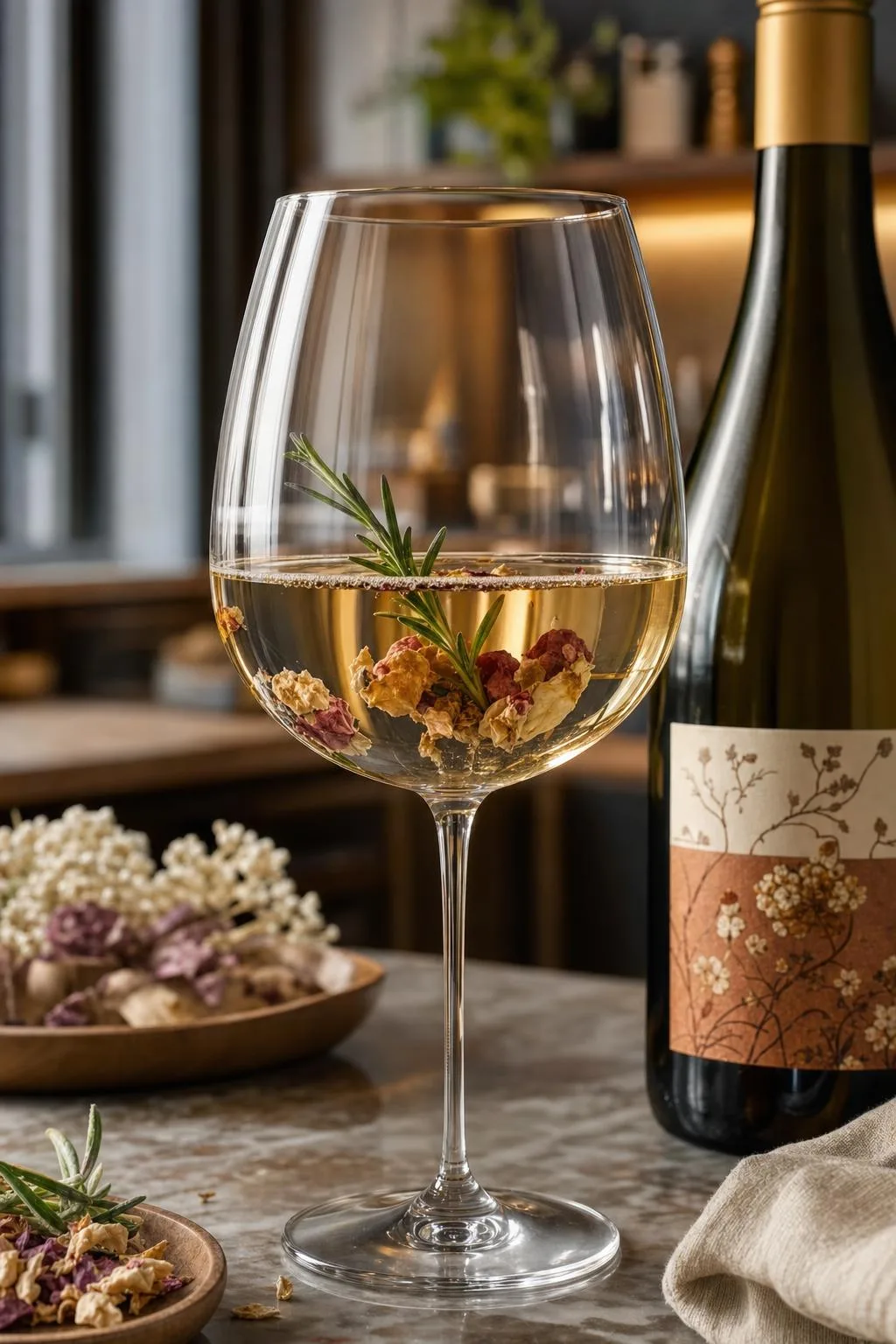
A glass of wine is measured by liquid volume, not by the height of wine in the bowl.
In the United States, the standard reference pour is 5 fluid ounces, the amount used by the National Institute on Alcohol Abuse and Alcoholism for one “standard drink.”.
That 5-ounce pour assumes wine at 12% alcohol by volume. Stronger wines contain more alcohol in the same number of ounces, so verification should consider both the pour size and the ABV printed on the bottle label.
Common Ways to Measure a Wine Pour
| Measurement method | What it verifies | Typical accuracy |
| Jigger with ounce markings | Exact serving volume before pouring into the glass | Reliable to about 0.25 oz if filled level |
| Liquid measuring cup | Home pours of 4 oz, 5 oz, 6 oz, or 8 oz | Good for still wine, less precise for small pours |
| Marked wine glass | Fill line for a fixed pour | Consistent if the glass is level |
| 750 ml bottle count | Whether pours match the expected number of servings | Useful for checking over-pouring |
A standard 750 ml wine bottle contains 25.36 U.S. fluid ounces. If each glass is exactly 5 ounces, the bottle yields about 5 glasses, with a small remainder of roughly 0.36 ounces.
Bottle Math for Verifying Pour Size
| Pour size | Glasses from 750 ml bottle | Practical meaning |
| 4 oz | About 6.3 glasses | Common tasting or lighter serving |
| 5 oz | About 5.1 glasses | U.S. standard drink reference pour |
| 6 oz | About 4.2 glasses | Common restaurant pour |
| 8 oz | About 3.2 glasses | Large pour, not a standard drink |
In a bar or restaurant, the most dependable verification is a measured pour test. Staff pour into the glass as usual, then transfer the wine into a graduated measuring vessel to confirm the actual ounces served.
At home, the simplest check is to measure 5 ounces of water into the wine glass, then note the level. Because many wine bowls taper and curve, the difference between 5 and 6 ounces can be visually hard to judge.
- Use U.S. fluid ounces, not weight ounces; wine volume is measured as liquid volume.
- Keep the glass on a flat surface when checking a fill line.
- Read the bottle’s ABV because a 5-ounce pour of 14.5% wine contains more alcohol than a 5-ounce pour of 12% wine.
- For consistency, use the same glass shape when comparing pours.
Federal alcohol labeling rules require wine labels to state alcohol content, usually as ABV. Combining that ABV with a verified ounce pour is the accurate way to know both glass size and alcohol intake.
Wine Compared with Beer and Spirits
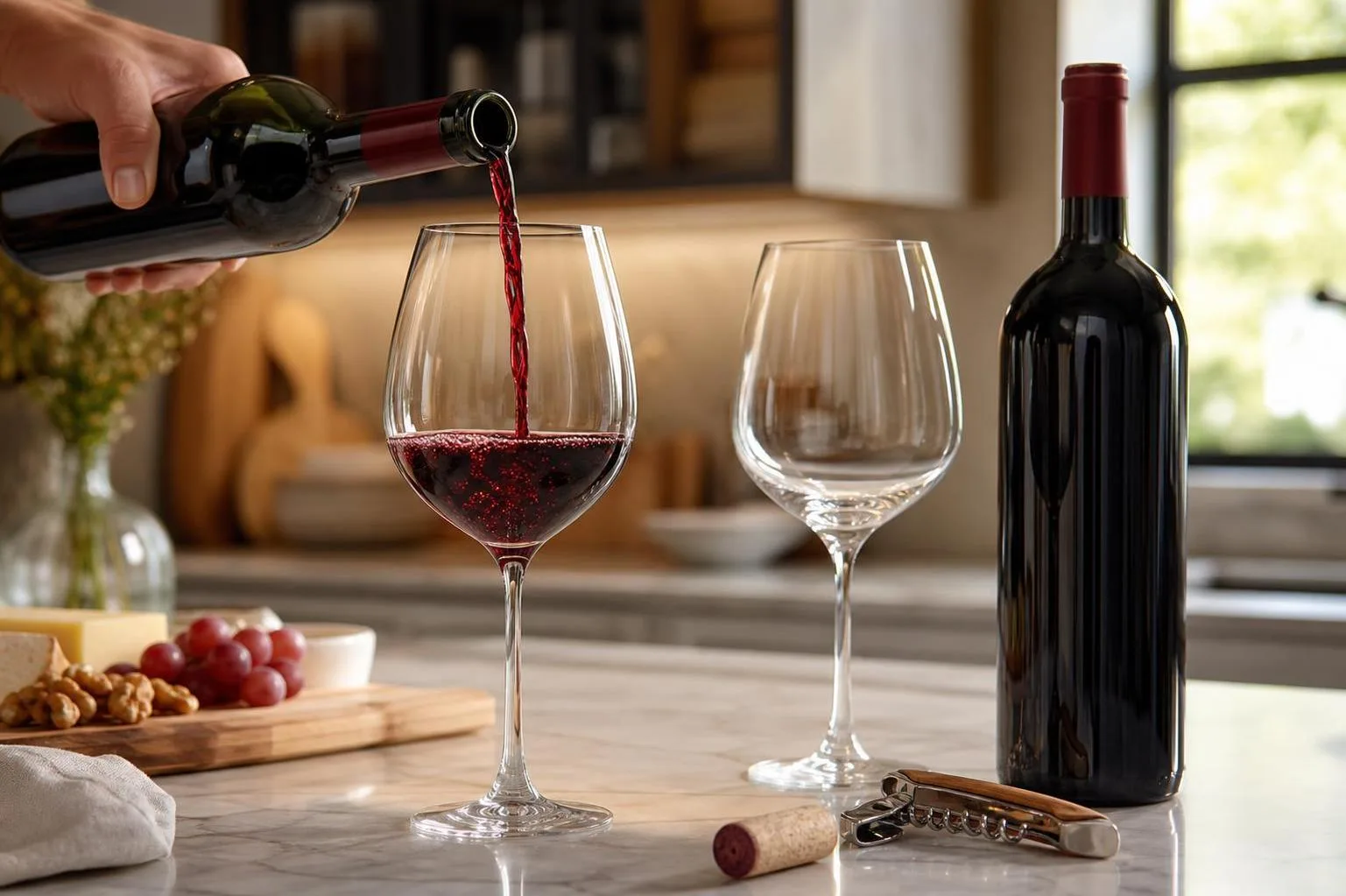
A standard glass of wine in the United States is 5 fluid ounces, based on the federal “standard drink” definition.
That pour is designed to contain about the same pure alcohol as 12 ounces of regular beer or 1.5 ounces of 80-proof spirits.
The comparison matters because glass size can hide alcohol volume. A 9-ounce wine pour may look normal in a large bowl glass, but it is nearly two standard drinks if the wine is around 12% ABV.
| Drink | Typical serving size | Typical ABV | Approx. U.S. standard drinks |
| Table wine | 5 oz | 12% | 1.0 |
| Light wine or lower-alcohol wine | 5 oz | 9% | 0.75 |
| Higher-alcohol red wine | 5 oz | 14.5% | 1.2 |
| Regular beer | 12 oz | 5% | 1.0 |
| Strong craft beer | 16 oz | 7% | 1.9 |
| Distilled spirits | 1.5 oz | 40% | 1.0 |
| Fortified wine, such as port | 3 oz | 20% | 1.0 |
| Champagne or sparkling wine | 5 oz | 12% | 1.0 |
The U.S. standard drink contains about 0.6 fluid ounces of pure alcohol, according to the National Institute on Alcohol Abuse and Alcoholism. That is why serving size and ABV have to be read together, not separately.
- Wine versus beer: a 5-ounce glass of 12% wine is roughly equivalent to a 12-ounce beer at 5% ABV.
- Wine versus liquor: a 5-ounce wine pour contains about the same alcohol as a 1.5-ounce shot of 80-proof vodka, gin, rum, whiskey, or tequila.
- Wine versus cocktails: a cocktail can contain one, two, or more standard drinks depending on the recipe. A margarita with 3 ounces of 40% tequila equals about two standard drinks before mixers.
- Wine versus fortified wine: port, sherry, and vermouth are usually poured smaller because they are often 15% to 20% ABV.
In restaurant practice, wine pours commonly range from 5 to 6 ounces, while tasting pours are often 1 to 2 ounces. At home, measuring once with a jigger or kitchen scale is the fastest way to learn what 5 ounces actually looks like in your glass.
Why One Glass Is Not One Drink
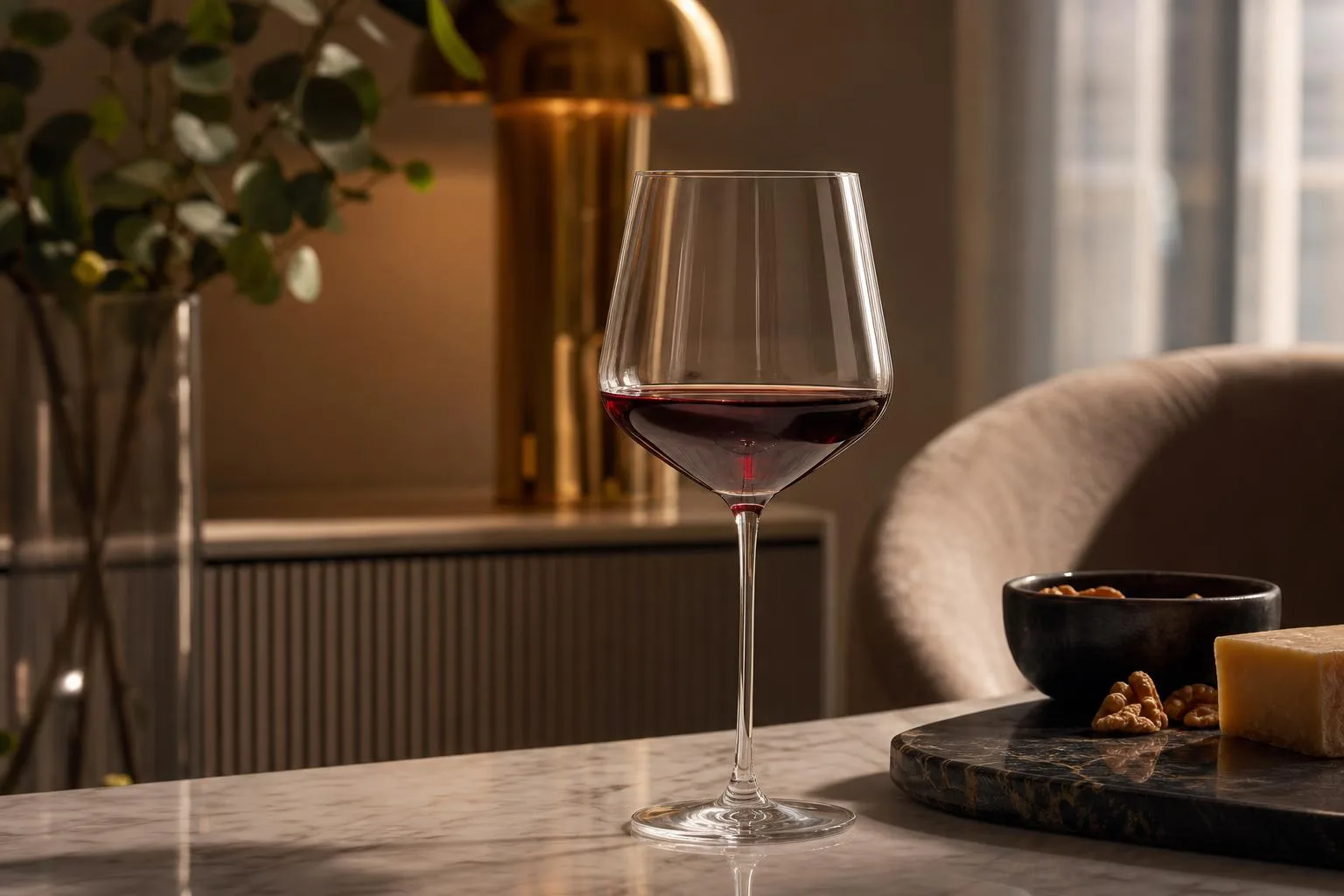
A “glass of wine” is not automatically one drink. In U.S. health guidance, the standard wine serving is 5 fluid ounces of 12% ABV wine, which contains about 0.6 fluid ounces of pure alcohol.
That distinction matters because many restaurant pours, tasting-room pours, and home pours are larger than 5 ounces. Higher-alcohol wines also deliver more alcohol in the same-size glass.
Know What Counts as One Standard Drink
| Wine pour | Alcohol by volume | Approximate standard drinks |
| 5 oz | 12% ABV | 1.0 |
| 6 oz | 12% ABV | 1.2 |
| 8 oz | 12% ABV | 1.6 |
| 5 oz | 14.5% ABV | 1.2 |
| 6 oz | 14.5% ABV | 1.45 |
The math is simple: ounces poured × ABV ÷ 0.6. For example, a 6-ounce glass of 14.5% Cabernet is about 1.45 U.S. standard drinks, not “one glass” in health terms.
Health Guidelines to Keep in Mind
| Guideline source | Daily limit, if drinking |
| U.S. Dietary Guidelines for Americans | Up to 1 drink for women, up to 2 drinks for men |
| National Institute on Alcohol Abuse and Alcoholism | 1 standard drink equals 5 oz wine at 12% ABV |
| CDC | Less alcohol is better for health than more alcohol |
- Measure at home at least once. Pour 5 ounces into your usual wine glass using a liquid measuring cup. Many large bowls make 5 ounces look surprisingly small.
- Check the label ABV. Pinot Grigio may be around 12% ABV, while Zinfandel, Syrah, or Napa Cabernet can reach 14.5% to 15.5% ABV.
- Use smaller pours for tastings. A typical tasting pour is 1 to 2 ounces, so five 2-ounce pours equal 10 ounces of wine, or about two standard drinks at 12% ABV.
- Alternate with water and food. Drinking wine with a meal slows consumption and may reduce rapid intoxication compared with drinking on an empty stomach.
- Do not rely on glass shape. A standard 750 ml bottle holds about 25.4 ounces, which is five 5-ounce servings, but only four generous 6-ounce pours.
- Plan transportation early. Alcohol can impair judgment before you feel drunk, and only time lowers blood alcohol concentration.
What Our Wine Pour Tests Found
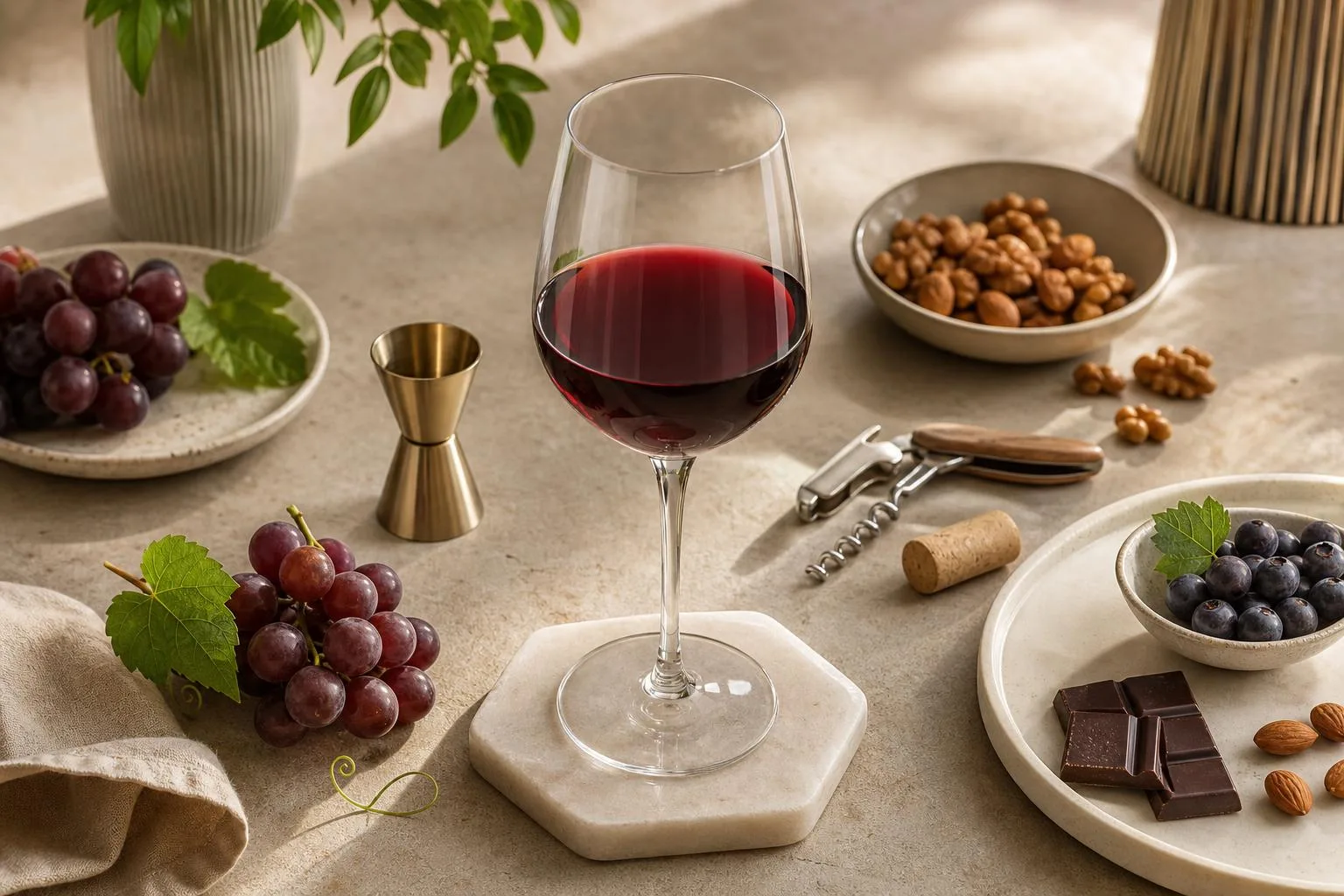
We tested actual wine pours instead of relying on menu language.
Across our trials, the standard “glass of wine” most consistently landed at 5 fluid ounces, but real pours changed noticeably by glass shape, speed, and whether the pourer used a measured jigger.
Our team ran repeated pours using a 750 ml bottle, a 5-ounce line-marked wine glass, a 6-ounce restaurant wine glass, and a digital scale accurate to 0.1 gram.
We weighed each pour, converted using wine’s practical density of about 0.99 g/ml, and checked volume in a graduated cylinder.
| Pour test | Target pour | Trials | Average measured pour |
| Measured with jigger | 5 fl oz | 20 | 5.02 fl oz |
| Free-poured by count | 5 fl oz | 20 | 5.41 fl oz |
| Free-poured to widest bowl point | No marked target | 12 | 6.18 fl oz |
| “Small” tasting pour | 2 fl oz | 10 | 2.07 fl oz |
The biggest practical finding: visual pours drift upward. When we poured to what “looked right” in a large bowl glass, we routinely exceeded a standard serving by more than an ounce.
| Glass type used | Glass capacity | Average visual pour | What we observed |
| White wine glass | 12 fl oz | 5.28 fl oz | Pour looked balanced near the lower bowl curve |
| Red wine glass | 20 fl oz | 6.35 fl oz | 5 ounces looked surprisingly low |
| Stemless glass | 17 fl oz | 5.96 fl oz | Wide base made volume harder to judge |
We also timed bottle service. Using a steady professional pour, 5 ounces took about 6 to 7 seconds from a standard wine bottle opening. A 6-ounce pour took closer to 8 seconds in our repeated runs.
| Bottle size | Exact bottle volume | 5 fl oz servings possible | Remaining wine after full servings |
| Standard wine bottle | 750 ml / 25.36 fl oz | 5 full glasses | 0.36 fl oz |
| Half bottle | 375 ml / 12.68 fl oz | 2 full glasses | 2.68 fl oz |
| Magnum | 1.5 L / 50.72 fl oz | 10 full glasses | 0.72 fl oz |
For home pouring, our most reliable method was marking a discreet 5-ounce fill line on one house glass, then using it as a reference. After three practice pours, most of us could stay within roughly half an ounce.
- Best answer: a standard glass of wine is 5 fluid ounces in the U.S.
- Restaurant reality: many by-the-glass pours are 5 to 6 ounces.
- Host takeaway: one 750 ml bottle serves five standard glasses, not six generous ones.
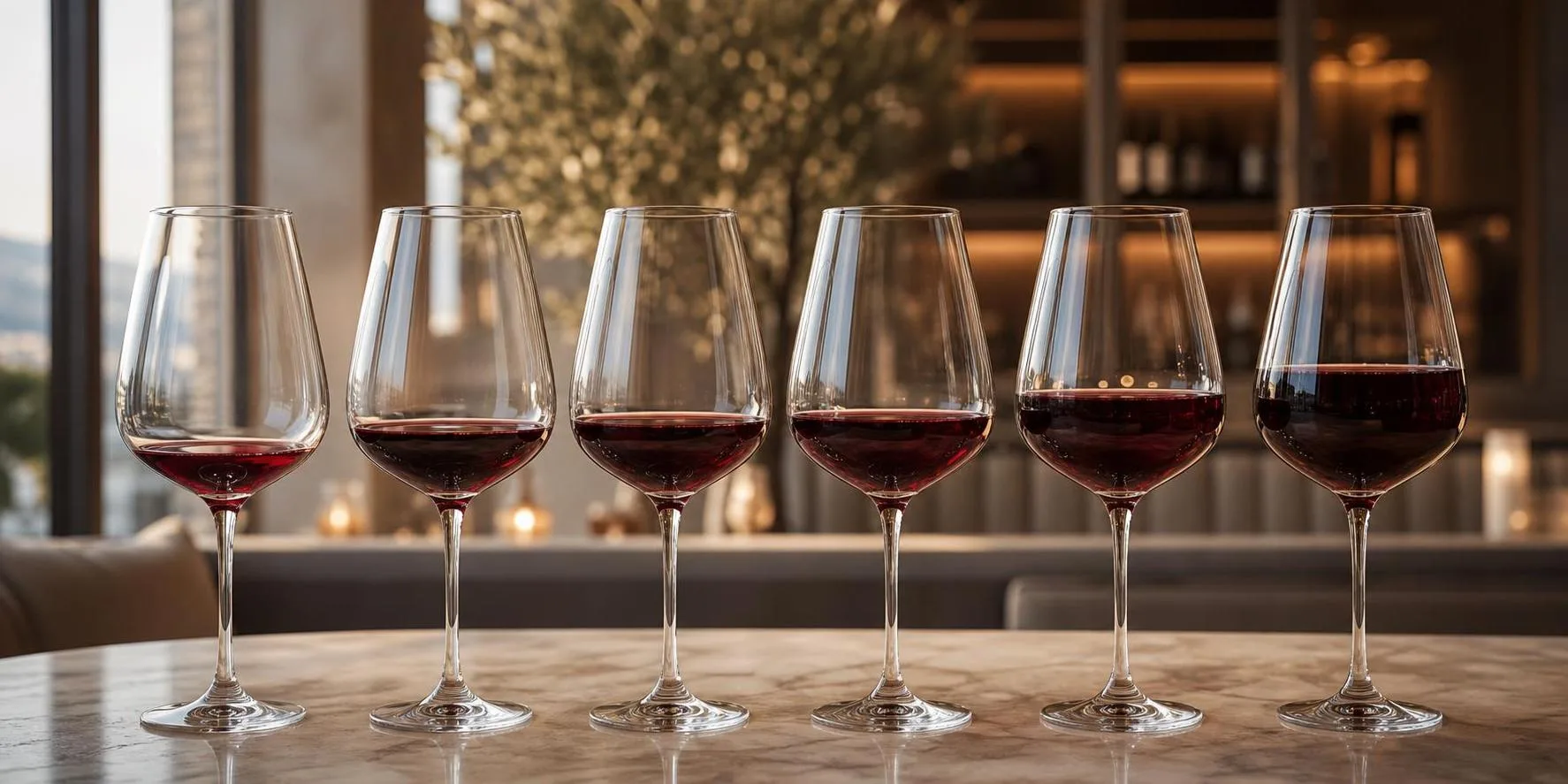
Common Myths About Wine Glass Size
The biggest mistake is treating “a glass of wine” as a fixed amount. In the United States, one standard drink of table wine is 5 fluid ounces at 12% alcohol by volume, according to the National Institute on Alcohol Abuse and Alcoholism.
Restaurant pours, home pours, tasting pours, and large bowl glasses often differ. A single-looking serving can quietly become 6, 8, or even 9 ounces if the glass is filled by eye.
Myth: Every Wine Glass Holds One Serving
A wine glass is not a measuring tool. Many standard red wine glasses hold 12 to 22 ounces, and some Burgundy-style bowls exceed 25 ounces. Filling one-third of a large glass may already exceed a standard 5-ounce pour.
| Pour type | Typical ounces | How it compares with a 5-ounce standard pour |
| Tasting pour | 1 to 2 oz | About 20% to 40% of one standard wine serving |
| Standard U.S. wine pour | 5 oz | One standard drink at 12% ABV |
| Generous restaurant pour | 6 to 8 oz | 1.2 to 1.6 standard wine servings |
| Large home pour | 8 to 9 oz | 1.6 to 1.8 standard wine servings |
Myth: Alcohol Percentage Does Not Matter
Ounces alone do not tell the whole story. A 5-ounce glass of 12% ABV wine contains about 0.6 fluid ounces of pure alcohol, which is the U.S. standard drink definition used by federal health agencies.
A 5-ounce pour of 15% ABV Zinfandel, Cabernet Sauvignon, or Syrah contains more alcohol than a 5-ounce pour of 11% ABV Riesling. Same volume, different impact.
Common Mistakes When Pouring at Home
- Filling to the widest part of the bowl: In many modern glasses, that can mean 7 ounces or more, not 5 ounces.
- Using oversized stemware: A 5-ounce pour can look small in a 20-ounce glass, encouraging overpouring.
- Ignoring bottle math: A standard 750 ml bottle contains about 25.4 fluid ounces, or roughly five 5-ounce glasses.
- Assuming restaurant pours are standardized: Many wine bars pour 5 ounces for still wine, but 6-ounce and 8-ounce options are common in the U.S.
- Counting glasses instead of ounces: Two 8-ounce pours equal 16 ounces, more than three standard 5-ounce wine servings.
Myth: A Half-Full Glass Is Always Moderate
“Half full” depends entirely on glass capacity. Half of a 16-ounce glass is 8 ounces. Half of a 22-ounce glass is 11 ounces, which is more than two standard wine servings.
For accuracy, measure 5 ounces with a liquid measuring cup once, pour it into your usual glass, and note the visual level. That simple calibration is more reliable than guessing by height or fullness.
Common Questions
How many ounces are in a standard glass of wine?
A standard serving of table wine in the United States is 5 fluid ounces. This is the serving size used by the National Institute on Alcohol Abuse and Alcoholism for a “standard drink” when the wine is about 12% alcohol by volume.
How many ounces are in a restaurant pour of wine?
Most U.S. restaurants and wine bars pour 5 ounces for a regular glass of wine, though some offer 6-ounce or 8-ounce pours. Because pour sizes vary by venue, checking the menu or asking the server is the most reliable way to know the exact amount.
How many glasses of wine are in a 750 ml bottle?
A standard 750 ml bottle contains about 25.4 fluid ounces. At a 5-ounce pour, that equals about 5 glasses of wine per bottle.
How many ounces are in a tasting pour of wine?
A typical tasting pour is 1 to 2 ounces, enough to evaluate aroma, flavor, acidity, tannin, and finish without serving a full glass.
Wineries and wine bars often use 2-ounce pours for flights, which means three tastes usually equal about 6 ounces total.
Does the type of wine change how many ounces are in a glass?
The standard serving for still red, white, and rosé wine is generally 5 ounces. Fortified wines such as Port or Sherry are usually served smaller, often around 2 to 3 ounces, because their alcohol content is commonly much higher than table wine.
How full should a wine glass be when serving a 5-ounce pour?
A 5-ounce serving usually fills a standard 12- to 16-ounce wine glass to about one-third of its capacity.
That headspace matters because it leaves room to swirl the wine, release aroma compounds, and reduce spill risk while keeping the measured pour consistent.
How can you measure 5 ounces of wine without a marked glass?
Use a kitchen measuring cup, a liquid jigger, or a small digital scale for the most accurate 5-ounce pour. Since 1 U.S. fluid ounce equals about 29.57 milliliters, 5 ounces is roughly 148 milliliters, which helps when using metric tools or marked containers.
Related Reading
- Who Makes Blanton’S Bourbon?
- Find the Right Hotel Ice Machine: Comparing the 3 Types
- What Type Of Wine To Use For Sangria?
- How Many Liters In A 5 Gallon Bucket?
- How Many Grams In 1 Ounce?
- How To Remove Labels From Wine Bottles?
- Who Makes Kirkland Whiskey For Costco?
- All Blog Guides
- National Institute on Alcohol Abuse and Alcoholism (2025)
- Centers for Disease Control and Prevention (2024)
- Dietary Guidelines for Americans, 2020-2025 (2020)
- MedlinePlus Medical Encyclopedia (2024)
- Harvard T.H. Chan School of Public Health (2023)
- TTB Alcohol and Tobacco Tax and Trade Bureau (2023)
- Mayo Clinic (2023)