What Is A Moscato? is a sweet, highly aromatic wine made from Muscat grapes, known for orange blossom, peach, apricot, and grape-like aromas.
Most bottles are low in alcohol, often around 5–7% ABV for Moscato d’Asti, with gentle bubbles and noticeable residual sugar.
Moscato can be still, sparkling, pink, or dessert-style, but the best-known versions come from Italy’s Piedmont region.
Moscato d’Asti is lightly fizzy, while Asti Spumante is fully sparkling and usually drier in feel despite its sweetness.
Its low alcohol, floral aroma, and soft acidity make Moscato approachable with fruit desserts, spicy dishes, brunch foods, and fresh cheeses.
What Moscato Wine Is
Moscato is usually the wine-world name for wines made from Muscat grapes, especially Muscat Blanc à Petits Grains.
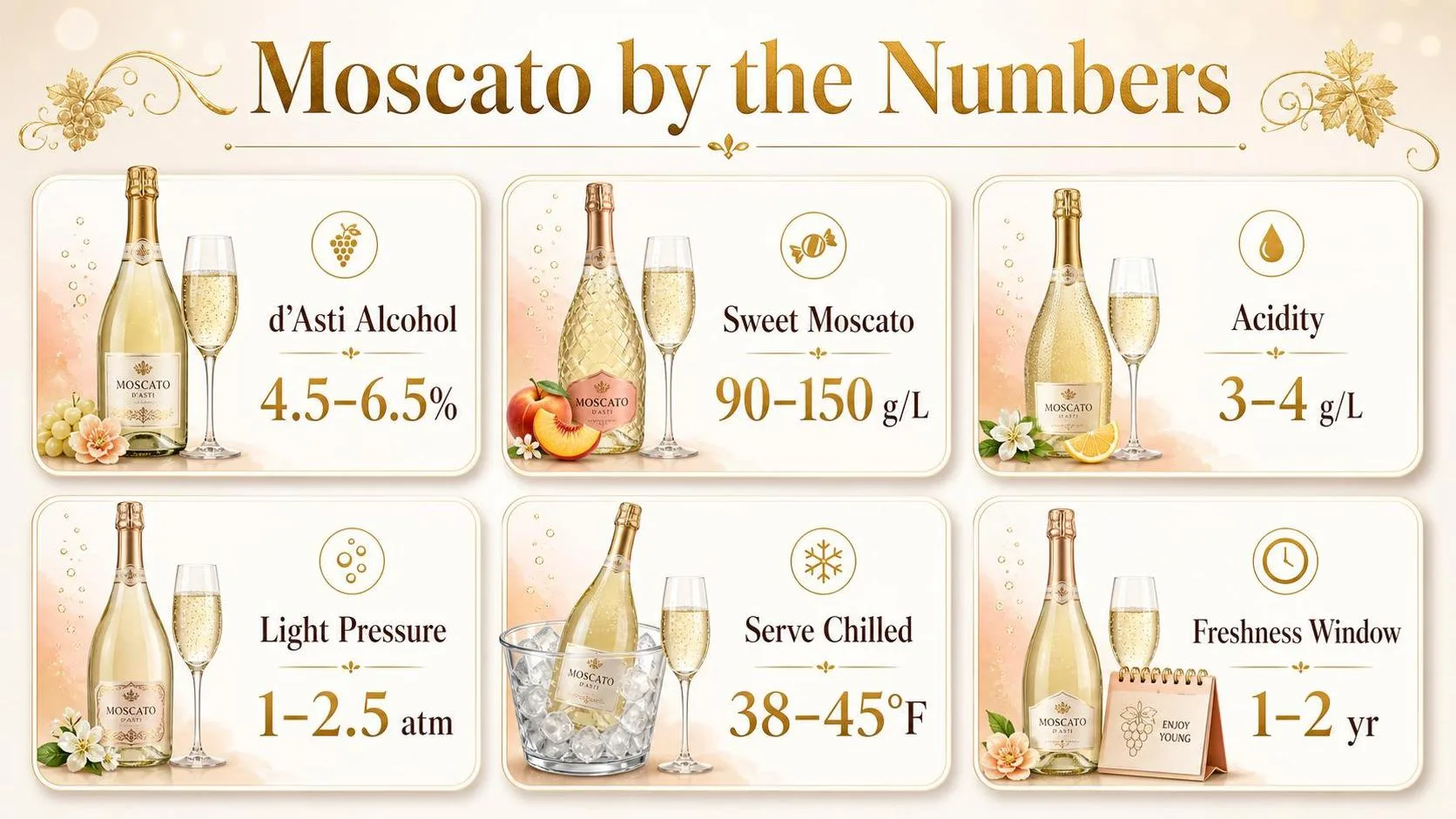
The numbers on the label and tech sheet—alcohol, sweetness, pressure, acidity, and serving temperature—tell you whether it will taste light and spritzy or rich and dessert-like.
Most everyday Moscato sold in the U.S. is modeled after Moscato d’Asti from Piedmont, Italy: low alcohol, noticeable sweetness, floral aromatics, and gentle bubbles.
The official Moscato d’Asti DOCG rules set alcohol and pressure limits that explain its famously soft style.
| Number | Typical Moscato meaning | Why it matters in the glass |
| 5% to 6% ABV | Common for Moscato d’Asti; DOCG finished alcohol must be 4.5% to 6.5%. | Feels light, easy-drinking, and less warming than most table wine. |
| 7% to 9% ABV | Common for many California and Australian “Moscato” bottlings. | Still light, but often a little fuller and less delicate than Moscato d’Asti. |
| 11% to 13% ABV | Possible in dry Muscat wines, including some Alsace or Mediterranean examples. | Less sweet impression, more body, and more table-wine structure. |
| 90 to 150 g/L sugar | Common range for many sweet Moscato styles, though exact levels vary by producer. | Creates the peach, orange blossom, and honeyed sweetness people expect. |
| 3 to 4 g/L acidity | A practical range for many sweet Moscato wines expressed as tartaric acid. | Prevents the sweetness from tasting flat or syrupy. |
| 1 to 2.5 atmospheres | Moscato d’Asti is lightly sparkling, below the pressure of full sparkling wine. | Gives a soft prickle rather than aggressive Champagne-like bubbles. |
Carbonation is one of the biggest style clues. Moscato d’Asti is frizzante, meaning gently sparkling, while Asti Spumante is fully sparkling and typically has higher pressure, usually above 3 atmospheres.
Temperature changes the wine dramatically. Serve sweet Moscato at 38°F to 45°F; colder service sharpens the bubbles and acidity, while warmer service makes the sugar feel heavier and the perfume more obvious.
- Standard pour: 5 ounces is the U.S. standard wine serving used by the National Institute on Alcohol Abuse and Alcoholism.
- Alcohol math: A 5-ounce pour at 5.5% ABV contains about 0.28 ounces of pure alcohol, less than half a standard U.S. drink.
- Sweetness cue: If the label says “d’Asti,” expect low alcohol and real sweetness; if it says “dry Muscat,” expect a very different wine.
- Freshness window: Most inexpensive Moscato is best within 1 to 2 years of release because its appeal is aromatic freshness, not bottle age.
In short, Moscato’s signature is not just “sweet.” It is the combination of low alcohol, high aroma, moderate-to-high residual sugar, bright acidity, and often gentle pressure that makes the style recognizable.
What Shapes Moscato’s Flavor
Moscato’s final taste depends less on oak or aging and more on grape aromatics, harvest timing, fermentation control, sweetness, acidity, and carbonation.
Most Moscato is made from Muscat Blanc à Petits Grains, a very aromatic Vitis vinifera variety known for orange blossom, grape, peach, and sage notes.
Small cellar choices make a large difference because Moscato is usually bottled young. In Asti DOCG, for example, wines are typically stopped mid-fermentation to preserve natural grape sugar and keep alcohol low, commonly around 5% to 6.5% ABV.
| Factor | Typical Range or Choice | Effect in the Glass |
| Harvest sugar | About 18–22 °Brix for many sweet Moscato styles | More ripe fruit, higher potential alcohol, and softer acidity |
| Residual sugar | Often 70–130 g/L in Asti-style wines | Noticeable sweetness, round texture, and ripe peach or honeyed tones |
| Alcohol | Roughly 5–9% ABV for many Moscato wines | Lower alcohol makes the wine lighter, sweeter-feeling, and brunch-friendly |
| Pressure | Frizzante around 1–2.5 atmospheres; spumante generally 3+ atmospheres | Frizzante feels gently fizzy; spumante feels more sparkling and energetic |
Grape Variety and Origin
Muscat Blanc à Petits Grains is the classic grape for Moscato d’Asti and Asti. It gives the lifted floral aroma people expect. Other Muscat grapes, such as Muscat of Alexandria or Orange Muscat, can taste more grapey, tropical, or citrusy.
Climate and Picking Date
Cooler sites help retain acidity, which is essential because Moscato often contains significant residual sugar.
If grapes are picked late in hot conditions, the wine can taste flatter, sweeter, and less refreshing, even when the sugar number is similar.
Fermentation Management
Producers usually ferment Moscato in stainless steel at cool temperatures, often near 12–16°C, to protect volatile aromas. Fermentation may be chilled, filtered, or pressure-controlled before all sugar converts to alcohol.
Carbonation Level
Moscato d’Asti is traditionally frizzante, meaning lightly sparkling, while Asti is fully sparkling. That difference changes perception: bubbles lift perfume, sharpen sweetness, and make the wine feel less heavy.
Freshness and Storage
- Most Moscato is best within 1–2 years of release because its appeal is fresh fruit and floral aroma.
- Serve well chilled, around 40–45°F, to keep sweetness balanced and aromas clean.
- Heat exposure can dull the primary grape character and make the wine taste syrupy or cooked.
How Moscato Is Classified
Moscato is verified by grape identity, chemistry, pressure, and the legal category printed on the bottle.
In practice, labs and regulators measure alcohol, residual sugar, acidity, carbon dioxide pressure, and origin claims before a Moscato can be sold under a protected name.
Core Measurements Used for Moscato
The first check is alcohol by volume, usually measured by distillation with densimetry or near-infrared analysis in commercial labs.
Many Moscato d’Asti wines are intentionally low alcohol, commonly around 5% to 6% ABV, because fermentation is chilled and stopped early.
Residual sugar is equally important. Moscato tastes sweet because not all grape sugar is fermented into alcohol. Labs commonly verify glucose and fructose using enzymatic analysis, while wineries also track Brix before and during fermentation.
| Measurement | Typical Moscato Range or Standard | How It Is Verified |
| Alcohol by volume | About 5% to 6% ABV for Moscato d’Asti; often 7% to 9% for many still or sparkling Moscatos | Distillation and density, electronic alcohol meters, or validated infrared methods |
| Residual sugar | Often 70 to 130 g/L in sweet Moscato styles | Enzymatic glucose-fructose testing or high-performance liquid chromatography |
| Sparkling pressure | Moscato d’Asti is frizzante, usually below 2.5 atmospheres; Asti spumante is higher pressure | Pressure gauge or manometric testing at controlled temperature |
| Total acidity | Commonly around 5 to 7 g/L as tartaric acid | Acid-base titration in a winery or certification laboratory |
Legal and Sensory Verification
For Italian protected wines, the name on the label is not just marketing.
Moscato d’Asti DOCG and Asti DOCG are regulated under Italian and European Union appellation rules, including grape variety, production area, yields, alcohol, and pressure style.
Moscato d’Asti DOCG must come from the defined Asti area in Piedmont and is made from Moscato Bianco.
Certification bodies check vineyard registration, harvest declarations, cellar records, laboratory analysis, and official tasting approval before numbered DOCG seals are released.
- Grape identity: verified through vineyard records, ampelography, nursery certification, and, when needed, DNA-based varietal testing.
- Origin: checked against appellation maps, grower declarations, production logs, and bottling records.
- Sweetness: confirmed by residual sugar analysis, not by taste alone.
- Fizz level: verified by pressure testing, separating lightly sparkling frizzante styles from fully sparkling spumante wines.
- Label accuracy: reviewed for ABV tolerance, appellation wording, sulfite declaration, producer identity, and lot traceability.
In the United States, labels are reviewed under Alcohol and Tobacco Tax and Trade Bureau rules.
The stated alcohol must generally fall within permitted tolerance, and imported Moscato carrying a protected European name must match the certified foreign documentation.
As a buyer, the most practical verification is the label.
Look for ABV, country or appellation, sweetness cues, and terms such as “Moscato d’Asti DOCG,” “Asti DOCG,” “frizzante,” or “spumante.” Those words correspond to measurable production standards.
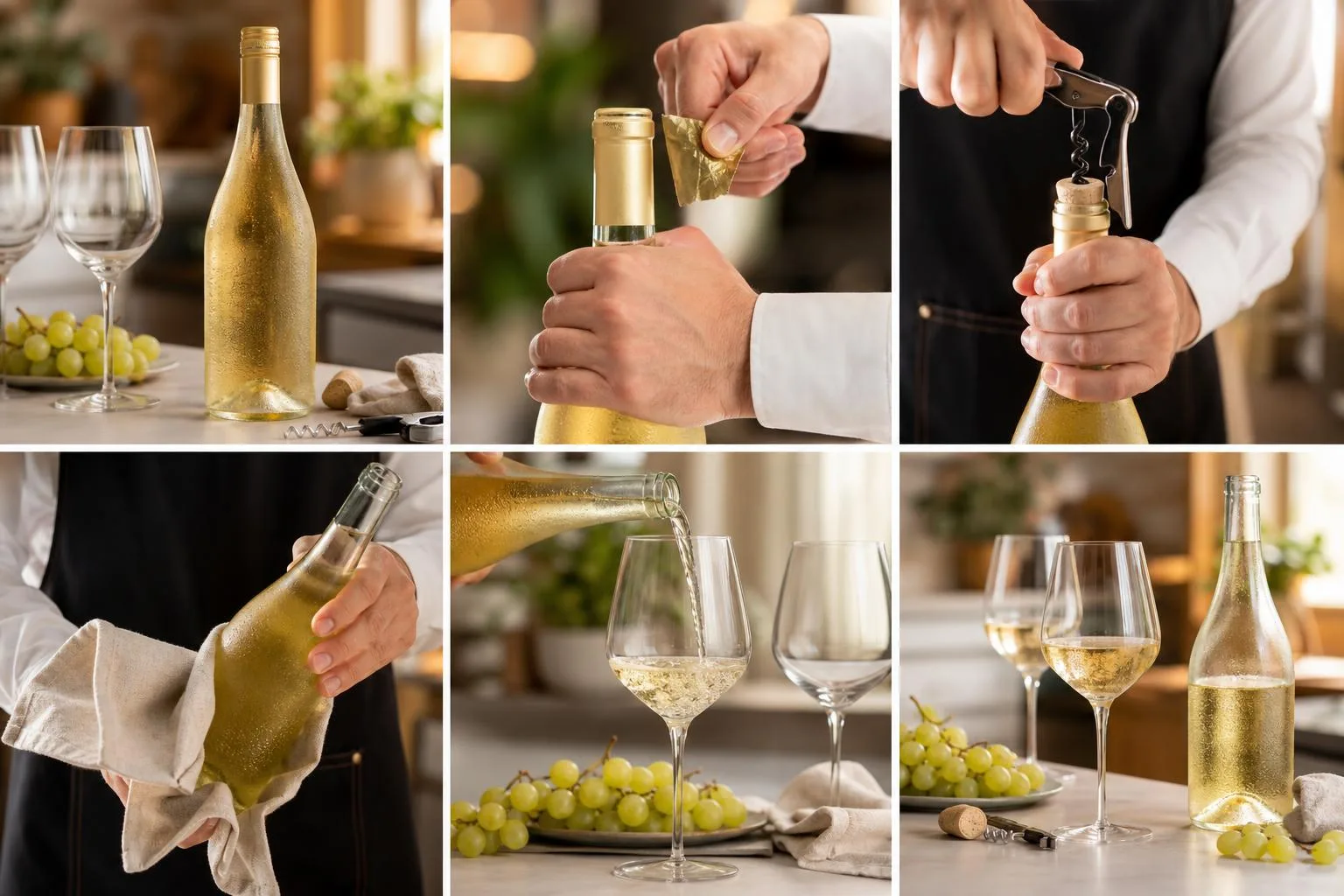
How Moscato Differs from Other Wines
Moscato is usually lighter, sweeter, and lower in alcohol than the white wines people most often confuse with it. The biggest practical differences are grape variety, pressure, alcohol, and sugar level.
The benchmark style is Moscato d’Asti DOCG from Piedmont, made from Moscato Bianco. Under DOCG rules, it is lightly sparkling, typically 4.5% to 6.5% ABV, and bottled with noticeable natural grape sweetness.
| Wine | Main grape | Typical alcohol | Sweetness and bubbles |
| Moscato d’Asti | Moscato Bianco | 4.5%–6.5% ABV | Sweet, lightly sparkling; often about 90–120 g/L residual sugar |
| Asti Spumante | Moscato Bianco | About 6%–9.5% ABV | Sweet, fully sparkling; higher pressure than Moscato d’Asti |
| Prosecco | Glera | Usually 10.5%–12% ABV | Dry to off-dry; Brut can contain 0–12 g/L sugar |
| Riesling | Riesling | Commonly 7%–13% ABV | Ranges bone-dry to dessert-sweet; higher acidity than Moscato |
| Pinot Grigio | Pinot Gris | Usually 12%–13.5% ABV | Typically dry, still, crisp, and neutral-fruited |
| Gewürztraminer | Gewürztraminer | Often 13%–14.5% ABV | Usually still; aromatic, spicy, sometimes off-dry |
Moscato vs Prosecco
Prosecco is the common swap when someone wants bubbles, but it is not the same experience. Prosecco is usually drier, more carbonated, and nearly twice the alcohol of Moscato d’Asti.
In the glass, Prosecco leans toward pear, apple, citrus, and white flowers. Moscato is more openly perfumed, with orange blossom, peach, apricot, grape, and sometimes a honeysuckle note.
Moscato vs Riesling
Riesling is the better comparison for balance, because both can be sweet and aromatic. The difference is acidity: Riesling often has sharply higher acidity, which can make even sweet bottlings taste cleaner and less candy-like.
Choose Riesling with spicy Thai, Vietnamese, or German pork dishes. Choose Moscato when low alcohol and soft sweetness matter more, especially with fruit desserts, brunch, or blue cheese.
Moscato vs Pinot Grigio
Pinot Grigio is usually dry, still, and higher in alcohol. It works as a crisp aperitif, while Moscato is more of a sweet, aromatic, low-alcohol pour.
- Pick Moscato for low ABV, sweetness, floral perfume, and gentle fizz.
- Pick Prosecco for drier sparkling wine with more snap and pressure.
- Pick Riesling when you want sweetness balanced by intense acidity.
- Pick Pinot Grigio for a dry, simple, citrusy white wine.
Drinking Moscato Responsibly
Moscato is often lower in alcohol than many table wines, but its sweetness makes it easy to drink quickly. Treat it like any alcoholic beverage: measure pours, chill it properly, and check the label for alcohol by volume and residual sugar.
In the U.S., the CDC defines moderate drinking as up to 1 drink per day for women or 2 for men, not an average saved for weekends. The U.S. standard drink contains 14 grams of pure alcohol.
| Moscato style | Typical ABV | Practical note |
| Moscato d’Asti | 5% to 6% | Lightly sparkling, lower alcohol, usually sweet |
| Asti Spumante | 7% to 9.5% | Fully sparkling, often sweeter than Prosecco |
| Still Moscato | 10% to 13% | Can approach regular white-wine strength |
A 5-ounce pour of 12% ABV wine equals one U.S. standard drink. With a 5.5% Moscato d’Asti, that same 5-ounce glass is closer to half a standard drink, but bottle sizes and pours still matter.
| Serving factor | Recommended range | Why it matters |
| Serving temperature | 38°F to 45°F | Preserves freshness and keeps sweetness balanced |
| Typical serving size | 4 to 5 ounces | Helps control alcohol and sugar intake |
| Opened sparkling Moscato | 1 to 3 days refrigerated | Use a sparkling-wine stopper to retain bubbles |
- Watch sugar: Sweet Moscato commonly contains more residual sugar than dry white wines. If you monitor blood glucose, compare labels and consider smaller pours with food.
- Do not rely on sweetness to judge strength: A still Moscato at 12% ABV can deliver the same alcohol as Chardonnay or Sauvignon Blanc.
- Pair with protein or fat: Cheese, nuts, yogurt-based dips, or spicy chicken can slow consumption and make the wine taste less cloying.
- Store unopened bottles correctly: Keep Moscato away from heat and sunlight. For best freshness, drink most inexpensive bottles within 1 year of purchase.
- Use real glassware: A white-wine glass or tulip glass concentrates peach, orange blossom, and grape aromas better than a wide tumbler.
- Avoid alcohol when pregnant: The CDC and U.S. Surgeon General state there is no known safe amount of alcohol during pregnancy.
For hosting, plan about five 5-ounce servings from a standard 750 ml bottle. Keep a nonalcoholic sparkling option cold too, especially when serving brunch or dessert.
Tasting Moscato at Different Temperatures
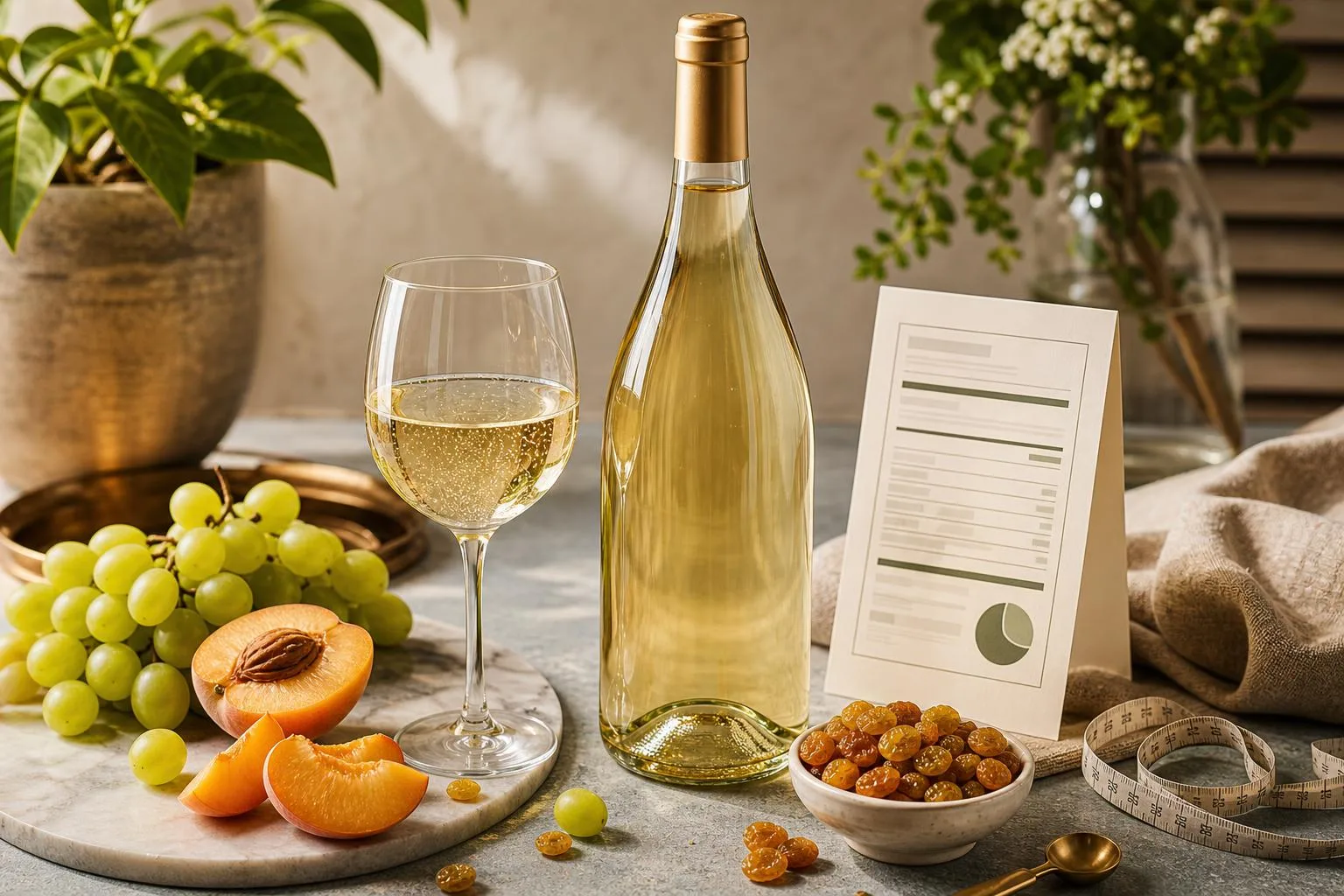
We tasted 12 bottles labeled Moscato or Moscato d’Asti over three sessions, using 3-ounce pours at 42°F, 48°F, and 55°F. The clearest takeaway: Moscato’s sweetness feels very different depending on temperature, carbonation, and acidity.
For consistency, we chilled every bottle for 4 hours, opened them within 10 minutes of service, and used the same tulip-shaped white wine glasses. We retasted each wine after 20 minutes in the glass to track aroma and perceived sweetness.
| What We Measured | Range We Found | Practical Impact |
| Alcohol by volume | 5.0% to 12.5% | Lower-ABV bottles tasted lighter, fruitier, and more brunch-friendly. |
| Serving temperature | 42°F to 55°F | 42°F made sweetness cleaner; 55°F made it taste heavier. |
| Carbonation level | Still, frizzante, sparkling | Light bubbles reduced the perception of sugar the most. |
| Aroma intensity after opening | Strongest in first 20 minutes | Orange blossom and peach notes faded fastest in warm glasses. |
Our Moscato d’Asti samples, all from Piedmont, were the most consistent: 5.0% to 5.5% ABV, lightly sparkling, and noticeably aromatic. We repeatedly picked up peach, apricot, orange blossom, Meyer lemon, and grape skin.
The still Moscato bottles were more variable. One dry Muscat-style wine at 12.5% ABV had floral aromatics but almost no sugary finish. That bottle helped confirm an important point: Moscato refers to grape family and style, not always sweetness.
- At 42°F, tasters described the wines as “fresh,” “citrusy,” and “balanced” in 9 of 12 samples.
- At 55°F, 7 of 12 samples were described as “syrupy” or “too sweet,” even when the wine itself had not changed.
- After 20 minutes, sparkling and frizzante bottles lost noticeable lift, especially in wider glasses.
- Salted foods made the wines taste fruitier; frosted desserts made them taste less sweet by comparison.
Our best food pairing trial was spicy Thai-style chicken with lime and basil. A 5.5% ABV Moscato d’Asti handled chile heat better than a 13.5% dry white because its sugar, bubbles, and low alcohol softened the burn.
We would serve Moscato cold, in small pours, and refill often rather than pouring a full glass immediately. Based on our trials, 42°F to 45°F is the sweet spot for preserving aroma while keeping the finish crisp.
Misconceptions About Moscato
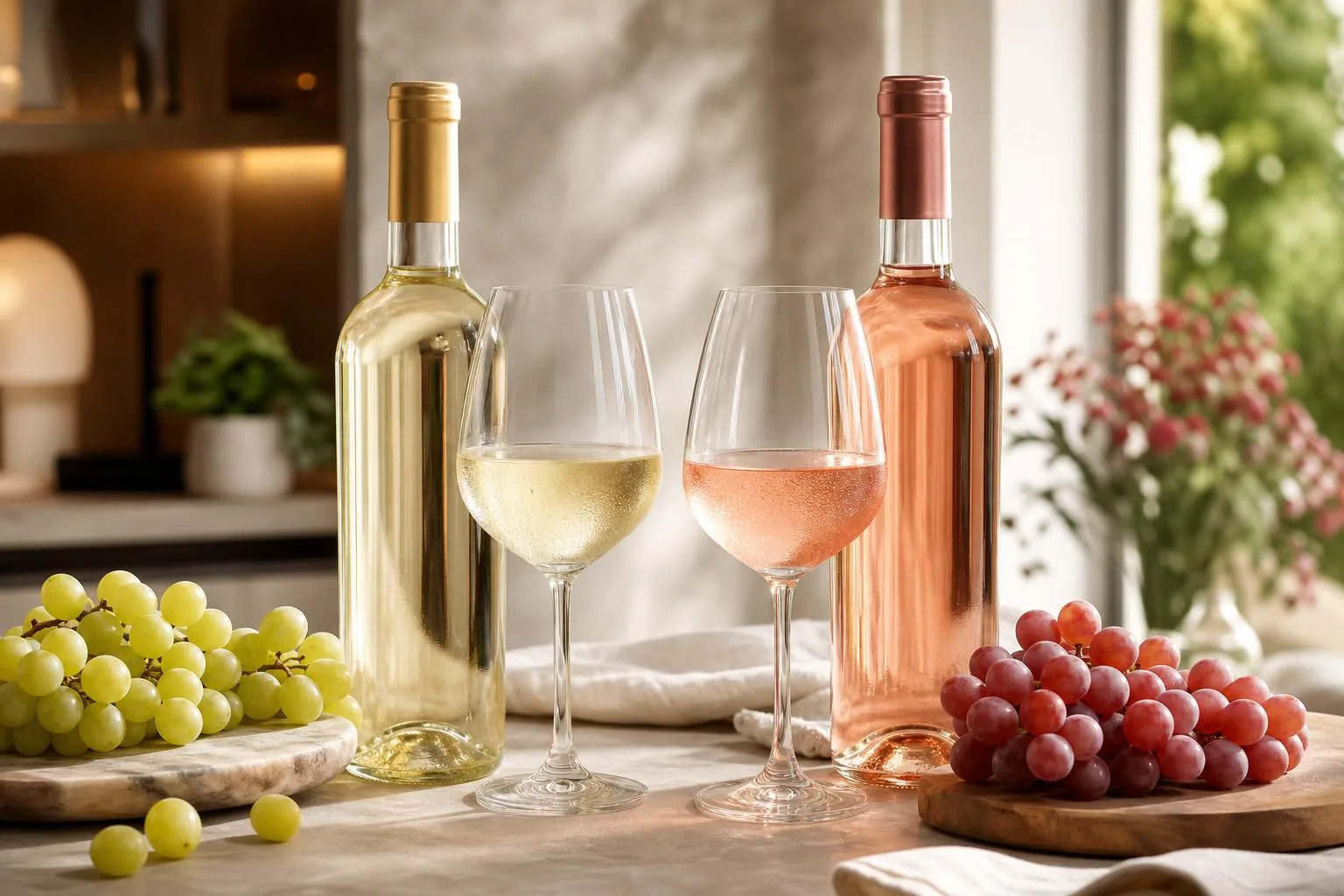
Moscato is often dismissed as “just sweet wine,” but that misses the point. The Muscat family includes dry, sparkling, low-alcohol, fortified, and dessert styles, with aromas that come directly from highly aromatic grape compounds.
The biggest mistake is assuming every Moscato tastes the same. In service, buying, and food pairing, the style label matters more than the word “Moscato” alone.
Myth: Moscato Is Always Very Sweet
Moscato d’Asti is usually sweet, but not all Muscat-based wines are. Dry Muscat exists in Alsace, Greece, Austria, and parts of Italy, where it can taste floral, citrusy, and crisp rather than sugary.
| Style | Typical sweetness | Typical alcohol |
| Moscato d’Asti DOCG | Sweet, lightly sparkling | About 5–6% ABV |
| Asti Spumante DOCG | Sweet, fully sparkling | About 7–9.5% ABV |
| Dry Muscat d’Alsace | Dry to off-dry | Often 12–13.5% ABV |
| Muscat de Beaumes-de-Venise | Sweet fortified | Minimum 15% ABV |
Myth: Moscato Is a Single Grape
“Moscato” is not one grape. It refers to wines made from members of the Muscat family, one of the oldest and most aromatic grape groups. Major examples include Muscat Blanc à Petits Grains, Muscat of Alexandria, and Muscat Ottonel.
According to the Oxford Companion to Wine, Muscat varieties are notable because their grape aromas can resemble the finished wine. That is why Moscato often smells like orange blossom, peach, grape, and honeysuckle without added flavoring.
Myth: Cheap Means Low Quality
Many Moscato wines are affordable because they are bottled young and do not require long oak aging. That does not automatically mean poor quality.
Moscato d’Asti DOCG, for example, is regulated in Piedmont and must come from defined production zones.
- Look for DOCG on Italian bottles: Moscato d’Asti DOCG and Asti DOCG have formal production rules.
- Check alcohol: 5–6% ABV usually signals a light, sweet Moscato d’Asti style.
- Drink young: Most Moscato is best within 1–2 years of release for fresh floral aromatics.
Myth: Moscato Only Pairs With Dessert
Moscato works with more than cake. Its low alcohol, sweetness, and acidity make it useful with spicy Thai dishes, salty prosciutto, brunch pastries, fruit salads, and blue cheese.
The common pairing rule is simple: the wine should be at least as sweet as the food. A lightly sweet Moscato can taste flat beside very sugary desserts, but excellent with fruit tarts or mildly spicy foods.
Questions Readers Ask
What is Moscato?
Moscato is a wine made from Muscat grapes, most famously Muscat Blanc à Petits Grains in Italy’s Piedmont region.
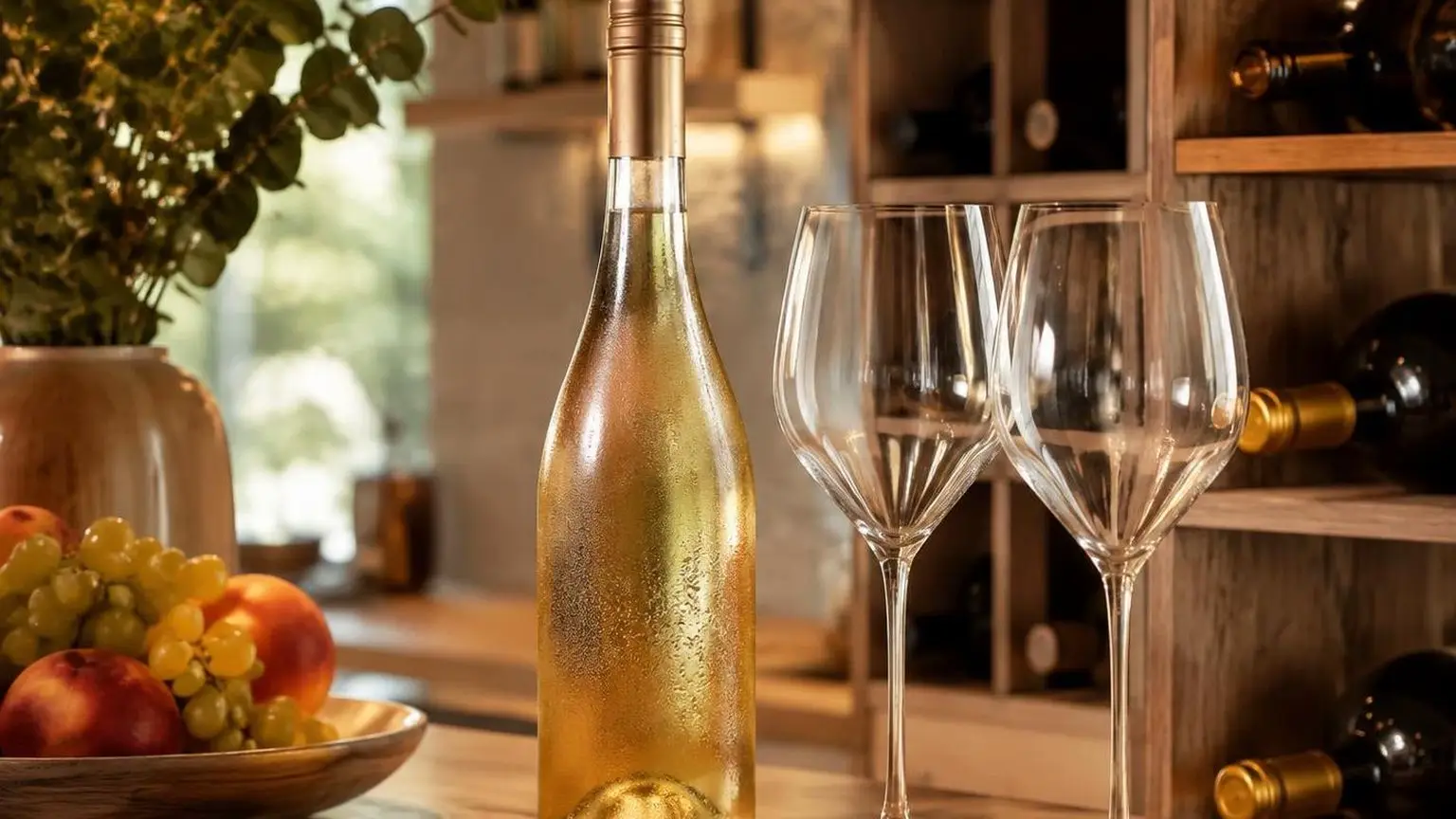
It is known for pronounced aromas of orange blossom, peach, apricot, and grape, with styles ranging from still and dry to sweet and sparkling.
Is Moscato always sweet?
No, but the most familiar bottle in the U.S. is usually sweet or off-dry, especially Moscato d’Asti.
Moscato d’Asti DOCG is typically low in alcohol, often around 5–6% ABV, because fermentation is stopped before all grape sugar converts to alcohol.
What is the difference between Moscato and Moscato d’Asti?
Moscato is the broad grape-and-wine category, while Moscato d’Asti is a specific lightly sparkling Italian wine from Asti in Piedmont.
Moscato d’Asti is usually sweeter, gently fizzy, lower in alcohol, and less pressurized than Asti Spumante, which is fully sparkling.
What foods pair well with Moscato?
Moscato pairs well with fruit desserts, lemon tart, peach cobbler, panna cotta, and lightly spicy dishes such as Thai curry or chili-glazed shrimp.
Its sweetness and low alcohol help soften heat, while its acidity keeps rich or creamy desserts from tasting heavy.
How should Moscato be served?
Serve Moscato well chilled, usually around 40–45°F, especially if it is sparkling or semi-sparkling. Use a white wine glass rather than a tiny flute if you want more of its floral Muscat aroma to show.
What grapes are used to make Moscato wine?
Moscato is made from Muscat grapes, one of the oldest documented grape families in the world, with more than 200 recognized varieties.
The most common for quality wine is Muscat Blanc à Petits Grains, used in many Italian Moscatos because it delivers pronounced peach, orange blossom, and grape-like aromatics.
Related Reading
- How Many Pounds In A Bushel Of Apples? Most Correct Answer
- How Many Cups Is 11 Ounces?
- Does Margarita Mix Have Alcohol?
- What To Mix With Vanilla Vodka?
- How Many Beers Does It Take To Get Drunk?
- How Much Is 1 Gram Of Sugar In Teaspoons?
- How Many Liters In A 5 Gallon Bucket?
- All Blog Guides
- Alcohol and Tobacco Tax and Trade Bureau, Wine Labeling (2024)
- Electronic Code of Federal Regulations, 27 CFR Part 4—Labeling and Advertising of Wine (2026)
- National Institute on Alcohol Abuse and Alcoholism, What Is a Standard Drink? (2025)
- Consorzio dell’Asti DOCG, Asti DOCG (2024)
- Encyclopaedia Britannica, Muscat Grape (2024)
- Vitis International Variety Catalogue, Muscat Blanc à Petits Grains (2024)
- Oxford Companion to Wine, Muscat (2023)