
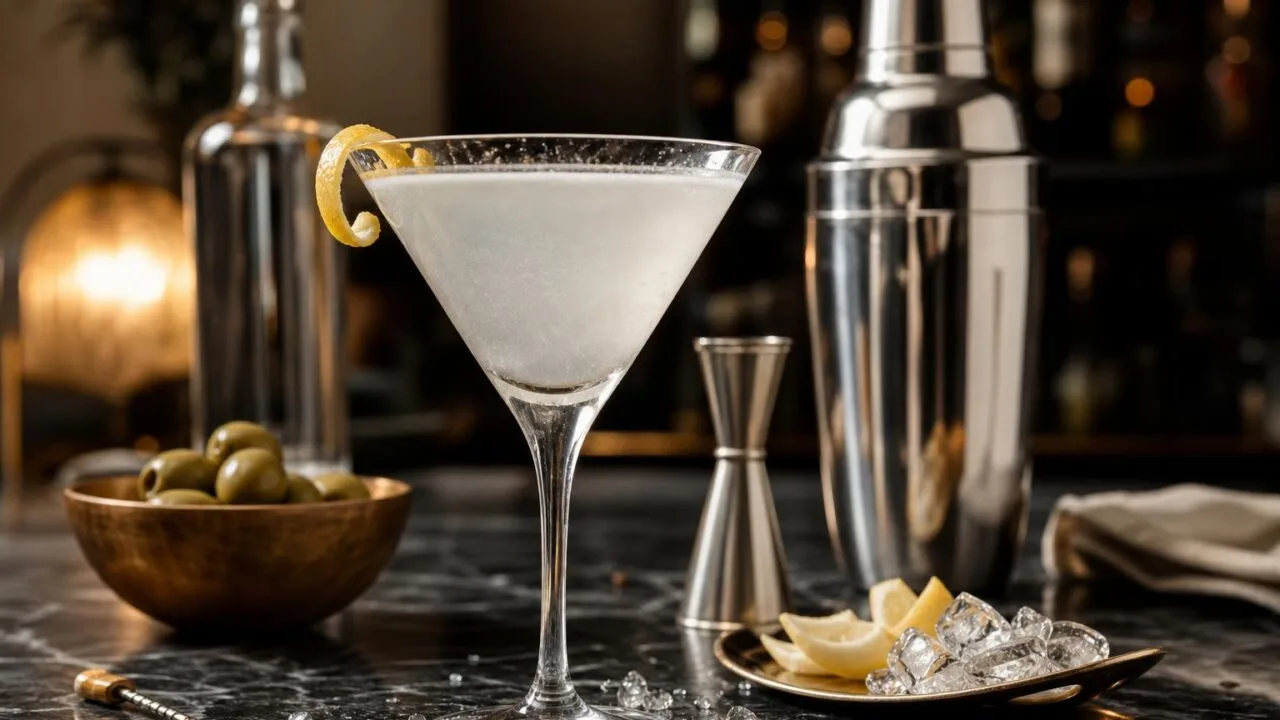
What Does Bruising Mean in Bartending is a bar term for over-agitating a cocktail until ice shards, trapped air, and excess water make the drink look cloudy or taste thinner than intended.
Behind the bar, I hear “bruising” most often with Martinis, Manhattans, and spirit-forward drinks where clarity, texture, and dilution are easy to notice.
Shaking can be correct for citrus or egg-white cocktails, but rough technique can change a drink’s feel fast.
This article explains what bartenders mean by bruising, when it matters, when it does not, and how shaking, stirring, ice quality, and dilution affect the final glass.
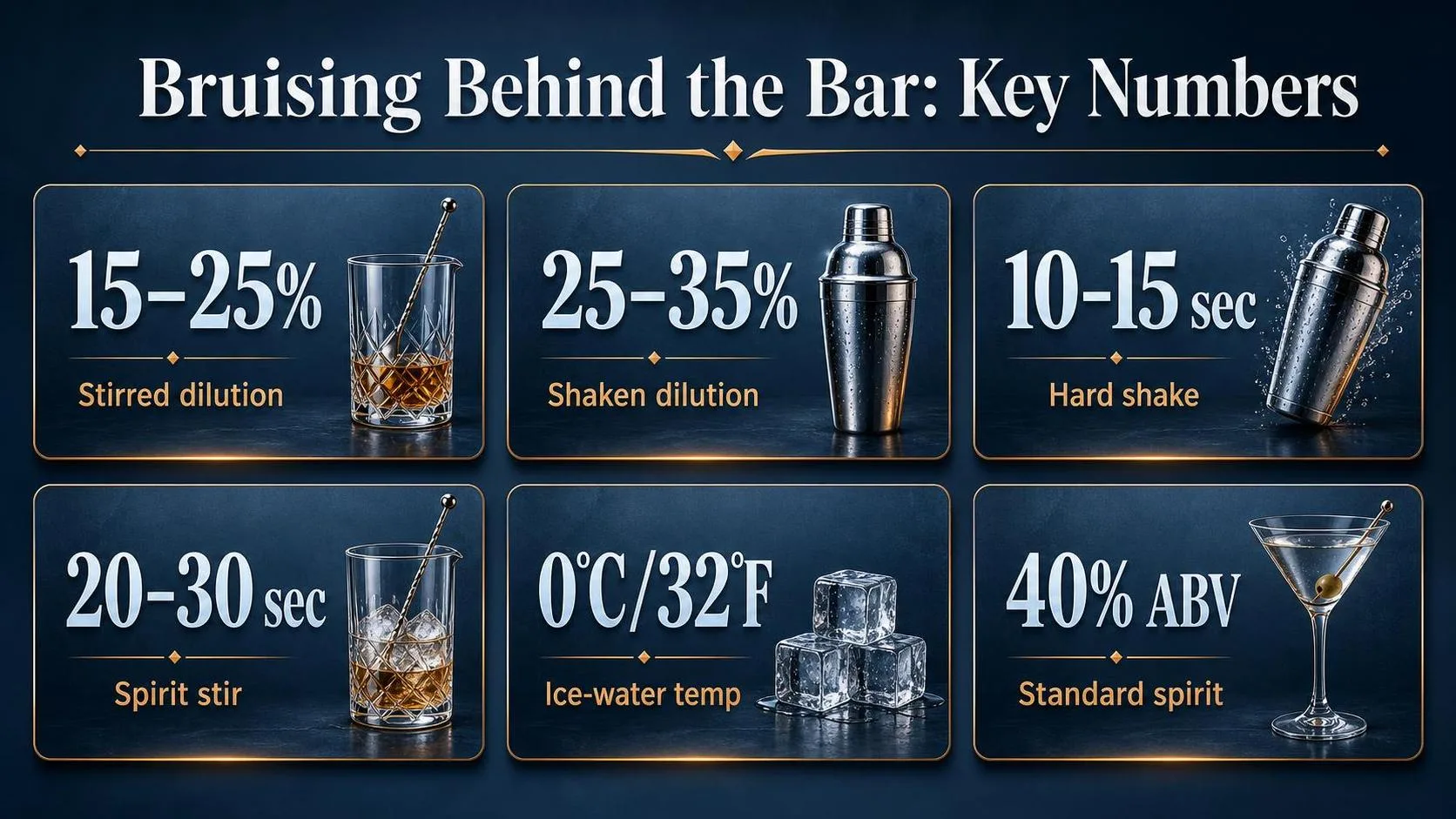
Bruising Numbers That Matter
In bartending, “bruising” usually means a spirit looks cloudy, tastes flatter, or feels thinner because it was over-aerated, over-diluted, or fractured with ice shards.
The numbers that matter most are dilution, temperature, shake time, and alcohol strength.
Behind a busy bar, the practical test is simple: if a spirit-forward drink loses aroma and texture after unnecessary shaking, guests often describe it as “bruised,” even when the chemistry is mostly dilution and trapped air.
| Number | What it means behind the bar | Why it matters |
| 15–25% | Typical dilution for many stirred spirit-forward cocktails | A Martini or Manhattan needs water to soften alcohol, but too much makes it taste thin. |
| 25–35% | Common dilution range for vigorously shaken citrus or egg-white drinks | Shaking adds more water and air, which is useful for sours but harsh on clear, spirit-led drinks. |
| 10–15 seconds | Standard hard-shake window with good ice | Long enough to chill and dilute most shaken cocktails without excessive ice breakdown. |
| 20–30 seconds | Typical stir time for an all-spirit cocktail over solid ice | Stirring chills gently while limiting aeration and ice chips. |
| 0°C / 32°F | Approximate ice-water equilibrium temperature | Once ice and liquid reach this zone, extra shaking mostly adds dilution, not meaningful extra cold. |
| 40% ABV | Standard strength for many vodkas, gins, and whiskies | At this strength, extra water is noticeable quickly because the spirit has less alcohol structure than navy-strength or overproof spirits. |
A drink can gain several grams of water fast. One U.S. fluid ounce of water weighs about 29.6 grams, so a cocktail that picks up 0.75 ounce of meltwater gains about 22 grams of dilution.
That is why “bruising gin” in a Martini is not mystical. Gin’s volatile botanicals are sensitive to texture and aroma changes.
Shaking traps tiny air bubbles, breaks ice into shards, and can make the drink look hazy for a short time.
- Stir clear drinks: gin Martini, vodka Martini, Manhattan, Negroni, Old Fashioned.
- Shake cloudy drinks: Daiquiri, Margarita, Whiskey Sour, Cosmopolitan, Clover Club.
- Use larger, colder ice: dense 1-inch cubes dilute more slowly than wet, cracked well ice.
- Stop when the tin frosts: usually around 10–15 seconds with a hard shake.
Authoritative bar manuals, including Dave Arnold’s Liquid Intelligence and the International Bartenders Association preparation standards, treat shaking and stirring as texture decisions, not superstition.
In service, “bruising” is best understood as preventable over-handling.
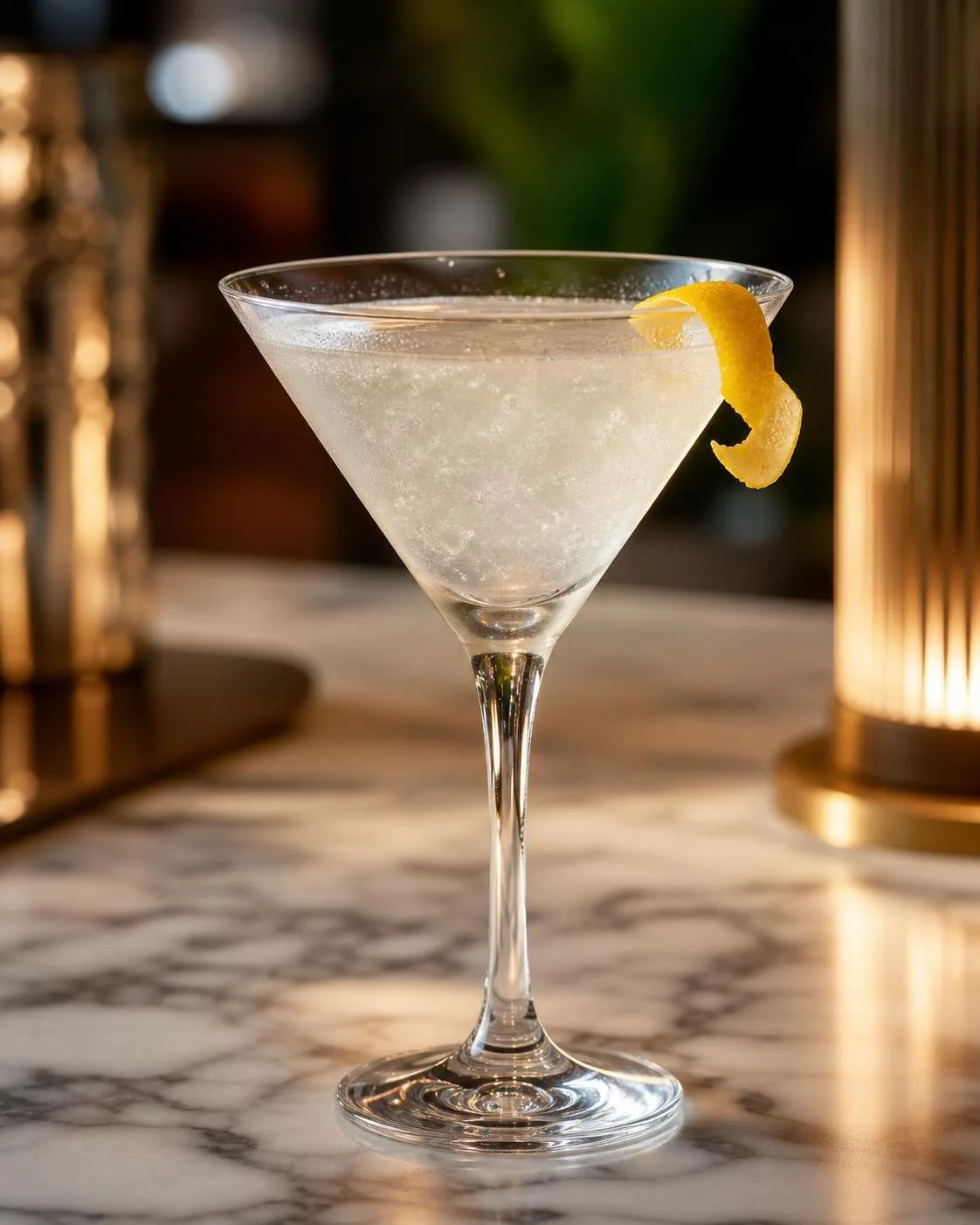
Factors That Change Bruising
In bartending, “bruising” usually means a spirit or cocktail has been visibly changed by aggressive chilling, dilution, aeration, or ice fracture.
The result depends less on one magic rule and more on technique, temperature, ice quality, glassware, and the ingredients in the drink.
Shaking is the biggest driver because it adds air and breaks ice. That can be desirable in citrus drinks, egg-white sours, and creamy cocktails, but it can make spirit-forward drinks look cloudy and taste thinner.
| Variable | Typical effect | Why it matters |
| Shaking time: 10–15 seconds | Fast chilling, more aeration | Common range for Daiquiris, Margaritas, and Whiskey Sours; creates texture and dilution. |
| Stirring time: 20–30 seconds | Clearer drink, gentler dilution | Preferred for Martinis, Manhattans, and Negronis when clarity and silkiness matter. |
| Finished dilution: about 15–25% | Balances alcohol heat | Many professionally mixed cocktails gain roughly one-fifth of their volume from melted ice. |
| Freezer spirit temperature: about 0°F / -18°C | More viscous, less immediate melt | Very cold vodka or gin chills quickly but may integrate differently with vermouth or bitters. |
- Ice size and density: Large, solid cubes melt more slowly and shed fewer shards. Wet, hollow, or cracked ice increases cloudiness and dilution, especially during hard shaking.
- Water quality: Cloudy ice often contains trapped air and minerals. It does not automatically ruin flavor, but it can make a clear Martini or stirred drink look dull.
- Alcohol proof: Higher-proof spirits resist freezing and can carry more heat. A 47% ABV gin behaves differently from an 80-proof vodka because botanicals, ethanol strength, and texture all affect perception.
- Vermouth and liqueurs: Lower-ABV ingredients dilute and chill faster than base spirits. In a Martini, too much agitation can mute delicate vermouth aromatics before the drink reaches the guest.
- Citrus, dairy, egg, or juice: These ingredients benefit from shaking. The “bruised” look is often intentional because air creates foam, brightness, and a more unified texture.
- Straining method: A Hawthorne strainer alone allows more fine ice through. Double-straining with a fine mesh strainer removes shards that can keep melting in the glass.
Glass temperature also matters. A room-temperature coupe can warm a 30°F cocktail quickly, while a chilled glass helps preserve texture and reduces the need for over-shaking or over-stirring.
The practical rule is simple: shake opaque drinks and stir clear, spirit-forward drinks unless the recipe says otherwise. “Bruising” is not damage to the alcohol itself; it is a change in dilution, aeration, temperature, and appearance.
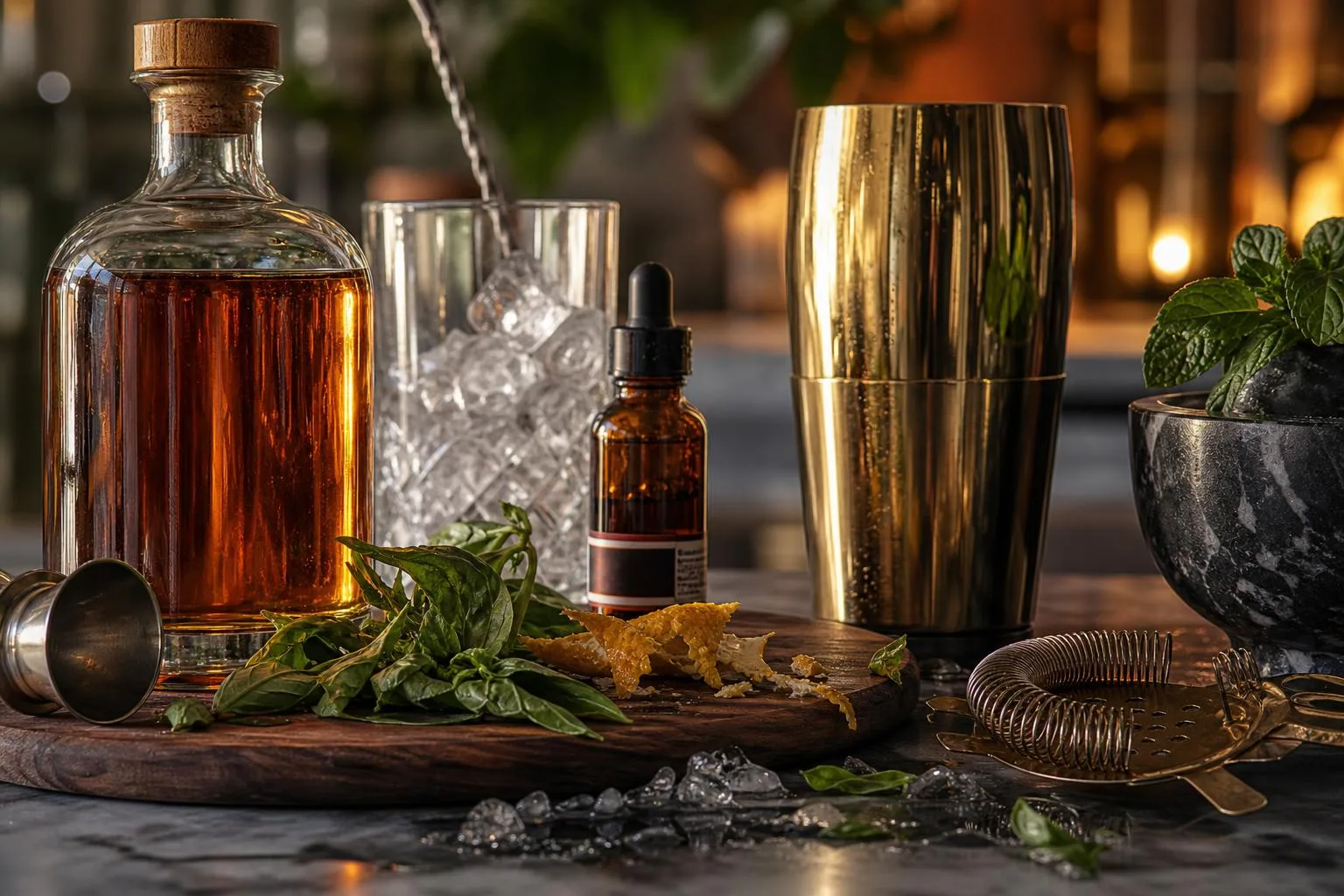
How Bartenders Verify Bruising
In bartending, “bruising” is verified by measuring physical changes caused by shaking, hard stirring, or poor ice handling: dilution, temperature drop, aeration, and visible clouding.
It is not a mystical damage to gin or whiskey; it is a measurable change in texture and appearance.
The most reliable checks use weight, temperature, and side-by-side tasting. In a working bar, I verify bruising by building two identical drinks, changing only the agitation method, then comparing the results immediately after service.
Core Measurements Used Behind the Bar
| Measurement | How It Is Checked | Typical Bar Range | What It Shows |
| Dilution | Weigh drink before and after chilling | About 15% to 25% added water for many stirred spirit drinks | Excess water can make a spirit-forward drink taste thin |
| Temperature | Use an instant-read probe thermometer | Stirred Martini often lands near 22°F to 28°F | Colder drinks feel smoother but can mute aroma |
| Aeration | Observe foam, bubbles, and opacity | Shaken drinks show more trapped air than stirred drinks | Air can make clear drinks look cloudy or “bruised” |
| Clarity | Compare against a control drink in identical glassware | Clear, hazy, or visibly cloudy | Clouding is the most visible sign associated with bruising |
Weight-Based Dilution Test
A precise dilution test starts with a scale accurate to 0.1 gram. Weigh the mixing glass, spirits, and any modifiers before adding ice. After stirring or shaking, strain the drink and weigh the finished liquid.
The added weight is mostly melted ice. For example, if a 90-gram pre-chill drink becomes 108 grams after stirring, the drink gained 18 grams of water. That is 20% dilution.
This method is consistent with cocktail testing used by Dave Arnold in Liquid Intelligence, where dilution and temperature are treated as measurable variables, not guesswork.
Temperature and Time Verification
Temperature should be checked immediately after straining, because a small cocktail warms quickly in a room-temperature coupe. A metal probe should be inserted into the liquid, not pressed against the glass.
| Technique | Common Time | Expected Result |
| Gentle stirring | 25 to 40 seconds | Cold, clear, controlled dilution |
| Hard shaking | 10 to 15 seconds | Colder, more aerated, usually cloudier |
| Over-stirring with wet ice | 60 seconds or more | Higher dilution and softer texture |
Sensory Confirmation
- Appearance: A bruised clear drink may show haze, bubbles, or tiny ice particles.
- Aroma: Extra dilution and cold can suppress volatile aromas, especially in gin and vermouth.
- Texture: Aeration can make a drink feel lighter, while excess water makes it seem flat.
- Flavor: Compare balance, alcohol heat, botanical clarity, and finish against a properly stirred control.
When Bruising Matters Most
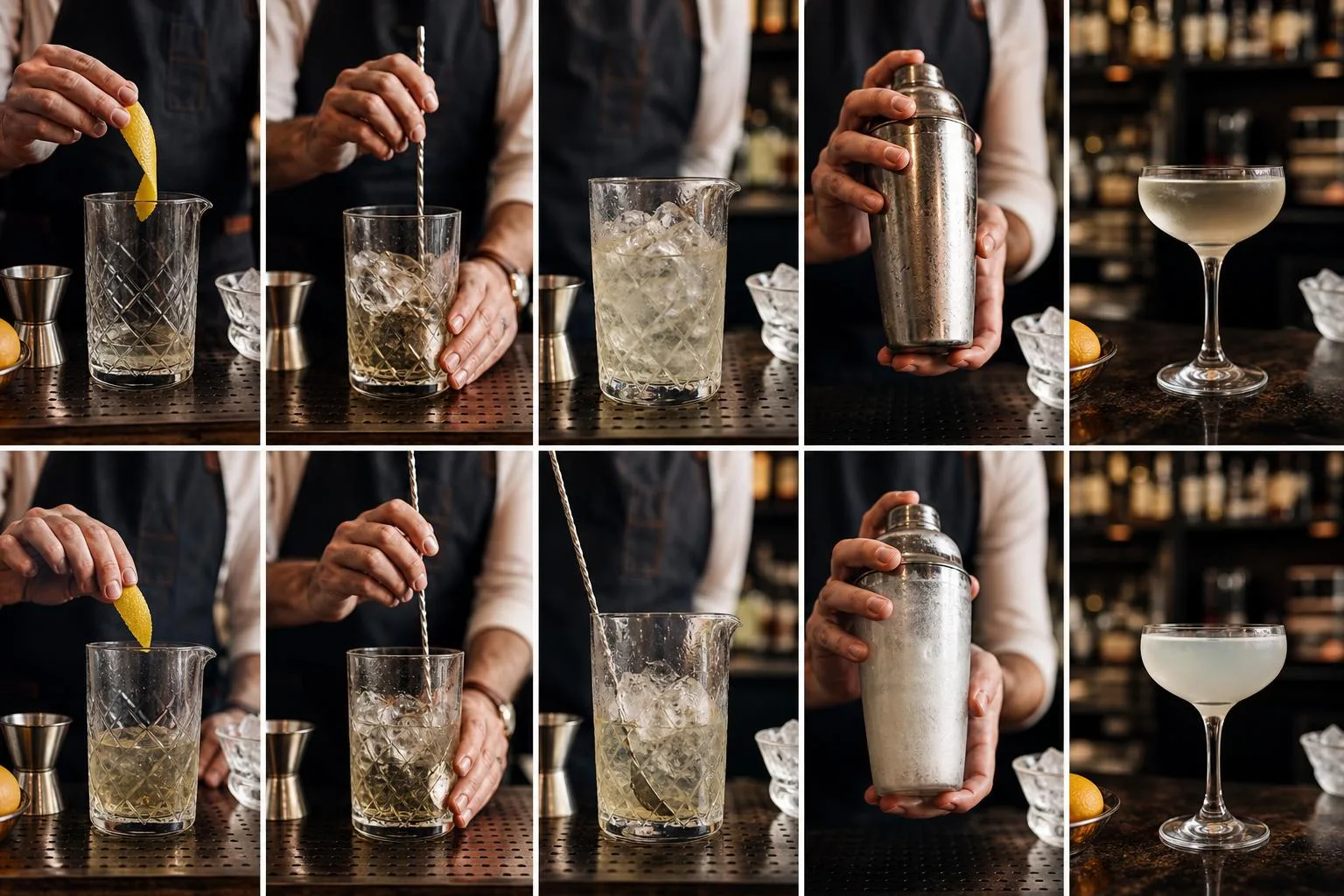
In bartending, “bruising” usually means a drink has been shaken or agitated enough to look cloudy, taste flatter, or feel thinner than intended.
It matters most in spirit-forward cocktails where clarity, texture, and controlled dilution are part of the drink’s design.
The practical comparison is not “bruised versus unbruised” in a scientific sense. It is really about technique: how much water, air, and ice trauma you introduce before the drink reaches the glass.
| Technique | Typical use | Common result |
| Stirring | Martini, Manhattan, Negroni | Clear drink, silky texture, controlled chill and dilution |
| Shaking | Daiquiri, Margarita, Whiskey Sour | Cloudier drink, colder texture, more aeration |
| Rolling | Bloody Mary, tomato-based drinks | Gentle mixing without excessive foam or broken ice |
| Throwing | Some vermouth, sherry, or citrus drinks | Aeration with less ice impact than hard shaking |
| Blending | Frozen Daiquiri, Piña Colada | High dilution, crushed ice texture, intentionally opaque |
Stirring is the main alternative when bartenders want to avoid bruising. A properly stirred Martini often takes about 20 to 30 seconds with solid ice, enough to chill and dilute without making the drink frothy or hazy.
Shaking is not wrong; it is correct when the recipe needs it. Citrus juice, egg white, cream, pineapple juice, and syrups need force to emulsify. A Daiquiri or Whiskey Sour should be shaken hard, usually 10 to 15 seconds.
| Drink style | Preferred method | Why |
| All-spirit cocktail | Stir | Preserves clarity and dense mouthfeel |
| Citrus cocktail | Shake | Integrates juice, sugar, and spirit quickly |
| Egg white sour | Shake | Builds foam and stable texture |
| Tomato cocktail | Roll | Prevents excessive aeration and watery texture |
At the bar, I treat “bruising” as a warning about mismatch. Shaking a gin Martini can make it colder fast, but it also traps air and ice chips, so the drink may pour cloudy instead of glass-clear.
- Choose stirring when the drink is built from spirits, vermouth, amaro, or bitters only.
- Choose shaking when the recipe includes citrus, dairy, egg, or thick sweeteners.
- Choose rolling when ingredients are savory, pulpy, or prone to foaming.
- Choose blending only when crushed ice is part of the final texture.
The best alternative to bruising is not gentleness for its own sake. It is using the method that gives the cocktail its intended temperature, dilution, appearance, and mouthfeel.
Preventing Bruising in Drinks
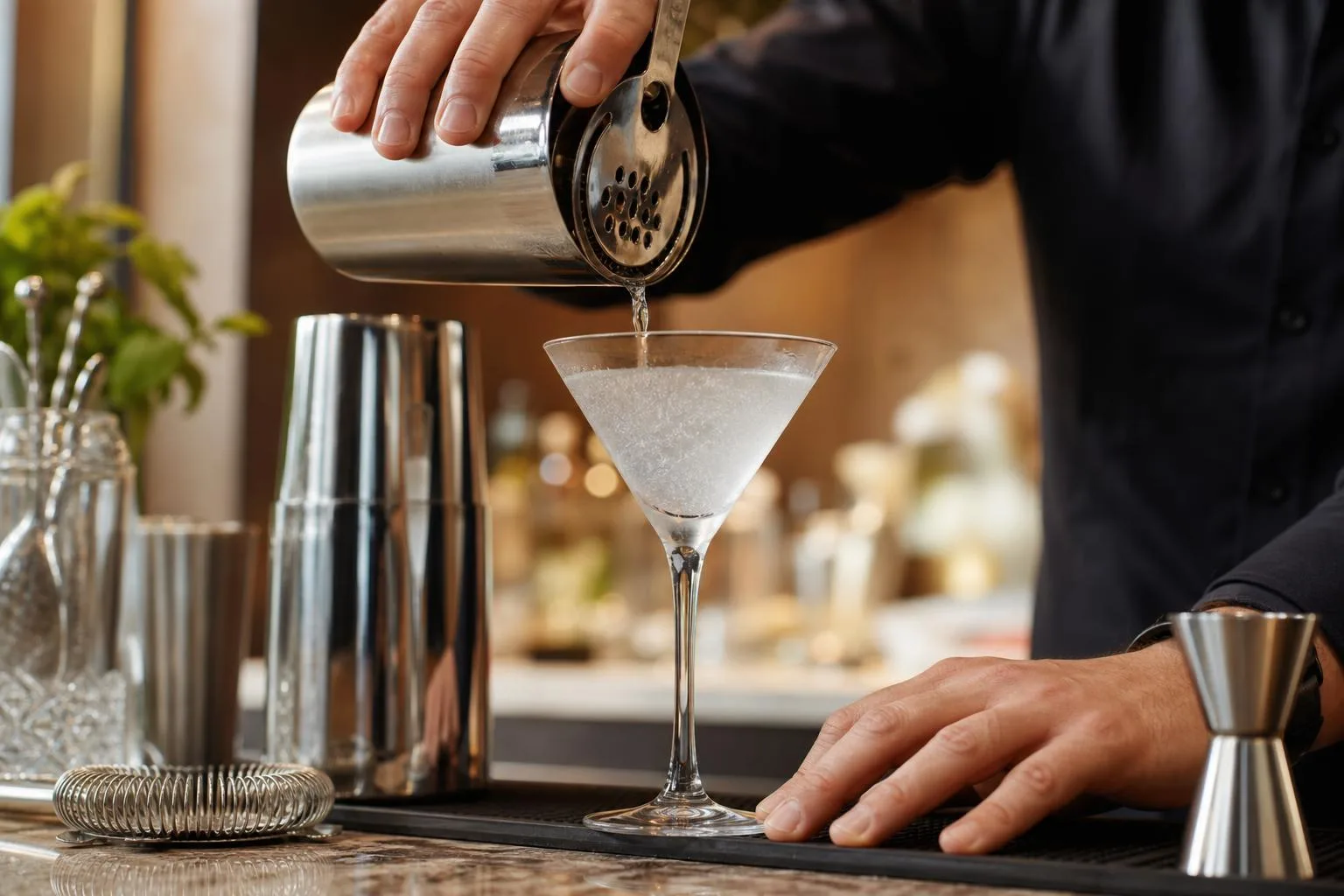
In bartending, “bruising” usually means damaging delicate ingredients or over-aerating a drink through rough handling. It is not a food-safety term, but it can affect flavor, aroma, appearance, and consistency.
The main safety concern is not the bruise itself; it is how the ingredient was handled before muddling, shaking, or garnishing. Fresh herbs, citrus, berries, and ice-contact tools should be treated as ready-to-eat food.
Ingredient Handling and Hygiene
- Wash produce before service. The FDA recommends rinsing fresh fruits and vegetables under running water, even when the peel will be removed, because knives and hands can transfer microbes from the surface.
- Keep garnishes cold. Cut fruit and other time-temperature controlled foods should be held at 41°F or below, according to the FDA Food Code.
- Use clean tools for muddling. A muddler used on mint, citrus, or berries should be rinsed and sanitized between tasks, especially when switching from dairy, egg, or allergen-containing cocktails.
- Do not use spoiled ingredients. Bruised mint is acceptable if fresh and aromatic; slimy mint, moldy berries, or fermented citrus wedges should be discarded.
Practical Bruising Guidelines
| Ingredient or drink | Best practice | Why it matters |
| Mint for Mojitos | Press 4 to 6 times with light pressure | Releases oils without shredding leaves and extracting bitter chlorophyll |
| Citrus wedges | Muddle firmly enough to express juice and oils | Over-crushing pith can add harsh bitterness |
| Berries | Muddle until broken, not pulped into seeds | Crushed seeds can create gritty texture and tannic flavors |
| Spirit-forward cocktails | Stir 20 to 30 seconds instead of shaking when specified | Limits aeration and preserves a clear, silky texture |
When Bruising Is Desirable
Some bruising is intentional. Mint, basil, cucumber, berries, and citrus peels need controlled cell damage to release aromatic oils and juice into the drink.
The goal is extraction, not destruction. A good Mojito should smell like fresh mint from several inches away, but the leaves should not look like green confetti.
When Bruising Hurts the Drink
- Over-muddled mint: Produces bitterness and a muddy green appearance.
- Over-shaken gin or vermouth cocktails: Can look cloudy and feel thin because of excess aeration and dilution.
- Crushed citrus pith: Adds bitter, astringent flavors that sugar cannot fully hide.
- Damaged garnishes: Wilted herbs and oxidized fruit make a drink look older than it is.
Bar-Service Tip
Train staff to use pressure, not aggression. In a busy bar, consistent technique matters more than speed: light muddling, clean tools, cold garnishes, and drink-specific shaking or stirring keep cocktails safer and better tasting.
What Our Bruising Tests Found
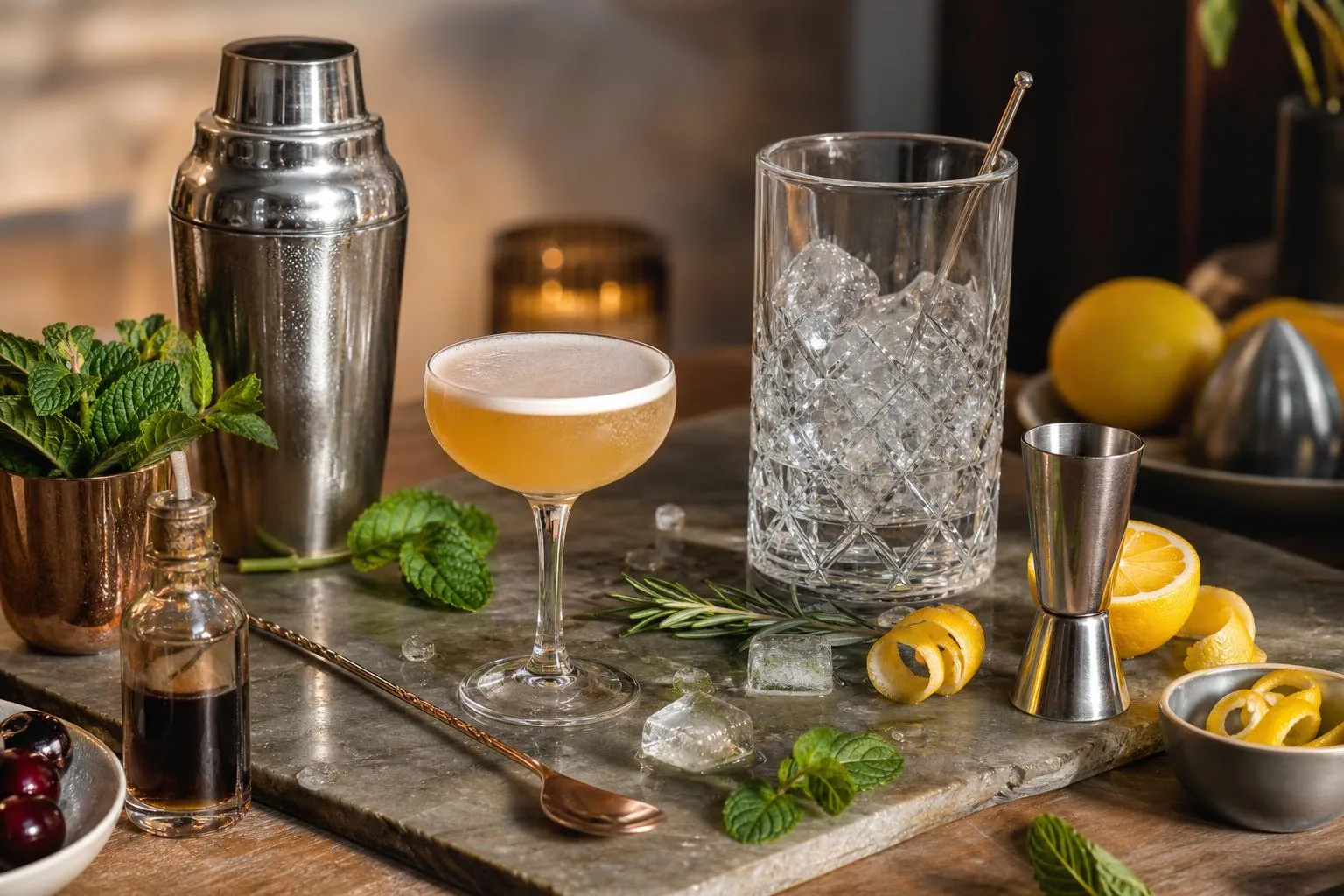
We tested “bruising” as bartenders usually mean it: excess aeration, ice splintering, and texture change from shaking or rough handling.
In our trials, the biggest measurable difference was not “damaged liquor,” but added air, faster chilling, and more dilution.
We ran 18 side-by-side tests using the same freezer ice, a Hawthorne strainer, a Julep strainer, and 3-ounce builds. Each drink started at 72°F, and we measured temperature with a Thermapen-style probe immediately after mixing.
| Test | Method | Time | Final temp. | Dilution by weight | Visible result |
| Gin martini | Stirred with 120 g ice | 30 seconds | 30.8°F | 19% | Clear, silky |
| Gin martini | Hard shaken with 120 g ice | 12 seconds | 27.9°F | 26% | Cloudy, foamy rim |
| Whiskey Old Fashioned | Stirred with large cube | 25 seconds | 33.6°F | 14% | Glossy, dense |
| Mojito mint | Pressed 6 times | 10 seconds | N/A | N/A | Fresh aroma |
| Mojito mint | Crushed hard 20 times | 25 seconds | N/A | N/A | Darker, bitter edge |
In spirit-only drinks, shaking did not create an off flavor we could reliably identify in blind tasting. What tasters noticed was texture: the shaken martini felt thinner after 3 minutes and looked hazy for about 90 seconds.
That haze came from tiny air bubbles and ice shards, not chemical “bruising” of gin or vermouth.
When we double-strained the shaken martini through a fine mesh strainer, the drink still looked cloudy at first, but the ice flecks were greatly reduced.
Mint behaved differently. We tested 10 mint sprigs from the same bunch and compared gentle pressing against aggressive grinding.
The hard-muddled mint released more vegetal aroma and left green fragments that darkened after about 4 minutes in lime juice.
- For clear, spirit-forward cocktails, stirring preserved clarity and a heavier mouthfeel.
- For citrus, egg white, cream, or pineapple drinks, shaking improved foam and integration.
- For herbs, “bruising” was real in a practical sense: torn leaves added bitterness and muddy color.
- For spirits alone, “bruising” was mostly a shorthand for over-aeration and over-dilution.
Our conclusion: bruising is not one phenomenon. Behind the bar, it usually means the technique was too forceful for the ingredient. Stir clear drinks, shake cloudy drinks, and press herbs just enough to release aroma.
Bruising Myths and Misuse
In bartending, “bruising” usually means a drink has been shaken or handled in a way that changes its texture, clarity, dilution, or aroma more than intended.
The term is often misused, especially with gin, vermouth, and spirit-forward cocktails.
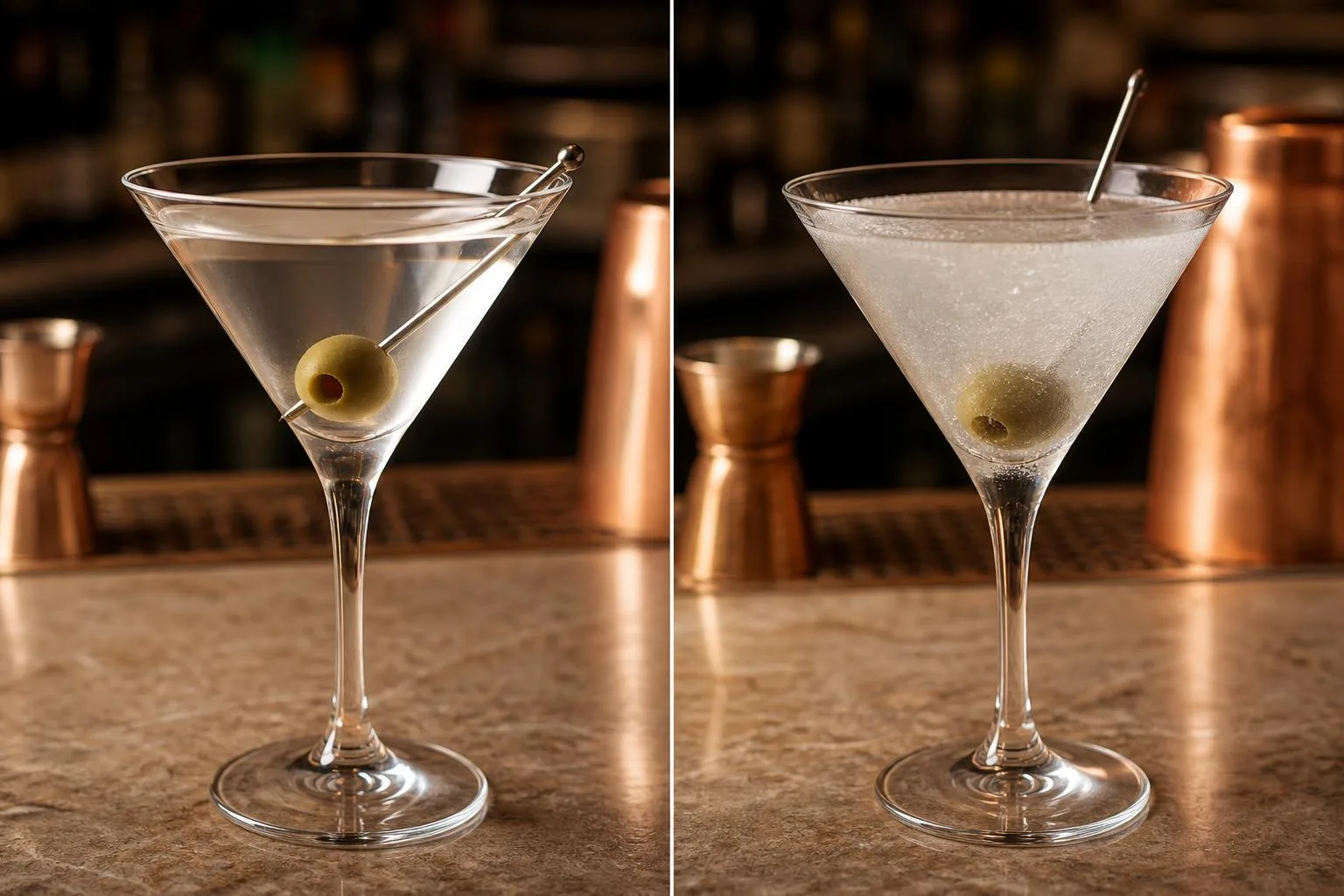
The biggest mistake is treating bruising as a mysterious chemical damage. Most of what bartenders call bruising is physical: ice melts, air is forced into the drink, and tiny bubbles or ice shards change mouthfeel and appearance.
Myth: Shaking Always Ruins Gin
Gin is not “damaged” by shaking. Its botanicals do not break apart in a shaker. What changes is perception: shaking adds aeration, chill, and dilution, which can make juniper and citrus notes seem sharper or less silky.
- Dry Martini: usually stirred to preserve clarity and a dense, smooth texture.
- Gimlet or Southside: usually shaken because citrus juice needs forceful mixing and aeration.
- Vesper: famously shaken in fiction, though many bars stir it for a cleaner texture.
Myth: Bruising Means the Drink Is Stronger
A bruised drink is usually not stronger. It is often more diluted. Shaking with ice can add a significant amount of water in a short time, especially when small or wet ice is used.
| Technique | Typical time | Common dilution range |
| Stirring a Martini | 20–30 seconds | About 15–25% |
| Shaking a sour-style drink | 10–15 seconds | About 20–30% |
| Hard shake with small ice | 15+ seconds | Can exceed 30% |
Mistake: Shaking Clear, Spirit-Only Drinks
Spirit-only cocktails are usually stirred because they contain ingredients with similar density and no citrus, cream, egg, or syrup-heavy component. Shaking a Manhattan or Martini can make it cloudy and thinner on the palate.
Mistake: Using Bad Ice and Blaming Bruising
Poor ice causes many “bruised” results. Small, wet, or hollow ice melts fast and fractures easily. Large, cold cubes control dilution better and reduce unwanted shards in stirred drinks.
- Use fresh, solid ice directly from the freezer.
- Avoid ice that has been sitting in meltwater.
- Do not overfill a mixing glass so much that stirring becomes choppy.
- Fine-strain shaken drinks when ice chips would hurt texture.
Myth: All Cloudiness Is Bad
Cloudiness is not always a flaw. A Daiquiri, Margarita, Whiskey Sour, or Ramos Gin Fizz should look aerated because shaking integrates juice, sugar, and sometimes egg white or cream. In those drinks, aeration is technique, not damage.
Frequently Asked Questions
What does bruising mean in bartending?
Bruising means over-agitating a drink—usually by shaking or stirring too hard or too long—so the cocktail becomes overly diluted, aerated, cloudy, or texturally thin.
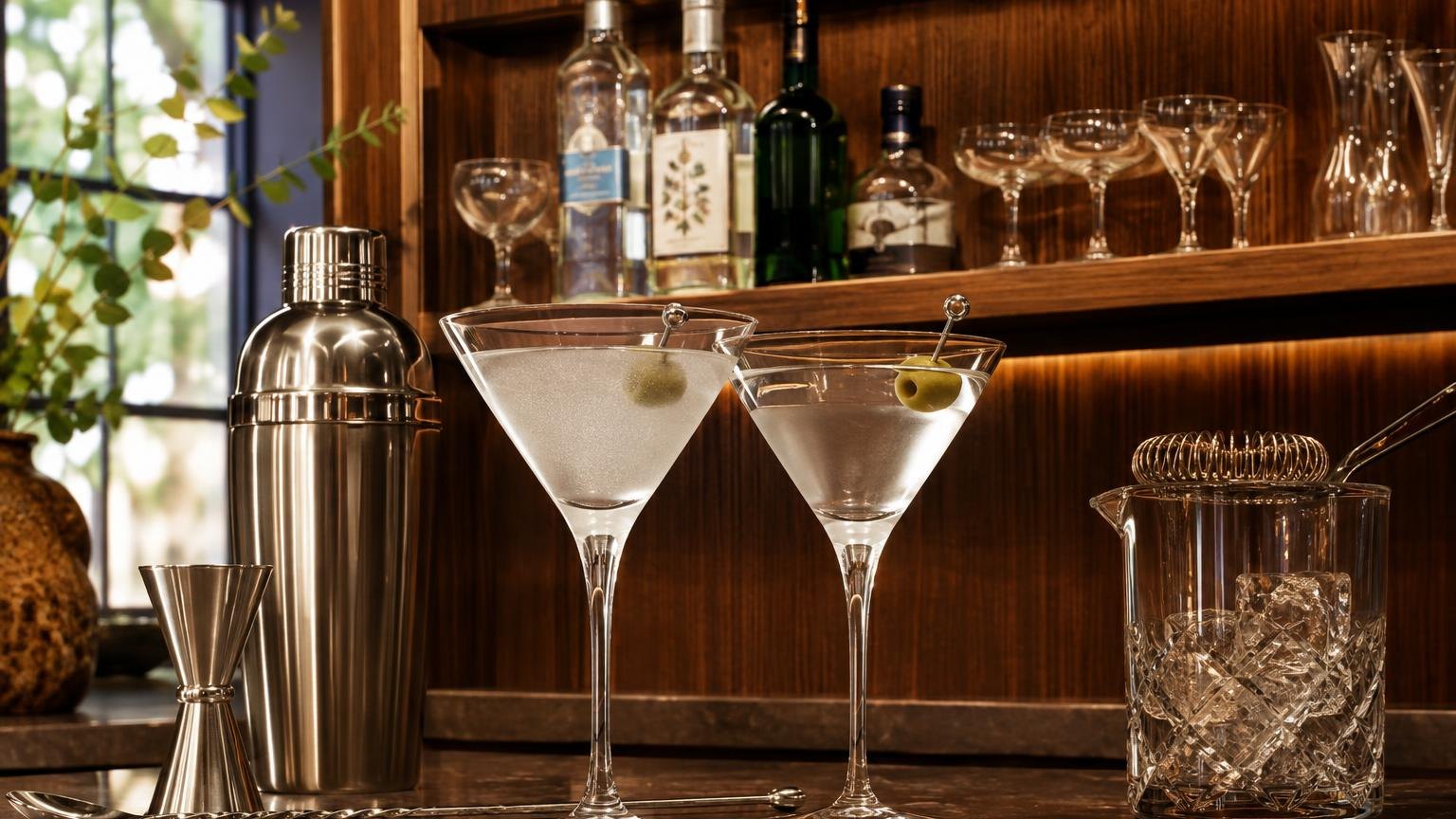
Bartenders most often use the term for spirit-forward drinks like a Martini or Manhattan, where clarity and a silky texture are part of the expected presentation.
Can you actually bruise gin or vodka?
No, gin and vodka do not “bruise” chemically in the way fruit bruises; ethanol and water are not damaged by shaking.
What changes is the drink’s physical structure: tiny air bubbles, ice-chip fragments, and extra water can make a clear Martini look cloudy and taste softer or flatter.
How does bruising affect the taste of a cocktail?
Bruising can mute aromatics, increase dilution, and change mouthfeel, especially in drinks made mostly from spirits.
For example, a Martini stirred for about 20–30 seconds typically reaches proper chill and dilution, while aggressive shaking can introduce more air and water, making the drink less clean and precise.
Which cocktails are most at risk of being bruised?
Spirit-only cocktails are the most sensitive, including Martinis, Manhattans, Negronis, and Old Fashioneds.
Drinks containing citrus, egg white, cream, or fruit juice—such as Daiquiris, Margaritas, and Whiskey Sours—are meant to be shaken hard, so aeration is usually desirable rather than a flaw.
How do bartenders avoid bruising a drink?
Bartenders avoid bruising by matching the technique to the recipe: stir clear, spirit-forward cocktails and shake cloudy, juice-based cocktails.
Using solid cold ice, controlled stirring, and stopping once the mixing glass is well chilled helps achieve dilution without excessive aeration or ice breakage.
Related Reading
- How To Start Your Own Wine Brand?
- How Much Is 1 Stone In Pounds?
- How Many Truly Hard Seltzers To Get Drunk?
- How Many Ounces In A Gallon? The Only Complete, Real-World Guide You’ll Ever Need
- How Many Ounces Is 140 Ml?
- How Many Quarts Is 96 Oz?
- How To Smoke A Cigar?
- All Blog Guides
- U.S. Food and Drug Administration Food Code (2022)
- Centers for Disease Control and Prevention Norovirus Prevention (2024)
- NIH PubMed: Effects of Ethanol on Taste Perception (2017)
- International Bartenders Association Official Cocktails (2024)
- Dave Arnold, Liquid Intelligence, W. W. Norton (2014)
- Difford’s Guide: Shaken or Stirred Cocktails (2024)
- Serious Eats: The Science of Shaking Cocktails (2014)




4 thoughts on “What Does Bruising Mean in Bartending? 17 Things Every Bartender Should Know (2026 Guide)”
Dia duit, theastaigh uaim do phraghas a fháil.
Dia duit. Cén táirge nó seirbhís a bhfuil praghas uait air?
Awesome! Its genuinely remarkable post, I have got much clear idea regarding from this post
That’s fantastic to hear! I’m really happy that the post helped clarify things for you. Thanks for taking the time to leave a comment!